filter_list Showing 53 results for "Surge" close Clear
search
dashboard All 53 museum exhibitions 26trending_up market 12article culture 6article local 3article news 2person people 2rate_review review 2
date_range Range Today This Week This Month All
Subscribe

Confronting audiences with the real history

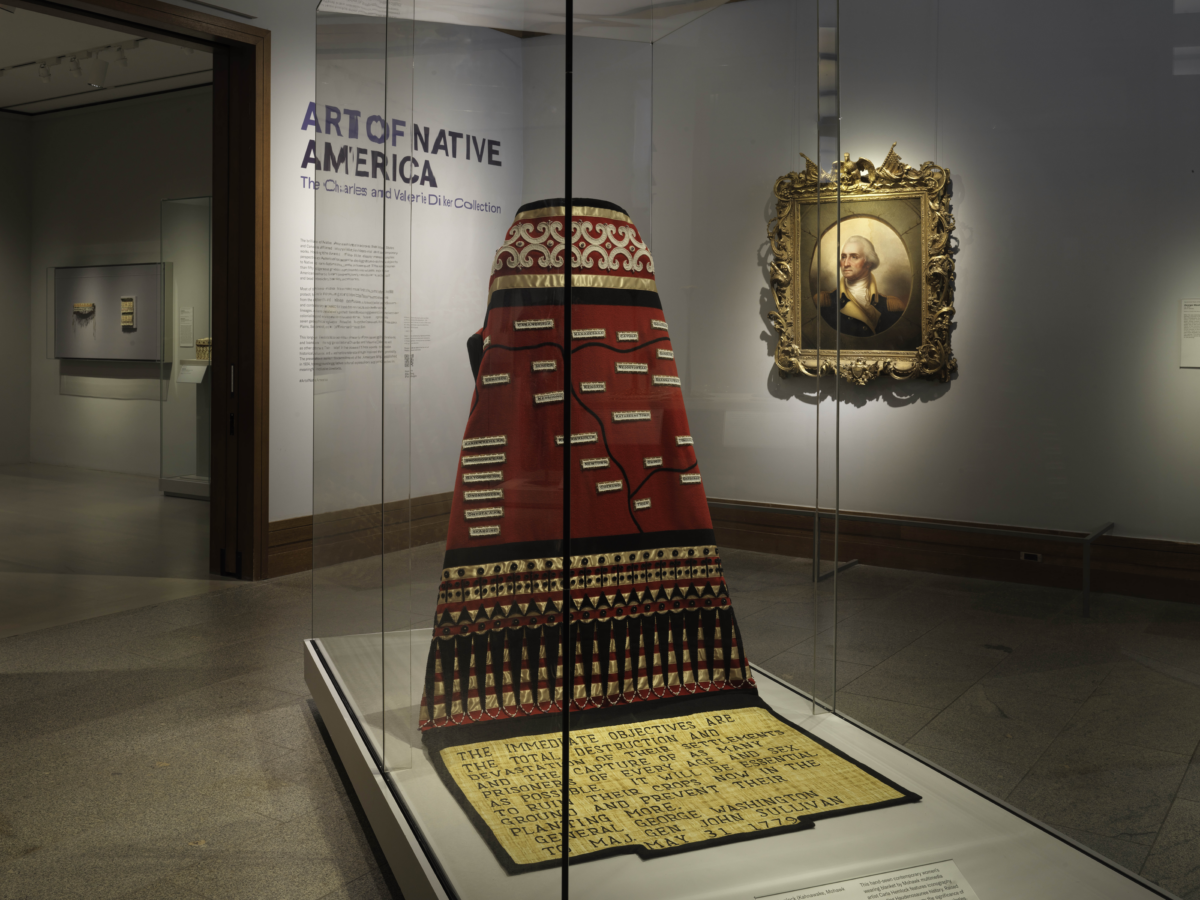
Carla Hemlock, a Kanien’keha:ka artist, has seen a surge in interest from curators and institutions, allowing her to work at her own pace. Her collaborative installation with her son, filmmaker Raohserahawi Hemlock, titled *In the Arms of the Natural World*, has been donated to the Montreal Museum of Fine Arts (MMFA) and is now on view in the exhibition *Rising Suns: Art from the Confederacies of the Great Lakes and Rivers*. The piece, featuring three quilts and two films, explores the legacy of residential schools with what the artists describe as absolute delicacy and care.
How Frida Kahlo Became This Year's Cultural Obsession

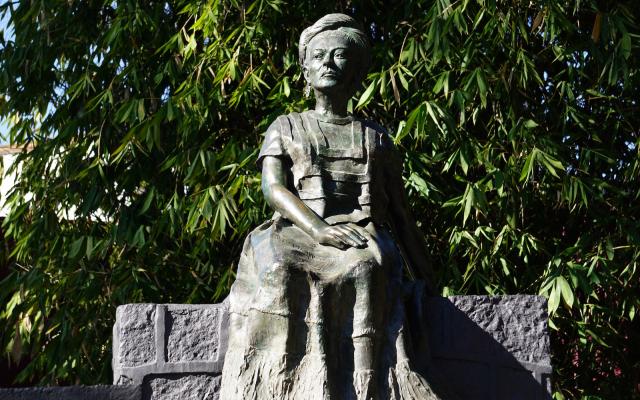
In 2026, Frida Kahlo has become a global cultural obsession, with museums, opera houses, and cinemas worldwide celebrating her legacy. The Metropolitan Opera in New York City will premiere Gabriela Lena Frank's Spanish-sung opera *El Último Sueño de Frida y Diego* on May 14, which imagines Diego Rivera summoning Kahlo back to life three years after her death. Set and costume designer Jon Bausor drew inspiration from the trees, veins, and cracked imagery in Kahlo's paintings.

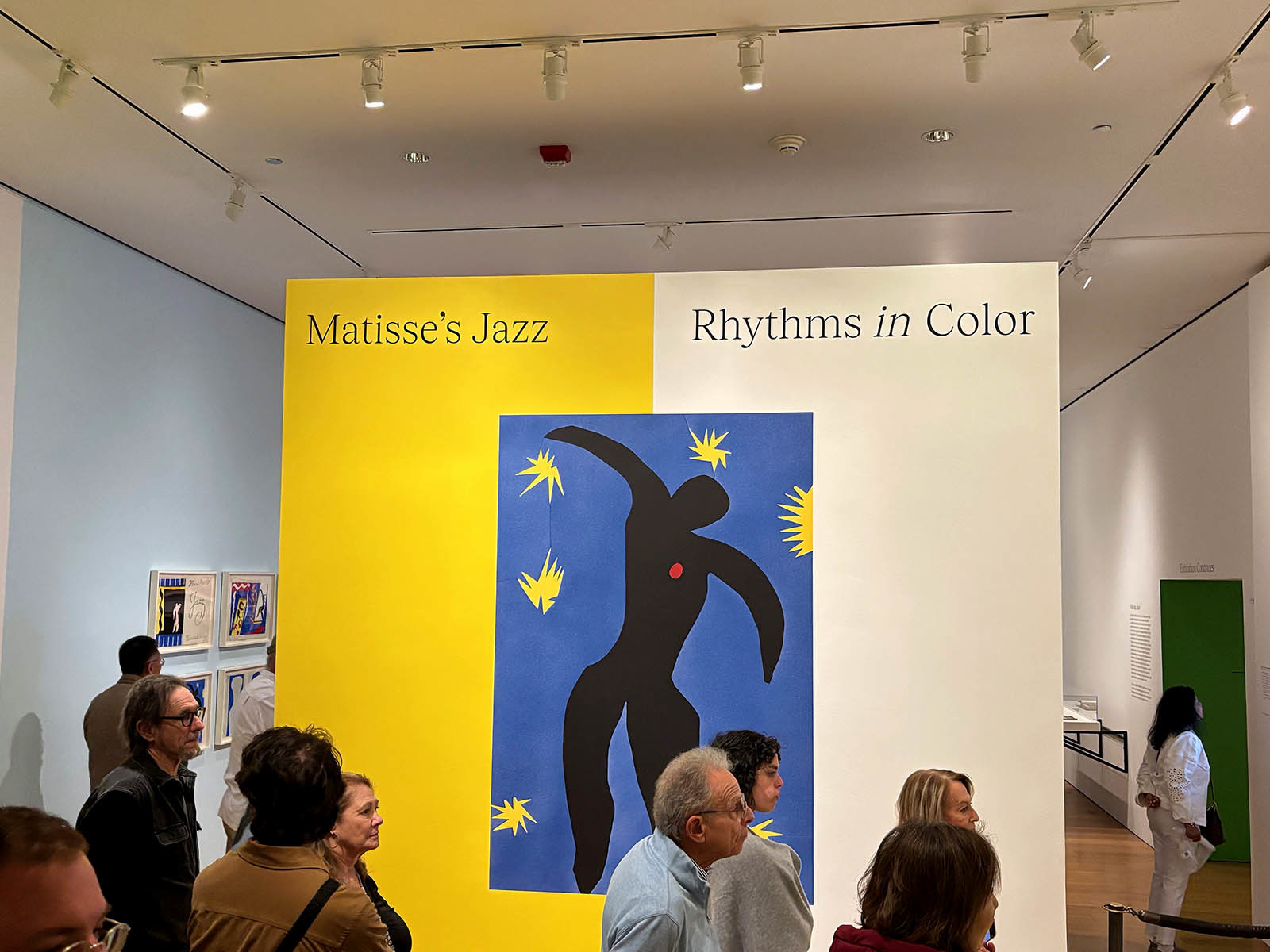
There's still a time to catch Matisse's "Jazz" at the Art Institute of Chicago

The Art Institute of Chicago is currently hosting "Matisse's Jazz: Rhythms in Color," an exhibition centered on Henri Matisse's 1947 artist's book "Jazz." The show, on view until June 1, features the iconic cut-paper works Matisse created after a 1941 surgery left him unable to paint. Visitors enter directly into the "Jazz" gallery before backtracking through earlier works, offering a chronological journey that culminates in the cut-paper technique. Wait times can exceed 90 minutes, but the museum recommends joining a virtual queue and exploring other galleries in the meantime.

Art Market Auctions Recovered Late 2025, But Not A "Comeback" – Citi Wealth

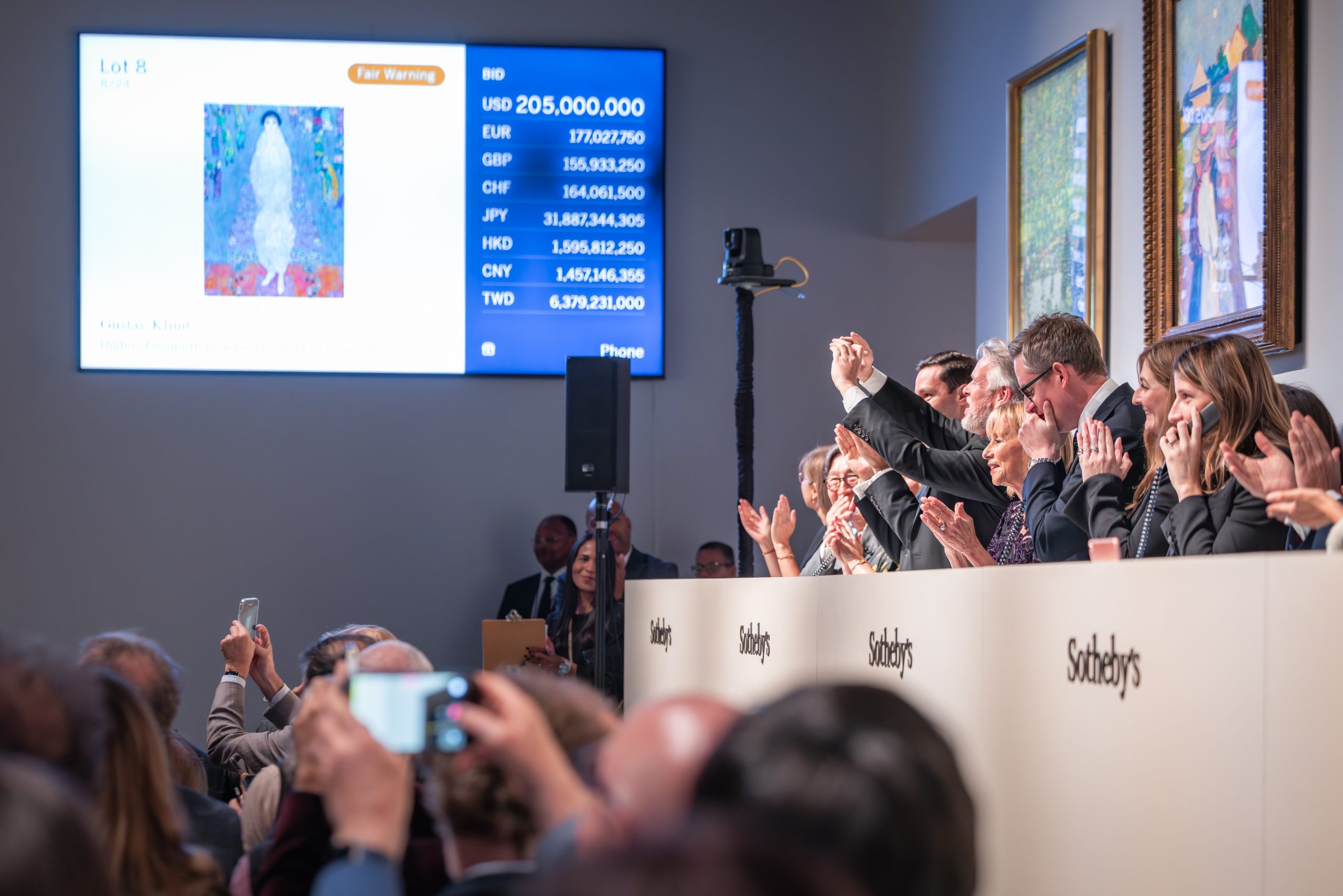
Citi Wealth's report, "State of the Art Market 2026: Don’t Call It A Comeback," finds that the global art market entered 2026 with renewed optimism, but confidence is highly selective and concentrated at the high and accessible ends. The November 2025 Modern and Contemporary Art auctions in New York surged 77% year-on-year to $2.2 billion, driven by the record-breaking $236.4 million sale of Gustav Klimt's *Portrait of Elisabeth Lederer* from the Leonard Lauder collection. However, numerous galleries closed in 2025, including BLUM gallery and Venus Over Manhattan, and traditional hubs like London and New York face slow growth while emerging regions gain influence.

Beyond the Mission Statement: Everhart Museum

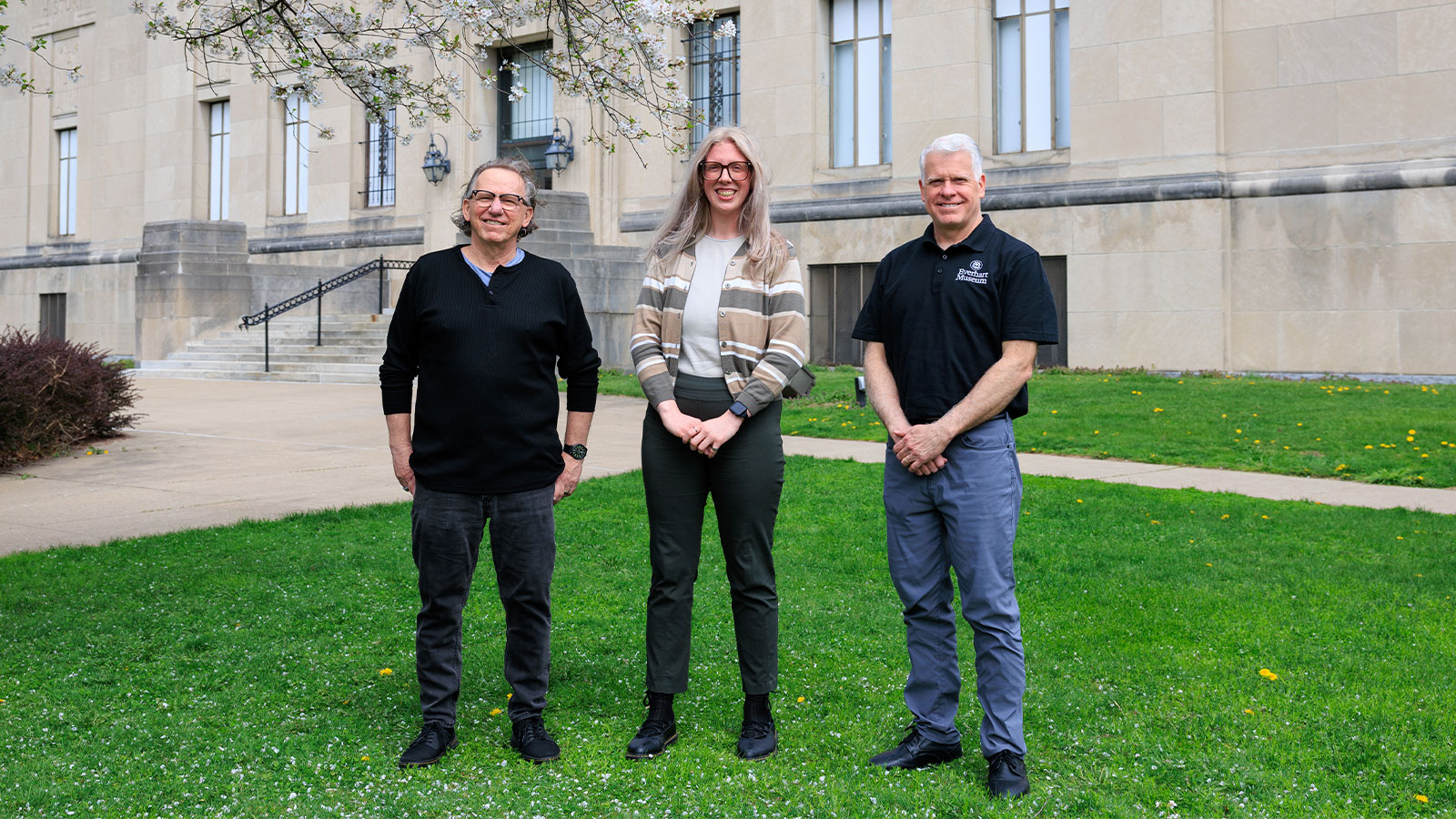
The Everhart Museum in Scranton, Pennsylvania, celebrates 119 years of connecting the community to art, science, and natural history. Founded in 1908 by Civil War surgeon Dr. Isaiah Everhart, the museum has evolved from a cultural centerpiece during the Industrial Revolution into a regional attraction featuring fossils, taxidermy, folk art, and traveling exhibits. Recent highlights include a NASA exhibit that brought astronaut Paul Richards back to the museum where he first visited as a child, and the museum's folk art collection is noted as one of the best in the country, with pieces borrowed by major institutions like the Philadelphia Museum of Art.

Comment | Degenerate art all over again? Nazi attack on Modern art is not far away from trends in today’s world

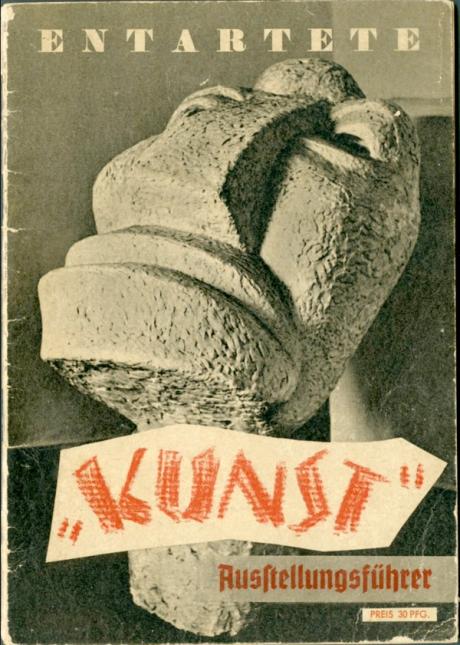
The article draws a provocative parallel between the Nazi regime's attack on modern art—epitomized by the 1937 "Degenerate Art" (Entartete Kunst) exhibition—and contemporary political aesthetics, particularly around President Donald Trump. It traces the Nazi party's early use of visual spectacle, mass rallies, and monumental art to forge a national identity, contrasting this with Trump's proposed National Garden for American Heroes and stalled White House Ballroom, which the author dismisses as kitsch but lacking the cohesive fascist aesthetic of Albert Speer's masterplans.

Rafał Zajko Is Hatching a Plan

Rafał Zajko's exhibition 'The Egg Egg' at Arsenal Gallery in Białystok, Poland, brings together 50 works from the past decade across two floors of a former power station, organized into nine 'acts'. The show features modular installations like 'Funny Games' (2025), a set of pastel-colored platforms on wheels with ceramic reliefs, and monumental sculptures such as 'Sisyphus' (2025), a suspended ceramic bobbin evoking textile factory tools. Performances by Agnieszka Szczotka, including 'Song to the Siren' (2026), activate works like 'Amber Chamber III Echo' (2025), blending archaism, futurism, and themes of labor and technology.

Finding art in the uncanny aesthetics of MAGA

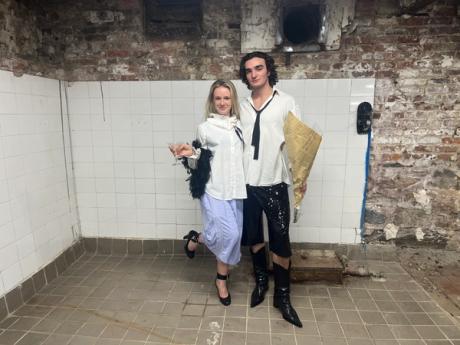
Spielzeug gallery, founded in 2025 in Bushwick by Evan Karas and Eleanor Hicks, opened a pop-up show titled MAR-A-LAGO FACE on May 13 at a former restaurant on Allen Street in New York. The exhibition critiques the plastic-surgery aesthetics associated with Republican figures like Matt Gaetz, Laura Loomer, Kimberly Guilfoyle, and Kristi Noem, featuring works by queer, trans, and Latin American artists. The opening blurred the line between exhibition and party, with a DJ, themed drinks, and a bouncer checking bags.

Go big or go home: how The Lost Giants revived the ancient art of goliath-making

The Lost Giants (TLG), an art collective based in Lostwithiel, Cornwall, is reviving the British tradition of making processional giants—large, community-built figures made from wood, cloth, and papier-mâché. Founded three years ago by theatre designer Ruth Webb and her sister-in-law Amy Webb, the group has created giants for events ranging from local lantern parades to a harvest procession at Hauser & Wirth’s Somerset gallery. This New Year’s Eve, environmentalist Lisa Schneidau joined a massive procession of these giants in Lostwithiel, describing it as an extraordinary experience. The collective recently issued a public callout for an environmental group to collaborate on making a new beastie.

Stitches in time: the artist chronicling the DRC’s blood-soaked history in tapestry

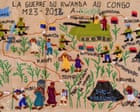
Lucie Kamusekera, an 82-year-old artist in Goma, Democratic Republic of the Congo, creates embroidered tapestries on tobacco sacks that chronicle the country's violent history. Born in 1944 and taught sewing by Italian nuns, she began documenting contemporary conflicts after witnessing a military truck filled with corpses. Her more than 70 works depict events from the colonial Belgian Congo era to the 1961 assassination of Patrice Lumumba and the second Congo war, as well as personal tragedies including her husband's murder by rebels. Despite ongoing danger from rebel offensives, she continues to stitch from her home studio, training her children and great-granddaughter to carry on her work.

Yalda Afsah “Surge” at Kunsthal Thy, Hurup Thy

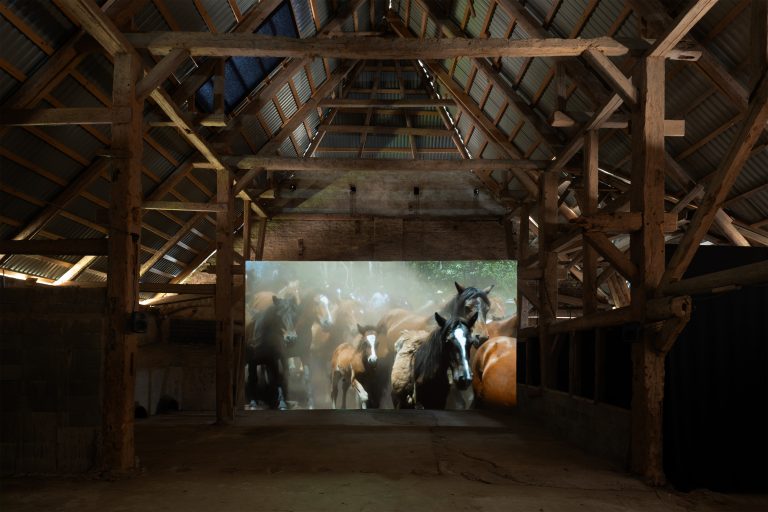
Yalda Afsah presents her first exhibition in Denmark, titled "Surge," at Kunsthal Thy. The show features two video works: "Curro" (2023), which explores human relationships with animals, and "Jarramplas" (2025), which initiates a new series centered on rituals and communal social dynamics.

Winnipeg exhibition traces the revival of Red River Métis beadwork

The exhibition 'Beading Métis Resurgence' at the University of Winnipeg's Gallery 1C03 showcases the work of renowned Métis artist Jennine Krauchi alongside four emerging Red River Métis beadworkers she has mentored. Curated by gallery director Jennifer Gibson and history professor Cathy Mattes, the show features Krauchi's centerpiece work 'The Lady'—a beaded coat, muff, hat, and boots—and explores beadwork as contemporary art, cultural knowledge, and intergenerational practice. The exhibition runs until July 10 and includes a table and chairs evoking the kitchen-table lessons where Krauchi passed down her skills.

Why is contemporary art afraid of the present?

Warum fürchtet sich die Gegenwartskunst vor der Gegenwart?

The article critiques the 2024 Whitney Biennial, which emphasizes themes of compassion, vulnerability, and community. It argues that the exhibition feels like a capitulation to reality, failing to confront the rise of contemporary fascism and the political urgency of the present moment.

Museum of the Moving Image announces record attendance

Museum of the Moving Image (MoMI) in Astoria, New York, announced record attendance of 311,000 visitors in 2025, a 105% increase from 2024 and a 147% increase from 2023. The opening day of the exhibition 'Stories and Set Design for the Sopranos' on February 14, 2026, marked the highest single-day attendance in the museum's history, with 3,600 visitors. Growth was driven by special programs like the 'Open Worlds' initiative, community events such as Lunar New Year and Iftar celebrations, and popular exhibitions including 'Mission: Impossible—Story and Spectacle,' which drew over 81,500 guests. The museum also hosted more than 500 screenings in its upgraded Sumner M. Redstone Theater.

Australian Indigenous Art Speaks to Contemporary Concerns

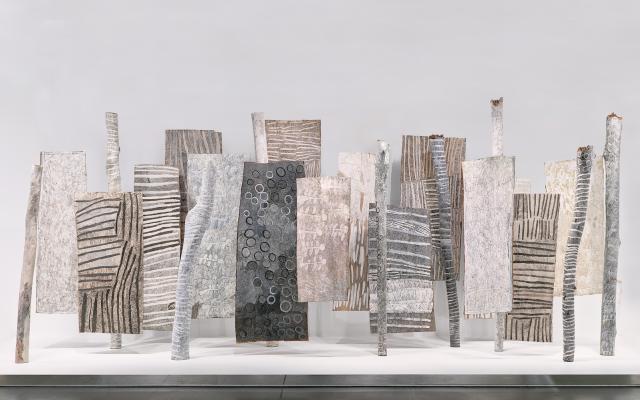
The National Gallery of Victoria (NGV) in Melbourne, in collaboration with the National Gallery (NGA) in Washington, D.C., has organized 'The Stars We Do Not See,' the largest and most comprehensive exhibition of Australian Indigenous art ever shown outside Australia. Opening in Washington on October 25 and running through March 1, 2026, the show features over 200 works from the 19th century to the present, including 130 of the NGV's most prized pieces by revered artists from across Australia. The title is inspired by late Yolŋu artist Gulumbu Yunupiŋu, known for her celestial mappings, and the exhibition will travel to several U.S. cities and Toronto over two and a half years.

Evidence of Evolution at QUEUE Gallery, Miami

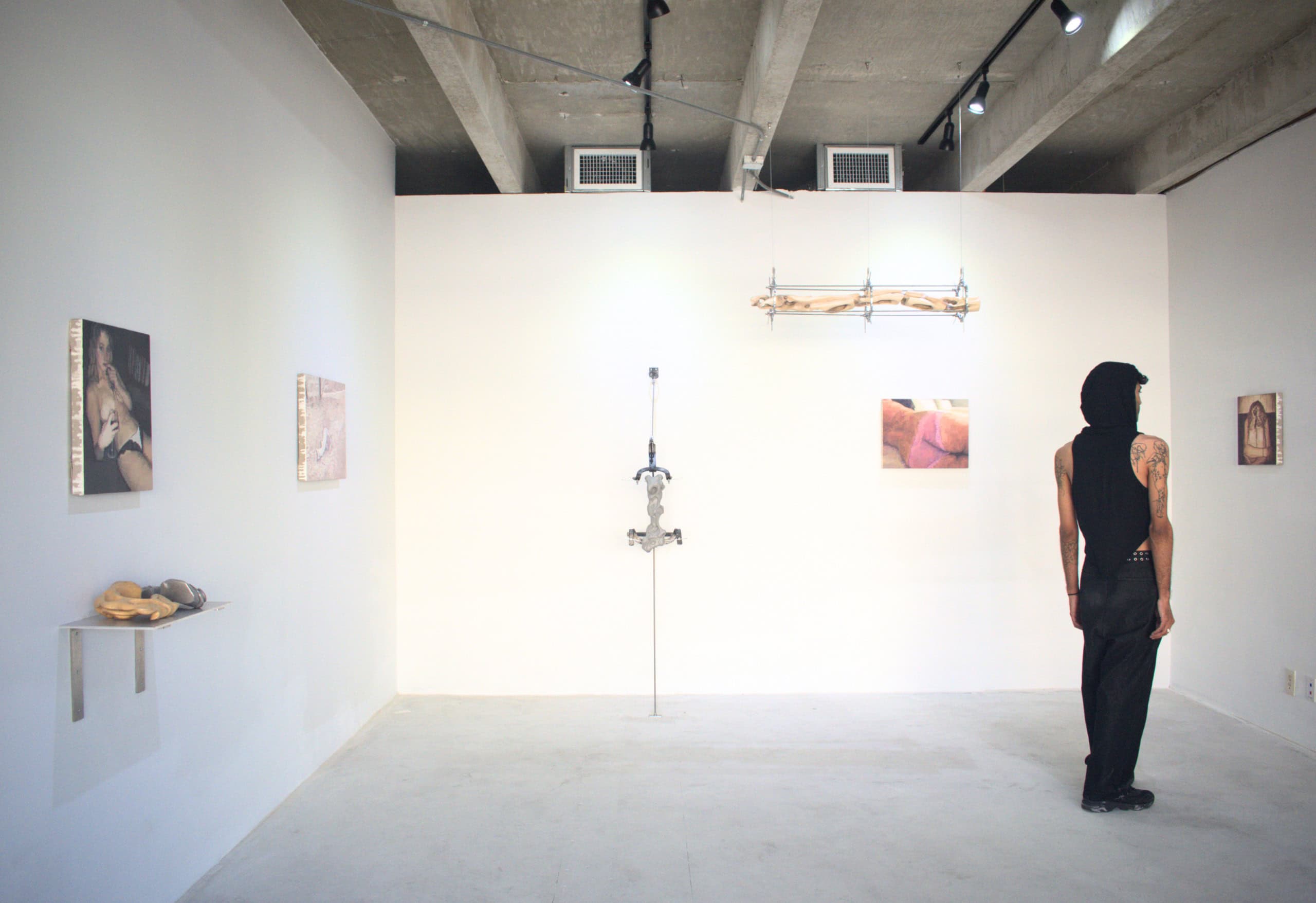
QUEUE Gallery in Miami is presenting 'Evidence of Evolution,' a two-person exhibition featuring Fharid LaTorre’s hand-carved wood and metal sculptures alongside Jamieson Pearl’s oil-on-linen paintings. LaTorre’s works, such as 'showing slivers & taking off skin for sake of dopamine layer of diophantine equations' (2026), use scavenged metal and burl wood to evoke surgical transformations and bodily stress, while Pearl’s paintings depict glitch-blocked internet microcelebrities and screenshots from LiveLeak pornos, rendered freehand in distorted blocks. The show runs at QUEUE’s new location above Tunnel Projects in Miami.

Art Collectors Bet on Known Quantities Amid Market Reset

The Impressionist and Modern art category became the most lucrative market segment in 2025, generating $4.7 billion in sales—a 29.5% increase from 2024—as collectors favored established names amid a cautious market. The $10-million-plus bracket surged 68.6% to $1.5 billion, while the number of lots sold hit a decade high of 122,213. Postwar and contemporary art ranked second with $4.1 billion, but its average price per lot dropped to a decade low of $23,027. Old Masters saw a 41.2% rise to $708.6 million, partly driven by the Thomas A. Saunders III collection at Sotheby’s, though that sale fell short of estimates. Ultra-contemporary art continued its four-year decline, falling 26.5% to $229.9 million, with average prices tumbling 72.4% from their 2021 peak.

The Arts Center At Duck Creek Presents ‘Residual Light’ Group Exhibit & ‘What The Garden Remembers,’ A Solo Exhibition By Avani Patel

The Arts Center at Duck Creek in Springs presents two concurrent exhibitions opening May 9 through June 14. 'Residual Light' is a group show curated by Galina Kurlat and Andrea Cote, featuring eight female artists working with alternative photographic processes and camera-less techniques. 'What the Garden Remembers' is a solo exhibition by Avani Patel, displaying paintings and drawings that explore memory, ecology, and nature. Both exhibitions include opening receptions, artist talks, and a cyanotype demonstration.

Stuart Robertson’s latest works derive from the art of ophthalmology

British artist Stuart Robertson's solo exhibition 'Through The Artist’s Eye' at Bikaner House in Delhi showcases works created during an 18-month residency at Dr Shroff’s Charity Eye Hospital in Daryaganj. The show features photography, drawings, bronze sculptures, and cyanotype prints capturing the daily life of the hospital, its patients, staff, and the surrounding Chandni Chowk neighborhood. Robertson initially sold two watercolor works to a Delhi-based eye surgeon, donated the earnings to the hospital, and was subsequently invited to become an artist-in-residence.

The Korean Artist Park Daesung Is In the Spotlight at 81

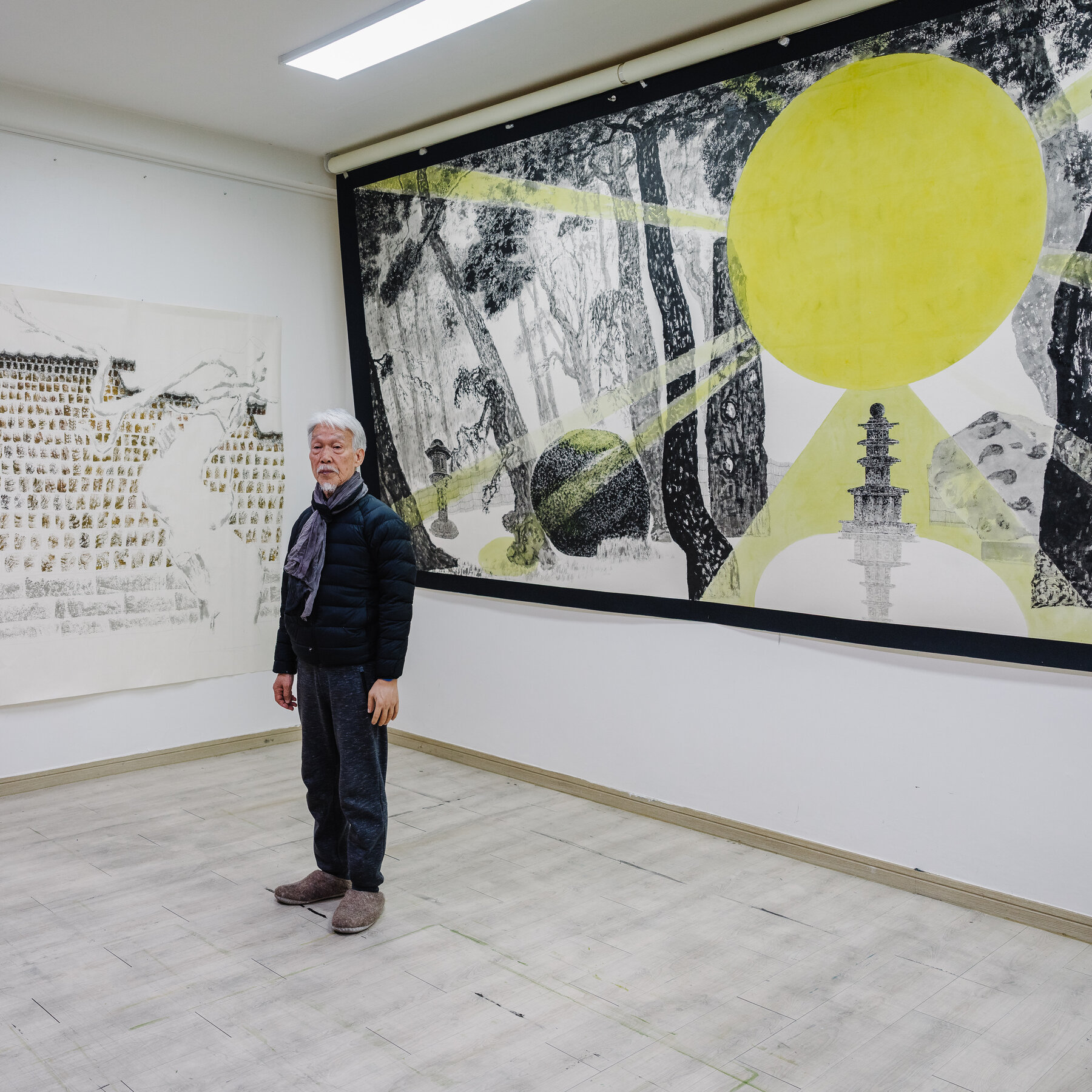
The Korean artist Park Daesung, now nearly 81 years old, is experiencing a surge of international attention. His works have recently been featured in exhibitions across major cities including Chicago, London, Washington, and Los Angeles, and are now set to be shown at TEFAF New York.

A review of the 2026 Venice Biennale without naming a single artist

Una recensione della Biennale di Venezia 2026 senza nominare neppure un artista

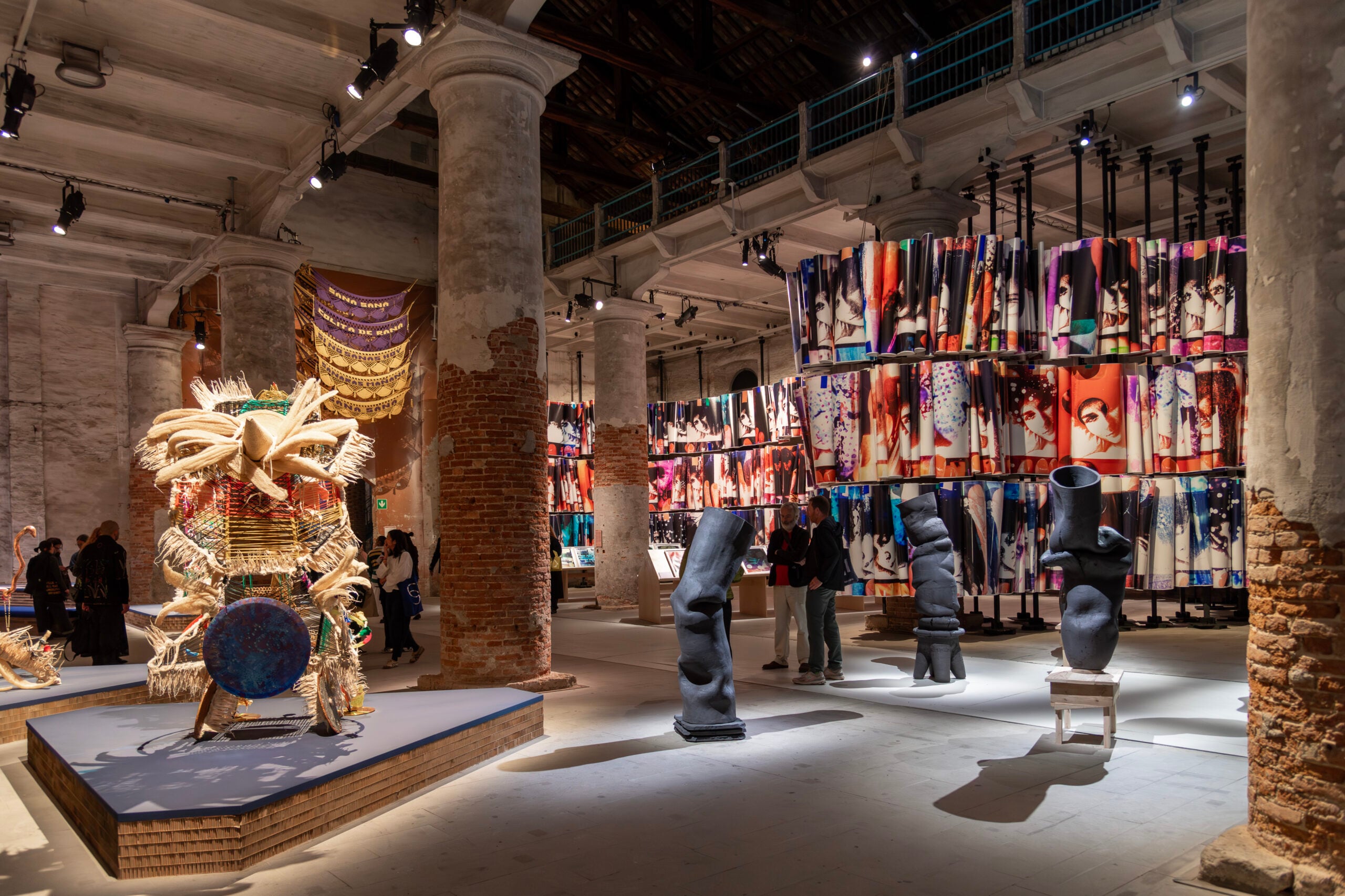
This review of the 2026 Venice Biennale describes an exhibition that overcame dire circumstances—the death of curator Koyo Kouoh early in preparations, losses of key artists, and international political controversies—to deliver a surprisingly joyful and engaging show. Titled "In Minor Keys," the Biennale features a well-conceived, flowing presentation across the Giardini and Arsenale that prioritizes beauty, craftsmanship, and hope over a punitive or documentary tone.

Art exhibition shines light on Romani persecution during Holocaust

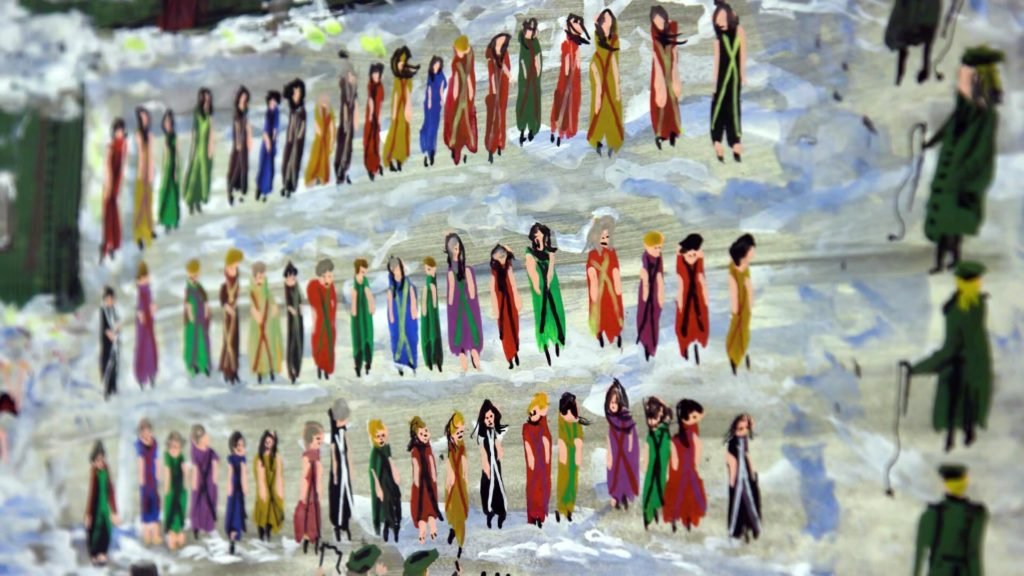
An exhibition titled "Ceija Stojka: Making Visible" at The Drawing Center in New York City highlights the persecution of Roma and Sinti people during the Holocaust, a lesser-known chapter of Nazi atrocities. The show features paintings and drawings by Ceija Stojka, a Romani artist, writer, and activist who survived the genocide and died in 2013 at age 79. Her works, described as acts of memory and imagination rather than documentary, depict her experiences and stories passed down to her, with the exhibition also including documentary films by Karin Berger and Stojka's writings, such as her 1988 memoir "We Live in Secrecy."

David Sainsbury’s £90mn gift heralds a boom in museum mega-donations

David Sainsbury, the supermarket heir and philanthropist, has donated £90 million to fund the renewal of the Sainsbury Centre in Norwich. This gift is the latest in a series of substantial donations to UK museums, signaling a surge in mega-donations from wealthy individuals supporting cultural institutions.