filter_list Showing 55 results for "tariffs" close Clear
dashboard All 55 trending_up market 36museum exhibitions 7article news 6article policy 4article local 1article culture 1
date_range Range Today This Week This Month All
Subscribe

Irreconcilable differences: Canadian cultural tourism to the US experiences a steep decline

Canadian tourism to the United States has plummeted by more than 30% following a period of heightened political tension, including threats of annexation and the imposition of trade tariffs by the Trump administration. This decline is being felt acutely across the northern border states and major cultural hubs, with cities like Seattle, Detroit, and Portland reporting significant drops in Canadian visitors.
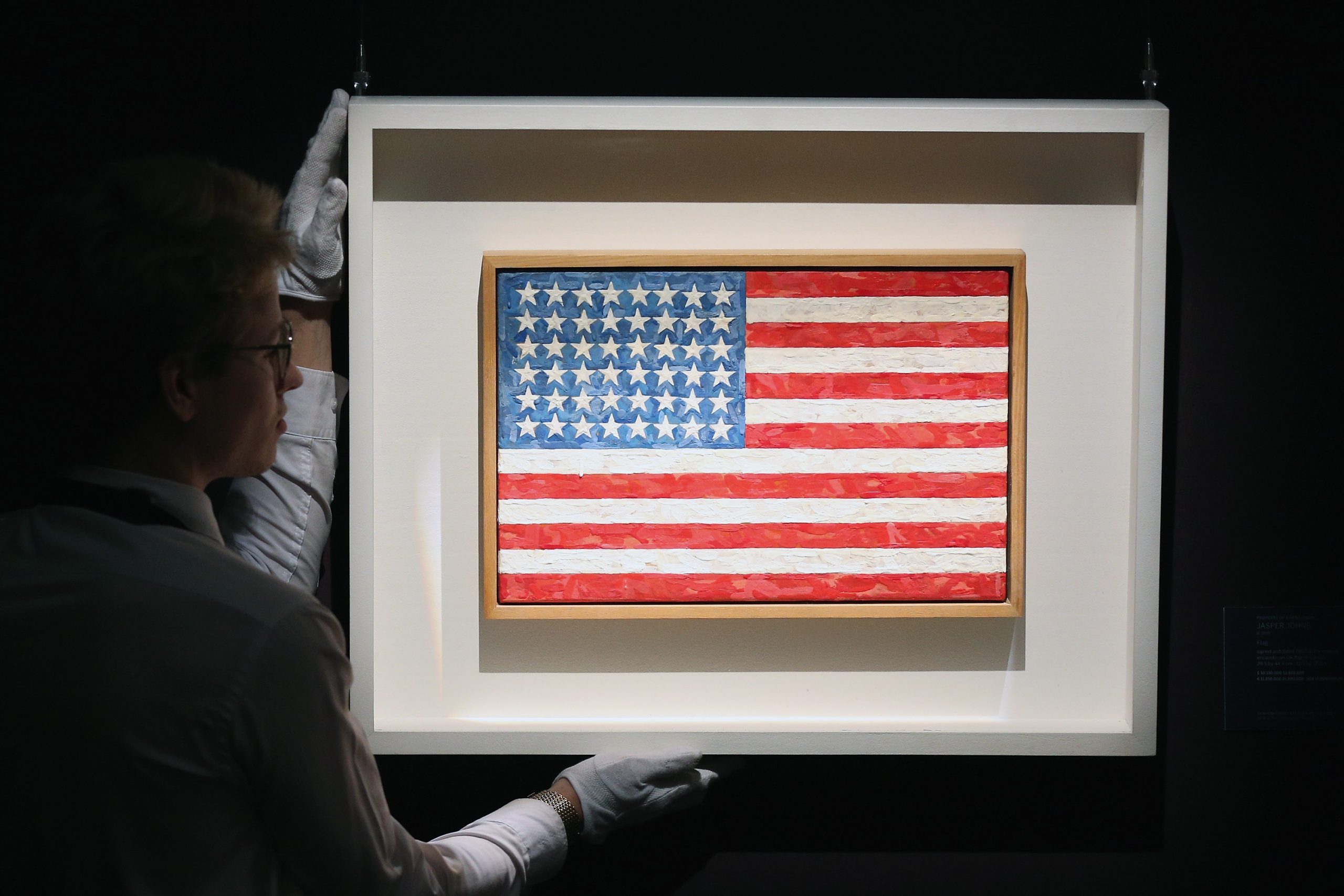
Which Country’s Art Market Came Out on Top in 2025?

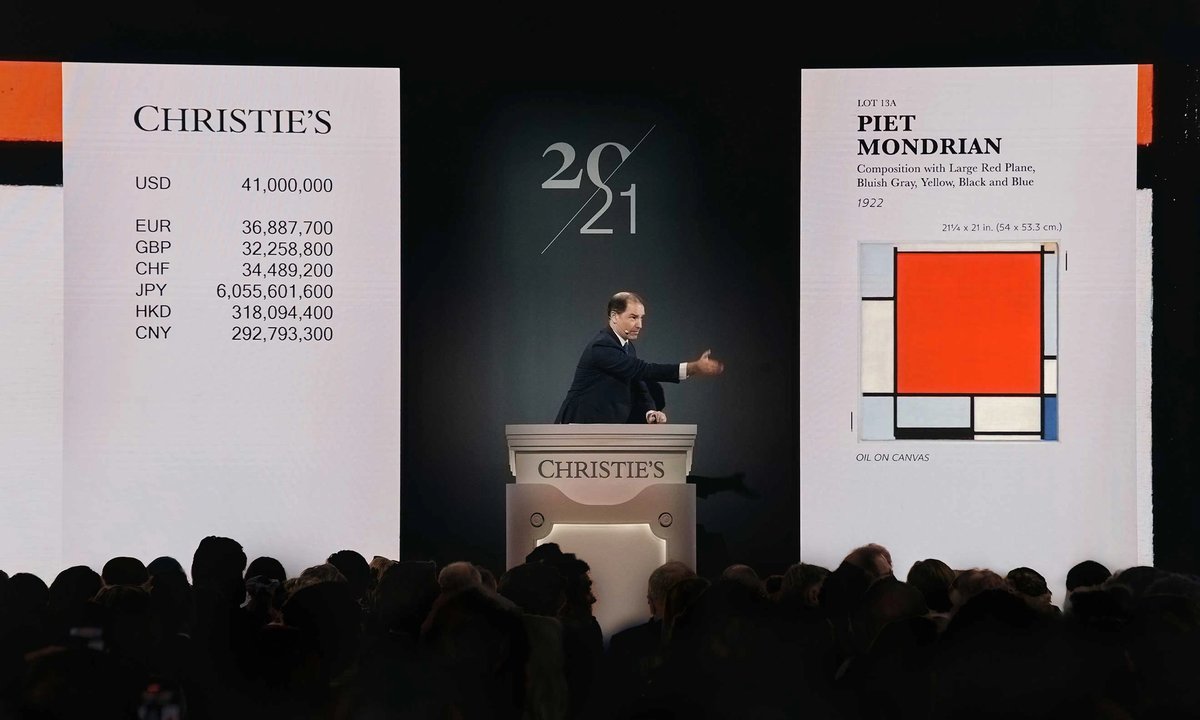
The United States solidified its position as the world's leading art market in 2025, with fine-art auction sales rising 25.3 percent to reach $5.4 billion. Despite early volatility caused by trade tariffs, a surging stock market and cooling inflation fueled a massive November auction season in New York, where nine of the year's ten most expensive artworks were sold. In contrast, China's market contracted by nearly 11 percent due to a persistent property crisis, while the United Kingdom and France saw significant growth, with Paris benefiting from the momentum of Art Basel Paris.

Heists, Records, and Robots. A Subjective Summary of the Art World in 2025.

The article reviews the art world in 2025, highlighting a mixed year of declining sales values and cautious buyers, yet punctuated by record-breaking auctions and dramatic events. Fine art auction sales in the first half of 2025 totaled $4.7 billion, an 8.8% drop from 2024, with the average lot price falling to a decade-low of $24,224, indicating a shift toward lower-value works and younger collectors. Major sales included Gustav Klimt's Portrait of Elisabeth Lederer, which sold for $236 million at Sotheby's, becoming the second most expensive artwork ever auctioned, and Frida Kahlo's El sueño, which set a new auction record for a female artist at $55 million. The market was also unsettled by U.S. trade tariffs and economic uncertainty, while a daring heist and debates around AI art captured public attention.

emerging risks art collecting insure against 1234755776

Private Client Select (PCS), an insurance partner for serious art collectors, highlights the growing complexity of protecting fine art and collectibles. The article details unusual but real claims—such as a conceptual artwork mistaken for trash, a fiber work unraveled by a cat, or a sculpture damaged by a housekeeper—alongside more common risks like climate damage, transit mishaps, and theft. PCS's Art Services team, led by Senior Vice President Muys Snijders, offers proactive risk management, coordinating conservators, appraisers, and storage solutions. Emerging threats include climate change (wildfires, floods), social media exposure, financial complexities (tariffs, collateral lending), and material degradation of contemporary works using nontraditional materials.

art shipping in turmoil as tariffs trigger delays 2636325

President Trump's tariff policies are causing significant disruption in the art shipping industry, despite artworks themselves remaining largely exempt from import taxes under U.S. law. While Section 1702(b) of the IEEPA protects artworks, books, and films from presidential trade restrictions, antiques and design objects are subject to a 10 percent universal tariff, creating confusion for customs officers. Meanwhile, changes to de minimis rules—lowering the threshold for formal customs processing from $2,500 to $800—have forced DHL to temporarily suspend certain shipments and caused multi-day delays. Smaller art dealers relying on global logistics firms are particularly affected, as bespoke fine-art shippers like Crozier, UOVO, and Cadogan Tate are often too expensive for lower-value works under $10,000.

us supreme court strikes down trumps tariffs art market 1234774032

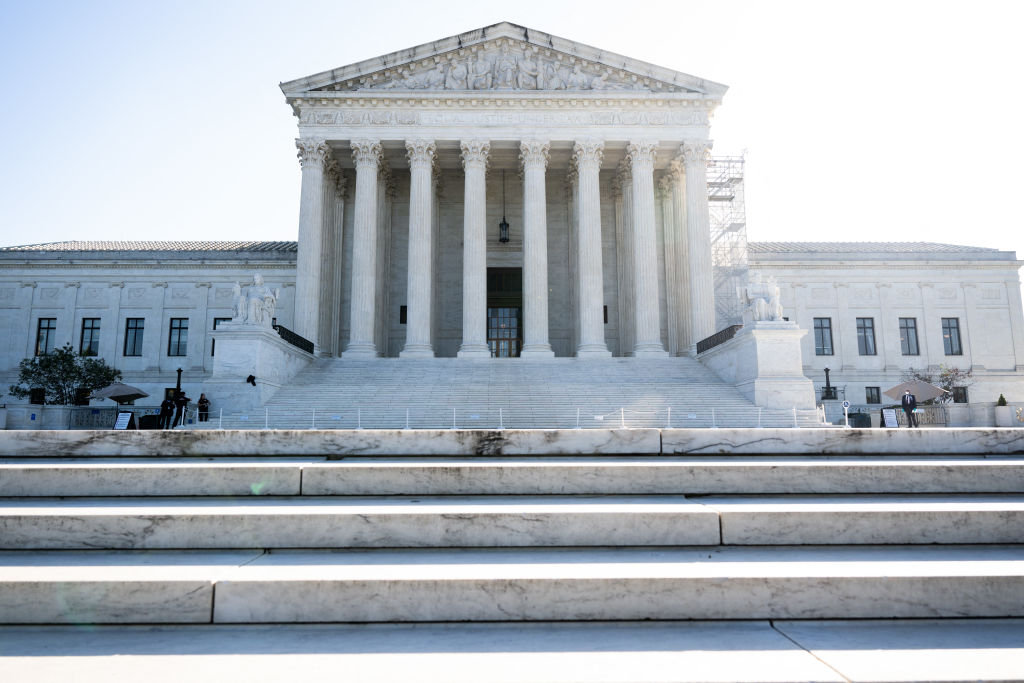
The U.S. Supreme Court has struck down a series of sweeping tariffs imposed by the Trump administration, ruling in a 6-3 decision that the executive branch exceeded its authority. Chief Justice John Roberts, writing for the majority, stated that the International Emergency Economic Powers Act (IEEPA) does not grant the president the power to unilaterally impose tariffs of unlimited scope and duration. While tariffs on steel and aluminum remain, the ruling removes the 10 percent global blanket tariff and the 25 percent reciprocal tariffs previously levied against Canada, China, and Mexico.

Buzz in New York’s art trade during Frieze week masks uncertainties

During New York's Frieze week, over a dozen art fairs opened in four days, creating a bustling atmosphere that masked underlying economic and political uncertainties. Dealers and advisers reported strong preview-day attendance and a palpable energy, with some noting that the crowded calendar and a recent US-UK trade deal helped buoy spirits. However, the art market has not returned to its 2022 peak, with auction estimates down $250 million from 2024 and high interest rates still deterring average collectors.

Art market 2025 review: all eyes on the Gulf as Trump destabilises global order

The global art market continued to contract in 2025, with prominent galleries such as Blum, Clearing, Sperone Westwater, Tilton, Kasmin, TJ Boulting, Project Native Informant, Nir Altman, and Altman Siegel closing due to challenging macroeconomic conditions. However, a rebound emerged at the top end by autumn, driven by Sotheby's white-glove sale of the Pauline Karpidas collection, strong VVIP sales at Art Basel Paris, and New York's November auctions, where Klimt's *Portrait of Elisabeth Lederer* (1914-16) sold for $236.3 million and Frida Kahlo's *El Sueño (la cama)* (1940) for $54.7 million. Christie's and Sotheby's reported increased sales from 2024, with second-half auctions up 26% year-on-year, though recovery remains uneven and concentrated in classic secondary-market tastes.

Five forces that reshaped the art market in 2025

In 2025, the art market faced significant challenges, including gallery closures and unfavorable auction results in the first three quarters, driven by geopolitical pressures such as US President Donald Trump's tariffs. However, a rebound occurred in autumn, with buoyant fairs like Frieze London and Art Basel Paris, and strong November auctions in New York totaling over USD 2 billion, carrying momentum to Art Basel Miami Beach. Key events included Gustav Klimt's *Portrait of Elisabeth Lederer* selling for USD 236.4 million at Sotheby's, a record for a Modern work, and a Frida Kahlo self-portrait setting a new record for a work by a woman. Meanwhile, several galleries closed, including Blum, Venus Over Manhattan, Clearing, Kasmin Gallery, Tilton Gallery, and Perrotin and Pace's Hong Kong outposts, while others expanded, such as Thaddaeus Ropac in Milan and Hauser & Wirth in Sicily.

Frieze Seoul’s fourth edition takes on tariffs and a tough market

The fourth edition of Frieze Seoul (3-6 September) will host around 120 galleries at the Coex convention centre in Gangnam, including mega-galleries like Gagosian, Hauser & Wirth, Pace, David Zwirner, and White Cube. The fair welcomes about 20 new exhibitors, such as 10 Chancery Lane Gallery and de Sarthe from Hong Kong, The Breeder from Athens, Carvalho from New York, Make Room from Los Angeles, and Ota Fine Arts from Tokyo. However, more than 40 galleries are not returning, including Karma, Mariane Ibrahim, Michael Werner, and Neugerriemschneider. The event unfolds amid significant political and economic turbulence in South Korea, including the impeachment of former president Yoon Suk Yeol after a martial law declaration, the election of new President Lee Jae Myung, and ongoing tariff negotiations with the United States, all contributing to a climate of uncertainty.

Amid tariff and economic struggles, the newly rebranded Beijing Art Season persevered

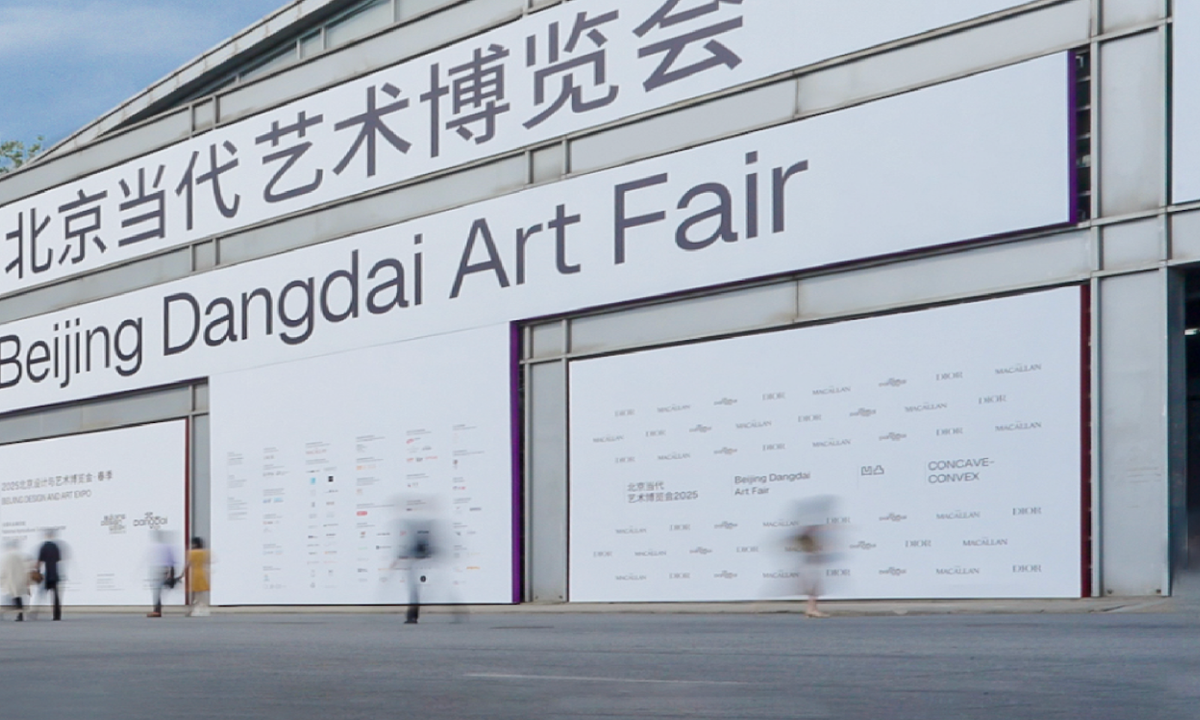
Beijing's art week, rebranded as the Beijing Art Season, ran from 22 May to 1 June, featuring three concurrent events: Art021 Beijing (formerly JingArt) at a new venue in the 798 Art District, Gallery Weekend Beijing (GWBJ), and the fair Beijing Dangdai. The 798 gallery complex merged with the adjacent 751 complex, becoming the 798 751 Art District. GWBJ scaled back this year, suspending its curated selling exhibition and international visiting sector, instead hosting only one pop-up gallery. Organizers cited economic struggles and tariffs as challenges, with gallerists reporting slower sales and cancelled US orders due to new tariffs.

sothebys fee structure trump tariffs 1234749865

A New Yorker profile of Sotheby's and its billionaire owner Patrick Drahi reveals the chaotic aftermath of the auction house's failed 2024 fee restructuring. The plan, announced in February 2024 and enacted that May, standardized seller's commissions and buyer's premiums but backfired, driving away business and causing profits to plummet. By December, Sotheby's reversed course. The article quotes former and current employees who compare Drahi's management style to Donald Trump's tariff disputes, and recounts a tense June 2024 meeting where contemporary art chairman Grégoire Billault told Drahi he was losing business, only to be told by Drahi that everyone is replaceable.

Arts Groups Speak Out Against US Trade Representative’s Potential New Tariffs

The U.S. Trade Representative, Jamieson Greer, has launched a Section 301 investigation into 60 countries to determine if forced labor practices create unfair trade advantages. This move follows President Trump’s continued push for sweeping tariffs after previous attempts were struck down by the Supreme Court. Major art organizations, including the Association of Art Museum Directors (AAMD) and Heritage Auctions, are formally petitioning for works of art and antiquities to be exempt from any resulting duties.

cuban cultural leaders international aid open letter 1234773638

More than 100 Cuban artists, curators, and cultural workers, including the nation's Culture Minister and prominent intellectuals, have issued an open letter titled "Cuba is Not a Threat" appealing for international intervention. They argue the US economic embargo, particularly restrictions on oil and fuel shipments, has crippled the island's infrastructure and exacerbated a severe humanitarian crisis, making stabilization efforts impossible.

us antiques and decorative arts hit hard by trump tariffs 1234760257

Import tariffs imposed by the Trump administration on October 14 are causing unintended harm to the international trade of antiques and decorative arts. The executive order, signed on September 29, placed 25 percent tariffs on wood imports and products like upholstered furniture and kitchen cabinets, with further increases scheduled for January 1, 2026. While painting, sculpture, and fine art are exempt under the 1977 International Emergency Economic Powers Act, collectibles such as antique furniture, watches, wine, and classic cars are not protected. Dealers like Millicent Ford Creech and Michael Pashby report that the costs are unpredictable and largely absorbed by businesses, with shippers struggling to quote rates amid constant fluctuations.

art basel discounts new galleries 2025 1234758887

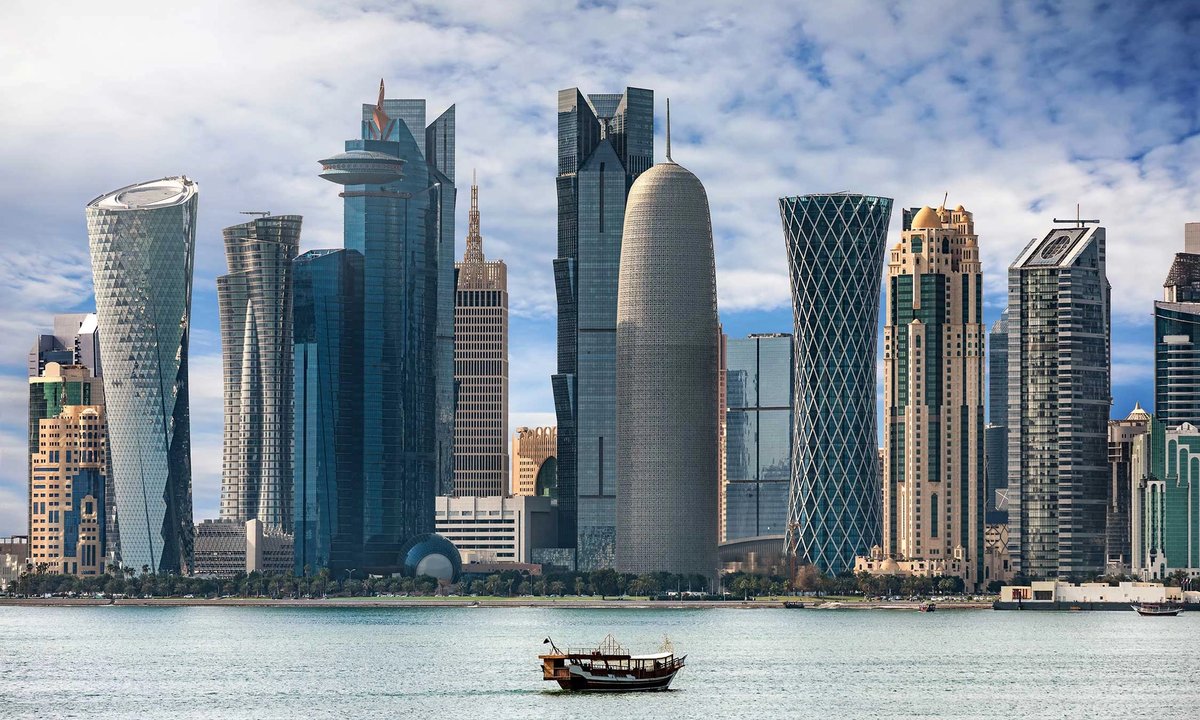
Art Basel has introduced booth-fee discounts for first- and second-time exhibitors at its fairs, offering 20% off for first-year participants and 10% for second-year participants. The policy, confirmed by chief artistic officer Vincenzo de Bellis, has been in place since Art Basel Miami Beach in 2021 and applies to all Art Basel fairs in Switzerland, Hong Kong, and Miami Beach, with a new edition launching in Qatar. Starting in 2026, discounts will increase to 25% and 15% respectively.

art market minute may 5 2639801 2639801

The article reports that at the 100-day mark of Trump's second presidency, his economic policies—particularly tariffs—are disrupting the art world. While artworks remain exempt, antiques and design objects are not, causing concern for dealers, including those preparing for Tefaf New York. Changes to de minimis rules have lowered the customs processing threshold from $2,500 to $800, triggering widespread shipping delays. Additionally, Frieze has been sold to Hollywood powerbroker Ari Emanuel, and auction veteran Alex Rotter has been tapped as Christie's new global president.

Future Fair updates portraiture for 2025

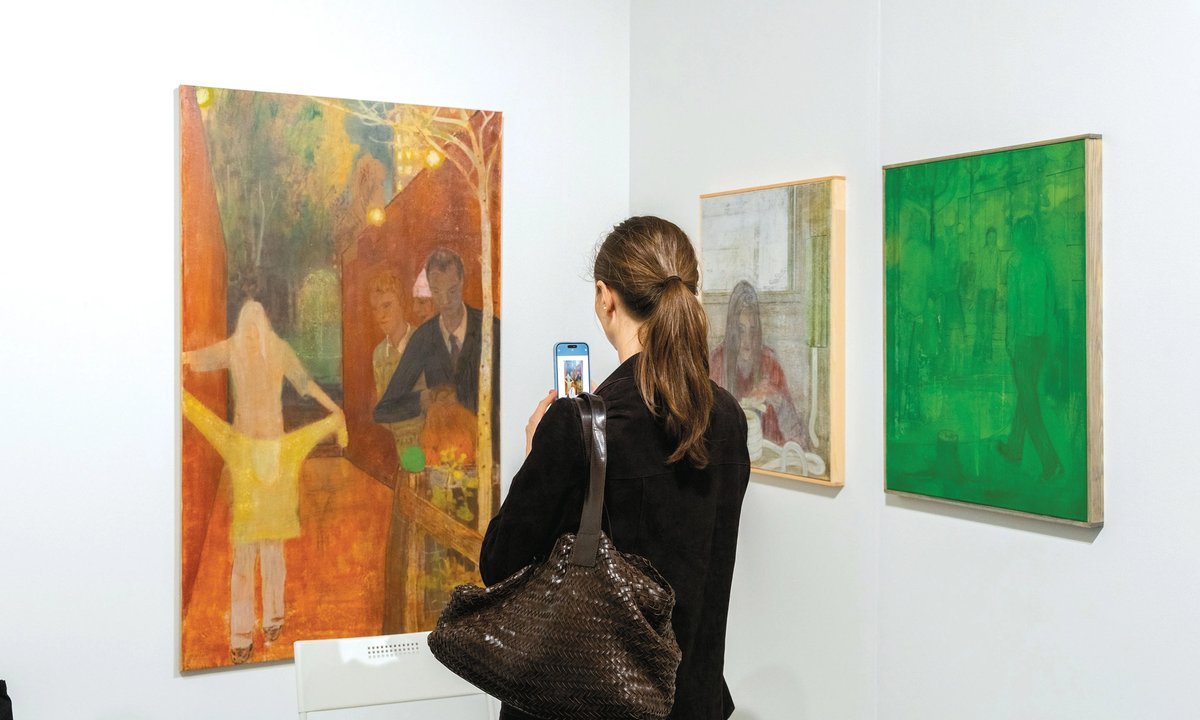
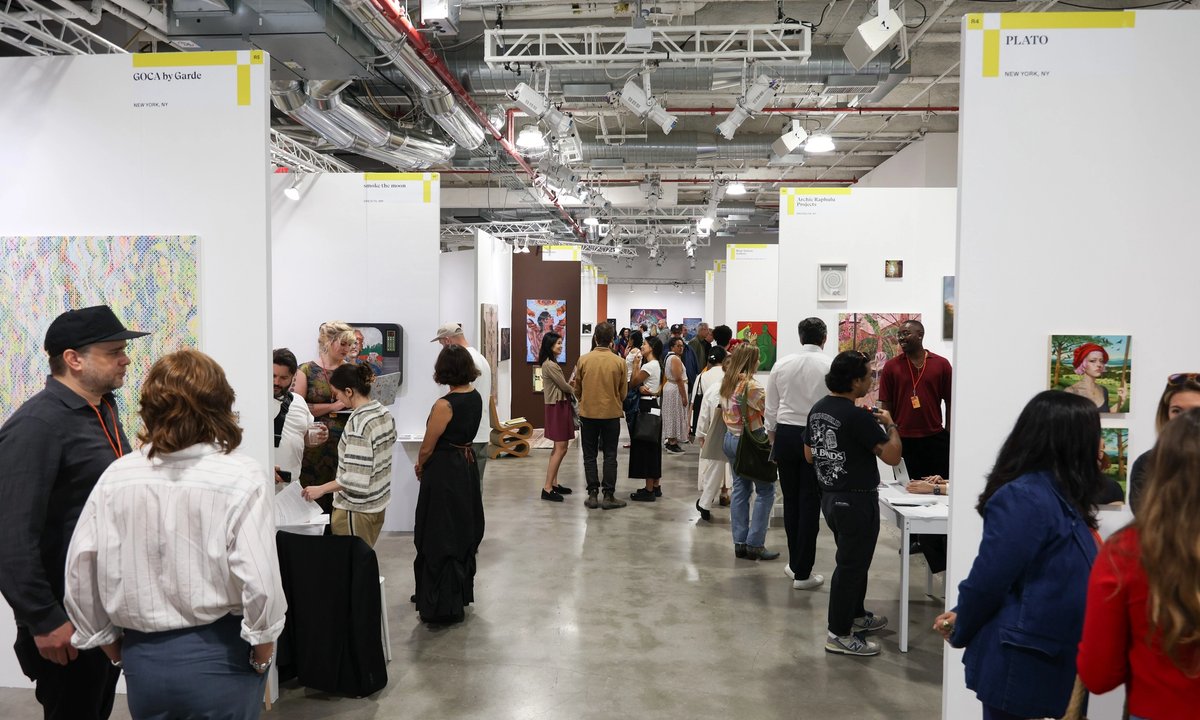
Future Fair returns for its fifth anniversary from May 7-10 at Chelsea Industrial in Manhattan, featuring 67 exhibitors. The fair is impacted by President Donald Trump’s tariffs, with one Bologna-based gallery, Magazzeno Art Gaze, displaying a sign that its shipment is stuck at JFK customs, showing only works brought in luggage. Montreal’s Wishbone Gallery narrowly avoided a similar fate after its artist consulted a psychic, and the works arrived just in time. Despite trade disruptions, the fair continues its focus on portraiture, showcasing artists such as Saki Sonoda (depicting Bushwick club House of Yes), Émile Brunet (Dutch Golden Age-inspired portraits), Izere Antoine (impastoed Black women), Matthew Rosenquist (wooden reliefs of Americana), Katie Commodore (digital textile tapestries), and Catie Cook (animal stand-ins for Southern womanhood).

The art market bites back as estimates fail to score

Sotheby’s, Christie’s and Phillips raised a combined $1.27bn from their May 2025 marquee auctions of Modern and contemporary art in New York, an 8% decline from the same period last year, according to data from London-based auction analysts Pi-eX. The highest-priced lot, Alberto Giacometti’s 1955 bronze bust *Grande tête mince (Grande tête de Diego)*, estimated at $70m, failed to sell, while Andy Warhol’s *Big Electric Chair* (1967), valued at $30m, was withdrawn before Christie’s auction to avoid a similar fate. The downturn is attributed to geopolitical uncertainty under Donald Trump’s presidency, including tariffs announced on April 2, which have unsettled buyer confidence.

Amid uncertainty over Trump’s tariffs, many collectors pause purchases while others ‘hold their noses and pay’

US President Donald Trump's proposed tariff regime for around 60 countries has created uncertainty in the art and antiques markets. Dealers and collectors are grappling with questions about whether art, antiques, and decorative objects are exempt, and how import duties might affect pricing and attendance at US art fairs. Margo Thoma of Tai Modern in Santa Fe reports that a 24% tariff on Japanese goods would likely have prevented two out of four recent sales. Steven J. Chait of Ralph M. Chait Galleries notes that while top-tier collectors may accept higher prices for extraordinary objects, the middle market may balk. Art adviser Todd Levin warns that newer, younger collectors could be most affected, and dealer Eric Zetterquist has canceled his spring buying trip to Asia due to economic uncertainty.

art ralph deluca art market downturn recession

Art advisor Ralph DeLuca, in his 'Street Smarts' column for Cultured, observes that amid political turmoil, tariffs, and art market jitters, wealthy collectors are shifting away from blue-chip contemporary art. Instead, they are investing in pop culture icons, historic artifacts, and natural history items like fossils, viewing them as safer bets. DeLuca notes that the May auction season saw high pass rates, failed guarantees, and lower prices, while galleries continue to close this summer.

Collectible design fair’s second New York outing marries ‘folly’ and practicality

The Collectible design fair returns to New York for its second edition, taking place from September 4-7 at the WSA building in the Financial District during Armory Week. Founded in Brussels in 2018 by Clélie Debehault and Liv Vaisberg, the fair brings together international galleries, designers, and architects for a curated showcase of 21st-century design. This year's edition occupies the 39th floor, spanning over 30,000 square feet, and features six curated sections including a buzzy section titled "In Praise of Folly" curated by Architectural Digest's Hannah Martin. Around 60% of exhibitors are from the United States, with the rest from Europe and beyond, including Australia, Brazil, Colombia, Mexico, South Korea, and Turkey.

Anxious collectors are increasingly turning to freeport havens, experts say

Rising tariffs, geopolitical instability, and extreme weather events are driving art collectors to move valuable items into secure, tax-friendly freeports, particularly in Switzerland. Experts Alexandre Ducamp of Natural le Coultre and Fritz Dietl of Delaware Freeport report a significant increase in clients over the past three years, citing the war in Ukraine, multiple ongoing conflicts, and President Trump's April 2025 'Liberation Day' tariffs as key factors. Collectors are using freeports in Geneva, Zurich, Basel, and Chiasso, as well as foreign trade zones in Delaware, to delay or avoid import duties on items like design furniture, antiques, and Chinese-origin artworks, with some purchases being cancelled due to new tariffs.

How Does the Economy Impact the Art Market?

Olivia Gavoyannis's article examines how broader economic factors—such as interest rates, trade policies, inflation, and currency fluctuations—affect the art market. It notes that recent economic volatility, including COVID-19 recessions and tariffs, has led to high-profile auction flops and slower demand for top-tier works, but argues that such coverage only tells part of the story. The piece explores the unique economics of art, where artworks are non-fungible and pricing is driven by perception, scarcity, and insider networks rather than utility, and highlights the lack of transparent pricing data.

Art Basel exhibitors will show ‘the most ambitious works’ despite economic headwinds

Art Basel will host nearly 290 galleries from around the world in Basel, Switzerland, from June 19-22, 2025. Director Maike Cruse expresses confidence in the art market's resilience despite a 12% decline in global art sales last year, citing an uptick in transactions in the middle and low market segments and a surge of new, younger collectors. The fair introduces a new section called Premiere, dedicated to ultra-contemporary works made within the past five years, featuring ten galleries and two first-time Art Basel participants. New EU tax breaks on art purchases, including Germany's VAT reduction from 19% to 7%, could boost sales for the roughly half of exhibitors based in the bloc, though the threat of US tariffs under President Donald Trump creates uncertainty.