filter_list Showing 1724 results for "UNT" close Clear
search
dashboard All 1724 museum exhibitions 910article local 245article news 181trending_up market 128article culture 118rate_review review 42article policy 41person people 26candle obituary 19gavel restitution 14
date_range Range Today This Week This Month All
Subscribe

Photographer Giles Duley brings images of historic and current wars into dialogue in Manhattan pop-up show

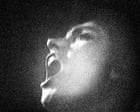
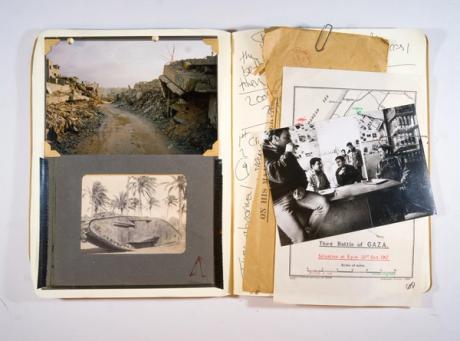
British photographer Giles Duley has opened a pop-up exhibition titled "Distortion/Memory/Resilience" in a 77th-floor penthouse at Sutton Tower in Manhattan, running from 12 to 24 May. The show features haunting war photography alongside installations—Youth, Childhood, and Memory—that draw parallels between historic and current conflicts. Duley, who lost both legs and an arm after stepping on a landmine in Afghanistan, uses a camera obscura, children's art from war zones, and side-by-side images of injured children from the London Blitz and Beirut to create an immersive experience. The exhibition is presented by the luxury tower's developer and includes benefit dinners hosted by Duley.

Basquiat’s Former Dealer on the Making of an Art World Icon

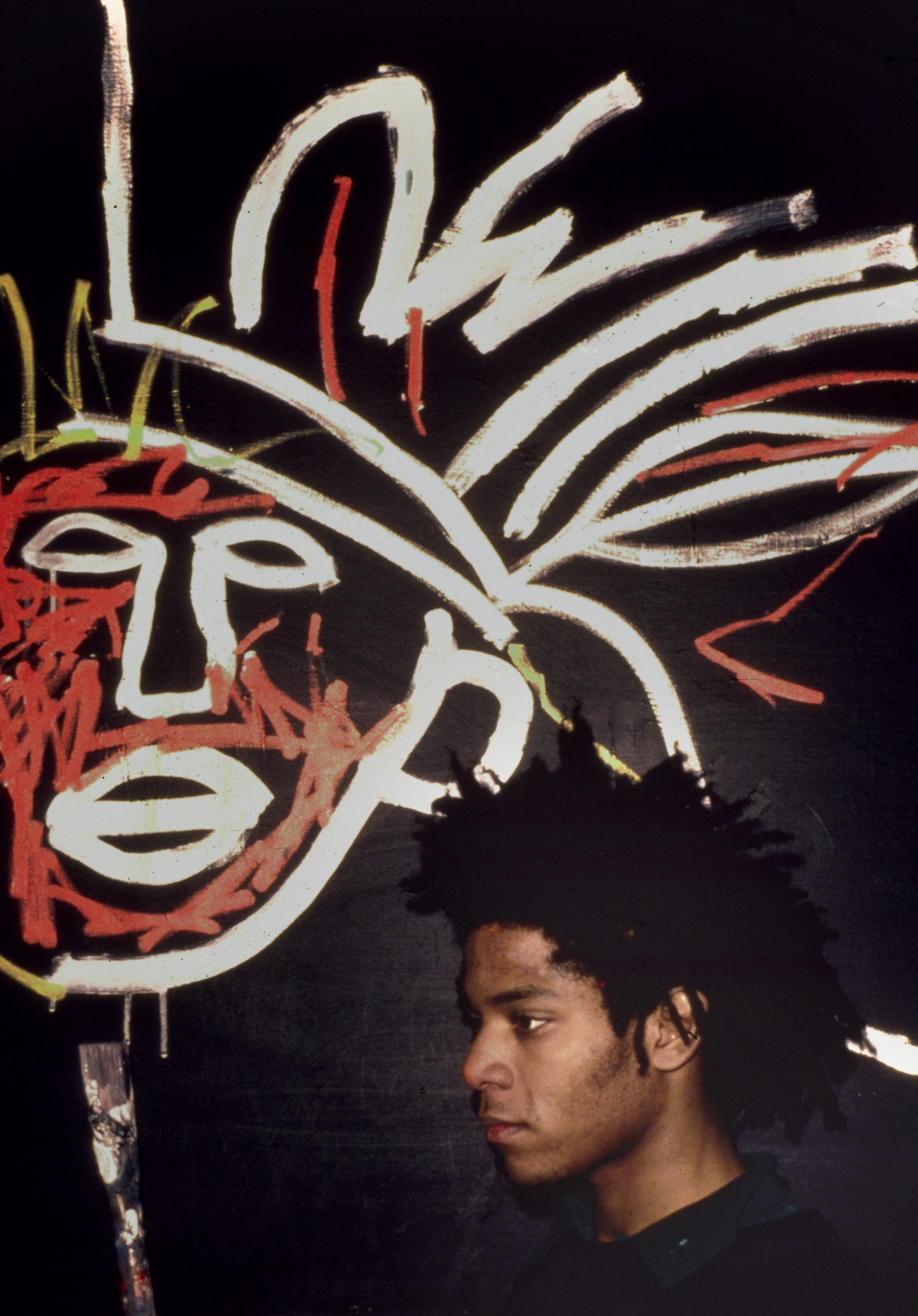
Bruno Bischofberger, who served as Jean-Michel Basquiat's exclusive worldwide dealer from 1982 until the artist's death in 1988, reflects on Basquiat's life and legacy in an excerpt from the forthcoming book *Basquiat: The World of Jean-Michel*, published by Assouline. Bischofberger contrasts Basquiat's raw, politically charged approach with Andy Warhol's detached, commercial style, and recounts personal memories of Basquiat's visits to Switzerland, where he absorbed everything from visual art to folk art and design.

Close encounters: the new wave of women photographers – in pictures

The Saltzman-Leibovitz photography prize, founded in 2025 by Lisa Saltzman and Annie Leibovitz, announces its winners and runners-up for 2026. Bolivian photographer Marisol Mendez wins for her series 'MADRE,' which challenges patriarchal representations of women in Bolivia through portraits of matriarchs and references to the Inca moon goddess. Runner-up Miranda Barnes documents African American debutante cotillions in Detroit, while other featured photographers include Bettina Pittaluga and Cole Ndelu, whose works explore body diversity and the fusion of Zulu cosmology with Catholicism. The exhibition runs at Photo London, Olympia, 13–17 May 2026.

Political Fallout Rocks Venice Biennale Prize System

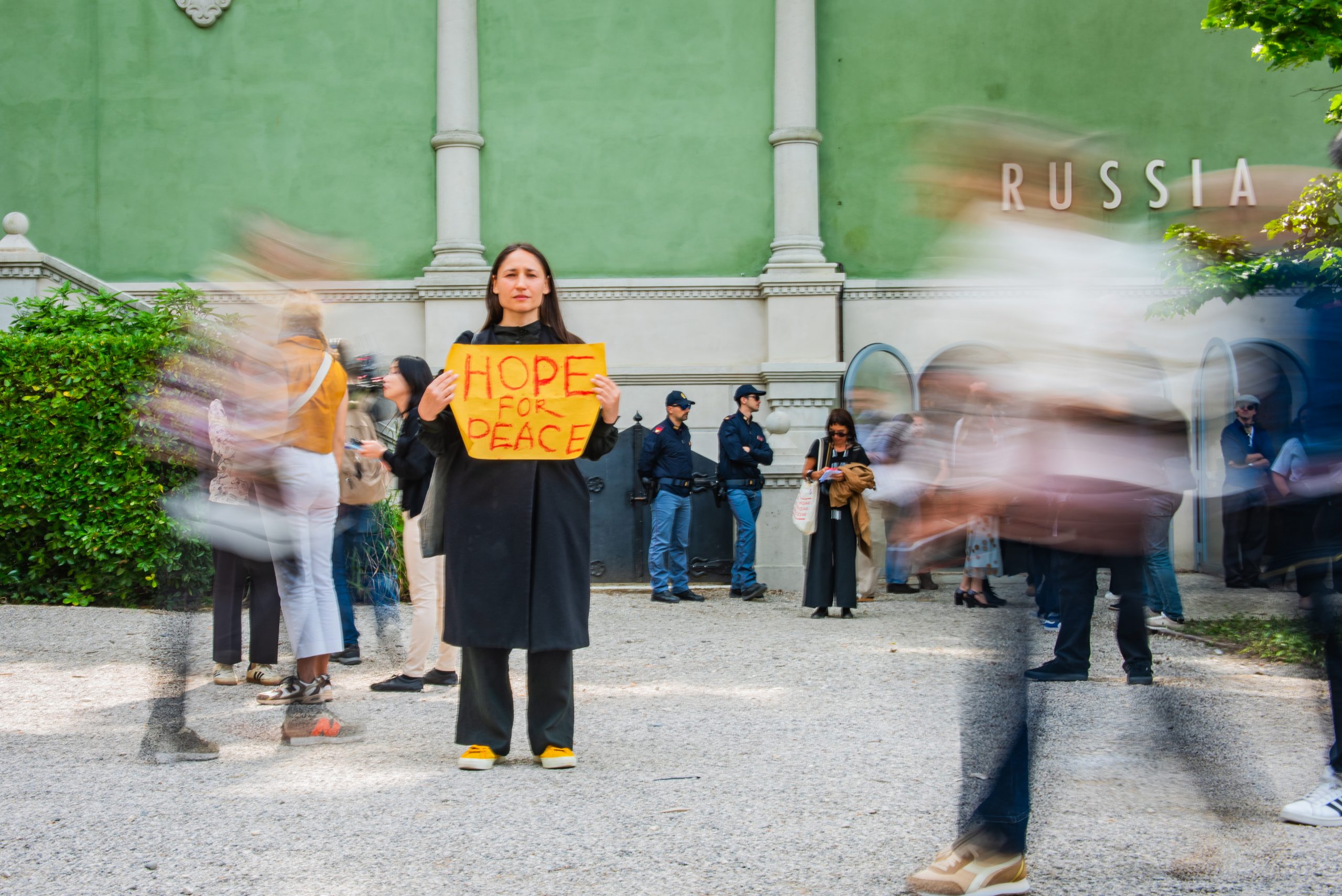
Dozens of artists participating in the 2026 Venice Biennale have withdrawn from consideration for the newly created Visitor Lion awards, replacing the traditional Gold and Silver Lion prizes. A total of 57 artists from the main exhibition and 22 national pavilions signed a statement published on e-flux on May 9, acting in solidarity with the five-person prize jury that resigned on April 30 over the continued participation of Russia and Israel. The jury had objected to awarding prizes to artists from countries whose leaders face International Criminal Court charges, including Russian president Vladimir Putin and Israeli prime minister Benjamin Netanyahu. In response, the Biennale organizers postponed the awards ceremony to November 22 and introduced visitor voting, a move they described as consistent with openness and dialogue. Meanwhile, the Russian Pavilion, which returned after lending its space to Bolivia in 2024, faced protests, closure after previews, and a €2 million funding pull by the European Union for the 2028 Biennale.

Putin ‘Won’ the Venice Biennale, Quips Italian Culture Minister

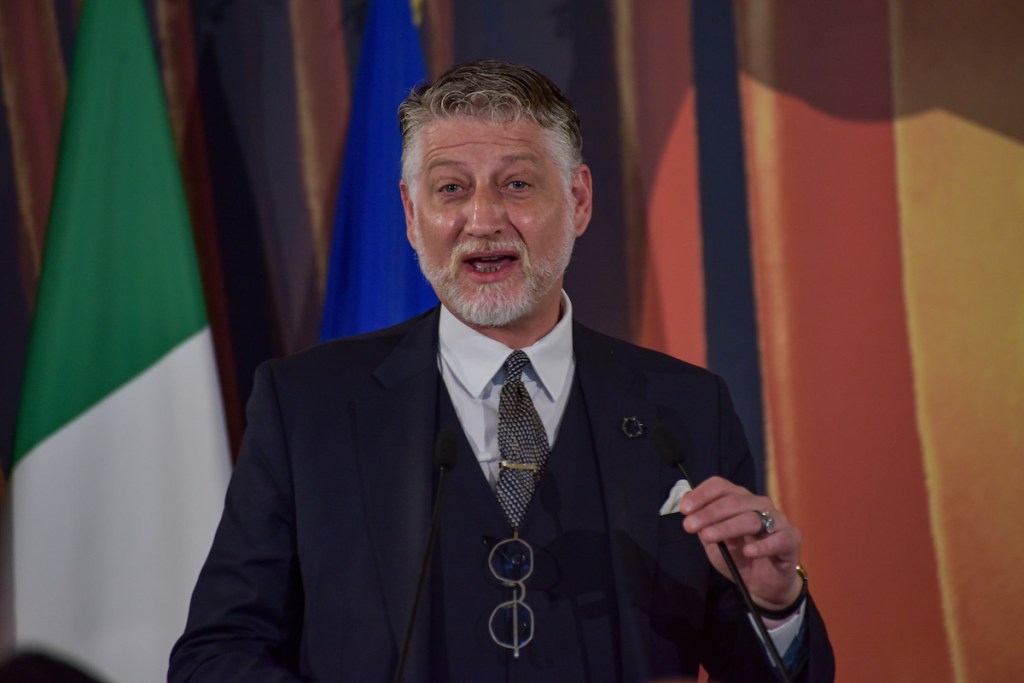
Italian Culture Minister Alessandro Giuli stated that Russian President Vladimir Putin "won" the 2024 Venice Biennale, criticizing Russia's controversial return to the event. Giuli, who repeatedly denounced Russia's presence, told Corriere della Sera that Russian artists in the pavilion cannot express dissent against their regime. The Biennale faced widespread calls to remove Russia, with the EU threatening to withhold a €2 million grant, but organizers argued they lacked legal authority to exclude the country. Protests by Pussy Riot and FEMEN marked the pavilion's opening, while the Biennale's jury resigned en masse after announcing that nations charged with crimes against humanity would be ineligible for Golden Lions.

Comment | Flourishing markets beyond the big three will benefit the art ecosystem—and the planet

The article analyzes the shifting dynamics of the global art market, reporting that regions outside the traditional 'big three' hubs of the US, UK, and China have increased their market share from 17% in 2015 to 24% in 2025. This shift is driven by nationally protective regulations like Brexit and tariffs, which have stifled the free circulation of contemporary art. While the US market remains dominant at 44%, countries such as South Korea, Switzerland, Japan, and Australia have seen growth, and emerging cultural energy is noted in places like Bangkok, Warsaw, Margate, and Qatar.

Former Korean Prosecutor Convicted in Alleged Lee Ufan Painting Bribery Scheme

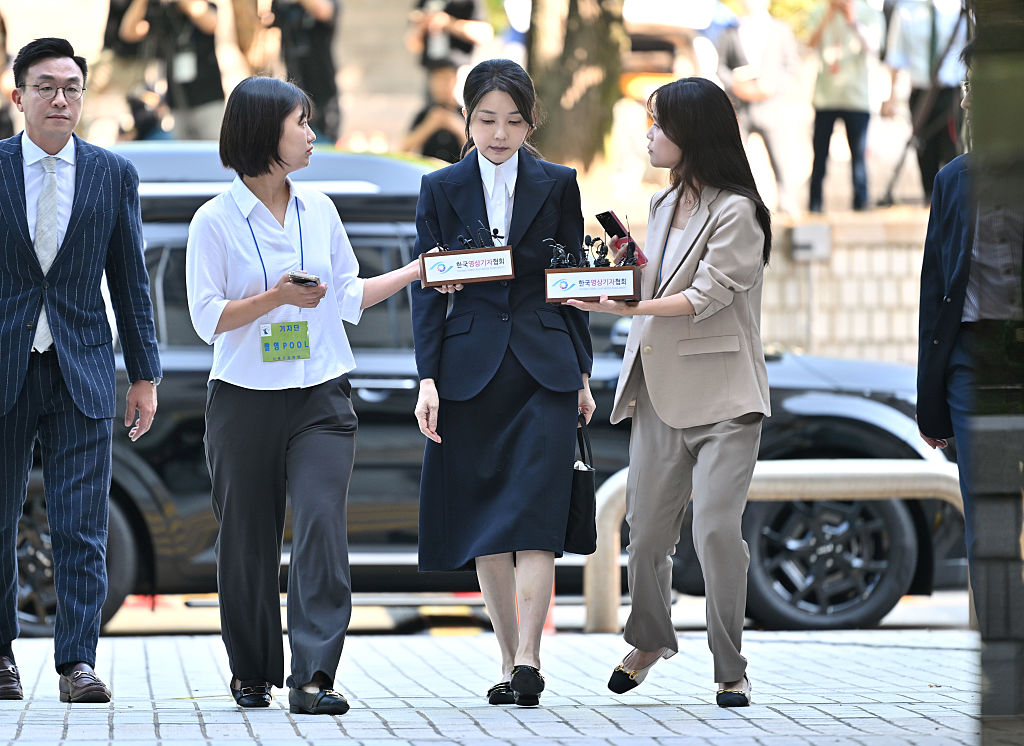
A former senior South Korean prosecutor, Kim Sang-min, has been convicted on appeal for allegedly gifting a painting by renowned artist Lee Ufan to former first lady Kim Keon Hee in exchange for political support ahead of the 2024 parliamentary elections. The Seoul High Court overturned an earlier acquittal, sentencing Kim to two years in prison (suspended for three years) for bribery, plus a separate suspended sentence for illegal political donations. The case took a strange turn when Kim's defense argued the artwork, titled *From Dots (No. 800298)* and valued at 140 million won ($95,500), was a forgery worth less than $700—a claim the court rejected after physically examining the piece and consulting experts.

Several Venice Biennale pavilions shut in protest over inclusion of Israel

Several national pavilions at the 2026 Venice Biennale shut down during the final preview day in a strike organized by the Art Not Genocide Alliance (Anga) protesting Israel's inclusion due to its war in Gaza. Pavilions from Belgium, the Netherlands, Austria, Japan, Macedonia, and Korea closed entirely, while others like Britain, Spain, France, Egypt, Finland, and Luxembourg partially closed or reopened later. Artists in the main exhibition added Palestinian flags and posters reading "Palestine is the future of the world." The Israeli pavilion was closed for a private event, and earlier in the week Pussy Riot staged a protest at the Russian pavilion.

Drained, Drowning, and Decay: The Best National Pavilions at the Venice Biennale

The 2026 Venice Biennale is defined by themes of ruin and decay, with standout national pavilions exploring bodily, infrastructural, and archaeological collapse. The Slovenian Pavilion features the Nonument Group repurposing materials from past Biennales into a ruin of a mosque for Bosnian Muslim soldiers from World War I. Syria presents its first national pavilion since the Civil War, with Sara Shamma invoking Palmyra, destroyed by ISIS. Germany's pavilion, titled "Ruin," features works by Henrike Naumann (who died in February) and Sung Tieu, questioning the pavilion's fascist architecture and nationalist residue. The Austrian Pavilion, curated by Florentina Holzinger, offers a visceral performance titled "Sea World." The Biennale is also marked by the abrupt resignation of its five-member jury, who refused to consider nations charged with crimes against humanity, leading to awards being chosen by public vote. Additionally, the main exhibition "In Minor Keys" was affected by the death of its curator, Koyo Kouoh.

Keith Haring Before the End of the World

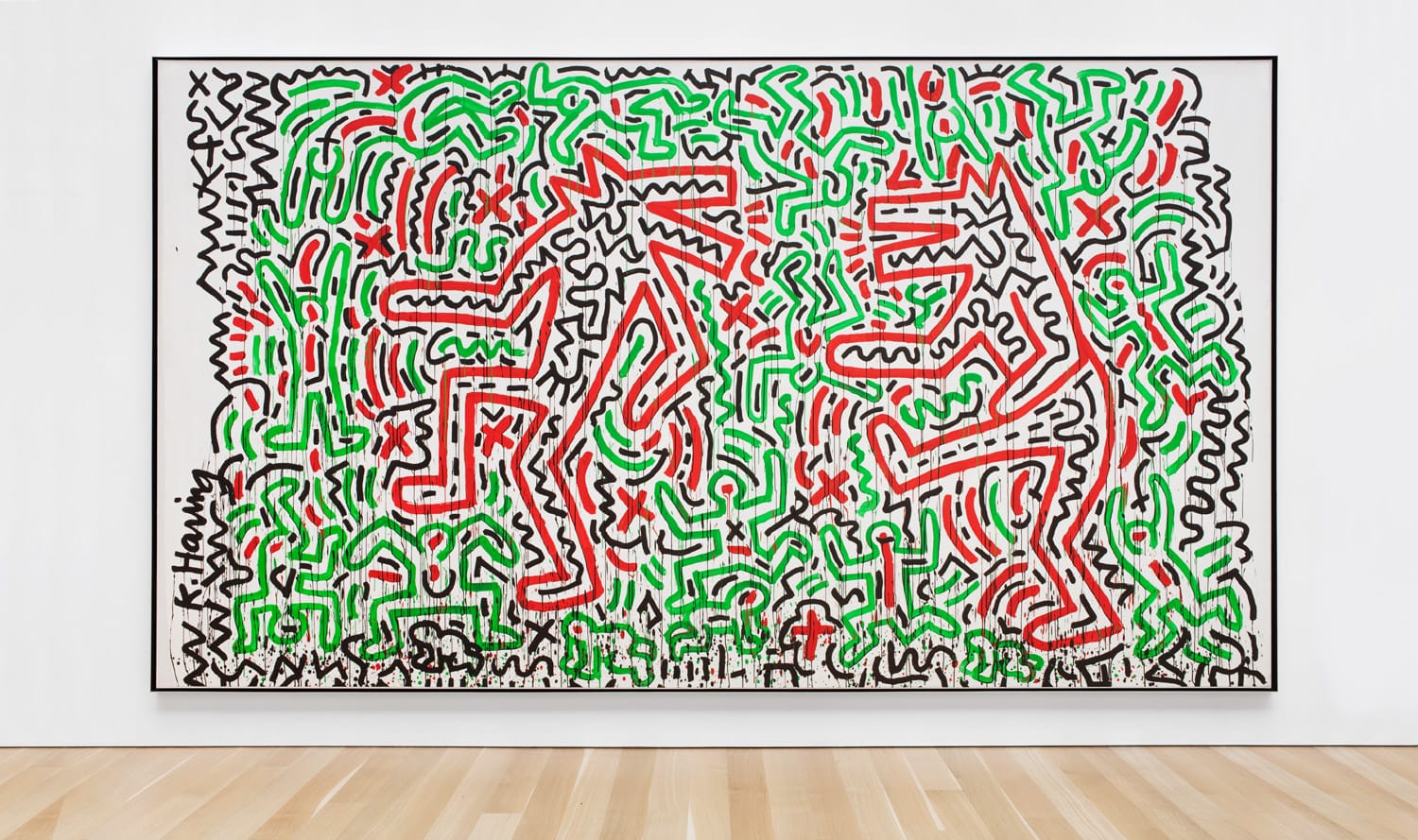
The article reviews Keith Haring's early work from 1980 to 1983, currently on view at the Brant Foundation in New York. The author reflects on initially dismissing Haring's graffiti-inspired style as trite and playful, but now sees darker, prophetic themes in pieces featuring apocalyptic imagery, UFOs, nuclear power, and mindless obedience to higher powers. The exhibition, curated by Dieter Buchhart and Anna Karina Hofbauer, runs through May 31.

An Unprecedented 24-Hour Strike Could Upend the Venice Biennale

An unprecedented 24-hour strike is set to interrupt the Venice Biennale's opening week on Friday, May 8, in protest of Israel's participation in the global art event. The action, organized by the activist group Art Not Genocide Alliance (ANGA), follows a letter signed by over 230 Biennale participants demanding Israel's exclusion. The strike has exposed divisions among participants, with some artists and pavilion teams weighing solidarity against the rare opportunity to platform their own political messages. The Slovenian pavilion, represented by Nika Grabar of the Nonument Group, has committed to the strike, while others like Ecuador's Tawna Collective remain undecided, balancing protest with their mission to highlight ecological crises in the Amazon.

‘Exclusion can only satisfy the ego’: Venice Biennale president hits out at critics amid Russia and Israel controversy

Venice Biennale president Pietrangelo Buttafuoco defended the institution against critics at a conference on May 6, three days before the public opening, amid controversy over Russia's return to the event for the first time since its 2022 invasion of Ukraine and ongoing disputes over Israel's participation. He accused critics of “narcissism” and “censorship,” while Italian culture minister Alessandro Giuli sent inspectors to investigate whether Russia's involvement breached sanctions; a report was submitted to Prime Minister Giorgia Meloni's office. Meanwhile, the Biennale faces legal threats from the artist representing Israel over alleged discrimination, and protests have erupted, including a demonstration by Art Not Genocide Alliance and a Pussy Riot action at the Russia pavilion.

Venice Diary Day 2: “In Minor Keys” Is a Major Statement on Perseverance and Play

The article is a diary entry from the 2026 Venice Biennale, focusing on the exhibition "In Minor Keys" curated by the late Koyo Kouoh. The author describes an emotional experience, beginning with a poem by Refaat Alareer on the Arsenale wall, and highlights works by Guadalupe Maravilla, Alexa Kumiko Hatanaka, and others that address themes of perseverance, healing, and survival. Maravilla's sculptures reference a child kidnapped by ICE, while Hatanaka's linocuts explore bipolar disorder as an adaptive trait. The show also features artist-led collectives like Denniston Hill and fierce pussy, emphasizing institution-building and world-making.

First Impressions of a Venice Biennale Torn Apart by the Present

The 61st Venice Biennale, titled "In Minor Keys," opens amid turmoil: its curator Koyo Kouoh died of cancer during planning, and the festival jury resigned after a controversial statement about excluding Israel and Russia from prizes, replaced by a Eurovision-style people's choice award. The main exhibition, completed by a team of five collaborators using Kouoh's plans, features over 110 artists and collectives, with highlights including works by Big Chief Demond Melanchon, Tammy Nguyen, Guadalupe Maravilla, Ayrson Heráclito, and a section focused on Michael Armitage's Nairobi Contemporary Art Institute.

The Biennale Isn’t a Court. Tell That to the Protesters.

Pietrangelo Buttafuoco, president of the Venice Biennale, defended the decision to allow Russia to reopen its pavilion for the first time since its 2022 invasion of Ukraine, stating that the Biennale is "not a court; it is a garden of peace." The move has sparked widespread backlash, including threats to pull €2.3 million in EU funding. Protests have erupted on the ground, with Pussy Riot and FEMEN staging a theatrical demonstration outside the Russian Pavilion, setting off smoke flares and chanting slogans. Separately, around 60 artists performed a "Solidarity Drone Chorus" to protest Israel's participation, and the Art Not Genocide Alliance has called for a 24-hour strike and rallies across Venice. The Russian Pavilion will be open only during press preview days due to EU sanctions, with video projections visible from outside for the rest of the Biennale's run.

Pussy Riot protest at Venice Biennale forces Russian pavilion to briefly close

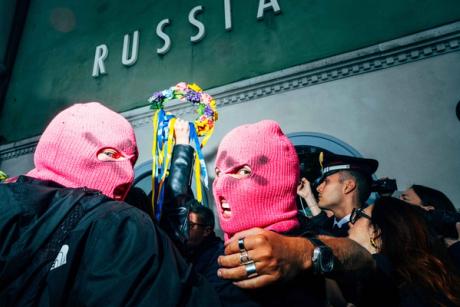
On the second day of the Venice Biennale preview, the activist group Pussy Riot staged a chaotic protest at the Russian pavilion, forcing it to temporarily close. Wearing pink balaclavas and carrying flares, about 40 activists—including members of Femen—gathered outside the pavilion, shouting slogans like "Blood is Russia's Art" and attempting to enter before being pushed back by police. Founding member Nadya Tolokonnikova led the protest, condemning Europe for allowing Russian participation despite the war in Ukraine. Separately, the Art Not Genocide Alliance (Anga) demonstrated outside the Israeli pavilion, which was locked from inside, over Israel's war in Gaza.

Major protests take place at Venice Biennale previews

Major protests erupted during the preview days of the Venice Biennale, with multiple demonstrations targeting the Israeli and Russian pavilions. On Wednesday, the Art Not Genocide Alliance (ANGA) held a large protest outside the temporary Israeli pavilion in the Arsenale, attended by over 200 people calling for its closure. Separately, the Solidarity Drone Chorus performed a sound composition by Gazan artist Ahmed Muin, with 60 artists wearing T-shirts bearing names of artists from Gaza. Meanwhile, Pussy Riot and FEMEN protested Russian participation, forcing the Russian pavilion to shut its doors. These actions follow the resignation of the entire Golden Lion jury days before the opening, after they stated they would not consider pavilions from countries whose leaders are charged with crimes against humanity by the ICC—widely seen as a reference to Russia and Israel.

A Pavilion of Ruins: Germany Reconsiders Its Past in Venice

The German Pavilion at the 61st Venice Biennale features a dual presentation exploring the country's layered political history. Artist Sung Tieu has cloaked the pavilion's fascist-era facade with a mosaic reconstruction of a GDR housing estate for Vietnamese contract workers, where she lived as a child. Inside, the late Henrike Naumann's immersive installation 'The Home Front' uses furniture and design to stage a confrontation between East and West German domestic and political ideologies. Naumann died in February 2025 at age 41, but her fully realized concept was completed collaboratively by her partner and curator Kathleen Reinhardt.

Venice Diary Day 1: At the Giardini, Artists Refuse to Make Fascism Cozy

Henrike Naumann's posthumous installation at the German Pavilion, which retains its 1938 Nazi-era fascist architecture, refuses to make the space 'cozy' by adorning windows with violently ripped domestic fabrics. The 2026 Venice Biennale is the first under president Pietrangelo Buttafuoco, associated with neo-fascist politics, and is overshadowed by controversy over his 'neutrality' policy allowing all countries to participate despite human rights concerns. The exhibition jury initially announced it would not consider pavilions from countries whose leaders are charged with crimes against humanity, then abruptly quit, leaving the situation unresolved. The US Pavilion features unimpressive blobs by Alma Allen, while the Russian Pavilion offers cut flowers and free vodka, and Andreas Angelidakis responds to fascist aesthetics at the Greek Pavilion.

Lubaina Himid’s British pavilion at the Venice Biennale review – alienation in a green and pleasant land

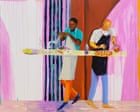
Lubaina Himid's installation at the British pavilion of the Venice Biennale presents monumental paintings and a wall of painted oars depicting tailors, cooks, architects, gardeners, and sailors—figures who shape Britain. The work is accompanied by an audio piece of bucolic country sounds, but the black figures in the paintings exchange sideways glances of discomfort, questioning whether they truly belong. The exhibition is anchored by 26 philosophical questions on the wall, such as "Can flies settle here?" and "Can poison taste delicious?"

BBC ‘Buried’ Footage of Banksy at NYC Mural Site, Former Reporter Claims

Former BBC New York correspondent Nick Bryant claims the BBC suppressed footage he captured of Banksy at a mural site in New York City in March 2018. In a Substack post, Bryant recounts being tipped off by Banksy's PR team about a new artwork at the Houston Bowery Wall, where he and his cameraman filmed the artist—described as a middle-aged man in a black beanie and grey coat—fleeing the scene with fresh paint on his fingers. Despite believing he had a world exclusive, Bryant says BBC editors in London decided not to air the footage, citing concerns about unmasking the artist and preserving the mystery for audiences, including a senior colleague's daughter who compared revealing Banksy's identity to telling children there is no Santa Claus.

Seen a ghost? The eeriest images from Fotografia Europea – in pictures

Fotografia Europea, the international photography festival in Reggio Emilia, Italy, has opened with 20 exhibitions and related events under the theme 'ghosts of the moment'. The festival features works by artists including Tania Franco Klein, Giulia Vanelli, Felipe Romero Beltrán, and Salvatore Vitale, exploring themes of memory, migration, identity, and the unseen forces shaping contemporary life. The festival runs until 14 June 2026.

Women behind the lens: ‘After state massacres, I began burning the prints as an act of mourning’

Iranian-Canadian visual journalist and artist Parisa Azadi describes her process of creating protest photographs during the 2022 Iranian revolution from exile in Dubai. Unable to return to Iran, she used open-source protest footage from social media, isolating frames and printing them with a Fujifilm instax camera to transform ephemeral digital images into physical objects. In January 2026, after state massacres and executions, she began burning these prints as an act of mourning, scarring their surfaces to echo the violence they depict.

Anish Kapoor says US’s ‘politics of hate’ should exclude it from Venice Biennale

Anish Kapoor has called for the United States to be excluded from the Venice Biennale, citing the country's "abhorrent politics of hate" and "incessant warmongering." His comments follow the resignation of the five-member international jury, who stepped down in protest over the inclusion of Israel and Russia. Kapoor praised the jury's decision as "courageous" but argued they should have also targeted the US. The US pavilion, featuring artist Alma Allen and his exhibition "Call Me the Breeze," has faced scrutiny over perceived Trump administration interference and a delayed selection process. Meanwhile, the Israeli and Russian pavilions remain flashpoints, with over 200 participants signing a letter demanding the cancellation of the Israeli pavilion, and the Russian pavilion closed to the public but viewable through windows.

What It Takes to Build the Venice Biennale

Three weeks before the Venice Biennale opens on May 5, the city remains a construction site, with the Giardini closed and parts of the Arsenale requiring special access. Artist Faustin Linyekula rehearses his performance *The Galeazze Project* in a 16th-century roofless complex, working with the existing gravel, natural light, and lagoon acoustics rather than imposing a structure. Geopolitical conflicts, supply chain disruptions, and the sudden resignation of the Biennale’s international jury via Instagram add pressure to the already challenging logistics of mounting the global exhibition.

‘It’s a world heritage site, but it’s my home’: the last resident of Casa Milà on life in Gaudí’s masterwork

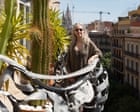
Ana Viladomiu, a 70-year-old writer, is the last remaining tenant of Antoni Gaudí’s Casa Milà (La Pedrera) in Barcelona, a UNESCO World Heritage site that receives about a million visitors annually. She has lived in the luminous apartment since 1988, originally moving in with her then-husband Fernando Amat, owner of the iconic design store Vinçon. Viladomiu holds a rare renta antigua (fixed-rent contract) that allows her to stay until she or Amat dies, after which the not-for-profit foundation managing the building will take ownership. The rest of the building now houses offices and cultural event spaces.

After His Untimely Death, Rutherford Chang’s Survey Rewrites What a Square Can Do

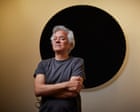
Rutherford Chang, who died last year at age 45, is the subject of a posthumous survey at UCCA Center for Contemporary Art Beijing titled "Hundreds and Thousands." The exhibition centers on Chang's socially engaged works that explore value, circulation, and systems through the deceptively simple form of the square. His best-known piece, "We Buy White Albums" (2013–25), involved amassing roughly one percent of the first pressing of the Beatles' "White Album," highlighting how objects accrue personal and economic worth through use and history. Other works include melting 10,000 copper pennies into a cube and assembling Wall Street Journal portraits from 2008 into a grid that captures a year of crisis and change.

Texas Man Who Orchestrated $20 M. Crypto Scam Based on Fictitious Van Gogh and Picasso Masterpieces Sentenced to 23 Years in Prison

A Houston man, Robert Dunlap, was sentenced to 23 years in federal prison for orchestrating a $20 million cryptocurrency scam. Between 2018 and 2023, Dunlap defrauded nearly 1,000 investors by promoting a digital asset called “Meta-1 Coin,” falsely claiming it was backed by a $1 billion art collection featuring works by Salvador Dalí, Vincent van Gogh, and Pablo Picasso, as well as $44 billion in gold. He used forged legal and insurance documents to conceal that he owned neither the art nor the gold. A federal jury in the Northern District of Illinois convicted him on mail fraud charges in 2025, and US District Judge LaShonda A. Hunt imposed the sentence, also ordering restitution.

In plane sight: how the gilded elite live – in pictures

Photographer Will Vogt's second monograph, *Behind the Hedges*, offers an intimate glimpse into the lives of America's gilded elite, featuring images of his own social circle at hunting estates, weddings, exclusive club lunches, and golf weekends. The book, published by Schilt Publishing, includes quotes by Vogt and text by editor Jennifer Garza-Cuen from her essay 'Posture of Privilege,' capturing a world of inherited wealth and tradition.

Venice Bound? Here’s All the News You Need to Know About This Year’s Biennale

The 61st Venice Biennale is embroiled in geopolitical controversy over Russia's return to the event in 2026, which has sparked widespread backlash. Nearly 10,000 artists and cultural leaders signed an open letter opposing Russia's participation, and the European Union withdrew €2 million in funding for the 2028 edition. Leaked emails reveal Biennale officials worked with Russian pavilion commissioner Anastasia Karneeva to circumvent EU sanctions, while Italy's culture minister Alessandro Giuli plans to boycott the opening week. Meanwhile, activists continue to push for Israel's removal from the Biennale, though Israel will be accommodated in the Arsenale this year.