filter_list Showing 994 results for "Biennale" close Clear
search
dashboard All 994 museum exhibitions 568article news 200trending_up market 58article culture 52candle obituary 34person people 32rate_review review 32article policy 11article local 5gavel restitution 2
date_range Range Today This Week This Month All
Subscribe

The Interview: Gabrielle Goliath

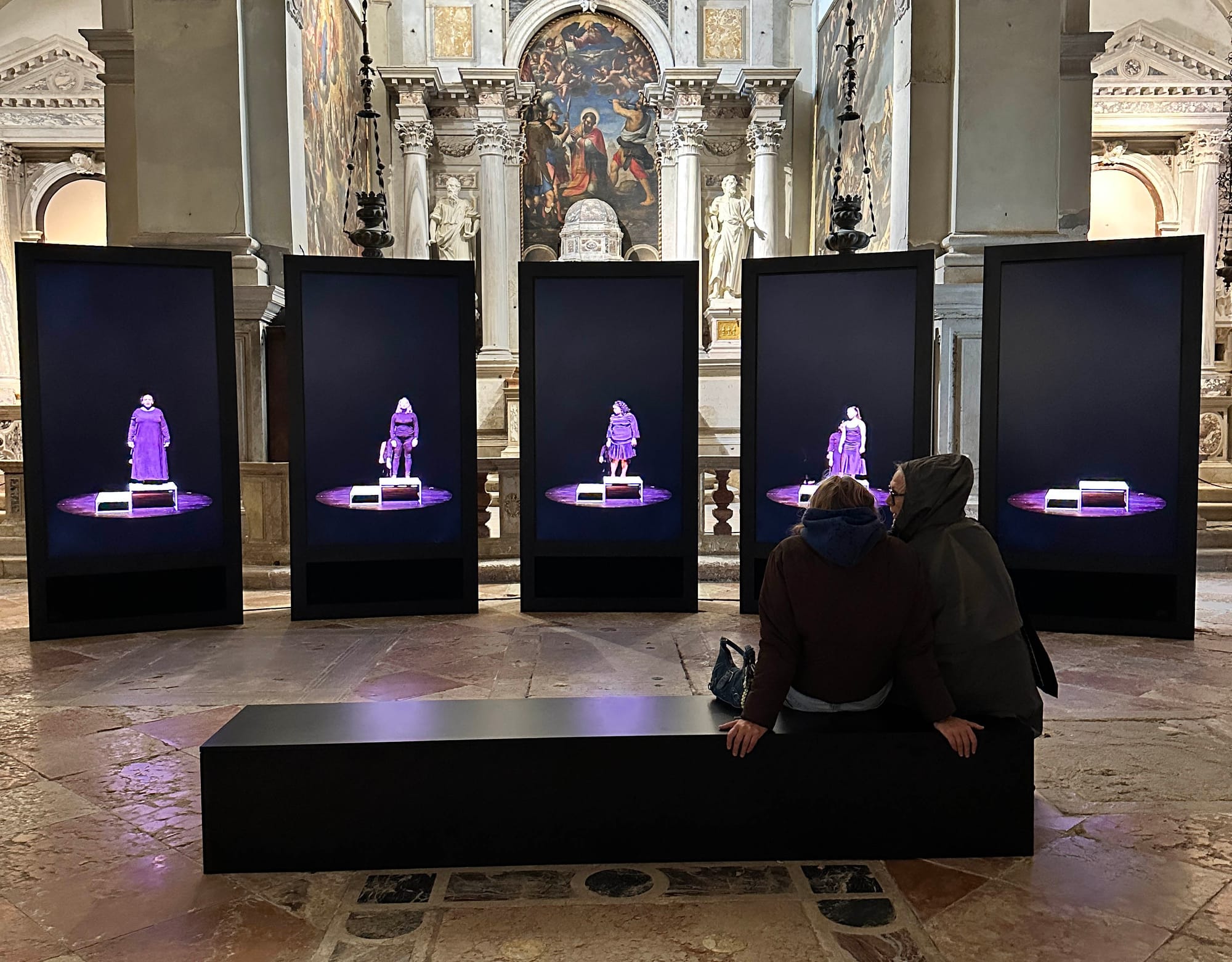
Gabrielle Goliath, a South African artist, created the performance work "Elegy" in 2015 after hearing a father mourn his daughter, Ipeleng Christine Moholane, who was raped and murdered. The piece features seven operatic women sustaining a single note in relay for an hour, evolving over a decade into a series of iterations that address systemic violence and grief. In January 2026, South Africa's Minister of Sport, Arts and Culture, Gayton McKenzie, cancelled Goliath's presentation of the latest version of "Elegy" at the 61st Venice Biennale, which was to include tributes to victims in South Africa, Namibia, and Gaza, including journalist Hiba Abu Nada. Goliath refused to alter the work, took legal action, and will now show it independently at the Chiesa di Sant'Antonin in Venice, while the official South African Pavilion will remain empty for the first time since 2011.
Margaret Whyte on Representing Uruguay at the 61st Venice Biennale

Margaret Whyte, an artist from Uruguay, is set to represent her country at the 61st Venice Biennale in 2026, with her pavilion located in the Giardini. In an interview with ArtReview, Whyte discusses her exhibition, which builds on her earlier show "Tiempo de Escuchar" at the National Museum of Visual Arts in Uruguay, curated by Patricia Bentancur. Her work is inspired by Nassim N. Taleb's book "Antifragile" (2012), exploring themes of chaos, uncertainty, and resilience. She sees her antifragile approach as complementary to the Biennale's theme, "In Minor Keys," curated by Koyo Kouoh, emphasizing emotional depth, silence, and healing.

Pavel Brǎila on Representing Moldova at the 61st Venice Biennale

Pavel Brǎila is representing Moldova at the 61st Venice Biennale with an installation titled "Echoes of Harmony and Silent Cries" (2026), featuring flying carpets that fill the pavilion space at Santa Veneranda. In an interview with ArtReview, Brǎila explains that the work was driven by the constant presence of war in the news—Ukraine, Israel and Gaza, and other conflicts—and evolved into a sound installation as the propellers of the carpets created a minor-key resonance. He describes his first visit to the Biennale 25 years ago as a festive art festival, but now sees the platform as a crucial opportunity to represent his country's voice and express his urgent feelings about the world.

Bugarin + Castle on Representing Scotland at the 61st Venice Biennale

ArtReview published a questionnaire response from Bugarin + Castle, the artist duo representing Scotland at the 61st Venice Biennale (2026). Their exhibition, titled "Shame Parade" and curated by Mount Stuart Trust, explores charivari—medieval public shaming rituals involving sound, costume, and cross-dressing. The work draws on the artists' research into how noise and music have been used as tools of control, with particular attention to the Filipino legal definition of charivari as a punishable public disturbance. The exhibition includes sculpture, print, moving image, and a musical score created with Manila-based band Kalye Teresa, and is housed at the Olivolo, Castello pavilion.

Somali Cultural Organizations Unhappy With Somalia Pavilion at the Venice Biennale

Somali artists and cultural organizations are protesting the Somalia pavilion at the 2024 Venice Biennale, arguing it excludes artists based in Somalia and relies on diaspora figures and an Italian co-curator, which they view as colonial. The Somali Arts Foundation issued a statement condemning the lack of consultation, while the queer arts collective Warbixinta Cidda criticized the appointment of Italian curator Fabio Scrivanti. Somali American poet Ladan Osman boycotted the pavilion, calling it "anti-indigenous."

Nations Charged With Crimes Against Humanity Will Not Be Considered for Venice Biennale Awards

The jury for the 2026 Venice Biennale announced it will not consider contributions from countries whose leaders are charged with crimes against humanity for the Golden and Silver Lion awards, effectively excluding Israel and Russia. The decision, framed as a commitment to human rights and aligned with curator Koyo Kouoh's vision, comes amid broader controversy over participating pavilions, including American artists declining to represent the US and the EU withdrawing a $2.3 million grant over Russia's involvement.

Fondazione Bvlgari Bets on the Venice Biennale: Beyond the Pavilion in the Giardini, an Exhibition at the Biblioteca Marciana

Fondazione Bvlgari scommette sulla Biennale di Venezia: oltre al padiglione ai Giardini, una mostra alla Biblioteca Marciana

Fondazione Bvlgari is making its debut at the Venice Biennale with a collateral exhibition at the Biblioteca Nazionale Marciana, featuring site-specific works by Monia Ben Hamouda and Lara Favaretto. The show runs from May 9 to November 22, 2025, alongside the 61st International Art Exhibition. Ben Hamouda presents 'Fragments of Fire Worship,' neon sculptures in the Vestibule that explore language and cultural heritage, while Favaretto installs the final edition of 'Momentary Monument – The Library' in the Salone Sansovino, inviting public consultation of donated books. Additionally, Bvlgari has a pavilion in the Giardini featuring Canadian artist Lotus L. Kang, as part of a three-edition partnership with the Biennale through 2030.

Meet the New Boss of the Steven Spielberg-Endorsed Sag Harbor Cinema

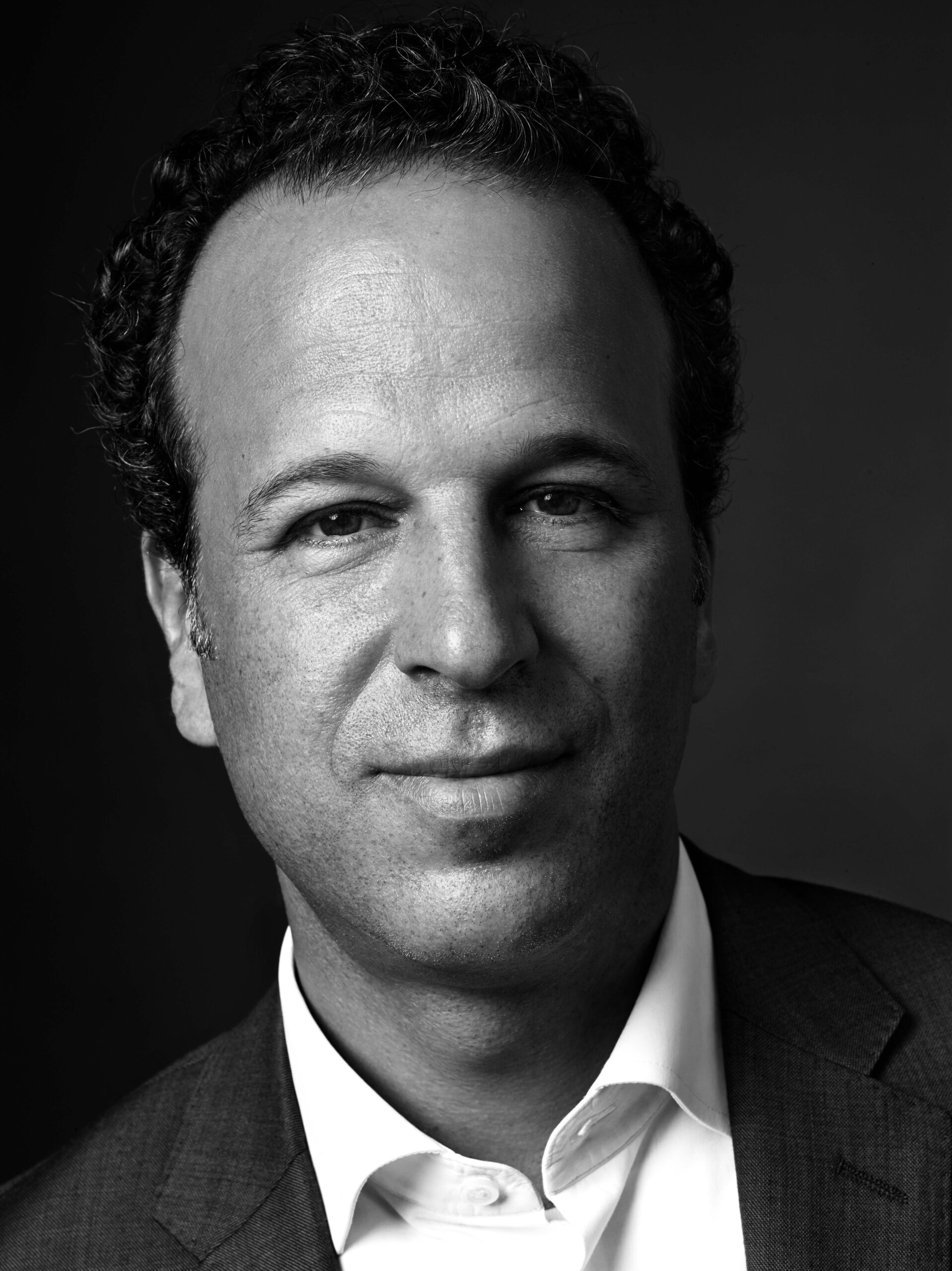
Mark Lubell has been appointed as the new executive director of the Sag Harbor Cinema, a historic theater in the Hamptons endorsed by Steven Spielberg. Lubell previously served as executive director of the International Center of Photography (ICP), where he oversaw the opening of its new campus on Ludlow Street in 2020. He brings experience from Magnum Photos and a background in fine art photography, and he aims to foster community connection through the cinema experience.

Venice Biennale Diary: An Editor on the Ground

Andrew Durbin reviews national pavilions at the Venice Biennale, contrasting a vacuous US presentation with incisive and moving installations from Britain and Germany. The article is part of Frieze's Critic's Guides series, published on May 6, 2026.

Ariel West Probes Our Desire for Oil

Andrew Durbin reviews the national pavilions at the 2026 Venice Biennale, contrasting a vacuous US presentation with incisive and moving installations from Britain and Germany. The review critiques the US pavilion for lacking meaningful content, while praising the British and German contributions for their depth and emotional resonance.

Jerald Cooper’s Top Picks from Frieze New York 2026

Andrew Durbin reviews the national pavilions at the 2026 Venice Biennale, contrasting a vacuous US presentation with incisive and moving installations from Britain and Germany. The article critiques the lack of meaning in the American pavilion while praising the depth and emotional resonance of the British and German contributions.

Frieze’s Christine Messineo Takes a Tour of Chelsea

Andrew Durbin reviews national pavilions at the Venice Biennale, contrasting a vacuous US presentation with incisive and moving installations from Britain and Germany. The review highlights the disparity in thematic depth and emotional resonance among the three pavilions.

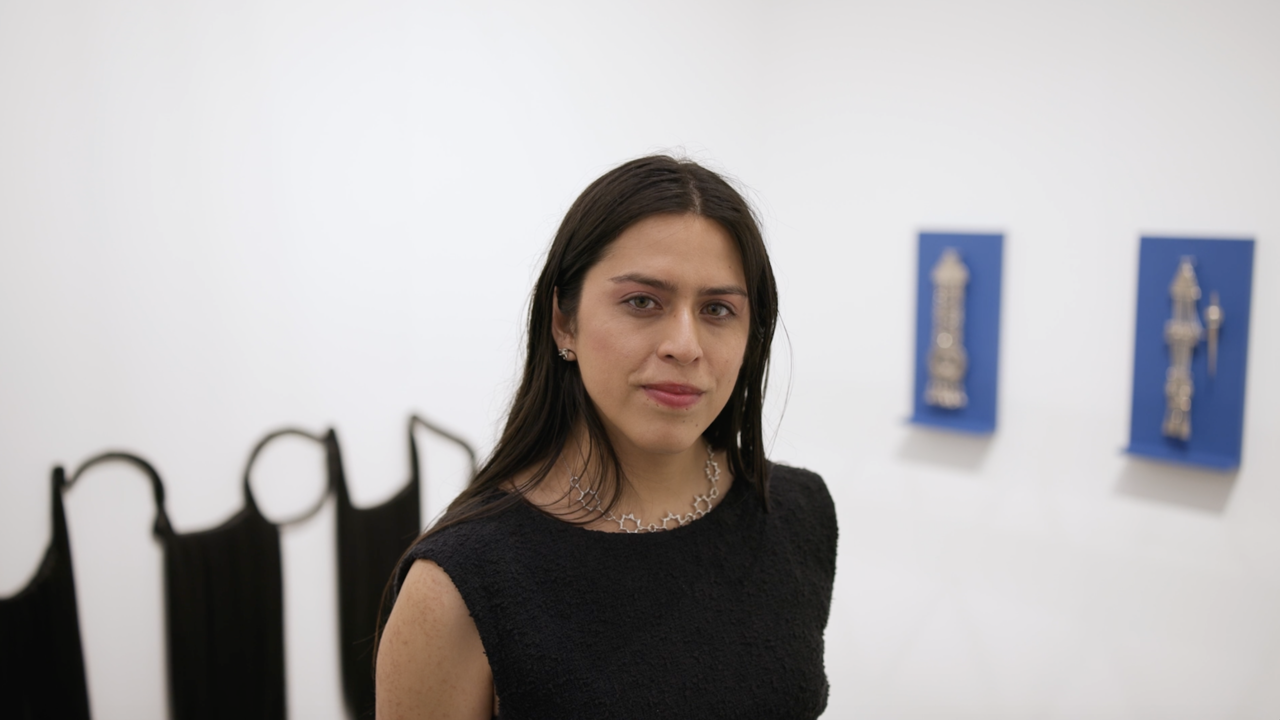
Seba Calfuqueo and the Colonized Body

Andrew Durbin reviews national pavilions at the 2026 Venice Biennale, critiquing the US presentation as vacuous while praising incisive and moving installations from Britain and Germany. The review highlights Seba Calfuqueo's work in the context of colonized bodies, though the article's main focus is on the comparative quality of the pavilions.

‘YBA & BEYOND’ Exports British Cool

Frieze critic Andrew Durbin reviews the national pavilions at the Venice Biennale, contrasting a vacuous US presentation with incisive and moving installations from Britain and Germany. The British pavilion, titled 'YBA & BEYOND,' exports British cool by showcasing works from Young British Artists and their successors, while the German pavilion offers a deeply resonant experience. The US pavilion is criticized for lacking meaningful content, raising questions about curatorial direction and national representation.

Seven Shows to Catch Across the US This May

Art critic Andrew Durbin reviews national pavilion presentations at the Venice Biennale, contrasting a vacuous US exhibition with incisive and moving installations from Britain and Germany. The review highlights the disparity in thematic depth and emotional resonance among the three pavilions.

‘Afterimages’: What Does It Mean to See Through Overload?

Andrew Durbin reviews the national pavilions at the Venice Biennale, contrasting a vacuous US presentation with incisive and moving installations from Britain and Germany. The article critiques the lack of meaningful engagement in the US pavilion while praising the depth and emotional resonance of the British and German contributions.

Arsenale Review: Where Voices Resist Erasure

At the 2026 Venice Biennale's Arsenale, critic Andrew Durbin reviews national pavilions, finding the US presentation vacuous and lacking meaning, while praising the British and German pavilions for their incisive and moving installations that resist erasure. The review highlights a stark contrast in curatorial ambition and political engagement among the participating nations.

‘In Minor Keys’ Review: Its Best Moments Live in the Institutions Koyo Kouoh Built

Andrew Durbin reviews the national pavilions at the 2026 Venice Biennale, contrasting a vacuous US presentation with incisive and moving installations from Britain and Germany. The review highlights how the best moments of the exhibition live in the institutions built by curator Koyo Kouoh, who organized the Biennale's main exhibition.

Behind the 2026 Venice Issue Cover

Frieze magazine has published a critic's guide to the 2026 Venice Biennale, highlighting key installations and pavilions to see in the Arsenale and Giardini. Notable entries include fierce pussy’s posters welcoming LGBTQ+ visitors to Venice and Florentina Holzinger’s water-themed Austrian Pavilion. The article is part of Frieze's coverage of the 2026 Venice Biennale, offering curated recommendations for attendees.

Sung Tieu and the Art of Difficulty

Sung Tieu, a Vietnamese-born German artist, is the subject of a critical feature in Frieze that examines her work's engagement with difficulty—both in terms of the complex political and historical themes she tackles and the challenging formal qualities of her installations. The article highlights her recent projects, including works shown at the Venice Biennale, which address issues of surveillance, migration, and Cold War legacies through meticulous research and unconventional materials.

Abbas Akhavan Refuses to Perform an Identity

The article is a critic's guide to the 2026 Venice Biennale, highlighting key installations and pavilions in the Arsenale and Giardini. It features works such as fierce pussy's posters welcoming LGBTQ+ visitors and Florentina Holzinger's water-themed Austrian Pavilion, among other notable presentations.

Gabrielle Goliath Sounds a Call to Action in Venice

Gabrielle Goliath’s exhibition "Elegy" is presented as South Africa’s unofficial pavilion at the 61st Venice Biennale, after the country’s Culture Minister Gayton McKenzie overrode an independent committee’s selection of Goliath, citing her proposed inclusion of a memorial for Palestinians killed in Gaza. The installation features three video works in which singers sound a single note in tribute to victims of violence: a South African femicide victim, two women killed in Germany’s colonial genocide in Namibia, and Palestinian poet Heba Abunada. The show occupies the Chiesa di Sant'Antonin in Venice, curated with Ingrid Masondo, after a legal challenge against McKenzie was dismissed.

The Ukrainian Pavilion’s Deer Seen Around the World

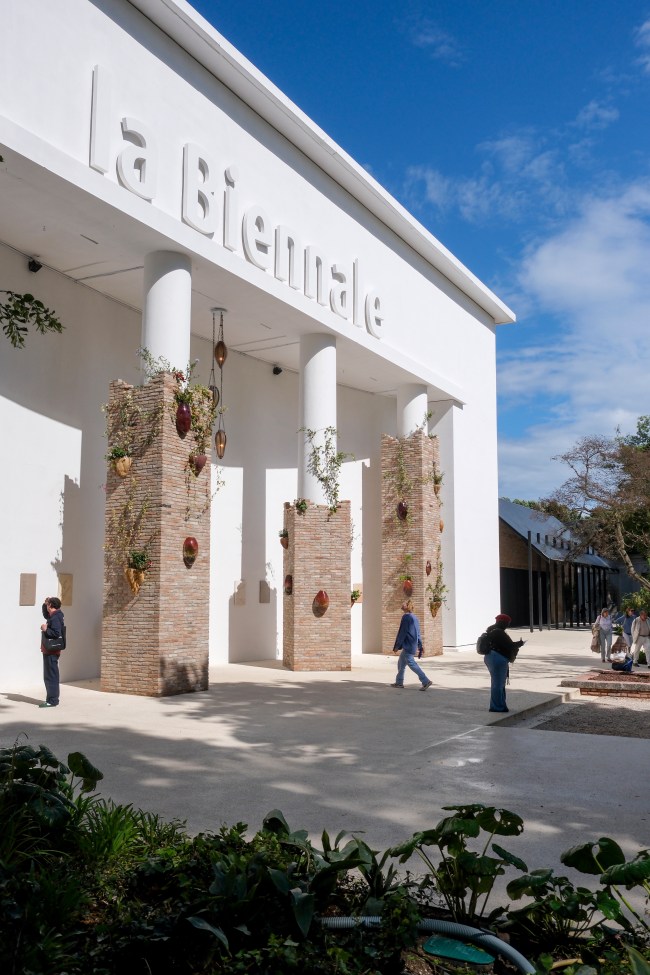
Zhanna Kadyrova's concrete sculpture "The Origami Deer" (2019) is prominently displayed at the entrance to the Giardini during the 61st Venice Biennale, part of her project "Security Guarantees" in the Ukrainian Pavilion. Originally installed in Pokrovsk, eastern Ukraine, the work was removed in 2024 as Russian forces advanced, then traveled through Vienna, Warsaw, Prague, Berlin, and Paris before reaching Venice—a journey mirroring the displacement of millions of Ukrainians. The sculpture, shaped like a deer and evoking folded paper, references the 1994 Budapest Memorandum, in which Russia, the UK, and US guaranteed Ukraine's security in exchange for its nuclear disarmament—guarantees that proved worthless after Russia's invasions.

ArtReview Podcast | Episode 6: Hyeree Ro

ArtReview Podcast episode 6 features artist Hyeree Ro, who speaks with associate editor Jenny Wu about her practice, including her attraction to objects with ambiguous functions. Ro discusses her work *Niro* (2024), a skeletal car installation exploring her relationship with her late father, and her upcoming exhibition at the Korean pavilion for the 61st Venice Biennale. The episode also touches on gardens and maintaining friendships as artists, with references to the Soswaewon garden and Hua Hsu's memoir *Stay True*.

Architecture as Microcosm: Interview with Architects Barclay & Crousse Coming to an Exhibition in Milan

Architettura come microcosmo. Intervista agli architetti Barclay & Crousse che arrivano in mostra a Milano

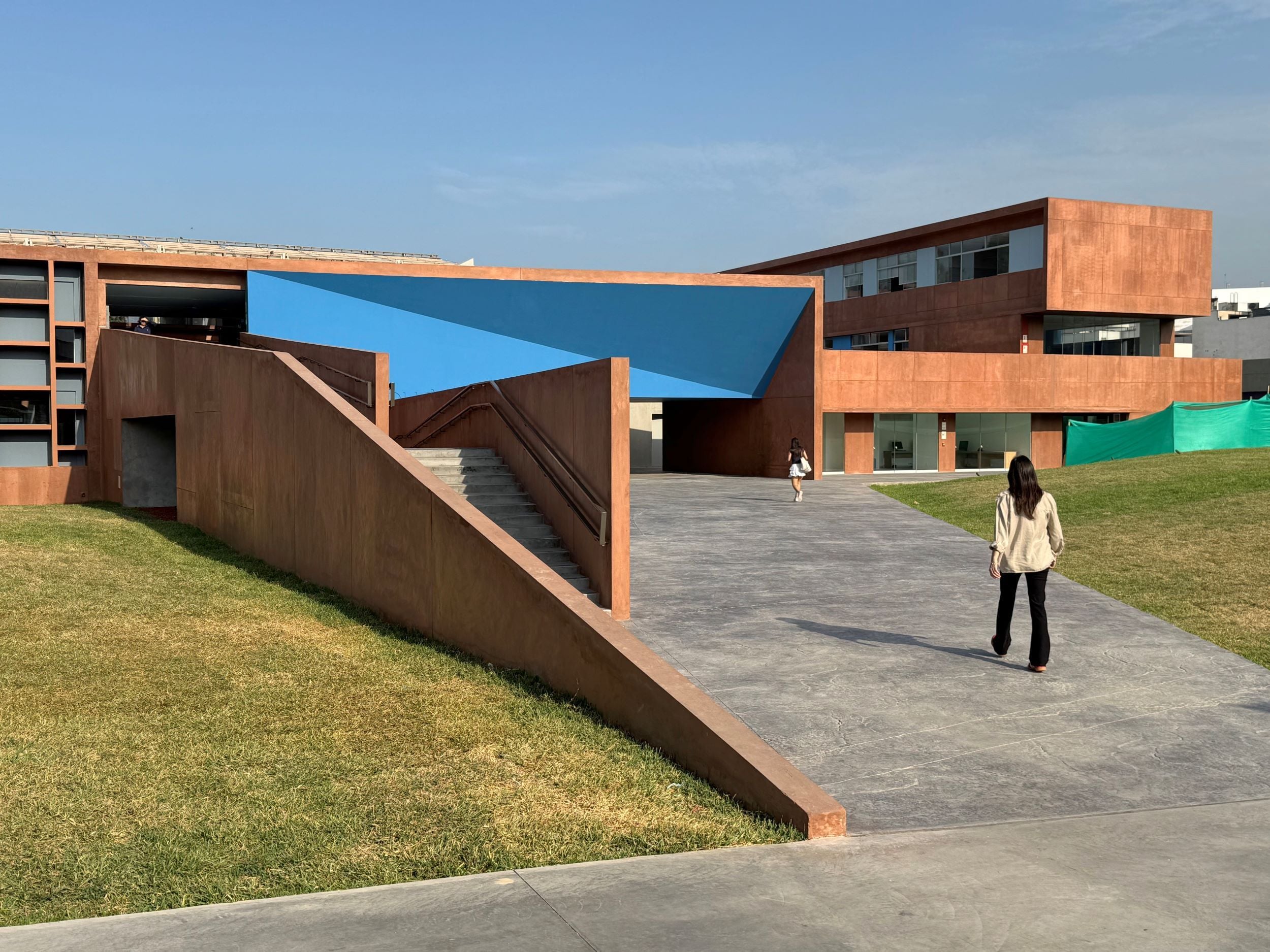
Architects Sandra Barclay and Jean Pierre Crousse, founders of Barclay & Crousse Architecture, are the subject of a feature interview and exhibition in Milan. The studio, established in Paris in 1994 and now based in Peru, is known for projects that deeply engage with the Peruvian landscape, particularly the coastal desert between the Pacific Ocean and the Andes. Their notable works include the Lugar de la Memoria (Lima, 2015), the Museo de Paracas (2016), and the Franco-Peruvian School in Lima (2025), which recently won the Grand International Prize at the X Bienal Internacional de Arquitectura de Santa Cruz (Bolivia) in 2026. The article traces their education across Peru, France, and Italy, and their return to Peru in 2006, where they continue to run a French branch called Atelier Nord Sud.

The 10 best pavilions to see at the 2026 Venice Art Biennale. Artribune's top ten

I 10 migliori padiglioni da vedere alla Biennale d’Arte di Venezia 2026. La top ten di Artribune

Artribune presents its top ten must-see national pavilions at the 2026 Venice Biennale, which features a record 100 participating countries. The article highlights standout projects including Greece's escape room by Andreas Angelidakis critiquing nationalist populism, Belgium's participatory dance installation by Miet Warloop, and Canada's greenhouse-like pavilion by Abbas Akhavan exploring colonial botany. The Biennale, curated by Koyo Kouoh under the theme "In Minor Keys," is marked by last-minute jury resignations leading to public voting for the Golden Lions, as well as protests over the participation of Russia and Israel.

PinchukArtCentre opens new exhibition at the Venice Biennale

The PinchukArtCentre has opened a new exhibition titled "Still Joy — From Ukraine Into the World" as part of the official parallel program of the 61st Venice Biennale. The show, which opened on May 7 at Palazzo Contarini Polignac and runs through August 1, features works by over 20 international and Ukrainian artists exploring joy as an act of resilience and humanity. Central to the exhibition are testimonies from Hlib Stryzhko, a marine veteran who returned from Russian captivity, which are transformed into sculptural elements. Notable works include a protest performance by Yurii Hruzinov at the Russian pavilion, a video installation of Kyiv rave parties by Malashchuk and Khimei, and installations by Future Generation Art Prize laureates Ashfika Rahman and Zhanna Kadyrova.

Marina Abramović’s Historic Venice Biennale Exhibition Is a Full-Circle Moment

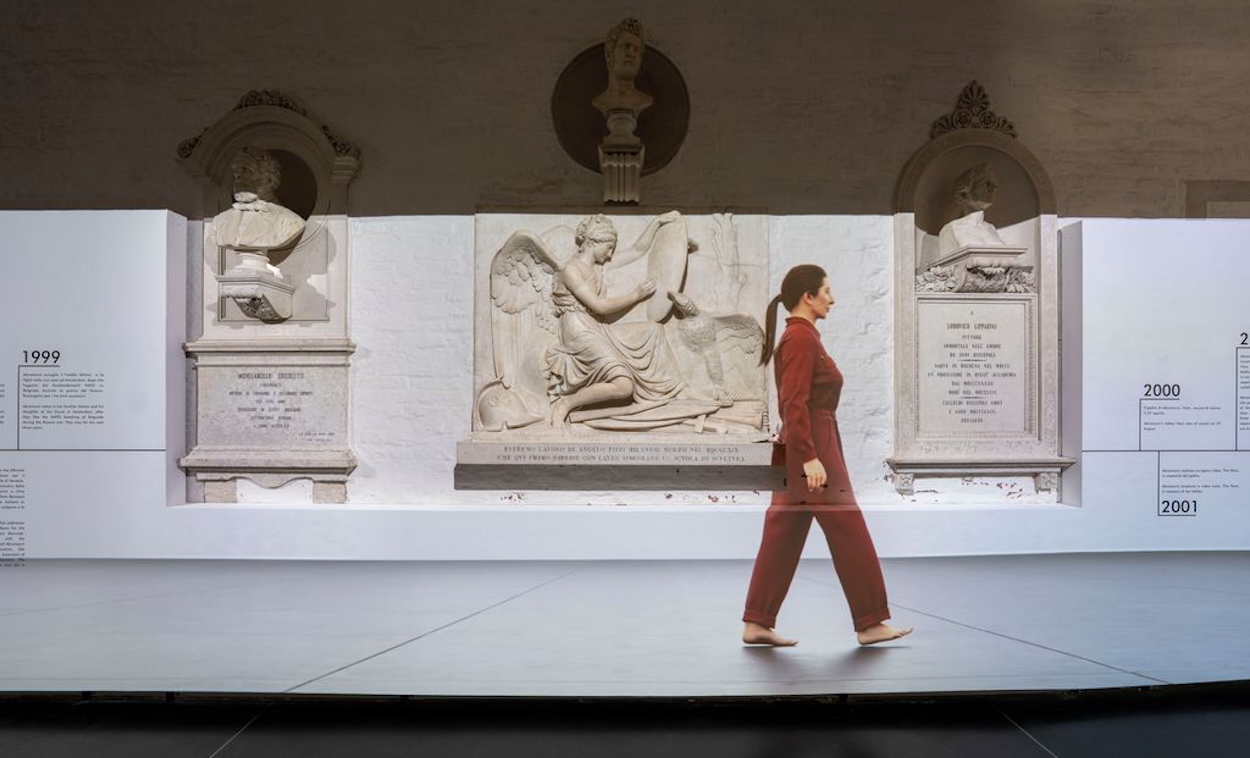
Marina Abramović has become the first living woman to be honored with a dedicated exhibition at the Gallerie dell’Accademia di Venezia, titled “Marina Abramović: Transforming Energy.” The show, which coincides with her 80th birthday, features works selected in dialogue with Renaissance masterpieces from the museum’s permanent collection, including pieces such as “The Lovers, Great Wall Walk,” “Balkan Baroque,” and “Pietà (Anima Mundi).” Abramović first visited the Venice Biennale at age 14 and later won the Golden Lion there in 1997; this exhibition marks a full-circle return to the city that inspired her.

UAE unveils ‘Washwasha’ at Venice Biennale

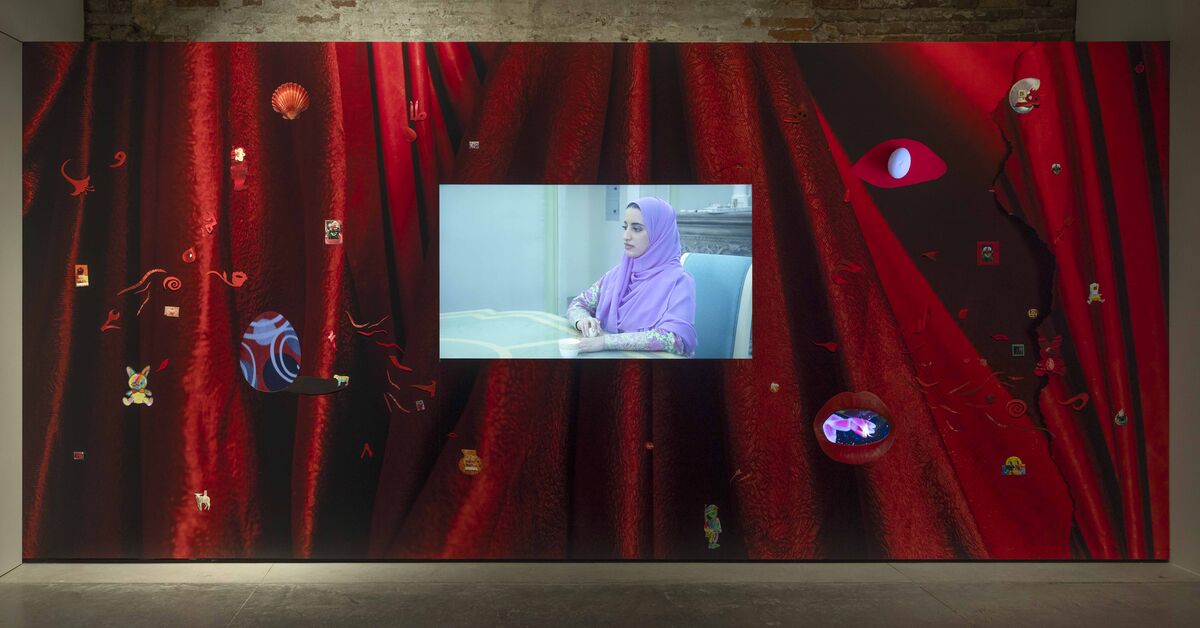
The article reports on the UAE Pavilion's presentation at the Biennale Arte 2026 in Venice, titled 'Washwasha'. It also covers several art exhibitions in Dubai, including 'In Abstracto, In Concreto' at Efie Gallery featuring artists like Tunji Adeniyi-Jones and Ludovic Nkoth, the 'White' faculty exhibition at XVA Gallery, and the inaugural exhibition at Tatintisian Gallery's new Dubai space with works by Ron Arad, Peter Saul, and Tony Matelli. Additionally, it mentions a book of the week and a photo of the UAE Pavilion.

Exhibition | Jorge Molder, 'Lusco-fusco' at Galerie Bernard Bouche, Paris, France

Galerie Bernard Bouche in Paris is presenting 'Lusco-fusco', a new exhibition by Portuguese photographer Jorge Molder, opening March 28. The show features two interrelated photographic series, 'Dorothy' (black and white) and 'Cesare' (color), which extract and rework still images from Robert Wiene's 'The Cabinet of Dr. Caligari' (1920) and Victor Fleming's 'The Wizard of Oz' (1939). Molder halts the cinematic narrative to explore stillness, ambiguity, and the motifs of masks, dreams, and multiple identities through self-portraiture.