filter_list Showing 1841 results for "Paris" close Clear
search
dashboard All 1841 museum exhibitions 861trending_up market 340article news 221article culture 128person people 80article policy 51article local 47candle obituary 47gavel restitution 34rate_review review 26article events 2article event 2article museums 1article museum 1
date_range Range Today This Week This Month All
Subscribe

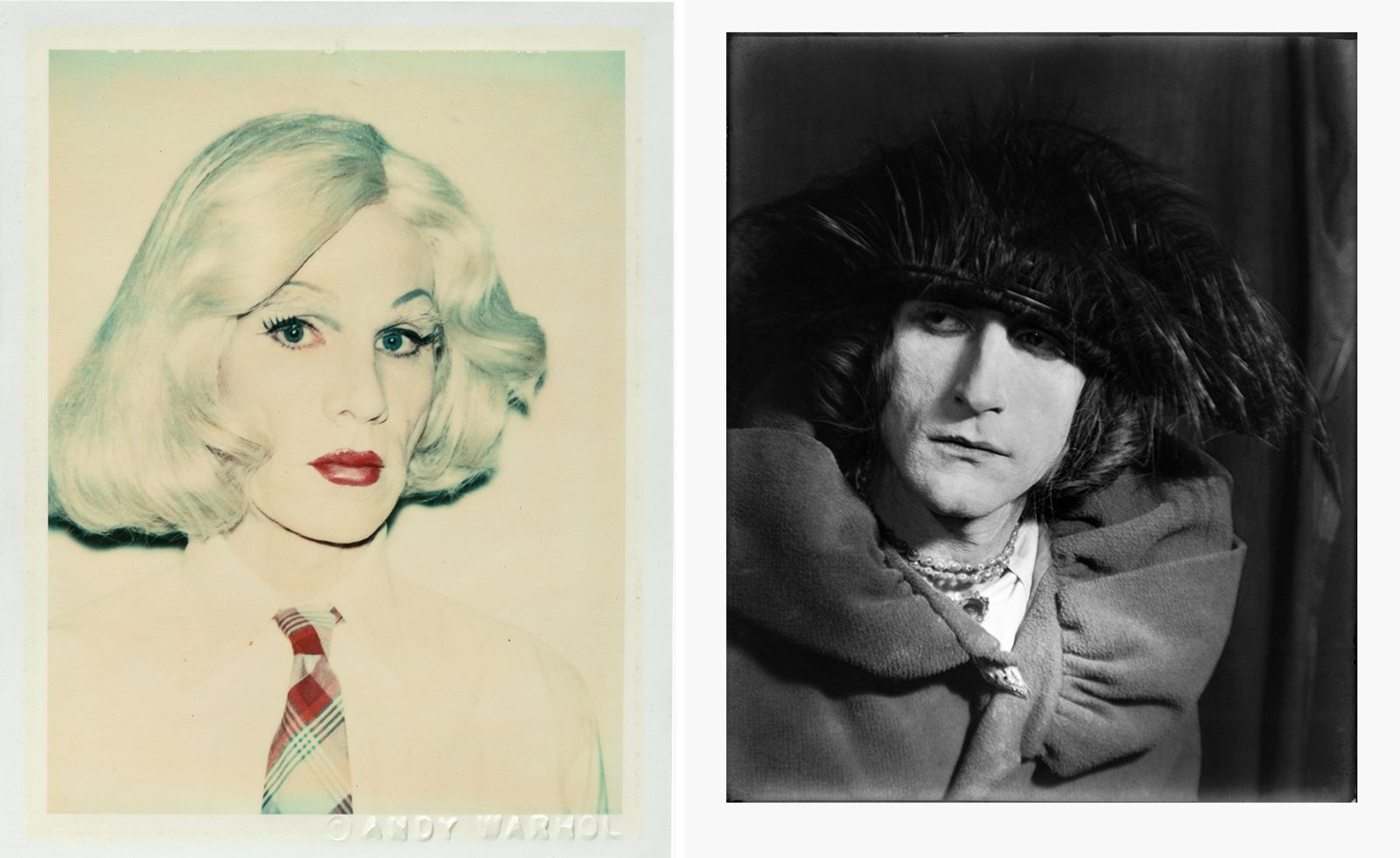
From Rembrandt to Warhol, a Paris exhibition asks: what do artists wear?

Annabelle Ténèze, now Director of the Musée du Louvre-Lens, has curated a new exhibition titled 'The Art of Dressing – Dressing like an Artist' at the museum. The show explores how artists from Rembrandt to Warhol use clothing and self-fashioning in their self-portraits and public personas, drawing on examples such as Niki de Saint Phalle's eccentric wardrobe and Rembrandt's deliberate sartorial choices. Ténèze was inspired by her earlier work on de Saint Phalle at Les Abattoirs in Toulouse and by Charlie Porter's book 'What Artists Wear'.
The Pain Behind the Colors

Der Schmerz hinter den Farben

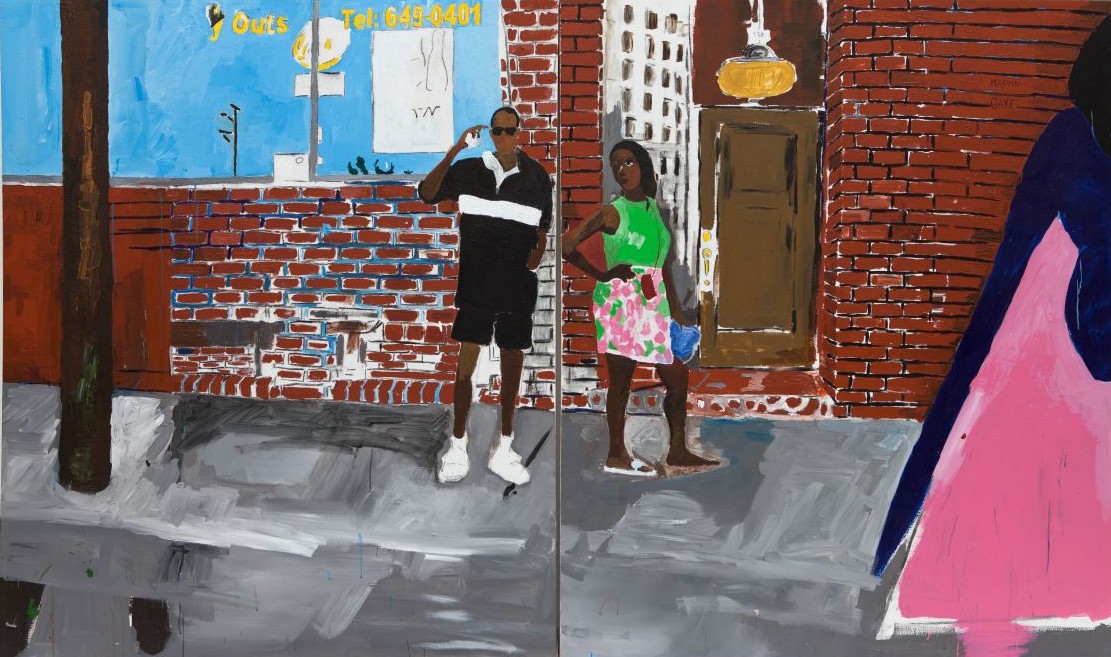
Henry Taylor is the subject of a major exhibition at the Musée Picasso in Paris, where his monumental paintings addressing racism, poverty, hope, and pain are displayed in dialogue with art history. The article describes a key work featuring Martin Luther King Jr. in a park scene, with small adult-faced figures and a limousine of white men watching, highlighting Taylor's narrative style.

Überraschende Begegnungen

The ninth edition of the "Various Others" festival in Munich brings together institutions, off-spaces, and galleries for a city-wide series of exhibitions in May. Highlights include Walter Storms Galerie presenting Anselm Reyle's first Munich solo show with Istanbul's Dirimart; Kraupa-Tuskany Zeidler collaborating with Rome's T293 to show Simon Denny's tech-critical works; Max Goelitz pairing Lukas Heerich and Rindon Johnson with Eva Hesse in dialogue with Hauser & Wirth; Lohaus Sominsky and Paris's Mennour featuring Ilit Azoulay and Alicja Kwade; and Rüdiger Schöttle hosting Milena Muzquiz and Elif Saydam. A new parcours exhibition, "Vectors," inspired by Jan Hoet's "Chambres d'Amis," places contemporary art in tech company offices across Munich.

How Tech Billionaires Turn Couture into Content

Wie Tech-Milliardäre Couture zu Content machen

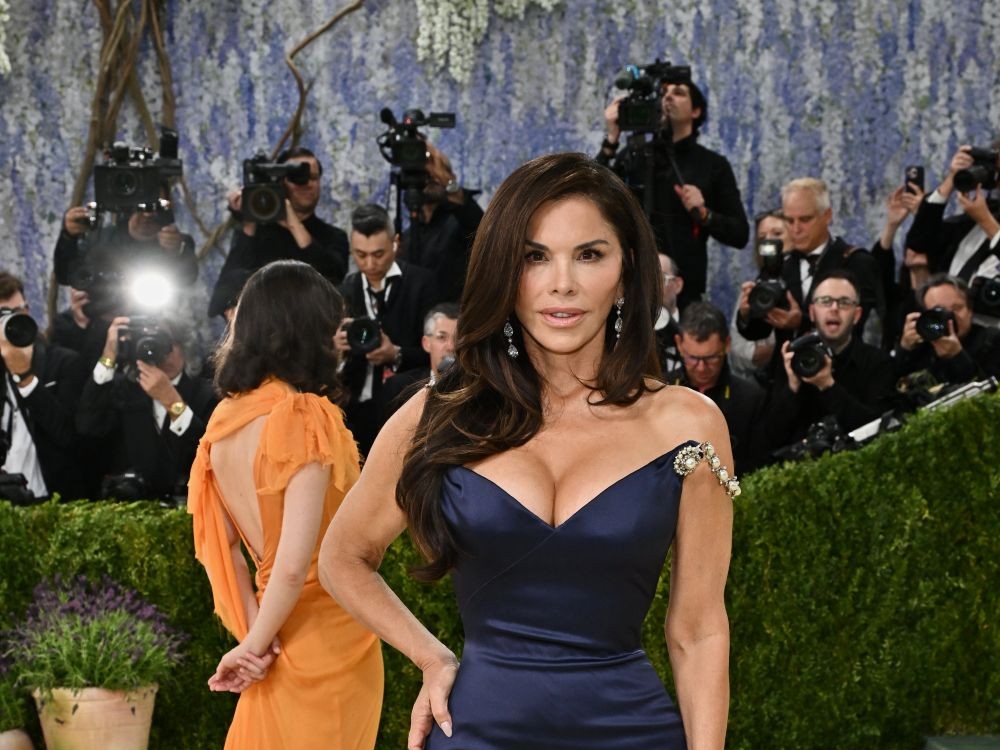
The Met Gala, long considered the premier event for fashion and cultural influence, has become increasingly dominated by tech billionaires. This year, Jeff Bezos and Lauren Sánchez Bezos purchased their role as co-hosts, sparking protests in New York and raising questions about whether money alone now buys entry into the highest echelons of fashion. Individual tickets cost $10,000 and a table $350,000, with sponsors including OpenAI, Snapchat, and Meta. The event, organized by Anna Wintour to raise funds for the Costume Institute at the Metropolitan Museum of Art, raised $31 million last year but has transformed from a benefit into a spectacle optimized for viral moments and algorithmic appeal.

How Alexander Calder Set Sculpture in Motion

Wie Alexander Calder die Skulptur in Bewegung setzte

The Fondation Louis Vuitton in Paris has launched a major retrospective titled "Rêver en Équilibre," dedicated to the American sculptor Alexander Calder. Featuring over 300 works, the exhibition traces Calder’s journey from his 1926 arrival in Paris to his invention of the "mobile," a term coined by Marcel Duchamp. The show includes iconic large-scale hanging sculptures like "Rouge triomphant," wire figures from his famous "Cirque Calder," and rarely seen private loans, alongside paintings and jewelry that highlight his engineering background and poetic approach to abstraction.

Imitations of a Mediocre Teenager on Tranquilizers

"Nachahmungen eines mittelmäßigen Teenagers auf Tranquilizern"

The Victoria & Albert Museum has reportedly censored exhibition catalogs following pressure from Chinese printing firms, removing images and maps related to sensitive topics like Tibet and Tiananmen Square. This editorial roundup also highlights artist Molly Crabapple’s sharp critique of generative AI as a massive intellectual property theft and a profile of Rirkrit Tiravanija’s communal home in Thailand, which functions as a social sculpture.

Where Does "Guernica" Belong?

Wohin gehört "Guernica"?

Basque Prime Minister Imanol Pradales has formally requested the temporary transfer of Pablo Picasso’s masterpiece "Guernica" from Madrid to the Basque Country. The proposal seeks to exhibit the monumental 1937 anti-war painting at the Guggenheim Museum Bilbao for nine months starting in late 2026 to coincide with the 90th anniversary of the town's bombing. While the work depicts the destruction of the Basque town of Gernika by Nazi and Italian fascist forces, it has resided at the Museo Reina Sofía in Madrid since 1992.

On Île Seguin, the new art center Large unveils its spectacular building and a first exhibition focused on Renault's history

Sur l’île Seguin, le nouveau centre d’art Large dévoile son bâtiment spectaculaire et une première expo tournée vers l’histoire de Renault

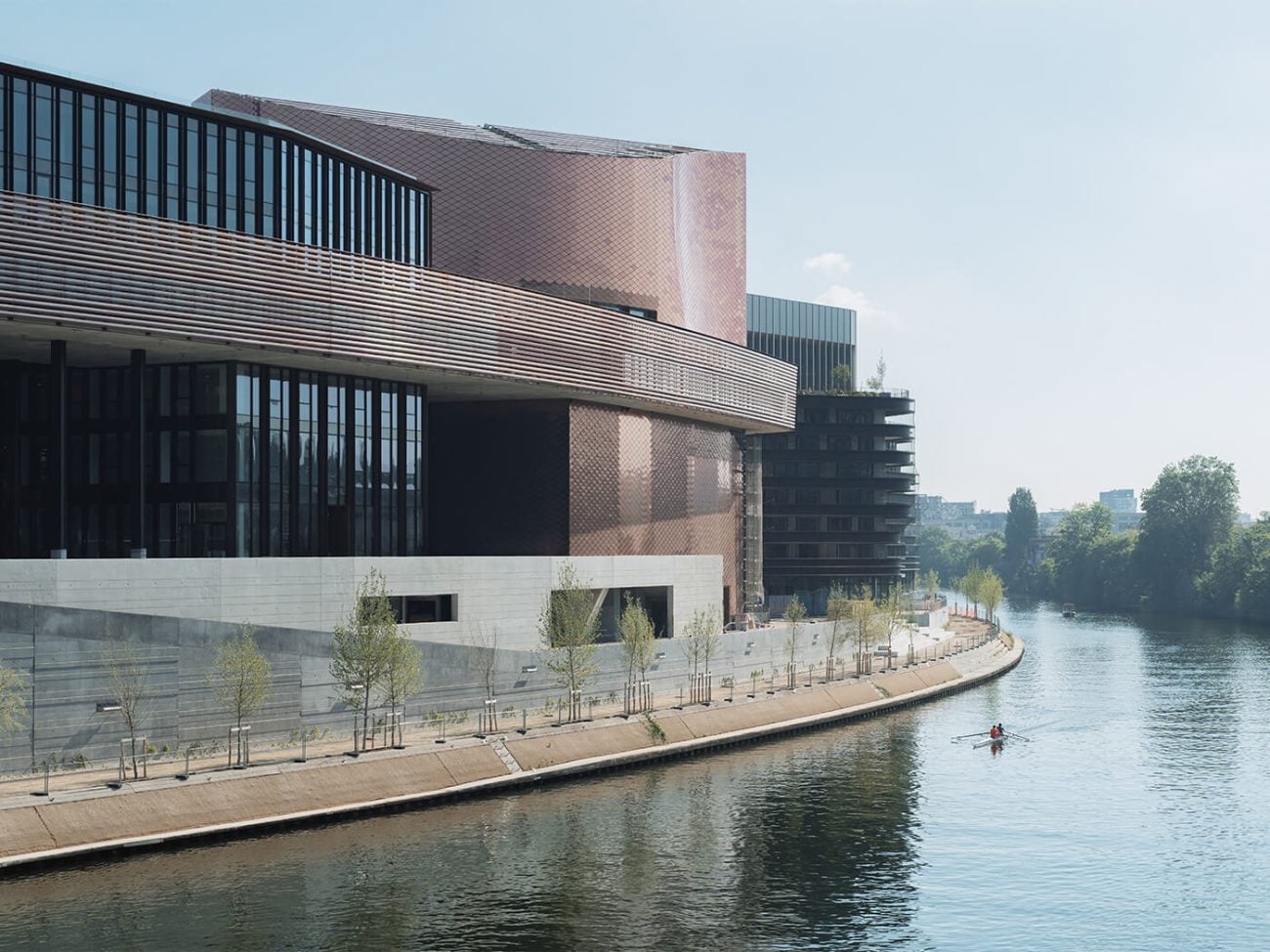
On Île Seguin, the new contemporary art center Large unveiled its spectacular building designed by Catalan firm RCR Arquitectes during a press preview on May 21. The center, backed by real estate developer Emerige and its president Laurent Dumas, will open to the public on October 17. Its inaugural exhibition, curated by Cecilia Alemani, explores the history of the automobile and the island's industrial past as the site of Renault factories from 1929 to 1992, featuring works by 55 contemporary artists including Julio Le Parc, Nina Beier, Thomas Bayrle, Mohamed El Khatib, and Giulia Andreani.

La Tour Eiffel aux enchères

The French Senate has definitively adopted a law on the restitution of cultural property looted during the colonial period, marking a major legislative step in France's approach to colonial-era artifacts. The law establishes a legal framework for returning objects held in French public collections to their countries of origin, potentially affecting thousands of items in museums across the country.

Relaxe pour le coupeur de tête

The latest issue of Le Journal des Arts (n°677, May 15, 2026) covers several major art-world stories: the Venice Biennale opening amid controversy, the final adoption of a French law on the restitution of cultural property looted during colonization, the V&A East museum's strategy to attract younger audiences, the uneven economic impact of Monet's legacy on the town of Giverny, and the structuring of the market for Nabis artists.

« Caïn » de Fernand Cormon : aux origines de la conscience humaine ?

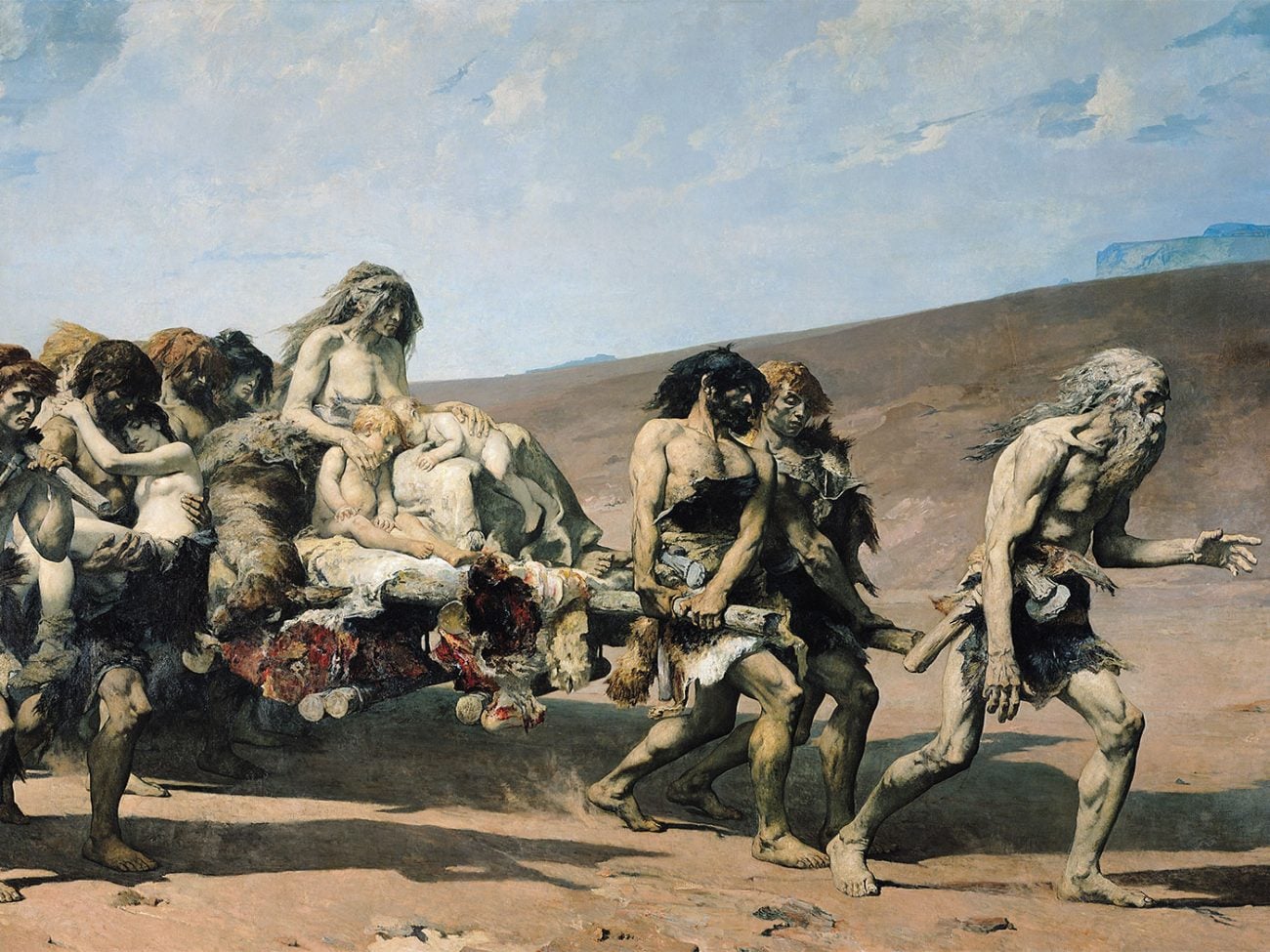
Beaux Arts Magazine analyzes Fernand Cormon's monumental 1880 painting "Caïn," currently held at the Musée d'Orsay. The article describes the scene: a prehistoric, weary clan trudges through a desert, led by a haggard patriarch, with a tired mother on a litter and hunters carrying game. Cormon's work is presented as the antithesis of classical triumph, evoking a melancholic, post-traumatic atmosphere. The painting is linked to the biblical story of Cain, who killed his brother Abel and was condemned to exile, and is accompanied by verses from Victor Hugo's poem "Conscience."

In 1955, Calder brings his famous 'Cirque' to life in front of Jean Painlevé's camera

En 1955, Calder active son célèbre « Cirque » face à la caméra de Jean Painlevé

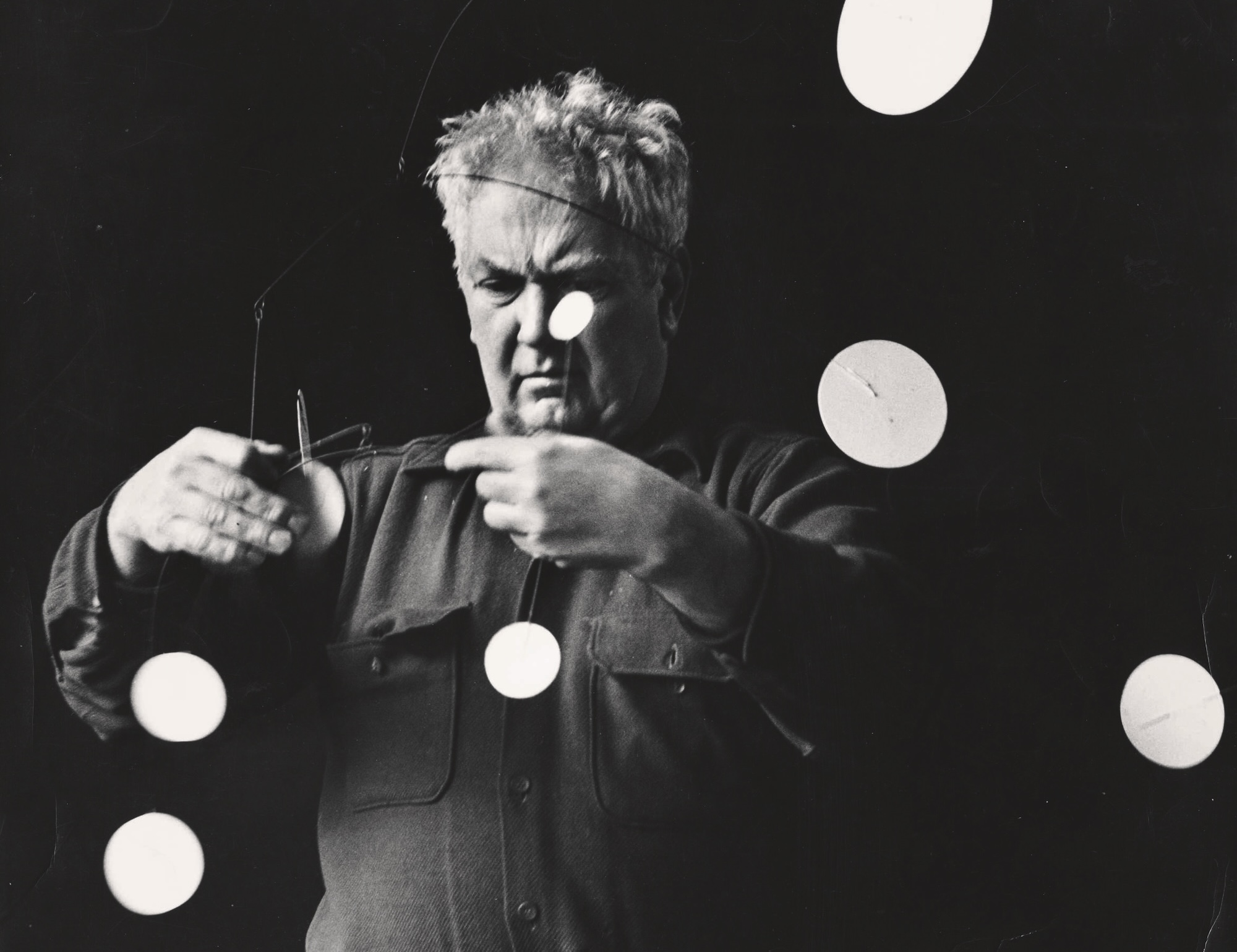
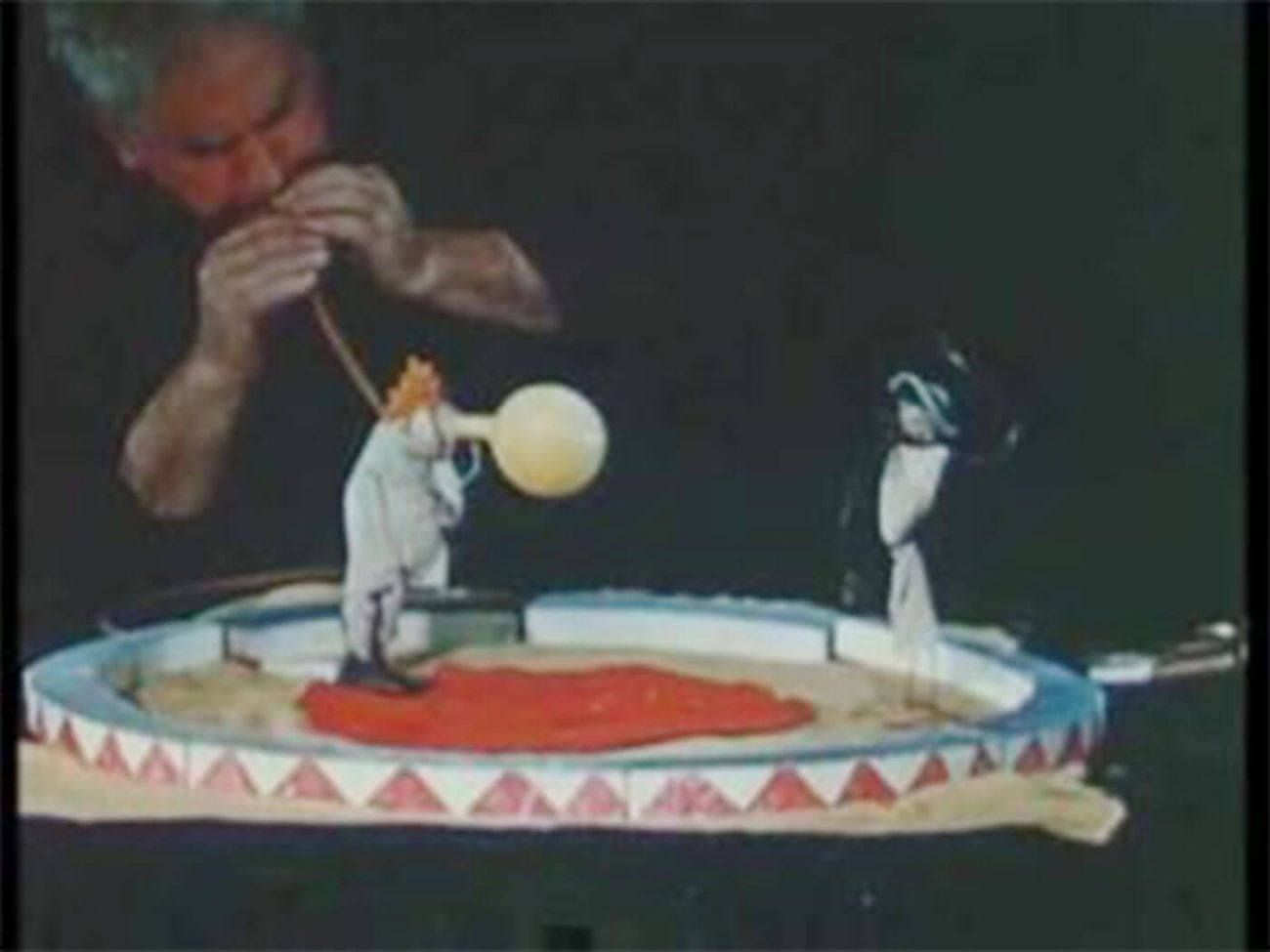
A 1955 film by Jean Painlevé captures Alexander Calder performing his famous "Cirque" (Circus), a handmade miniature circus he created between 1926 and 1931 in Paris. The film shows Calder manipulating fragile wire-and-wood figures—weightlifters, trapeze artists, clowns, and dancers—while a gramophone plays. The work, now preserved at the Whitney Museum of New York, is on loan for a major Calder retrospective at the Fondation Louis Vuitton in Paris (April 15–August 16, 2026). Painlevé's film is also the subject of a concurrent exhibition at the Musée de Pont-Aven (February 7–May 31, 2026).

The fate of 'Guernica', a political icon born under bombs, traced in virtual reality at the Musée Picasso

Le destin de « Guernica », icône politique née sous les bombes, retracé en réalité virtuelle au musée Picasso

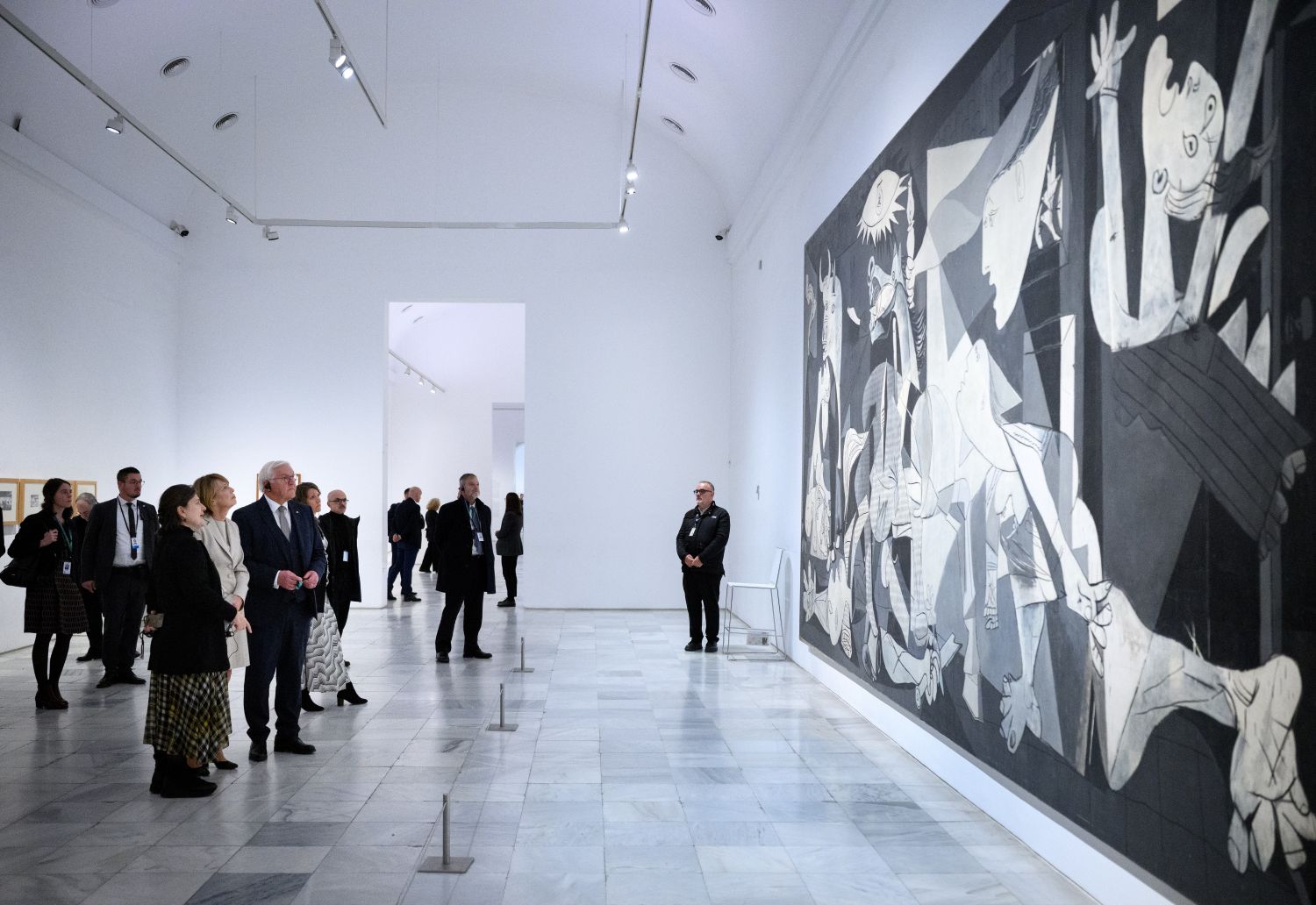
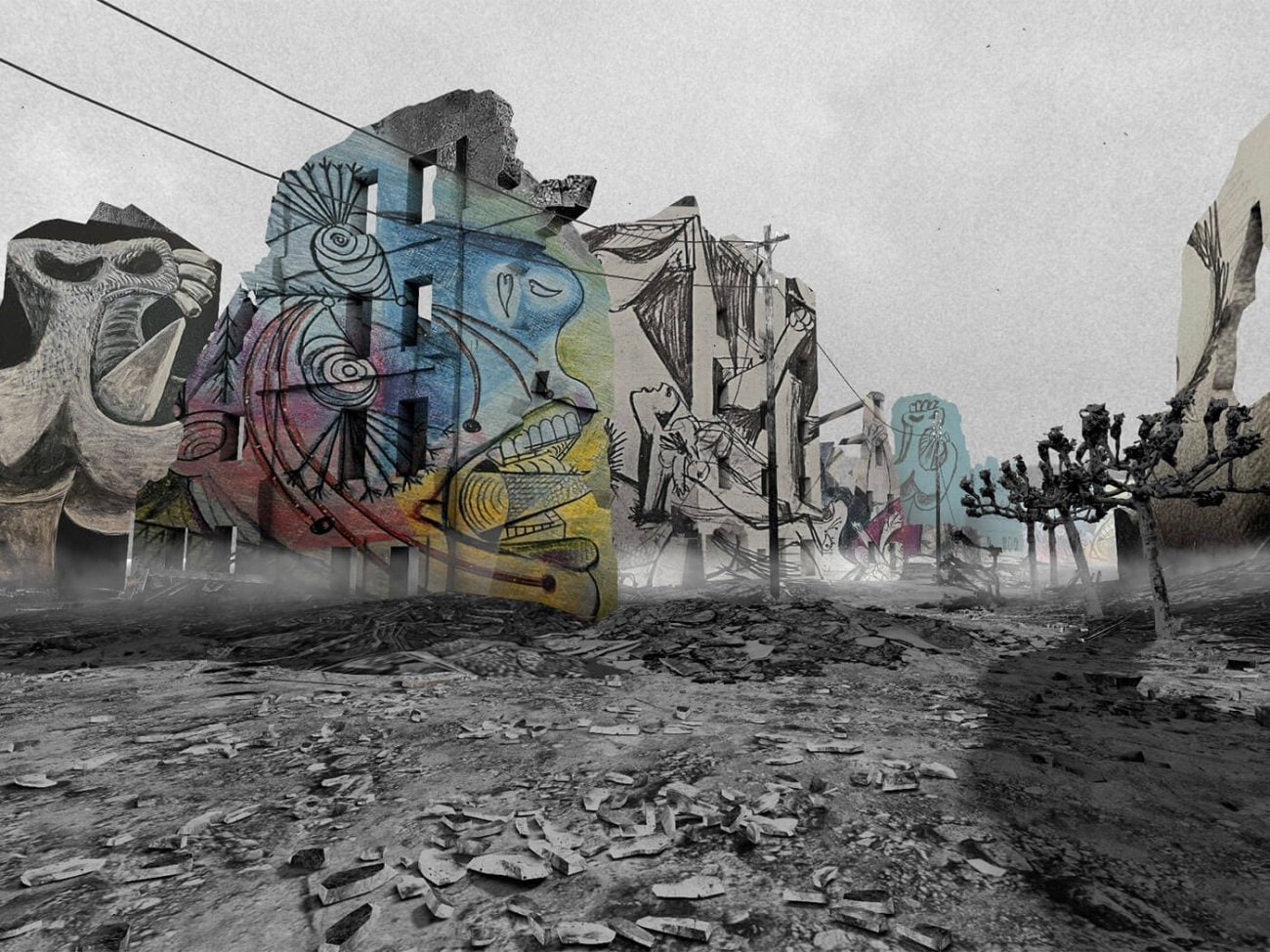
The Musée Picasso-Paris is launching a virtual reality experience that traces the epic journey of Pablo Picasso's "Guernica," one of the most iconic political paintings of the 20th century. Guided by the voices of writer Juan Larrea and photographer Dora Maar, visitors are transported to Picasso's Paris studio and the bombed ruins of Gernika, reliving the creation of the masterpiece commissioned for the Spanish Republic's pavilion at the 1937 International Exposition in Paris. The VR experience covers the painting's genesis, its global tour, and its eventual exile at MoMA in New York until 1981.

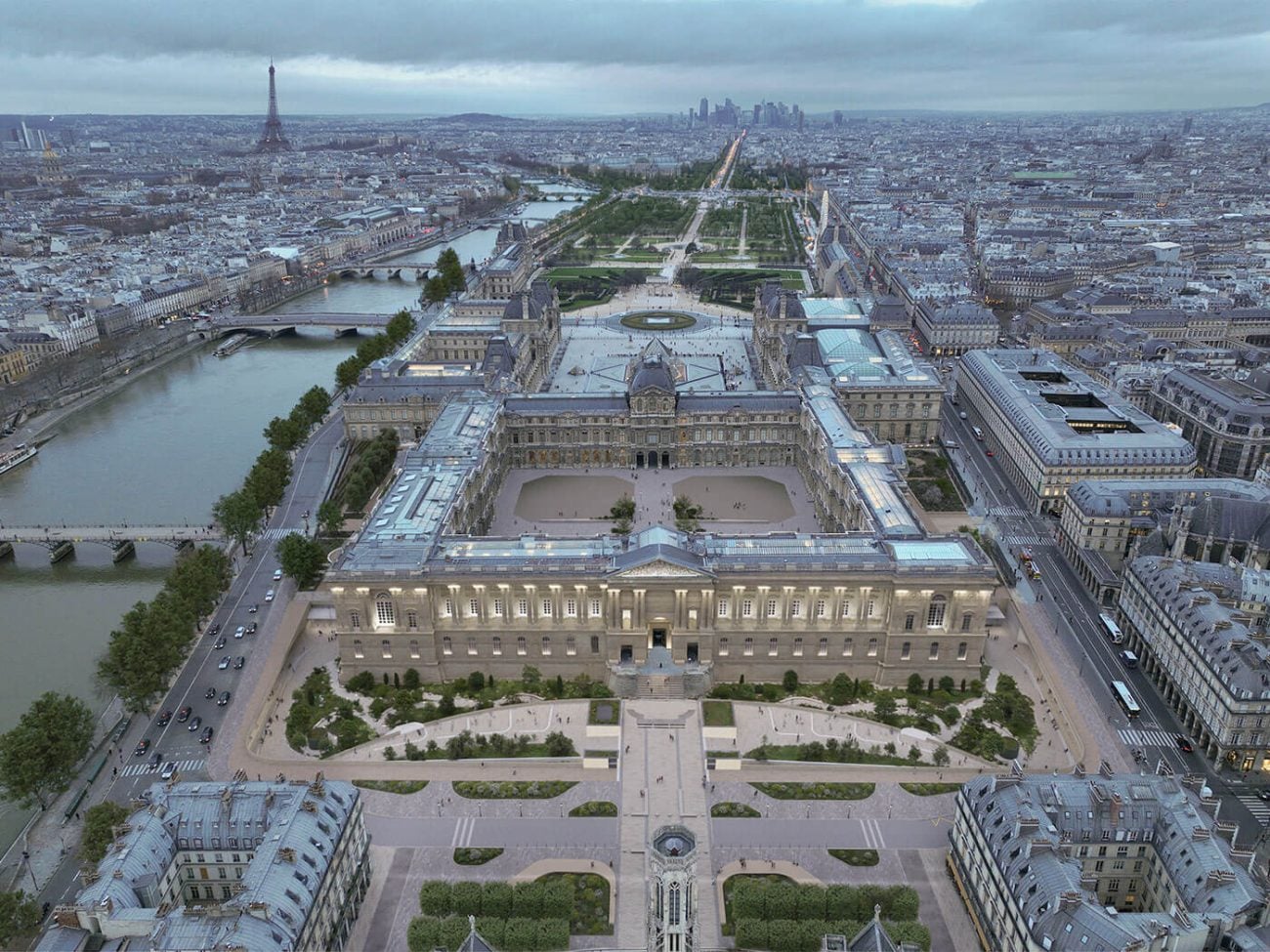
What will the future Louvre museum look like? The architects of the century's construction site have been chosen

À quoi ressemblera le futur musée du Louvre ? Les architectes du chantier du siècle désignés

On May 18, the French Ministry of Culture announced the winner of the international competition for the 'Louvre Nouvelle Renaissance' plan, championed by President Emmanuel Macron in January 2025. The winning consortium, led by Studios Architecture Paris and Selldorf Architects with landscape firm Base, will design a major renovation of the Louvre. The project includes a new entrance on the east side near Saint-Germain-l’Auxerrois to relieve congestion at the pyramid, a belvedere overlooking vegetated moats, and a new 3,000-square-meter gallery dedicated to the Mona Lisa. Construction is not expected to begin before 2028.

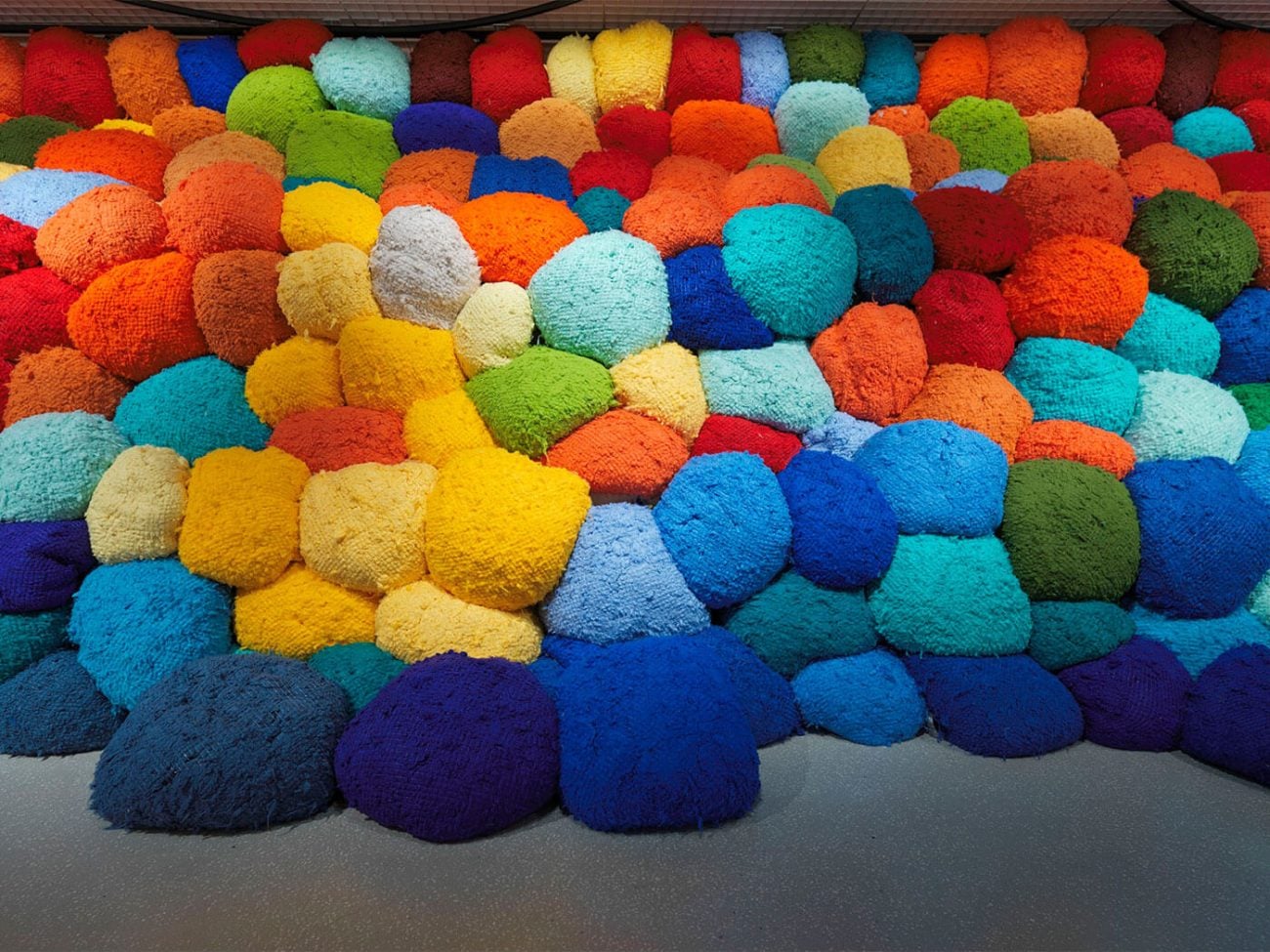
Sheila Hicks en 2 minutes

Sheila Hicks, the American textile artist born in 1934, is profiled in a concise overview of her career. The article traces her journey from studying under Josef Albers at Yale and learning weaving from Andean artisans in Chile, to establishing her studio in Mexico and later Paris. It highlights her monumental commissions for hotels, embassies, and public spaces, as well as her intimate "Minimes" works. Key milestones include her 2014 piece "Pillar of Inquiry/Supple Column" at the Whitney Biennial, her 2017 installation at the Venice Biennale, and a major retrospective at the Centre Pompidou in 2018.

Orsay inaugure une salle destinée aux œuvres « MNR »

The Musée d'Orsay in Paris has opened a new dedicated gallery, Room 10b, to display works from its MNR (Musées nationaux Récupération) collection—artworks looted or acquired under dubious circumstances during the Nazi era. The room features detailed labels and educational texts, with some works shown verso to reveal provenance labels. The initiative is funded by the American Friends of the Musée d'Orsay and the Musée de l'Orangerie with €1 million over four years, and includes a fake Monet, a Degas subject to a restitution claim, a Rodin sculpture, and a debated Cézanne. The museum's provenance research team, led by Inès Rotermund-Reynard, collaborates with the French Ministry of Culture's M2RS mission.

Michelangelo and Rodin as an 'Artistic Couple'

Michel-Ange et Rodin en « couple artistique »

The Louvre Museum in Paris presents a major exhibition pairing Michelangelo and Auguste Rodin as an "artistic couple," curated by Chloé Ariot of the Musée Rodin and Marc Bormand of the Louvre. The show features over 200 works, including three marble sculptures by Michelangelo—the Slaves and a Christ on the Cross—alongside drawings, plaster casts, and works by Rodin such as the monumental Balzac. It also includes pieces by contemporaries and later artists like Joseph Beuys, Jana Sterbak, Giuseppe Penone, and Bruce Nauman to trace the sculptors' shared legacy.

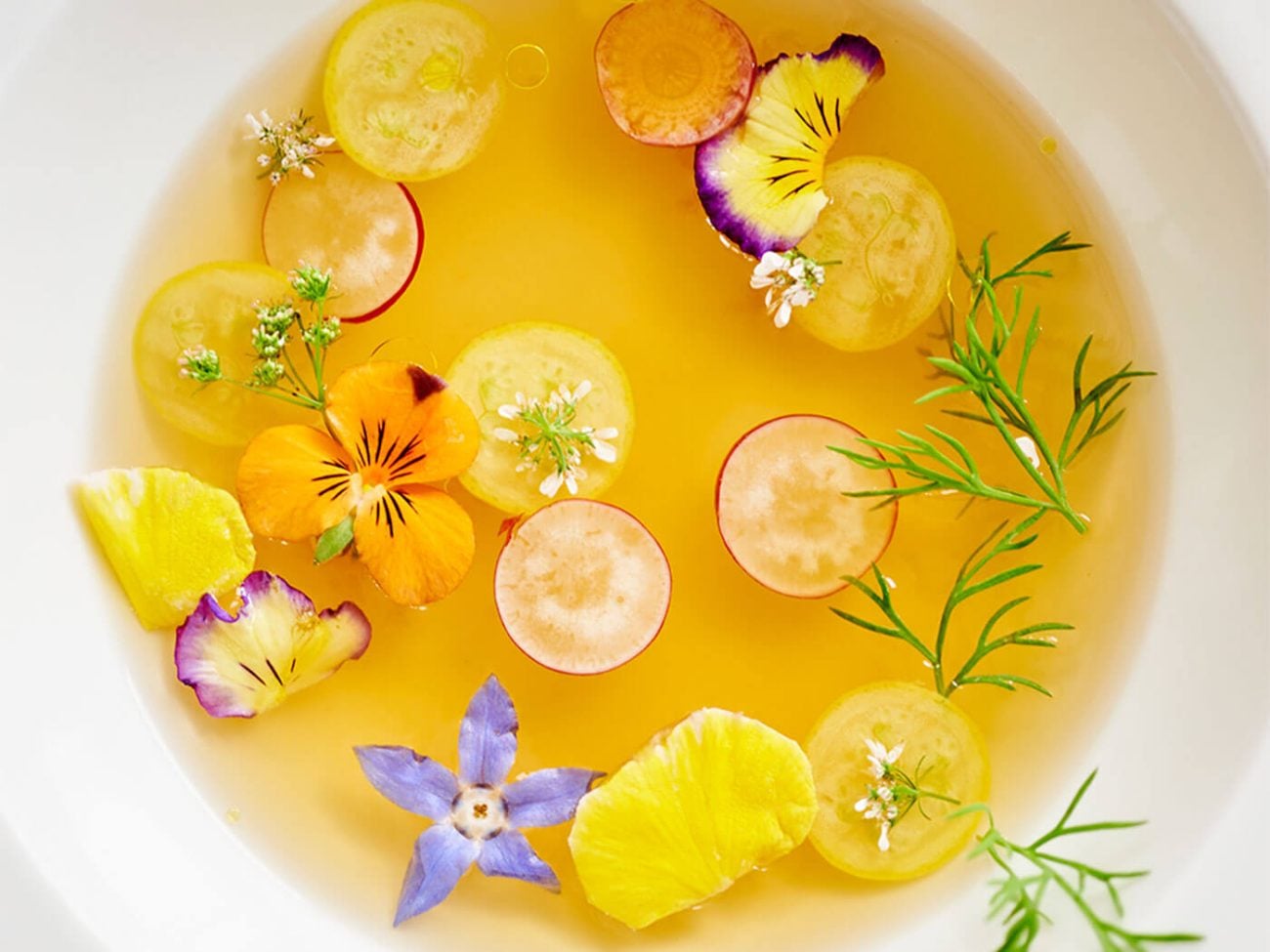
Alain Passard's Art Recipe: Monet's Sublime 'Water Lilies' Invade the Plate

La recette d’art d’Alain Passard : les sublimes « Nymphéas » de Monet s’invitent dans l’assiette

Chef Alain Passard shares a recipe inspired by Claude Monet's "Nymphéas" (Water Lilies) series, connecting the painter's obsessive depictions of his Giverny water garden to a spring consommé decorated with flower petals. The article recounts Monet's move to Giverny in 1883, his creation of a water garden, and his decades-long focus on painting the pond's surface, light, and reflections—culminating in the immersive panoramic panels gifted to France in 1918 and now housed at the Musée de l'Orangerie in Paris.

Décès de Bruno Bischofberger

Bruno Bischofberger, the influential Swiss gallerist and art dealer, has died. Known for his Zurich gallery that represented major contemporary artists, Bischofberger played a pivotal role in the careers of figures like Jean-Michel Basquiat, Andy Warhol, and Francesco Clemente. His death marks the end of an era for the post-war and contemporary art market.

La quinquennale d’art contemporain

This issue of Le Journal des Arts (n°676, May 2, 2026) covers a range of contemporary art news in France and internationally. Headlines include a critical look at the Whitney Biennial's perceived neutrality, the increasing complexity of art taxation in 2025, an interview with Bourges mayor Yann Galut about scaling down the Bourges 2028 project, the unveiling of a contemporary gallery at Angers Cathedral, the abandonment of the Frigos artists' site in Paris, and a profile of auctioneer Hubert L'Huillier.

The Venice Biennale Reaches Full Capacity

La Biennale de Venise fait le plein

The Venice Biennale has reached full capacity, with all exhibition spaces and pavilions fully booked for the upcoming edition. The article reports on the overwhelming demand from participating countries and artists, highlighting the logistical challenges and the record number of national pavilions confirmed for the event.

Museum Night in Paris and Île-de-France: 5 ideas to get off the beaten track

Nuit des musées à Paris et en Île-de-France : 5 idées pour sortir des sentiers battus

The article from Beaux Arts Magazine offers five alternative recommendations for experiencing the Nuit des Musées (Museum Night) in Paris and the Île-de-France region on May 23. Instead of visiting major museums like the Musée d'Orsay or the Grand Palais, readers are guided to lesser-known institutions and unique activities: exploring the craftsmanship of Sèvres porcelain at the Mobilier national, joining a festive dance workshop led by choreographer Wanjiru Kamuyu at the Palais de la Porte-Dorée, creating a collective fresco inspired by Jean Dubuffet at the Parc de l'Île Saint-Germain in Issy-les-Moulineaux, and immersing in the historical atmosphere of 1936 at the Musée de l'Histoire vivante in Montreuil.

« Les artistes sont des fous, des enfants » : rencontre avec Annette Messager au cœur du bric-à-brac poétique de son atelier

French artist Annette Messager, 82, welcomes Beaux Arts Magazine into her Malakoff studio and home ahead of her exhibition at the Musée de la Chasse et de la Nature in Paris. The studio is a chaotic, poetic bric-à-brac filled with hybrid creatures, stuffed toys, anatomical objects, and textile works, including her iconic piece "Les Piques" (1992–1993). Messager, who won the Golden Lion at the Venice Biennale in 2005, discusses her playful yet serious approach to art, describing artists as "mad, like children" who play constantly, sometimes very seriously. Her upcoming shows include presentations at Centre Pompidou Málaga, Galería Albarrán Bourdais in Madrid, the National Taiwan Museum of Fine Arts, and the Kunsthalle Prague.

La nature morte : une exposition novatrice

Le Journal des Arts reports on a new exhibition titled "La nature morte" (Still Life), presented by a gallery as a continuation of its previous monographic shows on Boetti and Burri and the thematic exhibition "On Fire." The exhibition focuses on the classical genre of still life, positioning it as a field of experimentation that accompanies the renewal of painting in the 20th century. It brings together three artists—Picasso, Morandi, and Parmiggiani—who, though not from the same school or direct lineage, each explore the subject through distinct artistic languages: Picasso asserts the presence of the object, Morandi delves into its meditative and silent dimension, and Parmiggiani pushes the reflection toward a form of disappearance. The show is curated by Cécile Debray, president of the Musée national Picasso-Paris, and involves collaborations with institutions such as the Museo Morandi.

Cécile Debray : « Une proposition poétique de dialogue entre trois œuvres pour une délectation esthétique »

Cécile Debray, president of the Musée national Picasso-Paris, discusses a rare collaboration with galleries to present a three-artist exhibition in Venice during the Biennale. The show brings together Pablo Picasso, Giorgio Morandi, and Claudio Parmiggiani around the theme of the object and still life, highlighting unexpected philosophical and poetic connections. Debray explains how the selection of 14 Picasso works balances iconic pieces with lesser-known ones, including sculptures, to create a dialogue with Morandi's rigorous, serial approach and Parmiggiani's metaphysical art.

Vanités contemporaines

The article explores the enduring relevance of still life and vanitas in contemporary art, tracing their evolution from the biblical proclamation "Vanity of vanities; all is vanity" through modern masters like Paul Cézanne, Pablo Picasso, and Giorgio Morandi to contemporary practitioners such as Claudio Parmiggiani. It highlights how artists continue to use everyday objects—compotes, skulls, pitchers, apples—as vehicles for formal experimentation and philosophical reflection, with still life serving as a minimalist device that allows infinite plastic research.

Au musée Marmottan Monet, la peinture de Giovanni Segantini hisse la modernité au sommet des Alpes

The Musée Marmottan Monet in Paris is hosting the first retrospective in France of Giovanni Segantini (1858–1899), a major but little-known figure of Symbolism. The exhibition traces his career through the lens of his geographical ascent into the Alps, from his early success with "Ave Maria à la traversée" (1886–1888) to his final triptych "La Vie, La Nature, La Mort," which he was working on when he died at age 41. Segantini's divisionist technique, which Vassily Kandinsky considered a precursor to abstraction, is highlighted as a means of expressing a dematerialized vision of the world.

« À qui appartiennent ces œuvres ? » : le destin des biens culturels spoliés par les nazis au cœur d’un nouvel espace au musée d’Orsay

On May 5, the Musée d'Orsay in Paris inaugurated a new dedicated space in the Pavillon Amont for artworks looted during World War II that remain unclaimed by their owners or heirs. The room, titled "À qui appartiennent ces œuvres ?" ("Who owns these works?"), features thirteen pieces including sculptures by Auguste Rodin and paintings by Auguste Renoir, Edgar Degas, and Eugène Boudin. These represent a fraction of the museum's 225 MNR (Musées nationaux récupération) holdings, part of a national legacy of approximately 2,000 looted works still held in French museums.

The invisible worlds of Hilma af Klint, pioneer of abstraction, finally revealed at the Grand Palais

Les mondes invisibles d’Hilma af Klint, pionnière de l’abstraction, enfin révélés au Grand Palais

The article reveals the long-overlooked story of Hilma af Klint (1862–1944), the Swedish artist who created abstract paintings years before Kandinsky, Mondrian, and Malevich, yet kept her work secret until 20 years after her death. Her monumental output—1,600 abstract paintings and 124 notebooks—was first publicly shown in 1986 at the Los Angeles exhibition 'The Spiritual in Art, Abstract Painting, 1890–1985'. A 2019 retrospective at the Guggenheim Museum in New York drew 600,000 visitors, a museum record. Now, the Grand Palais in Paris presents the first-ever French exhibition of her work, focusing on her 'Paintings for the Temple' cycle (1906–1915), a series of 193 works that synthesize her spiritual quest.

Video: The secrets of the unicorn, a legendary creature at the heart of an exhibition at the Musée de Cluny

Vidéo : Les secrets de la licorne, créature légendaire au cœur d’une exposition au musée de Cluny

The Musée de Cluny in Paris is presenting an exhibition titled "Licornes!" from March 13 to July 12, 2026, exploring the history and symbolism of the unicorn from antiquity to the present day. Curated by Béatrice de Chancel-Bardelot, the show traces the creature's evolving depiction in literature, illuminated manuscripts, frescoes, tapestries, and contemporary art, highlighting its shifting meanings from a wild, aggressive beast to a symbol of purity, virtue, and, more recently, LGBTQIA+ pride and feminine power.