filter_list Showing 985 results for "Discover" close Clear
search
dashboard All 985 museum exhibitions 365article news 246trending_up market 150article local 72article culture 66gavel restitution 31person people 25rate_review review 10article policy 9candle obituary 7article event 3article museum 1
date_range Range Today This Week This Month All
Subscribe

john davidge baltimore medical school portrait

An oil painting of Dr. John Beale Davidge, co-founder of the University of Maryland School of Medicine, was discovered at a shuttered Baltimore restaurant called Bertha's Mussels. The portrait, believed to date to 1844, was found by Carolyn Brownley while clearing the space for a foreclosure auction. It was purchased by Meg Fielding, director of the History of Maryland Medicine at MedChi, and donated to the Medical Alumni Association. The painting now hangs in Davidge Hall, the historic medical school building named after Davidge, which is currently under renovation until late 2026.

mars meteorite sothebys auction

A 54-pound chunk of Mars, believed to be the largest Martian meteorite ever discovered on Earth, will be auctioned at Sotheby’s New York on July 16 with an estimate of $2 million to $4 million. Named NWA 16788, the meteorite was found in November 2023 in Niger’s Agadez region and accounts for 6.5 percent of all known Martian material on Earth, making it 70 percent larger than the next largest piece. Sotheby’s is billing it as the most valuable meteorite ever offered at auction, and it will be on public view from July 8–15 before the live sale.

archaeologists peru ancient 3500 year old city penico

Peru’s Ministry of Culture has unveiled the archaeological site of Peñico, a 3,500-year-old city in the province of Huaura, after eight years of research and conservation. Dating back to 1800 BCE, the “City of Social Integration” was strategically built to enhance monumentality, prevent flooding, and promote trade. It likely served as a hub linking Pacific coast cultures with the Andes and Amazon. Archaeologist Ruth Shady, director of the Caral Archaeological Zone, led the research and noted that Peñico emerged after the Caral civilization was devastated by climate change. The site includes 18 structures, among them a major administrative building with depictions of conch shell trumpets called pututus, and yielded artifacts such as clay sculptures, necklaces, and stone tools. The site opened for tourism on July 3, with a traditional Andean festival planned for July 12.

remnants enaissance equestrian statue french dig

Archaeologists from INRAP (the National Institute of Preventive Archaeological Research) have unearthed a Renaissance-era limestone equestrian statue in Toul, northeastern France. The statue, broken into 27 pieces, was found buried under a roadway among the remains of a medieval gate demolished around 1700. The largest fragment measures about three-and-a-half feet, and the intact work would have stood over five feet high. The horse's trunk and head are preserved, along with the rider's hips and upper thighs, but the rider's head and limbs are missing, making identification uncertain. INRAP suggests the rider may have been Henry II, King of France, or more likely John III of Lorraine, Cardinal of Lorraine and Bishop of Toul, and that Italian artists may have been involved in its creation.

vast roman villa under excavation in france

Archaeologists from the French National Institute for Preventive Archaeological Research (Inrap) have uncovered a massive 43,000-square-foot Roman villa at Sainte-Nitasse in Auxerre, France, during excavations ahead of a road construction project. The villa, dating from the 1st to 3rd centuries C.E., features a central garden with a basin and fountain, thermal baths with an underfloor heating system, and rooms including a reception room, kitchen, and working area. Previously known from 19th-century records and a 1960s dig that revealed a smaller 7,500-square-foot building, the new findings reveal what Inrap calls “one of the great villas of Roman Gaul,” with thick walls, marble, mosaics, and frescoes indicating aristocratic owners.

winged goddess carving hadrians wall

A couple of volunteer archaeologists, Dilys and Jim Quinlan, discovered a Roman stone relief carving of the winged goddess Victory while excavating at the Vindolanda fort near Hadrian's Wall in Northumberland, England. The 18.5-inch carving was found in the infantry barracks and is believed to have been part of a larger ornamental arch and gate, dating to around 213 CE after the Severan wars. The discovery was identified by Newcastle University professor Rob Collins and announced by the Vindolanda Charitable Trust.

manhattan da office repatriates artifacts peru

The Manhattan District Attorney’s Office returned eight artifacts to Peru during a ceremony at the Peruvian consulate in New York on May 15. The repatriated items include funerary objects illegally taken from tombs in northern Peru during the 1960s and ’70s, a copper mask believed to represent the Moche deity Ai Apaec (circa 300 BCE) from the looted Loma Negra site, and a ceramic portrait vessel from the Chavín culture (1000–700 BCE). This is the second time New York officials have returned a group of works to Peru.

pompeii discoveries

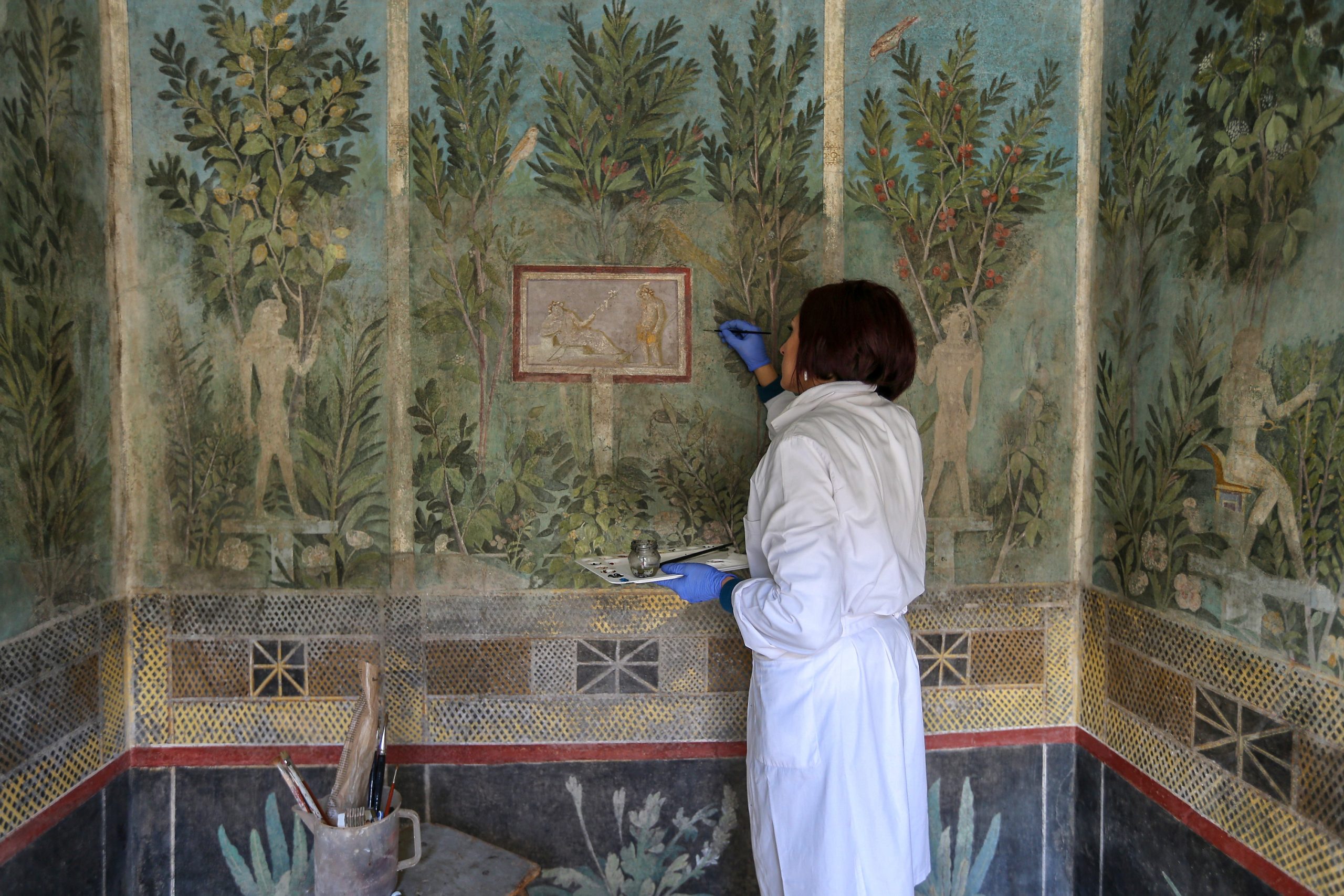
Archaeologists have uncovered a series of remarkable discoveries at Pompeii, the ancient Roman city buried by Mount Vesuvius in 79 C.E. Recent finds include life-sized statues of a priestess and a man from a tomb, frescoes depicting Dionysian rituals and mythological scenes, an extravagantly decorated 'tiny house' called the House of Phaedra, and evidence of aspirational interior design. These artifacts, unearthed in suburban villas and tombs, range from a bejeweled priestess statue to children's gladiator doodles and ancient fast-food counters, revealing new details about daily life in the Roman Republic.

kaleidoscope a digital exhibition

Teravarna Art Gallery has launched a digital group exhibition titled "Kaleidoscope," featuring works by seven artists: Caitlin Accurso, Stephanie Bing, Diane Burchette-Gomez, Carina Imbrogno, Daniel Juric, Valeri Larko, and Debra Shapiro. The show, on view through May 16, 2025, spans figurative and abstract painting, collage, and mixed media, with highlights including Valeri Larko's photorealist "Secor Avenue Train Bridge" (2022) and Debra Shapiro's mixed-media piece "Las Tres Gracias" (2024). The exhibition is hosted entirely online, allowing global access.

extreme mold damage denmark

A newly discovered mold species, aspergillus section restricti, is damaging artworks and cultural objects across Denmark. Detected in 12 museums including the National Museum of Denmark and Skagens Museum, the fungus thrives in dry environments—the very conditions used to preserve artifacts. Conservators describe it as an "epidemic" that also poses health risks to visitors. The National Museum is relocating affected works to a new warehouse near Copenhagen, but no solution has been found yet. Preliminary studies are underway at 150 additional cultural sites to assess the spread.

ancient greek author title oxford herculaneum scroll

Researchers have identified the title and author of a charred scroll from Herculaneum, which was buried by the 79 CE eruption of Mount Vesuvius. Using X-ray imaging and AI analysis at the Diamond synchrotron facility in Oxfordshire, they determined the scroll is part of the multivolume work *On Vices* by the Epicurean philosopher Philodemus, dating to the 1st century CE. The scroll is one of three from the Villa of the Papyri housed at the Bodleian Libraries, Oxford University, and its contents had been unknown for 2,000 years. The discovery was awarded the $60,000 first title prize from the Vesuvius Challenge, an international competition that uses AI to decipher the unopenable scrolls.

huge olmec heads mesoamerica

A farmer in southern Mexico discovered the first Olmec head in the late 1850s while clearing land for corn cultivation. Since then, 17 colossal stone heads have been unearthed, primarily at the San Lorenzo Tenochtitlan archaeological site in Veracruz. Carved by the Olmec civilization between 1200 and 400 B.C.E., these basalt monuments range from 3.5 to 11.5 feet tall and weigh up to 45 tons. Each head features unique facial expressions and is thought to depict individual Olmec rulers, possibly serving as funerary monuments. The heads are now held by institutions such as the National Museum of Anthropology in Mexico City and the Xalapa Museum of Anthropology.

great sphinx origin

The article examines the enduring mystery of who the Great Sphinx of Giza was modeled after. While the 66-foot-tall statue is universally recognized, its origins remain debated among Egyptologists. Some believe Pharaoh Khafre commissioned it in his own image, citing a 1853 discovery of a Khafre statue nearby and a connecting road to his pyramid. Others argue it was built by Khafre's brother Redjedef to honor their father Khufu, the builder of the Great Pyramid. Damage to the Sphinx's nose from erosion and human conflict complicates identification.

hikers in the czech republic giant gold hoard

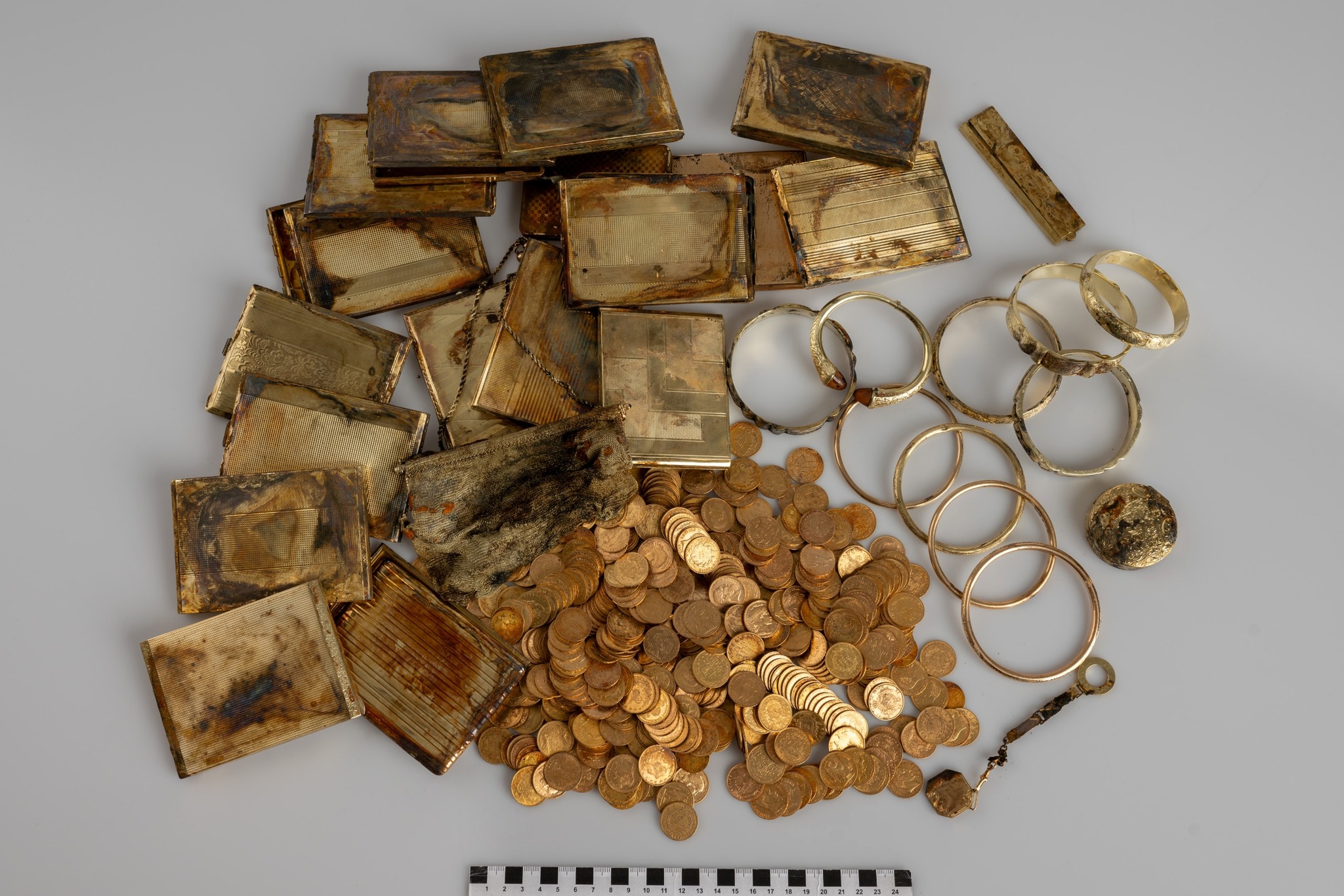
A pair of hikers in the Czech Republic discovered a 20th-century gold hoard worth over $340,000 in the foothills of the Krkonoše mountains. The find, consisting of 600 gold coins from multiple countries and a second box of gold items, was turned over to the Museum of Eastern Bohemia in Hradec Králové, where archaeologists are investigating its origins.

art mamadou abou catherine sarr collectors

Chicago-based collectors Mamadou-Abou and Catherine Sarr discuss their art collection, which spans works from West Africa, France, and the U.S., in an interview with Cultured. The couple, an investor and a jewelry designer, share how their collection began with Mamadou-Abou's discovery of contemporary African photography and emphasize a patient, conviction-driven approach to acquiring art. They also detail the SARR Prize, an initiative supporting emerging France-based artists with cash awards and a residency at Villa Albertine in Chicago.

literature ann rower lee and elaine autofiction

Ann Rower's novel "Lee & Elaine," originally published in 2002 by Serpent's Tail, is being reissued next month by Semiotext(e). The autofictional work follows a narrator—a lightly fictionalized version of Rower—who, after learning of the death of her friend, artist Hannah Wilke, becomes obsessed with the graves of Lee Krasner and Elaine de Kooning at Green River Cemetery. The narrator imagines these two women, known primarily as wives of famous male painters, as secret lovers or comrades, and attempts to write a joint biography that doubles as a journey of self-discovery.

art collector amelie du chalard gallery interview

Amélie du Chalard, a bi-continental art collector and gallery owner, discusses her lifelong journey with art in an interview with CULTURED. Starting her collection at age 16 through family tradition, she founded her eponymous gallery in Paris in 2015 and later expanded to New York. Her collection and gallery blend design objects with fine art, embracing what she calls 'haptic minimalism'—a tactile, gentle aesthetic. She shares her sourcing process, including using the Drouot auction app and Artsy, and recounts tracking down a piece first seen in a 14th-century palace.

ira sachs director peter hujars day interview

Ira Sachs's new film *Peter Hujar's Day* dramatizes a 1974 interview in which photographer Peter Hujar recounted his day to journalist Linda Rosenkrantz. The transcript, originally intended for a book project, was rediscovered and published by Magic Hour Press in 2021. Starring Ben Whishaw as Hujar and Rebecca Hall as Rosenkrantz, the film is set entirely in a Westbeth apartment, capturing the texture of New York's downtown art scene through Hujar's anecdotes about figures like Susan Sontag, William Burroughs, and Allen Ginsberg.

design axelle de buffevent

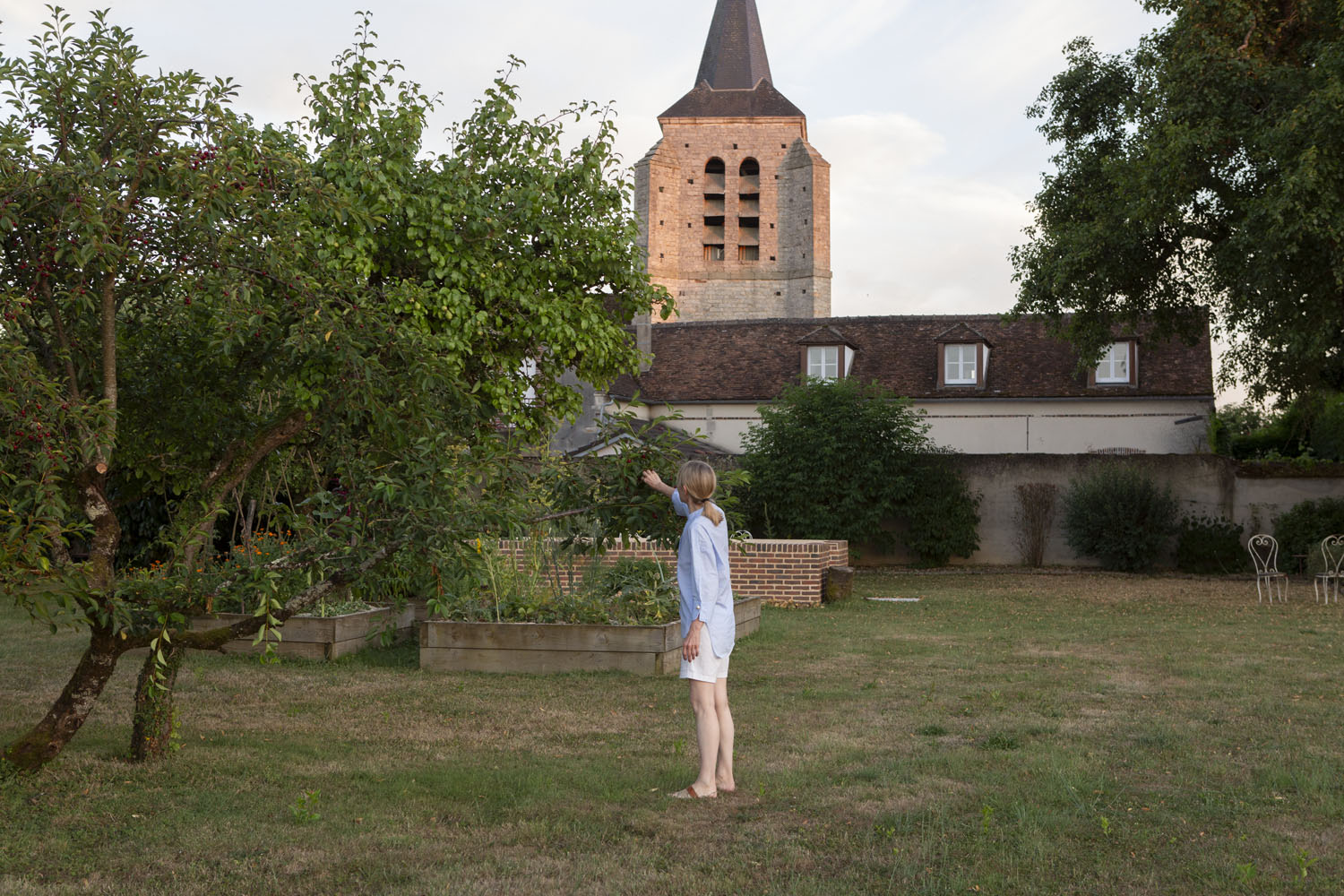
Axelle de Buffévent, a Paris-based creative, has restored an 18th-century former clergy house in Burgundy, originally built in 1748 and revamped in 1841, into a personal country retreat. The property, discovered online in 2018, was previously owned by an art-world photographer and filled with works by artists like Pierre Alechinsky, Olivier Debré, Robert Combas, and Cy Twombly. De Buffévent worked with local artisans and her friend, architect Gaël Lunven, to restore the house, blending 18th-century antiques from her father with contemporary design pieces by Bethan Laura Wood, Noé Duchaufour-Lawrance, and Mathieu Mercier, as well as works by digital artist Miguel Chevalier and others.

‘Paper Gardens’: The Flower and the Serpent Beneath

The Museum of Art and Photography (MAP) in Bengaluru is hosting 'Paper Gardens,' an exhibition that re-examines the history of botanical art through the lens of British colonialism. While the show features visually stunning hand-coloured lithographs of rhododendrons and medicinal plants, it juxtaposes these aesthetics with the harsh realities of the East India Company’s surveys. The exhibition highlights how local Indian artists and knowledge keepers were often marginalized or left anonymous, even as their expertise was essential to the scientific and commercial success of the British Empire.

The Musée d’Ixelles at the Crossroads of Different Perspectives

Le Musée d’Ixelles à la croisée de différents regards

The Musée d’Ixelles in Brussels, closed for eight years for expansion and renovation, is nearing completion of its architectural transformation with a reopening scheduled for spring 2027 (March 19). Founded in 1892 in a former slaughterhouse, the museum has grown through successive donations and a continuous acquisition policy, now holding over 15,000 works spanning Belgian art from the 19th century to the contemporary period. Director and curator Claire Leblanc, who has led the institution since 2006, emphasizes a participatory approach that integrates diverse public perspectives, including a project called "Musée comme chez soi" during the closure where locals hosted artworks in their homes.

Hilma af Klint en 2 minutes

Hilma af Klint (1862–1944) is profiled as a pioneering Swedish abstract artist who created a vast body of visionary, large-scale abstract paintings decades before Kandinsky, yet kept them secret during her lifetime. The article traces her life from a childhood steeped in science and nature, through her studies at the Royal Academy of Fine Arts in Stockholm, to her dual artistic practice: conventional landscapes and portraits for income, and radically abstract works guided by spiritualist séances and theosophical beliefs. She founded the group "The Five" with fellow female artists, and from 1906 onward produced the monumental series "Paintings for the Temple" (193 works), convinced she was channeling a higher force. She stipulated in her will that her abstract works not be revealed until 20 years after her death, and they were only rediscovered in the late 1960s.

Artnet and Artsy Announce They’re ‘Joining Forces’ Under Shared Leadership

Artnet and Artsy have announced a strategic merger under a single leadership structure following their acquisition by Beowolff Capital. While both platforms will maintain their distinct brand identities and websites, they will now operate as a combined organization led by Artsy CEO Jeffrey Yin, with Beowolff Capital founder Andrew Wolff serving as chairman. The move aims to integrate Artnet’s industry-leading price database and journalism with Artsy’s expansive e-commerce and discovery marketplace.

Unusually Large, 2,000-Year-Old Hillfort Discovered in Estonia

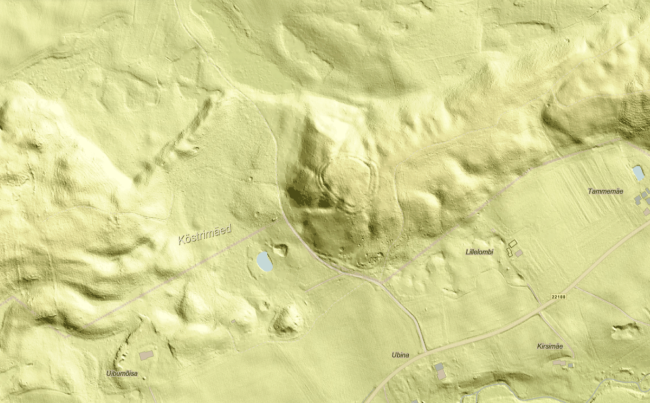
Archaeologists from the University of Tartu have discovered a massive 2,000-year-old hillfort at Köstrimägi in Tartu County, Estonia. Utilizing high-resolution terrain mapping, the team identified a 4,800-square-meter Iron Age fortification featuring concentric ramparts and shallow ditches, a structural complexity rarely seen in the region. Radiocarbon dating suggests the site was active for a relatively short period, specifically between 41 BCE and 9 CE.

Blue Moon Cocoon at Abroms-Engel Institute for the Visual Arts at University of Alabama, Birmingham

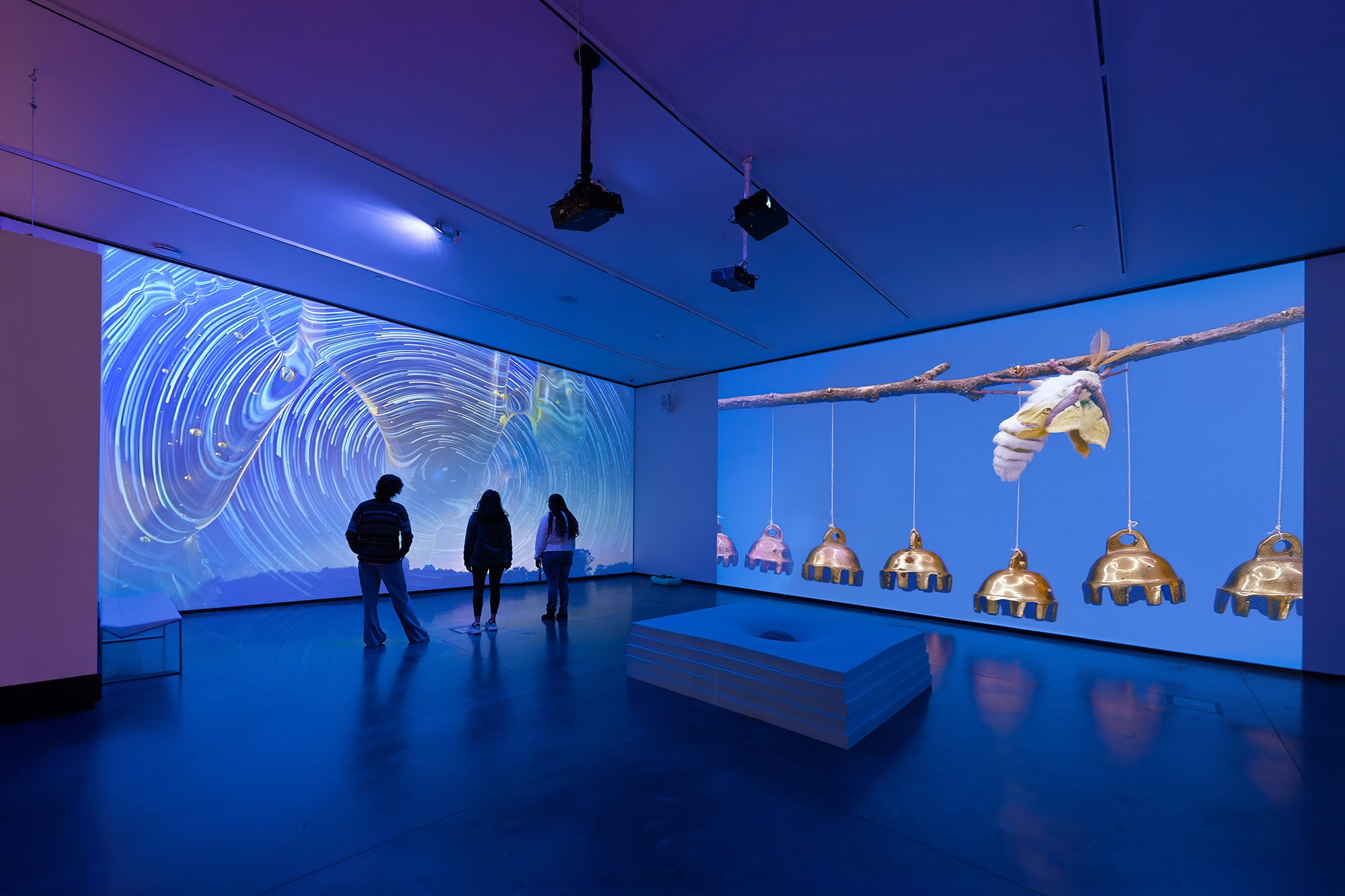
Texas-based artist Virginia L. Montgomery's solo exhibition 'Blue Moon Cocoon' opened at the Abroms-Engel Institute for the Visual Arts at the University of Alabama at Birmingham. The show features a multi-channel video installation and sculptural works centered on the artist's bond with luna moths, which she began raising during the 2020 pandemic, exploring themes of interspecies connection and cosmic curiosity through a distinctive visual aesthetic.

Summer Guide 2025: Gallery Openings

The Summer Guide 2025 highlights a diverse array of gallery openings in Santa Fe, New Mexico, focusing on both established and emerging art spaces. Notable exhibitions include Gerald Peters Contemporary's "Material Girl: Pop Culture and the Female Gaze" (June 13), featuring six female artists examining gender and commodification through Pop Art; Daniel Cooney Fine Art's "George Dureau, Photographs" (May 31), showcasing intimate portraits of New Orleans' counterculture; and Station 5 Micro-Gallery's two shows—"ACCUMULATION" (June 7) by Michael Sumner and Melody Sumner Carnahan, and "THE NARROW LINE TO THE INTERIOR" (August 2) inspired by poet Bashō. Other highlights include ELECTR∆ Gallery's queer mysticism group show "The Third Way" (July 11), new works by Tim Jag (June 12), and Pie Projects' "MOMENTUM" (June 14) featuring Florence Miller Pierce's rediscovered resin reliefs.

Printing the Unprinted: The Reversal of World Discovery

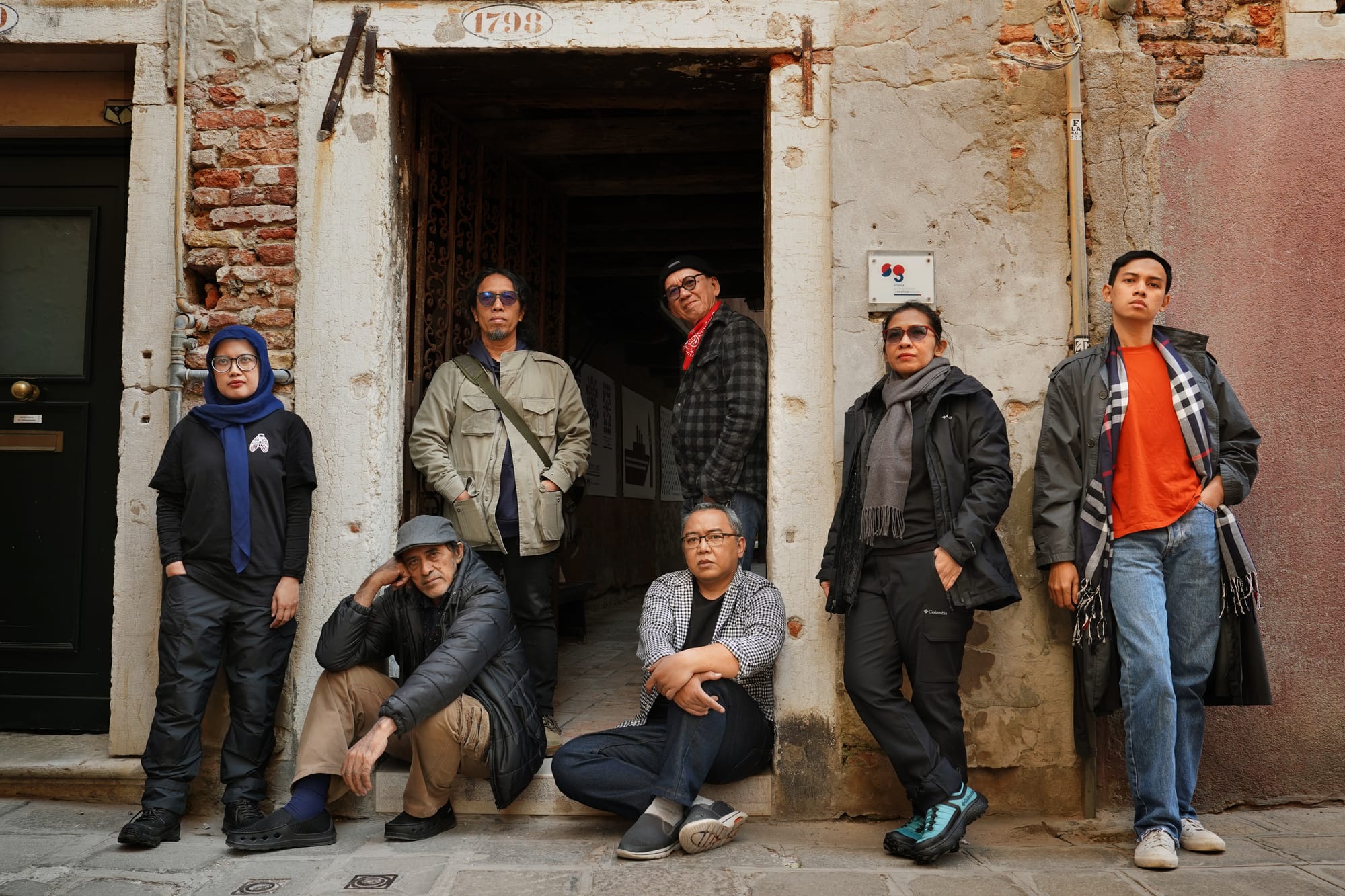
The Indonesian Pavilion at the Venice Biennale presents "Printing the Unprinted: The Reversal of World Discovery," a project that reimagines global history by casting an Indonesian kingdom as the explorer who discovers the West. Seven Indonesian artists—Agus Suwage, Syahrizal Pahlevi, Nurdian Ichsan, R.E. Hartanto, Theresia Agustina Sitompul, Mariam Sofrina, and Rusyan Yasin—participated in a two-month residency at the Scuola Internazionale di Grafica in Venice, collaboratively creating works through printmaking and expanded forms. The pavilion includes exhibitions, workshops, and symposiums that challenge dominant narratives and highlight Indonesia's contributions to maritime technology, commerce, arts, and knowledge.

Art, museum exhibits in Kenosha, Racine counties this week

Cultural institutions across Kenosha and Racine counties in Wisconsin have announced their exhibition schedules and public hours for the week of April 9, 2026. Featured venues include the Anderson Arts Center, the Carthage College Art Gallery, and the Kenosha Public Museum, which continues to showcase its permanent collection including "The Wisconsin Story" and "Mammoths at the Museum." Local galleries such as Lemon Street Gallery and OS Projects are also hosting open hours for the public to engage with regional contemporary art.

How Much Did It Cost to Paint a Pompeii Room Egyptian Blue?

How Much Did It Cost to Paint a Pompeii Room Egyptian Blue?

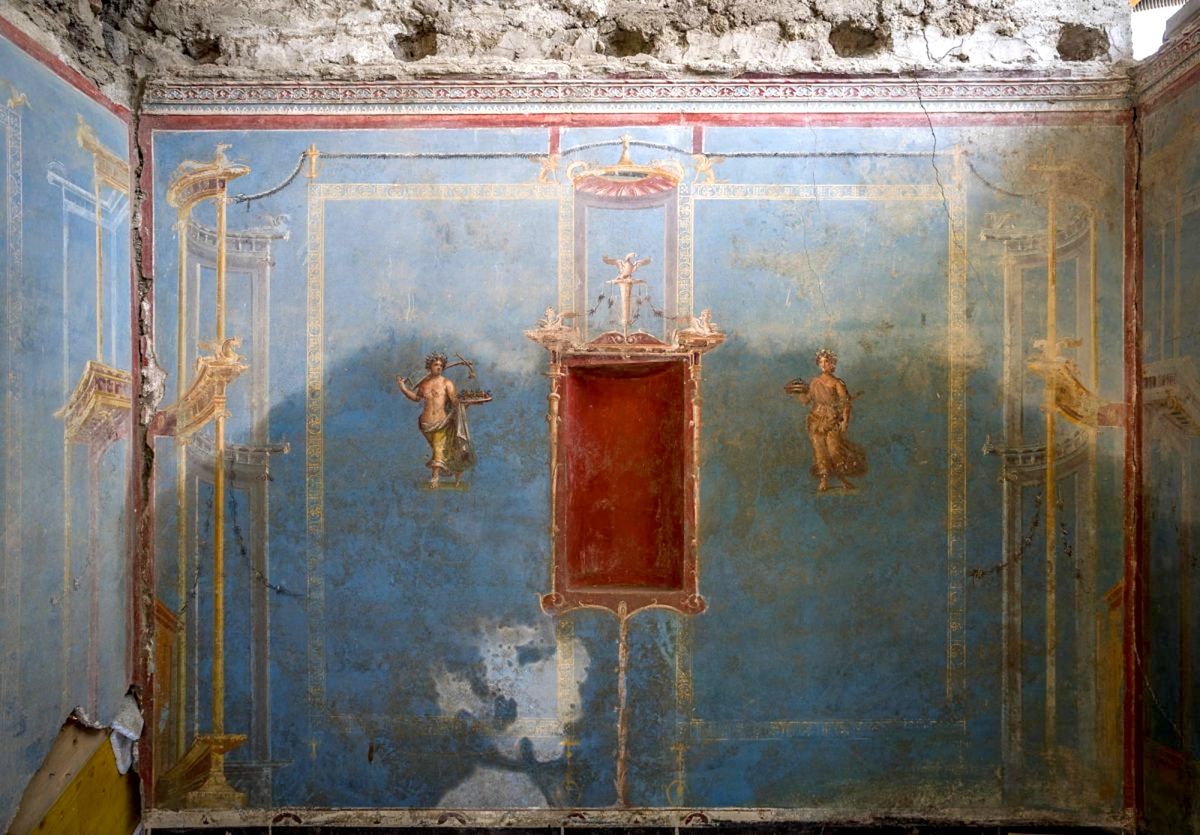
A new study has calculated the staggering cost of painting a room in Pompeii with Egyptian blue pigment. Researchers determined that covering the walls of a recently discovered "Blue Room," a sacred shrine, would have required between 2.7 and 4.9 kilograms of the prized synthetic pigment. Based on prices recorded by Pliny the Elder, this quantity of high-grade pigment would have cost between 50% and 90% of a Roman legionary's annual salary, highlighting it as an extreme luxury.

Emerging artist Charlie Gosling is being compared to Frank Auerbach. Discover his haunting portraits in London

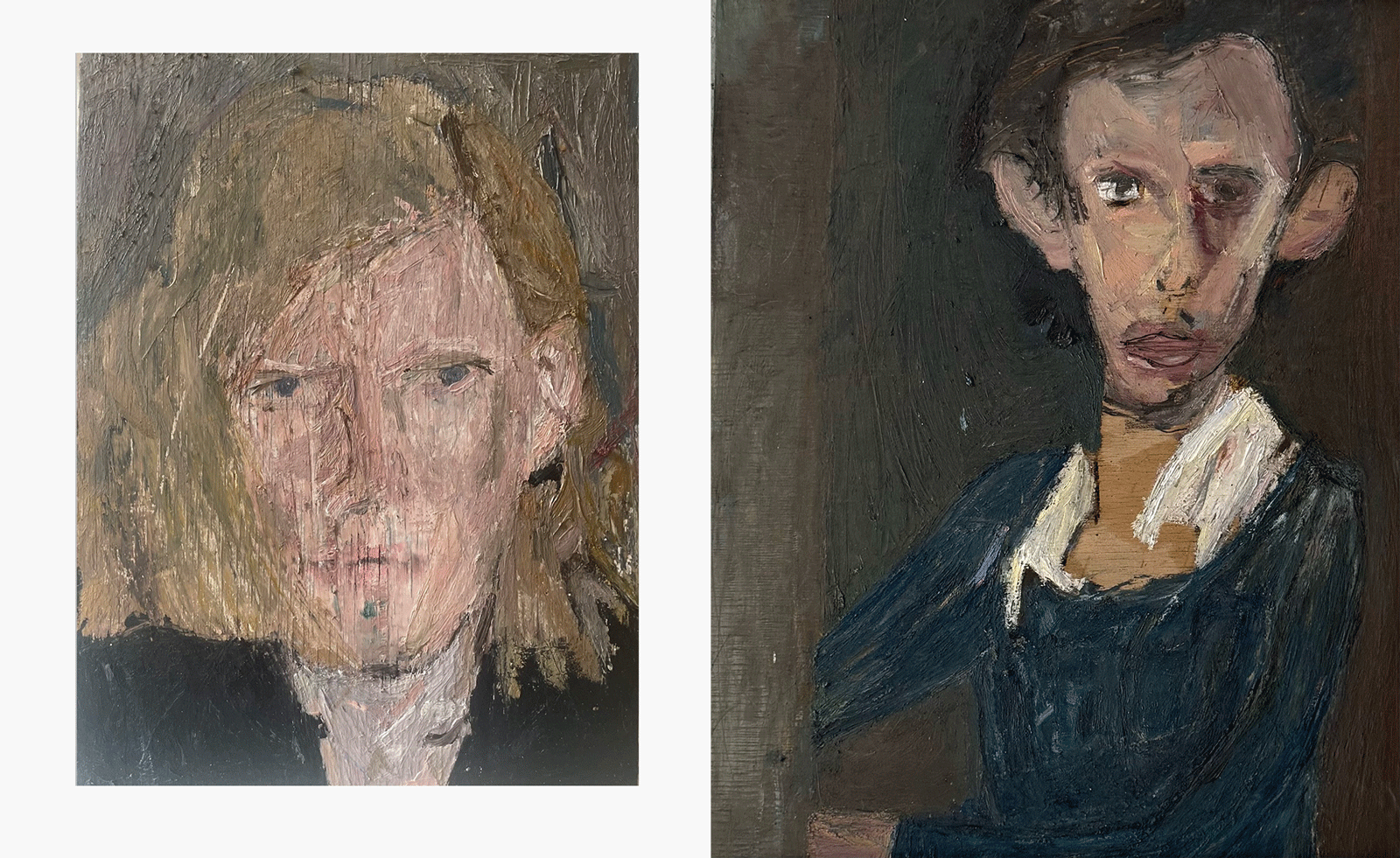
Emerging artist Charlie Gosling, a 2023 graduate of Camberwell College of Arts, is gaining attention for his evocative portraits that draw comparisons to Frank Auerbach and Willem de Kooning. His second solo exhibition at London's Incubator gallery, titled "Good Luck with Me Here," features intimate portraits of friends and family, created through a process of layering and scraping paint to achieve an almost abstract quality. The show runs until 24 May.