filter_list Showing 1557 results for "LIA" close Clear
search
dashboard All 1557 museum exhibitions 821article news 189article local 161article culture 125trending_up market 95article policy 49rate_review review 41person people 41candle obituary 22gavel restitution 13
date_range Range Today This Week This Month All
Subscribe

Is Berlin not over yet?

Ist Berlin doch noch nicht over?

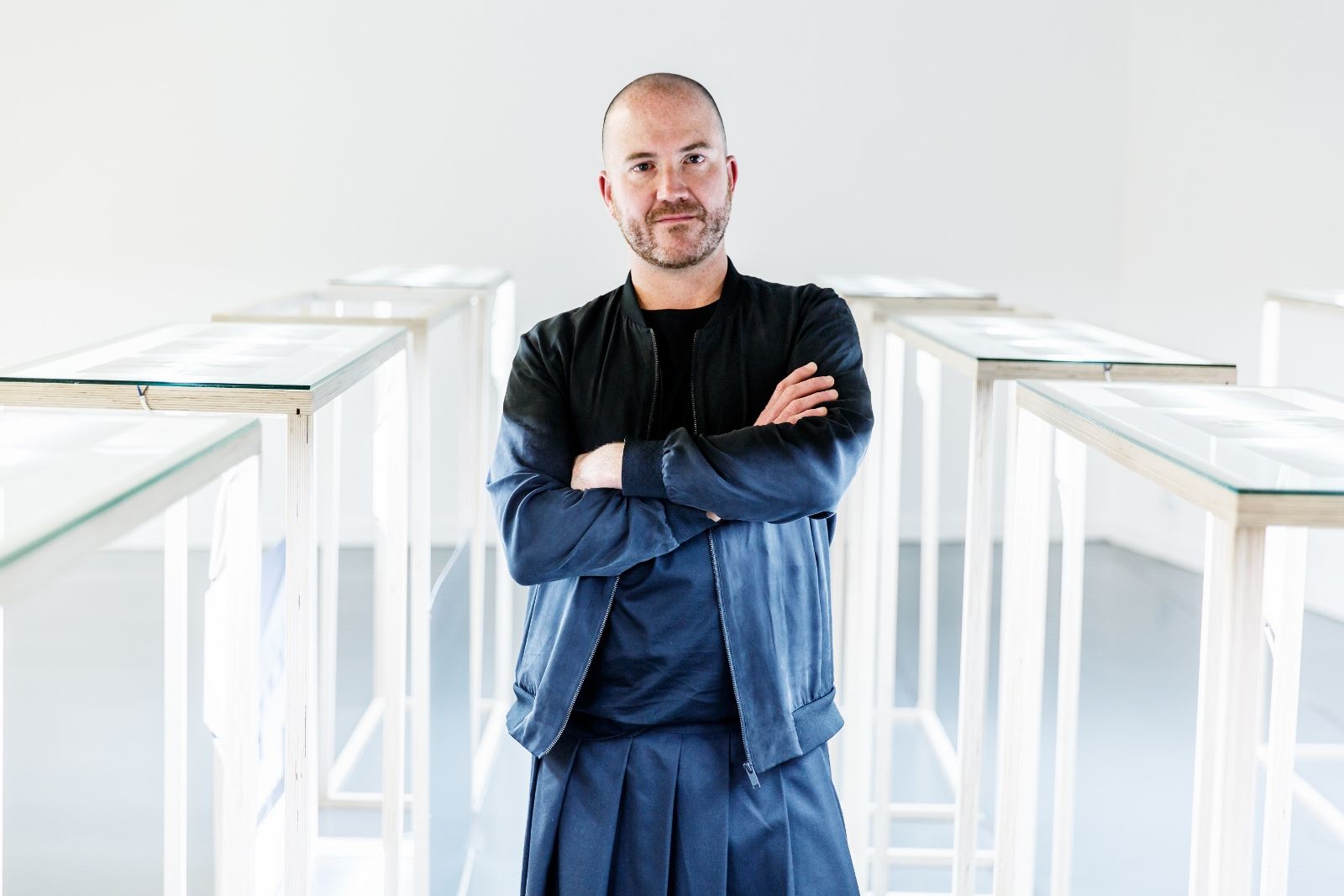
Çağla Ilk, who curated the German Pavilion at the Venice Biennale two years ago, has presented her plans as the new artistic director of the Maxim Gorki Theater in Berlin. Her program reimagines theater from the perspective of visual art, signaling a major shift in the city's theater landscape. The announcement comes amid broader reforms in Berlin's theater scene, including Matthias Lilienthal's upcoming takeover of the Volksbühne, and was met with both anticipation and anxiety, reminiscent of Chris Dercon's failed tenure at the Volksbühne in 2017.
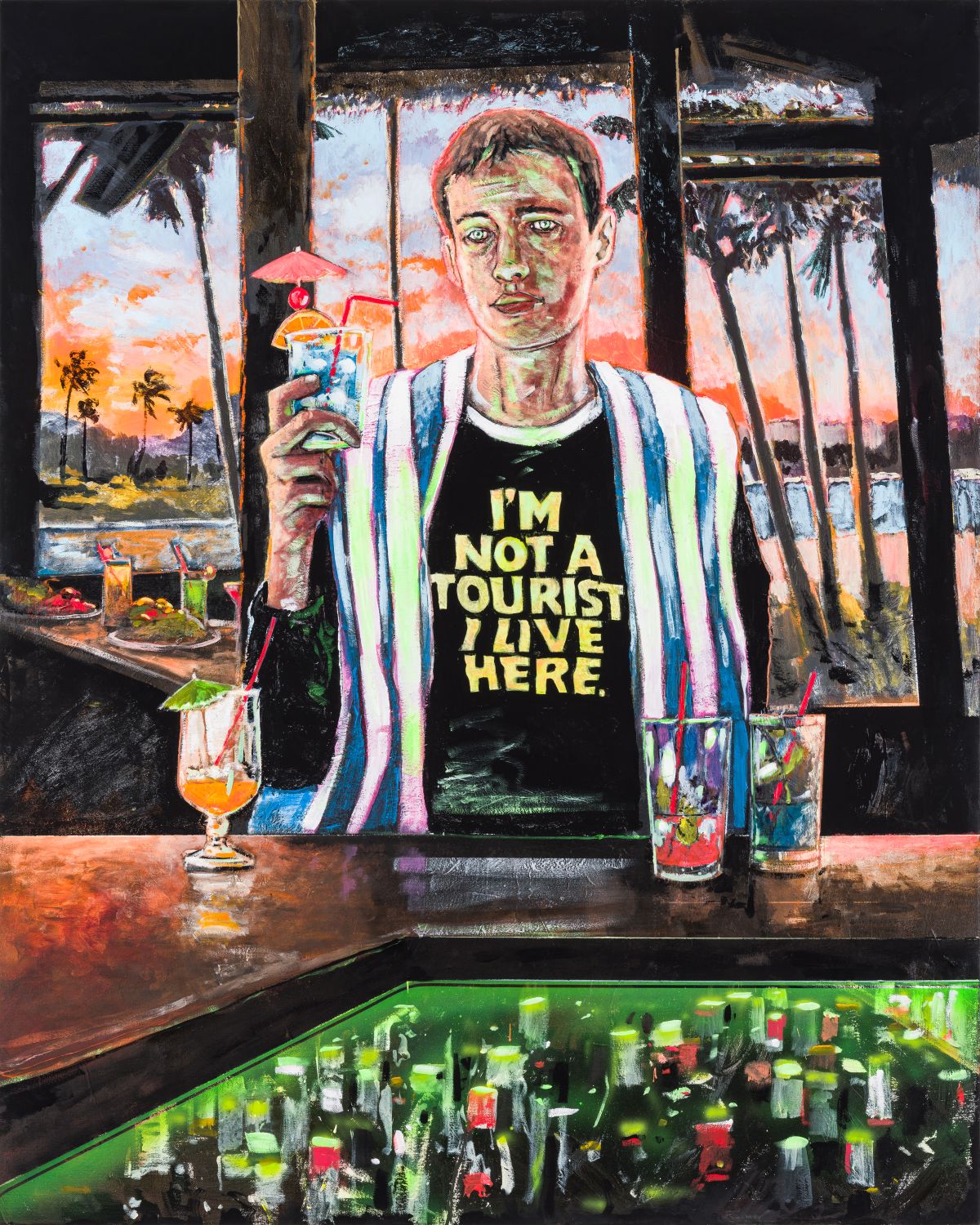
Anyone who never feels uncomfortable as a tourist is not a good tourist

"Wer sich als Tourist nie unbehaglich fühlt, ist kein guter Tourist"

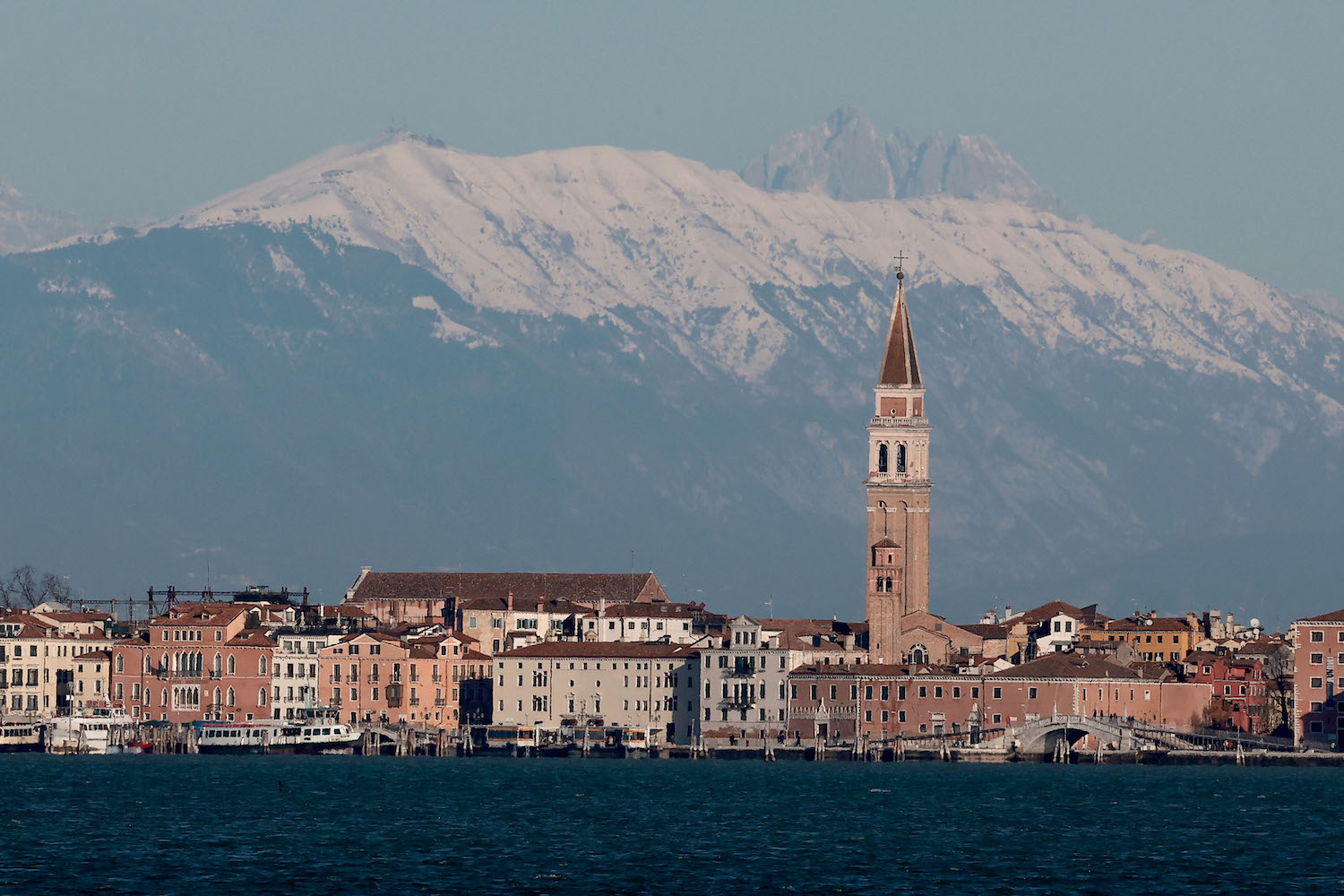
American painter Hernan Bas has created a new series of paintings inspired by Venice and its tourists, drawing from his long-standing relationship with the city. His first encounter with Venice came through an invitation to exhibit at Bruna Aickelin's renowned gallery Il Capricorno, and he has since shown there multiple times, considering Aickelin his Italian connection.

Wer vertritt wen in Venedig?

What We Throw Away Does Not Disappear

Was wir wegwerfen, verschwindet nicht

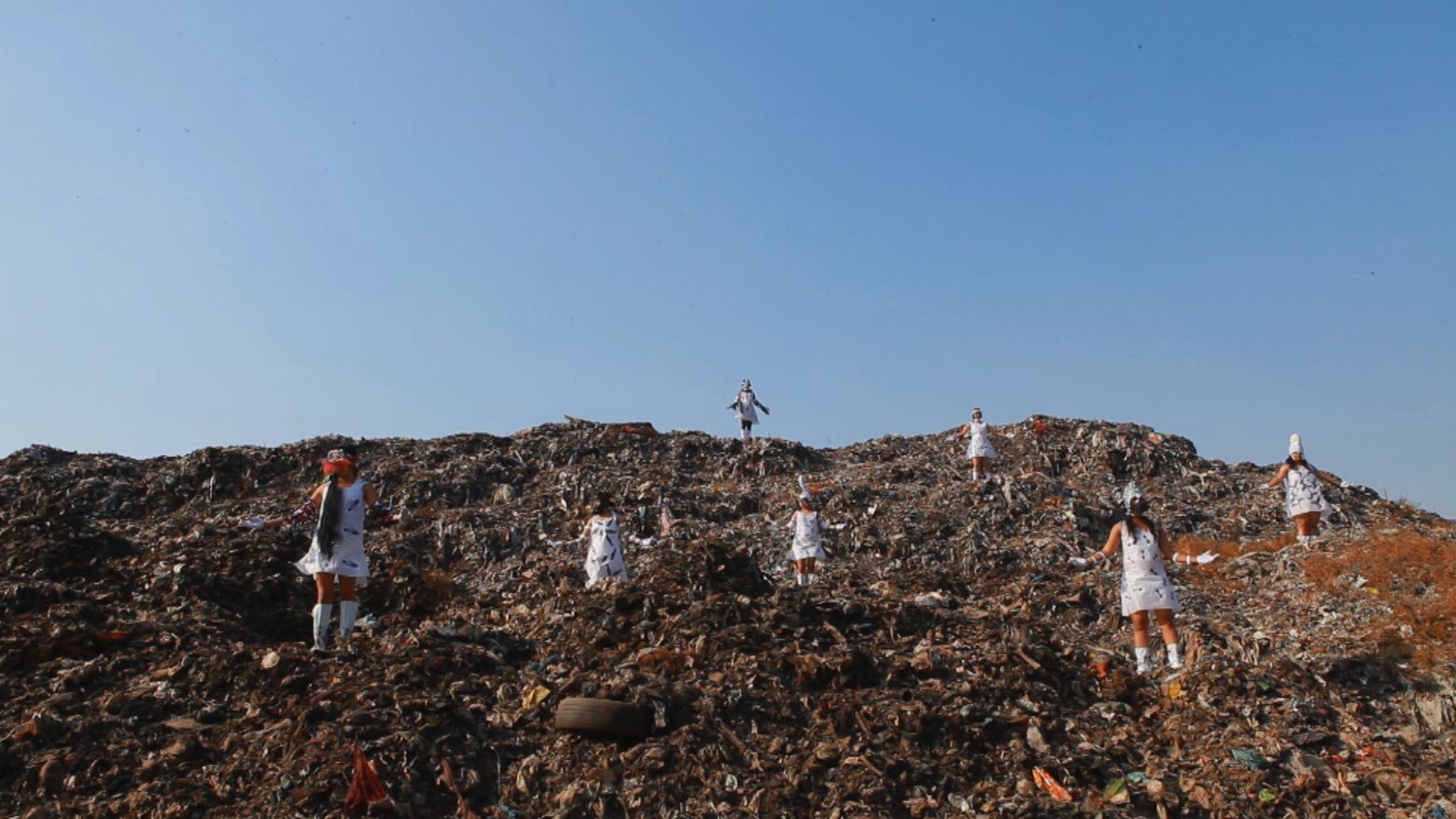
The Museum Ostwall at the Dortmunder U in Dortmund has opened a new exhibition titled "Müll – die globalen Wege des Abfalls" ("Waste – The Global Paths of Garbage"), curated by Christina Danick and Michael Griff. Featuring around 50 international artworks from the 20th and 21st centuries, including two newly commissioned pieces, the show uses art to explore waste as material, motif, and aesthetic strategy. Key works include Kader Attia's "Los de Arriba y Los de Abajo," which addresses power imbalances through the lens of garbage in Hebron, and historical pieces by César Baldaccini, Arman, and HA Schult. The exhibition also highlights contemporary issues such as e-waste, global waste trafficking, and the environmental impact of industrial nations on the Global South.

Julia Stoschek Foundation Closes Berlin Location

Julia Stoschek Foundation schließt Berliner Standort

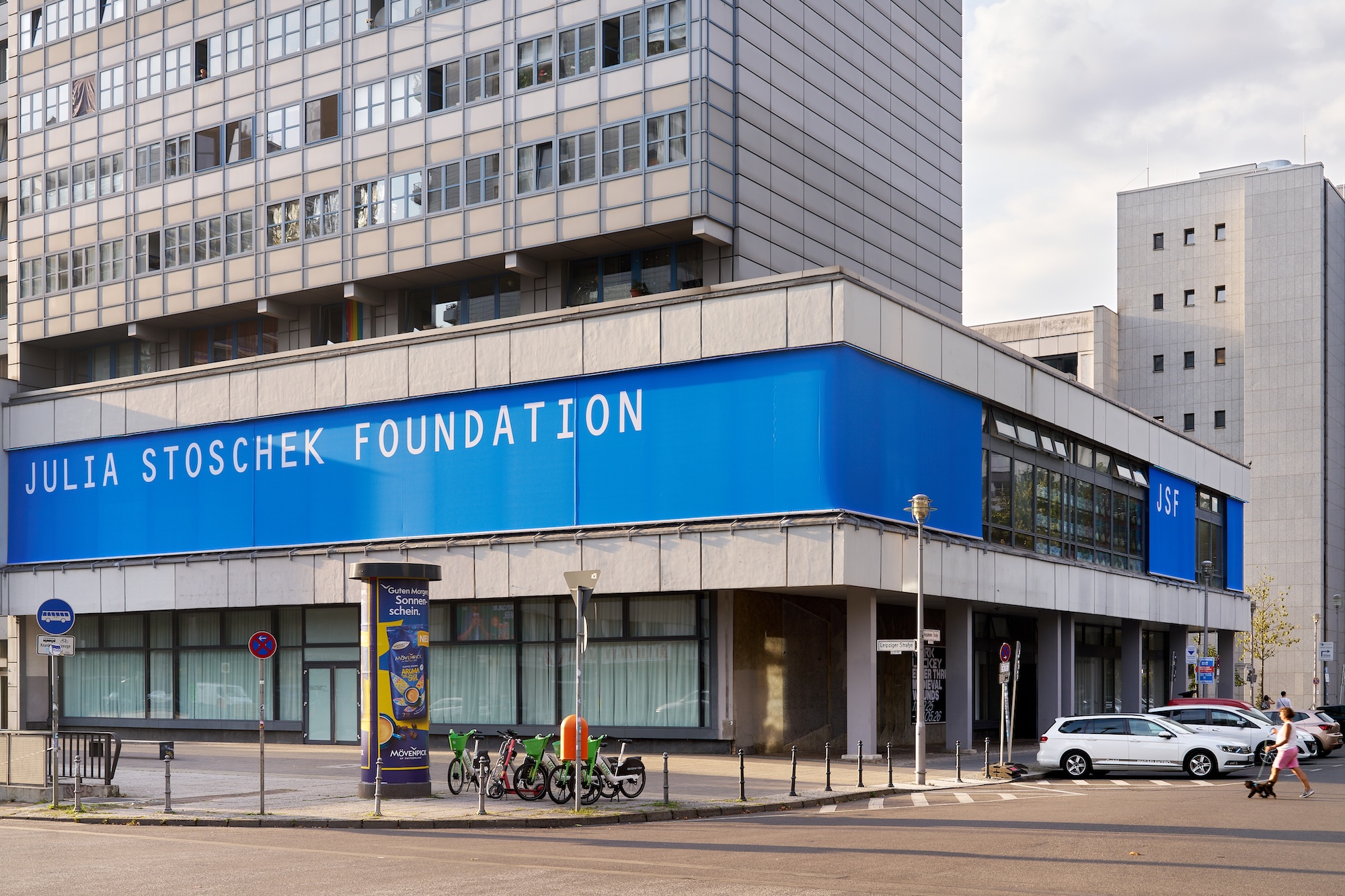
The Julia Stoschek Foundation is closing its Berlin exhibition space at the end of October. The foundation, which specializes in video art, opened the venue in 2016 in a former Czech cultural center on Leipziger Straße, quickly becoming a key destination for time-based art in the city. Over its run, it presented 22 solo and group shows featuring artists such as Arthur Jafa, Ian Cheng, and Mark Leckey, attracting more than 450,000 visitors. The closure is part of a strategic reorientation: the foundation will now focus on its headquarters in Düsseldorf and temporary international projects, building on recent presentations abroad like a show in Los Angeles that drew over 30,000 visitors in early 2026.

Israel Criticizes Venice Biennale Jury over Pavilion’s Exclusion

The international jury of the 61st Venice Biennale has excluded the Israeli and Russian pavilions from consideration for official prizes, citing that countries whose leaders are charged with crimes against humanity by the International Criminal Court will not be eligible. Israel’s foreign ministry condemned the decision as a political boycott, and Israeli representative Belu-Simion Fainaru called it a hostile act that exceeds the jury’s mandate. The Biennale’s president, Pietrangelo Buttafuoco, has distanced the institution from the jury’s action, insisting the exhibition remain open to all nations recognized by Italy.

Venice Biennale 2026: The Pavilions Not to Be Missed

Biennale de Venise 2026 : les pavillons à ne surtout pas manquer

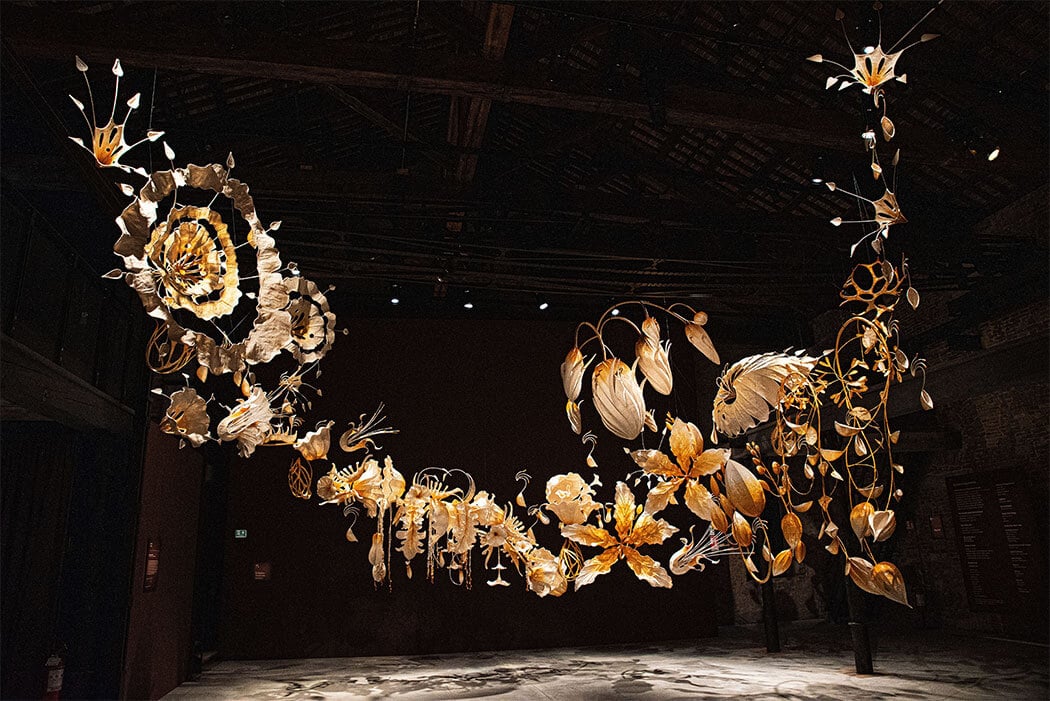
The 61st Venice Biennale, curated by Koyo Kouoh as an invitation to slow down and reconnect with emotions, features a constellation of contemplative and powerful proposals across the city. Notable national pavilions include the Holy See transforming a monastic garden into an immersive sound experience by Soundwalk Collective, Canada exploring colonial heritage through giant water lilies by Abbas Akhavan, and Austria electrifying the Giardini with radical performances by Florentina Holzinger. Other highlights include Spain dissecting collective memory through postcards, Poland imagining new forms of language between human and underwater worlds, and India's pavilion exploring notions of home.

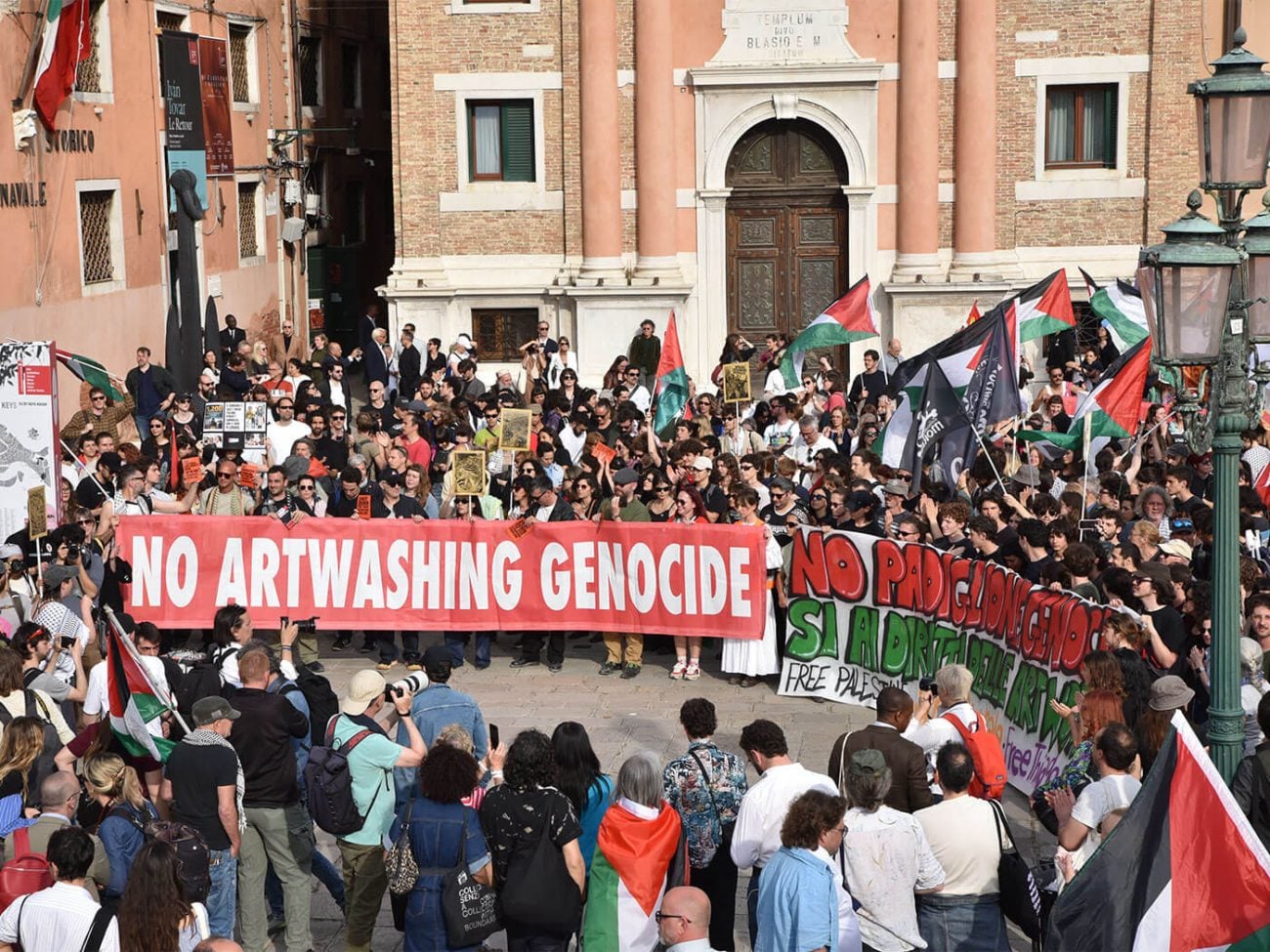
« No art washing ! » : à la Biennale de Venise, près de 3 000 manifestants réunis pour dénoncer la présence du pavillon israélien

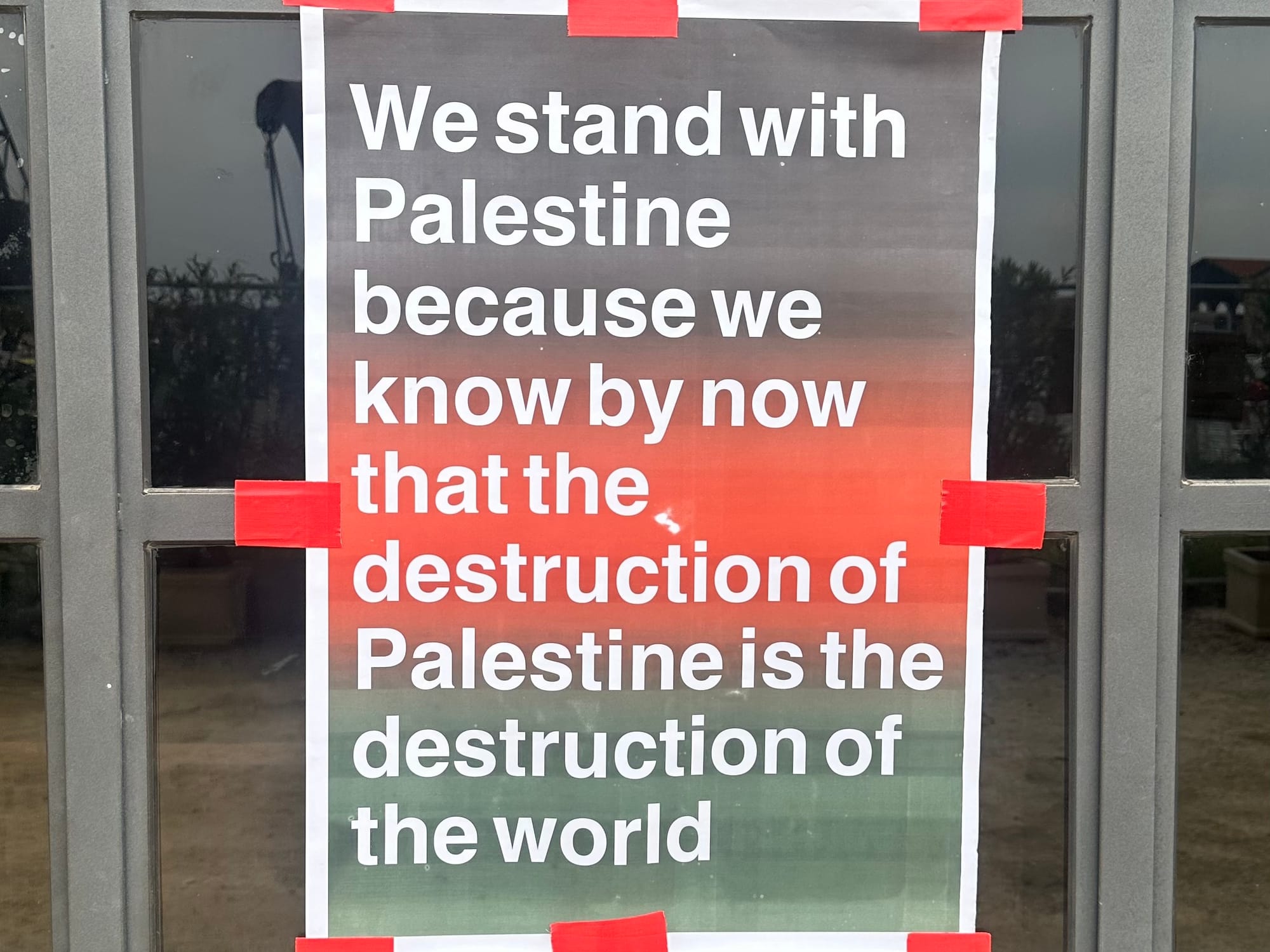
On May 8, 2026, nearly 3,000 protesters gathered in Venice to demonstrate against the presence of the Israeli pavilion at the Venice Biennale. Led by the collective Art Not Genocide Alliance (Anga), the crowd included artists, curators, and cultural workers who chanted slogans such as "Stop al Padiglione genocidio" and called for a strike on the closing day of the professional previews. Dozens of national pavilions, including those of France, Belgium, Poland, Spain, the United Kingdom, Lebanon, and Ukraine, closed in solidarity. The protest followed a letter sent by Anga in March demanding Israel's exclusion, which went unanswered, and the self-dissolution of the awards jury on April 30 over the presence of both Israel and Russia.

Au musée de l’Image d’Épinal, les talents multiples de Frans Masereel, entre autres inventeur du roman graphique

The Musée de l'Image d'Épinal is presenting a comprehensive exhibition on Belgian artist Frans Masereel (1889–1972), widely credited as the inventor of the graphic novel in 1918 with his wordless narratives composed of black-and-white woodcuts. The show, curated by Samuel Dégardin, brings together loans from major institutions and a private collection to reveal the full breadth of Masereel's practice, which spanned drawing, animation, painting, theater, ceramics, tapestry, and satirical press illustration. It highlights his pacifist activism during World War I, his collaborations with writers such as Stefan Zweig and Romain Rolland, and his humanist vision of a unified Europe.

On ARTE, the Ruffini Affair or the Autopsy of an Extraordinary Scandal in the Art World

Sur Arte, l’affaire Ruffini ou l’autopsie d’un scandale hors norme dans le monde de l’art

The documentary series "Le Peintre, la Pizza et le Corbeau" (The Painter, the Pizza and the Crow), available on ARTE, investigates a sprawling art forgery scandal centered on discreet dealer Giuliano Ruffini. Beginning in spring 2014 with an anonymous letter, the case led to a judicial inquiry by judge Aude Burési and France's Central Office for the Fight against Trafficking in Cultural Goods (OCBC). The series follows multiple suspicious artworks—including a Lucas Cranach Venus seized from an exhibition at the Hôtel de Caumont, a David and Goliath by Artemisia Gentileschi, and a Frans Hals portrait—each raising questions of authenticity. Ruffini, a former painter turned collector, remains an enigmatic figure, portrayed as both intuitive genius and possible cog in an opaque system.

Château-Chinon unveils the astonishing gifts of President François Mitterrand

Château-Chinon déballe les étonnants cadeaux du président François Mitterrand

The Cité des présents-François Mitterrand, formerly the Musée du Septennat, has reopened in Château-Chinon, France, after a renovation. The museum displays thousands of diplomatic gifts received by President François Mitterrand during his 14-year tenure (1981–1995), including a portrait of Prince Charles, a vermeil oasis from the king of Saudi Arabia, and taxidermy lions from the Central African Republic. The collection of 4,800 objects spans 80 countries, with one-third donated by French citizens. The site also houses a fashion museum featuring 5,000 pieces from the 17th century to contemporary designers like Alexis Mabille and Yves Saint Laurent.

Au macLyon, l’art vidéo comme vecteur d’émotions

The article reports on the exhibition "Regards sensibles" at the macLyon (Musée d'Art Contemporain de Lyon), which showcases 28 video artworks from the collection of Isabelle and Jean-Conrad Lemaître. The exhibition celebrates the couple's complete donation of their video art collection to the museum. It begins with Gillian Wearing's 1996 video "Boytime," the first video artwork the Lemaîtres acquired, and spans works from 1984 to 2025 by artists of 43 nationalities, offering a broad panorama of the video art genre.

Les pionniers de la photographie à connaître

Beaux Arts Magazine publishes a dossier on the pioneers of photography, marking the medium's 200th anniversary. The article profiles key figures such as Nicéphore Niépce, Louis Daguerre, Anna Atkins, Gustave Le Gray, Nadar, Eugène Atget, Girault de Prangey, Alfred Stieglitz, Julia Margaret Cameron, and Edward Steichen, highlighting their innovations in heliography, cyanotype, daguerreotype, and pictorialism. It also includes a focus on the oldest known photograph.

Under pressure, the jury of the 61st Venice Biennale will exclude Russian and Israeli pavilions from the awards

Sous pression, le jury de la 61e Biennale de Venise exclura les pavillons russe et israélien du palmarès

The 61st Venice Biennale, titled "In Minor Keys" and running from May 9 to November 22, 2026, has been embroiled in political controversy after organizers decided to reinstate the Russian pavilion, which had been excluded since Russia's 2022 invasion of Ukraine. Under pressure from the European Commission, which threatened to suspend a €2 million grant, the jury announced it will exclude artists from the Russian and Israeli pavilions from winning prizes, citing that leaders Vladimir Putin and Benjamin Netanyahu face International Criminal Court charges for crimes against humanity. The Russian pavilion will remain closed to the public but open for VIP press previews, while the Israeli pavilion stays open to the public. Italian Culture Minister Alessandro Giuli has refused to attend the opening ceremony in protest.

For the 61st Venice Biennale, a quest for beauty despite a troubled world

Pour la 61e Biennale de Venise, une quête de beauté malgré un monde troublé

Koyo Kouoh, the Swiss-Cameroonian curator who was set to become the first African woman to direct the Venice Biennale, died suddenly on May 10, 2025, at age 57, just weeks before the opening of the 61st edition she had conceived. Titled "In Minor Keys," the exhibition at the Giardini and Arsenale will proceed posthumously based on her detailed directives, featuring 111 artists including Laurie Anderson, Wangechi Mutu, and Kader Attia, with a focus on beauty, resilience, and radical emotional connection amid global turmoil.

L’œuvre « indocile » du photographe Guido Guidi exposée au BAL

The article announces the exhibition of photographer Guido Guidi's work at Le BAL in Paris, curated by Simona Antonacci, Pippo Ciorra, and Antonello Frongia, with scenography by Cyril Delhomme. The show, titled "Col tempo, 1956-2024," runs from February 20 to May 24, 2026, and was previously presented in a larger version at the MAXXI museum in Rome. Guidi, now 85, is described as the last of a generation of Italian photographers—alongside Luigi Ghirri and Ugo Mulas—who radically redefined photographic language through patient, obstinate reflection on the act of seeing.

The Frigos in Danger

Les frigos en danger

The article reports on the deteriorating condition of Les Frigos, a historic artist studio complex in Paris that has been left neglected and abandoned. Once a vibrant hub for contemporary artists, the site now faces an uncertain future due to lack of maintenance and institutional support.

À Bordeaux, la métamorphose du MADD

The Musée des arts décoratifs et du design (MADD) in Bordeaux has reopened its design-focused wing after three years of renovation, featuring a new entrance pavilion designed by Antoine Dufour Architectes that connects the historic Hôtel de Lalande and the former municipal prison. The overhaul includes a monumental shelving display of eighty vases by designers such as Andrea Branzi and Gaetano Pesce, a new "gallery of know-how" dedicated to rotating thematic presentations (starting with ceramics), a graphic arts cabinet showcasing the Jacques Sargos collection of over 130 drawings, and improved climate control for conservation.

Venice Biennale, no prize for Russia or Israel

Biennale de Venise, pas de prix pour la Russie ou Israël

The Venice Biennale has announced that neither Russia nor Israel will receive awards at this year's edition. The decision reflects ongoing geopolitical tensions and controversies surrounding the participation of these nations in the prestigious international art exhibition.

6 Artworks That Define the 2026 Venice Biennale’s Main Exhibition

The 2026 Venice Biennale's main exhibition opens this week, curated by Koyo Kouoh—the first African woman to hold the role—who was announced in 2024 but passed away suddenly in 2025. The article highlights six artworks that define her curatorial vision, which connected the international art world to artists and institutions from Africa and the Global South.

There were gardens at King's Leap

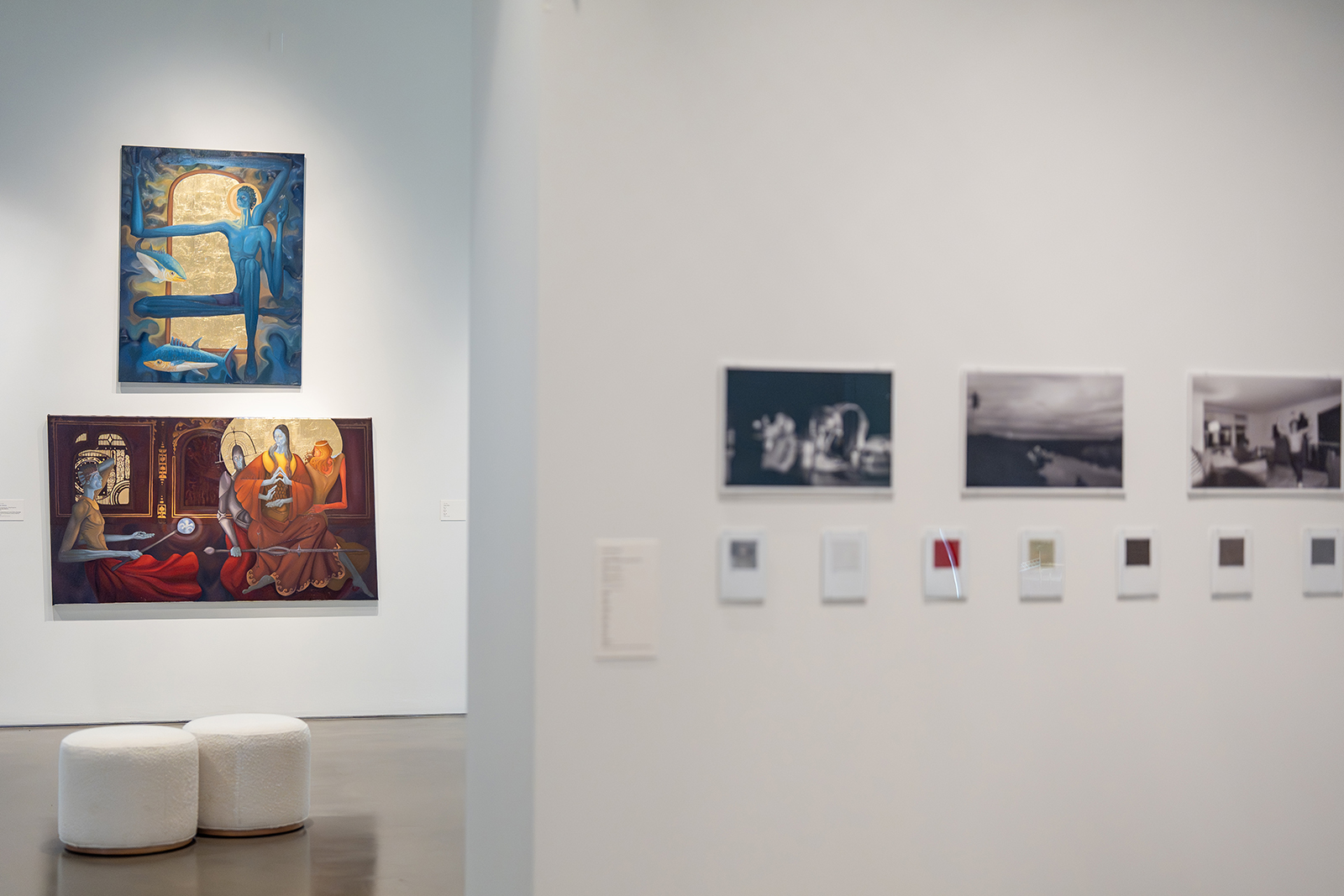
King's Leap gallery in New York presents "There were gardens," a group exhibition running from April 3 to May 9, 2026, featuring works by Dara Birnbaum, Gina Folly, Collin Leitch, Chris Marker, Jeff Preiss, Julia Scher, Jason Simon, and Mira M. Yang. The show includes 37 images documented in the Contemporary Art Library, with photography by Stephen Faught.

MANUEL SEGADE: “PRESERVAR LA COMPLEJIDAD DEL MUNDO ES UNA DE LAS TAREAS FUNDAMENTALES DEL MUSEO”

Manuel Segade, director of the Museo Nacional Centro de Arte Reina Sofía, is interviewed as part of a series for International Museum Day. He discusses the museum's role as a space historically tied to critique, conflict, and negotiation with tradition, emphasizing the need to preserve the world's complexity. Segade advocates for institutions that can speak on multiple levels, from introductory lectures to para-academic research, and stresses transforming internal structures toward more horizontal and interdependent models.

“Magnanrama. Portraits, Networks, and News of Nathalie Magnan” at Villa Arson, Nice

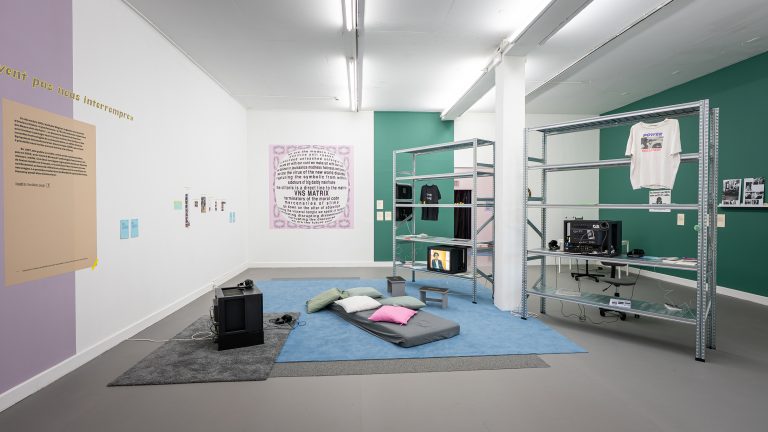
Mousse Magazine reports on the exhibition “Magnanrama. Portraits, Networks, and News of Nathalie Magnan” at Villa Arson in Nice, which celebrates the life and work of Nathalie Magnan (1956-2016). Magnan was a media theorist, filmmaker, cyberfeminist, educator, webmistress, hacktivist, and interdisciplinary figure who navigated the internet and the high seas, contributing to the history of thought, technology, feminism, and LGBTQI+ struggles. The show presents portraits, networks, and news related to her legacy, positioning her as a mediator and artist despite her reluctance to use that term.

Open Letter on Auction of “Tributes” to the Russian Avant-Garde

An open letter signed by art historians, curators, and researchers protests an upcoming auction at Stanley's Auction House in Zaventem, Belgium, scheduled for April 23, titled “Tributes to the Russian Avant-Garde & Constructivists.” The second sale is organized in cooperation with Drouot, a major French auction platform, and offers approximately one hundred works from the so-called Toporovsky collection, which has been linked to a scandal involving forged Russian modernist paintings at the Museum of Fine Arts Ghent. The alleged suppliers, Igor Toporovsky and Olga Toporovsky, face criminal charges including the sale of 171 forged works for about €20 million, with court proceedings beginning in May in Ghent. The signatories argue that the auction, with works priced around €300 each, is deeply troubling given the pending legal case and the undisclosed consignor identity.

Venice Biennale’s Visitor Lions Face Artist Boycott

Dozens of Pavilions Close During Strike at 61st Venice Biennale

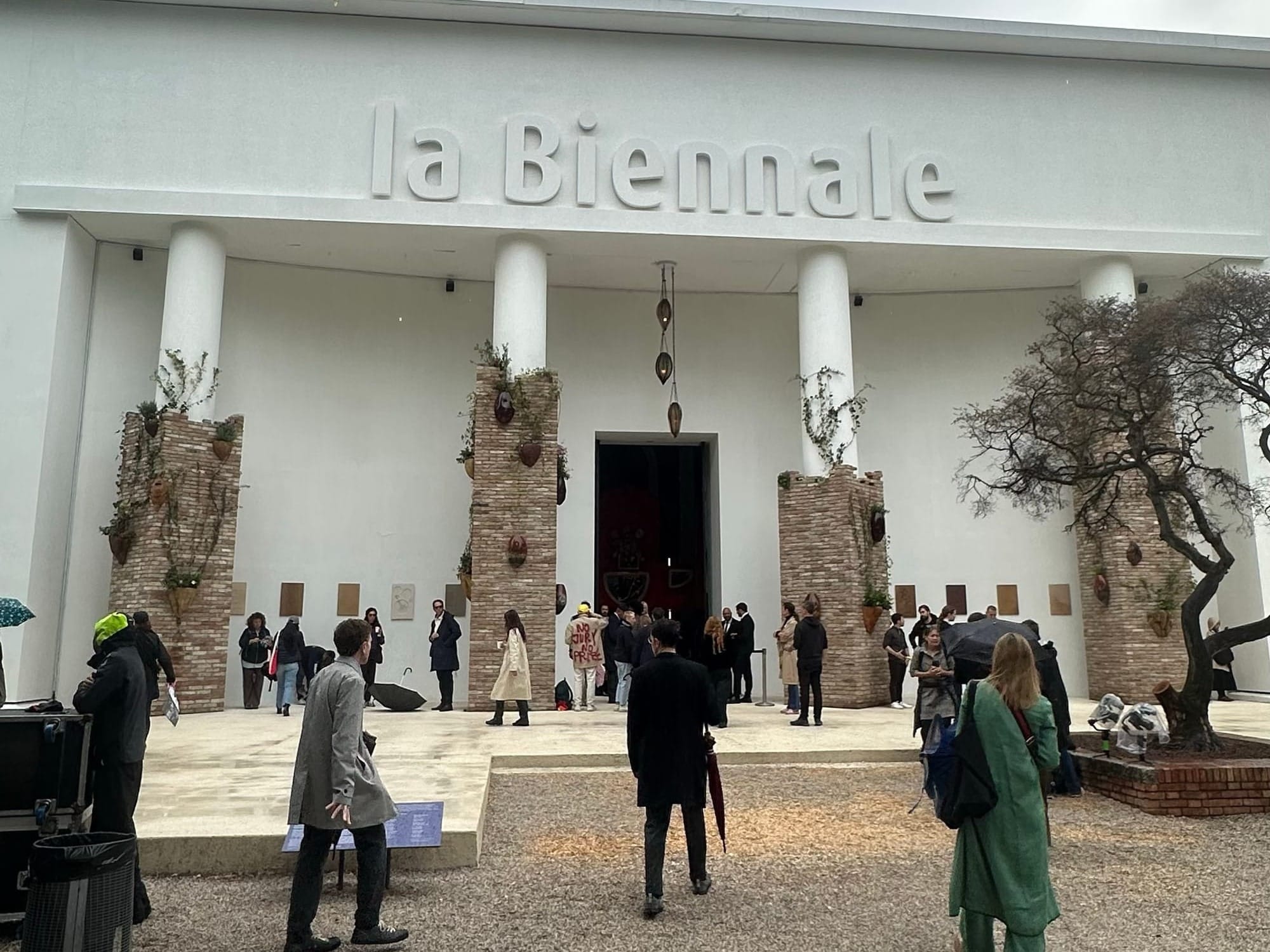
On May 8, 2026, a 24-hour strike organized by the Art Not Genocide Alliance (ANGA) and several Italian activist groups brought the 61st Venice Biennale to a standstill. Approximately 27 of the 100 national pavilions closed fully or partially in solidarity with protesters demanding Israel’s exclusion from the event, including those of Austria, Belgium, France, Great Britain, Japan, South Korea, and Ukraine. Over 3,500 people marched through Venice, with speakers including artist Gabrielle Goliath and curator Caroline Dumalin. The main exhibition, "In Minor Keys," curated by the late Koyo Kouoh, closed by late afternoon, and riot police were stationed outside the Arsenale. The Israeli pavilion, already shuttered during previews, remained closed.

Protests and Shutdowns Engulf 61st Venice Biennale Opening

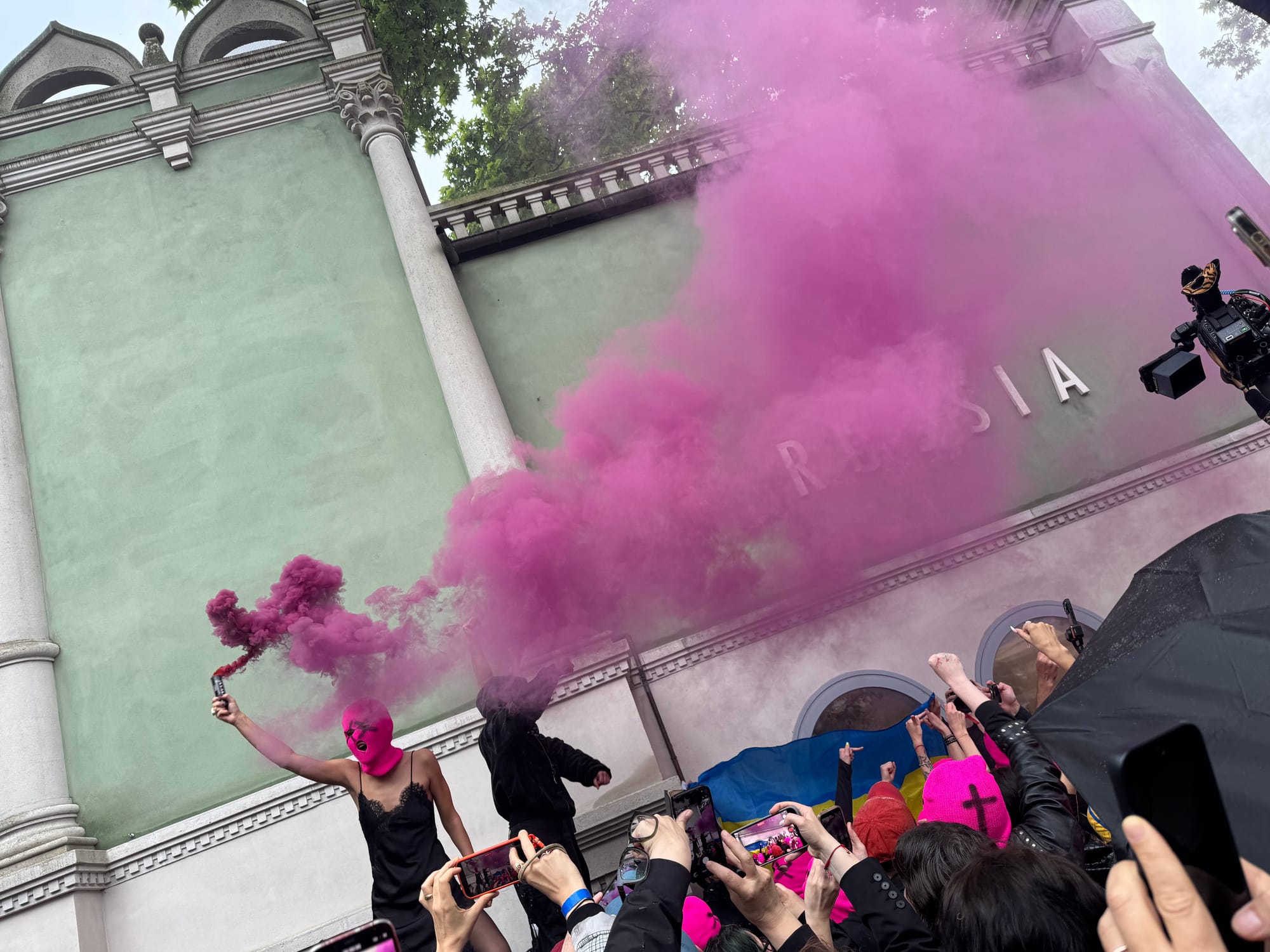
The 61st Venice Biennale preview week, opening to press and professionals ahead of its May 9 public launch, has been engulfed by protests and institutional crises. On May 5, around 60 artists from Koyo Kouoh's exhibition “In Minor Keys” staged a Solidarity Drone Chorus outside the Giardini, drawing on Gazan composer Ahmed Muin's Drone Song (2025) to highlight victims of warfare. On May 6, the Art Not Genocide Alliance (ANGA) organized protests outside Israel's pavilion at the Arsenale, leading to a security-enforced closure, while Pussy Riot and FEMEN demonstrated outside the Russian pavilion. The jury resigned on April 30 after controversy over award eligibility tied to ICC arrest warrants, prompting the Biennale to scrap Golden Lions and transfer prize voting to the public. Iran withdrew its pavilion on May 4, and Russia's will close on May 9, with only exterior video projections remaining. ANGA and Italian unions have announced a 24-hour strike on May 8.

Senior Art Exhibition 2026 Showcases the ‘Incredible Crossroads’ of Studio Art Majors

The Senior Art Exhibition 2026 at Colby College Museum of Art's Joan Dignam Schmaltz Gallery of Art in Waterville showcases capstone projects from 17 graduating studio art majors. The works span painting, photography, printmaking, digital media, and sculpture, created after a yearlong capstone course coordinated by Associate Professor Bradley Borthwick. The exhibition runs through May 23 and includes a catalog with artist statements and critical essays.

Would you sit on this? Australian designers take on the humble chair – in pictures

For the 10th edition of Melbourne Design Week, over 100 chairs by Australian designers are on display in an exhibition titled '100 Chairs', curated by Friends & Associates. Selected from an open call, each chair had to be made in Australia and functional for sitting. The designs range from traditional timber dining chairs to experimental pieces, including a chair that transforms into a table, a horse-shaped chair, and one with a satanic theme. The exhibition is held at South Magdalen Laundry, Abbotsford Convent in Melbourne until 24 May 2026.

From men on dog leads to public breast-fondling, Valie Export’s art demanded a total feminist revolution

Valie Export, the pioneering Austrian feminist artist known for her provocative and confrontational performances from the 1960s onward, is the subject of a reflective essay by writer and academic Hettie Judah. The article revisits Export's radical works such as *Hyperbulia* (1973), where she crawled naked through electrified wires; *From the Portfolio of Doggedness* (1968), in which she led a man on a dog lead through Vienna; and *Action Pants: Genital Panic* (1969), where she walked through a cinema with exposed genitals. Judah draws on her own interviews with Export, who died in 2023, and discusses the artist's manifesto demanding that women use art to reshape consciousness and achieve liberation.