filter_list Showing 71 results for "Minor Keys" close Clear
dashboard All 71 museum exhibitions 42article news 21rate_review review 6article culture 2
date_range Range Today This Week This Month All
Subscribe

Venice Biennale opens without a jury amid strife over Russian and Israeli participation

The Venice Biennale, one of the world's most prestigious contemporary art exhibitions, opens its most contested edition in memory without a jury after the jury resigned in protest over the participation of Israel and Russia, both under investigation by the International Criminal Court for human rights abuses. Protests have erupted outside the Israeli and Russian pavilions, with demonstrators clashing with police, while feminist groups from Ukraine and Russia converged on the Russian Pavilion and Palestinians remembered artists killed in Gaza. The Biennale has replaced the jury with a public vote via email, with winners announced at the close on November 22.

SCST: Celebrating Cultural Exchange Through Art at the Opening Reception of "Fermata: Hong Kong in Venice" Collateral Event of 61st International Art Exhibition - La Biennale di Venezia (Venice Biennale)

At the opening reception of "Fermata: Hong Kong in Venice," a Collateral Event of the 61st Venice Biennale, Hong Kong's Secretary for Culture, Sports and Tourism, Miss Rosanna Law, delivered a speech celebrating the exhibition. The event marks Hong Kong's 25th year of participation in the Biennale, featuring artists Kingsley Ng and Angel Hui, who present five new site-specific installations that explore stillness and overlooked rhythms of everyday life, in resonance with the Biennale's theme "In Minor Keys." For the first time, the Hong Kong Museum of Art co-organized the exhibition with the Hong Kong Arts Development Council, curating a dialogue between the two artists.

Biennale, rules announced for Visitor's Lion. But dozens of artists withdraw

The Venice Biennale has announced the voting rules for the new Visitors' Lion awards, which replace the traditional Golden Lions after the original jury resigned before the opening. On the same day the popular voting opened, dozens of artists from the central exhibition 'In Minor Keys' and several National Pavilions announced their withdrawal from the competition in solidarity with the resigned jury, releasing a statement via e-flux on May 9, 2026. The voting system requires visitors to have attended both the Giardini and Arsenale venues, with anonymous voting open until November 22, 2026.

Delicacy as Resistance. Interview with the Curator of the Turkey Pavilion at the Venice Biennale

La delicatezza come resistenza. Intervista alla curatrice del Padiglione Turchia alla Biennale di Venezia

For the 2026 Venice Biennale, the Turkey Pavilion, commissioned by the Istanbul Foundation for Culture and Arts (İKSV), will present "A Kiss on the Eyes" by artist Nilbar Güreş, curated by Başak Doğa Temür. The exhibition takes its title from a Turkish expression conveying affectionate closeness without intrusion, and features a mix of new productions and earlier works spanning sculpture, installation, painting, and works on paper and fabric. In an interview, curator Temür explains that the project avoids a retrospective or didactic approach, instead creating a spatial rhythm of approach, pause, and slight withdrawal, where intimacy, politics, irony, and fragility press against one another.

Before Language: An Interview with Song E Yoon at Biennale Arte 2026

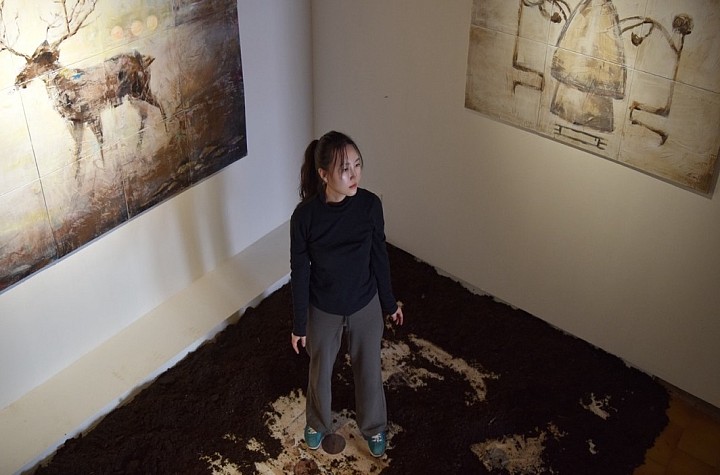
Song E Yoon's exhibition "Songs Across Time" at Spazio 996/A in Venice, presented as a Collateral Event of the 61st International Art Exhibition – La Biennale di Venezia, pairs her Song E Code with Frédéric Bruly Bouabré's Bété alphabet. In an interview with Kun Sok, Yoon discusses how her work uses dots, intervals, and repetition to create a visual language that exists before conventional meaning, emphasizing bodily encounter, sensation, and the productive role of misreading.

61st Venice Biennale: Cultural workers and artists strike and protest against the Israeli genocide in Gaza

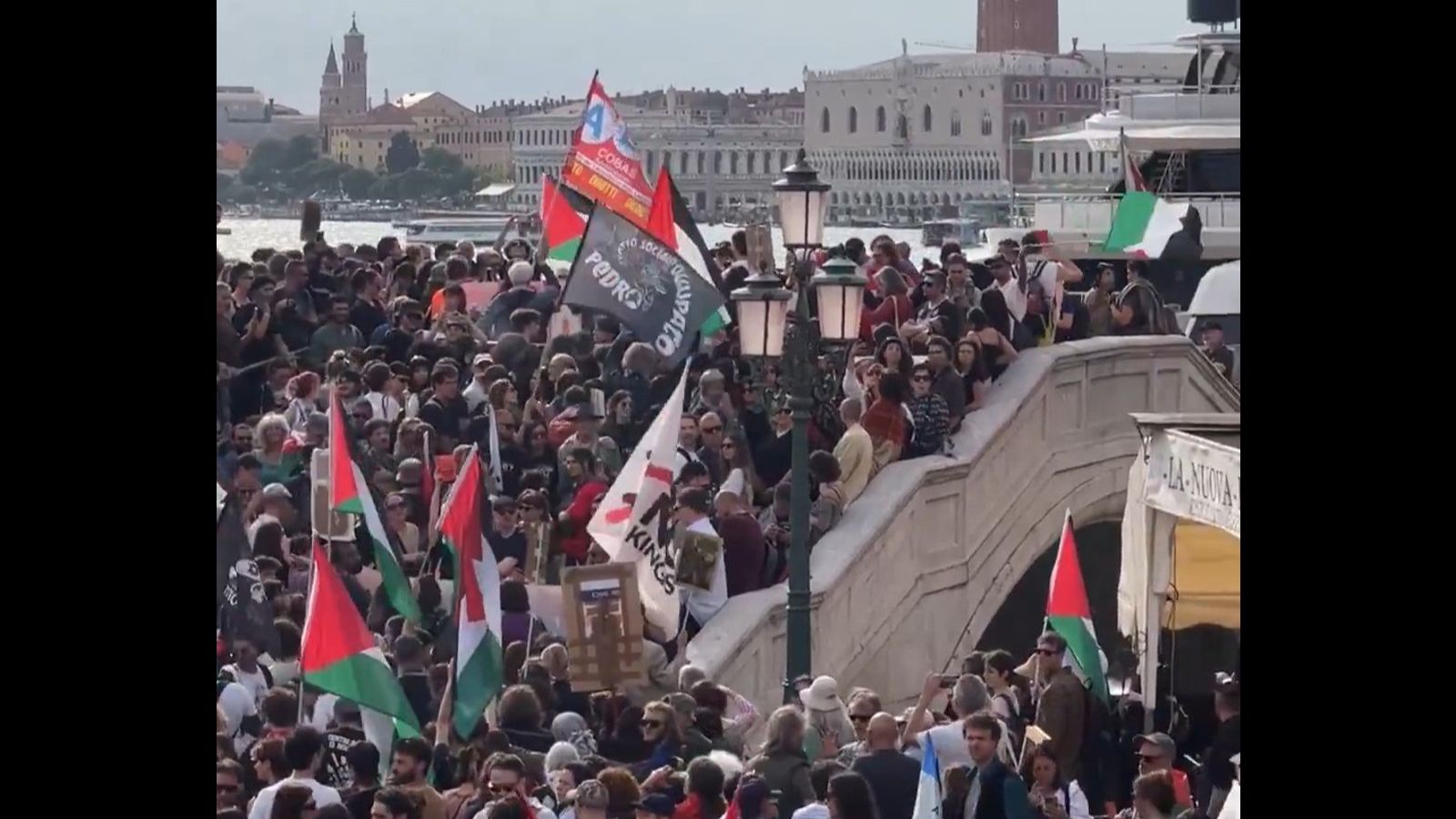
Thousands of artists, cultural workers, and protesters marched through Venice on May 8, 2026, one day before the opening of the 61st Venice Biennale, to protest the Israeli genocide in Gaza and Lebanon. The strike, organized by the Art Not Genocide Alliance (ANGA), led to the closure of approximately 27 of the Biennale's 100 national pavilions, with signs reading "We Stand with Palestine." The Israeli pavilion remained closed and guarded by armed police, who clashed with protesters. Meanwhile, the European Commission threatened to suspend €2 million in EU grants to the Biennale Foundation over its decision to allow Russia to participate, citing incompatibility with EU sanctions and the invasion of Ukraine.

Iran has not withdrawn from 2026 Venice Biennale, pavilion commissioner says

Iran has denied withdrawing from the 2026 Venice Biennale, despite the Biennale's announcement that the country would not participate. Aydin Mahdizadeh Tehrani, director-general of visual arts at Iran's ministry of culture and Islamic guidance and the country's pavilion commissioner, stated that Iran requested more time rather than submitting a withdrawal. He cited the US-Israel war with Iran, political and economic challenges, and a sharp currency devaluation that tripled projected costs as reasons for the delay. Iran proposed a shorter two-to-three-month participation, which was rejected, but has since sent a letter insisting on opening its pavilion even after the opening. The foreign ministry has intervened to support Iran's participation, and a final response from the Biennale is expected soon.

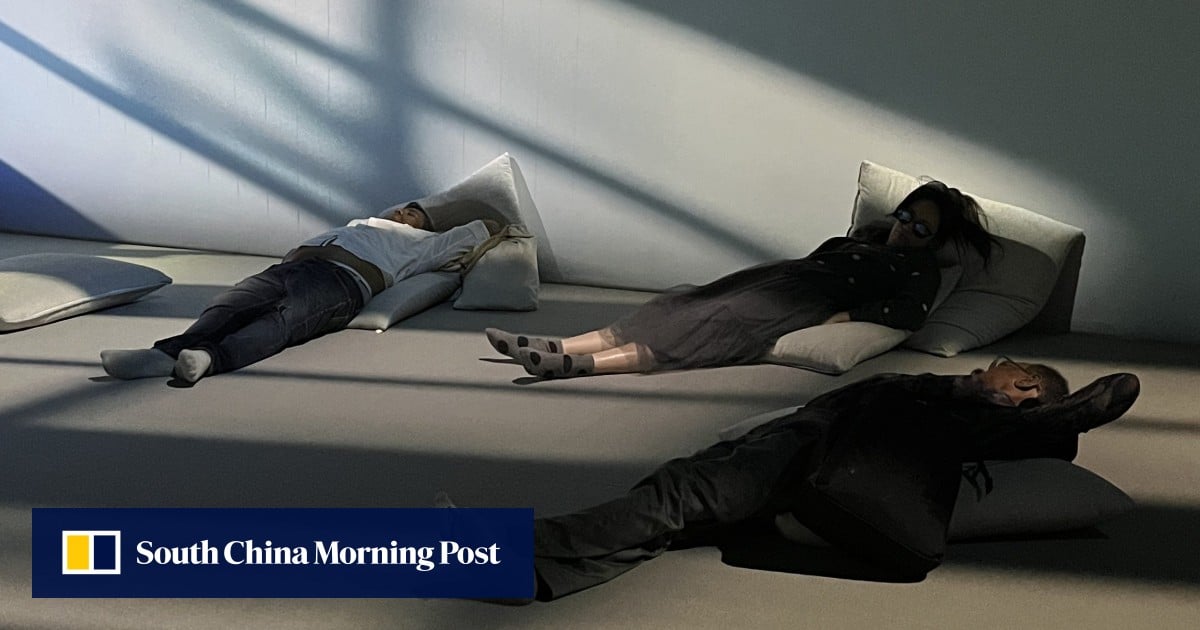
Hong Kong wows the crowds to sleep at the 2026 Venice Biennale

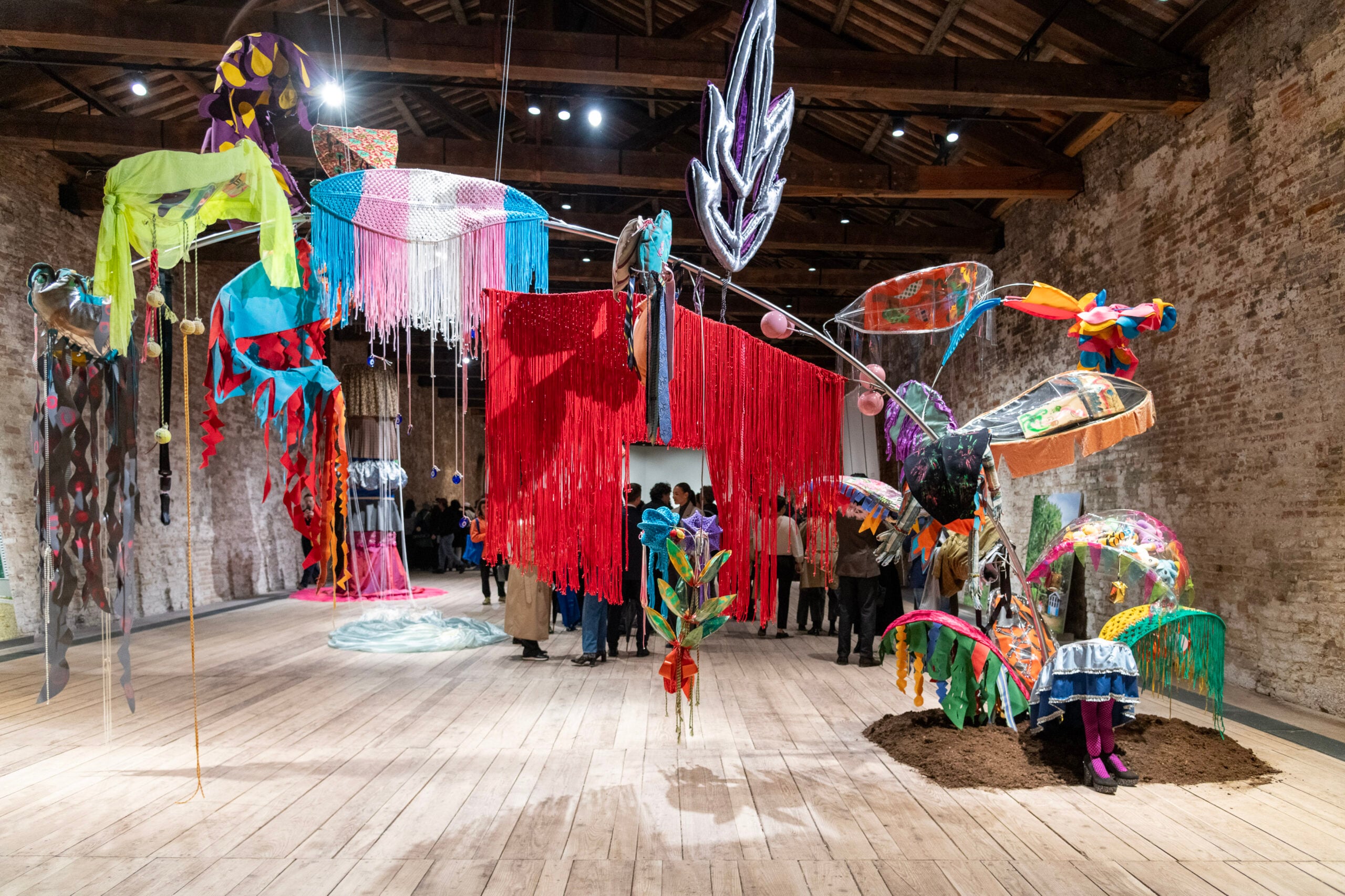
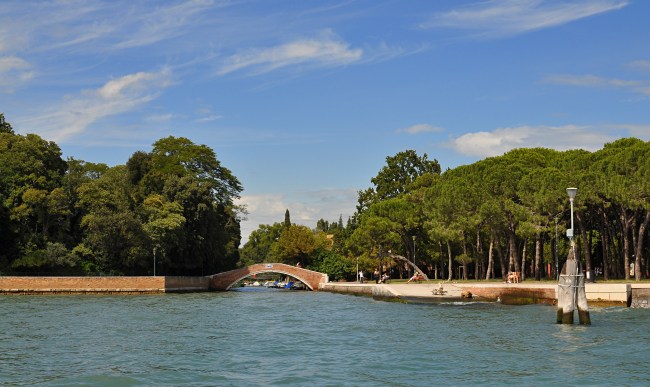
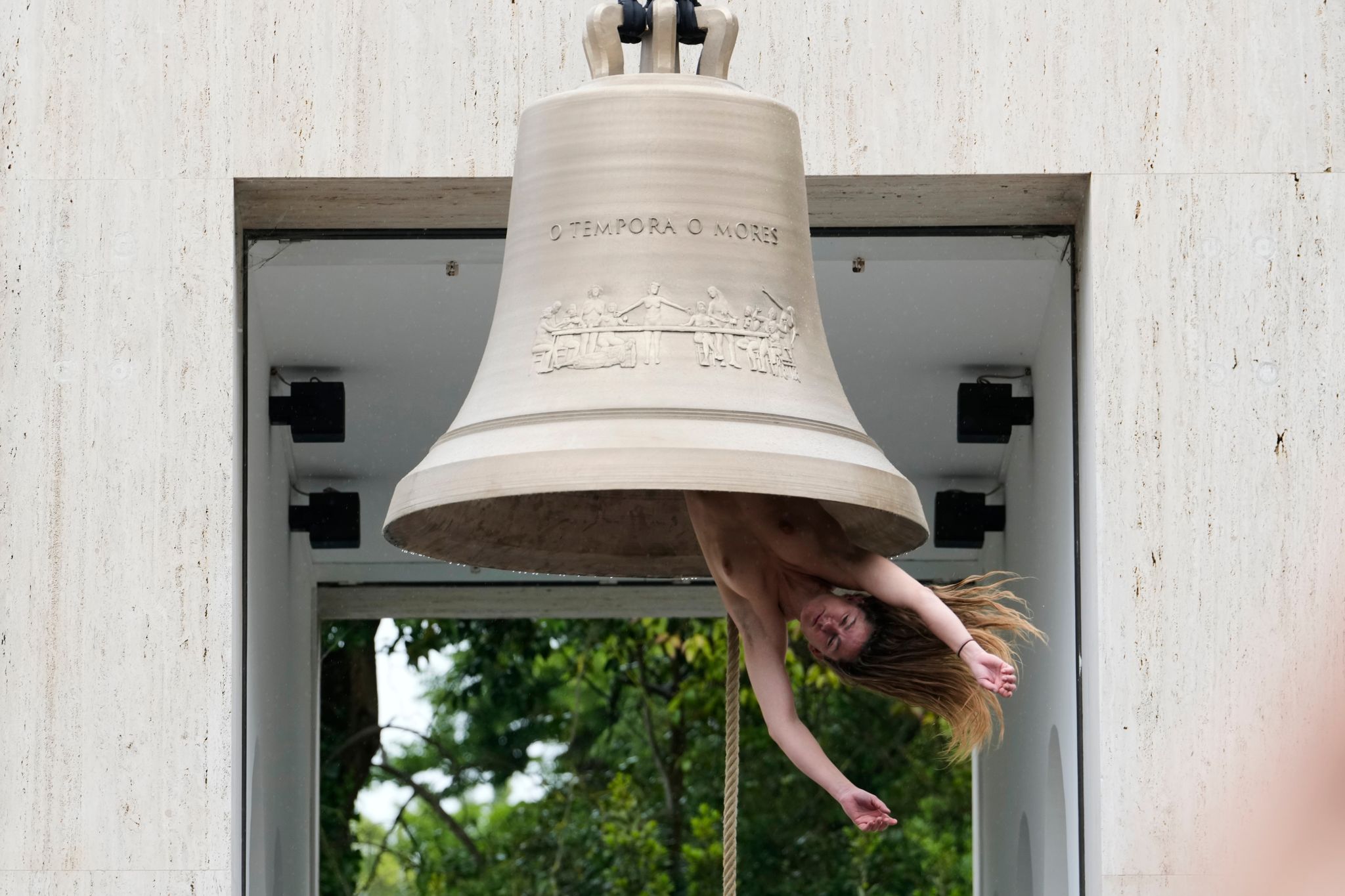
The 2026 Venice Biennale, titled "In Minor Keys" by its late artistic director Koyo Kouoh, has been marked by loud protests and urgent environmental alarms, notably at Florentina Holzinger's Austria pavilion. Amid this chaos, the Hong Kong collateral exhibition "Fermata" at Campo della Tana offers a quiet counterpoint, featuring Kingsley Ng Siu-king's installation *Laundry Nocturne (2026)*, a rest lounge with padded floors and cushions that has caused visitors to doze off. The exhibition follows Kouoh's curatorial vision of creating space for silenced voices and convivial collectivity.

Iran’s Participation in the Venice Biennale Still Uncertain

Iran’s participation in the 61st Venice Biennale remains uncertain after a public contradiction emerged between the Biennale Foundation and Iran’s Ministry of Culture and Islamic Guidance (MCIG). The Biennale Foundation had announced that Iran would not participate in the 2026 edition, curated by Koyo Kouoh, but Aydin Mahdizadeh Tehrani, director general of visual arts at the MCIG and commissioner of the Iranian Pavilion, stated in an interview with the Iranian Students’ News Agency (ISNA) that Iran never submitted a withdrawal letter. Instead, Iran requested more time and sent a letter on May 10 asking for the pavilion to open even if ineligible for prizes. Mahdizadeh Tehrani cited the US-Israel war with Iran as causing currency fluctuations that nearly tripled projected costs, complicating prior agreements, and noted that Iran had proposed a shorter exhibition period, which the Biennale rejected.

Inauguration of Moroccan Pavilion at 61st Venice Biennale International Art Exhibition

Morocco inaugurated its national pavilion at the 61st Venice Biennale International Art Exhibition on Friday, with Head of Government Aziz Akhannouch presiding over the ceremony. The pavilion features the project “Asǝṭṭa,” led by artist Amina Agueznay and curator Meryem Berrada, and will be on view at the Doges through November. The presentation aligns with the Biennale’s overarching theme, “In Minor Keys,” and showcases Moroccan heritage through contemporary artistic expression.

The Biennale and the Weight of Flags. What Is the Point of National Pavilions?

La Biennale e il peso delle bandiere. Che senso hanno i padiglioni nazionali?

The article examines the inherent contradiction within the Venice Biennale: its historical structure of national pavilions, a legacy of 19th-century world fairs and state-sponsored art, clashes with the transnational, post-identity vision of the international exhibition curated by Koyo Kouoh. The return of the Russia Pavilion amid geopolitical conflict and the international show titled "In Minor Keys," which rejects national belonging as an interpretive criterion, highlight this tension. The piece also addresses the controversy over the lack of Italian artists in the main exhibition, questioning whether a Biennale hosted in Italy should guarantee national representation.