filter_list Showing 357 results for "Thor" close Clear
search
dashboard All 357 museum exhibitions 162article news 54article culture 48article local 25rate_review review 22article policy 12gavel restitution 10candle obituary 8person people 8trending_up market 8
date_range Range Today This Week This Month All
Subscribe

Tiny Cranach Painting That Vanished During WWII Returns to Dresden

A miniature portrait of Friedrich III (Frederick the Wise) by Lucas Cranach the Elder, missing since World War II, has been returned to the State Art Collections of Dresden, Germany. The painting was last documented in May 1945 in a limestone quarry shelter near Pockau-Lengefeld before vanishing. It resurfaced in 2024 when consigned to Parisian auction house Artcurial, whose provenance investigation revealed a matching inventory number from 1722–1728. The Dreyfus family in France, the modern owners, returned the work after negotiations and a financial agreement. It is now on view at the Coin Cabinet of the Royal Palace in a special exhibition marking the 500th anniversary of Friedrich III's death, and will later be permanently displayed in the Semper Gallery.
Authorship Dispute Erupts Over ‘Hair Dress’ at the Met’s Costume Institute

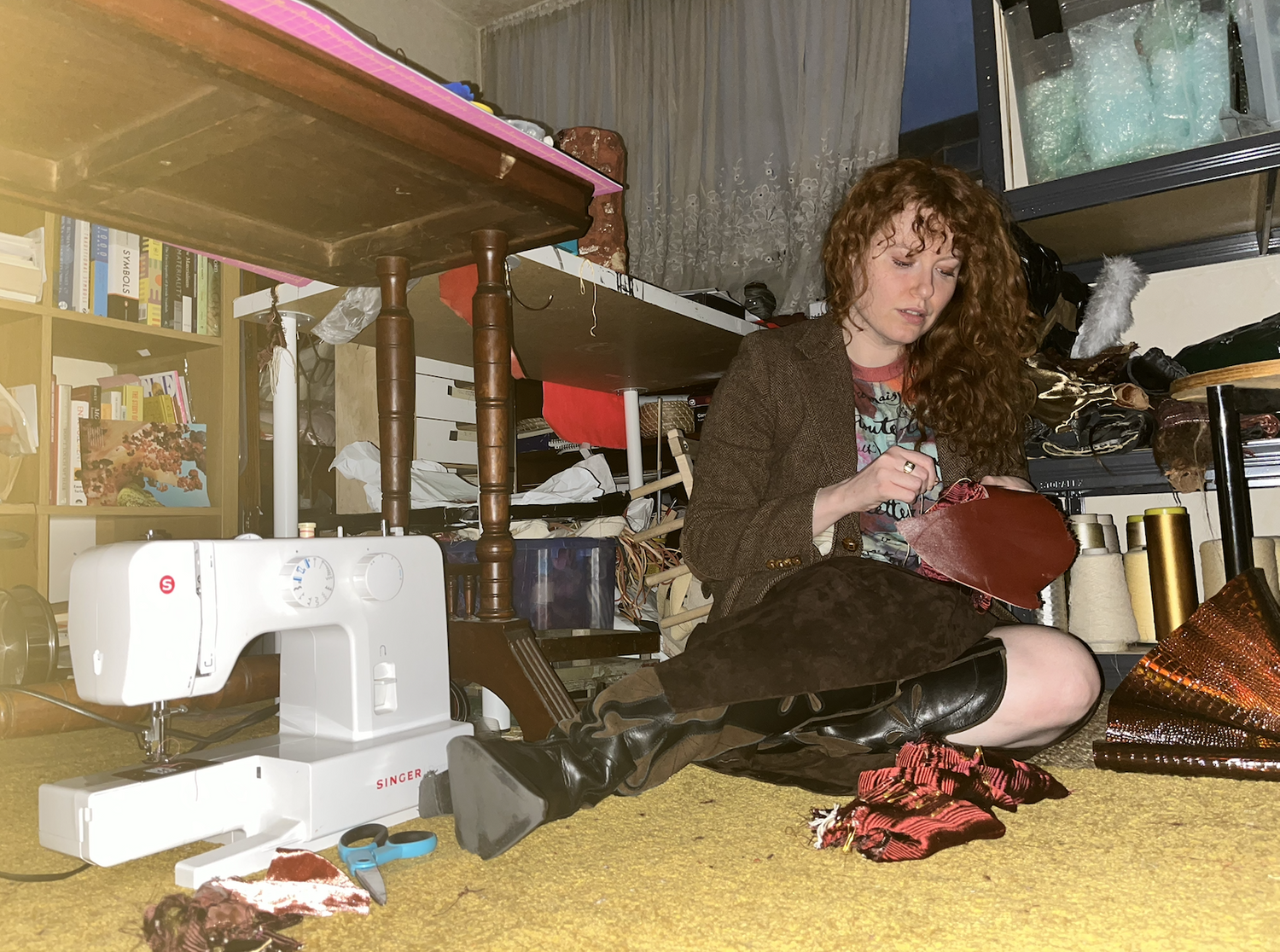
British artist Anouska Samms has publicly claimed that the Metropolitan Museum of Art's Costume Institute exhibition "Costume Art" includes a dress, Corpus Nervina 0.0 (2023-24), that was based on her collaborative work with Israeli fashion designer Yoav Hadari. Samms alleges that she co-created the original "Hair Dress" with Hadari in 2023 while both were residents at the Sarabande Foundation, and that the Met initially sought to acquire that piece. After negotiations fell through, Hadari instead provided a similar garment attributed solely to him, prompting Samms to demand proper credit via Instagram posts and through her lawyer.

London Dealer Stephen Friedman Owes $10.6 M. to Dozens of Creditors, Including Artists Deborah Roberts and Kehinde Wiley

London-based gallery Stephen Friedman has accumulated debts of approximately $10.6 million, according to official documents filed with Companies House. Creditors include Coutts & Co. bank (£3.2 million), Pentland Group Ltd. (£1.4 million), the UK tax authority, the Pollen Estate, art logistics company Crozier, and several prominent artists—Alexander Diop (£341,905), Deborah Roberts (£289,232), and Kehinde Wiley (£163,849). The gallery closed its New York space in November 2024 after just two years, then abruptly shut its London location and entered insolvency proceedings in February 2025, shortly after pulling out of Art Basel Qatar. A restructuring proposal by FRP Advisory was approved on 22 April.

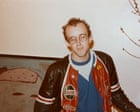
‘I told his family he was HIV positive’: Keith Haring’s best friend on life with the artist as unseen works go on show

A collection of unseen Keith Haring works, including a crib he painted for his best friend's unborn child, is going on display at Sotheby's New York before being auctioned in May 2025. The collection belongs to Kermit Oswald, Haring's childhood friend, and features 20 works, with a 1985 self-portrait estimated at $3m-$5m and the crib valued at $250,000-$350,000. Oswald shares intimate stories of their friendship, from childhood pranks in Kutztown, Pennsylvania, to their move to New York to study at the School of Visual Arts, and Haring's later collaboration with William Burroughs.

Ghosts, nudes and lesbian pageant queens: highlights from NYC’s Photography Show – in pictures

Aipad: The Photography Show is taking place at the Park Avenue Armory in New York from April 22-26, 2026, featuring works from over 70 galleries. The exhibition highlights include Bill Brandt's 1952 nude, Rania Matar's portrait of a young woman in Lebanon, and Zanele Muholi's 2009 portrait of a lesbian pageant queen, alongside works by Tania Franco Klein, Ruth Thorne-Thomsen, and others that explore themes of identity, anxiety, and alternative realities.

Ralph Lemon: The Physical Traces of Racism

Ralph Lemon's exhibition at Paula Cooper Gallery presents 13 black-and-white photographs and three short videos focusing on sites in the Mississippi Delta connected to the 1955 lynching of Emmett Till. Rather than dramatizing the incident, Lemon records physical traces of the locations—such as Bryant's Grocery and Meat Market, the barn where Till was killed, the Tallahatchie River, and a funeral home—capturing dilapidated buildings and landscapes that suggest history slipping away. The show includes the titular video "From Out of Space" (2018–21), which offers closeups and drone footage of these sites, creating a meditative, detective-like examination of memory and erasure.

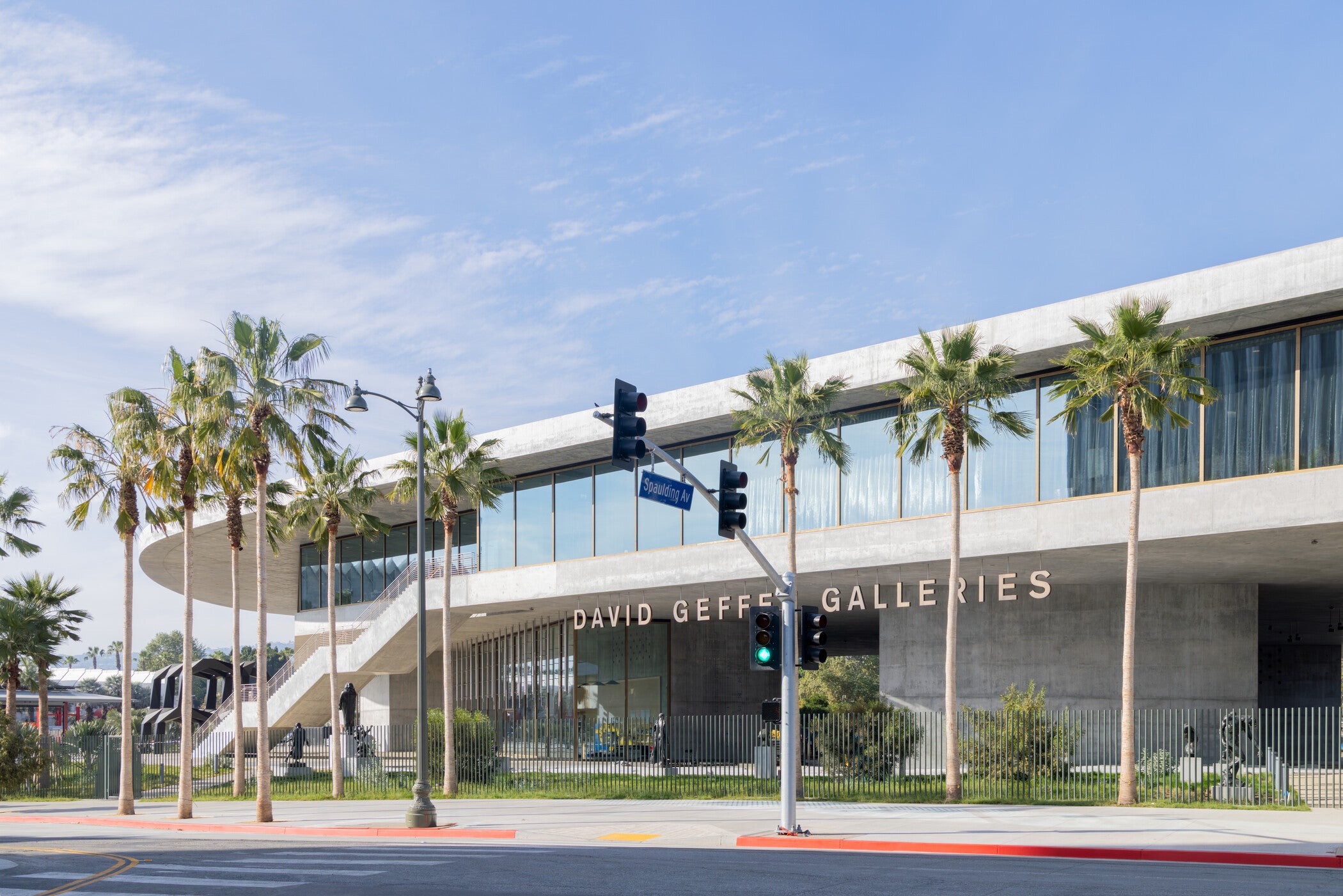
Everything You Need to Know About LACMA’s New David Geffen Galleries

LACMA has opened its new David Geffen Galleries, a single-story building spanning Wilshire Boulevard that houses the museum's permanent collection spanning 6,000 years of art. The galleries feature a revolutionary curatorial approach organized around bodies of water—Atlantic, Mediterranean, Indian, and Pacific—creating nonhierarchical displays that mix works across time and geography, such as 17th-century Dutch paintings alongside 20th-century photography. The building also includes 3.5 acres of shaded public space below, outdoor sculptures by artists like Alexander Calder and Jeff Koons, and a 220,000-square-foot pavement artwork by Mariana Castillo Deball.

The Art Diary May 2026 – Revd Jonathan Evens

The article titled "The Art Diary May 2026 – Revd Jonathan Evens" appears to be a diary or column by Revd Jonathan Evens, published on Artlyst, covering art-related events, reflections, or commentary for May 2026. The specific content is not provided in the snippet, but the format suggests a curated overview of exhibitions, cultural happenings, or personal observations from the author's perspective.

A Brief History of Protest at the Venice Biennale

The article provides a historical overview of protest actions that have taken place at the Venice Biennale, tracing key moments of political and social dissent within the prestigious international art exhibition. It highlights instances where artists, activists, and participating nations have used the Biennale as a platform to challenge authority, address censorship, and critique global issues, from the 1968 student protests to more recent controversies involving national pavilions and institutional policies.

Franco Vaccari Recasts the Viewer as Creator

Franco Vaccari, a pioneering Italian artist associated with Arte Povera and conceptual art, is the subject of a new exhibition that repositions the viewer as an active participant in the creative process. The show, featured in Frieze's Critic's Guides, highlights Vaccari's interactive works, including his famous photomatic booth installations where visitors become both subject and author of the artwork.

Emily Kraus’s Glitchy Paintings Challenge Aesthetic Authority

Emily Kraus’s solo exhibition at Frieze presents a series of glitchy, digitally inspired paintings that disrupt traditional notions of aesthetic authority. The works employ pixelated distortions and vibrant color fields to question the boundaries between digital error and artistic intention, drawing attention to the role of technology in contemporary art-making.

Affaire Indiana : un éditeur d’art condamné à 102 millions de dollars

A federal jury in Manhattan has ordered Michael McKenzie and his company American Image Art to pay $102 million (€95 million) to the Morgan Art Foundation for unauthorized exploitation of works by artist Robert Indiana (1928-2018), including his iconic LOVE image. The case, filed in May 2018 just before Indiana's death, alleged that McKenzie—a former agent of the artist—produced and sold unauthorized editions, sculptures, and merchandise under Indiana's name, violating exclusive reproduction and commercialization rights granted to the foundation in the 1990s. The jury found McKenzie guilty of trademark infringement, copyright violation, and contractual interference, with $6.2 million specifically tied to 44 LOVE works. The defense, weakened by sanctions for hiding evidence and refusing to cooperate, plans to appeal.

Lina Lapelytė Fills Hamburger Bahnhof with 400,000 Wood Blocks for Communal Building

Lithuanian artist Lina Lapelytė has filled Berlin's Hamburger Bahnhof with 400,000 wooden blocks made of pine and spruce, creating a participatory installation titled “We Make Years Out of Hours.” Commissioned by Chanel, the work invites the public to build and rebuild structures from the 10-centimeter cubes. A series of weekly performances featuring a libretto by writers including Ocean Vuong, Etel Adnan, Forugh Farrokhzad, and Mahmoud Darwish will accompany the installation, which opens on May 1 and runs through January 10, 2027.

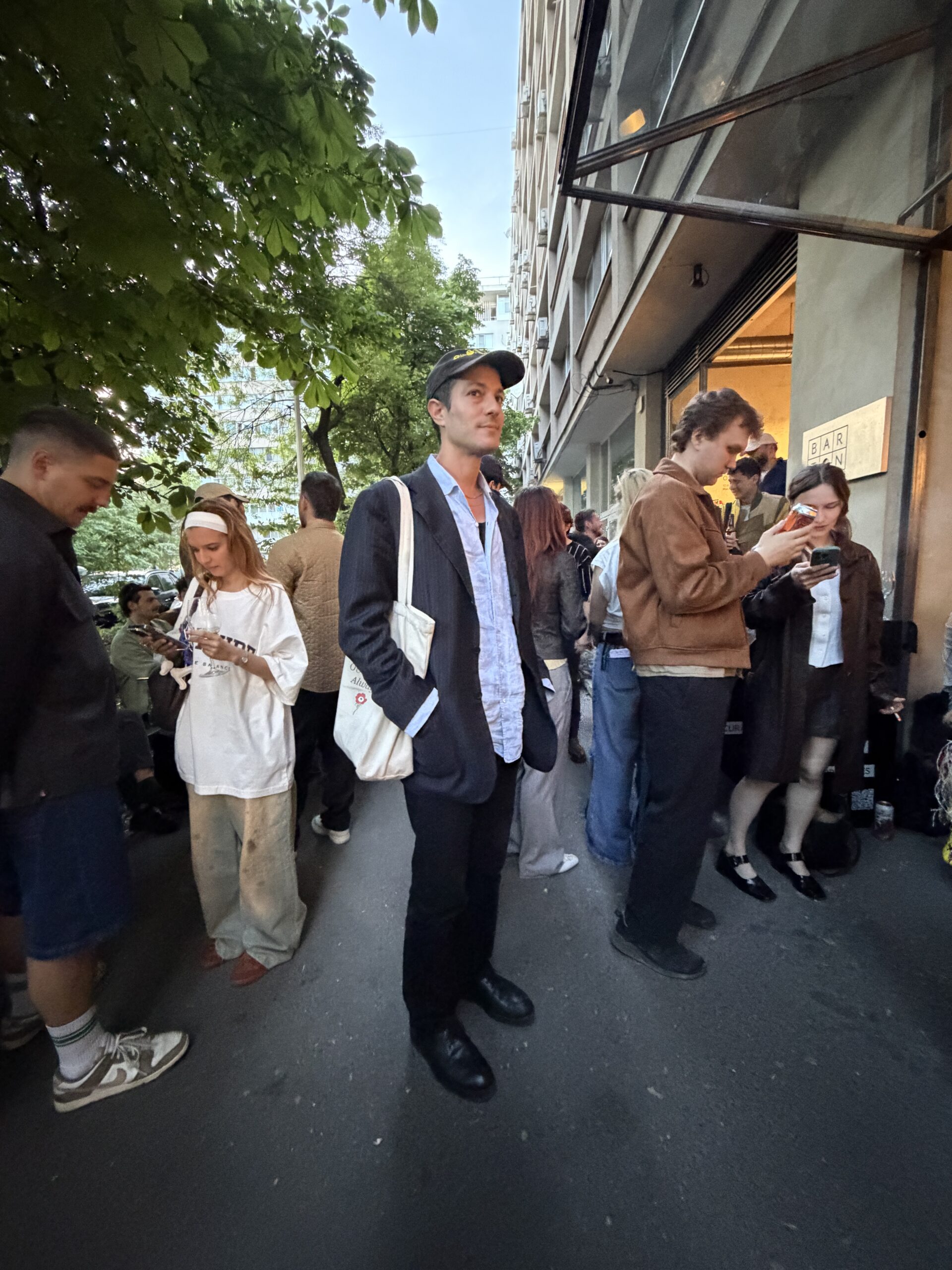
the buzz in bucharest sammy loren on rad and the refreshing romanian art scene

The article reports on the fourth edition of Romanian Art Dealers (RAD), an art fair in Bucharest that exclusively features Romanian galleries and artists. The author, Sammy Loren, travels from Los Angeles to experience the fair, which is co-founded by dealer Catinca Tabacaru and artist-dealer Daniela Pălimariu. The fair includes 31 booths, a Curatorial Summit with 35 international curators, and a central installation titled "Donate a Word" (2025) by Romanian artist Victoria Zidaru. The author attends events like the 10-year anniversary party for Sandwich Gallery and notes the intimate, family-like atmosphere of the local art scene.

Art in Chicago: A Guide for Collectors, Curators and the Curious

This article introduces a comprehensive guide to Chicago's art world, published by a local outlet. The guide features multiple sections exploring the city's art history, key institutions, and lesser-known venues, including feature stories on the Hyde Park Art Center, the Arts Club of Chicago, the National Museum of Mexican Art, the South Side Community Art Center, the Renaissance Society, and the School of the Art Institute of Chicago. It also includes a massive 22-page "Art Geography" directory of museums, nonprofits, galleries, and alternative spaces, written by seasoned art critics. The editor, Brian Hieggelke, acknowledges the daunting task of covering a hometown art scene after forty years, but aims to provide both a resource for newcomers and fresh insights for longtime locals.

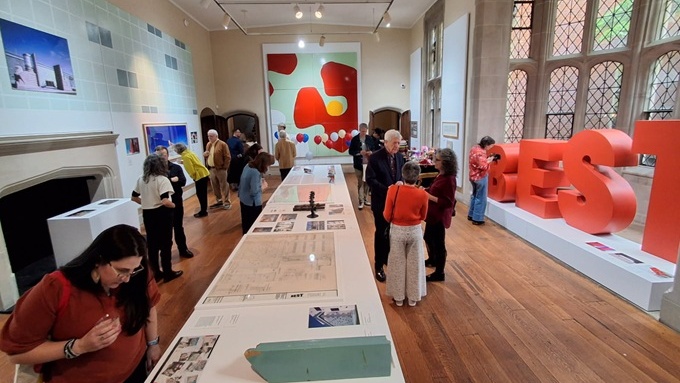
As old HQ comes down, Best Products’ design legacy is highlighted in Branch Museum exhibit

The Branch Museum of Design in Richmond has opened 'Imagining Best Products,' an exhibition exploring the architectural and graphic design legacy of the former retailer Best Products. The show, curated by architect Don O’Keefe with Harvard Graduate School of Design students, features original drawings by James Wines, items from a 1979 MoMA exhibition, and building models. It coincides with the demolition of Best Products' old headquarters in Henrico, which is being razed for a new arena-anchored development, though the timing is coincidental.

Art and authoritarianism in Auckland

Auckland Art Gallery is presenting 'Forever Tomorrow: Chinese Art Now,' a major survey of Chinese contemporary art featuring 67 works by 42 artists, running from May 2 to August 23, 2026. The exhibition includes Xiao Lu's iconic 1989 work 'Dialogue,' which she famously shot with a gun hours after its opening, an act later linked to the Tiananmen Square protests. Xiao Lu comments on the political resonance of the show in New Zealand amid global shifts in democracy and US-centric world order.

When the story has already been told -- ‘Gordon Parks: The South in Color’ at Jackson Fine Art

Gordon Parks: The South in Color, curated by Dawoud Bey, is on view at Jackson Fine Art in Atlanta through June 13. The exhibition celebrates the 20th anniversary of The Gordon Parks Foundation and the 70th anniversary of Parks’ 1956 Life magazine feature on segregation in the South. The show presents a broader selection of Parks’ photographs than the original magazine spread, including iconic works like In-Home Barbershop, Shady Grove, Alabama, 1956. The article, written by a photographer and writer for ArtsATL, reflects on the experience of seeing Parks’ work in person and contrasts the gallery presentation with the editorial framing of the Life feature.

Austin’s Blanton Museum uses coding, data, and AI to explore what it means to create art

The Blanton Museum of Art at the University of Texas at Austin has opened a new exhibition titled 'Coded: Art Enters the Computer Age, 1952–1982.' The show features over 100 works by 75 artists who used computers, algorithms, and data as creative tools, exploring the intersection of art and technology during a pivotal three-decade period.

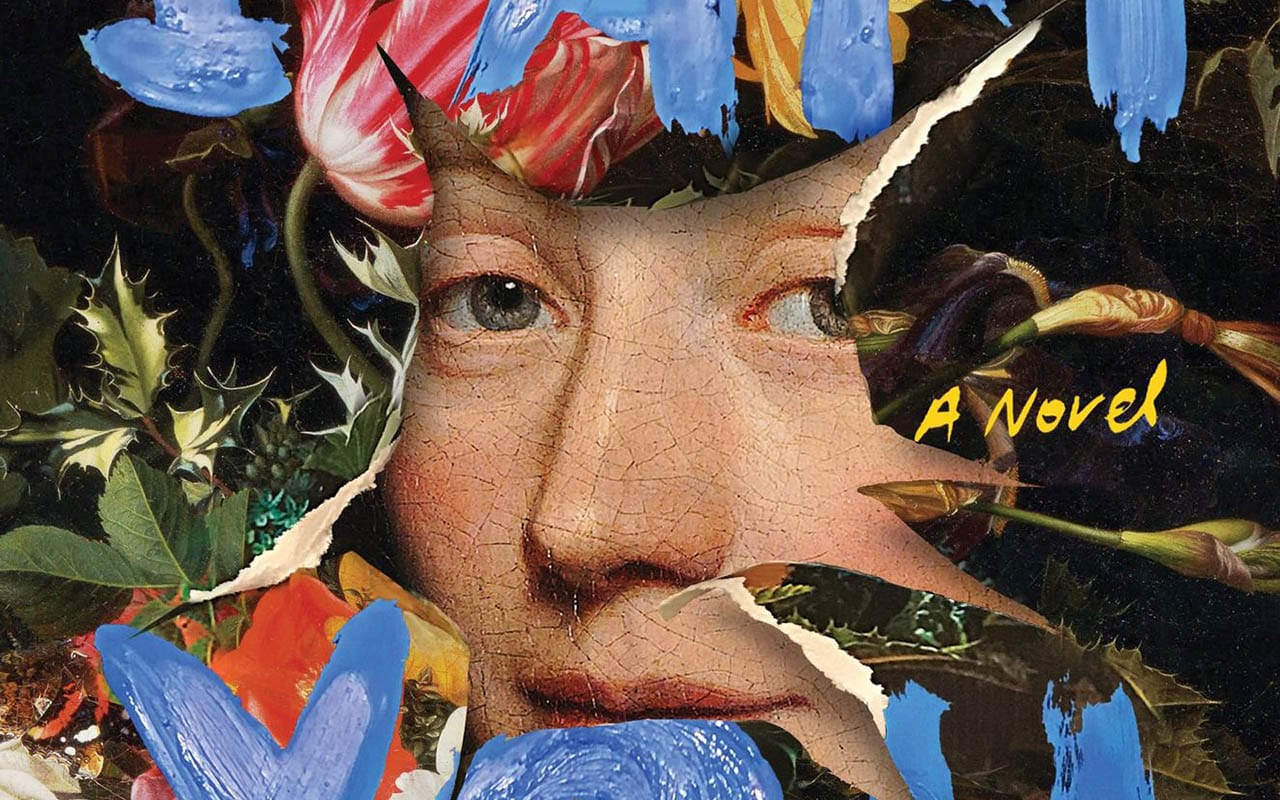
The Painted Book Cover Is Back

The article reports on a growing trend in book cover design: the use of painted, figurative artwork instead of stock photos or digital renderings. Publishers are increasingly licensing paintings by artists from Hilma af Klint to Shannon Cartier Lucy, seeing them as a way to signal cultural authority and intellectual rigor. The trend is discussed through examples like Victoria Redel's *I Am You* (2025) and Kyung-Ran Jo's *Blowfish* (2025), with insights from LiteraryHub Managing Editor Emily Temple and Astra House publisher Benjamin Schrank.

The Carnegie International Makes Its Mark

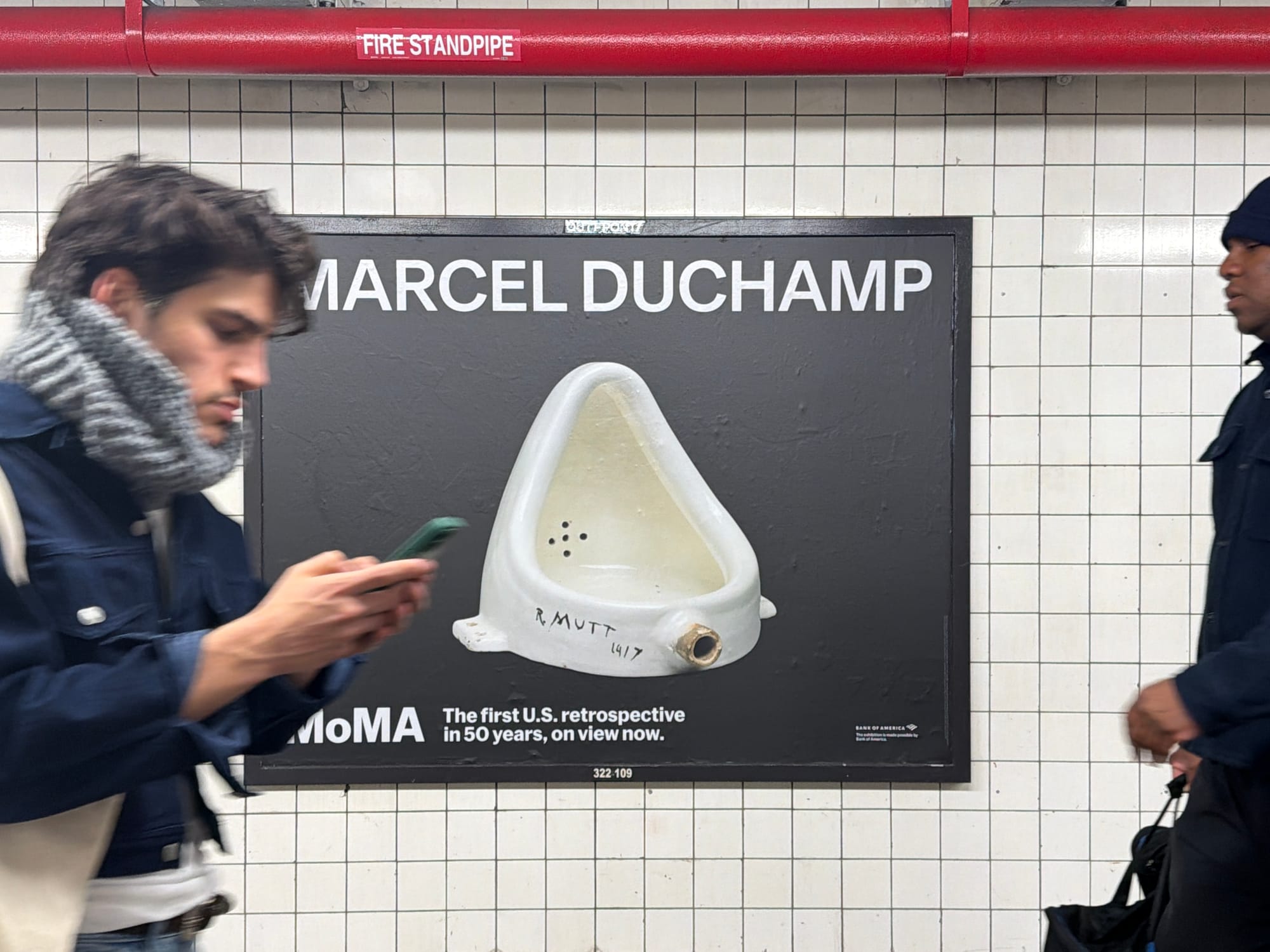
The 59th Carnegie International opens in Pittsburgh, featuring 61 artists from around the world in the oldest survey of its kind in the United States. Critic Ed Simon reviews the exhibition, noting it captures the excitement of earlier editions while providing vital commentary on authoritarianism and militarism. In other news, activists protested Jeff Bezos's co-chair role at the Met Gala with a costumed action and guerrilla projections on his penthouse; Iran withdrew from its national pavilion at the Venice Biennale; MoMA PS1 announced the first US survey of Mexican artist Teresa Margolles; and Hakim Bishara reflects on MoMA's Marcel Duchamp exhibition.

The Carnegie International Looks Back at Itself

The 58th Carnegie International at the Carnegie Museum of Art in Pittsburgh looks back at its own 130-year history, featuring a gallery dedicated to past iterations. The exhibition includes Chris Ofili's "The Adoration of Captain Shit and the Legend of the Black Stars" (1998), which was originally shown in the 53rd International in 1999, the same year Ofili's more notorious "The Holy Virgin Mary" sparked controversy at the Brooklyn Museum. The article reviews how the current iteration captures the excitement of earlier exhibitions while providing commentary on authoritarianism and militarism.

The Enigma of Alison Knowles

Lauren Moya Ford reviews the only book dedicated to Fluxus artist Alison Knowles, who died six months ago. The book, "Performing Chance: The Art of Alison Knowles In/Out of Fluxus" by Nicole L. Woods (2026), attempts to illuminate Knowles's life and work, but Ford notes that much of her personal life remains mysterious despite the author's efforts. The article is part of a broader books newsletter that also features new tomes on Hans Holbein’s portraits, Jan Staller’s photographs of Manhattan construction sites, and a discussion of a Black Panther family album at the Studio Museum in Harlem.

I’ve Got the Post-Duchamp Blues

The article is a review of the Marcel Duchamp retrospective at the Museum of Modern Art (MoMA) in New York, the first such show since 1973. Featuring around 300 works from Duchamp's six-decade career, the exhibition includes his iconic readymades like "Fountain" (1917) and early paintings such as "Nude Descending a Staircase, No. 2" (1912). Co-curated by MoMA's Ann Temkin and Michelle Kuo along with Matthew Affron of the Philadelphia Museum of Art, the show runs through August 22, 2026, before traveling to Philadelphia.

May You Live in Less Interesting Times

The international jury for the Venice Biennale has collectively resigned just before the press preview, following their announcement that countries accused of crimes against humanity—specifically Israel and Russia—would be excluded from award consideration. The jurors did not provide an explicit reason for their resignation. Meanwhile, Russia's return to the 61st Venice Biennale will involve workarounds to comply with international sanctions, including restricted pavilion access. The article also highlights a widely-read essay by Hakan Topal on the financialization and 'administrification' of American art schools and academia.

Tania Bruguera on Why Today’s Art Must Be Political

Cuban artist and activist Tania Bruguera will stage her performance "Tatlin’s Whisper #6" in Times Square on May 1, International Workers' Day. Originally created for the 2009 Havana Biennial, the work invites participants to speak freely on a platform for one minute, highlighting the conditional nature of free expression under authoritarian rule. Bruguera discusses the performance's relevance amid rising authoritarianism in both Cuba and the United States, noting that when she attempted to restage the work in Havana, she and other participants were arrested.

Reclaiming the Self-Taught Artist’s Creative Identity

The American Folk Art Museum (AFAM) in New York will present "Self-Made: A Century of Inventing Artists" this spring, a major exhibition examining the historical definition of the "self-taught artist" through authorship, agency, and self-representation. Featuring over 90 works spanning the early 20th century to today, the show is organized around three strategies—self-portraiture, alter egos, and autobiography—and includes pieces by Henry Darger, Clémentine Hunter, Martín Ramírez, Aloïse Corbaz, Adolf Wölfli, Nicole Appel, Susan Janow, and Joe Coleman, many on view for the first time.

Roses and Thorns of Greater New York

The article is a digest of recent art news, with a primary focus on critical reviews of the 2026 "Greater New York" exhibition at MoMA PS1. Hyperallergic's editorial team provides mixed assessments of the works in the massive quinquennial survey of local artists. The piece also covers American-French sculptor Barbara Chase-Riboud's decision to decline an invitation to represent the United States at the 61st Venice Biennale, citing the problematic nature of the pavilion's commissioning entity.

The Future of Museums Is a Dance Floor

Museums and art institutions are increasingly incorporating nightlife and rave culture into their programming, treating the dance floor as a site of cultural and political significance. Exhibitions like Steve McQueen's 2024 Dia Beacon show, the 2018 'Elements of Vogue' in Madrid, the Swiss National Museum's 2025 'Techno' exhibition, and the author's own 2025 curatorial project 'Rave into the Future: Art in Motion' at the Asian Art Museum demonstrate this institutional turn.

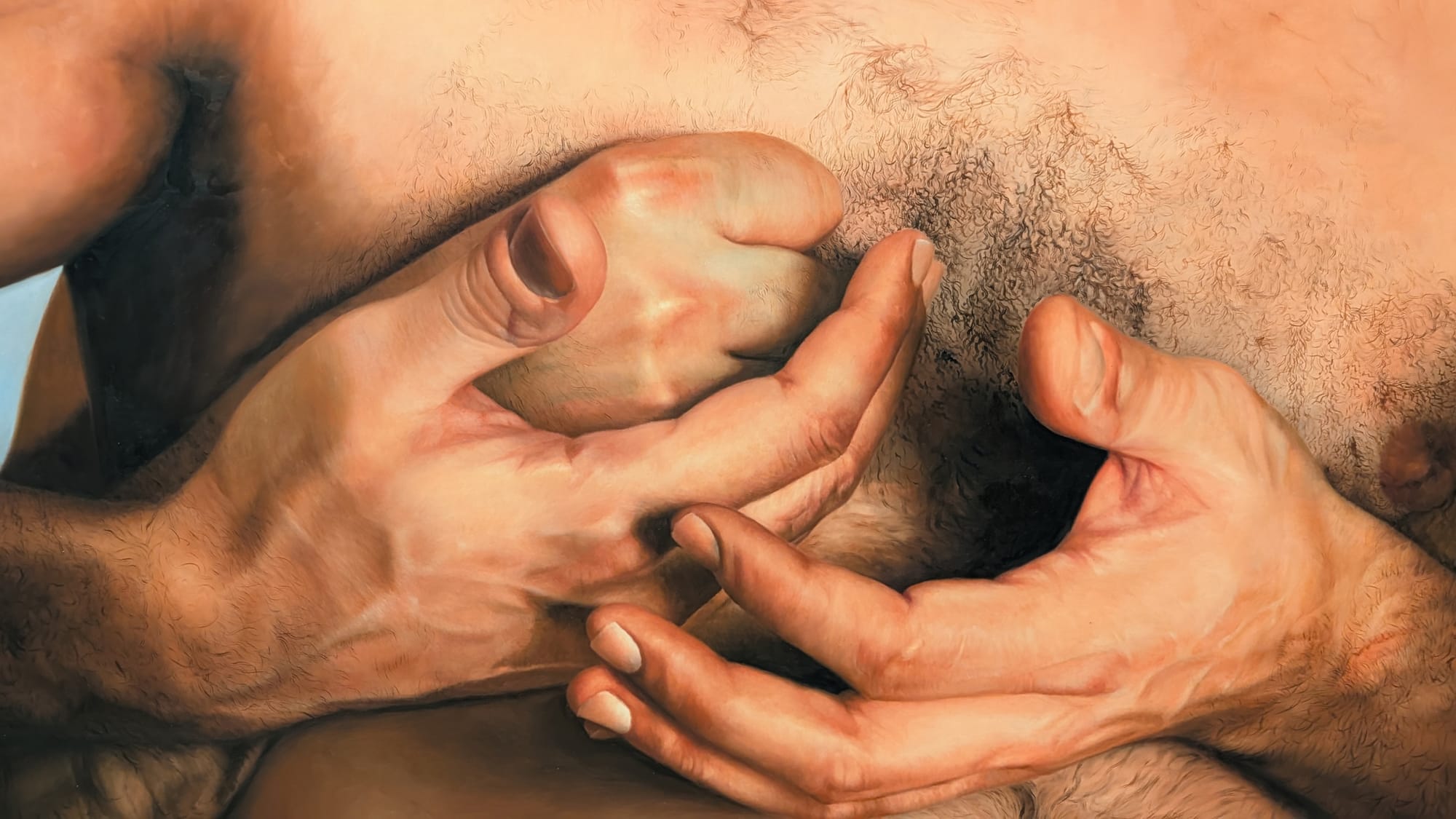
Archie Rand On the Irreducibility of Painting in a Post-Digital Age

Archie Rand, now in his late 70s, recently held his first extensive solo show in years at Jarvis Art in New York, featuring his new body of work titled "Heads." The exhibition reclaims painting's primordial function, emphasizing the connection between brain and hands, imagination and reality. Rand, who emerged from the downtown New York scene in the late 1970s and early '80s, has witnessed the full postwar evolution of American art. His career includes a pivotal synagogue mural commission that led to backlash from the Orthodox community and a break with critic Clement Greenberg, pushing him toward representational forms. He found allies in figures like Philip Guston and John Ashbery, and after his wife's death ten years ago, began reflecting on mortality and childhood influences.