filter_list Showing 970 results for "Biennale" close Clear
search
dashboard All 970 museum exhibitions 558article news 187trending_up market 58article culture 52rate_review review 34candle obituary 33person people 30article policy 11article local 5gavel restitution 2
date_range Range Today This Week This Month All
Subscribe

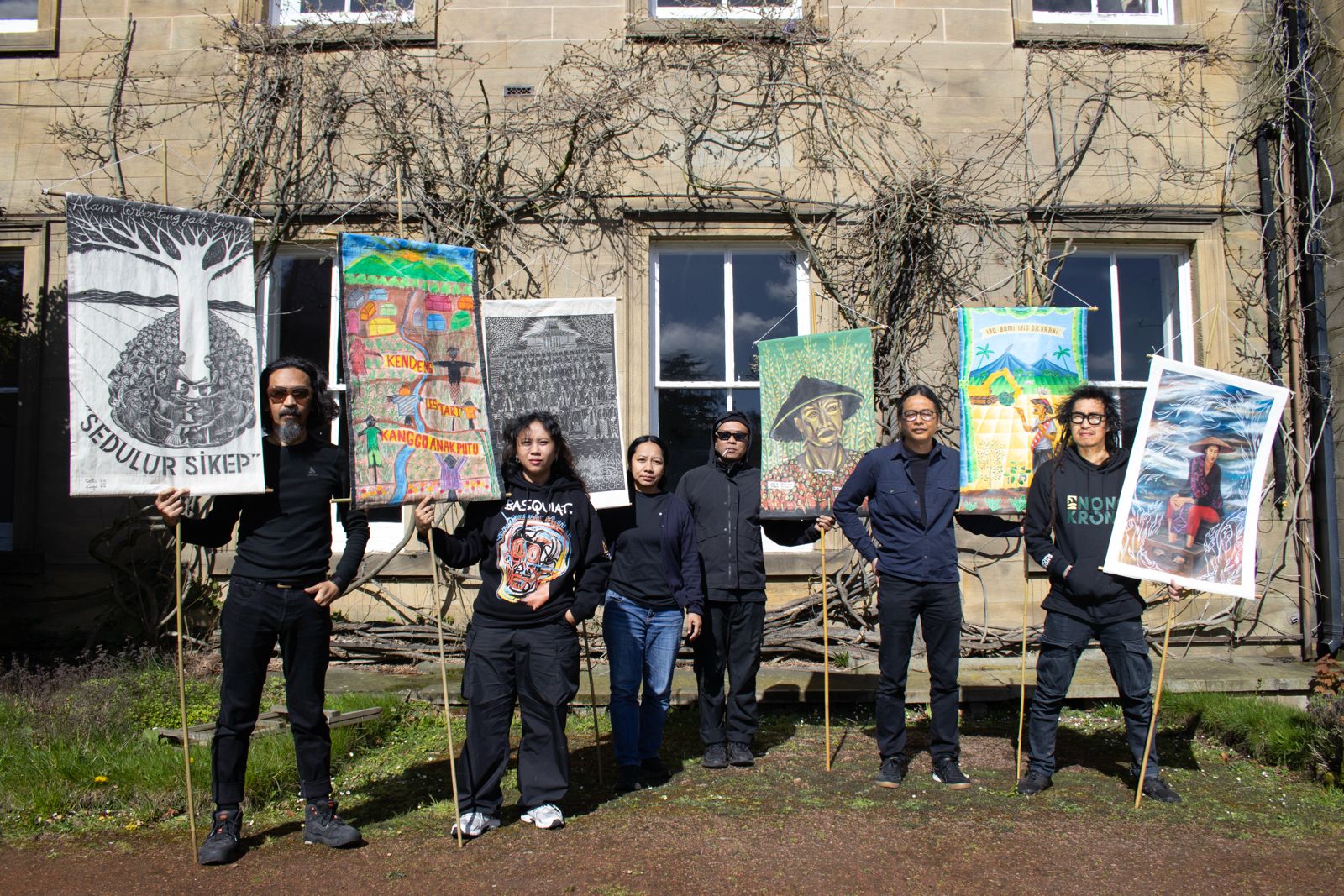
Agitate, Educate, Organize. A Conversation with the Indonesian Collective That Is in Venice with Two Projects

Agitare, educare, organizzare. Una conversazione con il collettivo indonesiano che è a Venezia con due progetti

Sale Docks, an activist art space born from a 2007 occupation in Venice, has invited the Indonesian collective Taring Padi to collaborate on two projects. The first is the exhibition "Taring Padi: People's Liberation," which reactivates banners as tools for propaganda, mobilization, and resistance. The second is a public intervention in Venice, where the collective and local community will repaint the walls of the historic social center Laboratorio Occupato Morion. The article includes an interview with Taring Padi, which was founded in 1998 in Yogyakarta by students and activists, and discusses their use of wayang shadow-puppet imagery and collaborative processes to agitate, educate, and organize communities.
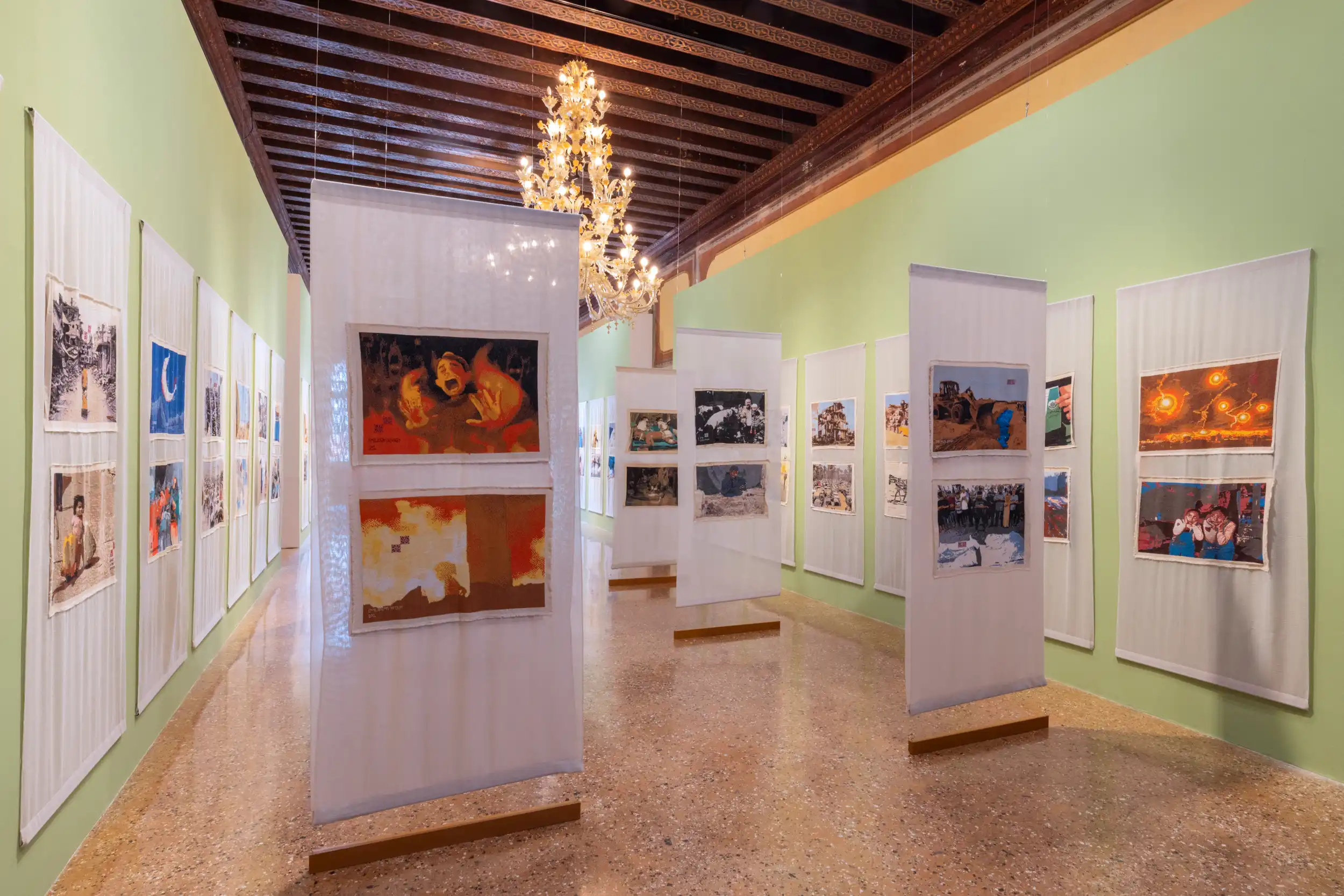
How Do You Curate an Exhibition on Genocide? Faisal Saleh and the Palestinian Question That Crosses the Venice Biennale

“Come si cura una mostra sul genocidio?”: Faisal Saleh e la domanda palestinese che attraversa la Biennale di Venezia

At the 2026 Venice Biennale, a collateral exhibition titled “Gaza – No Words – See the Exhibit” presents 100 embroidered works using the traditional Palestinian technique of Tatreez. Curated by artist Faisal Saleh, founder of the Palestine Museum US, the show transforms embroidery from decoration into political testimony, reconstructing scenes from Gaza over the past two and a half years: shrouded bodies, killed children, mothers bidding farewell, bombed hospitals. The exhibition is housed at Palazzo Mora and has been called by many visitors “the real Palestinian Pavilion” of the Biennale, though it is not an official national pavilion.

Doosan Yonkang Foundation Backs Venice Korean Pavilion

The Doosan Yonkang Foundation has announced its sponsorship of the Korean Pavilion at the 61st Venice Biennale, which will take place from May 9 to November 22, 2026, at Giardini Park in Venice, Italy. The Korean Pavilion, titled "Liberation Space: Fortress and Nest," explores political events and historical transitions in Korean society from 1945 to the present, under the artistic direction of Choi Bitna. Participating artists include Noh Hyeri and Choi Goeun, along with fellows such as novelist Han Kang, farmer and activist Kim Huju, writer and singer Lee Lang, photographer Hwang Yeji, and artist Christian Nyampeta. Notably, Noh Hyeri and Choi Bitna are alumni of the foundation's support programs, Doosan Art Lab and Doosan Curator Workshop, respectively.

AKKA Venice Project: Beyond the Exhibition

Lidija Khachatourian, founder of AKKA Project, discusses her gallery's evolution from Dubai to Venice, where it remains the only gallery dedicated to African and diasporic artists. In an interview with ART AFRICA, she explains her shift from a market-driven model toward a research-led, custodial approach that prioritizes long-term relationships and slowness over high-volume programming. The gallery, established in Venice in 2019, operates with a deliberate resistance to market pressures, focusing on care, continuity, and direct material support for its artists.

Iran Pushes Back on Venice Biennale Withdrawal Reports: ‘We’re Still Coming’

Iran has pushed back against reports that it withdrew from the 2024 Venice Biennale, with Aydin Mahdizadeh Tehrani, director-general of visual arts at Iran's ministry of culture, stating that the country never withdrew and is still in negotiations to participate. Tehrani told the Iran Students News Agency that Iran submitted a plan for a pavilion and is awaiting a final response, despite unresolved issues including sanctions, high rental costs, and the ongoing war with Israel and the US. Meanwhile, a separate unofficial pavilion called the Hyperstitional Pavilion of Iran, curated by Pouya Jafari and Nazli Jan Parvar, has been announced, featuring works by Iranian artists and organized by Finland-based nonprofit Perpetuum Mobile.

Iran has not withdrawn from 2026 Venice Biennale, pavilion commissioner says

Iran has denied withdrawing from the 2026 Venice Biennale, despite the Biennale's announcement that the country would not participate. Aydin Mahdizadeh Tehrani, director-general of visual arts at Iran's ministry of culture and Islamic guidance and the country's pavilion commissioner, stated that Iran requested more time rather than submitting a withdrawal. He cited the US-Israel war with Iran, political and economic challenges, and a sharp currency devaluation that tripled projected costs as reasons for the delay. Iran proposed a shorter two-to-three-month participation, which was rejected, but has since sent a letter insisting on opening its pavilion even after the opening. The foreign ministry has intervened to support Iran's participation, and a final response from the Biennale is expected soon.

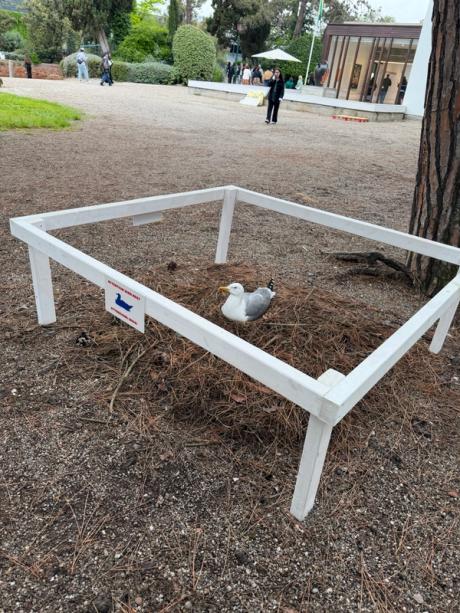
Nature is healing? Seagull lays eggs in the Giardini during Venice Biennale preview

During the VIP preview of the Venice Biennale, a seagull laid three eggs near the entrance of the Polish Pavilion in the Giardini. Pavilion staff built a protective barrier around the nest and warned visitors to avoid the protective bird, which one Italian collector called "the main attraction."

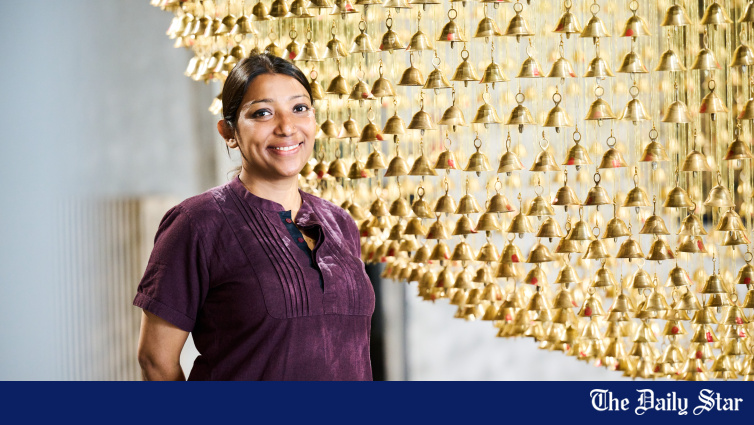
Ashfika Rahman's art lands in New York Times Critics' Top 6

Bangladeshi visual artist Ashfika Rahman has been recognized by The New York Times as one of the six must-see shows at the Venice Biennale, with her work "Than Para — No Land Without Us" featured in the collateral exhibition "Still Joy — From Ukraine into the World." The installation, presented by the PinchukArtCentre and curated by Björn Geldhof and Oleksandra Pohrebnyak, incorporates thousands of small temple bells gathered from different spiritual traditions and draws on testimonies from Ukraine as well as the struggles of Indigenous communities in Bangladesh's Hill Tracts.

Baby dolls, whale songs and swimming in urine: The Venice Biennale’s must-see national pavilions

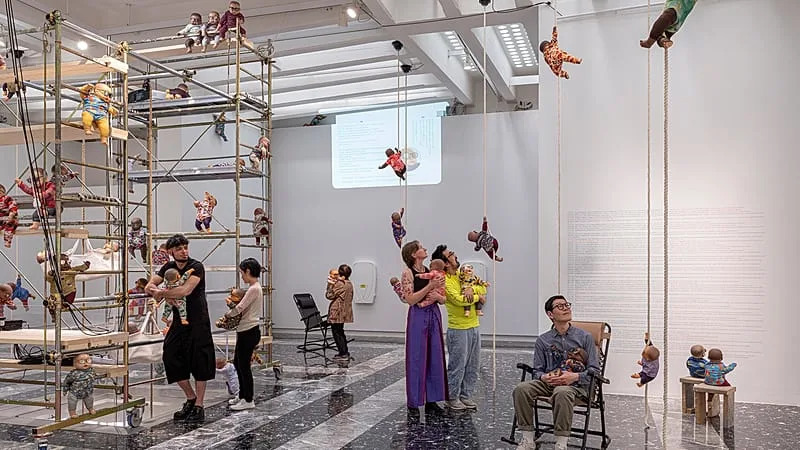
The 61st Venice Biennale, themed 'In Minor Keys' by late curator Koyo Kouoh, has been marked by political protests against Russia and Israel's participation, pavilion closures, and threats to funding. Despite this tense atmosphere, several national pavilions quietly embody Kouoh's vision of nurture, intimacy, and reflection. Highlights include the Japan Pavilion's 'Grass Babies, Moon Babies' by Ei Arakawa-Nash, where visitors carry and care for baby dolls, and the Polish Pavilion's 'Liquid Tongues' by Bogna Burska and Daniel Kotowski, an immersive sound installation exploring Deaf culture and marginalized communication.

in venice, ukrainian artists reclaim joy with tender force

The article reports on 'Still Joy — From Ukraine Into the World,' a collateral exhibition at the 61st Venice Biennale presented by the Victor Pinchuk Foundation and PinchukArtCentre. The show features works by Ukrainian artists including Malashchuk & Khimei, Simone Post, and Zhanna Kadyrova, exploring themes of joy, survival, and resilience amid war. Highlights include a two-channel video juxtaposing a Kyiv rave before and after Russia's full-scale invasion, letters from Ukrainian soldiers printed on foam panels, and installations that transform everyday objects into meditations on sweetness and endurance.

Inside Saudi Arabia’s pavilion at the Venice Biennale

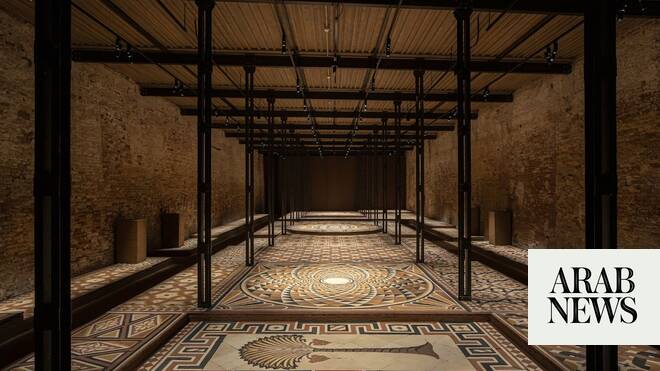
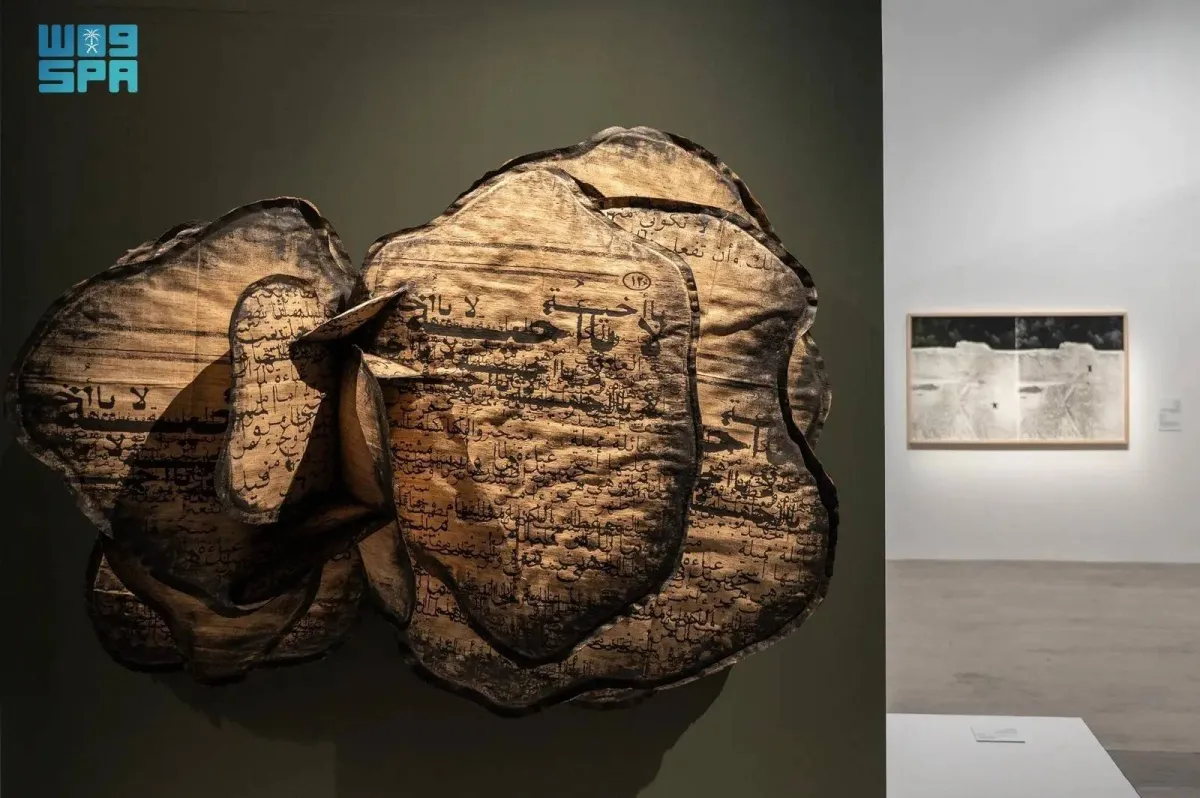
Saudi Arabia's national pavilion at the 61st Venice Biennale features a new installation by Saudi-Palestinian artist Dana Awartani titled "May your tears never dry, you who weep over stones." Curated by Art Jameel's director Antonia Carver and assistant curator Hafsa Alkhudairi, the work comprises over 29,000 handmade clay bricks arranged in intricate mosaics referencing 23 threatened cultural heritage sites across the Arab world, including Syria, Lebanon, and Palestine. The installation, which took more than 30,000 labor hours with 32 artisans, has become a crowd favorite since the biennale opened on May 9.

Frieze New York Opens Strong, But the Real Test Is Just Beginning

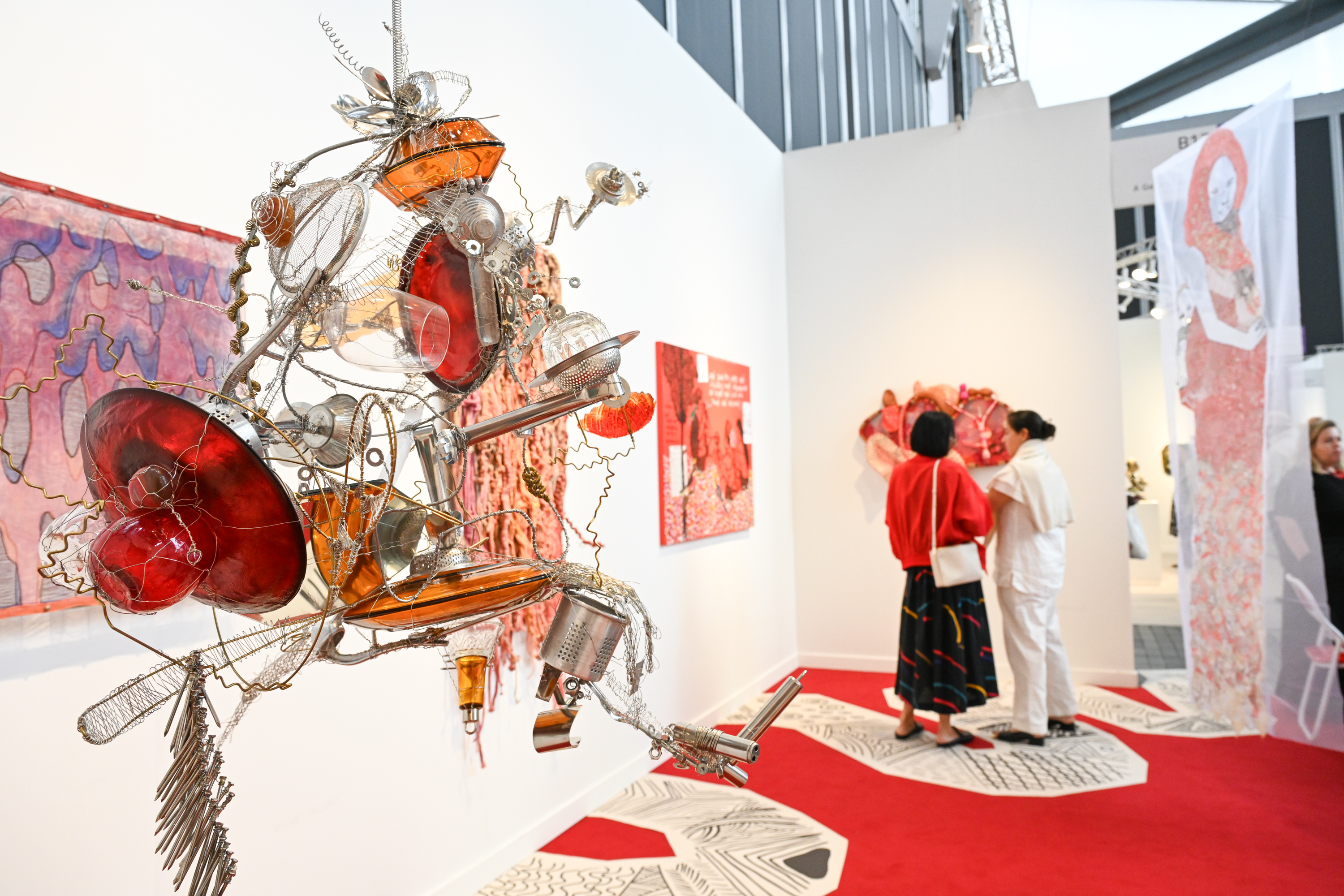
Frieze New York has opened with strong early sales, particularly in the Focus section, which is dedicated to emerging and underrepresented artists. This year's Focus prize was awarded to W Galería for its presentation of Seba Calfuqueo, a Mapuche artist whose work addresses colonialism, environmentalism, and gender identity through ceramic sculptures and hair-based materials. Her pieces are priced between $8,000 and $40,000, reflecting the market's growing interest in politically engaged contemporary art.

The Venice Biennale of Art has begun! The pavilions you should not miss this year

The Venice Biennale of Art has officially opened, showcasing national pavilions and exhibitions from around the world. The article highlights key pavilions that visitors should prioritize this year, offering a curated guide to the most notable presentations at the prestigious international art event.

AlUla Arts Showcases More than 20 Artists at 61st Venice Biennale

A contemporary art fair called "This is Normal" has been held in Kyiv, Ukraine, during wartime, organized by the Art Kyiv fair. The event features over 20 Ukrainian artists and galleries at the Lavra Gallery, deliberately avoiding any direct reference to the war in its booths or artworks. Organizers and participants describe the fair as a space for cultural continuity and psychological respite, where art helps people make sense of a reality shaped by missile strikes and loss.

Hong Kong wows the crowds to sleep at the 2026 Venice Biennale

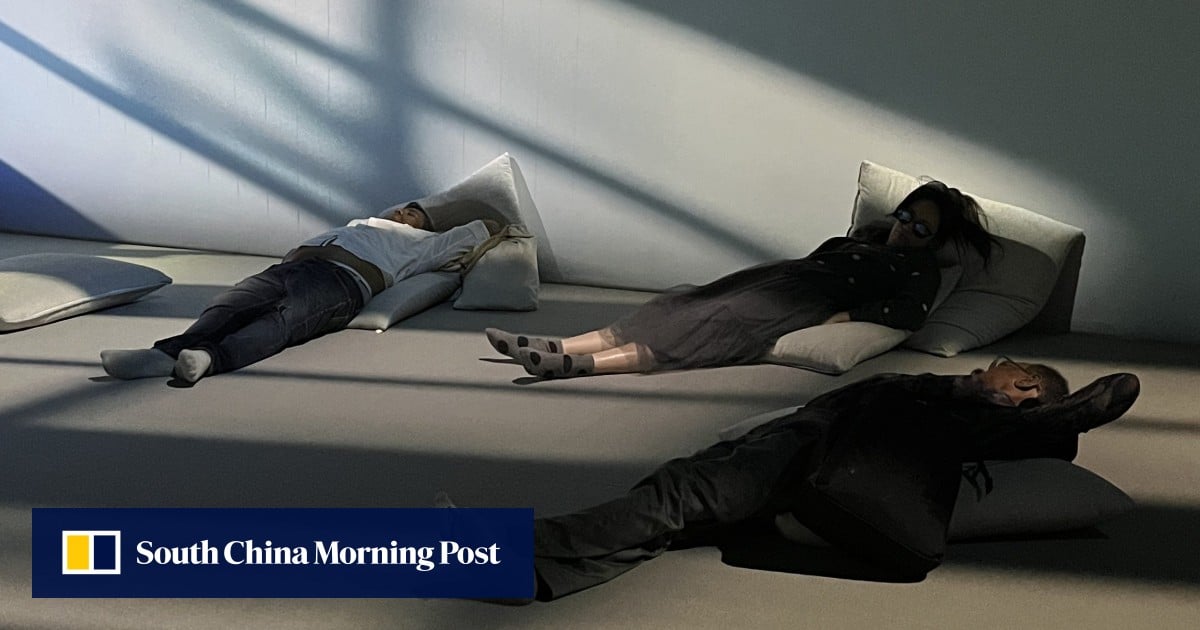
The 2026 Venice Biennale, titled "In Minor Keys" by its late artistic director Koyo Kouoh, has been marked by loud protests and urgent environmental alarms, notably at Florentina Holzinger's Austria pavilion. Amid this chaos, the Hong Kong collateral exhibition "Fermata" at Campo della Tana offers a quiet counterpoint, featuring Kingsley Ng Siu-king's installation *Laundry Nocturne (2026)*, a rest lounge with padded floors and cushions that has caused visitors to doze off. The exhibition follows Kouoh's curatorial vision of creating space for silenced voices and convivial collectivity.

Venice Biennale performances confront war and climate fears

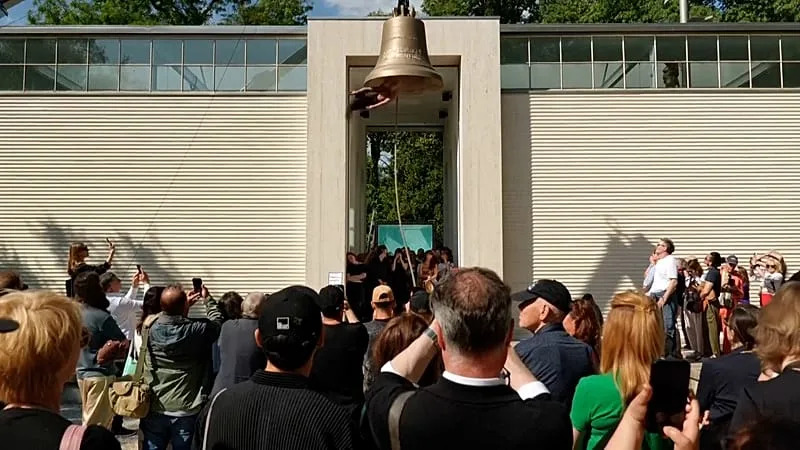
At the 2026 Venice Biennale, visitors encountered provocative performances and installations addressing war, climate anxiety, and human coexistence. Highlights include a naked performer acting as a human bell clapper in Florentina Holzinger's "Seaworld Venice" at the Austrian Pavilion, lifelike baby dolls in Ei Arakawa-Nash's caregiving-focused work at the Japanese Pavilion, and drone-powered flying carpets in Moldova's pavilion that transform symbols of war into tools of peace. The Nordic Pavilion also presented surreal installations exploring coexistence and environmental fears.

Israeli Artists Slam Venice Biennale Participation: 'Again, Israel as a Victim'

The 61st Venice Biennale opened on Saturday amid significant upheaval, including the unexpected death of its curator Koyo Kouoh and the passing of German artist Henrike Naumann. Israeli artists have publicly criticized their country's participation in the event, with one artist quoted as saying, 'Again, Israel as a victim,' reflecting ongoing anti-Israel protests and the resignation of the Biennale's judges.

Artists strike to protest Israeli participation ahead of Venice Biennale

A group of artists has announced a strike to protest Israel's participation in the upcoming Venice Biennale. The action is intended to draw attention to the Israeli-Palestinian conflict and to pressure the Biennale organizers to exclude Israel from the event, reflecting growing tensions around cultural boycotts in the art world.

As the South African Pavilion Sits Empty, Gabrielle Goliath Continues a ‘Life-Work of Mourning’

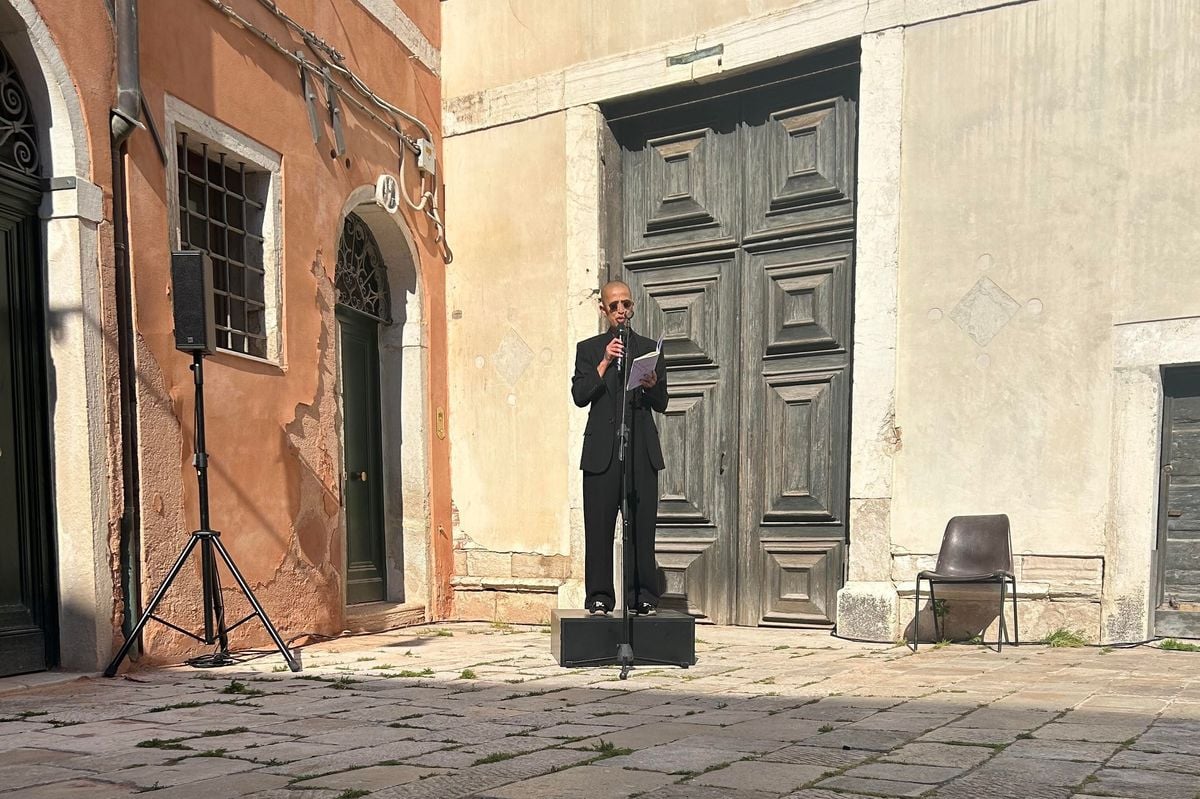
South African artist Gabrielle Goliath inaugurated an off-site Venice exhibition with a public poetry reading after her official presentation at the South African Pavilion was canceled. The performance, part of her ongoing series *Elegy* (2015), features seven singers sustaining a single tone for an hour as a mourning ritual. The work addresses femicide, rape culture, and the killing of Palestinian civilians, and includes new video and sound installations lamenting specific victims: South African teenager Ipeleng Christine Moholane, Nama women killed during Germany’s colonization of Namibia, and Palestinian poet Hiba Abu Nada. The South African Department of Sport, Arts and Culture rescinded Goliath’s invitation in January, deeming the work “related to an ongoing international conflict that is widely polarising.” Goliath unsuccessfully challenged the decision in South Africa’s high court, and the exhibition now runs throughout the Venice Biennale outside the official program before traveling to London in October.

On the Somalia Pavillion

At the 2026 Venice Biennale, Somalia has established its first-ever national pavilion, commissioned by the Somali government to showcase the richness of Somali culture through the theme of Saddaxleey, a triadic form of Somali poetry and proverbs. The pavilion features works by Somali Swedish artist Ayan Farah, UK-based Somali Danish multidisciplinary artist Asmaa Jama, and Somali British poet Warsan Shire. However, a collective of queer Somali artists, curators, and culture workers called Warbixinta Cidda has publicly criticized the pavilion for overrepresenting the diaspora, selecting an all-male advisory board, and appointing an Italian co-curator instead of Somali curators, raising concerns about representation and neocolonialism.

Saudi pavilion at Venice Biennale turns fractured heritage into monumental art installation

Saudi Arabia has unveiled a large-scale installation by artist Dana Awartani at the 61st Venice Biennale, held at the Arsenale. Titled "May your tears never dry, you who weep over stones," the work covers the entire floor of the Saudi national pavilion and incorporates over 29,000 sunbaked clay bricks and mosaic patterns inspired by Islamic geometric art. The installation references 23 heritage sites across the Arab world that have been damaged or destroyed by conflict, and was produced over nearly 30,000 artisan hours with 32 craftspeople at a studio outside Riyadh. Curated by Antonia Carver with assistant curator Hafsa Alkhudairi, the piece emphasizes traditional craftsmanship and collective skill-sharing.

Inside the UAE Pavilion at Venice Biennale, a whisper becomes a portrait of a nation

The UAE Pavilion at the 61st Venice Biennale presents 'Washwasha,' an exhibition curated by Bana Kattan with assistant curator Tala Nassar. The show features six artists—Mays Albaik, Jawad Al Malhi, Farah Al Qasimi, Alaa Edris, Lamya Gargash, and Taus Makhacheva—whose works explore the concept of whispering in Arabic, encompassing oral history, language, rumor, and daily noise. Installations include glass sculptures, sound-based pieces from barbershops and farms, and a reconstructed hammam installation by Al Malhi that plays recordings of wedding rituals. The exhibition runs until November 22.

Meet artist Sanya Kantarovsky as he creates an immersive world in a Venetian palazzo

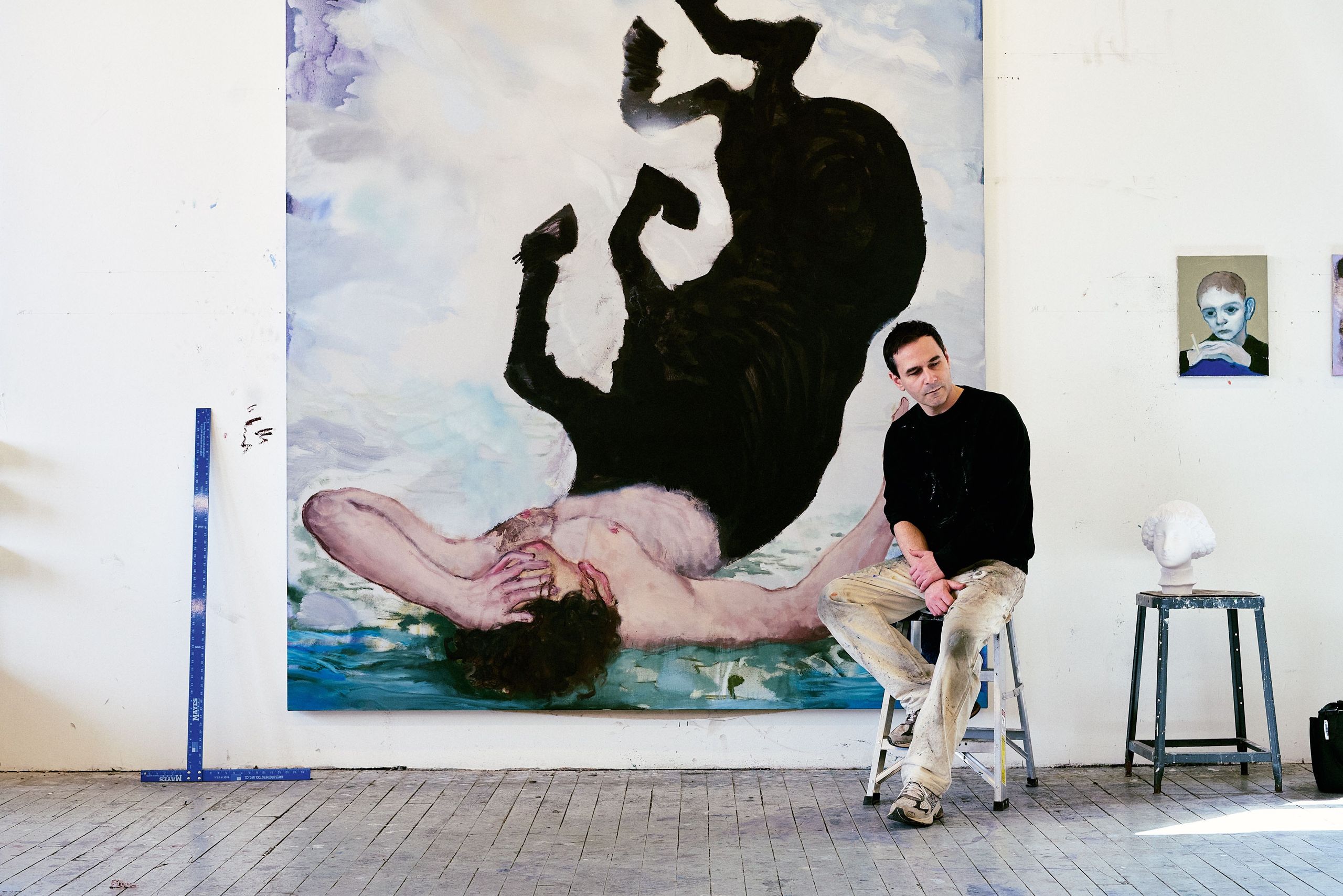
Sanya Kantarovsky presents 'Basic Failure,' an exhibition of paintings, ceramics, and a glass sculpture at Palazzo Loredan in Venice, running concurrently with the Venice Art Biennale 2026. The show features haunting, figurative works that resist linear narrative, drawing on themes of religion, history, philosophy, and human emotion, with the artist describing his intuitive, fragmentary approach to composition.

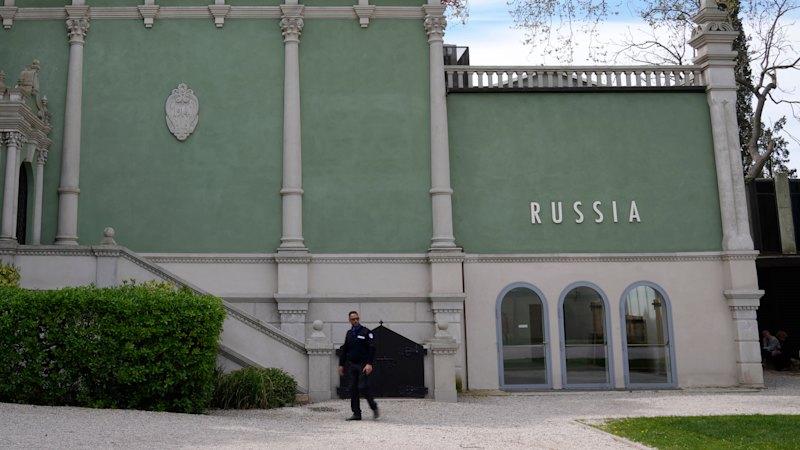
Venice Biennale previews in chaos, overshadowed by Israeli and Russian participation

The Venice Biennale previews have descended into chaos, with the event overshadowed by controversies surrounding Israeli and Russian participation. Protests and disruptions have marked the lead-up to the prestigious international art exhibition, as demonstrators voice opposition to the inclusion of Israel amid the Gaza conflict and Russia's ongoing war in Ukraine. The situation has created a tense atmosphere, drawing significant media attention and complicating the Biennale's usual celebratory preview period.

How the Venice Biennale imploded over Israel

The 61st Venice Biennale, scheduled to open on May 9, has been thrown into turmoil after its International Jury announced that national pavilions and artists representing countries whose leaders are charged with crimes against humanity by the International Criminal Court will not be eligible for prizes. This excludes Israel, represented by sculptor Belu-Simion Fainaru, and Russia from competing for the Golden Lion. The decision follows an open letter signed by hundreds of artists and curators demanding Israel's exclusion over the war in Gaza, and comes amid ongoing geopolitical tensions, including Russia's absence from previous editions after its invasion of Ukraine. The Biennale's theme, 'In Minor Keys,' curated by the late Koyo Kouoh, aimed to focus on dignity and listening to marginalized voices, but the prize ban has sparked accusations that identity politics are overshadowing artistic merit.

After the firestorm: First look at Australian artist’s Venice Biennale works

Australia has opened its pavilion at the Venice Biennale featuring artist Khaled Sabsabi's multimedia installation "conference of one's self," a vivid work inspired by a 12th-century Sufi poem. The exhibition follows a political firestorm: Creative Australia initially selected Sabsabi and curator Michael Dagostini to represent the country, then rescinded the invitation after controversy over a 2007 video featuring Hezbollah leader Hassan Nasrallah. The decision was later reinstated, and Sabsabi also has a companion work in the main Biennale exhibition curated by Koyo Kouoh. The pavilion is funded by the federal government and private donors including Simon Mordant and the Turnbull Foundation.

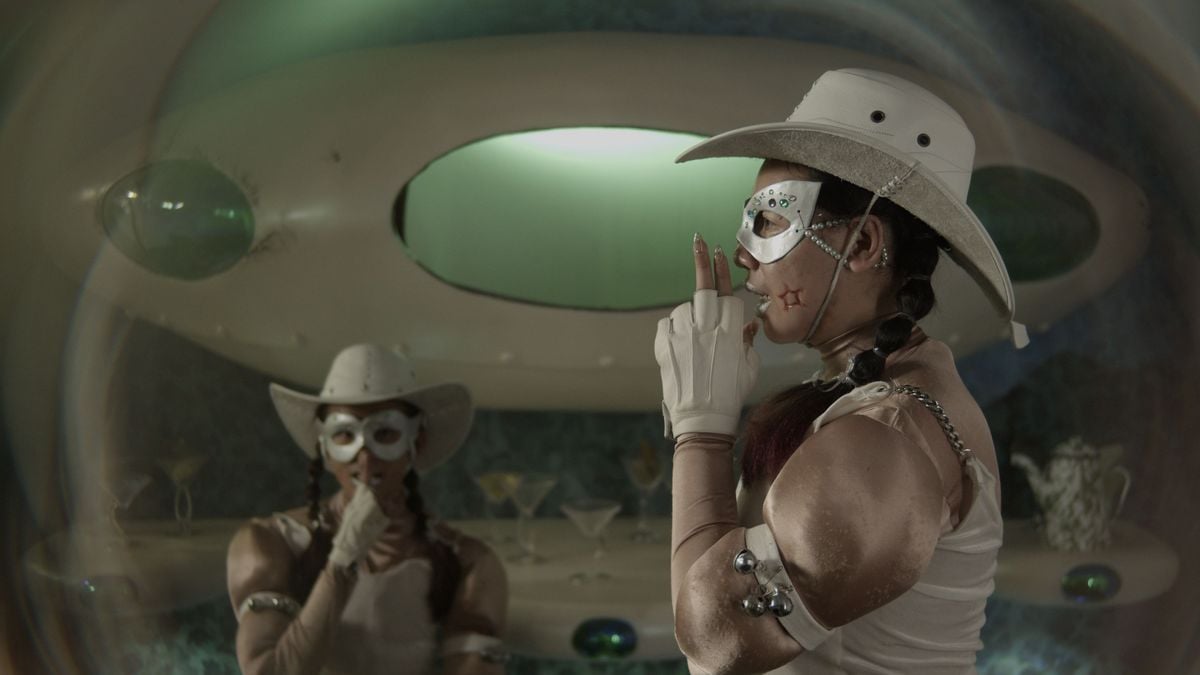
Natasha Tontey: ‘Dystopia Is Already Here’

Indonesian artist Natasha Tontey is the subject of an interview discussing her film series *Macho Mystic Meltdown*, which debuted at the Venice Biennale. The series includes chapters *Oikoumenē* (2025), *Monster, She Wrote* (2026), and *The Phantom Combatants* (2026), exploring Minahasan cosmology, the Permesta rebellion, and the mythologized figure of female combatant Len Karamoy. Tontey uses speculative fabulation, collage, and unstable bodily forms to challenge patriarchal norms and official histories.

Live Arts Program “1922 Revisited” Opens May 5th to Kick Off Preview Week, 61st Venice Biennale 2026

Third Space Art Foundation will present “1922 Revisited,” a live arts program curated by Dr. Janine A. Sytsma, from May 5–9, 2026 in Venice, Italy, during the preview week of the 61st Venice Biennale. The program brings together ten international artists to engage with the 1922 Venice Biennale exhibition of African sculpture through performances, a film screening, and a panel discussion, staged at venues including Hotel Monaco and the European Cultural Centre’s Marinaressa Gardens.

Venice Biennale jury resigns amid row over Russian entry

The international jury of the Venice Biennale resigned en masse just nine days before the opening of the world's oldest contemporary art fair, amid a dispute over Russia's participation and the panel's decision to bar prizes for countries accused of crimes against humanity by the International Criminal Court. The jury, comprising president Solange Farkas and members Zoe Butt, Elvira Dyangani Ose, Marta Kuzma, and Giovanna Zapperi, stepped down without explanation, following tensions that also involved Italy's Culture Ministry cutting €2 million in EU funding over Russia's presence and sending inspectors to the Russian Pavilion.

Curator Adriana Farietta On Why CONDUCTOR Is the Fair the Art World Needs Right Now

CONDUCTOR, a new art fair curated by Adriana Farietta in collaboration with Powerhouse Arts, launches this week in Brooklyn, New York. The fair features individual artists and galleries from Africa, Latin America, the Caribbean, South Asia, Southeast Asia, the Middle East, Oceania, and Indigenous Nations, with a focus on the Global Majority. A key innovation is its onsite fabrication model, allowing some works to be produced locally at Powerhouse Arts' facilities, reducing shipping and customs issues. The fair also offers an exclusive preview of artists presenting at the Venice Biennale, including Annalee Davis, Tammy Nguyen, RojoNegro, Beya Gille Gacha, and Bugarin + Castle.