From Brueghel to Chanel, why the extraordinary bird of paradise turns all heads
De Brueghel à Chanel, pourquoi l’extraordinaire oiseau de paradis fait tourner toutes les têtes
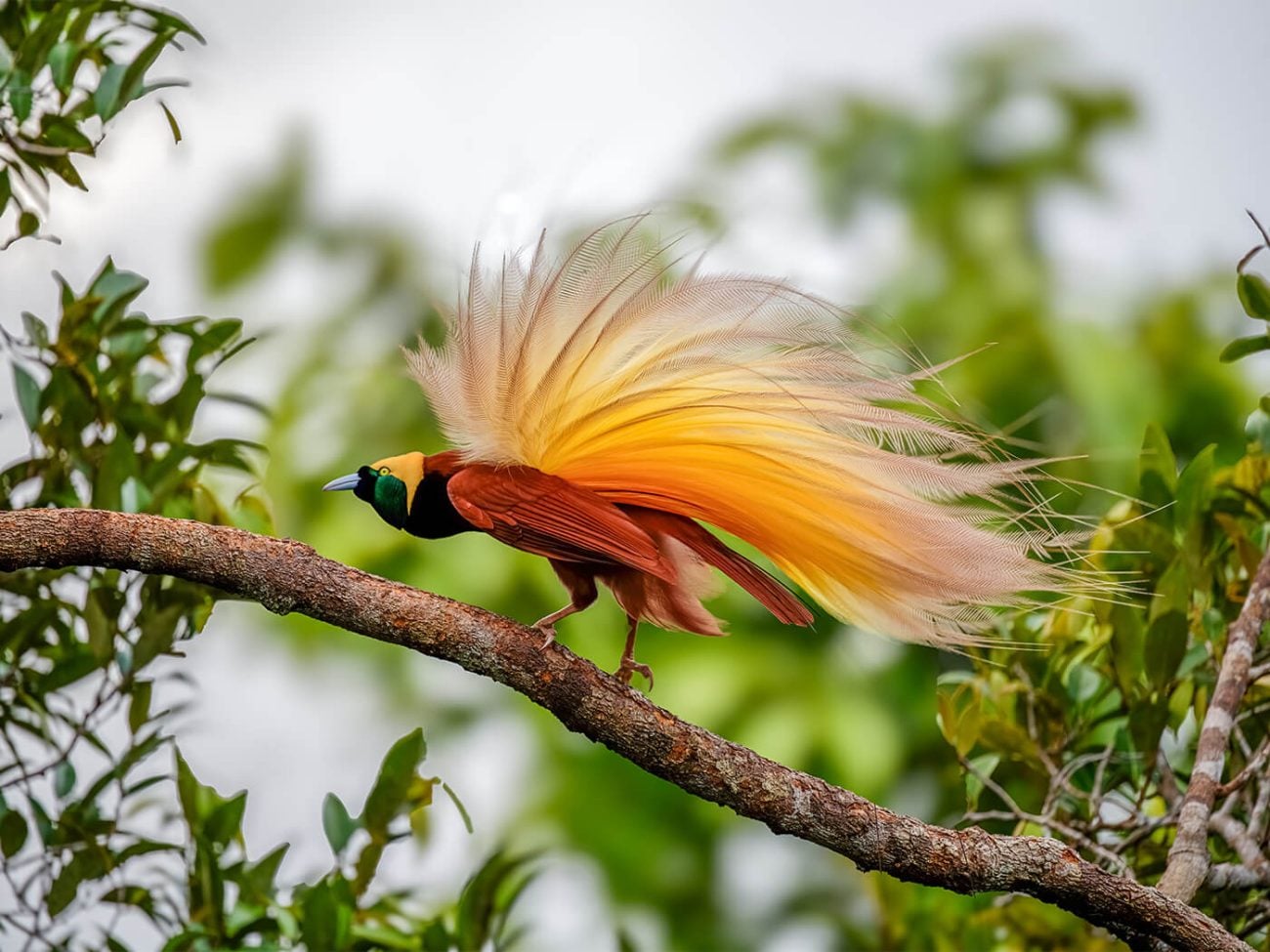
The article explores the extraordinary bird of paradise, from its biology and courtship rituals to its cultural significance in Papua New Guinea and its impact on European art and fashion. It opens with the exhibition "Plumes du paradis" at the musée du quai Branly – Jacques Chirac, which immerses visitors in the deep, spiritual relationship between Papuan clans and these birds, where skins are exchanged as symbols of alliance and status. The narrative then traces the bird's arrival in Europe in 1522, where it sparked a centuries-long myth of legless celestial creatures, and its subsequent adoption as a motif by Golden Age painters like Brueghel, Rubens, and Rembrandt, who used its feathers to denote prestige and exoticism.