filter_list Showing 4020 results for "Cal" close Clear
search
dashboard All 4020 museum exhibitions 2148article local 733article news 338article culture 239trending_up market 157rate_review review 114person people 97article policy 96candle obituary 55gavel restitution 33article event 8article gallery 1article events 1
date_range Range Today This Week This Month All
Subscribe

art alex da corte artist whitney museum

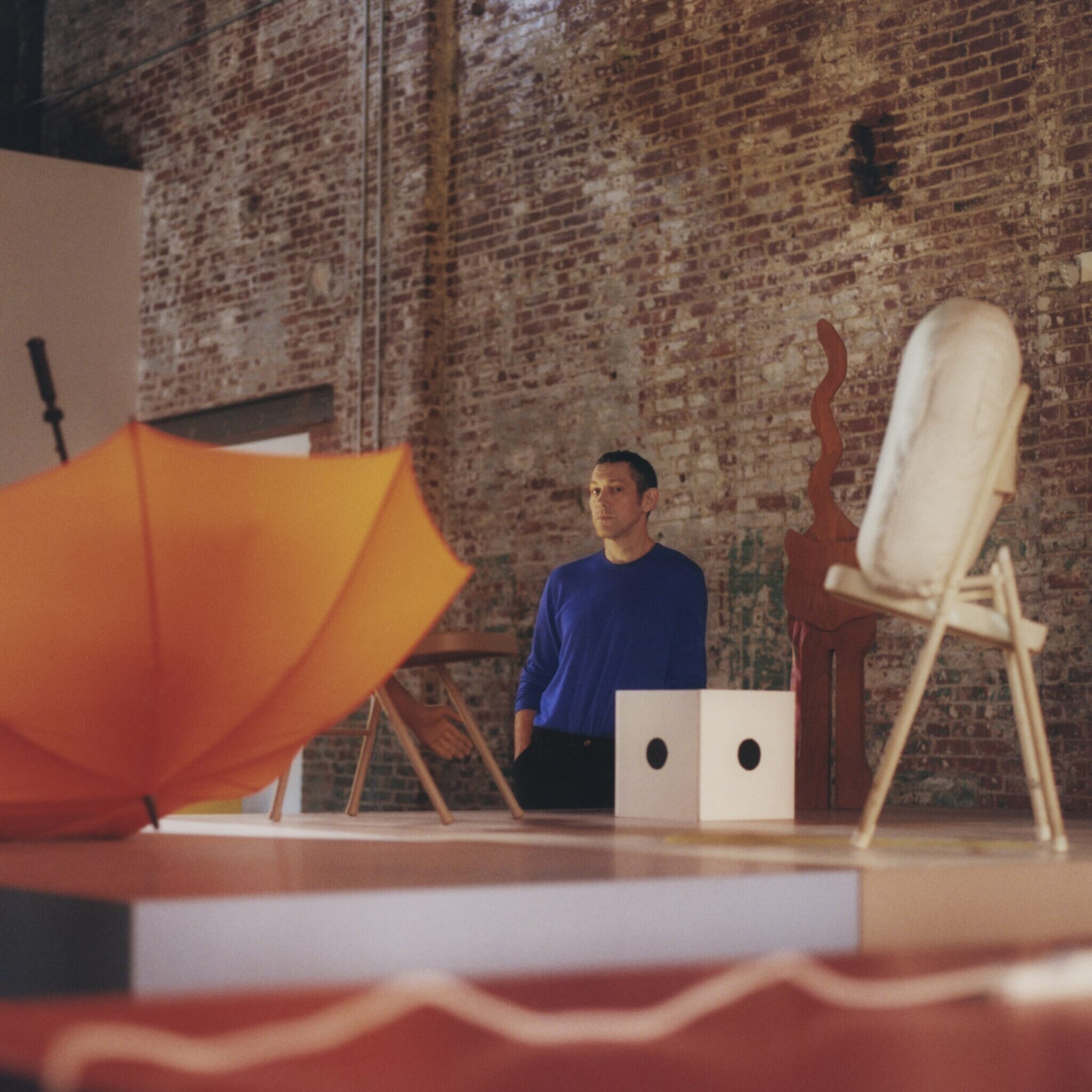
Alex Da Corte, known for his dreamlike installations such as the Big Bird piece on the Met's roof, is taking on a new role as curator. He is co-organizing the Whitney Museum's upcoming Roy Lichtenstein exhibition with Meg Onli, the largest Lichtenstein show in New York since 1993. In a Q&A for Cultured's 2026 CULT100 honorees, Da Corte discusses his influences, including poet Miyó Vestrini and filmmakers Len Lye and Todd Haynes, and reflects on his six-year preparation for the show.
art ebony l haynes david zwirner

Ebony L. Haynes, the influential curator behind 52 Walker—the downtown David Zwirner spinoff that helped transform Tribeca into New York's premier gallery district—has been promoted to global head of curatorial projects for the mega-gallery's entire network. In a candid Q&A, she discusses her insomnia, her early dream of being an A&R executive for a record label, and her commitment to ambitious, often impractical shows. She also names Koyo Kouoh's upcoming Venice Biennale as a highlight she's looking forward to.

food marcel sothebys restaurant roman williams

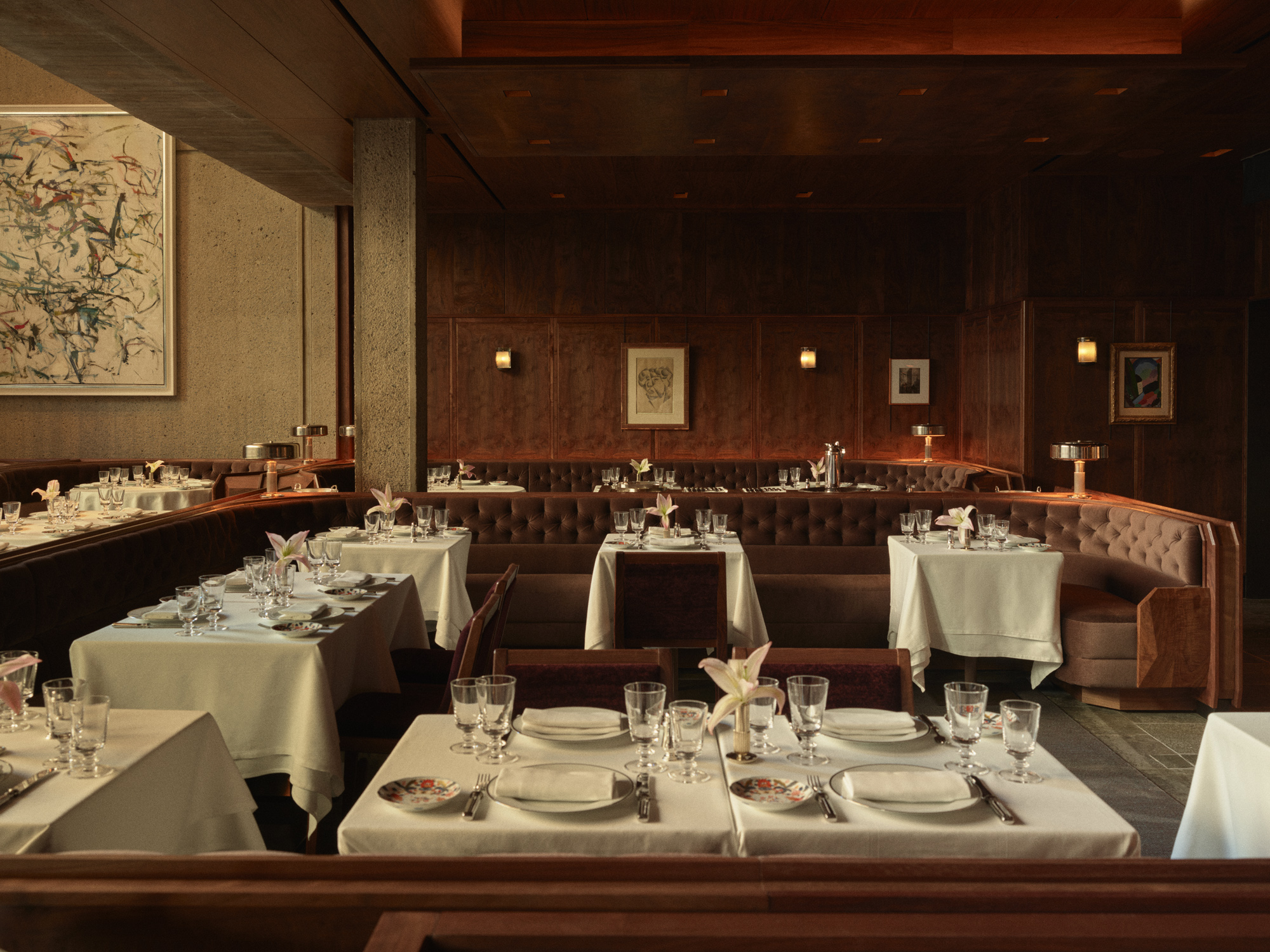
Marcel, a new restaurant, opened on April 17 in the lower level of Sotheby’s new home at the Marcel Breuer building on the Upper East Side. Designed by Roman and Williams in partnership with the auction house, the space features walnut-paneled walls, an open kitchen, and a pâtisserie. Chef Marie-Aude Rose, who also oversees La Mercerie downtown, created a “continental” menu rooted in French technique but influenced by Breuer’s Hungarian heritage, with dishes like chicken paprikash and lobster bisque with turmeric and ginger. The wine list comes from Sotheby’s own collection, allowing guests to purchase bottles they enjoy during their meal.

Prize commemorates Henrike Naumann – MMK takes over estate

Preis erinnert an Henrike Naumann – MMK übernimmt Nachlass

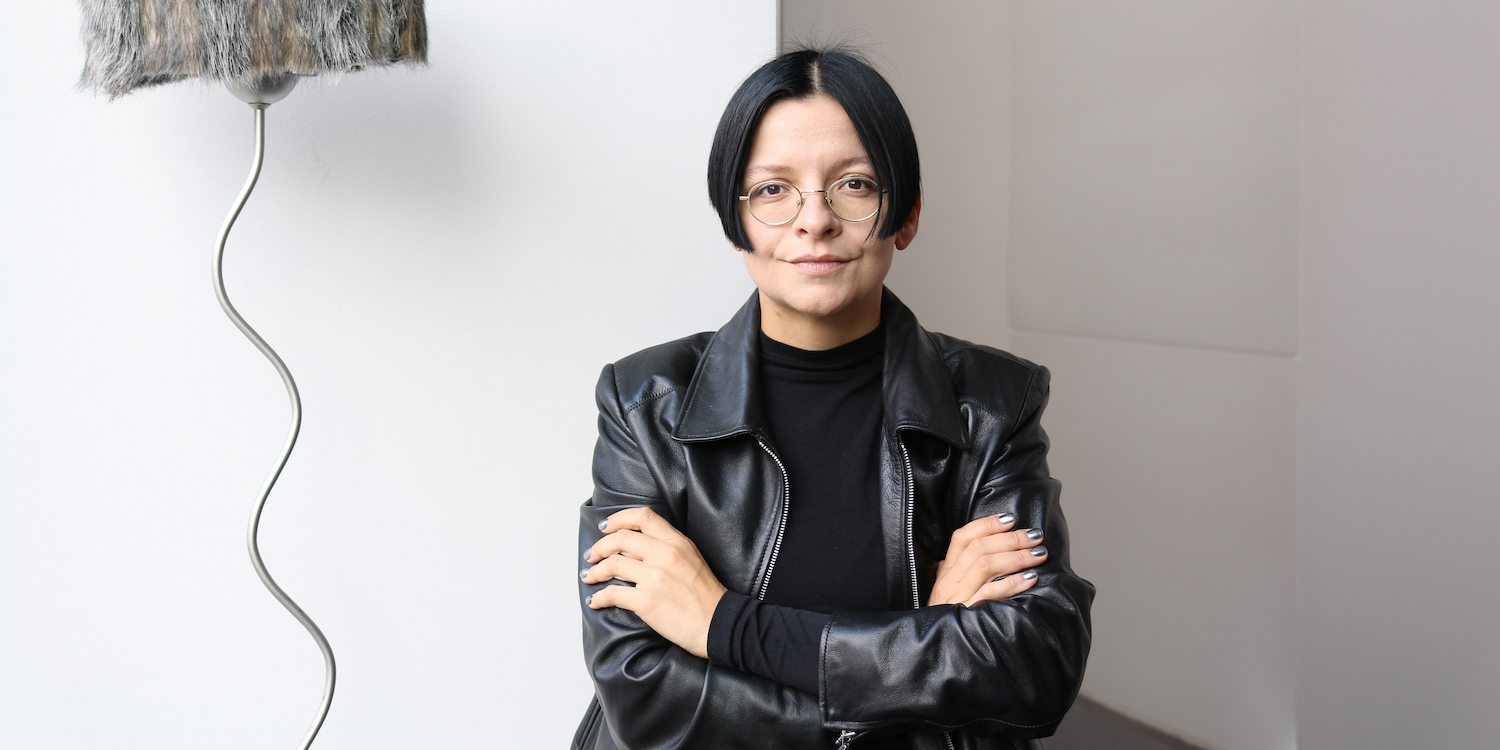
A new prize named after the late artist Henrike Naumann has been established by the Institut für Auslandsbeziehungen (ifa) and the Zeit Stiftung Bucerius, coinciding with her posthumous presentation at the German Pavilion of the Venice Biennale. The €15,000 Henrike-Naumann-Preis für Bildende Kunst, plus €5,000 in production funds, will be awarded regularly starting this year to early- to mid-career artists whose work engages with social transformation, political fault lines, or transnational contexts. Meanwhile, the Museum für Moderne Kunst Frankfurt (MMK) has acquired Naumann's estate, which will be catalogued and made publicly accessible to ensure her work receives long-term scholarly and curatorial attention.

Venice in Crisis Mode

Venedig im Krisenmodus

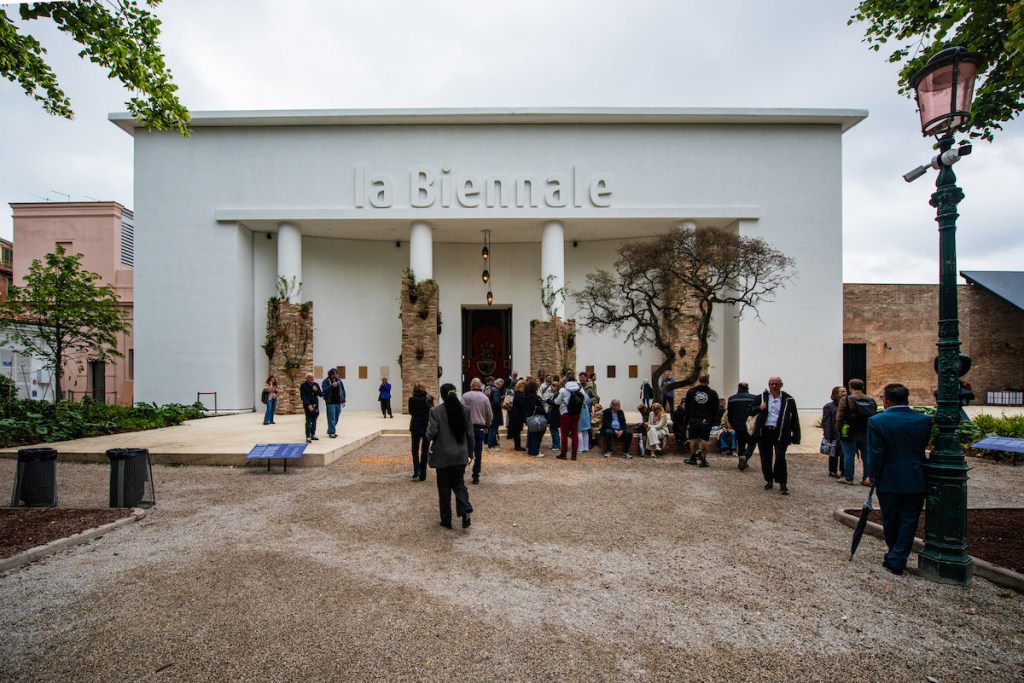
The 61st Venice Biennale has opened under extraordinary circumstances, marked by political protests, a jury resignation, and canceled awards. The Biennale's jury resigned en masse after announcing they would exclude Israeli and Russian contributions from their decisions, leading to the cancellation of the Golden Lion awards and a crisis over the international competition's legitimacy. A newly introduced audience prize also faced boycotts from artists in solidarity. Protests, closed pavilions, and pro-Palestinian actions dominated the preview days, with artists pasting protest posters directly onto their works, reflecting heightened tensions.

DHM main building likely closed until 2031

DHM-Hauptbau wohl bis 2031 dicht

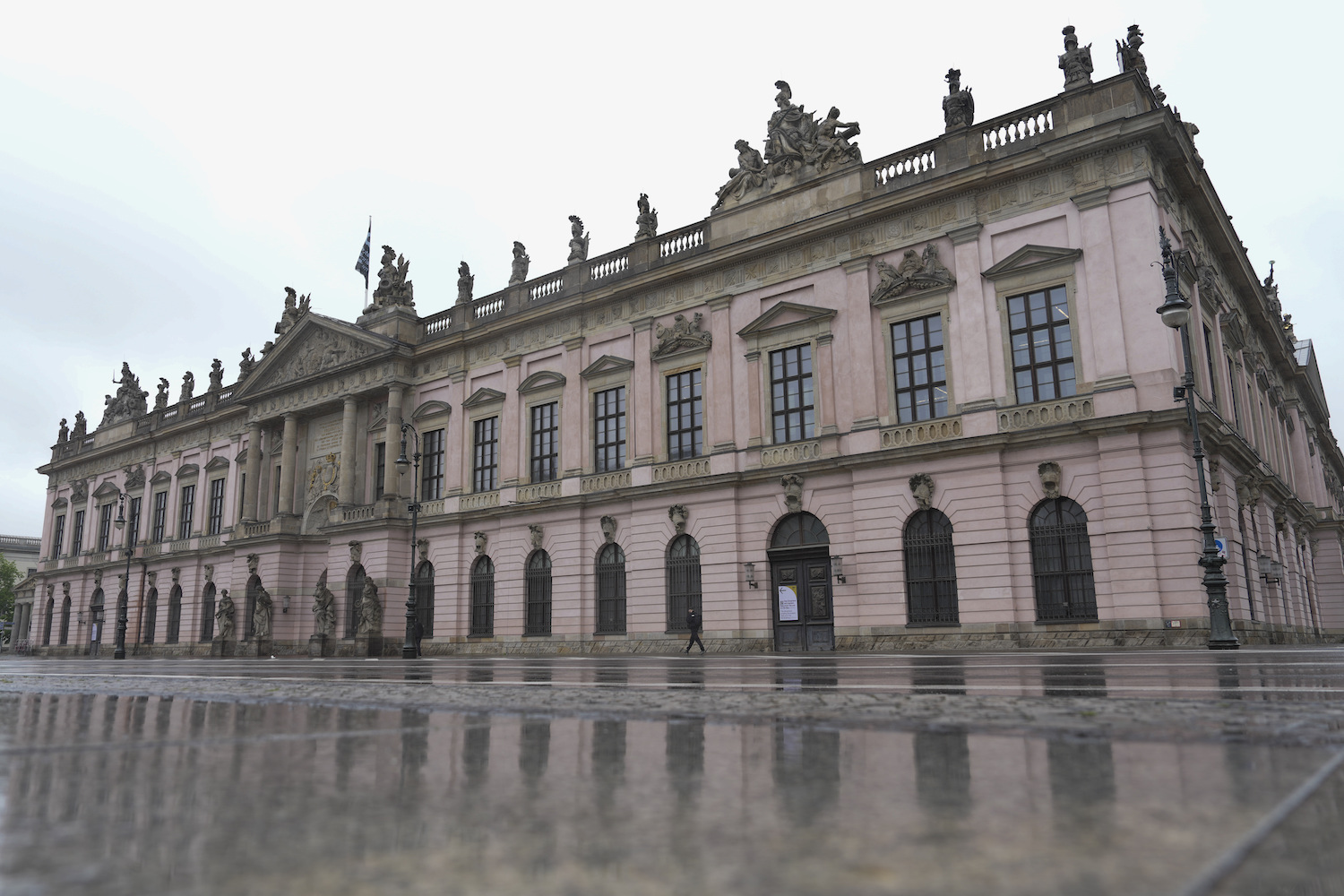
The German Historical Museum (DHM) in Berlin will remain without its main building, the Zeughaus on Unter den Linden, until at least 2031 due to further delays in its renovation. Museum director Raphael Gross announced that a binding timeline from the property owner and the federal construction authority is not expected until 2027, and a reopening before 2031 is unrealistic. In the meantime, the museum is using its modern Pei-Bau wing to host a new exhibition titled "Objekte. Geschichte. Geschichten," featuring around 200 highlights from its collection of one million objects, including a samurai armor once gifted to Adolf Hitler and objects from a refugee shelter.

Deutscher Pavillon wird zum Plattenbau

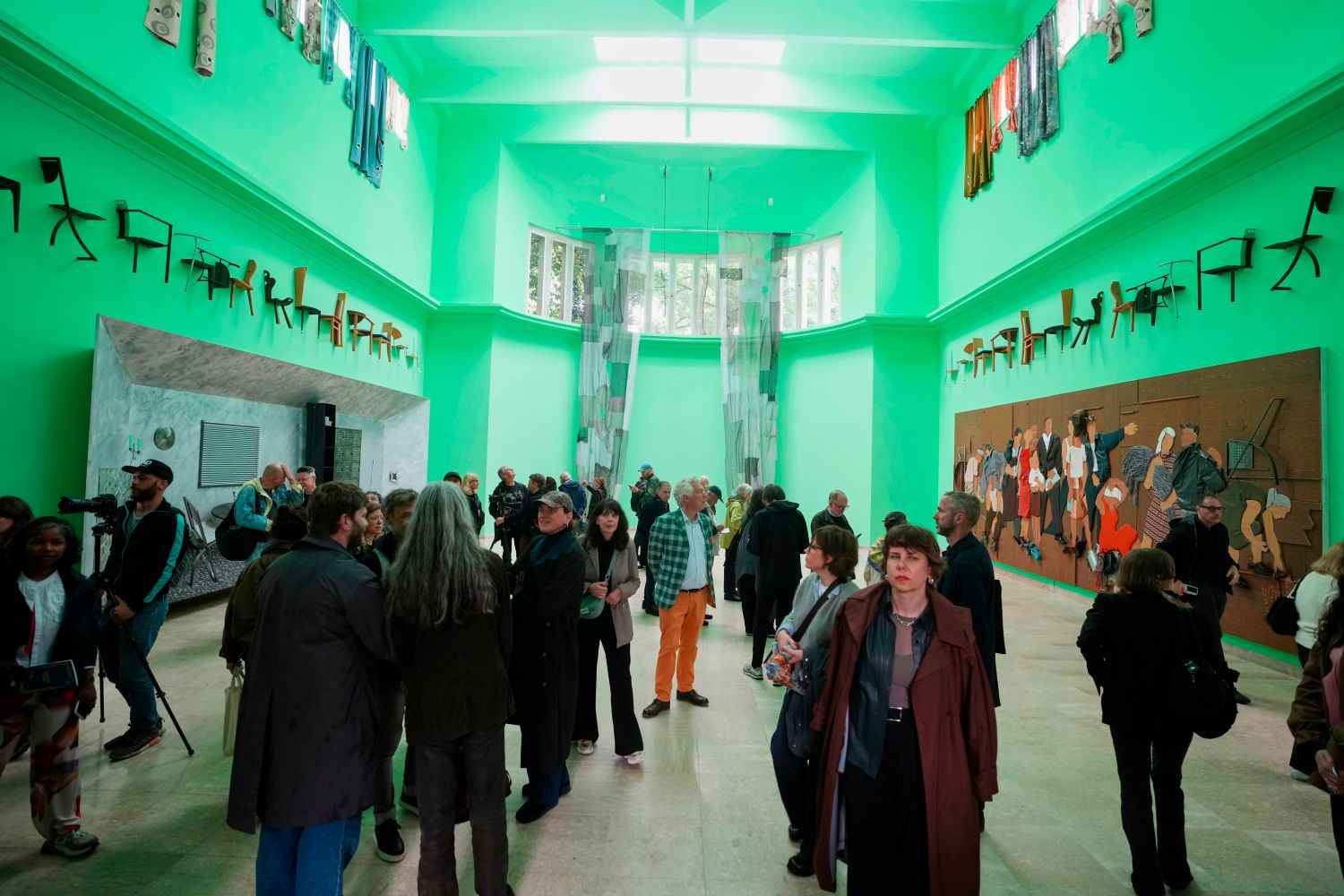
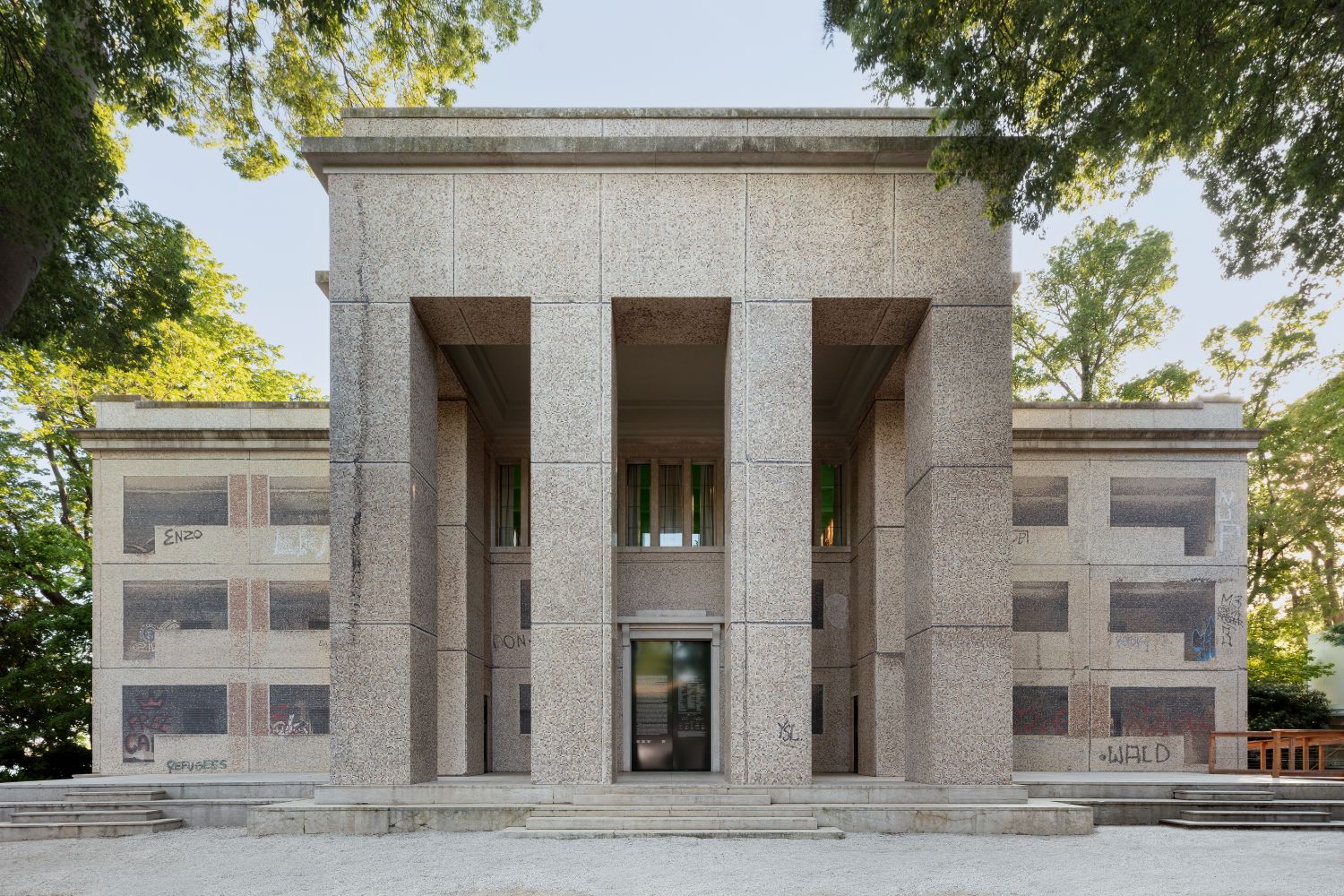
The German Pavilion at the Venice Art Biennale has been transformed into a prefabricated concrete slab building (Plattenbau) for this year's edition, designed by artists Sung Tieu and the late Henrike Naumann, who died suddenly in February at age 41 from cancer. Curator Kathleen Reinhardt described the pavilion as part of a highly political Biennale, with Tieu covering the 1938 fascist-era building with a mosaic of over three million tiles depicting a Berlin apartment block that once housed Vietnamese contract workers. Naumann's interior installation features mint-green references to Soviet barracks in East Germany, a cartography of war, and works including a relief of chairs, a curtain of chainmail, and the performance "Trümmerfrau."

Where to go in May?

Wohin im Mai?

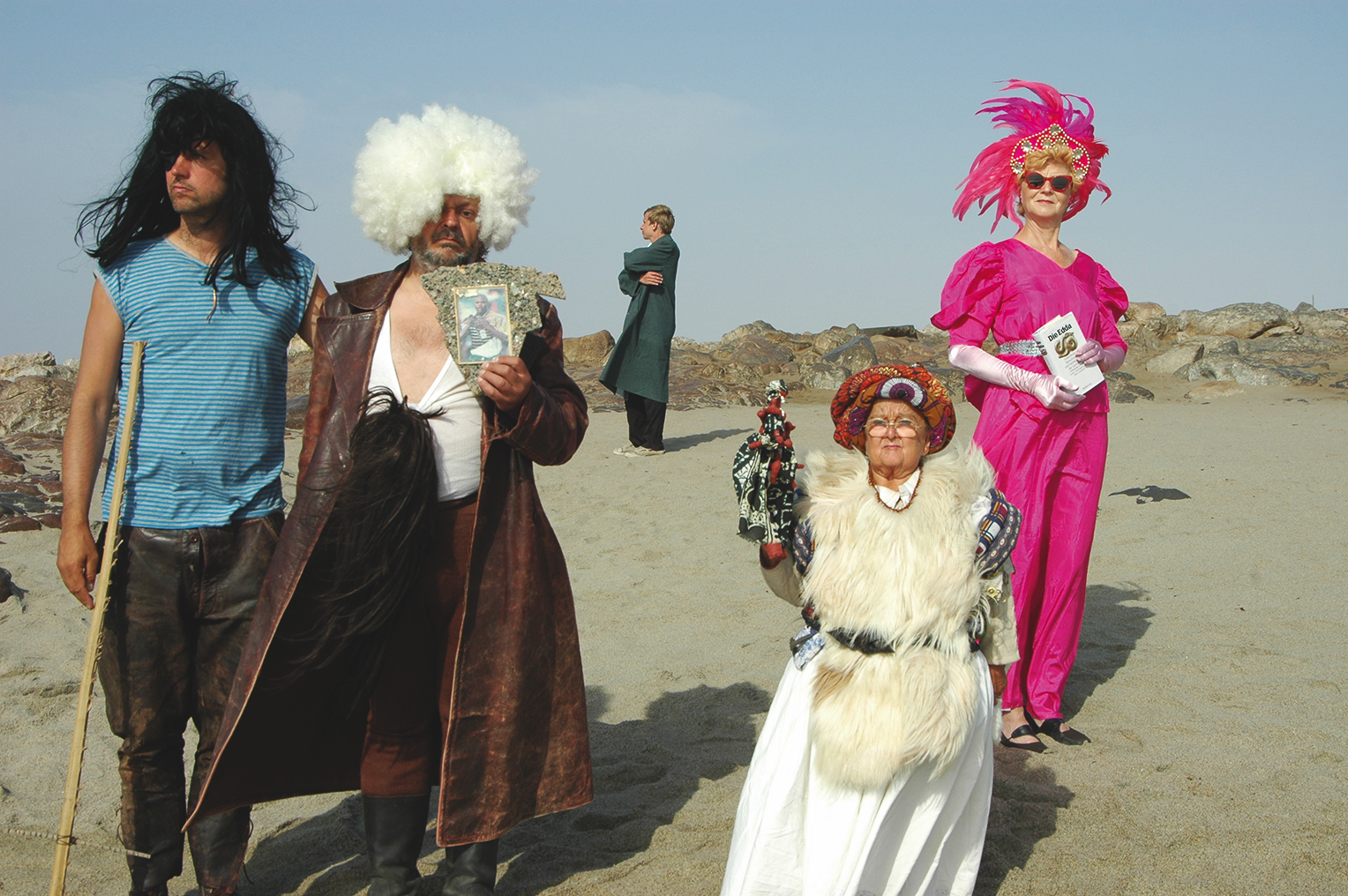
The article, published by Monopol magazine, previews a selection of art exhibitions and biennials opening in May. Highlights include the 61st Venice Biennale, a solo show by Lina Lapelytė at Hamburger Bahnhof in Berlin (part of the CHANEL COMMISSION series), a group exhibition titled "Lebt und arbeitet in Wien. Contemporary Art from Vienna" at Kunsthalle Wien, and a presentation of Christoph Schlingensief's work "The African Twin Towers" (2005) at MAK Wien. Also featured is Maximiliane Baumgärtner's exhibition at Kunstverein für die Rheinlande und Westfalen in Düsseldorf.

An Iranian museum holds a rare exhibit of American art, reflecting on war

The Tehran Museum of Contemporary Art is hosting a rare exhibition of American art, featuring works from its collection that were acquired before the 1979 Islamic Revolution. The show includes pieces by artists such as Andy Warhol, Jackson Pollock, and Mark Rothko, and is presented as a reflection on the complex history of U.S.-Iran relations, including themes of war and cultural exchange.

Drones, Uncle Sam, and Grand Master Rafael: 10 Must See Exhibits This Spring

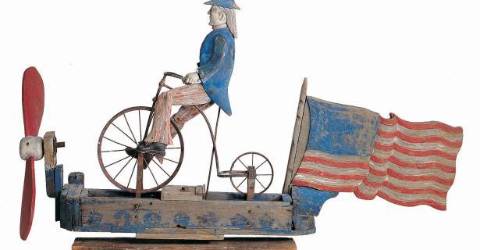
New York City’s museum landscape is entering a major spring season characterized by high-profile retrospectives, institutional reopenings, and the 82nd Whitney Biennial. Key highlights include a massive Raphael survey at the Metropolitan Museum of Art featuring over 200 works, the reopening of the expanded New Museum with a tech-focused exhibition on the future of humanity, and a major survey of sculptor Carol Bove at the Guggenheim. The season also features thematic shows exploring American folk art, Dutch Golden Age masterpieces, and the relationship between Frida Kahlo and Diego Rivera.

What Has the American Inquisition Done to Art?

An exhibition titled "American Inquisition" opened in mid-March at No Place Gallery, an artist-run space in Columbus, Ohio. Featuring paintings by Shiva Addanki and Nikholis Planck, the show draws its name from a statement by the Popular Front for the Liberation of Palestine supporting detained activist Mahmoud Khalil, and its critical framework from Mike Davis's book "Buda's Wagon." Addanki's works depict scenes of US imperial violence, including downed drones and counterinsurgents at detention centers, while Planck's paintings map extractive infrastructure, subverting traditional landscape painting with industrial detritus and petroleum tankers.

Israeli Pavilion artist issued legal warnings before Biennale jury resignation

Belu-Simion Fainaru, the artist representing Israel at the 2026 Venice Biennale, issued legal warnings to the Biennale, the Italian Ministry of Culture, and the Italian Prime Minister’s office after the Golden Lion jury announced it would not consider pavilions from countries whose leaders are charged with crimes against humanity by the International Criminal Court, including Israel and Russia. Fainaru’s legal threats cited alleged antisemitism and nationality-based discrimination. Shortly after, the Biennale jury resigned, prompting organizers to postpone the awards ceremony to the closing day and replace the Golden and Silver Lions with two 'Visitors’ Lions' voted on by attendees, with all national participations eligible.

Ça bouchonne à Venise

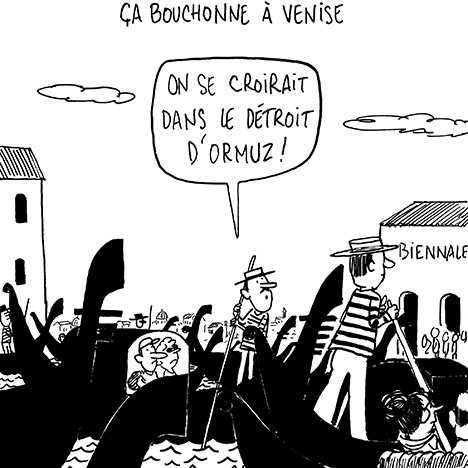
The latest issue of Le Journal des Arts (No. 677, May 15, 2026) leads with the opening of the Venice Biennale amid a tense climate. Other top stories include the final adoption of a French law on the restitution of cultural property looted during colonization, the V&A East museum's strategy to attract younger audiences, tensions in Giverny over the uneven economic benefits of Monet's legacy, and a market analysis showing the structuring of the Nabis art market.

V&A East targets young people

Le V&A East vise les jeunes

The Victoria and Albert Museum has opened a new branch called V&A East in Stratford, east London, within the former Olympic Park. The £135 million (€155.8 million) building, designed by O'Donnell and Tuomey, features 479 sand-colored concrete panels and houses around 500 objects from the V&A's collection across two permanent galleries titled "Why We Make." The museum opened on April 18 and is part of the East Bank cultural complex supported by the London municipality. It prioritizes local engagement and mediation tailored to attract younger audiences, with exhibitions addressing social justice and environmental themes.

Martin Schongauer en toute majesté

The Louvre Museum in Paris has opened a major retrospective dedicated to Martin Schongauer (c. 1445–1491), the German engraver and painter from Colmar, bringing together a large portion of his known works. The exhibition features around one hundred pieces, including fifty engravings, five of his rare drawings, and nearly all of his attributed paintings—such as the "Virgin and Child at the Window" (c. 1480) from the Getty Museum and the "Orlier Altarpiece" (c. 1470–1475) from the Musée Unterlinden. The centerpiece is Schongauer's "Virgin of the Rose Bush" (1473), displayed at low height to reveal its botanical precision. Co-curated by Pantxika Béguerie De Paepe and Hélène Grollemund, the show also highlights Schongauer's influence on contemporaries and later artists through comparative works by Rogier van der Weyden and others.

The Centre Pompidou Expands to South Korea

Le Centre Pompidou s’exporte en Corée du Sud

The Centre Pompidou has opened a new satellite institution, the Centre Pompidou Hanwha, in Seoul, South Korea. The 11,000-square-meter venue, located in the 63 Tower and designed by the Wilmotte et Associés agency, is a partnership with the Hanwha Foundation of Culture and coincides with the 140th anniversary of Franco-Korean diplomatic relations. The opening was highlighted by a recent site visit from French President Emmanuel Macron and Centre Pompidou president Laurent Le Bon.

À Nîmes, la peinture sans entrave de Tursic & Mille envahit le Carré d’art

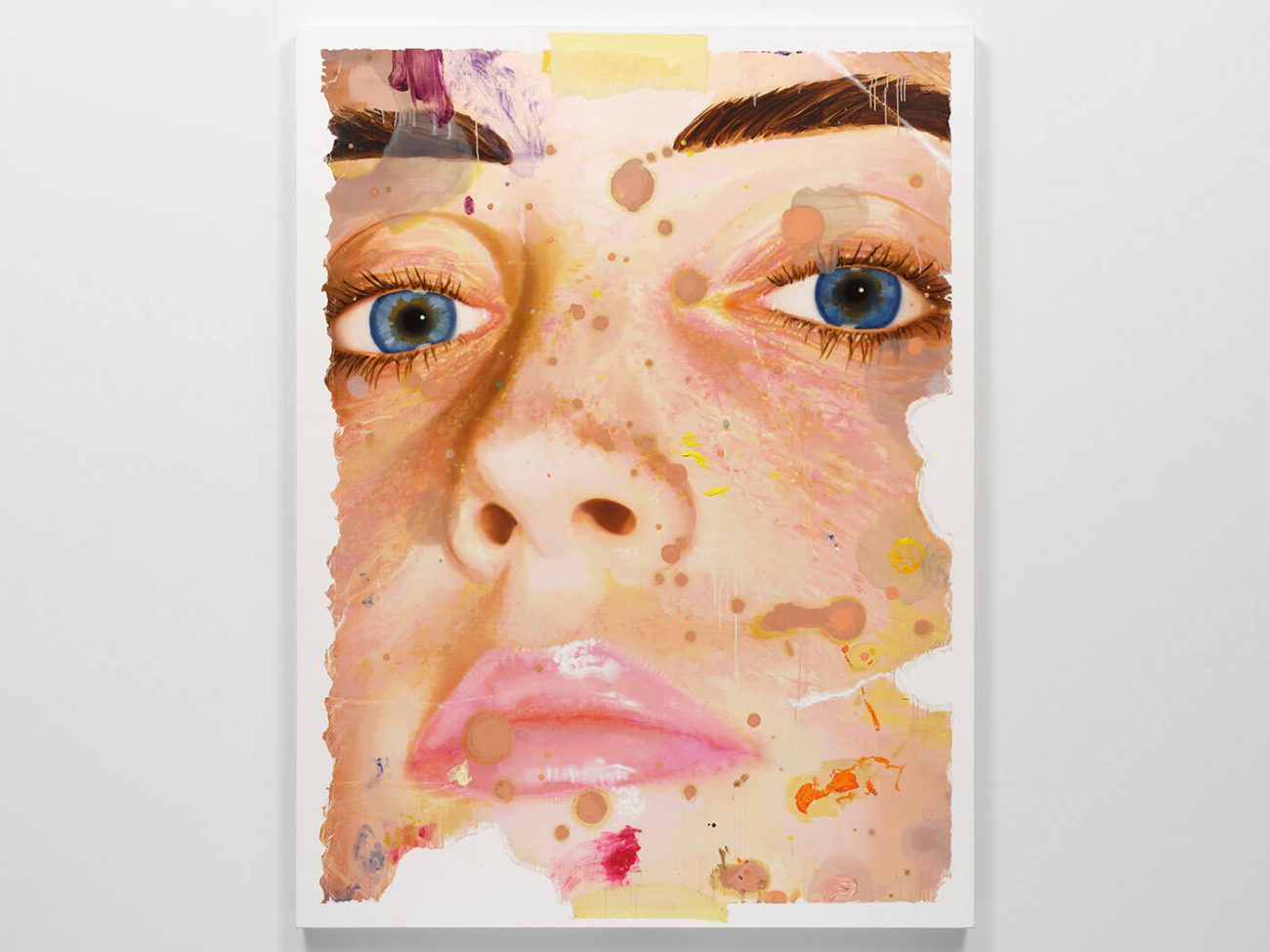
The article covers the retrospective exhibition of French artist duo Ida Tursic and Wilfried Mille at the Carré d'art in Nîmes. Titled "Dissonances à géométries variables," the show traces their career from student works at the École nationale supérieure d'art de Dijon to recent paintings, featuring a critical, humorous, and materially rich approach to figurative painting. The duo draws from press images, internet sources, art history, and archives, disrupting reproductions with paint splatters and odd details, and the exhibition is organized thematically from "happiness" to "melancholy."

Beyond the Sagrada Família: These 6 Surprising Places in Barcelona Reveal a Lesser-Known Gaudí

Au-delà de la Sagrada Família, ces 6 lieux étonnants à Barcelone qui révèlent un Gaudí méconnu

Beaux Arts Magazine highlights six lesser-known architectural works by Antoni Gaudí in Barcelona, beyond his famous Sagrada Família. The article features Casa Vicens (1883–1885), his first private commission; Torre Bellesguard (1900–1909), a medieval-inspired tower with panoramic views; Casa Calvet (1897), a residential building with textile-themed details; and the Finca Güell and Palau Güell, experimental projects for his patron Eusebi Güell. These sites showcase Gaudí's organic style, fusion of nature and architecture, and influences from Japanese, Arabic, and Catalan Gothic traditions, with several recently opened to the public.

First Indigenous Representative of Peru at the Venice Biennale, Sara Flores Opens the Doors of Her Studio in the Heart of the Amazon

Première représentante autochtone du Pérou à la Biennale de Venise, Sara Flores ouvre les portes de son atelier au cœur de l’Amazonie

Sara Flores, a 76-year-old artist from the Shipibo-Konibo Indigenous community in the Peruvian Amazon, has been selected as the first Indigenous artist to represent Peru at the Venice Biennale. In her open-air studio deep in the rainforest, she creates large-scale geometric compositions in the kené ("true drawing") tradition, using natural dyes from local plants. She is also co-founder of the Bakish Mai Multiversity, an educational institution dedicated to Indigenous knowledge and artist residencies, alongside Matteo Norzi, one of the two curators of the Peruvian pavilion. The article offers an intimate portrait of her life, her matriarchal family, and her creative process.

LILIA CARRILLO IN NEW YORK THE MEXICAN PAINTER WHO WAS AHEAD OF HER TIME

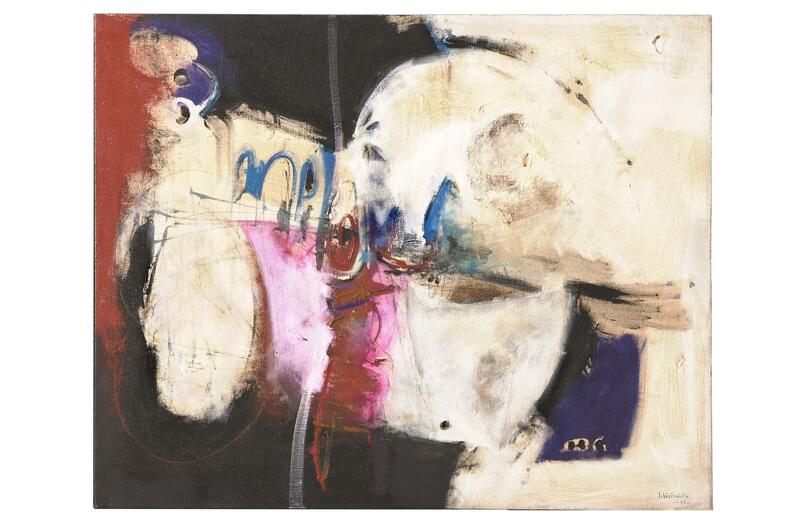
Americas Society in New York has opened "Lilia Carrillo: Ruptures and Premonitions," curated by Tobias Ostrander. The exhibition presents 24 paintings by Mexican artist Lilia Carrillo (1930–1974), created between 1961 and 1974, alongside archival materials. It introduces Carrillo to New York audiences as a key figure of the Generación de la Ruptura, a postwar movement that broke with Mexican muralism in favor of abstraction. The show highlights her experimental techniques—carving and scraping paint, embedding fabric and paper—and her engagement with mortality, Surrealism, and political turmoil, including the 1968 Tlatelolco massacre.

Photographer Giles Duley brings images of historic and current wars into dialogue in Manhattan pop-up show

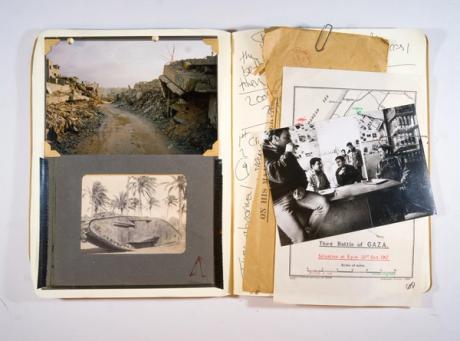
British photographer Giles Duley has opened a pop-up exhibition titled "Distortion/Memory/Resilience" in a 77th-floor penthouse at Sutton Tower in Manhattan, running from 12 to 24 May. The show features haunting war photography alongside installations—Youth, Childhood, and Memory—that draw parallels between historic and current conflicts. Duley, who lost both legs and an arm after stepping on a landmine in Afghanistan, uses a camera obscura, children's art from war zones, and side-by-side images of injured children from the London Blitz and Beirut to create an immersive experience. The exhibition is presented by the luxury tower's developer and includes benefit dinners hosted by Duley.

Venice Biennale’s Russian Pavilion and Pussy Riot Spar Over Usage of Protest Footage

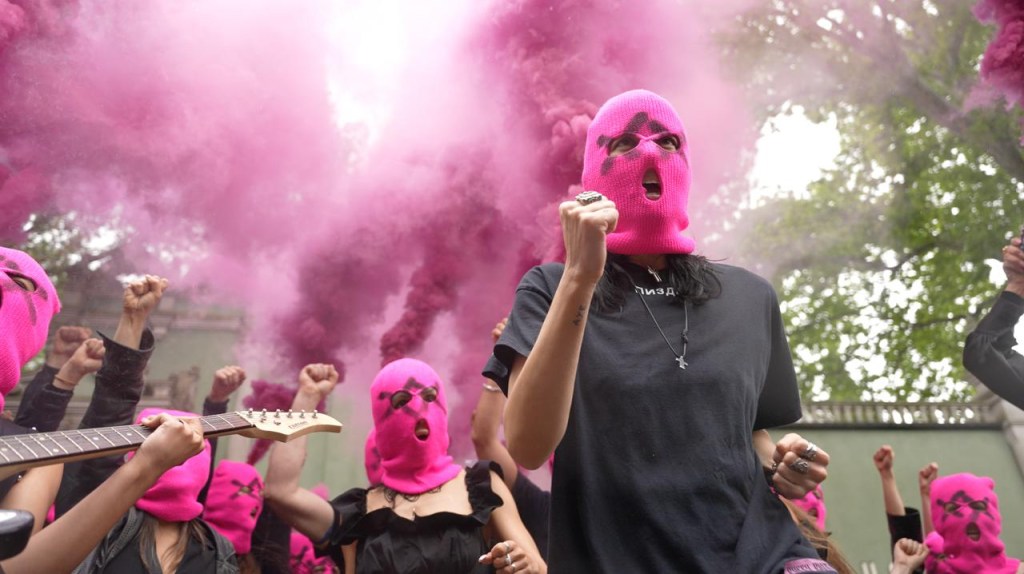
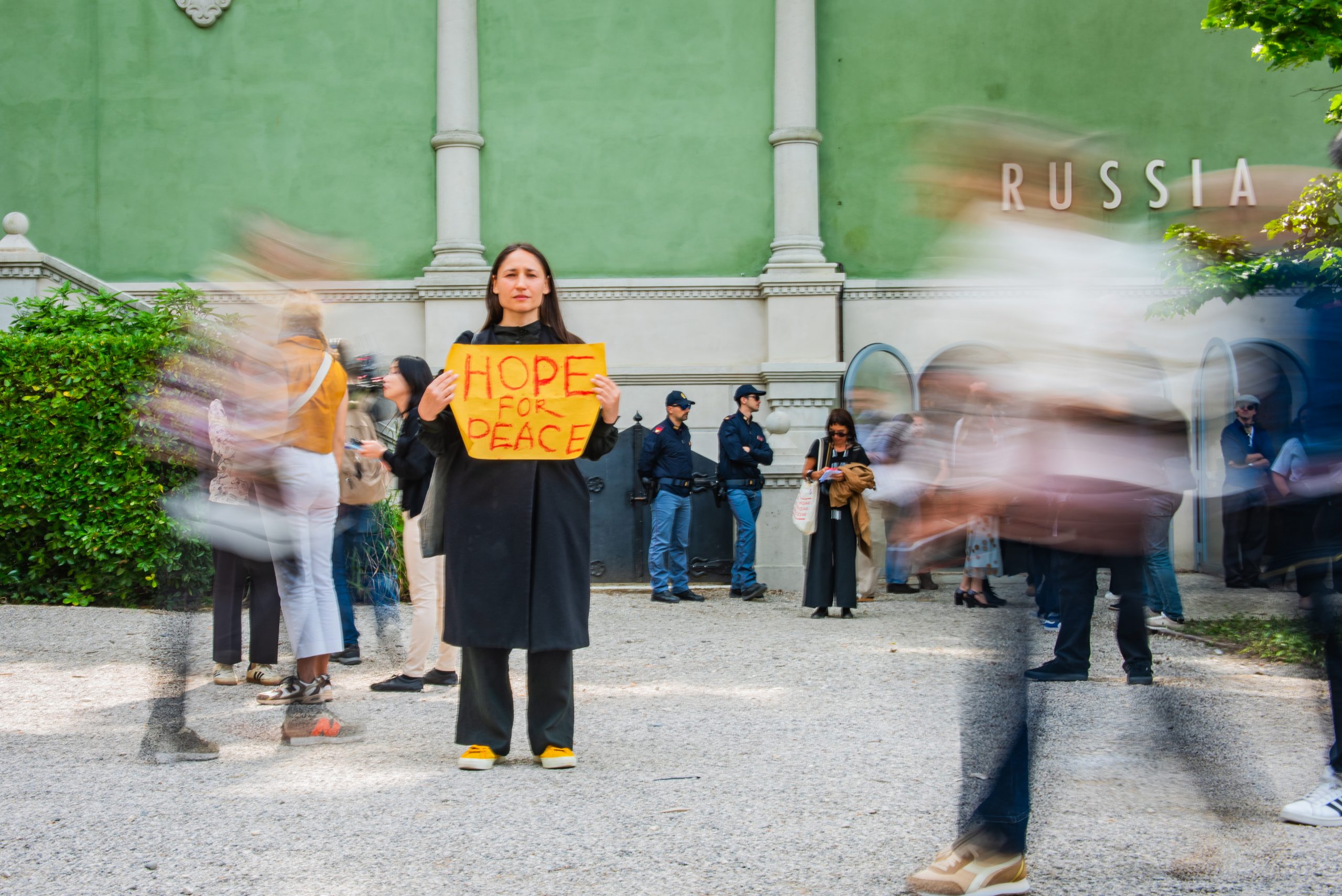
The Russian Pavilion at the 2026 Venice Biennale has become embroiled in a new controversy after accusing the anti-Putin art collective Pussy Riot of censorship. The pavilion posted on Instagram that Pussy Riot demanded the removal of footage featuring them from a documentary film about the pavilion's project, labeling the request as self-censorship. Pussy Riot responded sarcastically, questioning the pavilion's use of Instagram given Russia's 2022 ban of the platform. The dispute follows earlier protests at the pavilion's opening, led by Pussy Riot and FEMEN, against Russia's participation in the Biennale amid its ongoing invasion of Ukraine.

Basquiat’s Former Dealer on the Making of an Art World Icon

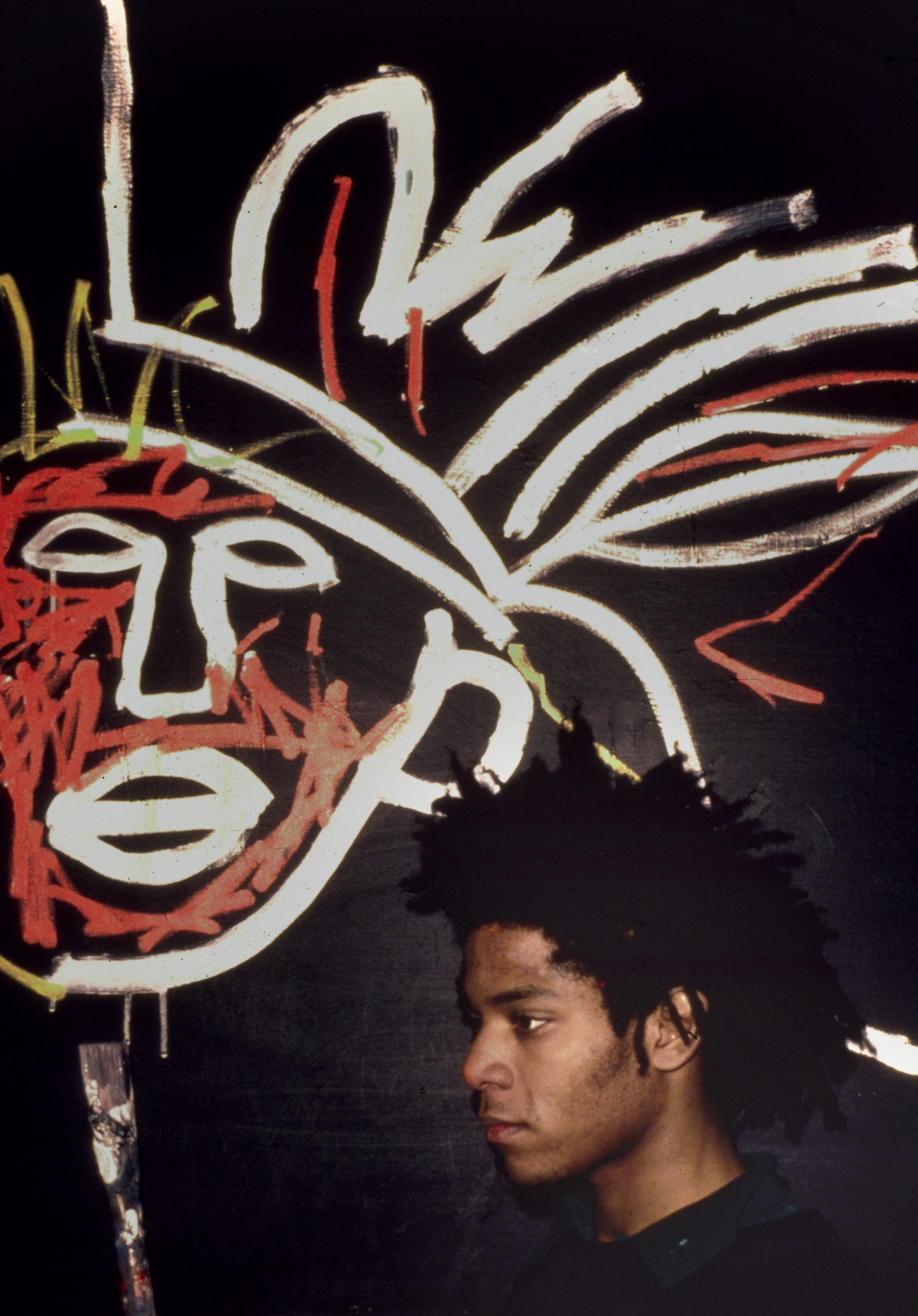
Bruno Bischofberger, who served as Jean-Michel Basquiat's exclusive worldwide dealer from 1982 until the artist's death in 1988, reflects on Basquiat's life and legacy in an excerpt from the forthcoming book *Basquiat: The World of Jean-Michel*, published by Assouline. Bischofberger contrasts Basquiat's raw, politically charged approach with Andy Warhol's detached, commercial style, and recounts personal memories of Basquiat's visits to Switzerland, where he absorbed everything from visual art to folk art and design.

Political Fallout Rocks Venice Biennale Prize System

Dozens of artists participating in the 2026 Venice Biennale have withdrawn from consideration for the newly created Visitor Lion awards, replacing the traditional Gold and Silver Lion prizes. A total of 57 artists from the main exhibition and 22 national pavilions signed a statement published on e-flux on May 9, acting in solidarity with the five-person prize jury that resigned on April 30 over the continued participation of Russia and Israel. The jury had objected to awarding prizes to artists from countries whose leaders face International Criminal Court charges, including Russian president Vladimir Putin and Israeli prime minister Benjamin Netanyahu. In response, the Biennale organizers postponed the awards ceremony to November 22 and introduced visitor voting, a move they described as consistent with openness and dialogue. Meanwhile, the Russian Pavilion, which returned after lending its space to Bolivia in 2024, faced protests, closure after previews, and a €2 million funding pull by the European Union for the 2028 Biennale.

Putin ‘Won’ the Venice Biennale, Quips Italian Culture Minister

Italian Culture Minister Alessandro Giuli stated that Russian President Vladimir Putin "won" the 2024 Venice Biennale, criticizing Russia's controversial return to the event. Giuli, who repeatedly denounced Russia's presence, told Corriere della Sera that Russian artists in the pavilion cannot express dissent against their regime. The Biennale faced widespread calls to remove Russia, with the EU threatening to withhold a €2 million grant, but organizers argued they lacked legal authority to exclude the country. Protests by Pussy Riot and FEMEN marked the pavilion's opening, while the Biennale's jury resigned en masse after announcing that nations charged with crimes against humanity would be ineligible for Golden Lions.

Comment | Flourishing markets beyond the big three will benefit the art ecosystem—and the planet

The article analyzes the shifting dynamics of the global art market, reporting that regions outside the traditional 'big three' hubs of the US, UK, and China have increased their market share from 17% in 2015 to 24% in 2025. This shift is driven by nationally protective regulations like Brexit and tariffs, which have stifled the free circulation of contemporary art. While the US market remains dominant at 44%, countries such as South Korea, Switzerland, Japan, and Australia have seen growth, and emerging cultural energy is noted in places like Bangkok, Warsaw, Margate, and Qatar.

Artist Bouke de Vries creates sculptural porcelain bottles for Dries Van Noten perfume

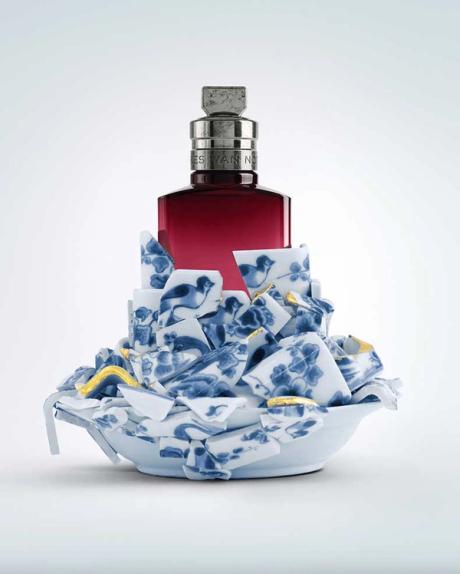
Artist Bouke de Vries has created five unique sculptural porcelain bottles for Dries Van Noten's unisex perfume Soie Malaquais, which launched in 2022. The bottles, priced at £6,000 each, are sold at the designer's London and New York stores, with a limited-edition series also available online. De Vries, known for reassembling broken china fragments into dynamic objects, designed the bottles to reflect the fragrance's warm notes of chestnut, rose, blackcurrant, and cardamom, developed by perfumer Marie Salamagne.

Venice Biennale Artists Decline Consideration for Golden Lions Chosen by Public Vote

Nearly half of the artists in the main exhibition of the Venice Biennale have signed a statement declining consideration for the Golden Lion awards, in solidarity with the jury that resigned last month. The statement, published by e-flux, includes prominent names such as Alfredo Jaar, Tuan Andrew Nguyen, Otobong Nkanga, and Walid Raad, as well as national pavilion representatives from France, Lithuania, and the Netherlands. The Biennale had planned to replace the jury-selected Golden Lions with "Visitor Lions" decided by public vote, but the artists' refusal marks an unprecedented protest within the exhibition.

Former Korean Prosecutor Convicted in Alleged Lee Ufan Painting Bribery Scheme

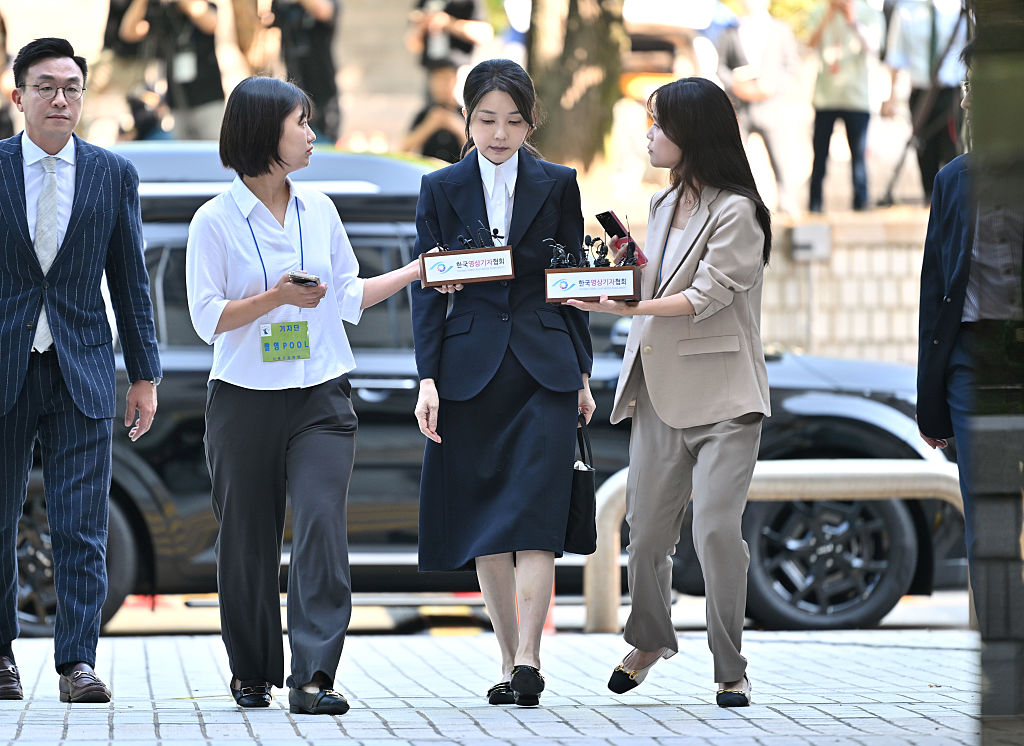
A former senior South Korean prosecutor, Kim Sang-min, has been convicted on appeal for allegedly gifting a painting by renowned artist Lee Ufan to former first lady Kim Keon Hee in exchange for political support ahead of the 2024 parliamentary elections. The Seoul High Court overturned an earlier acquittal, sentencing Kim to two years in prison (suspended for three years) for bribery, plus a separate suspended sentence for illegal political donations. The case took a strange turn when Kim's defense argued the artwork, titled *From Dots (No. 800298)* and valued at 140 million won ($95,500), was a forgery worth less than $700—a claim the court rejected after physically examining the piece and consulting experts.

At the Venice Biennale, Ukraine’s Pinchuk Art Centre finds fragile moments of joy amid loss

The Pinchuk Art Centre in Kyiv has transformed its Venice Biennale presentation from a glamorous celebration of young artists into a somber exhibition responding to the Russian invasion of Ukraine. This year's show, titled "Still Joy — From Ukraine into the World" (9 May-1 August) at the Palazzo Contarini-Polignac, features works by international artists like Tacita Dean and Julian Charriere alongside Ukrainian artists, as well as testimonials from soldiers collected by former marine Hlib Stryzhko. The exhibition explores how joy can persist amid trauma, with installations including pink scrolls bearing survivors' quotes, light box photographs of bombed interiors with rescued pot plants, and a sculpture of bells with displaced women's fingerprints.