filter_list Showing 2623 results for "ANY" close Clear
search
dashboard All 2623 museum exhibitions 1096article news 368trending_up market 312article local 267article culture 176article policy 112person people 98rate_review review 65gavel restitution 63candle obituary 59article event 3article museums & heritage 1article gallery 1article events 1article museum 1
date_range Range Today This Week This Month All
Subscribe

With more than 40 galleries represented, Germany is a major player at Art Basel this year

Germany is the second-most represented country at Art Basel in Switzerland this year, with over 40 galleries participating, trailing only the United States. The fair is led by German-born director Maike Cruse, and features prominent German artists including Katharina Grosse, Martin Kippenberger, Tim Eitel, and Jana Schröder. Despite lacking mega-galleries, Germany boasts respected spaces like Galerie Max Hetzler and renowned collectors such as Reinhard Ernst, Julia Stoschek, and the Plattner family. Dealer Gerd Harry Lybke notes Germany's art market is 'very stable' compared to other locations.
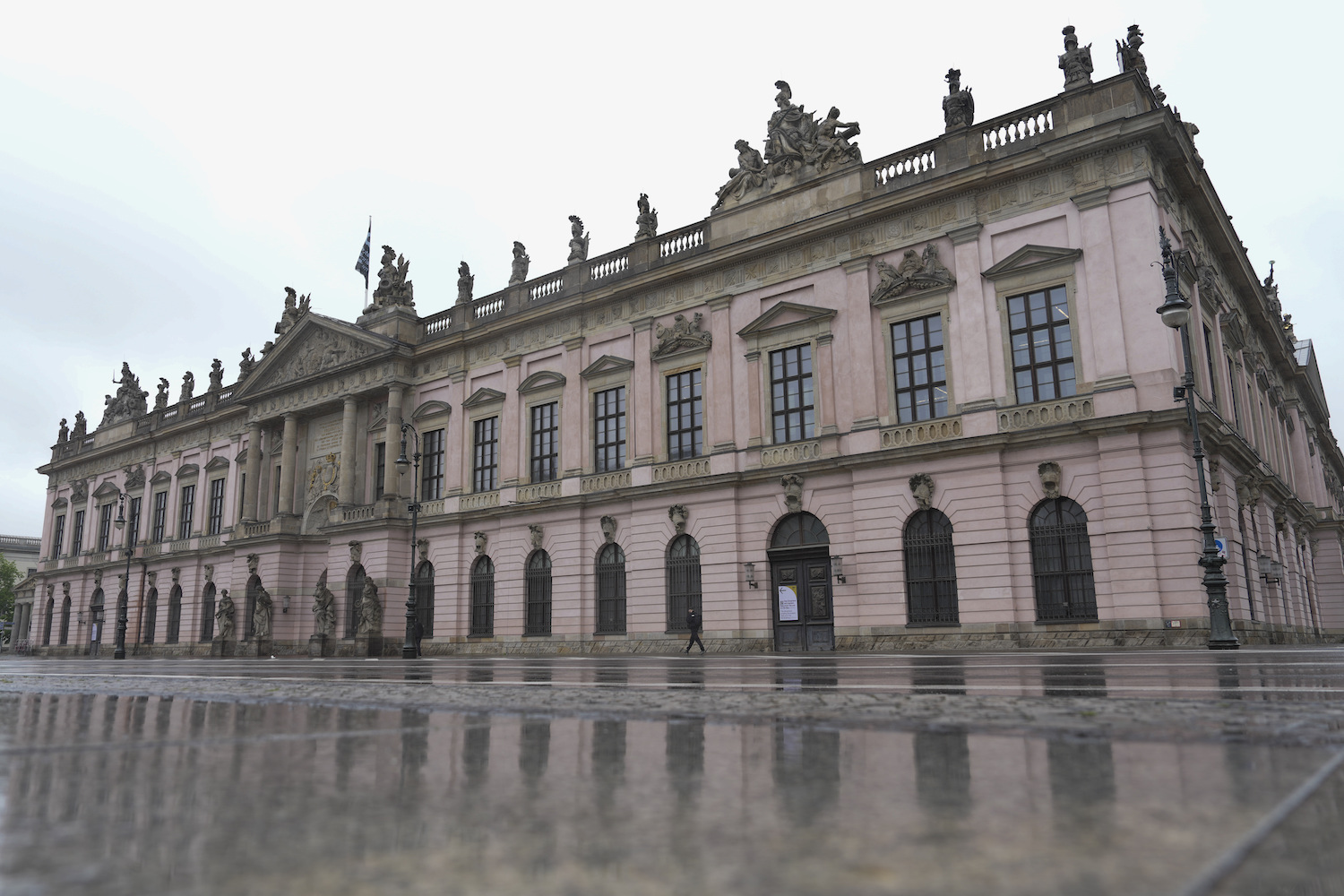
DHM main building likely closed until 2031

DHM-Hauptbau wohl bis 2031 dicht

The German Historical Museum (DHM) in Berlin will remain without its main building, the Zeughaus on Unter den Linden, until at least 2031 due to further delays in its renovation. Museum director Raphael Gross announced that a binding timeline from the property owner and the federal construction authority is not expected until 2027, and a reopening before 2031 is unrealistic. In the meantime, the museum is using its modern Pei-Bau wing to host a new exhibition titled "Objekte. Geschichte. Geschichten," featuring around 200 highlights from its collection of one million objects, including a samurai armor once gifted to Adolf Hitler and objects from a refugee shelter.

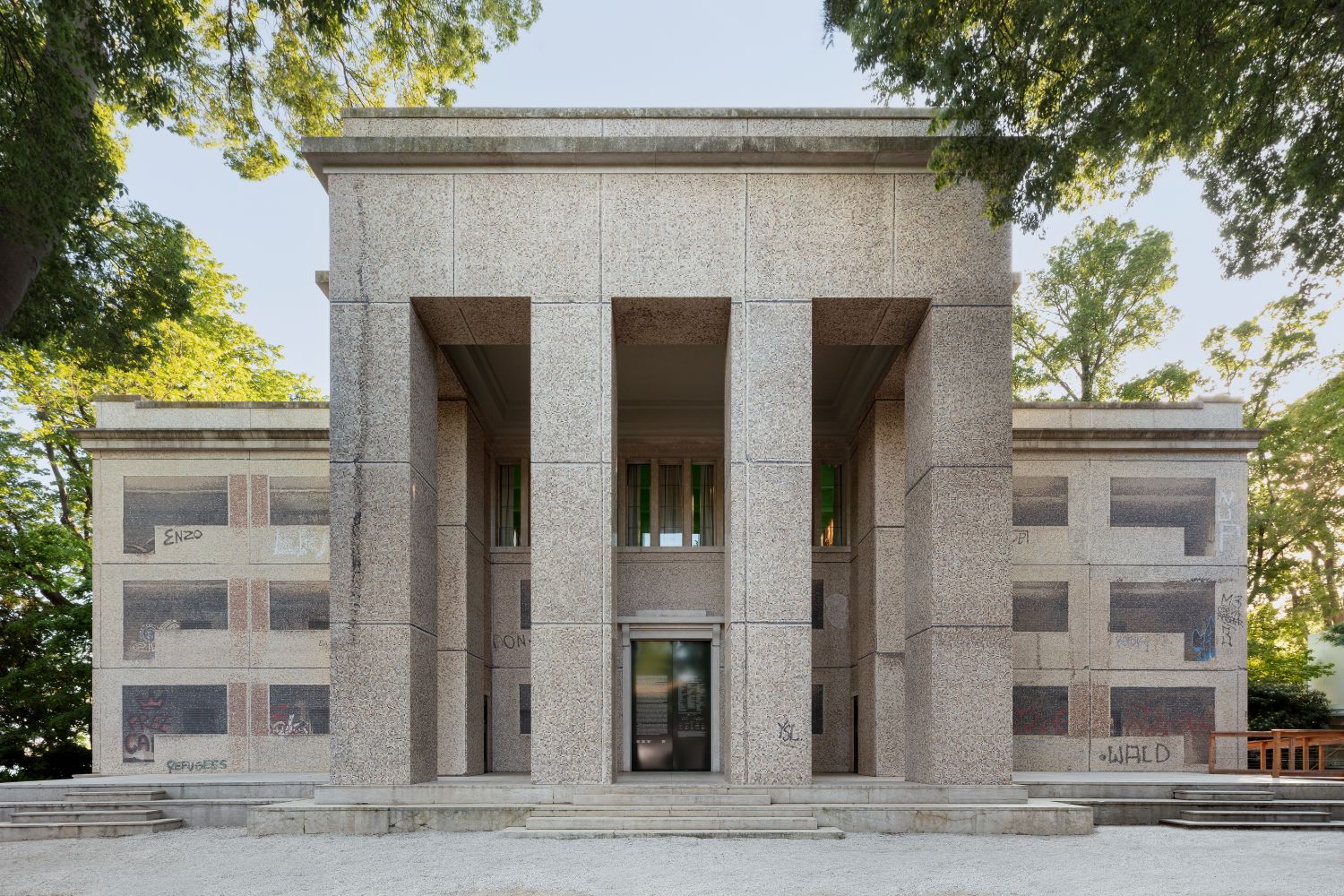
Deutscher Pavillon wird zum Plattenbau

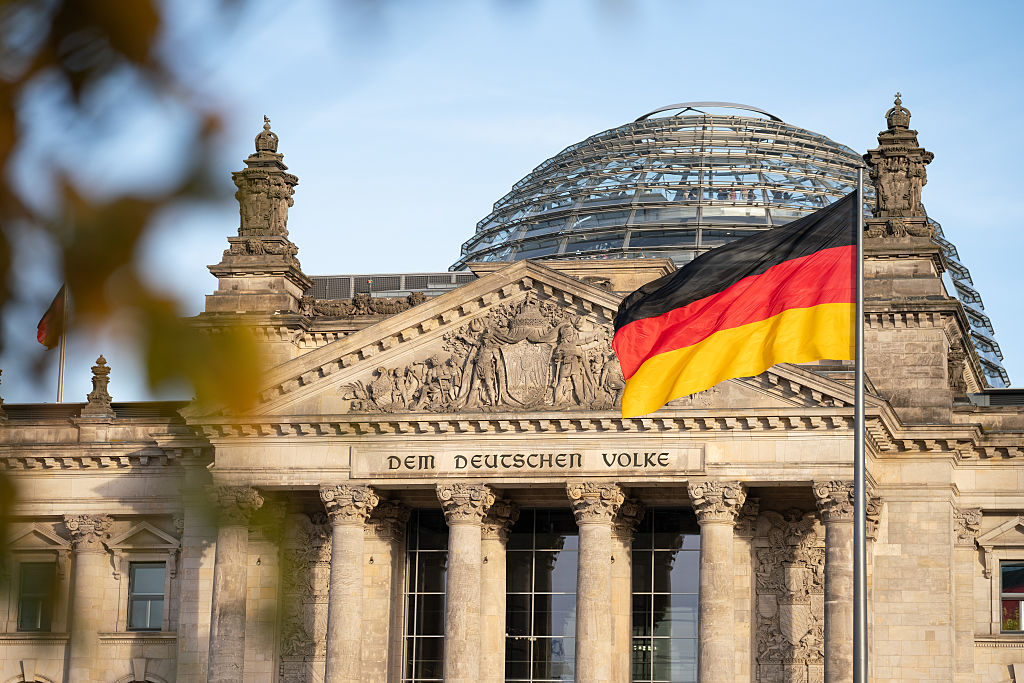
The German Pavilion at the Venice Art Biennale has been transformed into a prefabricated concrete slab building (Plattenbau) for this year's edition, designed by artists Sung Tieu and the late Henrike Naumann, who died suddenly in February at age 41 from cancer. Curator Kathleen Reinhardt described the pavilion as part of a highly political Biennale, with Tieu covering the 1938 fascist-era building with a mosaic of over three million tiles depicting a Berlin apartment block that once housed Vietnamese contract workers. Naumann's interior installation features mint-green references to Soviet barracks in East Germany, a cartography of war, and works including a relief of chairs, a curtain of chainmail, and the performance "Trümmerfrau."

An Old Man Whose Egoscentrism Knows No Bounds

"Ein alter Mann, dessen Ich-Sucht keine Grenzen kennt"

More than 30 current and former jury members of the Stiftung Kunstfonds have issued a formal protest against German Culture Minister Wolfram Weimer, accusing his office of political interference and intimidation. The controversy stems from reports that the ministry requested lists of all jury members across various art institutions and bypassed jury decisions to exclude specific recipients from awards based on intelligence service reports.

Foreign Office Reprimands Goethe-Institut for Exhibition

Auswärtiges Amt rügt Goethe-Institut für Ausstellung

The German Foreign Office has formally reprimanded the Goethe-Institut for its involvement in an exhibition in Vilnius, Lithuania, featuring Palestinian-American artist Basma al-Sharif. The ministry stated that events organized by German cultural intermediaries must leave no doubt about the government's firm rejection of antisemitism and hatred of Israel, and demanded greater care in planning and conceptualizing such events with partners. The exhibition, "Bells and Cannons - Contemporary Art in Times of Militarization," was a collaboration between the Goethe-Institut Vilnius, the Contemporary Art Centre Vilnius, and the Berlin Academy of Arts.

Centenary of Elizabeth II: Two colossal statues of the queen to be erected in London's St James's Park

Centenaire d’Elizabeth II : deux statues colossales de la reine seront érigées à Londres, dans St James’s Park

London has unveiled the final design and models for a colossal memorial to Queen Elizabeth II in St James's Park, to be completed by 2028. The centerpiece is a seven-meter bronze statue of the queen at age 28, inspired by a Pietro Annigoni portrait and created by sculptor Martin Jennings. It will be accompanied by a statue of Prince Philip by Jennings and a second, more intimate statue of the queen in old age by Karen Newman. The project marks the centenary of Elizabeth II's birth (1926–2022) and is designed by Foster + Partners. Models are on display at the British Museum until June 21.

Federal Bill Creating Smithsonian Women’s Museum Scuttled Over Demand That It Honor Only “Biological” Females

Legislation to advance the construction of the Smithsonian American Women’s History Museum in Washington, DC, failed in the House on May 21 after Democrats rejected amendments added by Republicans. The bill, introduced by Republican Representative Nicole Malliotakis, was defeated 216-204, with six Republicans joining Democrats in opposition. Key changes included language specifying the museum would honor only “biological women” and explicitly barring the depiction of any “biological male as a female,” which critics said would exclude transgender women. Other provisions would have given President Donald Trump unilateral authority to choose an alternative site for the museum, originally planned for the National Mall, and granted approval power over design and construction to commissions controlled by Trump appointees.

‘It’s like a Ouija board – I listen to the painting’: the supernatural art of Sanya Kantarovsky

Russian-born, New York-based artist Sanya Kantarovsky presents his new exhibition "Basic Failure" at Venice's Institute of Sciences, Letters and Arts, timed to coincide with the Venice Biennale. The show features his signature dishevelled, otherworldly figures—including a pallid boy with a cigarette, a child spinning in innocence, and a glass bust of a young boy with a dead spider under its eye—that explore tension, alienation, and the supernatural. Kantarovsky describes his process as listening to the painting like a Ouija board, and the exhibition includes works that confound narrative expectations, such as a scruffy toy panda and a recreation of Antonello Gagini's 16th-century sculpture.

Political Fallout Rocks Venice Biennale Prize System

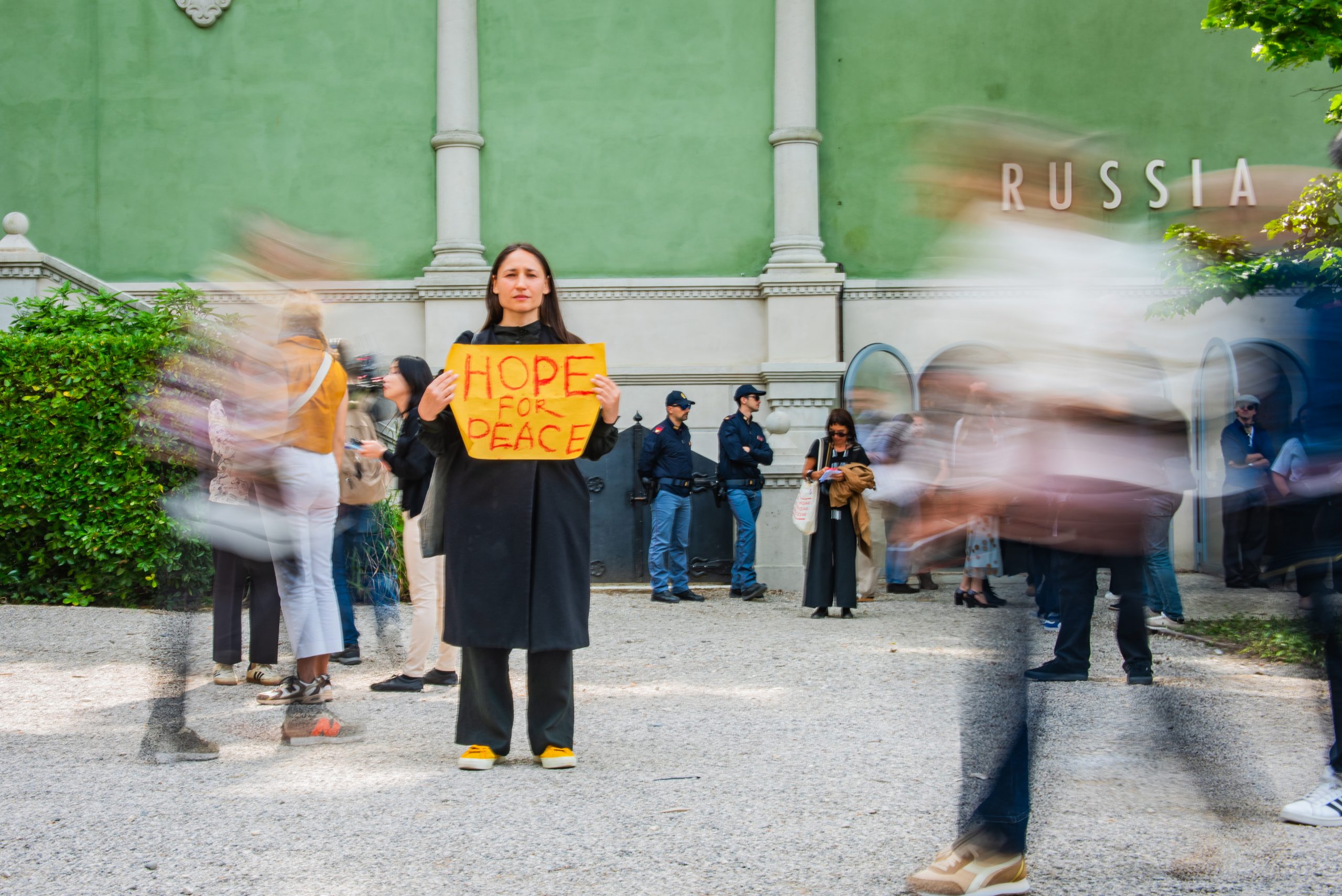
Dozens of artists participating in the 2026 Venice Biennale have withdrawn from consideration for the newly created Visitor Lion awards, replacing the traditional Gold and Silver Lion prizes. A total of 57 artists from the main exhibition and 22 national pavilions signed a statement published on e-flux on May 9, acting in solidarity with the five-person prize jury that resigned on April 30 over the continued participation of Russia and Israel. The jury had objected to awarding prizes to artists from countries whose leaders face International Criminal Court charges, including Russian president Vladimir Putin and Israeli prime minister Benjamin Netanyahu. In response, the Biennale organizers postponed the awards ceremony to November 22 and introduced visitor voting, a move they described as consistent with openness and dialogue. Meanwhile, the Russian Pavilion, which returned after lending its space to Bolivia in 2024, faced protests, closure after previews, and a €2 million funding pull by the European Union for the 2028 Biennale.

Drained, Drowning, and Decay: The Best National Pavilions at the Venice Biennale

The 2026 Venice Biennale is defined by themes of ruin and decay, with standout national pavilions exploring bodily, infrastructural, and archaeological collapse. The Slovenian Pavilion features the Nonument Group repurposing materials from past Biennales into a ruin of a mosque for Bosnian Muslim soldiers from World War I. Syria presents its first national pavilion since the Civil War, with Sara Shamma invoking Palmyra, destroyed by ISIS. Germany's pavilion, titled "Ruin," features works by Henrike Naumann (who died in February) and Sung Tieu, questioning the pavilion's fascist architecture and nationalist residue. The Austrian Pavilion, curated by Florentina Holzinger, offers a visceral performance titled "Sea World." The Biennale is also marked by the abrupt resignation of its five-member jury, who refused to consider nations charged with crimes against humanity, leading to awards being chosen by public vote. Additionally, the main exhibition "In Minor Keys" was affected by the death of its curator, Koyo Kouoh.

A Pavilion of Ruins: Germany Reconsiders Its Past in Venice

The German Pavilion at the 61st Venice Biennale features a dual presentation exploring the country's layered political history. Artist Sung Tieu has cloaked the pavilion's fascist-era facade with a mosaic reconstruction of a GDR housing estate for Vietnamese contract workers, where she lived as a child. Inside, the late Henrike Naumann's immersive installation 'The Home Front' uses furniture and design to stage a confrontation between East and West German domestic and political ideologies. Naumann died in February 2025 at age 41, but her fully realized concept was completed collaboratively by her partner and curator Kathleen Reinhardt.

Lubaina Himid’s British pavilion at the Venice Biennale review – alienation in a green and pleasant land

Lubaina Himid's installation at the British pavilion of the Venice Biennale presents monumental paintings and a wall of painted oars depicting tailors, cooks, architects, gardeners, and sailors—figures who shape Britain. The work is accompanied by an audio piece of bucolic country sounds, but the black figures in the paintings exchange sideways glances of discomfort, questioning whether they truly belong. The exhibition is anchored by 26 philosophical questions on the wall, such as "Can flies settle here?" and "Can poison taste delicious?"

‘In every drop of paint he slurped, you see the Holocaust’: the genius and torments of Georg Baselitz

Georg Baselitz, the German painter and sculptor known for his provocative confrontations with Nazi history, has died. Born in 1938, he was one of the last living artists with direct childhood memories of the Third Reich. His early works, such as *Die große Nacht im Eimer* (1961) and his upside-down German eagles, deliberately shocked postwar West Germany by depicting obscene, shameful images of a society trying to forget the Holocaust. He famously exhibited a zombie Hitler woodcarving at the 1980 Venice Biennale alongside Anselm Kiefer, insisting on confronting rather than ignoring the Nazi heritage of the German Pavilion.

Masterpieces by Klimt, Matisse and Freud set for London’s most valuable auction

Sotheby's will auction a major collection of masterpieces by artists including Gustav Klimt, Henri Matisse, Lucian Freud, and Francis Bacon, consigned by Joe Lewis and his daughter Vivienne, whose family owns Tottenham Hotspur. The collection, expected to fetch over £150 million, is projected to become the most valuable ever offered in London, with highlights such as Klimt's 'Bildnis Gertrud Loew' (estimated £20-30m) and Egon Schiele's 'Danaë' (estimated £12-18m, potentially setting a new artist record). The works will be exhibited in New York and London before the June sales.

Duo Who Sold Fake Warhol, Banksy Plead Guilty in $2M Fraud

A father and daughter from New Jersey, Erwin Bankowski and Karoline Bankowska, pleaded guilty in federal court on April 28 to running a counterfeit art scheme that sold fake works attributed to Andy Warhol, Banksy, Pablo Picasso, Richard Mayhew, and others. Between 2020 and 2025, they placed over 200 counterfeit pieces, many made by an artist in Poland, into galleries and auction houses across the U.S., defrauding buyers of at least $2 million. They fabricated provenance, forged gallery stamps and certificates of authenticity, and misrepresented Native American heritage works, violating the Indian Arts and Crafts Act. They face up to 20 years in prison, restitution of at least $1.9 million, and deportation after serving their sentences.

Nymphs, mermaids and rosy cherubs: mansion filled with hidden wall paintings makes Victorian Society’s endangered buildings list

A derelict mansion called Parndon Hall, located within the grounds of Princess Alexandra Hospital in Harlow, Essex, has been named to the Victorian Society’s annual list of the top ten at-risk buildings in England and Wales. The house, built in 1867, contains a hidden trove of wall paintings by the almost-forgotten Victorian artist Elizabeth Arkwright, who covered walls, ceilings, and doors with nymphs, mermaids, and cherubs—many still concealed under Edwardian whitewash. The building has been used for storage and has sat unoccupied since flood repairs in 2024.

Sharjah Biennial Lines Up 109 Artists for 2027 Edition, Titled ‘What Remains, Sits Restive’

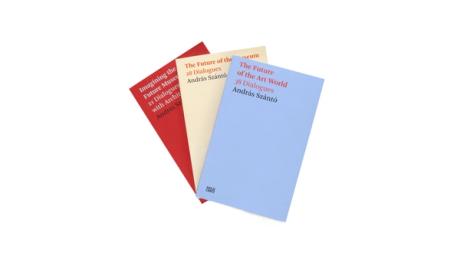
Final book in trilogy asks: What is the future of the art world?

Cultural strategist András Szántó has published the third and final volume of his trilogy on the future of museums, titled *What Is the Future of the Art World?*. The book features dialogues with a wide range of art-world figures—including gallerists José Kuri and Atsuko Ninagawa, collectors Alain Servais and Sylvain Levy, artists William Kentridge and Holly Herndon & Mathew Dryhurst, curator Fatoş Üstek, network scientist Albert-László Barabási, former Art Basel director Marc Spiegler, and Sheikha Al-Mayassa Al Thani—who discuss topics such as the definition of the art world, its rules, and its future trajectory. Szántó notes that there is no consensus on whether the art world is still expanding or entering a phase of slowdown, with different regions moving on divergent paths.

How Art Firms Are—or Should Be—Using A.I. Right Now

Art firms are increasingly experimenting with artificial intelligence, but concrete use cases remain limited and industry-specific tools are still in their infancy. A new partnership between Bonhams and tech company ARTDAI aims to apply AI to market analytics, valuation, and specialist research, while companies like Artsy and Artnet are integrating AI capabilities into their platforms. Industry experts, including former Art Basel chief Marc Spiegler, note that the art market's small size has historically discouraged tech development, but AI now makes high-performance tools accessible to smaller businesses.

The Wonderful World that Almost Was by Andrew Durbin review – the queer artists who shaped New York cool

Andrew Durbin's new book, 'The Wonderful World that Almost Was,' is a double biography of painter and sculptor Paul Thek and photographer Peter Hujar. It chronicles their artistic maturation, their open and unapologetic gay relationship, and their central role in defining the 'cool' of the New York creative scene from the 1950s to the mid-1970s, before their deaths from AIDS.

Prominent German Art Foundation Accuses Top Culture Official of ‘Attempted Intimidation’

Jurors from the Kunstfonds Foundation, a major German contemporary art funding body, have accused Minister of State for Culture Wolfram Weimer of attempted intimidation and political interference. The conflict erupted after Weimer requested the names of the independent jury members, a move the foundation views as a threat to artistic freedom. This follows a separate controversy where Weimer reportedly consulted domestic intelligence to exclude bookstores with left-wing leanings from a national award.

This Watch Witnessed the Rise of the Empire State Building. Now It’s Up for Sale

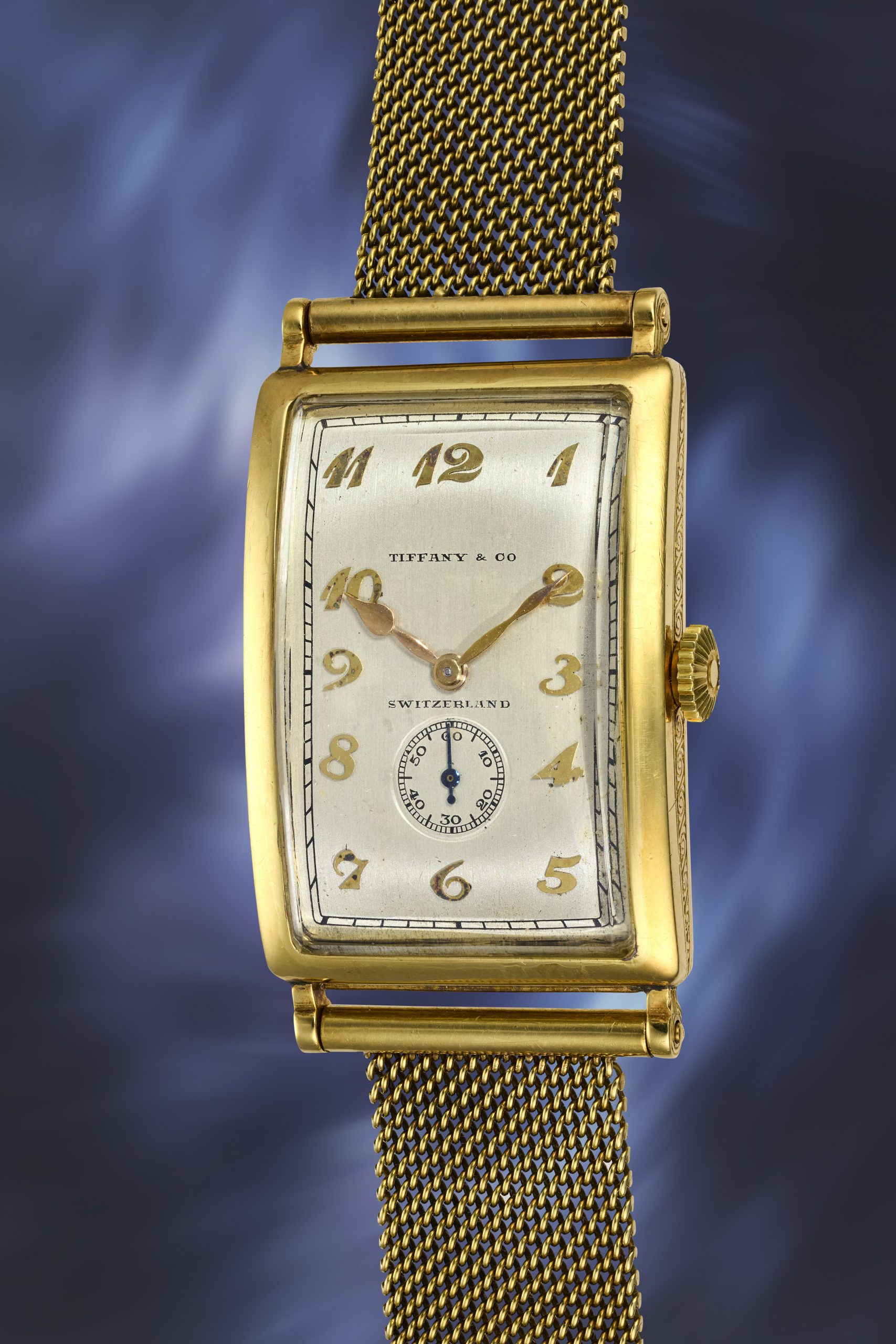
A rare 1929 Patek Philippe wristwatch, originally owned by Paul Starrett—the chairman of the corporation behind the Empire State Building—is headed to auction at Phillips in New York. The Tiffany & Co. signed timepiece was purchased by Starrett during the construction of the iconic skyscraper and features unique floral engravings alongside his initials. It is expected to fetch between $15,000 and $30,000 during the June sale.

Art Basel reveals 33 medalists for second edition of its awards

Art Basel has announced the 33 medalists for the second edition of its annual awards program, honoring a diverse group of artists, curators, collectors, and institutions. The cohort is divided into categories including emerging, established, and icon artists, as well as cross-disciplinary figures and art-world allies. Notable honorees include Julie Mehretu, Barbara Kruger, and the Studio Museum in Harlem, representing a broad cross-section of the global art ecosystem.

Artists, clowns, runaways: a stay at the Chelsea Hotel – in pictures

Photographer Albert Scopin has released a new book through Kerber Verlag documenting his residency at New York’s iconic Chelsea Hotel between 1969 and 1971. The collection features rare, intimate portraits of the hotel's legendary inhabitants, including a young Patti Smith and Robert Mapplethorpe before their rise to global fame, alongside long-time manager Stanley Bard and avant-garde figures like Vali Myers and Holly Woodlawn. Scopin’s lens captures the 'creative chaos' of the era, from the art-filled lobby to the eccentric private quarters of residents like composer George Kleinsinger.

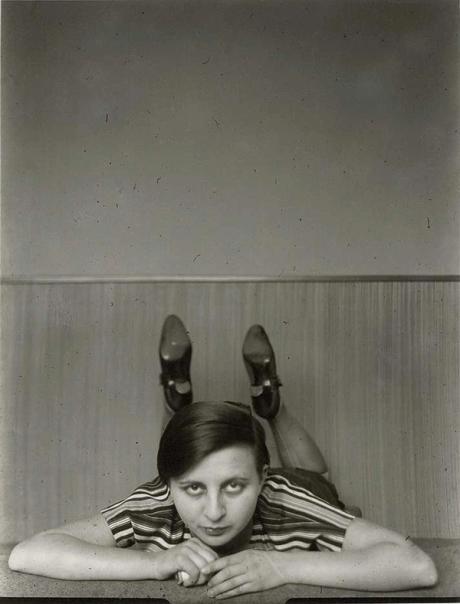
Berlin exhibition focuses in on women photographers of the Bauhaus

The Museum für Fotografie in Berlin is hosting a major exhibition titled "New Woman, New Vision," featuring approximately 300 photographs by 29 women associated with the Bauhaus. The show aims to dismantle the persistent myth that female students at the influential German school were restricted to the weaving workshop. By showcasing works from figures like Lucia Moholy, Ise Gropius, and Marianne Brandt, the exhibition highlights how women were integral to the school’s photographic documentation and its development as a standalone artistic medium.

The Personal Collection of ‘Last Surrealist’ Enrico Donati Heads to Auction

Sotheby’s has announced the sale of the personal art collection of Enrico Donati, often referred to as the 'last Surrealist.' The 45-lot collection, titled "A Night in May," features works amassed by Donati and his wife Adele, including a rare 1909 Cubist portrait by Pablo Picasso, 'Arlequin (Buste),' estimated at $40 million. The auction marks the first time these intimate pieces—many acquired through direct exchanges with friends like Marcel Duchamp and Yves Tanguy—have been offered since the artist's death in 2008 and his wife's passing last year.

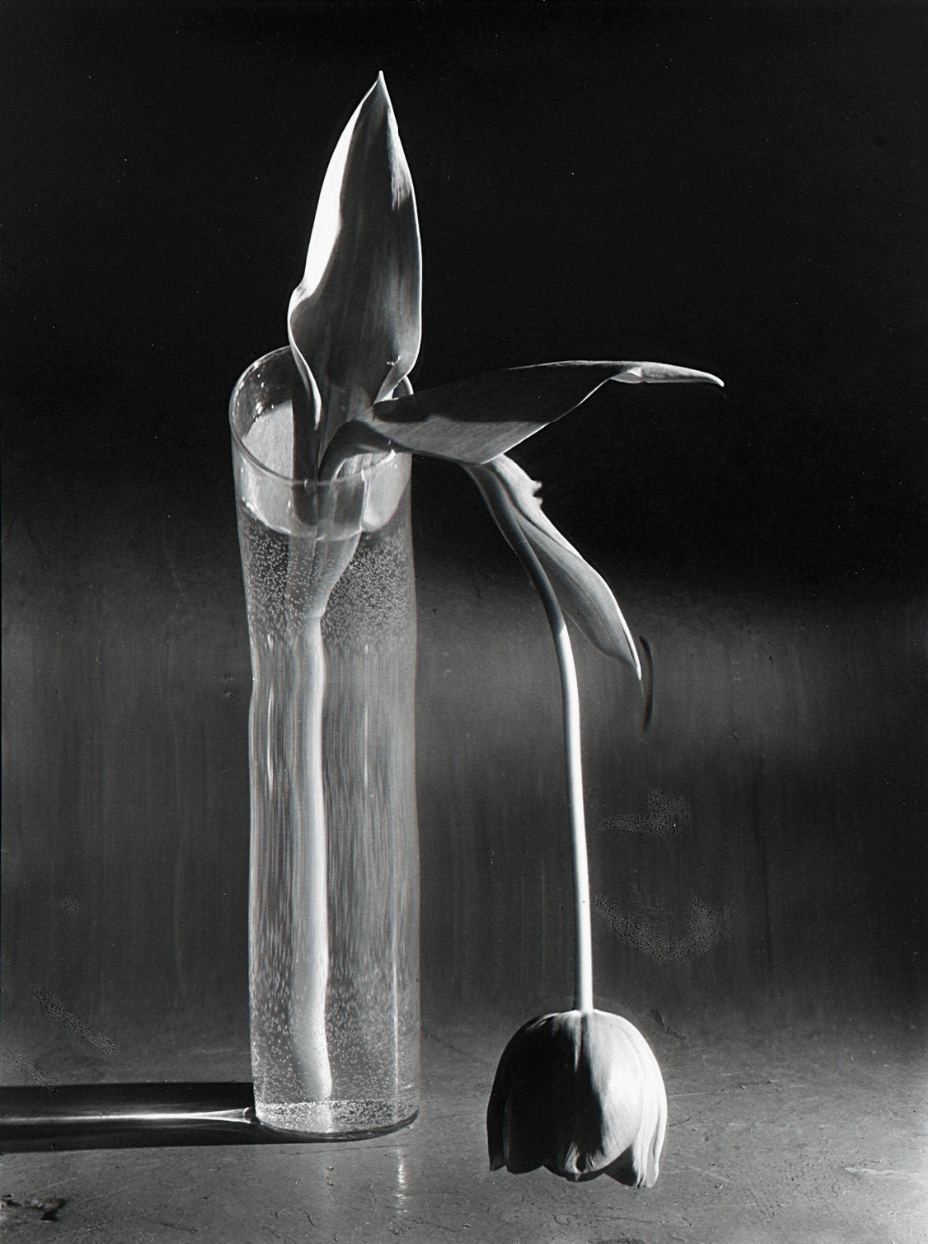
Dealer Scott Nichols on His Lasting Love for Iconic California Photographers

Veteran art dealer Scott Nichols reflects on his long-standing career and the evolution of his eponymous gallery, which specialized in 20th-century California photography for nearly three decades in San Francisco before relocating to Sonoma in 2019. The gallery is renowned for its deep expertise in Group f.64, maintaining one of the largest private collections of Brett Weston’s work alongside masterpieces by Ansel Adams, Dorothea Lange, and Imogen Cunningham.

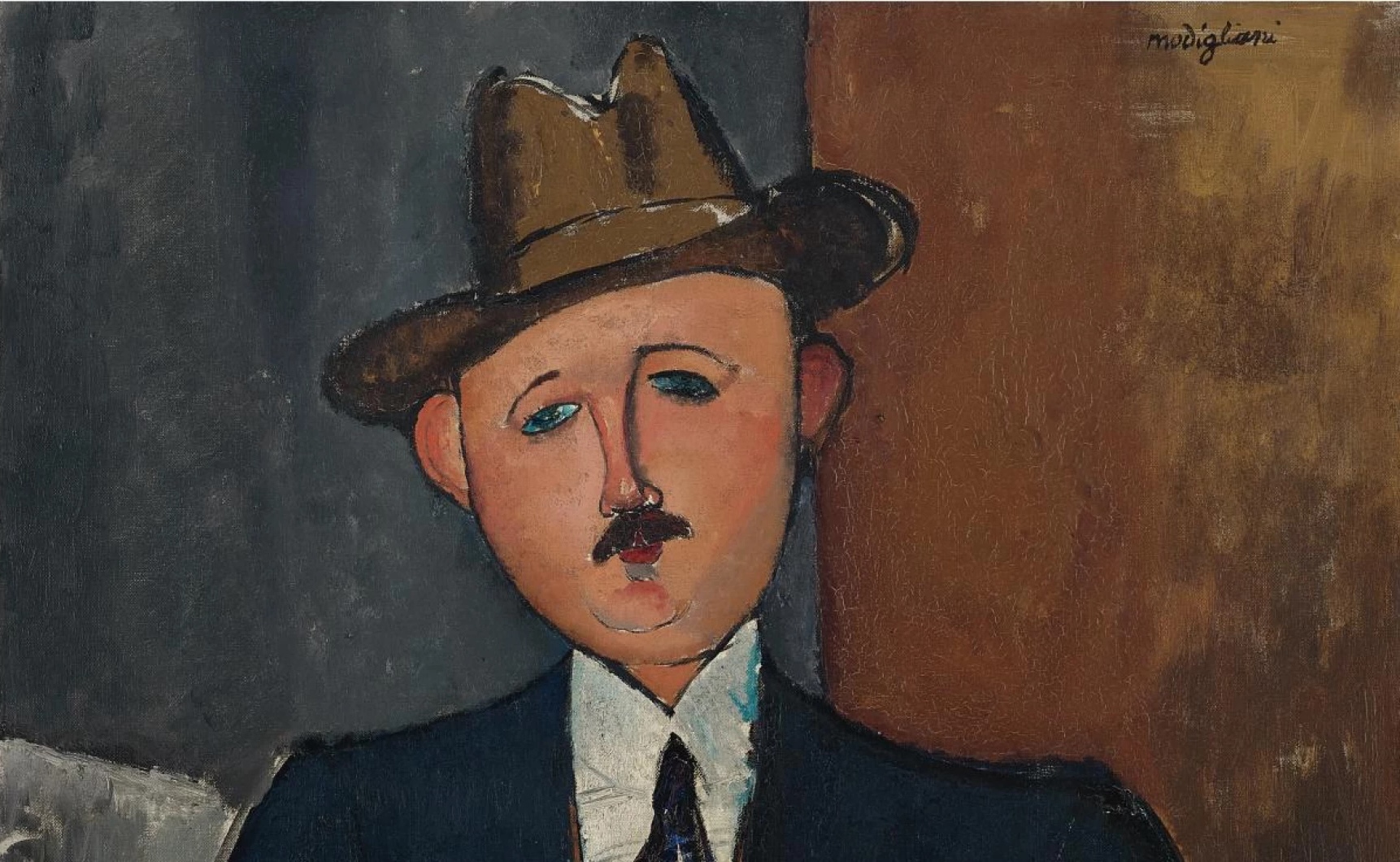
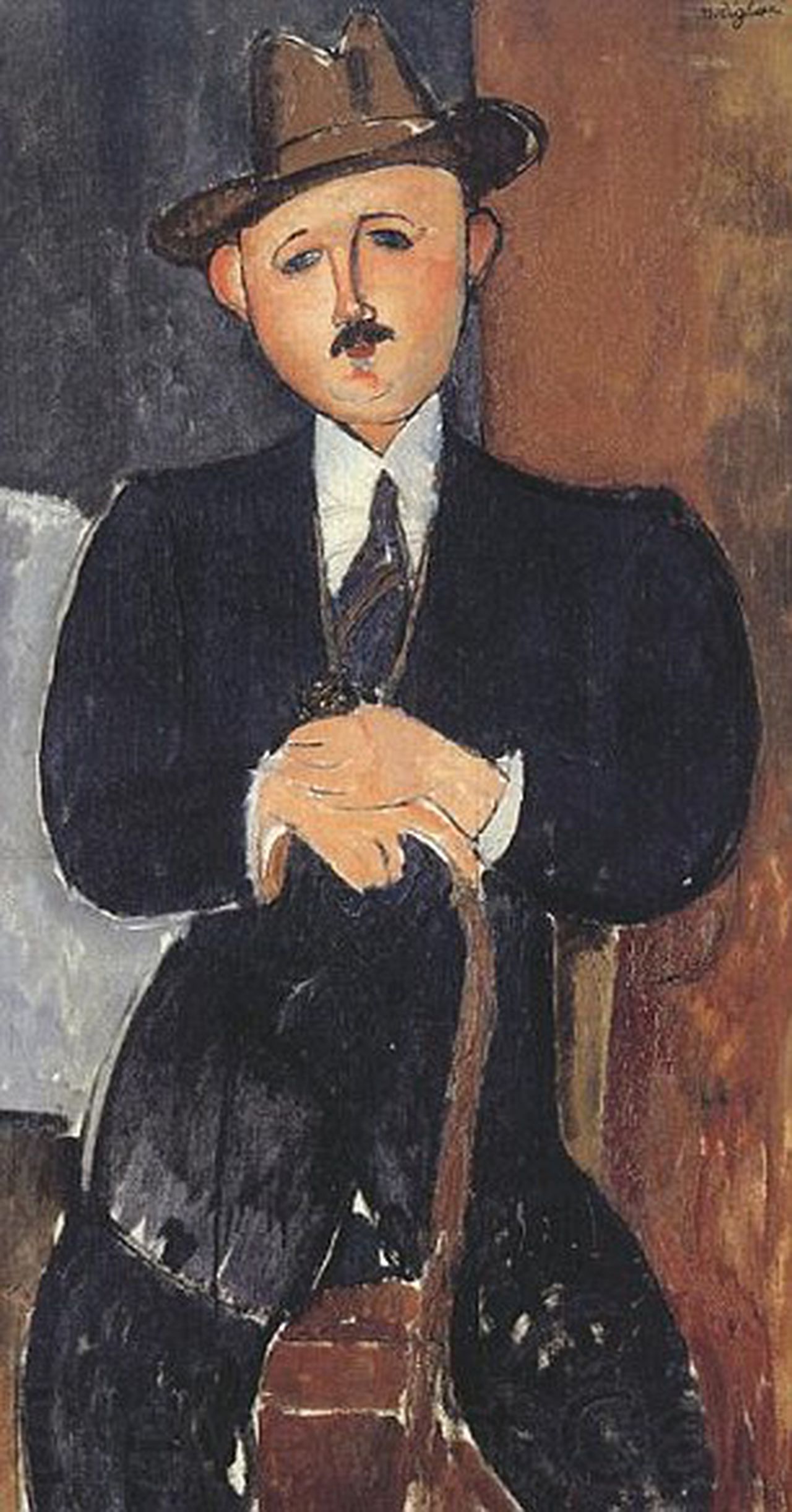
$25 Million Modigliani Goes to Jewish Heir in Landmark Restitution Case

A New York Supreme Court judge has ruled that the estate of Jewish art dealer Oscar Stettiner is the rightful owner of Amedeo Modigliani’s 1918 painting "Seated Man With a Cane." The decision concludes an 11-year legal battle led by Stettiner’s grandson, Philippe Maestracci, against billionaire art dealer David Nahmad. The court found that the painting was unlawfully seized by the Nazis after Stettiner fled Paris in 1939 and that subsequent sales, including the 1996 purchase by Nahmad at Christie’s, did not extinguish the original owner's rights.

nahmad lawsuit nazi looted modigliani

The estate of Jewish art dealer Oscar Stettiner has filed a new lawsuit in the New York State Supreme Court against the Nahmad family, seeking the restitution of Amedeo Modigliani’s 1918 painting "Seated Man With a Cane." The suit alleges that the $25 million portrait was looted by the Nazis in Paris and is currently held by the International Art Center, which the plaintiffs claim is a shell company controlled by the Nahmads. This legal action follows a 2012 dismissal of a similar claim by Stettiner’s grandson, Philippe Maestracci, due to a lack of standing.

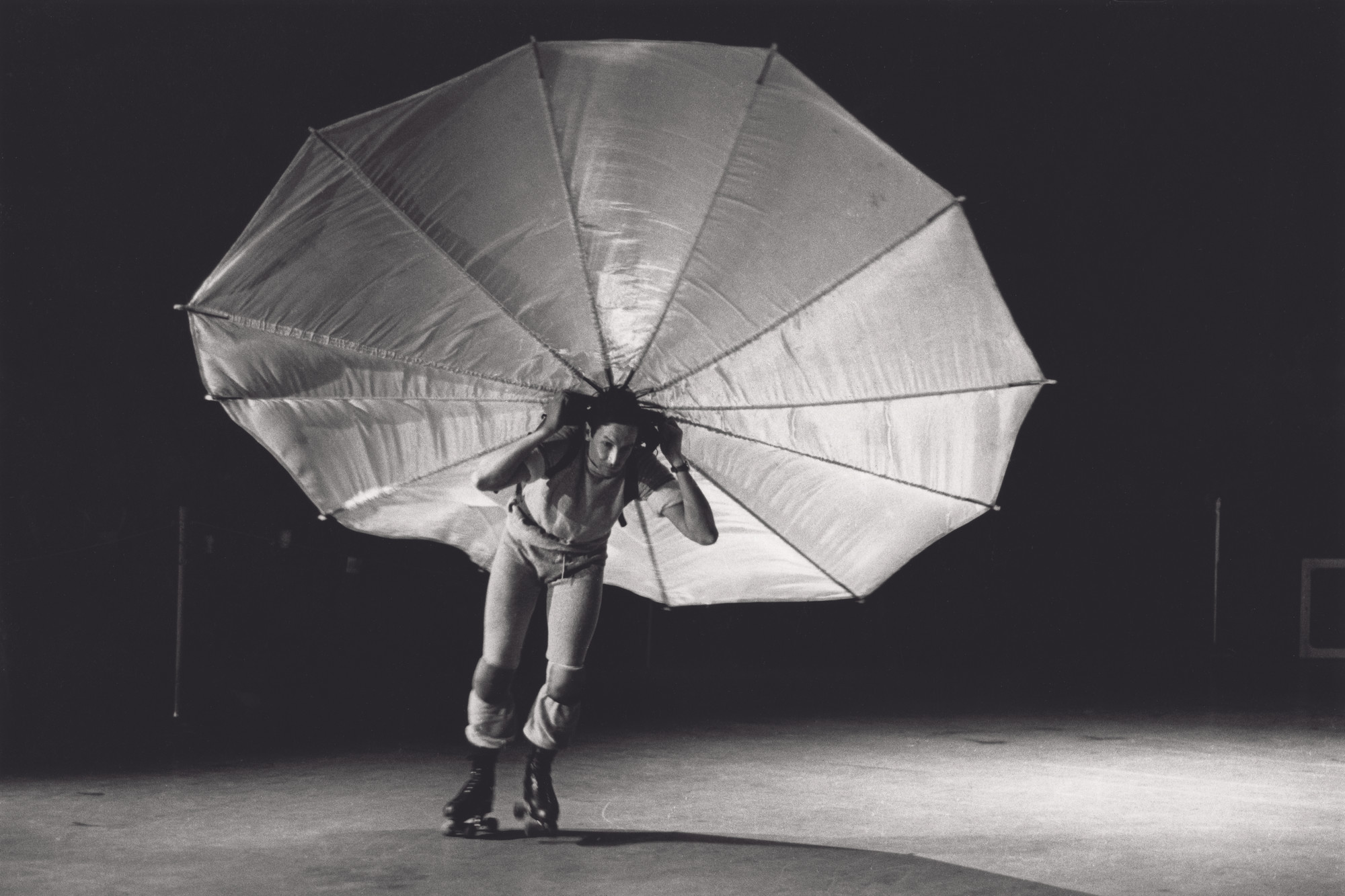
Rare Rauschenberg Experimental Dance Revived at Brooklyn Roller Rink

The Trisha Brown Dance Company is reviving Robert Rauschenberg's first choreographed dance, 'Pelican,' for the first time in 60 years. The single-night performance will take place at the vintage Xanadu roller rink in Brooklyn as part of a 'Pelican Gala,' which also features two long-unseen dances by Trisha Brown. The event coincides with the centennial of Rauschenberg's birth.