filter_list Showing 174 results for "Austria" close Clear
search
dashboard All 174 museum exhibitions 83article news 33candle obituary 17trending_up market 16article culture 8rate_review review 6gavel restitution 5person people 4article local 1article policy 1
date_range Range Today This Week This Month All
Subscribe

The Most Provocative Performance in Venice

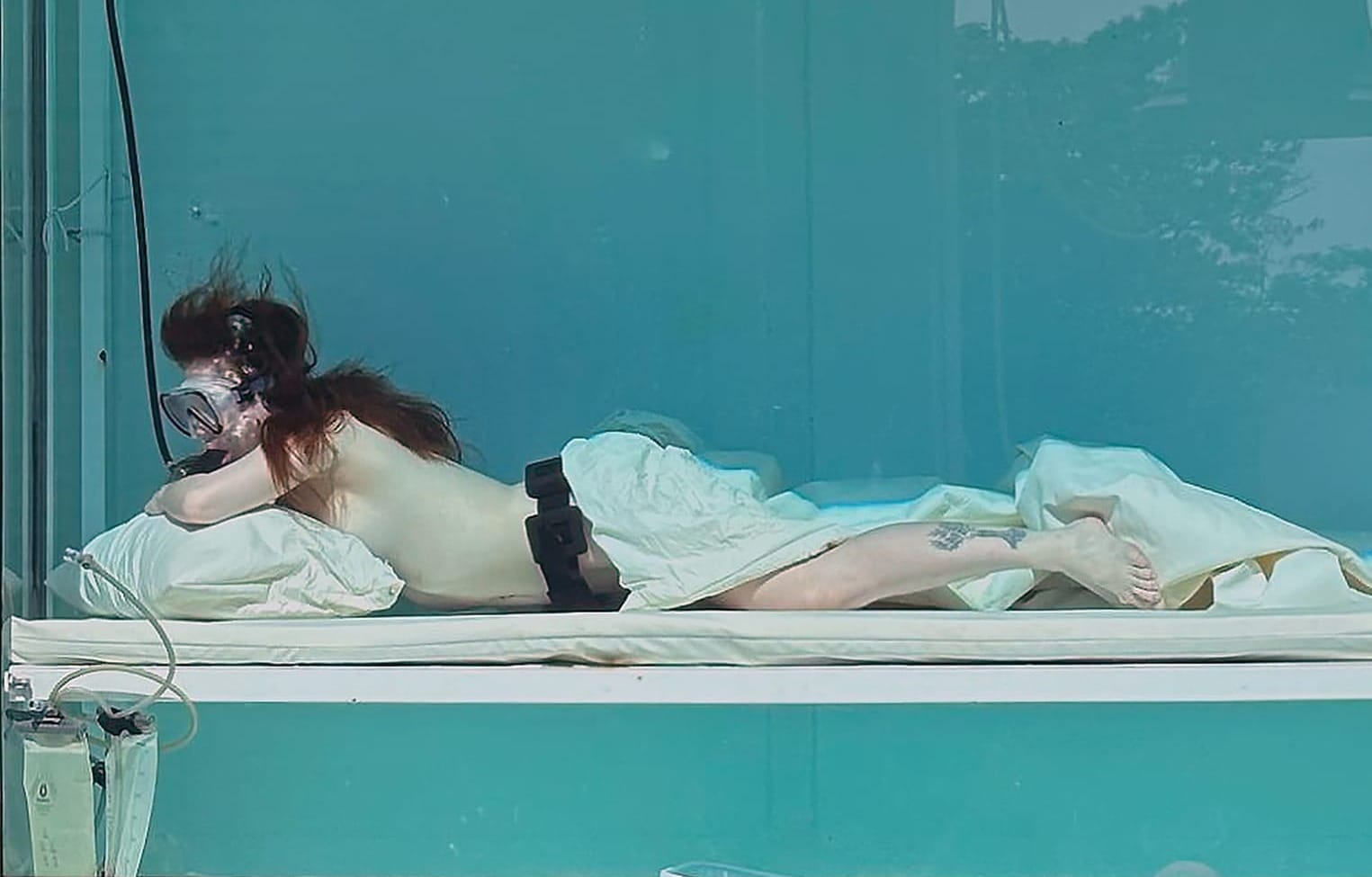
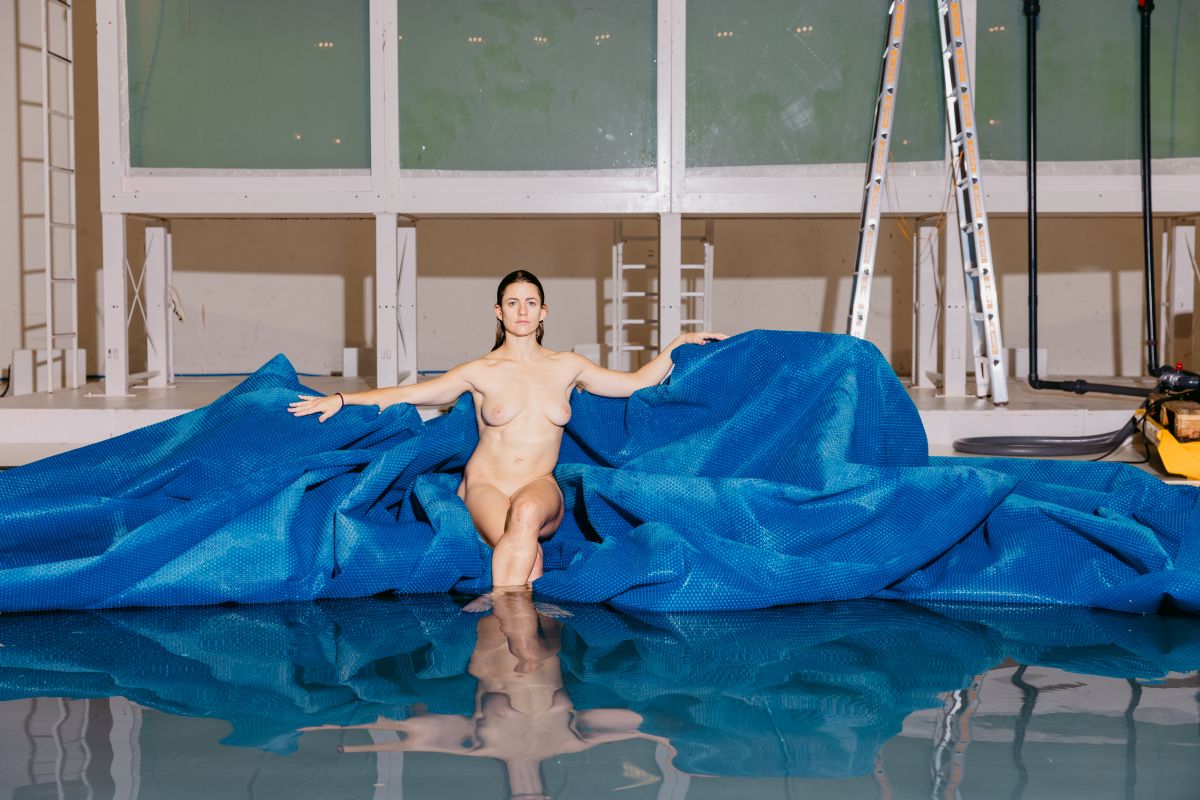
Florentina Holzinger, a performance artist known for extreme feminist works involving nudity, bodily fluids, and physical endurance, is representing Austria at the 2026 Venice Biennale with a pavilion titled “Seaworld Venice.” Opening May 9, the installation transforms the Austrian Pavilion in the Giardini into an underwater theme park and a functioning sewage treatment plant, where audience urine collected from portable toilets is cleaned and recycled into the tanks. The work explores themes of the human body, ecology, and Venice’s own struggles with sinking infrastructure and mass tourism.

empress sisi of austria portrait

Empress Elisabeth of Austria (1837–1898), known as Princess Sisi, has re-entered the cultural spotlight after eagle-eyed historians noticed a striking similarity between Franz Xaver Winterhalter's informal portrait of the Empress with her hair down and a bridal scene in Guillermo del Toro's new film *Frankenstein*, where actress Mia Goth appears with flowing auburn locks. The comparison, shared widely on social media by historian Rachael Gibson and others, gave Winterhalter's 19th-century portrait a new viral moment, sparking renewed interest in Sisi's life and the role of hair in Victorian Europe.

hispanic society spanish fashion

The article examines 'Spanish Style: Fashion Illuminated,' an exhibition at the Hispanic Society Museum in New York curated by Amanda Wunder. It explores how Spanish fashion from the Habsburg dynasty (1516–1700) used luxurious materials like logwood black, gold, silver, silk, and lace to project imperial power and religious austerity. The show features portraits of royalty and nobility, including works by Diego Velázquez and Juan de Pareja, highlighting how clothing served as a uniform of status and belonging rather than individual expression.

gerrit dou headlines christies london old masters sale

Christie’s will offer Gerrit Dou’s "The Flute Player" (ca. 1636) as the leading lot in its Old Masters Evening Sale on December 2 in London. The painting, Dou’s first depiction of a musician, carries an estimate of £2 million to £3 million ($2.6 million–$4 million). It has been in an English collection for 125 years, previously owned by William Proby, Fifth Earl of Carysfort, and is appearing on the market for the first time in over a century.

Sung Tieu and the Art of Difficulty

Sung Tieu, a Vietnamese-born German artist, is the subject of a critical feature in Frieze that examines her work's engagement with difficulty—both in terms of the complex political and historical themes she tackles and the challenging formal qualities of her installations. The article highlights her recent projects, including works shown at the Venice Biennale, which address issues of surveillance, migration, and Cold War legacies through meticulous research and unconventional materials.

Abbas Akhavan Refuses to Perform an Identity

The article is a critic's guide to the 2026 Venice Biennale, highlighting key installations and pavilions in the Arsenale and Giardini. It features works such as fierce pussy's posters welcoming LGBTQ+ visitors and Florentina Holzinger's water-themed Austrian Pavilion, among other notable presentations.

Behind the 2026 Venice Issue Cover

Frieze magazine has published a critic's guide to the 2026 Venice Biennale, highlighting key installations and pavilions to see in the Arsenale and Giardini. Notable entries include fierce pussy’s posters welcoming LGBTQ+ visitors to Venice and Florentina Holzinger’s water-themed Austrian Pavilion. The article is part of Frieze's coverage of the 2026 Venice Biennale, offering curated recommendations for attendees.

Gelitin “All for All” at Perrotin, New York

The Austrian group Gelitin has opened a new exhibition titled "All for All" at Perrotin gallery in New York. The show continues the group's long-term exploration of artworks as social forms, focusing on building chosen families and temporary publics through their collaborative practice.

Ukraine-Russia war remains front and centre for Viennacontemporary fair exhibitors

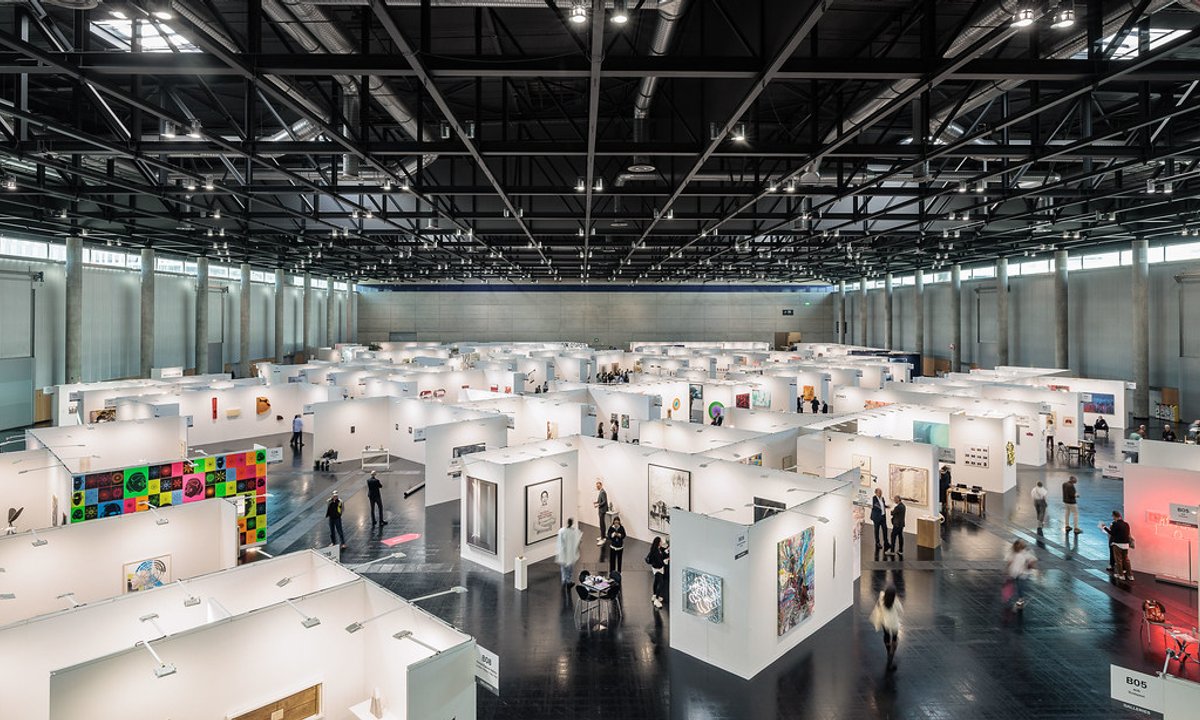
Viennacontemporary fair, held September 11–14 in Vienna, featured 97 exhibitors from 24 countries with a strong focus on Eastern Europe. Galleries from Ukraine, Poland, Slovakia, Slovenia, Lithuania, Latvia, Hungary, Croatia, and Austria participated, many expressing solidarity with Ukraine amid the ongoing war. Artist Kateryna Lysovenko, who fled Ukraine three years ago, won the Münze Österreich Prize for her figurative paintings. Sales were slow, with many galleries reporting no or low-price sales by the second day, reflecting Austria's economic downturn. The fair included a Zone1 section for emerging artists curated by Aliaksei Barysionak and a Context section for historical works, including a booth dedicated to Hermann Nitsch.

Palate Cleansers at Frieze NY

Hyperallergic's coverage of Frieze New York and concurrent art fairs in the city frames the experience as overwhelming yet punctuated by standout works. Senior Editor Valentina Di Liscia compares the fair to an assembly-line salad, finding reprieve in art that evokes lush canopies, diaphanous portraiture, and ancestral gardens. The issue also includes dispatches from Future Fair, 1-54, TEFAF, NADA, and Independent Art Fair, alongside a tribute to Austrian performance artist Valie Export, who died at age 85, remembered for her radical feminist guerrilla performances that challenged the male gaze.

Currents of the 61st Biennale: Inside Venice’s Flow of Art and Power

The 61st Venice Biennale jury, composed of five curators—Solange Oliveira Farkas, Zoe Butt, Elvira Dyangani Ose, Marta Kuzma, and Giovanna Zapperi—resigned on April 30th amid internal tensions over decisions that conflicted with the late Koyo Kouoh's curatorial vision. The jury had previously stated it would refrain from considering countries whose leaders are charged with crimes against humanity by the International Criminal Court. Meanwhile, Filipino artist Jon Cuyson prepares to present his installation at the Philippine Pavilion, featuring works shipped 60 days before geopolitical conflict escalated, navigating unstable maritime routes. His project includes the film series "Sea of Love (Dagat ng Pag-ibig)" and a new fourth film, "Sea of Echoes," exploring themes of migration, queer experience, and ecological resilience through mussels as non-human protagonists.

Biennale Arte 2026: In Minor Keys

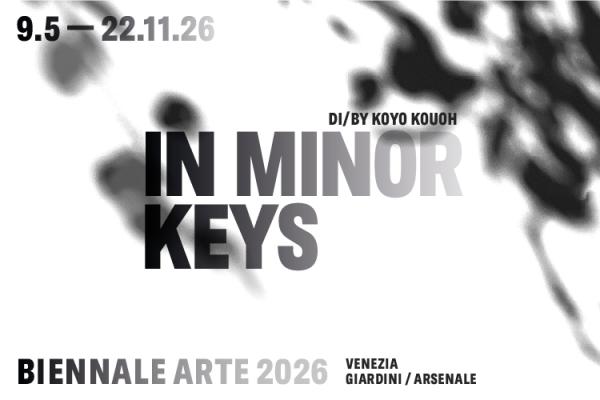
The 61st Venice Biennale, titled 'In Minor Keys,' will proceed as a posthumous tribute to its late Artistic Director, Koyo Kouoh, who passed away in May 2025. Before her death, Kouoh had already finalized the curatorial framework, artist selection, and exhibition architecture during a pivotal meeting at her RAW Material Company in Dakar. The exhibition is scheduled to run from May 9 to November 22, 2026, across the Giardini, Arsenale, and various Venetian venues.

Who Owns These Artworks? Musée d’Orsay Hopes Visitors Can Help Find Out.

The Musée d’Orsay in Paris has opened a new room in its permanent display featuring 13 artworks recovered from Germany and Austria after World War II, whose provenance remains unknown. The museum is inviting visitors to help identify the original owners of these pieces, which were looted or displaced during the war and later restituted to France.

Body as Device. Guide and Reflection on the Performances of the Venice Biennale

Corpo come dispositivo. Guida e riflessione sulle performance della Biennale di Venezia

The article analyzes the role of performance art at the 2026 Venice Biennale, arguing that performance is no longer a rediscovered genre but a structurally institutionalized primary form of experience production. It examines how the body reemerges not as an alternative to image-based works but as an internal interruption of the artwork system, preventing closure and reintroducing instability. Key pavilions are discussed: Austria's Florentina Holzinger with "Sancta" draws on 1970s radical performance and feminist body art, creating an immersive environment of continuous movement; Belgium's Miet Warlop with "IT NEVER SSST" engages post-dramatic theater and postmodern dance repetition; Japan's Ei Arakawa-Nash with "Grass Babies, Moon Babies" activates Gutai avant-garde legacies through viewer interaction with soft dolls.

At the 2026 Venice Biennale, pavilions shut down for pro-Palestine strike. The map of protests

Alla Biennale di Venezia 2026 serrata dei padiglioni per sciopero pro Palestina. La mappa delle proteste

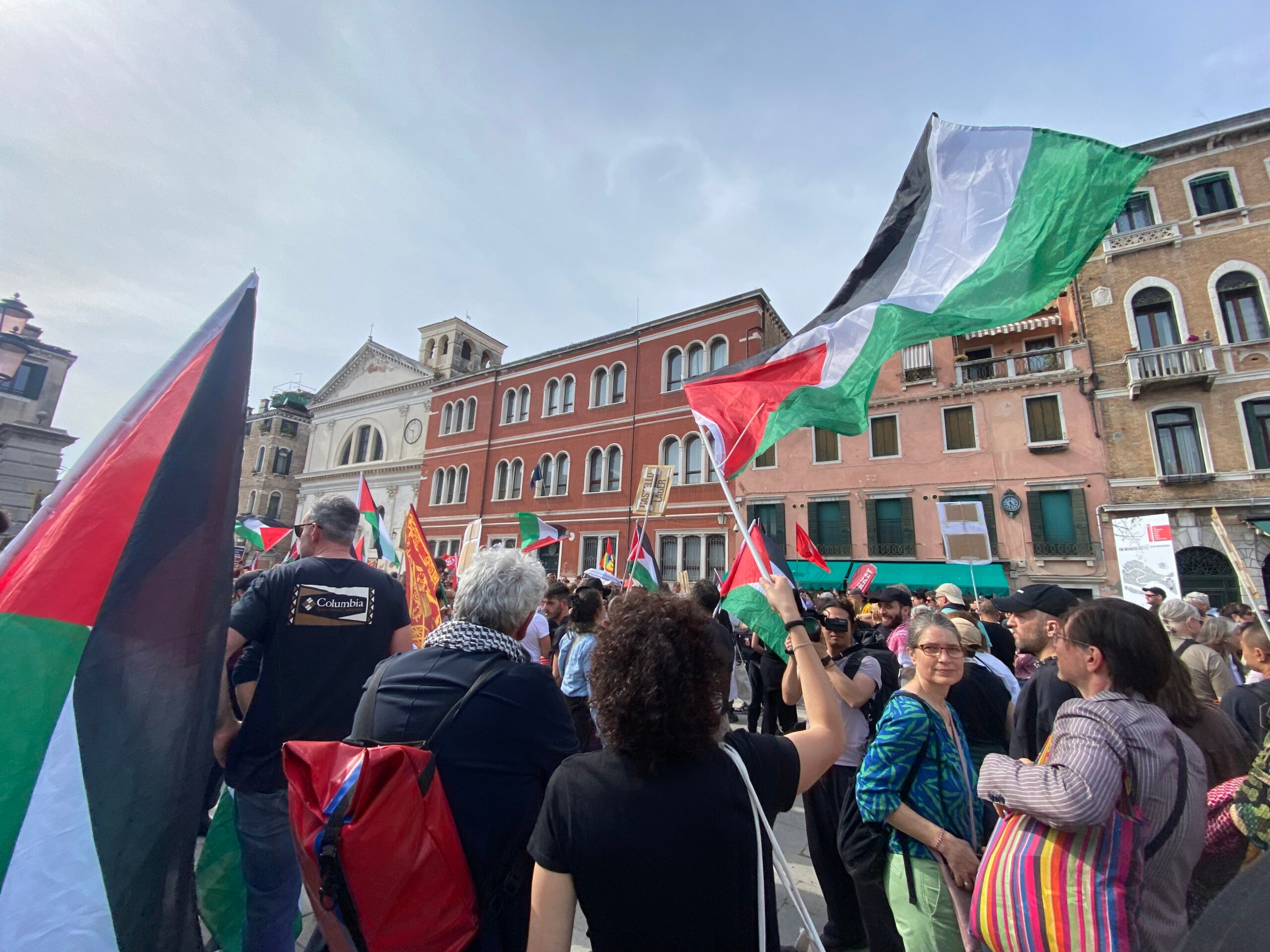
On May 8, 2026, the third VIP preview day of the 61st Venice Biennale, a massive strike shut down numerous national pavilions and disrupted the exhibition. Led by the Art Not Genocide Alliance (Anga), the protest demands Israel's exclusion from the Biennale over allegations of genocide in Palestine, and also targets poor labor conditions in the cultural sector. Pavilions closed one after another due to staff shortages, and protest posters appeared around artworks at the Giardini and Arsenale. The strike involved the Biennale Foundation itself, along with about twenty contractors managing services and national pavilions, with unions Adl Cobas, USB Lavoro privato, and Cub supporting the action. Tensions rose when the UK Pavilion reportedly replaced striking staff to remain open, and the Foundation issued a statement falsely denying that its employees were covered by the strike.

The 2026 Venice Biennale is light and conscious

Quella del 2026 è una Biennale di Venezia leggera e consapevole

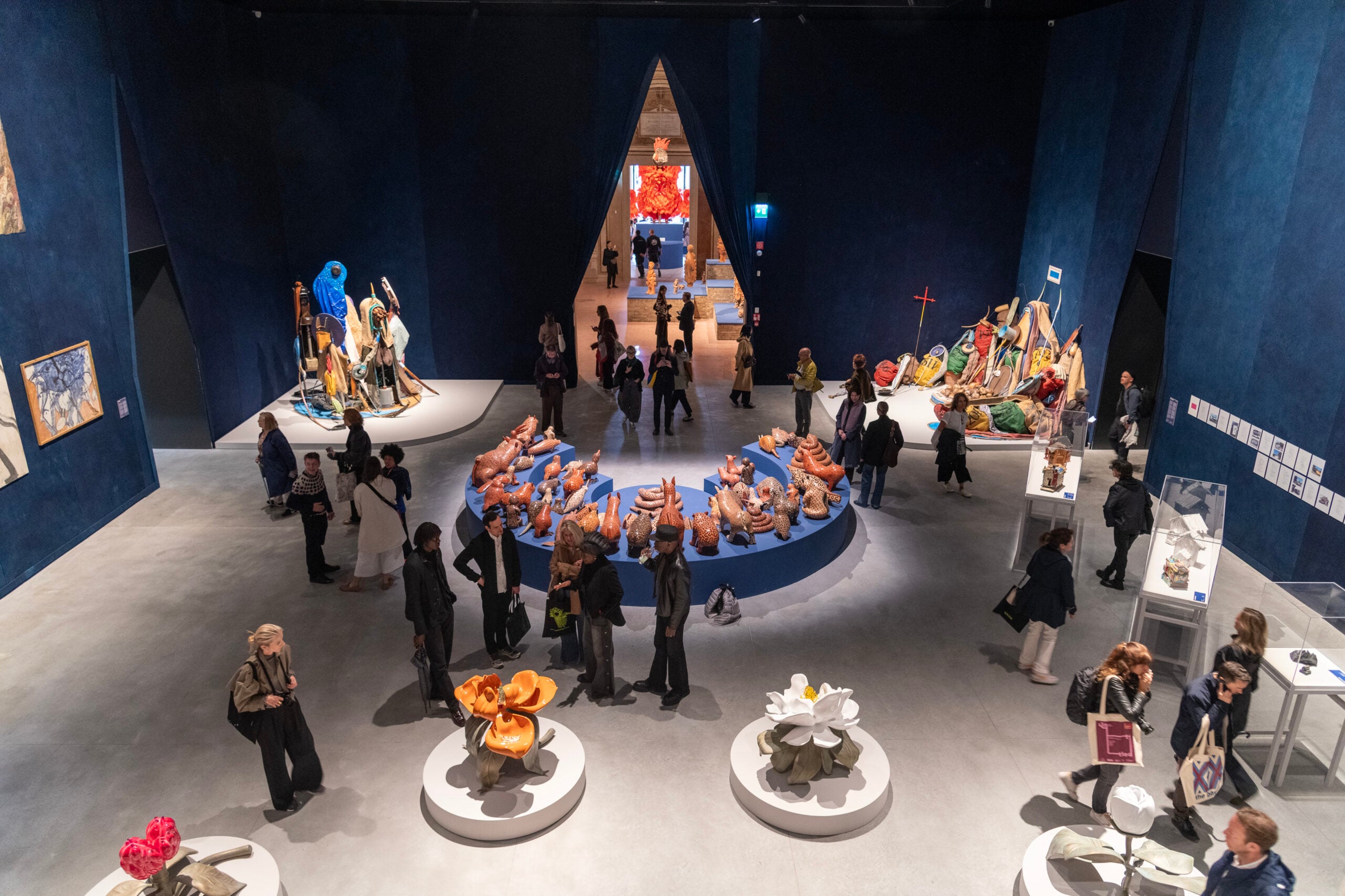
The 2026 Venice Biennale, titled "In Minor Keys" and curated by the late Koyo Kouoh, has opened with a focus on ecology and humanity's relationship with nature. The central pavilion at the Giardini presents a festive, craft-heavy exhibition that emphasizes connections with plants and animals, while the Arsenale offers a more spacious, symphonic experience featuring standout works such as Alfredo Jaar's "End of the World" (2023-2024) and Kader Attia's "Whisper of Traces" (2026). National pavilions, including those of Austria, Denmark, France, Germany, and Spain, explore themes of the body, memory, and ruin with notable installations.

Austrian pavilion artist Florentina Holzinger joins Thaddaeus Ropac

Choreographer Florentina Holzinger, known for her extreme and provocative performances, has joined the roster of the Thaddaeus Ropac gallery. This move coincides with her preparation to represent Austria at the 61st Venice Biennale in 2026 with a site-specific performance project titled SEAWORLD VENICE.

Performance Cuts Through the Noise at the Venice Biennale

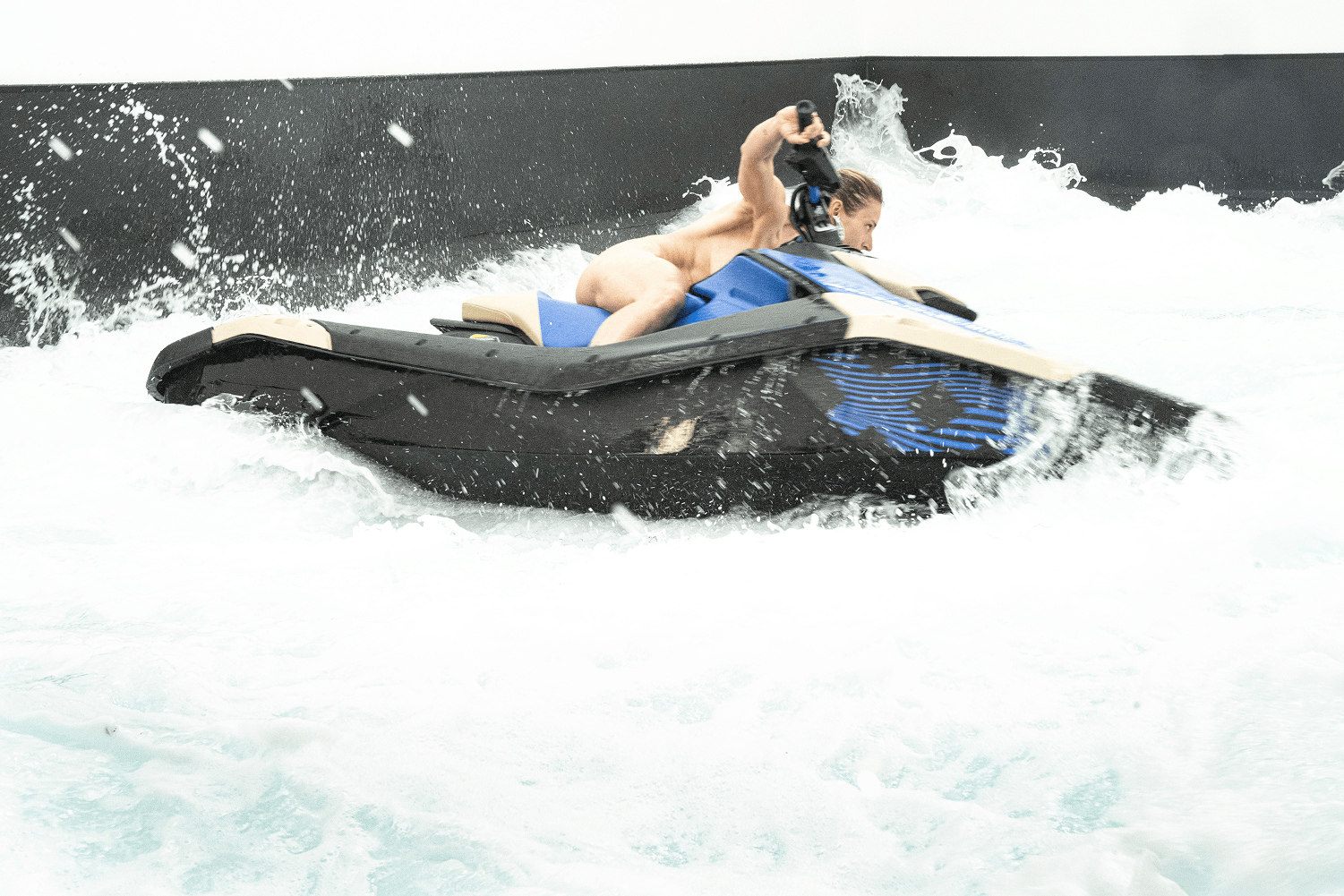
Florentina Holzinger and Miet Warlop have transformed the Austrian and Belgian pavilions at the 2026 Venice Biennale into immersive, performance-driven spectacles. Holzinger's "SEA WORLD VENICE" floods the Austrian pavilion with water and urine, featuring jet-skiing, suspended performers, and participatory toilets, while Warlop's "IT NEVER SSST" turns the Belgian pavilion into a chaotic arena of tile-throwing, chanting, and dancing. Both works demand sustained attention amid a fraught Biennale marked by the death of artistic director Koyo Kouoh, canceled pavilions, boycotts, and a jury resignation.

libya national museum red castle reopens after 14 years

Libya’s National Museum, also known as the Red Castle Museum (As-Saraya Al-Hamra), has reopened in Tripoli for the first time since the 2011 revolution that ended Muammar el-Qaddafi’s rule. The museum, the largest in North Africa, closed at the onset of Libya’s military instability during the Arab Spring. Its 10,000-square-meter gallery houses artifacts spanning prehistory through Greek, Roman, and Islamic periods, including millennia-old mummies. Renovations began in 2023, with a full public reopening scheduled for early 2026; currently admission is limited to students.

roman medusa cameo hallstatt

A rare ancient Roman cameo relief depicting the gorgon Medusa was discovered by construction workers during excavation work for a new funicular railway in Hallstatt, Austria. The 1.5-cm banded agate piece, dated to the 2nd century C.E., was likely crafted in a northern Adriatic workshop and worn as a necklace by an elite Roman woman. It will become part of the permanent collection at Austria's Linz Castle Museum.

borso deste bible on view in rome

The Borso d'Este Bible, often called the 'Mona Lisa of Illuminated Manuscripts,' has gone on rare public display at the Italian Senate in Rome as part of the Vatican's Holy Year celebrations. The two-volume manuscript, commissioned by Duke Borso d'Este in the mid-15th century and created by calligrapher Pietro Paolo Marone and illuminators Taddeo Crivelli and Franco dei Russi, is usually kept in a safe at a library in Modena. It was transported with elaborate security and is now showcased behind humidity-controlled glass with a digital touch-screen experience for visitors.

Can a Venice Biennale Pavilion Be Rock ‘n’ Roll? At the Belgium Pavilion, Miet Warlop Makes the Case.

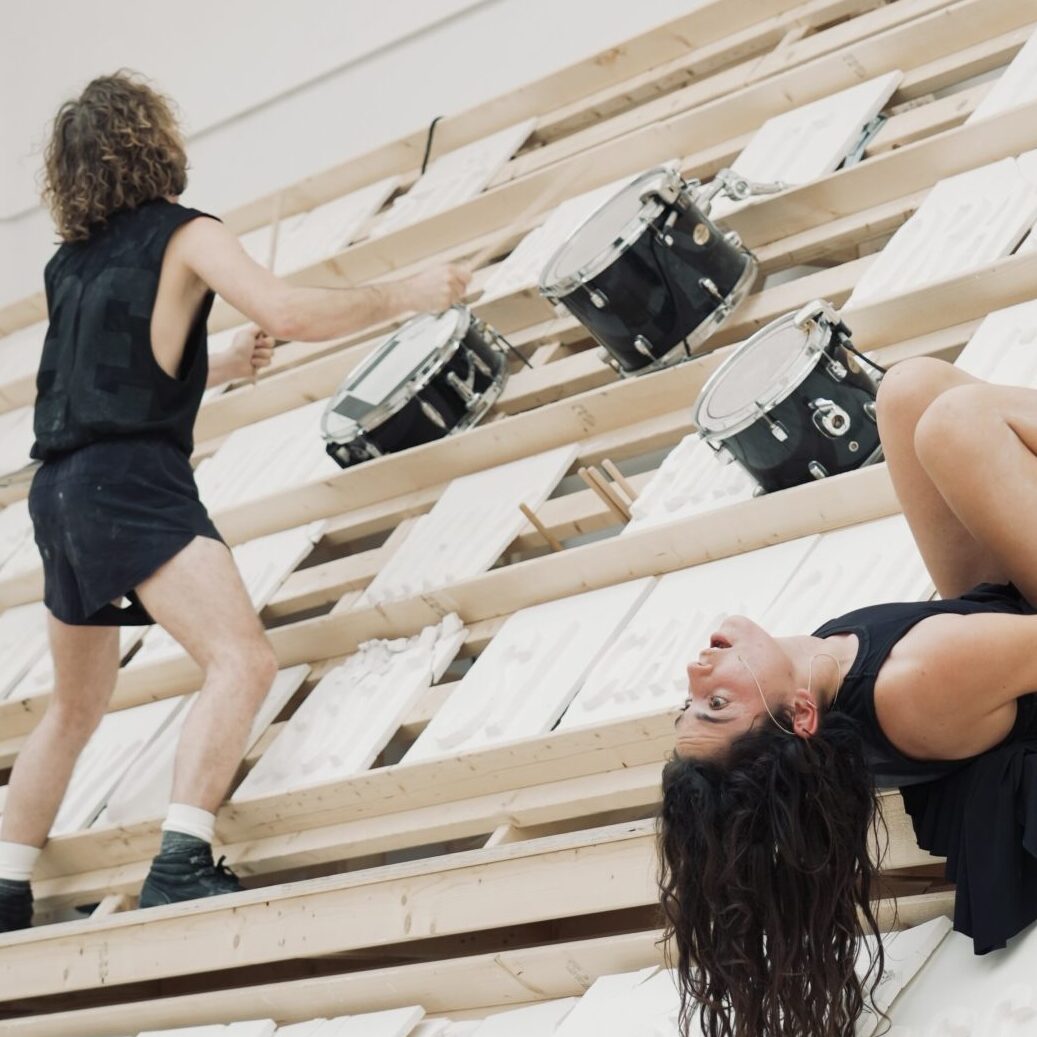
Miet Warlop, a Belgian artist known for her avant-garde theater work, is representing Belgium at the 2026 Venice Biennale with a performance-installation titled "IT NEVER SSST." The project transforms the Belgian Pavilion into a chaotic, sensory-filled space where performers climb wooden structures, bang drums, and break plaster boards inscribed with multilingual text, reflecting the noise and misunderstandings of contemporary life. Curated by Caroline Dumalin, the pavilion blurs the line between theater and visual art, with live performances occurring only part of the time while sculptors continuously remake plaster reliefs throughout the Biennale's run.

The Many Sheddings of Valie Export

Die vielen Häutungen der Valie Export

Valie Export, the Austrian media and performance artist known for using her body as a site of social critique, has died at age 85 in Vienna. Her final works include a black-and-white photo series of her forearm resting on a stone snake sculpture at the University of Vienna, exploring themes of skin, transformation, and mimesis. From the 1970s onward, she created iconic "Body Configurations" in which she placed her body on streets and against buildings along Vienna's Ringstrasse, tracing architectural forms to expose institutional power and patriarchal authority.

And who are you?

Und wer seid ihr?

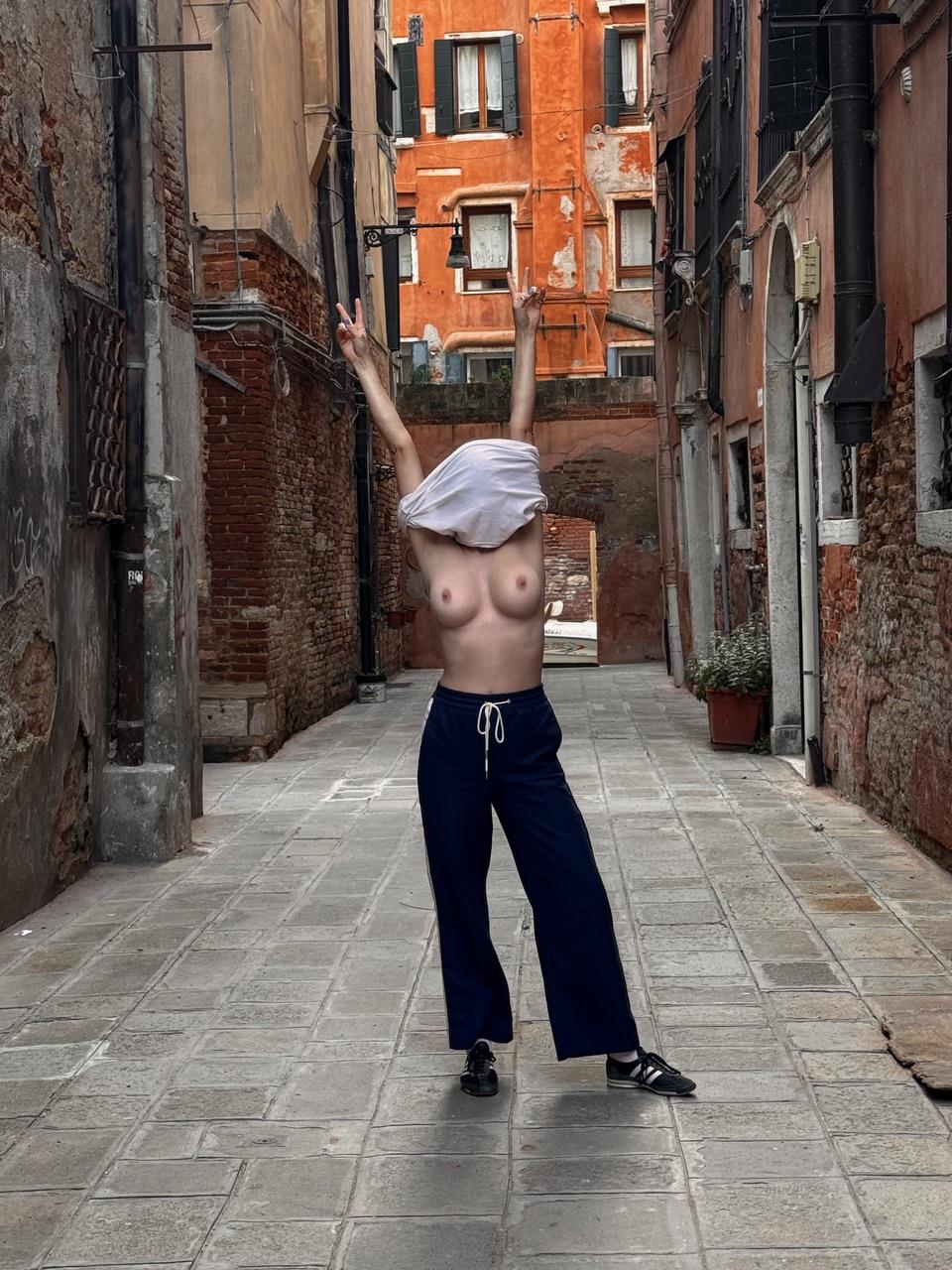
The article is a brief interview conducted at the Venice Biennale, where a visitor named Franzi explains her presence at the event and discusses her favorite pavilion. She cites the Austrian Pavilion by Florentina Holzinger as her absolute favorite after five days of art, and clarifies that her bare chest is not a political protest against Putin but a homage to Holzinger's work. She also mentions missing the Vatican Pavilion due to long queues.

The Great Shitshow

Die große Shitshow

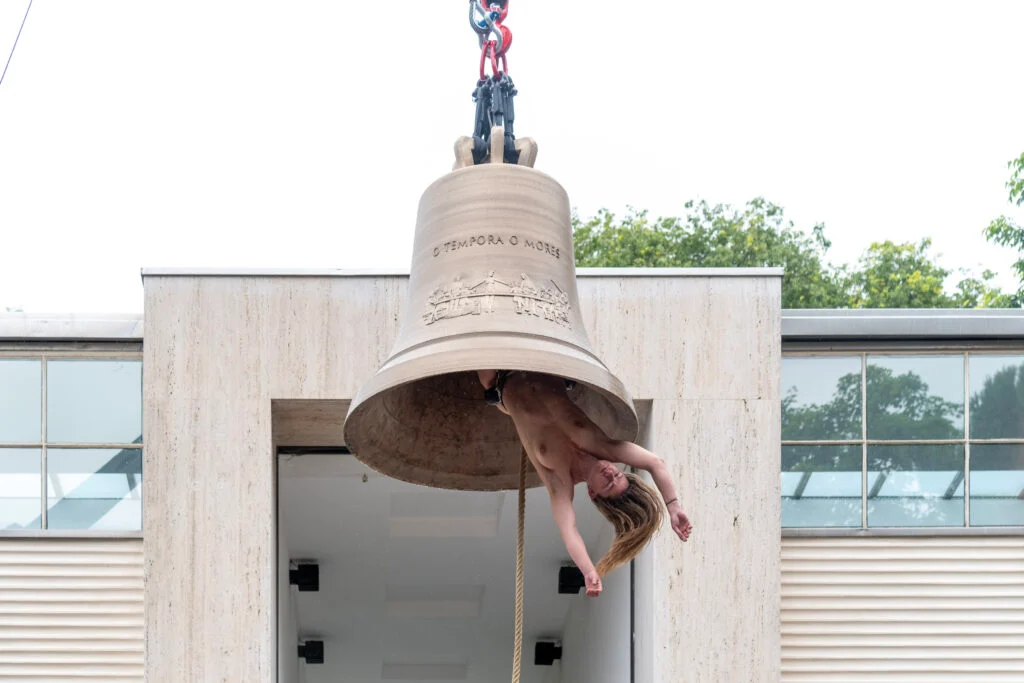
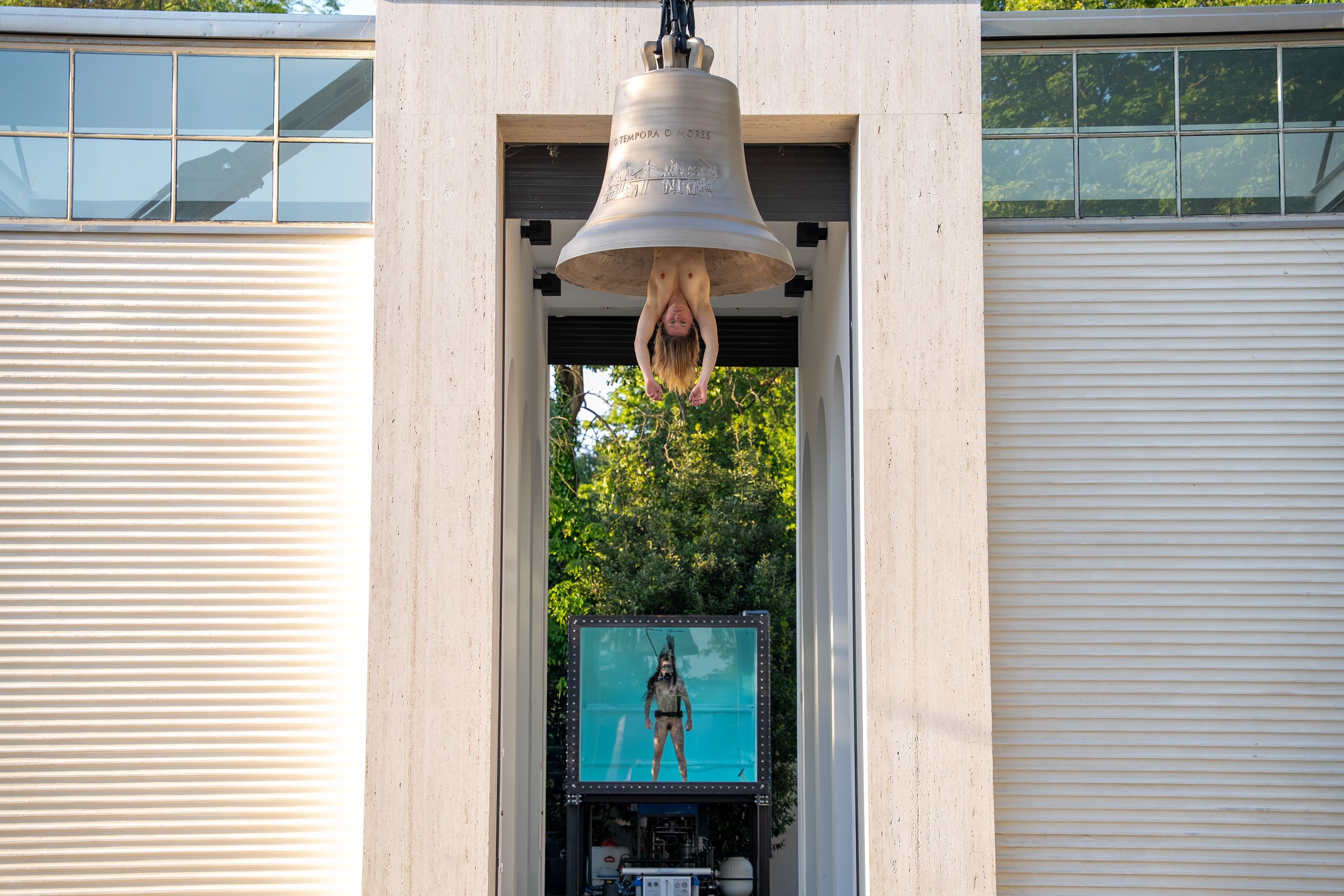
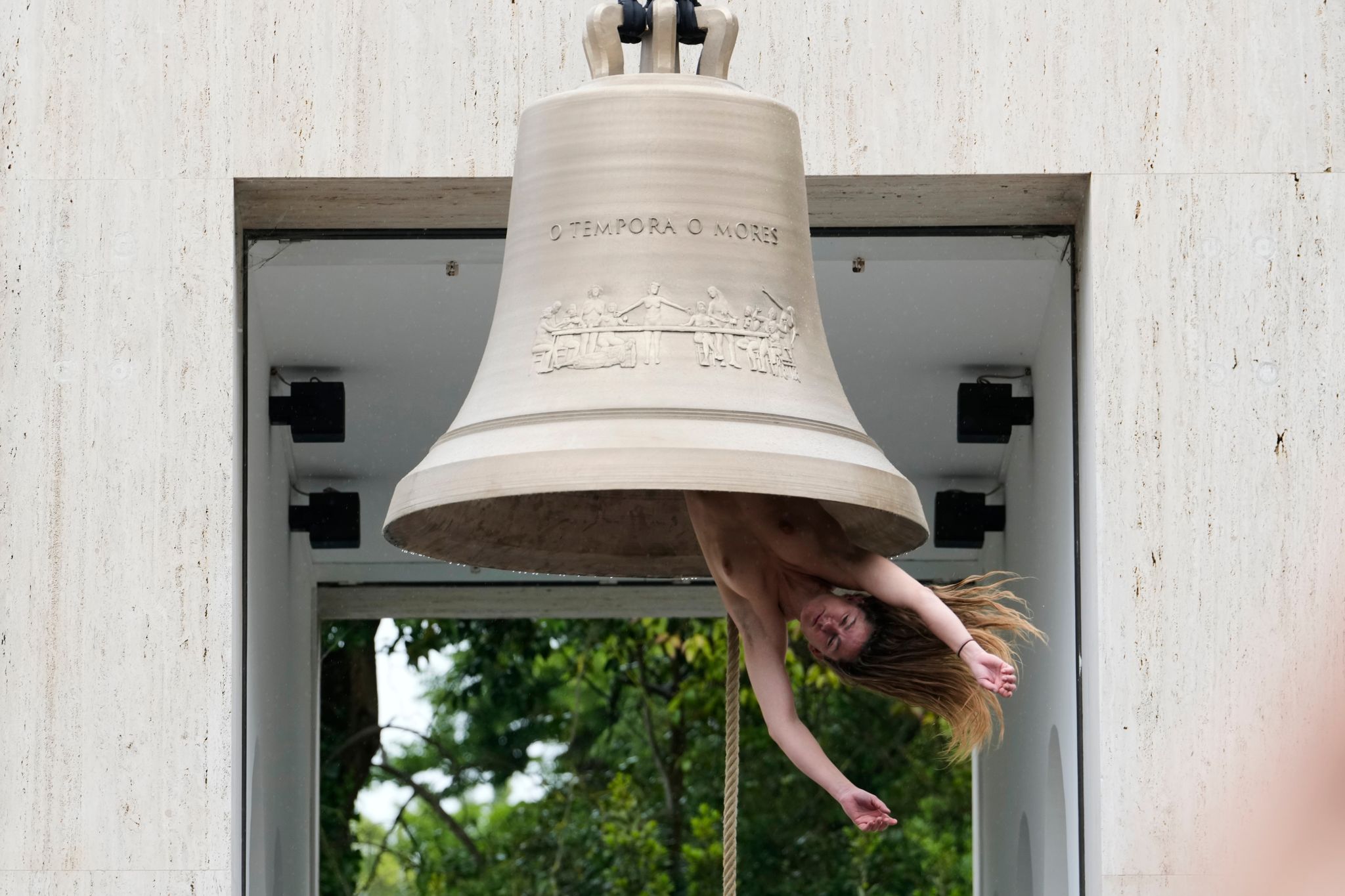
Florentina Holzinger has transformed the Austrian Pavilion at the Venice Biennale into a radical performance installation titled "Seaworld Venice." The piece features naked performers suspended from meat hooks, a performer ringing a bell while dangling upside down from a crane, a woman on a jetski circling inside a flooded pavilion, and a system where visitors are invited to urinate into portable toilets, with the waste processed and recirculated into the water. The work combines extreme physical stunts, nudity, and bodily fluids to create a visceral, immersive experience that has drawn long queues and stunned reactions from the art world.

Shit has the power to destabilize systems of order

"Scheiße hat die Kraft, Ordnungssysteme zu destabilisieren"

Aline Bouvy, the artist representing Luxembourg at the Venice Biennale, has created a film essay titled "La Merde" that centers on excrement as its main character. Originally conceived as a performance, the work explores themes of bodily circulation, transformation, and the grotesque, using feces to challenge societal taboos and systems of order. Bouvy discusses the film's development with curator Stilbé Schroeder, noting that the Biennale provided the resources and time to realize the project, which will later travel to the Kunstverein in Salzburg.

I Try to Allow Chaos

"Ich versuche, Chaos zuzulassen"

Florentina Holzinger presents her exhibition "Seaworld Venice" at the Austrian Pavilion of the Venice Biennale, a spectacular underwater-themed installation that combines a theme park, sacred building, and sewage treatment plant. The work explores transformation from dirt to cleanliness, featuring water, dolphins in the lagoon, and boundary-pushing performance elements.

In Wiesbaden, Wolfgang Hollegha Understands Abstraction Physically

In Wiesbaden begreift Wolfgang Hollegha Abstraktion körperlich

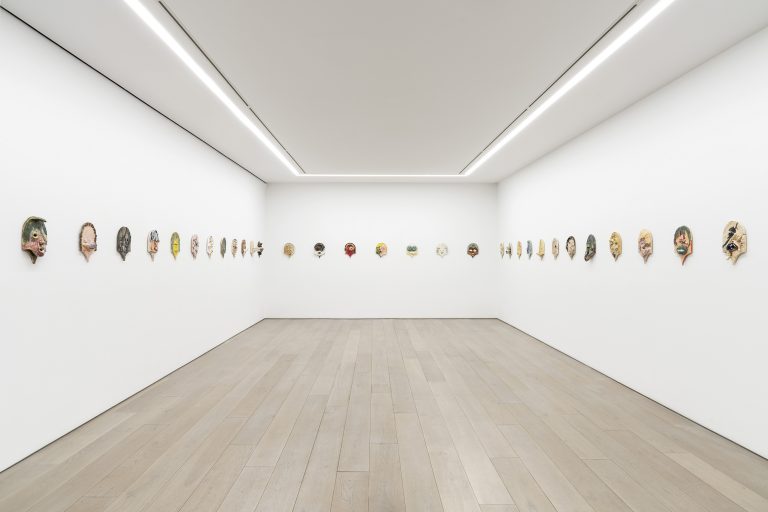
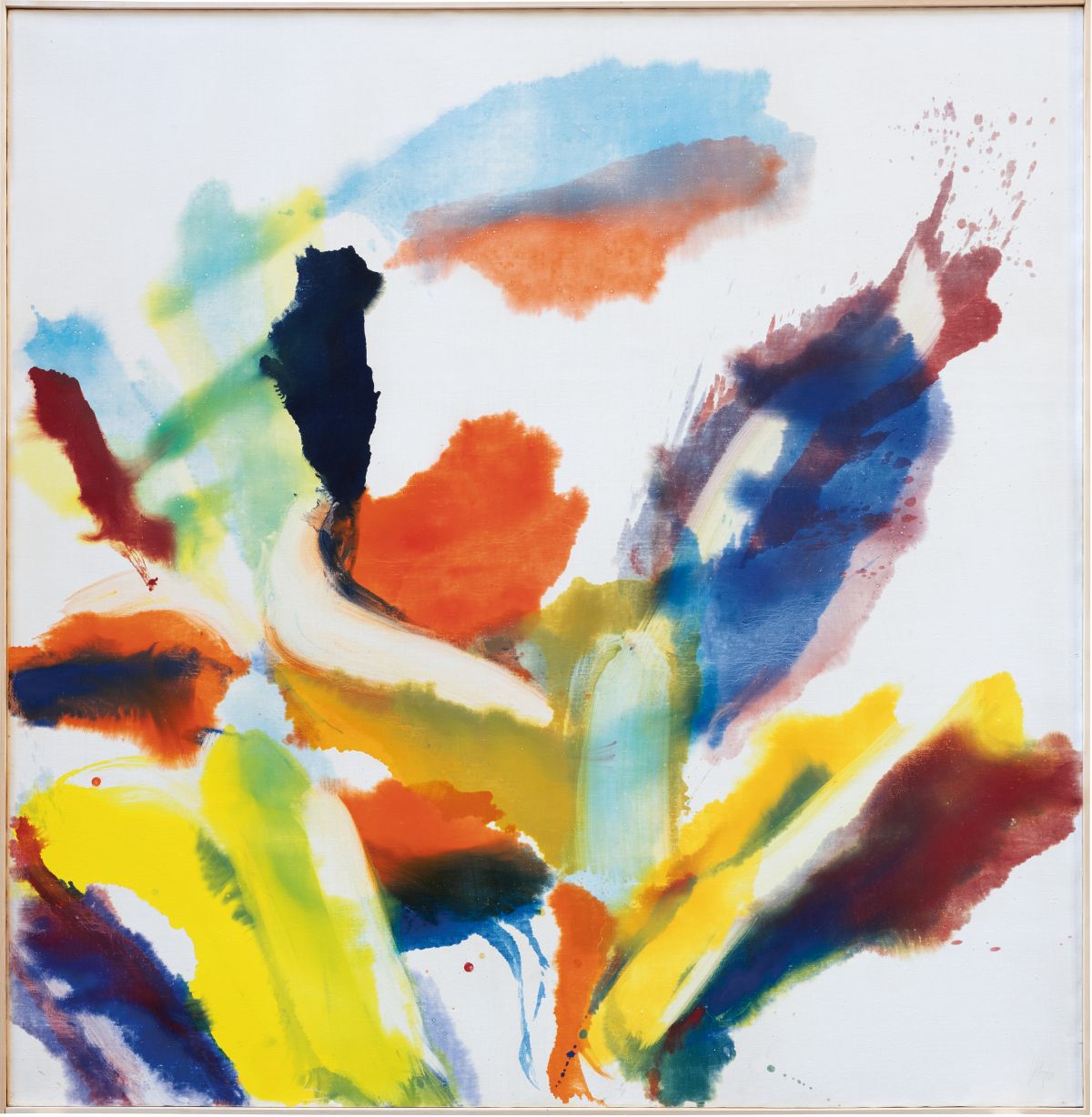
The Museum Reinhard Ernst in Wiesbaden is hosting a major retrospective dedicated to the late Austrian painter Wolfgang Hollegha. The exhibition showcases Hollegha’s signature monumental canvases, characterized by a unique technique of pouring paint to create eruptive yet precise compositions that bridge the gap between physical movement, memory, and spatial abstraction.

Venice Biennale opens without a jury amid strife over Russian and Israeli participation

The Venice Biennale, one of the world's most prestigious contemporary art exhibitions, opens its most contested edition in memory without a jury after the jury resigned in protest over the participation of Israel and Russia, both under investigation by the International Criminal Court for human rights abuses. Protests have erupted outside the Israeli and Russian pavilions, with demonstrators clashing with police, while feminist groups from Ukraine and Russia converged on the Russian Pavilion and Palestinians remembered artists killed in Gaza. The Biennale has replaced the jury with a public vote via email, with winners announced at the close on November 22.

No ‘I can do that’ here: William Baczek Fine Arts gallery celebrates 30 years in Northampton

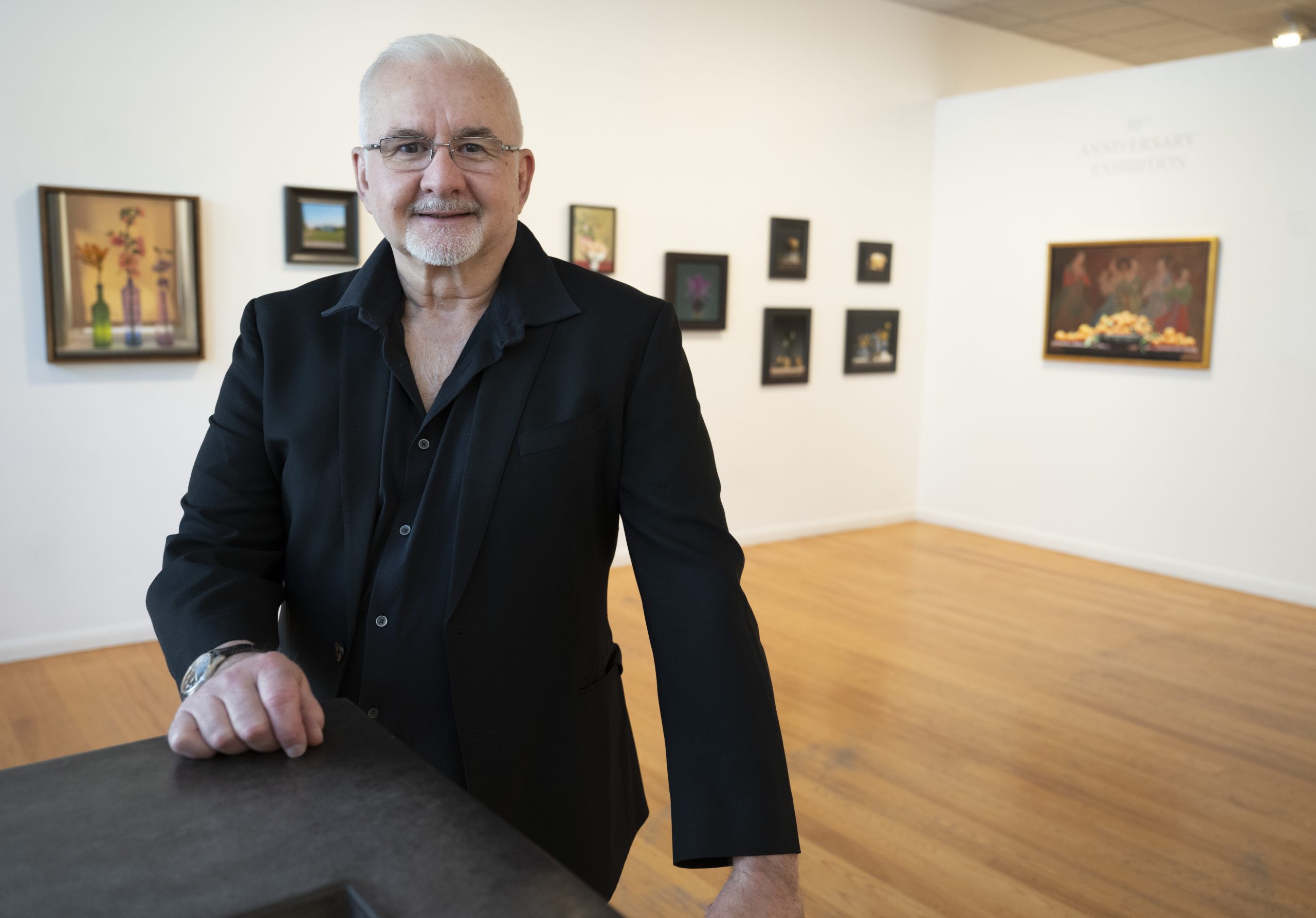
William Baczek Fine Arts in Northampton, Massachusetts, is celebrating its 30th anniversary with an exhibition running through June 6, featuring 25 artists who have collaborated with the gallery over the years. Owner William Baczek, who started his career as a bartender after studying clay sculpture and photography, opened the gallery in 1996 and moved to its current location at 36 Main Street in 2003. The show highlights longtime collaborators and newcomers, reflecting Baczek's deep personal connections with clients and artists.