filter_list Showing 71 results for "Austria" close Clear
dashboard All 71 museum exhibitions 44article news 15article culture 4rate_review review 4trending_up market 2candle obituary 1gavel restitution 1
date_range Range Today This Week This Month All
Subscribe

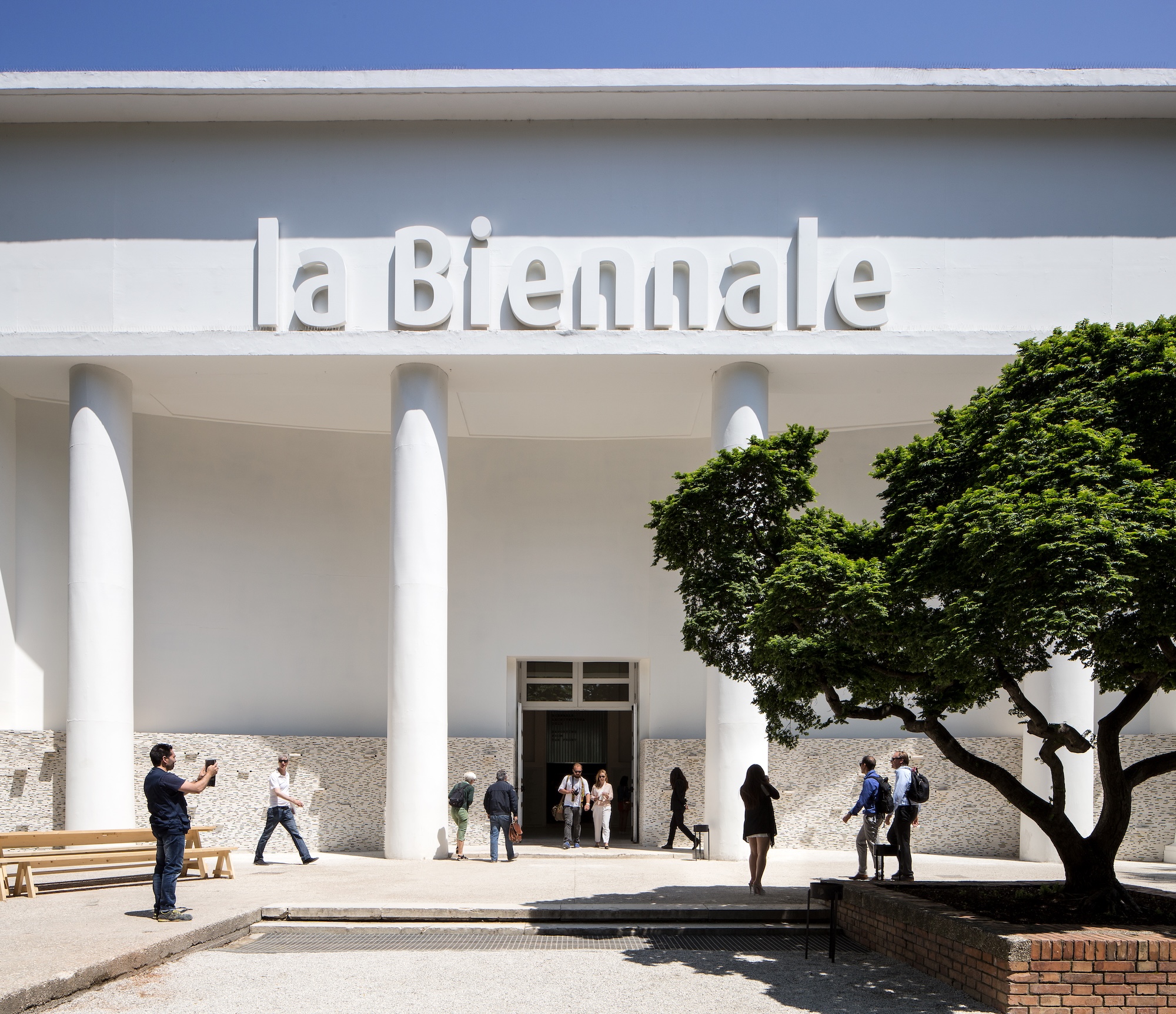
Venice Biennale 2026 Highlights: Arsenale & Giardini

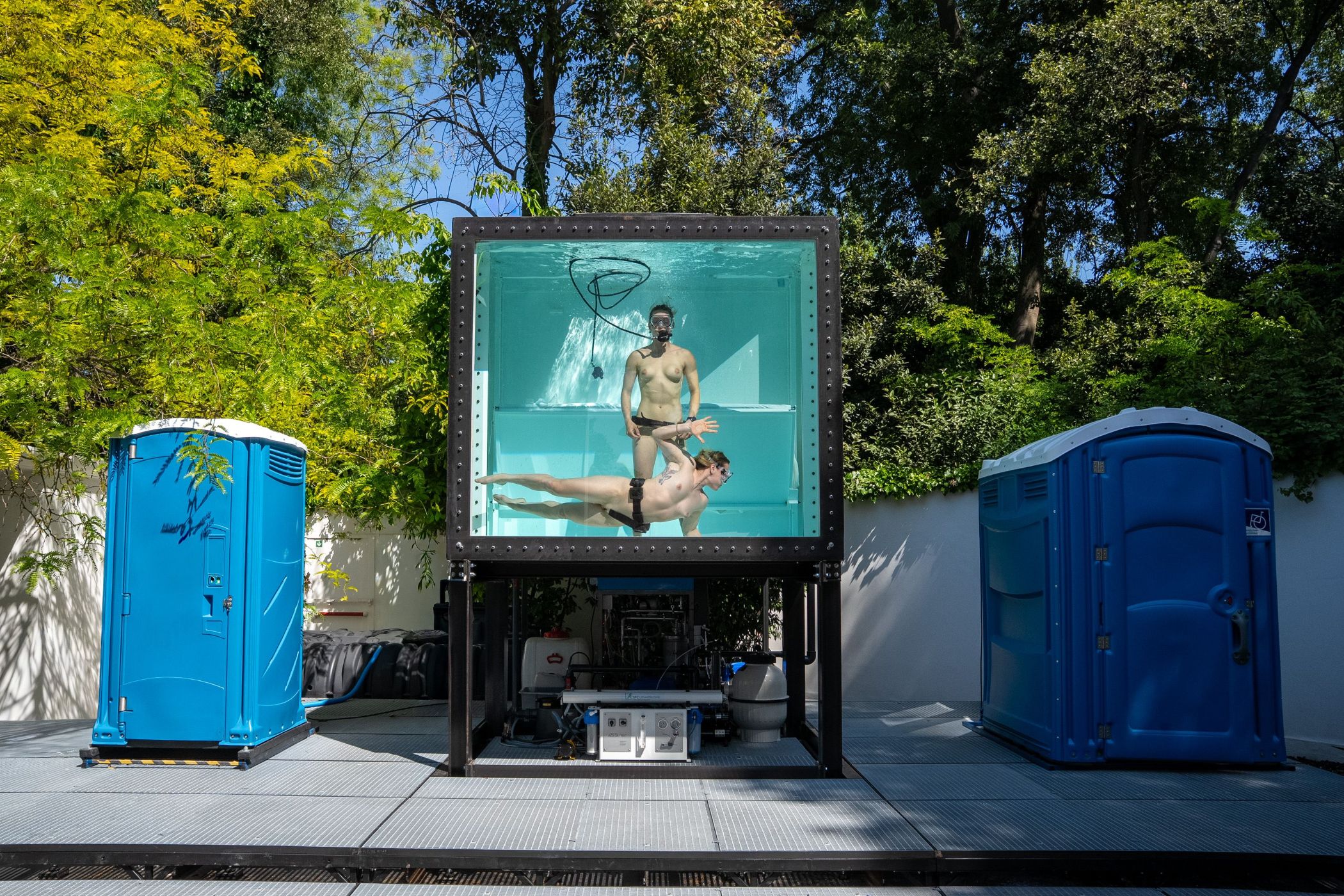
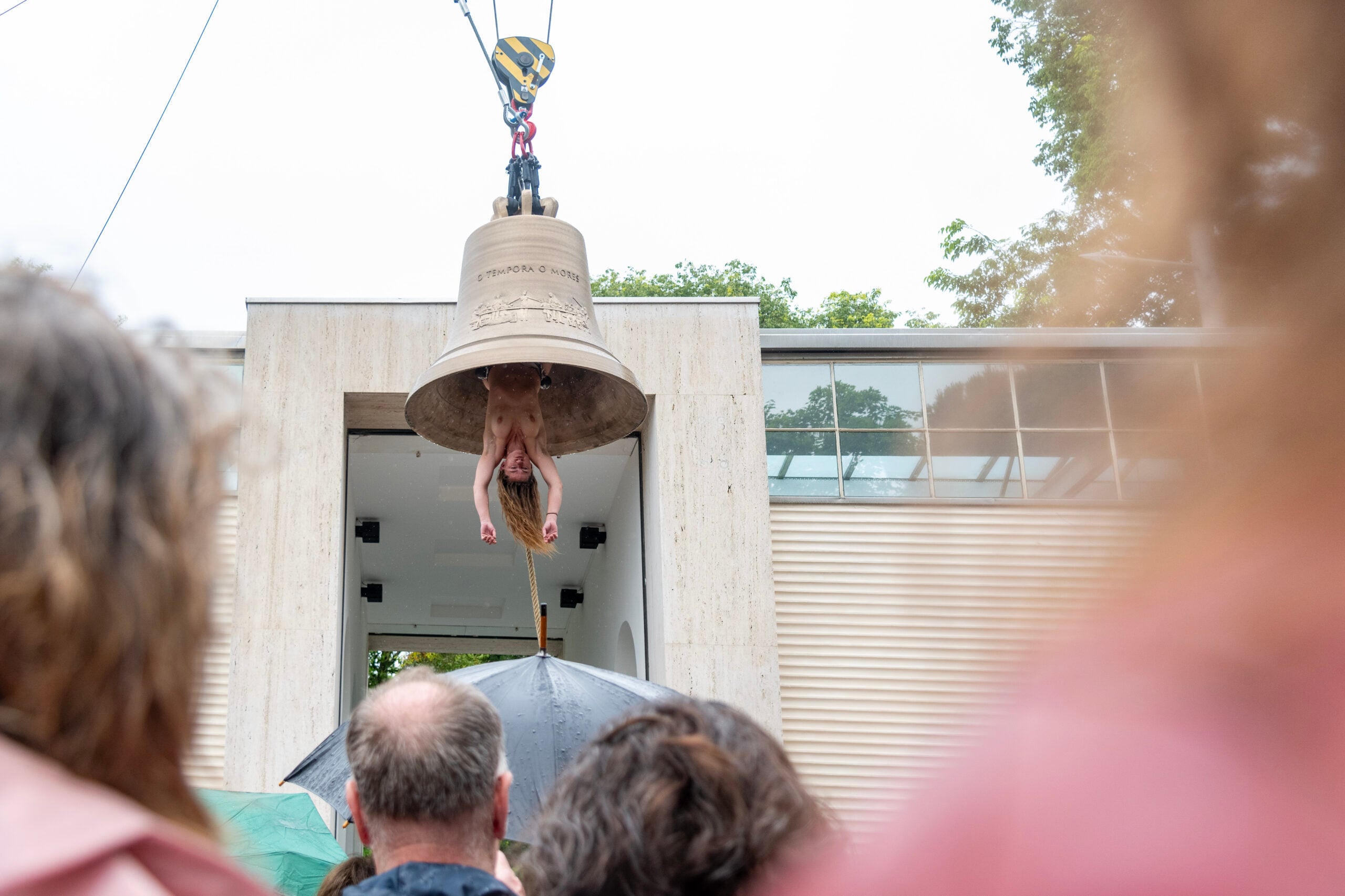
ArtReview editors highlight the must-see national pavilions at the 61st Venice Biennale, running from 9 May to 22 November 2026. Notable presentations include Austria's Florentina Holzinger turning her pavilion into a toilet and sewage-treatment plant with naked performers, and Germany's pavilion featuring works by Sung Tieu and the late Henrike Naumann, who died in February 2026, exploring East German memory and conceptual minimalism.
Venice Biennale 2026: all the national pavilions, artists and curators so far

The 61st edition of the Venice Biennale, the world's oldest and most prestigious art biennial, will open on 9 May 2026 and run through 22 November. The main exhibition follows the curatorial plan of the late Koyo Kouoh, while national pavilions have been announcing their participating artists and organizers. The article provides a comprehensive list of confirmed pavilions so far, including artists such as Genti Korini (Albania), Matías Duville (Argentina), Khaled Sabsabi (Australia), Florentina Holzinger (Austria), Faig Ahmed (Azerbaijan), and many others, with details on venues and organizers.

What You Should Definitely Avoid in Venice

Was man in Venedig unbedingt vermeiden sollte

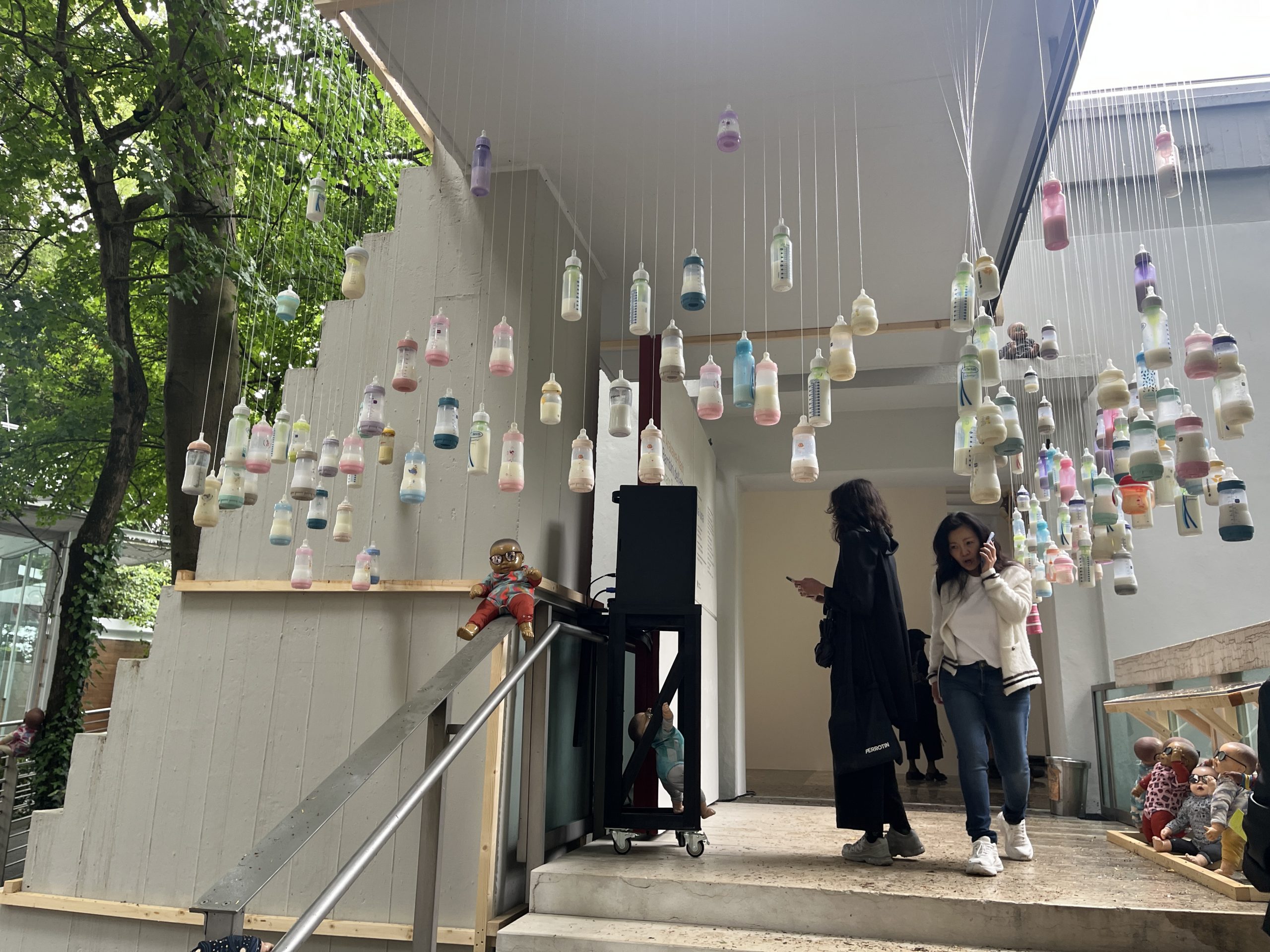
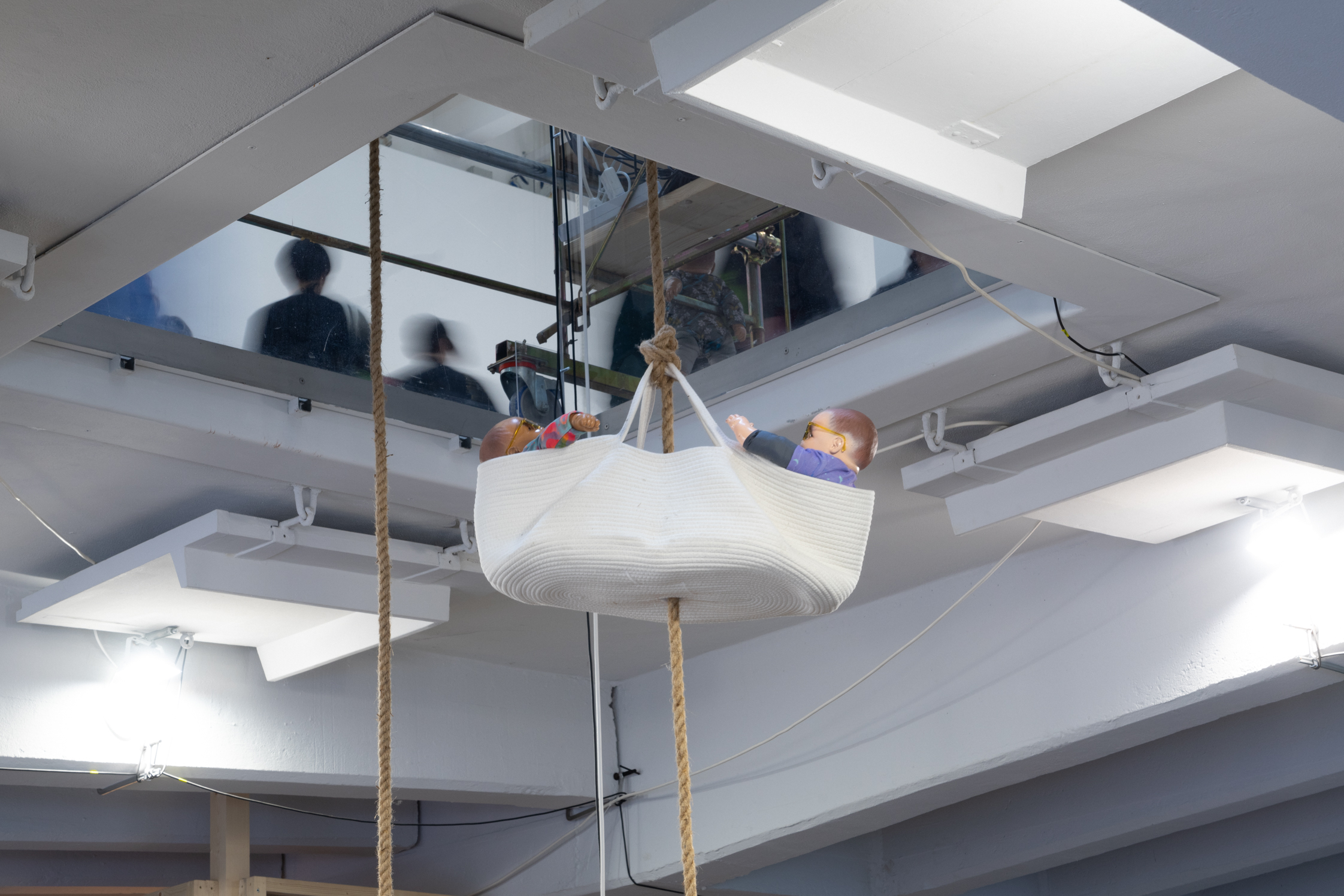
The article humorously critiques the Venice Biennale, highlighting several disappointments. It describes a Japanese pavilion installation by Ei Arakawa-Nash featuring baby dolls for diaper-changing, which a critic dismisses as a male artist over-romanticizing parenthood. Other flops include long queues for the German and Austrian pavilions, underwhelming main exhibition "In Minor Keys," and annoying self-promotional performers outside venues. The piece also laments the presence of loud American collectors and donors who dominate the event.

5 Trends Shaping the 2026 Venice Biennale

The 2026 Venice Biennale has opened to the public, featuring the main exhibition 'In Minor Keys' conceived by the late Cameroonian Swiss curator Koyo Kouoh, who died unexpectedly in May 2025. Kouoh, the first African woman appointed to lead the Biennale, had her curatorial team—including Rasha Salti, Marie Hélène Pereira, and Gabe Beckhurst Feijoo—carry forward her vision of art as a 'shared and sustaining force.' The opening was weighted with politics and emotion.

What does a woman swimming in urine tell us about the state of the world? Lots! – Venice Biennale review

The 2026 Venice Biennale, curated by the late Koyo Kouoh under the theme "In Minor Keys," has been plagued by months of turmoil including countries withdrawing, artists being fired, exhibitions cancelled, funding pulled, and protests during the preview. A five-person curatorial team took over after Kouoh's death, resulting in what the critic describes as a disjointed, committee-driven exhibition that prioritizes quiet contemplation and healing over direct political engagement. The central shows in the Giardini and Arsenale feature a vast, poorly explained array of art from the global south, with installations of ceramics, textiles, slide projectors, and serene natural scenes that the critic finds anachronistic and dull.

It’s the Most Controversial Venice Biennale in Years. Can the Art Stand Up to the Noise?

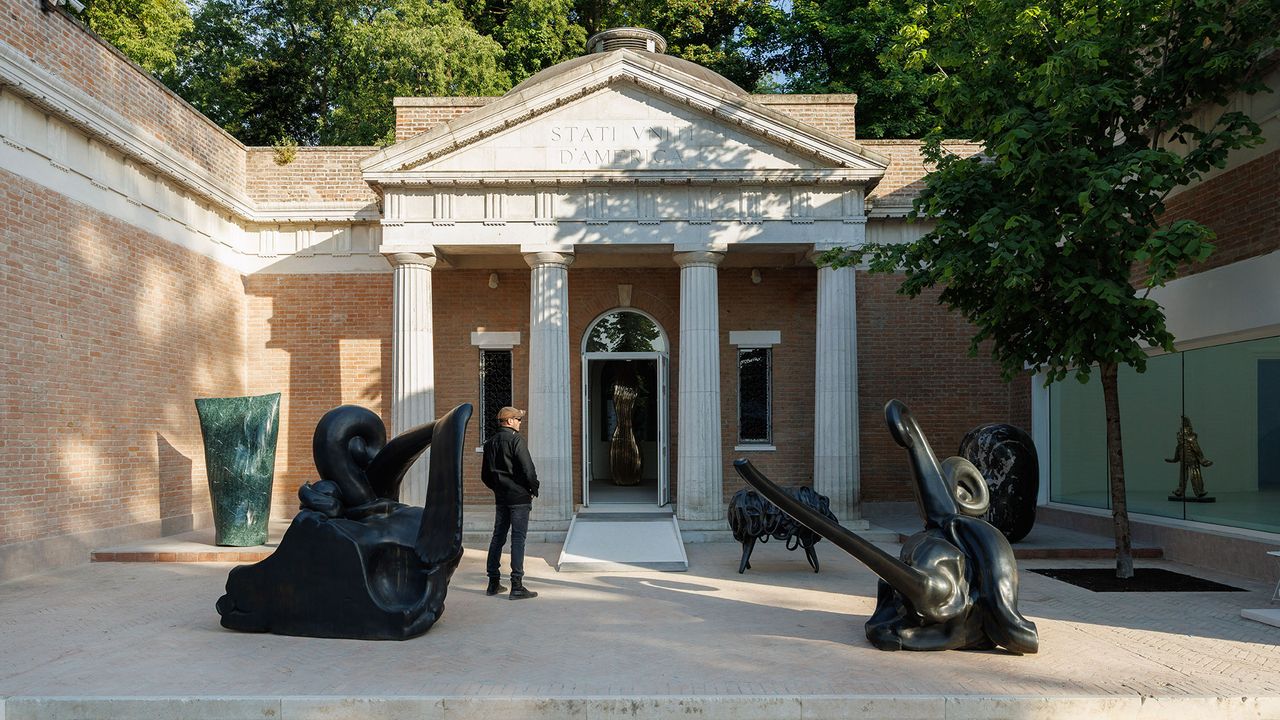
The 2026 Venice Biennale is embroiled in controversy, with the US Pavilion at the center of a political storm. The Trump administration's State Department overhauled the selection process, bypassing the usual NEA panel and commissioning a nonprofit, the American Arts Conservancy, to organize the pavilion. Artist Alma Allen, who accepted the invitation despite threats from galleries and curators, presents a show that critics find politically muted. The Biennale's jury resigned days before the opening, and annual prizes were canceled, adding to the turmoil.

Ed Ruscha | Ed Ruscha - Reading Ed Ruscha (Hand Signed by Ed Ruscha) (2012) | Available for Sale

A hand-signed offset lithograph poster by Ed Ruscha, created for the 2012 "Reading Ruscha" exhibition at the Kunsthaus Bregenz in Austria, is available for sale. The poster features an iconic 1971 photograph of the artist by Jerry McMillan and is noted for its rarity, with Ruscha having signed fewer than 50 copies for the institution.

New York’s Neue Galerie to Merge with Metropolitan Museum of Art in Major Expansion

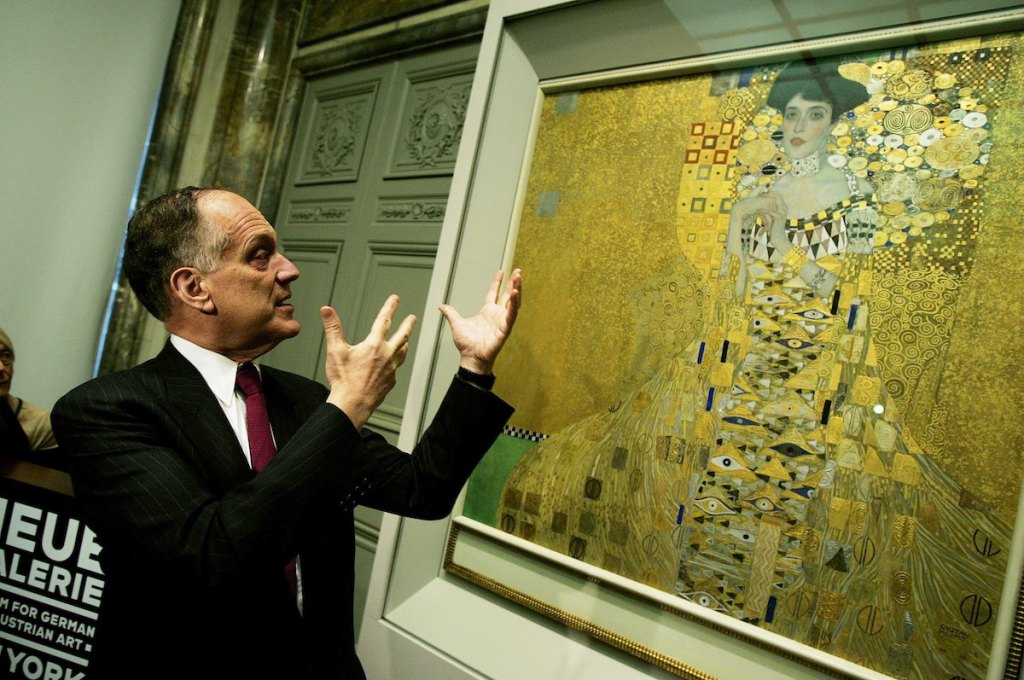
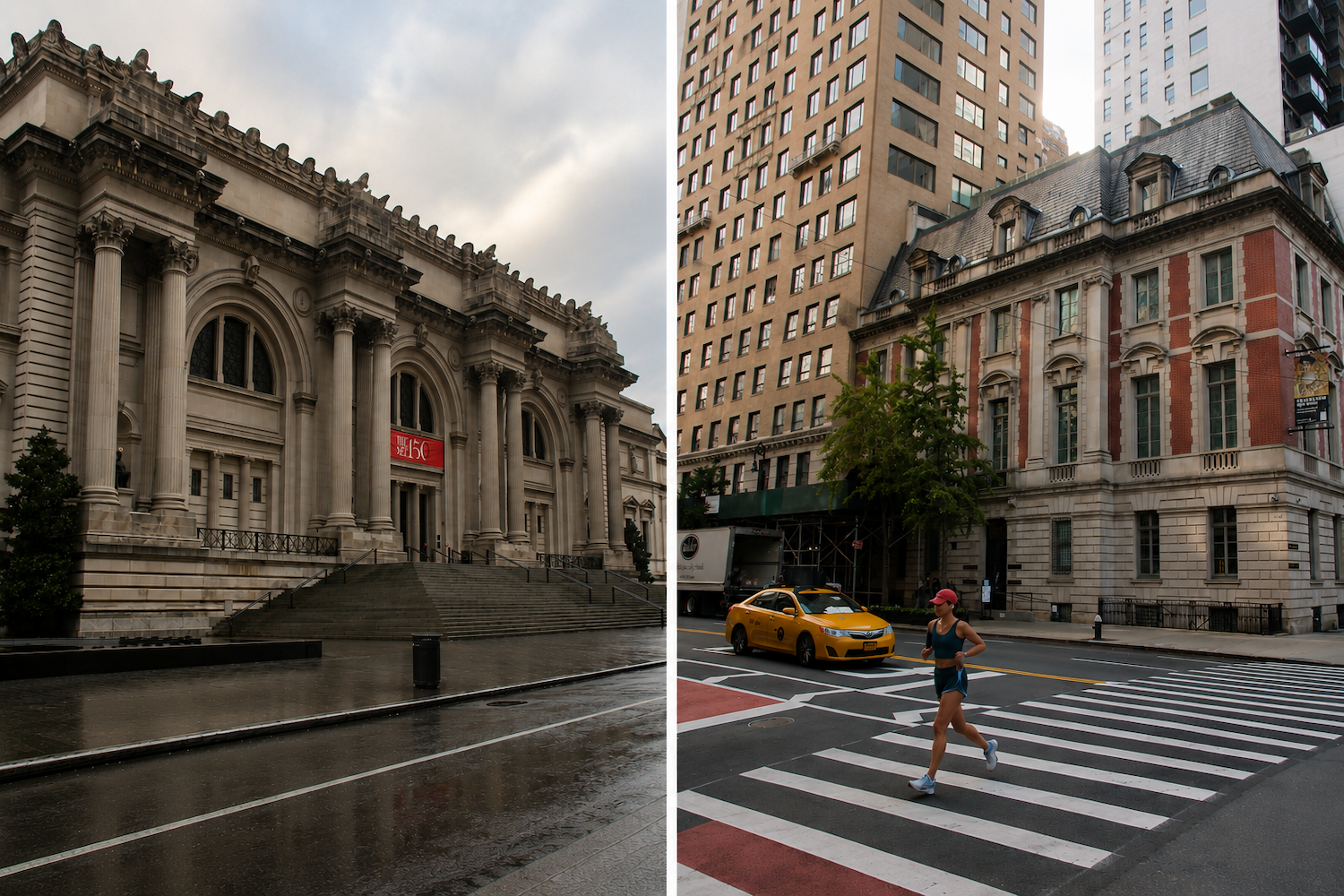
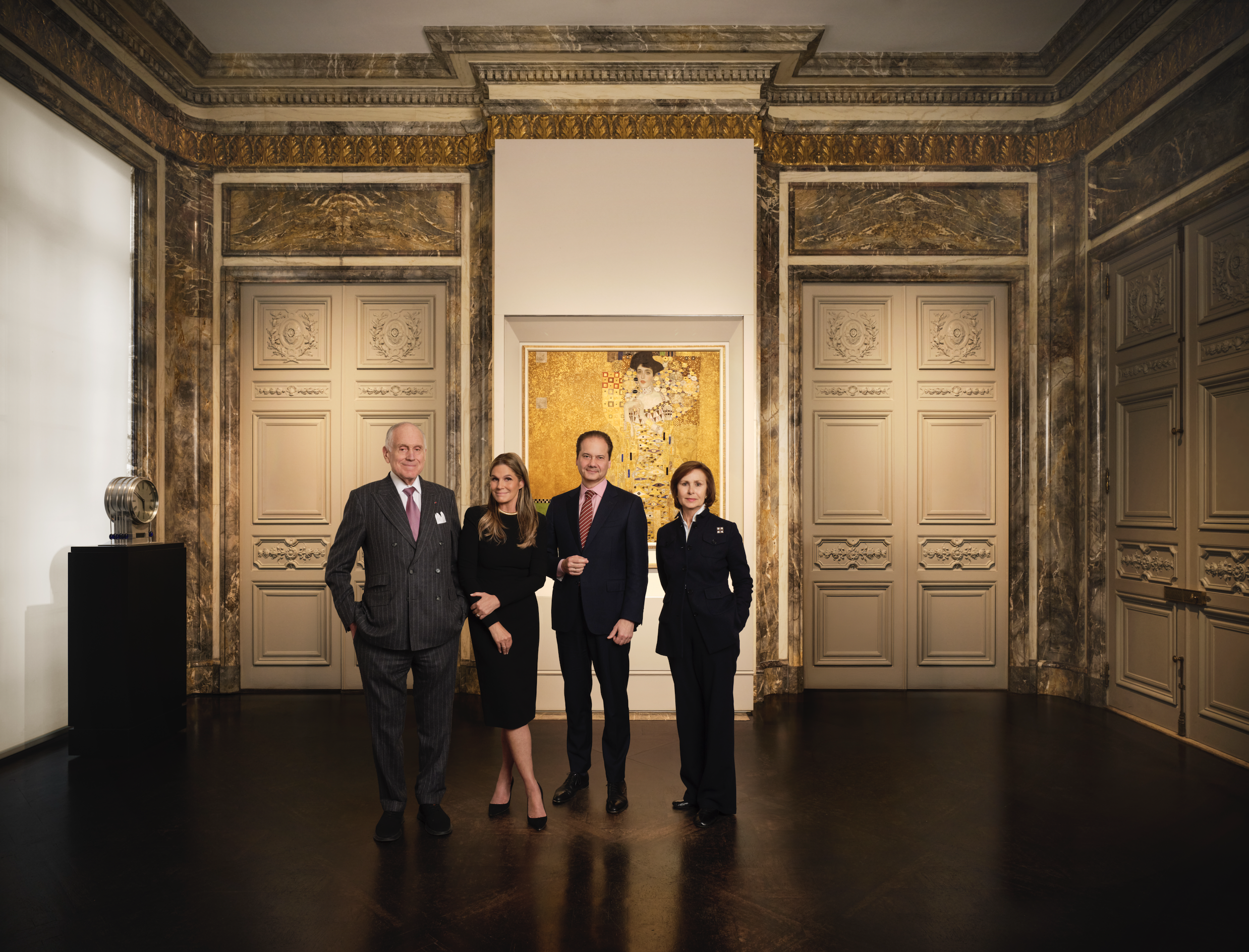
The Neue Galerie, a private museum on New York's Upper East Side founded by collector Ronald S. Lauder, will merge with the Metropolitan Museum of Art in 2028. The institution will be renamed the Met Ronald S. Lauder Neue Galerie, or Met Neue for short. Lauder and his daughter Aerin Lauder Zinterhofer will contribute funds toward a $200 million endowment, along with 13 works from their collection, including a prized Gustav Klimt and paintings by German Expressionists. The Met plans to exhibit some holdings at its Fifth Avenue base, but Klimt's "Portrait of Adele Bloch-Bauer I" will remain at the townhouse.

Liu Ding and Carol Yinghua Lu to curate 2027 Istanbul Biennial

The Istanbul Foundation for Culture and Arts (ISKV) has announced that Liu Ding and Carol Yinghua Lu will curate the 2027 Istanbul Biennial. Liu Ding is a Beijing-based artist and curator who has participated in numerous international biennials and taught at NABA Milan, while Carol Yinghua Lu is an art historian and director of the Inside-Out Art Museum in Beijing, with a background at OCAT Shenzhen, Museion Bolzano, and Asia Art Archive. The pair, who have collaborated since 2007, most recently served as artistic directors of the 2024 Yokohama Triennale. The 19th edition of the Istanbul Biennial is scheduled for 18 September to 14 November 2027.

Metropolitan Museum und Neue Galerie in New York fusionieren

The Metropolitan Museum of Art and the Neue Galerie in New York are merging. Starting in 2028, the Neue Galerie will operate as a satellite of the Met, renamed "The Met Ronald S. Lauder Neue Galerie." Founded in 2001 by cosmetics entrepreneur and art collector Ronald Lauder, the Neue Galerie houses a renowned collection of German and Austrian art, including Gustav Klimt's "Adele Bloch-Bauer I." Met director Max Hollein announced the merger, which also includes a donation of 13 works from Lauder and his daughter Aerin, plus an endowment for ongoing operations.

Alvaro Barrington takes a road trip to the Venice Biennale

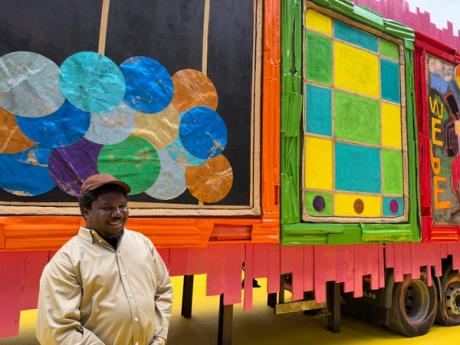
Artist Alvaro Barrington has created a vibrant haulage truck titled "Labor Day Parade ’91" (2026) as his contribution to the 61st Venice Biennale, part of the exhibition "In Minor Keys." The truck, decorated with scenes linked to his background and art historical references, was driven from London to Venice on an epic road trip across Europe. It is now parked in the Giardini next to the Austrian pavilion, with its front tyres punctured to prevent movement. During the preview, the work was admired by artist Julie Mehretu and Dia Art Foundation director Jessica Morgan.

Our pick of the best pavilions at the 61st Venice Biennale

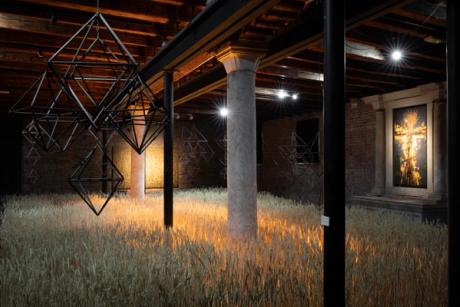
The article highlights standout national pavilions at the 61st Venice Biennale. The Belarus Pavilion features a powerful installation by the Belarus Free Theatre, including a wheat field built by former political prisoners, straw spiders made from prison bars, and a confession booth that runs facial recognition. The Brazil Pavilion presents a joint exhibition by Rosana Paulino and Adriana Varejão, focusing on colonial wounds and trauma through works like Paulino's 'Aracnes' and Varejão's 'Still Life amid Ruin'. The Bosnian Pavilion by Mladen Bundalo invites tactile engagement with themes of diaspora and migration, while the Austrian Pavilion by Florentina Holzinger draws attention with nude performers in water-filled pools.

The Met and Neue Galerie Embark on Historic Merger

The Metropolitan Museum of Art and the Neue Galerie in New York have announced a historic merger set for 2028. The Met will acquire the Neue Galerie's Beaux-Arts mansion, renaming it the Met Ronald S. Lauder Neue Galerie (or Met Neue Galerie), while preserving its museum experience. The merger comes ahead of the Neue Galerie's 25th anniversary and its renovations from May to August 2026. Founder Ronald S. Lauder will remain involved, and the Met will supplement the Neue Galerie's programs, research, and digital initiatives. Major fundraising is underway, with the endowment target of $200 million already 80 percent met, supported by Lauder, his daughter Aerin Lauder Zinterhofer, and trustee Marina Kellen French.

2026 Venice Biennale pavilions: your go-to list [Updated]

ArtReview has compiled a running list of national pavilions for the 61st Venice Biennale, running from 9 May to 22 November 2026. The Biennale was set to be curated by Koyo Kouoh, who died on 10 May 2025. Recent announcements include Haitham Al Busafi representing Oman, Genti Korini representing Albania with a three-channel video installation titled 'A Place in The Sun (still)', and Matías Duville representing Argentina with an interactive salt-and-charcoal installation. The Australia Pavilion will feature artist Khaled Sabsabi and curator Michael Dagostino, who were initially dropped due to controversy over Sabsabi's 2007 film 'You' but later reinstated. Florentina Holzinger will represent Austria with a water-themed performance.

Female nudity and art that stinks: key takeaways from Venice Biennale 2026

The 2026 Venice Biennale opened with 99 participating countries, including first-timers Somalia and Qatar, under the shadow of curator Koyo Kouoh's death. Her planned theme of "enhancement" and the main show "In Minor Keys" were disrupted by political protests: Pussy Riot objected to Russia's inclusion, and a strike against Israel's participation forced several national pavilions (UK, Austria, France) to close. Key takeaways include pervasive female nudity across pavilions, debates over Russia's presence, criticism of the US pavilion's lackluster art, maritime themes dominating several shows, and the rise of olfactory art.

A Time of Transition

During the preview week of the 61st Venice Biennale, escalating protests targeted the national pavilions of Israel and Russia, with demonstrations by Pussy Riot, ANGA (Art Not Genocide Alliance), and Baltic pavilions. A major protest on May 8 drew over 3,000 people in solidarity with Palestine, and 27 national pavilions—including Austria, the Netherlands, France, and Japan—staged a strike, the first at the Biennale since 1968. The Golden Lion jury resigned after declaring they would not consider countries under ICC investigation (Israel and Russia), and the Biennale administration replaced the prize with a visitors' award, from which half the artists in the main exhibition have withdrawn.

We visited the 2026 Venice Art Biennale: the exhibitions and pavilions you shouldn’t miss

The 2026 Venice Art Biennale has opened across the Giardini, Arsenale, and venues throughout the city, with geopolitics, climate collapse, and national identities dominating the exhibitions. Notable pavilions include Austria's "Seaworld Venice" by Florentina Holzinger, the Czech and Slovak Pavilion's "Il Silenzio della Talpa" by Jakub Jansa and Selmeci Kocka Jusko, India's "Geographies of Distance: remembering home" featuring multiple artists, and the Taiwan Pavilion's "Screen Melancholy" by Li Yi-Fan. The Russian Pavilion has become a focal point of controversy, with guards and empty beer bottles outside, and the Pussy Riot collective staging a protest nearby.

The Metropolitan Museum of Art and the Ronald S. Lauder Neue Galerie New York Announce Plans for a Landmark Merger

The Metropolitan Museum of Art and the Ronald S. Lauder Neue Galerie New York have announced a landmark merger agreement, set to take effect in 2028. The merger will unite the Neue Galerie's collection of 20th-century Austrian and German art—including Gustav Klimt's *Portrait of Adele Bloch-Bauer I*—with The Met, while preserving the Neue Galerie's distinct museum experience. Ronald S. Lauder and his daughter Aerin Lauder Zinterhofer plan to donate 13 additional paintings from their personal collection, and several Met trustees have pledged significant endowment gifts to support the integration and long-term operations.

Review: The Good, The Bad and The Venice Biennale

The article reviews the 2024 Venice Biennale, focusing on controversies over Russia's and Israel's participation. Protests erupted during opening week, leading the EU to cut funding and the International Jury to resign. As a result, awards like the Golden Lion and Silver Lion will be decided by public vote, with many pavilions and artists withdrawing in protest. The main exhibition, curated under the theme 'Minor Keys,' features standout works by Alfredo Jaar and Carrie Schneider, alongside national pavilions like Austria's provocative entry by Florentina Holzinger.

Numerous Venice Biennale Pavilions and Artists Go on Strike in Protest over Israel’s Participation

Thousands of protesters marched through Venice on the eve of the Venice Biennale's public opening, organized by Art Not Genocide Alliance (ANGA), to demand Israel's exclusion from the event. At least 18 national pavilions—including Austria, Belgium, France, Great Britain, and Ukraine—participated in a 24-hour strike, shutting down completely or partially. Protesters chanted slogans, waved Palestinian flags, and carried banners reading "no genocide pavilions," while ANGA released a statement with 236 signatories calling for Israel's removal, citing the humanitarian crisis in Gaza.

Valie Export ist tot

Valie Export, the pioneering Austrian media and performance artist, has died at age 85 in Vienna. Born Waltraud Lehner in Linz in 1940, she adopted the name Valie Export in the late 1960s, derived from a cigarette brand, and became internationally known for provocative works such as "Tapp- und Tastkino" (1968) and "Aktionshose: Genitalpanik." Her practice critically examined gender roles, power structures, and the representation of the female body through film, video, photography, and performance. She participated in major exhibitions including Documenta, the Centre Pompidou, and the Museum of Modern Art, and represented Austria at the Venice Biennale in 1980 alongside Maria Lassnig. She also taught as a professor of media and performance art in Berlin and Cologne, and the VALIE EXPORT Center opened in Linz in 2017.

Here You Have the Feeling That Reality Is a Different One

"Man hat hier das Gefühl, dass die Realität eine andere ist"

Austrian artist Erwin Wurm discusses his exhibition at the Museo Fortuny in Venice, where he confronts the overwhelming collection of the 19th-century polymath Mariano Fortuny. In an interview, Wurm describes the venue as a historic atelier house filled with tapestries and artifacts, and reflects on how his contemporary sculptures and performances will engage with the dense, time-capsule atmosphere of the space.

« À qui appartiennent ces œuvres ? » : le destin des biens culturels spoliés par les nazis au cœur d’un nouvel espace au musée d’Orsay

On May 5, the Musée d'Orsay in Paris inaugurated a new dedicated space in the Pavillon Amont for artworks looted during World War II that remain unclaimed by their owners or heirs. The room, titled "À qui appartiennent ces œuvres ?" ("Who owns these works?"), features thirteen pieces including sculptures by Auguste Rodin and paintings by Auguste Renoir, Edgar Degas, and Eugène Boudin. These represent a fraction of the museum's 225 MNR (Musées nationaux récupération) holdings, part of a national legacy of approximately 2,000 looted works still held in French museums.

Venice Biennale 2026: What are the major trends that will mark the 99 national pavilions?

Biennale de Venise 2026 : quelles sont les grandes tendances qui vont marquer les 99 pavillons nationaux ?

The article previews the 2026 Venice Biennale, highlighting key trends across its 99 national pavilions. Major themes include the hybridization of theater, dance, and performance, particularly in pavilions from Austria, Luxembourg, Belgium, and Lithuania, where artists like Florentina Holzinger, Aline Bouvy, Miet Warlop, and Eglė Budvytytė use radical, body-centric works. Geopolitical engagement is also central, with the Ukrainian pavilion featuring Zhanna Kadyrova's work on resistance and the British pavilion exploring themes of exile and migration. Other notable pavilions include Spain's focus on imagery, a sound installation for the Vatican, a polyphonic piece for Romania, and a film on sign language song for Poland.

Best in Show: 6 Standouts at the 2026 Venice Biennale

Artnet News writers highlight six standout exhibitions at the 2026 Venice Biennale, which opens to the public on May 9. Among the picks are Ei Arakawa-Nash's interactive installation "Grass Babies, Moon Babies" at the Japan Pavilion, featuring baby dolls and diaper-changing stations; Florentina Holzinger's provocative performance "Seaworld Venice" at the Austria Pavilion, involving nude performers, jet skis, and recycled wastewater; and Dayanita Singh's photographic exhibition "Archivio" at the State Archives of Venice, presenting intimate black-and-white images arranged as freestanding columns.

The best and worst we saw at the Venice Art Biennale 2026. Artribune's hits and flops

Il meglio e il peggio che abbiamo visto alla Biennale d’Arte di Venezia 2026. Top e flop di Artribune

The 61st Venice Biennale, titled "In Minor Keys" and directed by Koyo Kouoh, opened amid significant turmoil: the death of a newly appointed curator, diplomatic tensions over the presence of Russia and Israel, political protests, and the unprecedented collective resignation of the jury, which led to the Golden Lions being awarded by public vote for the first time. Despite this chaotic backdrop, the exhibition—featuring a record 100 national pavilions—has been widely praised for avoiding moralistic pedagogy and instead embracing visual seduction, formal quality, and sensory joy while addressing themes of identity, memory, colonialism, ecological crisis, and violence. The article highlights top and flop moments from the opening week, including strong showings by Biennale president Pietrangelo Buttafuoco and a standout exhibition at Fondazione Prada.

Michael Garner Explores Truth, Systems & Constructed Reality

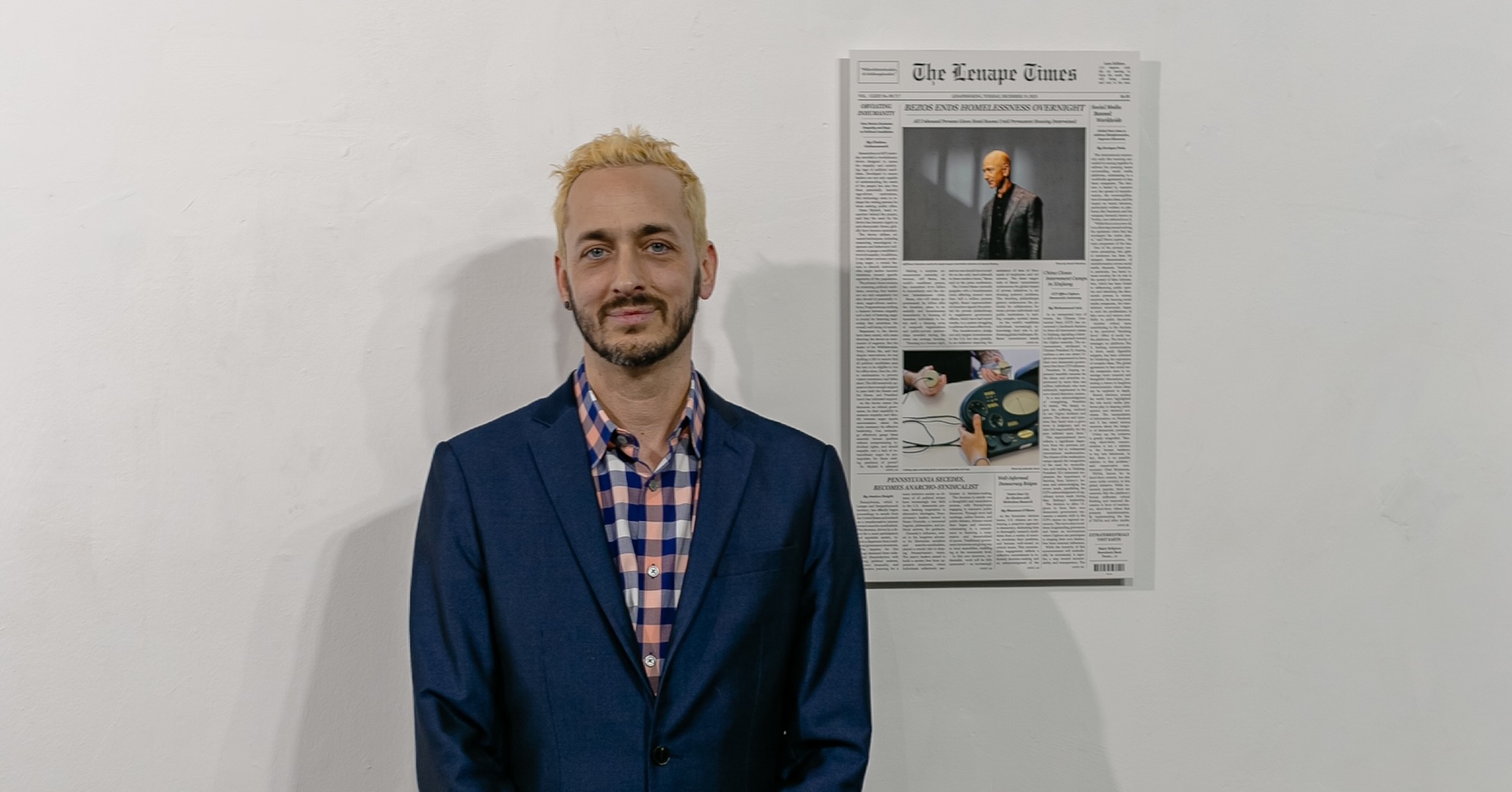
Michael Garner, an artist with a background spanning social science and intelligence work, creates immersive works that blend science, espionage, philosophy, and absurdity. His recent exhibitions include a show at the Bomb Factory Art Foundation featuring a vending machine dispensing mock classified information, and a presentation at the Austrian Cultural Forum London exploring his newly acquired Austrian citizenship through neural pathway paintings in the colors of the Austrian flag.

What not to miss at the 2026 Venice Biennale

The article highlights five standout pavilions and installations at the 2026 Venice Biennale. Florentina Holzinger's Austrian pavilion features extreme, nude performances including a woman submerged in a urine-purified tank, drawing police attention. Sanya Kantarovsky presents eerie paintings and a Murano glass sculpture in a historic palazzo. Gabrielle Goliath's 'Elegy'—a hypnotic mourning performance for women killed in violence—was banned by South Africa but staged with London's Ibraaz. Carrie Schneider's 1.5km photographic curl in the Arsenale references Chris Marker's 'La Jetée'. Lydia Ourahmane's delicate sculptural show uses materials sourced from Venice, including a bead curtain made by inmates.

Drained, Drowning, and Decay: The Best National Pavilions at the Venice Biennale

The 2026 Venice Biennale is defined by themes of ruin and decay, with standout national pavilions exploring bodily, infrastructural, and archaeological collapse. The Slovenian Pavilion features the Nonument Group repurposing materials from past Biennales into a ruin of a mosque for Bosnian Muslim soldiers from World War I. Syria presents its first national pavilion since the Civil War, with Sara Shamma invoking Palmyra, destroyed by ISIS. Germany's pavilion, titled "Ruin," features works by Henrike Naumann (who died in February) and Sung Tieu, questioning the pavilion's fascist architecture and nationalist residue. The Austrian Pavilion, curated by Florentina Holzinger, offers a visceral performance titled "Sea World." The Biennale is also marked by the abrupt resignation of its five-member jury, who refused to consider nations charged with crimes against humanity, leading to awards being chosen by public vote. Additionally, the main exhibition "In Minor Keys" was affected by the death of its curator, Koyo Kouoh.

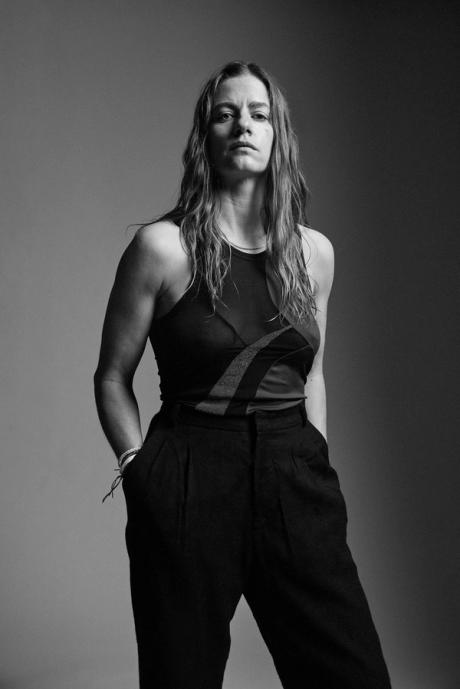
‘We are complicit’: Austrian artist Florentina Holzinger’s immersive Venice Biennale pavilion brings apocalypse to the city

Austrian artist Florentina Holzinger has created 'Seaworld Venice,' an immersive and confrontational installation for the Austrian Pavilion at the 2024 Venice Biennale. The work explores climate change, technology, and a dystopian flooded future, drawing comparisons to the 1995 film 'Waterworld'—though neither Holzinger nor curator Nora-Swantje Almes had seen it. Known for extreme performance art involving nudity, blood, live piercing, and heavy machinery, Holzinger's previous works have caused audience members to faint or require medical treatment. The pavilion marks a significant platform for her radical, hybrid practice that blends theatre, dance, opera, and performance art.