filter_list Showing 131 results for "Venice Biennale" close Clear
search
dashboard All 131 museum exhibitions 73article news 18trending_up market 14article culture 12candle obituary 11rate_review review 2person people 1
date_range Range Today This Week This Month All
Subscribe

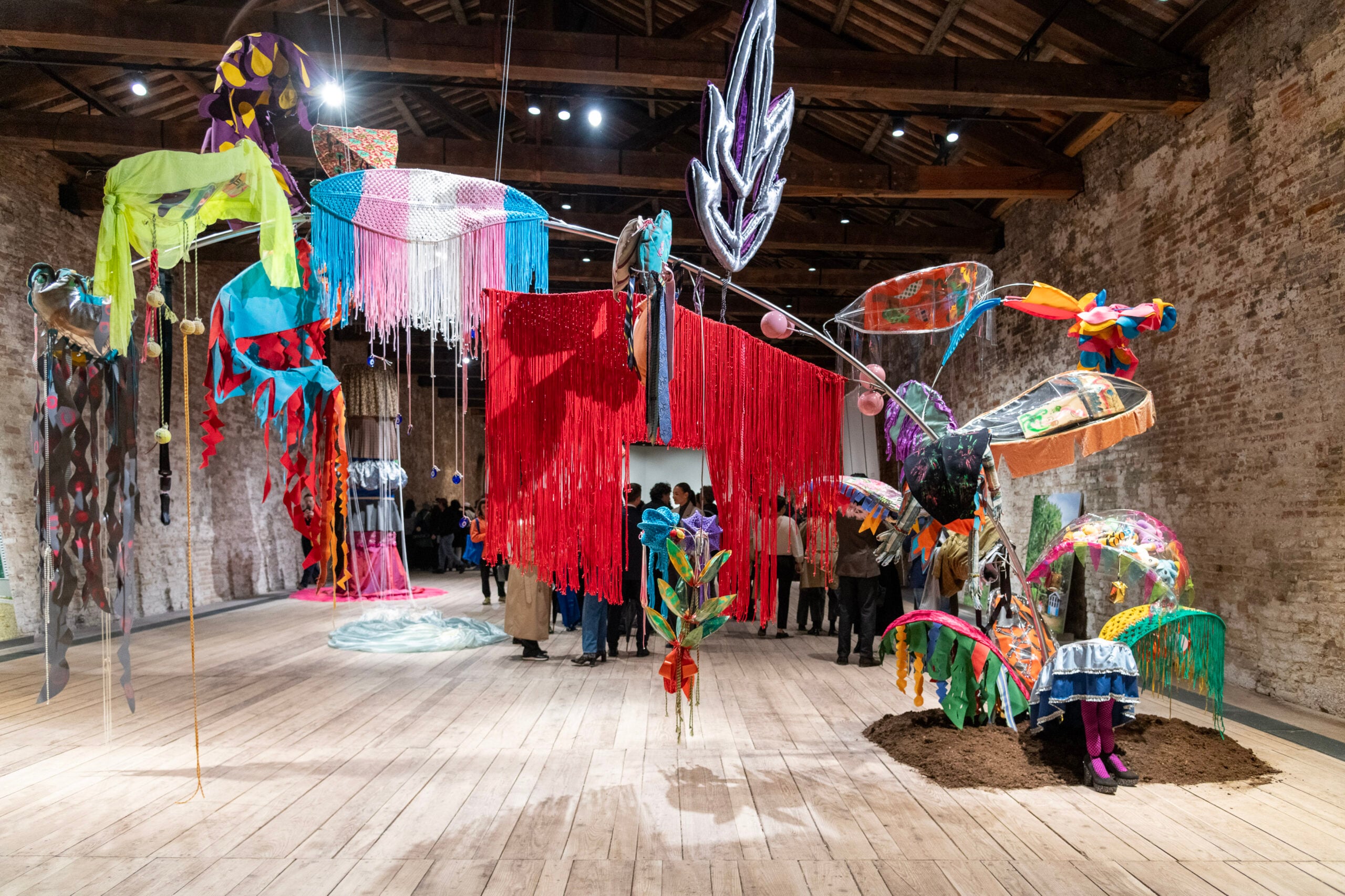
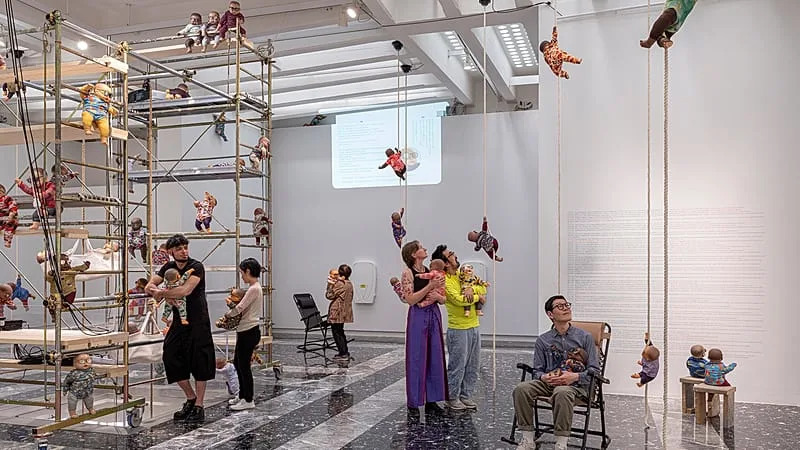
Baby dolls, whale songs and swimming in urine: The Venice Biennale’s must-see national pavilions

The 61st Venice Biennale, themed 'In Minor Keys' by late curator Koyo Kouoh, has been marked by political protests against Russia and Israel's participation, pavilion closures, and threats to funding. Despite this tense atmosphere, several national pavilions quietly embody Kouoh's vision of nurture, intimacy, and reflection. Highlights include the Japan Pavilion's 'Grass Babies, Moon Babies' by Ei Arakawa-Nash, where visitors carry and care for baby dolls, and the Polish Pavilion's 'Liquid Tongues' by Bogna Burska and Daniel Kotowski, an immersive sound installation exploring Deaf culture and marginalized communication.
in venice, ukrainian artists reclaim joy with tender force

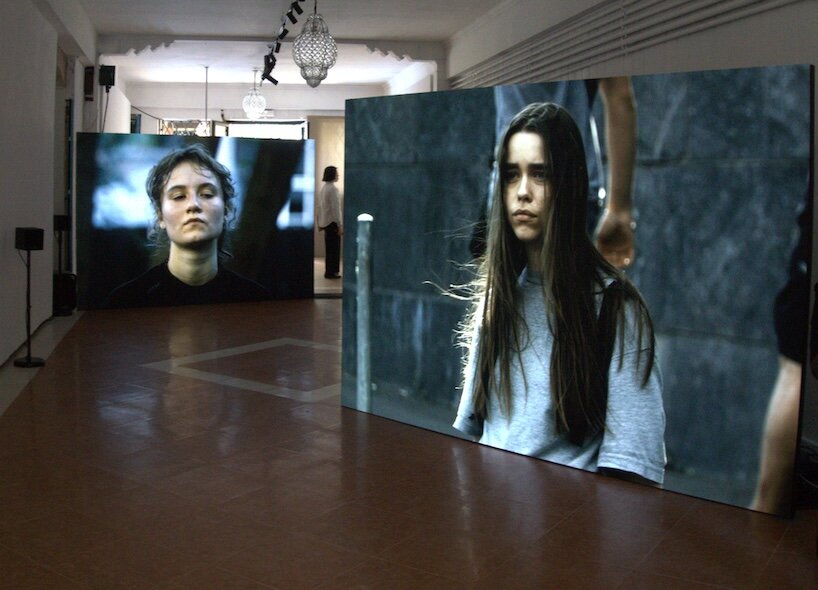
The article reports on 'Still Joy — From Ukraine Into the World,' a collateral exhibition at the 61st Venice Biennale presented by the Victor Pinchuk Foundation and PinchukArtCentre. The show features works by Ukrainian artists including Malashchuk & Khimei, Simone Post, and Zhanna Kadyrova, exploring themes of joy, survival, and resilience amid war. Highlights include a two-channel video juxtaposing a Kyiv rave before and after Russia's full-scale invasion, letters from Ukrainian soldiers printed on foam panels, and installations that transform everyday objects into meditations on sweetness and endurance.

Inside Saudi Arabia’s pavilion at the Venice Biennale

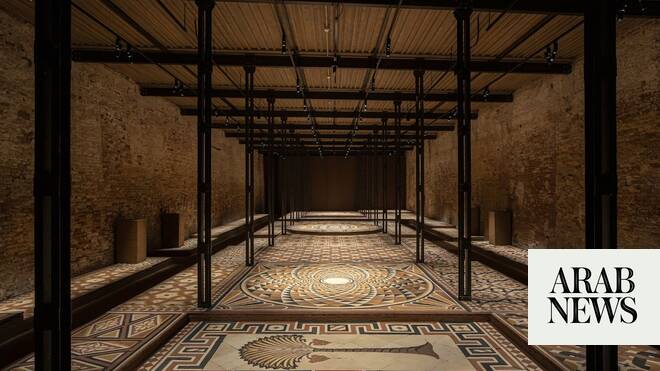
Saudi Arabia's national pavilion at the 61st Venice Biennale features a new installation by Saudi-Palestinian artist Dana Awartani titled "May your tears never dry, you who weep over stones." Curated by Art Jameel's director Antonia Carver and assistant curator Hafsa Alkhudairi, the work comprises over 29,000 handmade clay bricks arranged in intricate mosaics referencing 23 threatened cultural heritage sites across the Arab world, including Syria, Lebanon, and Palestine. The installation, which took more than 30,000 labor hours with 32 artisans, has become a crowd favorite since the biennale opened on May 9.

Frieze New York Opens Strong, But the Real Test Is Just Beginning

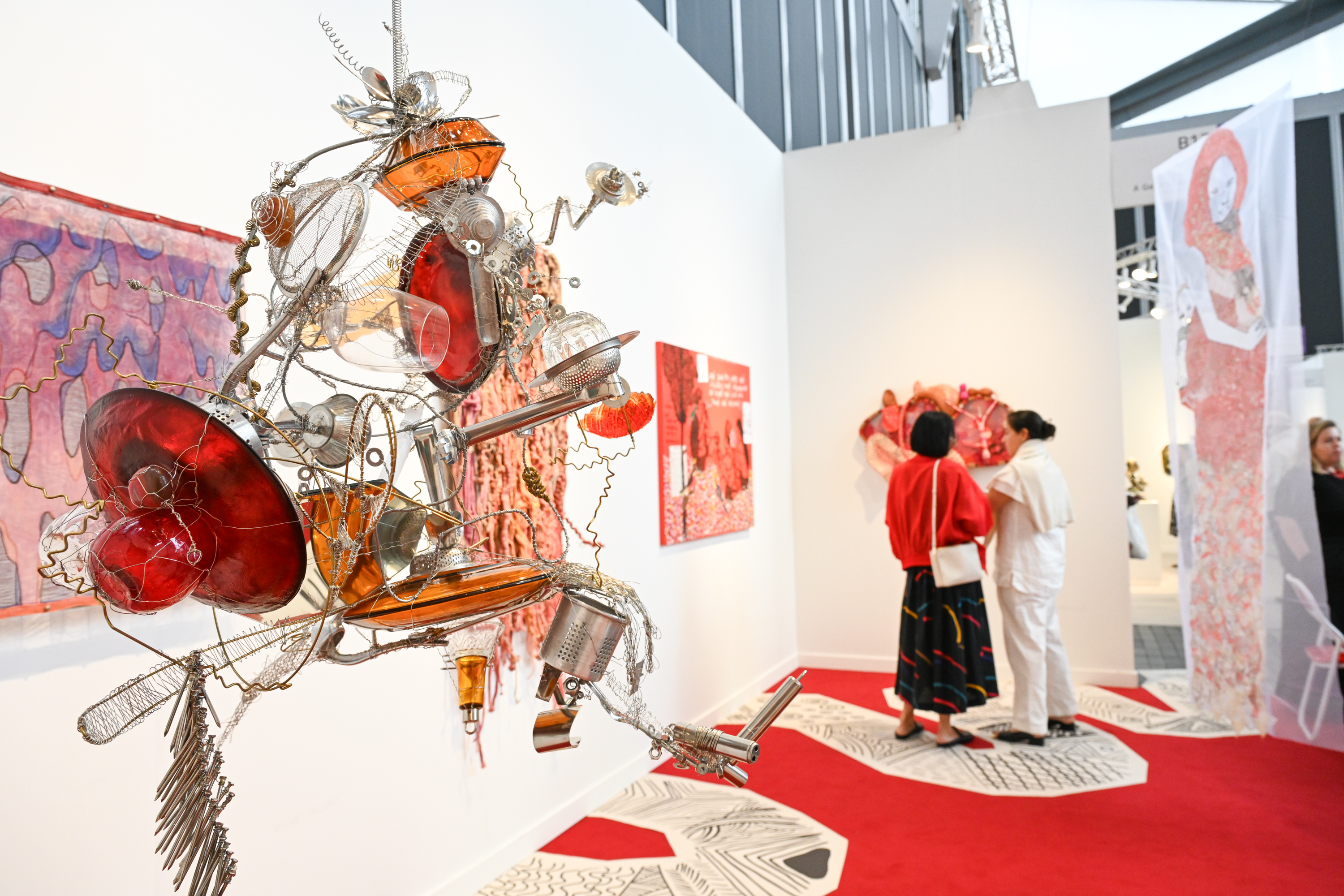
Frieze New York has opened with strong early sales, particularly in the Focus section, which is dedicated to emerging and underrepresented artists. This year's Focus prize was awarded to W Galería for its presentation of Seba Calfuqueo, a Mapuche artist whose work addresses colonialism, environmentalism, and gender identity through ceramic sculptures and hair-based materials. Her pieces are priced between $8,000 and $40,000, reflecting the market's growing interest in politically engaged contemporary art.

The Language Beyond the Human in the Surprising Polish Pavilion at the 2026 Venice Biennale. The Interview

Il linguaggio oltre l’umano nel sorprendente Padiglione Polonia alla Biennale di Venezia 2026. L’intervista

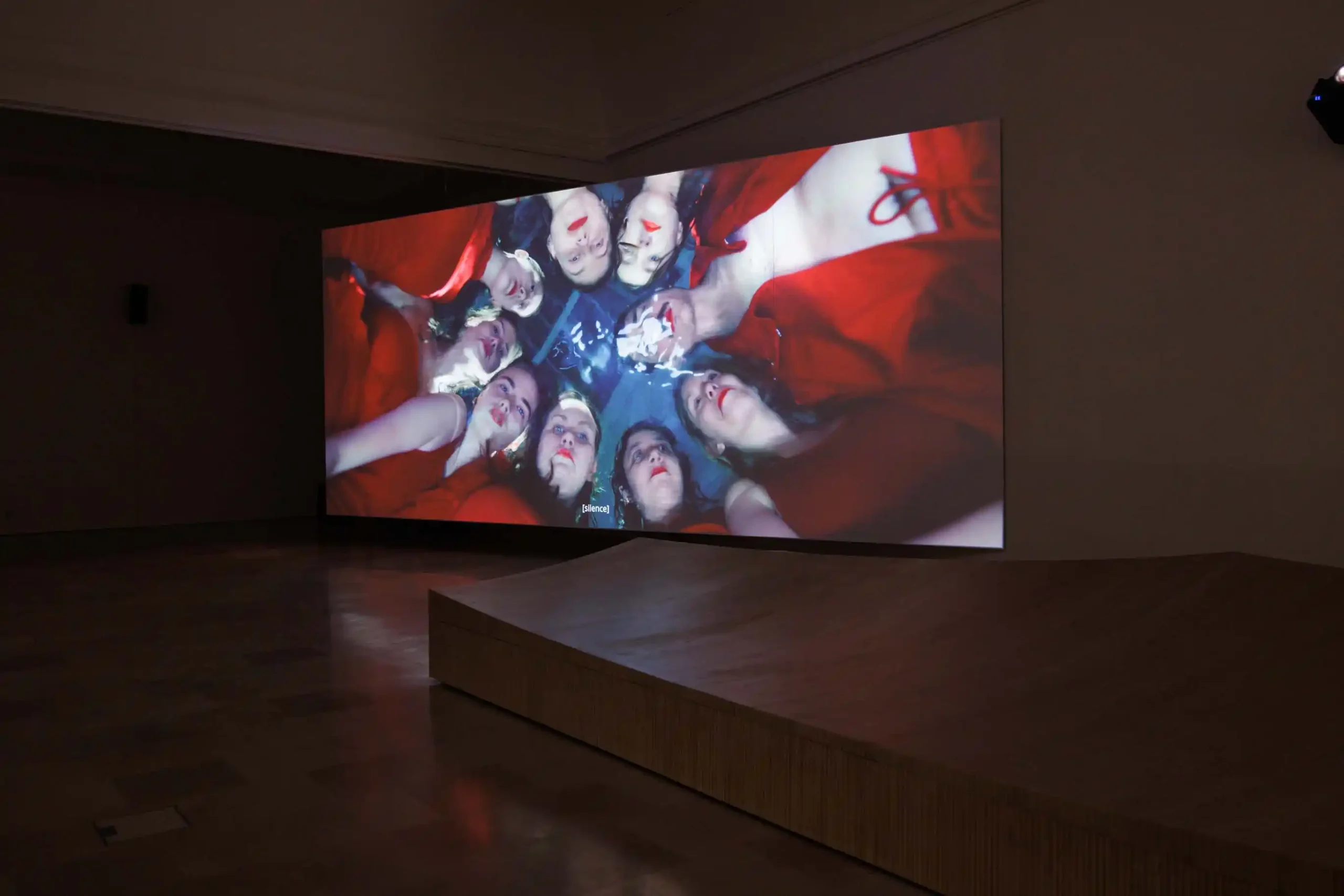
The Polish Pavilion at the 2026 Venice Biennale presents "Liquid Tongues," a project by artists Bogna Burska and Daniel Kotowski, curated by Ewa Chomicka and Jolanta Woszczenko with the collective Choir in Motion. The installation eschews spectacle for a subtle, immersive exploration of language beyond the human voice, incorporating sign language, underwater immersion, choreography, and whale songs to destabilize conventional communication.

Interview with the artist of the Danish Pavilion at the 2026 Venice Biennale who staged the porn stars

Intervista all’artista del Padiglione Danese della Biennale di Venezia 2026 che ha messo in scena i porno divi

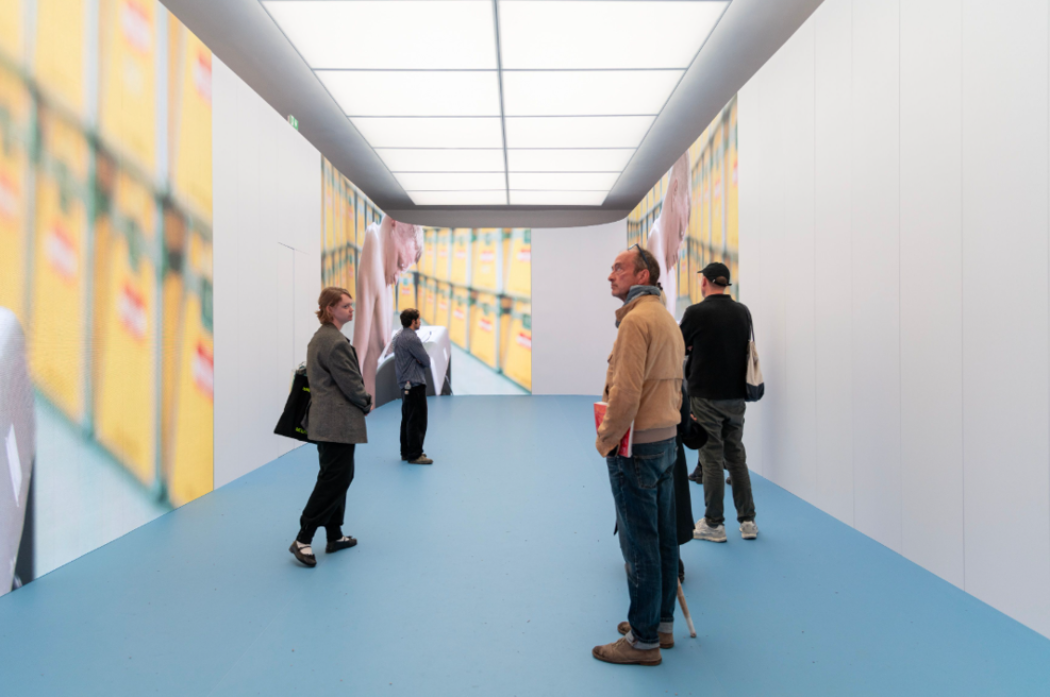
The Danish Pavilion at the 2026 Venice Biennale presents "Things to Come," a project by artist Maja Malou Lyse (b. 1993, Denmark), curated by Chus Martínez. The installation combines a three-channel video developed with DIS, materials from Cryos (the world's largest sperm bank), and performers from the porn industry, embedding them within the pavilion's architecture to explore the convergence of pornography, biotechnology, desire, and visual culture as a single system of imaginary production.

SPAIN ORIOL VILANOVA AND THE ABOLITION OF THE MUSEUM AND THE ARCHIVE

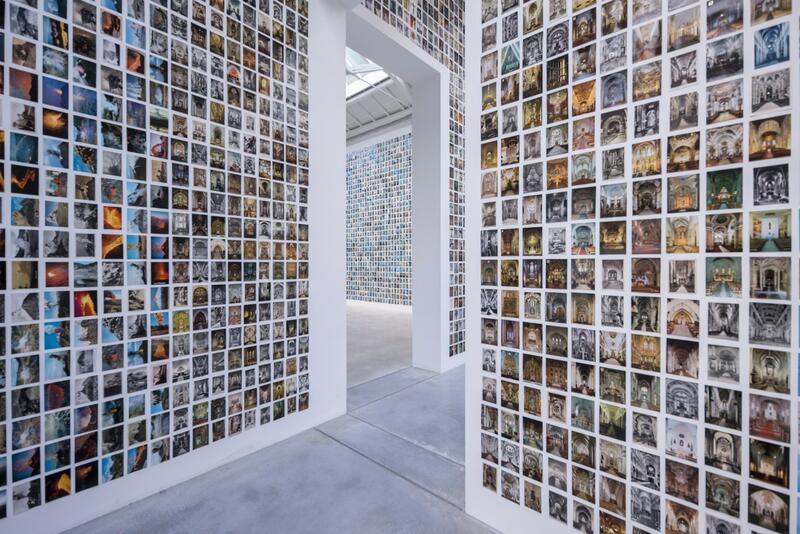
The Spanish Pavilion at the 61st Venice Biennale presents "Los restos," a project by Catalan artist Oriol Vilanova, curated by Carles Guerra. The installation transforms the pavilion into an anti-museum or pseudo-museum, featuring Vilanova's collection of postcards sourced from flea markets over more than twenty years. The work critiques traditional archival systems through accumulation, repetition, and fragmentation, and includes a publication and a performative action titled "El fantasma de la libertad" (2026), inspired by Luis Buñuel, which will take place across the Giardini and Arsenale.

Spain: Oriol Vilanova and the Abolition of the Museum and the Archive

ESPANA ORIOL VILANOVA Y LA ABOLICION DEL MUSEO Y EL ARCHIVO

The Spanish Pavilion at the 61st Venice Biennale presents "Los restos," a project by Catalan artist Oriol Vilanova, curated by Carles Guerra. The installation transforms the pavilion into an anti-museum or pseudo-museum, featuring over twenty years of postcards collected from flea markets, arranged in a wall-based accumulation that challenges linear narrative and archival hierarchy. The project also includes a publication and a performative action titled "El fantasma de la libertad" (2026), inspired by Luis Buñuel, which will take place across the Giardini and Arsenale through unannounced encounters.

The Biennale and the Weight of Flags. What Is the Point of National Pavilions?

La Biennale e il peso delle bandiere. Che senso hanno i padiglioni nazionali?

The article examines the inherent contradiction within the Venice Biennale: its historical structure of national pavilions, a legacy of 19th-century world fairs and state-sponsored art, clashes with the transnational, post-identity vision of the international exhibition curated by Koyo Kouoh. The return of the Russia Pavilion amid geopolitical conflict and the international show titled "In Minor Keys," which rejects national belonging as an interpretive criterion, highlight this tension. The piece also addresses the controversy over the lack of Italian artists in the main exhibition, questioning whether a Biennale hosted in Italy should guarantee national representation.

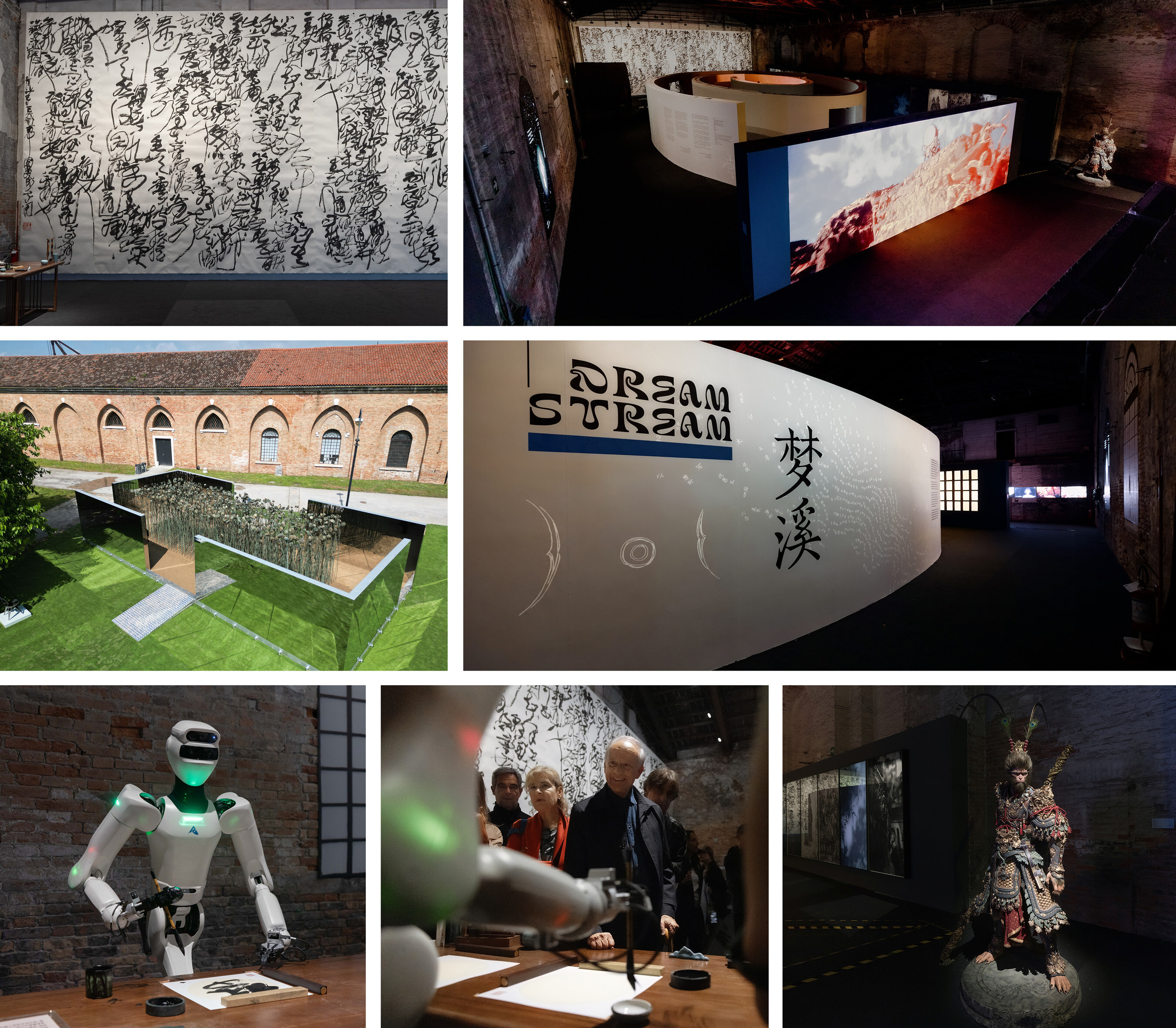
China Pavilion at the 61st International Art Exhibition - La Biennale di Venezia: Dream Stream

The China Pavilion at the 61st International Art Exhibition - La Biennale di Venezia has been announced under the title "Dream Stream." The pavilion will be part of the prestigious Venice Biennale, one of the world's most important contemporary art exhibitions, and is organized by the Chinese government or cultural authorities. The announcement was made via a press release distributed by PR Newswire, highlighting China's continued participation in this global art event.

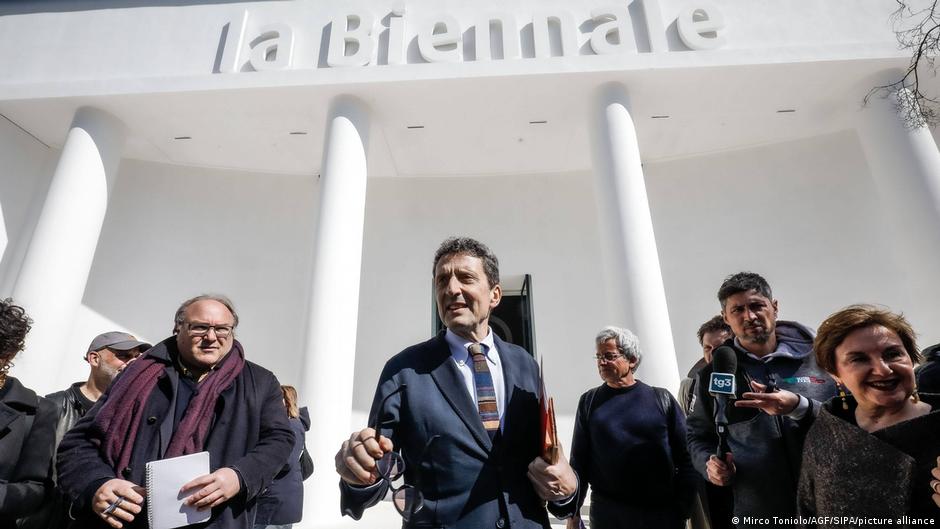
Venice Biennale: Is art ever separate from politics?

The article, published by DW, examines the ongoing debate about the relationship between art and politics, using the Venice Biennale as a case study. It highlights how the 2024 edition of the Biennale has become a platform for political statements, particularly regarding Russia's exclusion from the event following its invasion of Ukraine, and the broader question of whether cultural institutions can remain neutral in times of geopolitical conflict.