filter_list Showing 2963 results for "Man" close Clear
search
dashboard All 2963 museum exhibitions 1619article local 318article news 300trending_up market 220article culture 190rate_review review 88article policy 67candle obituary 64person people 60gavel restitution 36article architecture 1
date_range Range Today This Week This Month All
Subscribe

May First Friday 2026: 20+ events, exhibition openings in Lancaster city this Friday

Lancaster city's May First Friday 2026 features over 20 events, including exhibition openings, concerts, and performances. Highlights include a new exhibition 'Hybrids' by artist Jeremy Waak at Curio Gallery & Creative Supply, the Demuth Museum's 'Demuth Invitational: American Reflections' tied to the U.S. 250th anniversary, and the Lancaster Living Poetry Museum II with performers embodying poets at venues like the Lancaster Public Library and Lancaster Art Vault. Other offerings include salsa dancing at Binns Park, works by York County painters at The Framing Concept, and a show inspired by Yayoi Kusama at Friendship Heart Gallery + Market.
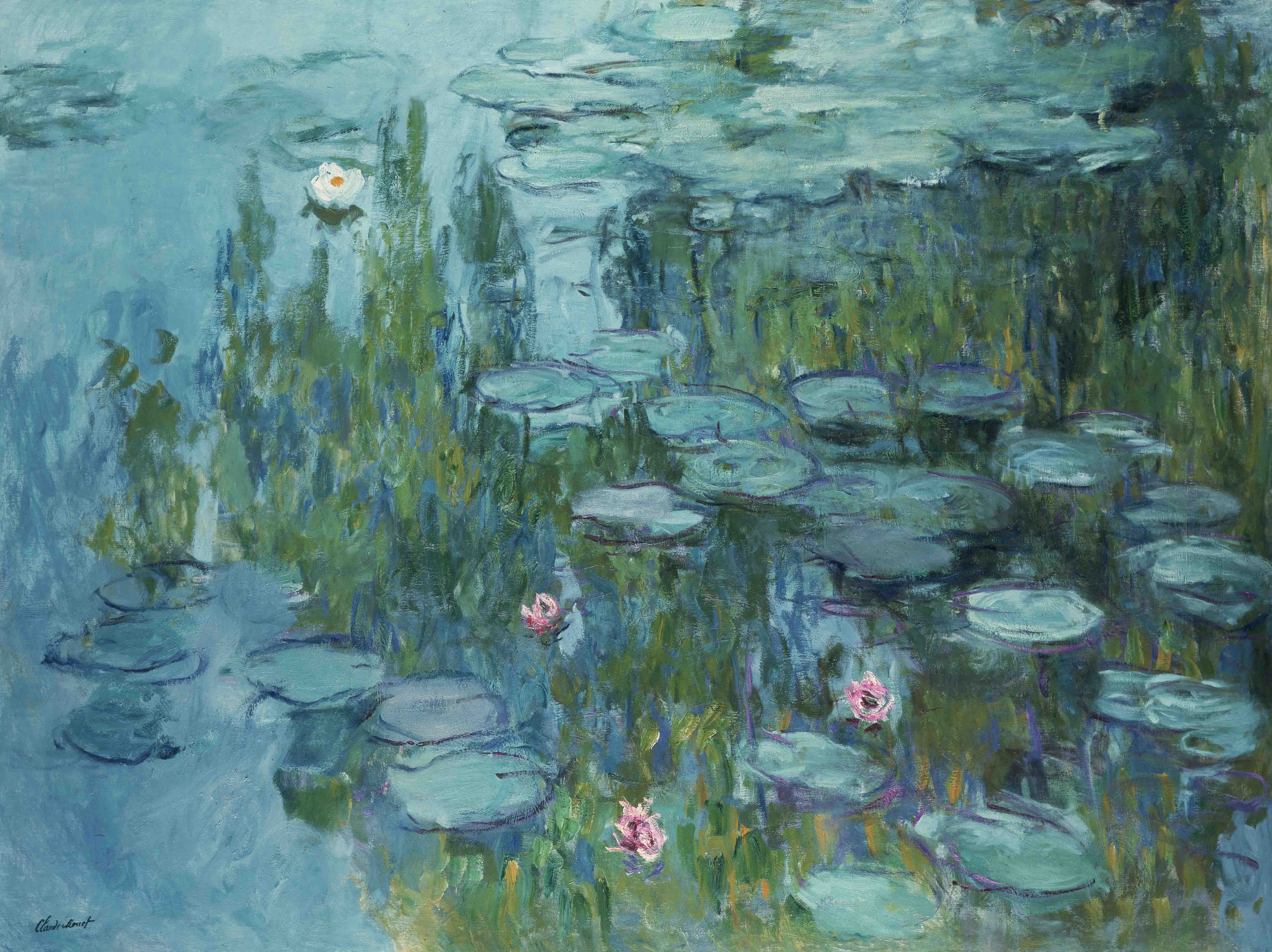
A Water Lily is a Water Lily is a Water Lily

Eine Seerose ist eine Seerose ist eine Seerose

Anonymous internet artist SHL0MS posted an image of a Monet water lily painting on X, falsely claiming it was AI-generated. Thousands of users criticized the image's aesthetics, after which SHL0MS revealed it was actually a real Monet. He then minted the image as an NFT, sold it for around $40,000, and framed the entire episode as a conceptual artwork titled "Inferior Image," claiming it critiques online disinformation and debate culture.

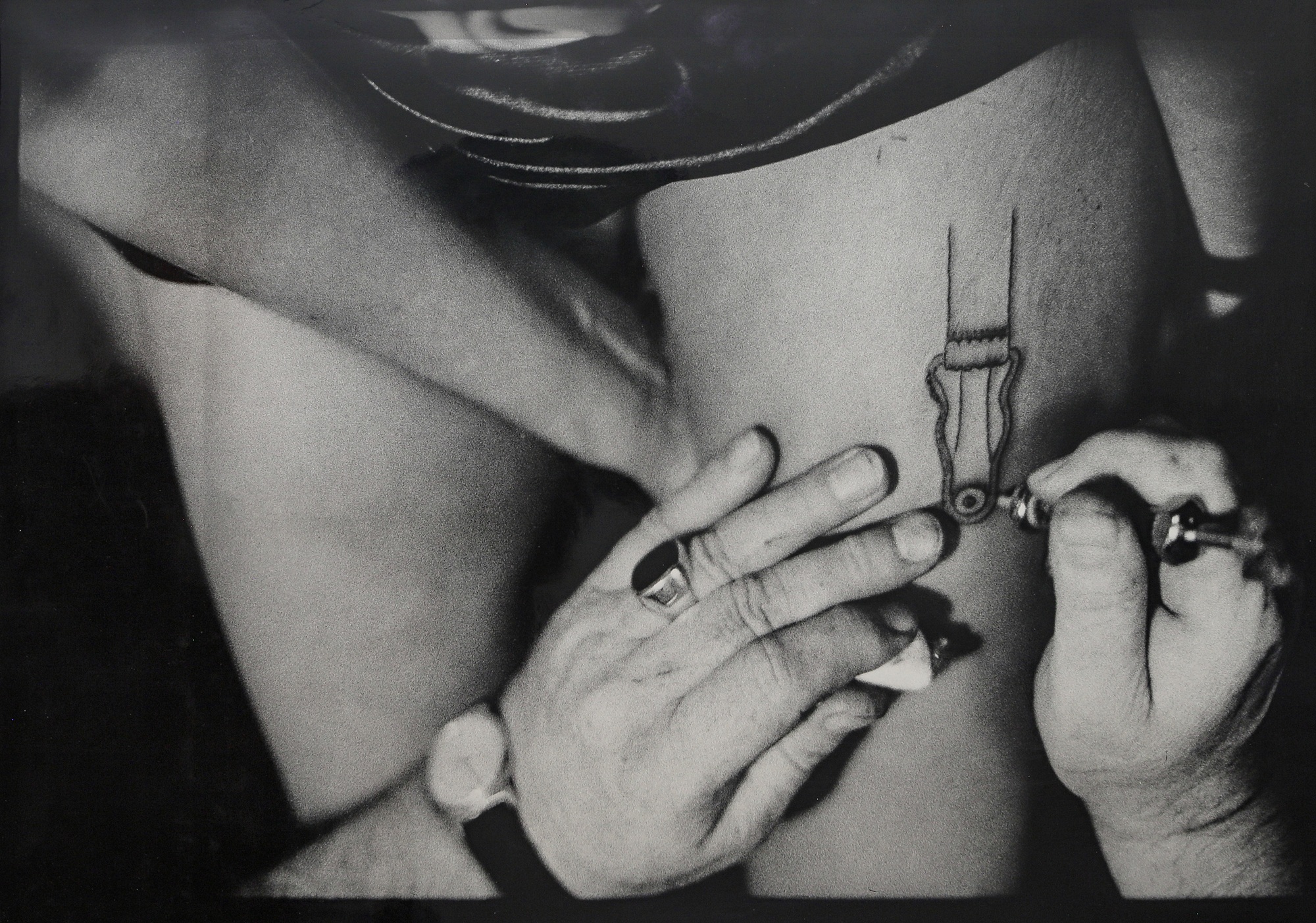
Are Tattoos Art?

Sind Tattoos Kunst?

A group exhibition at the Opelvillen in Rüsselsheim, Germany, titled "Unter die Haut. Tattoos im Blick," explores tattooing as an art form, centering on the work of tattoo artist and photographer Herbert Hoffmann. The show traces the evolution of tattoos from post-war working-class culture to contemporary pop culture, featuring Hoffmann's photographs alongside works by contemporary artists David Schiesser, Michele Servadio, and Sarah Dubná, who bridge tattooing with drawing, painting, and printmaking. The exhibition is a partner project with "Mishpocha" at the Jewish Museum Frankfurt and includes shared photographic positions by Sandra Mann and Jan Zappner.

Is Berlin not over yet?

Ist Berlin doch noch nicht over?

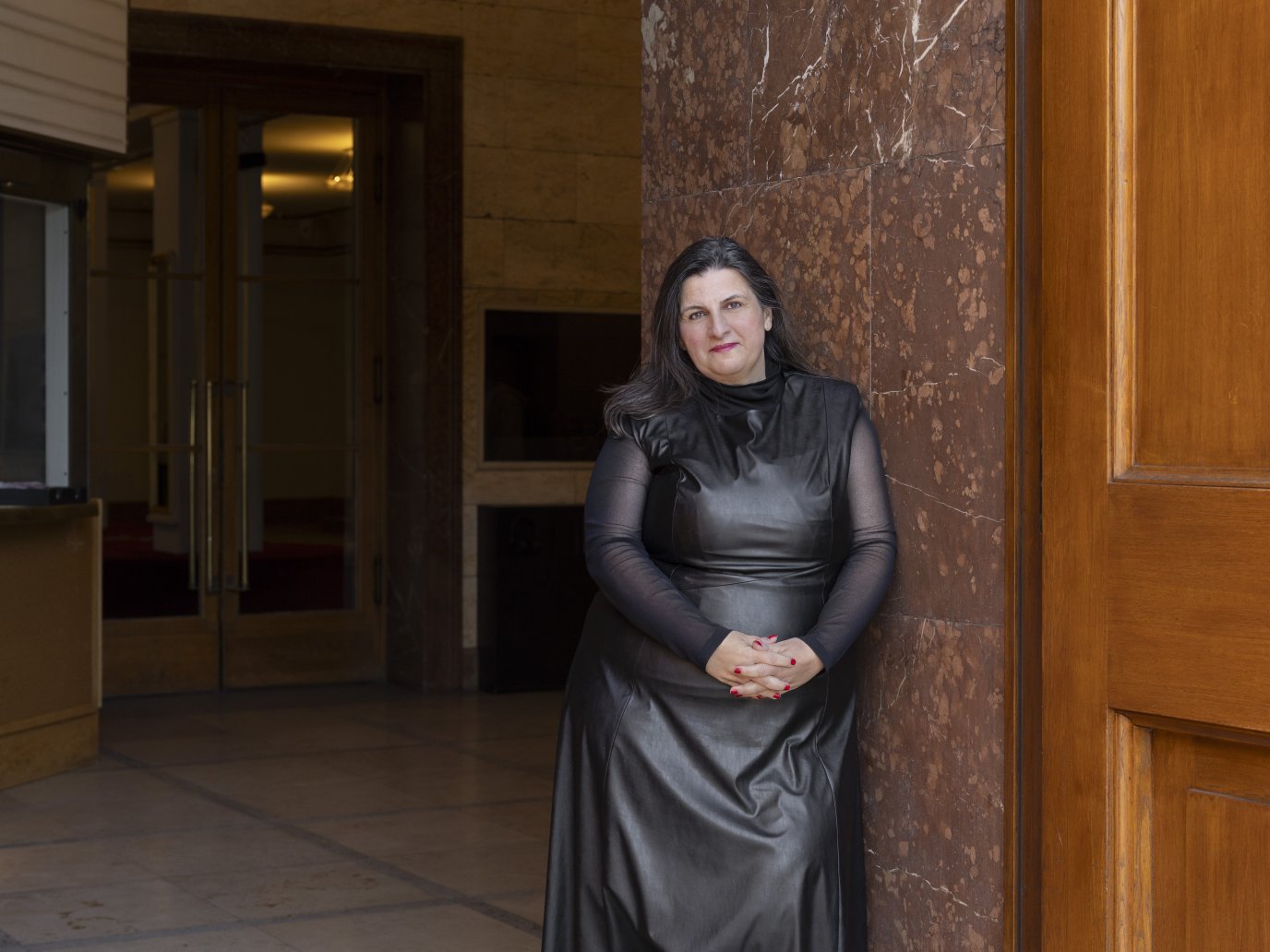
Çağla Ilk, who curated the German Pavilion at the Venice Biennale two years ago, has presented her plans as the new artistic director of the Maxim Gorki Theater in Berlin. Her program reimagines theater from the perspective of visual art, signaling a major shift in the city's theater landscape. The announcement comes amid broader reforms in Berlin's theater scene, including Matthias Lilienthal's upcoming takeover of the Volksbühne, and was met with both anticipation and anxiety, reminiscent of Chris Dercon's failed tenure at the Volksbühne in 2017.

"Gesundheitseffekt der Künste auf biologischer Ebene"

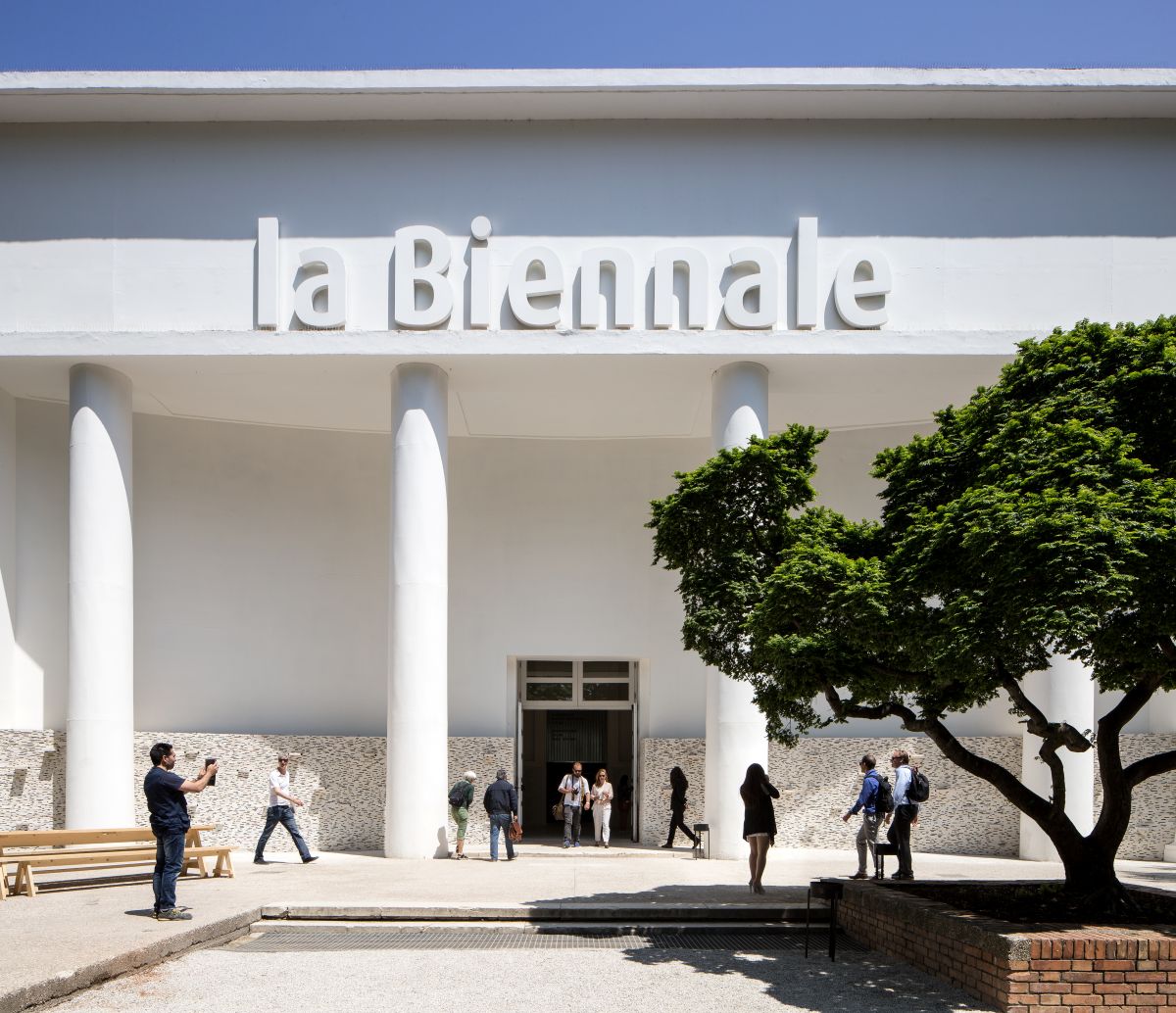
A roundup of art news covers multiple stories: Stefan Trinks criticizes Berlin's 'MuseumsMeileMitte' as a symptom of urban and cultural misdevelopment, where museums are co-opted by real estate marketing. At the Venice Biennale, the German Pavilion by Henrike Naumann and Sung Tieu explores East German identity and post-reunification trauma, while Patti Smith performed a 'sonic prayer' at the Vatican Pavilion curated by Hans Ulrich Obrist and Ben Vickers. A study from University College London suggests regular arts engagement may slow biological aging.

I'm a punk artist, I don't give a damn

"Ich bin Punk-Künstlerin, ich geb einen Scheiß drauf"

During the opening week of the Venice Biennale, the Russian activist and Pussy Riot member Nadya Tolokonnikova staged a protest against the Russian pavilion, wearing pink balaclavas and chanting slogans like "Blood is Russia's Art." Meanwhile, Florentina Holzinger's Austrian pavilion, subtitled "I Live in Your Piss," drew massive crowds with its scatological installations and extreme performances, causing wait times of up to two and a half hours. German media critics have widely covered the Biennale's heightened political tone, with debates over boycotts of Russia and Israel, and the tension between art and activism.

Our Highlights from the Supporting Program

Unsere Highlights aus dem Rahmenprogramm

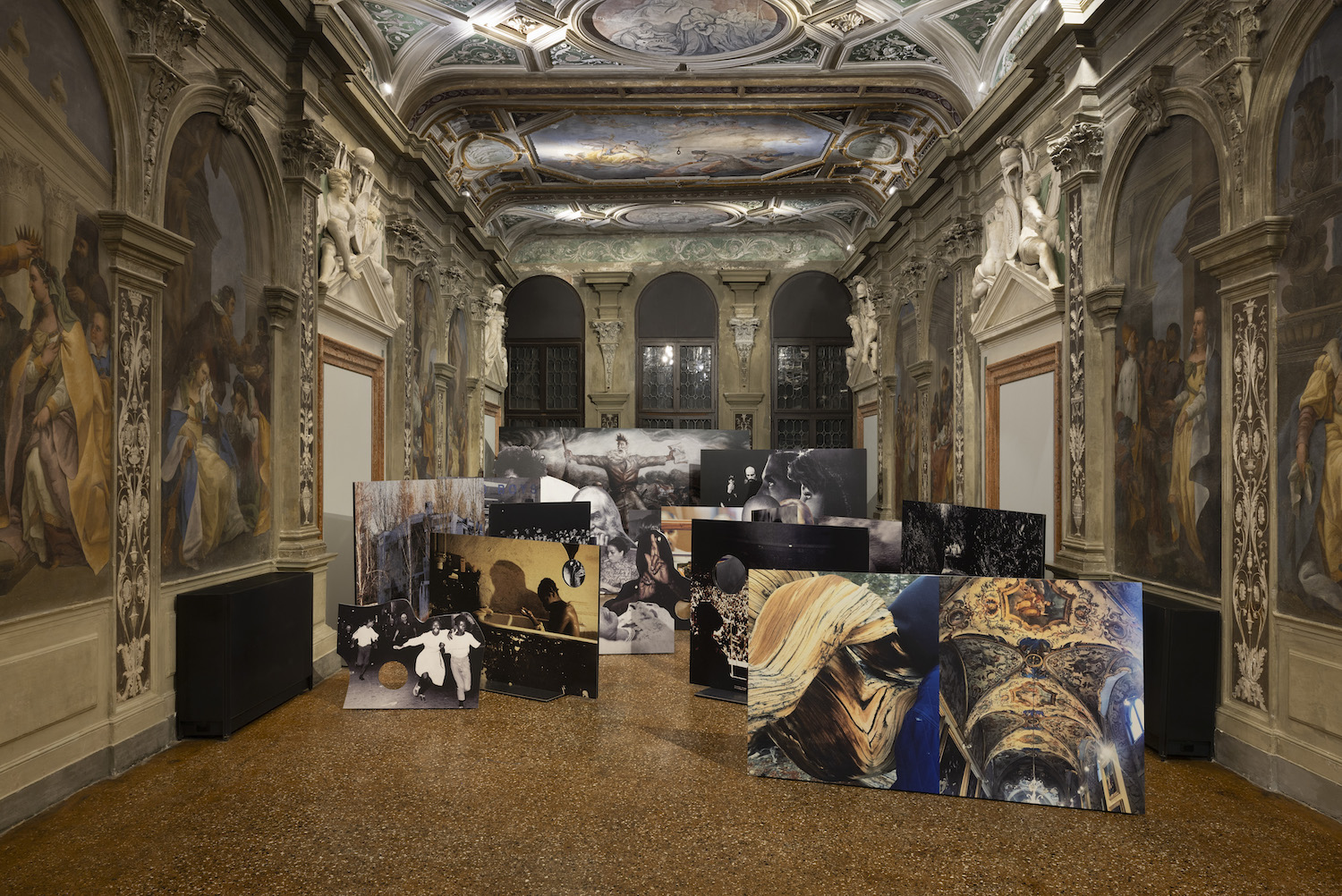
This article from Monopol highlights the must-see collateral events at the Venice Biennale, focusing on exhibitions and performances beyond the main show. It features Arthur Jafa and Richard Prince at Fondazione Prada, as well as works by Marina Abramović and other artists across video and performance art.

"Hier darf laut gelacht werden"

During the opening week of the Venice Biennale, multiple reports detail controversies surrounding the Israeli and Russian pavilions. According to Hyperallergic, artist Belu-Simion Fainaru of the Israeli pavilion threatened legal action against the Biennale after the jury sought to exclude Israel and Russia from prizes over alleged human rights violations, citing antisemitism and nationality-based discrimination. This may have prompted the jury's sudden resignation. Meanwhile, taz reports that Russia's pavilion is a macabre 'dance of death' blending techno and political denial, while Israel's pavilion faces a 'silent boycott' and social ostracism. Zeit describes protests by Pussy Riot and Femen outside the Russian pavilion as a defining image, with activists chanting 'blood sticks to the art of this country.'

Where to go for the next scandal?

Wo bitte geht's zum nächsten Skandal?

The article reports on the 2024 Venice Biennale preview days, where the atmosphere is dominated by political protests, media stunts, and social-media pressure rather than the art itself. Incidents include a solidarity drone choir for Gaza, a Pussy Riot and FEMEN protest at the Russian Pavilion, and a planned demonstration near the Israeli Pavilion, all amplified by PR agencies and WhatsApp alerts. A journalist describes being pressured by editors to cover scandals and political controversies instead of art reviews, which they say no longer attract clicks.

A sturdy soldier in a sequin dress

"Eine kräftige Soldatin im Paillettenkleid"

Media reviews of the Venice Biennale's opening week offer contrasting takes on the German and US pavilions. Critics describe the German pavilion, curated by Sung Tieu and Henrike Naumann, as a dense, ironic East-West narrative that layers Nazi architecture with DDR prefab construction, creating what Jörg Häntzschel calls a "shockingly seamless symbiosis." The US pavilion, featuring sculptures by Alma Allen, is panned by Maximilíano Durón in ArtNews as politically timid and empty, lacking the clear colonial critiques of previous editions by Simone Leigh and Jeffrey Gibson.

How Art Libraries Make Art Accessible

Wie Artotheken Kunst zugänglich machen

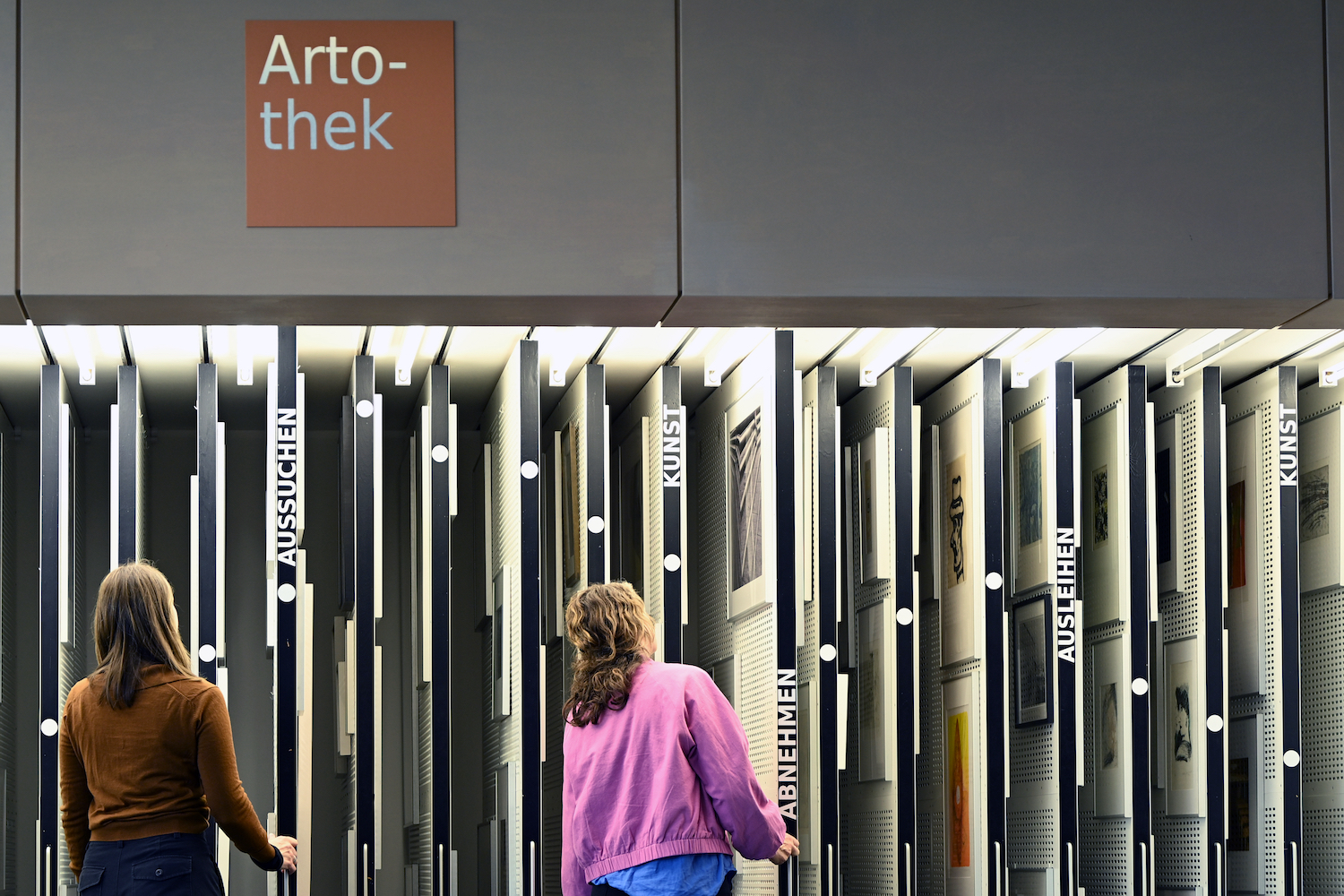
Artotheken, or art libraries, are public institutions that lend artworks to anyone with a library card, making art accessible beyond the traditional museum or gallery system. In Germany, over 100 such artotheken exist, often housed in public libraries, art associations, or museums. The Amerika-Gedenkbibliothek in Berlin, for example, has a collection of 2,000 works, with around 300 currently on loan to homes, doctors' offices, and law firms. The lending process is informal: borrowers can eat, drink, and even touch the works, and transport by bus or bike is encouraged. A jury selects up to 15 new works annually, and the collection includes major names like Roy Lichtenstein and Niki de Saint Phalle, though most users choose pieces based on personal connection rather than prestige.

Seen in Venice, Bought in Venice

"In Venedig gesehen, in Venedig gekauft"

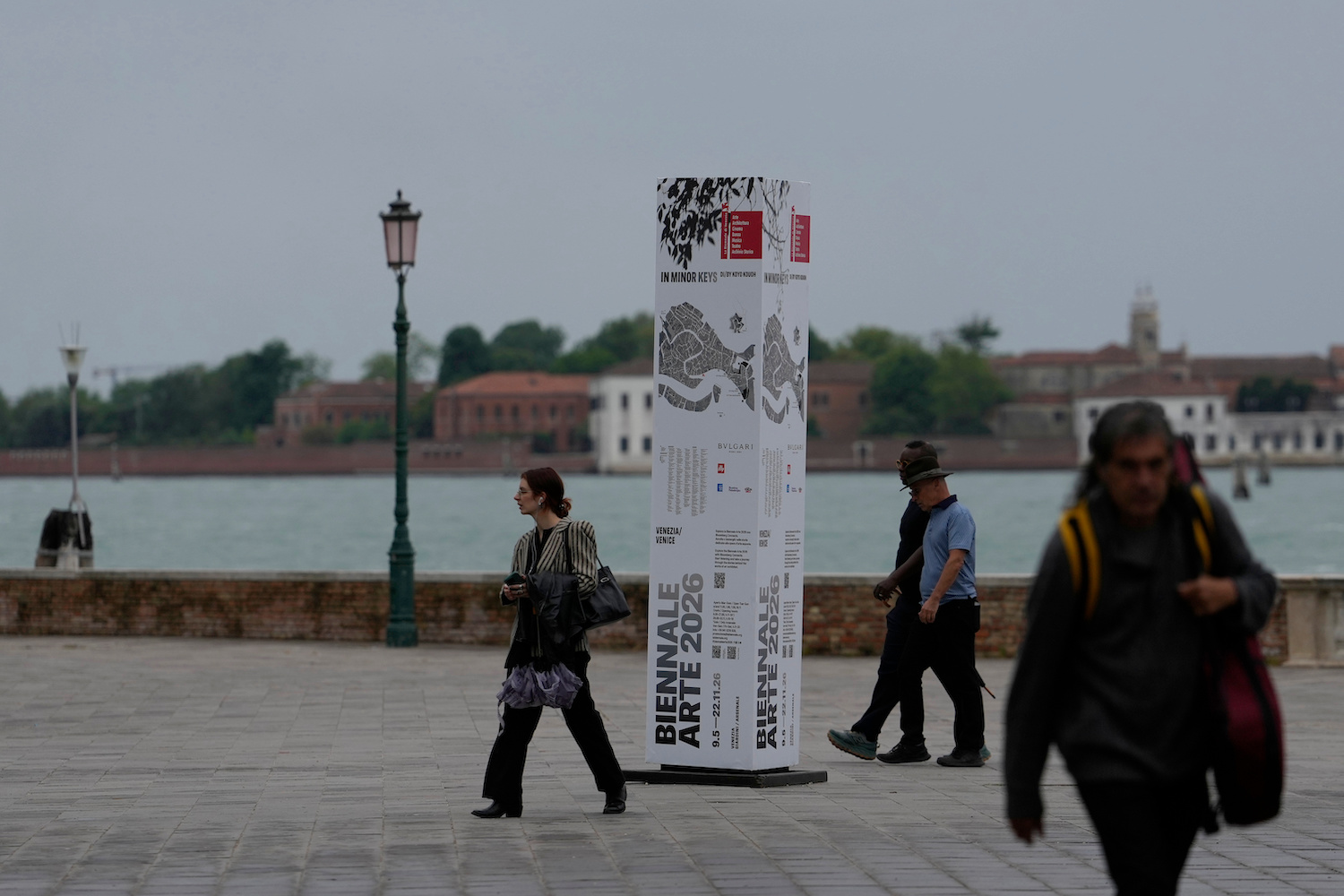
The article reports on multiple developments surrounding the Venice Biennale. Iran has withdrawn from the Biennale, citing political and economic crises, with logistical challenges such as no flights or postal service making participation nearly impossible. Artist Anish Kapoor has called for the exclusion of the United States from the Biennale, criticizing its "abhorrent policy of hate" and "ongoing warmongering." A memorial installation by Derrick Adams for the late curator Koyo Kouoh, who was set to lead the main exhibition, will be displayed near the Arsenale. Additionally, the Biennale faces a funding cut from the EU due to Russia's continued participation despite the Ukraine war, leading to the resignation of the jury and the culture minister's withdrawal.

Monopol verlost 5 × 2 Tickets für Graciela Iturbide bei C/O Berlin

German art magazine Monopol is giving away 5 × 2 tickets for the retrospective exhibition "Graciela Iturbide: Eyes to Fly With" at C/O Berlin. The article describes Iturbide's career, including her iconic photograph "Mujer ángel" (Angel Woman) taken in the Sonora Desert while living with the Seri people, and her long-term documentary projects on Mexican cultural practices, such as the Zapotec community in Oaxaca and images like "Nuestra Señora de las Iguanas." Iturbide, born in Mexico City in 1942, began her photography career in the late 1960s as an assistant to Manuel Álvarez Bravo.

The Biennale of Quiet Tones

Die Biennale der leisen Töne

The 61st Venice Biennale's main exhibition, titled "Gardens, Processions, Art as Expression of Lived Realities," places humanity at its center. Curators revealed minimal biographical details for the 111 participating artists, only noting the oldest (Marcel Duchamp, born 1887) and youngest (Mohammed Z Rahman, born 1997), signaling a deliberate shift away from individual fame toward collective experience.

The Future Will Be Neither Good Nor Bad, But Strange

"Die Zukunft wird nicht gut oder schlecht, sondern seltsam"

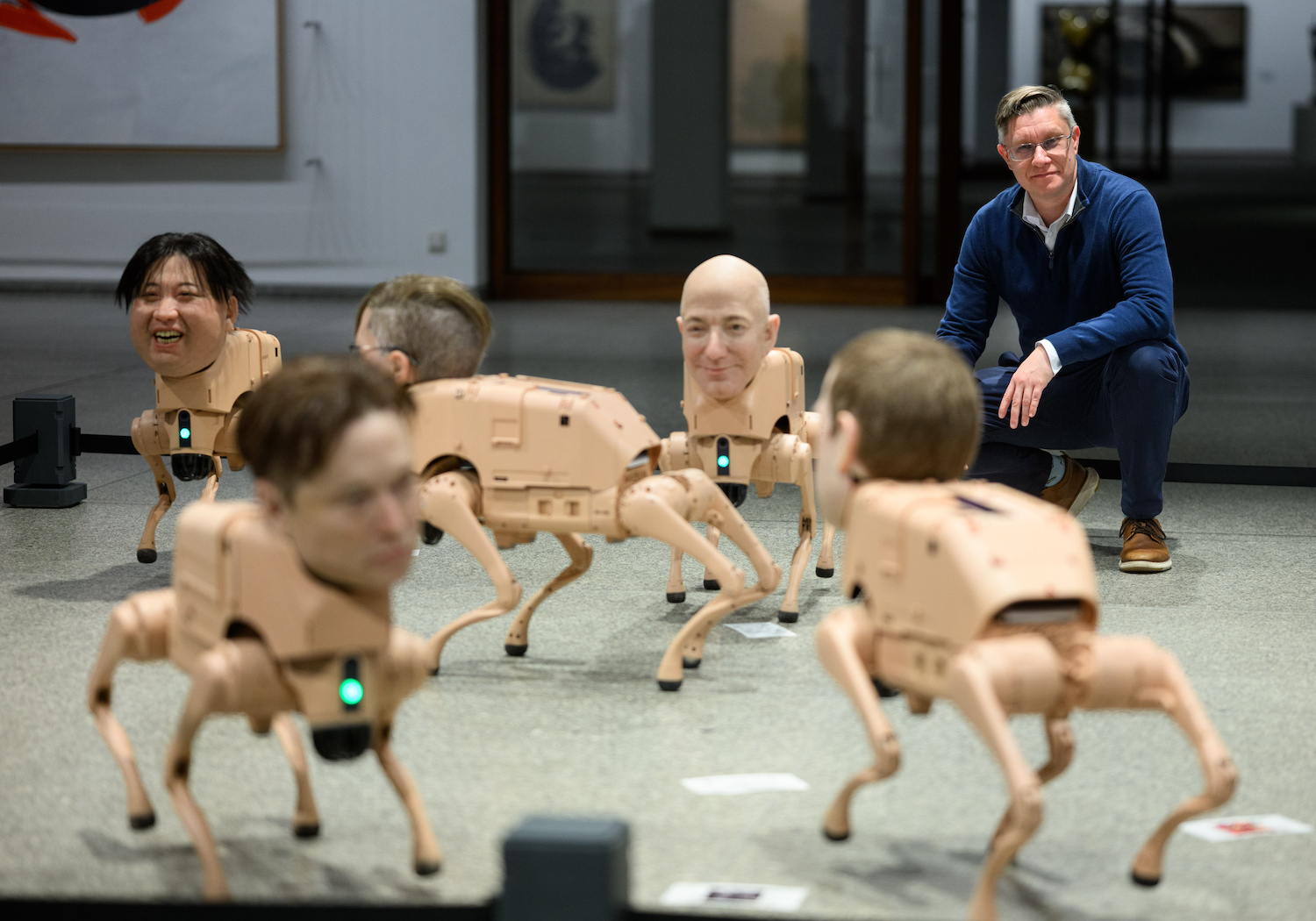
Mike Winkelmann, known as Beeple, has brought his "Regular Animals" series to the Neue Nationalgalerie in Berlin. The works feature digital creatures that blend pop-culture figures like Mark Zuckerberg with art-historical references such as Picasso, continuing Beeple's signature style of satirical, software-generated imagery. The exhibition marks a significant institutional debut for the artist, who rose to fame by selling the most expensive NFT ever and posting daily digital art online.

Wer vertritt wen in Venedig?

Patti Smith receives Princess of Asturias Award for Arts

Patti Smith erhält Asturien-Preis für Künste

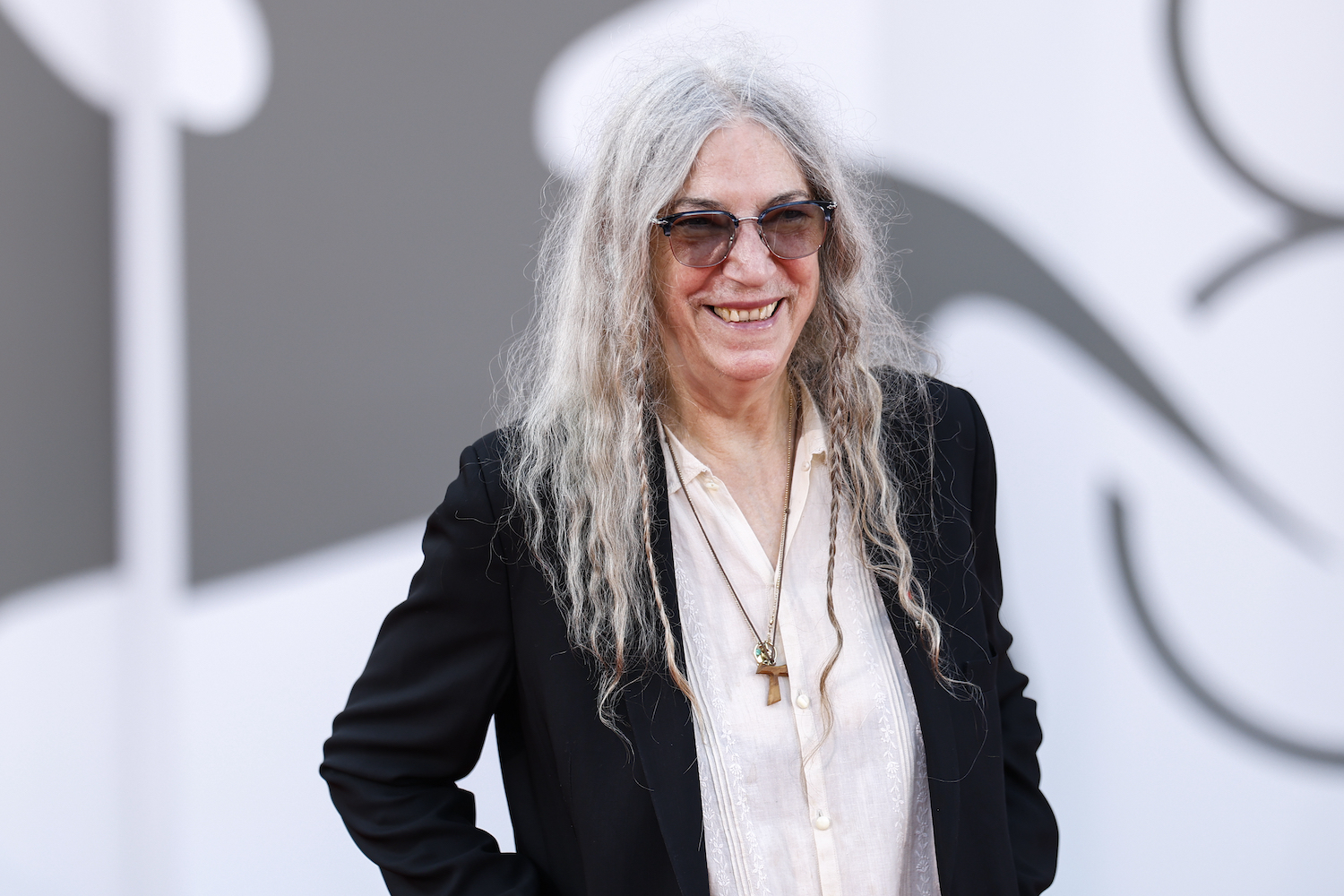
Patti Smith, the 79-year-old American musician and author, has been awarded the Princess of Asturias Award in the Arts category. The Princess of Asturias Foundation in Oviedo, Spain, praised her as the "godmother of punk" who has transcended music to work across poetry, photography, performance art, and video installation, becoming a multidisciplinary and unconventional communicator. Smith first gained fame with her 1975 album "Horses" and remains popular with younger audiences due to her radical sincerity and continued political activism, including criticism of US President Donald Trump. She is the first winner announced this year; the prize includes €50,000 and a replica of a Joan Miró statue, to be presented by King Felipe VI and Crown Princess Leonor in late October.

"Eine Idee, die gut ist, kann fast alles verändern"

Henrike Naumann's final major artistic project, the German Pavilion at the Venice Biennale, is completed posthumously by friends after her death from cancer at age 41. Meanwhile, the sudden death of curator Koyo Kouoh at 57 has left her team to finish the central exhibition "In Minor Keys" for the Biennale, opening May 9. The US Pavilion is openly crowdfunding for its 2026 presentation by sculptor Alma Allen, citing opaque funding under the Trump administration. Israel's foreign ministry has accused the Venice Biennale jury of boycotting its artist Belu-Simion Fainaru by excluding countries whose leaders face International Criminal Court charges.

What We Throw Away Does Not Disappear

Was wir wegwerfen, verschwindet nicht

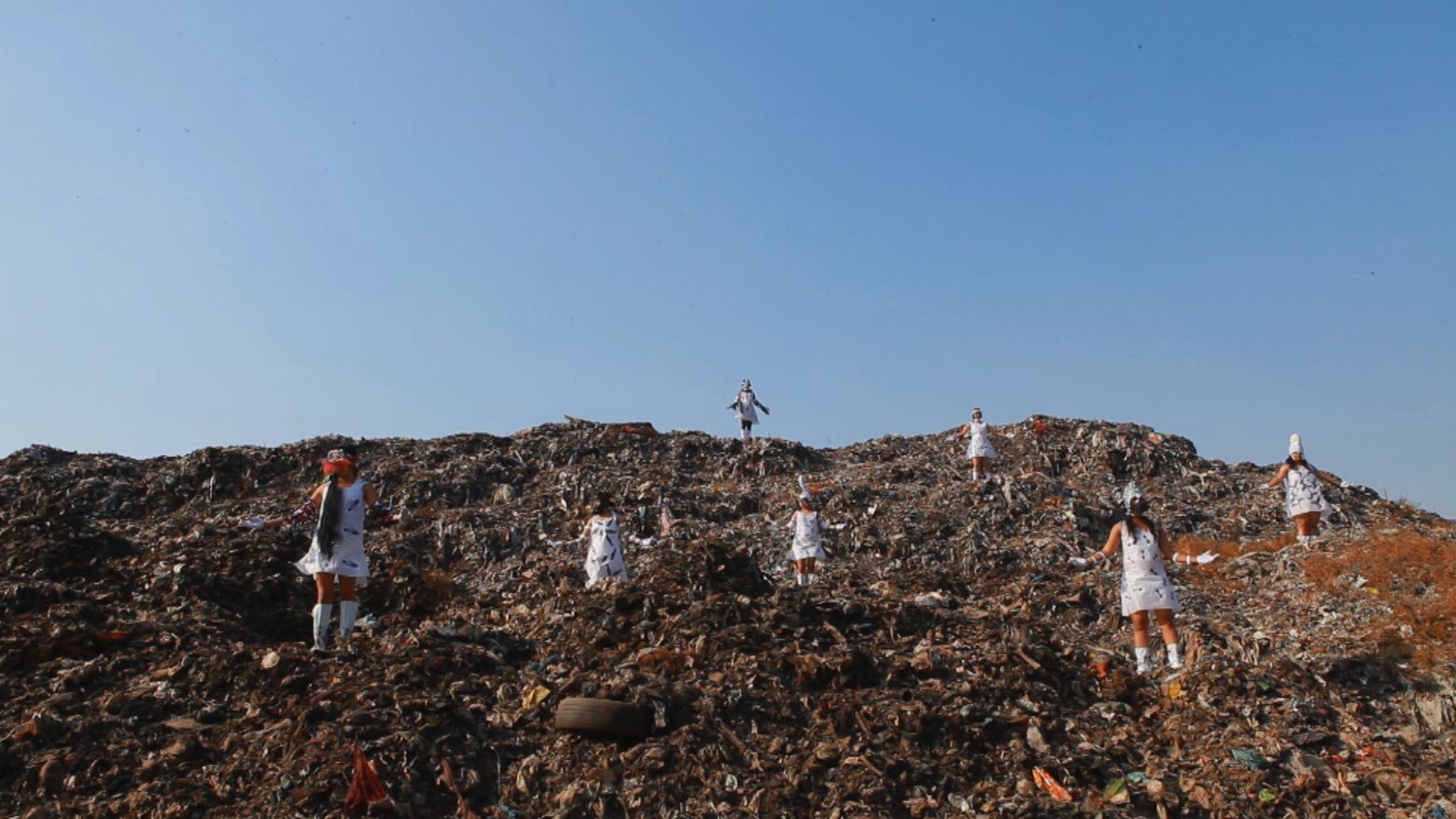
The Museum Ostwall at the Dortmunder U in Dortmund has opened a new exhibition titled "Müll – die globalen Wege des Abfalls" ("Waste – The Global Paths of Garbage"), curated by Christina Danick and Michael Griff. Featuring around 50 international artworks from the 20th and 21st centuries, including two newly commissioned pieces, the show uses art to explore waste as material, motif, and aesthetic strategy. Key works include Kader Attia's "Los de Arriba y Los de Abajo," which addresses power imbalances through the lens of garbage in Hebron, and historical pieces by César Baldaccini, Arman, and HA Schult. The exhibition also highlights contemporary issues such as e-waste, global waste trafficking, and the environmental impact of industrial nations on the Global South.

Federal President praises Emder Kunsthalle: 'Extraordinary quality'

Bundespräsident lobt Emder Kunsthalle: "Außerordentliche Qualität"

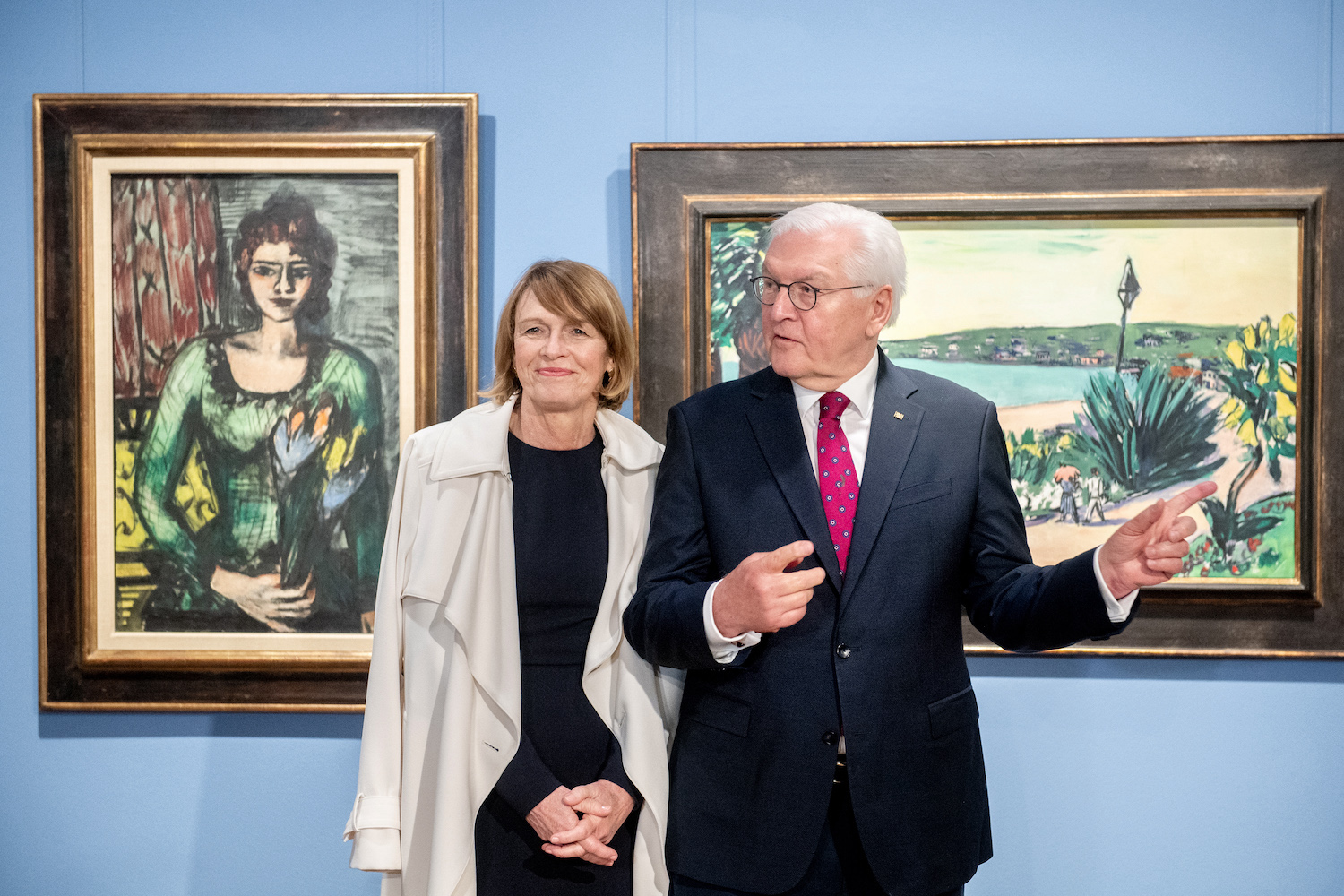
German President Frank-Walter Steinmeier praised the Emder Kunsthalle on its 40th anniversary, calling its collection of "extraordinary quality." The museum was founded in 1986 by Henri Nannen, the late founder of Stern magazine, and his wife Eske Nannen. Steinmeier spoke at a ceremony attended by 500 guests, including his wife Elke Büdenbender and Lower Saxony's Minister President Olaf Lies. The anniversary exhibition "Bilder, die wir lieben" (Pictures We Love) showcases 200 works from the collection, which has grown to around 1,700 pieces, including pieces by Gabriele Münter, Paula Modersohn-Becker, Max Beckmann, and Franz Marc.

New Currents: Liu Shuai

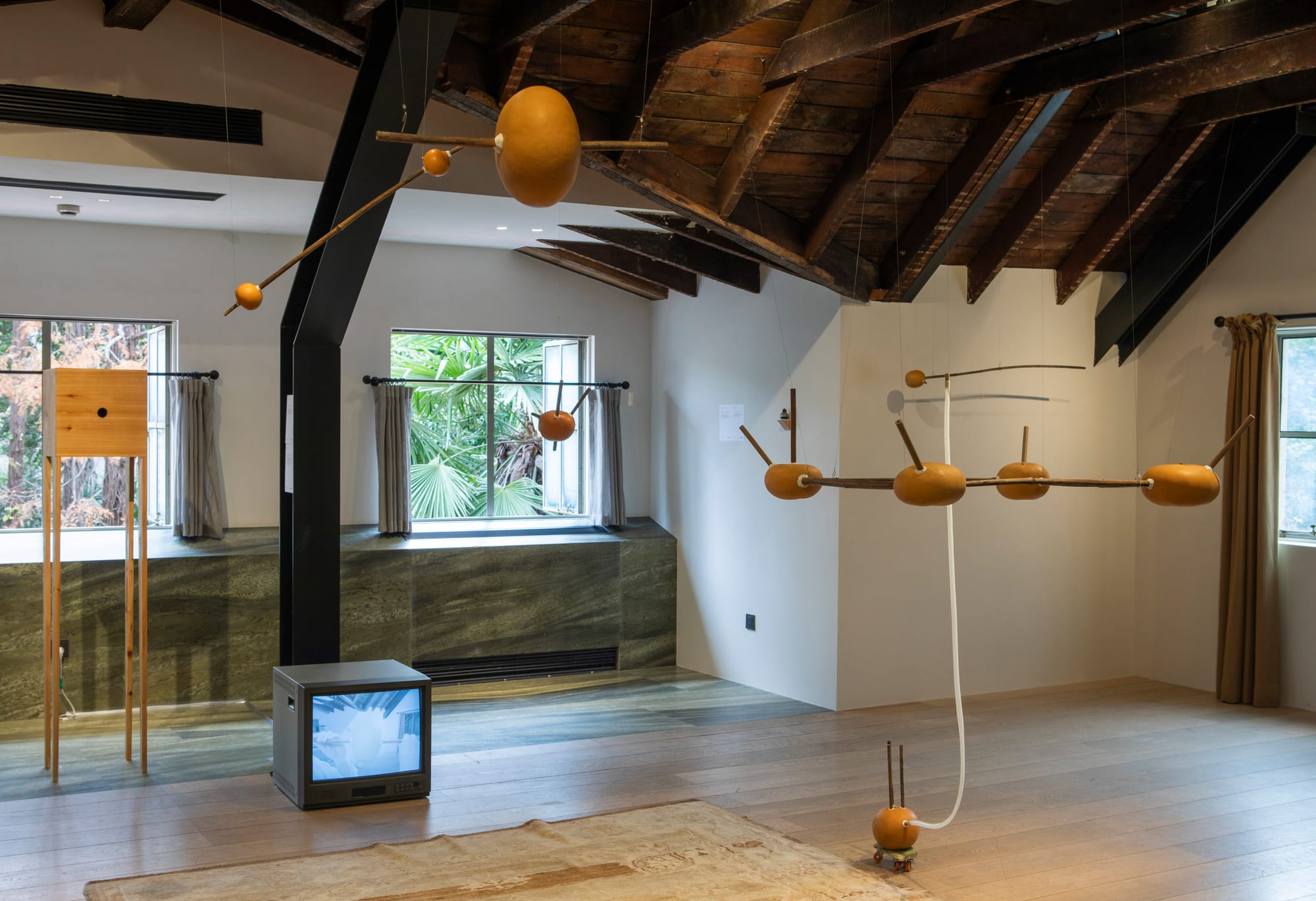
Liu Shuai, a multimedia artist from Shandong province, China, presented an interactive installation titled "The Kiss" (2025) at VILLA tbh in Shanghai during the 15th Shanghai Biennale (2025–26). The work, co-created with carpenter bees, features bamboo stalks punctured by the insects and transformed into hanging instruments. It was part of the biennale's "City Projects" and housed in Liu's temporary studio within the Shanghai Botanical Garden, offering a poetic exploration of interspecies collaboration.

Israel Criticizes Venice Biennale Jury over Pavilion’s Exclusion

The international jury of the 61st Venice Biennale has excluded the Israeli and Russian pavilions from consideration for official prizes, citing that countries whose leaders are charged with crimes against humanity by the International Criminal Court will not be eligible. Israel’s foreign ministry condemned the decision as a political boycott, and Israeli representative Belu-Simion Fainaru called it a hostile act that exceeds the jury’s mandate. The Biennale’s president, Pietrangelo Buttafuoco, has distanced the institution from the jury’s action, insisting the exhibition remain open to all nations recognized by Italy.

A Dismembered Album by Gerard van Honthorst (1592-1656): Unpublished Drawings and Reconstruction of a Corpus

Un album démembré de Gerard van Honthorst (1592-1656) : dessins inédits et reconstitution d'un corpus

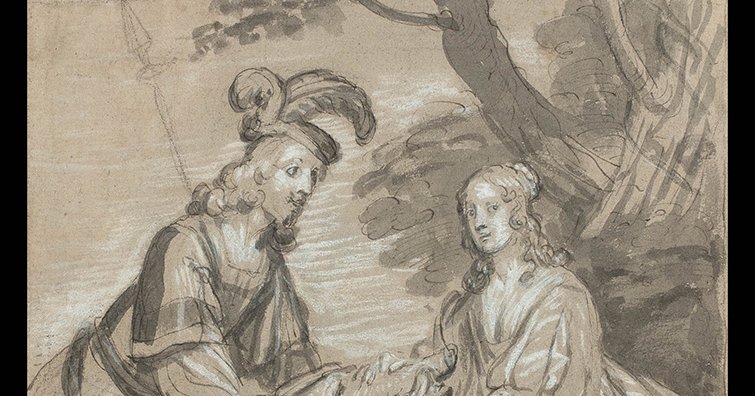
An article in La Tribune de l'Art presents a significant expansion of the known corpus of drawings by Dutch Golden Age painter Gerard van Honthorst (1592-1656). Following the 2014 exhibition of twenty-seven drawings identified by the author, this study adds thirty-two more sheets—twenty-two of which are previously unpublished—as a preliminary step toward reconstructing a dismembered album. The research, conducted with direct observation and advanced imaging techniques (digital microscopy, ultraviolet, raking light), aims to restore the album's original order and shed light on the role of drawing in Honthorst's workshop and creative process.

Au CAPC de Bordeaux, Trevor Yeung recueille nos vœux les plus intimes et relit la mythologie chinoise

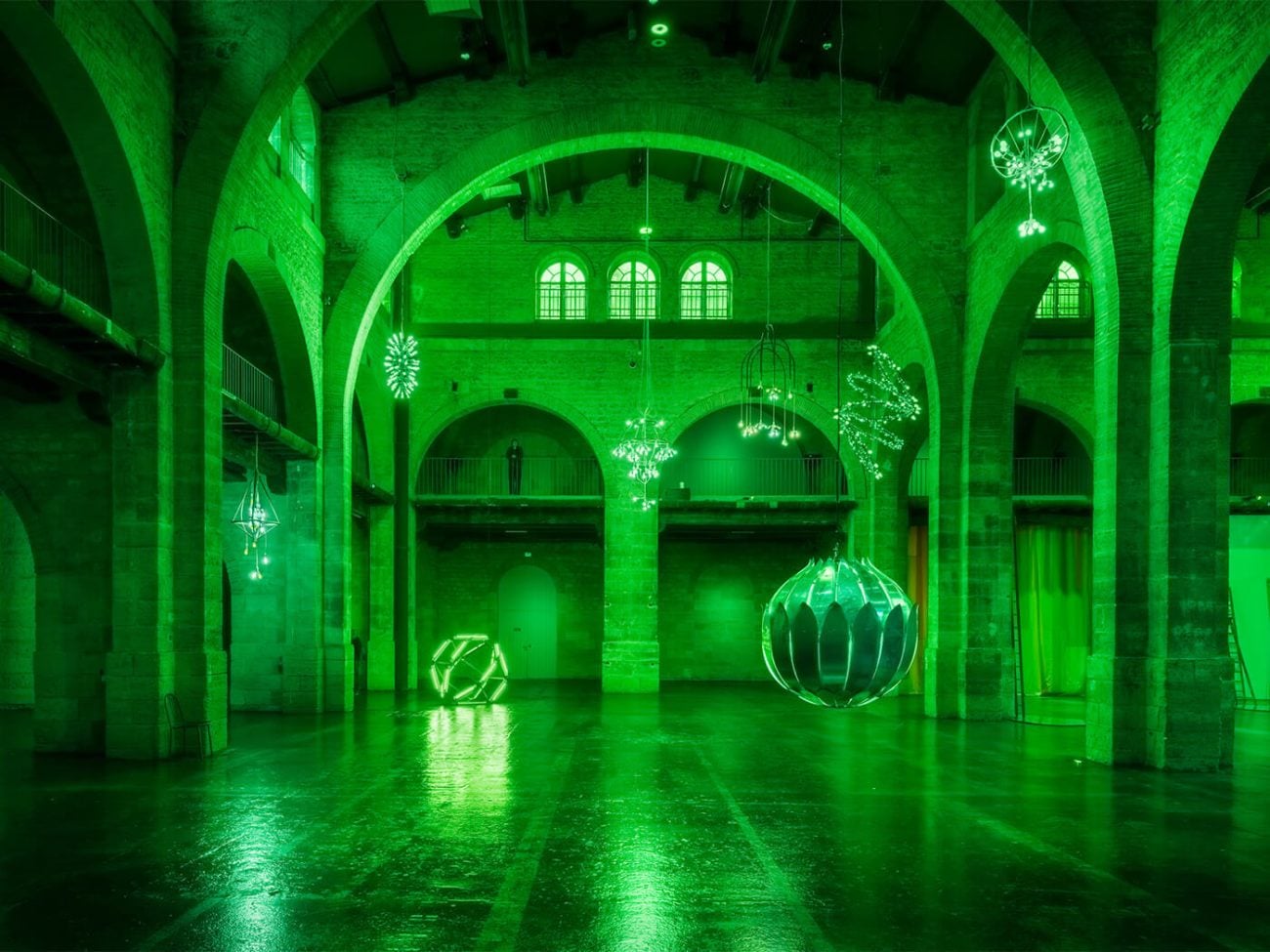
Hong Kong artist Trevor Yeung has transformed the 1,000-square-meter nave of the CAPC in Bordeaux into an immersive installation titled "Jardin des neuf soleils" (Garden of Nine Suns). Visitors climb a monumental rainbow-colored scaffolding structure to the ceiling, tying colored ribbons as wishes, accompanied by a symphony of bells. The exhibition also features green light inspired by an Insectron device found in the museum's storage, and nine "Chaotic Sun" light sculptures that reinterpret a little-known Chinese myth about ten suns crossing the sky.

« Impression, soleil levant » de Claude Monet, l’éblouissant manifeste de l’impressionnisme

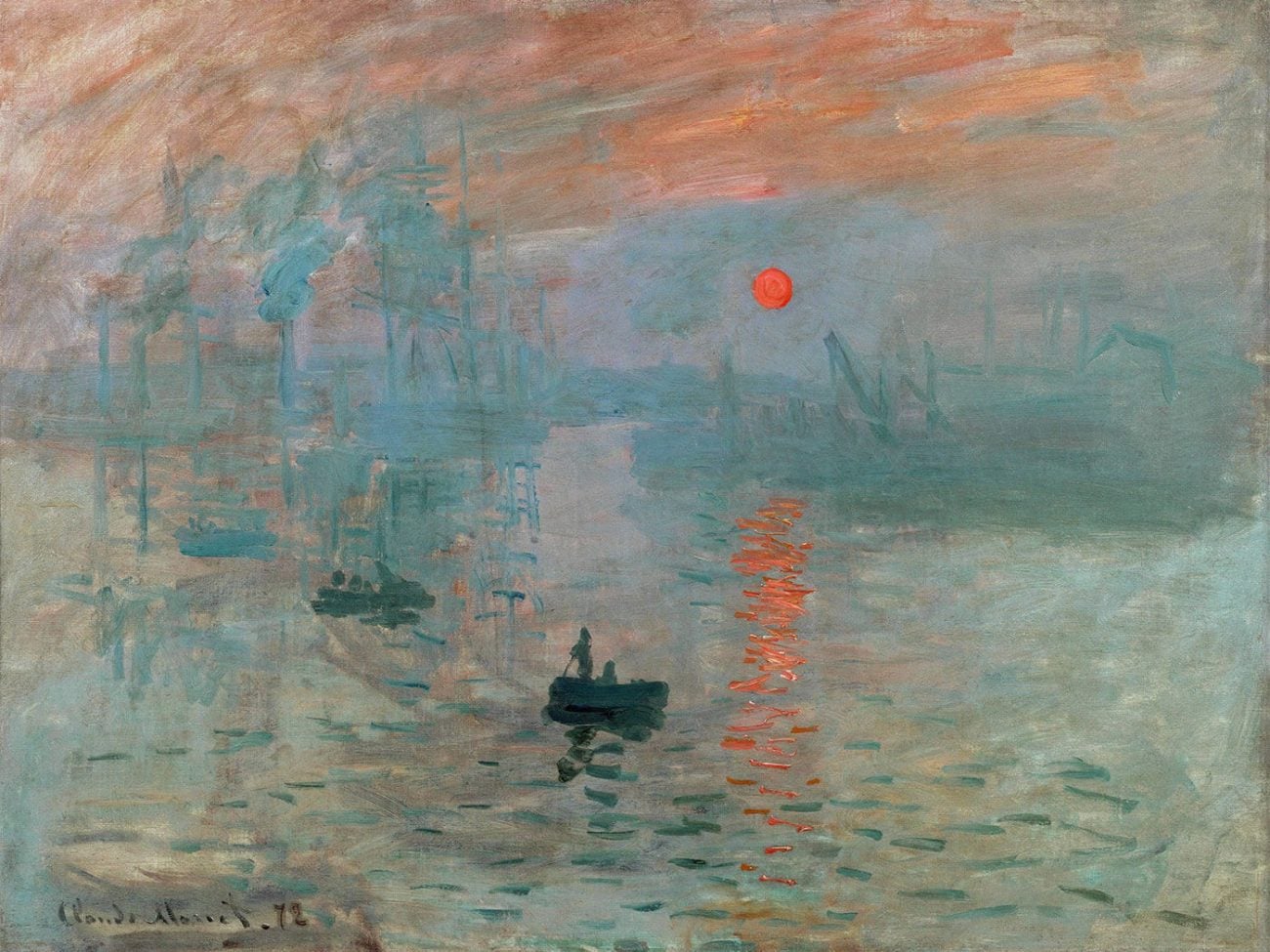
Claude Monet's "Impression, soleil levant" (Impression, Sunrise), the painting that gave Impressionism its name, is analyzed in detail by Beaux Arts Magazine on the centenary of the artist's death. The article examines the work brushstroke by brushstroke, recounting how Monet painted it from his hotel room in Le Havre, capturing the fleeting effects of light and atmosphere that became the hallmark of the movement.

Dans les ateliers de la Maison du vitrail, où création et restauration conjuguent au présent cet art du verre et de la couleur

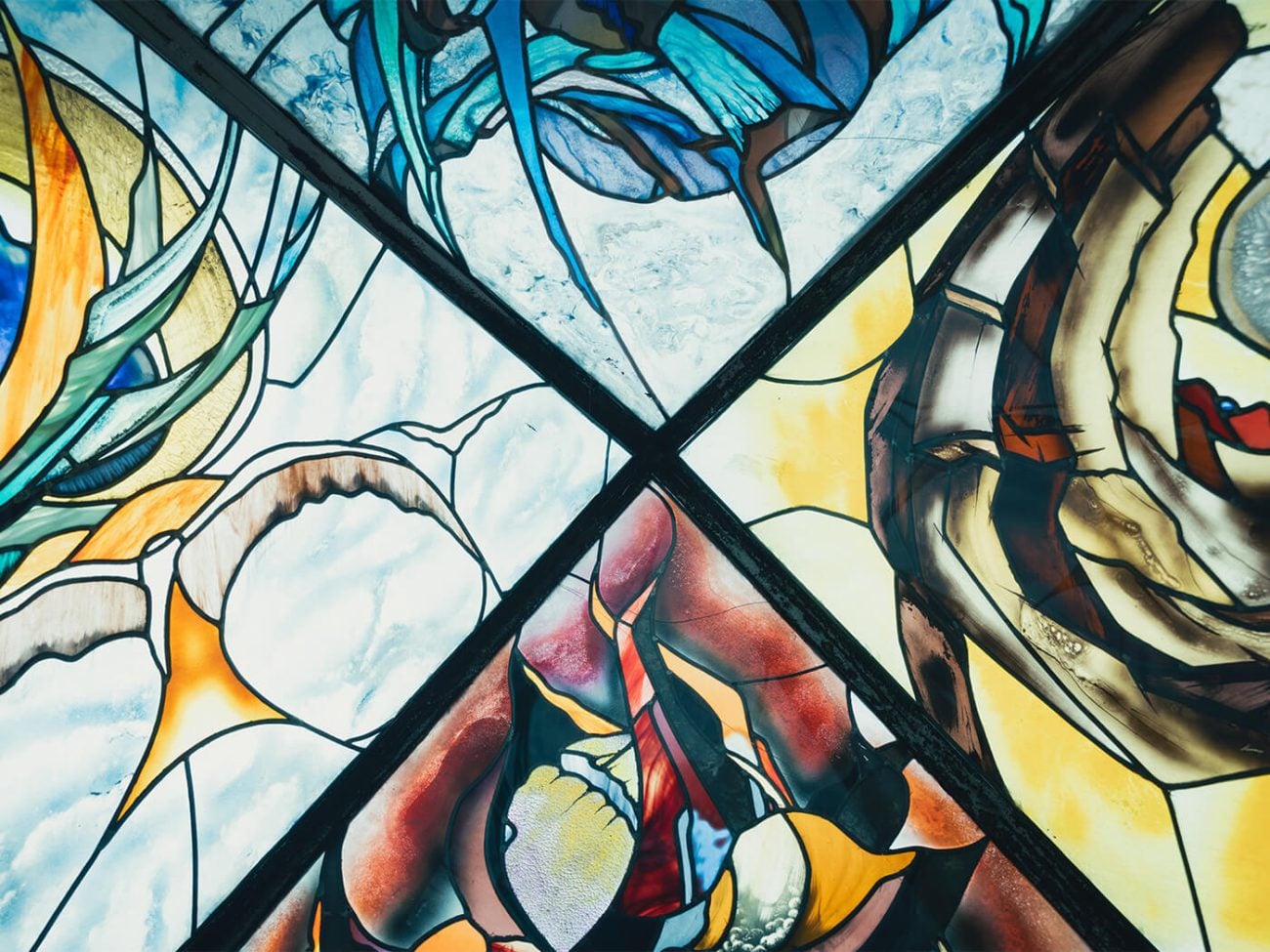
The article visits the Maison du vitrail, a French stained-glass workshop founded in 1973 by Christiane and Philippe Andrieux and now run by their daughter Emmanuelle. Located in a historic courtyard, the studio employs fourteen artisans who cut, paint, and assemble colored glass for both restoration and original creations. The workshop has evolved from a small space in Châtillon to a thriving enterprise that handles everything from church windows and Parisian staircases to trophies, jewelry, and commercial projects for clients like Truffaut and the Casino de Paris.

Valie Export en 2 minutes

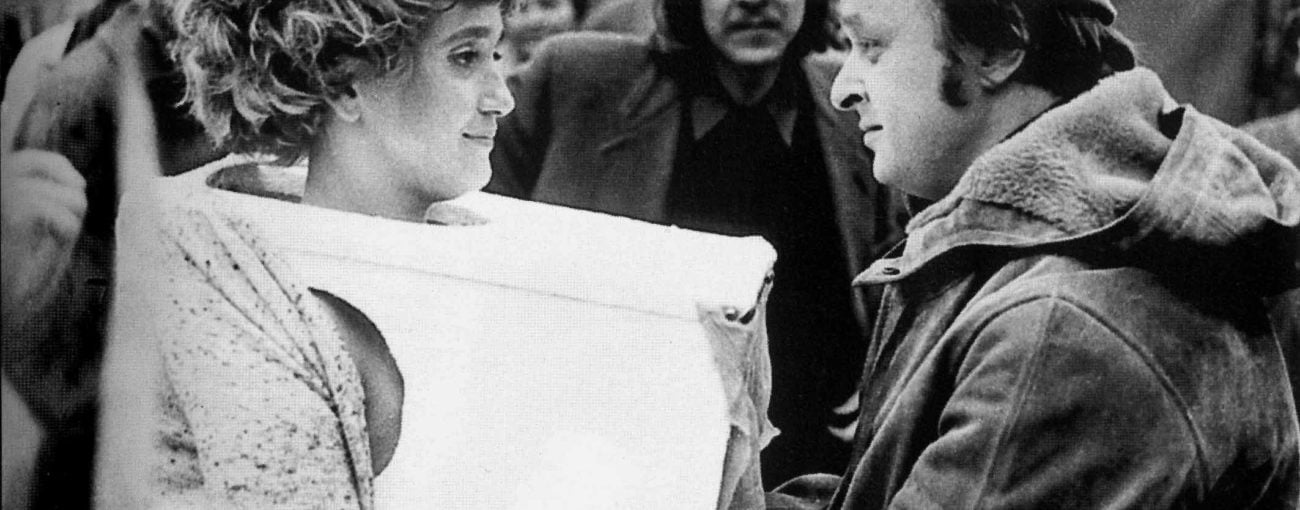
Valie Export (1940–2026), the Austrian avant-garde artist known for radical feminist body art and video, has died at age 85. Born Waltraud Lehner in Linz, she studied design in Vienna before adopting her iconic pseudonym from a Canadian cigarette brand in 1967. Export rose to prominence with her 1969 performance *Genitalpanik*, which critiqued the male gaze and women's societal roles. She became a key figure in body art alongside the Vienna Actionists, later expanding into film and photography. Her first feature *Unsichtbare Gegner* (1976) screened at the Berlinale, and she won the Golden Bear in 1985 for *Die Praxis der Liebe*. She taught in Cologne from 1995 and participated in Documenta 6.

Venice Biennale 2026: The Pavilions Not to Be Missed

Biennale de Venise 2026 : les pavillons à ne surtout pas manquer

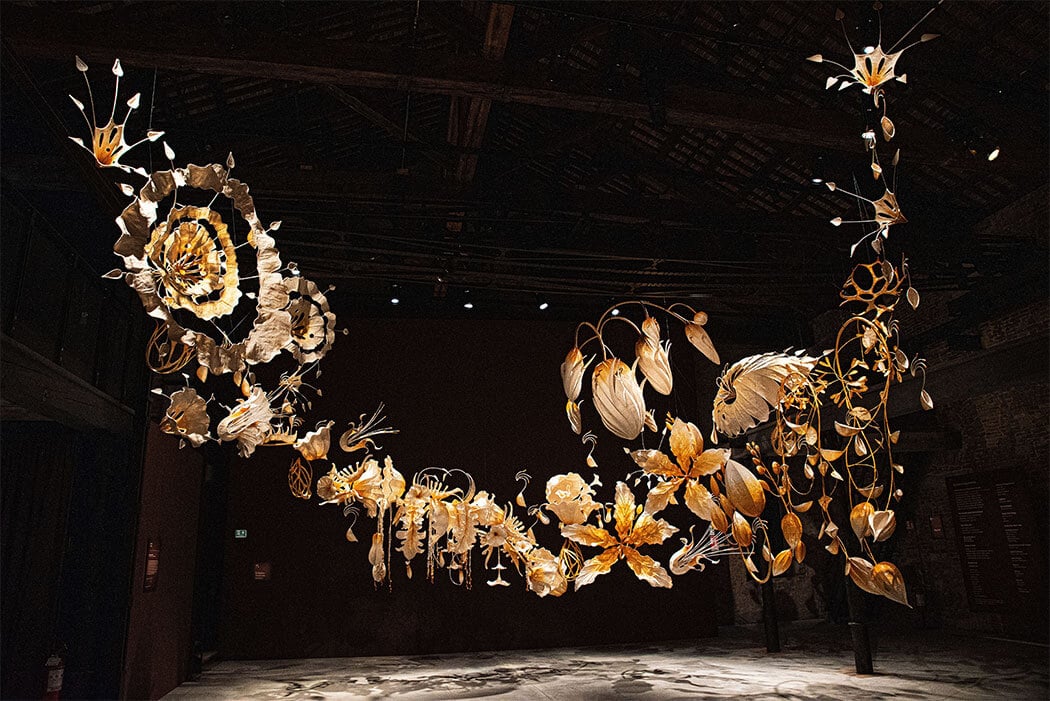
The 61st Venice Biennale, curated by Koyo Kouoh as an invitation to slow down and reconnect with emotions, features a constellation of contemplative and powerful proposals across the city. Notable national pavilions include the Holy See transforming a monastic garden into an immersive sound experience by Soundwalk Collective, Canada exploring colonial heritage through giant water lilies by Abbas Akhavan, and Austria electrifying the Giardini with radical performances by Florentina Holzinger. Other highlights include Spain dissecting collective memory through postcards, Poland imagining new forms of language between human and underwater worlds, and India's pavilion exploring notions of home.

« No art washing ! » : à la Biennale de Venise, près de 3 000 manifestants réunis pour dénoncer la présence du pavillon israélien

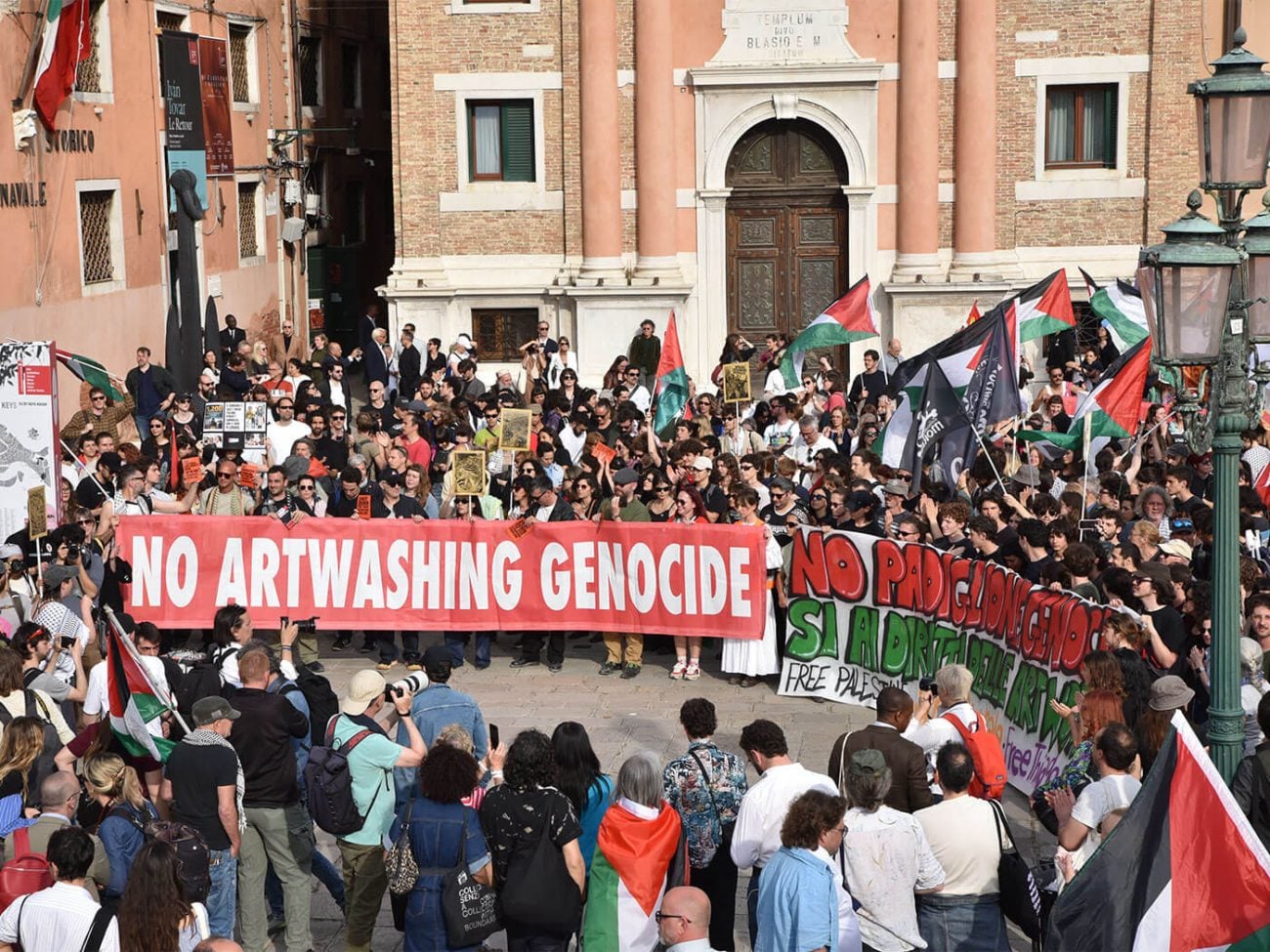
On May 8, 2026, nearly 3,000 protesters gathered in Venice to demonstrate against the presence of the Israeli pavilion at the Venice Biennale. Led by the collective Art Not Genocide Alliance (Anga), the crowd included artists, curators, and cultural workers who chanted slogans such as "Stop al Padiglione genocidio" and called for a strike on the closing day of the professional previews. Dozens of national pavilions, including those of France, Belgium, Poland, Spain, the United Kingdom, Lebanon, and Ukraine, closed in solidarity. The protest followed a letter sent by Anga in March demanding Israel's exclusion, which went unanswered, and the self-dissolution of the awards jury on April 30 over the presence of both Israel and Russia.

Biennale de Venise 2026 : les saturnales éblouissantes d’Yto Barrada pour le pavillon français

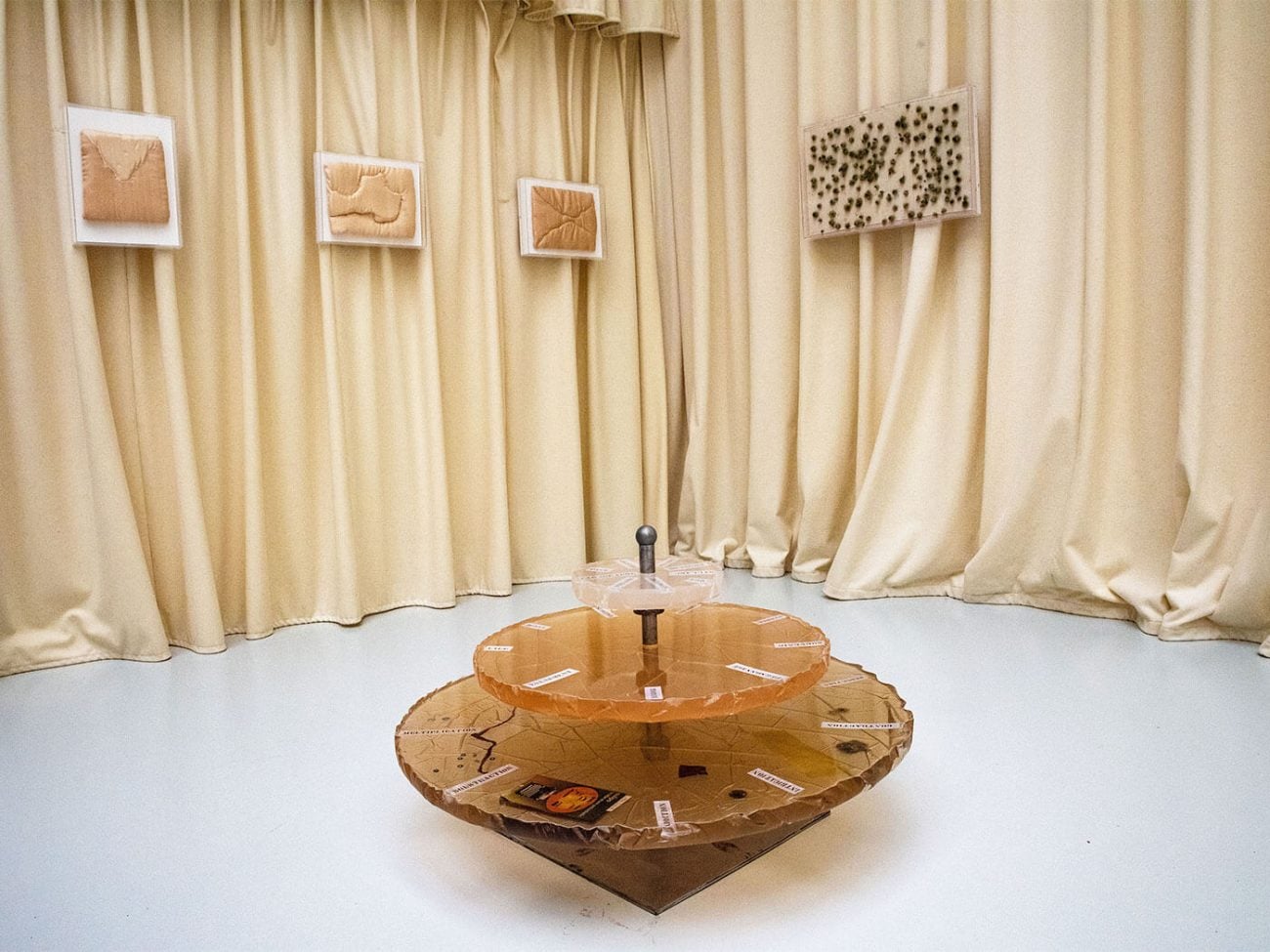
Yto Barrada has been selected to represent France at the 61st Venice Biennale in 2026 with her exhibition "Comme Saturne" (Like Saturn) in the French Pavilion. The installation features rebellious stage curtains hiding wasp nests and a copper daguerreotype plate of a planet, a large rock, a Wheel of Fortune, and a nostalgic vanitas arrangement around a missing mirror frame. Curated by Myriam Ben Salah, the show explores textile and natural dyeing, with three cabinets addressing the transmission of know-how, migration of plants and people, postcolonial history, and Enlightenment imperialism. A central room displays 70 pieces forming a symmetrical frieze of red natural dyes, while a black monochrome patchwork highlights the difficulty of achieving black in dyeing. Barrada is the fifth woman to represent France at the Biennale.