filter_list Showing 200 results for "In minor keys" close Clear
search
dashboard All 200 museum exhibitions 122article news 60rate_review review 9article culture 5person people 2trending_up market 1article policy 1
date_range Range Today This Week This Month All
Subscribe

The Biennale releases the rules for voting on the Visitors' Lions while many artists and pavilions renounce competing for the prizes

La Biennale diffonde il regolamento per votare i Leoni dei Visitatori mentre molti artisti e padiglioni rinunciano a concorrere ai premi

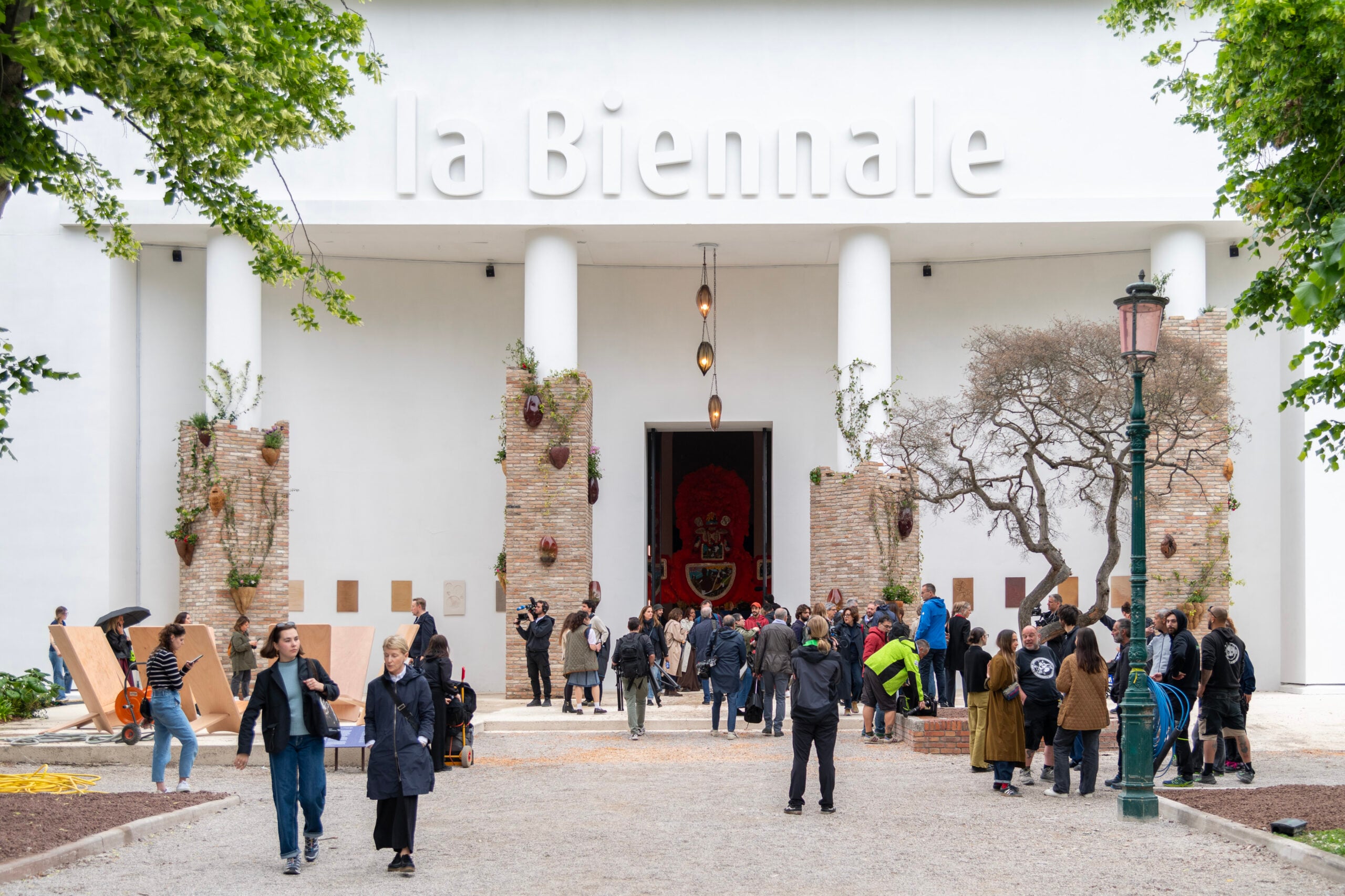
The 61st Venice Biennale has opened to the public, introducing a controversial new voting system for the Golden Lions. After the entire jury resigned en masse on April 30, the Biennale decided to let the public decide the winners of the so-called "Leoni dei Visitatori" (Visitors' Lions). Voting is open from May 9 to November 22, 2026, and requires ticket holders to visit both main venues (Giardini and Arsenale) to receive a voting link. One vote per person is allowed for each of two categories: an artist in the main international exhibition "In Minor Keys" curated by Koyo Kouoh, and a national pavilion.
Nick Cave at the 2026 Biennale. Seven works between loss, memory and protest

Nick Cave è alla Biennale 2026. Sette opere tra perdita, memoria e protesta

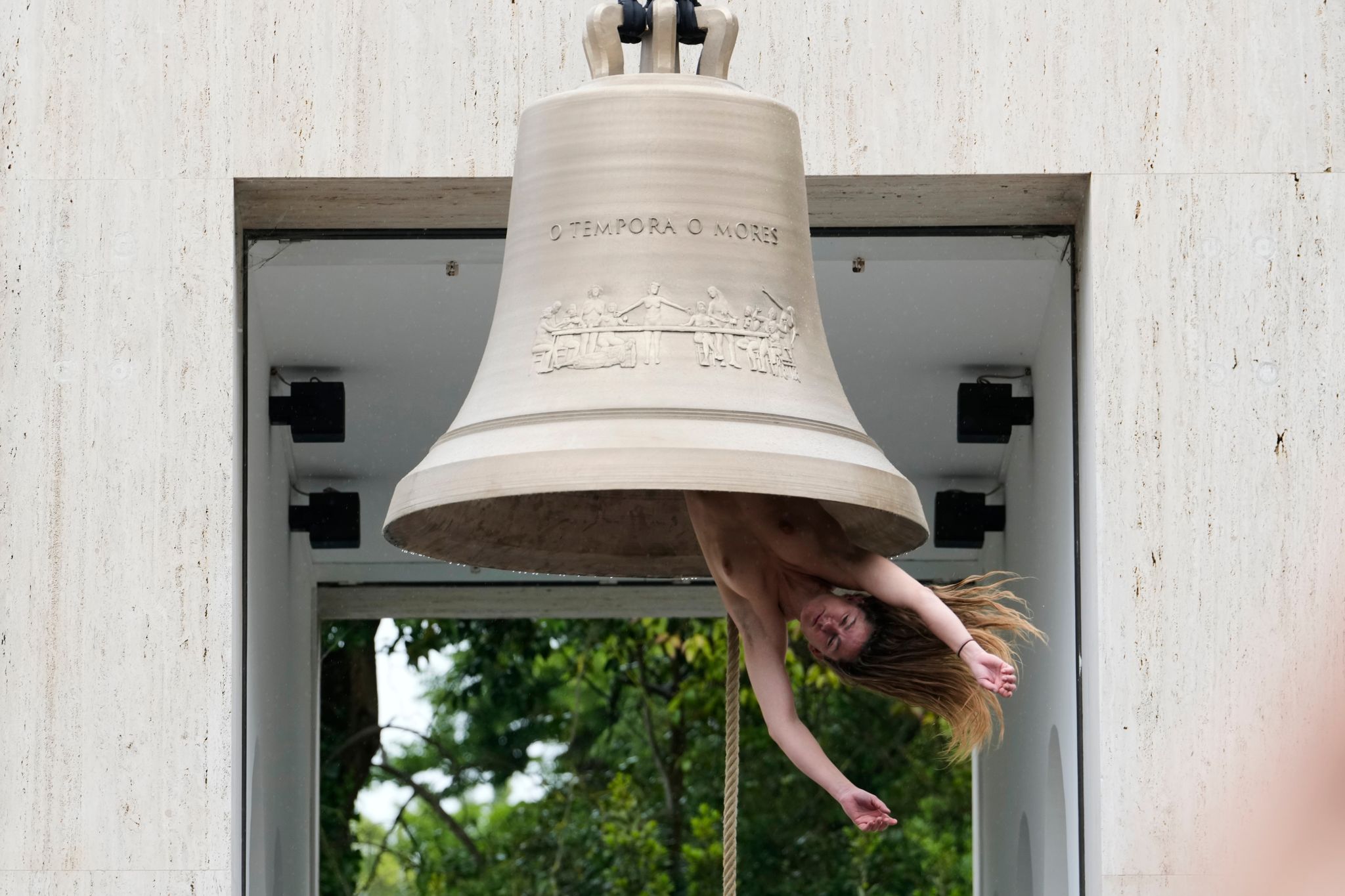
Nick Cave presents "Two Points in Time at Once" at the 2026 Venice Biennale, a project spanning seven locations across Venice. The installation features a series of bronze works, including the "Amalgam" series (Seated, Origin, Plot, Resuscitation, Meditation) along with "Grapht" and "Siren." This marks a significant material shift from Cave's iconic fabric Soundsuits to bronze, exploring themes of loss, memory, trauma, and protest through a more static yet politically charged presence.

The 2026 Venice Biennale is light and conscious

Quella del 2026 è una Biennale di Venezia leggera e consapevole

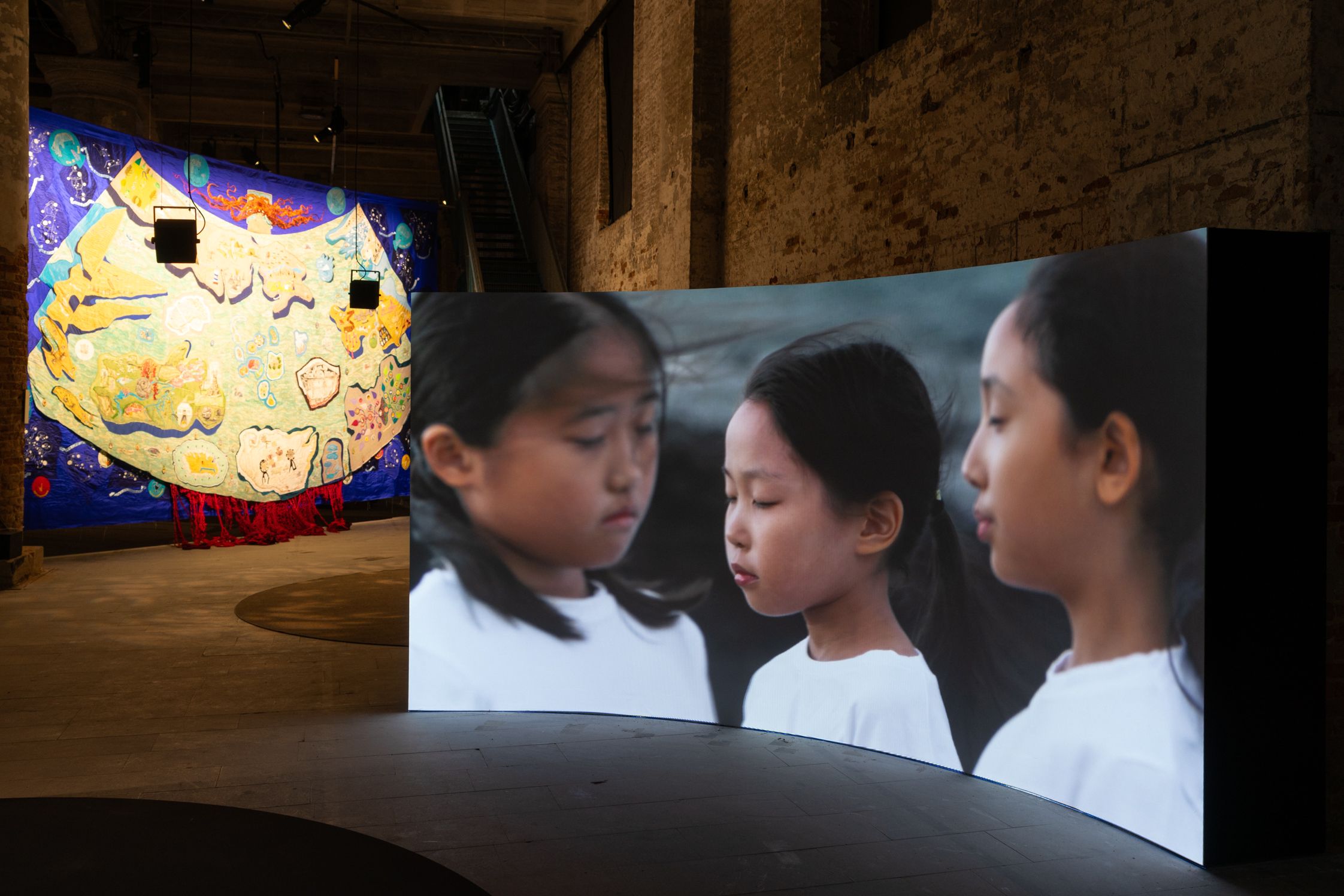
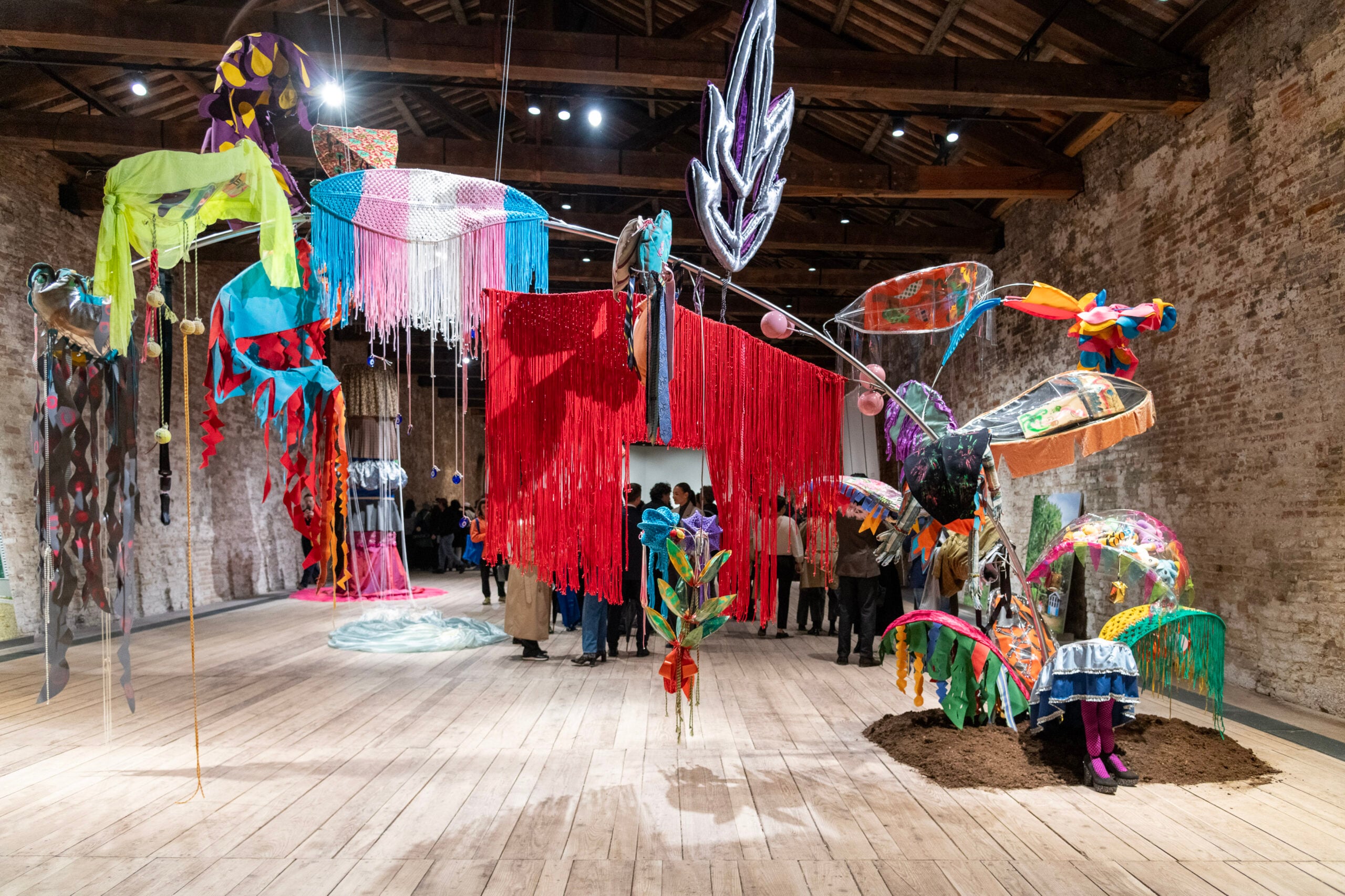
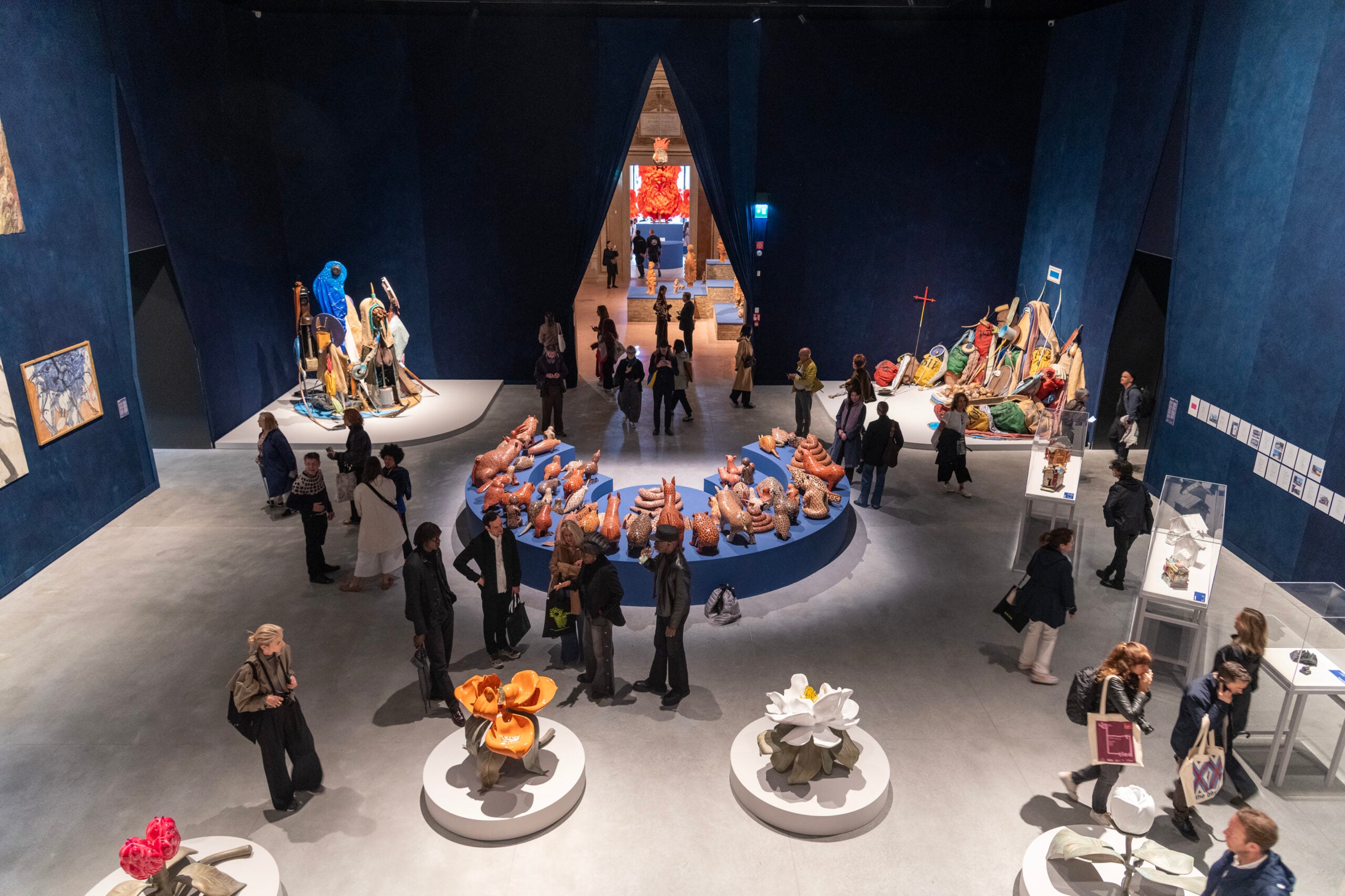
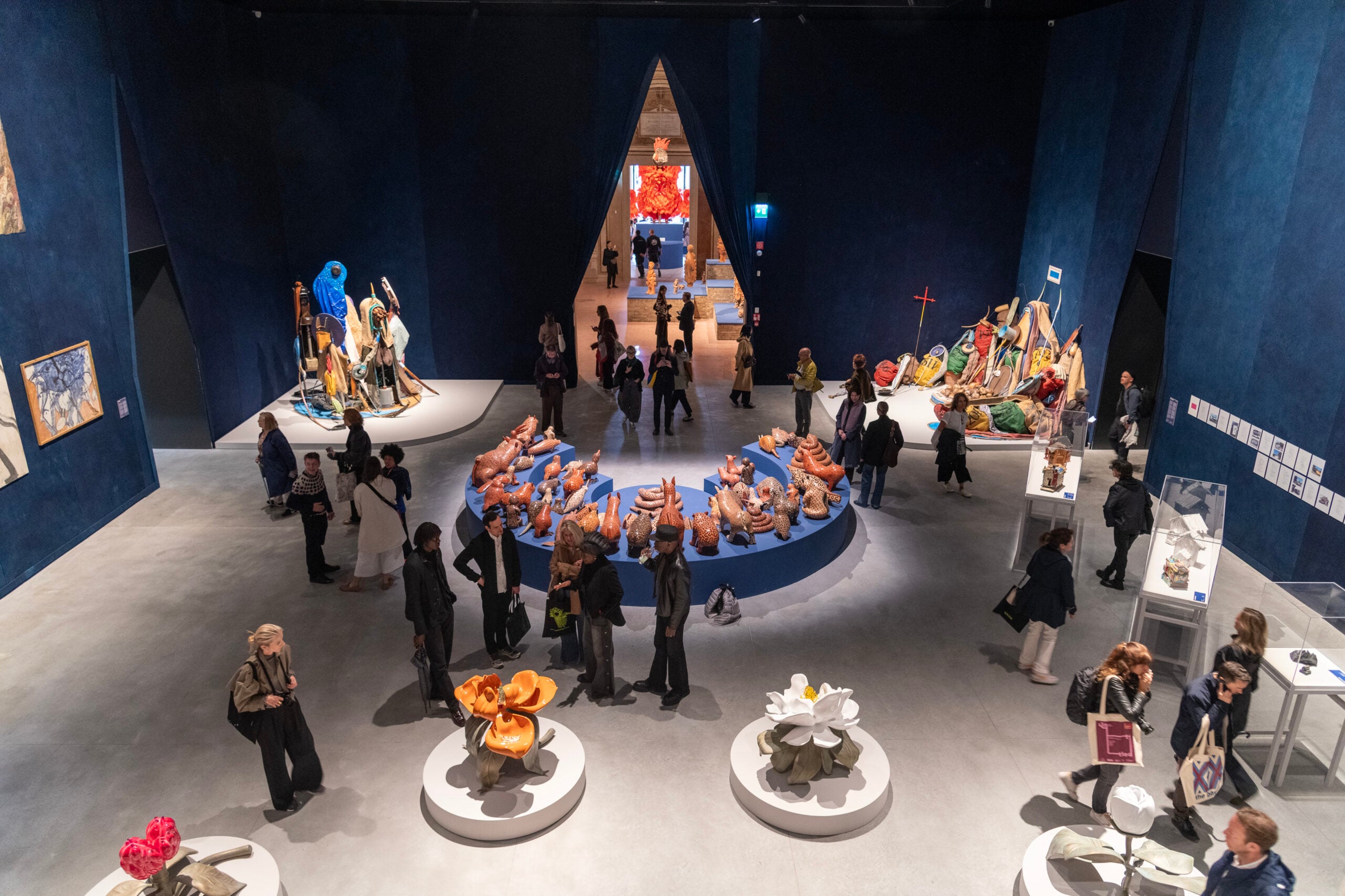
The 2026 Venice Biennale, titled "In Minor Keys" and curated by the late Koyo Kouoh, has opened with a focus on ecology and humanity's relationship with nature. The central pavilion at the Giardini presents a festive, craft-heavy exhibition that emphasizes connections with plants and animals, while the Arsenale offers a more spacious, symphonic experience featuring standout works such as Alfredo Jaar's "End of the World" (2023-2024) and Kader Attia's "Whisper of Traces" (2026). National pavilions, including those of Austria, Denmark, France, Germany, and Spain, explore themes of the body, memory, and ruin with notable installations.

Un’importante collezione tedesca d’arte per la prima volta in mostra in Italia a Venezia

The Kelterborn Collection, a German private collection focused on video art and experimental installations, will be exhibited in Italy for the first time at Venice's Contemporary Forces platform from May 7 to September 27, 2026. The exhibition, titled "Who’s a good boy??," is curated by Anastasia Stravinsky and Mario von Kelterborn in collaboration with IKT – International Association of Curators of Contemporary Art, and features works by twelve artists including Joseph Beuys, Gary Hill, Laure Prouvost, and Ulay. The show aligns with the theme of the 61st Venice Biennale, exploring power "in minor keys."

What is the international exhibition of the Venice Biennale like? Review of "In minor keys" by Koyo Kouoh

Com’è la mostra internazionale della Biennale di Venezia? Recensione di “In minor keys” di Koyo Kouoh

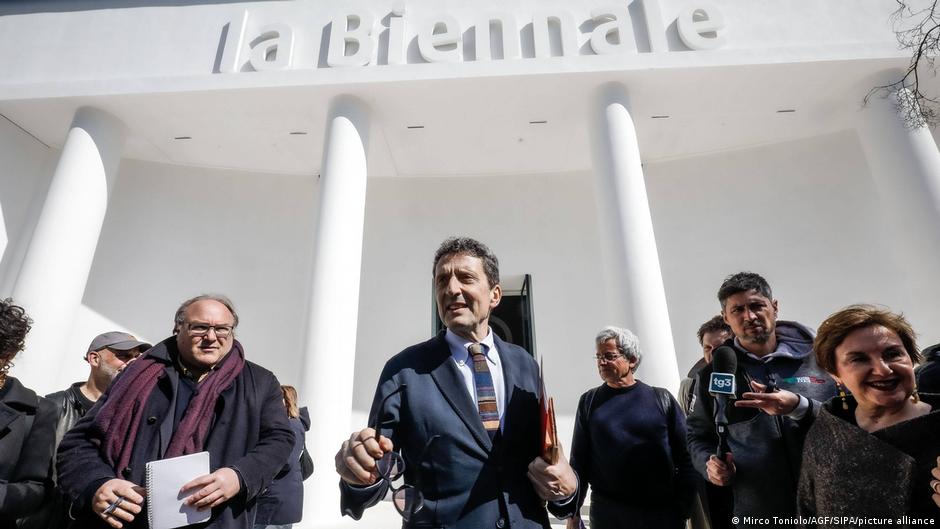
The 2026 Venice Biennale, titled "In minor keys" and curated by the late Koyo Kouoh, opens to the public on May 9 amid controversies including the absence of the president's name in the colophon at the Arsenale entrance. The exhibition, organized by Kouoh's team (Rory Tsapayi, Siddharta Mitter, Marie Helene Pereira, Gabe Beckhurst Feijoo, and Rasha Salty), unfolds across the Giardini and the Arsenale's Corderie, featuring works that balance strength and beauty with a harmonious mix of voices and themes. The Giardini section is particularly compelling, with a non-linear, polycentric layout that feels like a living organism, while the Arsenale offers further depth.

At the Venice Biennale, protests, self-mutilation and rage against Israel and Russia. Is anyone left to talk about the art?

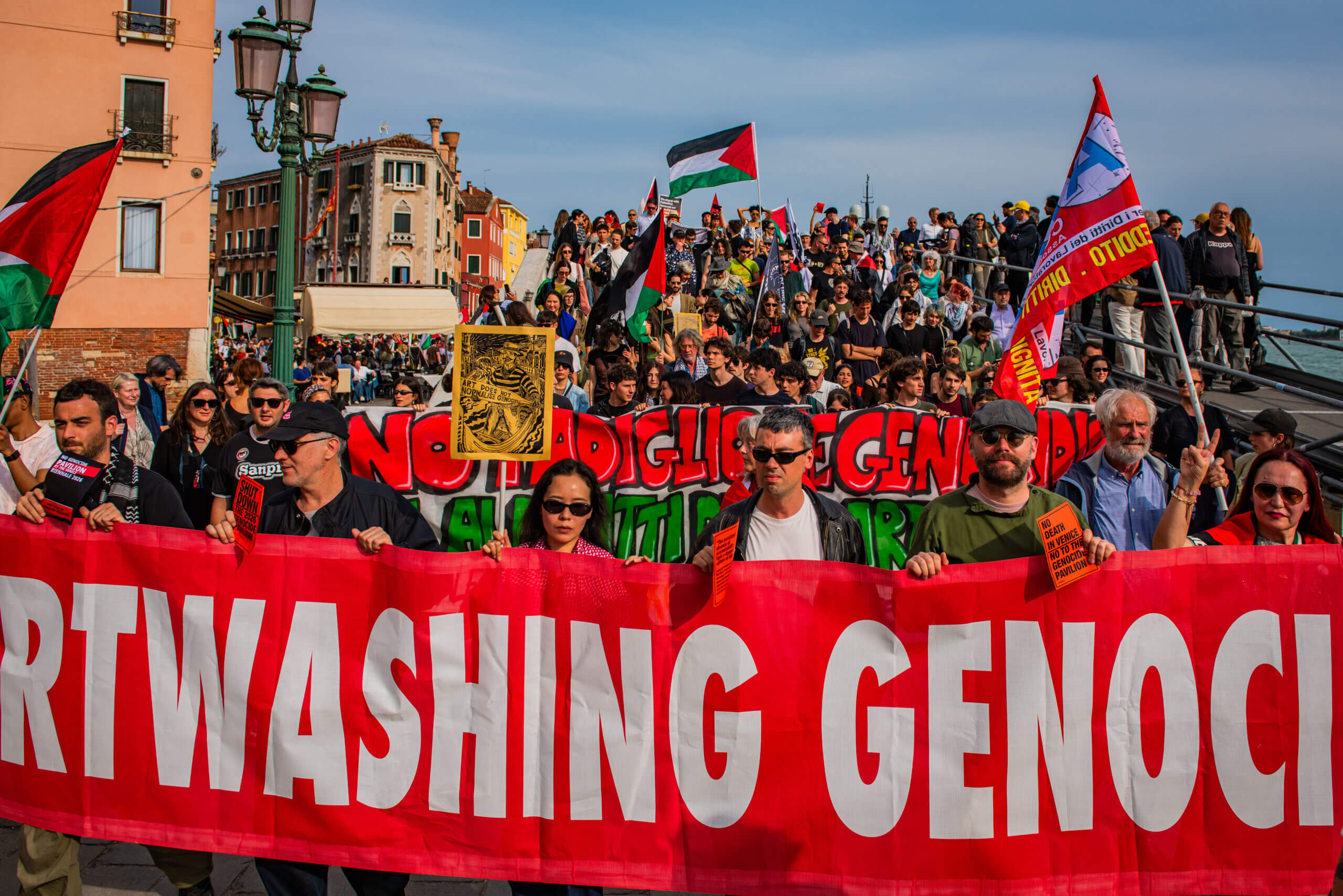
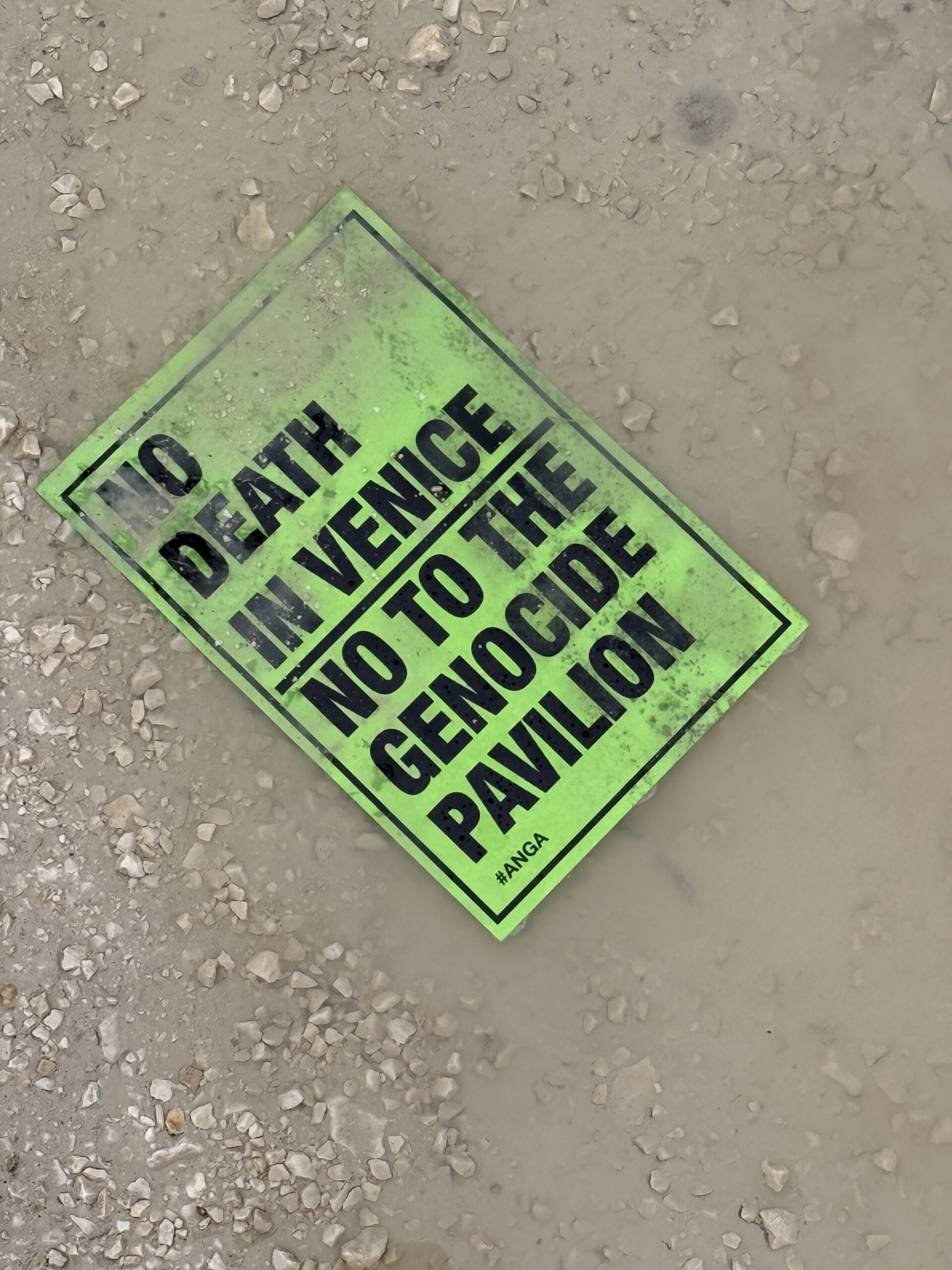
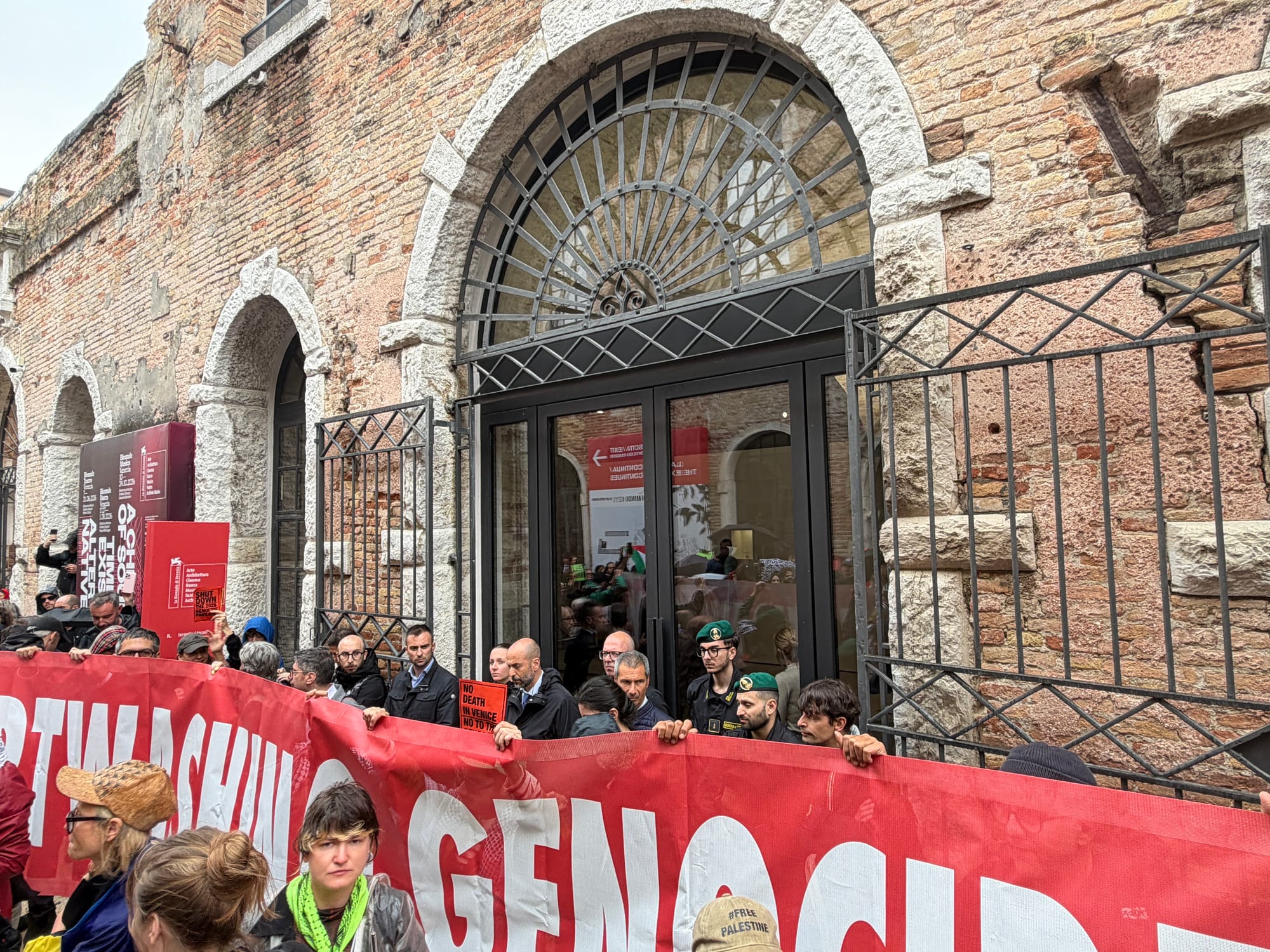
At the 61st Venice Biennale, protests and controversies have overshadowed the art itself. The Art Not Genocide Alliance (ANGA) demonstrated against the inclusion of Israel and Russia, while the Israeli Pavilion became a flashpoint. Artist Belu-Simion Fainaru, presenting his installation "Rose of Nothingness" in a temporary space, complained that he was forced to defend his art's right to exist amid questions about politics rather than his work. The Biennale also saw barricades, strikes, the resignation of the Golden Lion jury, Iran's last-minute withdrawal, and anger directed at the American pavilion over Trump administration policies. The central exhibition, "In Minor Keys," curated by the late Koyo Kouoh, was eclipsed by these events.

Venice Biennale Opens Amid Strikes, Protests and Institutional Rupture.

The 61st Venice Biennale opened in May 2026 amid strikes, protests, and political unrest, rather than celebration. Coordinated by Italian labor groups and transnational coalitions, demonstrators targeted the Biennale's decision to allow participation by Israel and Russia during the ongoing wars in Gaza and Ukraine. The Art Not Genocide Alliance (ANGA) led protests against Israel's participation, while Pussy Riot and FEMEN activists staged a protest outside the Russian pavilion. The Israeli pavilion's relocation from the Giardini to the Arsenale added symbolic weight, with critics viewing it as institutional endorsement. The late curator Koyo Kouoh's vision for the exhibition, titled "In Minor Keys," emphasized tenderness and complexity, contrasting with the volatile atmosphere.

In Minor Keys: The 61st Biennale di Arte Venezia Opens Under Koyo Kouoh (1967–2025).

The 61st Biennale di Arte Venezia opens under the posthumous curatorial vision of Koyo Kouoh (1967–2025), the late Cameroonian-born curator who reshaped contemporary African and diasporic art discourse. The central exhibition, spanning the Giardini and Arsenale, features 111 participants including artists, collectives, and artist-led organizations from across the Global South, with works in textiles, film, sculpture, and performance that interrogate colonialism, migration, and ecological repair. The Biennale is also marked by a pronounced presence of African and diasporic narratives across national pavilions, including several first-time pavilions from the African continent.

Iran Abruptly Drops Out of Venice Biennale as US and Israel’s War Continues

Iran has abruptly withdrawn from the 61st Venice Biennale, scheduled for May 9–November 22, 2026, reducing the number of participating nations from 101 to 100. The Biennale confirmed the withdrawal in a statement but did not provide a reason; Iran is now the only country listed without any artist representatives, though Aydin Mahdizadeh Tehrani remains listed as the pavilion's commissioner. The announcement comes as the Biennale opens to press amid ongoing controversy over the participation of Israel and Russia, whose pavilions have drawn protests from artists and politicians.

Morocco debuts at the Biennale with an exploration of its age-old craft traditions

Morocco is debuting its first national pavilion at the Venice Biennale with a monumental installation titled "Asetta" by artist Amina Agueznay. The 300-square-meter site-specific work, located in the Arsenale, draws on centuries-old Moroccan craft traditions, including weaving, beadwork, and embroidery. Agueznay conducted field research across Morocco and collaborated with over 130 artisans, mostly women, some of whom she has worked with for decades. The installation explores the transmission of traditional craftsmanship and shared memory, and incorporates the concept of the threshold (âatba) from Moroccan vernacular architecture, offering visitors both an immersive experience and functional seating.

What Biennials Reveal About the Art World

Ben Davis and Jo Lawson-Tancred of Artnet News have published complementary projects analyzing global art biennials. Davis compiled data from major biennials including Istanbul, Gwangju, São Paulo, Sharjah, and Venice over the past four years, tracking which artists have been shown most frequently worldwide since the 2022 Venice Biennale. Lawson-Tancred examined the upcoming Venice Biennale, titled "In Minor Keys" and curated by the late Koyo Kouoh, comparing the demographics of its artists to previous editions to trace shifts in the global art conversation.

This is fucking Disneyland

"Das ist fucking Disneyland"

The article surveys recent German cultural commentary, highlighting three main stories: art historian Bénédicte Savoy's warning in the FAZ about the physical decay of German universities, particularly the Technical University of Berlin, as a threat to democratic culture; Berlin artist Charlie Stein's essay on anxiety as a pervasive contemporary condition and art's role in making it visible; and critic Rachel Wetzler's harsh review of the Venice Biennale in Artforum, calling it an overwhelming 'theme park' version of the art world. Additionally, Nikolaus Bernau defends expert juries in the Tagesspiegel, using the Biennale's jury crisis as a case study.

Endre Koronczi on Representing Hungary at the 61st Venice Biennale

Endre Koronczi, the artist representing Hungary at the 61st Venice Biennale (2026), discusses his upcoming exhibition in the Giardini pavilion. His project, titled "Pneuma Cosmic," explores the movement of air as both a physical and metaphysical phenomenon, drawing on decades of research into invisible forces like wind and breath. The exhibition also references his long-term experimental zone, Ploubuter Park, inspired by drifting plastic bags. Koronczi notes a strong resonance with the Biennale's curatorial theme, "In Minor Keys" by Koyo Kouoh, describing it as a "cosmic zeitgeist."

Brittany Invites Itself to the Venice Biennale: An Unusual Pavilion Dedicated to Breton Creation Moors in the Lagoon

La Bretagne s’invite à la Biennale de Venise : un insolite pavillon dédié à la création bretonne s’est amarré dans la lagune

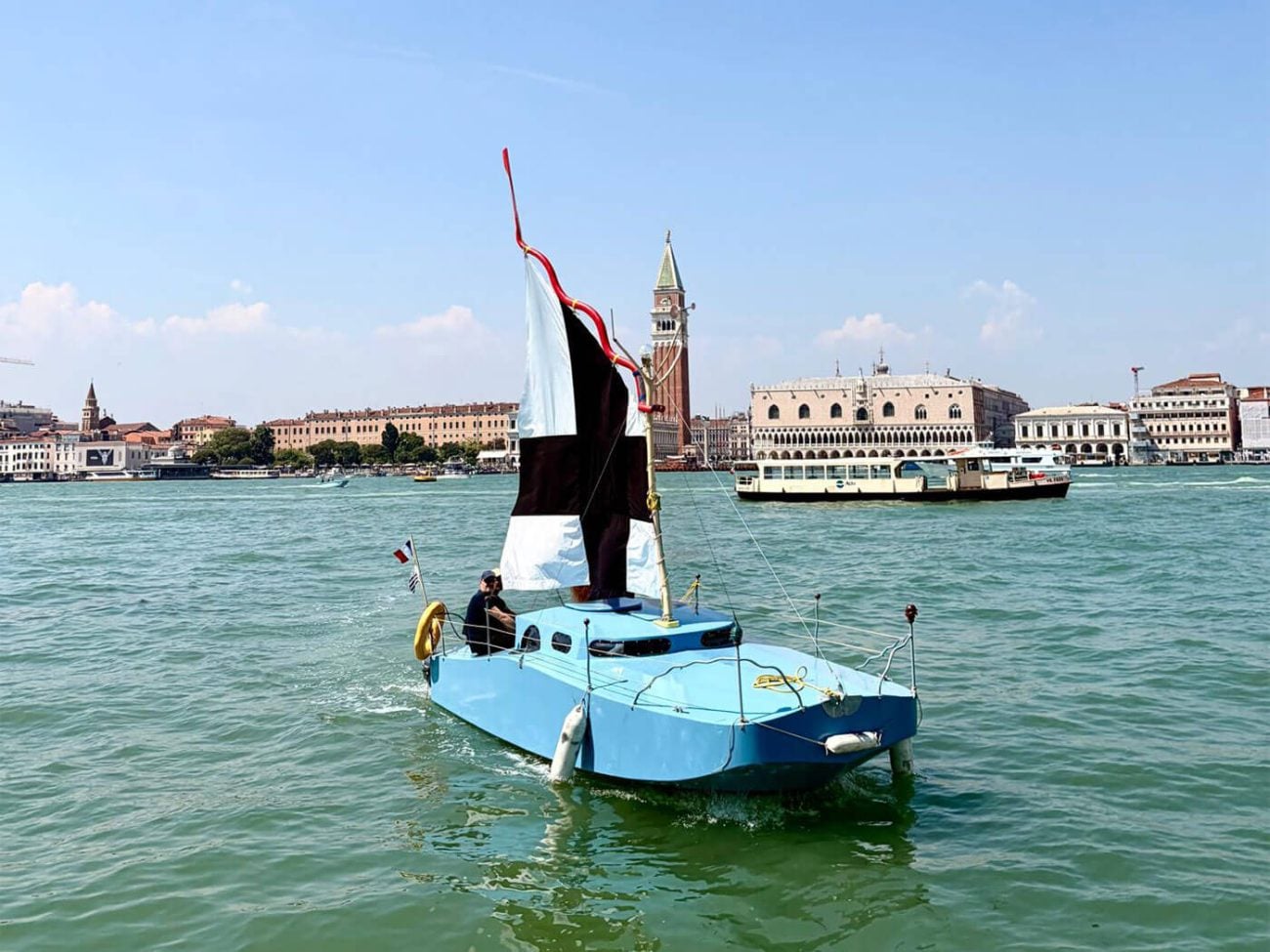
For the 61st Venice Biennale, a group of artists and art figures from Brittany have created an unofficial "Breton pavilion" in the form of a spectacular sailboat moored on the island of San Giorgio Maggiore. The boat, designed by artist Joachim Monvoisin, features contributions from Morgane Tschiember (who sewed a sail with a black cross, the 11th-century Breton flag) and master glassmaker Andrew Erdos (who made the navigation lights). Performances during the opening week included readings by Breton authors and traditional music concerts with binious and bombardes on the Via Garibaldi.

Zīnah (Adornment): Oman’s Pavilion Tunes the Biennale to Resonance Over Spectacle

At the 60th Venice Biennale, the Sultanate of Oman presents "Zīnah (Adornment)," a pavilion conceived by artist and curator Haitham Al Busafi. The immersive installation, on view at the Arsenale Artiglierie from 9 May to 22 November 2026, draws on the Omani tradition of adorning horses with silver (al-zaanah) to explore themes of relation, movement, and shared presence. Visitors enter through darkness into a field of Omani sand, beneath a canopy of silver elements that respond to movement with sound. The work incorporates drawings by students and emerging artists from a workshop in Muscat, emphasizing collective authorship.

Venice Biennale opens without a jury amid strife over Russian and Israeli participation

The Venice Biennale, one of the world's most prestigious contemporary art exhibitions, opens its most contested edition in memory without a jury after the jury resigned in protest over the participation of Israel and Russia, both under investigation by the International Criminal Court for human rights abuses. Protests have erupted outside the Israeli and Russian pavilions, with demonstrators clashing with police, while feminist groups from Ukraine and Russia converged on the Russian Pavilion and Palestinians remembered artists killed in Gaza. The Biennale has replaced the jury with a public vote via email, with winners announced at the close on November 22.

SCST: Celebrating Cultural Exchange Through Art at the Opening Reception of "Fermata: Hong Kong in Venice" Collateral Event of 61st International Art Exhibition - La Biennale di Venezia (Venice Biennale)

At the opening reception of "Fermata: Hong Kong in Venice," a Collateral Event of the 61st Venice Biennale, Hong Kong's Secretary for Culture, Sports and Tourism, Miss Rosanna Law, delivered a speech celebrating the exhibition. The event marks Hong Kong's 25th year of participation in the Biennale, featuring artists Kingsley Ng and Angel Hui, who present five new site-specific installations that explore stillness and overlooked rhythms of everyday life, in resonance with the Biennale's theme "In Minor Keys." For the first time, the Hong Kong Museum of Art co-organized the exhibition with the Hong Kong Arts Development Council, curating a dialogue between the two artists.

Biennale, rules announced for Visitor's Lion. But dozens of artists withdraw

The Venice Biennale has announced the voting rules for the new Visitors' Lion awards, which replace the traditional Golden Lions after the original jury resigned before the opening. On the same day the popular voting opened, dozens of artists from the central exhibition 'In Minor Keys' and several National Pavilions announced their withdrawal from the competition in solidarity with the resigned jury, releasing a statement via e-flux on May 9, 2026. The voting system requires visitors to have attended both the Giardini and Arsenale venues, with anonymous voting open until November 22, 2026.

‘In Minor Keys’: discover the themes that define the 61st Venice Biennale exhibition

The 61st Venice Biennale's main exhibition, 'In Minor Keys', curated by the late Koyo Kouoh, has opened after her sudden passing in 2025. Kouoh had fully planned the exhibition before her death, and a team of seven realized her vision. The show features 110 artists, including Wangechi Mutu, Nick Cave, Alfredo Jaar, and emerging talents like Ranti Bam. It opens with a poem by Refaat Alareer and an installation by Khaled Sabsabi, setting a contemplative tone amid themes of mourning, grief, and healing. The exhibition also highlights minority perspectives, including Caribbean and Central American artists, and confronts colonial histories through works like Florence Lazar's film on a hurricane-exposed necropolis.

Venice Biennale in crisis: The controversies explained

The Venice Art Biennale's official awards ceremony, scheduled for May 9, has been canceled after the entire five-member jury resigned days before the event. The jury had previously announced they would not consider countries whose leaders face International Criminal Court charges, directly impacting Russia and Israel. Instead of jury-selected prizes, visitors will vote throughout the Biennale's run, with "Visitor Lions" awarded on November 22. The event, running from May 9 to November 22, features 100 national participations, including seven first-time countries, and a posthumous main exhibition titled "In Minor Keys" curated by the late Koyo Kouoh, the first African woman to lead the show. Iran withdrew on May 4 amid Middle East tensions, while Russia's return to the Biennale in 2026 has sparked EU threats to cut funding.

Meet the Canadian artists heading to Venice Biennale

Five Canadian artists have been selected for the main exhibition of the Venice Biennale, titled *In Minor Keys*, which opens to the public next Saturday. The participants are Abbas Akhavan (featured in the Canada Pavilion), Manuel Mathieu, Rajni Perera, Marigold Santos, and one additional artist. The exhibition is the first Biennale curated by a Black woman, Cameroonian-Swiss curator Koyo Kouoh, who died suddenly in May last year after a cancer diagnosis, just six months after her appointment. Despite her death, the Biennale proceeded with her plans, with her team completing the work.

morocco debuts national pavilion at the venice biennale with monumental asǝṭṭa installation

Morocco will debut its first-ever national pavilion at the 2026 Venice Art Biennale, presenting a monumental installation titled "Asǝṭṭa" by multidisciplinary artist Amina Agueznay. Curated by Meriem Berrada, the project is housed in the Arsenale's Artiglierie and explores themes of traditional craftsmanship, shared memory, and the symbolic threshold (âatba). The installation, which involves 166 Moroccan artisans and two Venetian collaborators, is conceived as a porous, liminal space that engages with the Biennale's theme "In Minor Keys," curated by Koyo Kouoh.

Venice Biennale previews in chaos as war follows art into world's oldest exhibition

The Venice Biennale previewed its 61st edition in chaos on Tuesday, marked by the unprecedented resignation of its jury over the participation of Israel and Russia. Ukrainian artists displayed a statue of an origami deer from the war-torn eastern front, while Russian pavilion participants danced to house music and Palestinians marched wearing the names of artists killed in Gaza. The jury had stated it would not award prizes to countries under International Criminal Court investigation, singling out Russia and Israel, and its resignation has thrown the exhibition's structure into question.

Delicacy as Resistance. Interview with the Curator of the Turkey Pavilion at the Venice Biennale

La delicatezza come resistenza. Intervista alla curatrice del Padiglione Turchia alla Biennale di Venezia

For the 2026 Venice Biennale, the Turkey Pavilion, commissioned by the Istanbul Foundation for Culture and Arts (İKSV), will present "A Kiss on the Eyes" by artist Nilbar Güreş, curated by Başak Doğa Temür. The exhibition takes its title from a Turkish expression conveying affectionate closeness without intrusion, and features a mix of new productions and earlier works spanning sculpture, installation, painting, and works on paper and fabric. In an interview, curator Temür explains that the project avoids a retrospective or didactic approach, instead creating a spatial rhythm of approach, pause, and slight withdrawal, where intimacy, politics, irony, and fragility press against one another.

Israeli Pavilion Artist Made Legal Threats Before Venice Biennale Jury Resigned

New reports reveal that Israeli Pavilion artist Belu-Simion Fainaru issued legal threats against the Venice Biennale, alleging antisemitism and discrimination after the awards jury decided to exclude Israel and Russia from consideration due to human rights charges. The jury, which included Elvira Dyangani Ose, Zoe Butt, Marta Kuzma, Giovanna Zapperi, and Solange Farkas, initially stated on April 22 it would not consider nations whose leaders are charged with crimes against humanity by the International Criminal Court. Fainaru filed legal warnings with the Biennale, the Italian Ministry of Culture, and the Prime Minister's office. The jury abruptly resigned eight days later, leading the Biennale to scrap the Golden Lion awards and institute "Visitor Lions" decided by public vote. Reports indicate the Biennale's legal department warned jurors could be personally liable for damages, and Italian Culture Minister Alessandro Giuli promised to promote Fainaru's work.

Interview to discover Theo Eshetu, the only Italian artist at the 2026 Venice Biennale

Intervista per scoprire Theo Eshetu, unico artista italiano alla Biennale di Venezia 2026

Theo Eshetu (London, 1958), the only Italian artist invited to the central exhibition "In Minor Keys" of the 2026 Venice Biennale curated by Koyo Kouoh, is profiled in an interview. Born to an Ethiopian father and Dutch mother, Eshetu trained in the Netherlands and London before settling in Rome in the early 1980s. He discusses his cosmopolitan background, his early struggles with belonging, and how he transformed that into artistic strength. The interview covers his career, his memories of the Roman art scene in the 1980s and 1990s, and his current work presented at the Biennale, including the piece "The Return of the Axum Obelisk" (2010).

Annalee Davis at the 2026 Venice Art Biennale. Landscape as mourning, archive and resistance in the Barbados Pavilion

Annalee Davis alla Biennale Arte di Venezia 2026. Il paesaggio come lutto, archivio e resistenza nel Padiglione Barbados

Annalee Davis, an artist from Barbados, will represent her country at the 2026 Venice Biennale with an installation titled "Let this be my Cathedral" within the exhibition "In Minor Keys." The work addresses ecological grief, colonial memory, and the possibility of care without erasing conflict, using suspended plants and organic materials to create a threshold where loss, vulnerability, and wonder remain in tension. Davis discusses the influence of curator Koyo Kouoh, whose vision shaped the Biennale, and the importance of research as an integral part of her artistic process.

Before Language: An Interview with Song E Yoon at Biennale Arte 2026

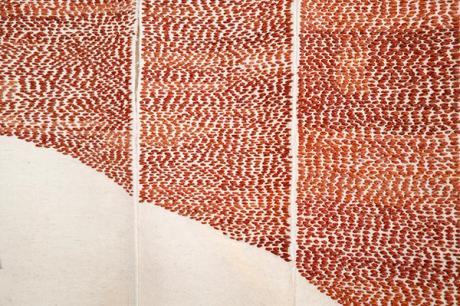
Song E Yoon's exhibition "Songs Across Time" at Spazio 996/A in Venice, presented as a Collateral Event of the 61st International Art Exhibition – La Biennale di Venezia, pairs her Song E Code with Frédéric Bruly Bouabré's Bété alphabet. In an interview with Kun Sok, Yoon discusses how her work uses dots, intervals, and repetition to create a visual language that exists before conventional meaning, emphasizing bodily encounter, sensation, and the productive role of misreading.

Jury of the Venice Biennale Resigns

Jury der Venedig-Biennale tritt zurück

The entire jury of the Venice Biennale, appointed by artistic director Koyo Kouoh, has resigned with immediate effect. In a statement released on Thursday, the jury members—including chair Solange Oliveira Farkas, Zoe Butt, Elvira Dyangani Ose, Marta Kuzma, and Giovanna Zapperi—cited a prior declaration from April 22 in which they announced they would not award Golden or Silver Lions to artists from countries whose political leadership is currently indicted by the International Criminal Court (ICC) for crimes against humanity. Although no specific countries were named, the move implicitly targets Russia (President Vladimir Putin) and Israel (Prime Minister Benjamin Netanyahu), both subject to ICC arrest warrants. The resignation comes amid escalating tensions over Russia's participation in the Biennale despite EU sanctions, which had already led to a freeze of EU funding and widespread protests.

Under pressure, the Venice Biennale jury resigns and is replaced by a public vote

Sous pression, le jury de la Biennale de Venise démissionne et est remplacé par un vote du public

On April 30, just days before the Venice Biennale's public opening on May 9, the entire international jury responsible for awarding the Golden and Silver Lions resigned. The jury—comprising Solange Farkas, Zoe Butt, Elvira Dyangani Ose, Marta Kuzma, and Giovanna Zapperi—had been caught in a escalating controversy after Biennale president Pietrangelo Buttafuoco reinstated Russia, which had been excluded since the 2022 invasion of Ukraine. The European Union threatened to suspend or cancel its €2 million subsidy if Russia remained included. The jury attempted to exclude countries whose leaders face International Criminal Court arrest warrants, effectively targeting Russia and Israel, but ultimately resigned under pressure from both external diplomatic turmoil and internal institutional opposition to any discrimination between pavilions.