filter_list Showing 221 results for "Israel" close Clear
search
dashboard All 221 article news 129museum exhibitions 61article culture 9article policy 9rate_review review 4candle obituary 3trending_up market 3article local 2gavel restitution 1
date_range Range Today This Week This Month All
Subscribe

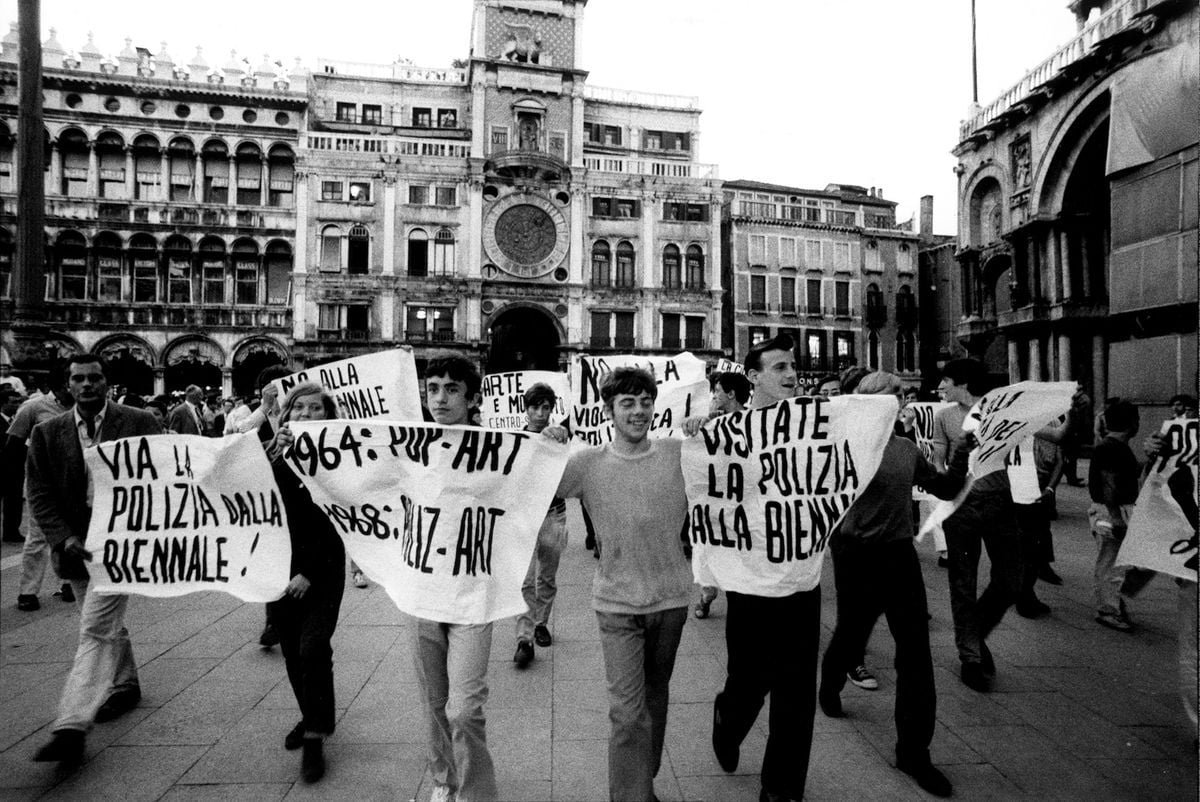
Since 1968, Protests Have Revealed the Real Impact of the Venice Biennale

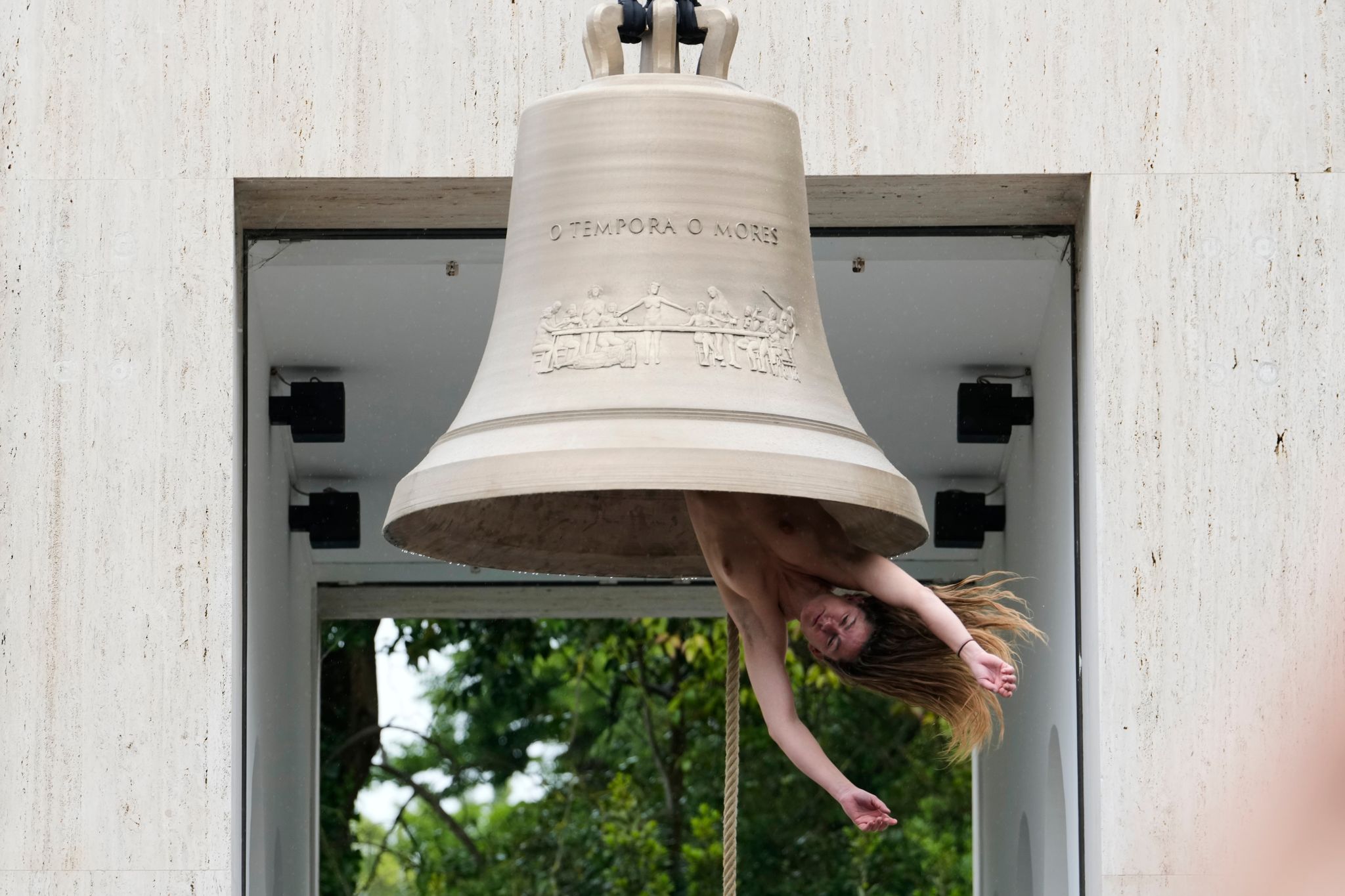
The article recounts the 1968 protests at the Venice Biennale, where artists, students, and activists clashed with police over the event's perceived ties to bourgeois power and capitalist commodification. It draws parallels to the 2024 Biennale, where groups like Art Not Genocide Alliance, Pussy Riot, and Femen demonstrated against the participation of Russia and Israel, while artists staged strikes and performances like the Solidarity Drone Chorus to highlight the Gaza conflict.
At Maya Gallery, a Benefit Sale Becomes a Map of Israeli Contemporary Art

Maya Gallery in New York is hosting a benefit sale that features works by over 50 Israeli contemporary artists, including prominent names like Michal Rovner and Sigalit Landau. The sale aims to raise funds for the gallery's programming and to support Israeli artists amid ongoing geopolitical tensions.

Venice Biennale Opens Amid Strikes, Protests and Institutional Rupture.

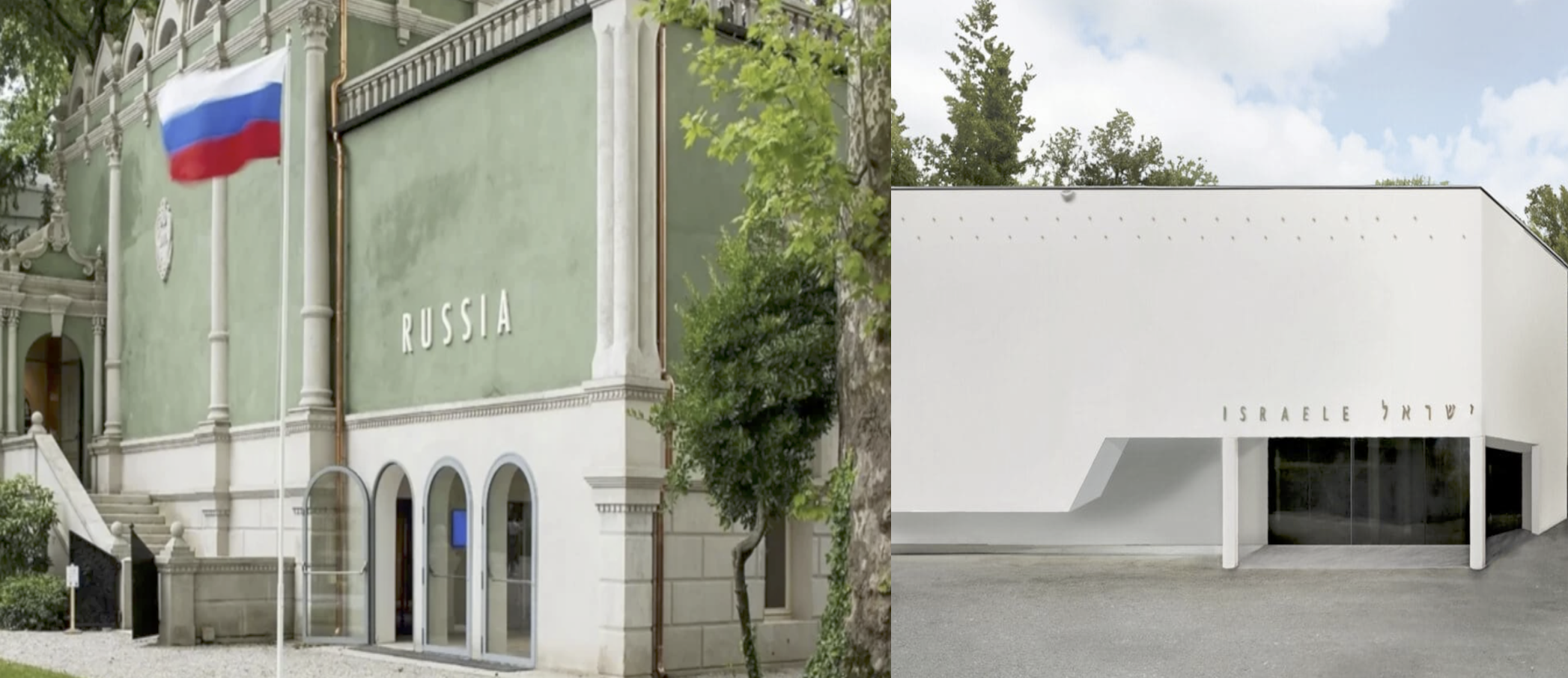
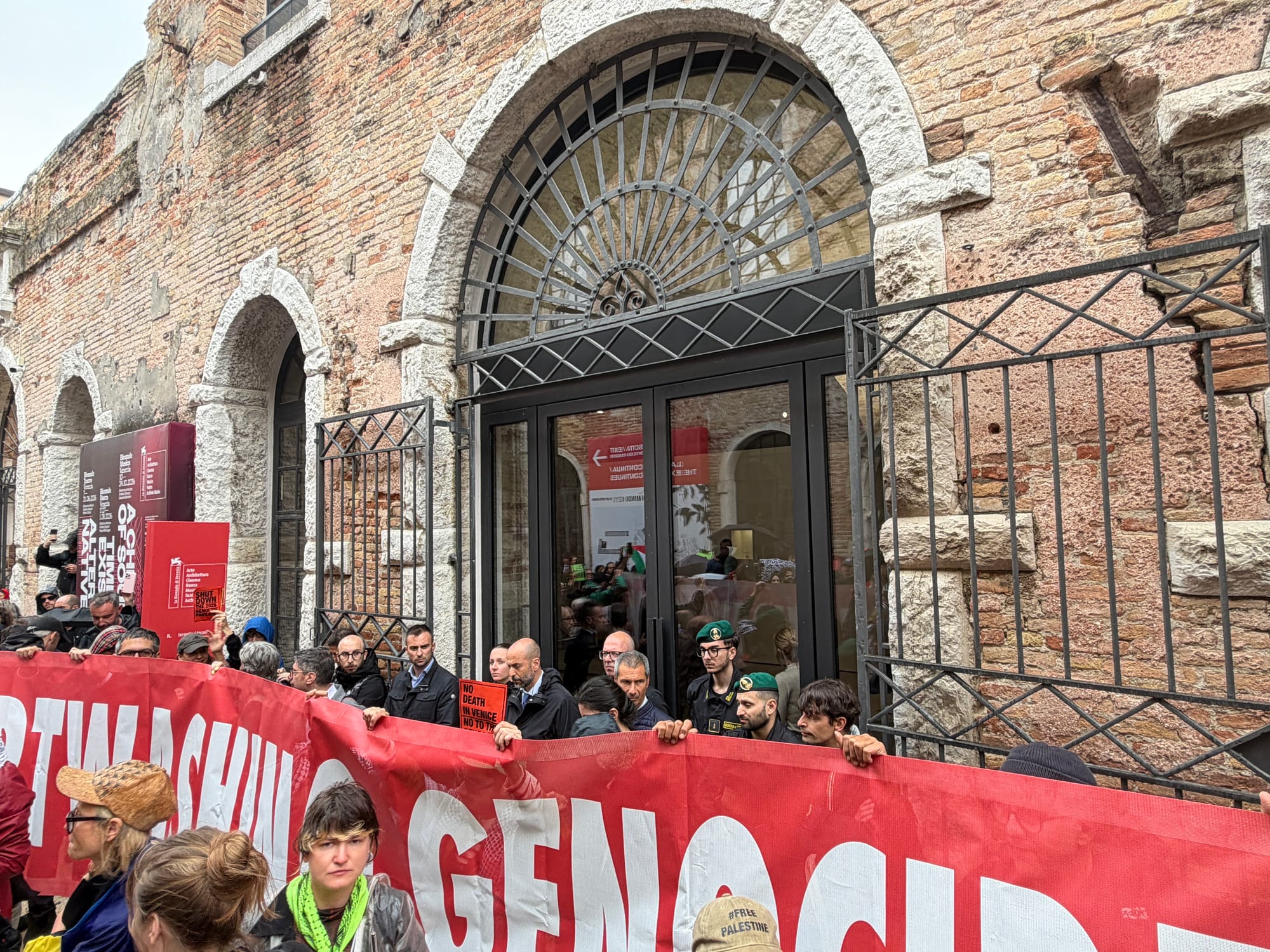
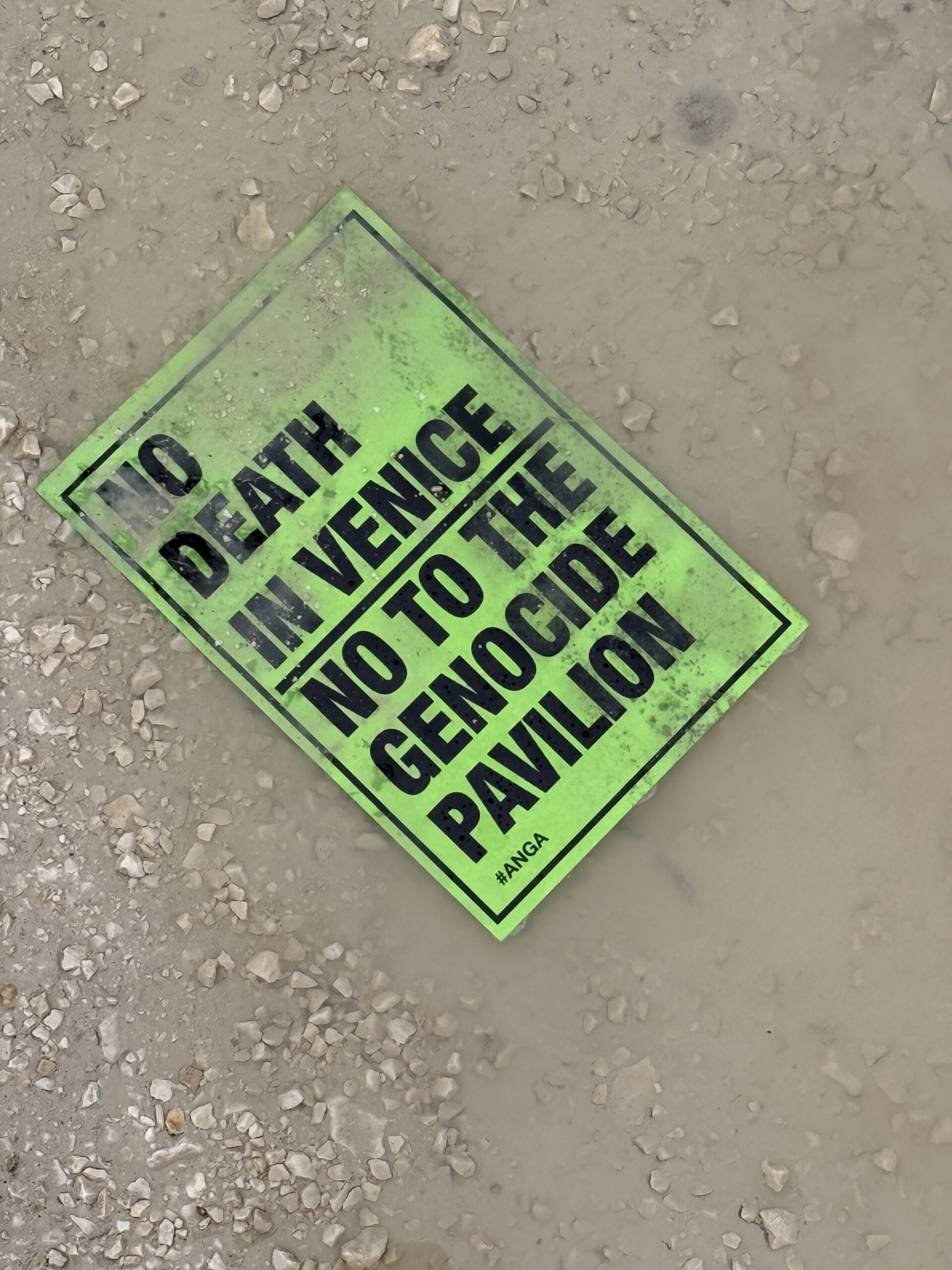
The 61st Venice Biennale opened in May 2026 amid strikes, protests, and political unrest, rather than celebration. Coordinated by Italian labor groups and transnational coalitions, demonstrators targeted the Biennale's decision to allow participation by Israel and Russia during the ongoing wars in Gaza and Ukraine. The Art Not Genocide Alliance (ANGA) led protests against Israel's participation, while Pussy Riot and FEMEN activists staged a protest outside the Russian pavilion. The Israeli pavilion's relocation from the Giardini to the Arsenale added symbolic weight, with critics viewing it as institutional endorsement. The late curator Koyo Kouoh's vision for the exhibition, titled "In Minor Keys," emphasized tenderness and complexity, contrasting with the volatile atmosphere.

Israeli organisation threatens legal action against Canadian Museum for Human Rights over Palestine exhibition

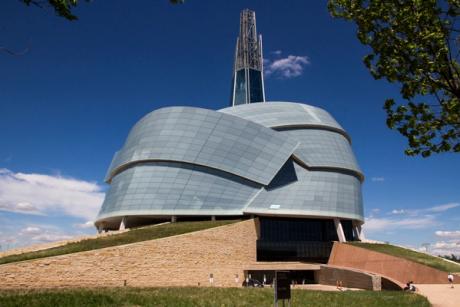
The Israeli organization Shurat Hadin has threatened legal action against the Canadian Museum for Human Rights (CMHR) in Winnipeg over its upcoming exhibition "Palestine Uprooted: Nakba Past and Present," scheduled to open on June 27. The group sent a legal letter to the museum's board and leadership, alleging the exhibition promotes a one-sided narrative that could fuel antisemitism and violate Canadian federal law, and calling for an independent review. The CMHR is reviewing the letter but declined further comment, while supporters like Independent Jewish Voices argue the museum is right to tell the story of the Nakba from the perspective of Palestinian victims.

Israel’s Artist Reportedly Pressured Venice Biennale Before Jury’s Resignation

Artist Belu-Simion Fainaru, Israel’s representative at the Venice Biennale, reportedly pressured the exhibition’s organizers before the five-person jury abruptly resigned last week. The jury, tasked with selecting Golden Lion winners, had stated it would not consider nations charged with crimes against humanity by the International Criminal Court—applying to Israel and Russia. According to Italian news agency Adnkronos, Fainaru alleged “racial discrimination” and “antisemitism,” threatened to take his claims to the European Court of Human Rights, and the Biennale warned jury members they could be held personally liable for damages. Hyperallergic confirmed the threats of legal action, and a Biennale spokesperson acknowledged the reports were true.

From Eurovision to the Venice Biennale, culture contests are being overshadowed by politics

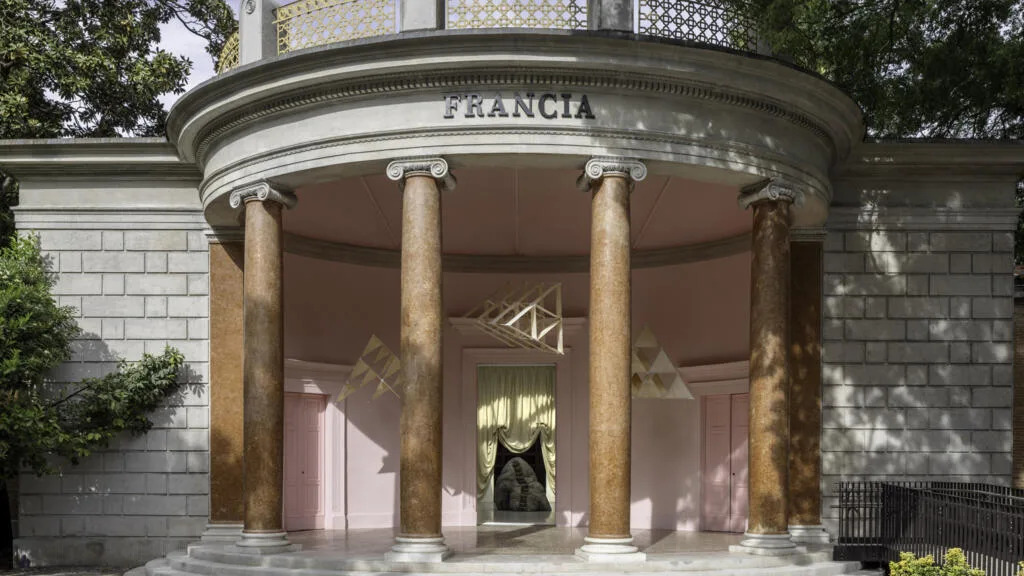
The Venice Biennale and Eurovision Song Contest are being overshadowed by political controversies rather than artistic merit. At the Venice Biennale, the Russian pavilion opened for press previews for the first time since the Ukraine invasion, a decision that may cost the festival €2m in EU funds. The Israeli pavilion will open despite protests from 200 artists and curators, while the South African pavilion will remain empty after its government blocked an artist's tribute to a Palestinian poet. The Iranian pavilion is also shut, and the awarding jury has resigned en masse, meaning no Golden or Silver Lion awards will be given for the first time in 40 years. Similarly, Eurovision's 70th anniversary is dominated by five countries boycotting over Israel's participation, with little focus on the music.

Iran Abruptly Drops Out of Venice Biennale as US and Israel’s War Continues

Iran has abruptly withdrawn from the 61st Venice Biennale, scheduled for May 9–November 22, 2026, reducing the number of participating nations from 101 to 100. The Biennale confirmed the withdrawal in a statement but did not provide a reason; Iran is now the only country listed without any artist representatives, though Aydin Mahdizadeh Tehrani remains listed as the pavilion's commissioner. The announcement comes as the Biennale opens to press amid ongoing controversy over the participation of Israel and Russia, whose pavilions have drawn protests from artists and politicians.

Italian Culture Minister Launches Inspection of Venice Biennale’s Russian Pavilion

Italian Culture Minister Alessandro Giuli has launched an official inspection of the Russian Pavilion at the 61st Venice Biennale, just days before the exhibition opens. An inspector has been sent to Venice to review all documentation related to Russia's participation, focusing on potential irregularities such as visa issues for Russian artists and delegation members. The investigation follows the Biennale's international jury decision to exclude Russia and Israel from awards due to accusations of crimes against humanity. The Russian Pavilion will be open only during the pre-opening vernissage, after which it will close, with digital documentation displayed in its windows.

Ada: My Mother the Architect review – illuminating profile of brilliant builder balances work and family

Architect-turned-filmmaker Yael Melamede directs a documentary portrait of her mother, Israeli architect Ada Karmi-Melamede, who co-designed the Supreme Court of Israel building in Jerusalem in the early 1990s with her brother Ram Karmi and later created Ben Gurion Airport. The film explores Karmi-Melamede's architectural philosophy of "architecture of the ground and of the sky," her departure from her brother's brutalism, and a painful family split when she left her husband and children in New York after being denied tenure at Columbia University.

Row Over Russia’s Return to the Venice Biennale Deepens

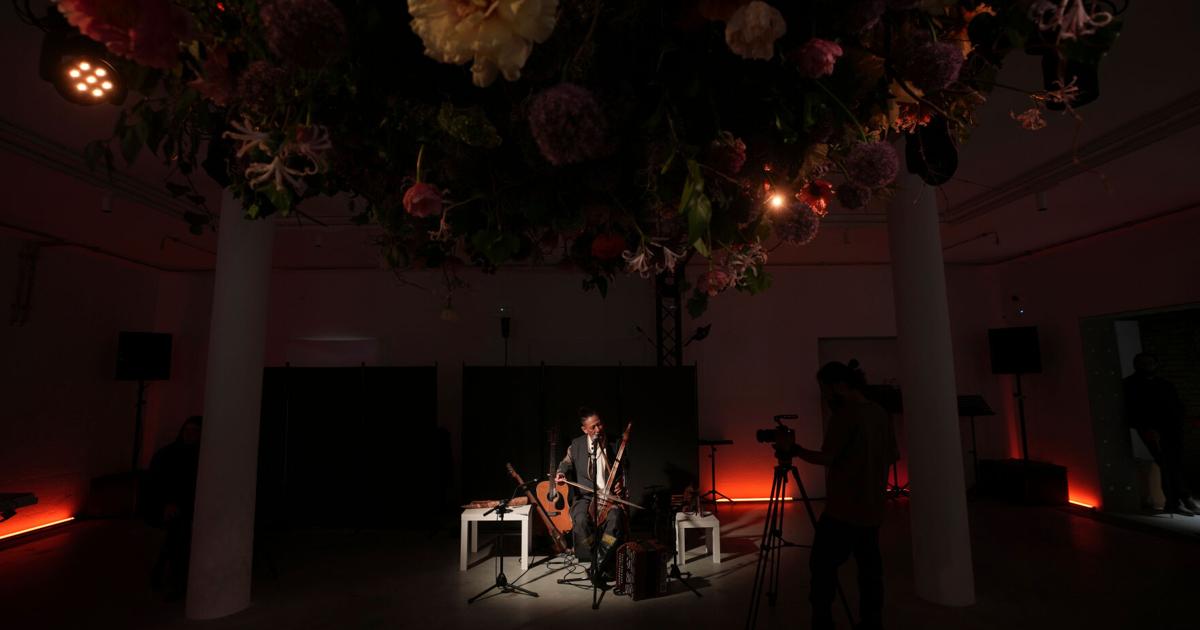
Newly leaked emails reveal that the Venice Biennale has been secretly coordinating with Russia since last summer to facilitate its return to the 2025 edition, despite ongoing international sanctions. The correspondence, published by Italian outlets Open and La Repubblica, shows Biennale president Pietrangelo Buttafuoco, director Andrea Del Mercato, and Russian commissioner Anastasia Karneeva working together on visa issues, pavilion logistics, and a legal strategy to bypass E.U. sanctions prohibiting collaboration with state-backed Russian entities. Russia's pavilion will be open during preview days with performers activating the space, while footage will play for the public from a closed pavilion thereafter.

Russia's Venice Pavilion to Close to the Public in Compliance With Sanctions

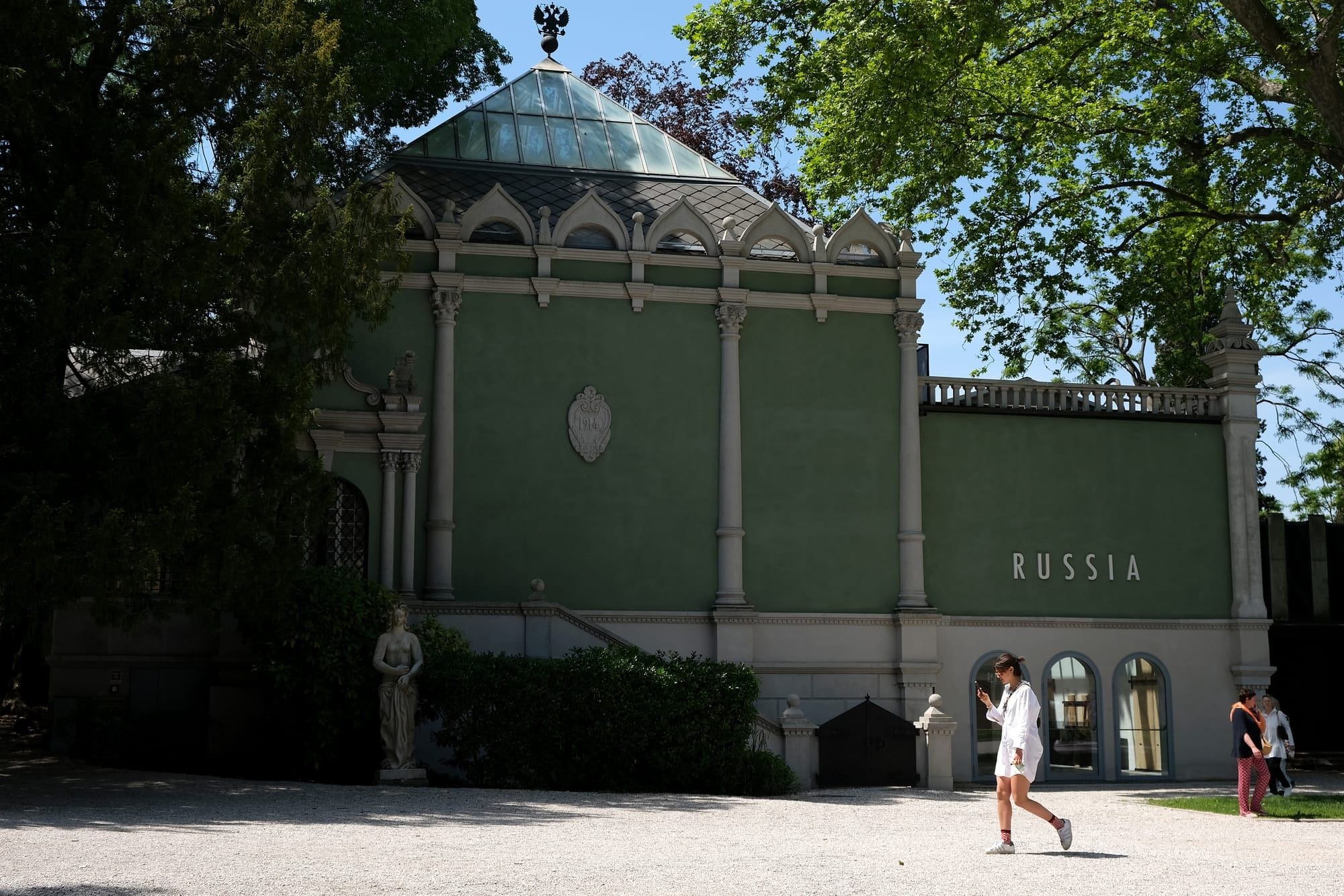
Russia will return to the 61st Venice Biennale with its national pavilion, but the exhibition will only be physically open to the press and select guests during the vernissage dates of May 5–8. From May 9 onward, the pavilion will remain closed to the public, with multimedia documentation of performances displayed on screens at the windows. The arrangement follows leaked emails among Biennale Foundation President Pietrangelo Buttafuoco, General Director Andrea Del Mercato, and Russian Pavilion Commissioner Anastasia Karneeva, revealing efforts to comply with EU sanctions while still allowing Russia's participation after two consecutive absences since its invasion of Ukraine.

‘It’s a huge, futuristic space with massive skylights’: Ali Zolghadri’s best phone picture

Ali Zolghadri, a Tehran-born fine art photographer, captured a composite image of the central atrium of the Iran Mall in Tehran—the world's largest shopping mall—which was shortlisted in the creative category of the 2026 Sony World Photography Awards. The photograph, taken four months before the US and Israel launched their war on Iran, depicts the mall's futuristic architecture with sweeping curved lines, metallic surfaces, and massive skylights, and includes a lone passerby to emphasize scale. Zolghadri emphasizes that his process involves manual editing in Photoshop without AI, blending three frames and removing unnecessary elements to construct meaning.

Israel’s Artist Said to Have Threatened Legal Action Before Venice Biennale Jury Resignation

Belu-Simion Fainaru, the artist representing Israel at the 2024 Venice Biennale, allegedly threatened legal action against Biennale officials, accusing them of “racial discrimination” and “antisemitism” after the international prize jury announced it would exclude countries whose leaders are charged with crimes against humanity—effectively barring Israel and Russia from awards. The jury, handpicked by late artistic director Koyo Kouoh, resigned en masse on April 30, citing their earlier statement of intent. Fainaru had previously opposed calls to exclude Israel over its military actions in Gaza, arguing for dialogue over boycotts.

Russia’s Venice Pavilion Will Be Closed to Public for Duration of Biennale

Russia's pavilion at the 2026 Venice Biennale will be closed to the public for the duration of the exhibition, from May 9 to November 22, following escalating controversy over the country's participation. The group show, titled “The tree is rooted in the sky,” will only be open to press and industry insiders during the preview days (May 5–8). The move comes after the International Criminal Court accused Russia of crimes against humanity, leading the Biennale to bar Russia and Israel from competing for awards. Italian culture minister Alessandro Giuli has also boycotted the preview and opening ceremony in protest.

'Preserving the art of Utah culture': Utah-artist museum opens in Salt Lake City

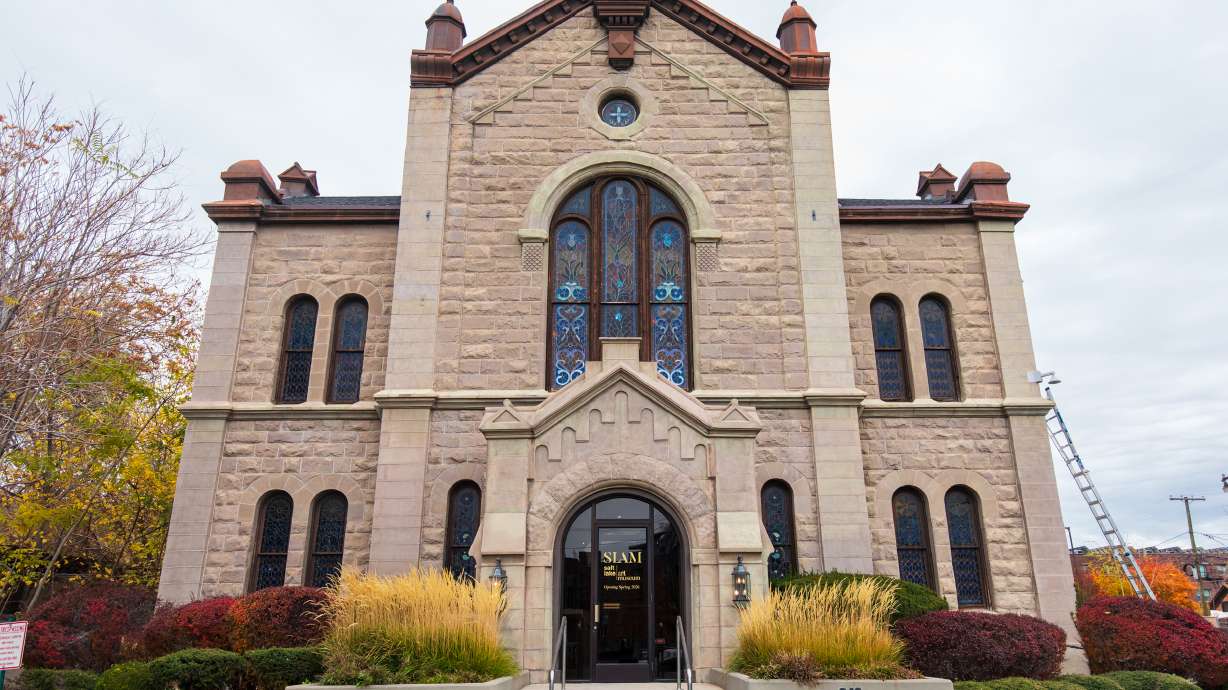
A new art museum, the Salt Lake Art Museum, is opening in the historic B'nai Israel Temple in downtown Salt Lake City, dedicated to preserving and celebrating Utah culture through visual art. Founded by art historian Micah Christensen and led by executive director Chris Jensen, the museum is the first new art museum to open in the city in over 40 years. It has already begun programming, including an interactive 'Make Your Mark' installation and a Utah Master Series highlighting influential local artists such as Galina Perova, Stanley Wanlass, and Ben Hammond. Opening exhibitions will feature works by Albert Bierstadt, Pilar Pobil, and a show on Julia Reagan billboards, alongside a gallery on the temple's history.

What Did the Golden Lion Die Of? On Judgment and Disavowal at the Venice Biennale

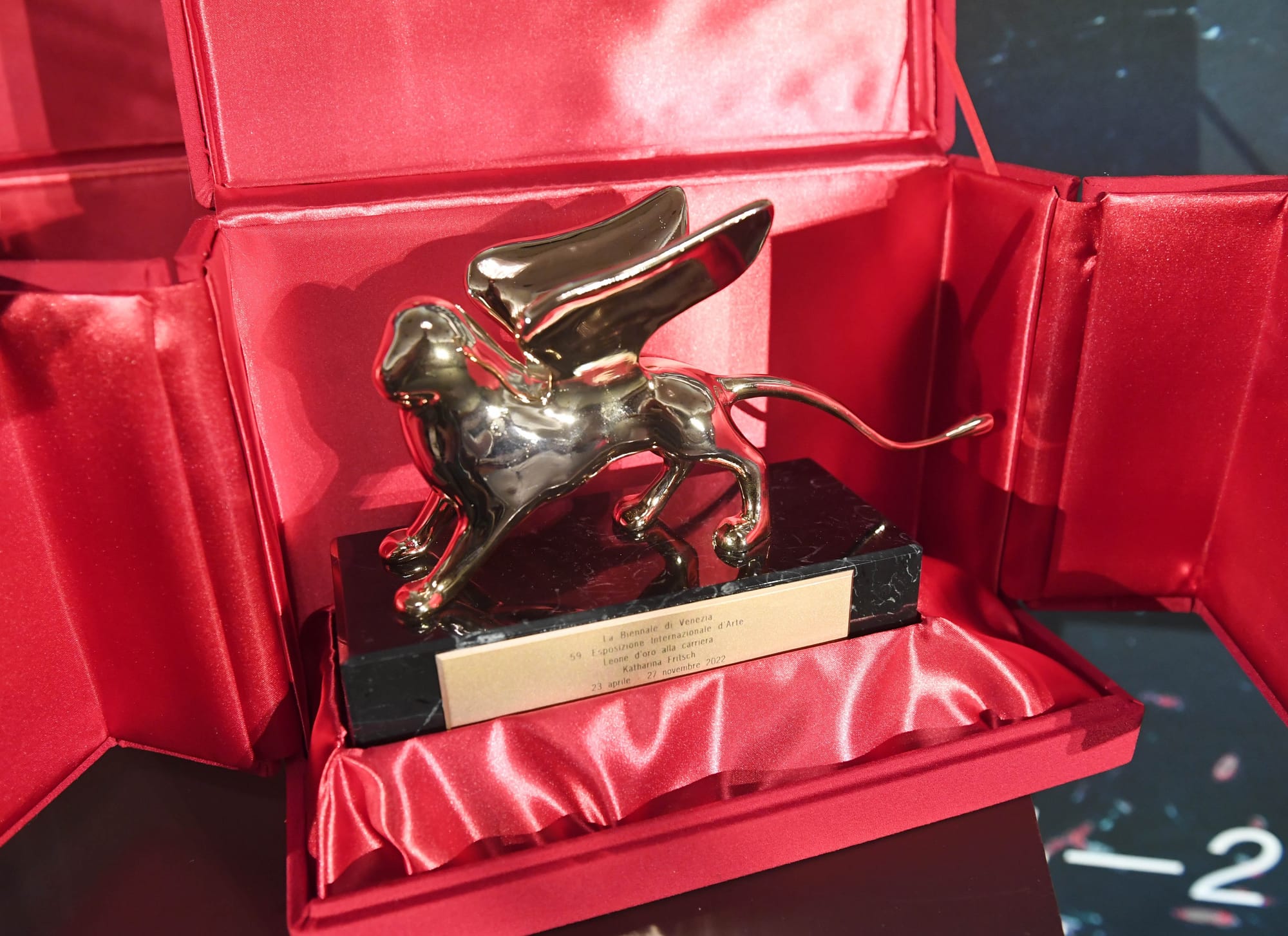
The international jury of the 61st Venice Biennale announced it would exclude from prize consideration countries whose leaders are charged with crimes against humanity by the International Criminal Court, specifically targeting Russia and Israel. This prompted the Italian culture minister to send inspectors to the Biennale's offices, leading the jury to resign. The Biennale then replaced the Golden Lion with "Visitors' Lions" prizes voted by ticket-holders, immediately making Russia and Israel eligible again. The article traces this crisis to the Biennale's historical structure under Mussolini's 1930 Royal Decree, which established the national pavilion system as a diplomatic concession system designed to serve state power, and notes the recent acceptance of a €50 million donation from Qatar for a new permanent pavilion in the Giardini.

Venice Biennale opens under shadow of protests over Russia and Israel

The 61st Venice Biennale opened under heavy protest as Russia returns to the event for the first time since its 2022 invasion of Ukraine. Ukrainian feminist collective Femen and Russian punk band Pussy Riot demonstrated outside the Russian pavilion, with activists accusing Russia of using art as a weapon in a hybrid war. Meanwhile, pro-Palestinian protesters gathered outside Israel's pavilion, holding banners reading 'No artwashing genocide' and demanding Israel's exclusion over the war in Gaza. The Biennale's international jury resigned last month, refusing to award prizes to countries led by figures subject to ICC arrest warrants, namely Vladimir Putin and Benjamin Netanyahu. EU foreign policy chief Kaja Kallas called Russia's participation 'morally wrong' and threatened to cut €2 million in funding, while culture ministers from 22 European countries urged organizers to reconsider.

Venice Biennale opens without a jury amid strife over Russian and Israeli participation

The Venice Biennale, one of the world's most prestigious contemporary art exhibitions, opens its most contested edition in memory without a jury after the jury resigned in protest over the participation of Israel and Russia, both under investigation by the International Criminal Court for human rights abuses. Protests have erupted outside the Israeli and Russian pavilions, with demonstrators clashing with police, while feminist groups from Ukraine and Russia converged on the Russian Pavilion and Palestinians remembered artists killed in Gaza. The Biennale has replaced the jury with a public vote via email, with winners announced at the close on November 22.

Jury for Venice Biennale's art prize resigns after refusing to recognise Israeli, Russian artists

The international jury of the 61st Venice Biennale art exhibition resigned just over a week before the May 9 prize ceremony, after announcing they would not consider artists from countries whose leaders face International Criminal Court charges—an apparent reference to Russia and Israel. The jury included president Solange Farkas, Zoe Butt, Elvira Dyangani Ose, Marta Kuzma, and Giovanna Zapperi. In response, the Biennale established two Visitors’ Lions to be awarded by ticket-holder vote, postponed the awards to November 22, and reaffirmed that all national participations remain eligible, effectively reinstating Russian and Israeli artists.

‘In Minor Keys’: discover the themes that define the 61st Venice Biennale exhibition

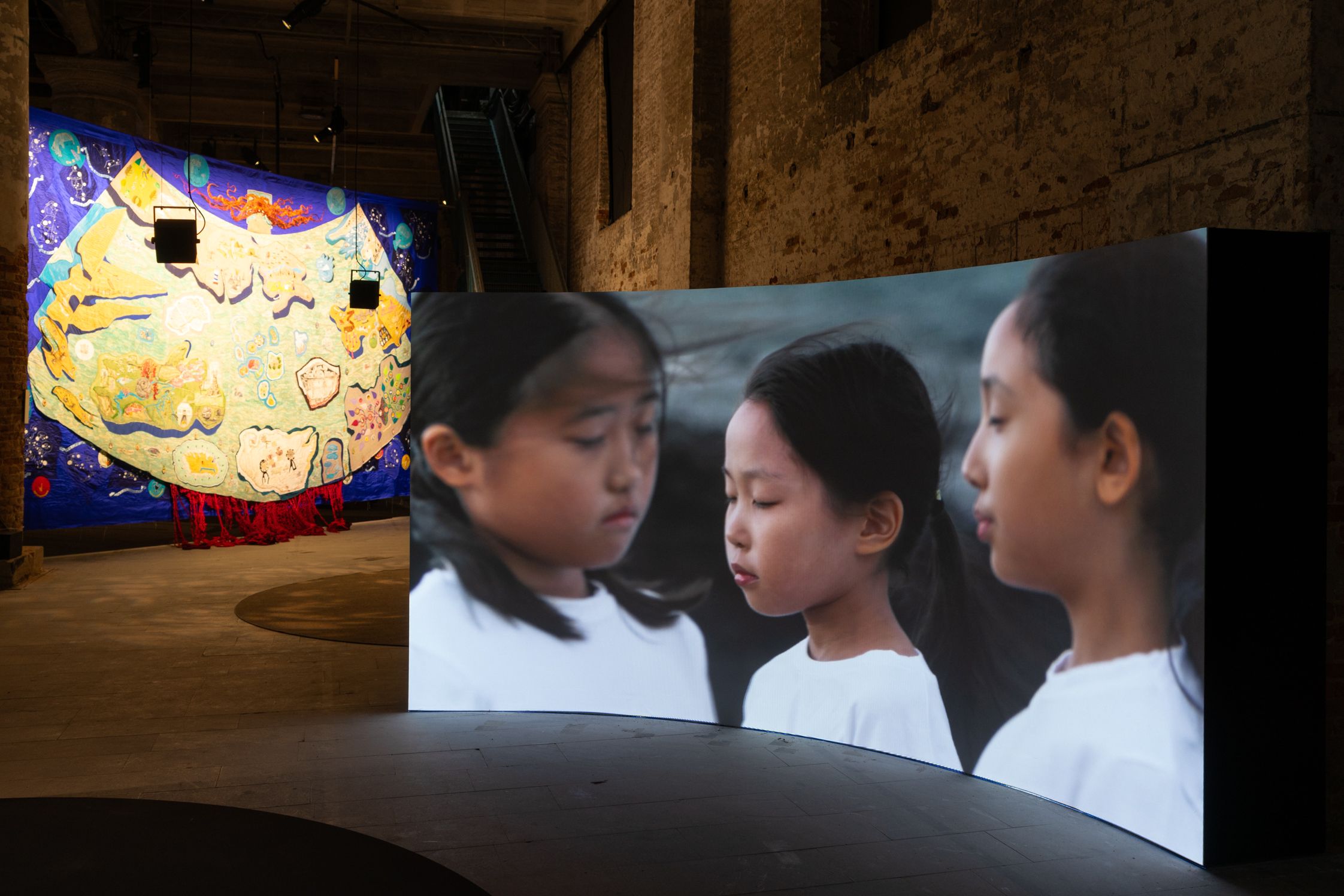
The 61st Venice Biennale's main exhibition, 'In Minor Keys', curated by the late Koyo Kouoh, has opened after her sudden passing in 2025. Kouoh had fully planned the exhibition before her death, and a team of seven realized her vision. The show features 110 artists, including Wangechi Mutu, Nick Cave, Alfredo Jaar, and emerging talents like Ranti Bam. It opens with a poem by Refaat Alareer and an installation by Khaled Sabsabi, setting a contemplative tone amid themes of mourning, grief, and healing. The exhibition also highlights minority perspectives, including Caribbean and Central American artists, and confronts colonial histories through works like Florence Lazar's film on a hurricane-exposed necropolis.

Venice Biennale in crisis: The controversies explained

The Venice Art Biennale's official awards ceremony, scheduled for May 9, has been canceled after the entire five-member jury resigned days before the event. The jury had previously announced they would not consider countries whose leaders face International Criminal Court charges, directly impacting Russia and Israel. Instead of jury-selected prizes, visitors will vote throughout the Biennale's run, with "Visitor Lions" awarded on November 22. The event, running from May 9 to November 22, features 100 national participations, including seven first-time countries, and a posthumous main exhibition titled "In Minor Keys" curated by the late Koyo Kouoh, the first African woman to lead the show. Iran withdrew on May 4 amid Middle East tensions, while Russia's return to the Biennale in 2026 has sparked EU threats to cut funding.

Brussels, Russia and the Venice Biennale

The jury of the 61st Venice Biennale Art Exhibition has resigned en masse to protest the decision to allow Russian participation for the first time since the 2022 invasion of Ukraine. The jury stated it would refuse to consider artists from countries whose leaders face International Criminal Court warrants, specifically Israel and Russia, citing a commitment to human rights. The Biennale organizers defended the re-admission as consistent with openness and dialogue, while Ukrainian Foreign Minister Andriy Sybiha and EU foreign policy chief Kaja Kallas condemned the move, with the EU threatening to cut funding. The Italian government distanced itself, calling the Biennale autonomous.

Cultural Losses Across West Asia

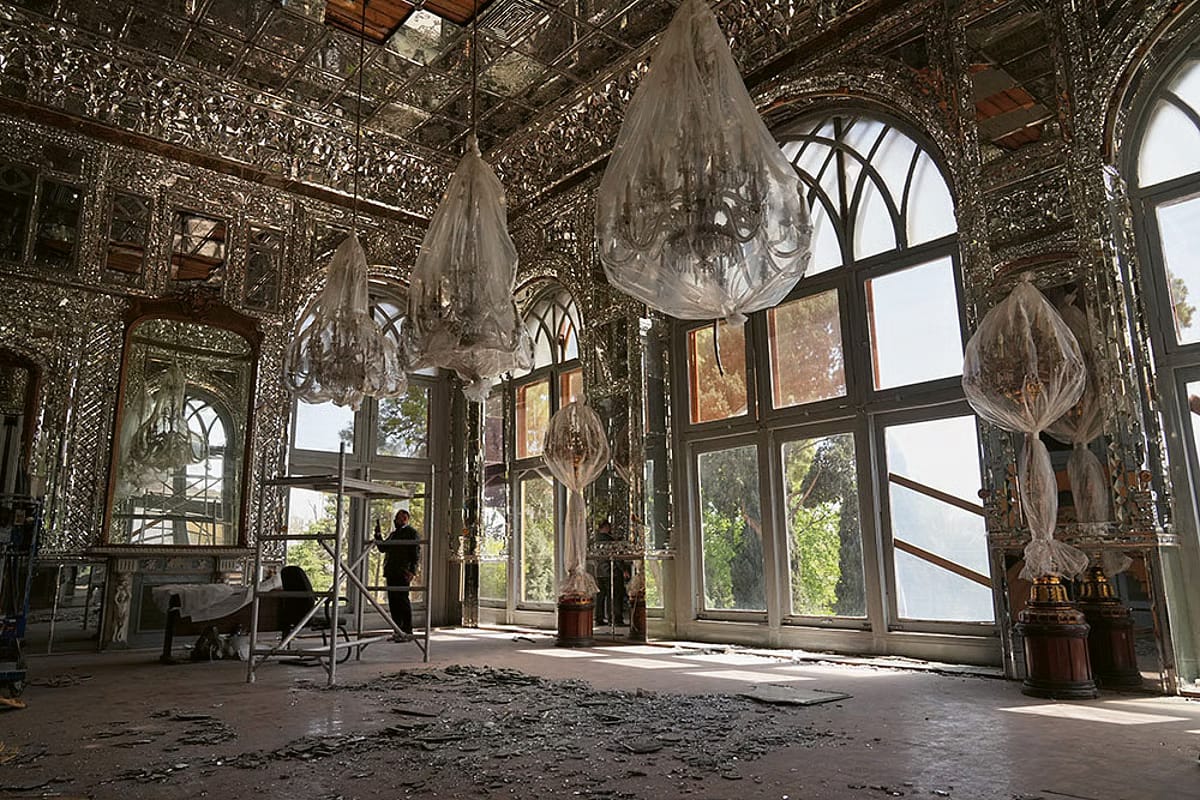
Since February 28, 2026, US-Israeli strikes on Iran have escalated into a major military confrontation across the Middle East, causing heavy casualties and infrastructure damage. Multiple UNESCO World Heritage sites have been hit, including Tehran's Golestan Palace (damaged on March 2), Isfahan's Chehel Sotoun palace and Naqsh-e Jahan Square (attacked March 9), and Tel Aviv's White City Bauhaus architecture, which suffered severe damage from Iranian counterattacks.

Russia and Israel cannot win any prizes at the next Venice Art Biennale 2026. The jury takes a stand

Russia e Israele non potranno vincere nessun premio alla prossima Biennale Arte di Venezia 2026. La giuria prende posizione

The international jury for the 61st Venice Biennale, led by Solange Farkas, has unanimously declared it will not consider countries whose leaders are currently accused of crimes against humanity by the International Criminal Court. This means Russia and Israel are excluded from competing for the Golden Lion awards, including Best National Participation and Best Artist. The jury's statement, published on e-Flux Notes, emphasizes the Biennale's historical role as a platform connecting art with contemporary urgencies and acknowledges the complex relationship between artistic practice and state representation.

Venice Biennale previews in chaos as war follows art into world's oldest exhibition

The Venice Biennale previewed its 61st edition in chaos on Tuesday, marked by the unprecedented resignation of its jury over the participation of Israel and Russia. Ukrainian artists displayed a statue of an origami deer from the war-torn eastern front, while Russian pavilion participants danced to house music and Palestinians marched wearing the names of artists killed in Gaza. The jury had stated it would not award prizes to countries under International Criminal Court investigation, singling out Russia and Israel, and its resignation has thrown the exhibition's structure into question.

Israeli Pavilion Artist Made Legal Threats Before Venice Biennale Jury Resigned

New reports reveal that Israeli Pavilion artist Belu-Simion Fainaru issued legal threats against the Venice Biennale, alleging antisemitism and discrimination after the awards jury decided to exclude Israel and Russia from consideration due to human rights charges. The jury, which included Elvira Dyangani Ose, Zoe Butt, Marta Kuzma, Giovanna Zapperi, and Solange Farkas, initially stated on April 22 it would not consider nations whose leaders are charged with crimes against humanity by the International Criminal Court. Fainaru filed legal warnings with the Biennale, the Italian Ministry of Culture, and the Prime Minister's office. The jury abruptly resigned eight days later, leading the Biennale to scrap the Golden Lion awards and institute "Visitor Lions" decided by public vote. Reports indicate the Biennale's legal department warned jurors could be personally liable for damages, and Italian Culture Minister Alessandro Giuli promised to promote Fainaru's work.

Il Padiglione Italia alla Biennale? “Deve essere uno spazio di possibilità”. Intervista alla curatrice

The article announces Chiara Camoni's project "Con te con tutto" for the Italian Pavilion at the 61st Venice Biennale in 2026, curated by Cecilia Canziani. The project emphasizes relational and communal practices, rejecting the identity-driven rhetoric of national representation. It stems from a fifteen-year dialogue between artist and curator, incorporating workshops, shared readings, and collaborative works like "La Giusta Misura." The pavilion is conceived as an ecosystem of artworks, texts, and activations rather than a linear exhibition, with a catalog designed as a critical reader.

Venice Biennale Scraps “Golden Lion” Awards as Turmoil Continues

The 61st Venice Biennale has scrapped its traditional Golden Lion awards, replacing them with public-voted “Visitor Lions” after the entire award jury resigned on April 30. The jury had previously announced its intention to exclude countries whose leaders are charged with crimes against humanity by the International Criminal Court, effectively targeting Russia and Israel. The Biennale Foundation, however, stated that all official national pavilions—including Russia and Israel—will be eligible for the new Visitor Lions, citing principles of inclusion and equal treatment. The awards ceremony has been moved from May 9 to November 22, the final day of the Biennale, to allow ticket holders to vote throughout the event.

There are 21 artists supporting the new voyage of the Global Sumud Flotilla that set sail from Sicily with painted sails

Ci sono 21 artisti a sostegno del nuovo viaggio della Global Sumud Flotilla salpata dalla Sicilia con vele dipinte

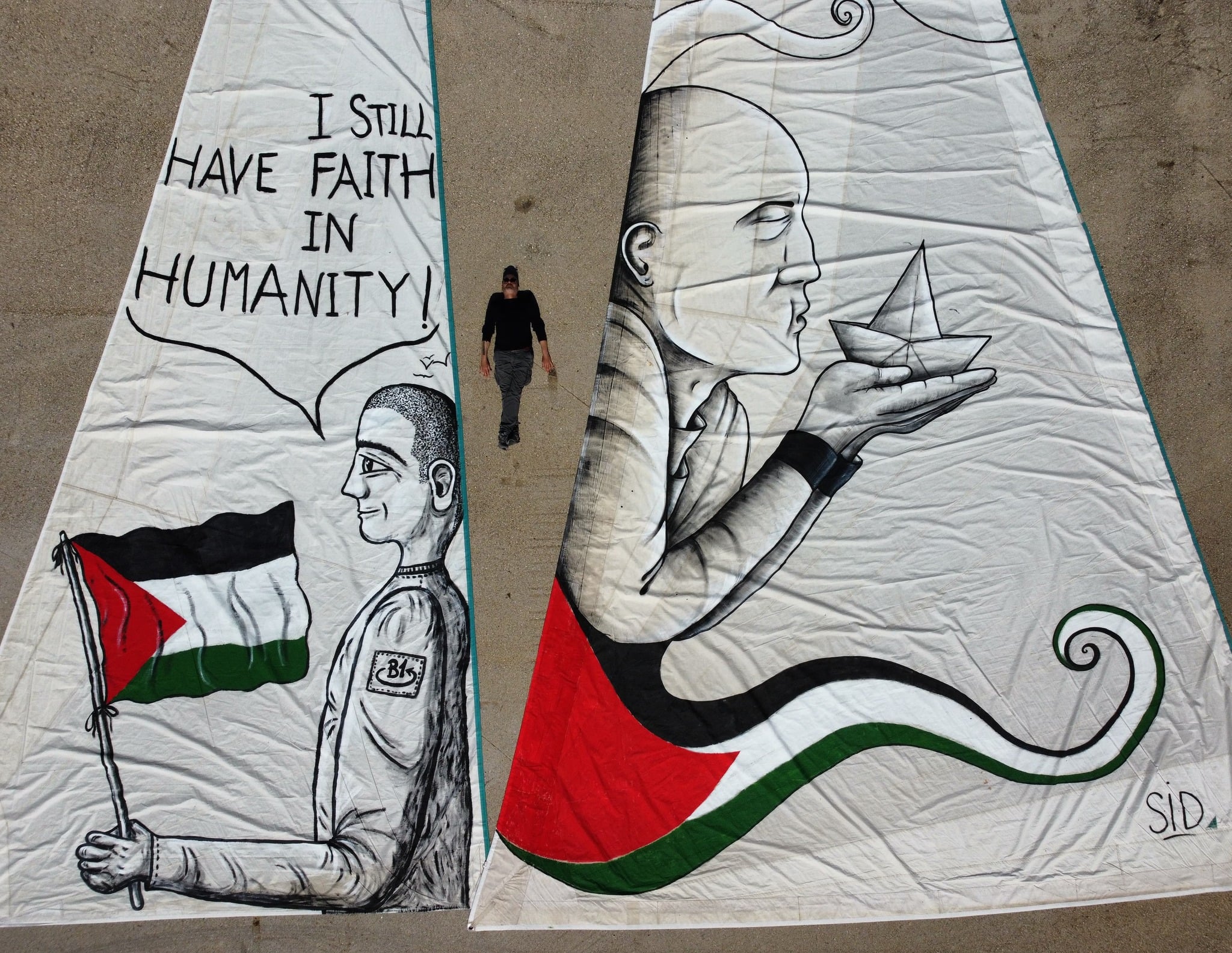
A new humanitarian mission by the Global Sumud Flotilla set sail on April 26 from Augusta, Sicily, with 59 Italian and Spanish boats heading toward Gaza. The flotilla, which follows a first attempt in September 2025 that ended with activists arrested by the Israeli military, aims to deliver humanitarian aid by early May. Twenty-one artists have joined the initiative, called Vele d'Arte, painting the sails of the boats with symbolic artworks. Among the participating artists are Gio Pistone, Antonio Curcio, Escif, Lydia Giordano, Glenda Costa, Millo, Elia Novecento, MP5, Matteo Todeschini, Alleg, Sam3, Okuda, Antonella Santonocito, Fabrizio Foti, Igor Scalisi Palmiteri, Andrea Sposari, and Salvo Ligama. The project was conceived by Carlo Alberto Giardina, who hopes the energy painted on the sails will transform into positive forces.

London gallery cancels controversial art show over antisemitic imagery

An exhibition titled 'Drawings Against Genocide' by British artist Matthew Collings, scheduled to open at Delta House Gallery in Wandsworth, London, has been cancelled after complaints from UK Lawyers for Israel (UKLFI) about antisemitic content. The show, planned for May 2026, included graphic drawings depicting Jews with horns, devouring babies, and denying Hamas's October 7 attacks, and had previously sparked outrage at a Margate gallery. Gallery owners Pineapple Corporation and Delta House Studios Ltd confirmed the cancellation after UKLFI warned of legal risks under the Public Order Act 1986.