filter_list Showing 219 results for "Minor Keys" close Clear
search
dashboard All 219 museum exhibitions 131article news 66rate_review review 9article culture 6person people 5trending_up market 1article policy 1
date_range Range Today This Week This Month All
Subscribe

Marina Xenofontos on Representing Cyprus at the 61st Venice Biennale

Artist Marina Xenofontos will represent Cyprus at the 61st Venice Biennale in 2026. Her exhibition, centered on an animatronic sparrow titled 'Passer' and incorporating folk songs recorded by her grandmother and great-aunts, explores themes of memory, endurance, and the quiet persistence of culture.

‘In Minor Keys’ Review: Its Best Moments Live in the Institutions Koyo Kouoh Built

Andrew Durbin reviews the national pavilions at the 2026 Venice Biennale, contrasting a vacuous US presentation with incisive and moving installations from Britain and Germany. The review highlights how the best moments of the exhibition live in the institutions built by curator Koyo Kouoh, who organized the Biennale's main exhibition.

The Ukrainian Pavilion’s Deer Seen Around the World

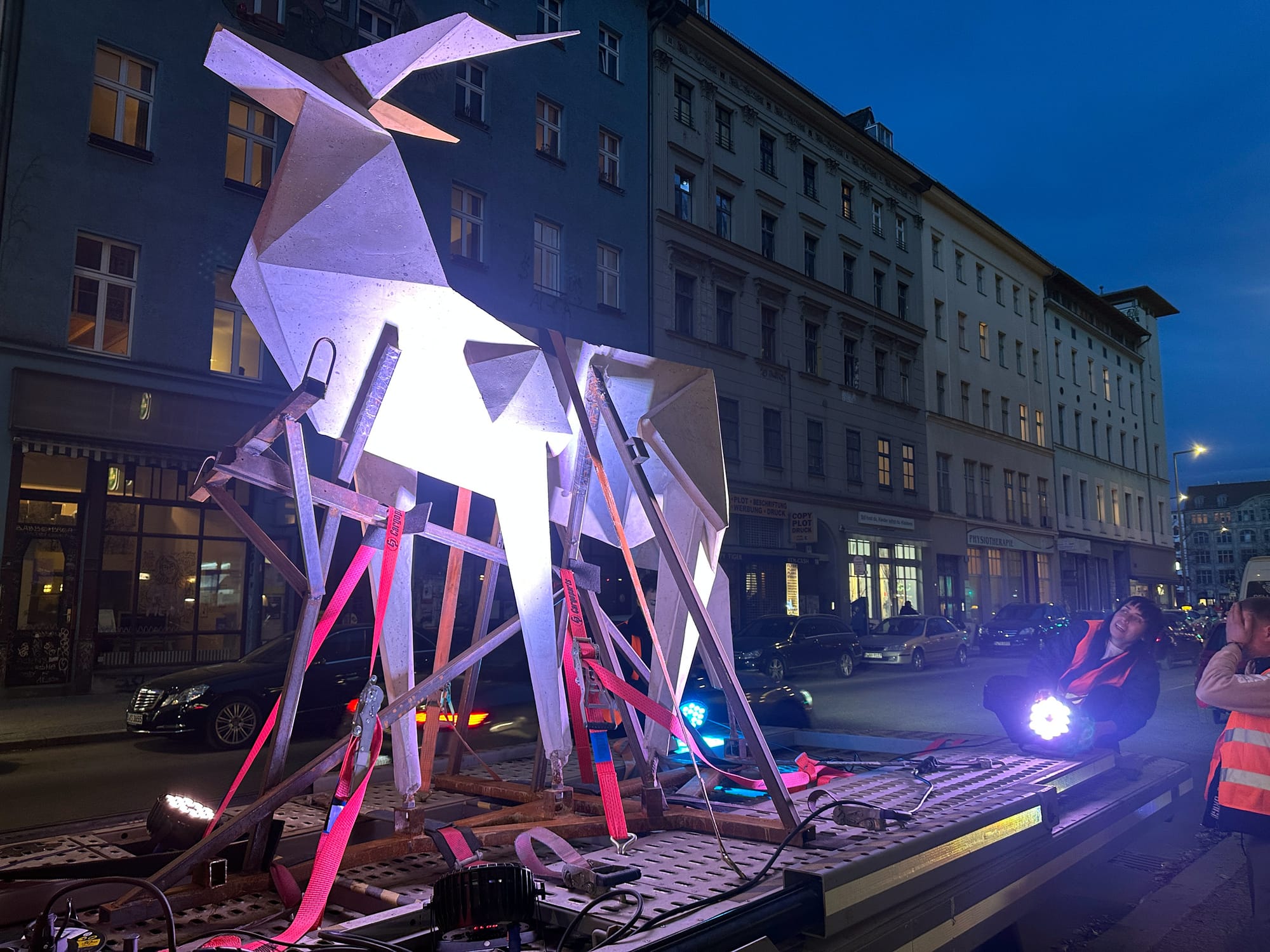
Zhanna Kadyrova's concrete sculpture "The Origami Deer" (2019) is prominently displayed at the entrance to the Giardini during the 61st Venice Biennale, part of her project "Security Guarantees" in the Ukrainian Pavilion. Originally installed in Pokrovsk, eastern Ukraine, the work was removed in 2024 as Russian forces advanced, then traveled through Vienna, Warsaw, Prague, Berlin, and Paris before reaching Venice—a journey mirroring the displacement of millions of Ukrainians. The sculpture, shaped like a deer and evoking folded paper, references the 1994 Budapest Memorandum, in which Russia, the UK, and US guaranteed Ukraine's security in exchange for its nuclear disarmament—guarantees that proved worthless after Russia's invasions.

The 10 best pavilions to see at the 2026 Venice Art Biennale. Artribune's top ten

I 10 migliori padiglioni da vedere alla Biennale d’Arte di Venezia 2026. La top ten di Artribune

Artribune presents its top ten must-see national pavilions at the 2026 Venice Biennale, which features a record 100 participating countries. The article highlights standout projects including Greece's escape room by Andreas Angelidakis critiquing nationalist populism, Belgium's participatory dance installation by Miet Warloop, and Canada's greenhouse-like pavilion by Abbas Akhavan exploring colonial botany. The Biennale, curated by Koyo Kouoh under the theme "In Minor Keys," is marked by last-minute jury resignations leading to public voting for the Golden Lions, as well as protests over the participation of Russia and Israel.

At the Venice Biennale, the Armenian Pavilion Transforms into an Artist's Workshop: Works Are Born in Front of the Public

Alla Biennale di Venezia il Padiglione dell’Armenia si trasforma in bottega d’artista: le opere nascono di fronte al pubblico

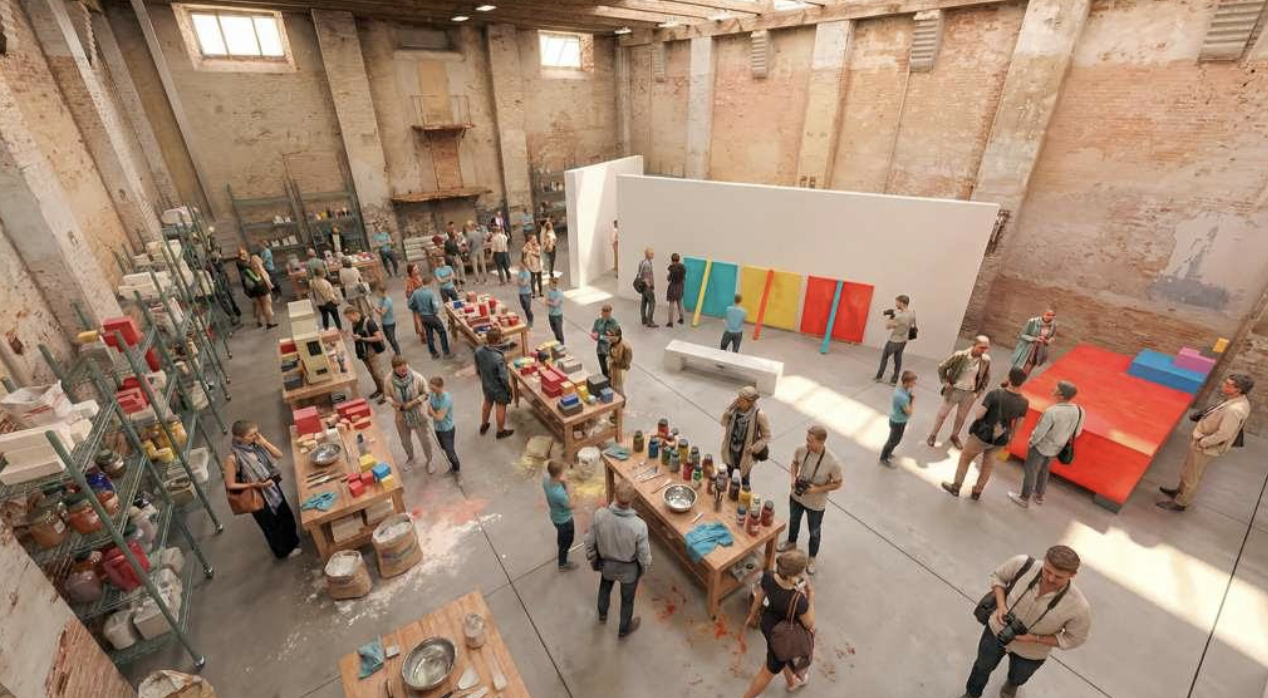
The Armenian Pavilion at the 2026 Venice Biennale will transform into a functioning artist's studio, where sculptor Zadik Zadikian will create works in real time before the public. Titled "The Studio," the project is curated by gallerist Tony Shafrazi and curator Tina Chakarian, and will operate daily from May 6 to November 22 at the Tesa 41 of the Arsenale. Zadikian, born in Yerevan in 1948 and now based in the US, will work with traditional Armenian plaster techniques alongside his son Aram and studio assistants, emphasizing the process of making over the finished object.

Trace the making of Fermata: Hong Kong in Venice through complete artwork reveals and installation photography

The article details the making of 'Fermata: Hong Kong in Venice,' a collateral event at the 61st Venice Biennale curated by the Hong Kong Museum of Art (HKMoA). The exhibition features two Hong Kong-based artists—established media artist Ng and emerging artist Angel Hui—whose works explore the poetic rhythms of everyday life in Hong Kong, engaging with the Biennale's theme 'In Minor Keys' by Koyo Kouoh. The selection process involved nominations from local tertiary institutions and professional art organizations, with over 200 artists considered before Ng and Hui were chosen.

Meet the artists representing Hong Kong and Macao at the Venice Biennale

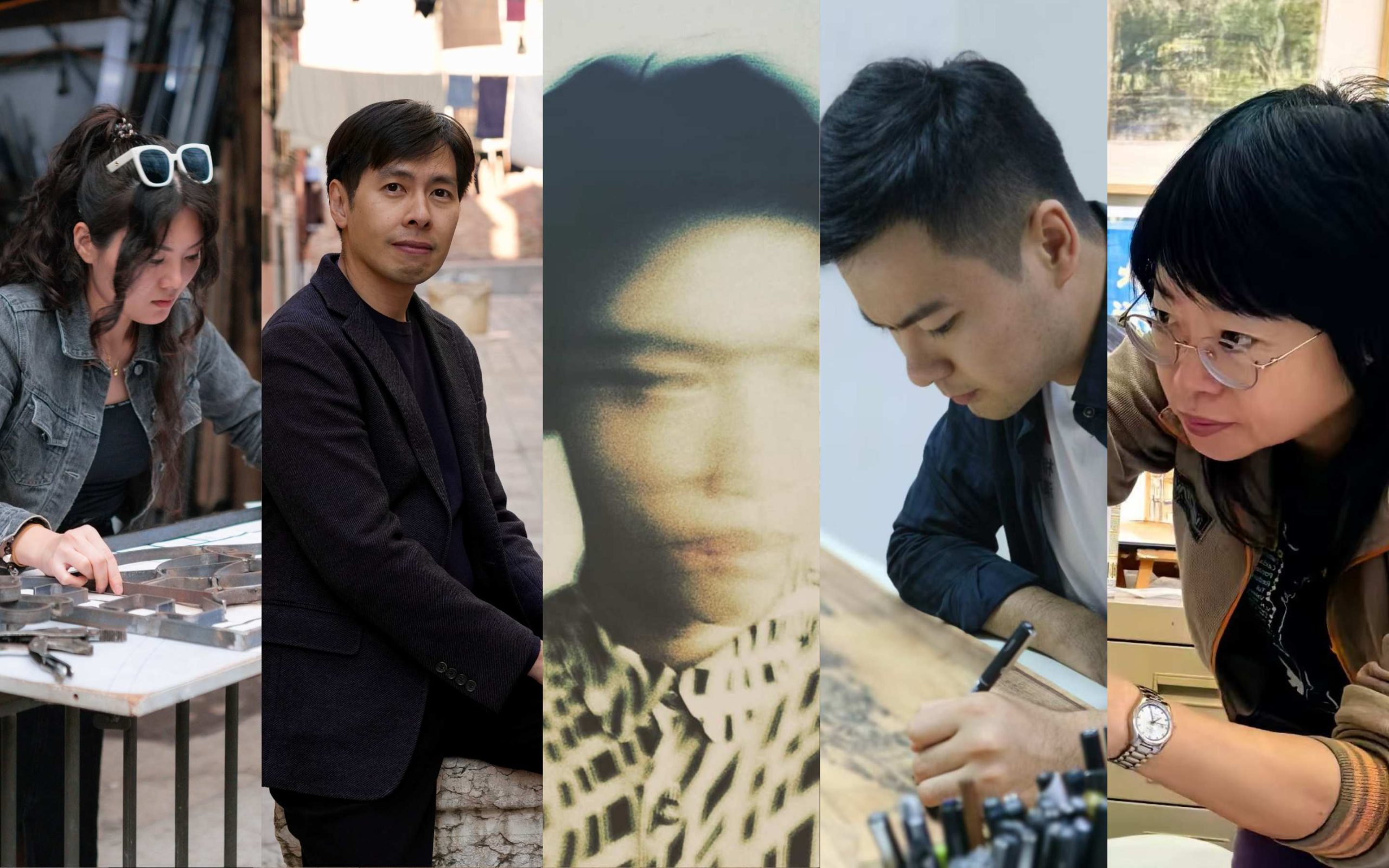
Hong Kong artists Angel Hui and Kingsley Ng, along with Macao artists Eric Fok Hoi Seng, Veronica Lei Fong Ieng, and O Chi Wai, will represent the Greater Bay Area at the 61st Venice Biennale, running from 9 May to 22 November 2026. Hong Kong's exhibition, titled 'Fermata: Hong Kong in Venice,' marks a shift from a solo to a duo format for the first time, co-organized and curated by the Hong Kong Museum of Art (HKMoA). Hui presents installations featuring embroidered plastic bags and aluminum window grilles inspired by local Hong Kong motifs, while Ng creates site-specific works referencing hanging laundry. Macao's showcase, 'Jacone's Polyphony,' features the three Macao artists. The biennale, curated by the late Koyo Kouoh, is themed 'In Minor Keys' and includes 110 artists, 100 national participations, and 31 collateral events.

Iran Will Not Participate in Venice Biennale, Organizers Say

Iran will not participate in the 61st Venice Biennale, which opens for previews this week, the Biennale Foundation announced on May 4. The decision comes two months after the United States and Israel launched strikes across Iran, and amid renewed tensions along the Strait of Hormuz. The Iranian pavilion was to be commissioned by Aydin Mehdizadeh Tehrani, director general of the visual arts office in the Iranian Ministry of Culture. Iran has had inconsistent attendance at the Biennale since 1958, with a long absence between the 1960s and 2003, but has participated semi-consistently over the last two decades, most recently in 2024.

Buhlebezwe Siwani “uYana umhlaba” at Consonni Radziszewski, Milan

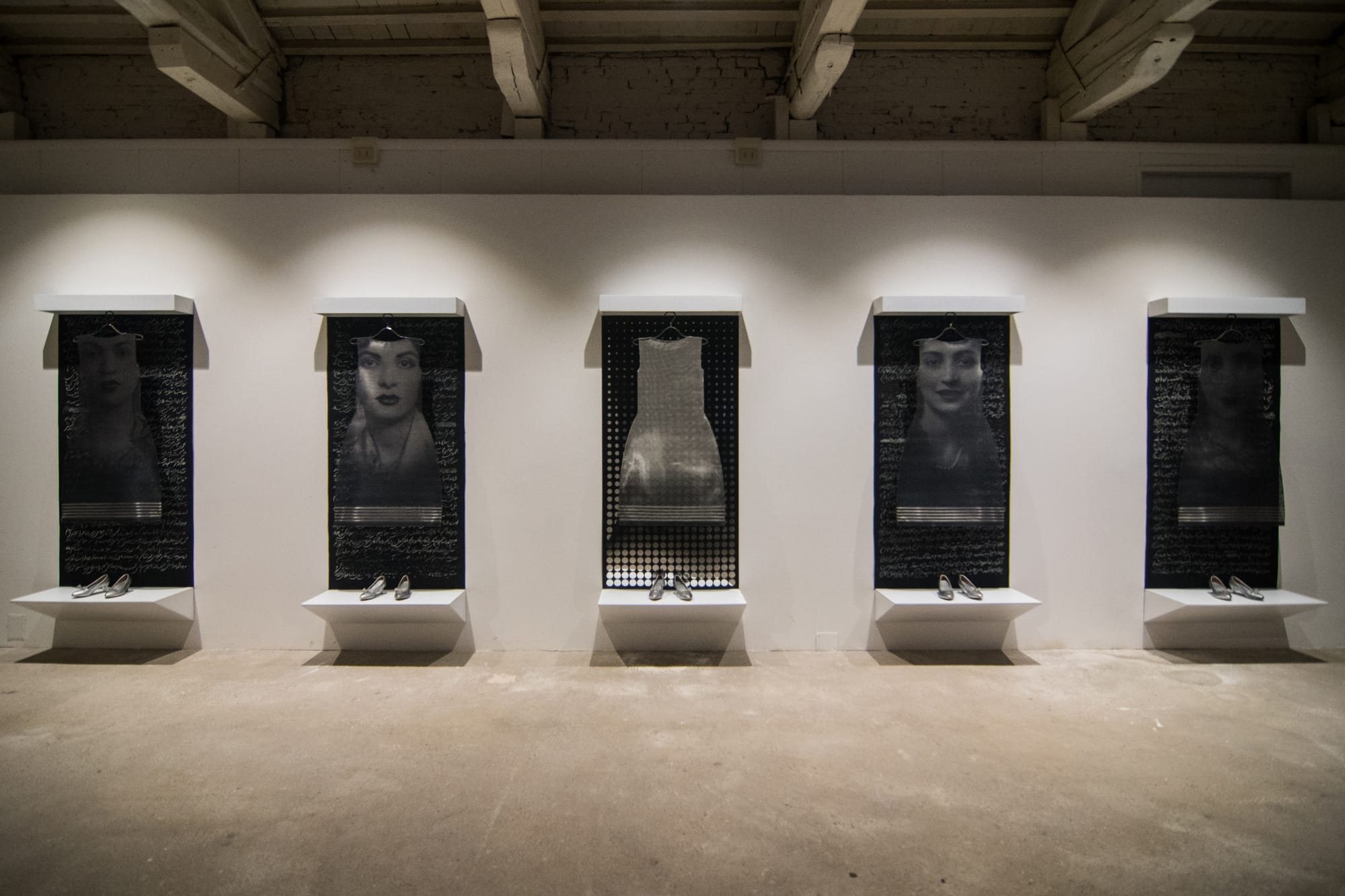
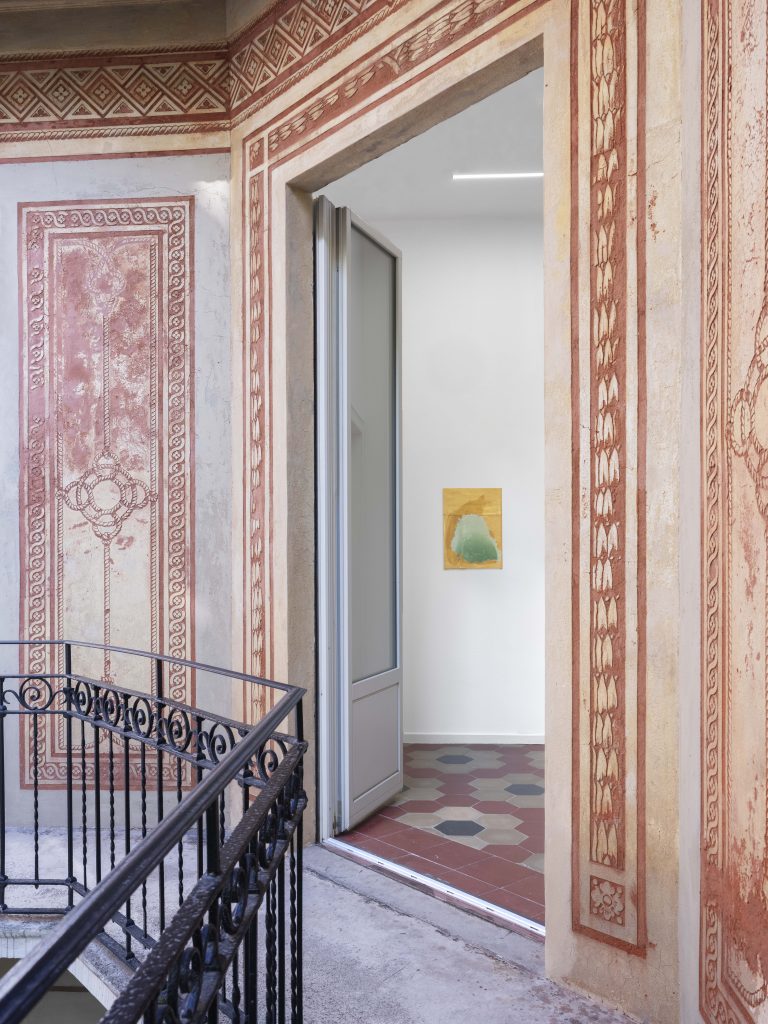
Consonni Radziszewski inaugurates its Milan space with "uYana umhlaba," the first solo exhibition in Italy by South African artist Buhlebezwe Siwani. The show presents a new body of work that expands on research begun in 2020 with the Inkanyamba series, first exhibited at the Galeria Municipal de Almada in Portugal.

L’artista Kader Attia ci racconta la sua opera alla Biennale di Venezia 2026. L’intervista

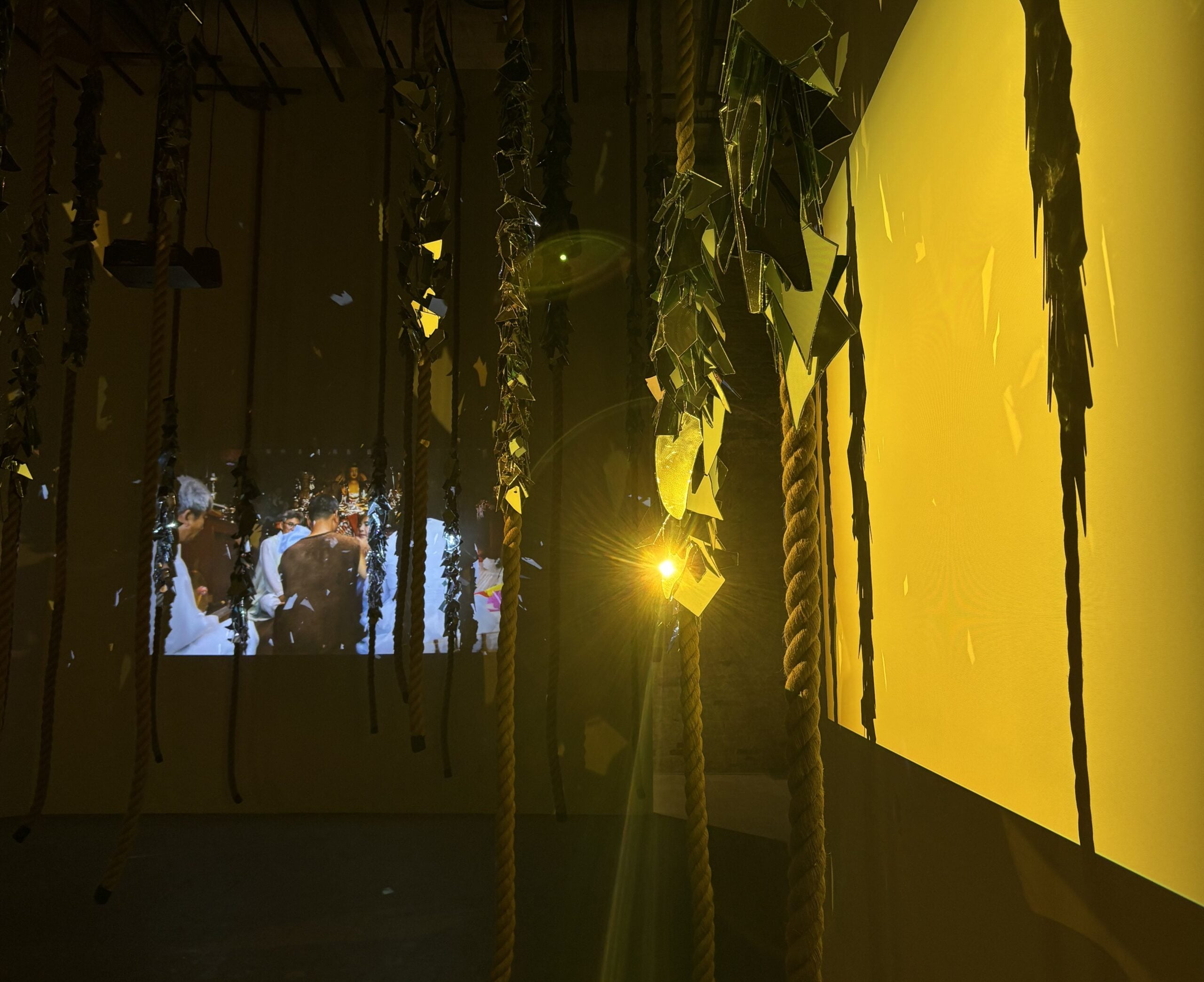
Kader Attia presents his multimedia installation "Whisper of Traces" at the 2026 Venice Biennale, curated by Koyo Kouoh under the theme "In Minor Keys." The work explores the intersections of magic, spirituality, traditional healing, and digitalization, drawing on Attia's long-standing interest in how colonialism, neoliberalism, and technology have transformed shamanic and healing practices. Attia describes the project as an accumulation of psychic traces from human history, which his mother called "ghosts."

The Biennale releases the rules for voting on the Visitors' Lions while many artists and pavilions renounce competing for the prizes

La Biennale diffonde il regolamento per votare i Leoni dei Visitatori mentre molti artisti e padiglioni rinunciano a concorrere ai premi

The 61st Venice Biennale has opened to the public, introducing a controversial new voting system for the Golden Lions. After the entire jury resigned en masse on April 30, the Biennale decided to let the public decide the winners of the so-called "Leoni dei Visitatori" (Visitors' Lions). Voting is open from May 9 to November 22, 2026, and requires ticket holders to visit both main venues (Giardini and Arsenale) to receive a voting link. One vote per person is allowed for each of two categories: an artist in the main international exhibition "In Minor Keys" curated by Koyo Kouoh, and a national pavilion.

Nick Cave at the 2026 Biennale. Seven works between loss, memory and protest

Nick Cave è alla Biennale 2026. Sette opere tra perdita, memoria e protesta

Nick Cave presents "Two Points in Time at Once" at the 2026 Venice Biennale, a project spanning seven locations across Venice. The installation features a series of bronze works, including the "Amalgam" series (Seated, Origin, Plot, Resuscitation, Meditation) along with "Grapht" and "Siren." This marks a significant material shift from Cave's iconic fabric Soundsuits to bronze, exploring themes of loss, memory, trauma, and protest through a more static yet politically charged presence.

The 2026 Venice Biennale is light and conscious

Quella del 2026 è una Biennale di Venezia leggera e consapevole

The 2026 Venice Biennale, titled "In Minor Keys" and curated by the late Koyo Kouoh, has opened with a focus on ecology and humanity's relationship with nature. The central pavilion at the Giardini presents a festive, craft-heavy exhibition that emphasizes connections with plants and animals, while the Arsenale offers a more spacious, symphonic experience featuring standout works such as Alfredo Jaar's "End of the World" (2023-2024) and Kader Attia's "Whisper of Traces" (2026). National pavilions, including those of Austria, Denmark, France, Germany, and Spain, explore themes of the body, memory, and ruin with notable installations.

Un’importante collezione tedesca d’arte per la prima volta in mostra in Italia a Venezia

The Kelterborn Collection, a German private collection focused on video art and experimental installations, will be exhibited in Italy for the first time at Venice's Contemporary Forces platform from May 7 to September 27, 2026. The exhibition, titled "Who’s a good boy??," is curated by Anastasia Stravinsky and Mario von Kelterborn in collaboration with IKT – International Association of Curators of Contemporary Art, and features works by twelve artists including Joseph Beuys, Gary Hill, Laure Prouvost, and Ulay. The show aligns with the theme of the 61st Venice Biennale, exploring power "in minor keys."

Il Padiglione Italia alla Biennale è il più internazionale di sempre

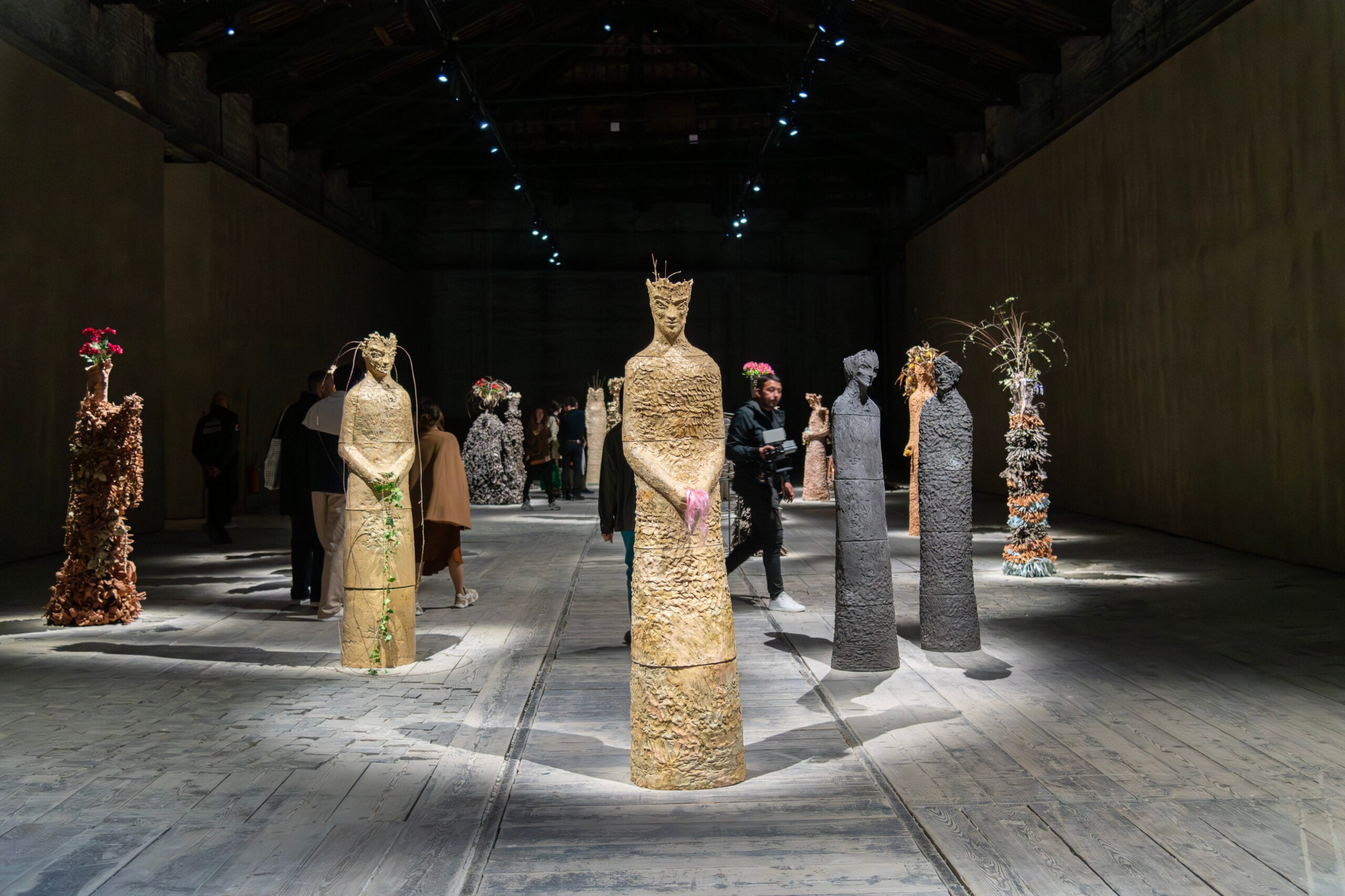
Chiara Camoni presents the Italian Pavilion at the 2026 Venice Biennale with her exhibition "Con Te Con Tutto" in the Arsenale. The show is divided into two sections: the first features monumental yet intimate sculptures, including her signature "sister" figures made from necklaces and terracotta fragments, while the second section continues the installation with a focus on circular production and zero waste. Camoni emphasizes a return to front-facing statuary, avoiding the gigantism of past editions, and works with sustainable, handmade processes.

What is the international exhibition of the Venice Biennale like? Review of "In minor keys" by Koyo Kouoh

Com’è la mostra internazionale della Biennale di Venezia? Recensione di “In minor keys” di Koyo Kouoh

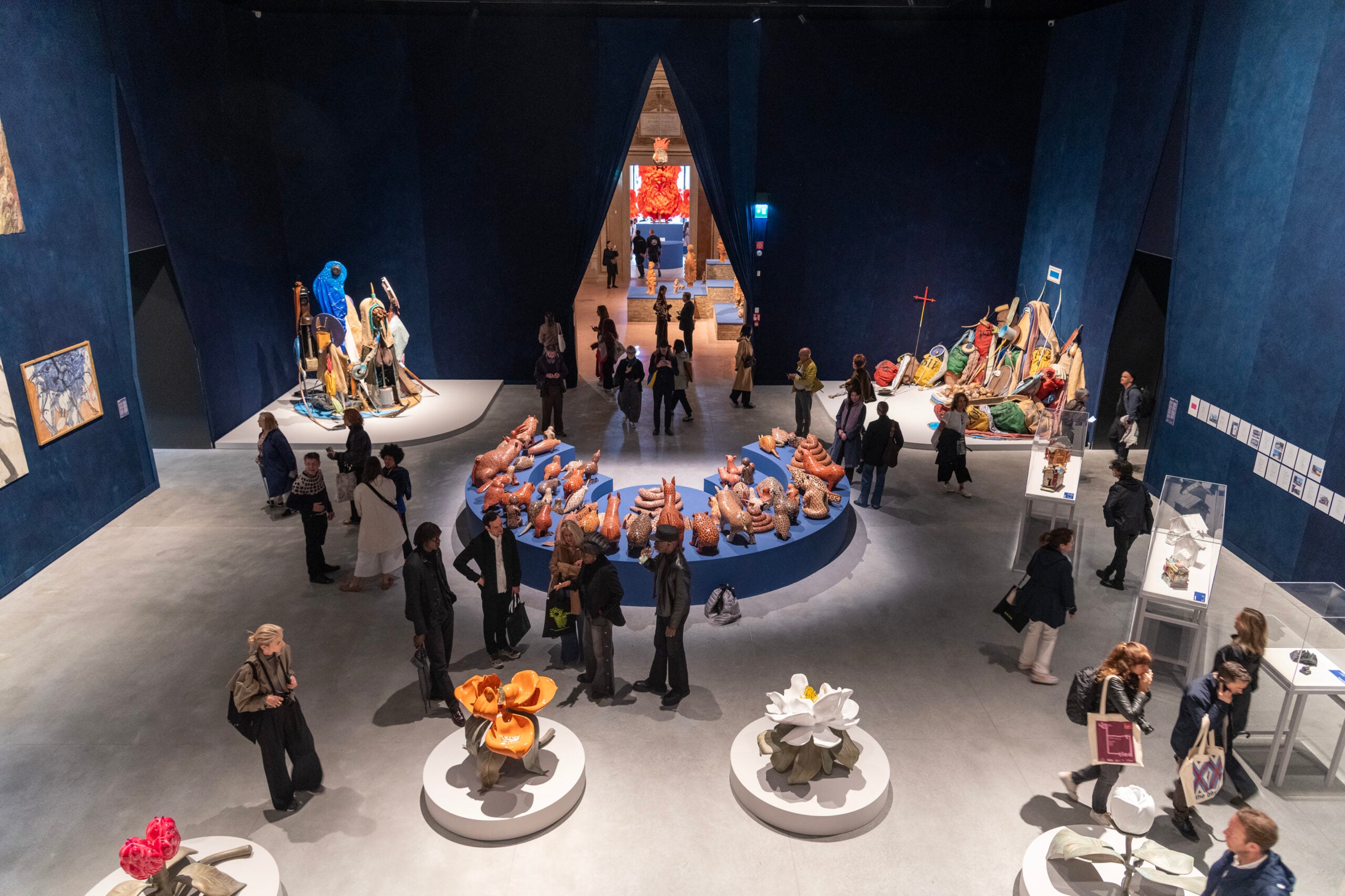
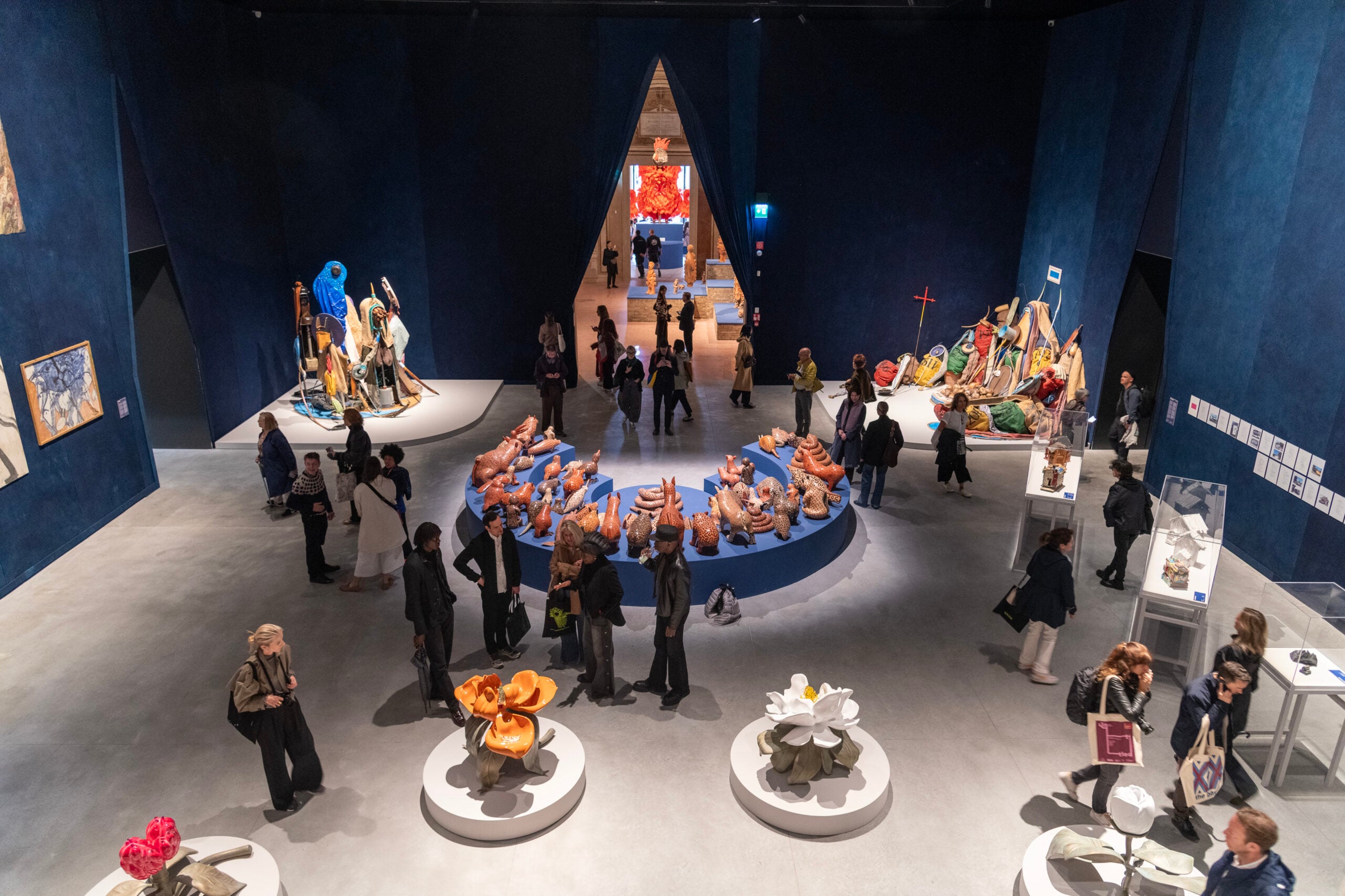
The 2026 Venice Biennale, titled "In minor keys" and curated by the late Koyo Kouoh, opens to the public on May 9 amid controversies including the absence of the president's name in the colophon at the Arsenale entrance. The exhibition, organized by Kouoh's team (Rory Tsapayi, Siddharta Mitter, Marie Helene Pereira, Gabe Beckhurst Feijoo, and Rasha Salty), unfolds across the Giardini and the Arsenale's Corderie, featuring works that balance strength and beauty with a harmonious mix of voices and themes. The Giardini section is particularly compelling, with a non-linear, polycentric layout that feels like a living organism, while the Arsenale offers further depth.

Artist appointed, axed then reinstated from Venice Biennale triumphs

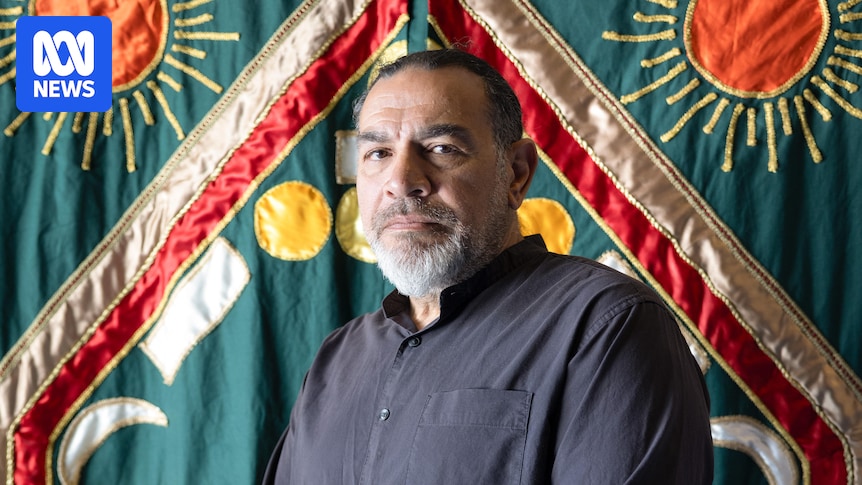
Khaled Sabsabi, a Lebanese Australian artist, presents his installation 'conference of one's self' at the Australia Pavilion of the Venice Biennale, alongside a second work 'khalil' in the main exhibition 'In Minor Keys' curated by Koyo Kouoh. His participation follows a tumultuous period in February 2025 when he was initially appointed to represent Australia, then controversially sacked by Creative Australia's board after a political dispute triggered by Senator Claire Chandler's comments, and later reinstated. Sabsabi is now one of only three artists in the Biennale's 131-year history to show in both a national pavilion and the main exhibition.

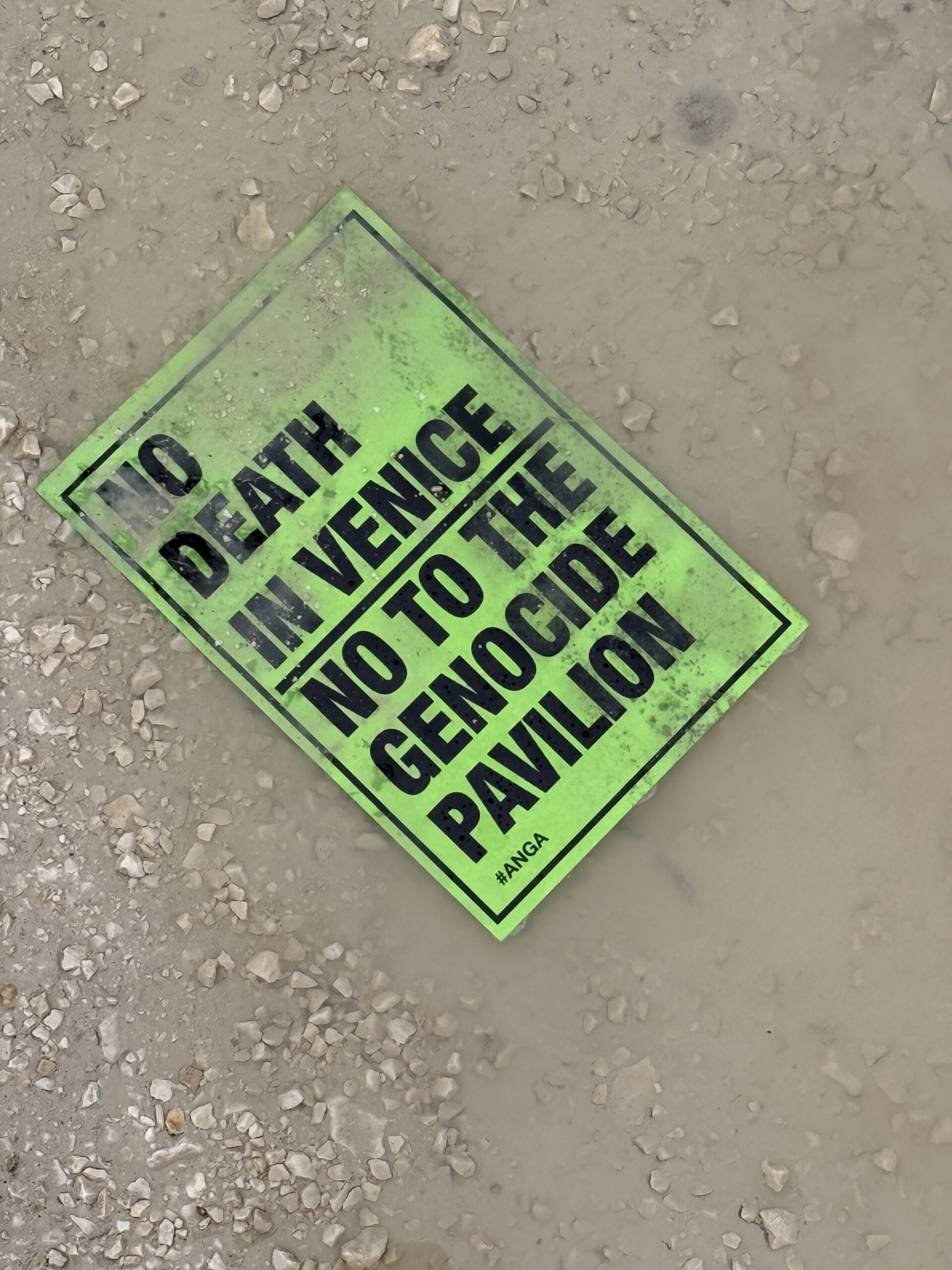
At the Venice Biennale, protests, self-mutilation and rage against Israel and Russia. Is anyone left to talk about the art?

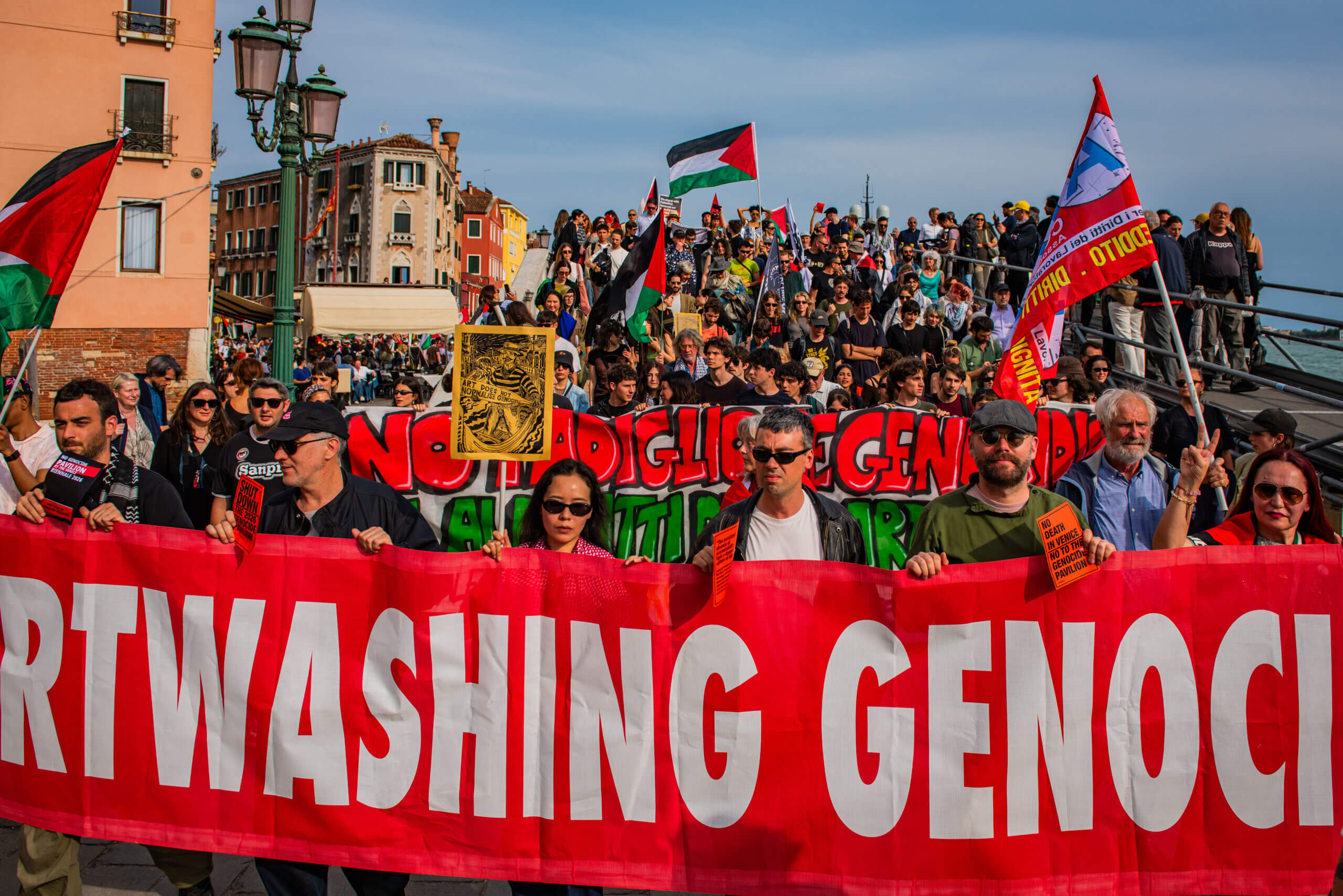
At the 61st Venice Biennale, protests and controversies have overshadowed the art itself. The Art Not Genocide Alliance (ANGA) demonstrated against the inclusion of Israel and Russia, while the Israeli Pavilion became a flashpoint. Artist Belu-Simion Fainaru, presenting his installation "Rose of Nothingness" in a temporary space, complained that he was forced to defend his art's right to exist amid questions about politics rather than his work. The Biennale also saw barricades, strikes, the resignation of the Golden Lion jury, Iran's last-minute withdrawal, and anger directed at the American pavilion over Trump administration policies. The central exhibition, "In Minor Keys," curated by the late Koyo Kouoh, was eclipsed by these events.

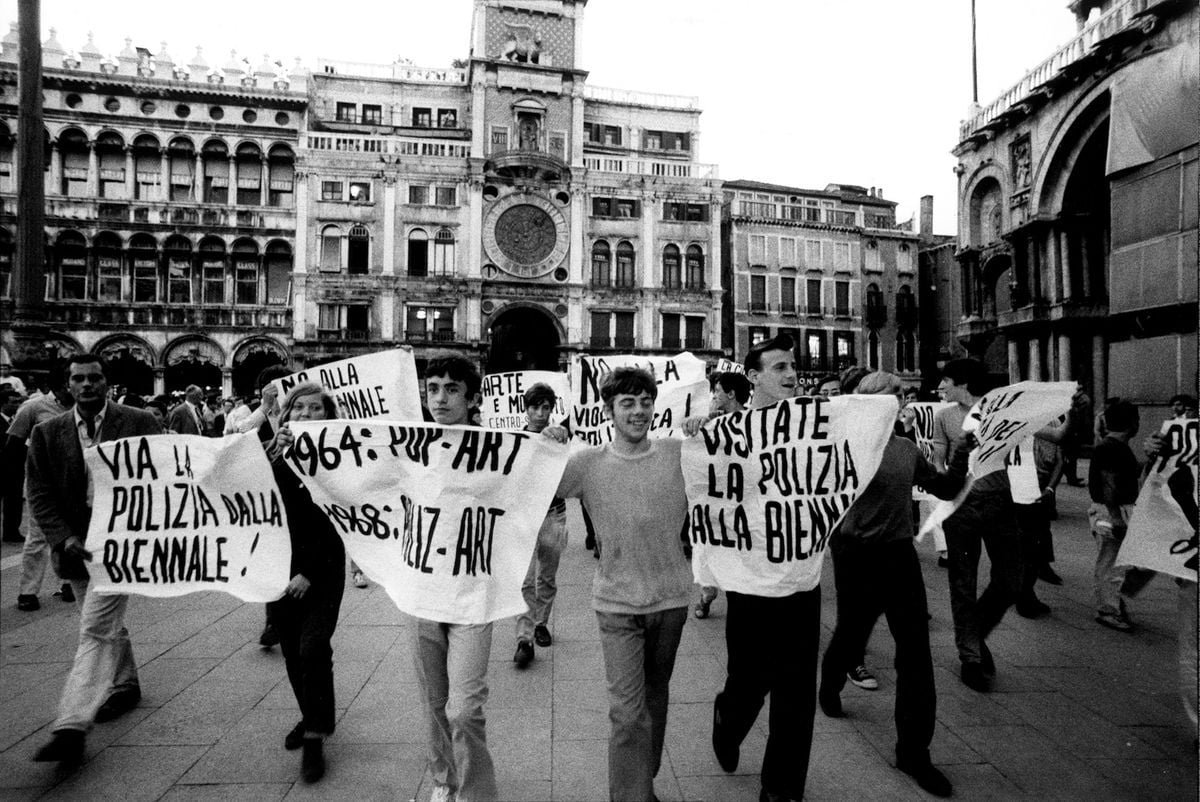
Since 1968, Protests Have Revealed the Real Impact of the Venice Biennale

The article recounts the 1968 protests at the Venice Biennale, where artists, students, and activists clashed with police over the event's perceived ties to bourgeois power and capitalist commodification. It draws parallels to the 2024 Biennale, where groups like Art Not Genocide Alliance, Pussy Riot, and Femen demonstrated against the participation of Russia and Israel, while artists staged strikes and performances like the Solidarity Drone Chorus to highlight the Gaza conflict.

Turkish artist Nilbar Gures brings defiance to 61st Venice Biennale

Turkish artist Nilbar Güneş will represent Türkiye at the 61st Venice Biennale (May 9–November 22, 2026) with her exhibition "A Kiss on the Eyes" in the Arsenale's Türkiye Pavilion. Güneş, born in Istanbul in 1977 and educated at Marmara University, the Academy of Fine Arts Vienna, and the University of Applied Arts, works across photography, film, painting, performance, and mixed media. Her practice draws on personal biography to address societal issues, and she has shown internationally at venues including Osmos in New York and Vortic Art in London.

Venice Biennale Opens Amid Strikes, Protests and Institutional Rupture.

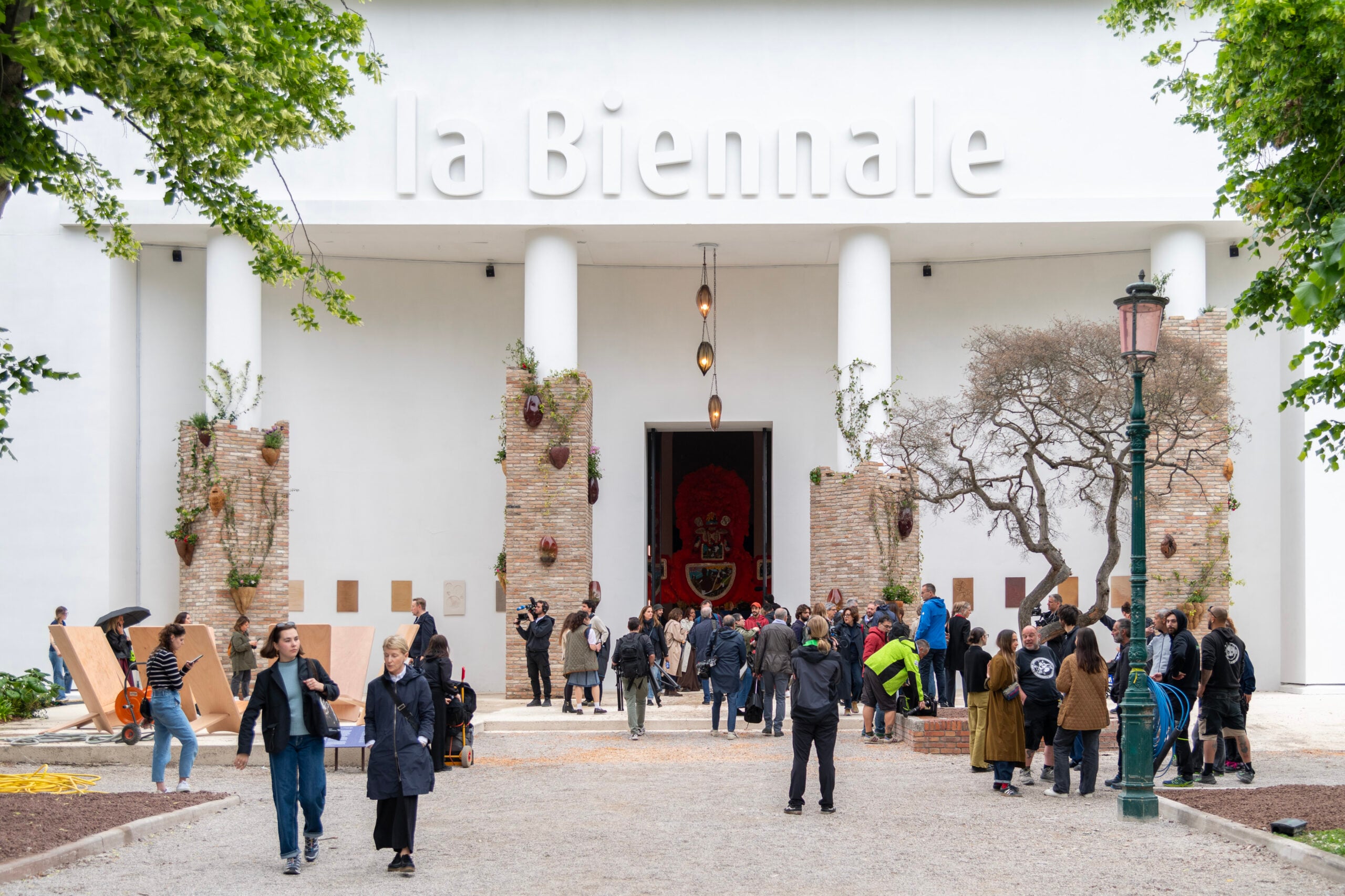
The 61st Venice Biennale opened in May 2026 amid strikes, protests, and political unrest, rather than celebration. Coordinated by Italian labor groups and transnational coalitions, demonstrators targeted the Biennale's decision to allow participation by Israel and Russia during the ongoing wars in Gaza and Ukraine. The Art Not Genocide Alliance (ANGA) led protests against Israel's participation, while Pussy Riot and FEMEN activists staged a protest outside the Russian pavilion. The Israeli pavilion's relocation from the Giardini to the Arsenale added symbolic weight, with critics viewing it as institutional endorsement. The late curator Koyo Kouoh's vision for the exhibition, titled "In Minor Keys," emphasized tenderness and complexity, contrasting with the volatile atmosphere.

In Minor Keys: The 61st Biennale di Arte Venezia Opens Under Koyo Kouoh (1967–2025).

The 61st Biennale di Arte Venezia opens under the posthumous curatorial vision of Koyo Kouoh (1967–2025), the late Cameroonian-born curator who reshaped contemporary African and diasporic art discourse. The central exhibition, spanning the Giardini and Arsenale, features 111 participants including artists, collectives, and artist-led organizations from across the Global South, with works in textiles, film, sculpture, and performance that interrogate colonialism, migration, and ecological repair. The Biennale is also marked by a pronounced presence of African and diasporic narratives across national pavilions, including several first-time pavilions from the African continent.

Iran Abruptly Drops Out of Venice Biennale as US and Israel’s War Continues

Iran has abruptly withdrawn from the 61st Venice Biennale, scheduled for May 9–November 22, 2026, reducing the number of participating nations from 101 to 100. The Biennale confirmed the withdrawal in a statement but did not provide a reason; Iran is now the only country listed without any artist representatives, though Aydin Mahdizadeh Tehrani remains listed as the pavilion's commissioner. The announcement comes as the Biennale opens to press amid ongoing controversy over the participation of Israel and Russia, whose pavilions have drawn protests from artists and politicians.

Morocco debuts at the Biennale with an exploration of its age-old craft traditions

Morocco is debuting its first national pavilion at the Venice Biennale with a monumental installation titled "Asetta" by artist Amina Agueznay. The 300-square-meter site-specific work, located in the Arsenale, draws on centuries-old Moroccan craft traditions, including weaving, beadwork, and embroidery. Agueznay conducted field research across Morocco and collaborated with over 130 artisans, mostly women, some of whom she has worked with for decades. The installation explores the transmission of traditional craftsmanship and shared memory, and incorporates the concept of the threshold (âatba) from Moroccan vernacular architecture, offering visitors both an immersive experience and functional seating.

What Biennials Reveal About the Art World

Ben Davis and Jo Lawson-Tancred of Artnet News have published complementary projects analyzing global art biennials. Davis compiled data from major biennials including Istanbul, Gwangju, São Paulo, Sharjah, and Venice over the past four years, tracking which artists have been shown most frequently worldwide since the 2022 Venice Biennale. Lawson-Tancred examined the upcoming Venice Biennale, titled "In Minor Keys" and curated by the late Koyo Kouoh, comparing the demographics of its artists to previous editions to trace shifts in the global art conversation.

This is fucking Disneyland

"Das ist fucking Disneyland"

The article surveys recent German cultural commentary, highlighting three main stories: art historian Bénédicte Savoy's warning in the FAZ about the physical decay of German universities, particularly the Technical University of Berlin, as a threat to democratic culture; Berlin artist Charlie Stein's essay on anxiety as a pervasive contemporary condition and art's role in making it visible; and critic Rachel Wetzler's harsh review of the Venice Biennale in Artforum, calling it an overwhelming 'theme park' version of the art world. Additionally, Nikolaus Bernau defends expert juries in the Tagesspiegel, using the Biennale's jury crisis as a case study.

Endre Koronczi on Representing Hungary at the 61st Venice Biennale

Endre Koronczi, the artist representing Hungary at the 61st Venice Biennale (2026), discusses his upcoming exhibition in the Giardini pavilion. His project, titled "Pneuma Cosmic," explores the movement of air as both a physical and metaphysical phenomenon, drawing on decades of research into invisible forces like wind and breath. The exhibition also references his long-term experimental zone, Ploubuter Park, inspired by drifting plastic bags. Koronczi notes a strong resonance with the Biennale's curatorial theme, "In Minor Keys" by Koyo Kouoh, describing it as a "cosmic zeitgeist."

Andreas Angelidakis on Representing Greece at the 61st Venice Biennale

Artist Andreas Angelidakis will represent Greece at the 61st Venice Biennale in 2026 with a project titled 'Escape Room'. He plans to split the Greek Pavilion in two, referencing the National Schism in Greek history, and will create an immersive experience that explores the building's dual identities as a national symbol and an exhibition space, set to the soundtrack of Frankie Goes to Hollywood's 'Relax'.

Brittany Invites Itself to the Venice Biennale: An Unusual Pavilion Dedicated to Breton Creation Moors in the Lagoon

La Bretagne s’invite à la Biennale de Venise : un insolite pavillon dédié à la création bretonne s’est amarré dans la lagune

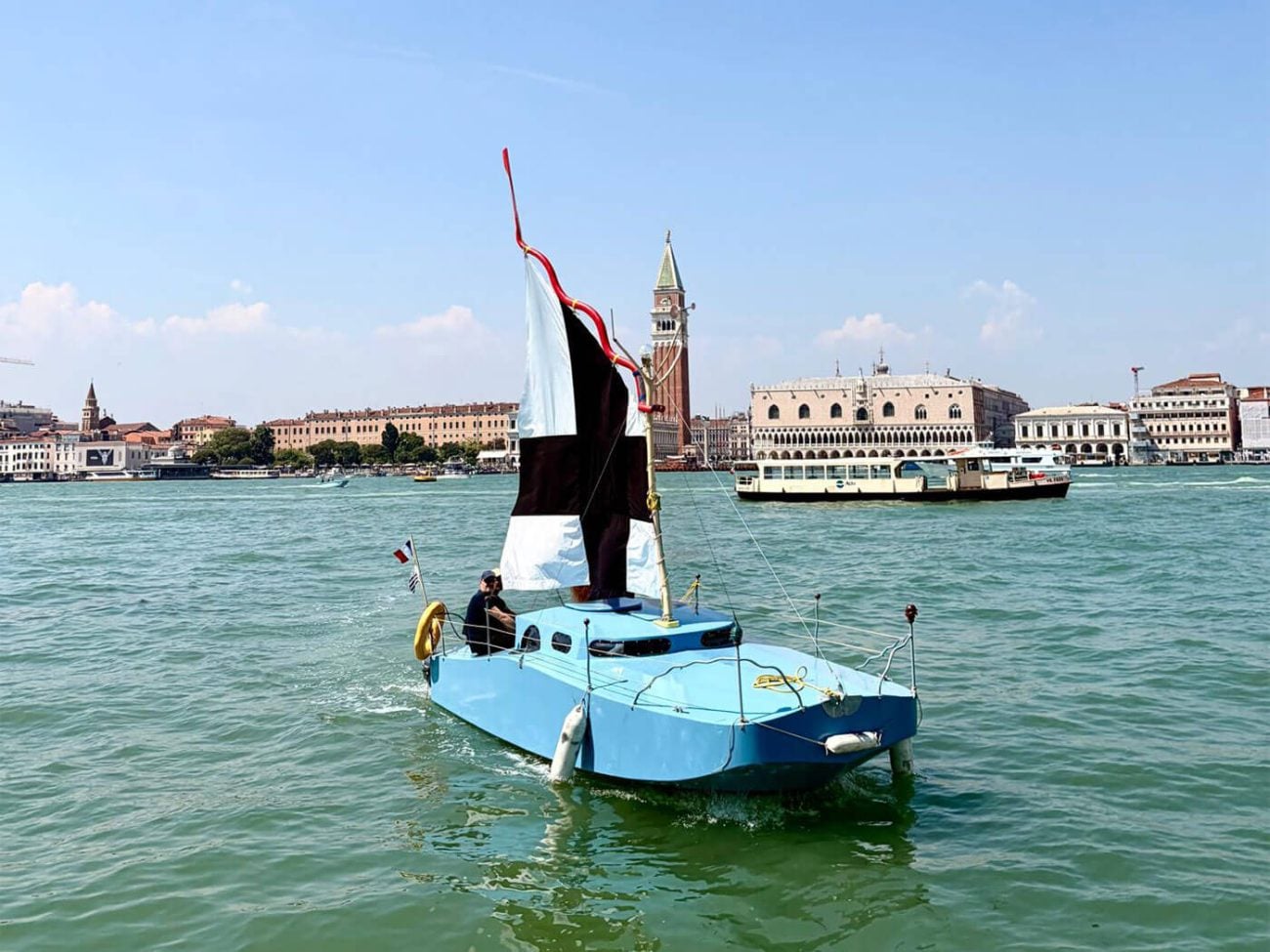
For the 61st Venice Biennale, a group of artists and art figures from Brittany have created an unofficial "Breton pavilion" in the form of a spectacular sailboat moored on the island of San Giorgio Maggiore. The boat, designed by artist Joachim Monvoisin, features contributions from Morgane Tschiember (who sewed a sail with a black cross, the 11th-century Breton flag) and master glassmaker Andrew Erdos (who made the navigation lights). Performances during the opening week included readings by Breton authors and traditional music concerts with binious and bombardes on the Via Garibaldi.

Statement of Intention by the International Jury of the 61st International Art Exhibition In Minor Keys of La Biennale di Venezia

The international jury for the 61st International Art Exhibition of La Biennale di Venezia, titled "In Minor Keys," has issued a statement declaring their intention to exclude from consideration any countries whose leaders are currently charged with crimes against humanity by the International Criminal Court. The jury, chaired by Solange Farkas and including members Zoe Butt, Elvira Dyangani Ose, Marta Kuzma, and Giovanna Zapperi, was selected by artistic director Koyo Kouoh to award the Golden and Silver Lions among the 110 artists in the exhibition.