filter_list Showing 217 results for "iQuit" close Clear
dashboard All 217 article news 61gavel restitution 54museum exhibitions 48trending_up market 15article policy 14article culture 13article local 3candle obituary 3person people 3rate_review review 2article event 1
date_range Range Today This Week This Month All
Subscribe

manhattan da office repatriates artifacts peru 1234742639

The Manhattan District Attorney’s Office returned eight artifacts to Peru during a ceremony at the Peruvian consulate in New York on May 15. The repatriated items include funerary objects illegally taken from tombs in northern Peru during the 1960s and ’70s, a copper mask believed to represent the Moche deity Ai Apaec (circa 300 BCE) from the looted Loma Negra site, and a ceramic portrait vessel from the Chavín culture (1000–700 BCE). This is the second time New York officials have returned a group of works to Peru.

Lebanon appeals to Unesco to intervene amid fears protected citadel has been destroyed

Lebanon’s Ministry of Culture has filed an urgent complaint with Unesco following reports that Israeli military forces destroyed the 12th-century Chama’ Citadel in southern Lebanon. The site, a Crusader-era fortress, had recently been granted "enhanced protection" status under the 1954 Hague Convention, a designation intended to shield it from military targeting. Lebanese authorities are currently unable to access the site due to ongoing military occupation and have requested that Unesco utilize satellite imagery to verify the extent of the demolition.

Native Americans created dice more than 12,000 years ago, study finds

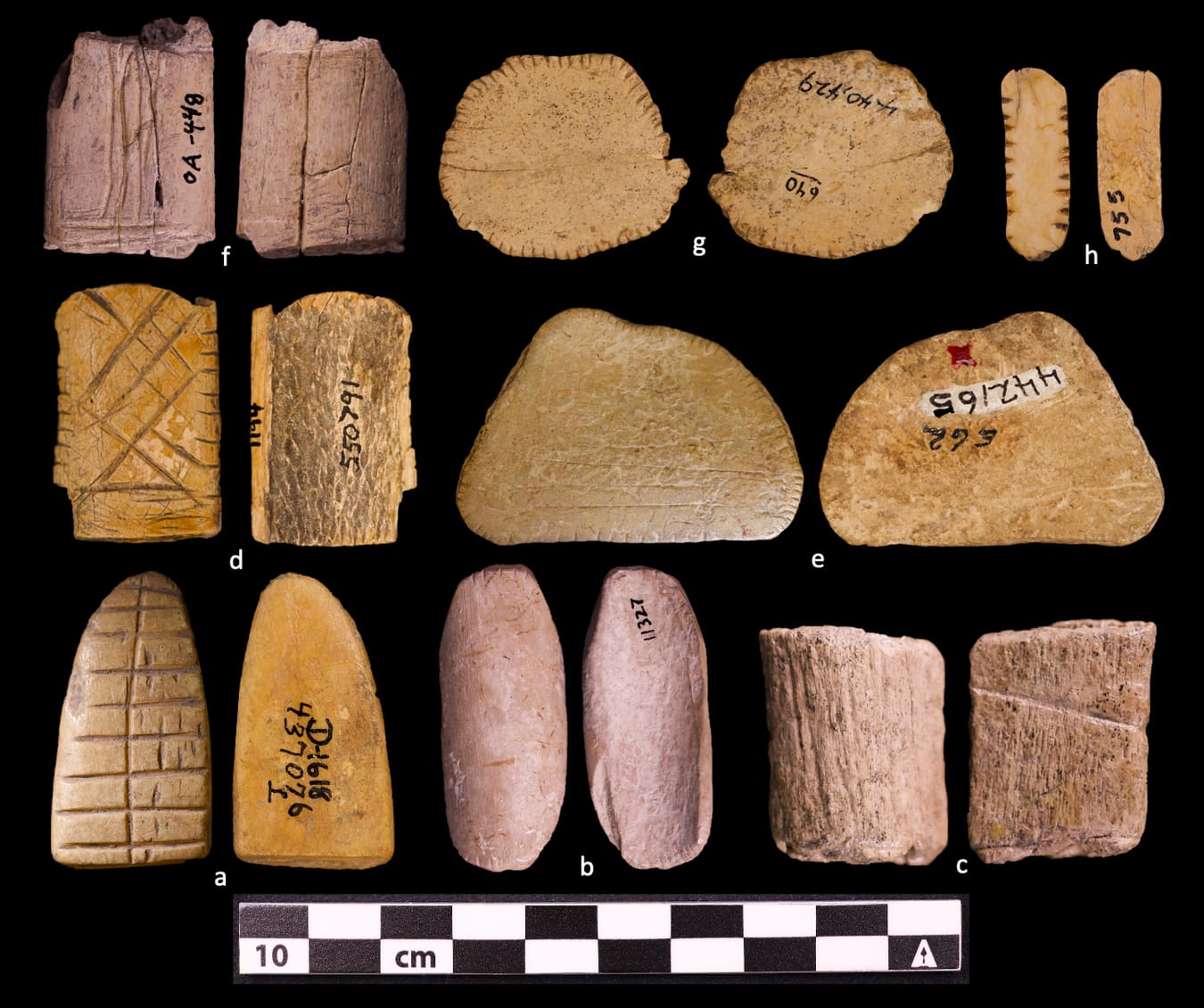
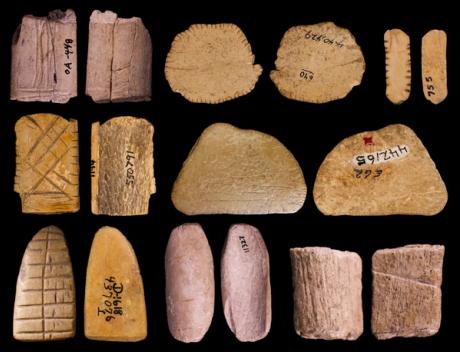
Archaeological research from Colorado State University has identified the world's oldest known dice, created by Native American hunter-gatherers on the western Great Plains over 12,000 years ago. These two-sided "binary lots," found at Folsom-period sites in Wyoming, Colorado, and New Mexico, predate the earliest known Old World dice by more than 6,000 years. The study reclassifies artifacts previously overlooked or misidentified, highlighting that these objects were the only decorated, non-utilitarian items found at these late-Pleistocene sites.

U.S. Returns Hundreds of Looted Antiquities to Italy

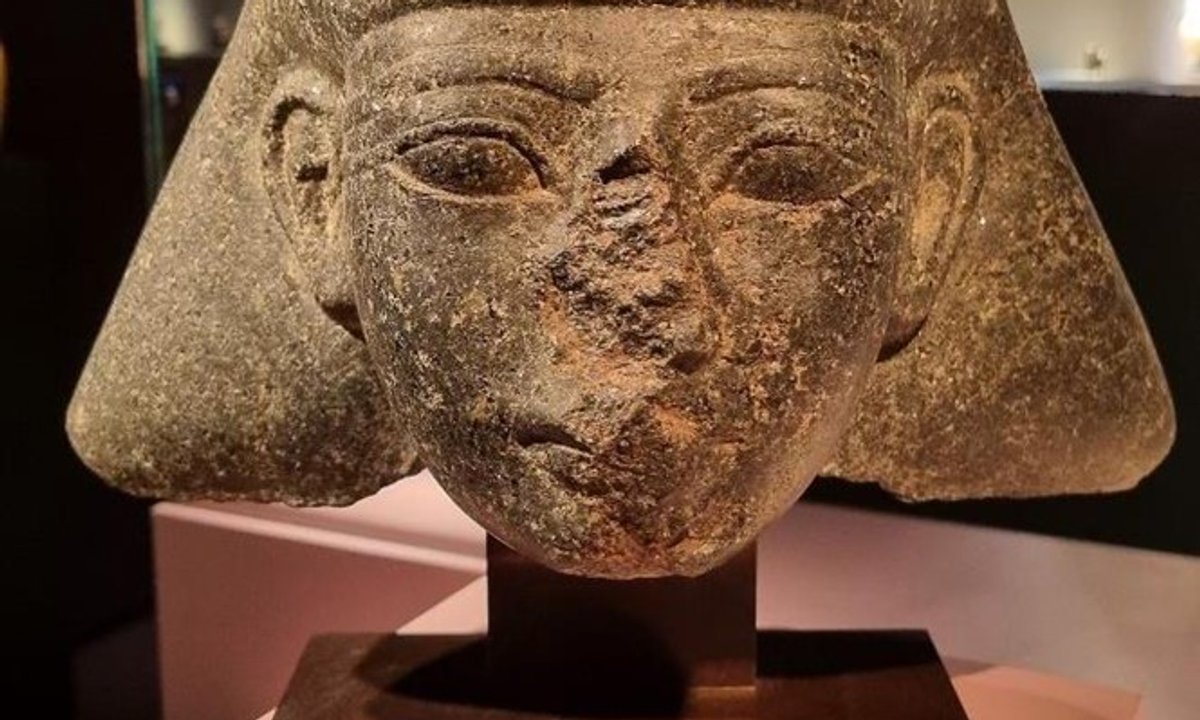
U.S. officials formally returned 337 looted antiquities, archival materials, and artworks to Italy during a ceremony at Rome’s La Marmora barracks. The objects, spanning from the Villanovan era (900–700 B.C.E.) through the Hellenistic period (323–31 B.C.E.), include Etruscan, Greek, Italic, and Egyptian artifacts. The repatriation was coordinated by Italy’s Carabinieri Command for the Protection of Cultural Heritage, the U.S. Federal Bureau of Investigation, the Department of Homeland Security, and the office of Manhattan District Attorney Alvin Bragg Jr. Key items include a marble head of Alexander the Great, a bronze sculpture from Herculaneum, and Egyptian basalt sculptures. Some 221 objects were recovered via the Manhattan DA, while the remaining 116 were secured with help from Christie’s.

A Bodybuilder’s 3,300-Year-Old Egyptian Stele Heads to TEFAF

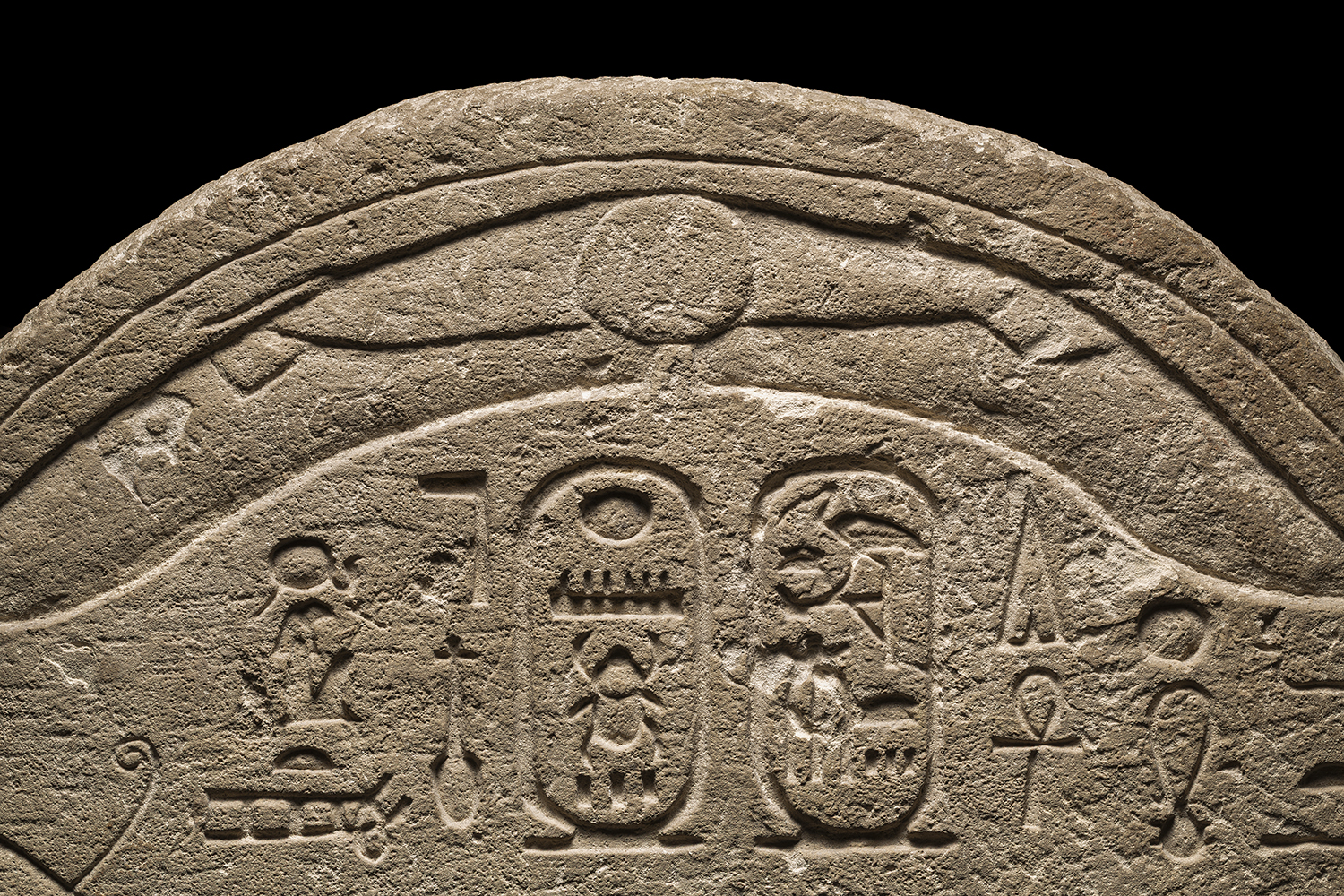
A 3,300-year-old Egyptian stele once owned by bodybuilding pioneer Ben Weider is set to be a highlight at TEFAF New York this May. The limestone carving, which depicts Pharaoh Thutmose IV, was gifted to Weider in 1964 and recently surfaced at a Montreal auction before being acquired by the London-based gallery David Aaron. Alongside the stele, the gallery will present a 2,500-year-old greywacke bust of a goddess, which was recently authenticated after being dismissed as a fake due to its pristine condition and 18th-century restorations.

roman medusa cameo hallstatt 2725536

A rare ancient Roman cameo relief depicting the gorgon Medusa was discovered by construction workers during excavation work for a new funicular railway in Hallstatt, Austria. The 1.5-cm banded agate piece, dated to the 2nd century C.E., was likely crafted in a northern Adriatic workshop and worn as a necklace by an elite Roman woman. It will become part of the permanent collection at Austria's Linz Castle Museum.

eu import regulations 2653480

The European Union's Regulation 2019/880, aimed at combating illicit trafficking and terrorism, will take effect on June 28, imposing stricter import controls on antiquities and artworks over 200 years old and valued above €18,000 ($19,500). The regulation requires importers to provide evidence that an object was lawfully exported from its country of origin, even for items exported decades ago when such documentation was not required. This reverses the presumption of innocence, placing the burden of proof on importers. Dealers and experts express concern that the rules are not based on market realities, as importers must be registered within the E.U., forcing non-E.U. dealers to rely on third-party agents or shippers. The regulation also poses challenges for ancient objects, where borders and export controls may be historically ambiguous.

art market minute may 5 2639801 2639801

The article reports that at the 100-day mark of Trump's second presidency, his economic policies—particularly tariffs—are disrupting the art world. While artworks remain exempt, antiques and design objects are not, causing concern for dealers, including those preparing for Tefaf New York. Changes to de minimis rules have lowered the customs processing threshold from $2,500 to $800, triggering widespread shipping delays. Additionally, Frieze has been sold to Hollywood powerbroker Ari Emanuel, and auction veteran Alex Rotter has been tapped as Christie's new global president.

A Struggle Between Artist and Machine

Ein Ringen zwischen Künstler und Maschine

Mario Klingemann, a pioneer of AI art, presents "Conflict of Interest," a pop-up exhibition at Sleek Art Space in Berlin during Gallery Weekend. Curated by Anika Meier and produced in collaboration with Art on Tezos, the show features works that challenge the flood of AI-generated imagery. Klingemann displays mundane landscape photographs from private slides, a series called "Weapons of Mass Distraction" where he disrupts an AI algorithm's image generation, and a haunting 2020 video in which AI-generated faces morph to music. The exhibition makes visible the struggle between human control and machine logic.

US Returns 337 Looted Objects to Italy in Repatriation Effort

The United States officially returned 337 looted antiquities to Italy at a ceremony held at La Marmora barracks in Rome. Of these, 221 objects were repatriated through the Manhattan District Attorney’s Office, while the remaining 116 were recovered on April 10, 2026, via joint efforts by the FBI, Homeland Security Investigations, the District Attorney’s Office, and Christie’s New York auction house. The objects span from the Villanovan era (900–700 BCE) to the Hellenistic period (323–31 BCE) and include a 1st-century CE marble head of Alexander the Great, a bronze sculpture from Herculaneum, and two Egyptian basalt sculptures.

London's pre-contemporary art market gets boost from two new summer events

Two new summer events for pre-contemporary art are launching in London: Classic Art London (CAL), running from 23 June to 4 July, and Studiolo, a one-day showcase on 26 June. CAL fills the gap left by London Art Week, which ended in 2024, and features gallery exhibitions across Mayfair, St. James's, Cecil Court, and Belgravia, along with a talks programme at the Society of Antiquaries. Highlights include a rediscovered Titian, a solo show of Paul Nash landscapes, and a focus on Swedish Cubo-Futurist Gösta Adrian-Nilsson (GAN). Studiolo, held at Spencer House, presents art, antiquities, and sculpture.

How Much Did It Cost to Paint a Pompeii Room Egyptian Blue?

How Much Did It Cost to Paint a Pompeii Room Egyptian Blue?

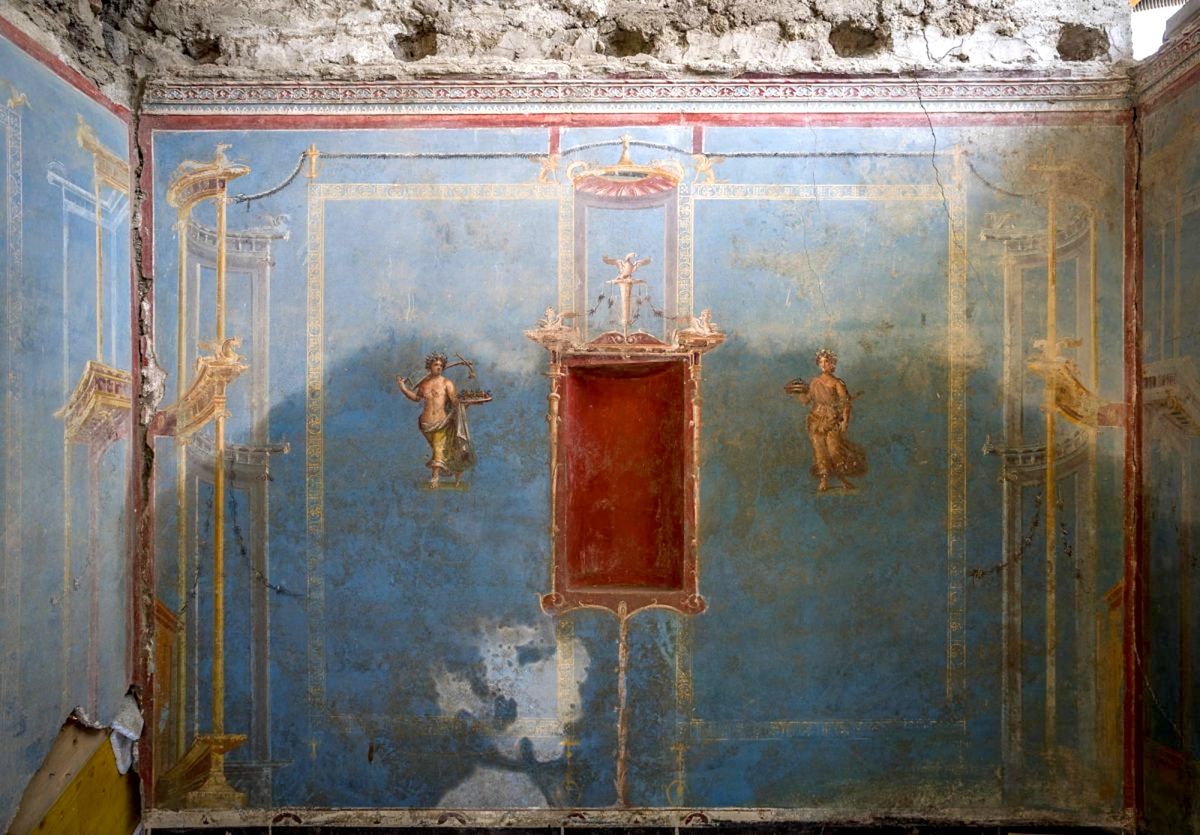
A new study has calculated the staggering cost of painting a room in Pompeii with Egyptian blue pigment. Researchers determined that covering the walls of a recently discovered "Blue Room," a sacred shrine, would have required between 2.7 and 4.9 kilograms of the prized synthetic pigment. Based on prices recorded by Pliny the Elder, this quantity of high-grade pigment would have cost between 50% and 90% of a Roman legionary's annual salary, highlighting it as an extreme luxury.

A semester of SLAM

The St. Louis Art Museum (SLAM) hosted two special exhibitions during the past semester: the annual "Art in Bloom" floral exhibition from February 27 to March 1, 2026, and the solo show "Currents 125: Blas Isasi" opening February 6, 2026. "Art in Bloom" pairs 30 permanent collection pieces with ephemeral floral arrangements created by local designers, featuring a centerpiece by New York-based floral designer Rachel Cho. The exhibition has grown from an invitational event with 7,000 attendees to an open call drawing over 30,000 visitors. Isasi's exhibition, titled "The weight of a gaze (is to listen to the sound of a kilogram)," is part of SLAM's "Currents" series and the WashU Henry L. and Natalie E. Freund Teaching Fellowship, incorporating a Chincha Inka balance from the museum's collection alongside sandstone sculptures and aluminum foil pieces.

Blockbuster show on ancient Egyptian pharaoh Ramses II opens in London

The blockbuster exhibition "Ramses the Great and the Gold of the Pharaohs" has opened in London near Battersea Power Station, featuring over 180 ancient Egyptian treasures. Produced by Neon Global in collaboration with Egypt’s Supreme Council of Antiquities, the show includes the coffin of Ramses II, animal mummies, and a VR experience. The tour has already visited cities like Paris and Sydney, serving as a major international cultural ambassador for Egypt.

Syria’s Hasakah Museum—occupied by military for more than a decade—to finally open

The Hasakah Museum in Syria, a completed but never-opened archaeological museum, is finally being prepared to open to the public after being occupied by military forces for over a decade. The building, constructed in 2002, was seized by the Assad regime's military in 2011 and used as a base and weapons depot, becoming part of a fortified security zone in the city center until the regime's forces withdrew in December 2024.

Louvre staff vote to strike, citing failures of management and building maintenance

Staff at the Louvre Museum in Paris voted unanimously to strike, with rolling walkouts set to begin on December 15. The unions, representing around 200 employees, filed a strike notice with the French culture ministry, citing insufficient staff, technical failures, and the building's aging condition. They also criticized the museum's director, Laurence des Cars, for a top-down management system that ignores staff alerts. The strike follows a series of incidents, including the theft of the French crown jewels in October, a forced closure of the Campana Gallery due to structural issues, and a water leak that damaged hundreds of books in the Egyptian antiquities library.

Heritage experts call for international task force to plan Palmyra rebuild

Heritage experts, antiquities officials, and Syrian community members convened at a conference organized by the University of Lausanne and the Aliph foundation in Switzerland, marking the first comprehensive international meeting on Palmyra since the fall of Bashar Al Assad's regime in 2024. The group issued recommendations including the creation of an international expert task force to work toward removing Palmyra from the UNESCO List of World Heritage in Danger, and outlined three key priorities: rehabilitating the looted and damaged Palmyra museum, restoring artefacts currently held at the Damascus Museum, and repairing the foot bridge to the site. Aliph executive director Valery Freland aims to begin work in January 2026.

Netherlands will return stolen ancient statue—featured at Tefaf art fair in 2022—to Egypt

The Netherlands will return a 3,500-year-old stolen Ancient Egyptian statue to Egypt after it was spotted at the Tefaf Maastricht art fair in 2022 by an eagle-eyed visitor. The stone statue, believed to depict a high official from the dynasty of Pharaoh Thutmose III, was flagged via an anonymous tip, leading the dealer to voluntarily surrender it. An investigation by Dutch police and the Information and Heritage Inspectorate confirmed it was likely plundered unlawfully and illegally exported. The statue will be handed to the Egyptian ambassador in The Hague later this year, in line with the 1970 Unesco convention against trafficking cultural property.

Gold Romanian Helmet Recovered After Explosive Heist at Dutch Museum

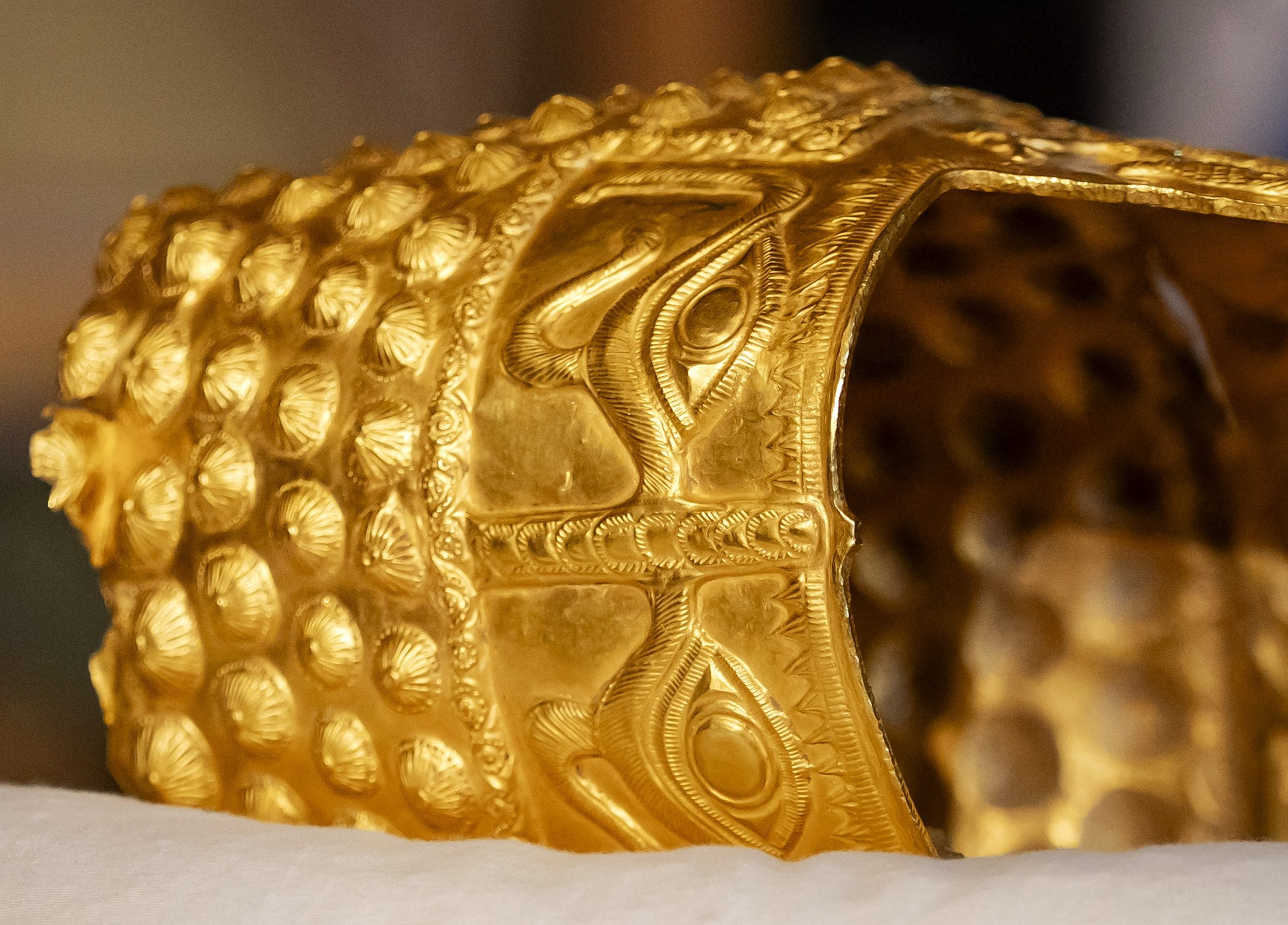
Dutch police have recovered a 2,500-year-old gold Dacian helmet and two of three gold bracelets stolen in a 2025 museum heist. The artifacts were returned as part of a plea deal with suspects, who were offered reduced sentences and a cash enticement to reveal their location.

The Syrian Pavilion returns to Venice after the fall of the regime. The interview

A Venezia torna il Padiglione della Siria dopo il crollo del regime. L’intervista

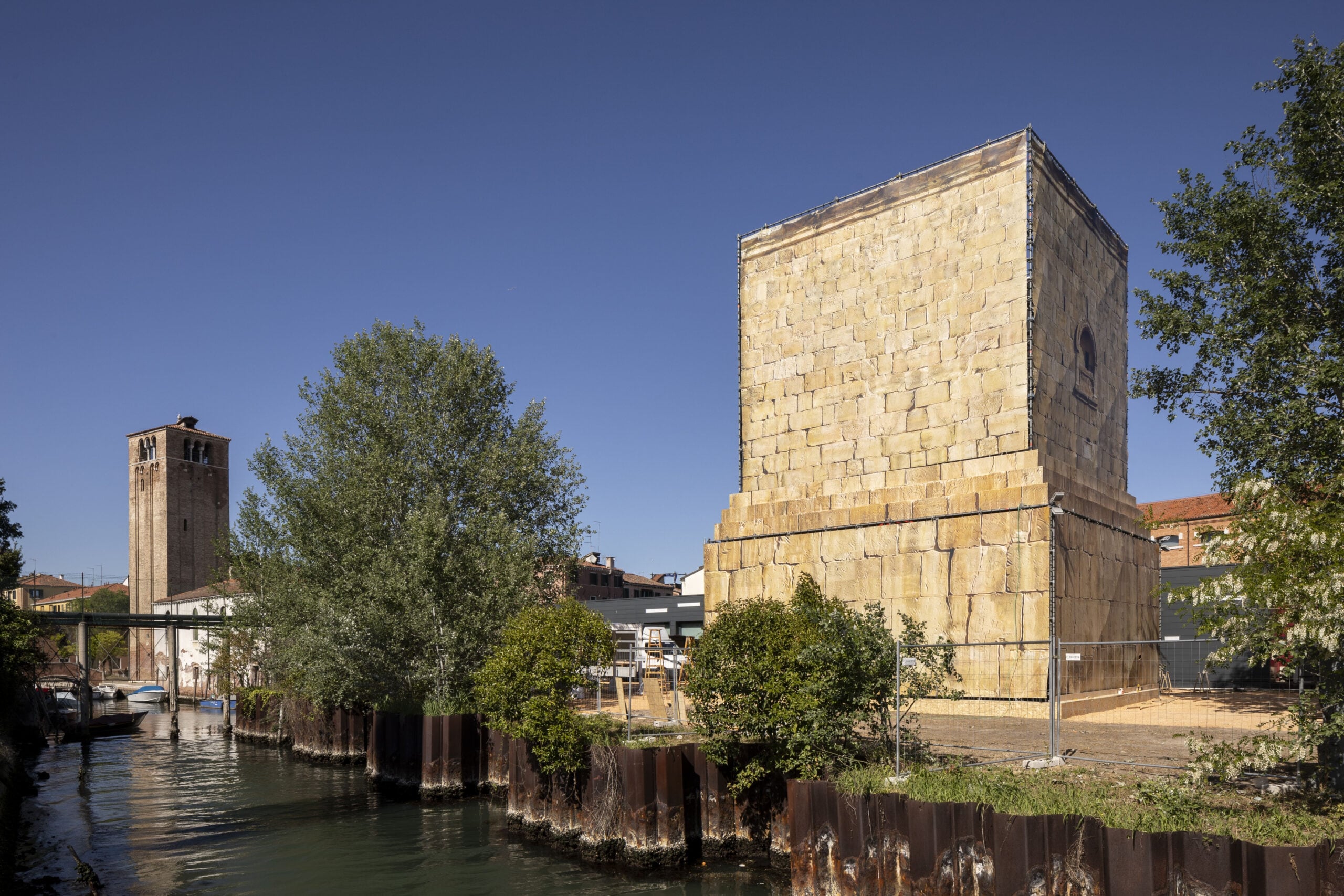
The Syrian Pavilion returns to the Venice Biennale after the fall of the regime, marking the country's first participation since 2024. The pavilion, curated by artist Sara Shamma, is housed in the former refrigerated warehouses of Santa Marta at the Iuav University of Venice and runs until November 22. It features an installation inspired by the ancient funerary towers of Palmyra, combining painting, architecture, light, sound, and scent to explore cultural heritage and the restitution of looted antiquities.

Italy's Soft Power in China Thanks to Two Major Exhibitions on Pompeii and Palladio

Il soft power dell’Italia in Cina grazie a due grandi mostre su Pompei e Palladio

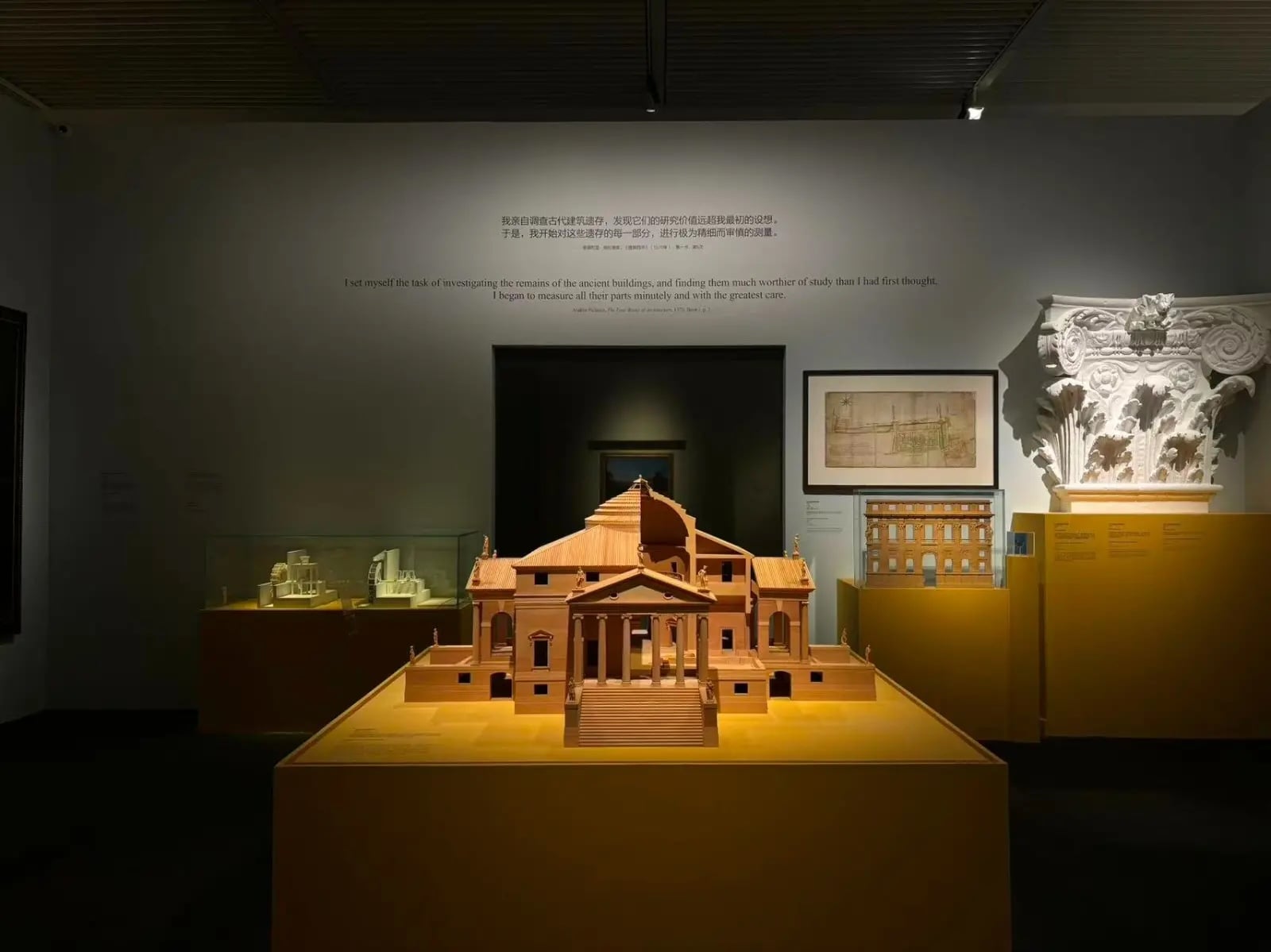
The National Museum of China in Beijing is currently hosting two major exhibitions celebrating Italian cultural heritage: "Pompeii: An Eternal Discovery" and "Geometry, Harmony and Life: The Architecture of Andrea Palladio from Antiquity to Classicism." These exhibitions, marking the 55th anniversary of diplomatic relations between Italy and China, were inaugurated by Italian Culture Minister Alessandro Giuli. The Pompeii showcase traces 250 years of archaeological history using artifacts and multimedia, while the Palladio exhibition explores the Renaissance master’s influence on Western architecture and creates a cross-cultural dialogue with traditional Chinese building techniques.

Dice Are 6,000 Years Older Than Previously Believed, Study Says

Archaeologist Robert J. Madden has published a groundbreaking study in the journal American Antiquity identifying over 600 prehistoric objects as two-sided dice. These artifacts, found across 57 sites in the American West, date back more than 12,000 years to the Late Pleistocene era. By applying criteria from historic Native American gaming traditions to these bone and wood fragments, Madden argues that dice-based games of chance existed 6,000 years earlier than previously recorded in the archaeological record.

Les États-Unis restituent près de 300 biens culturels à l’Italie

Italy presented 337 cultural artifacts repatriated from the United States at the Caserma "La Marmora" in Rome, following operations between December 2025 and April 2026. The objects span from the 5th century BCE to the 3rd century CE, including Roman sculptures, bronze works, pottery, jewelry, coins, and architectural fragments. Among the notable pieces is a marble head attributed to Alexander the Great, stolen from a Roman museum in 1960, and a bronze sculpture looted from Herculaneum. The recovery involved the Manhattan District Attorney's office, the FBI, Homeland Security Investigations, and Christie's New York, with 221 items seized through the DA's collaboration and 116 returned in April.

337 œuvres et objets volés récupérés : la vaste opération italienne de lutte contre le trafic de biens culturels aux États-Unis

On April 29, Italy's carabinieri dedicated to cultural heritage protection announced the recovery of 337 looted or stolen artworks and objects repatriated from the United States between December 2025 and April 2026. The haul includes archaeological artifacts, archival documents, and other artworks, such as a marble head of Alexander the Great from the 1st century AD, a bronze sculpture stolen from Herculaneum, and two Egyptian basalt sculptures. The objects were dispersed through international markets using forged provenance documents, and their return involved U.S. agencies including the FBI.

How this artist finds sci-fi inspiration in bamboo scaffolding

Freddy Carrasco, a Canadian artist of Dominican heritage based in Japan, is preparing for his first Hong Kong exhibition titled "Return to Nothing" at WKM Gallery in Wong Chuk Hang, running until August 2. The show features paintings and sculptures inspired by the bamboo scaffolding and grid-like structures he observes from his studio window in Tsim Sha Tsui, which he likens to a tesseract—a four-dimensional cube representing space and time. Carrasco's work explores themes of existence, death, religion, and transformation, often depicting abstract black figures suspended in grids, hands in worship, or empty forms suggesting portals between dimensions. He is in Hong Kong on a visiting artist residency with Side Space, supported by Matt Chung, Alex Chan of The Shophouse, and William Kayne Mukai of WKM Gallery.

China Orders Nationwide Museum Audit After Missing Masterpieces Scandal

China's National Cultural Heritage Administration has mandated a comprehensive, item-by-item inventory of all state-run museum collections following a major scandal at the Nanjing Museum. The audit aims to verify that objects listed in official records physically exist in storage, a direct response to the discovery that donated national treasures, including a valuable Ming dynasty painting, were improperly transferred or sold into the private market over decades.

giorgos tsagarakis dealer arrested stolen antiquities 1234778988

Greek authorities have arrested Athens-based art dealer and television personality Giorgos Tsagarakis following an investigation into a suspected criminal network involved in the theft, forgery, and illegal trade of antiquities. The arrest, executed by the Organized Crime Division, led to the seizure of hundreds of paintings, ancient ceramics, Byzantine artifacts, and a rare 1745 gold-plated Gospel manuscript. Investigators were reportedly alerted to the illicit items after Tsagarakis posted a video of the artifacts on social media.

Egyptian Archeologists Find 3,000-Year-Old Coffins of Temple Chanters in Luxor

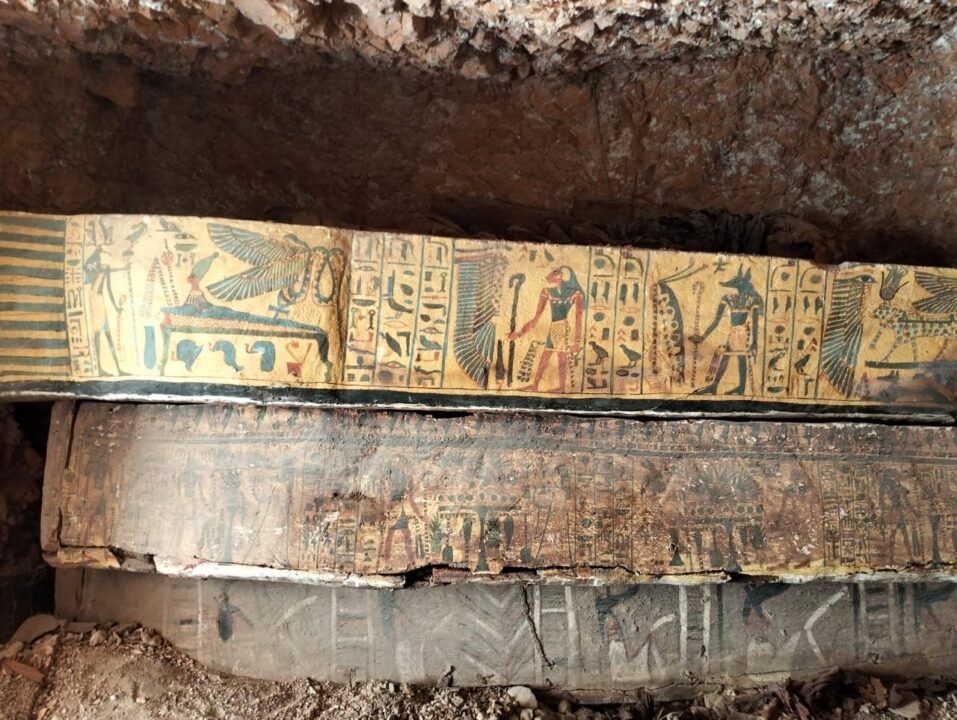
Archaeologists in Luxor have discovered 22 painted wooden coffins containing mummies, along with eight sealed papyrus scrolls, in a tomb within the Theban Necropolis. The coffins, dating to Egypt's Third Intermediate Period (1077–664 BCE), were found stacked in a rock-cut chamber, indicating they had been moved from their original burial sites.

Egyptian Tour Guide Arrested for Drawing on Pyramid in Viral Video

egyptian tour guide pyramid drawing arrest video 1234775340

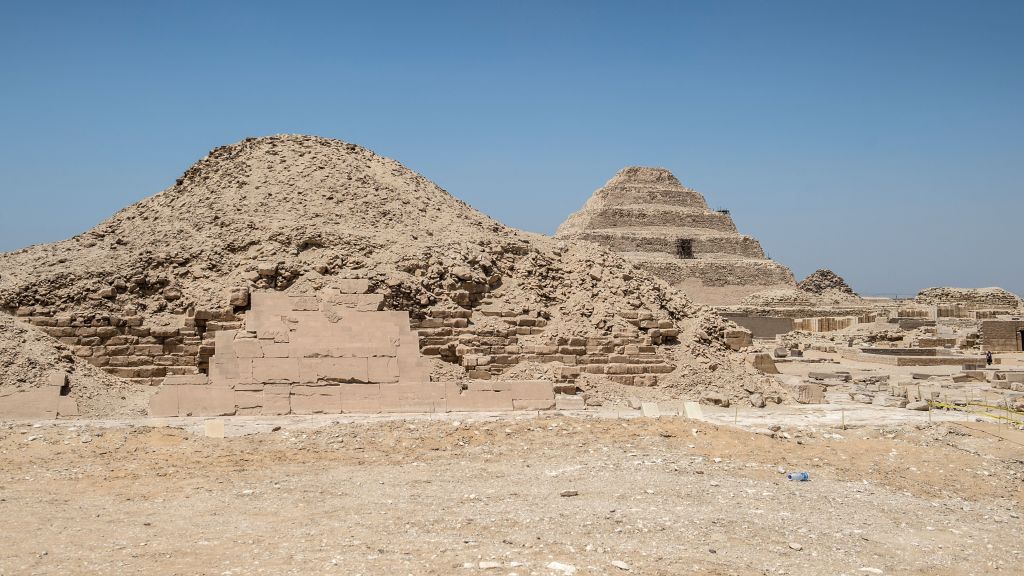
Egyptian authorities arrested a tour guide after a viral video showed him sketching a stick figure onto the 24th-century BCE Pyramid of Unas in Saqqara. The guide was reportedly using the drawing as a visual aid to explain the site's history to a group of tourists before attempting to wipe the mark away with his hands. Following a report from an antiquities inspector, the man confessed to the act, and the Ministry of the Interior confirmed that the drawing has since been removed.

portugal returns looted mexican antiquities 1234773823

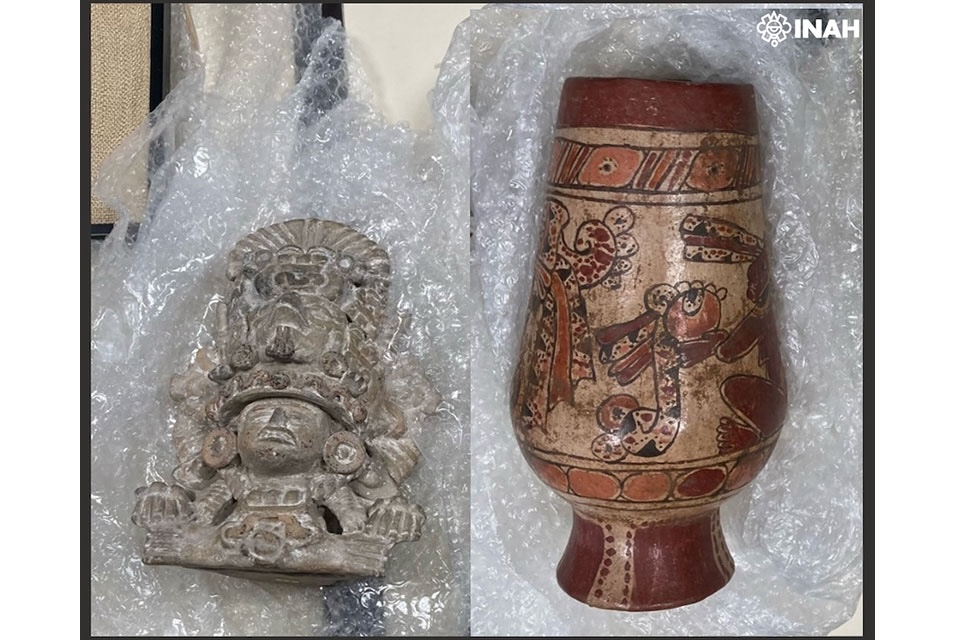
Portugal has repatriated three pre-Columbian artifacts to Mexico, marking the first time the country has returned unlawfully acquired antiquities to the Mexican government. The returned items include a Shaft Tomb Culture female figure, a Maya painted vessel, and a Zapotec funerary urn representing the deity Cocijo. The objects were recovered through the cooperation of Portuguese judicial authorities and the Mexican embassy after being flagged at auctions and in various cities including Lisbon, Guimarães, and Évora.