filter_list Showing 6173 results for "Inti" close Clear
search
dashboard All 6173 museum exhibitions 3167trending_up market 851article local 781article news 413article culture 347person people 184rate_review review 167candle obituary 115gavel restitution 94article policy 48article event 2article gallery 1article events 1article museum 1article school 1
date_range Range Today This Week This Month All
Subscribe

Stühle, die zum Reden zwingen

The article examines a peculiar three-seat sofa called the "Indiscret" on display in the Louvre, designed in 19th-century France under Napoleon III to force conversation among sitters. This "Conversation Chair" reflects an era when furniture was deliberately crafted to create social intimacy and control guest behavior, in stark contrast to modern public seating that often discourages lingering through hostile architecture.

Was in den Museen läuft

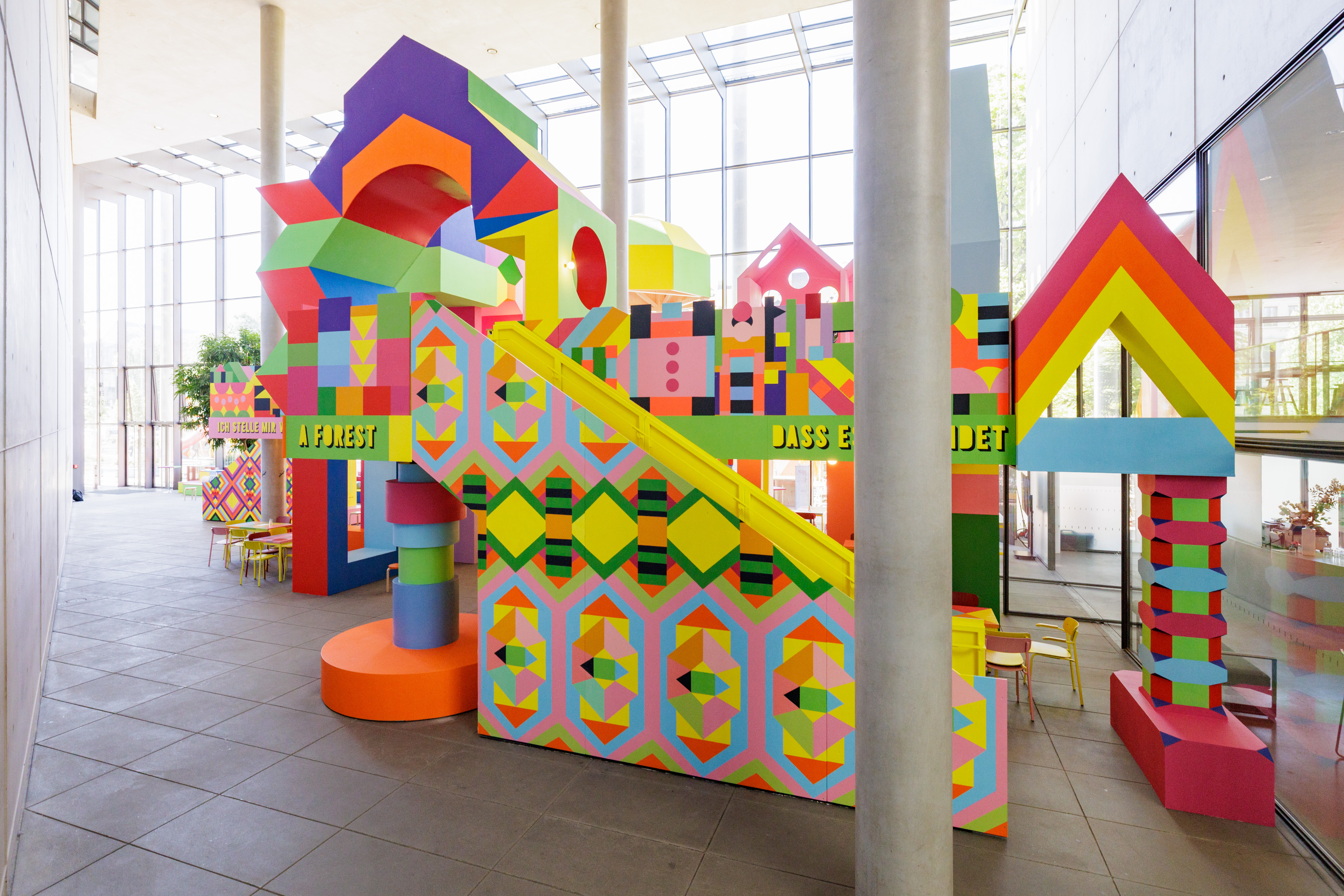
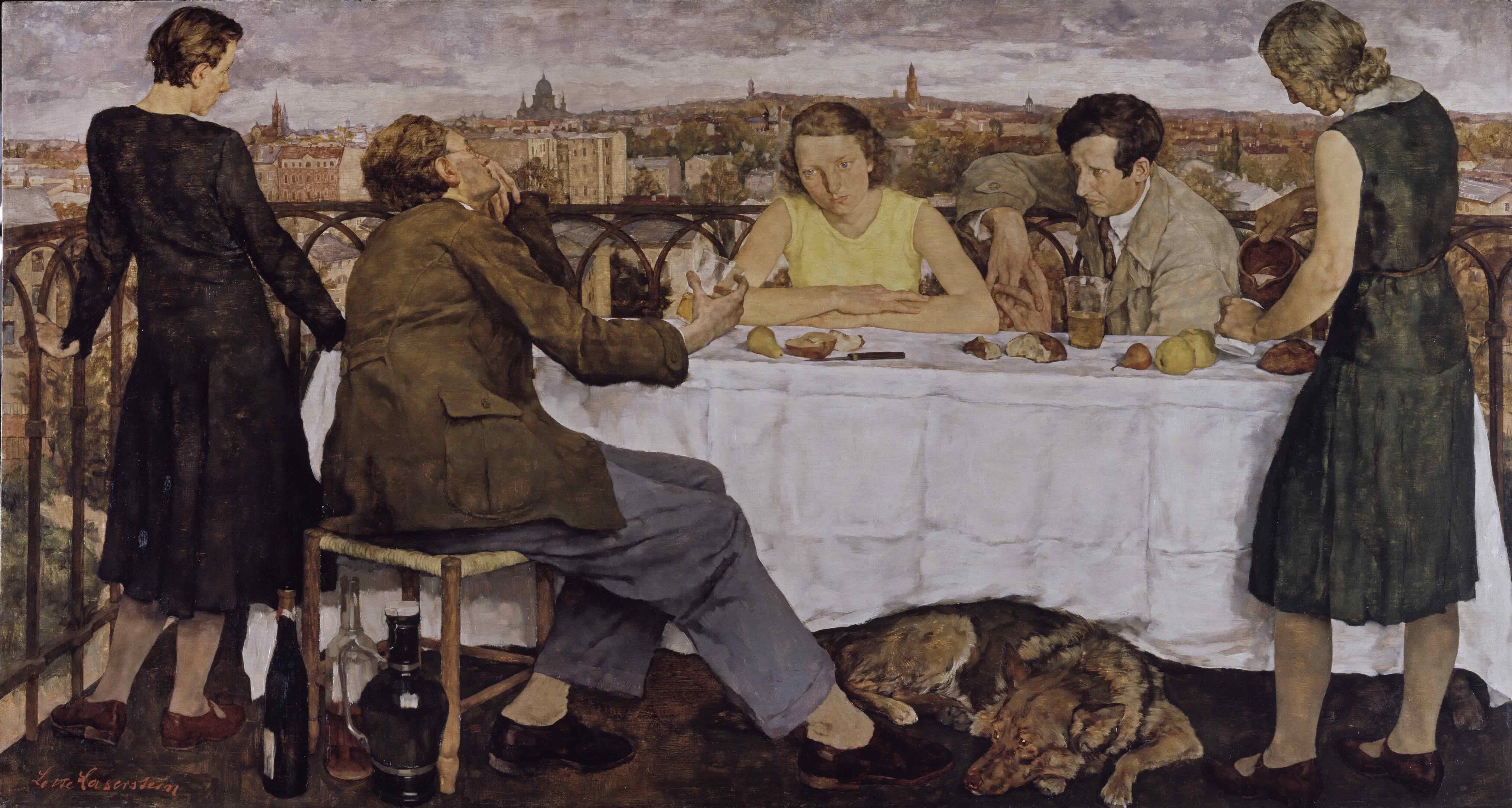
Munich's art festival "Various Others" kicks off this week with major city museums participating. The Pinakothek der Moderne presents "Reflexion," a group show of 100 works across fine art, architecture, graphic design, and design by artists including Isa Genzken, Ludwig Mies van der Rohe, Piet Zwart, and Ettore Sottsass. The Alexander-Tutsek-Stiftung celebrates its 25th anniversary with a glass-focused exhibition featuring Monica Bonvicini, Tony Cragg, and Laure Prouvost. The Villa Stuck reopens after renovation with four shows: Philipp Messner's sculptures, Ilit Azoulay's macro-film installation, a returning Franz von Stuck painting, and Delschad Numan Khorschid and Jan-Hendrik Pelz's migration-themed "Zehn Leben." The Lenbachhaus presents "Ein Ferngespräch. Szenen aus der Weimarer Republik" with works by Jeanne Mammen, Gabriele Münter, and Christian Schad. Museum Brandhorst's "Carrying" addresses the history of the Maxvorstadt art district, once site of a military barracks built by Ottoman prisoners. The Eres Stiftung continues "Seeing the Unseen" on quantum physics. The Flux meeting space, designed by Morag Myerscough, moves indoors at the Pinakothek der Moderne.

"Man besitzt Kunst nicht, man ist nur ihr Verwalter"

The 61st Venice Biennale opened on Saturday without ceremony or an opening celebration, amid political turmoil over the participation of Russia and Israel. Italy's Culture Minister Alessandro Giuli criticized Biennale director Pietrangelo Buttafuoco for not informing the government about Russia's participation request, suggesting it could have been used as leverage for a ceasefire in Ukraine. The entire jury resigned after attempting to exclude both Russia and Israel from prize awards, leading to the cancellation of the traditional jury decision in favor of a public vote, which over 70 participating artists have protested by withdrawing from this year's prizes. Separately, a rare photograph from the early 1940s has surfaced showing Lucas Cranach the Elder's painting "Venus with Cupid as Honey Thief" in Adolf Hitler's Munich apartment, raising unresolved questions about whether the work was looted from Jewish owners before 1935.

How Tech Billionaires Turn Couture into Content

Wie Tech-Milliardäre Couture zu Content machen

The Met Gala, long considered the premier event for fashion and cultural influence, has become increasingly dominated by tech billionaires. This year, Jeff Bezos and Lauren Sánchez Bezos purchased their role as co-hosts, sparking protests in New York and raising questions about whether money alone now buys entry into the highest echelons of fashion. Individual tickets cost $10,000 and a table $350,000, with sponsors including OpenAI, Snapchat, and Meta. The event, organized by Anna Wintour to raise funds for the Costume Institute at the Metropolitan Museum of Art, raised $31 million last year but has transformed from a benefit into a spectacle optimized for viral moments and algorithmic appeal.

Fondation Beyeler: Freier Eintritt im Bikini

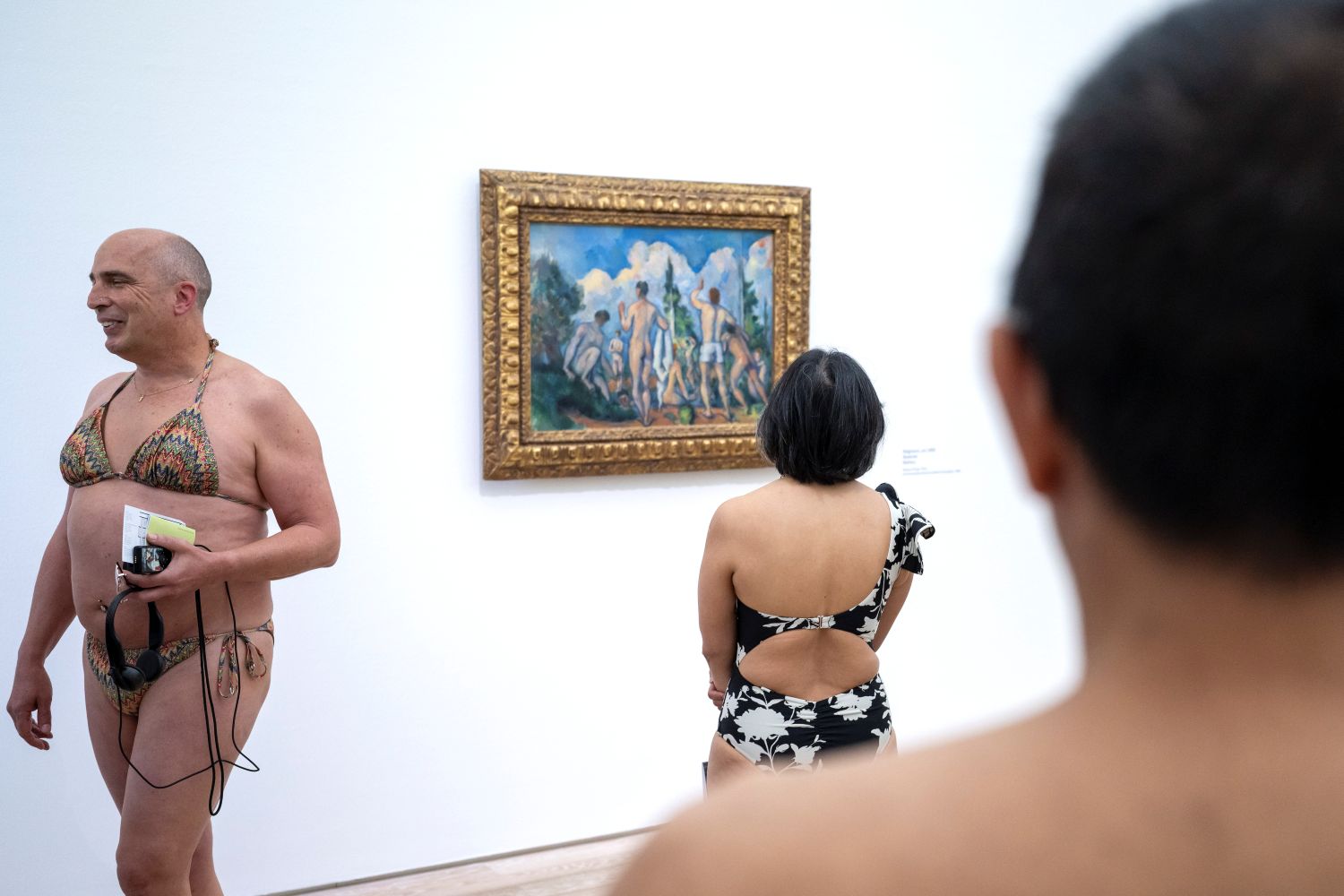
The Fondation Beyeler in Riehen, Switzerland, invited visitors to enter the museum for free if they came wearing swimwear, as part of a "Bathing Day" promotion. The event was inspired by Paul Cézanne, whose famous paintings of bathers are the subject of a current exhibition at the museum. The museum reported strong attendance and stated that the unusual setting brings art and visitors closer together, changing perception and reducing distance.

How much Berlin fits on 230 square meters?

Wie viel Berlin passt auf 230 Quadratmeter?

The Neue Nationalgalerie in Berlin has opened a compact exhibition titled "Ruin und Rausch: Berlin 1910–1930," featuring 35 works across just 230 square meters in a side cabinet of the lower floor. The show uses paintings, sculptures, film clips, and audio poems to tell the story of Berlin between World War I and the Nazi takeover, contrasting themes of excess and poverty, emancipation and extremism. It is structured in three chapters: "Berlin im Taumel" (Berlin in Frenzy), "Schatten der Großstadt" (Shadows of the Big City), and "Die Urbane Frau" (The Urban Woman), with works by artists such as Ernst Ludwig Kirchner, Otto Dix, and Otto Nagel.

"Du bist nun in die ewigen Jagdgründe der Kunst entschwunden"

This week's art news roundup covers several stories: Jonathan Meese publishes an obituary for his mother Brigitte Meese in Der Spiegel, describing her as a central figure in his life and work. Pussy Riot seeks to take over the Russian Pavilion at the Venice Biennale. The European Media Art Festival (EMAF) in Osnabrück faces controversy over antisemitism allegations linked to Palestinian-American filmmaker Basma al-Sharif, leading the city and state government to distance themselves from the festival. In the NZZ, Christian Wildhagen reports on conflicts over official political portraits, citing examples like Swiss councilor Martin Neukom rejecting paintings and Donald Trump criticizing his portrait. Art historian Horst Bredekamp pays tribute to Italian philosopher Federico Vercellone (1955–2026) in the FAZ, highlighting his theory of the 'self-activity of form.'

Salon des Refusés 2.0

Salon des Refusés 2.0

A group exhibition titled "we refuse_d" has opened at the Museum van Hedendaagse Kunst (M HKA) in Antwerp, bringing together 15 artists, many of whom faced cancellations or disinvitations from exhibitions following the October 7, 2023 attacks. The show, referencing the historic 1863 Salon des Refusés, aims to reclaim reputation and amplify marginalized voices, specifically focusing on Palestinian history and artists affected by the cultural fallout.

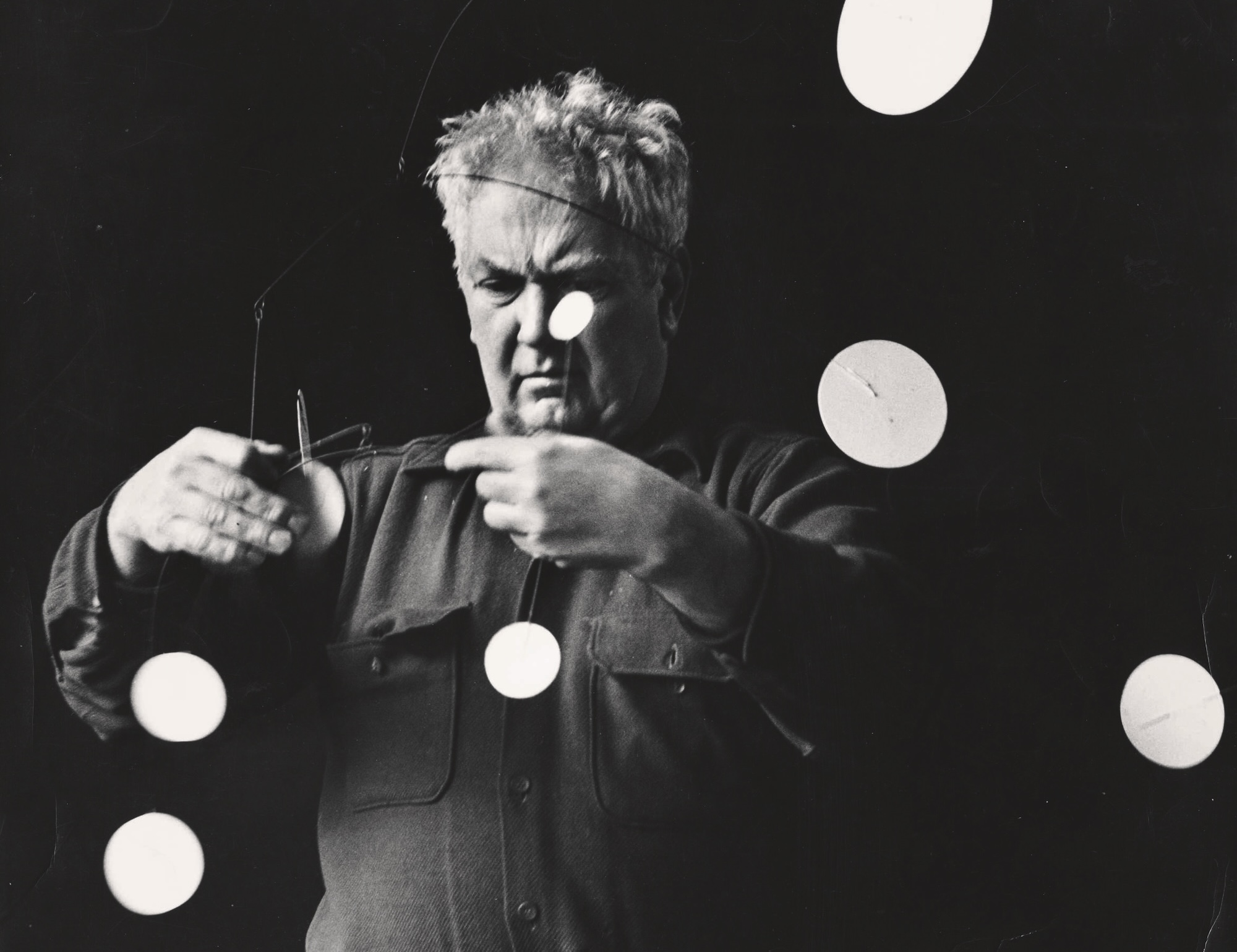
How Alexander Calder Set Sculpture in Motion

Wie Alexander Calder die Skulptur in Bewegung setzte

The Fondation Louis Vuitton in Paris has launched a major retrospective titled "Rêver en Équilibre," dedicated to the American sculptor Alexander Calder. Featuring over 300 works, the exhibition traces Calder’s journey from his 1926 arrival in Paris to his invention of the "mobile," a term coined by Marcel Duchamp. The show includes iconic large-scale hanging sculptures like "Rouge triomphant," wire figures from his famous "Cirque Calder," and rarely seen private loans, alongside paintings and jewelry that highlight his engineering background and poetic approach to abstraction.

Imitations of a Mediocre Teenager on Tranquilizers

"Nachahmungen eines mittelmäßigen Teenagers auf Tranquilizern"

The Victoria & Albert Museum has reportedly censored exhibition catalogs following pressure from Chinese printing firms, removing images and maps related to sensitive topics like Tibet and Tiananmen Square. This editorial roundup also highlights artist Molly Crabapple’s sharp critique of generative AI as a massive intellectual property theft and a profile of Rirkrit Tiravanija’s communal home in Thailand, which functions as a social sculpture.

Behind All Beautiful Things Lies Suffering

"Hinter allen schönen Dingen liegt ein Leiden"

The art market is undergoing a profound structural transformation as a new generation of collectors shifts focus away from traditional blue-chip masters like Cy Twombly and Mark Rothko. These 'NextGen' buyers, socialized through the internet and Instagram, prioritize identity-building over status, favoring streetwear, digital art by figures like Refik Anadol, and music memorabilia over classical painting. Meanwhile, institutional shifts are occurring globally: Greece has introduced specific legislation to criminalize the production of art forgeries, and LACMA director Michael Govan is defending the $724 million Peter Zumthor-designed expansion as a necessary 'magnet' for attracting major donations.

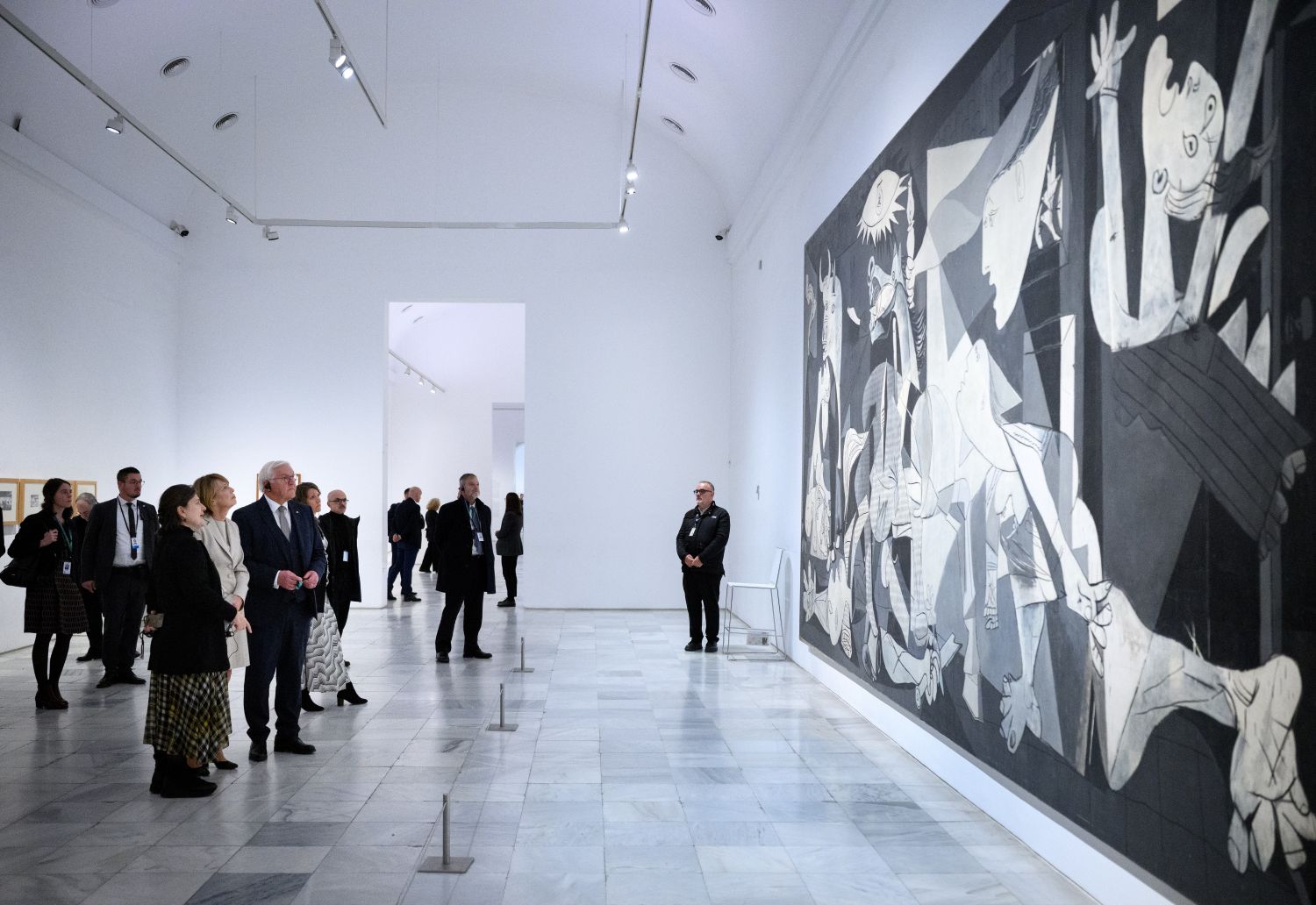
Where Does "Guernica" Belong?

Wohin gehört "Guernica"?

Basque Prime Minister Imanol Pradales has formally requested the temporary transfer of Pablo Picasso’s masterpiece "Guernica" from Madrid to the Basque Country. The proposal seeks to exhibit the monumental 1937 anti-war painting at the Guggenheim Museum Bilbao for nine months starting in late 2026 to coincide with the 90th anniversary of the town's bombing. While the work depicts the destruction of the Basque town of Gernika by Nazi and Italian fascist forces, it has resided at the Museo Reina Sofía in Madrid since 1992.

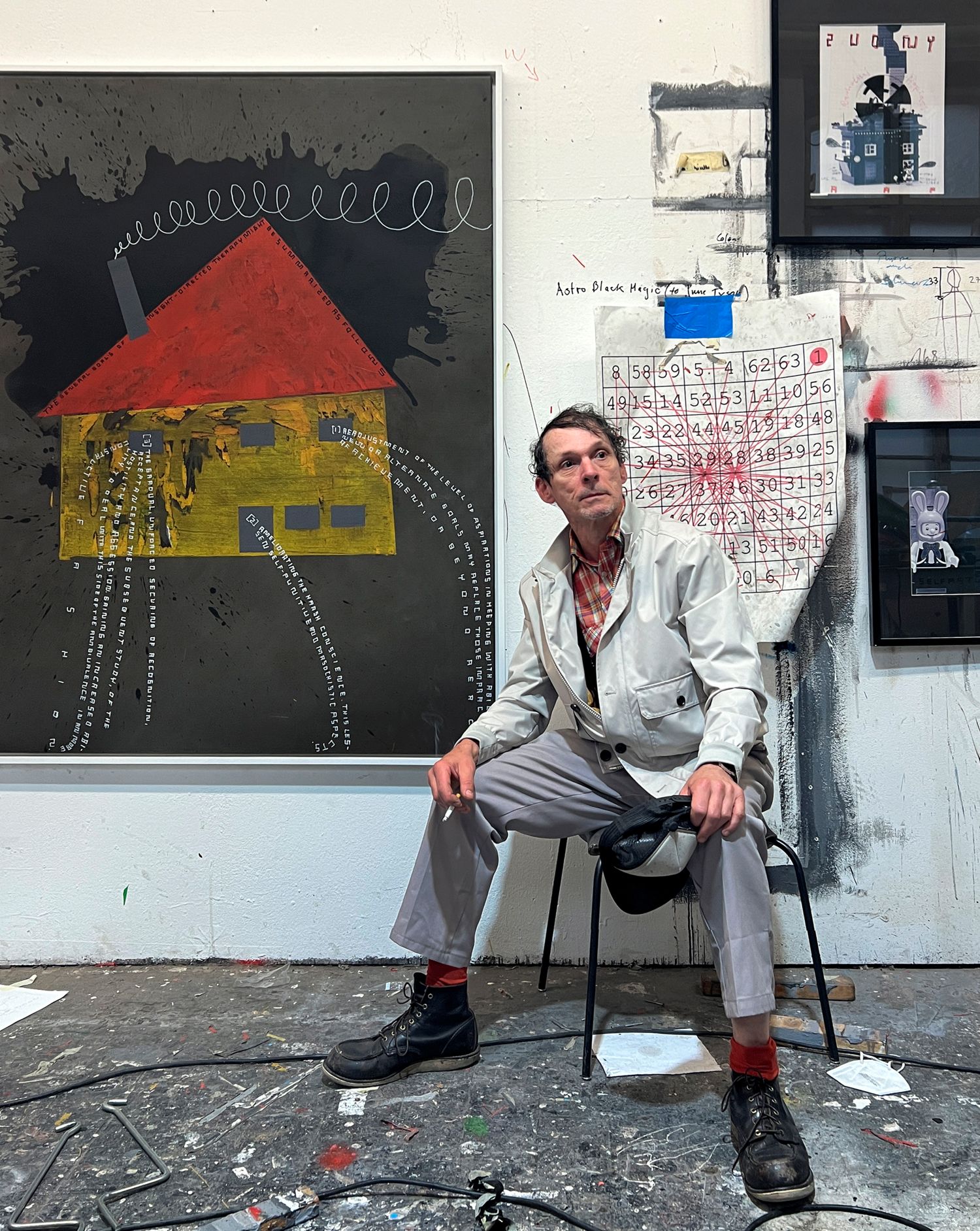
Art as Experimental Setup

Kunst als Versuchsanordnung

The influential Berlin-based artist and professor Thomas Zipp has passed away unexpectedly. Known for his immersive installations that blurred the lines between art, science, and madness, Zipp created complex "experimental setups" involving painting, sculpture, and performance. His work often explored dark parallel worlds, notably evidenced in his haunting 2013 Venice Biennale project that transformed a palazzo into a derelict psychiatric ward.

Thomas Zipp, artist with a sideways sense of history, 1966–2026

German artist Thomas Zipp, known for his dark, punk-infused explorations of history and science, has died at age 60. Throughout a career spanning painting, sculpture, and immersive scenographic installations, Zipp blended a Dadaist sensibility with a deep interest in politics, neuroscience, and the nuclear age. His work often challenged viewers with complex, opaque environments, such as his notable 2013 Venice Biennale installation that transformed a palazzo into a psychological sanatorium.

La nature morte : une exposition novatrice

Le Journal des Arts reports on a new exhibition titled "La nature morte" (Still Life), presented by a gallery as a continuation of its previous monographic shows on Boetti and Burri and the thematic exhibition "On Fire." The exhibition focuses on the classical genre of still life, positioning it as a field of experimentation that accompanies the renewal of painting in the 20th century. It brings together three artists—Picasso, Morandi, and Parmiggiani—who, though not from the same school or direct lineage, each explore the subject through distinct artistic languages: Picasso asserts the presence of the object, Morandi delves into its meditative and silent dimension, and Parmiggiani pushes the reflection toward a form of disappearance. The show is curated by Cécile Debray, president of the Musée national Picasso-Paris, and involves collaborations with institutions such as the Museo Morandi.

Au Louvre, l’ambitieuse restauration du cycle de Marie de Médicis

The Louvre Museum in Paris is undertaking an ambitious restoration of Peter Paul Rubens's monumental cycle of 24 paintings depicting the life of Marie de Médicis. The project, which will take four years and cost €4 million funded by the Société des Amis du Louvre, begins this autumn with the paintings being restored in situ in the Médicis Gallery. The gallery will close in May to prepare the space as a restoration workshop, where two teams of 10–15 restorers will work simultaneously on cleaning, relining, and filling gaps. The last major restoration of the cycle dates to the 1950s, and recent diagnostics revealed yellowed varnish, discordant repaints, and flaking paint layers that risk irreversible loss.

5 secret jewels to discover in Europe

5 joyaux secrets à découvrir en Europe

L'Œil magazine has curated a list of five European cities rich in art historical treasures, highlighting hidden gems for cultural getaways. The first city profiled is Mainz, Germany, featuring the Romanesque-Gothic Mainzer Dom (Imperial Cathedral of St. Martin), the Gutenberg Museum showcasing the 42-line Bible as a landmark of printing history, and the Church of St. Stephen with its iconic blue stained-glass windows designed by Marc Chagall. The second city is Plovdiv, Bulgaria, where the old town blends ancient Roman ruins (a stadium, forum, odeon, and theater from the 2nd century) with 19th-century Bulgarian National Revival houses, such as the Balabanov, Hindliyan, and Kuyumdzhioglu houses, now converted into museums.

AI Suggests El Greco Could Be the Sole Author of 'The Baptism of Christ'

Une IA suggère qu’El Greco pourrait être l’unique auteur du Baptême du Christ

A new scientific study published in the journal Science Advances challenges the long-held belief that El Greco's monumental painting 'The Baptism of Christ' was completed by his workshop. Using a deep-learning tool called PATCH to analyze the painting's surface topography, researchers from Case Western Reserve University found a technical consistency suggesting the work was executed by a single hand, likely El Greco himself, despite visible variations in execution.

American Rousseaus Return to Paris

Les Rousseau américains de retour à Paris

The Musée de l’Orangerie in Paris is hosting a landmark exhibition titled "Henri Rousseau, l’ambition de la peinture," featuring 50 works by the self-taught master. The show is distinguished by a historic loan from the Barnes Foundation in Philadelphia, which has sent nine paintings to France for the first time since they were acquired a century ago by Albert Barnes. A highlight of the exhibition is the rare gathering of three "manifesto paintings"—The Sleeping Gypsy, Unpleasant Surprise, and The Snake Charmer—displayed together in a dedicated gallery.

Hispanic Baroque Art in Majesty

L’art baroque hispanique en majesté

The Musée Jacquemart-André in Paris is hosting an exhibition of masterpieces from the Hispanic Society of America, marking the first time this specific selection has been shown to the French public. The show features approximately forty works, including iconic paintings by El Greco and Diego Velázquez, alongside recently acquired studies and colonial-era pieces that have rarely traveled due to previous legal restrictions and the New York institution's ongoing renovations.

The Art of Appearing

De l’art de paraître

The Musée Cognacq-Jay in Paris is hosting an exhibition titled "Révéler le féminin," which explores the intersection of 18th-century fashion and portraiture. Curated in collaboration with the Palais Galliera and the Musée d’arts de Nantes, the show features works by prominent portraitists like Élisabeth Louise Vigée Le Brun and Maurice Quentin de La Tour alongside rare period textiles. The exhibition examines how the rising bourgeoisie used clothing as a visual language of prestige and social standing during the Enlightenment.

Art Paris: A Better Result Than Expected

Art Paris, un bilan meilleur que prévu

The 28th edition of Art Paris concluded with stronger-than-expected sales despite a sluggish start and a volatile global climate. Featuring 165 galleries, the fair solidified its position as a key regional event for French collectors, offering a price range typically between €10,000 and €40,000. While mega-galleries like Almine Rech participated with accessible works, the fair also welcomed newcomers like Esther Schipper and In Situ-Fabienne Leclerc, who reported positive results across various media including ceramics, photography, and painting.

Guernica will remain in Madrid

Guernica restera à Madrid

The Spanish government has officially confirmed that Pablo Picasso’s anti-war masterpiece, Guernica, will remain at the Museo Reina Sofía in Madrid. This decision puts an end to long-standing requests from the Basque Country to have the mural moved to Bilbao, specifically to the Guggenheim Museum, or to Guernica itself, the town whose 1937 bombing inspired the work.

The National Gallery expands with Kengo Kuma

La National Gallery s'agrandit avec Kengo Kuma

The National Gallery in London has commissioned renowned Japanese architect Kengo Kuma to lead a significant expansion and redesign project. The initiative aims to modernize the museum's infrastructure and create more fluid, accessible spaces for its world-class collection of European paintings.

In Basel, a Dive into the Great Bath of Colors of Helen Frankenthaler

À Bâle, plongée dans le grand bain de couleurs d’Helen Frankenthaler

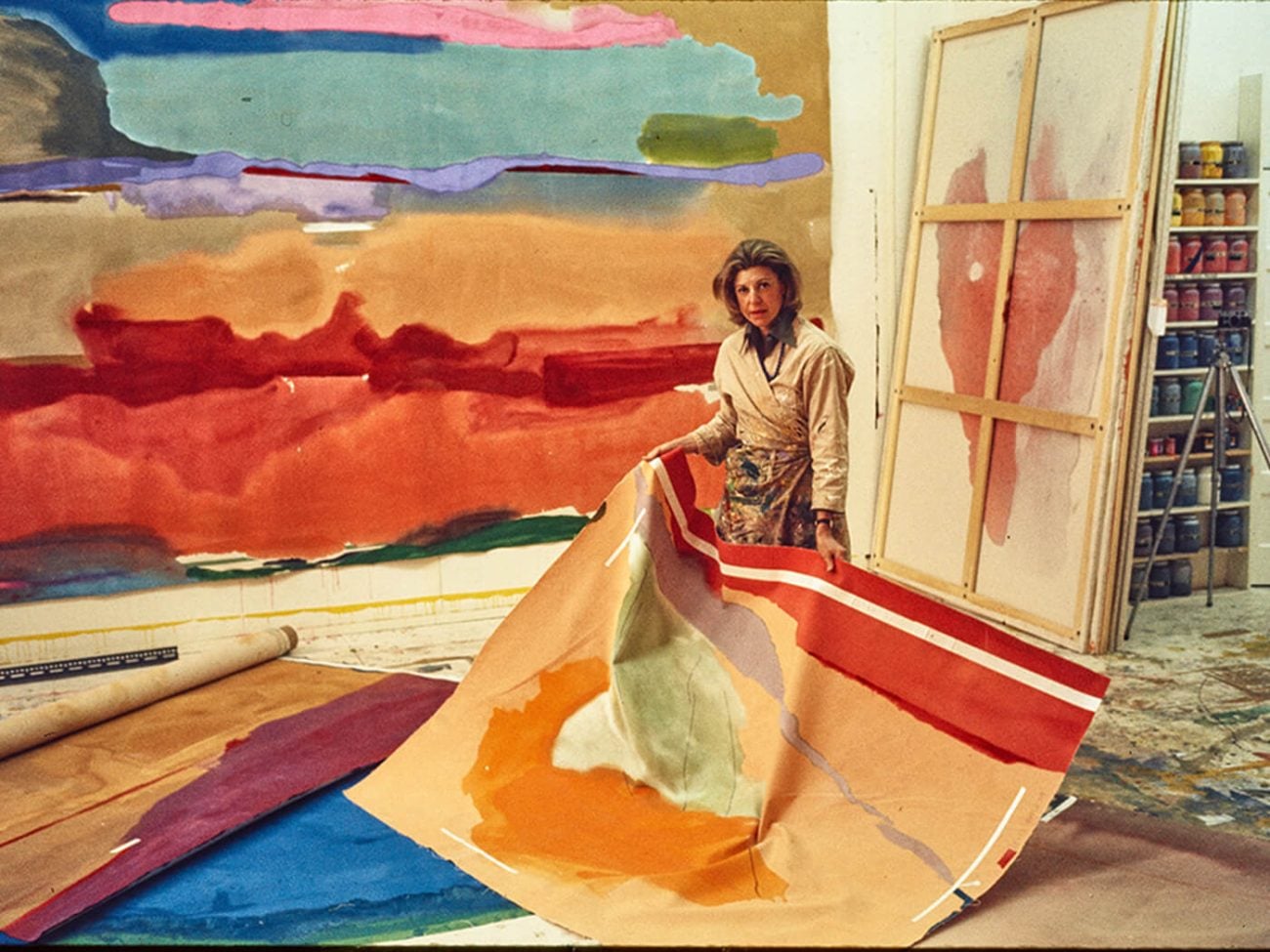
The Kunstmuseum Basel has opened a major retrospective of American painter Helen Frankenthaler (1928–2011), a key figure in Color Field painting who is less known in Europe than her contemporaries Jackson Pollock and Mark Rothko. The exhibition was sparked by a 2024 donation of Frankenthaler's 1963 painting "Riverhead" from the Helen Frankenthaler Foundation, and features around fifty works showcasing her signature soak-stain technique, in which she applied thinned paint to unprimed canvas using sponges, brooms, and scrapers. The show traces her career chronologically, highlighting influences from Old Masters and her physical approach to painting on the floor.

À New York, le Metropolitan Museum of Art absorbe la Neue Galerie et sa collection de Klimt, Schiele, Kokoschka…

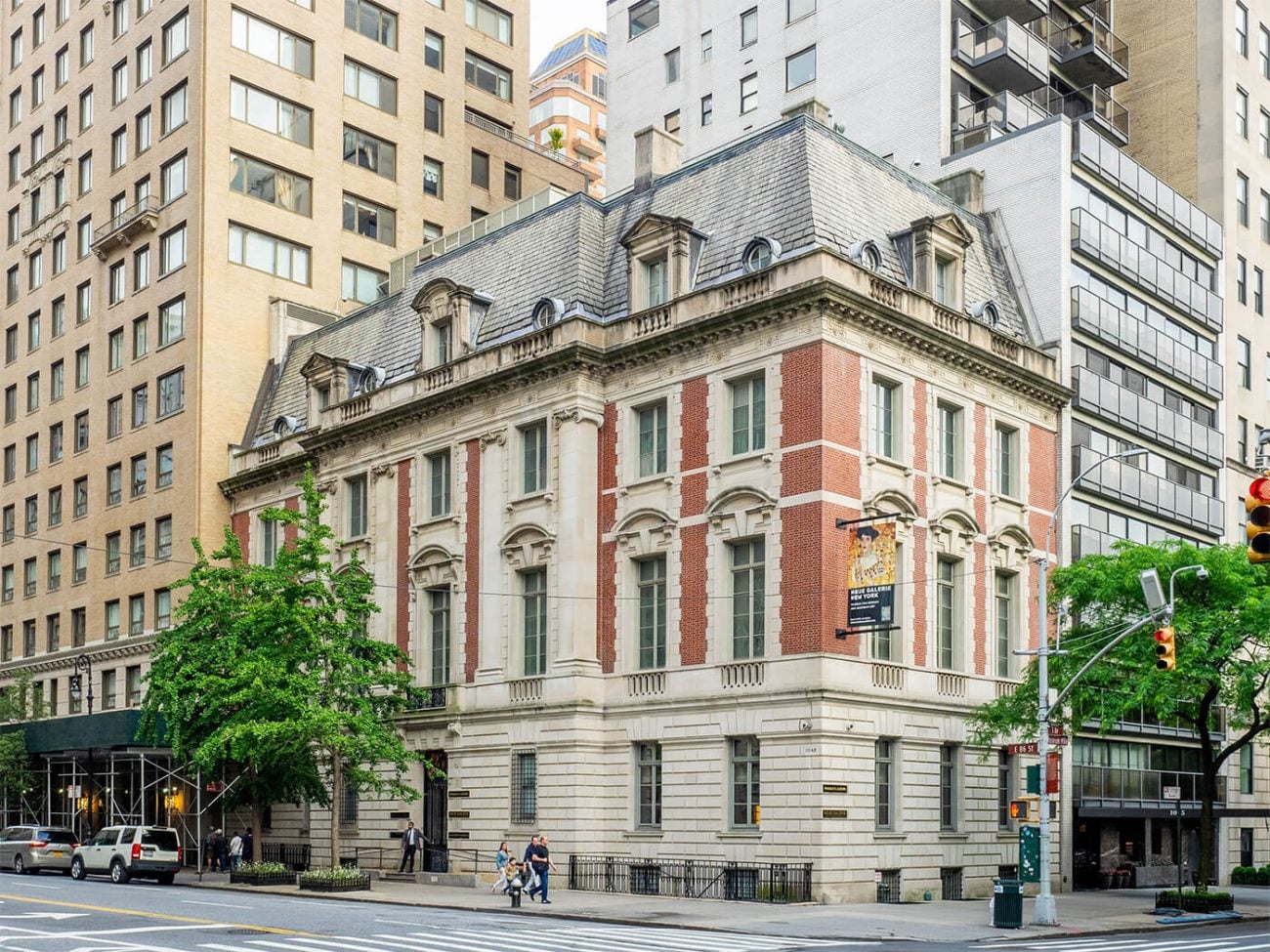
On May 14, the Metropolitan Museum of Art and the Neue Galerie in New York announced a historic merger set for 2028. The Neue Galerie, founded in 2001 by billionaire Ronald Lauder in a Fifth Avenue mansion, will become part of the Met under the name The Met Ronald S. Lauder Neue Galerie, modeled after the Met's Cloisters. The transfer includes the historic building and a collection of 600 works valued at over $1.5 billion, featuring artists such as Gustav Klimt, Egon Schiele, Ludwig Kirchner, Max Beckmann, and Oskar Kokoschka. Lauder and his daughter Aerin Lauder Zinterhofer are also donating thirteen works from their personal collection, and a $200 million endowment fund has been established.

« Caïn » de Fernand Cormon : aux origines de la conscience humaine ?

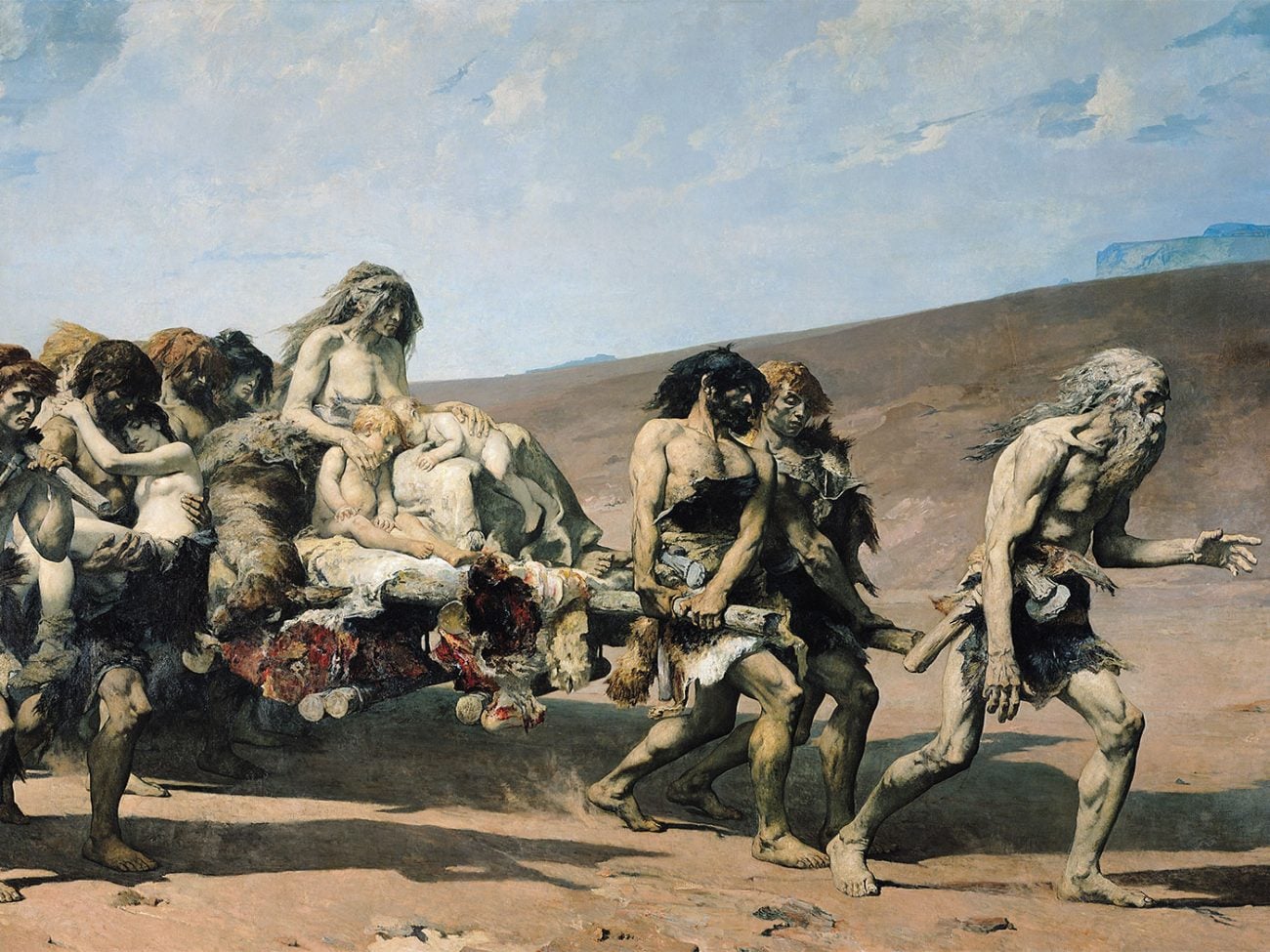
Beaux Arts Magazine analyzes Fernand Cormon's monumental 1880 painting "Caïn," currently held at the Musée d'Orsay. The article describes the scene: a prehistoric, weary clan trudges through a desert, led by a haggard patriarch, with a tired mother on a litter and hunters carrying game. Cormon's work is presented as the antithesis of classical triumph, evoking a melancholic, post-traumatic atmosphere. The painting is linked to the biblical story of Cain, who killed his brother Abel and was condemned to exile, and is accompanied by verses from Victor Hugo's poem "Conscience."

New Art Center and Hidden Gems: A Weekend Full of Surprises in Bruges

Nouveau centre d’art et pépites cachées : un week-end plein de surprises à Bruges

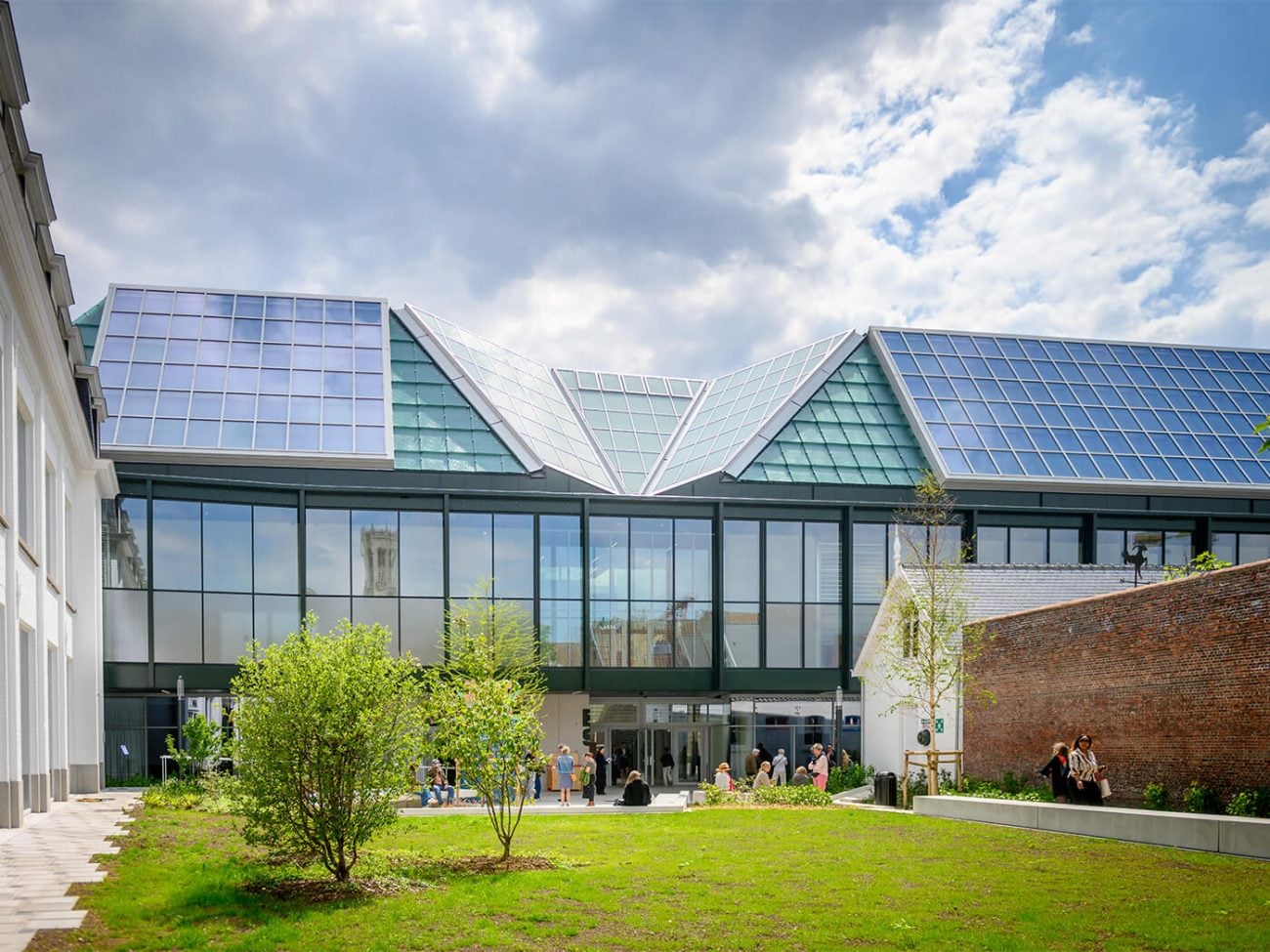
Bruges, the Flemish city known for its medieval charm and UNESCO World Heritage status, has inaugurated a new art center called BRUSK in spring 2026. Located in the museum district, the building designed by Robbrecht en Daem and Olivier Salens features a monumental 350-square-meter fresco by French artist Laure Prouvost titled "The Whispering Walls Rêve," which references the city's past and present. The center also includes a conservation and research facility, with free access to the ground floor. The article proposes a weekend itinerary starting at the Grand-Place (Markt) and highlights Bruges as a hub for contemporary creation alongside its historic treasures.

The fate of 'Guernica', a political icon born under bombs, traced in virtual reality at the Musée Picasso

Le destin de « Guernica », icône politique née sous les bombes, retracé en réalité virtuelle au musée Picasso

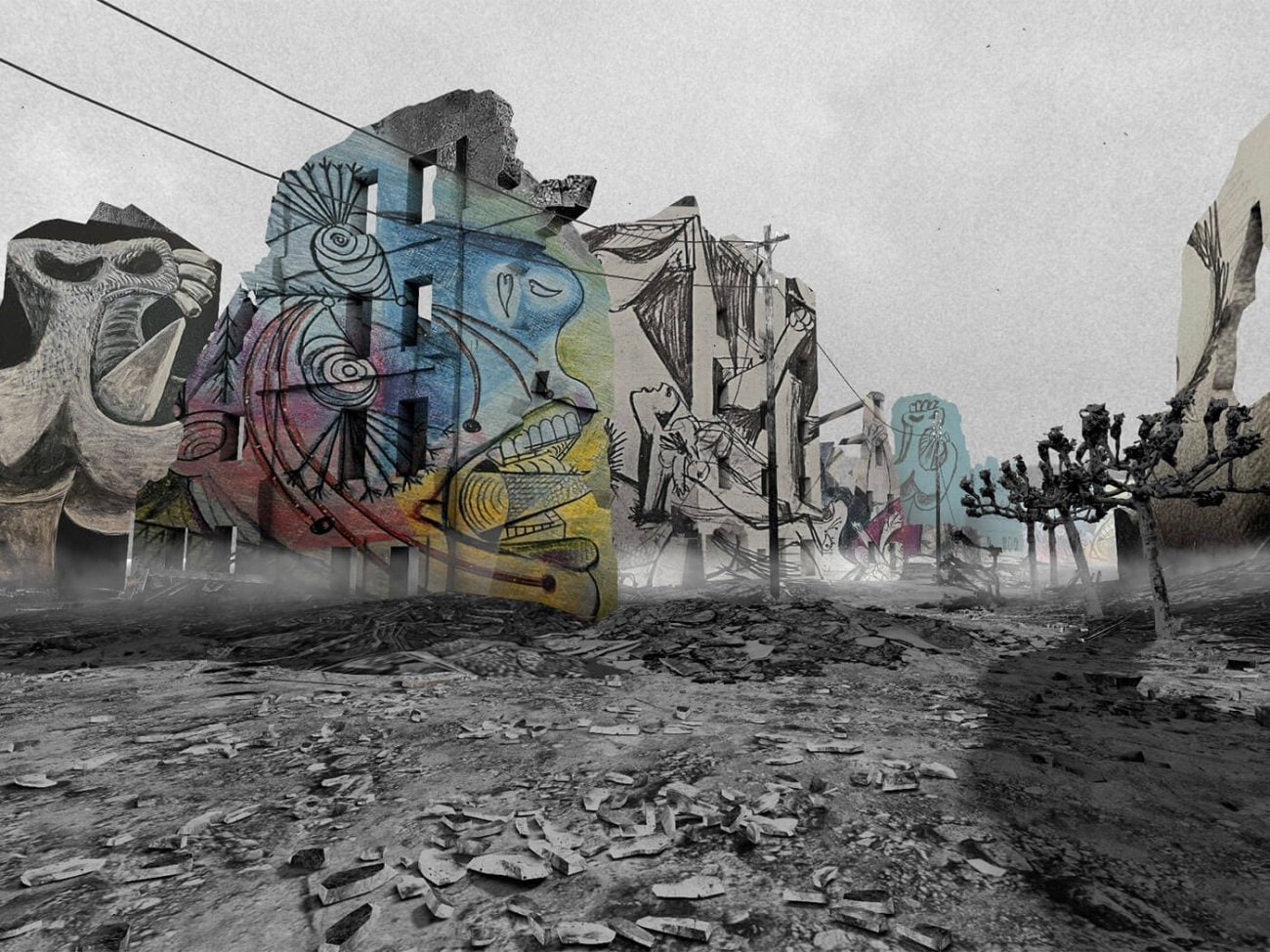
The Musée Picasso-Paris is launching a virtual reality experience that traces the epic journey of Pablo Picasso's "Guernica," one of the most iconic political paintings of the 20th century. Guided by the voices of writer Juan Larrea and photographer Dora Maar, visitors are transported to Picasso's Paris studio and the bombed ruins of Gernika, reliving the creation of the masterpiece commissioned for the Spanish Republic's pavilion at the 1937 International Exposition in Paris. The VR experience covers the painting's genesis, its global tour, and its eventual exile at MoMA in New York until 1981.

Sheila Hicks en 2 minutes

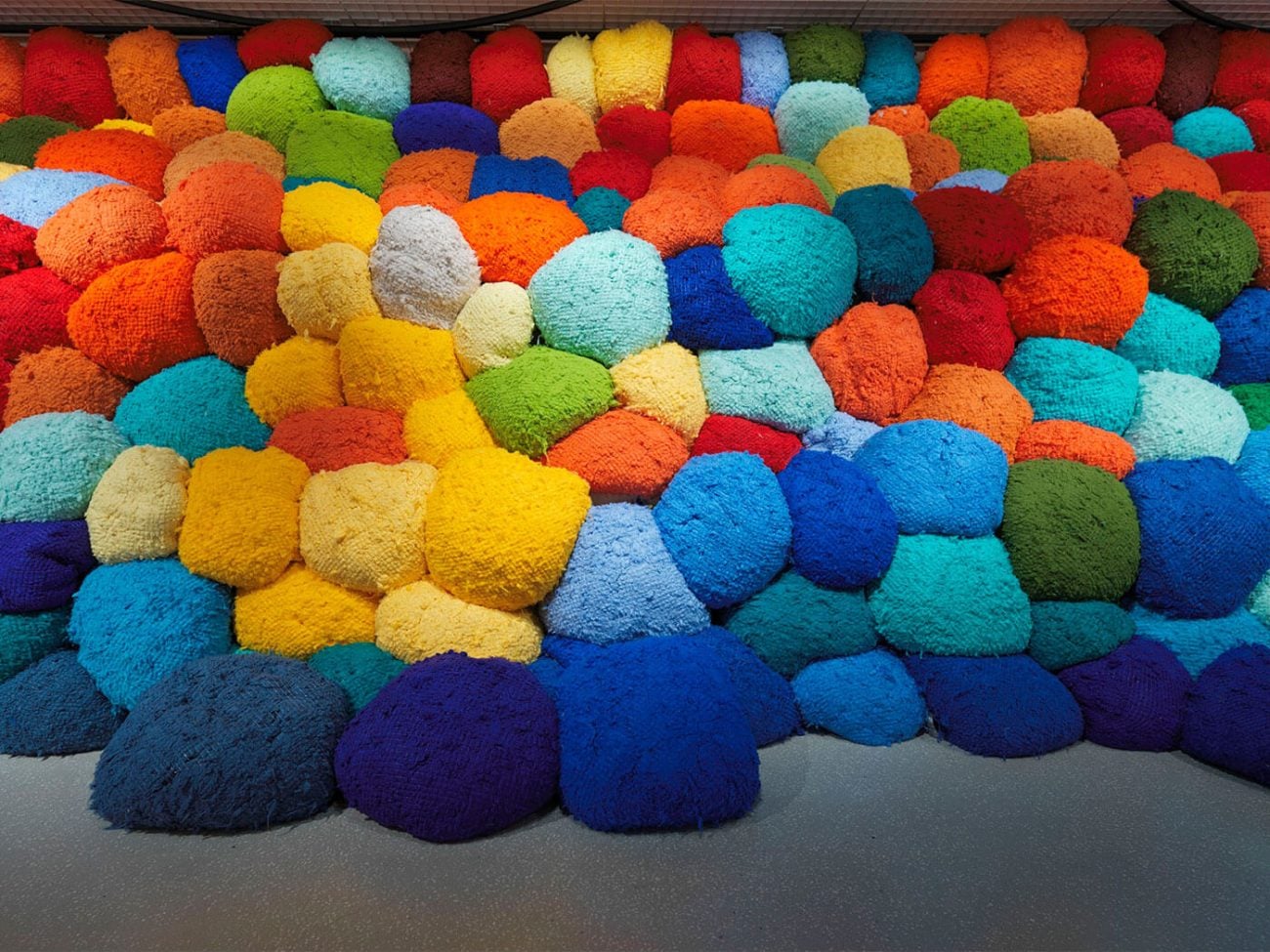
Sheila Hicks, the American textile artist born in 1934, is profiled in a concise overview of her career. The article traces her journey from studying under Josef Albers at Yale and learning weaving from Andean artisans in Chile, to establishing her studio in Mexico and later Paris. It highlights her monumental commissions for hotels, embassies, and public spaces, as well as her intimate "Minimes" works. Key milestones include her 2014 piece "Pillar of Inquiry/Supple Column" at the Whitney Biennial, her 2017 installation at the Venice Biennale, and a major retrospective at the Centre Pompidou in 2018.