filter_list Showing 6245 results for "Inti" close Clear
search
dashboard All 6245 museum exhibitions 3201trending_up market 857article local 796article news 420article culture 351person people 186rate_review review 169candle obituary 115gavel restitution 95article policy 49article event 2article gallery 1article events 1article museum 1article school 1
date_range Range Today This Week This Month All
Subscribe

Thomas Zipp, artist with a sideways sense of history, 1966–2026

German artist Thomas Zipp, known for his dark, punk-infused explorations of history and science, has died at age 60. Throughout a career spanning painting, sculpture, and immersive scenographic installations, Zipp blended a Dadaist sensibility with a deep interest in politics, neuroscience, and the nuclear age. His work often challenged viewers with complex, opaque environments, such as his notable 2013 Venice Biennale installation that transformed a palazzo into a psychological sanatorium.
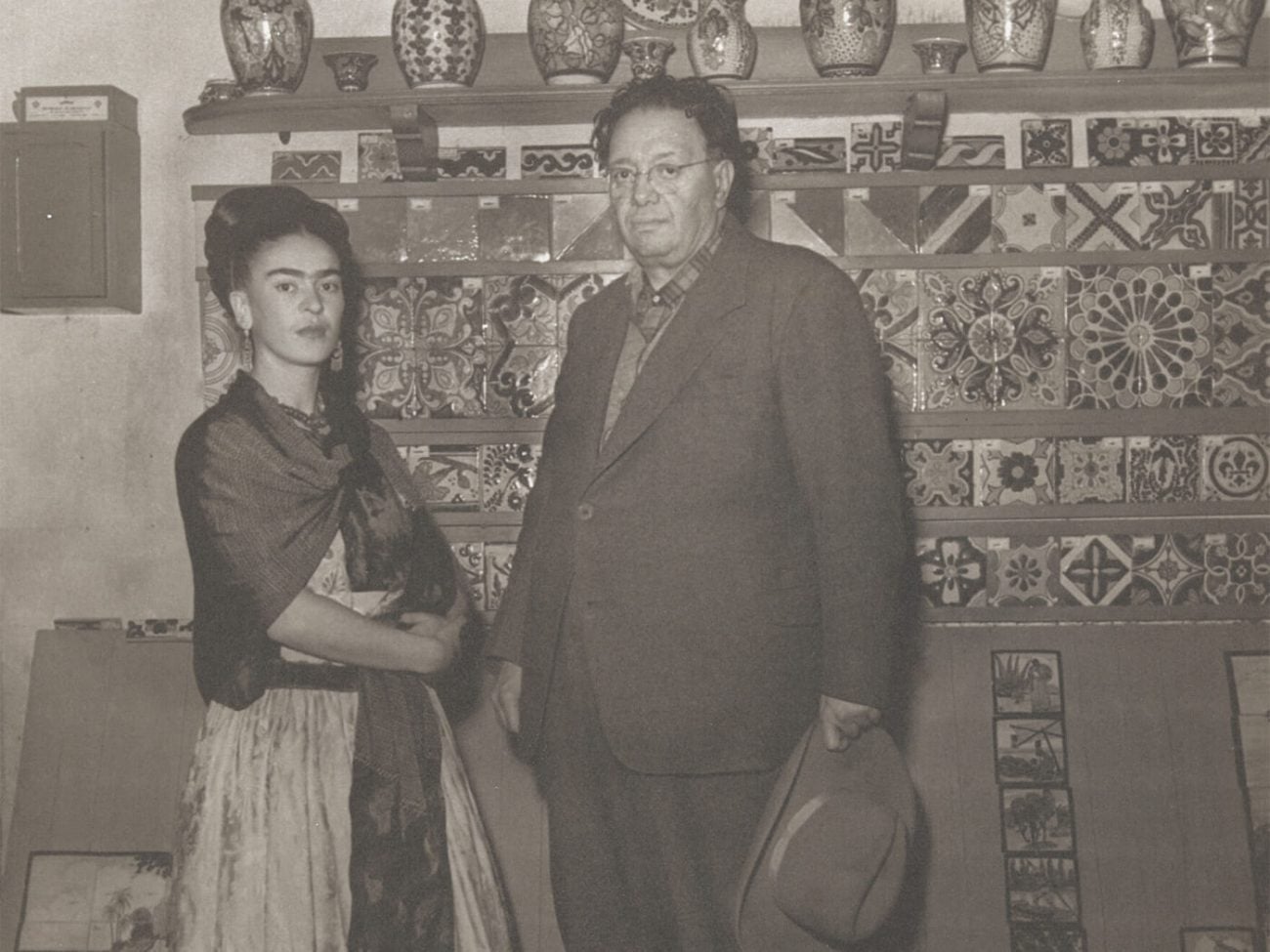
Frida Kahlo and Diego Rivera at MoMA in New York in a Passionate Theatrical Dialogue

Frida Kahlo et Diego Rivera au MoMA de New York dans un dialogue théâtral plein d’ardeur

The Museum of Modern Art (MoMA) in New York has opened a theatrical exhibition titled "Frida and Diego: The Last Dream," curated by Beverly Adams, the museum's curator of Latin American art. The show features around twenty paintings and drawings by Frida Kahlo and Diego Rivera from MoMA's collection, alongside photographic portraits. The exhibition's dramatic staging, designed by British set designer Jon Bausor—who also worked on the Metropolitan Opera's concurrent production of "El Último Sueño de Frida y Diego"—creates a tense dialogue between the artists' contrasting styles: Rivera's political murals and Kahlo's intimate, colorful self-portraits. Highlights include Kahlo's "Self-Portrait with Cropped Hair" (1940) and Rivera's "Zapata, Agricultural Leader" (1931).

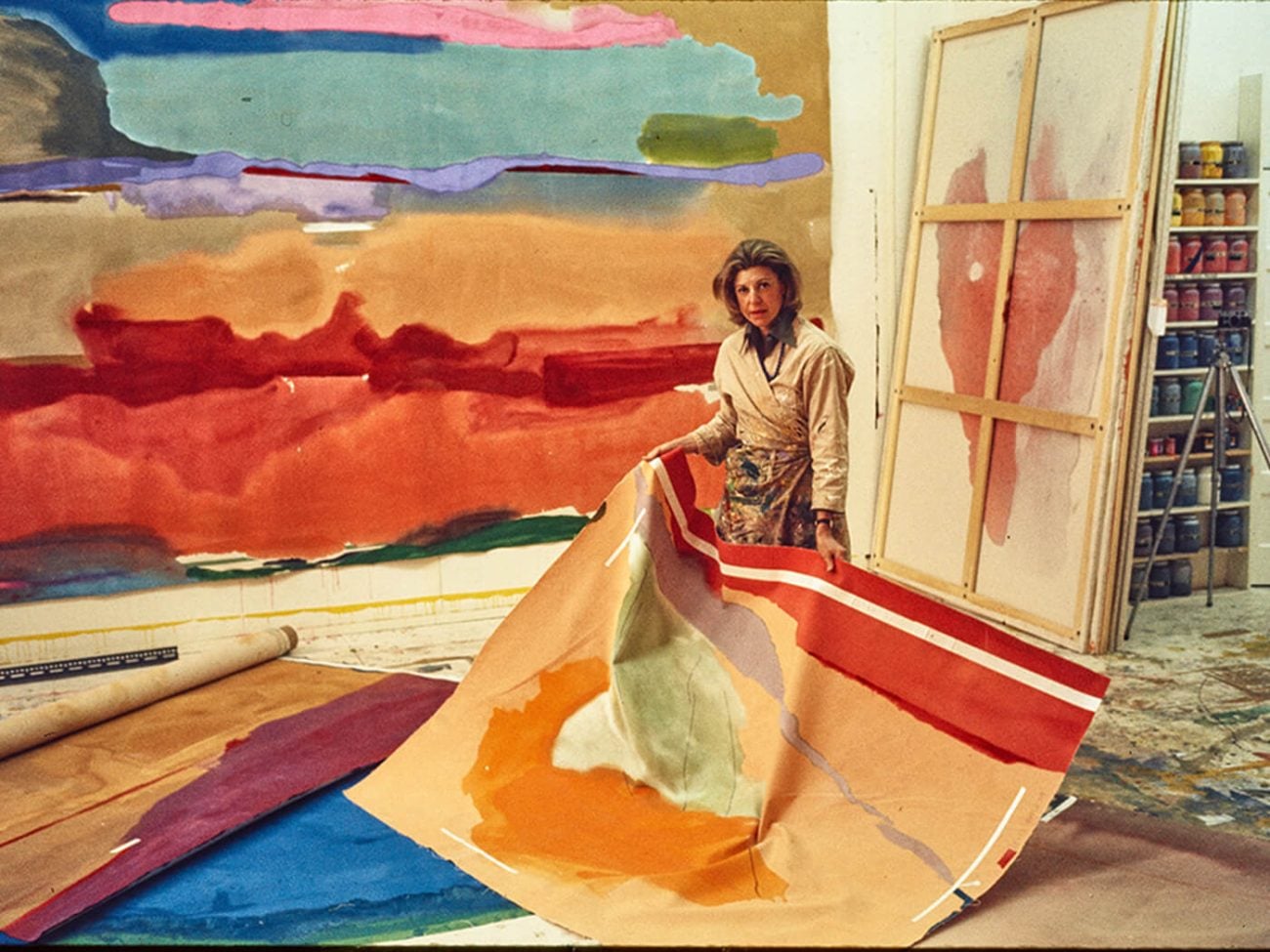
In Basel, a Dive into the Great Bath of Colors of Helen Frankenthaler

À Bâle, plongée dans le grand bain de couleurs d’Helen Frankenthaler

The Kunstmuseum Basel has opened a major retrospective of American painter Helen Frankenthaler (1928–2011), a key figure in Color Field painting who is less known in Europe than her contemporaries Jackson Pollock and Mark Rothko. The exhibition was sparked by a 2024 donation of Frankenthaler's 1963 painting "Riverhead" from the Helen Frankenthaler Foundation, and features around fifty works showcasing her signature soak-stain technique, in which she applied thinned paint to unprimed canvas using sponges, brooms, and scrapers. The show traces her career chronologically, highlighting influences from Old Masters and her physical approach to painting on the floor.

À New York, le Metropolitan Museum of Art absorbe la Neue Galerie et sa collection de Klimt, Schiele, Kokoschka…

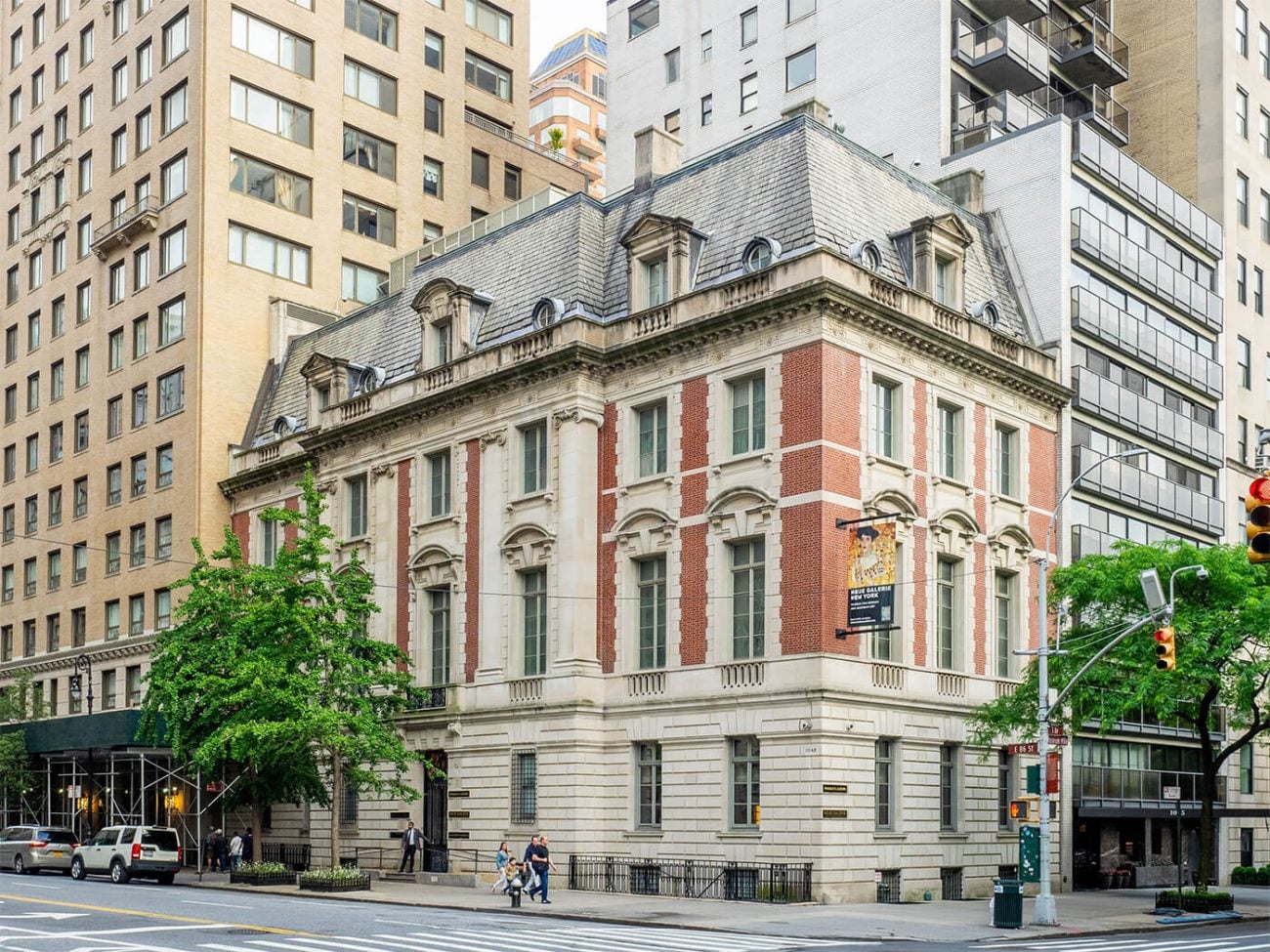
On May 14, the Metropolitan Museum of Art and the Neue Galerie in New York announced a historic merger set for 2028. The Neue Galerie, founded in 2001 by billionaire Ronald Lauder in a Fifth Avenue mansion, will become part of the Met under the name The Met Ronald S. Lauder Neue Galerie, modeled after the Met's Cloisters. The transfer includes the historic building and a collection of 600 works valued at over $1.5 billion, featuring artists such as Gustav Klimt, Egon Schiele, Ludwig Kirchner, Max Beckmann, and Oskar Kokoschka. Lauder and his daughter Aerin Lauder Zinterhofer are also donating thirteen works from their personal collection, and a $200 million endowment fund has been established.

« Caïn » de Fernand Cormon : aux origines de la conscience humaine ?

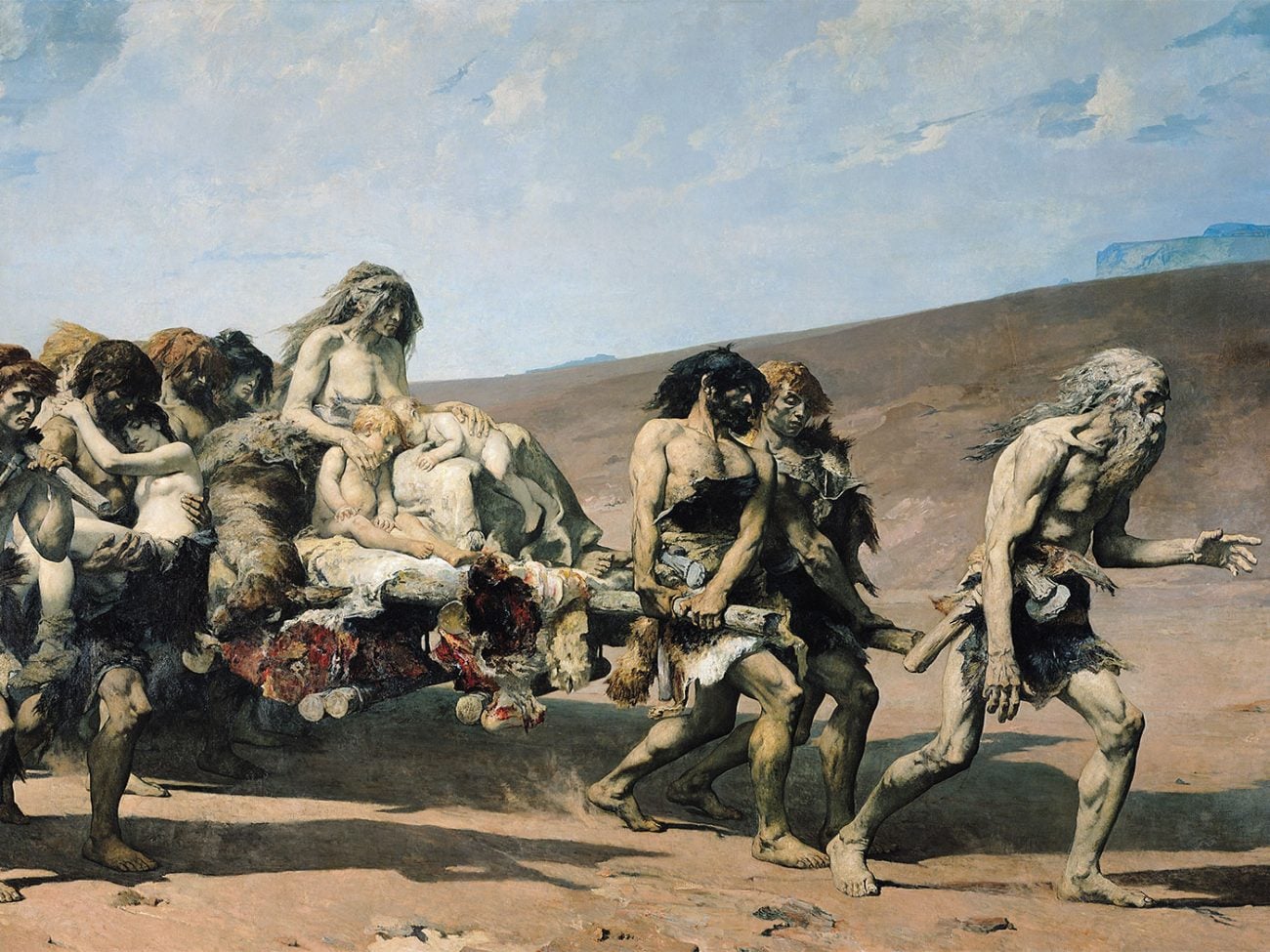
Beaux Arts Magazine analyzes Fernand Cormon's monumental 1880 painting "Caïn," currently held at the Musée d'Orsay. The article describes the scene: a prehistoric, weary clan trudges through a desert, led by a haggard patriarch, with a tired mother on a litter and hunters carrying game. Cormon's work is presented as the antithesis of classical triumph, evoking a melancholic, post-traumatic atmosphere. The painting is linked to the biblical story of Cain, who killed his brother Abel and was condemned to exile, and is accompanied by verses from Victor Hugo's poem "Conscience."

New Art Center and Hidden Gems: A Weekend Full of Surprises in Bruges

Nouveau centre d’art et pépites cachées : un week-end plein de surprises à Bruges

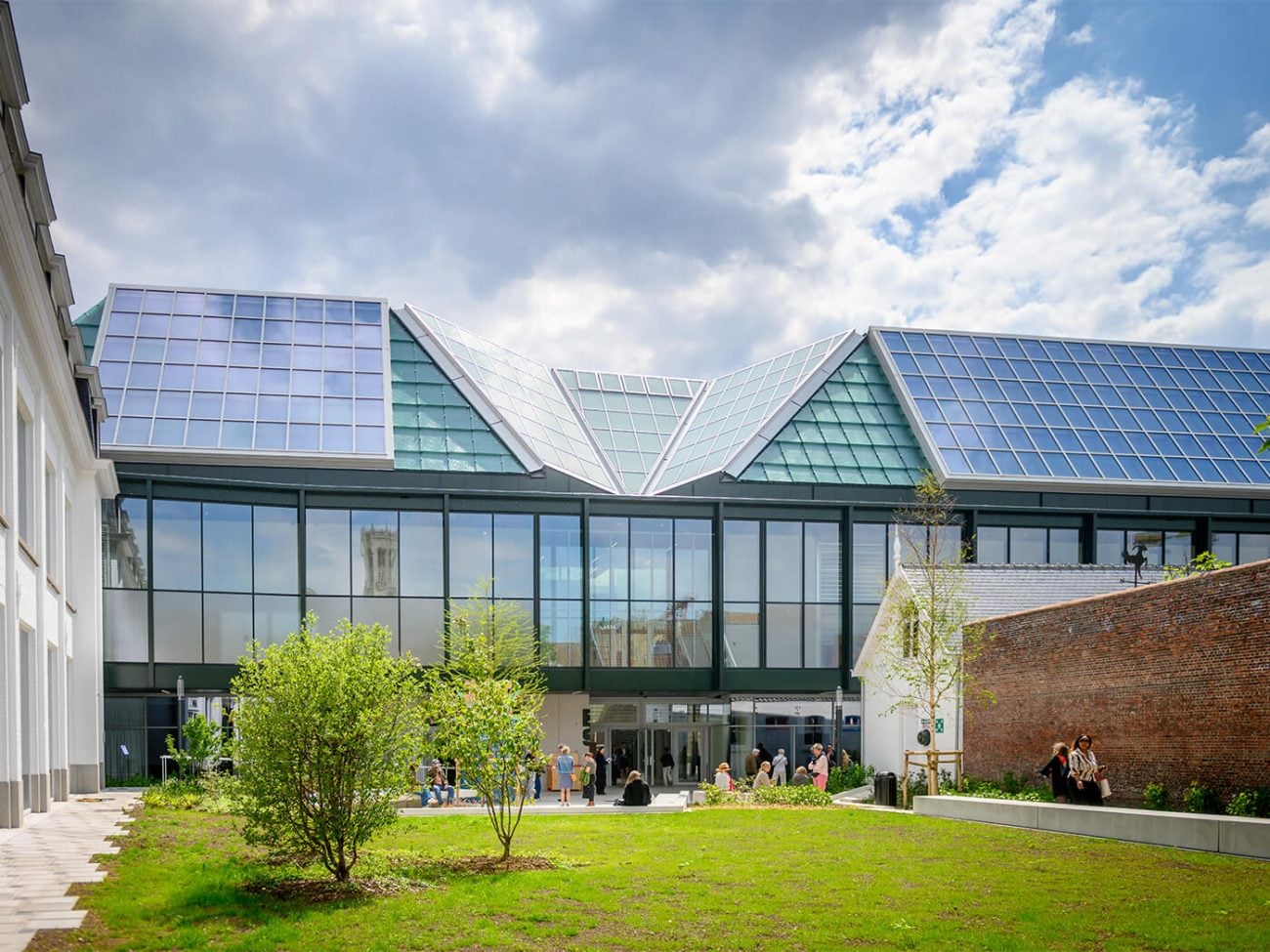
Bruges, the Flemish city known for its medieval charm and UNESCO World Heritage status, has inaugurated a new art center called BRUSK in spring 2026. Located in the museum district, the building designed by Robbrecht en Daem and Olivier Salens features a monumental 350-square-meter fresco by French artist Laure Prouvost titled "The Whispering Walls Rêve," which references the city's past and present. The center also includes a conservation and research facility, with free access to the ground floor. The article proposes a weekend itinerary starting at the Grand-Place (Markt) and highlights Bruges as a hub for contemporary creation alongside its historic treasures.

The fate of 'Guernica', a political icon born under bombs, traced in virtual reality at the Musée Picasso

Le destin de « Guernica », icône politique née sous les bombes, retracé en réalité virtuelle au musée Picasso

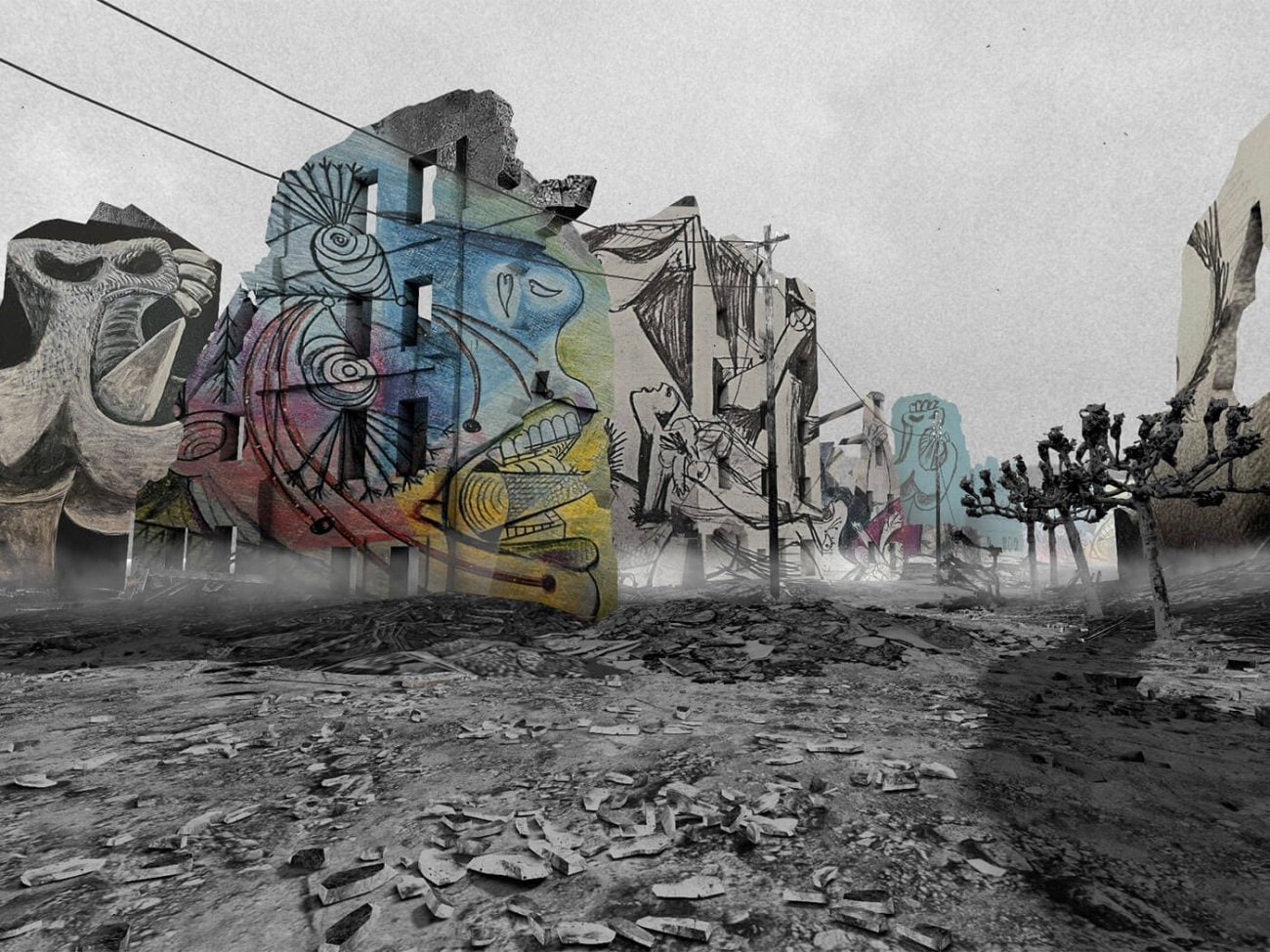
The Musée Picasso-Paris is launching a virtual reality experience that traces the epic journey of Pablo Picasso's "Guernica," one of the most iconic political paintings of the 20th century. Guided by the voices of writer Juan Larrea and photographer Dora Maar, visitors are transported to Picasso's Paris studio and the bombed ruins of Gernika, reliving the creation of the masterpiece commissioned for the Spanish Republic's pavilion at the 1937 International Exposition in Paris. The VR experience covers the painting's genesis, its global tour, and its eventual exile at MoMA in New York until 1981.

Sheila Hicks en 2 minutes

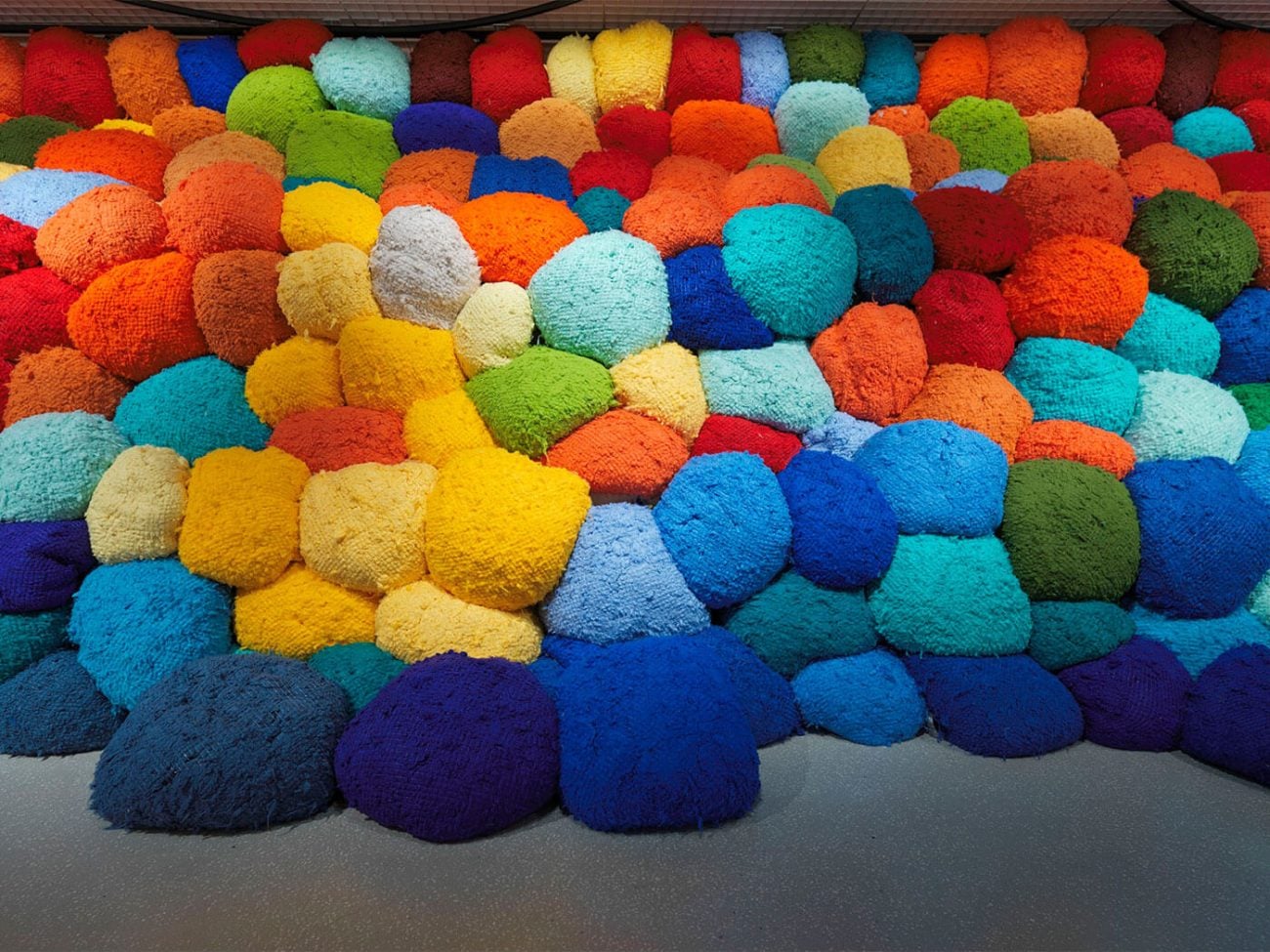
Sheila Hicks, the American textile artist born in 1934, is profiled in a concise overview of her career. The article traces her journey from studying under Josef Albers at Yale and learning weaving from Andean artisans in Chile, to establishing her studio in Mexico and later Paris. It highlights her monumental commissions for hotels, embassies, and public spaces, as well as her intimate "Minimes" works. Key milestones include her 2014 piece "Pillar of Inquiry/Supple Column" at the Whitney Biennial, her 2017 installation at the Venice Biennale, and a major retrospective at the Centre Pompidou in 2018.

Sofiane Pamart: 'With my piano, I sculpt sound matter'

Sofiane Pamart : « Avec mon piano, je sculpte la matière sonore »

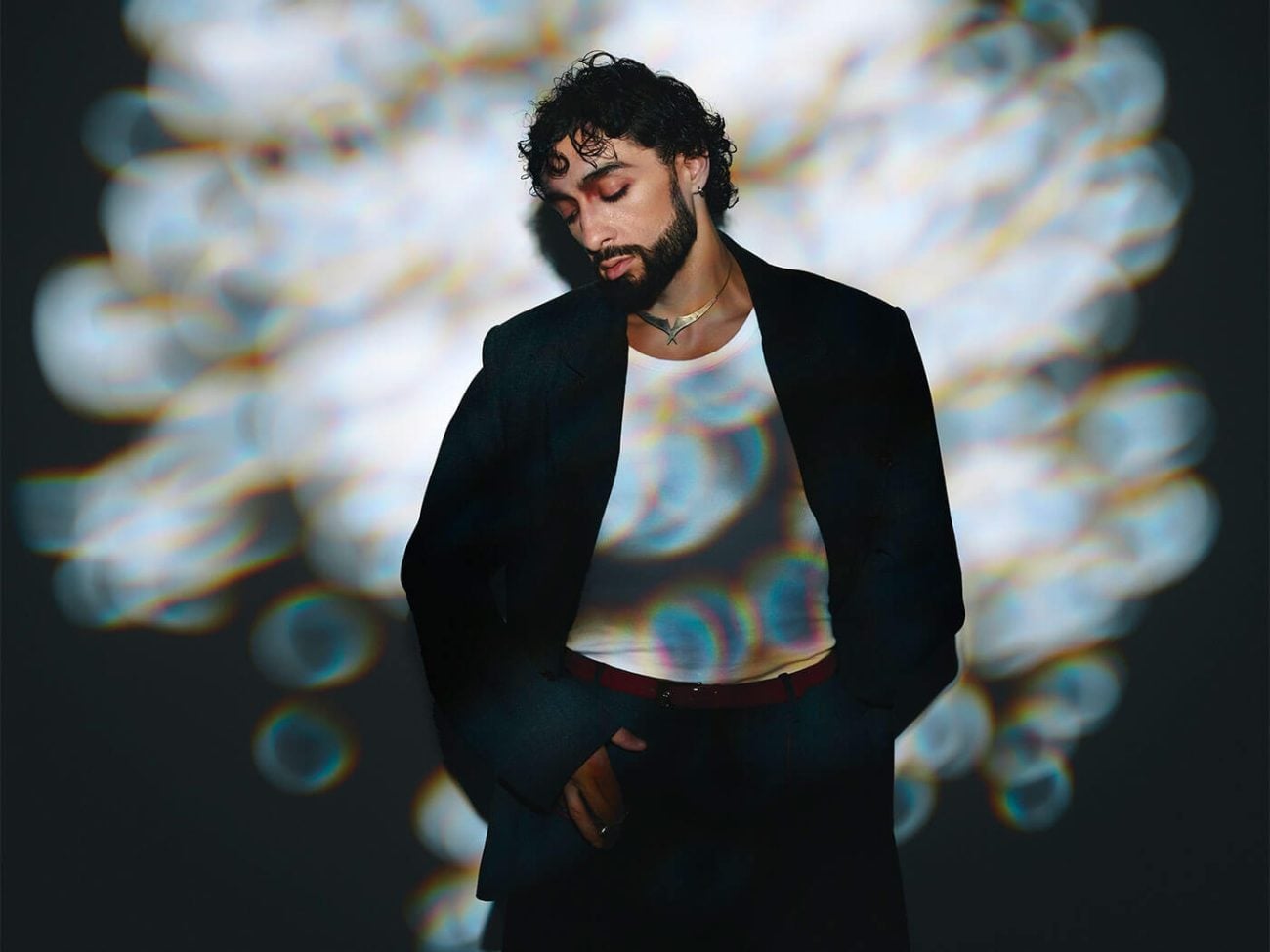
French pianist Sofiane Pamart discusses his creative process in an interview with Beaux Arts Magazine, explaining how his music is inspired by contemplative cinema, particularly the films of Takeshi Kitano and Wong Kar-wai. He describes his approach to composition as sculpting sound, drawing parallels to impressionist painting and the works of sculptors Auguste Rodin and Camille Claudel. Pamart also expresses a preference for art that interacts with nature, citing the open-air museum of sculptor Anachar Basbous in Lebanon as an example.

Alain Passard's Art Recipe: Monet's Sublime 'Water Lilies' Invade the Plate

La recette d’art d’Alain Passard : les sublimes « Nymphéas » de Monet s’invitent dans l’assiette

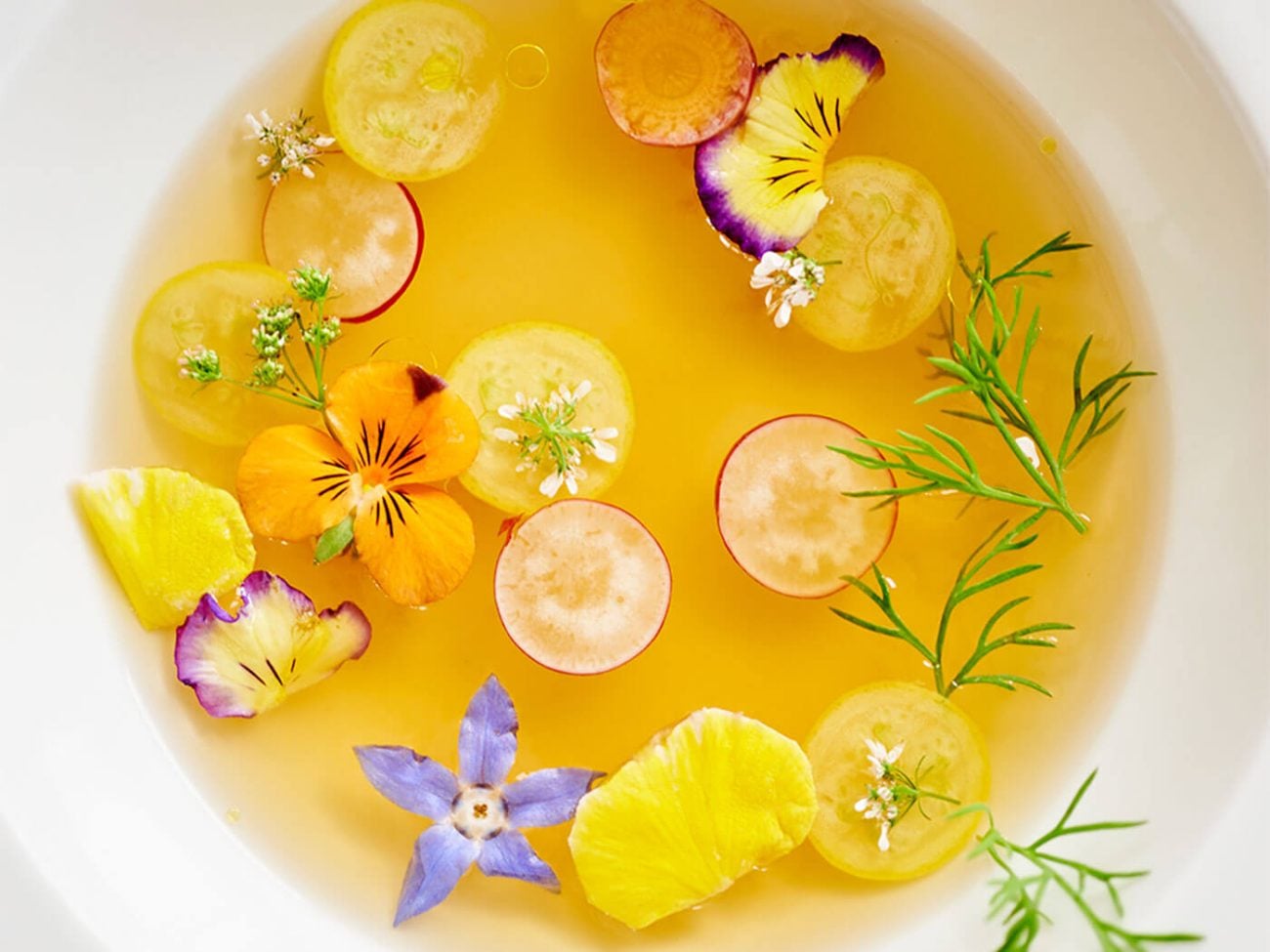
Chef Alain Passard shares a recipe inspired by Claude Monet's "Nymphéas" (Water Lilies) series, connecting the painter's obsessive depictions of his Giverny water garden to a spring consommé decorated with flower petals. The article recounts Monet's move to Giverny in 1883, his creation of a water garden, and his decades-long focus on painting the pond's surface, light, and reflections—culminating in the immersive panoramic panels gifted to France in 1918 and now housed at the Musée de l'Orangerie in Paris.

Photographs of Victorine Meurent who posed for 'Le Déjeuner sur l'herbe' discovered by chance in Grenoble

Les photos de Victorine Meurent qui ont servi de modèle au « Déjeuner sur l’herbe » retrouvées par hasard à Grenoble

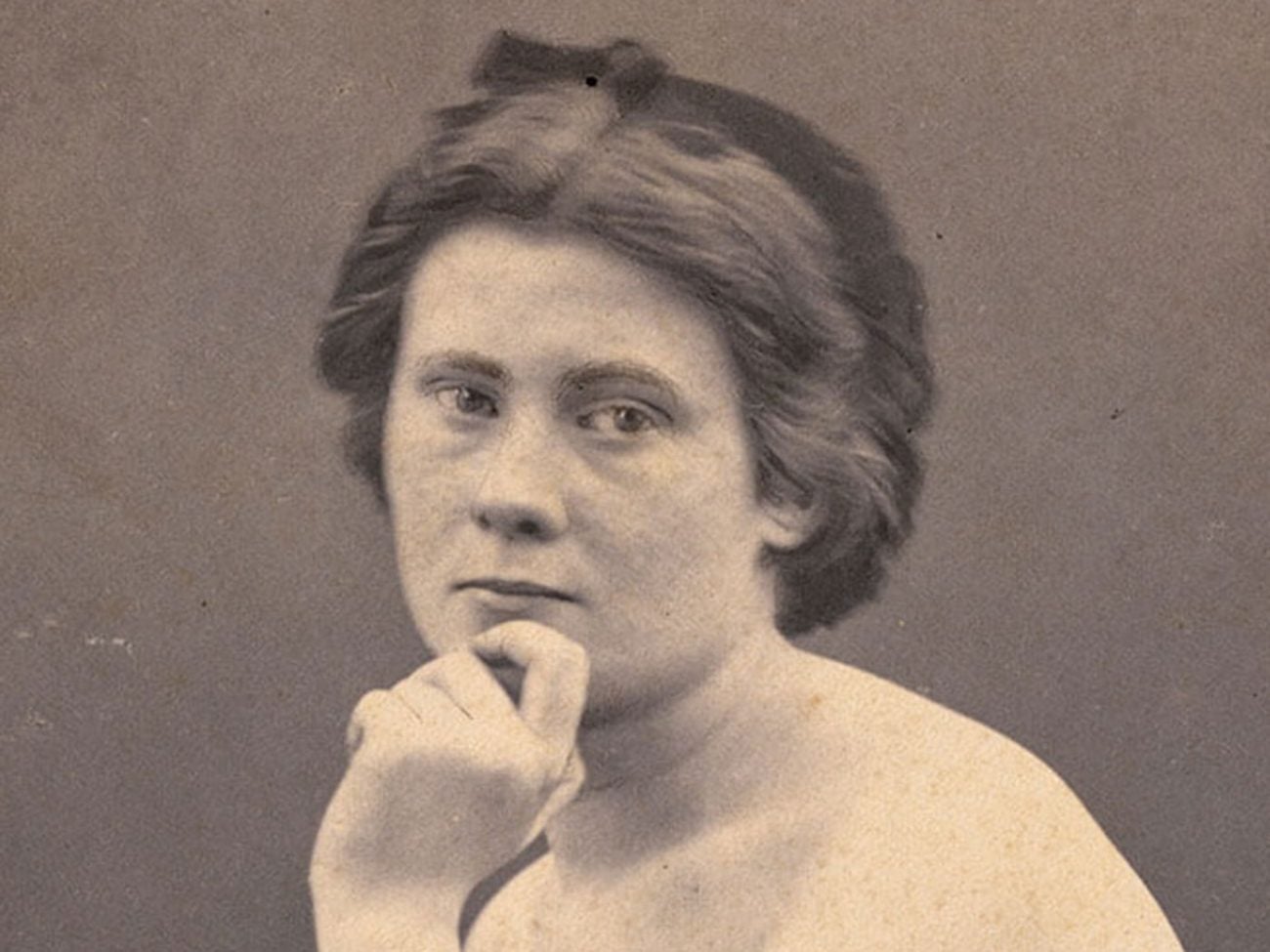
A chance discovery at the Musée de Grenoble has unearthed two previously unknown photographs of Victorine Meurent, the favorite model of Édouard Manet, taken by Gaudenzio Marconi in 1863. Art historian Laure Boyer, while researching a different subject, recognized Meurent in the images and realized they directly served as studies for Manet's iconic paintings *Le Déjeuner sur l'herbe* and *Olympia*. The photographs show Meurent in poses nearly identical to the figures in both works, with only the orientation reversed in one case and facial expressions swapped between the two paintings.

La nature morte : une exposition novatrice

Le Journal des Arts reports on a new exhibition titled "La nature morte" (Still Life), presented by a gallery as a continuation of its previous monographic shows on Boetti and Burri and the thematic exhibition "On Fire." The exhibition focuses on the classical genre of still life, positioning it as a field of experimentation that accompanies the renewal of painting in the 20th century. It brings together three artists—Picasso, Morandi, and Parmiggiani—who, though not from the same school or direct lineage, each explore the subject through distinct artistic languages: Picasso asserts the presence of the object, Morandi delves into its meditative and silent dimension, and Parmiggiani pushes the reflection toward a form of disappearance. The show is curated by Cécile Debray, president of the Musée national Picasso-Paris, and involves collaborations with institutions such as the Museo Morandi.

Au musée Marmottan Monet, la peinture de Giovanni Segantini hisse la modernité au sommet des Alpes

The Musée Marmottan Monet in Paris is hosting the first retrospective in France of Giovanni Segantini (1858–1899), a major but little-known figure of Symbolism. The exhibition traces his career through the lens of his geographical ascent into the Alps, from his early success with "Ave Maria à la traversée" (1886–1888) to his final triptych "La Vie, La Nature, La Mort," which he was working on when he died at age 41. Segantini's divisionist technique, which Vassily Kandinsky considered a precursor to abstraction, is highlighted as a means of expressing a dematerialized vision of the world.

« À qui appartiennent ces œuvres ? » : le destin des biens culturels spoliés par les nazis au cœur d’un nouvel espace au musée d’Orsay

On May 5, the Musée d'Orsay in Paris inaugurated a new dedicated space in the Pavillon Amont for artworks looted during World War II that remain unclaimed by their owners or heirs. The room, titled "À qui appartiennent ces œuvres ?" ("Who owns these works?"), features thirteen pieces including sculptures by Auguste Rodin and paintings by Auguste Renoir, Edgar Degas, and Eugène Boudin. These represent a fraction of the museum's 225 MNR (Musées nationaux récupération) holdings, part of a national legacy of approximately 2,000 looted works still held in French museums.

The invisible worlds of Hilma af Klint, pioneer of abstraction, finally revealed at the Grand Palais

Les mondes invisibles d’Hilma af Klint, pionnière de l’abstraction, enfin révélés au Grand Palais

The article reveals the long-overlooked story of Hilma af Klint (1862–1944), the Swedish artist who created abstract paintings years before Kandinsky, Mondrian, and Malevich, yet kept her work secret until 20 years after her death. Her monumental output—1,600 abstract paintings and 124 notebooks—was first publicly shown in 1986 at the Los Angeles exhibition 'The Spiritual in Art, Abstract Painting, 1890–1985'. A 2019 retrospective at the Guggenheim Museum in New York drew 600,000 visitors, a museum record. Now, the Grand Palais in Paris presents the first-ever French exhibition of her work, focusing on her 'Paintings for the Temple' cycle (1906–1915), a series of 193 works that synthesize her spiritual quest.

From the beaches of Valencia to the gardens of Andalusia, the virtuoso Joaquín Sorolla celebrated by a luminous exhibition in Toulouse

Des plages de Valence aux jardins andalous, le virtuose Joaquín Sorolla célébré par une exposition lumineuse à Toulouse

The article announces a luminous exhibition in Toulouse celebrating the Spanish painter Joaquín Sorolla (1863–1923), known for his radiant beach scenes and masterful use of light. Co-curated by Ana Debenedetti of the Bemberg collection and Enrique Varela Agüí, director of the Museo Sorolla in Madrid, the show features iconic works such as *Contre-jour, Maria à Biarritz* (1906) and *Sur le sable, plage de Zarautz* (1910), alongside a reconstruction of Sorolla’s studio. The exhibition highlights his unique style blending realism, impressionism, and luminism, with energetic brushwork, bold compositions, and photographic framing.

Georg Baselitz, grande figure de l’art allemand, est mort à l’âge de 88 ans : retour sur sa vie et son œuvre

Georg Baselitz, one of Germany's most significant post-war artists, has died at age 88. Born Hans-Georg Kern in 1938, he grew up in Nazi-era Saxony and later rejected his father's ideology, fleeing to West Berlin in 1957. Known for his provocative, expressionist works and signature upside-down paintings, Baselitz challenged artistic conventions with brutalist techniques—attacking wood with chainsaws and axes—and created scandalous pieces like "Die große Nacht im Eimer" (1962–1963), which was banned from exhibition. His career included major retrospectives at the Musée d'Art Moderne de la Ville de Paris (2011) and Centre Pompidou (2021), and commissions for the Reichstag.

Immersive exhibitions and visits not to miss from spring to summer in France

Les expos et visites immersives à ne pas rater du printemps à l’été en France

The article from Beaux Arts Magazine highlights a selection of immersive art exhibitions and experiences across France for spring and summer 2026. Featured attractions include "Passion Japon" at Parc de la Villette in Paris, a journey through Japanese culture with Hokusai and Hiroshige projections; "L'Odyssée Céleste" at Église Saint-Eustache, a 3D light spectacle with live choral music; "Frissons" at the Musée d'Orsay, an interactive light installation by artist Adrien M responding to visitors' movements; and a Picasso immersive experience at Les Baux-de-Provence.

Au Louvre, l’ambitieuse restauration du cycle de Marie de Médicis

The Louvre Museum in Paris is undertaking an ambitious restoration of Peter Paul Rubens's monumental cycle of 24 paintings depicting the life of Marie de Médicis. The project, which will take four years and cost €4 million funded by the Société des Amis du Louvre, begins this autumn with the paintings being restored in situ in the Médicis Gallery. The gallery will close in May to prepare the space as a restoration workshop, where two teams of 10–15 restorers will work simultaneously on cleaning, relining, and filling gaps. The last major restoration of the cycle dates to the 1950s, and recent diagnostics revealed yellowed varnish, discordant repaints, and flaking paint layers that risk irreversible loss.

Martin Schongauer in 2 Minutes

Martin Schongauer en 2 minutes

Martin Schongauer (c. 1445–1491), the Alsatian painter, draftsman, and engraver, is celebrated as the greatest German copperplate engraver before Albrecht Dürer and one of the first artists to achieve pan-European fame in his lifetime. The article outlines his life and career, from his early training in his father's goldsmith workshop in Colmar to his studies at the University of Leipzig and travels through Flanders, where he absorbed the influence of Rogier van der Weyden and Dirk Bouts. It highlights his 116 copper engravings, signed with the monogram 'M+S', which elevated engraving to a high art and circulated from Spain to Bohemia, inspiring Dürer and the young Michelangelo. Key works discussed include the painting 'La Vierge au buisson de roses' (1473) and the engraving 'La Tentation de saint Antoine' (c. 1470–1475).

5 secret jewels to discover in Europe

5 joyaux secrets à découvrir en Europe

L'Œil magazine has curated a list of five European cities rich in art historical treasures, highlighting hidden gems for cultural getaways. The first city profiled is Mainz, Germany, featuring the Romanesque-Gothic Mainzer Dom (Imperial Cathedral of St. Martin), the Gutenberg Museum showcasing the 42-line Bible as a landmark of printing history, and the Church of St. Stephen with its iconic blue stained-glass windows designed by Marc Chagall. The second city is Plovdiv, Bulgaria, where the old town blends ancient Roman ruins (a stadium, forum, odeon, and theater from the 2nd century) with 19th-century Bulgarian National Revival houses, such as the Balabanov, Hindliyan, and Kuyumdzhioglu houses, now converted into museums.

Michel Bassompierre, Celebratory Animal Sculptor, Dies at 78

Michel Bassompierre, célèbre sculpteur animalier, est décédé à 78 ans

Michel Bassompierre, the celebrated French animal sculptor known for his gentle, rounded bronze and marble bears, gorillas, elephants, and pandas, has died at age 78. He suffered a fatal head injury from a fall following a fainting spell in Nantes on April 21.

Aboriginal art unfurls its colors and coded messages in a major exhibition in Lodève

L’art aborigène déploie ses couleurs et ses messages codés dans une grande expo à Lodève

A major exhibition of Aboriginal art has opened at the Musée de Lodève in France, featuring over one hundred works primarily from the collection of Alison and Peter Klein. The show presents paintings, painted totems, and trunks, showcasing the rich colors, hypnotic dot painting techniques, and coded symbolism characteristic of this art form.

AI Suggests El Greco Could Be the Sole Author of 'The Baptism of Christ'

Une IA suggère qu’El Greco pourrait être l’unique auteur du Baptême du Christ

A new scientific study published in the journal Science Advances challenges the long-held belief that El Greco's monumental painting 'The Baptism of Christ' was completed by his workshop. Using a deep-learning tool called PATCH to analyze the painting's surface topography, researchers from Case Western Reserve University found a technical consistency suggesting the work was executed by a single hand, likely El Greco himself, despite visible variations in execution.

« L’Angélus » de Millet : une notification à l’humanité hors sol ?

Beaux Arts Magazine publishes a detailed visual analysis of Jean-François Millet's painting "L'Angélus" (1857–1859), housed at the Musée d'Orsay in Paris. The article describes the scene of two peasants pausing their potato harvest to pray at dusk, examining the composition, color, and spiritual resonance of the work. It also traces Millet's biography—from his peasant origins in the Cotentin region to his training under Langlois and Paul Delaroche, and his early career painting portraits and nudes before turning to rural subjects.

Károly Ferenczy, Elusive Inventor of Hungarian Modernity at the Petit Palais

Károly Ferenczy, insaisissable inventeur de la modernité hongroise au Petit Palais

The Petit Palais in Paris is presenting a major exhibition dedicated to Károly Ferenczy, a pivotal figure in Hungarian modernism. The show features works like his 1896 painting 'Le Sermon sur la montagne,' exploring his role within the Nagybánya artists' colony and his synthesis of plein air painting with a European artistic education.

What Works of Art Sank Aboard the Titanic?

Quelles sont les œuvres d’art englouties à bord du Titanic ?

The RMS Titanic, which sank in 1912, was carrying over 300 paintings, drawings, prints, and art objects according to its cargo manifest. The most famous artwork lost was the 1814 neoclassical painting 'La Circassienne au bain' by French artist Merry-Joseph Blondel, owned by Swedish businessman Mauritz Håkan Björnström-Steffansson, which was insured for $100,000. Also lost was the legendary 'Grand Omar,' a jewel-encrusted luxury edition of the Rubaiyat of Omar Khayyam, created by the London bindery Sangorski & Sutcliffe.

American Rousseaus Return to Paris

Les Rousseau américains de retour à Paris

The Musée de l’Orangerie in Paris is hosting a landmark exhibition titled "Henri Rousseau, l’ambition de la peinture," featuring 50 works by the self-taught master. The show is distinguished by a historic loan from the Barnes Foundation in Philadelphia, which has sent nine paintings to France for the first time since they were acquired a century ago by Albert Barnes. A highlight of the exhibition is the rare gathering of three "manifesto paintings"—The Sleeping Gypsy, Unpleasant Surprise, and The Snake Charmer—displayed together in a dedicated gallery.

The Art of Appearing

De l’art de paraître

The Musée Cognacq-Jay in Paris is hosting an exhibition titled "Révéler le féminin," which explores the intersection of 18th-century fashion and portraiture. Curated in collaboration with the Palais Galliera and the Musée d’arts de Nantes, the show features works by prominent portraitists like Élisabeth Louise Vigée Le Brun and Maurice Quentin de La Tour alongside rare period textiles. The exhibition examines how the rising bourgeoisie used clothing as a visual language of prestige and social standing during the Enlightenment.

Hispanic Baroque Art in Majesty

L’art baroque hispanique en majesté

The Musée Jacquemart-André in Paris is hosting an exhibition of masterpieces from the Hispanic Society of America, marking the first time this specific selection has been shown to the French public. The show features approximately forty works, including iconic paintings by El Greco and Diego Velázquez, alongside recently acquired studies and colonial-era pieces that have rarely traveled due to previous legal restrictions and the New York institution's ongoing renovations.