filter_list Showing 362 results for "Lysis" close Clear
search
dashboard All 362 article news 89article culture 75trending_up market 70museum exhibitions 60rate_review review 29gavel restitution 12article policy 11person people 7article local 7candle obituary 2
date_range Range Today This Week This Month All
Subscribe

Required Reading

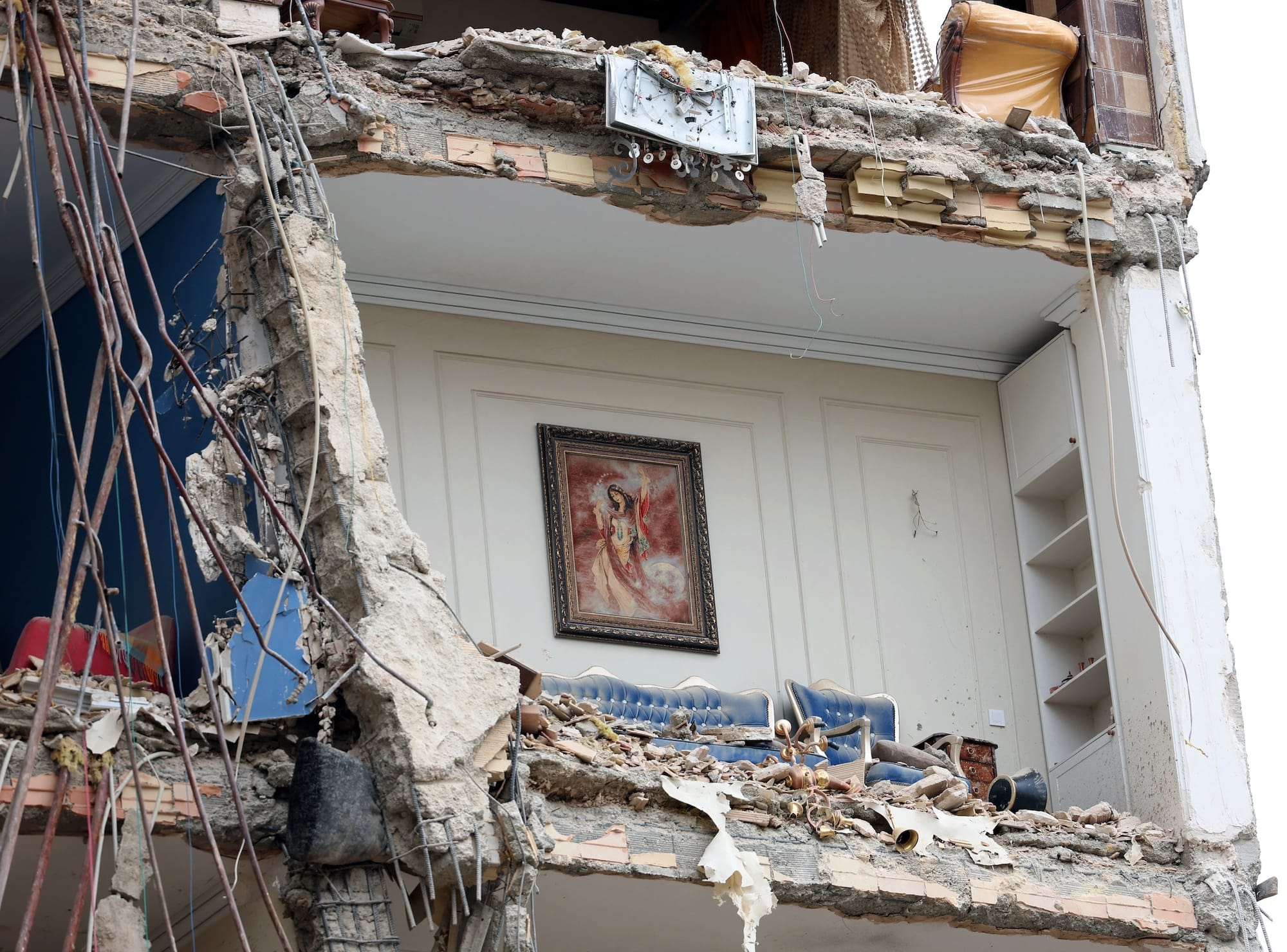
This week's cultural roundup connects diverse stories from art conservation to literary analysis. Novelist Karma Brown draws parallels between restoring artworks and revising novels, inspired by visits to the Art Gallery of Ontario, while an interview with Namwali Serpell examines the complex "monumentalization" of Toni Morrison's legacy. The column also includes a poignant image from Tehran—a framed artwork hanging in a bomb-damaged apartment—and touches on topics ranging from celebrating Eid in Gaza to discussions about "girl games" and the Lindy West drama.
Meet the Art Market’s Most Bankable Artists

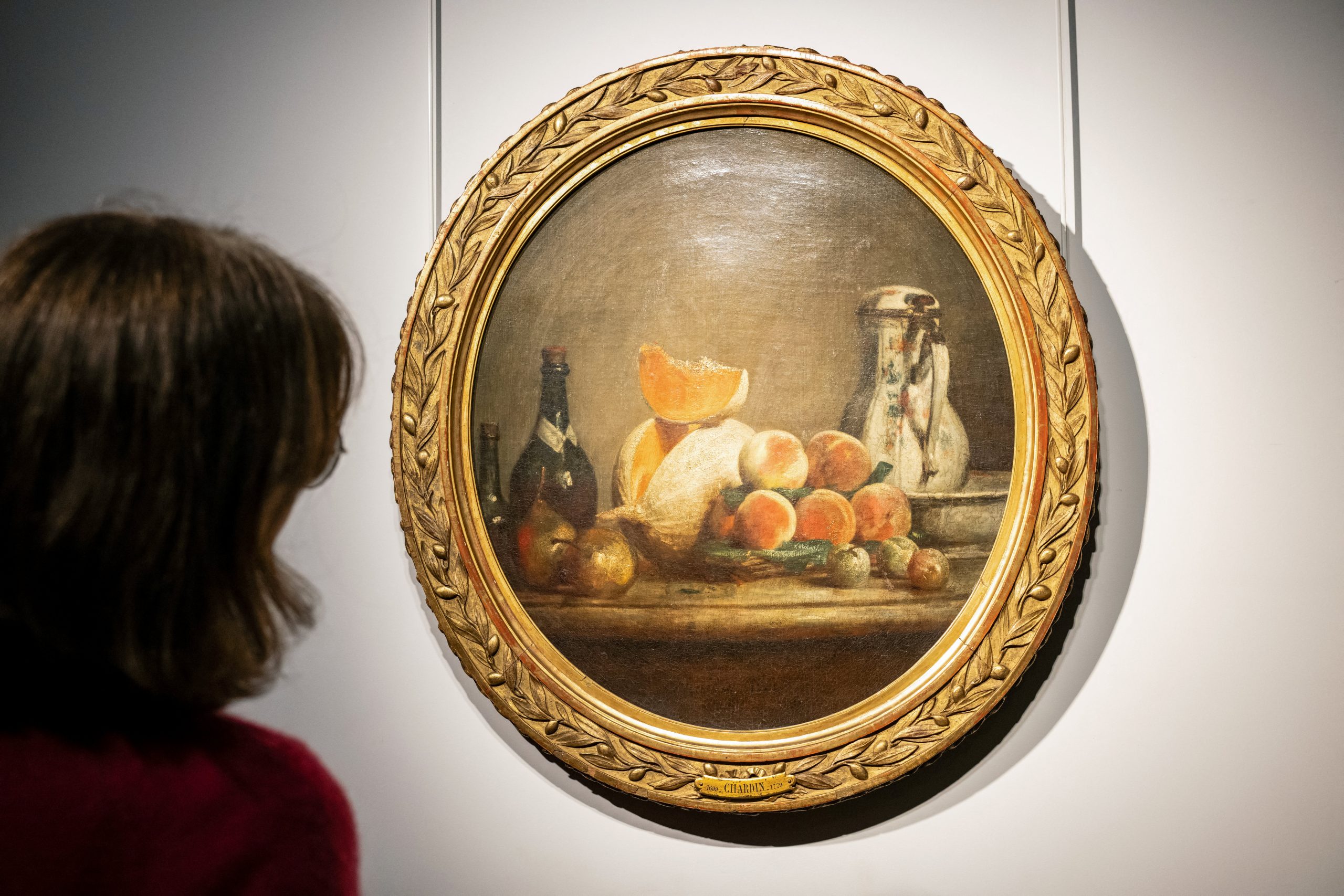
The article, part of the Artnet Intelligence Report 'The Year Ahead 2025,' identifies the most bankable artists across five market categories based on auction results. It highlights Jean-Siméon Chardin's *Le Melon entamé* (1760) as the top-priced European Old Masters work, Pablo Picasso's *La Statuaire* (1925) as third-highest in Impressionist and Modern, David Hockney's *A Lawn Being Sprinkled* (1967) as third-highest in Postwar, Yoshitomo Nara's *I Want to See the Bright Lights Tonight* (2017) as second-highest in Contemporary, and Jonas Wood's *Still Life with Cat and Fruit* (2020) as fifth-highest in Ultra-Contemporary.

« Impression, soleil levant » de Claude Monet, l’éblouissant manifeste de l’impressionnisme

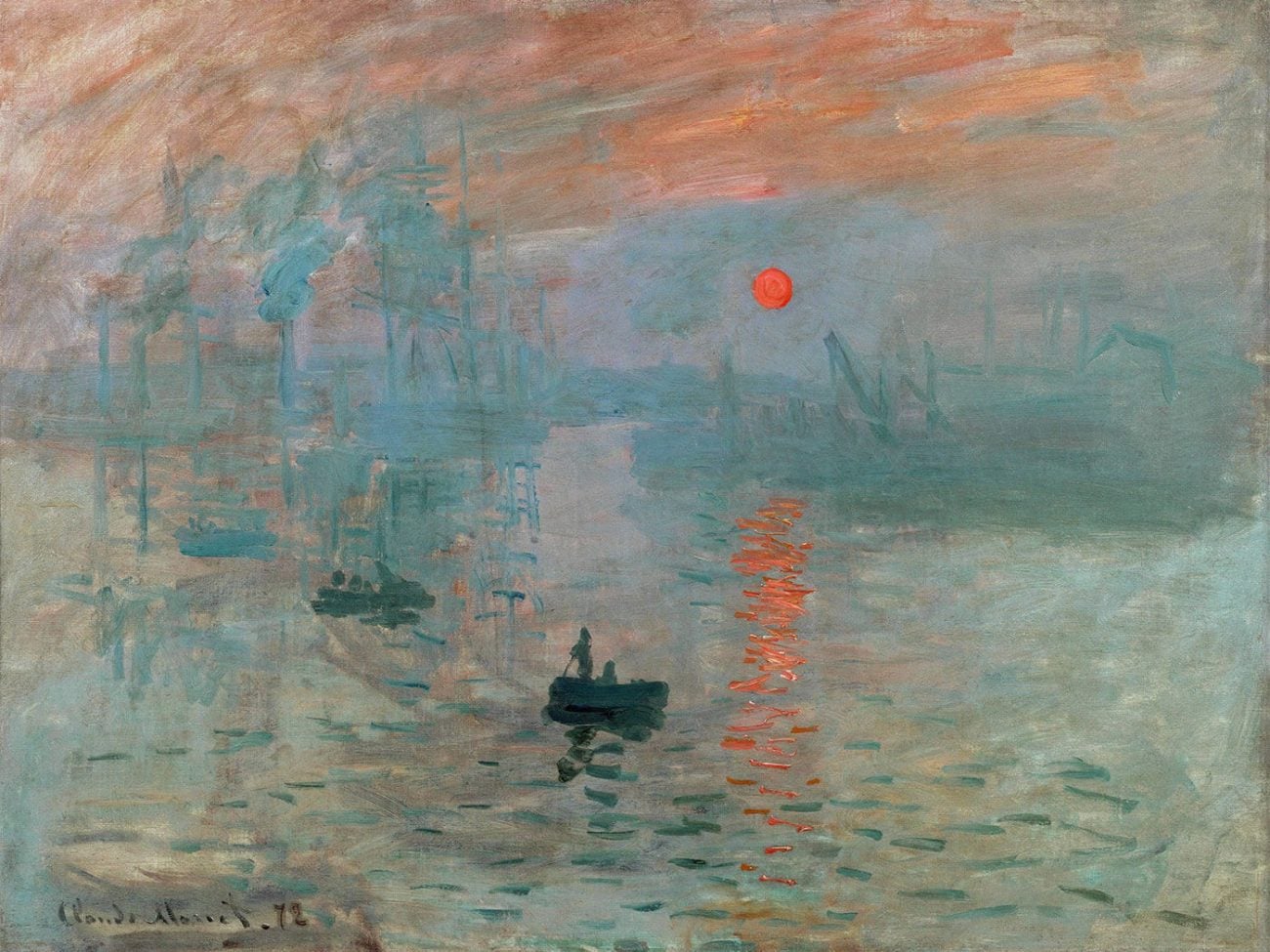
Claude Monet's "Impression, soleil levant" (Impression, Sunrise), the painting that gave Impressionism its name, is analyzed in detail by Beaux Arts Magazine on the centenary of the artist's death. The article examines the work brushstroke by brushstroke, recounting how Monet painted it from his hotel room in Le Havre, capturing the fleeting effects of light and atmosphere that became the hallmark of the movement.

On ARTE, the Ruffini Affair or the Autopsy of an Extraordinary Scandal in the Art World

Sur Arte, l’affaire Ruffini ou l’autopsie d’un scandale hors norme dans le monde de l’art

The documentary series "Le Peintre, la Pizza et le Corbeau" (The Painter, the Pizza and the Crow), available on ARTE, investigates a sprawling art forgery scandal centered on discreet dealer Giuliano Ruffini. Beginning in spring 2014 with an anonymous letter, the case led to a judicial inquiry by judge Aude Burési and France's Central Office for the Fight against Trafficking in Cultural Goods (OCBC). The series follows multiple suspicious artworks—including a Lucas Cranach Venus seized from an exhibition at the Hôtel de Caumont, a David and Goliath by Artemisia Gentileschi, and a Frans Hals portrait—each raising questions of authenticity. Ruffini, a former painter turned collector, remains an enigmatic figure, portrayed as both intuitive genius and possible cog in an opaque system.

Legendary Auctioneer Jussi Pylkkänen on How to Decode Auction Numbers

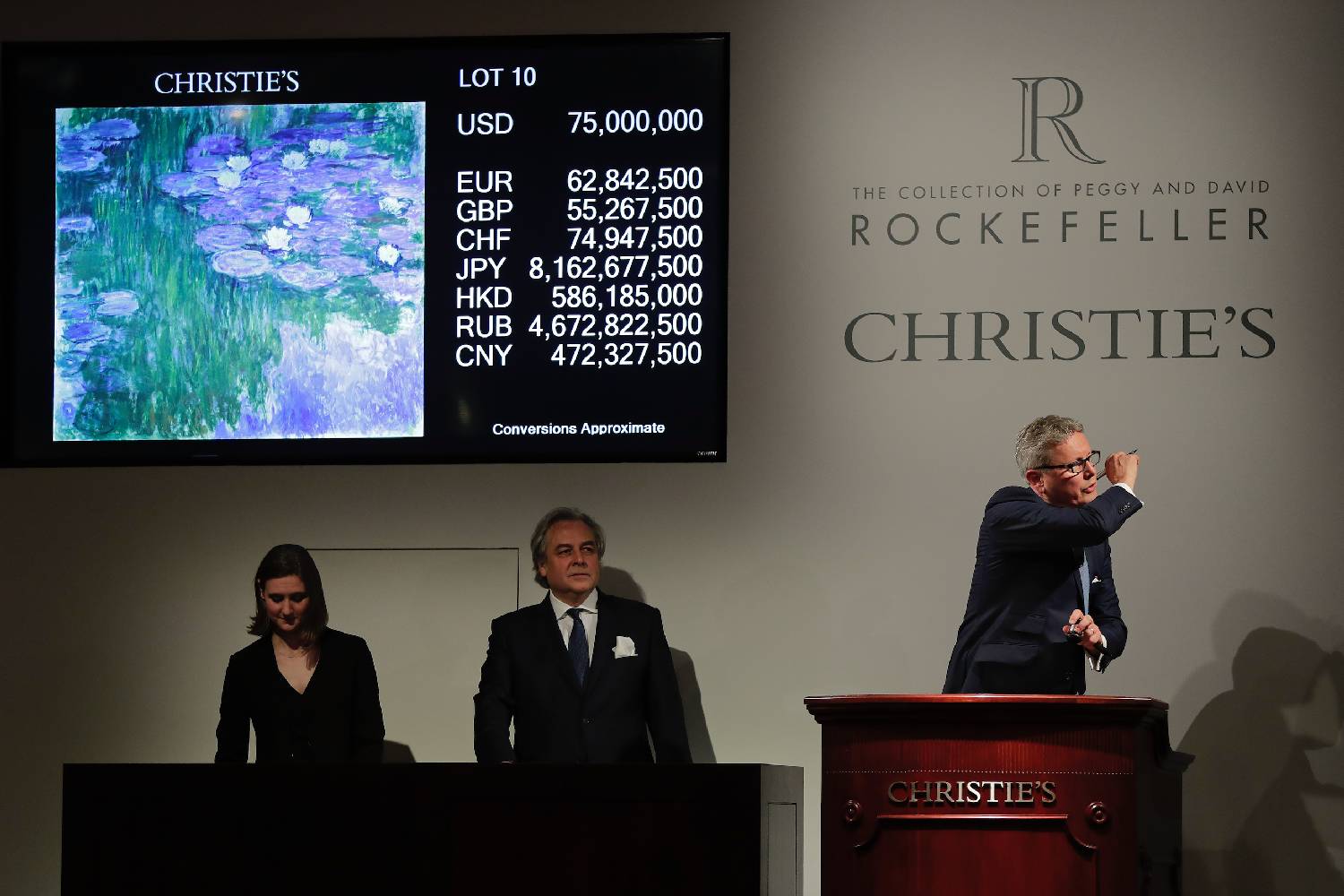
Legendary auctioneer Jussi Pylkkänen offers insights into interpreting auction data, such as price estimates and results, to navigate the current transitional art market. He advises buyers to think critically about value and scrutinize auction house-provided figures.

The Spiritual Ear: On Daniel Heller-Roazen’s Far Calls

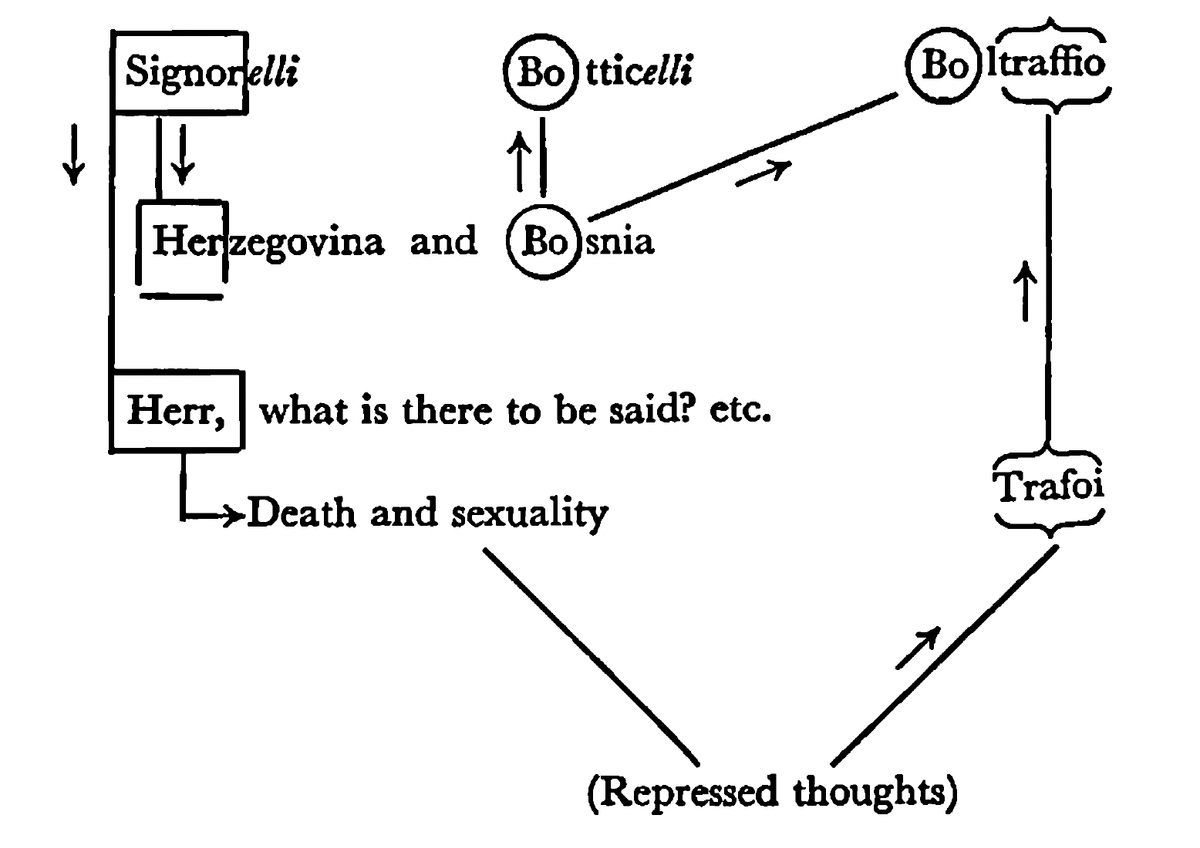
The article is a critical review of Daniel Heller-Roazen's new book, 'Far Calls: On Omens, Slips, & Epiphanies.' It examines the book's central thesis, which explores the historical and philosophical concept of a 'spiritual ear'—the interval between speaking and hearing where language escapes its intended meaning, giving rise to omens, slips of the tongue, and epiphanies. The review traces Heller-Roazen's genealogical investigation from ancient divinatory practices to modern psychoanalysis, highlighting his argument that linguistic accidents hold prophetic potential.

In new play, Norval Morrisseau forgery scandal prompts questions about authenticity and Indigenous identity

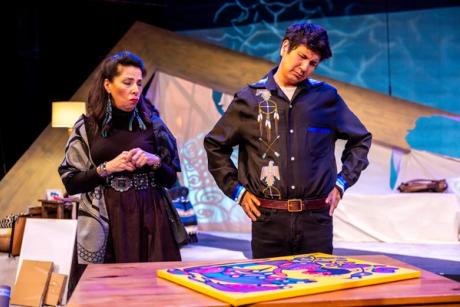
A new play by Ojibway playwright Drew Hayden Taylor, *The Undeniable Accusations of Red Cadmium Light*, dramatizes the massive Norval Morrisseau art forgery scandal in Canada. The story follows an Indigenous art expert named Nazhi, her adopted daughter Beverly, and a journalist whose investigation into Morrisseau forgeries unravels Nazhi’s own identity and status. The play uses Morrisseau’s iconic imagery and the forensic analysis of paint colors to explore the blurred lines between authentic and fake, both in art and in personal identity. It concluded its run at Vancouver’s Firehall Arts Centre on 3 May.

michelangelo sculpture reattributed rome

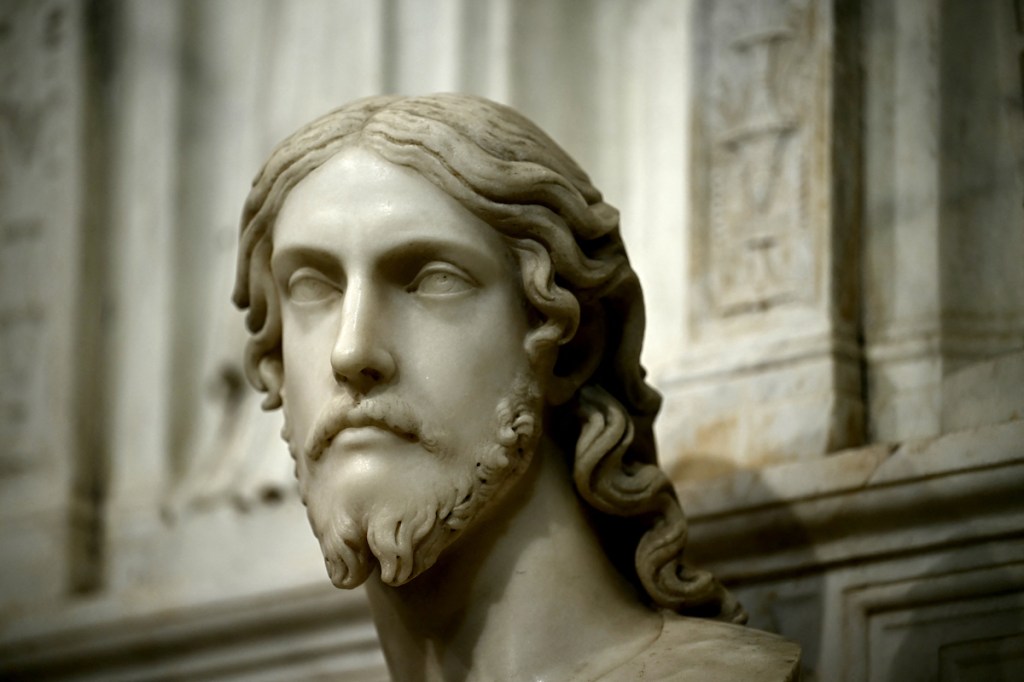
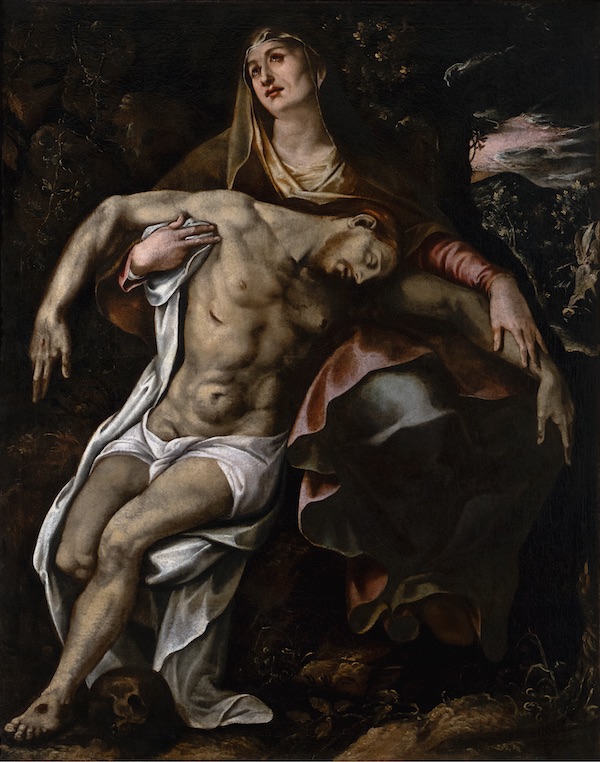
A marble bust of Jesus Christ located in Rome’s Basilica of Sant’Agnese fuori le mura has been reattributed to Michelangelo. Independent researcher Valentina Salerno, a member of the Vatican committee for Michelangelo’s 500th anniversary, used archival records and inventories to trace the sculpture back to the Renaissance master, reversing a 19th-century dismissal of its origins. Simultaneously, a private owner in Belgium is claiming a recently acquired Pietà painting is also a work by Michelangelo, supported by carbon dating and stylistic analysis from art historian Michel Draguet.

anne boleyn portrait witch rumors

A portrait of Anne Boleyn at Hever Castle in England has been revealed through infrared reflectography to have been altered to show her hands, countering rumors that she was a witch with six fingers. Tree-ring analysis dates the painting to around 1583, during the reign of her daughter Elizabeth I, making it the earliest known likeness of Boleyn. The underdrawing lacked hands, suggesting the unknown artist deliberately added them to rebut claims by Catholic activist Nicholas Sanders that Boleyn had six fingers.

Caravaggio, Class, Clothes, and Street Style by Elizabeth Currie

caravaggio class clothes street style elizabeth currie

An excerpt from Elizabeth Currie's upcoming book "Street Style: Art and Dress in the Time of Caravaggio" analyzes the significance of clothing in Caravaggio's painting *The Cardsharps*. The author dissects the garments of the three figures—a finely dressed youth, a possibly liveried servant, and a disheveled card sharp—to reveal how their attire provides clues to their social status, professions, and the complex, often deceptive relationships between them.

sean monahan

Trend forecaster and writer Sean Monahan, known for coining the term "vibe shift" and popularizing "normcore" through the collective K-HOLE, reflects on cultural trends, platform fatigue, and the possibility of a long-awaited cultural shift. In an interview with Artnet News, Monahan discusses his journey from art school to brand consulting, the legacy of post-internet art, institutional decay, and why the 2020s may finally be congealing into a definable decade. He currently runs the Substack newsletter 8Ball, which decodes contemporary aesthetics and social dynamics.

on art history in times of war gaza islamic nasser rabbat

This essay by Nasser Rabbat reflects on the persistence and precarity of writing art history in times of war, specifically focusing on the field of Islamic art and architectural history. Rabbat draws a parallel to Gabriel García Márquez's novel *Love in the Time of Cholera* to frame his discussion, arguing that war is not a passing crisis but a persistent condition for the Islamic world. He traces how colonial conquests, postcolonial conflicts, and the ongoing Israeli genocide against Gaza have shaped the formation and theoretical orientation of Islamic art history as a Western scholarly endeavor, beginning with Napoleon's invasion of Egypt in 1798 and continuing through the "War on Terror."

The Left Side of History: On Haile Gerima’s Black Lions—Roman Wolves

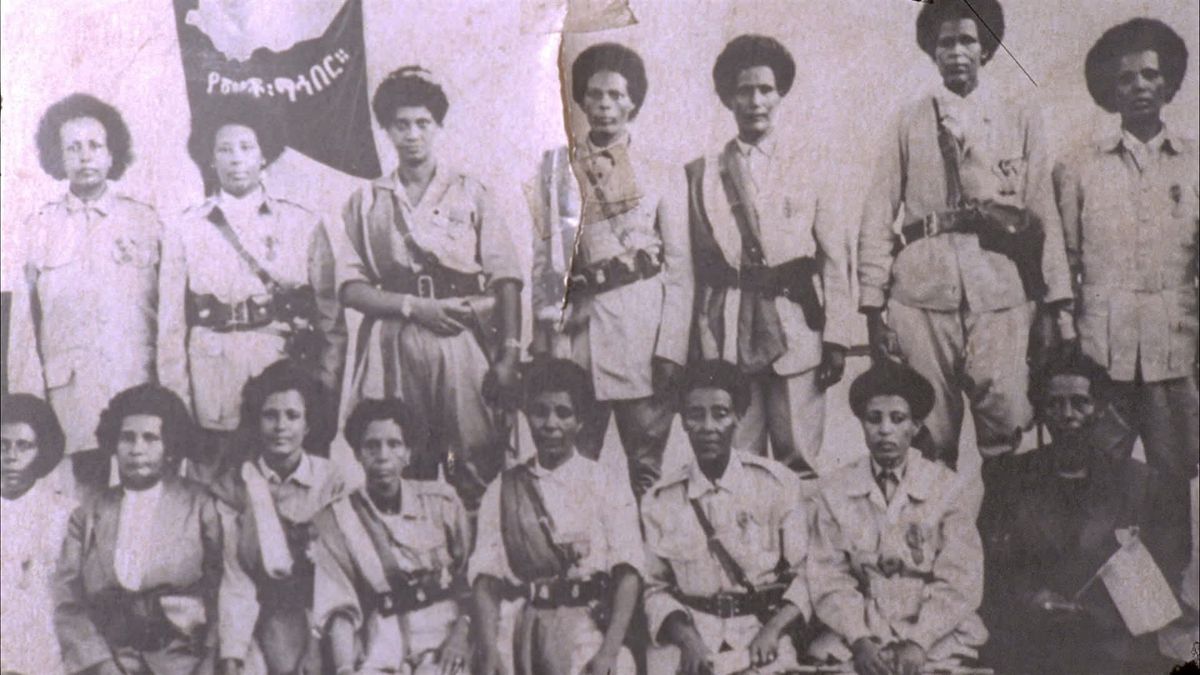
The article is a critical essay analyzing Haile Gerima's 2026 film 'Black Lions—Roman Wolves: The Children of Adwa,' focusing on its exploration of Italy's colonial occupation of Ethiopia and the repression of this history. The author uses a scene from Gerima's earlier film 'Teza'—featuring children playing near a decaying fascist monument in Ethiopia—as a starting point to discuss how colonial memory and trauma are cinematically excavated.

After Farce: Ubu, the Imperialist

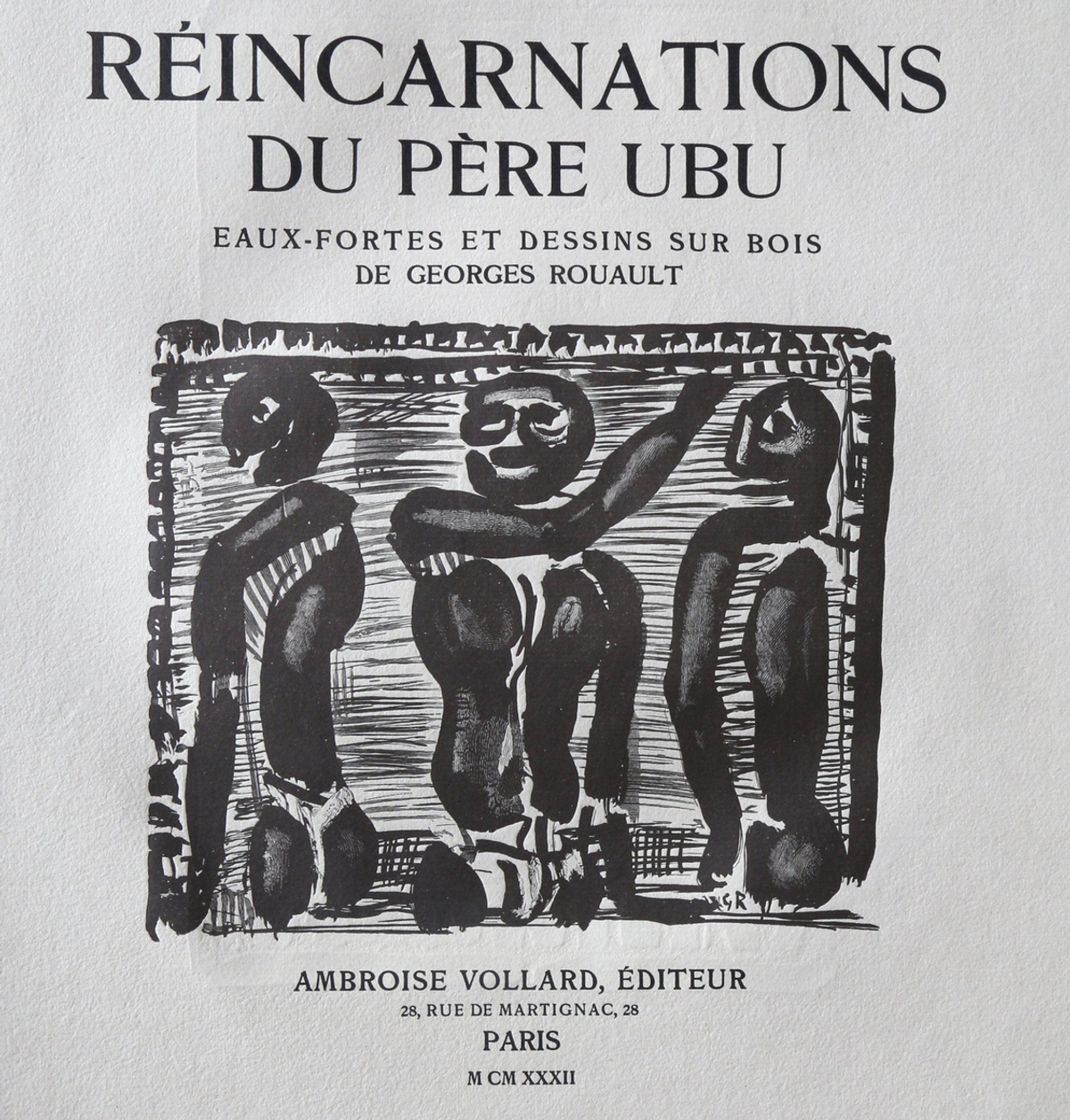
The article examines the cultural and artistic response to Donald Trump's presidency, tracing how artists and critics initially invoked Alfred Jarry's absurdist character Ubu to make sense of Trump's first term. It argues that the second term has moved beyond farce into a normalized, active remaking of the international political order, with Trump pursuing overt imperial ambitions that exceed Jarry's original satire.

Did Andrea Fraser’s Career Bloom Because Her Mother’s Career Died?

A New York Times article examines the complex relationship between artist Andrea Fraser's career and her mother's unfulfilled artistic ambitions. It details how Fraser's mother, a talented painter, largely abandoned her own practice to support her daughter's education and early career, a sacrifice that Fraser has grappled with both personally and within her institutional critique-focused artwork.

‘The Bed Trick’ by Izabella Scott, Reviewed

Izabella Scott's book *The Bed Trick* examines a British rape case in which Gayle Newland was convicted for pretending to be a man named Kai during a two-year relationship with a woman identified as Miss X. Drawing on court transcripts, Scott explores the legal concept of 'fraud vitiates consent' and traces the historical bed-trick trope from medieval folktales to *The Rocky Horror Picture Show*, questioning how much deception invalidates sexual consent.

chris kraus interview addiction true crime

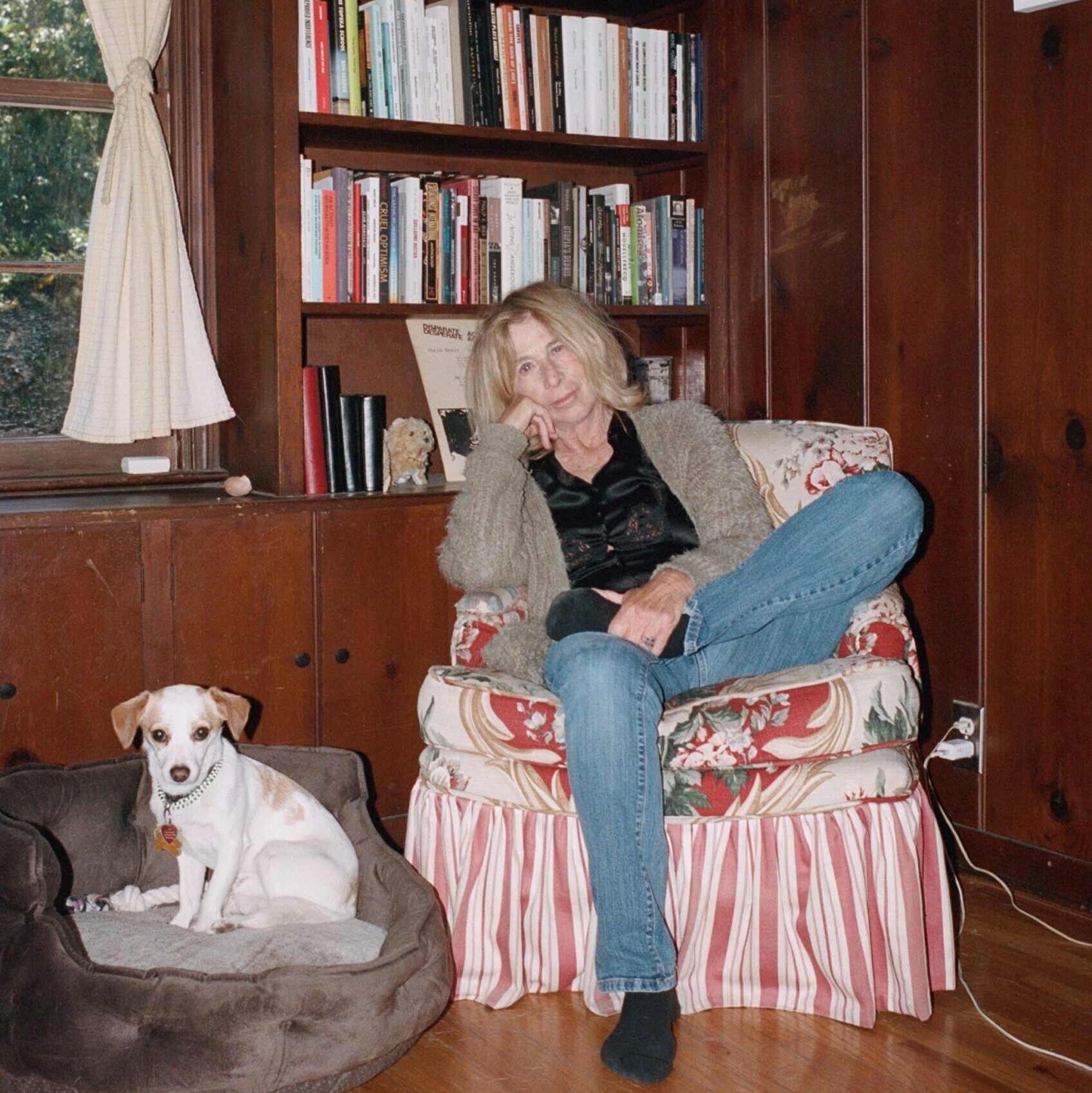
Chris Kraus's latest novel, *The Four Spent the Day Together*, reimagines the true crime genre by shifting focus from individual villains to systemic forces like addiction, poverty, and broken treatment systems. Set in Minnesota's Iron Range, the story follows autofictional avatar Catt Greene and her husband as they confront a lost day, a potentially violated girl, methamphetamine, and a gun, with confessions coming easily but answers remaining elusive. Kraus draws on her own childhood and a marriage unraveling amid alcoholism and cancel culture, using wordplay and chance to restore nuanced meaning to stories often reduced to predestined narratives.

Off-Site Exhibitions Review: The Politics of Listening

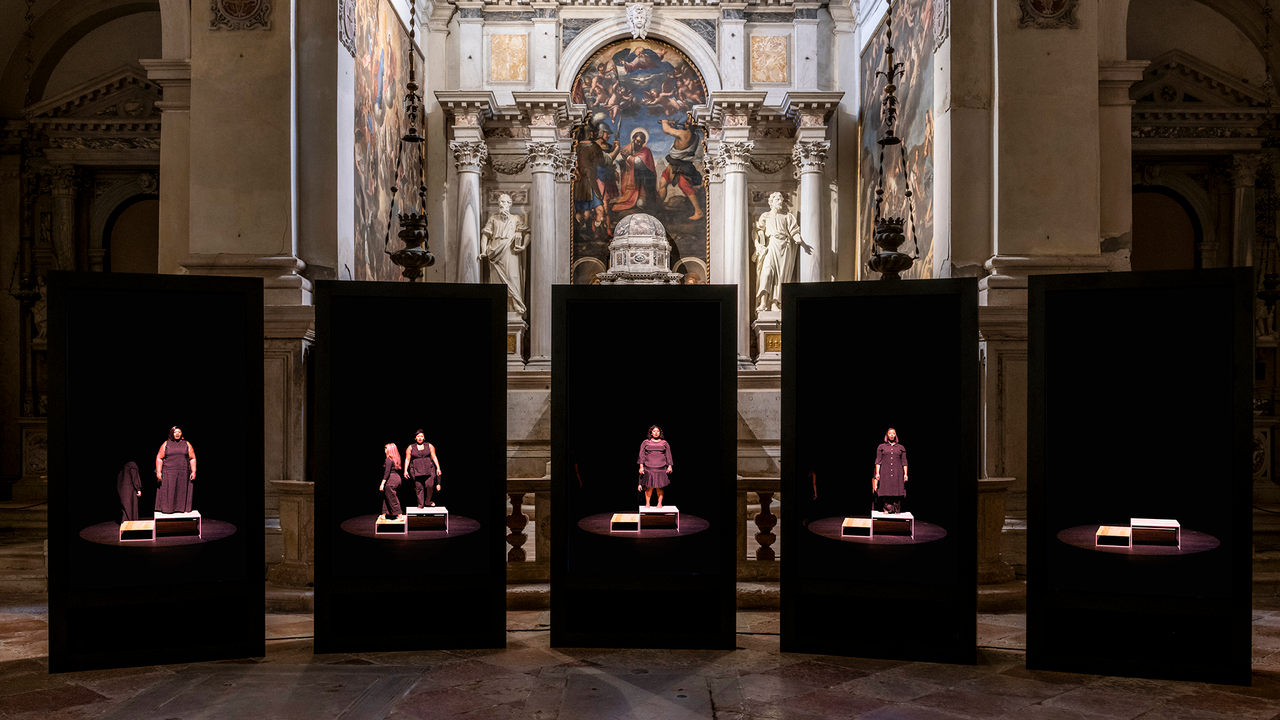
Andrew Durbin reviews the national pavilions at an unnamed biennial, contrasting a vacuous US presentation with incisive and moving installations from Britain and Germany. The review critiques the lack of meaningful engagement in the US pavilion while praising the depth and emotional resonance of the British and German contributions.

National Pavilions Review: Who’s Afraid of Meaning?

Andrew Durbin reviews national pavilions at a major biennial, contrasting a vacuous US presentation with incisive and moving installations from Britain and Germany. The review critiques the lack of meaningful content in the US pavilion while praising the depth and emotional resonance of the British and German contributions.

beauty perfume fragrance critics perfumetok

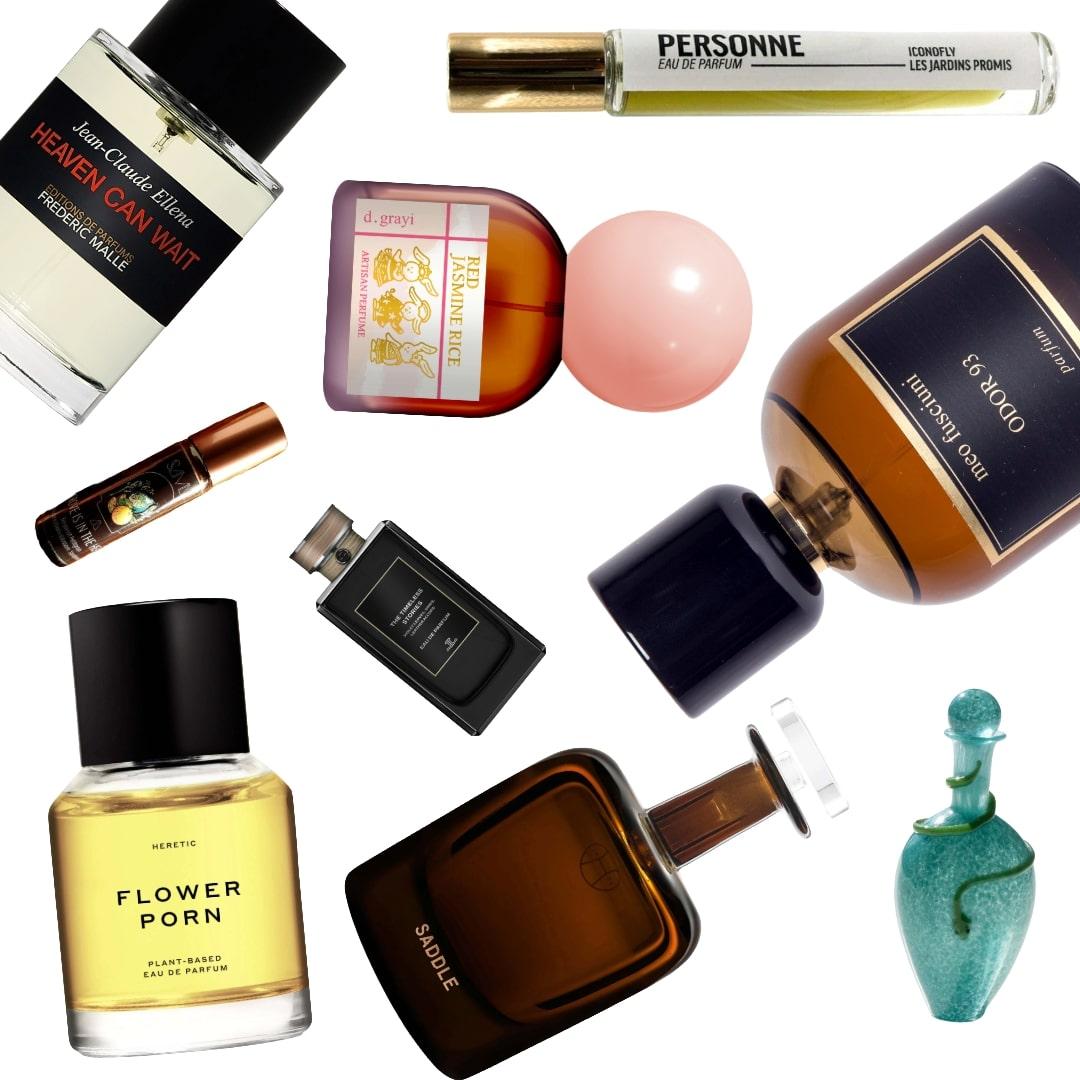
Cultured magazine has enlisted three top fragrance critics—April Long, Arabelle Sicardi, and Maxwell Williams—to discuss the state of fine fragrance in an era of oversaturation, where over 3,000 new perfumes launch annually and #perfumetok has amassed over 7 billion views. The conversation covers niche perfumery, dupe culture, AI noses, and the central question of when a perfume qualifies as a work of art versus a mere commodity. Each critic brings a distinct background: Long is a New York-based journalist with 15 Fragrance Foundation awards; Sicardi is a beauty philosopher and author of the upcoming book 'House of Beauty'; Williams is both a journalist and a working perfumer trained at the Institute for Art and Olfaction.

Announcement

Announcement

The Contemporary Art Daily has released the full digital archive of artist SoiL Thornton's solo exhibitions. The comprehensive collection, published in their Contemporary Art Quarterly, documents Thornton's work dating back to 2017, providing centralized access to years of the artist's major projects and installations.

Researchers Link Two Unattributed Works To Michelangelo

Researchers have attributed two previously unattributed works to Michelangelo. The Royal Institute for Cultural Heritage of Belgium used radiocarbon dating, pigment analysis, and infrared reflectography to link a 16th-century oil-on-canvas Pietà to the master, finding monograms and a date consistent with his work. Separately, Italian researcher Valentina Salerno published a decade-long study using archival documents and stylistic analysis to attribute a marble bust of Christ in a Roman basilica to Michelangelo.

Fraudster trying to sell fake ancient statues to Sotheby’s foiled over bogus invoices

A fraudster named Andrew Crowley, 46, attempted to sell fake ancient statues to Sotheby's, claiming they were inherited from his grandfather. The items—three Cycladic figures and one Anatolian stargazer statuette—were valued at up to £680,000 if genuine. However, the scheme unraveled when forensic analysis revealed that the accompanying invoices, purportedly typed in 1976, were produced using printing methods invented in 2001. Sotheby's experts also spotted spelling errors. Crowley received a two-year suspended sentence after admitting to making a false representation to the auction house.

Guatemala stakes claim to stone lintel by 'the Michelangelo of the pre-Columbian era' that was repatriated to Mexico

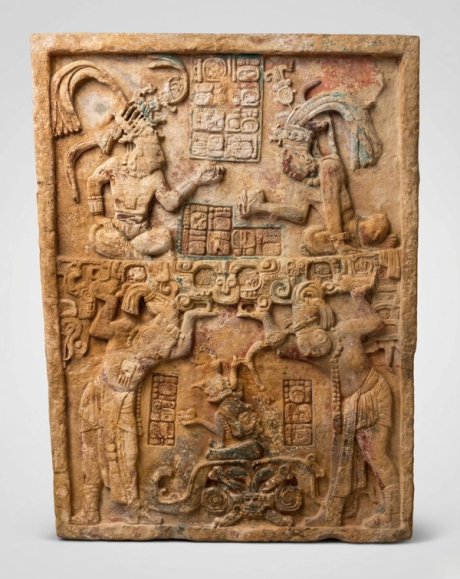
A Maya stone lintel, dating from AD600-AD900 and depicting a ritual scene associated with the ruler Cheleew Chan K'inich, was repatriated to Mexico on April 16 after being turned over to the Mexican consulate in New York by an unnamed US businessman. However, hours after the ceremony, experts determined the lintel actually originated from Guatemala's Petén Basin. Guatemala's cultural ministry, led by minister Luis Méndez Salinas, has formally requested the object's return through diplomatic channels, citing technical analysis and consultations with archaeologists.

archimedes palimpsest manuscript rediscovered

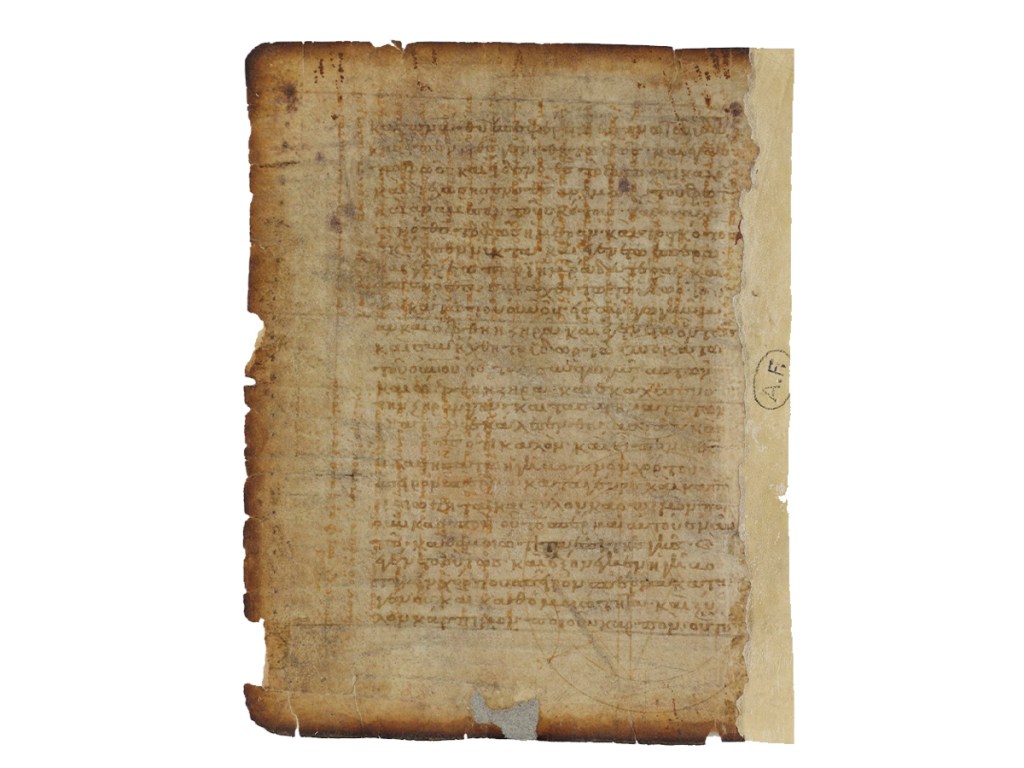
A missing page from the Archimedes Palimpsest, the oldest surviving copy of the Greek mathematician’s writings, has been rediscovered at the Museum of Fine Arts in Blois, France. The 10th-century parchment, which had been missing for 120 years, contains portions of the treatise 'On the Sphere and the Cylinder' hidden beneath 20th-century illumination. The page was identified by a researcher from the French National Center for Scientific Research (CNRS) after being unaccounted for since 1906.

national endowment arts budget

The U.S. House of Representatives approved a $1.4 trillion national budget that includes $162 million for the National Endowment for the Arts (NEA), a $7.25 million increase over the previous year. This marks the largest one-year funding bump for the NEA in a decade, despite the Trump administration's repeated proposals to eliminate the agency entirely. The measure passed 297–120 in the Democrat-controlled House and also includes increases for the Institute for Museum and Library Services, the Corporation for Public Broadcasting, and arts-based programs in the Departments of Veterans Affairs, Defense, and Justice.

Abbas Akhavan: Entre chien et loup

This article appears to be about an exhibition titled "Abbas Akhavan: Entre chien et loup" hosted by the National Gallery of Canada (www.gallery.ca). However, the provided text consists solely of a security verification page and error messages, not the actual article content. No substantive information about the exhibition, the artist, or any events is available from this text.

Museum: Art, Collections, and Exhibits

Museum - Art, Collections, Exhibits

This comprehensive overview traces the historical evolution of the museum from its origins as private royal collections and 'cabinets of curiosities' to the modern public institutions of the 21st century. It details the emergence of landmark spaces like the Ashmolean, the British Museum, and the Louvre, while examining how the 'museum boom' of the 20th century expanded these institutions globally across the United States, Asia, and Africa.

Holbein biography interrogates the artist's life and work from a different angle

Elizabeth Goldring’s new biography of Hans Holbein the Younger takes a documentary-focused approach, prioritizing archival evidence over visual analysis. The book examines Holbein’s life (1497/8–1543) through chronological chapters, using inventories, correspondence, and other records to correct long-held assumptions and propose new theories about his work. Goldring’s detective work includes identifying the green curtain in Holbein’s portrait of Sir Thomas More as a reference to the sitter’s role as chancellor of the Duchy of Lancaster, and suggesting that a lost painting of the More family was given to Erasmus as a gift.

Pulitzer Prize-winning art critic Christopher Knight is retiring

Christopher Knight, the Pulitzer Prize-winning art critic for the Los Angeles Times, is retiring after more than 40 years in the field, with his final day set for November 28. Knight spent 36 of those years at the Los Angeles Times, becoming one of the last full-time art critics at a major U.S. daily newspaper. He won the Pulitzer Prize for criticism in 2020 for his incisive coverage of the Los Angeles County Museum of Art's proposed overhaul, and received a $50,000 Lifetime Achievement Award for Art Journalism from the Dorothea and Leo Rabkin Foundation the same year. Knight also authored two books and appeared on programs like 60 Minutes and PBS NewsHour.