filter_list Showing 489 results for "Nova" close Clear
search
dashboard All 489 museum exhibitions 296article local 51article news 48article culture 37article policy 18trending_up market 15person people 11rate_review review 5candle obituary 4gavel restitution 3article architecture 1
date_range Range Today This Week This Month All
Subscribe

Artist Felipe Pantone's home is a 'permanent exhibition' - with its own indoor nightclub

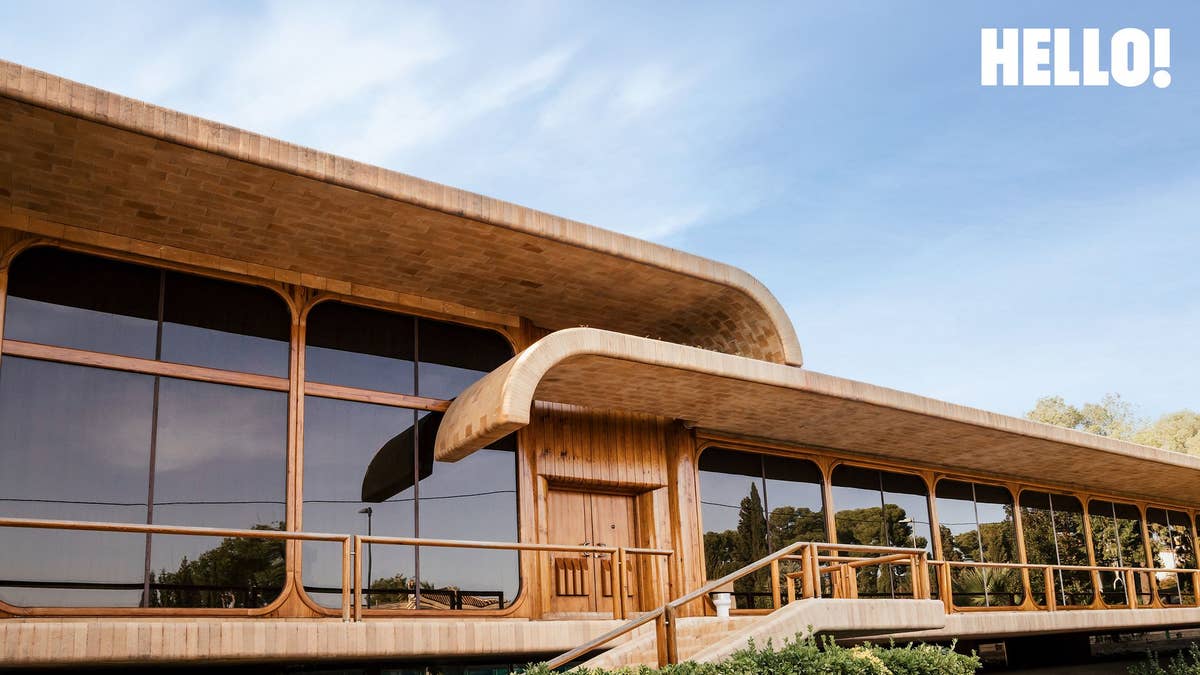
Spanish-Argentinian contemporary artist Felipe Pantone, who never reveals his face to the public, opens the doors to his striking home 'Casa Axis' in Valencia, Spain. Originally built between 1972 and 1975 by architect Pascual Genovés and designer Antonio Segura, the property was known as the 'Revolving House' before Pantone renamed it. After a two-year renovation, the 7,000 sq m estate now includes an indoor swimming pool designed by the artist, a private tennis court, a dance club, and rooms filled with natural light. Pantone and his partner Victoria Fernández host artists from around the world at the home, which also served as a backdrop for Netflix's Black Mirror.
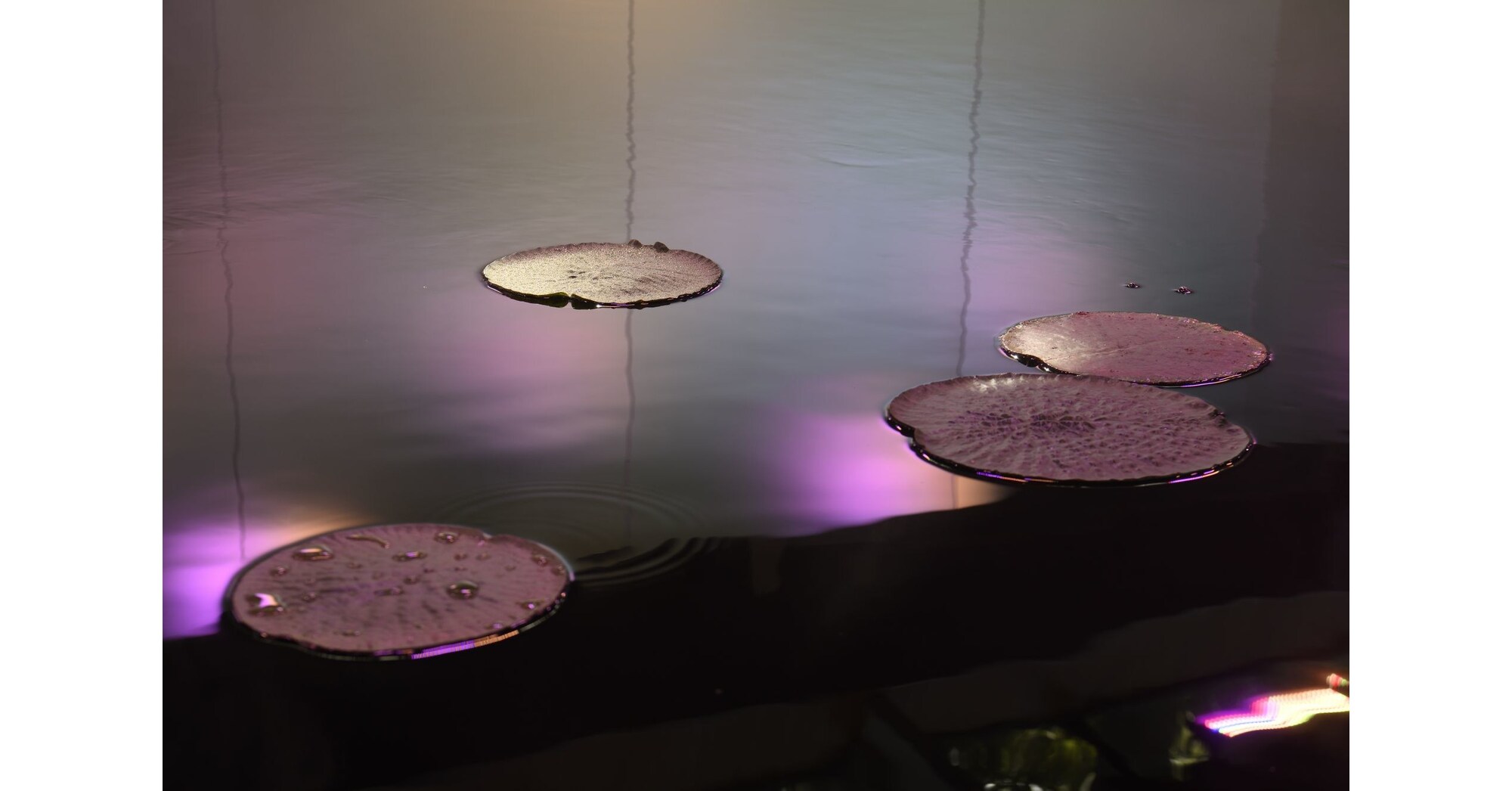
The National Gallery of Canada, commissioner of Canada's participation in the 61st International Art Exhibition - La Biennale di Venezia, unveils the exhibition Abbas Akhavan: Entre chien et loup

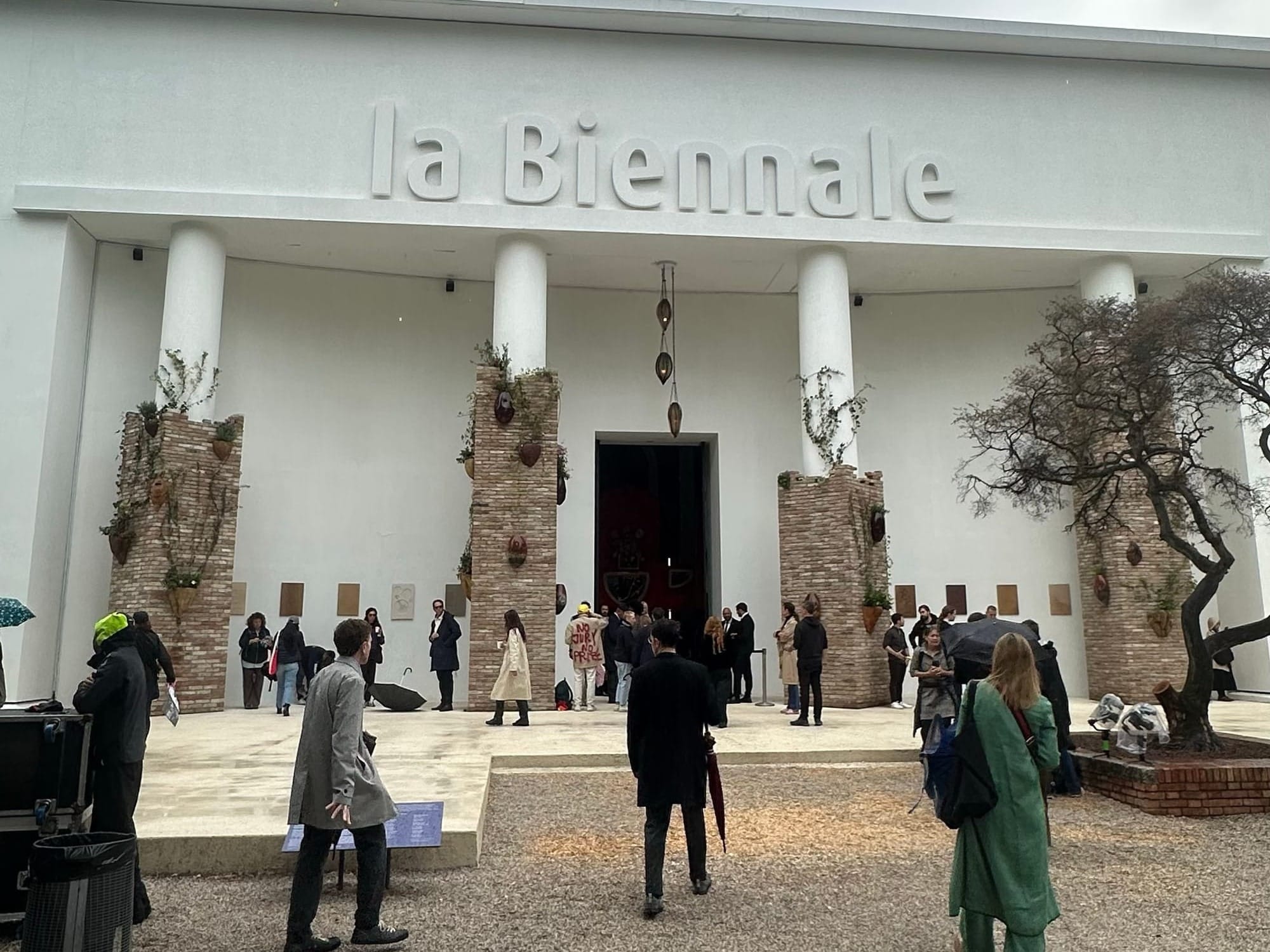
The National Gallery of Canada has unveiled the exhibition "Abbas Akhavan: Entre chien et loup" for the Canada Pavilion at the 61st International Art Exhibition – La Biennale di Venezia in 2026. The site-specific installation reimagines the pavilion's architecture as a Wardian case, a precursor to the terrarium used to transport plants across the British Empire, featuring a custom pool with giant Victoria water lilies. The artist replaced the facade with glass panels, making the plants visible from outside, and the installation is framed by additional sculptural works. The exhibition is curated by Kim Nguyen and accompanied by a fully illustrated publication.

Exhibition | Daniel Crews-Chubb, 'The Belt of Venus' at Patricia Low Contemporary, Venezia, Venice, Italy

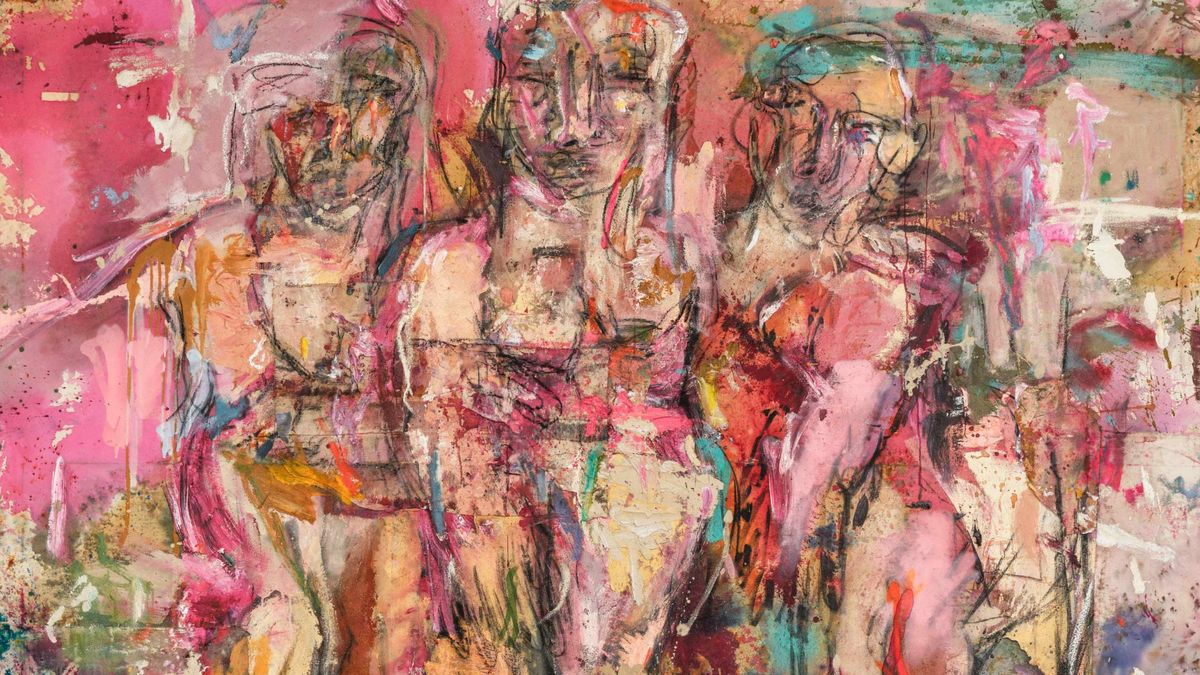
Daniel Crews-Chubb presents 'The Belt of Venus,' an exhibition of six new monumental paintings at Patricia Low Contemporary in Venice. The works draw inspiration from the atmospheric phenomenon of the same name, using its ethereal pinkish glow as a color palette. Crews-Chubb explores pareidolia—the brain's tendency to see faces in abstract forms—pushing his long-standing interrogation of the human figure into increasingly abstract territory. The paintings reference classical mythology, including the Roman goddess Venus, and incorporate fragmented forms reminiscent of ancient statuary, serving as memento mori.

Exhibition | Kang Cheol Gyu, 'KANG Cheolgyu: Discarded Host' at Arario Gallery, Seoul, South Korea

Arario Gallery Seoul presents 'Discarded Host', a solo exhibition by South Korean artist Kang Cheolgyu (b. 1990), running from May 1 to June 20, 2026. The show features new paintings that transform personal emotions and psychological sensations into visual narratives, exploring themes of anxiety, tension, identity, and transformation through fictional environments and indirect self-confrontation.

Ukrainian Museums and Cultural Sites Damaged in Massive Russian Attack

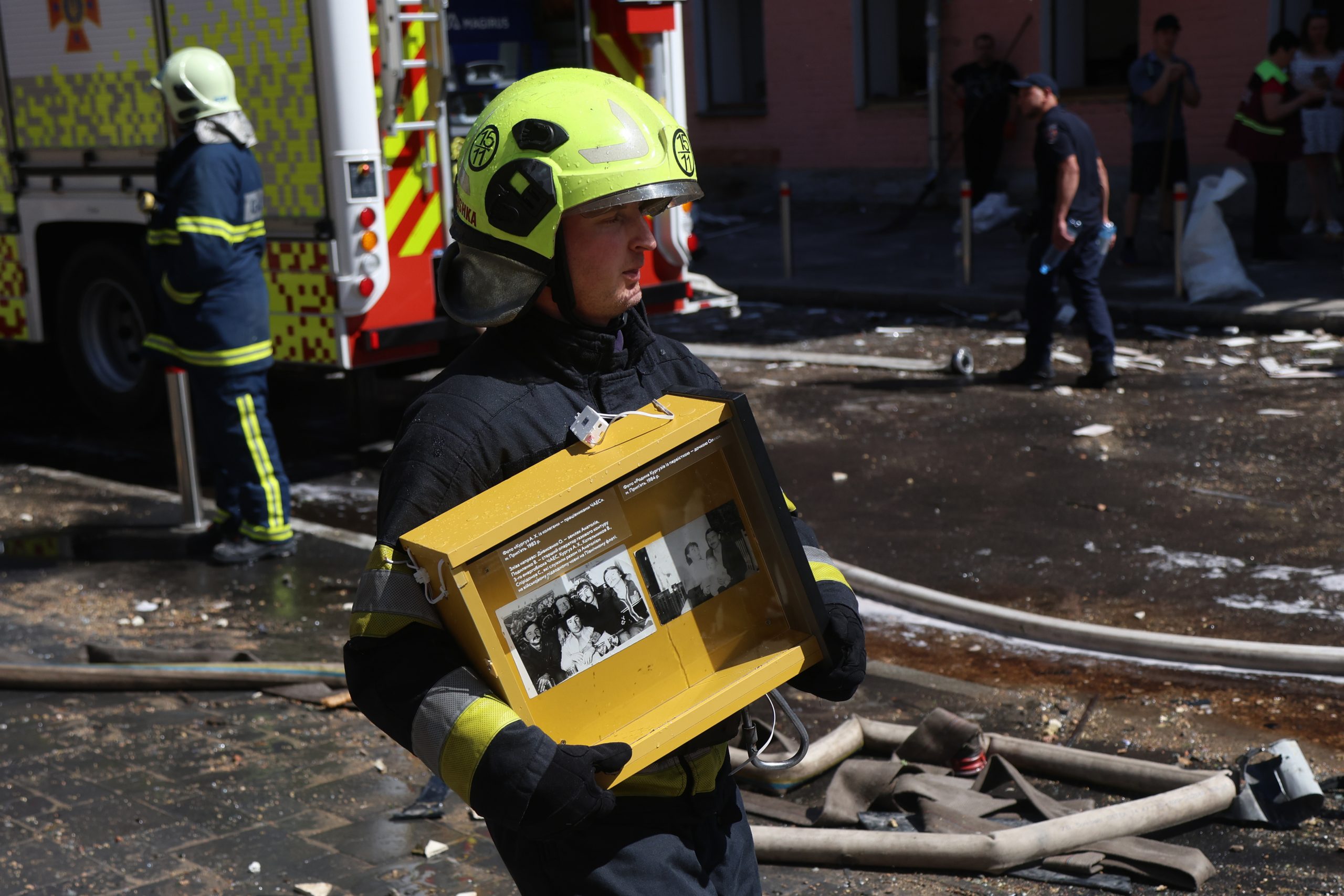
In the early hours of Sunday, May 24, 2026, Russia launched a massive attack on Kyiv and its surrounding region, firing 90 missiles and 600 drones. The strike killed four people and injured about 100, while damaging civilian infrastructure including supermarkets, universities, and cultural sites. Among the hardest-hit institutions were the National Art Museum of Ukraine (NAMU) and the Ukrainian National Chernobyl Museum, both recently renovated. The Ukrainian National Chernobyl Museum was "effectively destroyed," with its historic building and 1,350-piece collection sustaining significant damage, though crews rescued about 40 percent of the collection. NAMU's 130-year-old building also suffered critical blows, though its collection of over 40,000 artworks remained safe. Other damaged sites include the Zhytnii Market, Hinaus Gallery, Ukrainian House exhibition hall, Taras Shevchenko Institute of Literature, and two opera houses.

Sylvie Retailleau explains how she saved the Palais de la Découverte

Sylvie Retailleau explique comment elle a sauvé le Palais de la Découverte

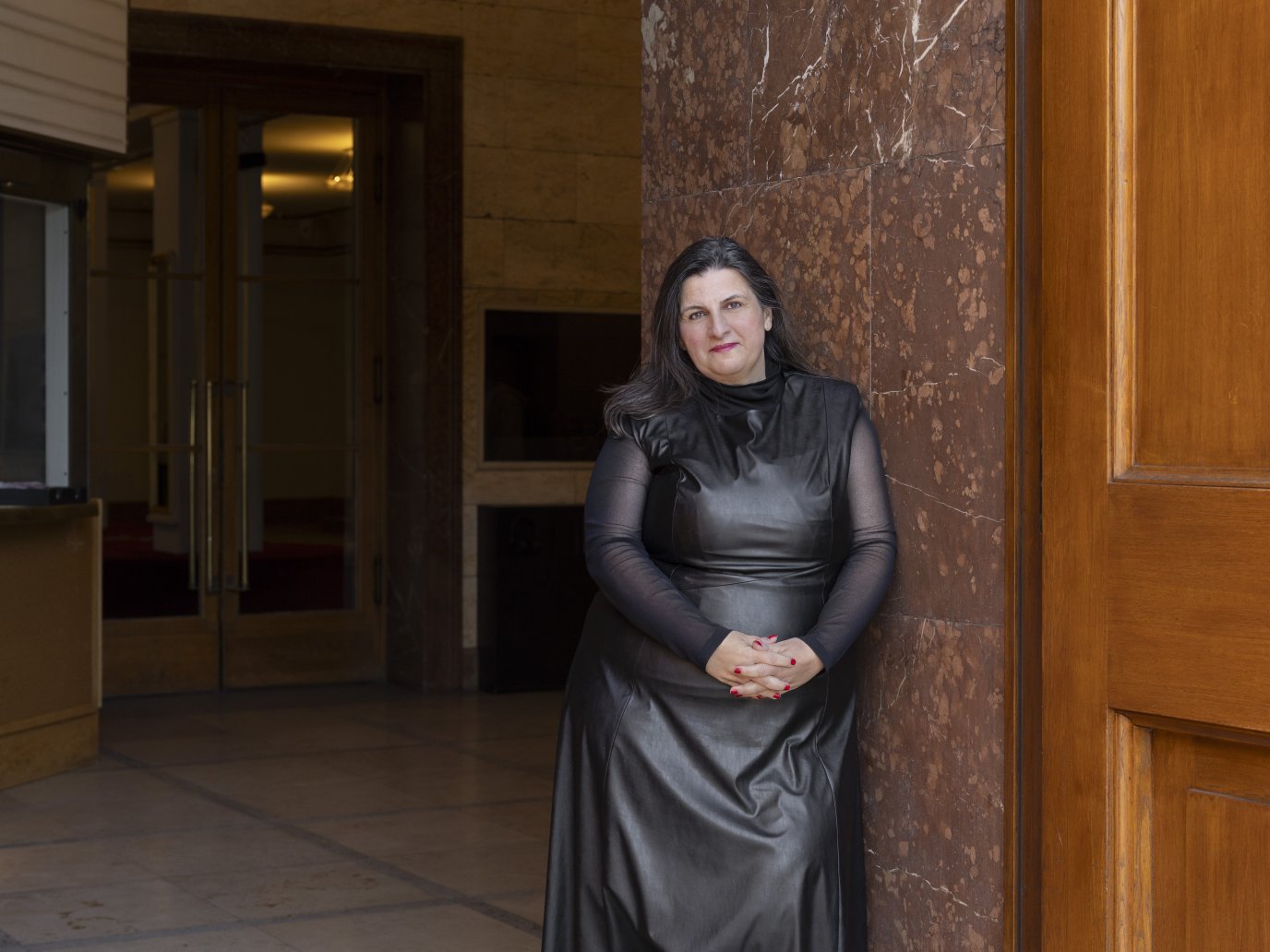
Sylvie Retailleau, a physicist, former president of Paris-Saclay University, and former Minister of Higher Education, has been president of Universcience since January 2026. In an interview, she explains how the Palais de la Découverte, housed within the Grand Palais, nearly disappeared during the Grand Palais renovation. Intense debates over whether to dedicate the renovated space entirely to classical culture threatened the science museum. Retailleau negotiated a compromise: the Palais de la Découverte ceded one gallery (1,200 m²) to the Grand Palais for about €30 million in revenue over ten years and is lending another gallery (350 m²) until June 2030 for Centre Pompidou exhibitions. In return, Universcience gains full control of the programming for the Palais des Enfants. The Palais de la Découverte is set to reopen in March 2027.

Aux Catacombes, une visite réinventée

After five months of closure, the Catacombs of Paris have reopened with a major modernization project. The site now features a new immersive audio guide narrated by the voice of its historical founder, Louis Étienne Héricart de Thury, along with improved lighting that highlights previously invisible details and a revamped climate-control system to better preserve the bones. The €5.5 million renovation, led by Paris Musées and funded by the City of Paris, also included structural repairs to the bone stacks using dry-stone techniques instead of cement.

The controversy raised by Timothée Chalamet has made us reflect on the fragility of culture

« La controverse soulevée par Timothée Chalamet a eu le mérite de nous faire réfléchir à la fragilité de la culture »

Timothée Chalamet, l'acteur franco-américain, a suscité une controverse en déclarant qu'il ne souhaitait pas travailler dans le ballet ou l'opéra, qualifiant ces disciplines de "trucs où c'est genre : 'Hé, continuez à faire tourner ça, même si plus personne n'en a rien à faire.'" Ses propos, tenus alors qu'il était en lice pour l'Oscar du meilleur acteur, ont provoqué des réactions dans le monde culturel, notamment dans le magazine Art Review, où Will Ferreira Dyke a défendu la pérennité du ballet et de l'opéra, arguant qu'ils survivraient aux attaques des "chalametistes". L'article relie cette polémique à la fragilité de la culture face aux coupes budgétaires, évoquant les demandes de Donald Trump pour augmenter le budget militaire américain au détriment de l'éducation, de la santé et de l'environnement.

A New Richard Avedon Documentary Lets Him Down

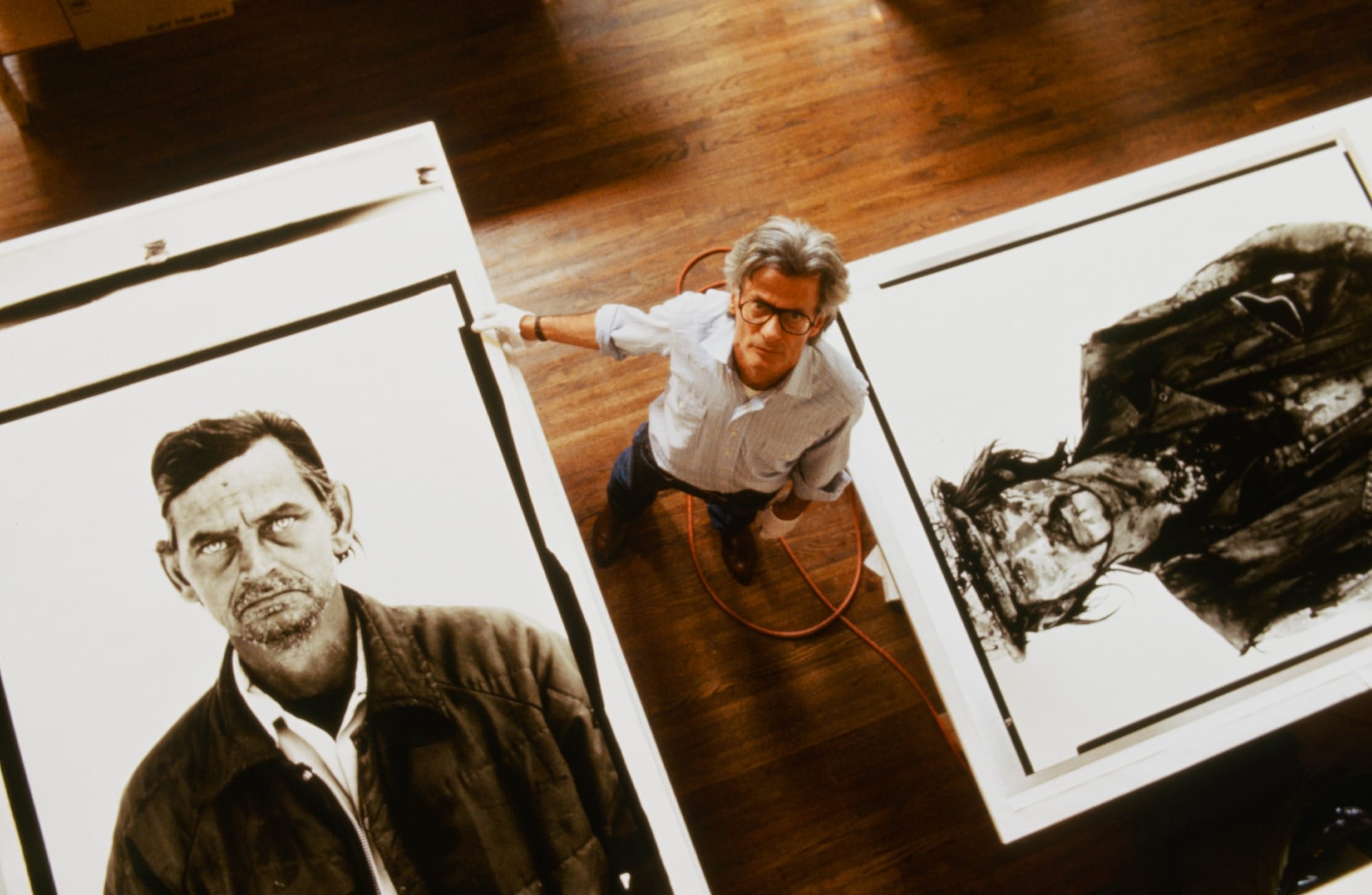
A new documentary titled "Avedon" (2026), directed by Ron Howard, premiered at the Cannes Film Festival. The film offers a conventional tour of the life of famed photographer Richard Avedon, relying on talking-head interviews and behind-the-scenes anecdotes rather than delving into the artistic process or the deeper implications of his work. The review criticizes Howard's approach as hackwork, noting that the documentary misses opportunities to explore Avedon's insights on image culture, his influence on cinema, and the technical evolution of his photography.

"In Minor Keys" Hits All the Right Notes

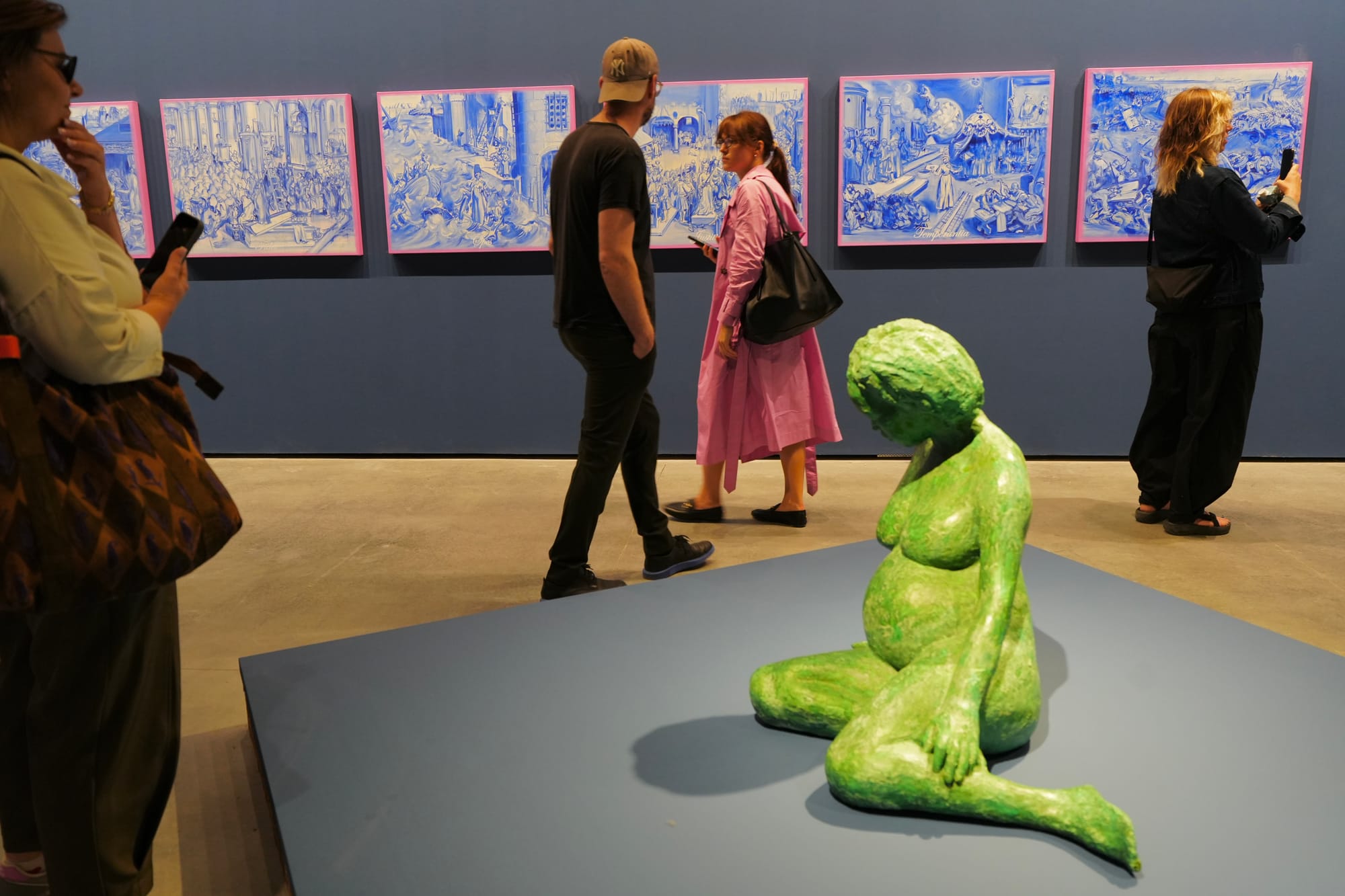
The 61st Venice Biennale's international exhibition, titled "In Minor Keys," opened with a somber curatorial press conference, as artistic director Koyo Kouoh, who died in May 2024 at age 57, was not physically present. The exhibition features 110 invited participants across the Arsenale and Giardini, including works by Buhlebezwe Siwani, Johannes Phokela, Wangechi Mutu, Ebony G. Patterson, and Kambui Olujimi. Protests marked the opening, with gatherings at the temporary Israeli pavilion and Pussy Riot's presence at the Russian pavilion, while the exhibition itself asks viewers to look closer at overlooked forms of representation and consider innovative models of measuring the world.

Hundreds Protest Israel’s “Genocide Pavilion” at Venice Biennale

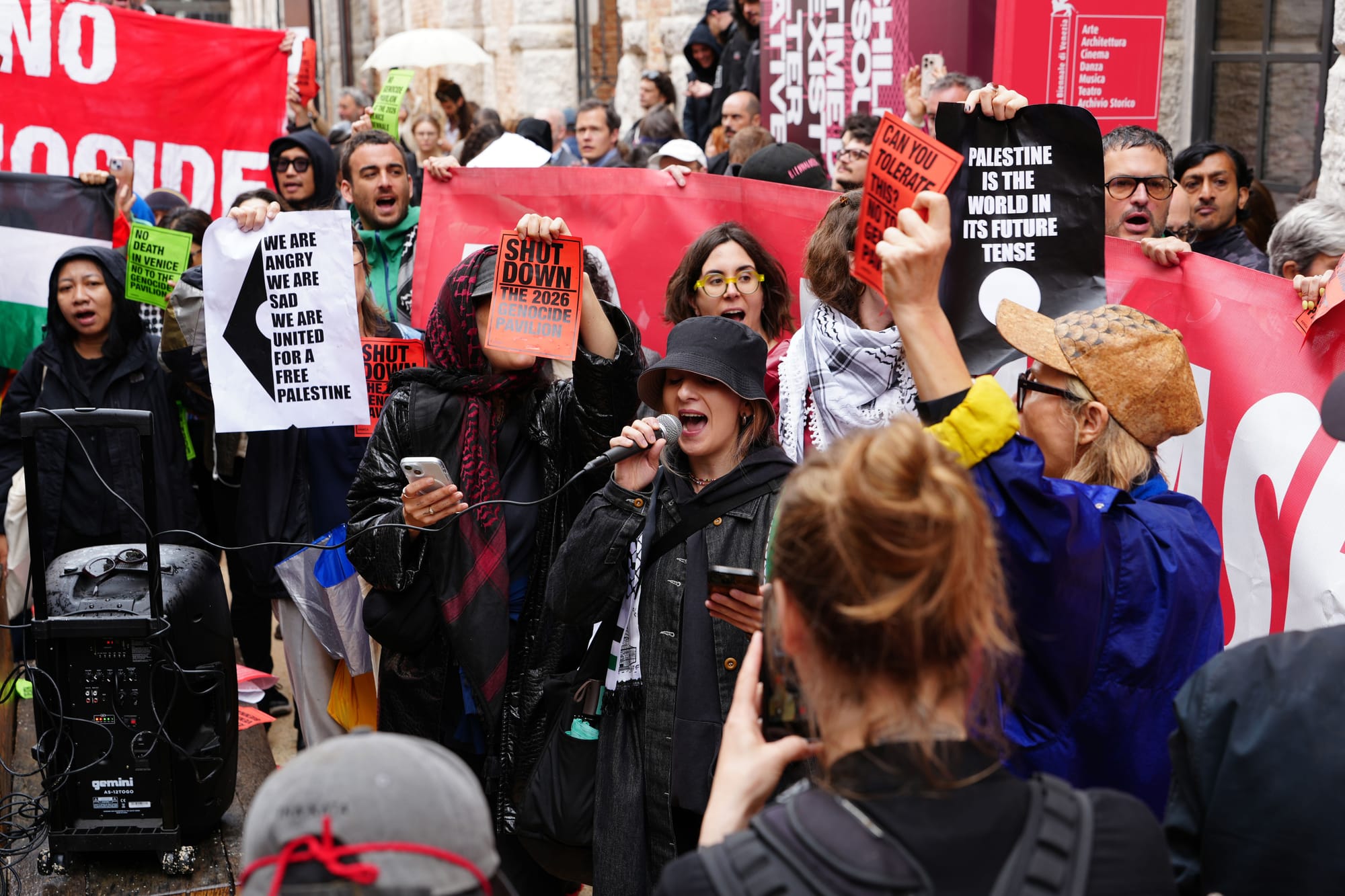
On May 6, 2026, the first day of previews at the Venice Biennale, hundreds of pro-Palestine activists led by the Art Not Genocide Alliance (ANGA) blocked the entrance to the Israeli pavilion, demanding its immediate closure. Protesters waved Palestine flags and banners reading "No Artwashing Genocide" and "No Genocide Pavilion at Biennale," chanting accusations of genocide against Israel. The demonstration temporarily shut down access to Belu-Simion Fainaru's exhibition "Rose of Nothingness" for about half an hour. The protest followed a letter signed by over 200 artists urging the Biennale to exclude Israel, which instead moved the pavilion to an alternative location in the Arsenale due to renovations. Separately, Pussy Riot and FEMEN rallied outside the Russian pavilion, which will only open during preview days due to sanctions. Venice cultural workers plan a 24-hour strike on May 8 in solidarity with Palestinians, potentially disrupting the Biennale's schedule.

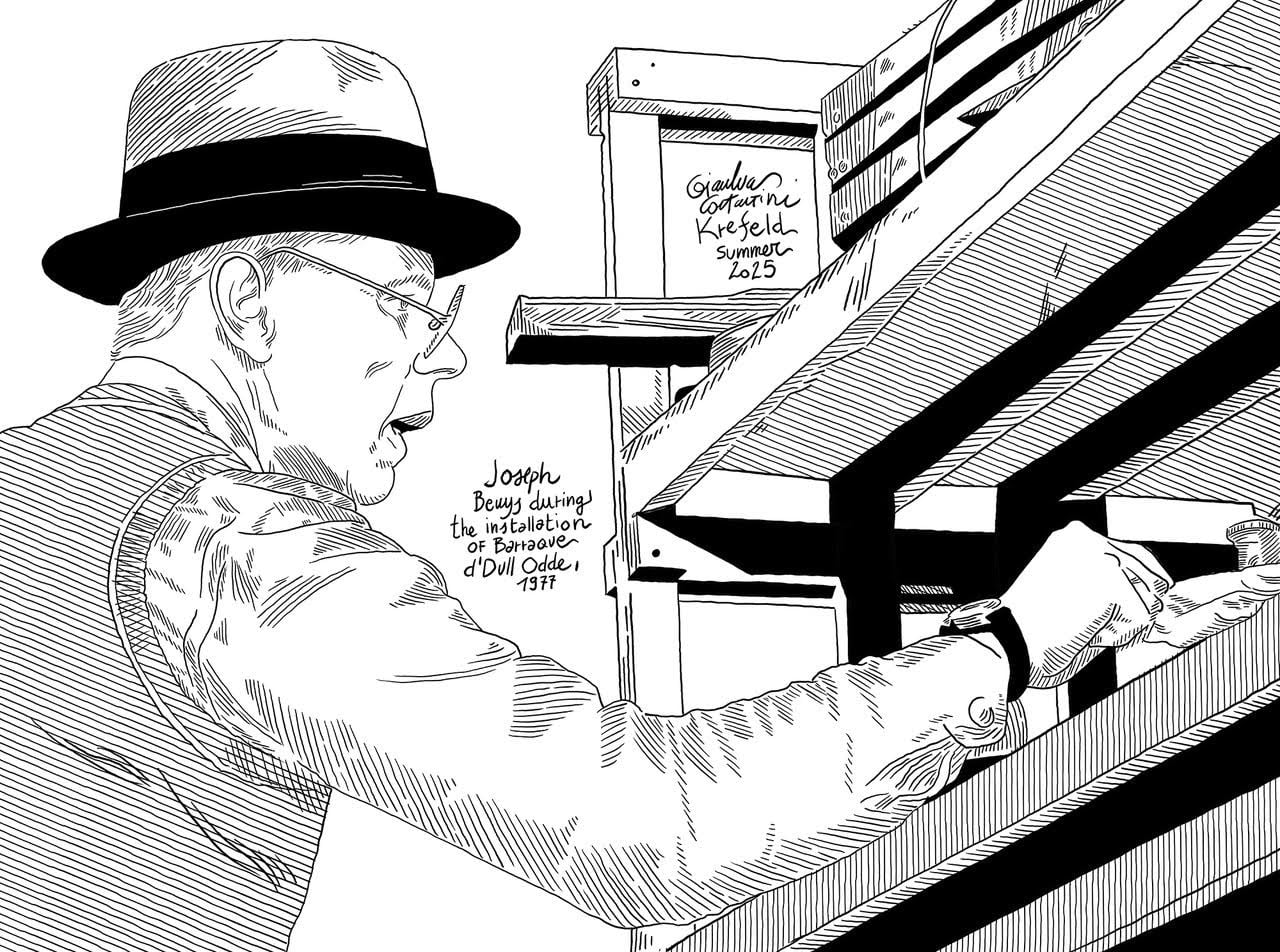
Where did the great artist Joseph Beuys live? The comic story by Gianluca Costantini

Dove viveva il grande artista Joseph Beuys? Il racconto a fumetti di Gianluca Costantini

In the summer of 2022, the author visited Düsseldorf and discovered that Joseph Beuys's former home at Drakeplatz 4 in Oberkassel was for sale, but the city's cultural department declined to purchase it. Beuys lived and worked there from 1961 until his death in 1986, using the space as both a residence and studio. The article recounts the intimate details of family life there, including how Beuys painted the main room white for his wife Eva's photography, and how the family navigated the blend of private life and artistic practice. Two years later, the Brunhilde Moll Foundation acquired the house and opened it to the public, though it was closed for renovations when the author returned. The house now displays about sixty works from Beuys's creative period and will host artist residencies and events.

Is Berlin not over yet?

Ist Berlin doch noch nicht over?

Çağla Ilk, who curated the German Pavilion at the Venice Biennale two years ago, has presented her plans as the new artistic director of the Maxim Gorki Theater in Berlin. Her program reimagines theater from the perspective of visual art, signaling a major shift in the city's theater landscape. The announcement comes amid broader reforms in Berlin's theater scene, including Matthias Lilienthal's upcoming takeover of the Volksbühne, and was met with both anticipation and anxiety, reminiscent of Chris Dercon's failed tenure at the Volksbühne in 2017.

Wer vertritt wen in Venedig?

À Bordeaux, la métamorphose du MADD

The Musée des arts décoratifs et du design (MADD) in Bordeaux has reopened its design-focused wing after three years of renovation, featuring a new entrance pavilion designed by Antoine Dufour Architectes that connects the historic Hôtel de Lalande and the former municipal prison. The overhaul includes a monumental shelving display of eighty vases by designers such as Andrea Branzi and Gaetano Pesce, a new "gallery of know-how" dedicated to rotating thematic presentations (starting with ceramics), a graphic arts cabinet showcasing the Jacques Sargos collection of over 130 drawings, and improved climate control for conservation.

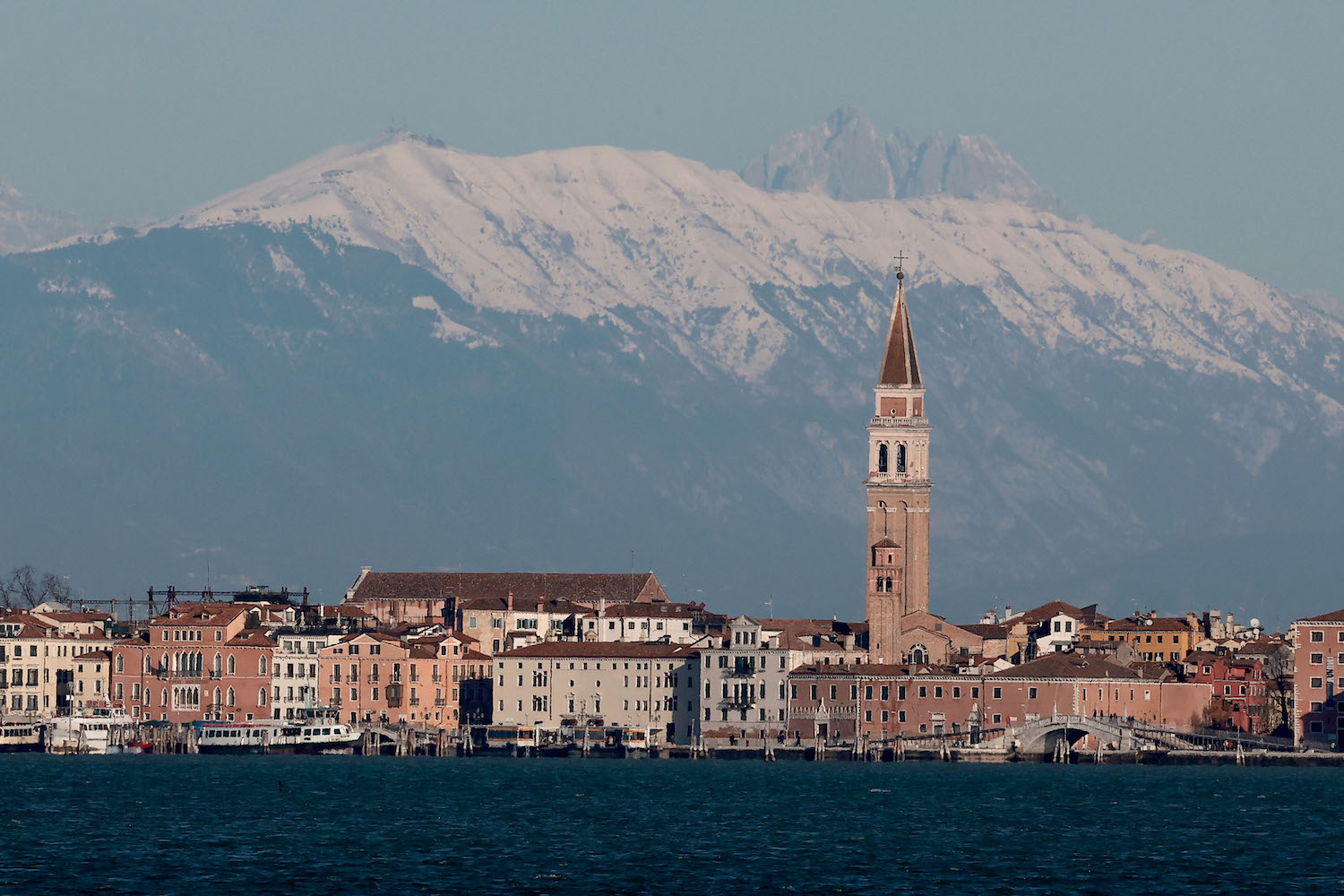
Venice Biennale 2026: The Pavilions Not to Be Missed

Biennale de Venise 2026 : les pavillons à ne surtout pas manquer

The 61st Venice Biennale, curated by Koyo Kouoh as an invitation to slow down and reconnect with emotions, features a constellation of contemplative and powerful proposals across the city. Notable national pavilions include the Holy See transforming a monastic garden into an immersive sound experience by Soundwalk Collective, Canada exploring colonial heritage through giant water lilies by Abbas Akhavan, and Austria electrifying the Giardini with radical performances by Florentina Holzinger. Other highlights include Spain dissecting collective memory through postcards, Poland imagining new forms of language between human and underwater worlds, and India's pavilion exploring notions of home.

Château-Chinon unveils the astonishing gifts of President François Mitterrand

Château-Chinon déballe les étonnants cadeaux du président François Mitterrand

The Cité des présents-François Mitterrand, formerly the Musée du Septennat, has reopened in Château-Chinon, France, after a renovation. The museum displays thousands of diplomatic gifts received by President François Mitterrand during his 14-year tenure (1981–1995), including a portrait of Prince Charles, a vermeil oasis from the king of Saudi Arabia, and taxidermy lions from the Central African Republic. The collection of 4,800 objects spans 80 countries, with one-third donated by French citizens. The site also houses a fashion museum featuring 5,000 pieces from the 17th century to contemporary designers like Alexis Mabille and Yves Saint Laurent.

Les pionniers de la photographie à connaître

Beaux Arts Magazine publishes a dossier on the pioneers of photography, marking the medium's 200th anniversary. The article profiles key figures such as Nicéphore Niépce, Louis Daguerre, Anna Atkins, Gustave Le Gray, Nadar, Eugène Atget, Girault de Prangey, Alfred Stieglitz, Julia Margaret Cameron, and Edward Steichen, highlighting their innovations in heliography, cyanotype, daguerreotype, and pictorialism. It also includes a focus on the oldest known photograph.

In a Year of Remarkable Filmmaker Debuts, Here’s How Aleshea Harris Set ‘Is God Is’ Apart

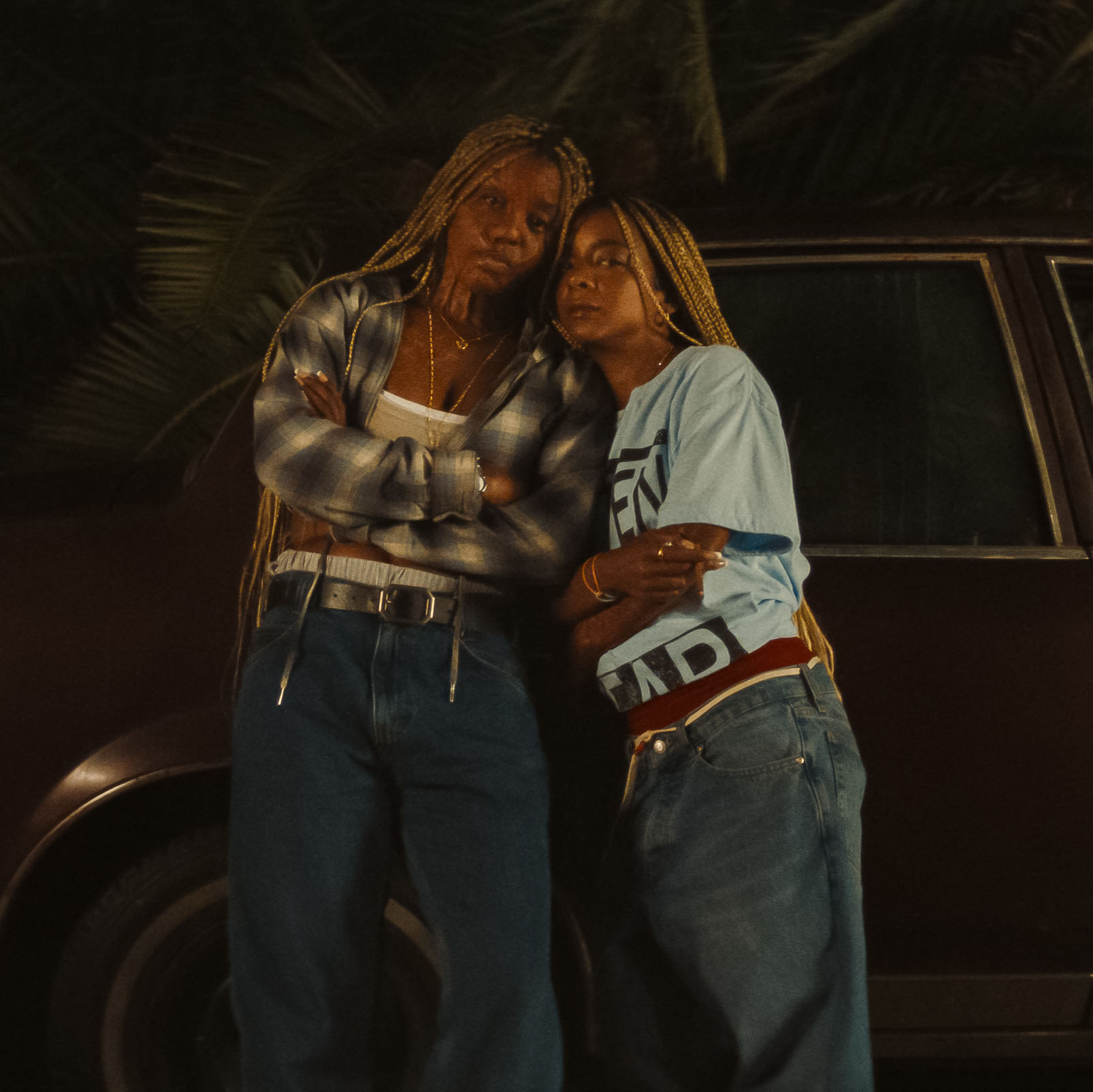
Aleshea Harris has adapted her award-winning 2016 play 'Is God Is' into a feature film, marking her directorial debut. The story follows twin sisters with burn scars who, summoned to their mother's deathbed, learn their father caused their disfigurement and are urged to seek revenge. The film stars Kara Young, Mallori Johnson, Vivica A. Fox, Sterling K. Brown, and Janelle Monáe. Harris brings her playwright's precision to the screen, using avant-garde typography and captions inspired by a 1964 edition of Eugène Ionesco's 'The Bald Soprano' designed by Robert Massin, with title design by Teddy Blanks.

Open Letter on Auction of “Tributes” to the Russian Avant-Garde

An open letter signed by art historians, curators, and researchers protests an upcoming auction at Stanley's Auction House in Zaventem, Belgium, scheduled for April 23, titled “Tributes to the Russian Avant-Garde & Constructivists.” The second sale is organized in cooperation with Drouot, a major French auction platform, and offers approximately one hundred works from the so-called Toporovsky collection, which has been linked to a scandal involving forged Russian modernist paintings at the Museum of Fine Arts Ghent. The alleged suppliers, Igor Toporovsky and Olga Toporovsky, face criminal charges including the sale of 171 forged works for about €20 million, with court proceedings beginning in May in Ghent. The signatories argue that the auction, with works priced around €300 each, is deeply troubling given the pending legal case and the undisclosed consignor identity.

Arts and cultural engagement ‘linked to slower pace of biological ageing’

A new study published in the journal *Innovation in Aging* finds that engaging in arts and cultural activities—such as singing, painting, visiting museums or galleries—is linked to a slower pace of biological ageing. Researchers from University College London analyzed blood test and survey data from 3,556 adults in the UK Household Longitudinal Study, using epigenetic clocks to measure biological ageing. Those who participated in arts activities at least weekly showed a 4% slower ageing process, while monthly engagement yielded a 3% slowdown. The effect was comparable to the difference between smokers and those who quit smoking.

Venice Biennale’s Visitor Lions Face Artist Boycott

Would you sit on this? Australian designers take on the humble chair – in pictures

For the 10th edition of Melbourne Design Week, over 100 chairs by Australian designers are on display in an exhibition titled '100 Chairs', curated by Friends & Associates. Selected from an open call, each chair had to be made in Australia and functional for sitting. The designs range from traditional timber dining chairs to experimental pieces, including a chair that transforms into a table, a horse-shaped chair, and one with a satanic theme. The exhibition is held at South Magdalen Laundry, Abbotsford Convent in Melbourne until 24 May 2026.

‘It takes an entire museum to do it justice’: the Smithsonian celebrates America in 250 objects

The Smithsonian National Museum of American History in Washington DC is marking the 250th anniversary of US independence with a major exhibition titled "In Pursuit of Life, Liberty & Happiness," opening on 14 May. The show displays 250 objects spanning all three floors of the museum, ranging from a Revolutionary War-era gunboat (the Philadelphia) to a Donald Trump "Make America great again" hat. Seventy-six rarely seen objects are concentrated in entry hall cases, while the rest are embedded throughout existing galleries, connected by a "ribbon" design. Director Anthea Hartig frames the exhibition as a commemoration of moments where individuals and communities fought for recognition and identity, pairing each object with an action verb to emphasize democracy as participatory.

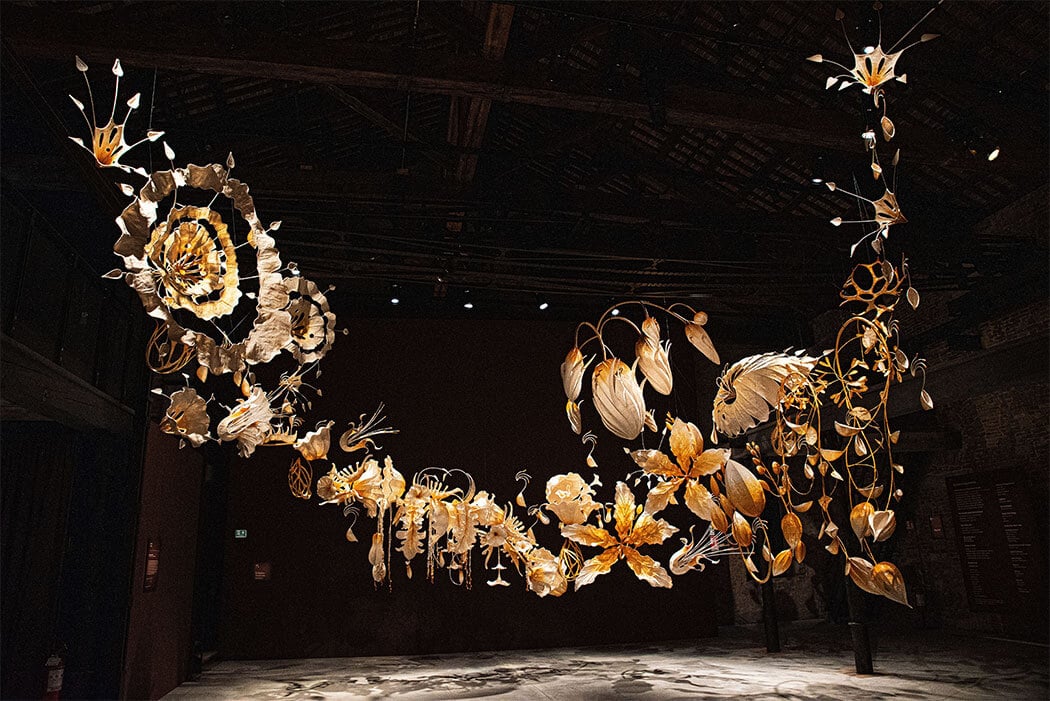
With Nearly 30,000 Clay Earth Bricks, Dana Awartani Remakes History in the Saudi Arabia Pavilion

Dana Awartani, a Jeddah- and New York-based artist of mixed Palestinian, Saudi, Jordanian, and Syrian descent, has created the Saudi Arabia Pavilion at the Venice Biennale using nearly 30,000 clay earth bricks. The installation, titled "May your tears never dry, you who weep over stones," replicates traditional mosaic motifs sourced from over 20 cultural heritage sites across the Arab world that have been destroyed by human conflict. Awartani emphasizes collaboration, crediting numerous skilled craftsmen—economic migrants to Saudi Arabia—who worked alongside her, and her practice blends formal training at Central St. Martins with Islamic geometry and illumination studies in Turkey.

Family of Nonagenarian Sculptor Is Fighting to Halt Demolition of Iconic Brutalist Fountain in Downtown San Francisco

The family of 96-year-old Quebecois sculptor Armand Vaillancourt is fighting to halt the demolition of his 710-ton concrete fountain, known as Québec Libre! or the Vaillancourt Fountain, in San Francisco’s Embarcadero Plaza. The city began dismantling the 1971 public artwork this week, citing a planned plaza renovation, and the disassembly is expected to cost $4 million. Vaillancourt’s son Alexis and the group Friends of the Plaza have filed an appellate petition challenging the city’s use of an emergency exemption under the California Environmental Quality Act, arguing that the fountain’s disrepair does not constitute a sudden emergency requiring immediate action.

Jewellers delve into the Dalíesque with dreamlike pieces

Jewellers are creating a new wave of sculptural, nature-themed pieces inspired by the surrealist artist Salvador Dalí. These dreamlike works draw on Dalí's iconic motifs—melting clocks, fantastical creatures, and organic forms—reimagined in precious metals and gemstones by contemporary designers and luxury houses.

Open Letter in Support of the Artist Asel Kadyrkhanova

An open letter initiated by members of the Kazakhstani and international art community protests the removal of artist Asel Kadyrkhanova's work *Machine* (2013) from the Kazakhstan pavilion at the 2026 Venice Biennale. The mixed-media installation, which addresses Stalinist repression through a vintage typewriter, arrest warrants, and red threads, was dismantled on May 5, 2026, reportedly by order of Kazakhstan's Ministry of Culture and Information, just before the pavilion's opening. The artist and curator were allegedly pressured to alter the work beforehand, and the ministry initially cited restrictions from the Italian side, but the Italian Ministry of Defense denied involvement.

Inside the Artist Peter Bradley’s Upstate New York Home

Peter Bradley, a painter, art dealer, and prominent figure in the 1960s and ’70s Manhattan art scene, has lovingly restored an 18th-century home in upstate New York, bringing a loftlike aesthetic to the historic property. The article offers an inside look at his residence, highlighting how his artistic sensibility shaped the renovation.

Mary Lovelace O’Neal, painter and activist, 1942–2026

Mary Lovelace O’Neal, the American painter, professor, and civil rights activist, has died at age 84. Born in Jackson, Mississippi, she was a co-founder of the Non-Violent Action Group while a student at Howard University, later earning an MFA from Columbia University. Known for monumental abstract works on soot-black surfaces, she developed her signature technique through the Lampblack series (1960s–70s) and continued evolving her practice through series such as Whales Fucking (1970s–80s) and Panthers In My Father’s Palace (1980s–90s). In 1985, she became the first African American woman to receive tenure in the Department of Art Practice at the University of California, Berkeley, where she taught for nearly three decades and served as chair from 1999 until her retirement in 2006.