filter_list Showing 2925 results for "Shift" close Clear
search
dashboard All 2925 museum exhibitions 1193trending_up market 576article news 332article culture 228person people 200article policy 144article local 126rate_review review 50gavel restitution 41candle obituary 28article event 5article museum 1article gallery 1
date_range Range Today This Week This Month All
Subscribe

Space as Practice. A Decade of WL4 Art Space.

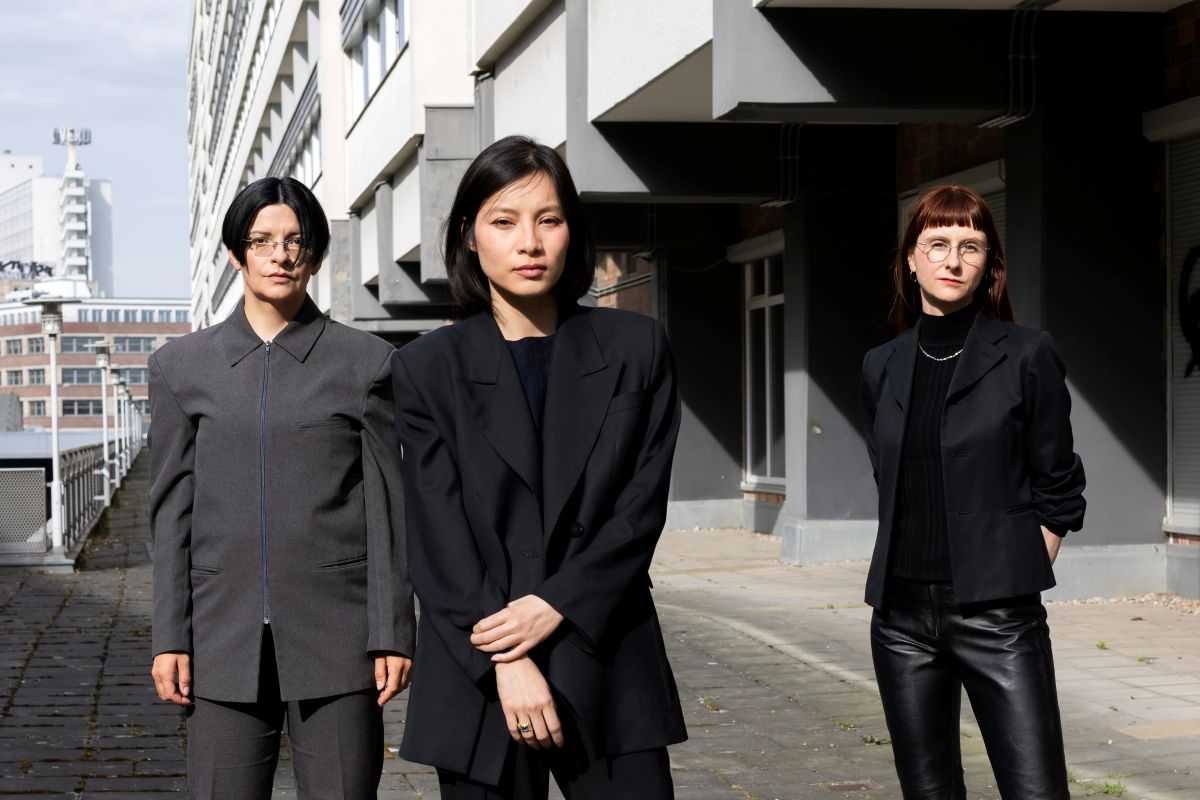
WL4 Art Space in Gdańsk, Poland, celebrates its tenth anniversary. Founded in 2015 when a group of artists took over a former bakery at Wiosny Ludów 4, the space has evolved from a practical need for studios into a self-organized, grassroots collective. Operating in a raw industrial building that once housed a giant steam bread oven, WL4 resists traditional display protocols, treating the site as a collaborator rather than a neutral container. Co-founder Adriana Majdzińska recalls the early euphoria as artists quickly filled the studios, building and adapting spaces while maintaining a simple rule: you had to be actively creating.
An ‘alternate dimension’: City’s rebranded art exhibition will invite viewers to think about public art differently

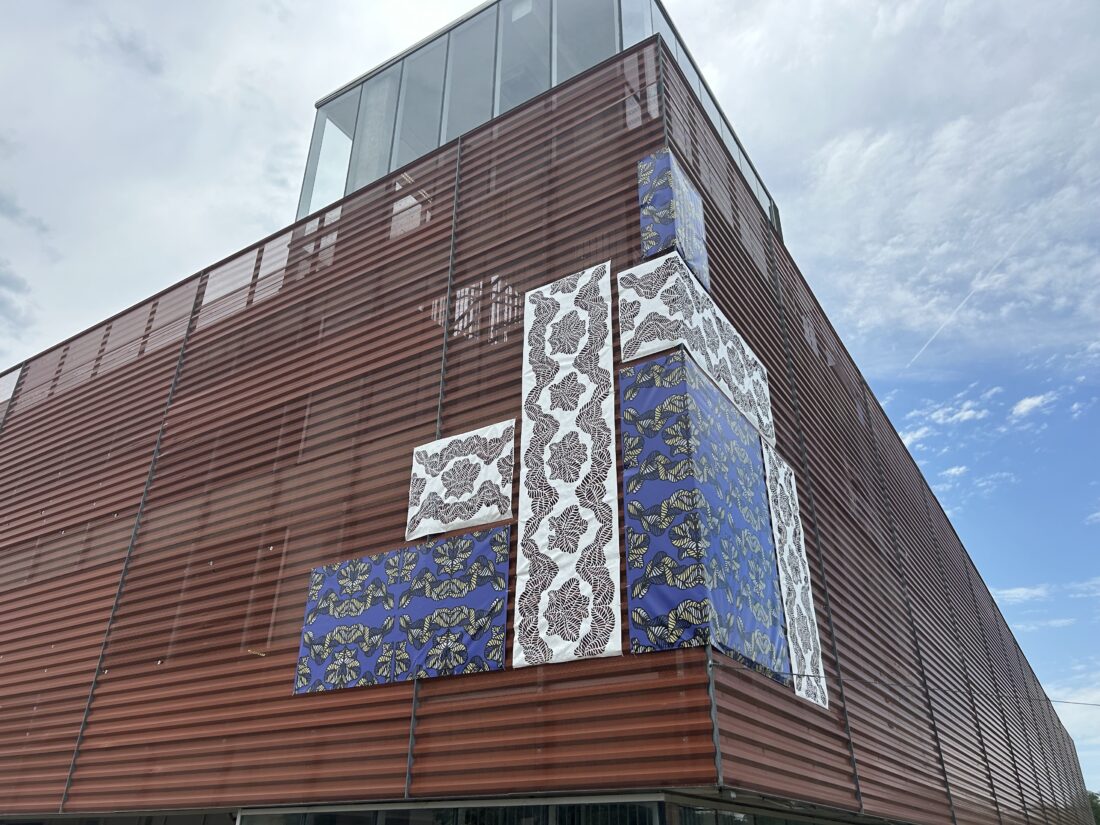
The City of Lawrence has rebranded its annual public art showcase from the 'Outdoor Downtown Sculpture Exhibition' to the 'Unmistakable Public Art Exhibition,' reflecting an expanded definition of public art beyond traditional sculptures and murals. Nine local artists were selected for this year's exhibition, including Alicia Kelly, whose piece 'Hanging In, Hanging Out' features digitally printed Tyvek banners on the Vermont Street parking garage, designed to evoke an 'alternate dimension' of playful, meditative patterns. The exhibition, opening September 26, also includes a performance piece and an artist using paper pulp to 'paint trees' in local parks.

London Art Shows Chase Wealthy Indian Collectors

London is experiencing a surge in South Asian art exhibitions and events, driven by a booming market for Indian modern art. The trend is fueled by young, high-earning collectors entering the market amid India's growing financial confidence, with shows targeting wealthy Indian collectors.

Humanitas Braided art, a new interdisciplinary certificate, and a space for local artists

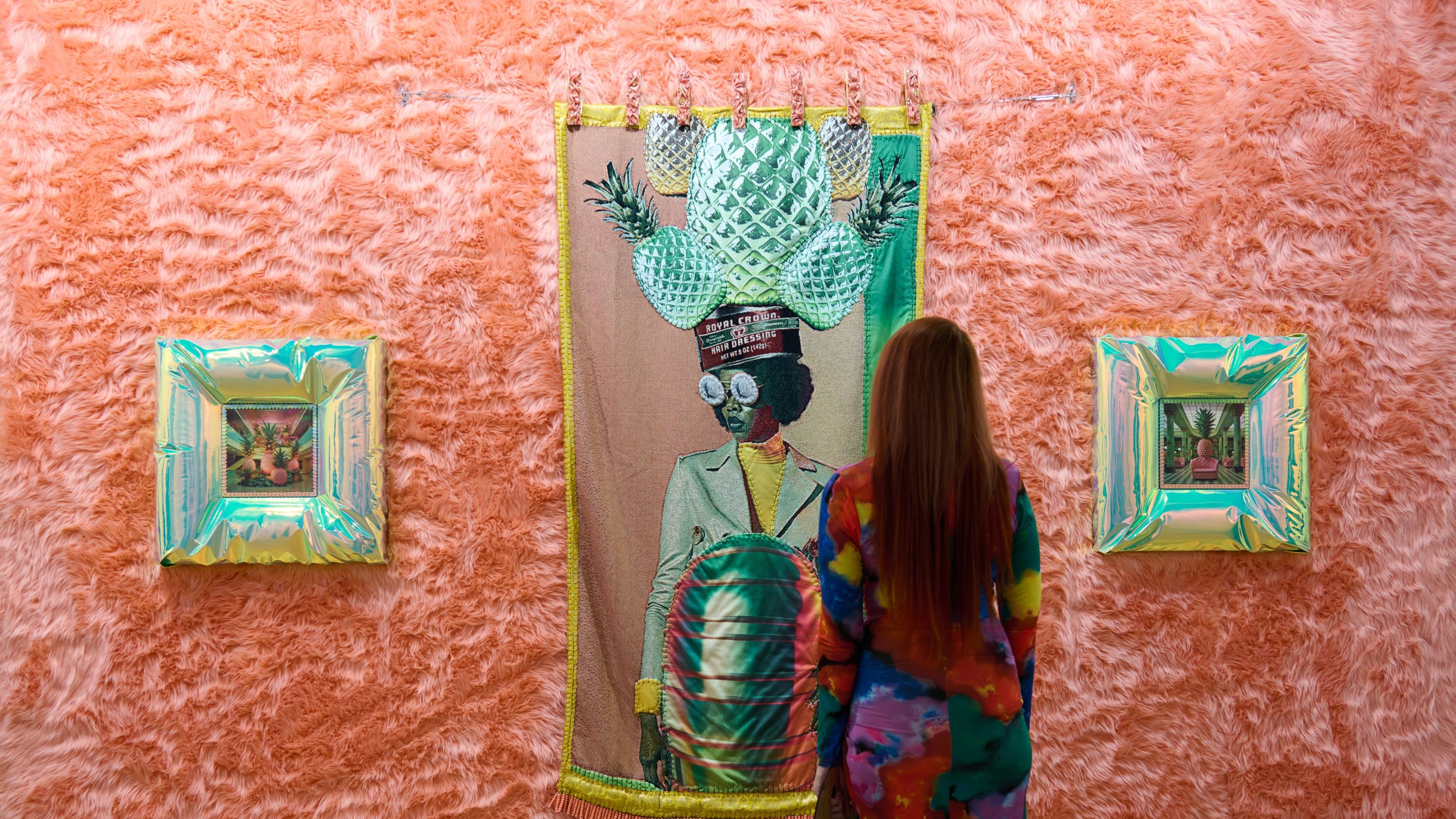
Yale University's latest Humanitas column highlights several arts and humanities developments: an exhibition by artist Nontsikelelo Mutiti at Schwarzman Center titled "Rusununguko," inspired by Black hair-braiding traditions and community; a new interdisciplinary certificate in Native American and Indigenous Studies approved by Yale College Faculty; and a Yale-run art space opening to local New Haven artists. Mutiti's installation uses black vinyl braids to transform the domed gallery, reflecting her experiences as a Zimbabwean graduate student finding community in Harlem's hair-braiding salons.

Amid a cost of living crisis for London’s artists, a charity has secured dozens of affordable studio spaces

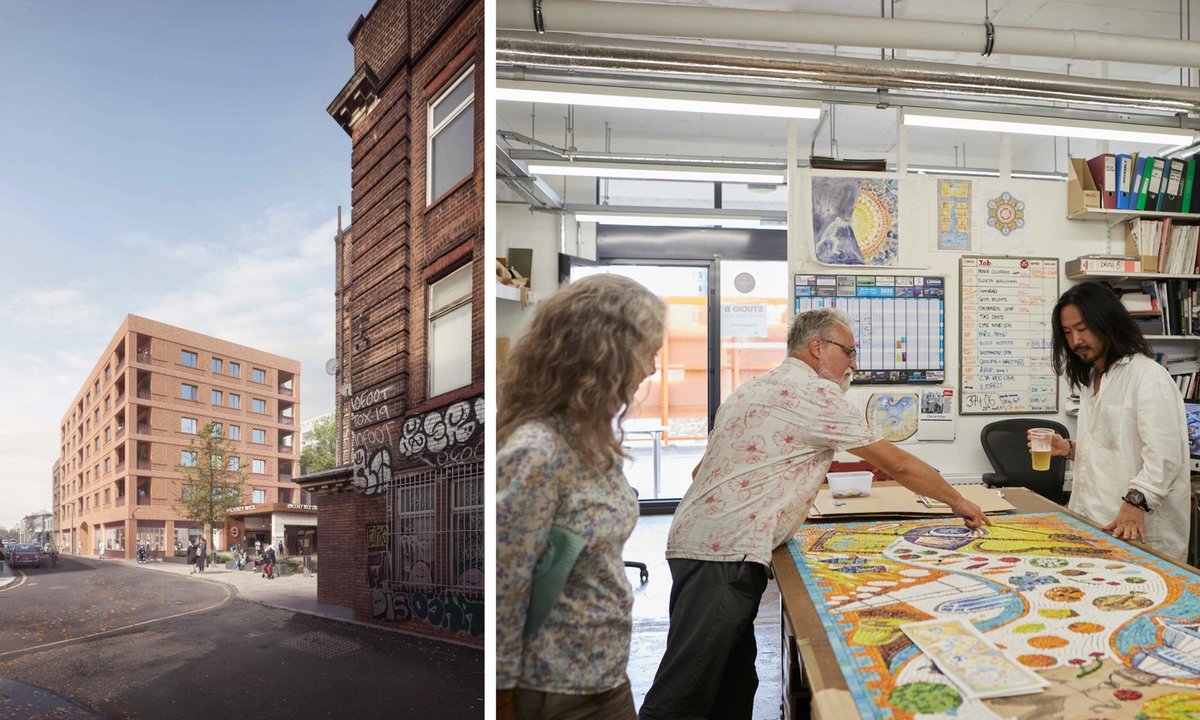
Bow Arts, a UK charity founded in 1994, has acquired two buildings in east London to create permanently affordable studio spaces for artists. The purchases include a site in the Hackney Yards development, developed in partnership with housing association Notting Hill Genesis and supported by Arts Council England and the London Legacy Development Corporation, which will provide 38 studios by 2026, and the Brutalist Lakeside Centre in Thamesmead, already housing over 40 artist studios. This follows Bow Arts’ first owned building, Three Waters, acquired in 2022 on a 999-year lease with 70 studios. The charity now owns three of the 28 buildings it manages across London, with an annual turnover of £5.1 million, most of which is reinvested into the creative community.

A quartet of key art market players join forces to form ‘super group’ consultancy

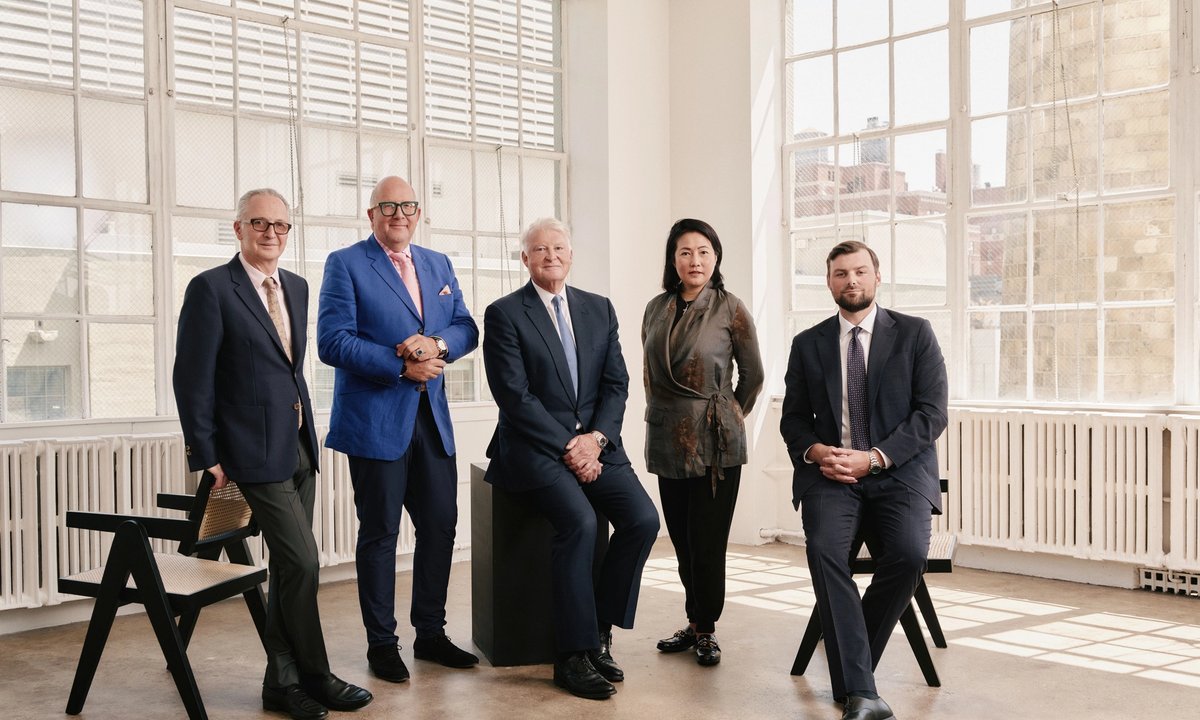
Four prominent art market figures—Ed Dolman, Brett Gorvy, Patti Wong, and Phillip Hoffman—have launched a new consultancy called New Perspectives Art Partners. The group, which also includes Dolman's son Alex, aims to provide a white-glove, case-by-case service for top-tier clients, covering buying and selling art, estate management, financing, and insurance. Each member brings specialized expertise and geographic reach across Europe, America, the Middle East, and Asia, and they will maintain their existing roles in their own businesses.

Is Contemporary Art’s Most Important Fair Losing Its Luster?

The New York Times examines whether Art Basel, widely regarded as the world's most important contemporary art fair, is experiencing a decline in influence and appeal. The article cites recent editions where attendance dipped, sales slowed, and major galleries expressed concerns about rising costs and diminishing returns, questioning the fair's continued dominance in the global art market.

Anxious collectors are increasingly turning to freeport havens, experts say

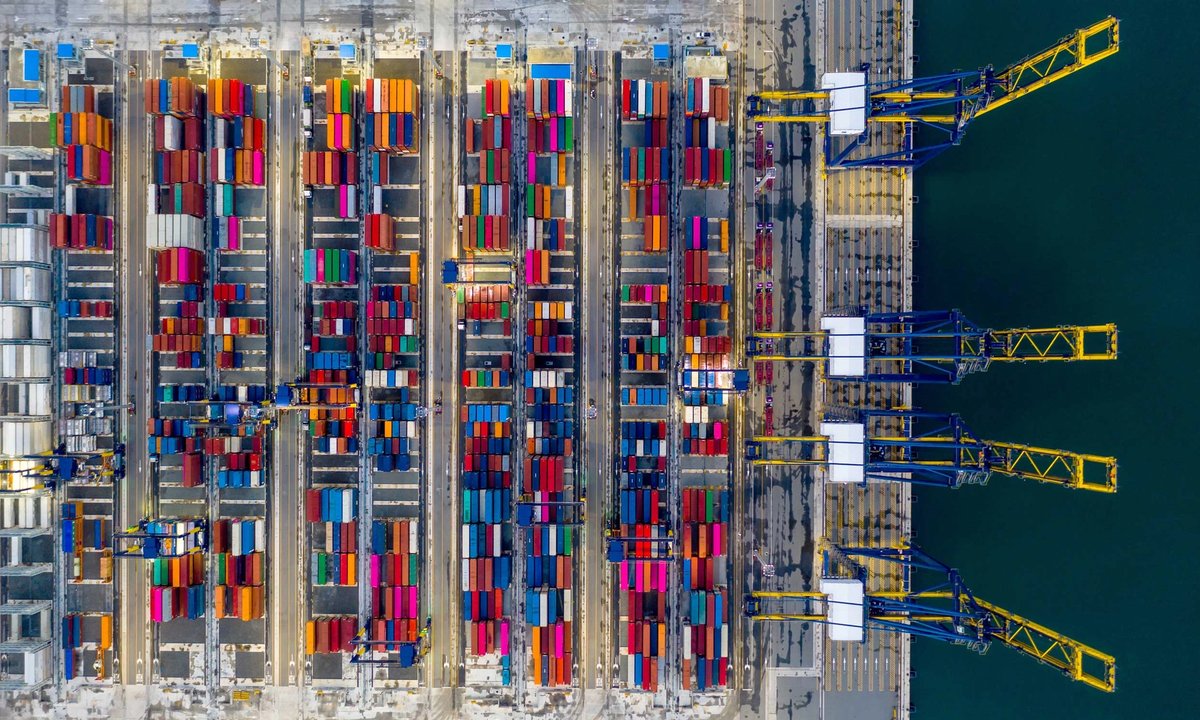
Rising tariffs, geopolitical instability, and extreme weather events are driving art collectors to move valuable items into secure, tax-friendly freeports, particularly in Switzerland. Experts Alexandre Ducamp of Natural le Coultre and Fritz Dietl of Delaware Freeport report a significant increase in clients over the past three years, citing the war in Ukraine, multiple ongoing conflicts, and President Trump's April 2025 'Liberation Day' tariffs as key factors. Collectors are using freeports in Geneva, Zurich, Basel, and Chiasso, as well as foreign trade zones in Delaware, to delay or avoid import duties on items like design furniture, antiques, and Chinese-origin artworks, with some purchases being cancelled due to new tariffs.

At Art Basel, the Market Hopes for a Recovery

Art Basel 2025 opens on June 19 amid economic and political uncertainty, with collectors exercising caution. The contemporary art market is still recovering from a 12% contraction in 2024, when auction sales dropped 25%. High-end transactions suffered most, while sales under $250,000 rose 17%. The fair expects 200 exhibitors, down from last year's 91,000 visitors. Sotheby’s May modern art auction in New York also posted lukewarm results, barely exceeding the low estimate.

New gallery in Garnethill to celebrate Glasgow's street art and graffiti scene

A new gallery called Grateful Gallery is opening at 50 Hill Street in Glasgow's Garnethill neighborhood, founded by artists Ciaran Globel and Panda McGlone. The public opening is set for Friday, June 6, 2025. The duo, who have been friends since 2006, aim to create a welcoming space dedicated to Glasgow's street art and graffiti scene. The gallery will sell affordable prints, merchandise, and artwork from local street artists, with a rotating monthly floor show; the inaugural exhibition, titled "Friends," runs from June 6 to July 3. The space has been renovated with community help, and a crowdfunder raised nearly £12,000 from over 300 supporters.

For Some Immigrant Artists, This Is No Time to Retreat

The New York Times article profiles several immigrant artists in the United States who are responding to heightened anti-immigrant rhetoric and policy changes by doubling down on their creative practices and public engagement. Rather than retreating, these artists are using their work to assert their presence, explore themes of displacement and belonging, and challenge xenophobic narratives. The piece highlights specific artists and their recent projects, exhibitions, and statements that directly confront the current political climate.

Can These Six Artists Predict the Fate of the Art Market?

The New York Times profiles six contemporary artists whose market performance is being closely watched as a bellwether for the broader art market. The article examines how their auction results, gallery representation, and collector demand reflect shifting trends in the art economy, particularly in a period of uncertainty following a post-pandemic boom.

How can art fairs become greener?

Art fairs face significant sustainability challenges due to their temporary nature. Untitled Art in Miami Beach, held in a tent on the beach, works with environmental departments to ensure zero impact, reusing its tent annually. Fairs in permanent venues like Art Basel Miami Beach at the LEED Silver-rated convention center must manage temporary walls, energy use, and waste. Exhibitors struggle with high carbon emissions—art fair activities account for a third of a gallery's annual emissions—and waste from packing materials. Shipping constraints often force reliance on air freight over slower, greener options like ocean or rail, especially for last-minute, high-value consignments. The competitive, secretive atmosphere further hinders consolidated shipments and sustainable practices.

A Visit to Alaska Inspires a Climate Change Exhibit in Connecticut

The New York Times reports on a new climate change-themed exhibition in Connecticut, inspired by a curator's visit to Alaska. The exhibit uses visual art to explore the environmental impacts of global warming, featuring works that document melting glaciers, shifting ecosystems, and the human experience of climate change in the Arctic region.

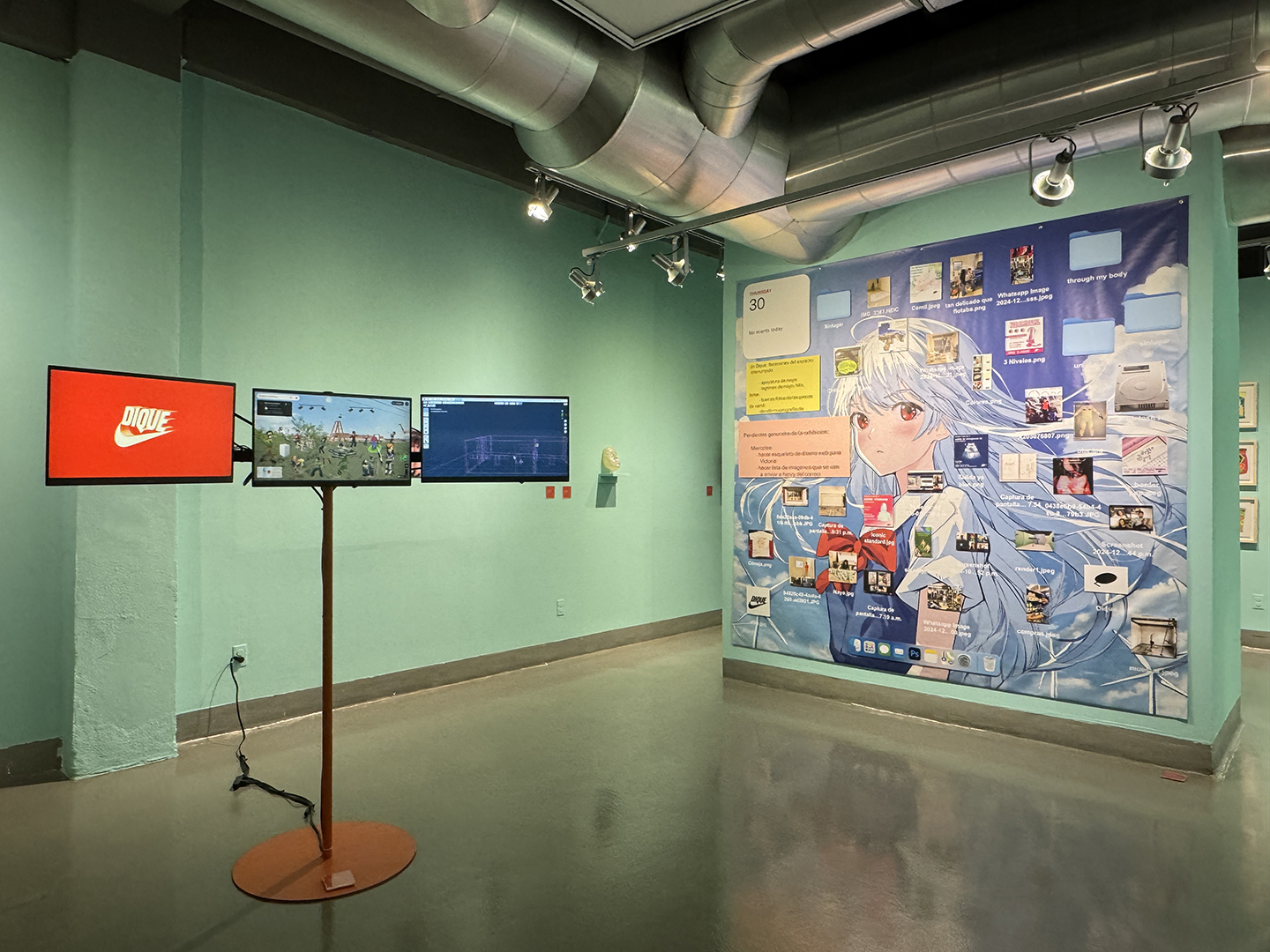
A Curatorial Vision on View: “Iterations of Interrupted Space” at the Rubin Center, El Paso

The Rubin Center for the Visual Arts at the University of Texas at El Paso is presenting "Iterations of Interrupted Space," an exhibition curated by the duo Un Dique (Octavio Castrejón and Alonso Robles). Selected through the center's Genius Loci open call, the show features works from eight of Un Dique's projects since 2023, including a video of DJ Conejx performing in a Juárez market, Nayeli Hernandez's installation exploring masculinity and grief, and Mariana Ajo's prints on shifting beauty standards. The exhibition transforms the gallery into a space where art becomes ephemera, documenting past events and happenings.

Chris Erik Thomas

Chris Erik Thomas has been appointed as the new editor of The Art Newspaper, taking over the role from previous editor Ben Luke. Thomas brings extensive experience in arts journalism, having previously served as an editor at Artsy and as a contributor to publications including The New York Times and Artforum. His appointment marks a leadership change at one of the art world's most influential trade publications.

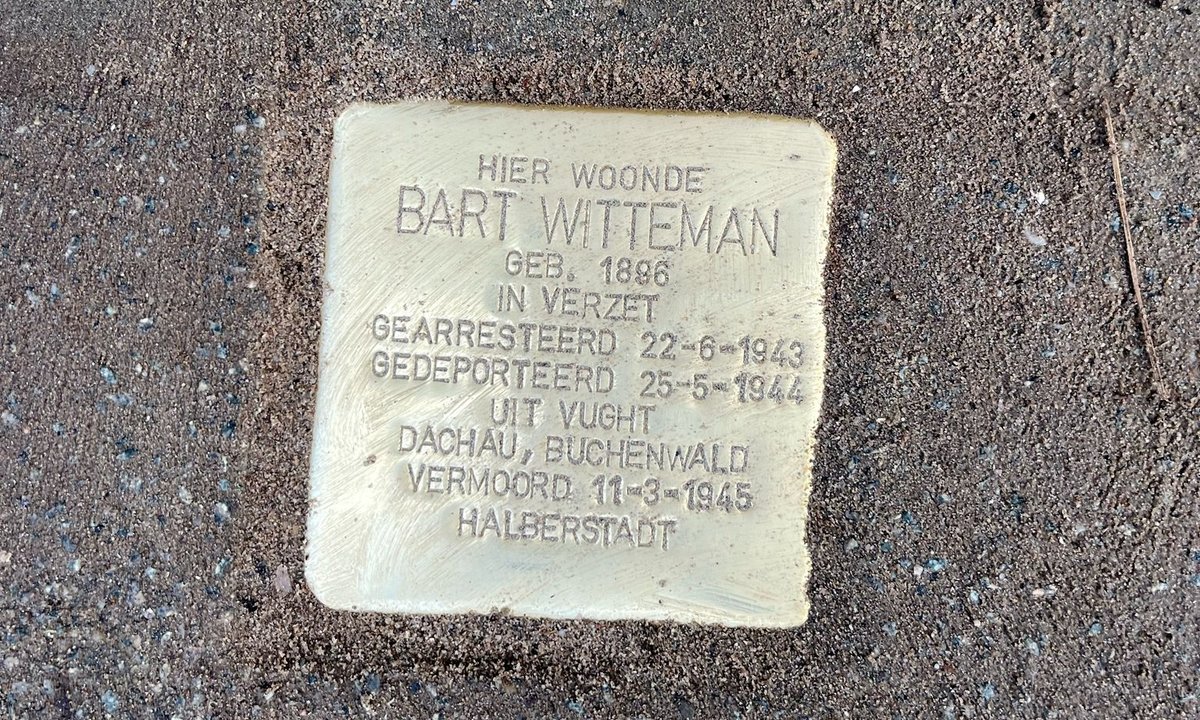
Haarlem Resistance hero commemorated with illicit 'stumbling stone'

Ton Witteman, grandson of Dutch resistance hero Bart Witteman, has laid an unauthorized 'stumbling stone' (stolpersteine) in front of his grandfather's former home in Haarlem, Netherlands. Bart Witteman, a policeman who sheltered two Jewish people during World War II, was arrested, deported, and murdered by the Nazis in 1945. The city council had refused to include non-Jewish resistance figures in its official memorial program, which only covers the 733 murdered Jewish, Sinti, and Roma residents. Witteman obtained the hand-stamped brass plaque from German artist Gunter Demnig's Stolpersteine project and installed it himself with the current homeowners' blessing.

Hamburg Culture Prize No Longer Named After Biermann-Ratjen

Hamburger Kulturpreis heißt nicht mehr nach Biermann-Ratjen

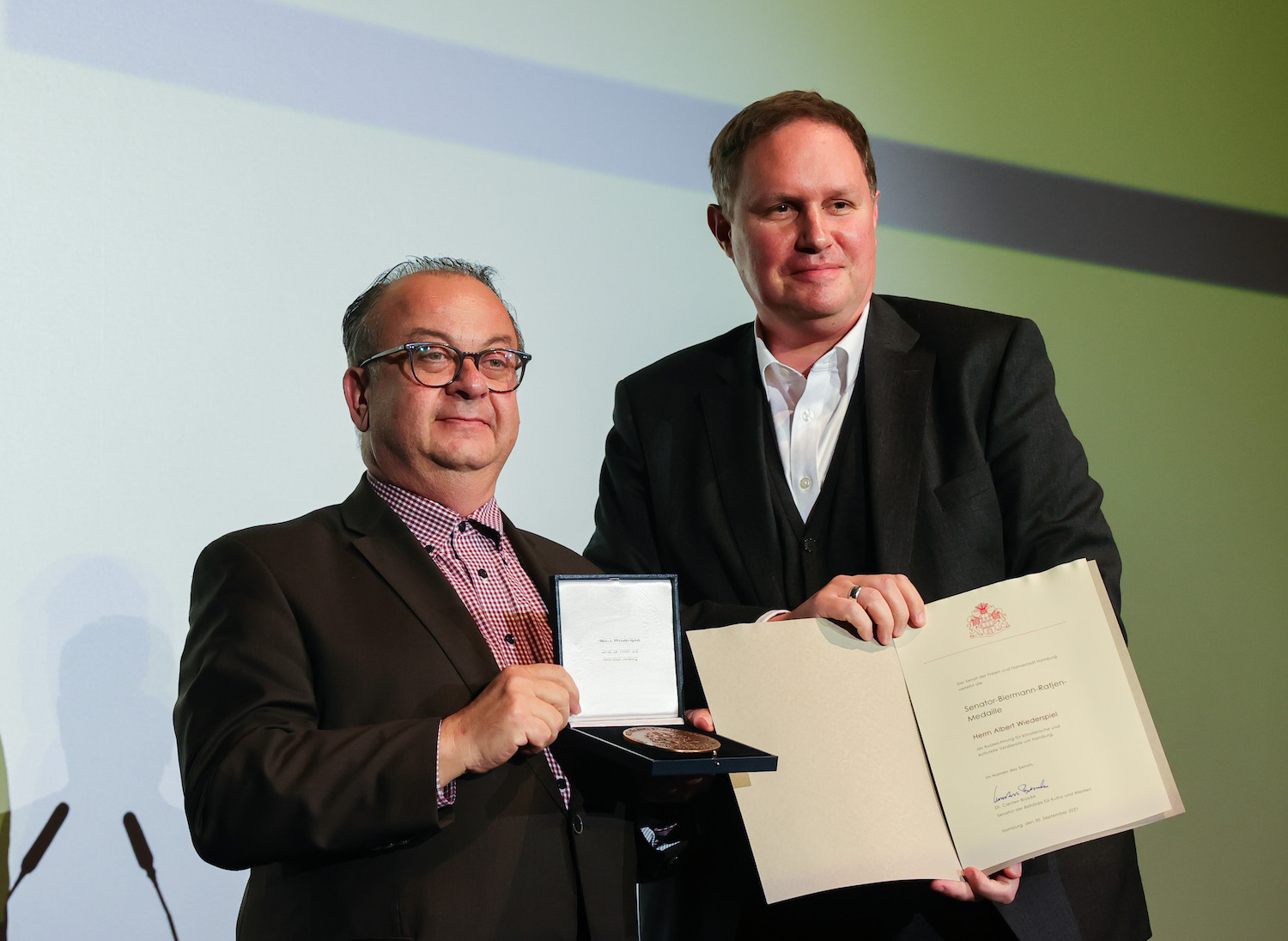
The Hamburg Senate has renamed the Senator-Biermann-Ratjen Medal, a prestigious cultural award, to the "Medaille für Kunst und Kultur in Hamburg" (Medal for Art and Culture in Hamburg). The decision follows a 2024 review of historical records revealing that Hans Harder Biermann-Ratjen (1901–1969), the former culture senator for whom the medal was named, was a member of the Nazi Party (NSDAP). Historian Helmut Stubbe da Luz presented evidence in June 2024 that Biermann-Ratjen had disclosed his NSDAP membership in a 1943 application to the Reich Literature Chamber when seeking to publish a novel.

Iran will not participate in the Biennale

Iran nimmt nicht an Biennale teil

Iran has withdrawn from the Venice Biennale, according to an announcement by the Biennale organization reported in Italian media. No reasons were given for the decision. The withdrawal comes amid significant turmoil at the Biennale just days before its official opening on Saturday: the entire jury resigned over disputes regarding the treatment of Russia and Israel, the opening ceremony was canceled, and the traditional awarding of Golden Lions at the start has been postponed to the final day in November, with winners now to be decided by visitor vote rather than a jury.

A Different Germany

Ein anderes Deutschland

The German Pavilion at the Venice Biennale, historically burdened by its Nazi-era origins, presents a new exhibition titled "Ruin." For the first time, the pavilion explicitly adopts an East German perspective, confronting its fraught past from a fresh angle. The show features massive pillars and a prominent "Germania" inscription above the entrance, directly engaging with the building's controversial history.

Is Art Dying Along With Work?

Stirbt die Kunst mit der Arbeit?

The rapid advancement of artificial intelligence raises a fundamental paradox for the future of creativity: while automation could theoretically free humans from labor to pursue artistic endeavors, it simultaneously threatens the economic foundations of the art world. If AI-driven job displacement leads to a widespread loss of disposable income, the commercial market that sustains professional artists could effectively collapse.

New experimental art gallery launches in Brighton

A new experimental art gallery, the Founders Room, is launching in Brighton in May 2026 as part of the Brighton Festival. The inaugural exhibition, titled Act 0, is organized by The Adelaide Salon in collaboration with Brighton Dome & Brighton Festival. It features works by two artist couples—Isobel Smith and The Baron Gilvan, and Lucy Newman and Bob Dixon—exploring process-led, relational, and interdisciplinary practices. The exhibition questions the boundary between artist and artwork, presenting painting, drawing, and performance-led works that blur authorship and lived experience.

À Florence, une transformation silencieuse pour préserver son patrimoine

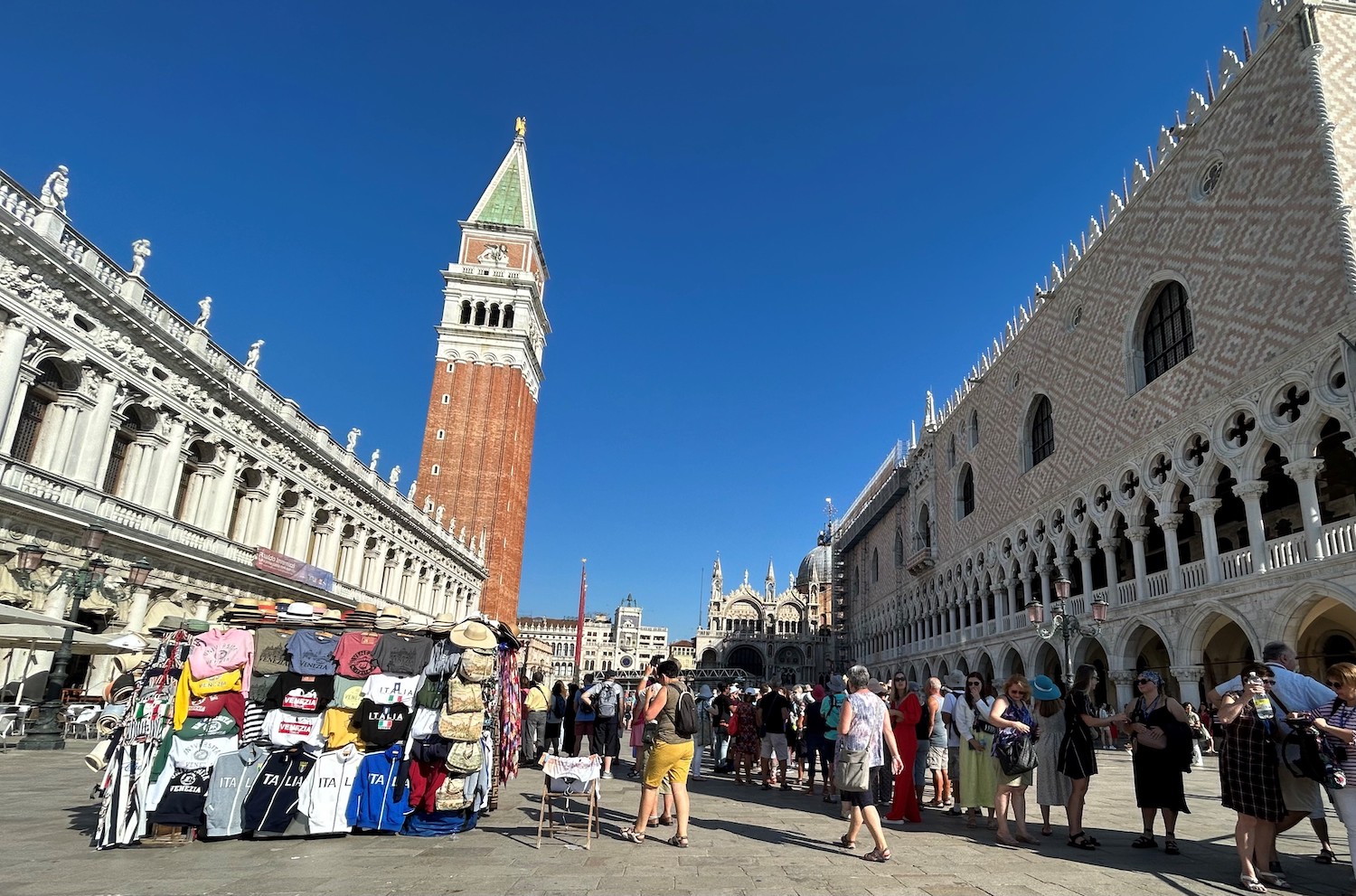
Florence is undertaking a major restoration of Giotto's Campanile, the first comprehensive conservation of the 14th-century bell tower since its construction. The project, budgeted at over €7 million, addresses decades of damage from pollution, acid rain, and natural aging, including detached stone slabs, darkened facades, and microfractures. The four-year scaffolding will be designed to minimize visual impact and gradually reveal restored sections. Separately, the Opera di Santa Maria del Fiore is executing a €60 million program to restore the Collegio Eugeniano (which will become its new headquarters) and expand the Museo dell'Opera del Duomo to 11,000 square meters by 2030. The Ponte Vecchio will also undergo summer cleaning and consolidation of its piles, funded equally by the municipality and the Antinori family.

A U.S. agency that funds culture wins a judicial reprieve

Une agence américaine qui finance la culture gagne un répit judiciaire

A U.S. federal court has blocked the Trump administration's attempt to cut funding for the Institute of Museum and Library Services (IMLS), a key agency supporting museums and libraries nationwide. The lawsuit was brought by the American Library Association (ALA) and the AFSCME union, with support from the legal organization Democracy Forward, arguing that the executive branch cannot unilaterally reduce programs authorized by Congress. The ruling temporarily halts the funding reductions, which were part of broader efforts to slash federal cultural spending during Donald Trump's second term.

L’offre de formation se développe

French art training institutions are expanding their curricula to include provenance research, responding to a 2022 government report that identified gaps in conservator education. The Institut national du patrimoine (INP) now offers seminars on Nazi-era spoliation (1933-1945) and has added a five-day provenance research module for external competition students since 2024-2025. Paris-Nanterre University launched a master's-level diploma in 2022 covering legal, historical, and methodological aspects of provenance research. The École du Louvre now offers a specialized master's in "sensitive goods and provenance research" addressing spoliated works, human remains, colonial acquisitions, and illicit trafficking, while also integrating provenance methodology into its general curriculum from master's level one.

The Postal Museum recovers its name

Le Musée postal retrouve son nom

The Musée de La Poste in Paris has reverted to its original name, Musée postal, as part of a major rebranding effort. The institution, approaching its 80th anniversary, has introduced a new visual identity and aims to reposition itself within the Parisian cultural landscape, seeking to distance itself from the image of a corporate museum.

The Château de Breteuil upgrades its offering

Le château de Breteuil monte en gamme

François and Pauline de Breteuil, the son and daughter-in-law of the 10th Marquis de Breteuil, have initiated a strategic shift for the centuries-old Château de Breteuil in the Chevreuse Valley, one year after taking over the family estate. They are moving the château's positioning away from its previous focus on family tourism and Perrault's fairy tales toward a more museum-like and prestigious experience. This 'upgrading' includes the opening of a new on-site restaurant, the Café d'Achille, and the redecoration of four rooms by interior designer Jacques Garcia, creating period rooms dedicated to the 18th century, Marie Antoinette, and the Empire style.

How One Cooperative Champions the Quechua Weavers of Peru’s Sacred Valley

The nonprofit organization Awamaki was founded in 2009 to support Quechua communities in Peru's Sacred Valley, particularly women weavers, as they navigate economic shifts and climate change. It now assists nine cooperatives comprising 174 artisans, providing structural support for selling traditional textiles and coordinating tourism to generate income while preserving cultural practices.

12,000 Years Ago, Native Americans Were Playing Games of Chance with Handmade Dice

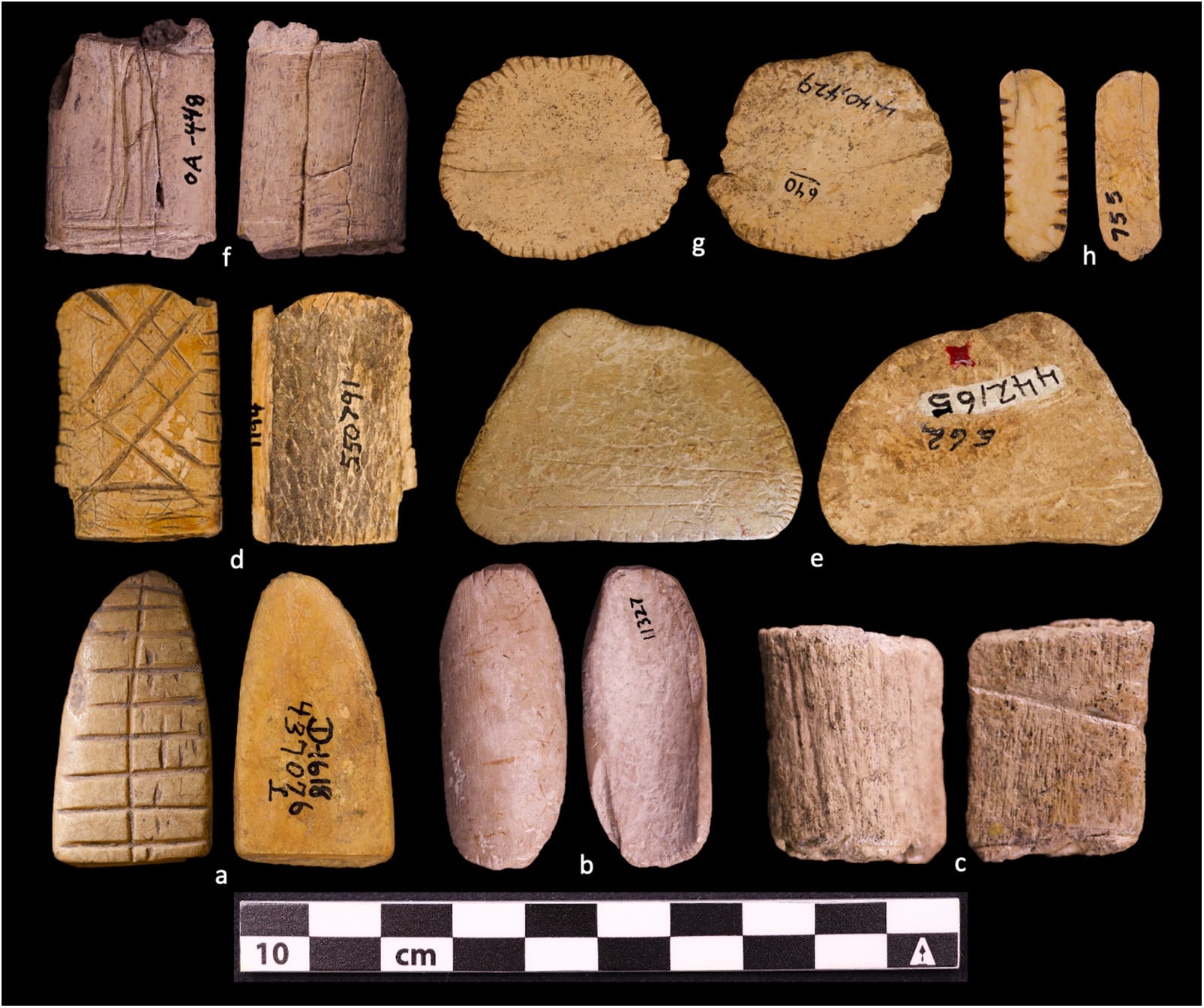
Archaeologists have discovered that Native Americans were engaging in games of chance using handmade dice as far back as 12,000 years ago, during the Late Pleistocene. A new study by researcher Robert Madden reveals that these artifacts, found in sites across Wyoming, Colorado, and New Mexico, predate the previously oldest known dice from Mesopotamia and the Indus Valley by over 6,000 years. These early dice, often made of bone and decorated with pigments, were used by the hunter-gatherer Folsom culture.

Beginnings: Mapping the Origins of Saudi Modern Art in Riyadh

Mapping Saudi Modern Art’s Origins: “Bedayat” in Riyadh

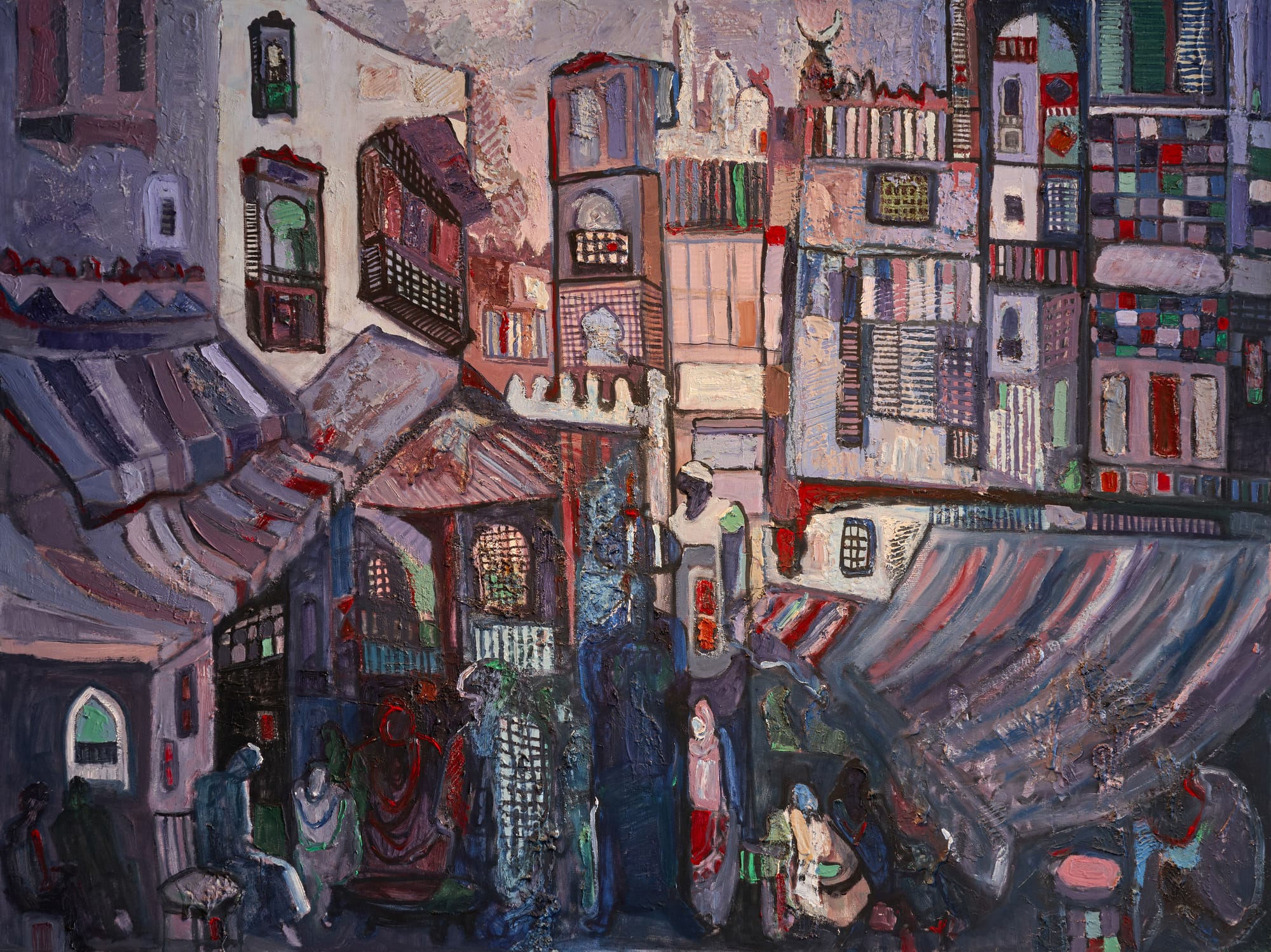
The exhibition 'Bedayat: Beginnings of the Saudi Art Movement' at Riyadh's National Museum showcased over 250 artworks from the 1960s to 1980s, a period of rapid modernization. It featured archival materials like exhibition catalogs and scholarship letters, alongside paintings grouped into themes such as 'Faces and Features' and 'Social Life,' though the curation largely avoided direct commentary on the era's intense socio-political debates.