filter_list Showing 38 results for "Ancestral" close Clear
dashboard All 38 museum exhibitions 24person people 4article culture 3article news 2article local 2rate_review review 2trending_up market 1
date_range Range Today This Week This Month All
Subscribe

After three years, investigations and now a $4.4m lawsuit, Australia’s most controversial art exhibition finally opens

The National Gallery of Australia has finally opened 'Ngura Puḻka – Epic Country,' a landmark exhibition of 30 large-scale paintings by Indigenous artists from the Aṉangu Pitjantjatjara Yankunytjatjara (APY) Lands. The show’s debut comes after a three-year delay caused by explosive allegations in the media suggesting that white studio assistants had improperly intervened in the creation of the artworks. These claims sparked multiple independent investigations, a $4.4 million defamation lawsuit, and a previous last-minute cancellation of the exhibition in 2023.

Minnie Pwerle, Emily Pwerle, Molly Pwerle, Galya Pwerle at Château Shatto

Château Shatto gallery in Los Angeles is presenting a group exhibition featuring works by Minnie Pwerle, Emily Pwerle, Molly Pwerle, and Galya Pwerle, four Indigenous Australian artists from the Anmatyerre community. The show highlights their distinctive painting styles, which often draw on ancestral stories and bold abstract patterns, continuing the legacy of Aboriginal art in a contemporary gallery context.

Aboriginal art unfurls its colors and coded messages in a major exhibition in Lodève

L’art aborigène déploie ses couleurs et ses messages codés dans une grande expo à Lodève

A major exhibition of Aboriginal art has opened at the Musée de Lodève in France, featuring over one hundred works primarily from the collection of Alison and Peter Klein. The show presents paintings, painted totems, and trunks, showcasing the rich colors, hypnotic dot painting techniques, and coded symbolism characteristic of this art form.

Arts of the Earth

ARTES DE LA TIERRA

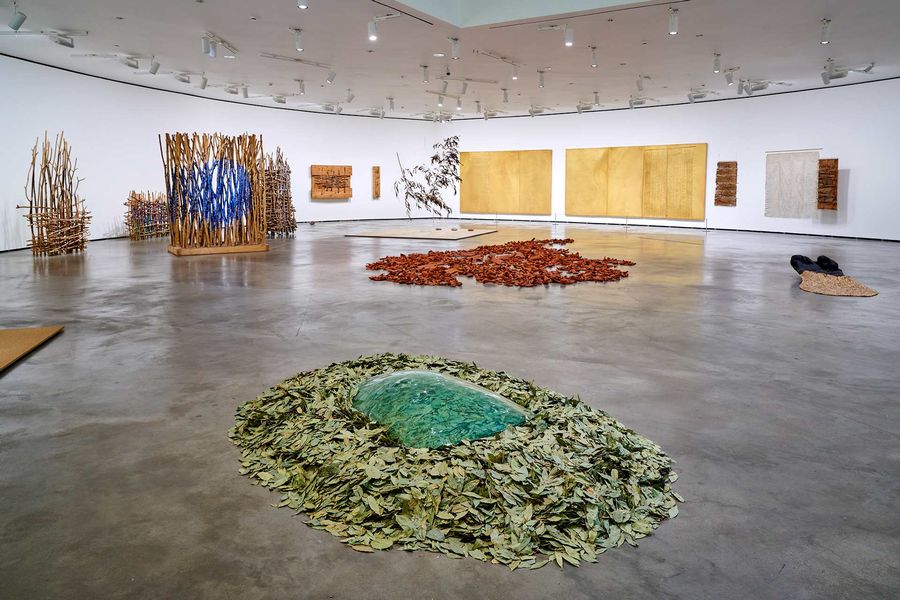
The Guggenheim Museum Bilbao has inaugurated "Artes de la Tierra" (Arts of the Earth), a multidisciplinary exhibition curated by Manuel Cirauqui that examines the relationship between contemporary art and the soil. Spanning from the mid-20th century to the present, the show integrates visual arts, architecture, and ancestral Basque knowledge to explore themes of composting, terraforming, and ecological repair. Featured artists include pioneers of Land Art and Arte Povera such as Ana Mendieta, Fina Miralles, and Meg Webster, whose works are presented alongside archival materials and architectural models.

Aboriginal in the Alps: “ROOTS” at Fondation Opale

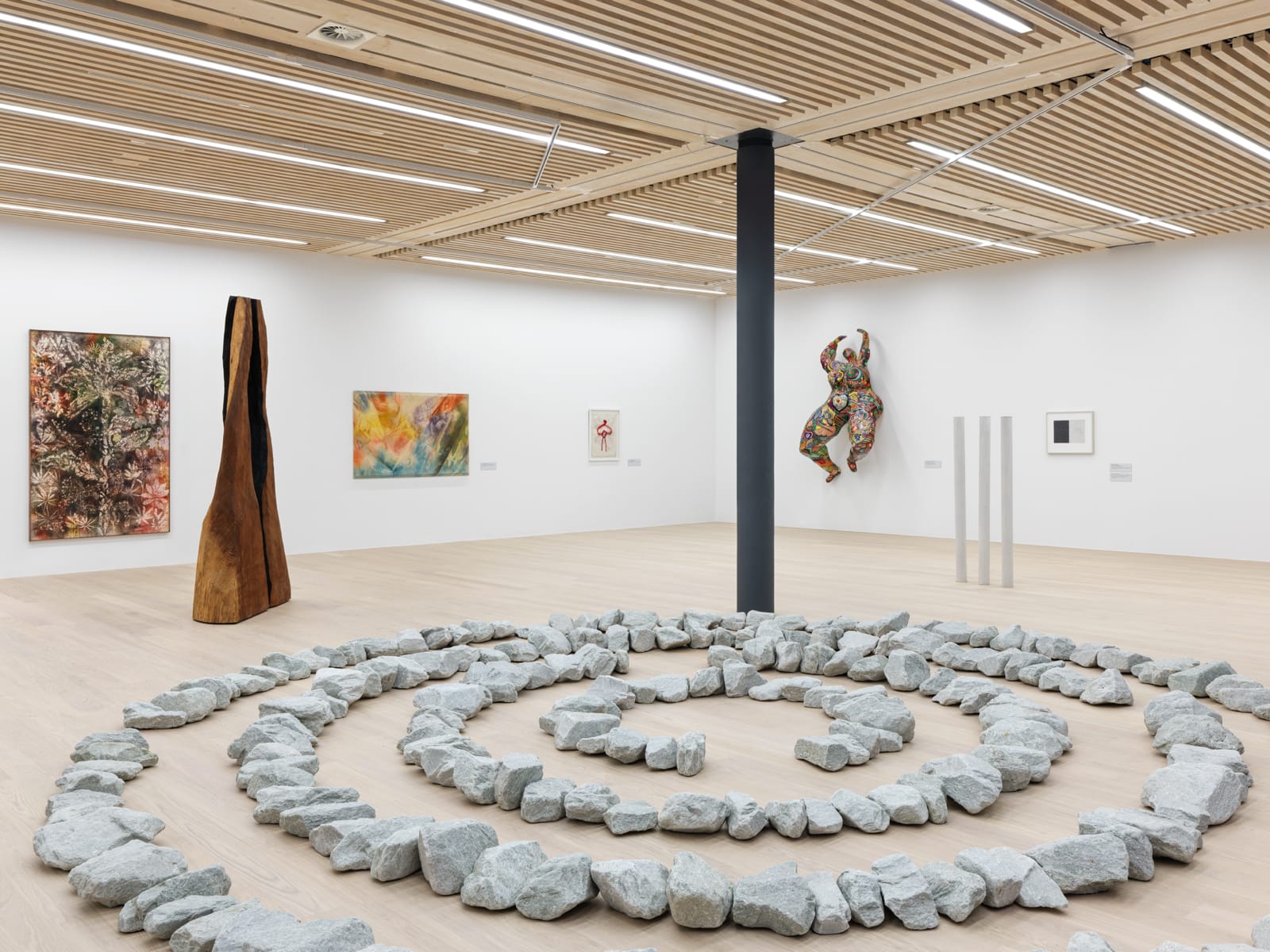
Fondation Opale in Lens, Switzerland, has unveiled "ROOTS," a major exhibition that bridges Australian Aboriginal art with Western contemporary masterpieces. Curated by Samuel Gross, the show juxtaposes works by Aboriginal artists like Keith Stevens and Clifford Possum Tjapaltjarri with global icons including Olafur Eliasson, Sheila Hicks, and Niki de Saint-Phalle. The exhibition utilizes the unique alpine setting to explore themes of materiality, ancestral territory, and the universal human creative impulse across different geographies and epochs.

How a Hopi Potter Named Nampeyo Became a 19th-Century Art Star

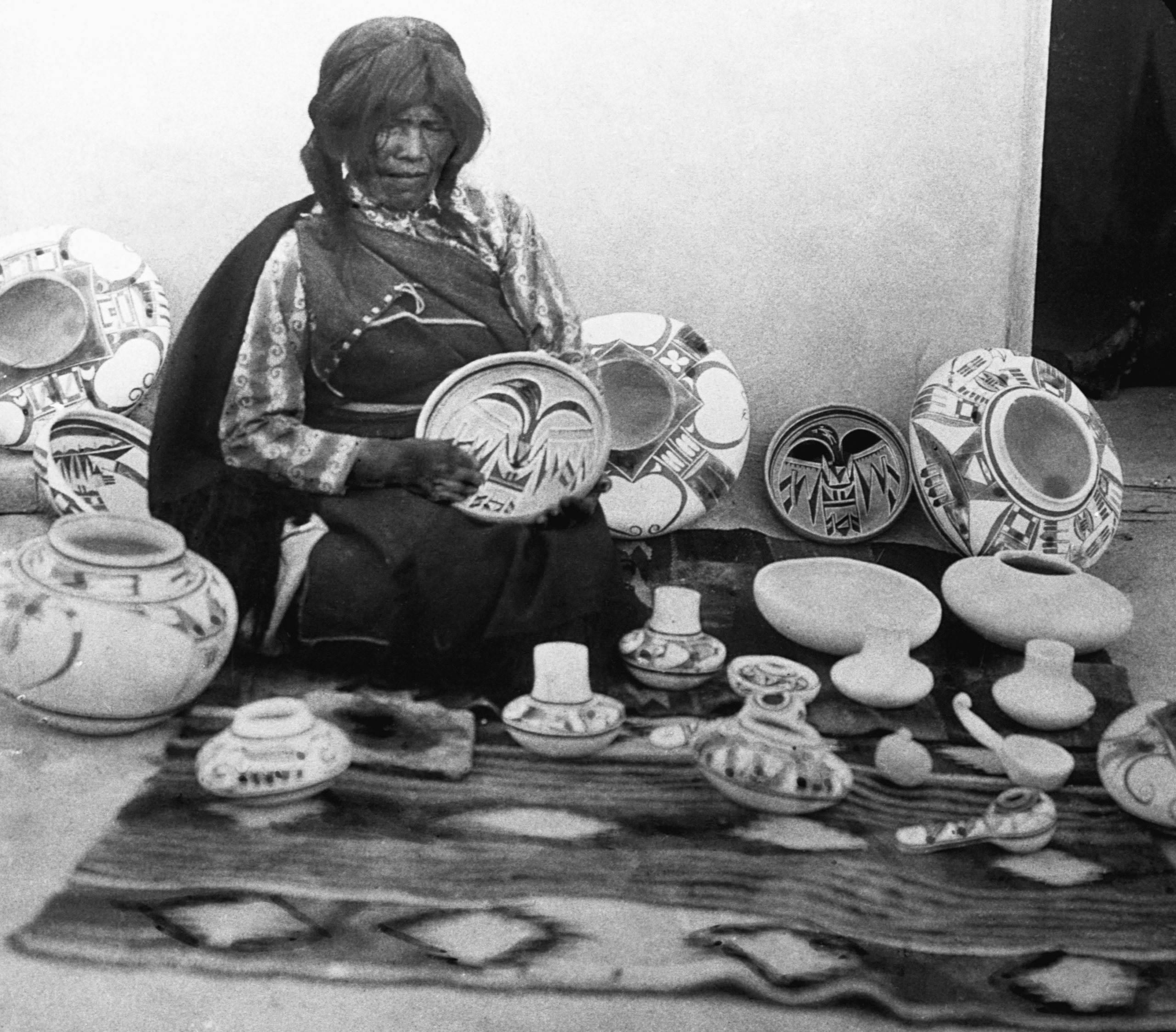
The Hopi-Tewa artist Nampeyo (1859–1942) is being celebrated as a foundational figure in modern ceramics for her role in the Sikyátki Revival. By studying ancestral pottery shards from archaeological excavations, Nampeyo revitalized centuries-old techniques and motifs, transforming Pueblo pottery into a globally recognized art form. Her career spanned from selling works at regional trading posts to becoming a celebrated figure who demonstrated her craft at the Grand Canyon and exhibited at major fairs in Chicago.

Tanka Fonta wins 2026 Wi Di Mimba Wi Prize

Cameroon-born artist and polymath Tanka Fonta has been named the recipient of the 2026 Wi Di Mimba Wi Prize. Awarded by SAVVY Contemporary and the AKB Stiftung, the prize includes a €30,000 grant, production funds for a new commission, and dedicated curatorial support. Fonta, whose multidisciplinary practice spans visual art, composition, and philosophy, was selected from a shortlist of five Germany-based artists by a jury of prominent curators and academics.

At the New Museum, Parallel Visions of Humanity’s Future Emerge

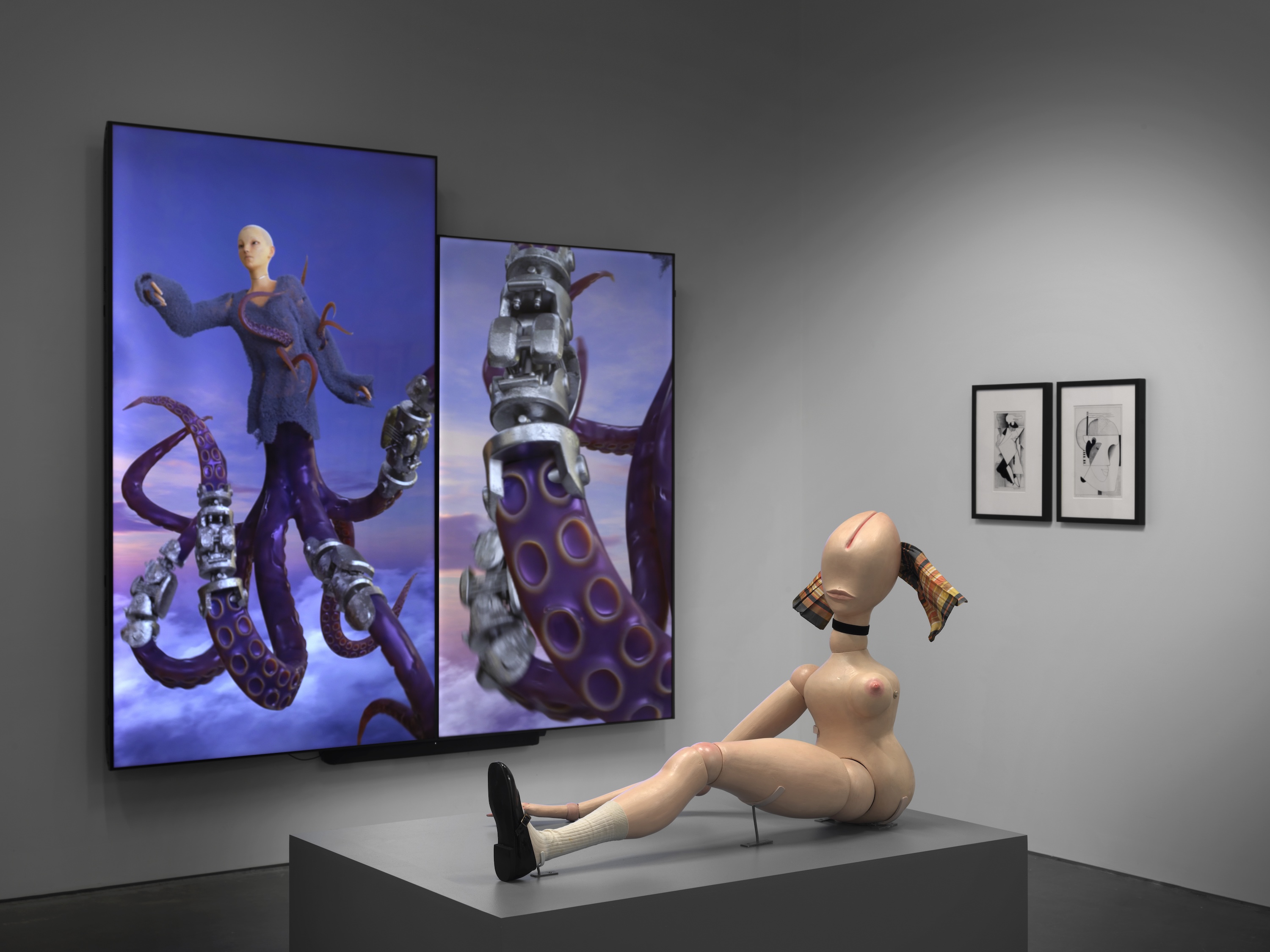
The New Museum's latest exhibition explores the evolving definition of humanity through the lens of technological advancement and ancestral wisdom. The show juxtaposes the anxieties of modern machine labor—exemplified by Simon Denny’s Amazon worker cage—with Indigenous epistemologies and animist traditions that offer alternative ways of inhabiting the world. By featuring artists like Jaider Esbell and Santiago Yahuarcani, the exhibition highlights how hybridity and relationality can resist the rigid hierarchies of Western modernity.

Theaster Gates: Contending with the Past and Present

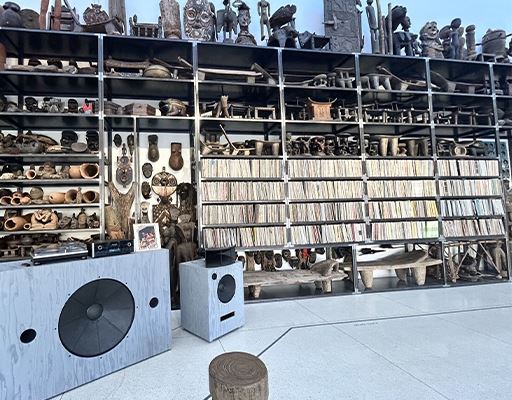
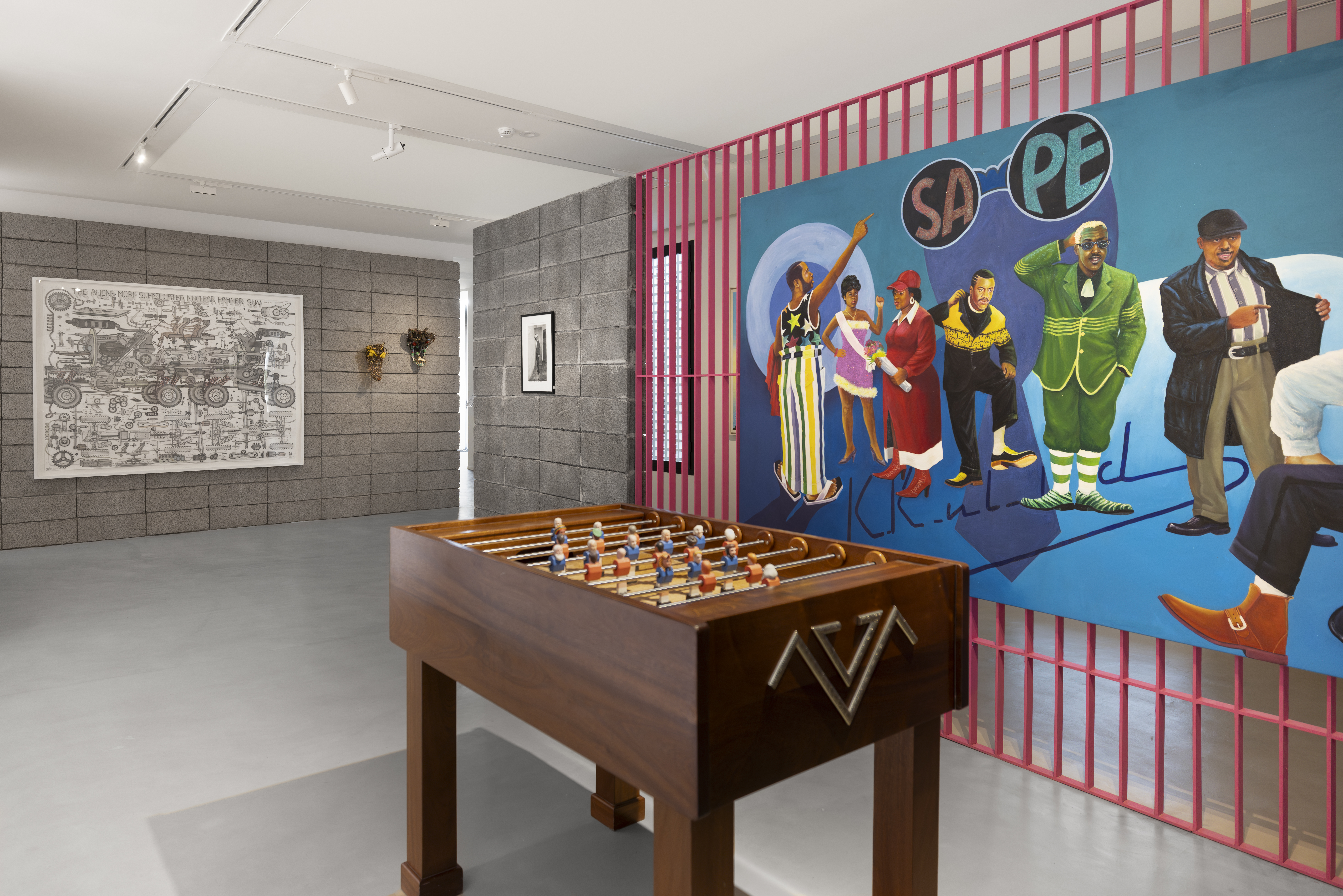
Theaster Gates has transformed the Smart Museum of Art into a personal sanctuary for his first major solo institutional exhibition in Chicago, titled "Unto Thee." The immersive installation features vast archives from Gates's personal collections, including African artifacts, funerary objects, and a significant vinyl record collection that provides a continuous sonic backdrop to the space. Key works on display include the monumental "Black Still Life #3" and the ongoing series "Walking Prayer," which consists of black books embossed with golden phrases that explore the complexities of Black identity and collective memory.

First Comprehensive Museum Retrospective For Detroit Artist And ‘Bead Man’ Olayami Dabls

The Museum of Contemporary Art Detroit (MOCAD) will present "Olayami Dabls: Detroit Cosmologies," the first comprehensive museum retrospective for Detroit artist Olayami Dabls, running from April 25 to July 12, 2026. Dabls, who began his career as a curator at the Afro-American Museum in Detroit (now the Charles H. Wright Museum of African American History), traces his artistic journey to a transformative moment in the 1970s when he opened a box of African masks that his colleagues feared to handle. This experience led him to investigate how Hollywood and popular culture had demonized African material culture, associating it with horror movies and voodoo, and inspired decades of work as an artist, storyteller, cultural historian, and civic champion.

Artist Sid Pattni’s Dual Cultural Backgrounds Inspire His Exploration of Identity in Flux | Travel Insider

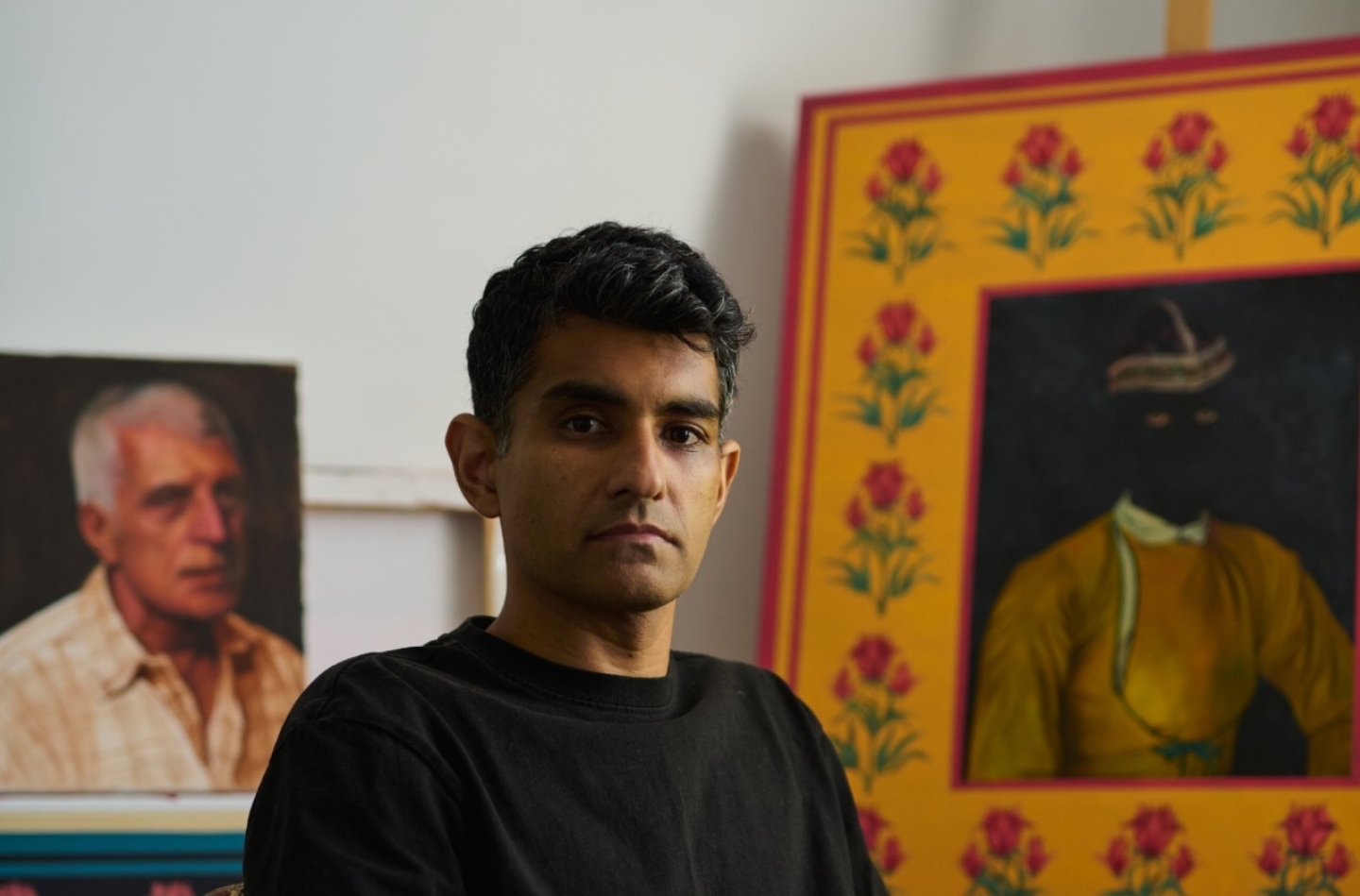
Melbourne-based artist Sid Pattni is gaining international recognition for his unique fusion of portraiture and traditional Indian embroidery. Following a transformative residency in New Delhi, Pattni has developed a practice that reclaims colonial-era imagery by framing figures within vivid, beaded borders inspired by Mughal miniatures. His work explores the complexities of the Indian diaspora and the fluid nature of identity, moving beyond conventional portraiture to incorporate ancestral craft techniques.

Review: Thomias Radin, Echoes of KA at Esther Schipper, Berlin

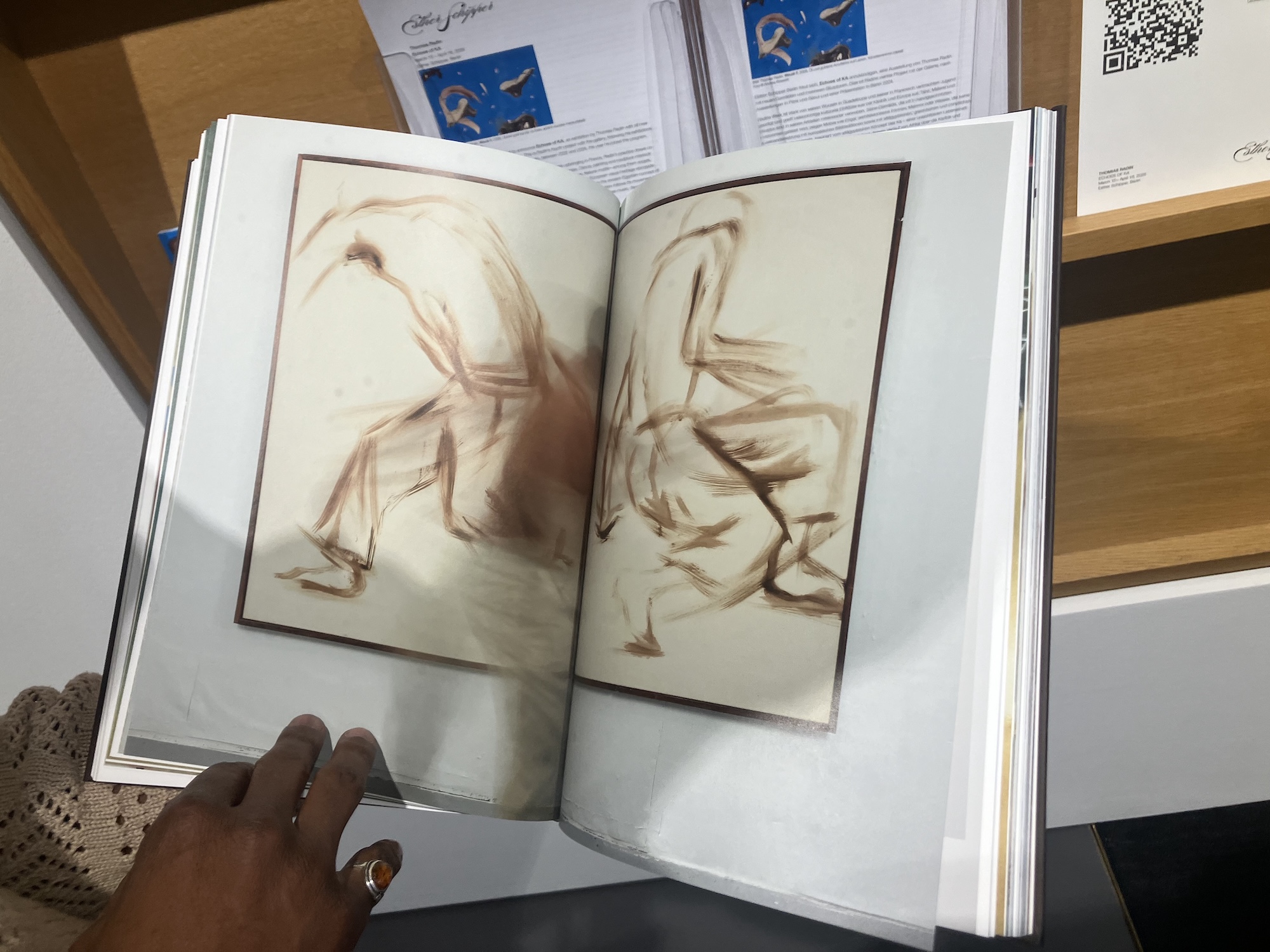
Thomias Radin’s fourth solo exhibition at Esther Schipper in Berlin, titled "Echoes of Ka," presents a multidisciplinary environment blending painting, woodwork, and installation. The Guadeloupe-born artist draws heavily from Caribbean embodied knowledge, dance philosophy, and the ancient Egyptian concept of 'Ka'—a vital life force—to transform the gallery into a choreographed 'secret garden.' The works, characterized by vibrant colors and gestural oil paintings on raw linen, are informed by Radin’s collaboration with dance scholar Léna Blou and his own practice of improvisation.

Jamie Robertson’s soft heat at Houston Center for Photography, Houston

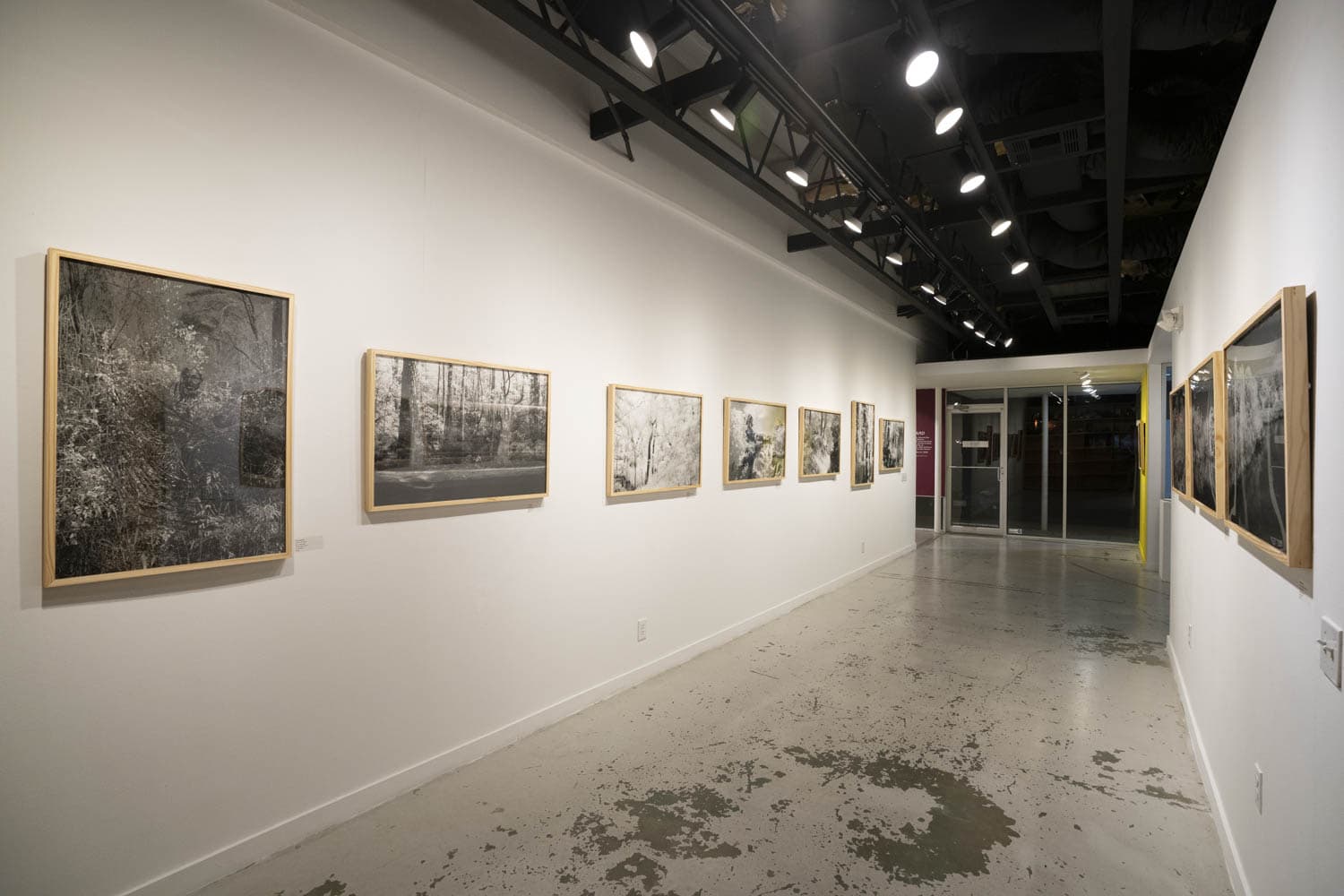
Jamie Robertson’s solo exhibition, "soft heat," at the Houston Center for Photography presents a series of infrared photographs documenting Southern wetlands, including Caddo Lake and the Great Dismal Swamp. Using archival pigment prints and a zine titled "Alligatorwatergreen," Robertson utilizes thermosensational imagery to transform dense marshlands into ethereal, snow-like landscapes. The work incorporates archival figures, such as a liberated formerly enslaved man named Osman, to highlight the historical role of swamps as sites of maroonage and Black resistance.

Sands and Rituals from the Antipodes: To Be Discovered in a Former Church in Venice

Sabbie e riti dagli antipodi. Da scoprire in una ex chiesa di Venezia

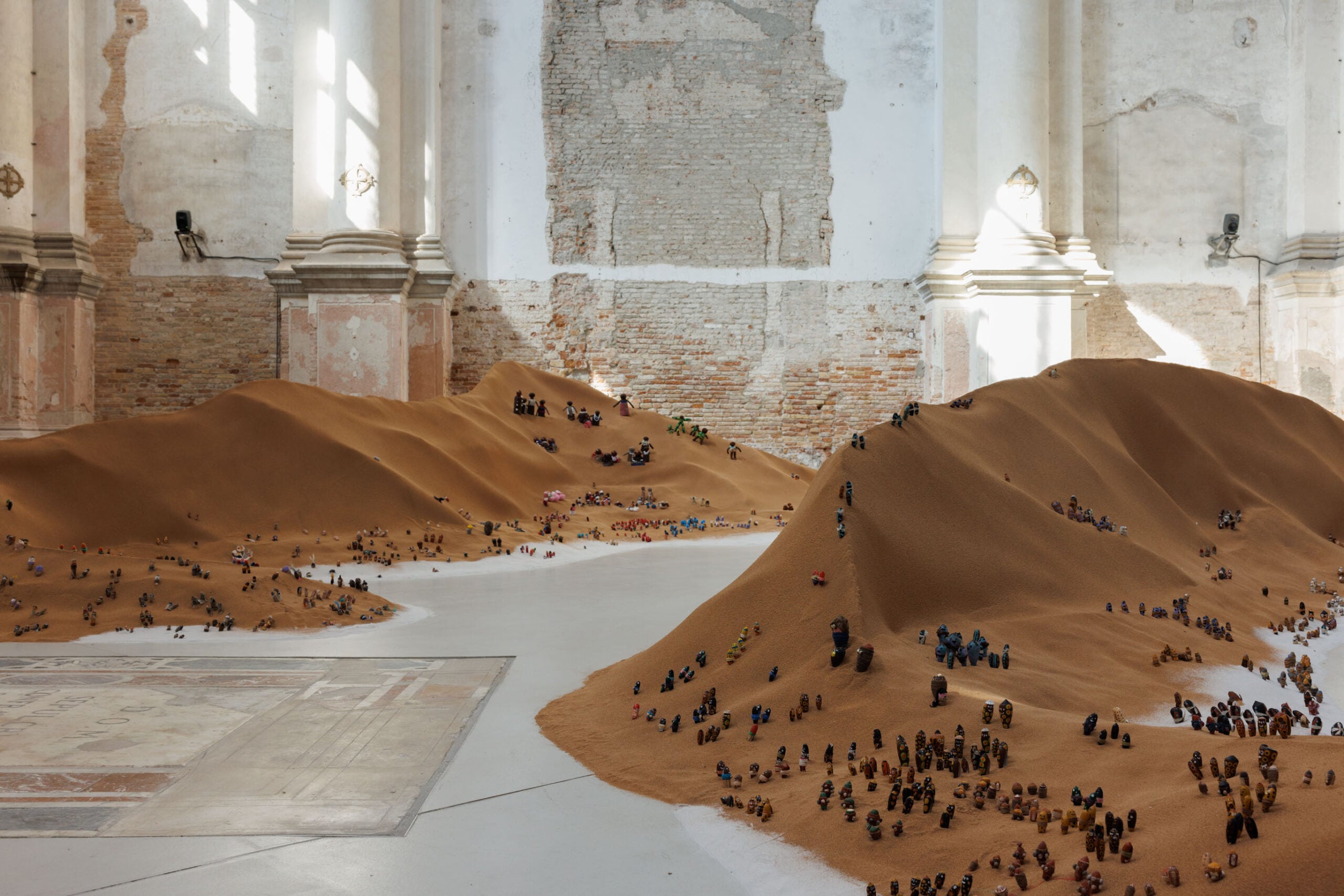
The Church of San Lorenzo in Venice, home to Ocean Space, is hosting "Tide of Returns," an exhibition by the Repatriates Collective. The installation transforms the historic nave with sand dunes populated by thousands of decorated shells known as Dadikwakwa-kwa, or shell dolls, from the Anindilyakwa people of Australia. The show also features a tripartite installation of video, textiles, and braids by German-Bolivian artist Verena Melgarejo Weinandt, exploring themes of ancestral connection and the universal significance of water.

Statues Also Breathe: A Chorus of Clay and Memory, Where the Missing Return as Form.

The exhibition 'Statues Also Breathe' has opened at the Museum of African Contemporary Art Al Maaden (MACAAL) in Marrakech. Curated by Meriem Berrada, the installation features 108 terracotta heads created by artist Prune Nourry in collaboration with artisans and students. The work draws inspiration from the historic sculptural tradition of Ife in Nigeria while directly addressing the ongoing trauma of the 2014 kidnapping of the Chibok schoolgirls, using portraiture to represent the missing.

HARRY CHÁVEZ: DONDE MUERDE EL MITO

Harry Chávez: Donde muerde el mito was the first presentation of Peruvian artist Harry Chávez's work at the Museo de Arte de Lima (MALI), held as part of the MALI Colecciones. Intervenciones contemporáneas program. The exhibition recently won the Premio Luces 2026 from El Comercio in the best exhibition category, a public-vote award reflecting its impact. The show explores symbolic conflicts between serpent and feline in Andean and Amazonian mythology, featuring works like 'Salto mortal' and 'Nacimiento del dragón' that depict cosmic struggles and hybrid transformations.

Nikyle Begay Resurrects Century-Old Diné Weavings

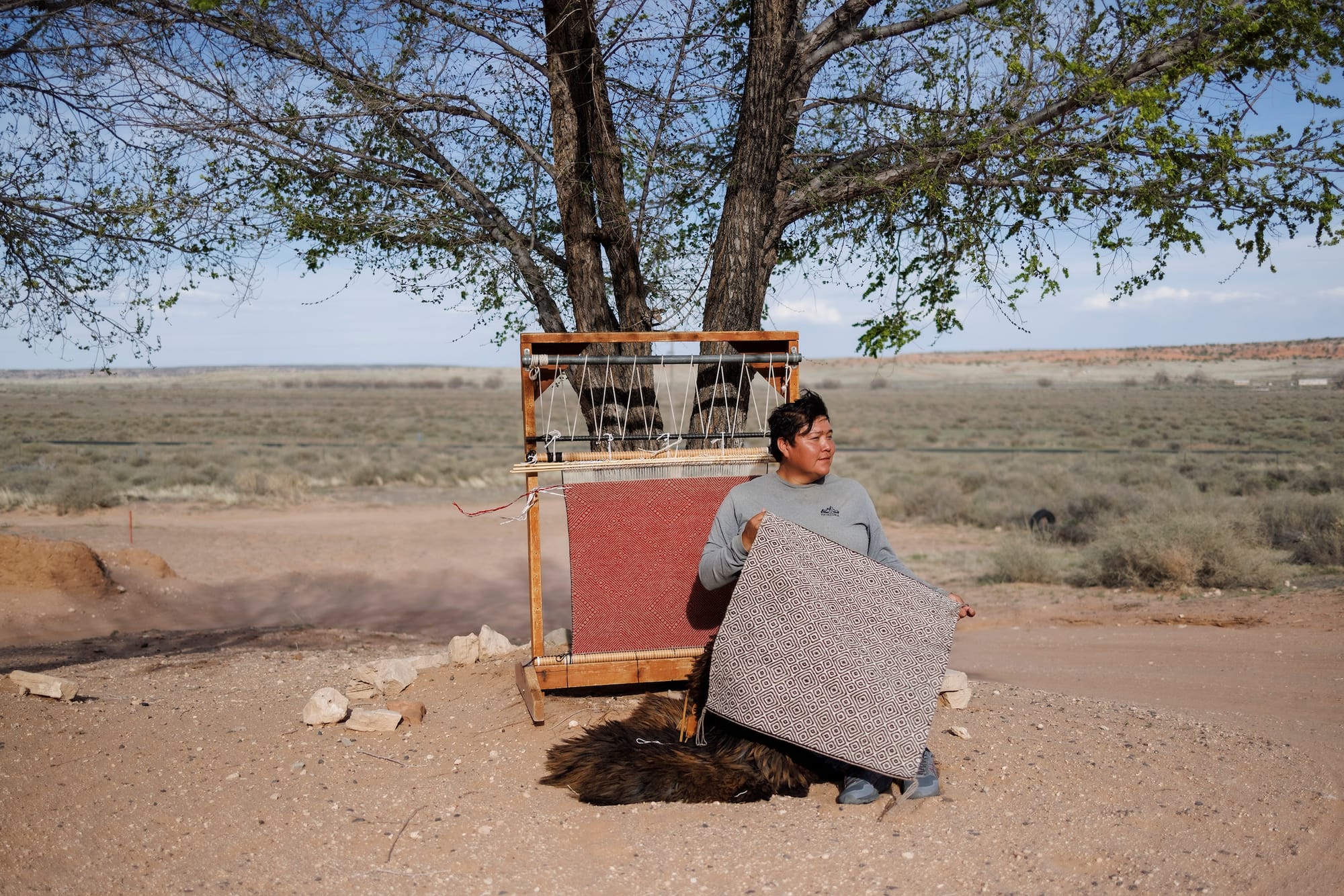
Nikyle Begay, a Diné shepherd and weaver based in the Navajo Nation, is revitalizing ancestral weaving techniques that were historically marginalized by the colonial trading-post economy. By breeding Navajo Churro sheep and mastering complex twill patterns once used for functional saddle blankets, Begay bridges the gap between traditional agricultural practice and contemporary fine art. Their work involves the entire lifecycle of the medium, from shearing and processing wool to reconstructing intricate designs that fell out of favor when commercial markets prioritized specific regional styles for non-Native buyers.

Jeremy Frey: The Generational Impact of a New Artistic Path

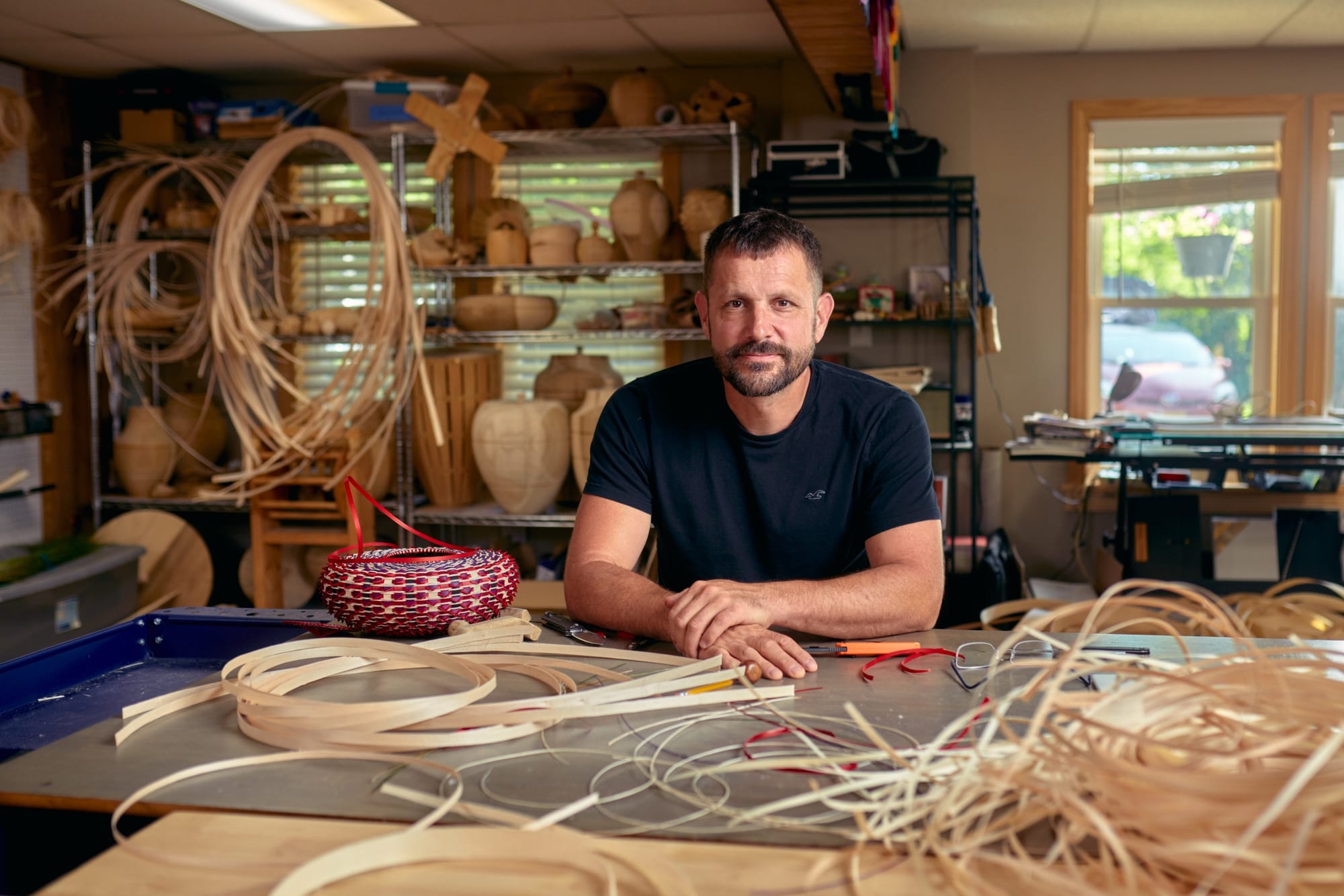
Indigenous weaver Jeremy Frey, a 2025 MacArthur Fellowship recipient, will participate in an upcoming public conversation with Hyperallergic Editor-at-Large Hrag Vartanian. The discussion will explore Frey’s unique practice of Passamaquoddy basketry, which involves harvesting natural materials like black ash and sweetgrass to create intricate vessels and innovative relief prints that bridge the gap between traditional craft and contemporary sculpture.

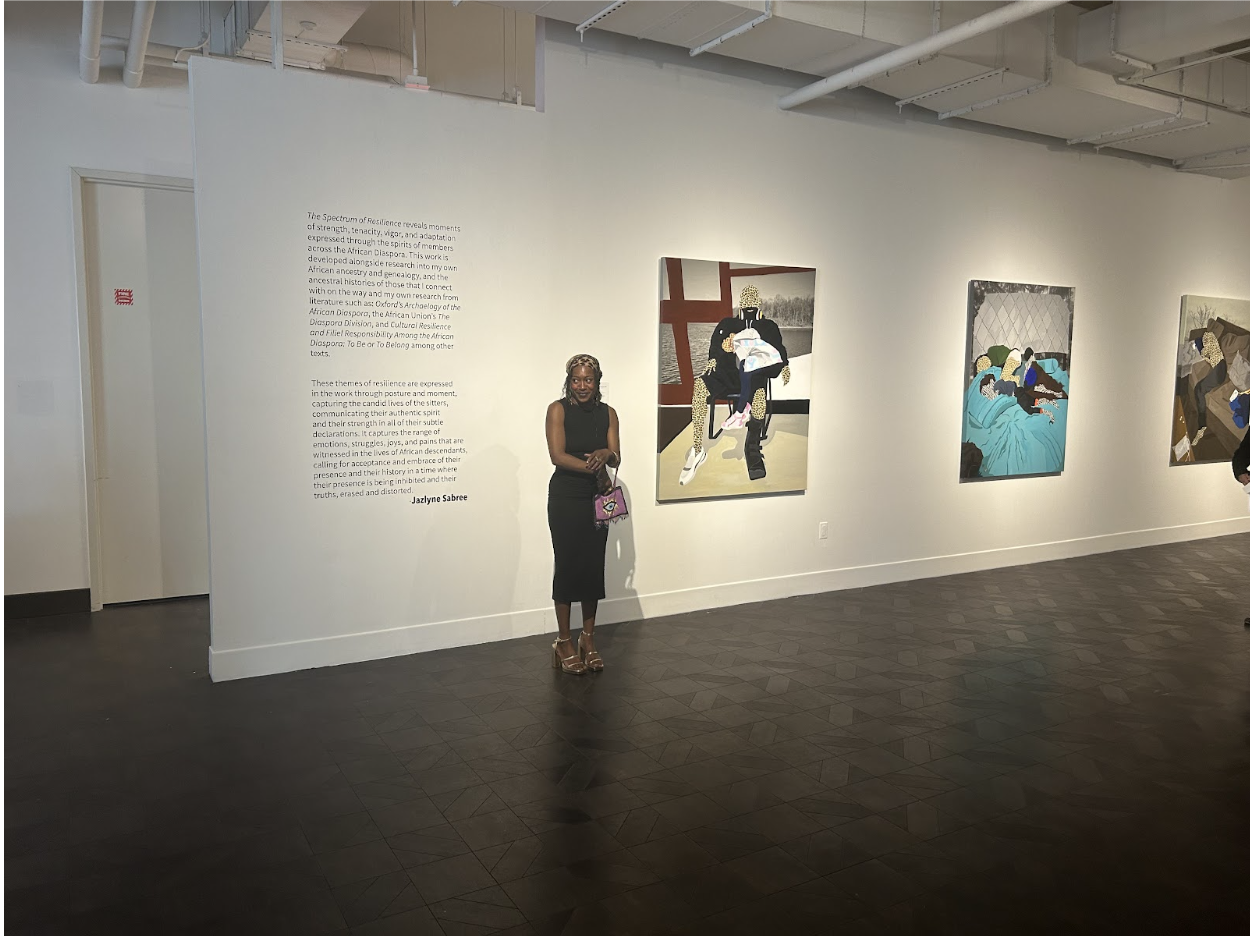
Rowan University’s Museum of Contemporary Art hosts final exhibition focusing on black resilience

The Rowan University Museum of Contemporary Art is hosting "The Spectrum of Resilience," a solo exhibition by New Jersey-based artist and educator Jazlyne Sabree. The showcase features works that explore the tenacity and authenticity of the African Diaspora, drawing from Sabree’s extensive research and residencies in West Africa, Brazil, and Liberia. The exhibition highlights everyday moments—such as washing hair or embracing children—elevating them into profound artistic statements on ancestral lineage and survival.

'Echoes of Home' at Christopher Moller Gallery, Cape Town, South Africa on 28 May–2 Jul 2026

Christopher Moller Gallery in Cape Town is set to host "Echoes of Home," a group exhibition featuring the works of Mpho Feni, Lionel Mbayiwa, and Olamide Ogunade. The show explores the evolving concept of identity and heritage across the African continent, contrasting traditional ancestral knowledge with contemporary lived experiences. Each artist provides a unique lens: Mbayiwa focuses on Shona cosmology, Ogunade utilizes introspective symbolism to capture the fragility of memory, and Feni documents the communal rituals of everyday family life.

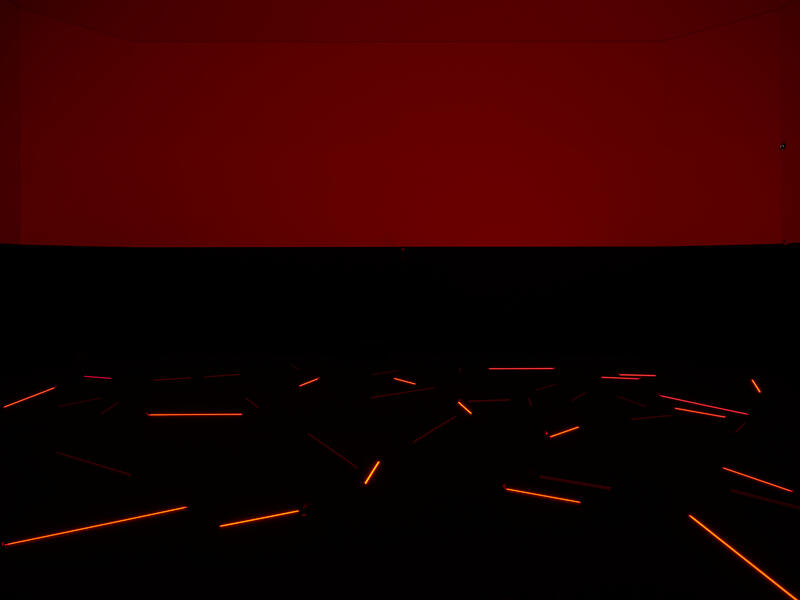
QUESTIONING POWER AND COLONIAL STRUCTURES CINTHIA MARCELLE INTERVENES AT SERRALVES

Brazilian artist Cinthia Marcelle has unveiled a major site-specific installation titled "beginning, middle, beginning" at the Serralves Museum in Porto. Developed in collaboration with the architecture collective vão and curated by Inês Grosso, the work transforms the museum’s Central Gallery into a space governed by cycles of repetition. Drawing inspiration from the philosopher and Quilombola leader Nêgo Bispo, the installation challenges Western linear conceptions of time and highlights the persistence of colonial structures in modern social organization.

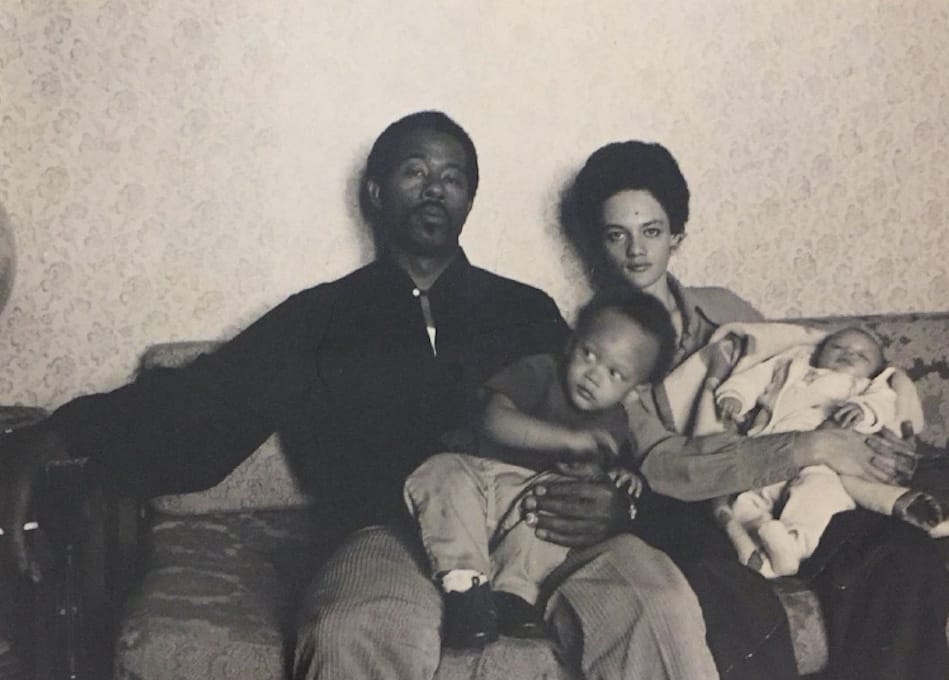
Inside a Black Panther Family Album

Scholar Leigh Raiford examines the personal family archives of Black Panther Party leaders Kathleen and Eldridge Cleaver, specifically focusing on photographs taken during their period of exile in the 1970s. The analysis centers on how domestic objects, such as a zebra-print carver chair and various African artifacts, transitioned from private household items to iconic symbols of Black Power and cultural nationalism in the public sphere.

Echoes of Memory and Quiet Revolutions

The Henrike Grohs Art Award concludes its final edition, naming Tanzanian artist Rehema Chachage as the 2026 laureate. Chachage, who works across performance, video, text, scent, and installation, creates a "performative archive" in collaboration with her mother and grandmother, transforming personal and ancestral memory into shared sensory experiences. The two finalists are Younès Ben Slimane, a Tunisian filmmaker and visual artist whose silent, disorienting works challenge cinematic narrative structures, and Egyptian artist Rania Atef, whose participatory practice turns domestic spaces into stages for revealing power dynamics. The award received over 600 applications from more than 30 African countries.

The Order of Symbolism, Signs and Sensibility

The Museum of Modern Art of Rio de Janeiro (MAM Rio) is hosting a major retrospective titled 'Rubem Valentim: a ordem do sensível,' featuring approximately 180 works spanning four decades. Curated by Raquel Barreto and Phelipe Rezende, the exhibition showcases Valentim’s unique fusion of modernist abstraction with the spiritual symbols of Afro-Brazilian and Indigenous cosmologies. The presentation includes paintings, reliefs, and sculptures, culminating in monumental works like 'Templo de Oxalá.'

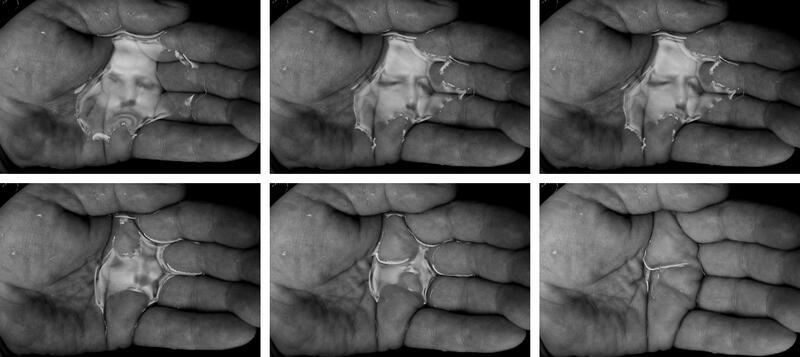
WAYS OF REMEMBERING YAHUARCANI AND MUNOZ AT MASP

The Museu de Arte de São Paulo (MASP) is currently presenting two distinct exhibitions that explore memory, identity, and historical violence in Latin America. 'Santiago Yahuarcani: The Beginning of Knowledge' features 35 works by the Peruvian artist that weave together Uitoto cosmology with the traumatic history of the Amazon rubber boom, while 'Video Room: Oscar Muñoz' showcases three video works by the Colombian artist that use ephemeral materials to reflect on political disappearance and the instability of the image.

SouthCoast artists to showcase work inspired by residency in the Azores

Six artists from the SouthCoast region of Massachusetts recently completed the inaugural Hotel Papel residency on the island of Faial in the Azores. The residency, designed to celebrate the sister city relationship between Greater New Bedford and the Azores, allowed the participants to explore local culture, traditions, and landscapes. Their resulting works, spanning ceramics, photography, film, writing, and painting, will be showcased in a group exhibition titled "The Same Sea" at the Massachusetts Design Art and Technology Institute (DATMA).

New Henry Art Gallery Exhibition ‘ojo|-|ólǫ́’ invites conversation about Indigenous knowledge preservation

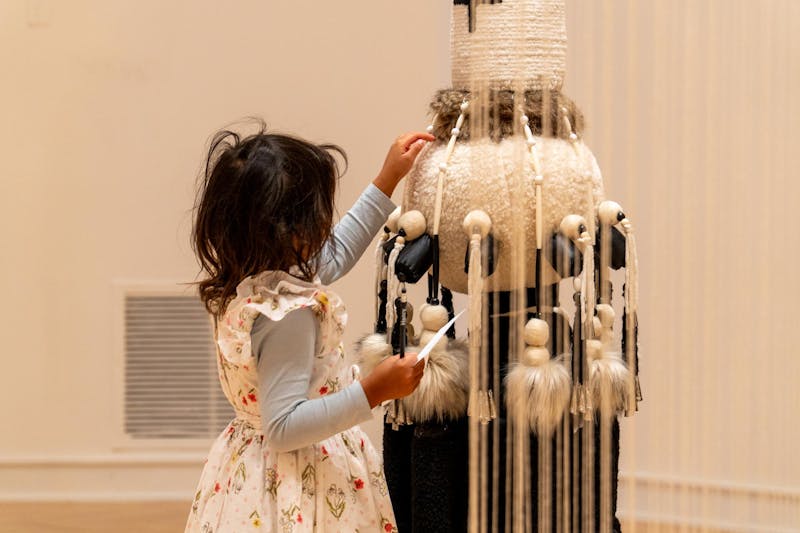
Diné artist Eric-Paul Riege has launched his largest exhibition to date, titled “ojo|-|ólǫ́,” at the Henry Art Gallery. The show features large-scale soft sculptures, wearable art, and multimedia installations that reinterpret traditional Navajo symbols like the weaving comb and the hogan. Central to the exhibition is Riege’s rejection of traditional museum barriers; he encourages visitors to touch the tactile, plush works to honor the many hands involved in the production of his materials.

Navajo Nation: the fight for cultural survival – photo essay

The Navajo Nation is currently navigating a complex struggle to preserve its cultural heritage against the lingering effects of colonial-era boarding schools and the modern pressures of social media and urbanization. While elders like Virginia Brown recount the trauma of forced assimilation and language suppression, a new generation is grappling with a decline in Navajo fluency, which UNESCO now classifies as a vulnerable language. Despite these hurdles, community members are utilizing local schools and traditional practices to reclaim their identity.

At a Difficult Time, a Minnesota Museum Offers Respite to Somalis

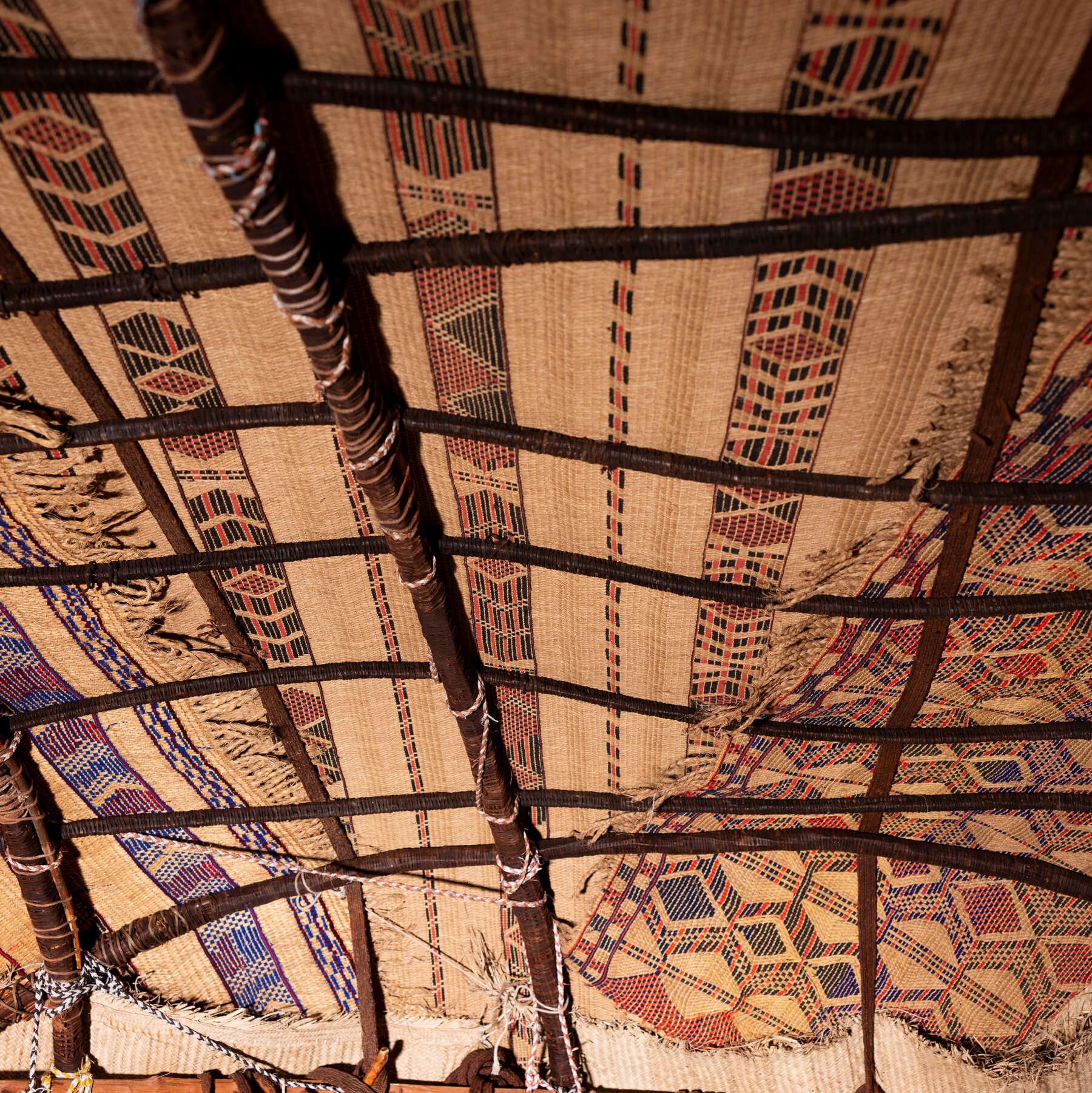
The Somali Museum of Minnesota has emerged as a vital cultural sanctuary and community hub for Somali immigrants in Minneapolis. By preserving traditional nomadic artifacts, textiles, and contemporary artworks, the museum provides a space for the diaspora to reconnect with their heritage and find solace amidst social and political challenges.

NEYRA PÉREZ: RETURN TO ROEBIRI

NEYRA PÉREZ: RETORNO A ROEBIRI

Neyra Pérez, an Iskonawa artist, presents her exhibition "El retorno del Roebiri" at the Centro Cultural Ricardo Palma in Lima, Peru, running until May 9, 2026. The show features her distinctive kené designs, which she creates using natural materials like yakuchapana resin and virgin clay on raw canvas, fixed through sunlight and river washing. The works reference Roebiri, a mountain in the Amazonian Sierra del Divisor that was the ancestral territory of the Iskonawa people, from whom they were displaced in the late 1950s by missionaries and the military. Since 2018, Pérez has been part of a cultural revitalization effort led by anthropologist Carolina Rodríguez to recover these traditional designs and practices.