filter_list Showing 9 results for "Antiquity" close Clear
dashboard All 9 museum exhibitions 5article news 2article local 1article culture 1
date_range Range Today This Week This Month All
Subscribe

A Titanic Face-to-Face Brings Together the Vibrant Bodies of Rodin and Michelangelo at the Louvre

Un face-à-face titanesque réunit les corps vibrants de Rodin et Michel-Ange au Louvre

The Louvre has mounted an exhibition that places the works of Auguste Rodin in direct dialogue with those of Michelangelo, focusing on the profound influence of the Renaissance master on the 19th-century sculptor. Key sculptures like Rodin's 'Adam' and 'The Age of Bronze' are juxtaposed with Michelangelo's 'Dying Slave' and 'Rebellious Slave', highlighting shared themes of contorted male forms and masterful use of contrapposto.
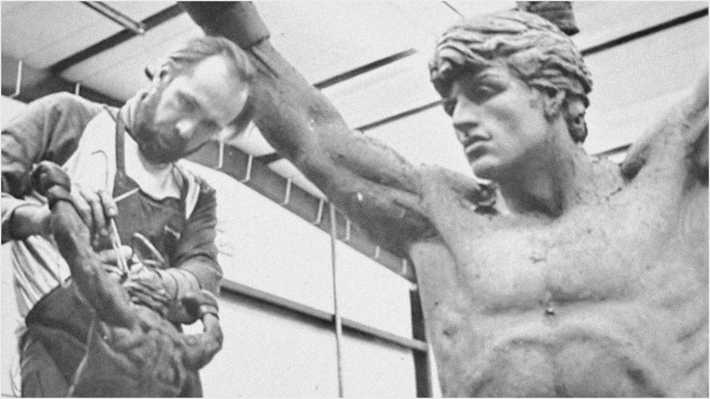
Philadelphia Museum of Art 'Rising Up: Rocky and the Making of Monuments (4/25-8/2)'

필라델피아미술관 '라이징업: 록키와 기념비 제작(Rising Up: Rocky and the Making of Monuments, 4/25-8/2)' - Lounge

The Philadelphia Museum of Art has announced a major exhibition titled "Rising Up: Rocky and the Making of Monuments," scheduled to open in April 2026. Curated by Paul Farber of Monument Lab, the show will feature over 150 works by more than 50 artists, including Keith Haring, Kara Walker, and Andy Warhol. The exhibition uses the iconic Rocky statue—a fictional character that has become one of the city's most visited landmarks—as a focal point to explore the history, mythology, and evolving role of public monuments from antiquity to the present day.

8 musées incontournables à visiter à Montréal

Montréal, a UNESCO City of Design, is home to a wealth of cultural institutions. This article highlights eight must-visit museums, including the Musée des Beaux-Arts de Montréal (the city's largest art museum, with nearly 47,000 works from antiquity to today), the Musée McCord Stewart (a centennial museum focusing on Canadian history and Indigenous voices), the Écomusée du Fier Monde (dedicated to working-class history and eco-design), and Pointe-à-Callière (an archaeology and history museum built on the city's original foundations). Each museum offers a unique perspective on art, history, and society.

That Time Raphael Visited Tivoli, Transforming Antiquity into Art

Quella volta che Raffaello visitò Tivoli trasformando l’antichità in arte

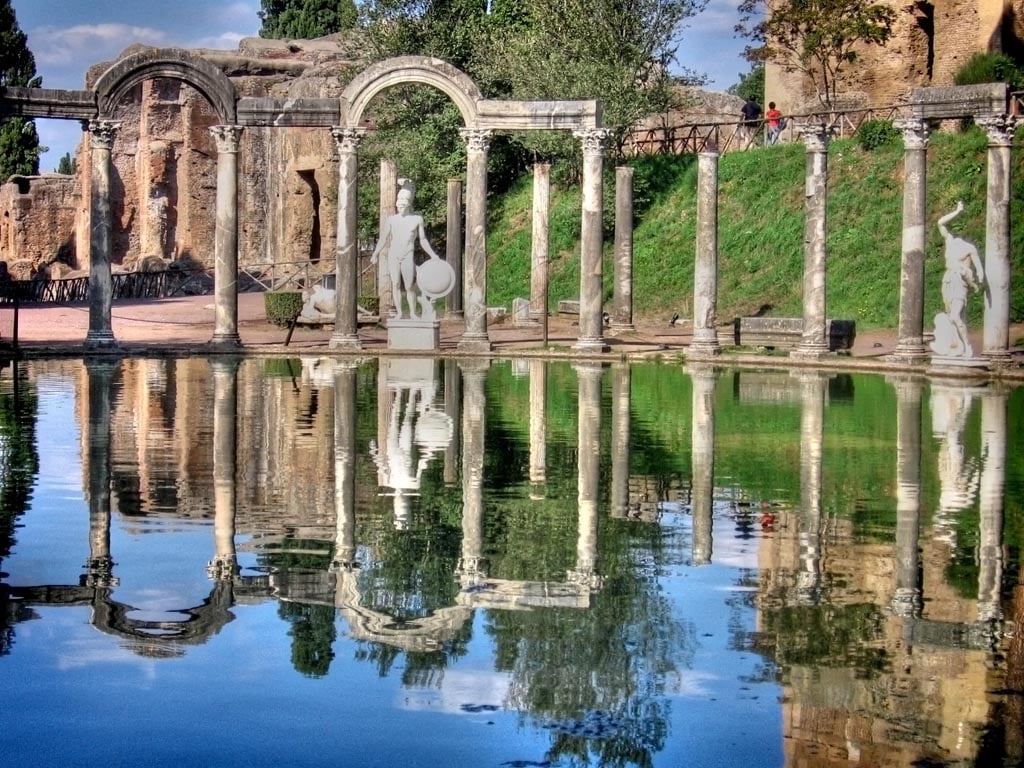
In April 1516, Raphael Sanzio embarked on a historic excursion to Tivoli alongside a prestigious circle of Renaissance intellectuals, including Baldassarre Castiglione and Pietro Bembo. This journey served as a critical field study for Raphael, who had recently been appointed as Rome's prefect of antiquities. By examining the complex ruins of Hadrian's Villa and the Sanctuary of the Sibyl, the group engaged in a sophisticated blend of archaeological investigation and humanist leisure that defined the cultural climate under Pope Leo X.

Dice Are 6,000 Years Older Than Previously Believed, Study Says

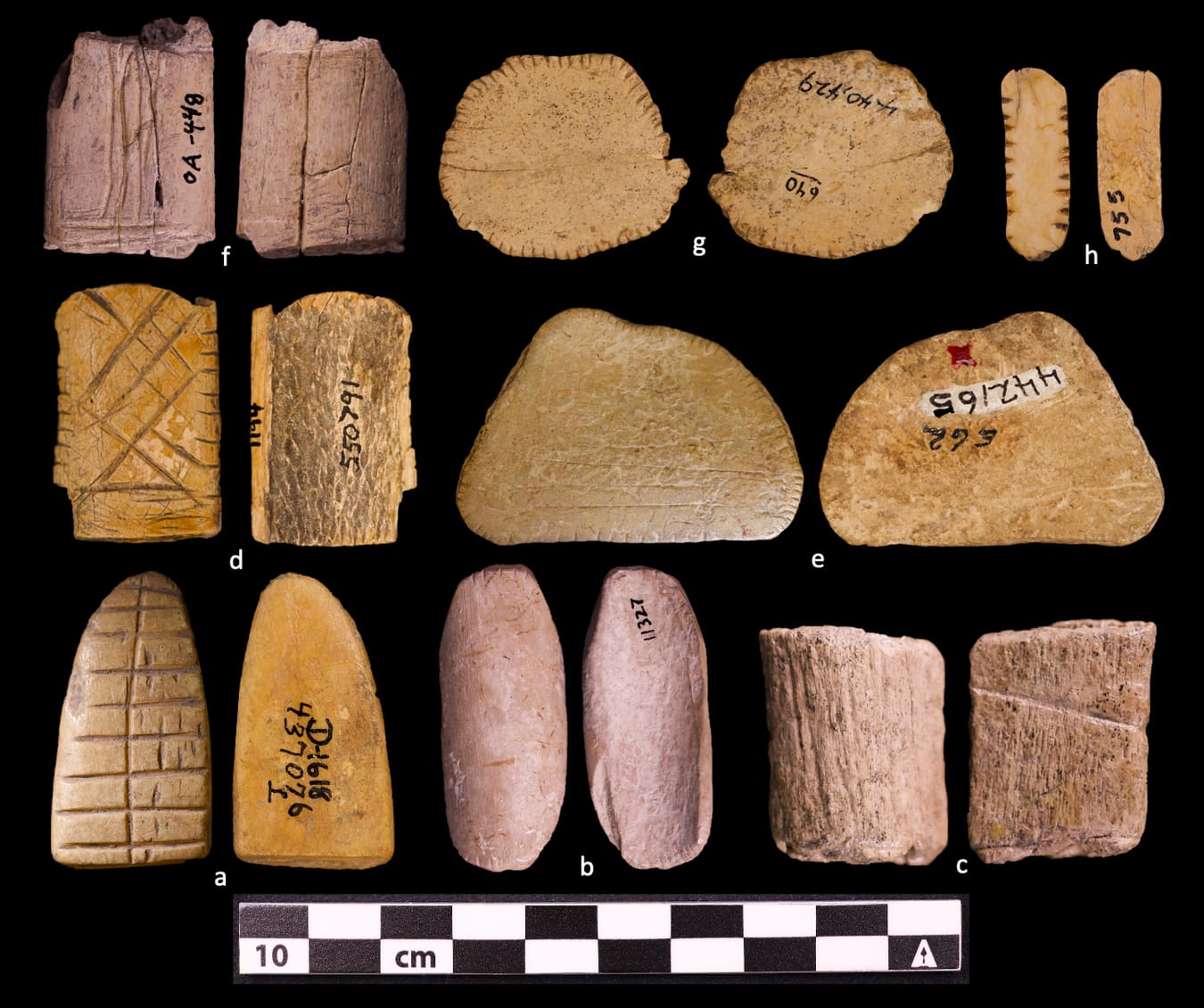
Archaeologist Robert J. Madden has published a groundbreaking study in the journal American Antiquity identifying over 600 prehistoric objects as two-sided dice. These artifacts, found across 57 sites in the American West, date back more than 12,000 years to the Late Pleistocene era. By applying criteria from historic Native American gaming traditions to these bone and wood fragments, Madden argues that dice-based games of chance existed 6,000 years earlier than previously recorded in the archaeological record.

Italy's Soft Power in China Thanks to Two Major Exhibitions on Pompeii and Palladio

Il soft power dell’Italia in Cina grazie a due grandi mostre su Pompei e Palladio

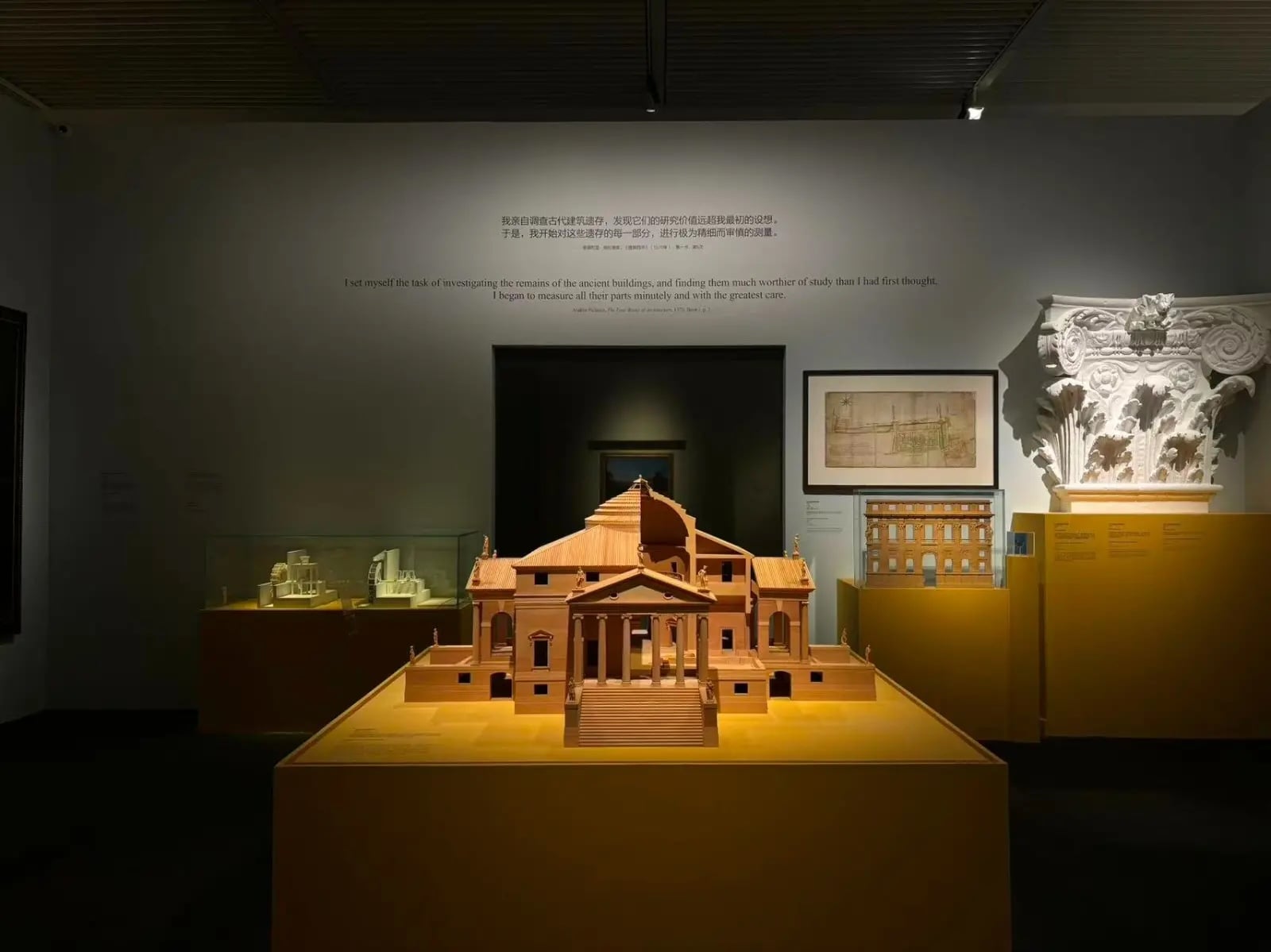
The National Museum of China in Beijing is currently hosting two major exhibitions celebrating Italian cultural heritage: "Pompeii: An Eternal Discovery" and "Geometry, Harmony and Life: The Architecture of Andrea Palladio from Antiquity to Classicism." These exhibitions, marking the 55th anniversary of diplomatic relations between Italy and China, were inaugurated by Italian Culture Minister Alessandro Giuli. The Pompeii showcase traces 250 years of archaeological history using artifacts and multimedia, while the Palladio exhibition explores the Renaissance master’s influence on Western architecture and creates a cross-cultural dialogue with traditional Chinese building techniques.

New SLAM exhibition brings ancient Rome to life in ‘Ancient Splendor: Roman Art in the Time of Trajan’

The Saint Louis Art Museum (SLAM) has opened “Ancient Splendor: Roman Art in the Time of Trajan,” a major traveling exhibition featuring a seven-foot-tall marble statue of Emperor Trajan and a vast array of artifacts from his reign. Organized in collaboration with the Italian organization StArt and curated by Roman expert Lucrezia Ungaro alongside SLAM’s Hannah Segrave, the show is structured into three thematic sections: the imperial household, the domestic lives of everyday Romans, and the public sphere. To enhance immersion, the museum has integrated sensory elements including scent stations that replicate ancient fragrances and a commissioned soundscape.

An Anthology on Time

Une anthologie sur le temps

The publishing house Citadelles & Mazenod has released a new anthology titled "Écrire le temps. De l’Antiquité à nos jours" (Writing Time: From Antiquity to the Present Day). Edited by Pascal Dethurens, the 480-page volume compiles a vast array of literary sources on the concept of time, from ancient thinkers to contemporary writers, and pairs these texts with a wide variety of artistic representations.

Bread, Wine, and Fish: How the Archaeology of Food Tells the Story of Life in Herculaneum

Pane, vino e pesce. Tutta l’archeologia del cibo racconta che vita si faceva a Ercolano: l’itinerario gratuito

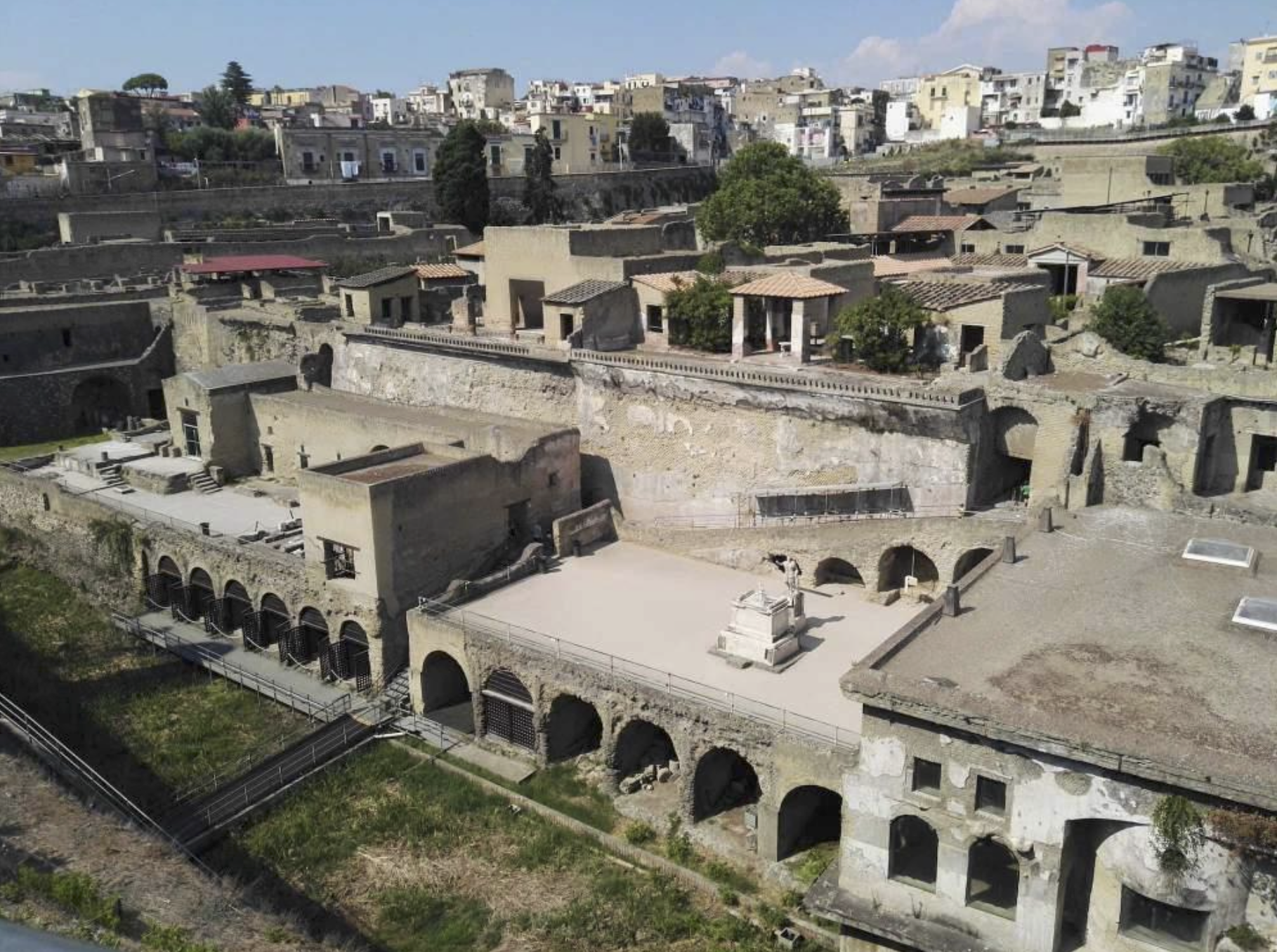
The Herculaneum Archaeological Park has launched a new thematic itinerary titled "I luoghi del cibo a Ercolano" (The Places of Food in Herculaneum), offering visitors a deep dive into the gastronomic culture of the Roman city buried by Vesuvius in 79 AD. The guided path leads through ancient street food stalls known as thermopolia, specialized wine shops, and the bakery of Sextus Patulcius Felix, where stone mills and ovens remain intact. The experience extends to the Casa dei Cervi to illustrate the social rituals of elite banqueting and includes a supplementary exhibition at Villa Campolieto featuring organic remains preserved by the eruption.