filter_list Showing 24 results for "Antiquity" close Clear
dashboard All 24 museum exhibitions 11article news 10article local 1article culture 1article policy 1
date_range Range Today This Week This Month All
Subscribe

A Titanic Face-to-Face Brings Together the Vibrant Bodies of Rodin and Michelangelo at the Louvre

Un face-à-face titanesque réunit les corps vibrants de Rodin et Michel-Ange au Louvre

The Louvre has mounted an exhibition that places the works of Auguste Rodin in direct dialogue with those of Michelangelo, focusing on the profound influence of the Renaissance master on the 19th-century sculptor. Key sculptures like Rodin's 'Adam' and 'The Age of Bronze' are juxtaposed with Michelangelo's 'Dying Slave' and 'Rebellious Slave', highlighting shared themes of contorted male forms and masterful use of contrapposto.
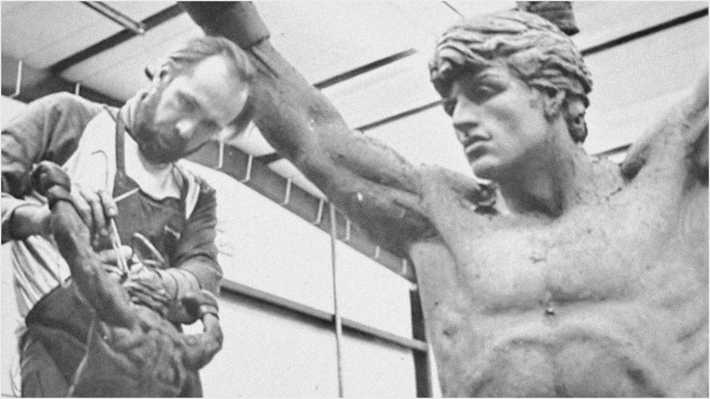
Philadelphia Museum of Art 'Rising Up: Rocky and the Making of Monuments (4/25-8/2)'

필라델피아미술관 '라이징업: 록키와 기념비 제작(Rising Up: Rocky and the Making of Monuments, 4/25-8/2)' - Lounge

The Philadelphia Museum of Art has announced a major exhibition titled "Rising Up: Rocky and the Making of Monuments," scheduled to open in April 2026. Curated by Paul Farber of Monument Lab, the show will feature over 150 works by more than 50 artists, including Keith Haring, Kara Walker, and Andy Warhol. The exhibition uses the iconic Rocky statue—a fictional character that has become one of the city's most visited landmarks—as a focal point to explore the history, mythology, and evolving role of public monuments from antiquity to the present day.

egyptian tomb reopens two decade renovation 1234755574

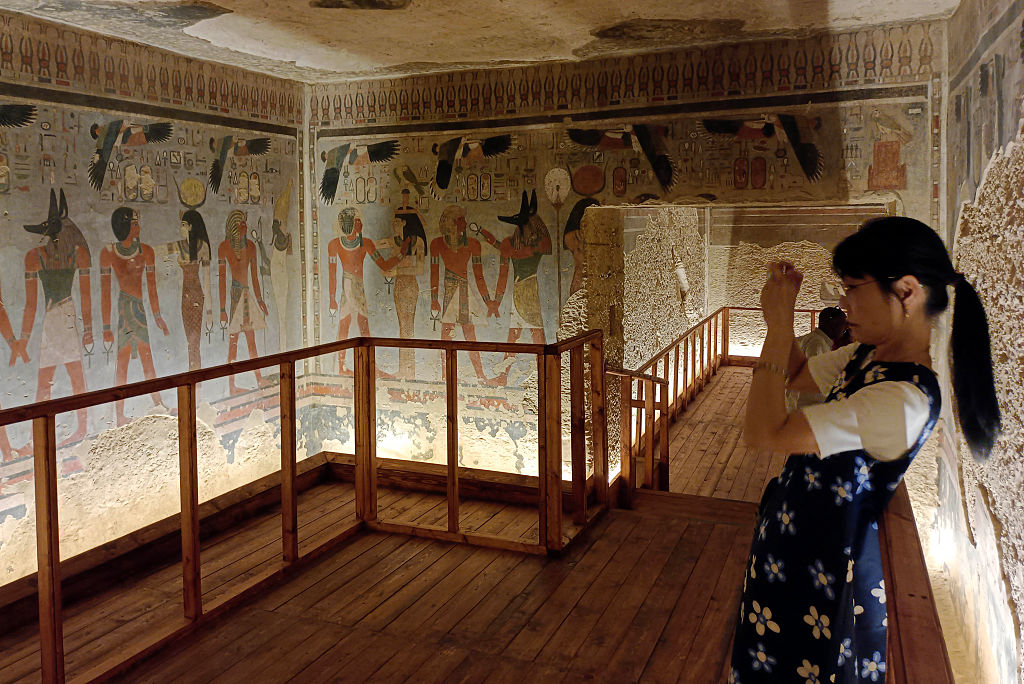
The tomb of Pharaoh Amenhotep III, one of the largest in Egypt's Valley of the Kings, has reopened to the public after a 20-year renovation led by a team from Waseda University in Tokyo. Discovered in 1799 by French engineers and looted in antiquity, the tomb features newly restored wall paintings depicting the pharaoh with ancient Egyptian gods, the structural frame of his sarcophagus, and burial chambers for his two wives. The reopening took place on October 4, 2025.

Brooklyn Museum Plans $13 Million Overhaul for New African Art Galleries

The Brooklyn Museum has announced a $13 million renovation project to create new Arts of Africa galleries, set to open in Fall 2027. The 6,400-square-foot space on the museum's third floor will display 300 works from its 4,500-piece collection, spanning from antiquity to the present day. The project, led by architectural firm Peterson Rich Office, will repurpose latent storage space and reconnect galleries architecturally.

villa de poppea frescoes 2733430

Several vivid frescoes have been uncovered during the ongoing excavation of Villa di Poppea, an ancient Roman villa in Oplontis near Naples that was buried by the eruption of Vesuvius in 79 A.D. The newly revealed decorations include an intact peacock fresco and fragments of a mask linked to the comedic character Pappus from the Atellan Farce. The discoveries were made in a room now called the Hall of the Peacock, part of the villa's western section, which is being excavated as part of a conservation project. Other finds include four new rooms, tree root casts showing an ornamental garden layout, and two richly decorated cubicula currently undergoing restoration.

archeologists uncover vitruvius basilica italy 1234770292

Italian officials announced the discovery of a 2,000-year-old basilica attributed to the ancient Roman architect Vitruvius, uncovered in the town of Fano (ancient Fanum Fortunae) and completed in 19 BCE. The structure, the only known building by Vitruvius, was found using his own descriptions from the treatise *De architectura*, with archaeologists led by Andrea Pessina confirming an "absolute match" after locating columns exactly where predicted. The discovery was hailed by Italy's culture minister Alessandro Giuli as "the Tutankhamun of the 21st century."

roman basilica fano vitruvius 2738762

Archaeologists in Fano, Italy, have unearthed the remains of a 2,000-year-old Roman basilica during redevelopment work on Piazza Andrea Costa. The rectangular structure, bordered by eight columns on the long side and four on the shorter sides, matches the precise measurements and layout described by the ancient Roman architect Vitruvius in Book V of his treatise *De Architectura*. This is the first time a physical building has been attributed to Vitruvius, whose writings have long been studied but whose structures had never before been found.

8 musées incontournables à visiter à Montréal

Montréal, a UNESCO City of Design, is home to a wealth of cultural institutions. This article highlights eight must-visit museums, including the Musée des Beaux-Arts de Montréal (the city's largest art museum, with nearly 47,000 works from antiquity to today), the Musée McCord Stewart (a centennial museum focusing on Canadian history and Indigenous voices), the Écomusée du Fier Monde (dedicated to working-class history and eco-design), and Pointe-à-Callière (an archaeology and history museum built on the city's original foundations). Each museum offers a unique perspective on art, history, and society.

The best art exhibitions in Europe in 2026

A major exhibition tracing the evolution of the European art market from Greco-Roman antiquity to the 19th century is on view, featuring loans from institutions such as the Rubenshuis and the Princely Collections of Liechtenstein, including works by Titian, Rembrandt, Klimt, and Monet. Additionally, a show by Portuguese artist Joana Vasconcelos at PM23 presents her monumental, participatory fabric sculpture *Valkyrie Venus*, created with over 200 contributors from Lisbon and Rome. A dedicated Cézanne exhibition at Fondation Beyeler in Switzerland highlights the artist's posthumous reputation, with early collectors like Rudolf Staechelin and Oskar Reinhart. Other notable exhibitions across Europe include Brancusi in Berlin, Brassaï in Stockholm, Canaletto and Bellotto in Vienna, and Hammershøi in Madrid.

mowaa archeological project findings benin city nigeria 1234760131

The Museum of West African Art (MOWAA) in Benin City, Nigeria, will open its MOWAA Institute next week, the first completed building of a planned 15-acre campus that will also include the Rainforest gallery and other facilities by 2028. In advance of the opening, Antiquity magazine published an updated report on the MOWAA Archeological Project (2022–2024), a collaboration among MOWAA, the British Museum, and Nigeria’s National Commission for Museums and Monuments, with Cambridge Archaeological Unit and Wessex Archaeology as delivery partners. The excavations, the first at the royal palace complex since the 1960s, used both digs and ground-penetrating radar, with radiocarbon dating revealing artifacts spanning from before the Benin Kingdom through its collapse and colonial and postcolonial eras.

That Time Raphael Visited Tivoli, Transforming Antiquity into Art

Quella volta che Raffaello visitò Tivoli trasformando l’antichità in arte

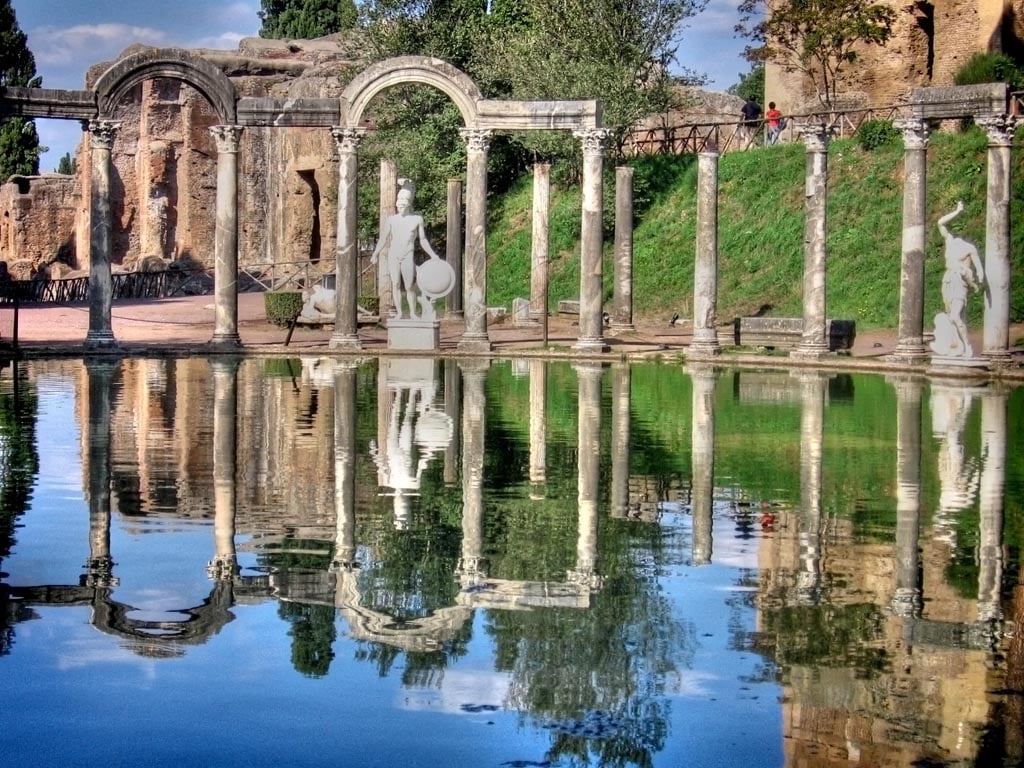
In April 1516, Raphael Sanzio embarked on a historic excursion to Tivoli alongside a prestigious circle of Renaissance intellectuals, including Baldassarre Castiglione and Pietro Bembo. This journey served as a critical field study for Raphael, who had recently been appointed as Rome's prefect of antiquities. By examining the complex ruins of Hadrian's Villa and the Sanctuary of the Sibyl, the group engaged in a sophisticated blend of archaeological investigation and humanist leisure that defined the cultural climate under Pope Leo X.

a new study conducted the most comprehensive survey of egypts karnak temple revealing unprecedented detail 1234755494

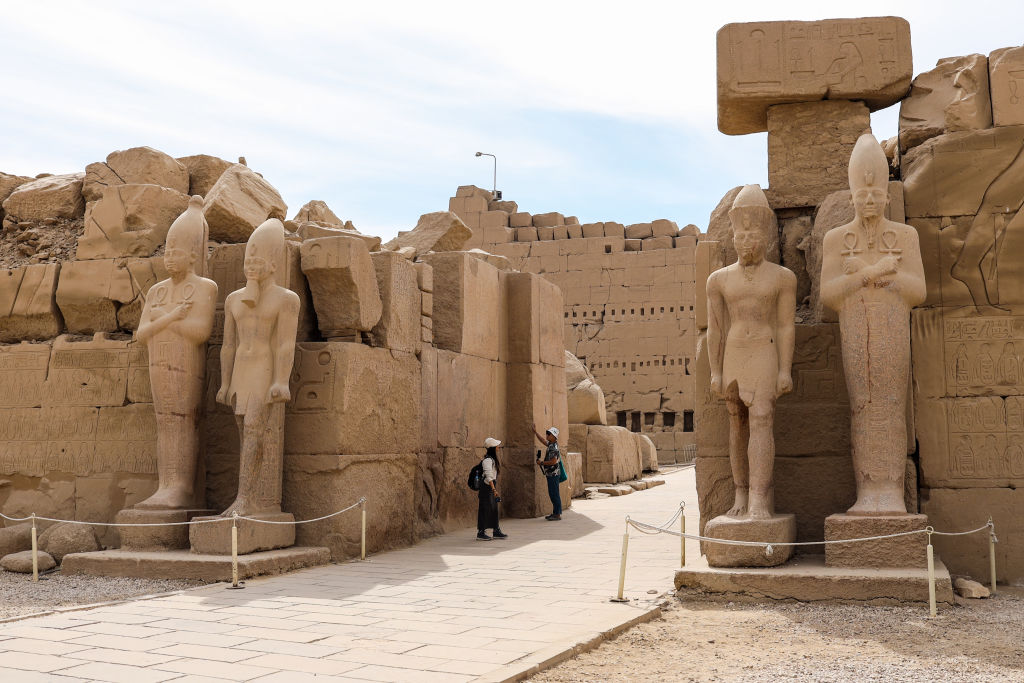
A new study published in the journal Antiquity reveals that Egypt’s Karnak Temple was originally built on a small island, or “fluvial terrace,” surrounded by river channels. The research, led by Ben Pennington of the University of Southampton, is the first comprehensive geoarchaeological survey of the site, analyzing 61 sediment cores and thousands of ceramic fragments. It dates the earliest occupation of Karnak to around 2520 BCE, with ceramics from 2305–1980 BCE, and shows that ancient Egyptians geo-engineered the landscape by dumping desert sand into channels to create new building land.

How Much Did It Cost to Paint a Pompeii Room Egyptian Blue?

How Much Did It Cost to Paint a Pompeii Room Egyptian Blue?

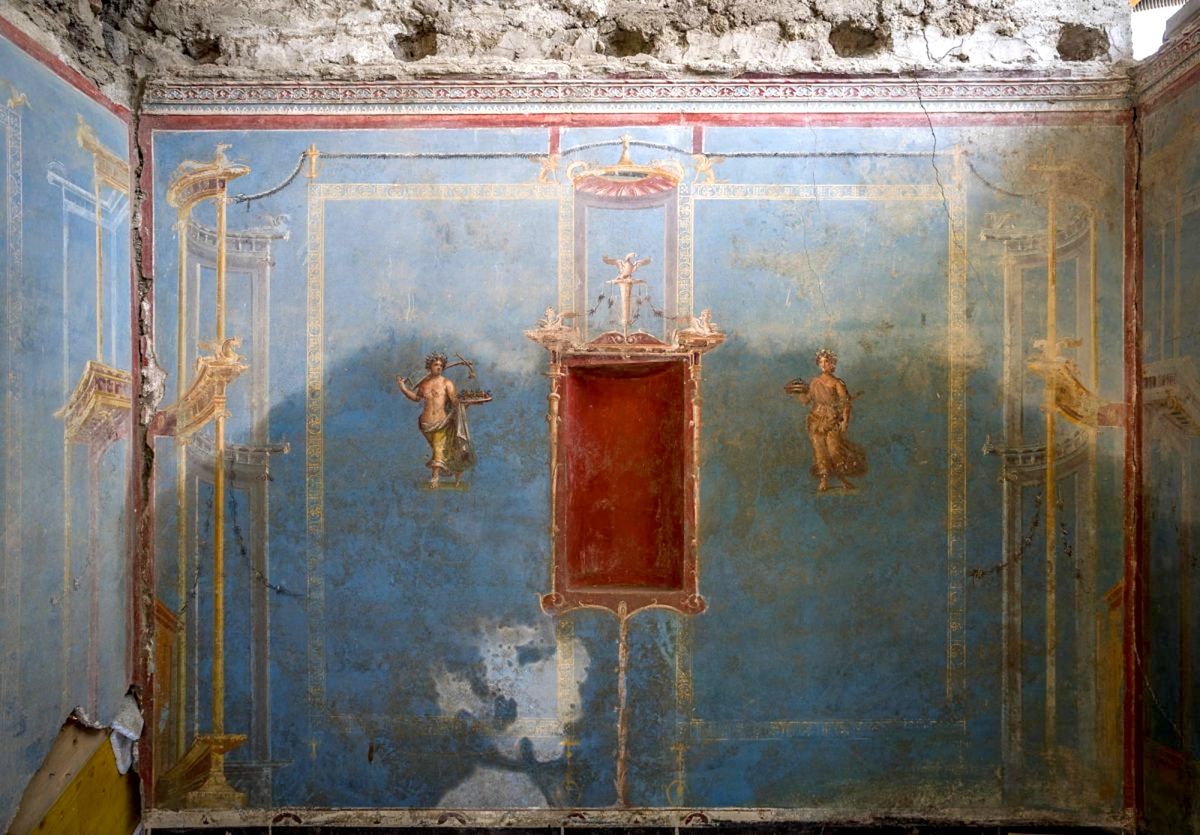
A new study has calculated the staggering cost of painting a room in Pompeii with Egyptian blue pigment. Researchers determined that covering the walls of a recently discovered "Blue Room," a sacred shrine, would have required between 2.7 and 4.9 kilograms of the prized synthetic pigment. Based on prices recorded by Pliny the Elder, this quantity of high-grade pigment would have cost between 50% and 90% of a Roman legionary's annual salary, highlighting it as an extreme luxury.

Dice Are 6,000 Years Older Than Previously Believed, Study Says

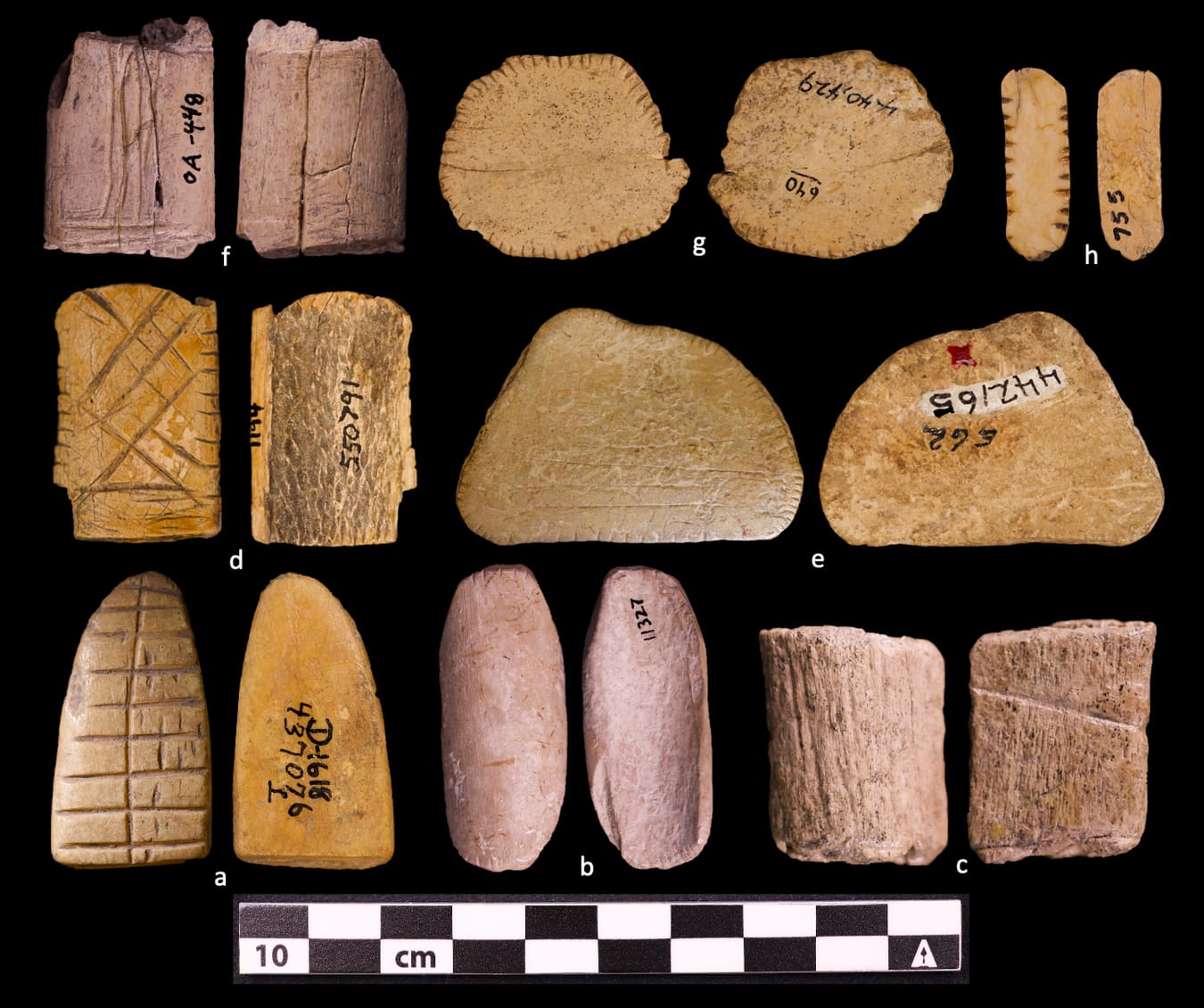
Archaeologist Robert J. Madden has published a groundbreaking study in the journal American Antiquity identifying over 600 prehistoric objects as two-sided dice. These artifacts, found across 57 sites in the American West, date back more than 12,000 years to the Late Pleistocene era. By applying criteria from historic Native American gaming traditions to these bone and wood fragments, Madden argues that dice-based games of chance existed 6,000 years earlier than previously recorded in the archaeological record.

Italy's Soft Power in China Thanks to Two Major Exhibitions on Pompeii and Palladio

Il soft power dell’Italia in Cina grazie a due grandi mostre su Pompei e Palladio

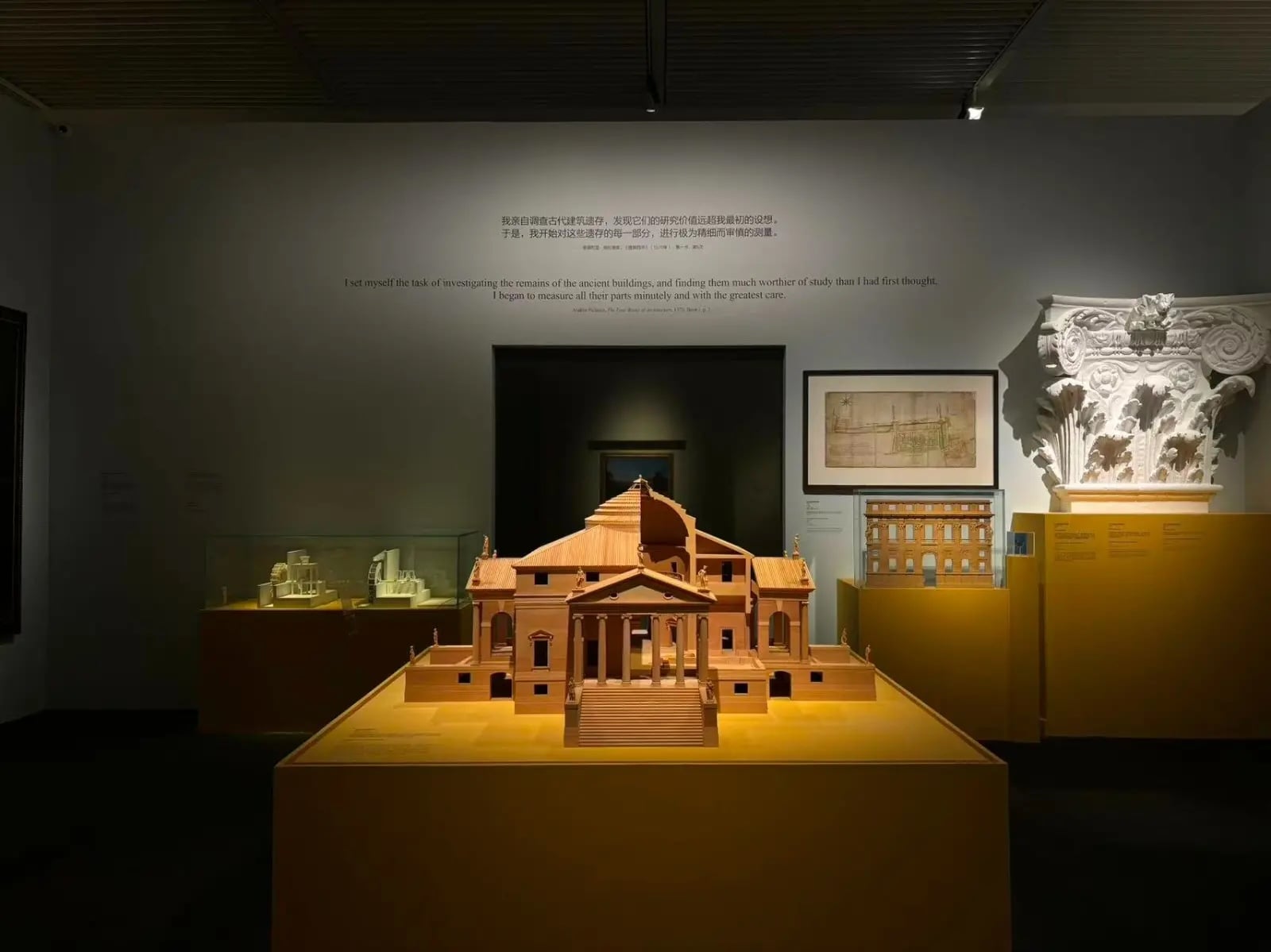
The National Museum of China in Beijing is currently hosting two major exhibitions celebrating Italian cultural heritage: "Pompeii: An Eternal Discovery" and "Geometry, Harmony and Life: The Architecture of Andrea Palladio from Antiquity to Classicism." These exhibitions, marking the 55th anniversary of diplomatic relations between Italy and China, were inaugurated by Italian Culture Minister Alessandro Giuli. The Pompeii showcase traces 250 years of archaeological history using artifacts and multimedia, while the Palladio exhibition explores the Renaissance master’s influence on Western architecture and creates a cross-cultural dialogue with traditional Chinese building techniques.

with new bill israel moves to expand control over ancient west bank sites 1234773036

The Israeli Knesset's Ministerial Committee on Legislation approved a first reading of a bill that would grant Israel's Heritage Minister sweeping authority over antiquities in the West Bank. The legislation allows for the appointment of a governing council, the designation of antiquity sites, and the expropriation of land and artifacts across the occupied territory, including areas currently under Palestinian civil control.

the oldest blue pigment found in europe identified 1234754260

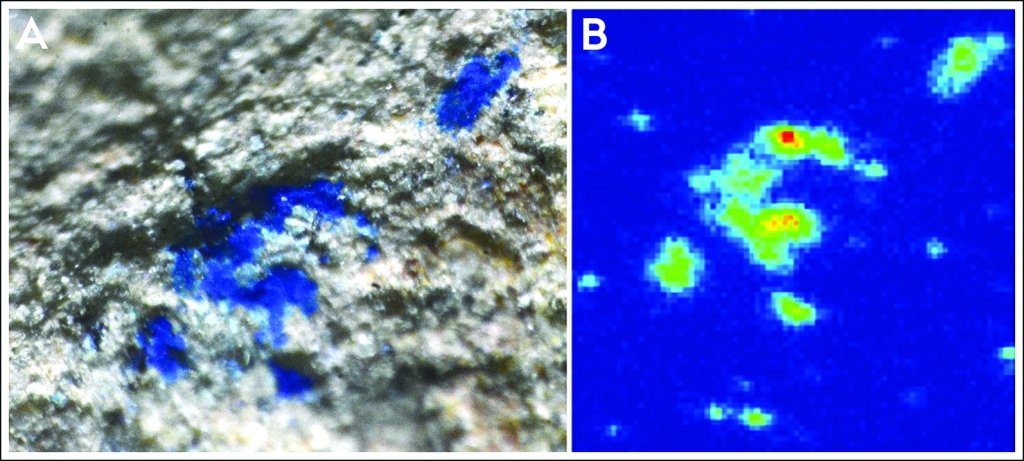
Researchers analyzing a stone from the Paleolithic site Mühlheim-Dietesheim in Germany have identified the earliest known use of blue mineral pigment in Europe. The study, published in the journal Antiquity, found traces of azurite on a roughly 13,000-year-old stone artifact, which is thought to have served as a palette for mixing pigments. This discovery challenges the long-held belief that Paleolithic art relied primarily on red and black pigments, as blue minerals like azurite had not been detected in Europe’s Paleolithic art until now.

New SLAM exhibition brings ancient Rome to life in ‘Ancient Splendor: Roman Art in the Time of Trajan’

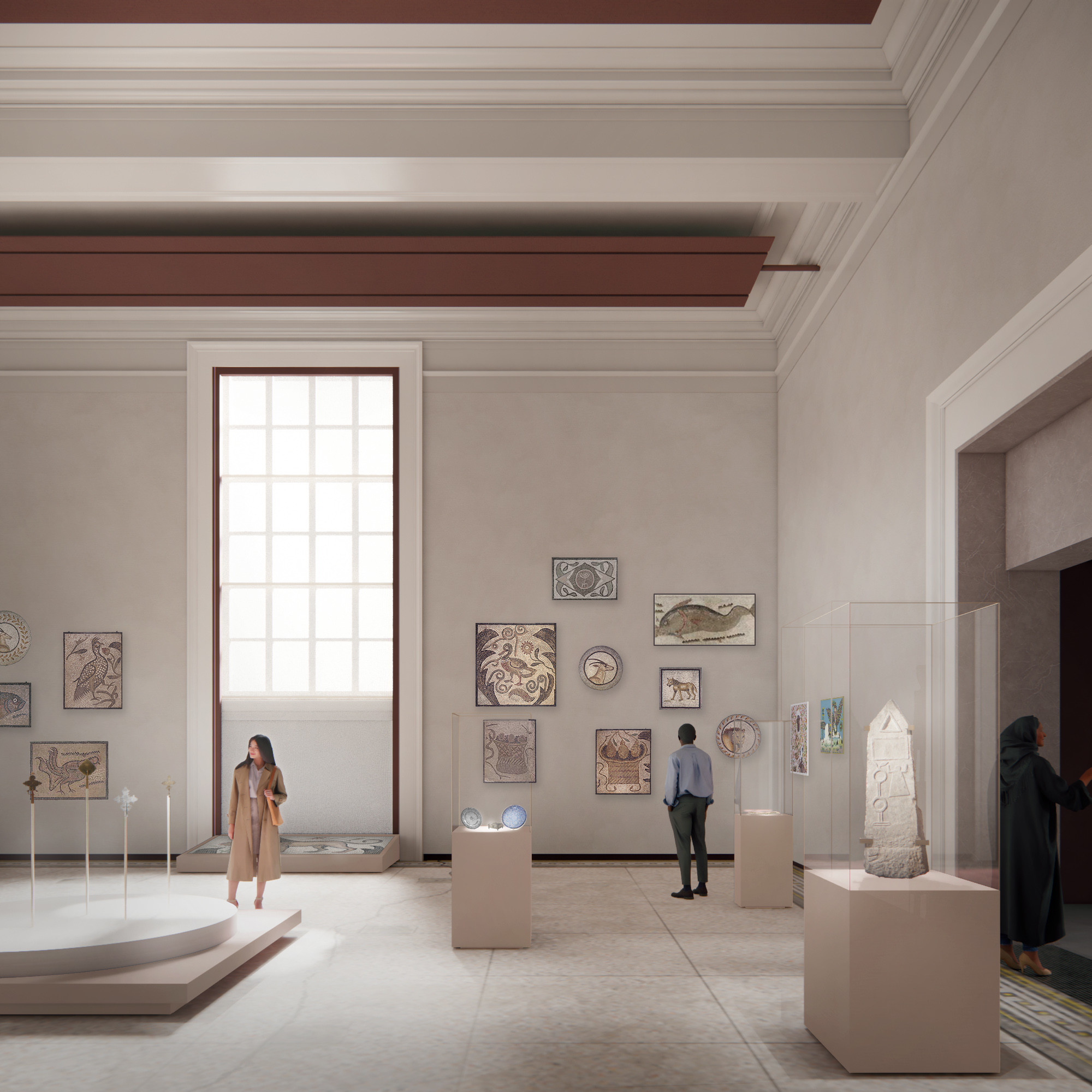
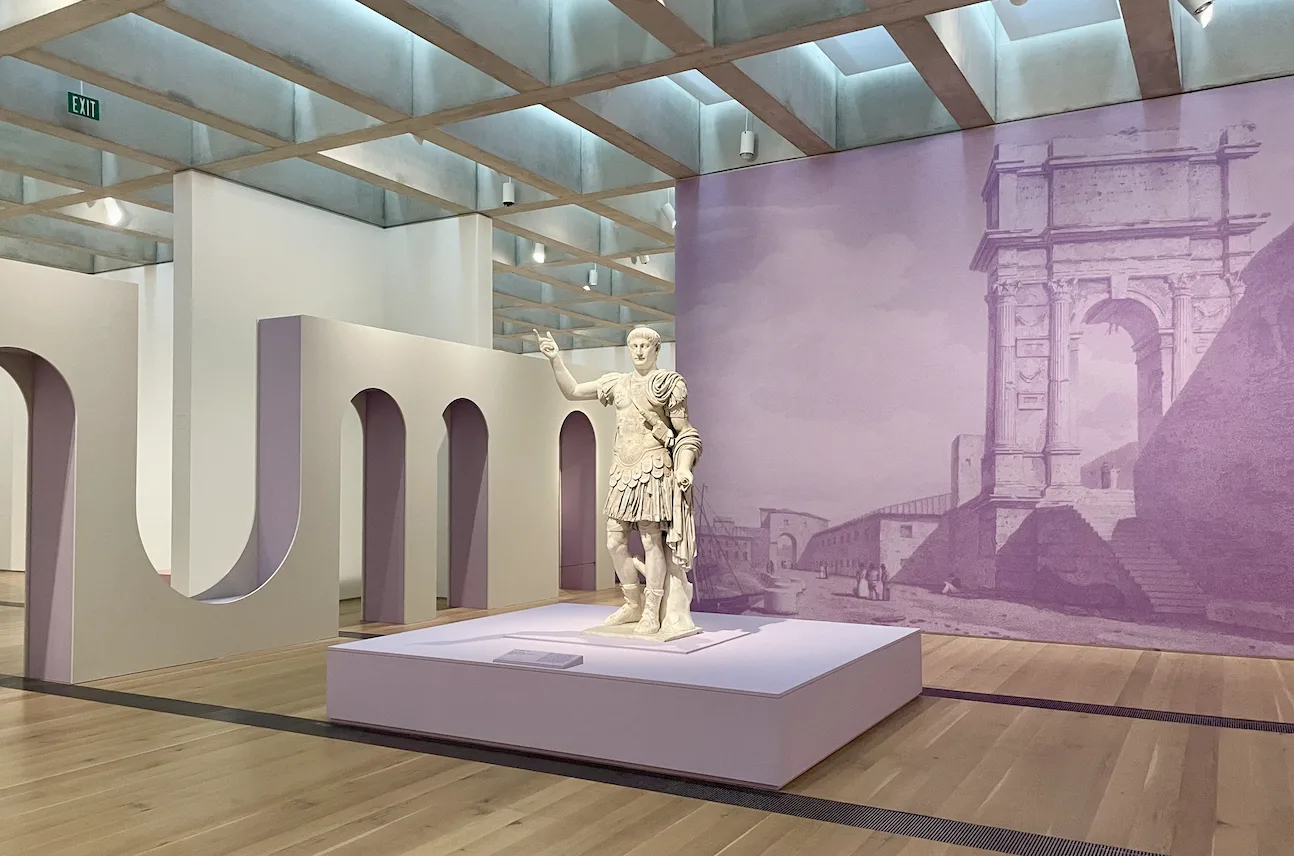
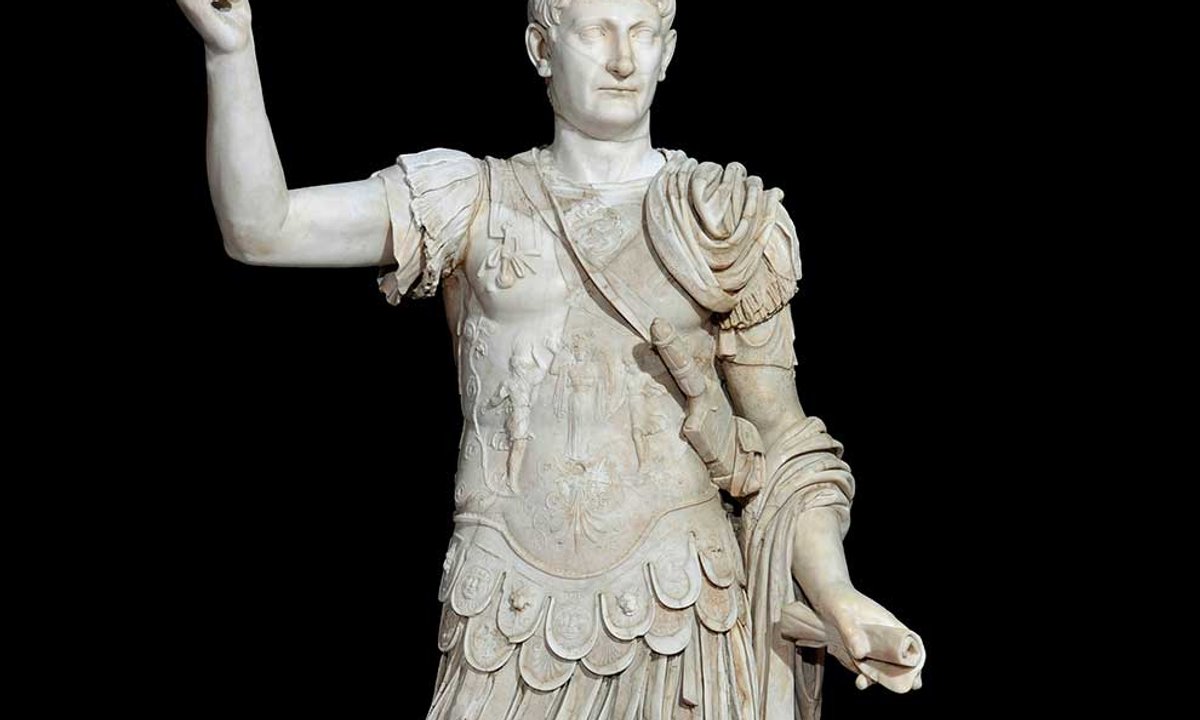
The Saint Louis Art Museum (SLAM) has opened “Ancient Splendor: Roman Art in the Time of Trajan,” a major traveling exhibition featuring a seven-foot-tall marble statue of Emperor Trajan and a vast array of artifacts from his reign. Organized in collaboration with the Italian organization StArt and curated by Roman expert Lucrezia Ungaro alongside SLAM’s Hannah Segrave, the show is structured into three thematic sections: the imperial household, the domestic lives of everyday Romans, and the public sphere. To enhance immersion, the museum has integrated sensory elements including scent stations that replicate ancient fragrances and a commissioned soundscape.

Treasures of the past shine in ‘Ancient Splendor’

The Saint Louis Art Museum (SLAM) is launching 'Ancient Splendor: Roman Art in the Time of Trajan,' a major exhibition featuring approximately 160 artifacts including imperial portraiture, mosaics, jewelry, and frescoes. Curated by Lucrezia Ungaro and Hannah Segrave, the show utilizes theatrical design and sensory elements like scents to immerse visitors in the Roman world. The exhibition is bolstered by significant loans from prestigious Italian institutions, including the Vatican Museums and the National Archaeological Museum of Naples.

Trajan’s force: Houston exhibition to explore Ancient Rome’s imperial peak

The Museum of Fine Arts, Houston is opening "Art and Life in Imperial Rome: Trajan and His Times," an exhibition exploring the artistic and cultural legacy of Emperor Trajan (AD 98–117). The show features loans from major Italian institutions including the Museo Archeologico Nazionale di Napoli and the Vatican Museums, with standout works such as a 2-meter marble statue of Trajan and a colossal portrait of his wife Plotina. The exhibition, conceived in 2021 with Italian consultancy StArt, will travel to the Saint Louis Museum of Art in March 2026, with each venue offering a different focus—Houston emphasizing large-scale objects like a recreation of Trajan's Column, and St. Louis delving into the port city of Ostia.

An Anthology on Time

Une anthologie sur le temps

The publishing house Citadelles & Mazenod has released a new anthology titled "Écrire le temps. De l’Antiquité à nos jours" (Writing Time: From Antiquity to the Present Day). Edited by Pascal Dethurens, the 480-page volume compiles a vast array of literary sources on the concept of time, from ancient thinkers to contemporary writers, and pairs these texts with a wide variety of artistic representations.

Bread, Wine, and Fish: How the Archaeology of Food Tells the Story of Life in Herculaneum

Pane, vino e pesce. Tutta l’archeologia del cibo racconta che vita si faceva a Ercolano: l’itinerario gratuito

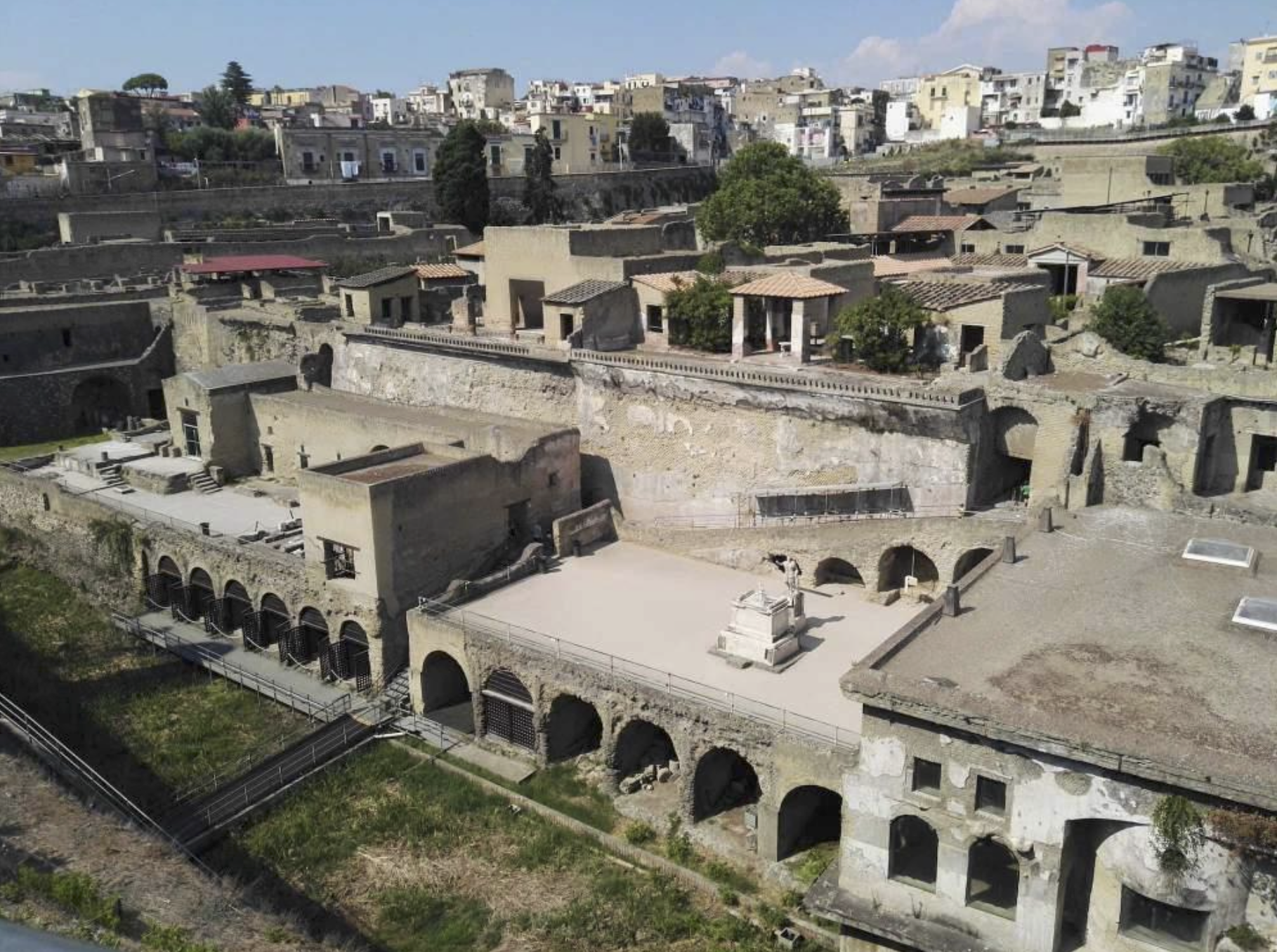
The Herculaneum Archaeological Park has launched a new thematic itinerary titled "I luoghi del cibo a Ercolano" (The Places of Food in Herculaneum), offering visitors a deep dive into the gastronomic culture of the Roman city buried by Vesuvius in 79 AD. The guided path leads through ancient street food stalls known as thermopolia, specialized wine shops, and the bakery of Sextus Patulcius Felix, where stone mills and ovens remain intact. The experience extends to the Casa dei Cervi to illustrate the social rituals of elite banqueting and includes a supplementary exhibition at Villa Campolieto featuring organic remains preserved by the eruption.

On Loss and Absence: Textiles of Mourning and Survival

The Art Institute of Chicago presents 'On Loss and Absence: Textiles of Mourning and Survival,' an exhibition running from September 6, 2025, to March 15, 2026. Featuring over 100 objects from antiquity to the present, the show draws primarily from the museum's own collection and is organized into four thematic sections: Death and Mourning, Transition of Realms, Care and Repair, and Resistance and Survival. Works include funeral hangings, burial cloths, mourning samplers, Indonesian ship cloths, a Taoist priest's robe, and contemporary pieces by artists such as Nick Cave, Carina Yepez, the Noqanchis collective, and Diné weaver Barbara Teller Ornelas. The exhibition is curated by four artist-educators from the School of the Art Institute of Chicago's Fiber and Material Studies department: Isaac Facio, Nneka Kai, L Vinebaum, and Anne Wilson, with senior museum advisor Melinda Watt.

Giovanni Battista Piranesi: Visions of Grandeur

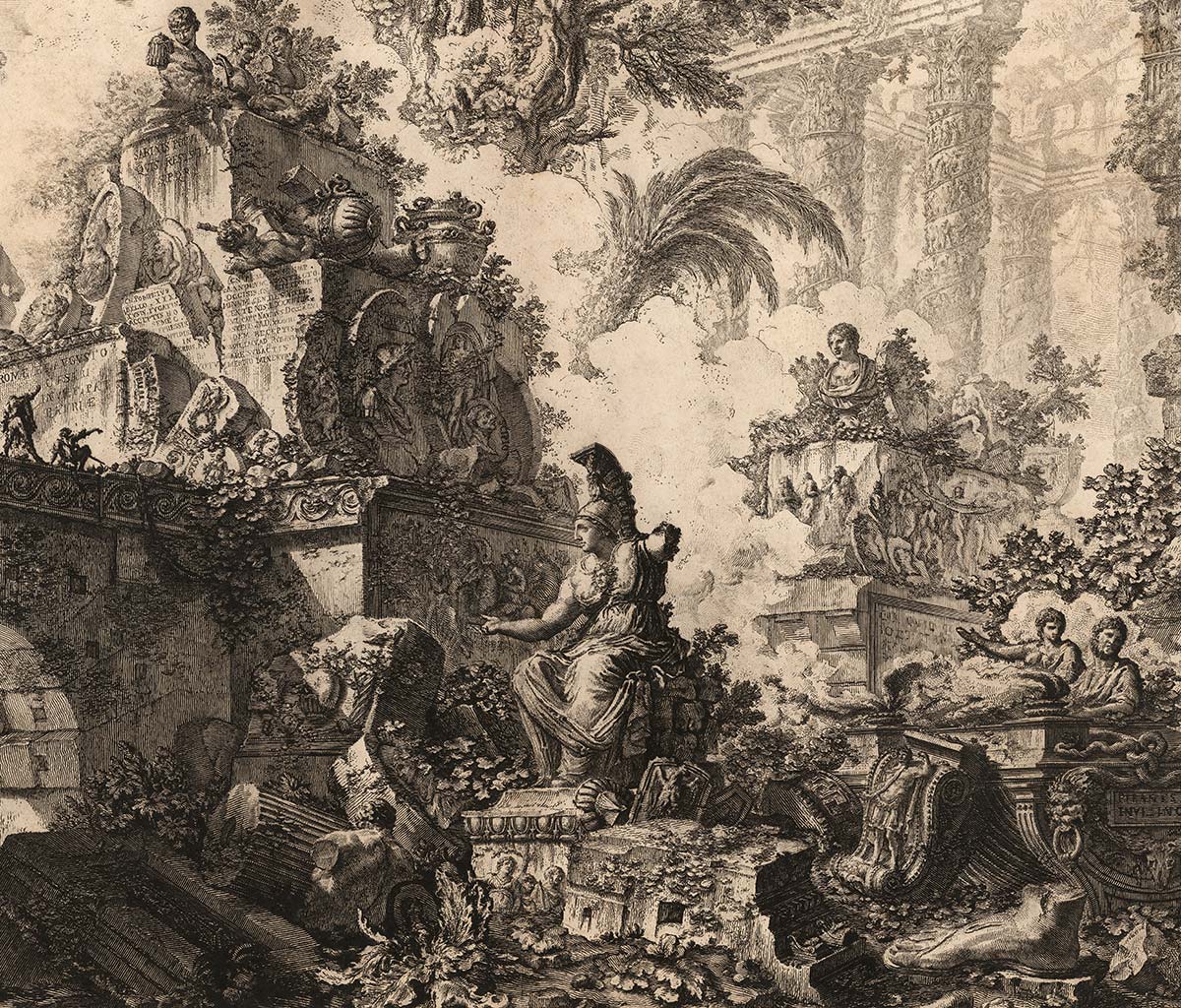
Middlebury College Museum of Art presents 'Giovanni Battista Piranesi: Visions of Grandeur,' an exhibition showcasing the 18th-century Italian printmaker, architect, designer, and antiquities dealer. The show features prints, drawings, a book, a map, and a recently acquired sculpture drawn from Middlebury's collections, augmented by loans from the Yale University Art Gallery, the Pierpont Morgan Library and Museum, and private collections. Curated by architectural history professor Pieter Broucke, the exhibition includes label texts researched by Middlebury students in a January 2025 curatorial lab course.