filter_list Showing 7 results for "Arena" close Clear
search
dashboard All 7 museum exhibitions 2article culture 1trending_up market 1article news 1person people 1rate_review review 1
date_range Range Today This Week This Month All
Subscribe

Across Venice, Artists Defy Censorship to Mourn and Memorialize Gaza

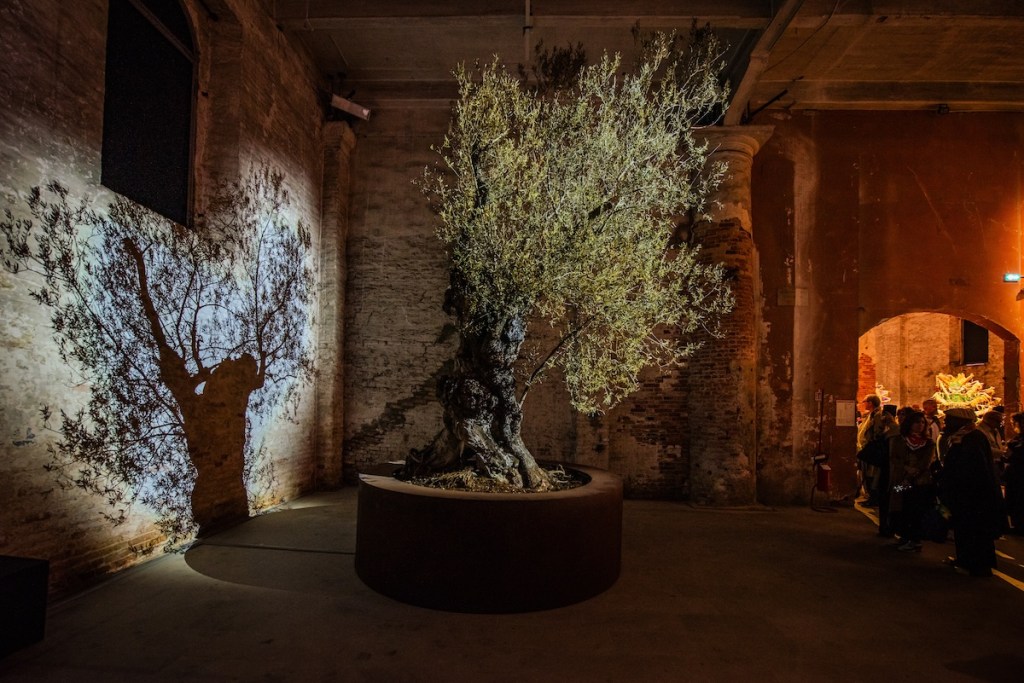
The 2026 Venice Biennale, titled “In Minor Keys,” features numerous artworks that mourn and memorialize the destruction of Gaza, despite censorship pressures. The main exhibition opens with a poem by slain Palestinian poet Refaat Alareer, and includes works by artists such as Theo Eshetu, Mohammed Joha, Manuel Mathieu, and Avi Mograbi that directly or indirectly address the conflict. Outside the official Biennale, South African artist Gabrielle Goliath’s performance series “Elegy” was censored by her country’s culture minister after she proposed a version honoring murdered Palestinian poet Hiba Abu Nada, leading her to present the work independently at a church in Venice.
The Museums of Verona have a new director. "This city can become a cultural laboratory," says Lorenzo Balbi

I Musei di Verona hanno un nuovo direttore. “Questa città può diventare un laboratorio culturale”, dice Lorenzo Balbi

Lorenzo Balbi, currently director of MAMbo in Bologna, has been appointed as the new director of the Musei di Verona, a civic museum network that includes the Arena di Verona, Casa di Giulietta, Museo Archeologico al Teatro Romano, Museo Civico di Storia naturale, Museo degli Affreschi di G. B. Cavalcaselle, Museo di Castelvecchio, Museo Lapidario Maffeiano, and Galleria d’Arte Moderna Achille Forti. He will take office in September 2026, selected for his strategic vision to revitalize the system as a hub for cultural production, civic participation, and international dialogue.

Lost bunny paintings by JFK's photographer found in ABQ storage

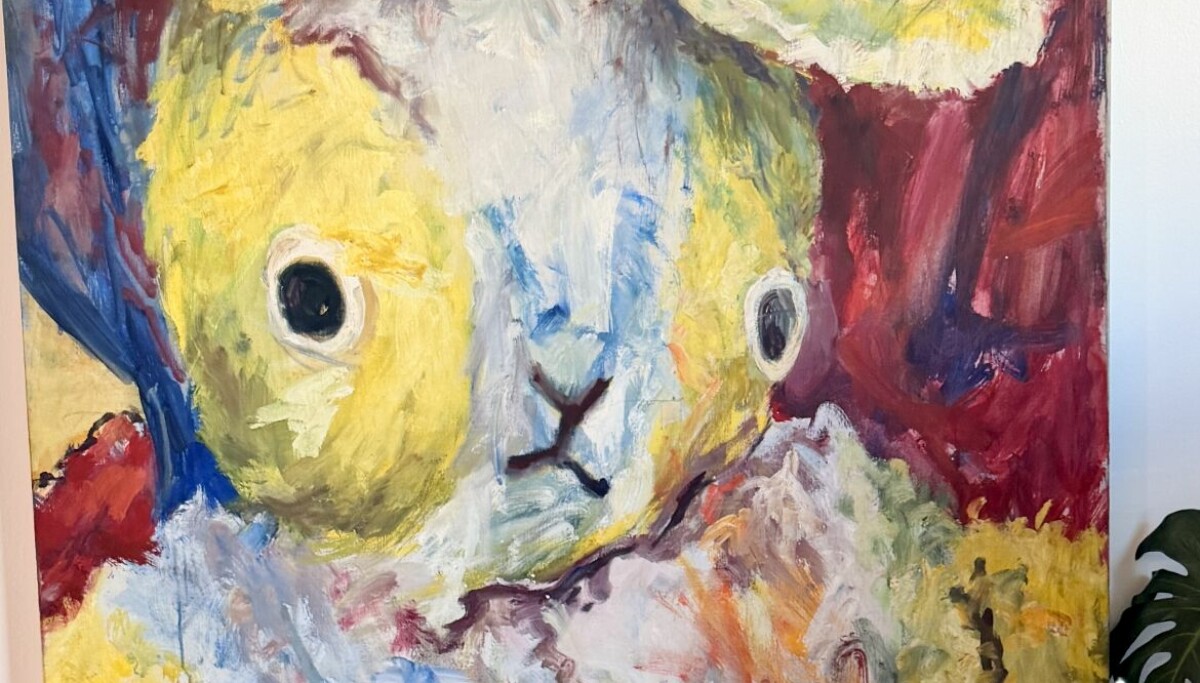
A trove of paintings by Eddie Johnson, an obscure artist who photographed President John F. Kennedy in 1962 as assistant to Elaine de Kooning, has been discovered in a storage unit in Albuquerque, New Mexico. The archive, saved from disposal by the artist's estate, includes a major series of bunny-themed works created between 1972 and 1995, all based on a worn plush toy. Artist Matthan Cowart organized the exhibition "Hares on the Mountain" at his gallery Desert Mystery Center, pairing Johnson's bunny paintings with works by 11 living artists including David Altmejd and Ed Haddaway.

Comment un père et sa fille ont dupé le marché de l’art avec de faux Picasso et Banksy

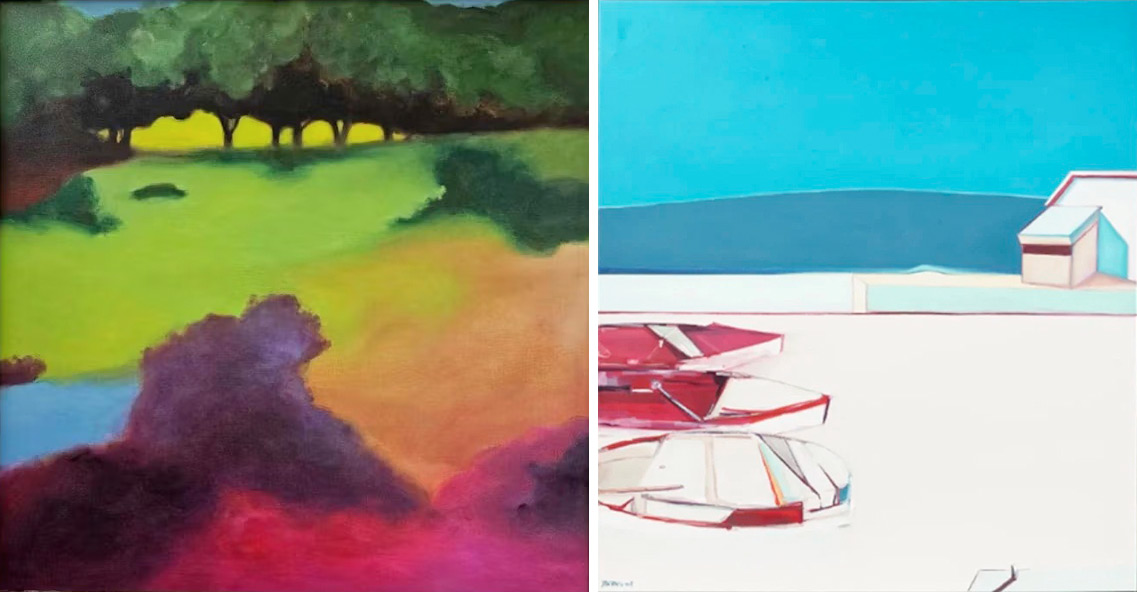
A Polish father-daughter duo, Erwin Bankowski (50) and Karolina Bankowska (26), orchestrated a major art forgery scheme between 2020 and 2025, selling over 200 fake artworks attributed to Andy Warhol, Banksy, Pablo Picasso, Andrew Wyeth, and others through top auction houses and galleries in New York and across the United States. They pleaded guilty in federal court in Brooklyn to conspiracy to commit wire fraud and misrepresentation of Native American goods, facing up to 20 years in prison, with sentencing set for August 5. The fakes, produced by an unidentified Polish artist, were sold for at least $2 million, with the highest known sale being a fake Richard Mayhew landscape that fetched $160,000 at DuMouchelles in Detroit.

Body as Device. Guide and Reflection on the Performances of the Venice Biennale

Corpo come dispositivo. Guida e riflessione sulle performance della Biennale di Venezia

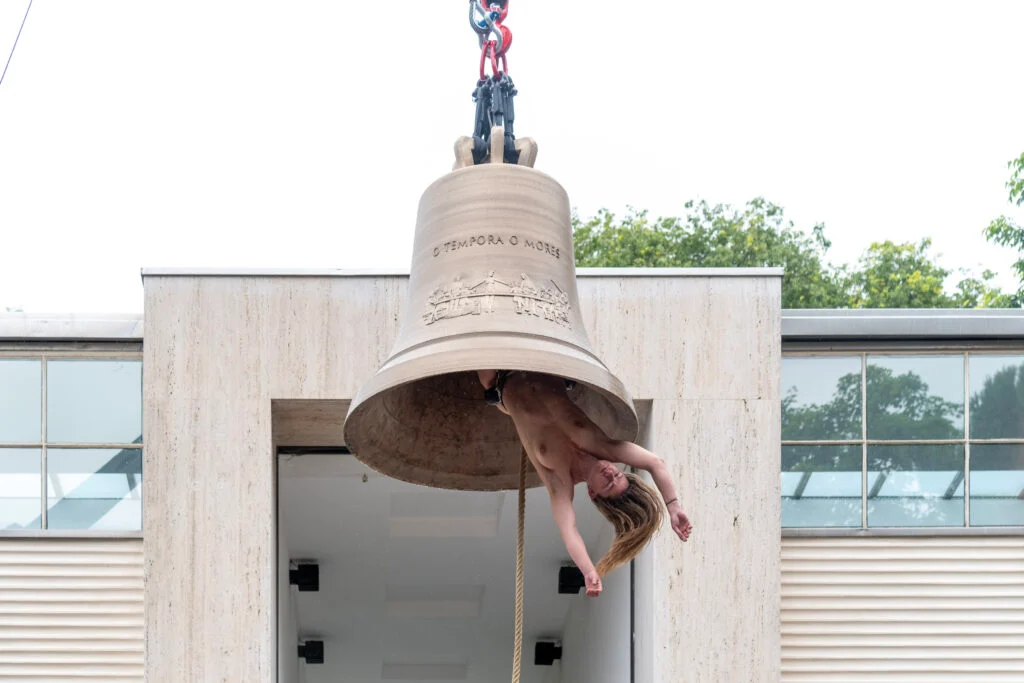
The article analyzes the role of performance art at the 2026 Venice Biennale, arguing that performance is no longer a rediscovered genre but a structurally institutionalized primary form of experience production. It examines how the body reemerges not as an alternative to image-based works but as an internal interruption of the artwork system, preventing closure and reintroducing instability. Key pavilions are discussed: Austria's Florentina Holzinger with "Sancta" draws on 1970s radical performance and feminist body art, creating an immersive environment of continuous movement; Belgium's Miet Warlop with "IT NEVER SSST" engages post-dramatic theater and postmodern dance repetition; Japan's Ei Arakawa-Nash with "Grass Babies, Moon Babies" activates Gutai avant-garde legacies through viewer interaction with soft dolls.

At the Venice Biennale, protests, self-mutilation and rage against Israel and Russia. Is anyone left to talk about the art?

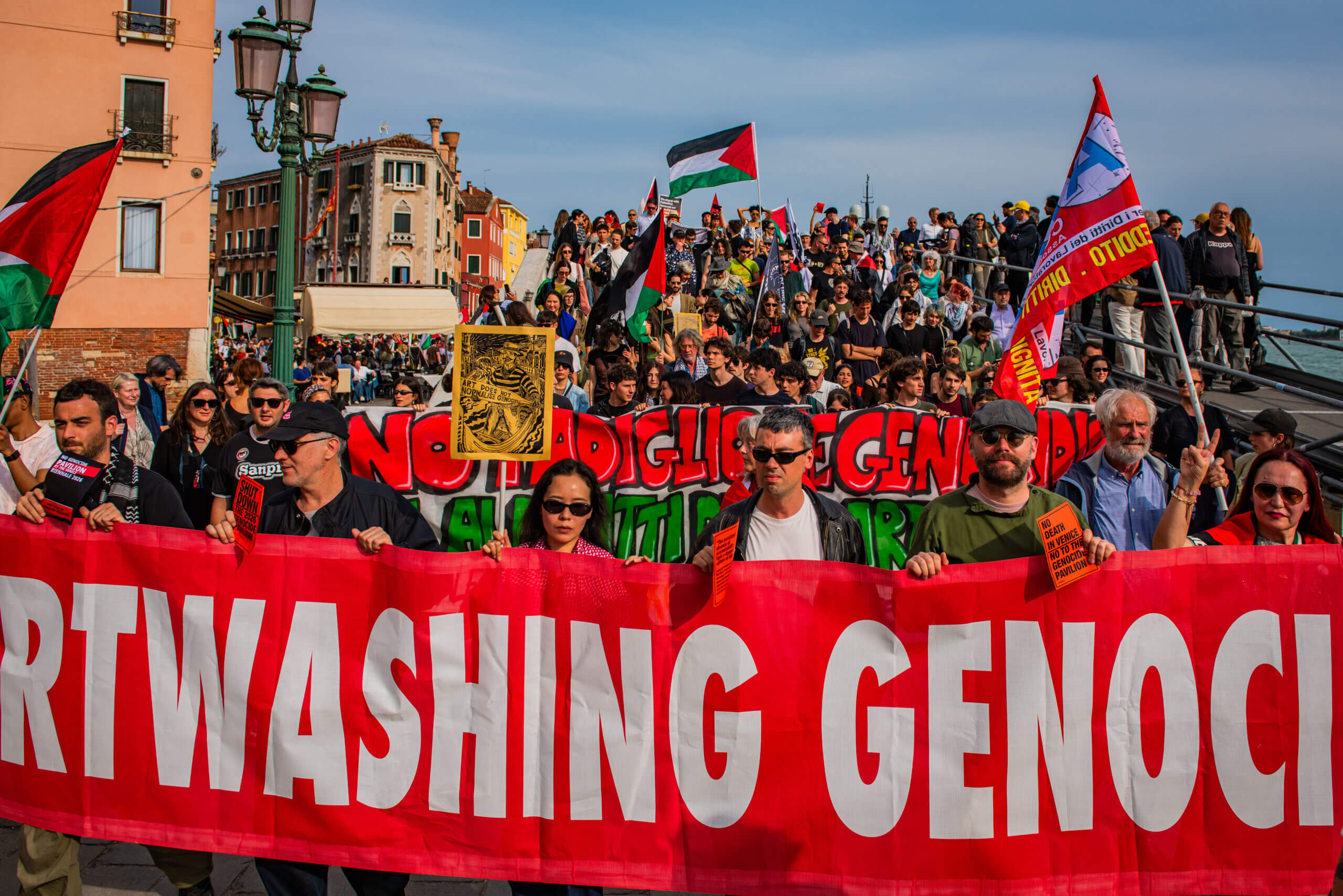
At the 61st Venice Biennale, protests and controversies have overshadowed the art itself. The Art Not Genocide Alliance (ANGA) demonstrated against the inclusion of Israel and Russia, while the Israeli Pavilion became a flashpoint. Artist Belu-Simion Fainaru, presenting his installation "Rose of Nothingness" in a temporary space, complained that he was forced to defend his art's right to exist amid questions about politics rather than his work. The Biennale also saw barricades, strikes, the resignation of the Golden Lion jury, Iran's last-minute withdrawal, and anger directed at the American pavilion over Trump administration policies. The central exhibition, "In Minor Keys," curated by the late Koyo Kouoh, was eclipsed by these events.

Since 1968, Protests Have Revealed the Real Impact of the Venice Biennale

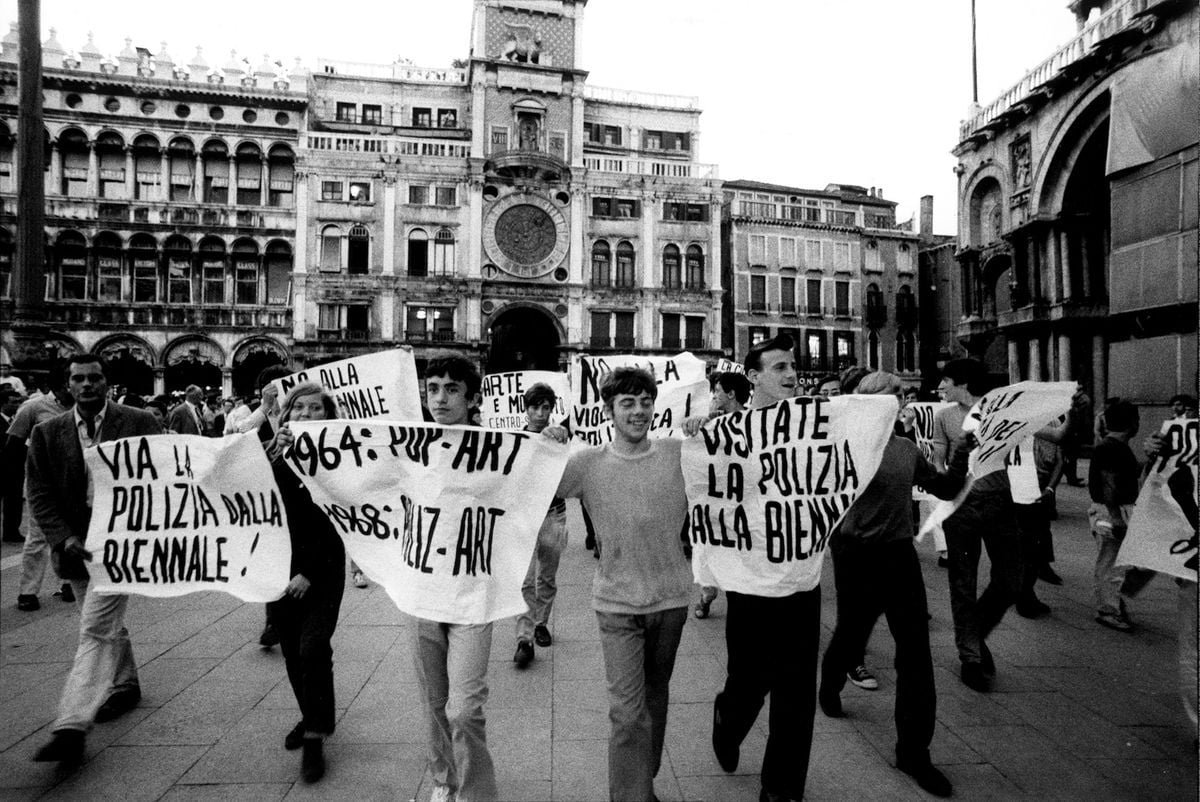
The article recounts the 1968 protests at the Venice Biennale, where artists, students, and activists clashed with police over the event's perceived ties to bourgeois power and capitalist commodification. It draws parallels to the 2024 Biennale, where groups like Art Not Genocide Alliance, Pussy Riot, and Femen demonstrated against the participation of Russia and Israel, while artists staged strikes and performances like the Solidarity Drone Chorus to highlight the Gaza conflict.