filter_list Showing 9 results for "Augustus" close Clear
dashboard All 9 museum exhibitions 5gavel restitution 2article culture 1article news 1
date_range Range Today This Week This Month All
Subscribe

roman sculpture 2710619

This article explores the rediscovery of Roman sculpture during the Renaissance and its profound influence on artists like Raphael, Donatello, Michelangelo, and Leonardo da Vinci. It details how Roman sculptors, inspired by Greek methods after the conquest of Greece in 146 B.C.E., created highly realistic works that served both artistic and political purposes, glorifying emperors and reinforcing imperial power. The piece highlights six iconic Roman sculptures—including the Equestrian Statue of Marcus Aurelius, the Colossus of Constantine, Trajan's Column, and the Augustus of Prima Porta—describing their historical context, artistic features, and enduring legacy.
Ten essential works of art to see in Dresden

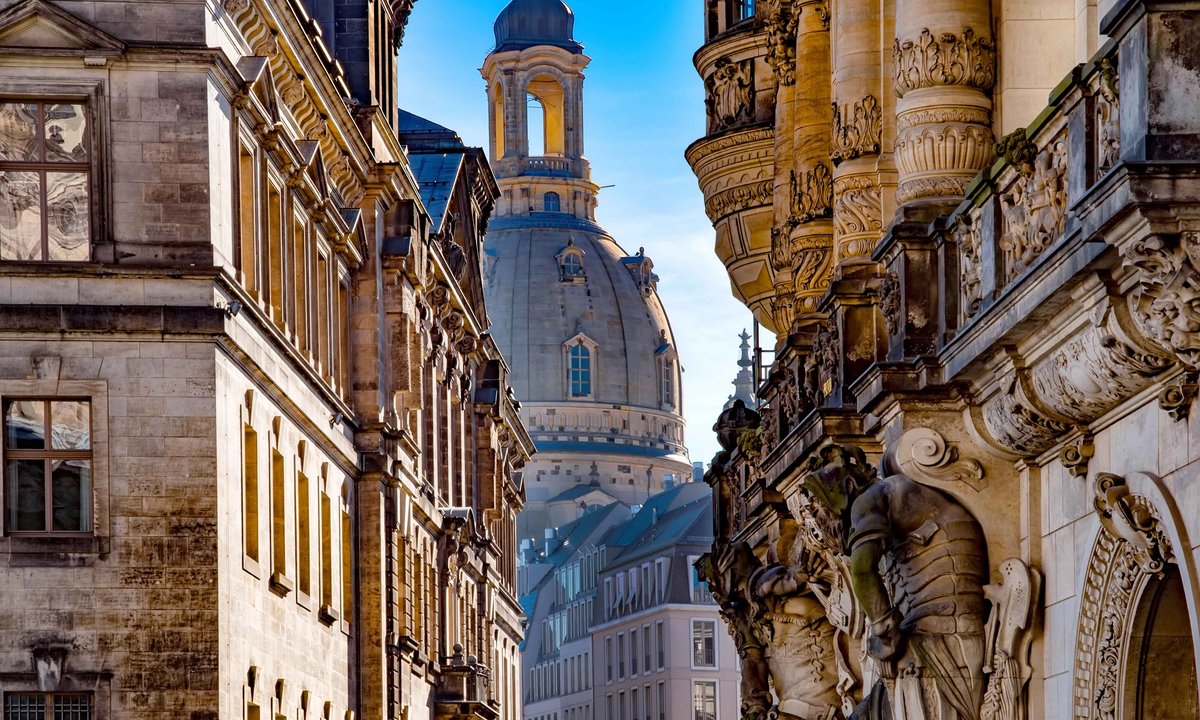
The article presents a curated guide to ten essential artworks in Dresden, Germany, highlighting the city's recovery from World War II devastation to reclaim its status as a Kunststadt (city of art). It focuses on masterpieces housed in the Staatliche Kunstsammlungen Dresden (SKD), including Raphael's *Sistine Madonna* (1512/13) at the Gemäldegalerie Alte Meister, Caspar David Friedrich's *The Great Enclosure* (1832) at the Albertinum, and a tiny cherry pit with 185 carved heads from the Grünes Gewölbe. The piece traces Dresden's golden age under rulers Augustus the Strong and Frederick Augustus II, whose acquisitions built one of Europe's most celebrated art collections.

british museum loans csmvs india 1234767692

The British Museum has sent approximately 80 artifacts on long-term loan to the Chhatrapati Shivaji Maharaj Vastu Sangrahalaya (CSMVS) in Mumbai, India. The loan includes an ancient Egyptian wooden riverboat model, Sumerian statues from 2200 BCE, a Roman mosaic from London, and a marble bust of Emperor Augustus. It is the largest loan of ancient material to India and the first such deal between the British Museum and a non-Western museum. The exhibition aims to counter "colonial misinterpretation" by emphasizing India's contributions to civilization.

Gwen John: Strange Beauties

The article announces 'Gwen John: Strange Beauties,' a major exhibition running from July 30 to November 28, 2027, that brings together the artist's celebrated oil paintings with rarely seen drawings and watercolors. Spanning her early student days to her immersion in French modernism, the show is the most comprehensive survey dedicated to Gwen John in over 40 years, organized by Amgueddfa Cymru in partnership with National Galleries of Scotland, the Yale Center for British Art, and the National Museum of Women in the Arts.

Gwen John—the quiet ‘seer of strange beauties’—gets major show in Wales

The National Museum Cardiff is mounting a major survey exhibition of Gwen John (1876-1939), one of the most famous artists in its collection, titled "Gwen John: Strange Beauties." The show marks the 150th anniversary of John's birth in Wales and will be the most comprehensive exhibition of her work in decades, featuring major loans from institutions such as Tate and the Museum of Modern Art in New York. It will travel to Scotland and the US, emphasizing John's interest in form, materials, and color theory, including late watercolours she never sold or exhibited. The exhibition draws on the museum's extensive archive of over 900 drawings, letters, and photographs acquired in 1976, and aims to shift focus from John's biographical narrative—her relationship with Auguste Rodin and reputation as a recluse—to her artistic dedication and technical innovations.

Gwen John: The 'reclusive spinster' artist who shunned conformity

A major retrospective of Gwen John, one of Britain's greatest 20th-century artists, is opening at National Museum Cardiff on the 150th anniversary of her birth. The exhibition, titled 'Gwen John: Strange Beauties,' brings together works from across the UK and the USA for the first time, including a significant collection acquired from her nephew Edwin in 1976 that has never been extensively researched or exhibited. John, born in 1876 in Haverfordwest, Pembrokeshire, was long overshadowed by her younger brother, the artist Augustus John, and was often dismissed as a 'reclusive spinster.' However, curators and biographers now challenge that myth, revealing her as a socially engaged, determined artist who pursued her own path despite Victorian-era constraints on women.

And We Shall Go Through Their Hills Without Much Delay

This article documents three journeys into and out of Yunnan, China, spanning from 1874 to 2023. It begins with British interpreter Augustus Raymond Margary's failed colonial expedition to establish a trade route, which ended in his violent death and contributed to unequal treaties opening Southwest China. It then follows a Naxi student named Xueshan in 1937, whose railway journey introduced modern timekeeping to the region, and finally describes the construction of the Burma Road, a critical WWII supply route. The narrative concludes with the artist Cheng Xinhao retracing these routes on foot from Kunming toward Burma over a year and a half, reflecting on history, bodily experience, and the layers of infrastructure that have reshaped the landscape.

ancient egyptian iconography roman bathhouse sagalassos turkey 1234756387

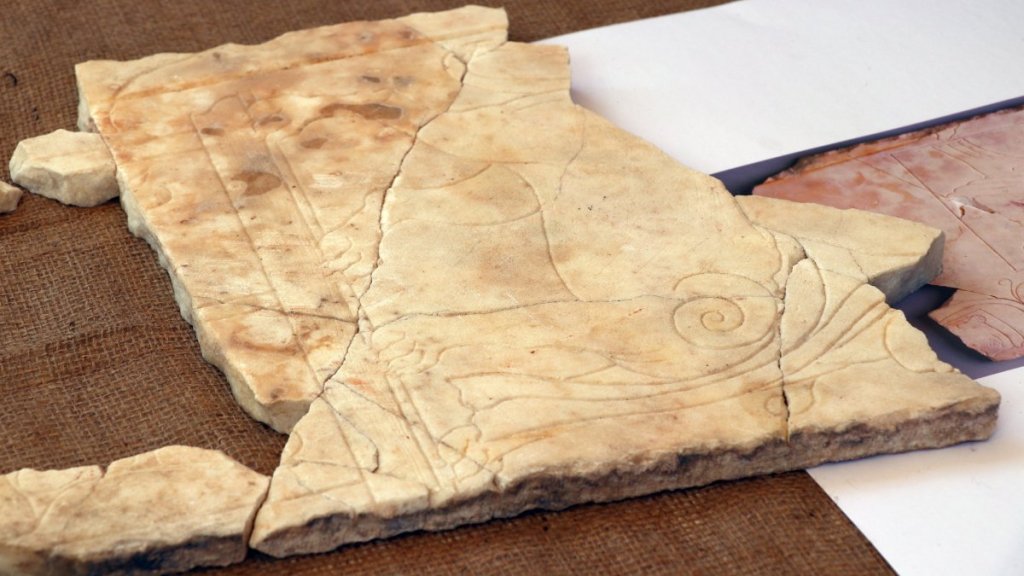
Archaeologists have identified ancient Egyptian iconography on a marble lintel in a Roman-era bathhouse at Sagalassos, Turkey. The carving depicts the sphinx god Tutu, flanked by two human figures wearing the crowns of Upper and Lower Egypt, along with deities Horus and Sobek. Dating to the reign of Emperor Augustus (27 BCE–14 CE), the panel was found in the frigidarium and was sourced from marble quarried over 124 miles away in the Afyonkarahisar region.

MFA Boston returns two works to Kingdom of Benin

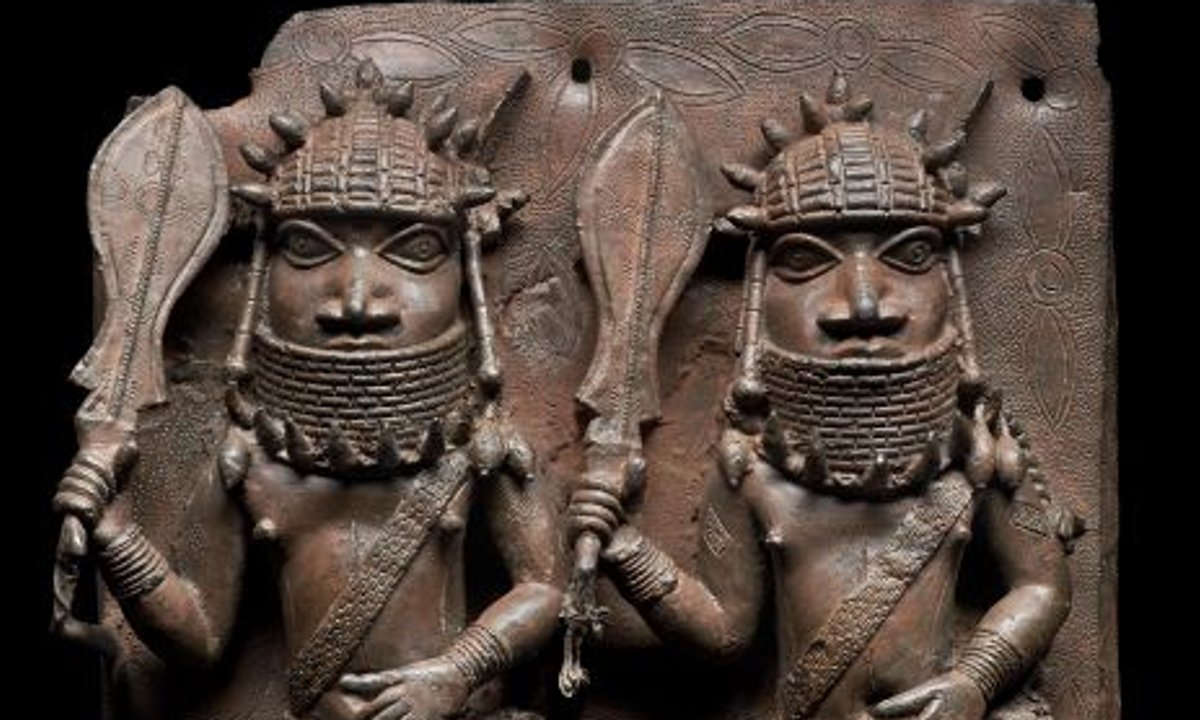
The Museum of Fine Arts (MFA) Boston has returned two looted artefacts—a bronze relief plaque and a terracotta and iron head—to the Oba of Benin during a ceremony at Nigeria House in New York City. The works, stolen by British forces during the 1897 punitive expedition against the Kingdom of Benin, were traced to the collection of Augustus Pitt-Rivers and later acquired by investment titan Robert Owen Lehman, who donated them to the MFA in 2013 and 2018. The pieces will be handed over to Nigeria's National Commission for Museums and Monuments and ultimately to His Royal Majesty Omo N’Oba Ewuare II.