filter_list Showing 8 results for "Ecuador" close Clear
dashboard All 8 article news 5museum exhibitions 3
date_range Range Today This Week This Month All
Subscribe

Dozens of Venice Biennale Artists Withdraw From Awards En Masse

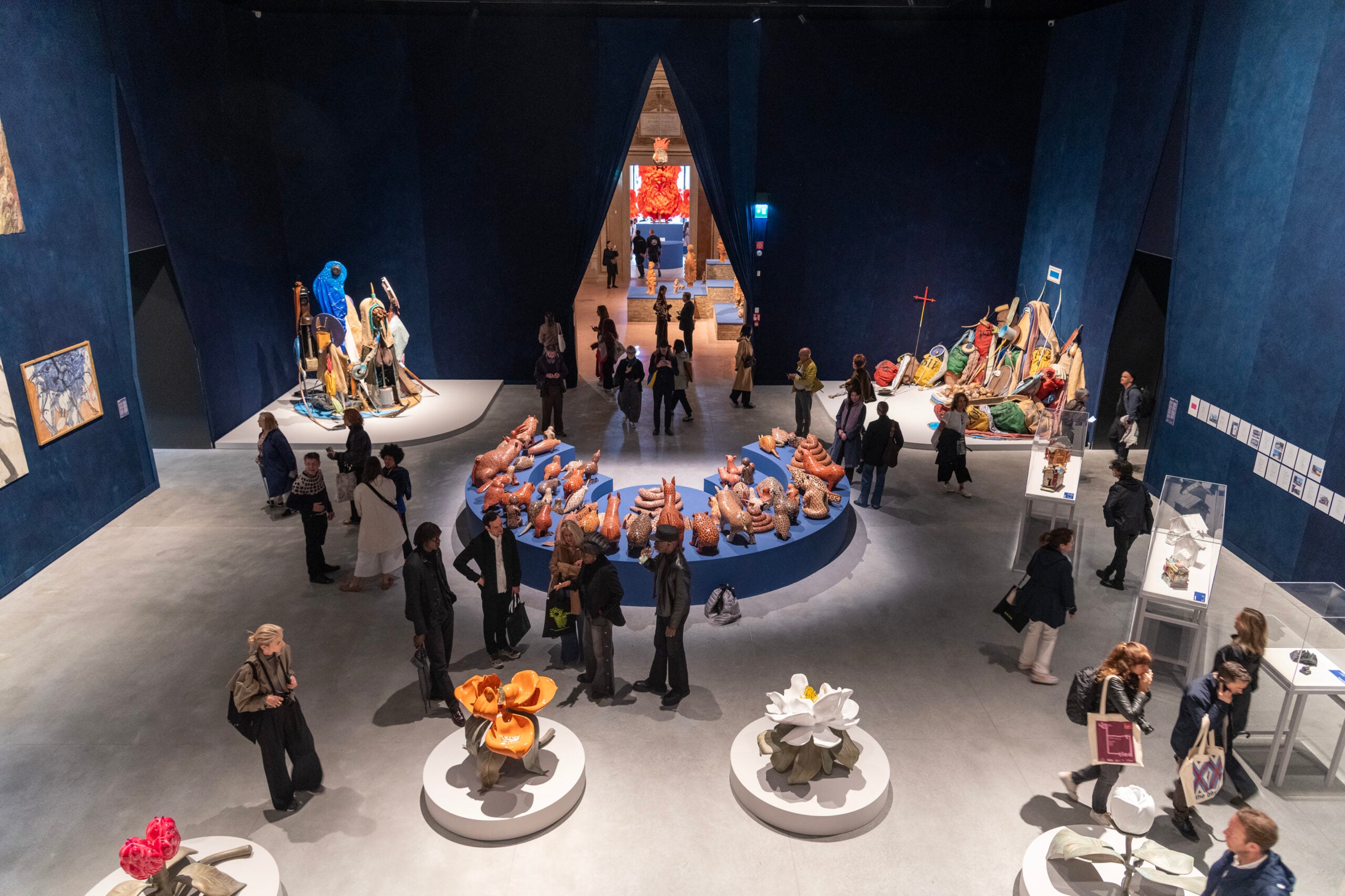
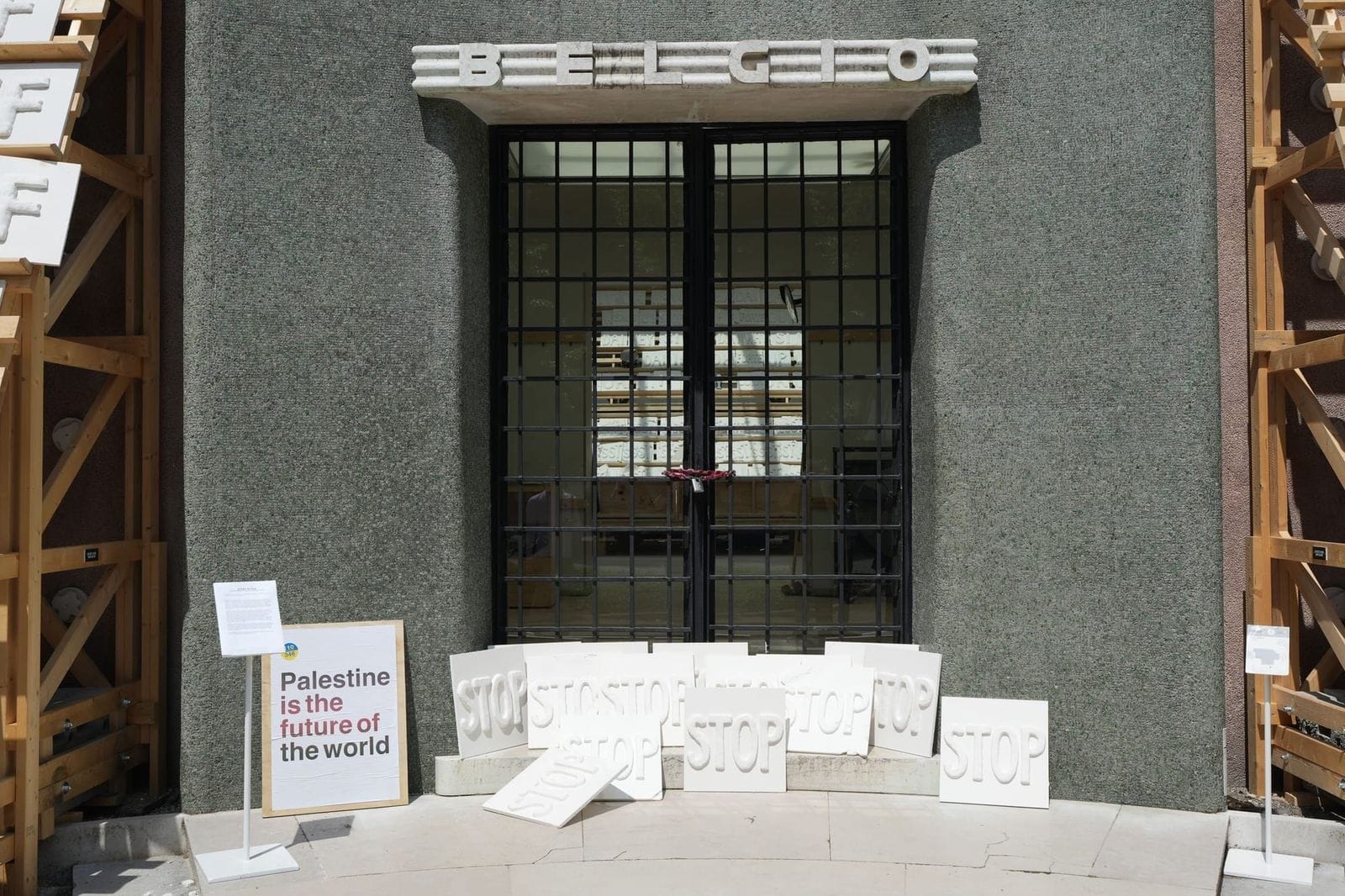
Almost half of the artists in the 61st Venice Biennale's international exhibition, along with 16 national pavilion teams, have withdrawn from awards consideration in solidarity with the jury's resignation. The jury resigned on April 30 after stating it would not consider countries whose leaders are charged with crimes against humanity by the ICC, effectively disqualifying Israel and Russia. The Biennale Foundation then replaced the traditional Golden Lions with new "Visitor Lions" decided by public vote, reinstating all pavilions including Israel and Russia. The withdrawal follows protests at the Russian and Israeli pavilions and a historic labor strike that shuttered multiple pavilions.
Historic Strike Disrupts Biennale as Thousands March in Venice

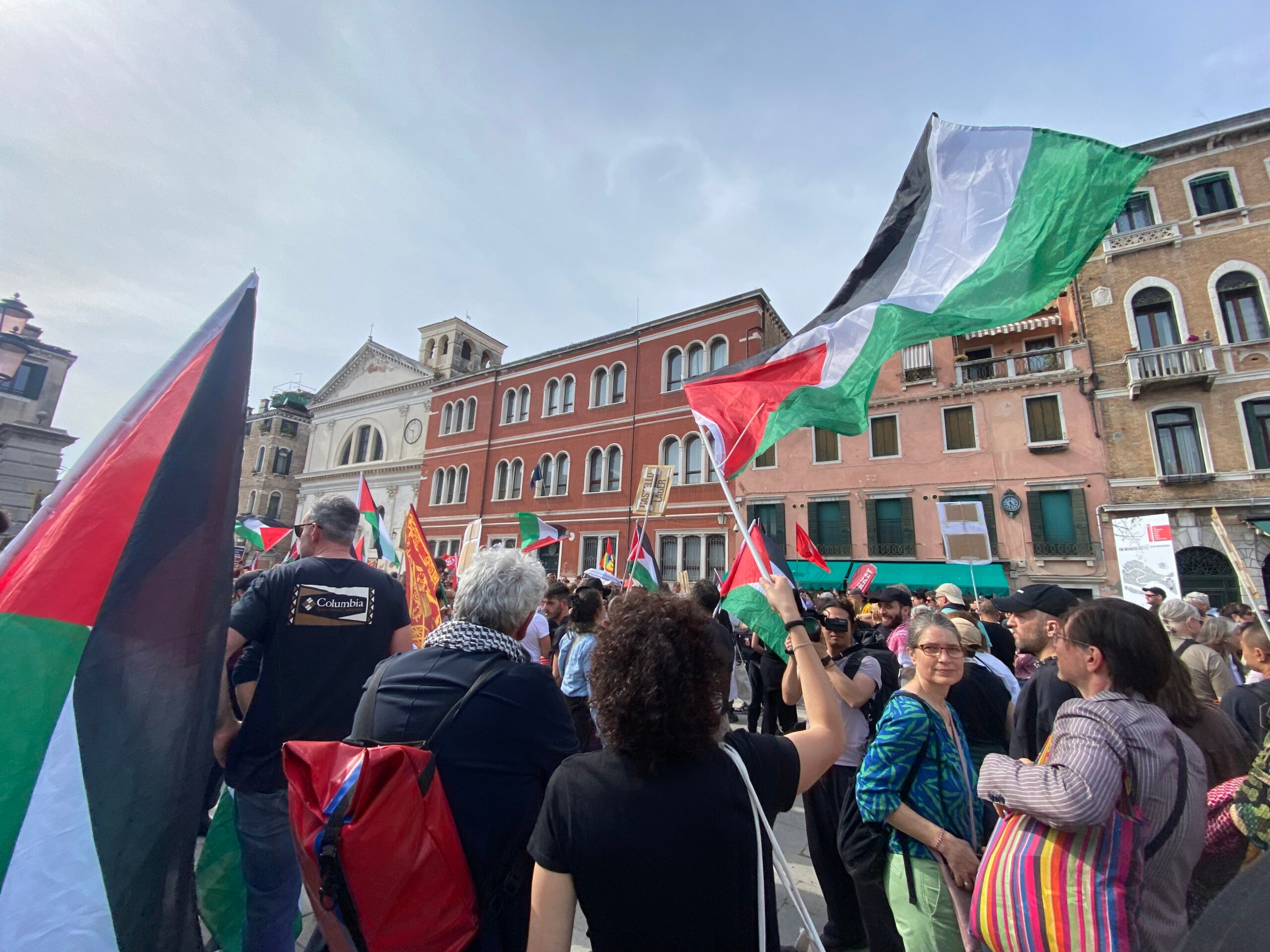
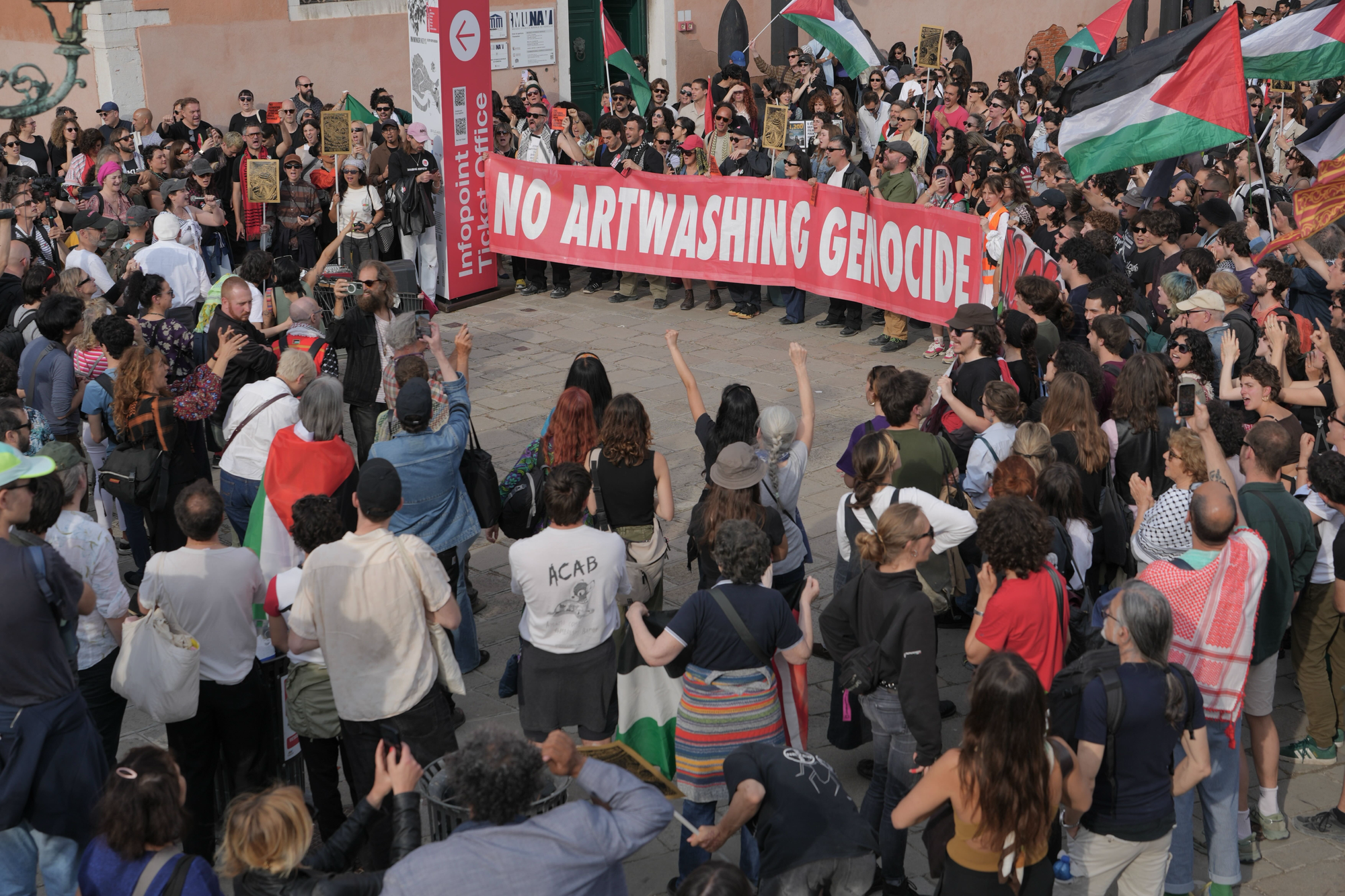
On May 8, 2026, artists and cultural workers staged the first strike in the 131-year history of the Venice Biennale, disrupting the pre-opening of the international exhibition. At least 27 of the 100 national pavilions were partially or fully shut down, and thousands marched through Venice to the Arsenale, which was barricaded by Italian riot police. The strike, organized by the Art Not Genocide Alliance (ANGA) and local activist groups, was a 24-hour action for Palestine and workers' rights, with some artists altering or draping their works in the main exhibition, "In Minor Keys."

An Unprecedented 24-Hour Strike Could Upend the Venice Biennale

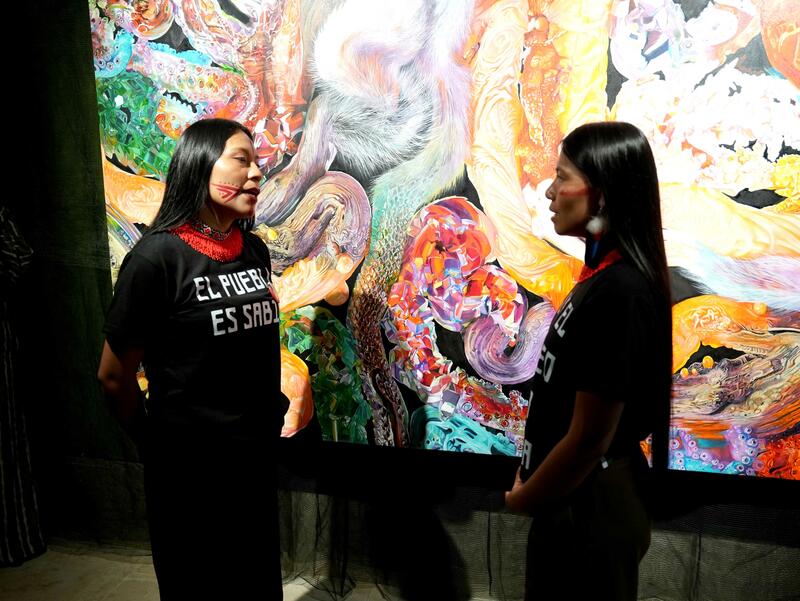
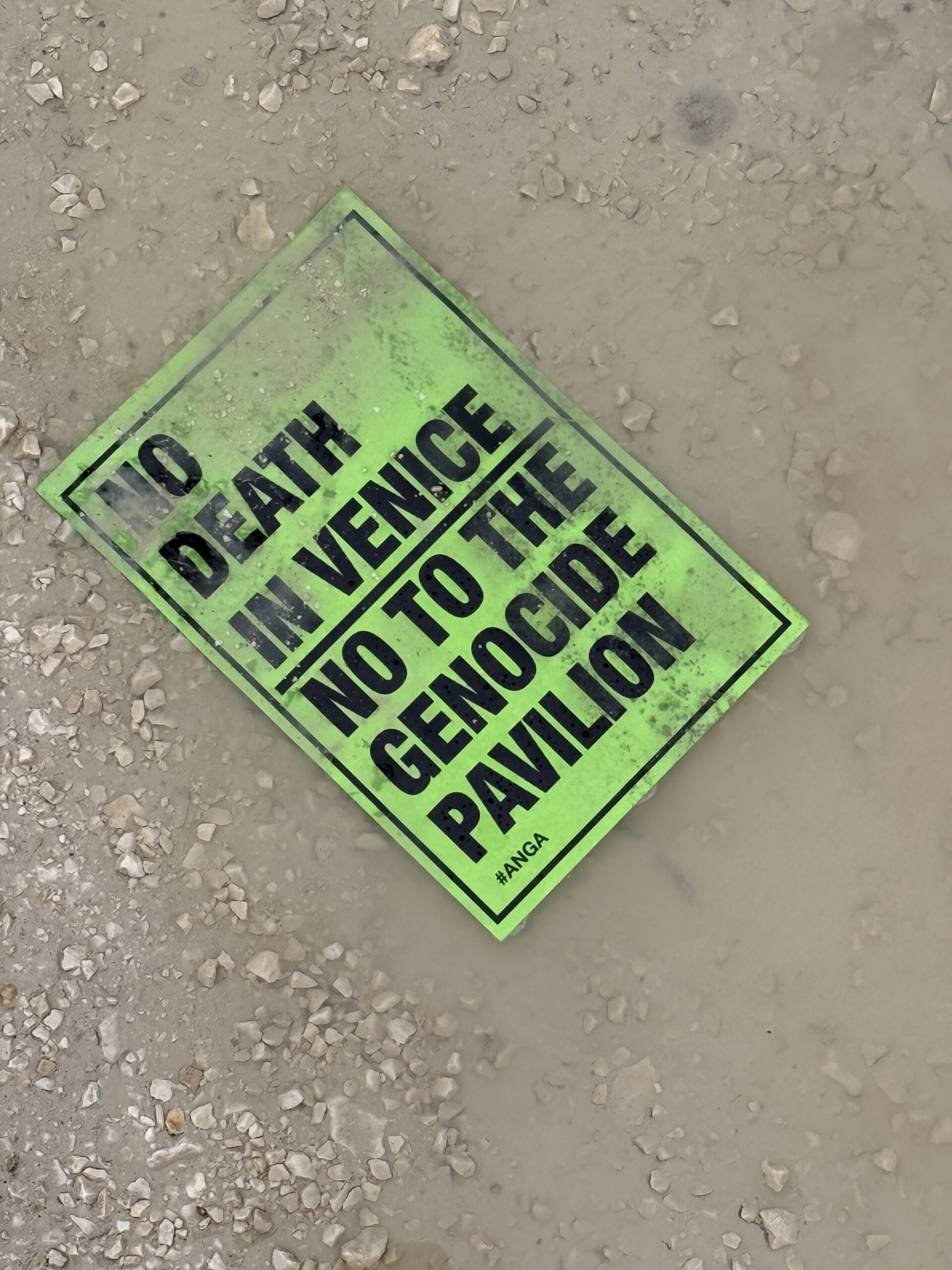
An unprecedented 24-hour strike is set to interrupt the Venice Biennale's opening week on Friday, May 8, in protest of Israel's participation in the global art event. The action, organized by the activist group Art Not Genocide Alliance (ANGA), follows a letter signed by over 230 Biennale participants demanding Israel's exclusion. The strike has exposed divisions among participants, with some artists and pavilion teams weighing solidarity against the rare opportunity to platform their own political messages. The Slovenian pavilion, represented by Nika Grabar of the Nonument Group, has committed to the strike, while others like Ecuador's Tawna Collective remain undecided, balancing protest with their mission to highlight ecological crises in the Amazon.

The Biennale releases the rules for voting on the Visitors' Lions while many artists and pavilions renounce competing for the prizes

La Biennale diffonde il regolamento per votare i Leoni dei Visitatori mentre molti artisti e padiglioni rinunciano a concorrere ai premi

The 61st Venice Biennale has opened to the public, introducing a controversial new voting system for the Golden Lions. After the entire jury resigned en masse on April 30, the Biennale decided to let the public decide the winners of the so-called "Leoni dei Visitatori" (Visitors' Lions). Voting is open from May 9 to November 22, 2026, and requires ticket holders to visit both main venues (Giardini and Arsenale) to receive a voting link. One vote per person is allowed for each of two categories: an artist in the main international exhibition "In Minor Keys" curated by Koyo Kouoh, and a national pavilion.

ECUADOR UNVEILS KANUA IN THE CANALS OF VENICE

Ecuador has unveiled "Kanua: listening practices," a public program for its pavilion at the 2026 Venice Biennale, launching on May 8 with solar-powered boat tours through Venice's canals. Developed by the anticolonial film collective Tawna in collaboration with the Kara Solar Foundation and curated by Manuela Moscoso, the project features six intimate boat journeys with discussions on extractivism, aqua-feminism, and territorial resistance, involving artists such as Carolina Caycedo, Mariana Castillo Deball, and Tabita Rezaire. The initiative reactivates Tawna's floating Amazonian film festival, which originally brought cinema to remote communities in Ecuador via a solar-powered boat.

At the 2026 Venice Biennale, pavilions shut down for pro-Palestine strike. The map of protests

Alla Biennale di Venezia 2026 serrata dei padiglioni per sciopero pro Palestina. La mappa delle proteste

On May 8, 2026, the third VIP preview day of the 61st Venice Biennale, a massive strike shut down numerous national pavilions and disrupted the exhibition. Led by the Art Not Genocide Alliance (Anga), the protest demands Israel's exclusion from the Biennale over allegations of genocide in Palestine, and also targets poor labor conditions in the cultural sector. Pavilions closed one after another due to staff shortages, and protest posters appeared around artworks at the Giardini and Arsenale. The strike involved the Biennale Foundation itself, along with about twenty contractors managing services and national pavilions, with unions Adl Cobas, USB Lavoro privato, and Cub supporting the action. Tensions rose when the UK Pavilion reportedly replaced striking staff to remain open, and the Foundation issued a statement falsely denying that its employees were covered by the strike.

Venice Biennale Opens Amid Strikes, Protests and Institutional Rupture.

The 61st Venice Biennale opened in May 2026 amid strikes, protests, and political unrest, rather than celebration. Coordinated by Italian labor groups and transnational coalitions, demonstrators targeted the Biennale's decision to allow participation by Israel and Russia during the ongoing wars in Gaza and Ukraine. The Art Not Genocide Alliance (ANGA) led protests against Israel's participation, while Pussy Riot and FEMEN activists staged a protest outside the Russian pavilion. The Israeli pavilion's relocation from the Giardini to the Arsenale added symbolic weight, with critics viewing it as institutional endorsement. The late curator Koyo Kouoh's vision for the exhibition, titled "In Minor Keys," emphasized tenderness and complexity, contrasting with the volatile atmosphere.

Four Latin American Voices Around the Montevideo Curatorial Intensive

CUATRO VOCES LATINOAMERICANAS EN TORNO AL INTENSIVO CURATORIAL DE MONTEVIDEO

Independent Curators International (ICI) held the Montevideo Curatorial Intensive in March 2026, in partnership with the ESTE ARTE fair and the Faculty of Arts at the University of the Republic (Udelar). This was the first time the program took place in Uruguay, bringing together twelve emerging curators from Uruguay, Brazil, Argentina, Chile, Venezuela, Ecuador, Colombia, and the United States for eight days of seminars, debates, and mentorship. Led by independent curator Marina Reyes Franco, the intensive included visits to local cultural spaces such as CasaMario, SUBTE, and the Espacio de Arte Contemporáneo, as well as a trip to Punta del Este to tour galleries and artist studios. The program featured presentations by international faculty including Ionit Behar, Victoria Noorthoorn, Maya Juracán, and Keyna Eleison, and concluded with a public symposium at the Museo Nacional de Artes Visuales (MNAV).