filter_list Showing 41 results for "Iran" close Clear
dashboard All 41 museum exhibitions 12trending_up market 9article news 6person people 5article culture 4article policy 2article events 1gavel restitution 1article event 1
date_range Range Today This Week This Month All
Subscribe

Kamrooz Aram Is Everywhere

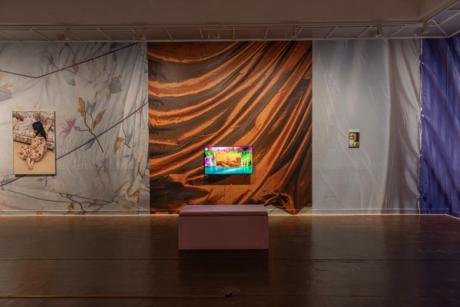
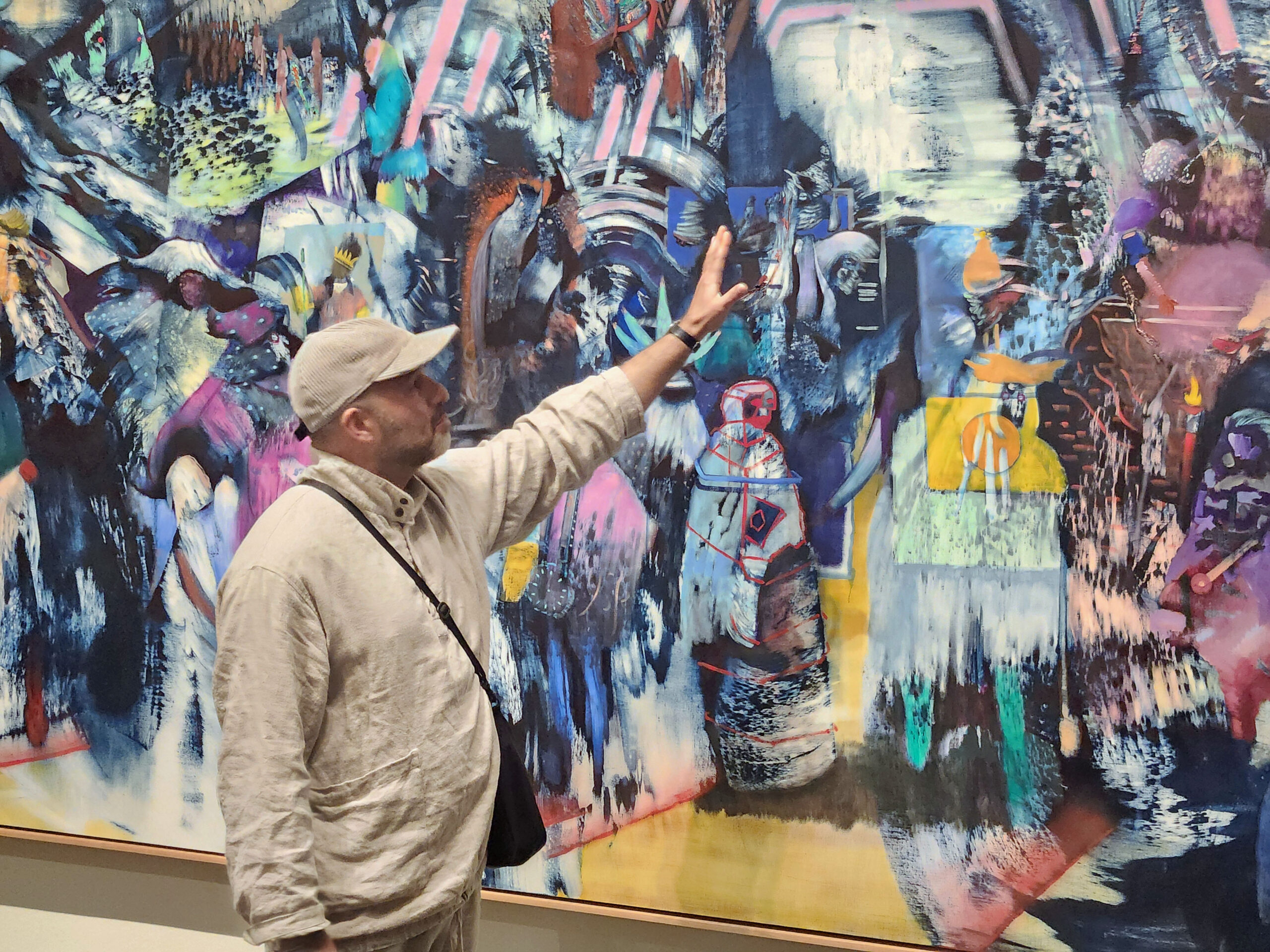
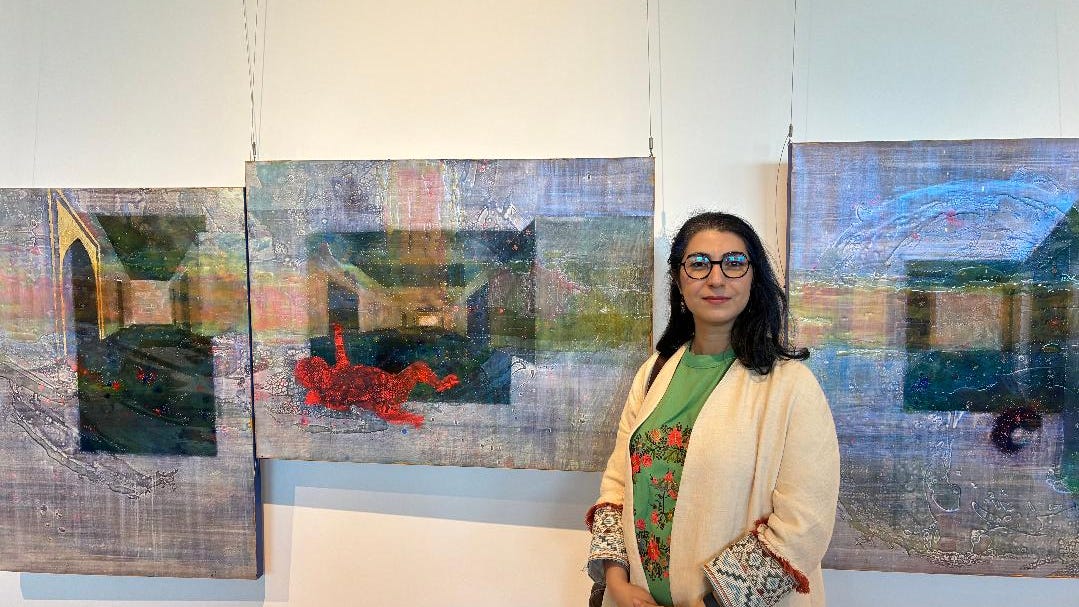
Iranian artist Kamrooz Aram is currently experiencing a significant institutional and commercial moment, with his work appearing in three major exhibitions across two continents simultaneously. Critic Aruna D’Souza highlights Aram’s ability to synthesize Islamic visual idioms with Western abstraction, creating a painterly language that transcends cultural hierarchies and treats historical narratives with a unique lightness.
Art Dubai announces updated gallery list for postponed 2026 edition

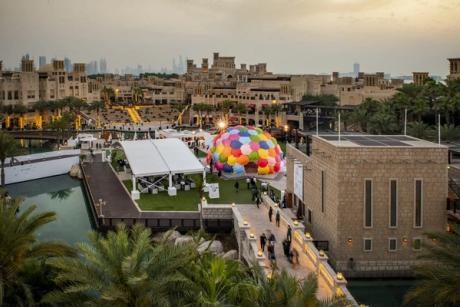
Art Dubai has released a revised exhibitor list for its 2026 edition, which was rescheduled to May 15–17 following regional instability caused by the US-Israel war in Iran. The fair will feature 50 galleries at Madinat Jumeirah, down from its original roster after approximately 75 participants—including major Indian and Western galleries—withdrew due to scheduling conflicts and logistics. To support those remaining, the fair has introduced a flexible fee structure where galleries pay a percentage of sales capped at the original stand cost.

A new Istanbul gallery is offering an outlet for Iran’s artists

Shiva Zahed Gallery has opened in Istanbul’s Pera district, specifically dedicated to showcasing Iranian contemporary art. The gallery's inaugural exhibition, "Echoes," features works by the influential artist Fereydoun Ave and installation artist Shaqayeq Arabi. The opening was significantly delayed and reconfigured after civil unrest in Iran and a communication blackout prevented the founder from coordinating with the 20 emerging artists originally scheduled for the debut.

Exhibition of Emirati art in Seoul becomes a relic of pre-war UAE life

An exhibition titled 'Proximities,' featuring over 110 works by 47 UAE-based artists, opened at the Seoul Museum of Art (SeMA) in December and closed on March 29. The show, co-curated by Maya El Khalil and SeMA's Eunju Kim, aimed to present nuanced, everyday perspectives of life in the UAE through sections organized by artist-curators like Farah Al Qasimi and Mohammed Kazem, moving beyond stereotypes of gilded excess.

And Just Like That… Carrie Bradshaw’s Closet Hits the Auction Block

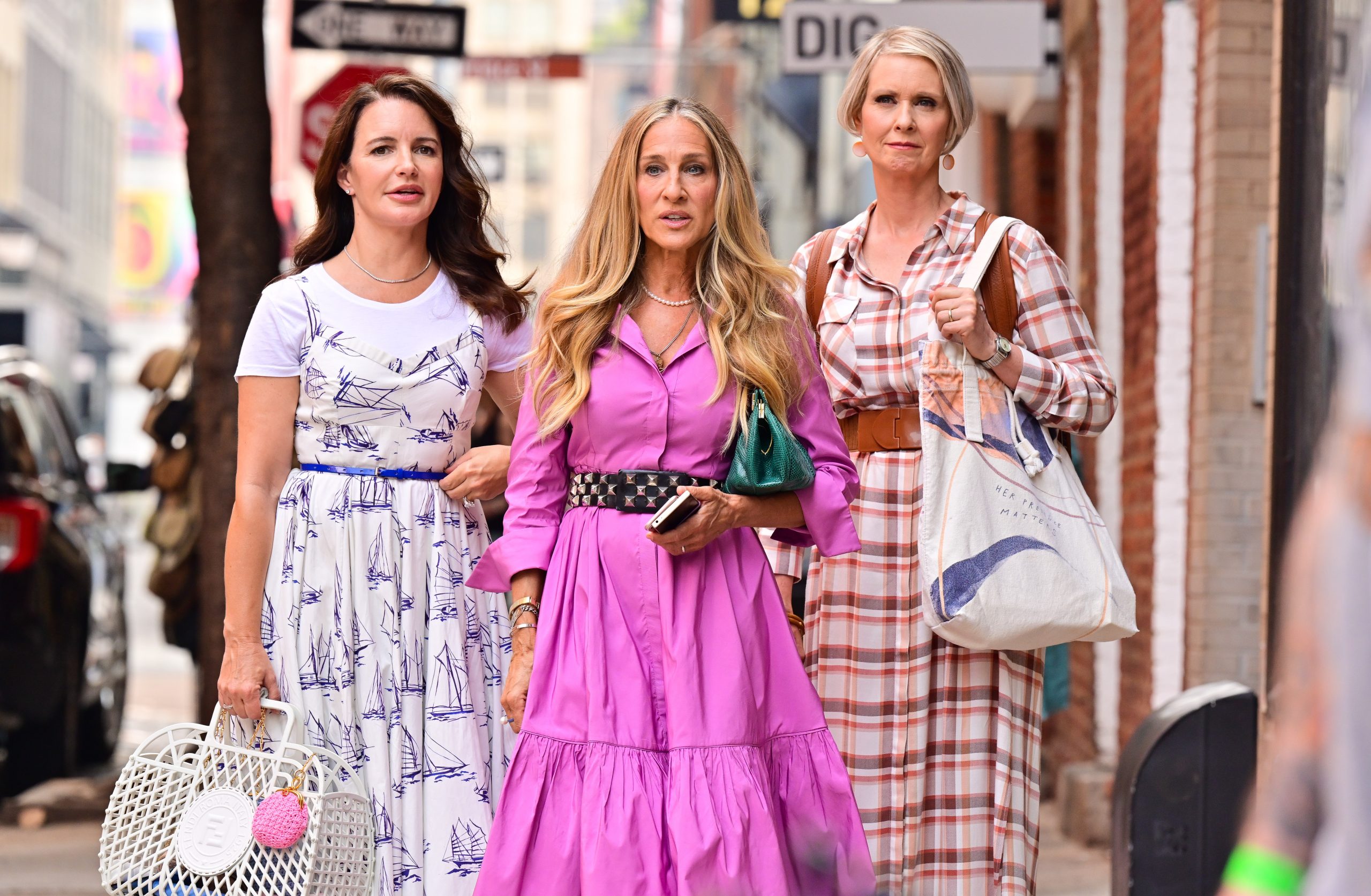
Julien’s Auctions is hosting a massive sale of over 500 props, costumes, and furnishings from the HBO series "And Just Like That…". The auction features iconic items associated with characters Carrie Bradshaw, Charlotte York, and Miranda Hobbes, including a prop Rolex watch engraved for Mr. Big, high-fashion garments, and furniture from the characters' New York apartments. Bidding began online in early April and will culminate in a live two-day event in California at the end of the month.

Why Do the Women Have to Be Naked?

"Warum müssen die Frauen nackt sein?"

A series of cultural controversies highlight growing tensions between artistic freedom and political pressure. In Germany, cultural minister Wolfram Weimer faces criticism for opaque funding decisions and alleged interference in jury processes, with critics arguing this undermines artistic freedom and free speech. Simultaneously, the European Media Art Festival in Osnabrück defends filmmaker Basma al-Sharif against accusations of antisemitism, illustrating how cultural funding can become a test of political ideology.

Boman Irani: Art can calm you, excite you, and make you do better things in life

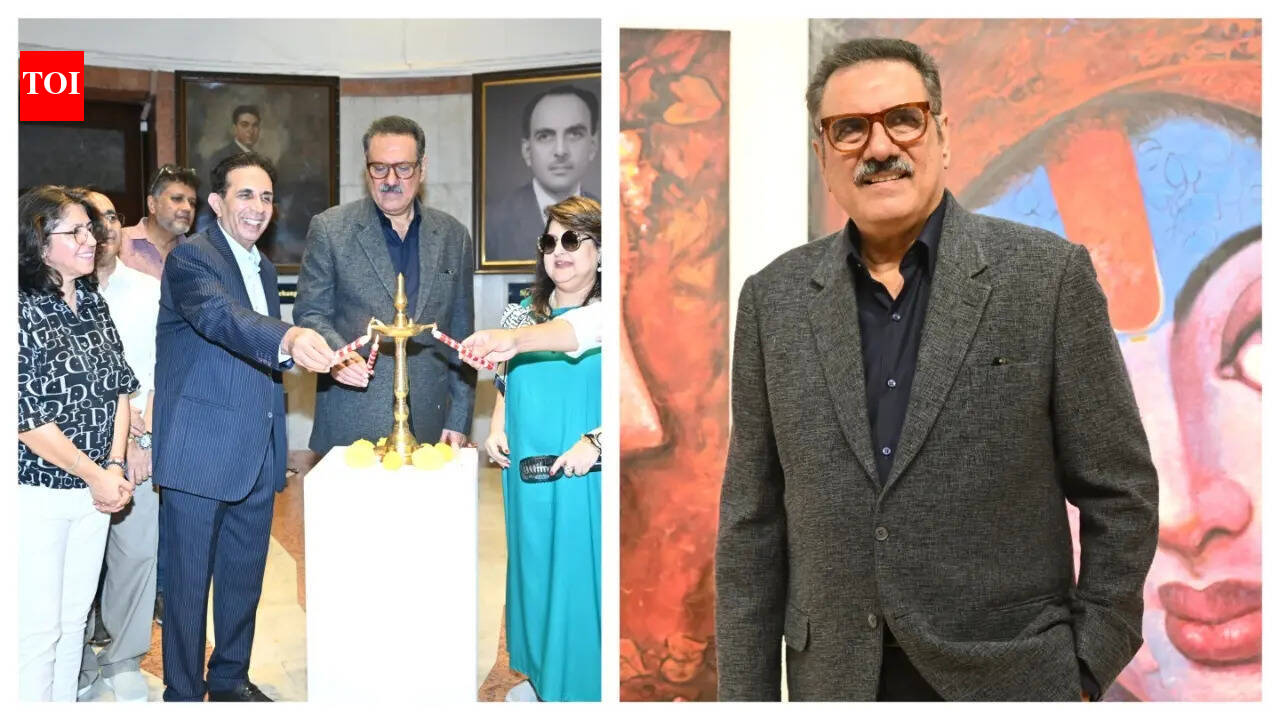
Actor Boman Irani inaugurated the group exhibition 'To Be Continued…' at the prestigious Jehangir Art Gallery in Mumbai. Featuring nearly 70 works ranging from scrap metal sculptures to 3D canvases, the show brings together a diverse group of emerging and established artists. During the event, Irani engaged personally with the participants, emphasizing the role of galleries as essential spaces for creative inspiration and human development.

Iran’s arts community and heritage suffer as US-Israeli attacks continue

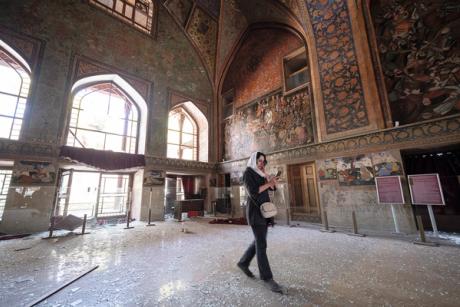
The US-Israeli bombardment of Iran, beginning in late February, has severely disrupted the country's cultural life and art scene. The typically busy Nowruz (Persian New Year) period was marked by fear, travel restrictions, and internet blackouts, leading to the evacuation of museum collections, the closure of galleries, and artists being unable to work in their studios.

"We are among those in the crowd who are overjoyed"

"Wir gehören zu denjenigen in der Menge, die überglücklich sind"

The Hungarian art scene is celebrating a major political shift following Péter Magyar’s electoral victory over Viktor Orbán, ending 16 years of restrictive cultural policies. Local figures, including gallerist Margit Valkó and artist János Sugár, express immense relief and hope for a future defined by institutional autonomy and international engagement after years of state-led hostility toward contemporary art.

500-Plus And Just Like That… Items Head to Online Auction

Julien’s Auctions is hosting an online sale featuring over 500 items from the production of the HBO series "And Just Like That…," the sequel to "Sex and the City." The auction includes a wide array of fashion, accessories, and home decor associated with main characters Carrie Bradshaw, Miranda Hobbes, and Charlotte York-Goldenblatt, as well as new additions like Lisa Todd Wexley. Notable lots include Carrie’s hatbox suitcases, Miranda’s wine-red jumpsuit, and various furniture pieces from the characters' apartments, with a portion of proceeds benefiting the foster care charity You Gotta Believe.

More than 200 cultural figures sign statement criticising international response to destruction of Iran’s heritage

More than 200 international scholars and cultural heritage professionals have signed a joint statement condemning the United States and Israel for inflicting "irreversible damage" on Iran’s cultural heritage. The group, which includes academics from leading global institutions, alleges that recent military strikes have damaged over 130 UNESCO-registered monuments and museums, including the Senate Palace in Tehran and sites in Isfahan. They argue these actions violate the 1954 Hague Convention and criticize international bodies like UNESCO for failing to issue a sufficiently forceful response.

1815, a Key Year for the Question of Art Restitution at the Heart of an Enlightening Book

1815, année clé de la question des restitutions d’œuvres d’art au cœur d’un ouvrage éclairant

Art historian Bénédicte Savoy has released a new book, "1815, le temps du retour," which examines the massive wave of art restitutions following the collapse of the Napoleonic Empire. Between 1794 and 1811, French revolutionary and imperial forces seized thousands of artworks and cultural objects from across Europe to fill the Louvre under the guise of creating a universal museum. After Napoleon's defeat in 1815, the subsequent return of these works sparked a global debate involving intellectuals and politicians regarding national identity, cultural property, and the legal status of looted heritage.

‘One simple gesture says it all’: the world in black and white – in pictures

Photographer Marina Sersale has released a new monograph titled 'Liminal Space,' published by Gost, which compiles over a decade of monochrome photography. The collection features dramatic black-and-white images captured between 2013 and 2021 across diverse locations including Italy, Japan, Iran, and the United States. Sersale, a former documentary filmmaker, focuses on the interplay of light and shadow to document fleeting, everyday moments—from sunbathers in Positano to commuters in Naples.

In a month of war, Iran’s cultural heritage has suffered huge damage

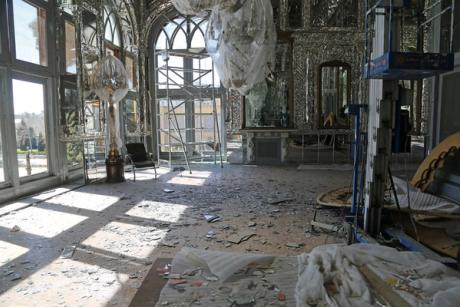
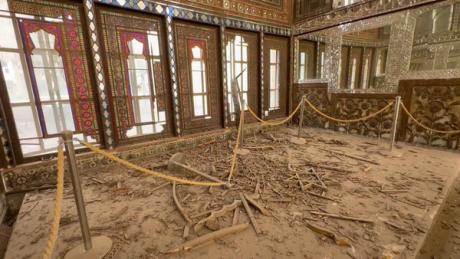
Iran's cultural heritage sites, including several historic palaces, have sustained severe damage during the recent conflict. The Golestan Palace in Tehran, specifically the Hall of the Marble Throne, and the Chehel Sotoun and Ali Qapu Palaces in Isfahan have suffered extensive destruction to their intricate mirror-mosaic decorations, painted ceilings, and structural elements.

Roksana Pirouzmand’s Dual‑Site Meditation on Loss

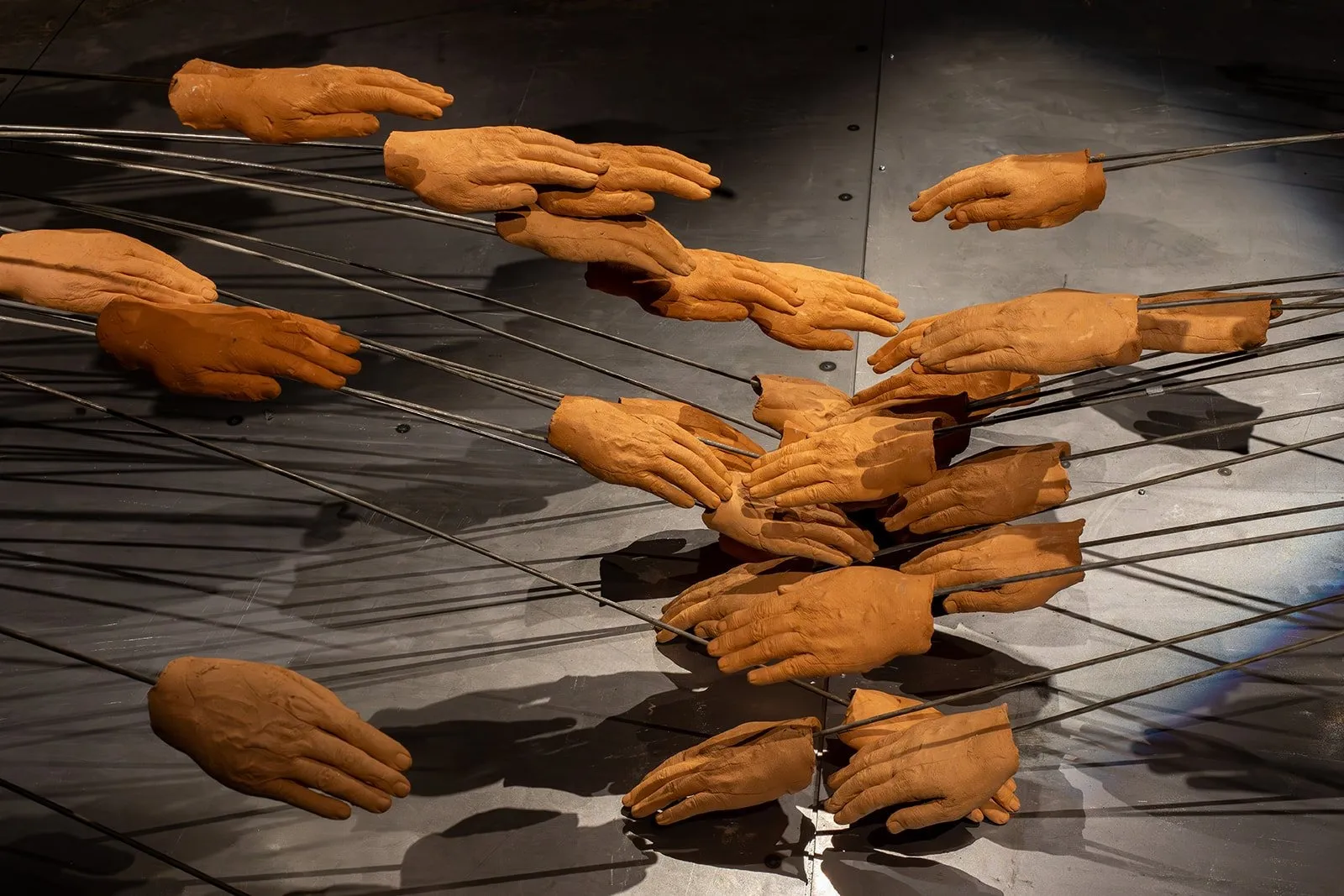
Roksana Pirouzmand’s dual-site exhibition in Los Angeles, hosted at OXY ARTS and JOAN, features performance-based sculptures and installations that utilize literal erosion to explore themes of loss and displacement. The works include anatomical clay casts of the artist and her mother, which are subjected to water, vibration, and physical interaction, causing them to crack and deteriorate over the course of the show. At OXY ARTS, a kinetic metal floor involves the viewer directly, as their footsteps cause clay hands to collide and break, illustrating the physical impact of movement and presence.

The Bennett Prize Opens Fifth Call for Entries

The Bennett Prize has launched its fifth call for entries, inviting women figurative realist painters to compete for a newly increased grand prize of $75,000. The award, established by collectors Steven Alan Bennett and Dr. Elaine Melotti Schmidt, includes a two-year stipend and a traveling solo exhibition that debuts at the Muskegon Museum of Art. Applications are open through September 19, 2026, with a jury featuring prominent figures like curator Miranda Lash and artist Julie Heffernan.

I Have Always Been Drawn to the Despised

"Ich habe mich schon immer zum Verachteten hingezogen gefühlt"

Irish artist Alice Maher discusses her ongoing exploration of patriarchal structures, mythology, and the symbolic power of female hair in her practice. Her current work focuses on large-scale drawings of Sibyls—ancient female prophets—whose excessive hair serves as a metaphor for identity, power, and the 'monstrous feminine.' Maher reflects on her career-long engagement with Irish history, from collecting hair during the Troubles to her collaborative textile masterpiece, "The Map," which reclaims the legacy of Mary Magdalene from Catholic institutional narratives.

It is Naive to Believe that Bombs Bring Freedom

"Es ist naiv zu glauben, dass Bomben Freiheit bringen"

Iranian-born artist Peyman Rahimi discusses the profound impact of his childhood experiences during the Iran-Iraq War and his subsequent mandatory military service on his creative practice. Breaking a long-held silence, Rahimi argues against the naivety of believing that military interventions or foreign bombings can bring true freedom to Iran, emphasizing that war only generates new trauma and suffering. He highlights the central role of Iranian women in the struggle for change, noting that their resilience remains the most potent threat to the current regime.

Two new exhibitions debut today at St. Pete’s MFA

The Museum of Fine Arts St. Petersburg has launched two major exhibitions: a career-spanning survey of Iranian-born artist Ali Banisadr and a site-specific installation by Ward Shelley and Douglas Paulson. Banisadr’s exhibition, "The Alchemist," features nearly 20 years of work including large-scale paintings that blend abstraction with intricate, emerging figures. Accompanying this is "The Last Library IV: Written in Water," a life-sized library constructed from corrugated cardboard that explores the fragility of the written word and the impact of censorship and AI on language.

A unique chance to immerse yourself in the world of engravings at Nuneaton Museum & Art Gallery

Nuneaton Museum & Art Gallery is hosting "A Simple Line," a specialized exhibition dedicated to the history and craft of engraving. The show features a prestigious selection of works ranging from 17th-century Dutch masters like Gerard Douw to 18th-century Italian printmaker Giovanni Battista Piranesi and the celebrated English landscape painter J.M.W. Turner. Visitors can view rare pieces such as Turner’s mezzotint of Dunstanburgh Castle and architectural etchings of Pompeii, alongside a concurrent "Festival of Arts" showcasing local regional talent.

Fragility and Resistance of an Iranian Artist on Display in Rome

Fragilità e resistenza di un’artista dell’Iran in mostra a Roma

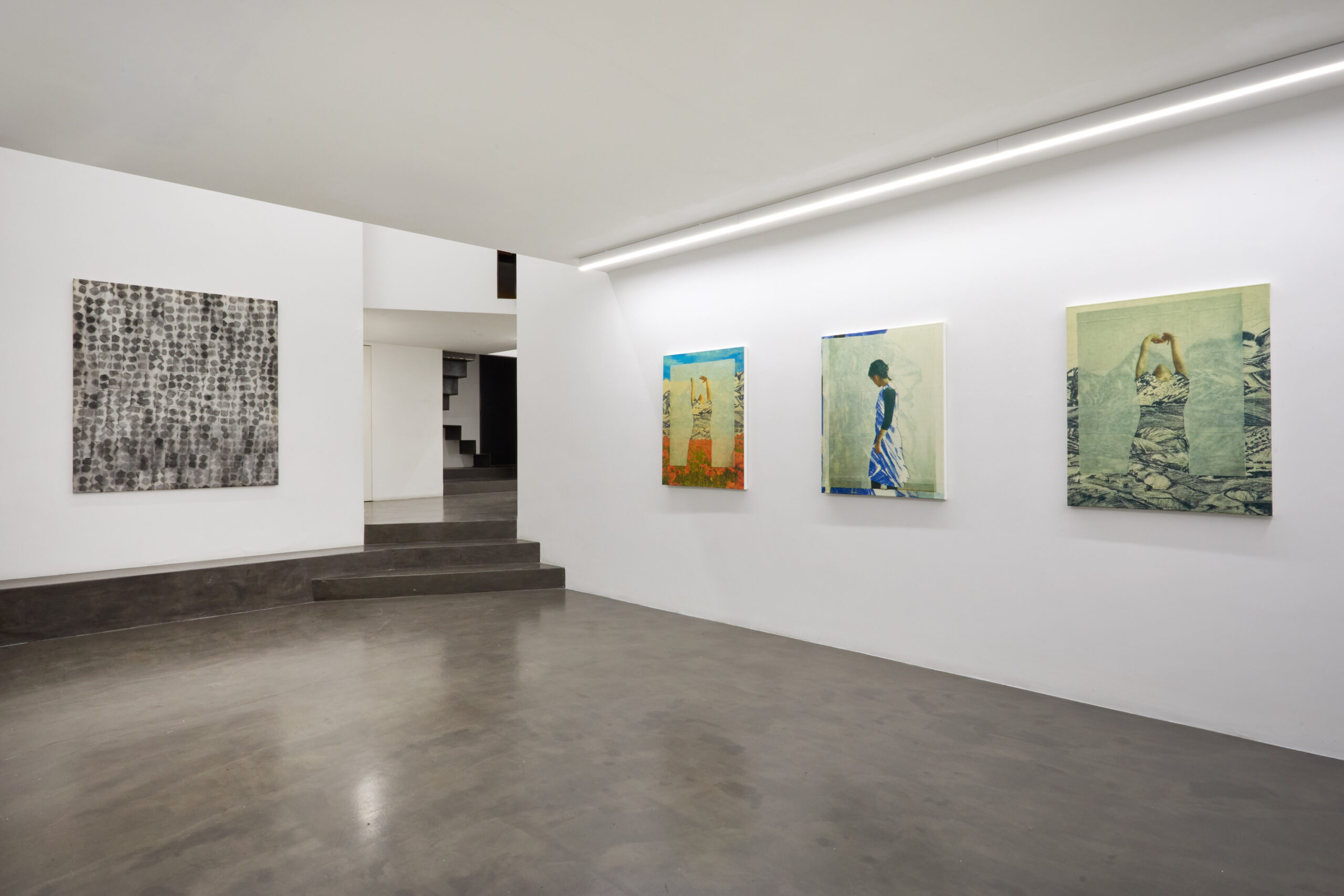
The Galleria Anna Marra in Rome is hosting "Assemblages," the first Italian solo exhibition of Iranian artist Sepideh Salehi. The show features works that blend collage, Japanese paper, photography, and drawing to depict Iranian women living in the United States who have shared experiences of displacement and political upheaval. Salehi’s figures often avert their gaze or conceal their faces, symbolizing a "calligraphy of refusal" and a quiet resistance against the historical traumas of the 1979 Islamic Revolution and the Iran-Iraq war.

Why your moon photos look so bad (and how to fix it): the best Australian photos of March - video

Guardian Australia's picture editor Carly Earl selected the publication's top three photographs for March, highlighting a total lunar eclipse, the Iranian women's football team's tense departure, and a portrait of a man displaced by Cyclone Narelle. The monthly series provides insight into the craft of photojournalism, showcasing the technical skill and narrative power behind compelling images while elevating the work of Australian photographers and the stories they capture.

Beyond Weapons: Social Strength as True Defense in the Persian Gulf

Oltre le armi. La forza sociale come vera difesa nel Golfo Persico

Journalist and observer perspectives highlight that Iran’s geopolitical resilience against international military pressure stems from its vibrant middle class and deep-rooted historical identity rather than just its arsenal. Observations from travels across Iranian cities like Tehran, Shiraz, and Isfahan reveal a society deeply engaged with its own culture, frequenting museums, cafes, and archaeological sites despite political isolation and a lack of foreign tourism.

Amid Iran war, Paterson Middle East art show carries layered meaning

Tehran-born artist and human rights lawyer Sanam Ghandehari is presenting a new body of work in Paterson, New Jersey, against the backdrop of escalating military conflict in Iran. Her multi-layered pieces reflect the duality of the current crisis, juxtaposing the hope for democratic liberation with the immediate trauma of seeing her childhood home bombarded.

‘It’s a huge, futuristic space with massive skylights’: Ali Zolghadri’s best phone picture

Ali Zolghadri, a Tehran-born fine art photographer, captured a composite image of the central atrium of the Iran Mall in Tehran—the world's largest shopping mall—which was shortlisted in the creative category of the 2026 Sony World Photography Awards. The photograph, taken four months before the US and Israel launched their war on Iran, depicts the mall's futuristic architecture with sweeping curved lines, metallic surfaces, and massive skylights, and includes a lone passerby to emphasize scale. Zolghadri emphasizes that his process involves manual editing in Photoshop without AI, blending three frames and removing unnecessary elements to construct meaning.

Shahin Norouzi : Paintings

Shahin Norouzi's solo exhibition of paintings is on view at Negar Art Gallery in Tehran from October 20 to November 6, 2023, presented by Arena Fine Art Gallery. The show features 13 recent works, all titled "Untitled" and dated 2022, with prices ranging from $800 to $3,500, exploring gesture, rhythm, and repetition as performative and time-based practices.

Albert Yuk Shuttered Light Exhibit Opens in Reed Gallery

On April 12, the Reed Gallery opened 'Shuttered Light,' an exhibition of photographs by Deerfield Academy student Albert Yuk (class of 2026). The show juxtaposes staged war scenes from a Beijing film set with real wartime documentation from Israel and Iran, aiming to highlight media bias and the blurring of authenticity in news imagery. Yuk, who has traveled to conflict zones including Israel, Iran, Kazakhstan, and Afghanistan, began his photography career working for Pulitzer Prize-winning Chinese photojournalist Liu Heung Shing. The exhibition includes personal favorites like 'Intersection of Tradition and Modernity' and 'Warrior’s Respite,' reflecting themes of freedom, liberty, and gender roles.

How Much Is That Chagall in the Window: Metropolitan Opera Faces Funding Crisis After Saudi Deal Collapse

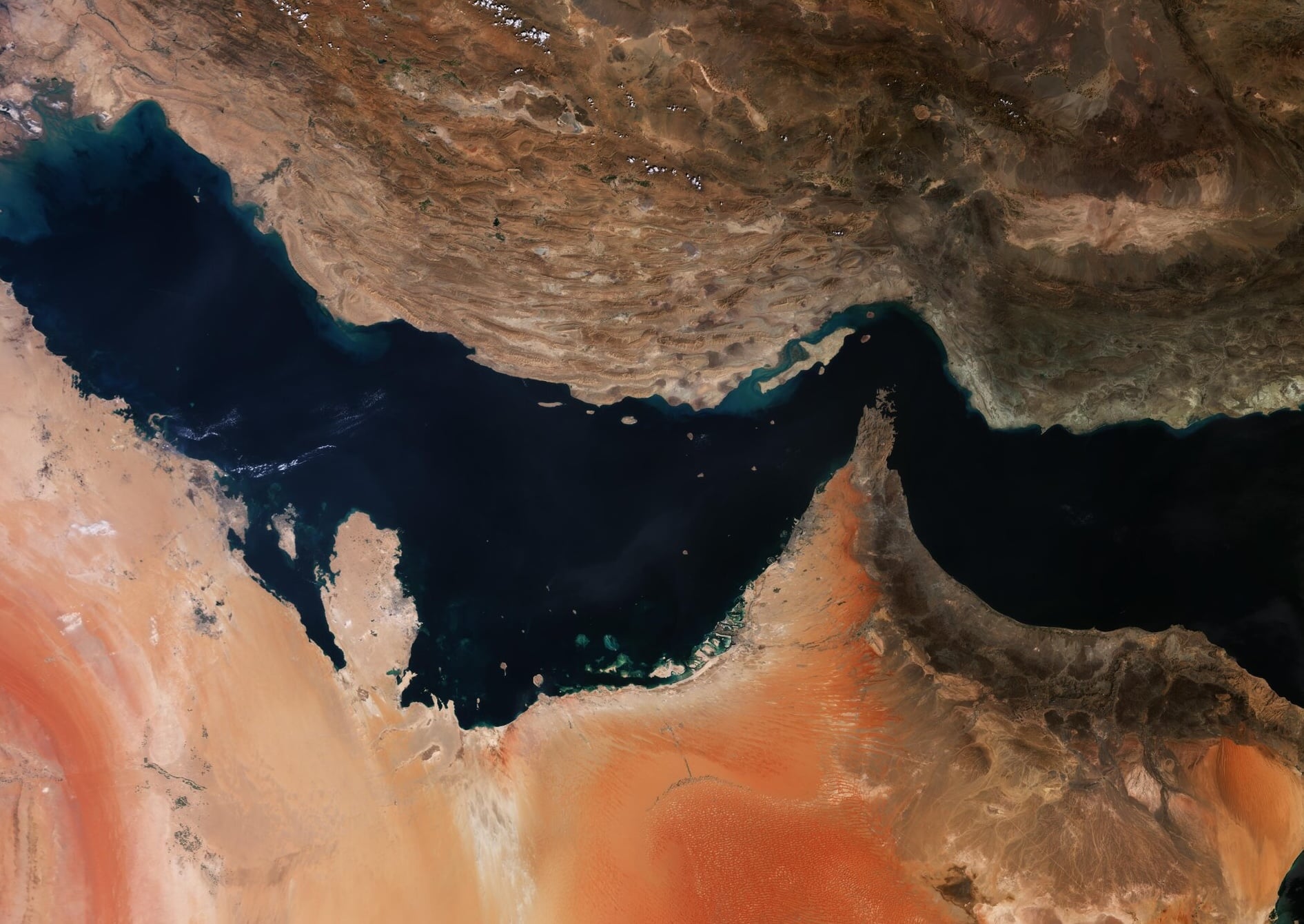
The Metropolitan Opera in New York faces a $30 million deficit after a $200 million funding deal with Saudi Arabia collapsed. The Saudi government withdrew from the agreement, which would have sent Met performers to the Royal Diriyah Opera House for three weeks each February, citing economic pressures from the Iran War and the blockage of the Strait of Hormuz. To address the shortfall, the Met is considering selling two monumental Marc Chagall paintings—The Sources of Music and The Triumph of Music (1966)—valued at $55 million, along with other options like selling naming rights or seeking a similar deal with another country.

Saudis Renege on Met Opera Financial Aid, Berlin’s Culture Senator Resigns, and More: Morning Links for April 24, 2026

The Metropolitan Opera has announced that Saudi Arabia reneged on a noncommittal memorandum of understanding that would have provided up to $200 million over eight years to the cash-strapped New York institution. Met general manager Peter Gelb said the Saudis blamed the war in Iran and the blocked Strait of Hormuz, but funding had already failed to materialize before the conflict, prompting preemptive layoffs in January. Separately, Berlin culture senator Sarah Wedl-Wilson resigned after a state audit found she illegally authorized €2.6 million for 13 projects meant to combat antisemitism, violating budget regulations. Other news includes President Trump's plan to renovate the Lincoln Memorial reflecting pool, Ontario increasing support for the Art Gallery of Ontario and Royal Ontario Museum, Rome's new photography museum, and the appointment of Thiago de Paula Souza as curator of the eighth Athens Biennale.

This art exhibition in Delhi evokes nostalgia around the houses we once lived in

An exhibition titled 'Houses I Almost Lived In' is currently on view at Latitude 28 gallery in Delhi's Defence Colony, running until May 25. The show brings together works by five artists—Shalina Vichitra, Pooja Iranna, Raj Jariwala, Samit Das, and Mahen Perera—who explore how architecture, memory, and belonging intertwine. Through layered cartographies, cement grids, stitched forms, and material fragments, the artists evoke nostalgia for the houses and spaces we once inhabited, examining how physical structures persist in personal and collective memory long after they vanish.