filter_list Showing 17 results for "Lebanese" close Clear
dashboard All 17 museum exhibitions 9article news 5article culture 2person people 1
date_range Range Today This Week This Month All
Subscribe

The Defining Themes of Today’s Biennial Art

The article analyzes the defining themes and styles of the past four years in the international biennial circuit, based on a survey of 130 biennials. It identifies a core group of artists who appeared most frequently, including Ali Eyal, Apichatpong Weerasethakul, Carolina Caycedo, Kapwani Kiwanga, and Tuan Andrew Nguyen, among others. Many of these artists are also featured in the upcoming 61st Venice Biennale curated by the late Koyo Kouoh. The piece categorizes their work under two broad themes: "Post-Colonial Post-Conceptualism," which involves poetic engagement with colonial history and artifacts, and "Families and Networks," where artists explore personal and political family histories.
At Home at Hong Kong Art Week

During Hong Kong Art Week, beyond the dominant Art Basel Hong Kong fair, a series of intimate interventions and installations across the city explore the boundaries between art, design, and everyday life. One notable event is a 'Listening Session' organized by Guangzhou's Vitamin Creative Space in a private home in the New Territories, where Lebanese artist-composer Tarek Atoui debuted two new 'instruments' that transform the living room itself into an interactive sound sculpture. The gathering of about 30 people, mostly in town for art week, blurred the lines between performance, installation, and domestic space.

10 Ausstellungen, die Sie zum Gallery Weekend nicht verpassen sollten

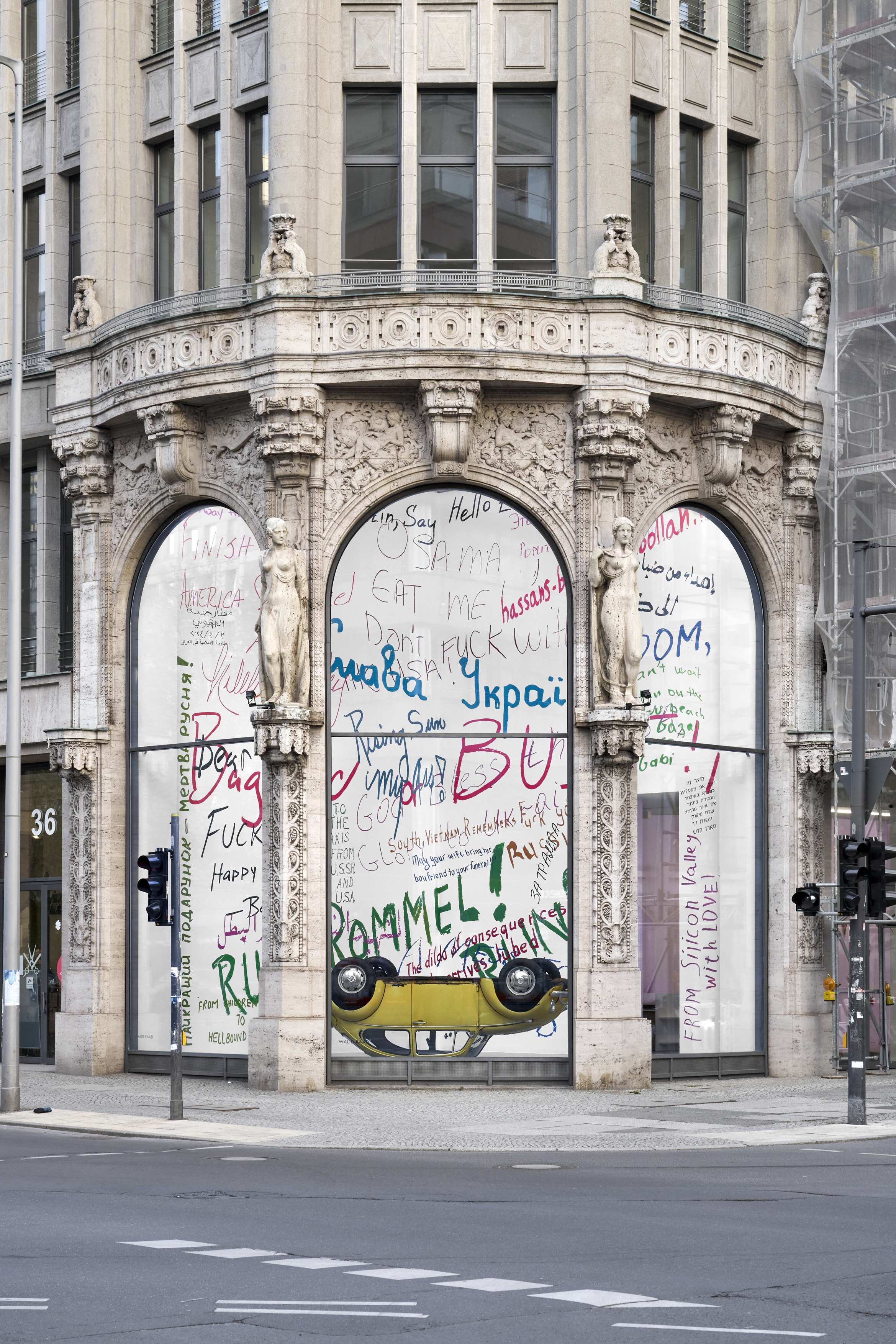
The article highlights ten must-see exhibitions during Berlin's Gallery Weekend, curated by the editorial team of Monopol magazine. Featured shows include Jiyoon Chung's installation "Dead End" at Anton Janizewski, which explores perception and anxiety through subtle triggers; Giorgio Griffa's retrospective at Walter Storms Galerie, showcasing his poetic abstract paintings on un-stretched linen; Walid Raad's "Like a Rubber Rung on a Ladder" at Galerie Thomas Schulte, referencing the Lebanese Civil War with a crashed VW Beetle and graffiti; and Thomas Demand's exhibition at Sprüth Magers, where his photographs printed on copper plates reflect on current events like the Gaza war and climate change.

10 exhibitions you can still see after Berlin's Gallery Weekend

10 Ausstellungen, die Sie auch nach dem Gallery Weekend in Berlin sehen können

The Monopol editorial team highlights ten standout exhibitions from Berlin's Gallery Weekend, including Jiyoon Chung's installation "Dead End" at Anton Janizewski, which uses subtle triggers to explore perception and anxiety; Giorgio Griffa's retrospective at Walter Storms Galerie, featuring his poetic abstract paintings on raw linen; Walid Raad's narrative-driven show at Galerie Thomas Schulte, referencing the Lebanese civil war with a crashed VW Beetle and bomb graffiti; and Thomas Demand's new works at Sprüth Magers, printed on copper plates to create a shimmering aura. The article provides a curated tour of these shows, many of which remain open after the weekend.

Venice, Here We Come

Hyperallergic's newsletter previews the upcoming 61st Venice Biennale, noting the charged political climate that may overshadow the art. It highlights the main exhibition "In Minor Keys" conceived by the late Koyo Kouoh, and includes a guide to national pavilions, collateral events, and notable exhibitions in Venice. The edition also features a studio visit with 93-year-old artist Joan Semmel, an interview with Lebanese artist Tania El Khoury about her "revenge art," and news about Barbara Chase-Riboud declining to represent the US at the Biennale, a $116M gift to the National Gallery of Art, and the death of Argentine painter Ides Kihlen at 108.

Khaled Sabsabi Unveils Biennale Arte 2026 Showcase

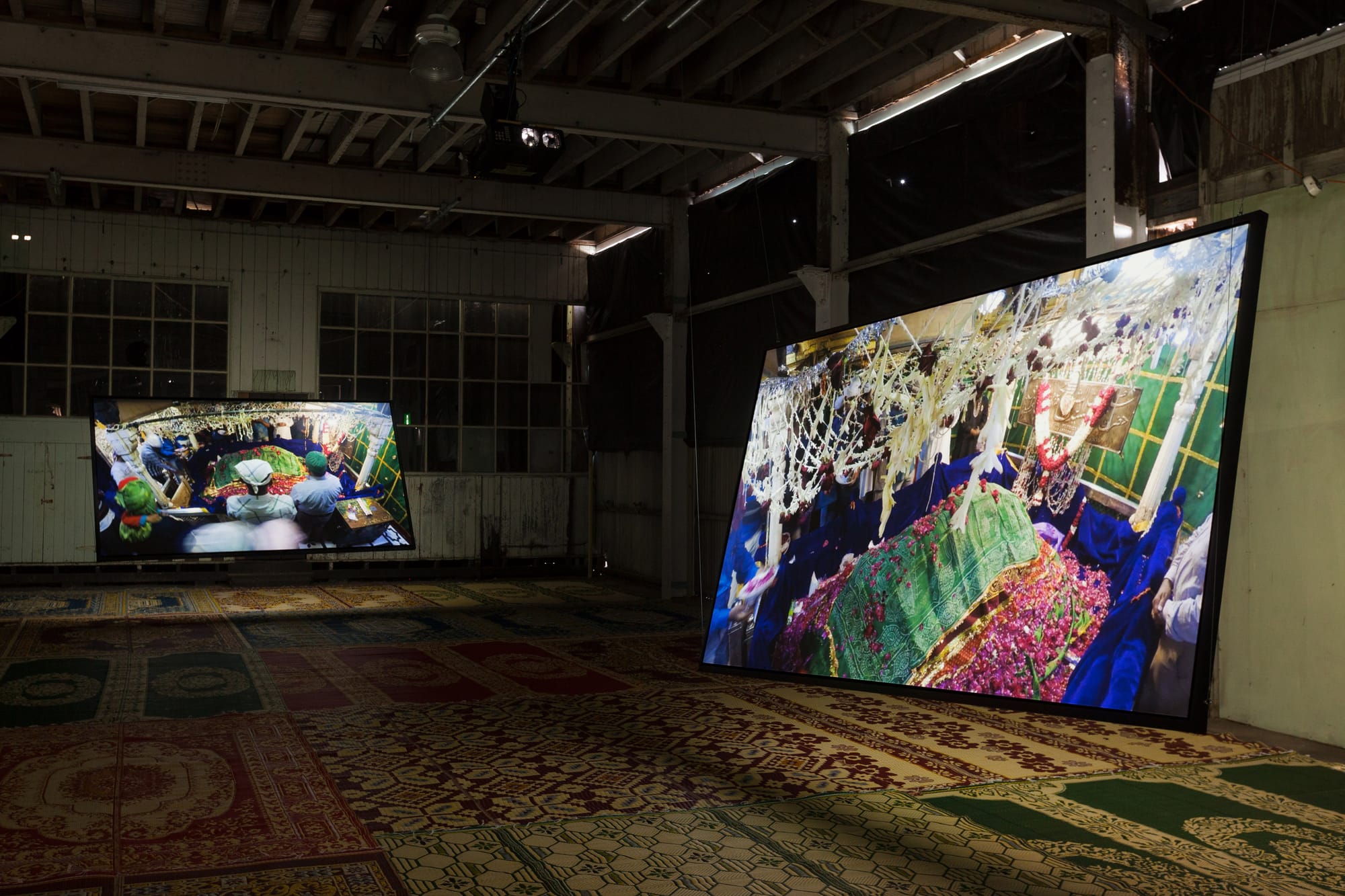
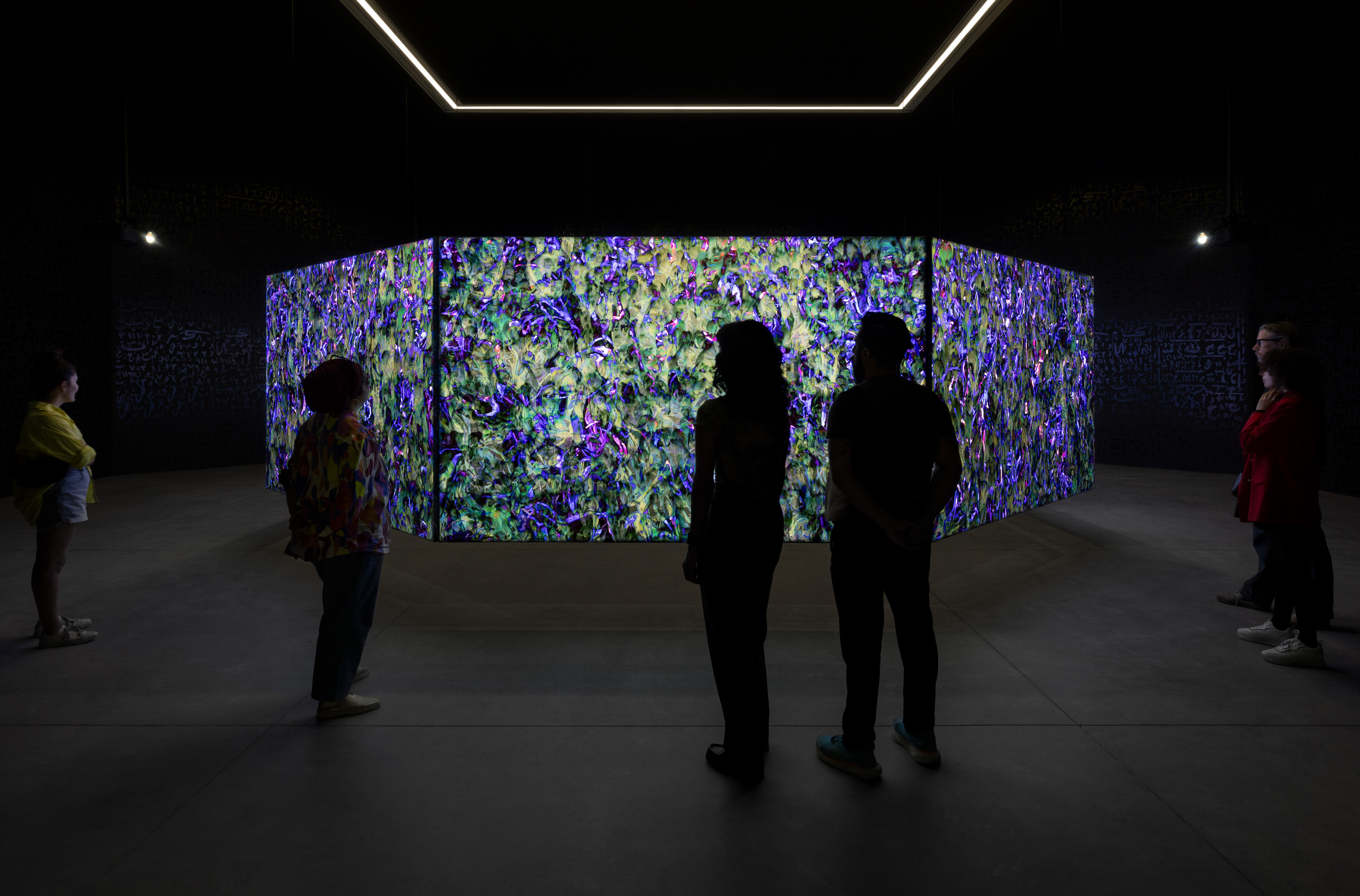
Khaled Sabsabi will represent Australia at the 61st Venice Biennale in 2026 with two major installations. At the Australia Pavilion, he presents "conference of one's self," an immersive multisensory installation featuring eight monumental canvas paintings, suspended video projectors, and an analogue soundscape, all inspired by the 12th-century Sufi allegory "The Conference of the Birds." In a historic first for an Australian artist, Sabsabi also debuts a second work, "khalil," in the Biennale's main exhibition "In Minor Keys" curated by Koyo Kouoh at the Arsenale. Both works explore spirituality, migration, and shared humanity through a Sufi philosophical framework.

Venice Diary Day 2: “In Minor Keys” Is a Major Statement on Perseverance and Play

The article is a diary entry from the 2026 Venice Biennale, focusing on the exhibition "In Minor Keys" curated by the late Koyo Kouoh. The author describes an emotional experience, beginning with a poem by Refaat Alareer on the Arsenale wall, and highlights works by Guadalupe Maravilla, Alexa Kumiko Hatanaka, and others that address themes of perseverance, healing, and survival. Maravilla's sculptures reference a child kidnapped by ICE, while Hatanaka's linocuts explore bipolar disorder as an adaptive trait. The show also features artist-led collectives like Denniston Hill and fierce pussy, emphasizing institution-building and world-making.

Lebanon’s Art Scene Is Living in ‘War Mode’

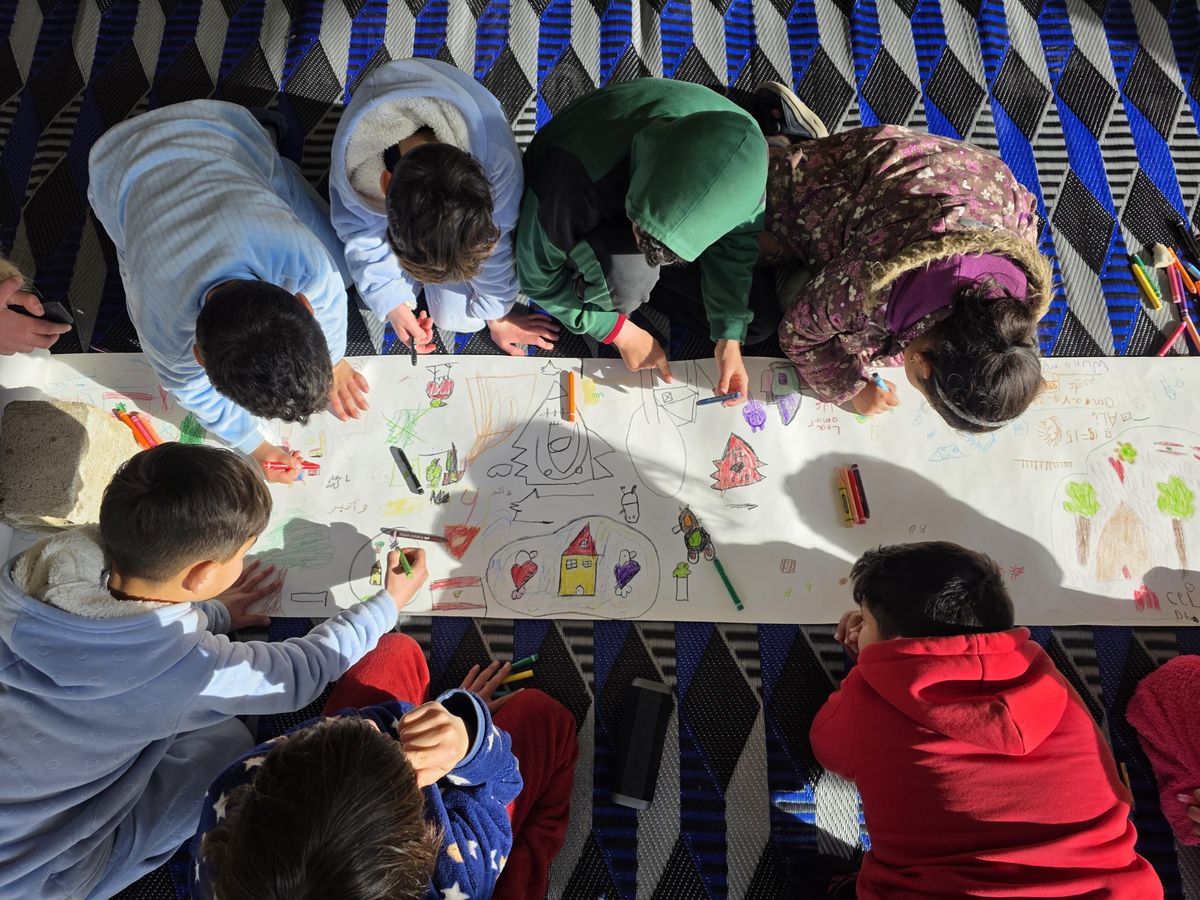
On April 8, 2025, a wave of Israeli airstrikes across Lebanon killed 357 people and injured over 1,200, a day now known as 'Black Wednesday.' Amid the violence, Lebanese artist Abed Al Kadiri, who grew up during Lebanon's civil war and Israeli occupation, has been working with displaced children in shelters, using art to help them process trauma. He collects their drawings and plans to combine them with sketches by other artists reflecting their own war experiences, creating concertina-style books to be exhibited and sold to raise funds for over 1.1 million displaced people.

Major protests take place at Venice Biennale previews

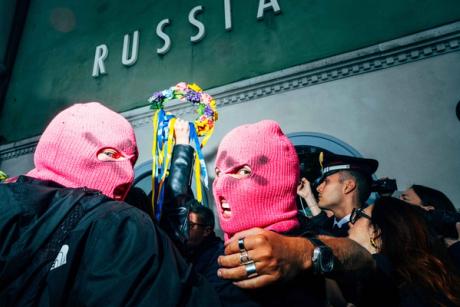
Major protests erupted during the preview days of the Venice Biennale, with multiple demonstrations targeting the Israeli and Russian pavilions. On Wednesday, the Art Not Genocide Alliance (ANGA) held a large protest outside the temporary Israeli pavilion in the Arsenale, attended by over 200 people calling for its closure. Separately, the Solidarity Drone Chorus performed a sound composition by Gazan artist Ahmed Muin, with 60 artists wearing T-shirts bearing names of artists from Gaza. Meanwhile, Pussy Riot and FEMEN protested Russian participation, forcing the Russian pavilion to shut its doors. These actions follow the resignation of the entire Golden Lion jury days before the opening, after they stated they would not consider pavilions from countries whose leaders are charged with crimes against humanity by the ICC—widely seen as a reference to Russia and Israel.

Khaled Sabsabi’s Rocky Road From Australia to the Biennale

Lebanese-Australian artist Khaled Sabsabi was nearly removed from his commission for the Venice Biennale after being accused of supporting terrorism, but was later reinstated. He is now arriving in Venice to present not one but two works at the prestigious international exhibition.

Khaled Sabsabi: Splintered Worlds

Khaled Sabsabi, a Lebanese Australian artist, explores the intersection of spirituality and perception through video and mixed-media installations rooted in Sufism. His work, such as the 18-minute video *Lefke Morning* (2012–18), captures the Naqshbandi-Haqqani Sufi Order's dawn meditations, using blurred imagery and soundscapes to challenge Islamophobic media tropes and evoke a sense of unity. Sabsabi's practice also draws on hip-hop, which he performed as "Peacefender" in the 1980s, using music to address social issues and support marginalized communities in Western Sydney.

Lebanon appeals to Unesco to intervene amid fears protected citadel has been destroyed

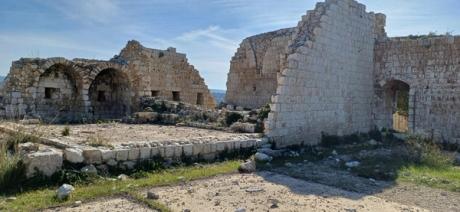
Lebanon’s Ministry of Culture has filed an urgent complaint with Unesco following reports that Israeli military forces destroyed the 12th-century Chama’ Citadel in southern Lebanon. The site, a Crusader-era fortress, had recently been granted "enhanced protection" status under the 1954 Hague Convention, a designation intended to shield it from military targeting. Lebanese authorities are currently unable to access the site due to ongoing military occupation and have requested that Unesco utilize satellite imagery to verify the extent of the demolition.

Running from one image to another, from one time to another, from one hope to another: at Circolo, in Milan, an exhibition on the contemporary Lebanese scene

The article reviews "Shifting Crossroads. Beirut Contemporary," an exhibition at Circolo in Milan that surveys the contemporary Lebanese art scene. It features internationally recognized artists like Mona Hatoum and Simone Fattal alongside emerging talents, including works from the Saikalis Bay Foundation, founded in 2024 by Nicole Saikalis and Matteo Bay. The show spans historical-archival investigation, photography, installation, painting, and sculpture, with pieces such as Stéphanie Saadé's "Stage of Life" (2021), Catherine Cattaruzza's "I am Folding the Land" (2022), and Joana Hadjithomas & Khalil Joreige's "Waiting for the Barbarians" (2013) exploring themes of memory, fragility, and geopolitical instability.

Historic Monument Honors New York's First Arabic-Speaking Community

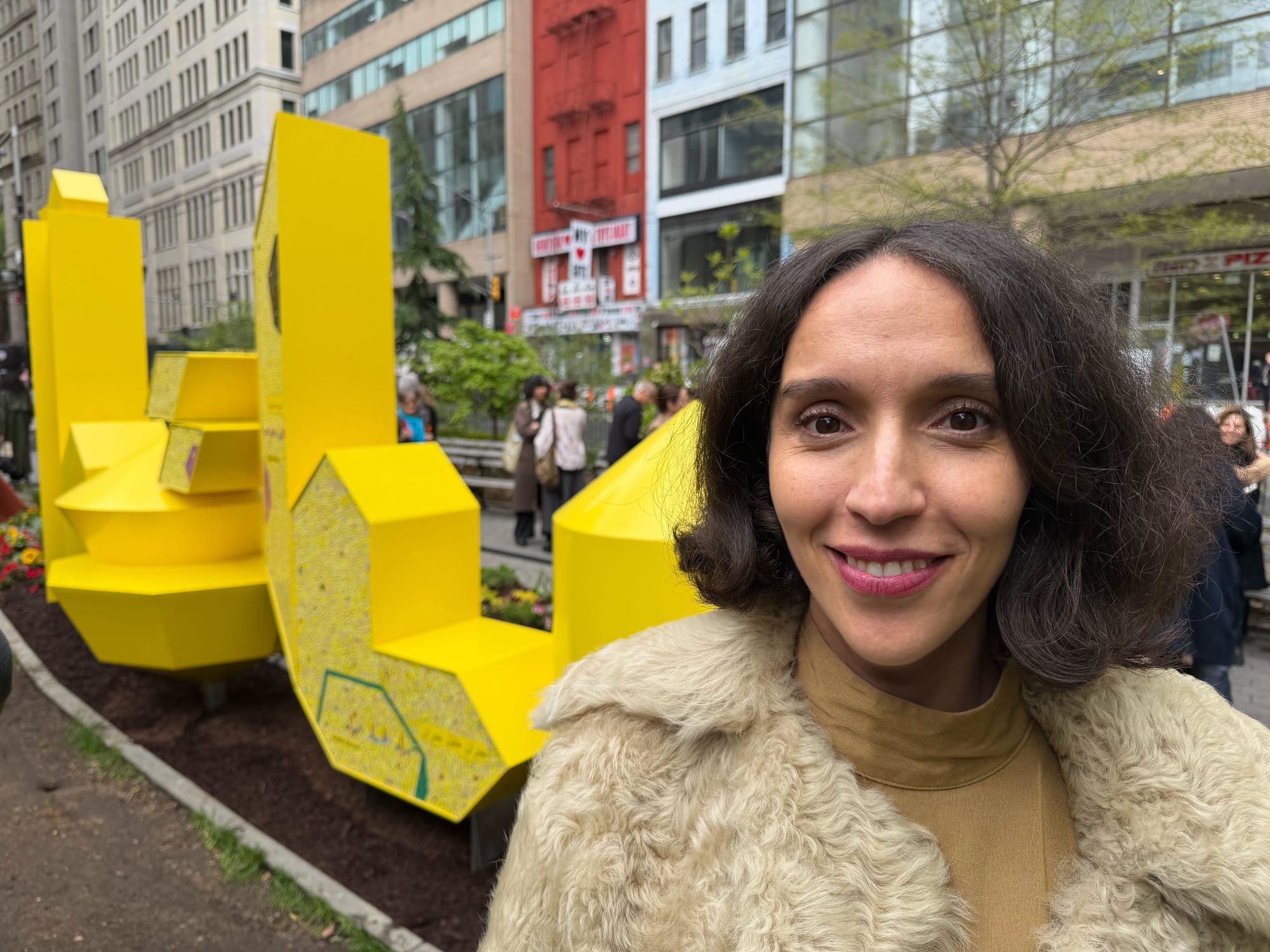
New York City unveiled its first commemorative public artwork under Mayor Zohran Mamdani's administration on April 30, honoring the historic "Little Syria" neighborhood in Manhattan's Financial District. The monument, titled "Al Qalam (The Pen): Poets in the Park," is a mosaic installation and sculpture by French-Moroccan artist Sara Ouhaddou, created over the past decade. It celebrates nine members of the enclave's literary community, including Lebanese-American poet Khalil Gibran, who co-founded the writers' association Pen Bond in 1920. The $1.6 million artwork sits in Elizabeth H. Berger Plaza, within the blocks where immigrants from Greater Syria settled in the late 19th century before being displaced by tunnel construction in the 1940s.

Tania El Khoury’s Soothing “Revenge Art”

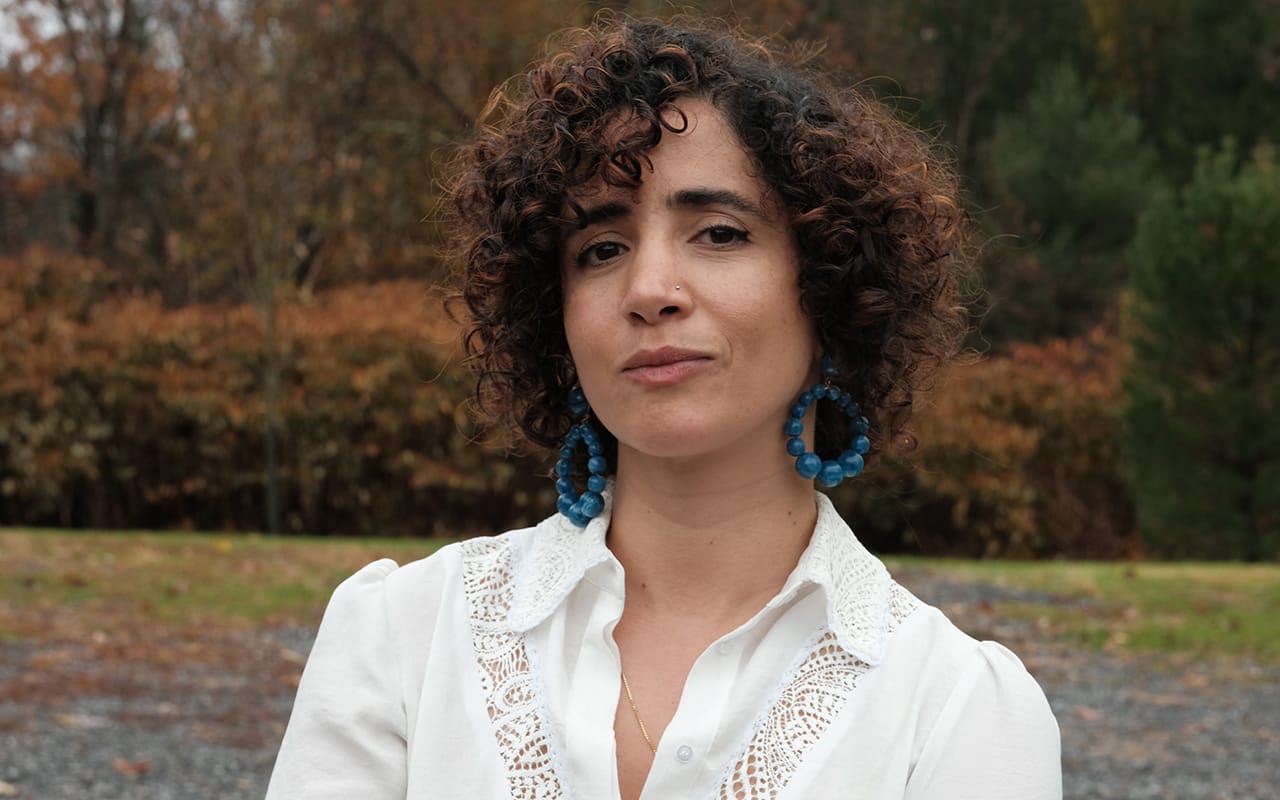
Lebanese artist and Bard College professor Tania El Khoury discusses her multidisciplinary practice and her recent experience living through the escalation of conflict in Beirut. The interview highlights her interactive performance piece, "The Search for Power," which uses her own 2018 wedding blackout as a jumping-off point to investigate the colonial roots of Lebanon's systemic infrastructure failures. Originally set for a Beirut run in March, the production was postponed due to the outbreak of war.

Rawya El Chab Tends to the Wounds of Lebanon's Civil War

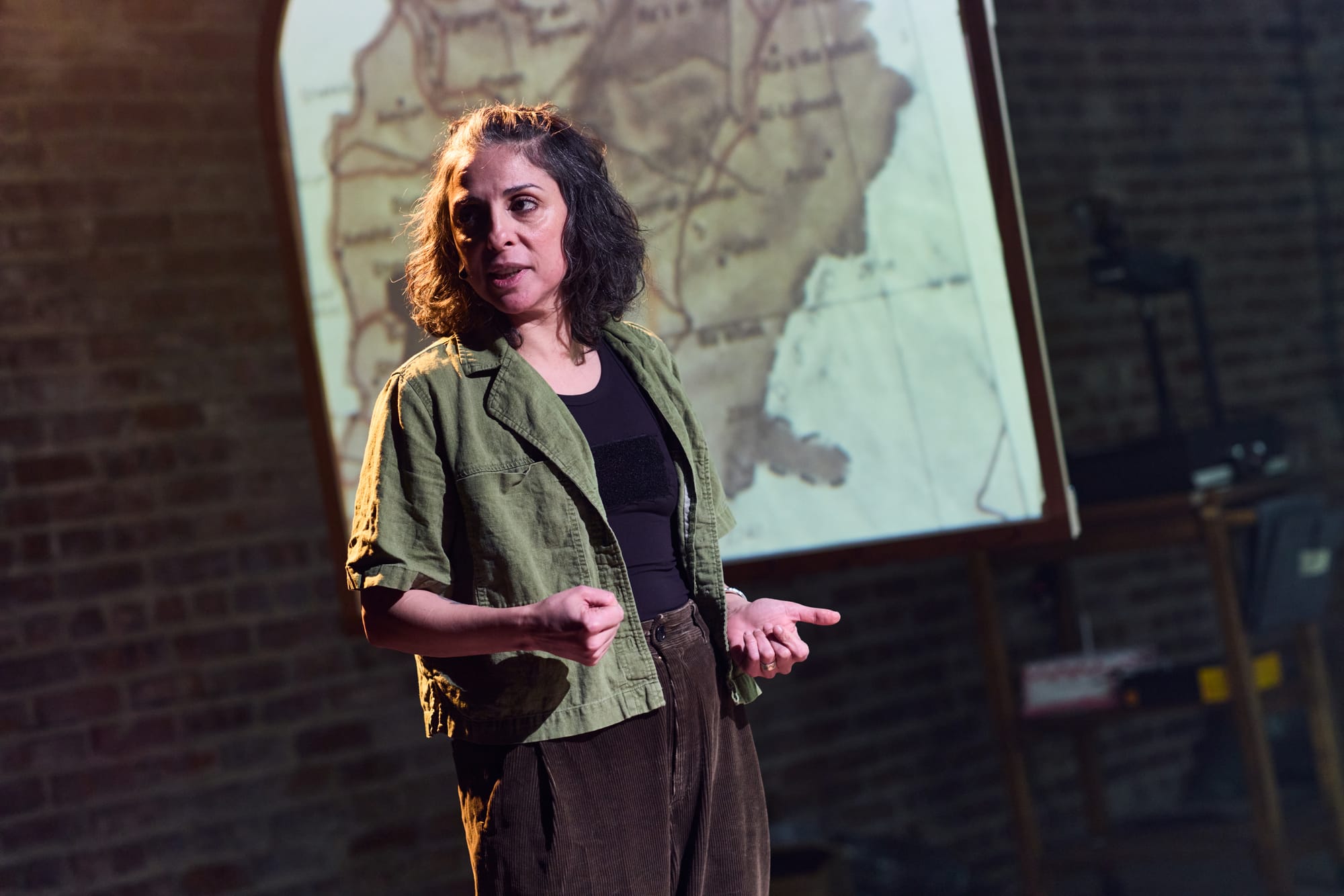
Lebanese performance artist Rawya El Chab has debuted the second installment of her trilogy, "Crossing the Water," at The Brick in Brooklyn. The performance explores the collective trauma of the 1982 Israeli invasion of Lebanon and her family's subsequent flight to the Ivory Coast, blending personal memory with political satire and mythology. By embodying various roles—from suspicious neighbors to puppet-like politicians—El Chab navigates the complexities of life under military occupation and the persistent feeling of surveillance.

Artist Zareh in the Spotlight

Litavie Art Gallery in Glendale presented a solo exhibition titled 'Where Motion Becomes Memory' by artist Zareh from April 2 to 11. The opening night featured remarks from artist Seta Injeyan, who analyzed Zareh's work, and the event was documented with photos of Zareh alongside Injeyan and art critic Peter Frank.