filter_list Showing 17 results for "Ministère de la Culture" close Clear
search
dashboard All 17 article policy 9museum exhibitions 3article news 3person people 1rate_review review 1
date_range Range Today This Week This Month All
Subscribe

Orsay inaugure une salle destinée aux œuvres « MNR »

The Musée d'Orsay in Paris has opened a new dedicated gallery, Room 10b, to display works from its MNR (Musées nationaux Récupération) collection—artworks looted or acquired under dubious circumstances during the Nazi era. The room features detailed labels and educational texts, with some works shown verso to reveal provenance labels. The initiative is funded by the American Friends of the Musée d'Orsay and the Musée de l'Orangerie with €1 million over four years, and includes a fake Monet, a Degas subject to a restitution claim, a Rodin sculpture, and a debated Cézanne. The museum's provenance research team, led by Inès Rotermund-Reynard, collaborates with the French Ministry of Culture's M2RS mission.

« À qui appartiennent ces œuvres ? » : le destin des biens culturels spoliés par les nazis au cœur d’un nouvel espace au musée d’Orsay

On May 5, the Musée d'Orsay in Paris inaugurated a new dedicated space in the Pavillon Amont for artworks looted during World War II that remain unclaimed by their owners or heirs. The room, titled "À qui appartiennent ces œuvres ?" ("Who owns these works?"), features thirteen pieces including sculptures by Auguste Rodin and paintings by Auguste Renoir, Edgar Degas, and Eugène Boudin. These represent a fraction of the museum's 225 MNR (Musées nationaux récupération) holdings, part of a national legacy of approximately 2,000 looted works still held in French museums.

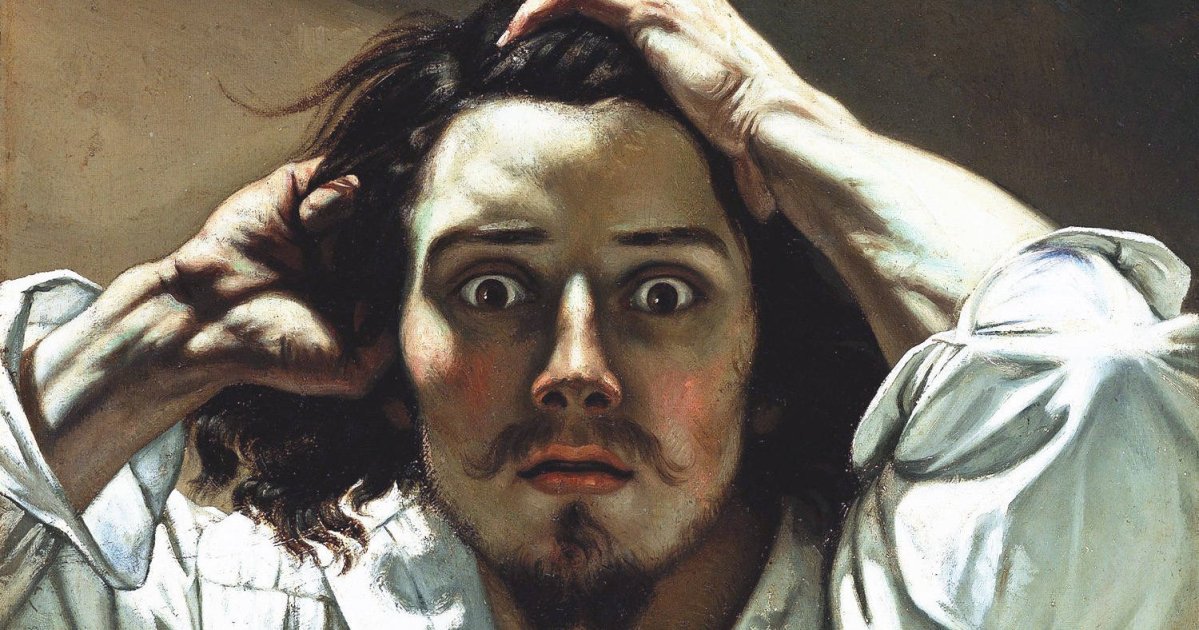
Pourquoi ce secret autour du Désespéré de Gustave Courbet ?

Gustave Courbet's painting *Le Désespéré* (1843-1845), owned by Qatar Museums Authority, was loaned to the Musée d'Orsay in Paris. The French art publication La Tribune de l'Art requested the loan agreement under transparency laws, but the museum refused, citing a confidentiality clause. The publication then appealed to the Commission d'Accès aux Documents Administratifs (CADA), which has not responded for five months. Separately, the heritage association Sites & Monuments made a similar request to the Ministry of Culture and received a negative response from CADA in March 2026, citing a Conseil d'État ruling that disclosure could harm France's foreign policy.

How the State Supports Provenance Research

Comment l’État soutient la recherche de provenance

The French Ministry of Culture has created two specialized missions to assist museums in researching the provenance of their collections, addressing looted artworks, human remains, colonial acquisitions, and illicit trafficking. The Mission for Research and Restitution of Looted Cultural Property (M2RS), established in 2019, focuses on Nazi-era spoliations (1933-1945) with a budget of €220,000 annually, while the newer Mission "Provenance," launched in 2024 under curator Catherine Chevillot, covers human remains, colonial-era objects, and illicit goods with a €450,000 budget. These missions provide expertise, funding, and coordination with institutions like the Commission for the Restitution of Property and Compensation of Victims of Anti-Semitic Spoliation (CIVS), though most museums still only initiate provenance checks during acquisitions or donations.

Notre-Dame: The Lie About Respecting Viollet-le-Duc's Light

Notre-Dame : le mensonge sur le respect de la lumière de Viollet-le-Duc

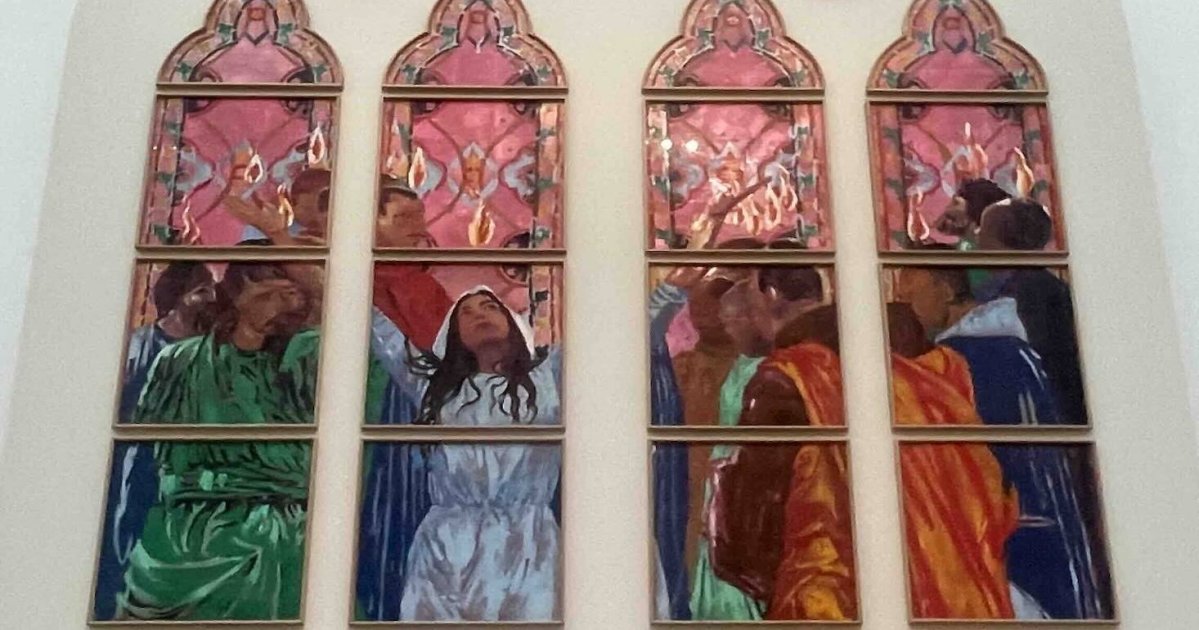
The article criticizes the planned replacement of the stained-glass windows in Notre-Dame Cathedral, designed by Claire Tabouret, arguing that the public establishment behind the project has made false claims about respecting the original light and colors of Eugène Viollet-le-Duc's 19th-century windows. The author compares the existing and proposed windows baie by baie, asserting that the new designs do not match the chromatic balance or light quality, and calls the official justification a lie. It also highlights two additional alleged falsehoods: that the law for Notre-Dame's restoration deliberately omitted the Venice Charter (when the culture minister said it was unnecessary because the charter was already binding), and that the National Commission for Heritage and Architecture had approved the window replacement (which the author claims is contradicted by the commission's own minutes and multiple members).

Notre-Dame : les travaux commencent, le combat se poursuit

Work has begun on replacing the stained-glass windows at Notre-Dame Cathedral in Paris, with scaffolding installed immediately after the work permit was posted. The project involves removing six ornamental windows created in 1864 by Alfred Gérente under Eugène Viollet-le-Duc and installing six new windows by artist Claire Tabouret and the master glassmakers Simon-Marq. The authorization, signed by the prefect, has sparked legal challenges from the heritage association Sites & Monuments, who argue the replacement is neither conservation nor restoration. The article details how the state's own authorization document inadvertently strengthens opponents' arguments by affirming that the entire cathedral, including Viollet-le-Duc's windows, is protected as a historic monument.

The appalling mediocrity of the chosen project for the 'Grande Colonnade' of the Louvre

L'effarante médiocrité du projet retenu pour la « Grande Colonnade » du Louvre

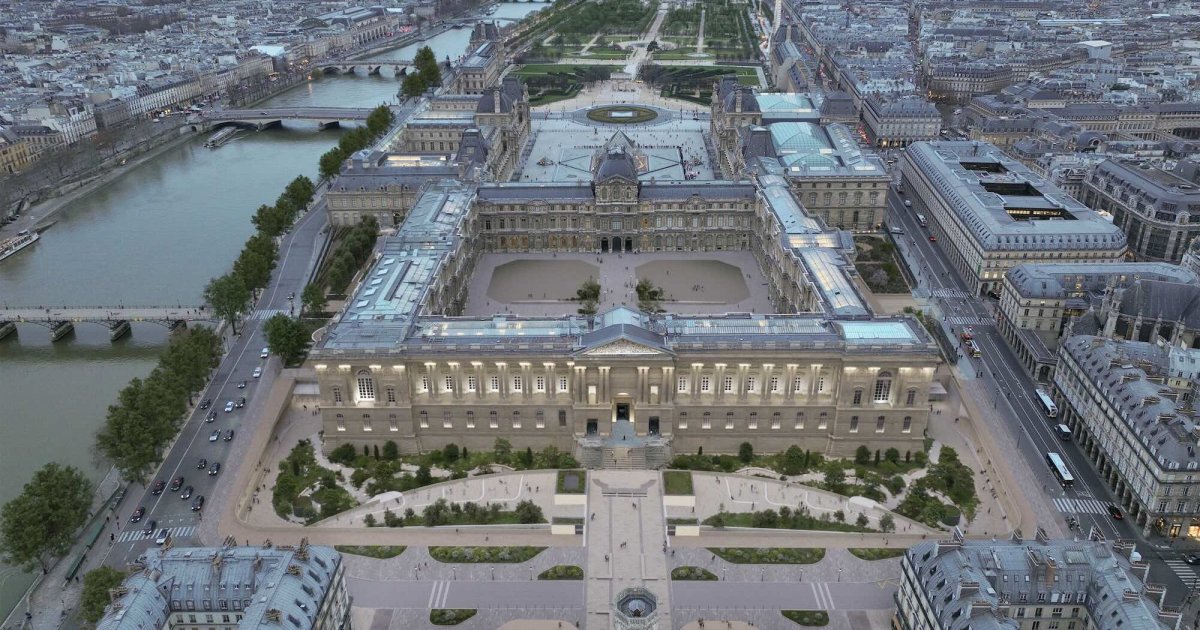
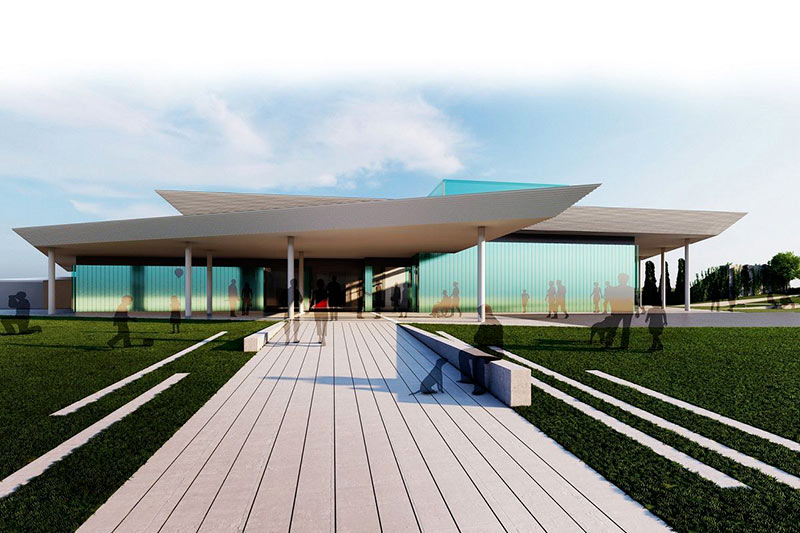
The French Ministry of Culture has announced the winning team for the 'Grande Colonnade' project at the Louvre, selecting STUDIOS Architecture Paris and Selldorf Architects. The ministry's press release, described as self-congratulatory and written in trendy bureaucratic language, celebrates the choice as a major advancement. However, the article criticizes the lack of transparency, noting that only three exterior visuals have been released, and argues that the project is unfunded and threatens necessary renovations at the museum, as previously highlighted by the Cour des Comptes and parliamentary representatives.

Olivia Bourrat revient au Quai Branly

Olivia Bourrat, a 45-year-old chief heritage curator trained at the École du Louvre, the INP, and the Sorbonne, has been appointed director of the heritage and collections department at the Musée du quai Branly-Jacques Chirac in Paris. She succeeds Anne-Solène Rolland, and returns to the museum after previous stints there, as well as at France-Muséums, the Louvre Abu Dhabi, the French Ministry of Culture, and Paris Musées.

Outsourcing a service is not prohibited, but managing the provider's employees is

Externaliser un service n’est pas interdit, diriger les salariés du prestataire l’est

A wave of legal complaints has been filed against several major French cultural institutions, including the Louvre, the Pinault Collection, and the MuCEM, alleging illegal labor practices. Labor unions Sud-Culture, SUD-PTT, and Solidaires claim these museums are engaging in "illicit lending of labor" and "bargaining" by exercising direct authority over outsourced staff from third-party agencies like Marianne International and Pénélope. While outsourcing services like ticketing and reception is legal in France, the lawsuits argue that museums are illegally managing these external employees' daily schedules, rotations, and disciplinary actions as if they were their own staff.

Rome and its visions in contemporary photography: from Carbone to De Angelis, to Hervé Gloaguen

Roma e le sue visioni nella fotografia contemporanea: da Carbone a De Angelis, fino a Hervé Gloaguen

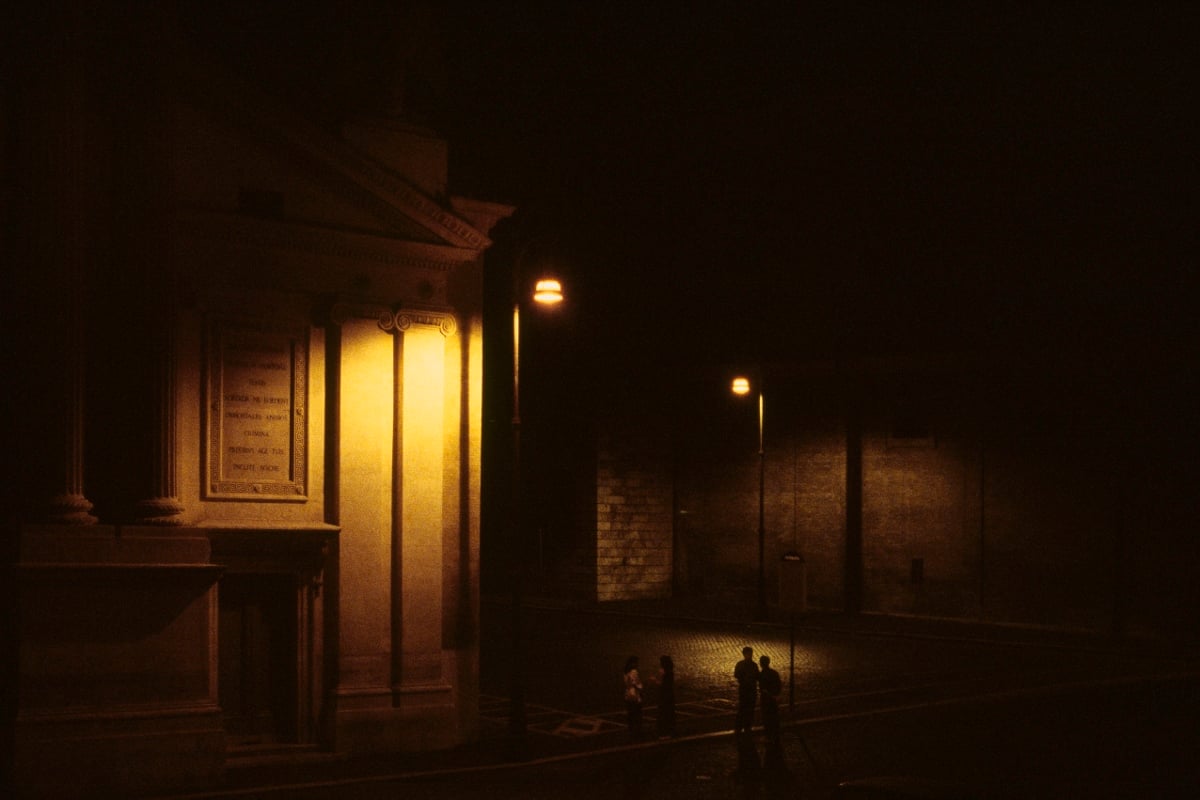
The article critiques a recent trend in contemporary photography of Rome, exemplified by a 2020 exhibition at the Mattatoio (Nuove produzioni 2020 per la collezione Roma) that presented black-and-white images reducing the urban landscape to a dark, lifeless mass. The author contrasts this with a personal photograph of a horse taken during the Covid-19 pandemic, which captures Rome's periphery with warmth and specificity, and praises the 2024 exhibition "Roma 1975, città, volti e storie dell'anno giubilare" featuring photojournalist Fabio De Angelis's rediscovered work as a vital counterpoint.

La loi-cadre sur les restitutions définitivement adoptée par le Parlement

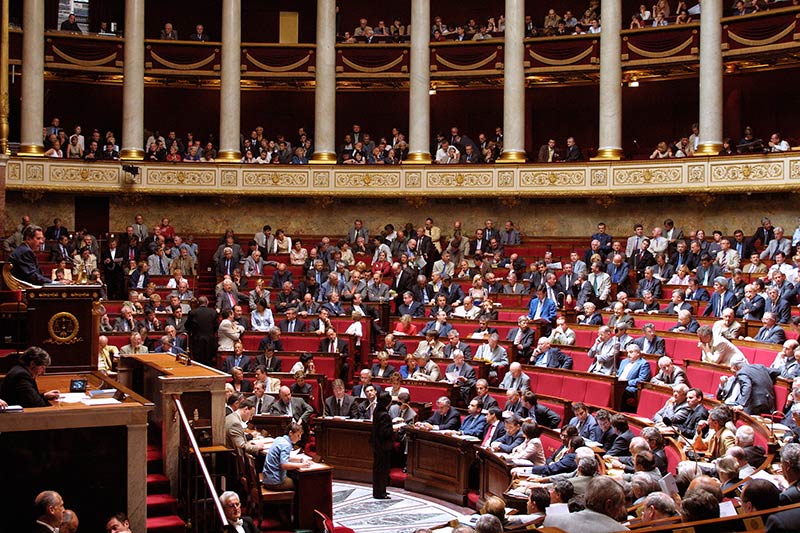
The French Parliament has definitively adopted a framework law on the restitution of cultural property that was illicitly acquired. The Senate unanimously approved the conclusions of the joint committee on May 7, following the National Assembly's approval on May 6, after an agreement was reached on April 30. The law establishes a general mechanism for returning objects from French public collections without requiring a specific law for each case, covering items acquired through looting, theft, forced sale, or other illicit means before the 1970 UNESCO Convention. It creates a permanent national commission and a bilateral scientific committee to assess claims, with restitution ultimately decided by government decree subject to legal review by the Council of State.

The Nicéphore-Niépce Museum is Standing Still

Le Musée Nicéphore-Niépce fait du surplace

The Musée Nicéphore-Niépce in Chalon-sur-Saône remains in a state of stagnation as long-promised modernization plans continue to stall. Despite over twenty-five years of proposals for a new facility or a "Cité de l'image," the project has become a political "sea serpent," hampered by budget cuts, staff reductions, and shifting municipal priorities. Most recently, the city declined to renew the contract of Fannie Escoulen, a former Ministry of Culture official hired to steer the project, further signaling a lack of progress.

Long threatened, the Palais de la découverte will finally reopen in 2027 after a seven-year closure

Longtemps menacé, le Palais de la découverte va finalement rouvrir en 2027 après sept ans de fermeture

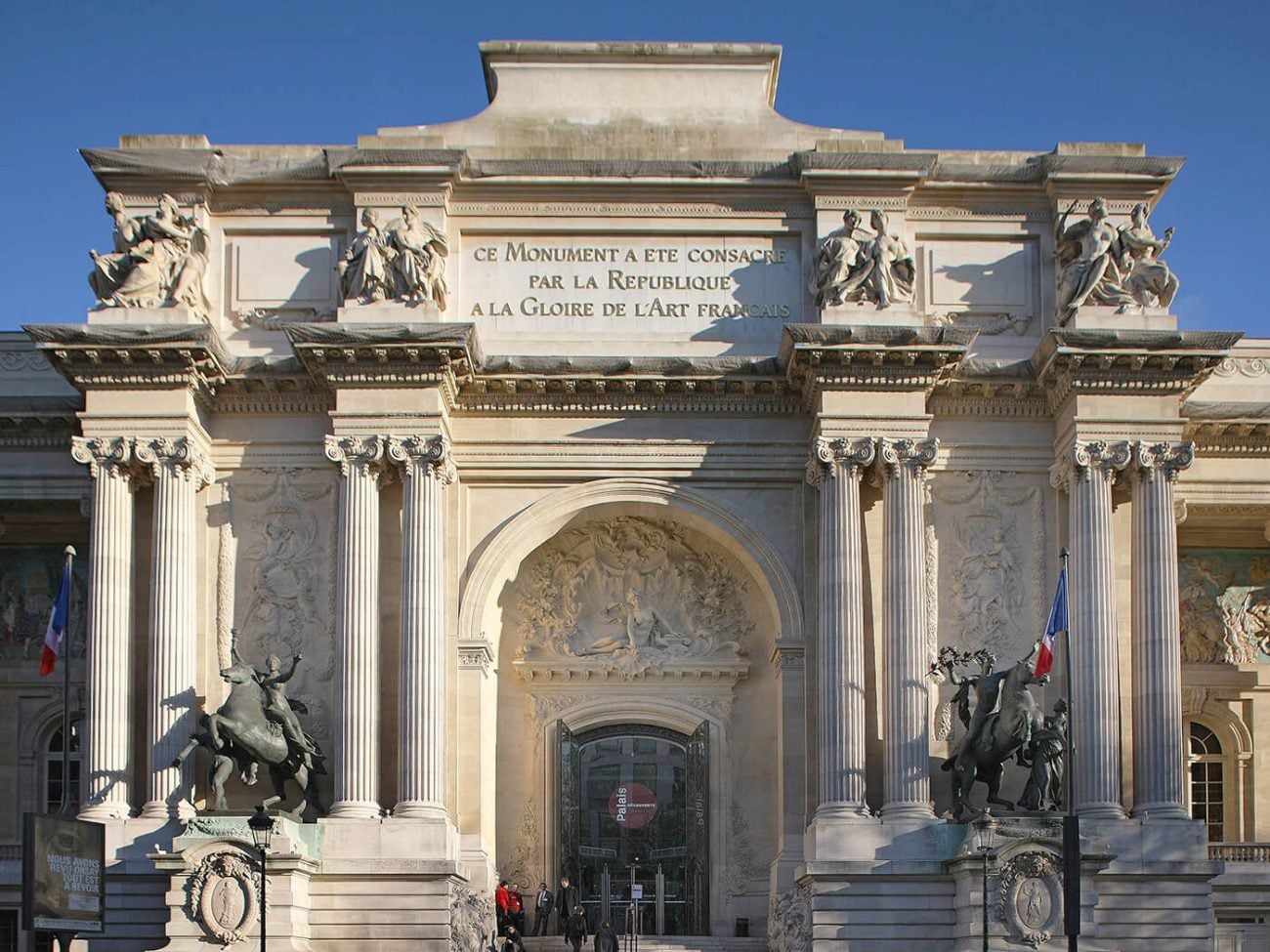
The Palais de la découverte in Paris will officially reopen in March 2027 following a seven-year closure for extensive renovations. Located in the Palais d’Antin wing of the Grand Palais, the institution faced the threat of permanent closure or relocation to the Cité des sciences due to economic constraints. However, a joint decision by the French Ministries of Research and Culture has secured its future at its historic site, where it will feature a shared entrance with the Grand Palais to foster a unique dialogue between art and science.

Bayeux Tapestry: A Blank Voyage That Tests Nothing

Tapisserie de Bayeux : un voyage à blanc qui ne teste rien

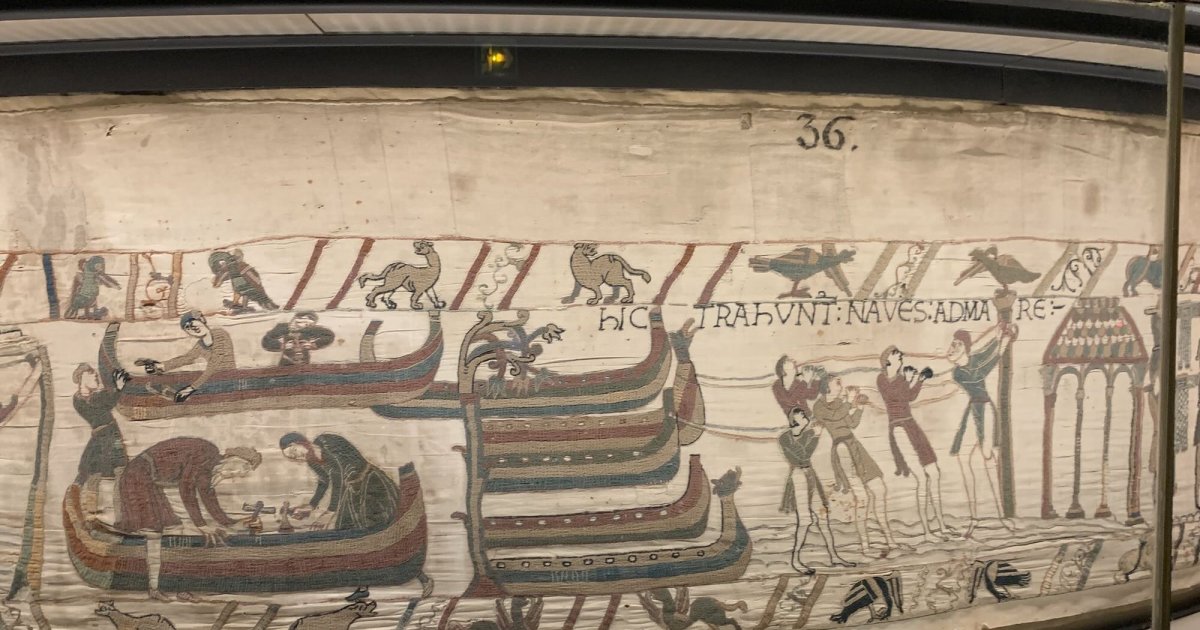
A confidential interim report obtained by La Tribune de l'Art reveals that the "blank voyage" test transport of the Bayeux Tapestry from Bayeux to London in February 2026 failed to measure actual risks to the artwork. The report admits that the vibration threshold used (2 mm/s) is arbitrary and based on paintings, not on a textile of this size and fragility. Because the tapestry has been stored and inaccessible since September 2025, no mechanical tests could be conducted beforehand to determine safe vibration levels, rendering the test meaningless. A second test took place on April 15, 2026, but its report has not yet been finalized; the actual loan is planned for July 2026, with transport via Eurostar.

Details on French museum works in Abu Dhabi

Des précisions sur les œuvres des musées français à Abu Dhabi

French museums and cultural institutions, including the Louvre, Versailles, the Centre Pompidou (Beaubourg), and the Musée d'Orsay, are refusing to disclose which specific artworks from their collections are currently on loan and on display at the Louvre Abu Dhabi. This lack of transparency occurs despite heightened regional security risks, including the threat of Iranian strikes. The French Ministry of Culture claims it is in close contact with UAE authorities to ensure the protection of the loaned works.

In Greece, the Thessalonikéon Métropolis Archaeological Museum Opens Its Doors

En Grèce, le musée archéologique Thessalonikéon Métropolis ouvre ses portes

The Thessalonikéon Métropolis archaeological museum opened on May 7 in Thessaloniki, Greece, inside the renovated Pavlos Melas barracks (Building A3). Its collection of over 300,000 objects—including ceramics, jewelry, mosaics, sarcophagi, and architectural fragments—was unearthed during the construction of the city's metro system, which began in 2006 and became the largest rescue excavation in northern Greece. The centerpiece is the Decumanus Maximus, a well-preserved Roman-Byzantine commercial street discovered at the Venizelou station, nicknamed "Byzantine Pompeii." The museum's restoration cost about €14.5 million, partly funded by European Union funds, while the total archaeological interventions cost between €75 and €203 million.

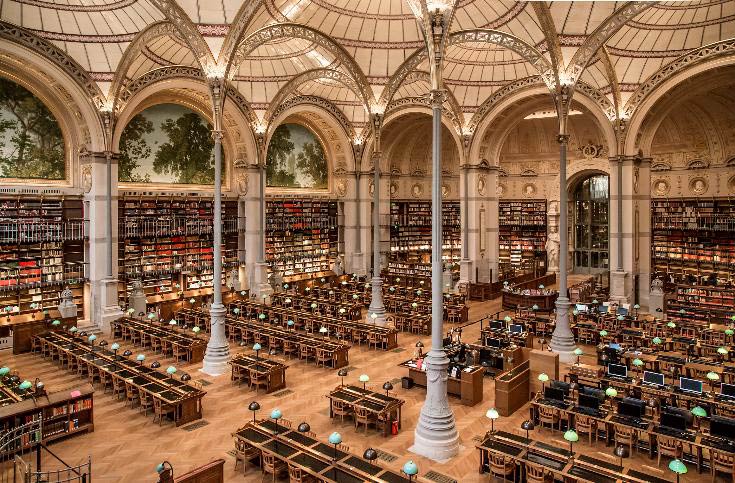
At the INHA, the summer closure of the library revives the debate

À l’INHA, la fermeture estivale de la bibliothèque ravive le sujet

The National Institute for Art History (INHA) in Paris is facing backlash over its decision to implement a permanent two-week summer closure of its library every August. Originally introduced as a temporary measure during the 2024 Olympics and subsequent renovations, the closure is now being formalized by the administration despite a change in leadership. Staff and researchers have launched a petition, arguing that August is a critical period for international scholars and students who rely on the library’s extensive collections.