filter_list Showing 28 results for "Monopol" close Clear
dashboard All 28 museum exhibitions 12article news 5article policy 4trending_up market 3person people 2article culture 2
date_range Range Today This Week This Month All

Where to go this weekend?

Wohin am Wochenende?

Major international exhibitions and events are launching this week, headlined by a massive Marcel Duchamp retrospective at the Museum of Modern Art in New York, the first of its scale in the U.S. since the 1970s. In Milan, Cao Fei debuts a research-heavy project at Fondazione Prada exploring the intersection of high-tech agriculture and tradition, while Berlin’s Georg Kolbe Museum recovers the legacy of British constructivist Marlow Moss. Additionally, the inaugural Art Cologne Palma Mallorca art festival opens in Spain, attempting to stimulate the market during a challenging economic period.
First Details of the German Pavilion

Erste Details zum deutschen Pavillon

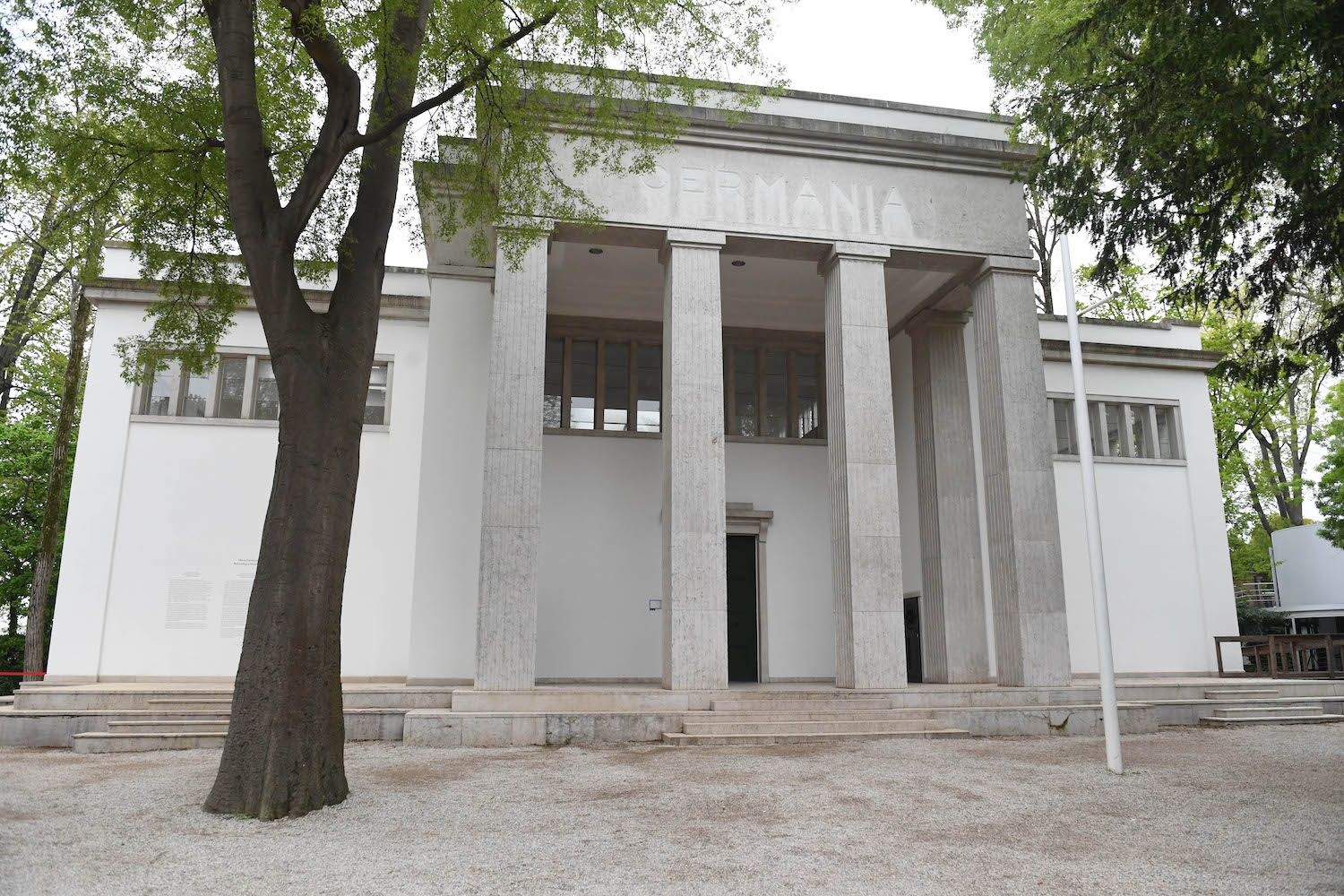
The German Pavilion at the upcoming Venice Biennale will present an exhibition titled "Ruin," featuring works by the late Henrike Naumann and artist Sung Tieu. Curated by Kathleen Reinhardt, the exhibition explores historical ruptures and the lingering effects of political and social voids following German reunification. Tragically, Naumann passed away shortly after completing her contributions, and her studio team is now working to realize her final artistic vision for the prestigious international stage.

Already 100,000 Visitors at Cologne's Kusama Exhibition

Schon 100.000 Besucher in Kölner Kusama-Ausstellung

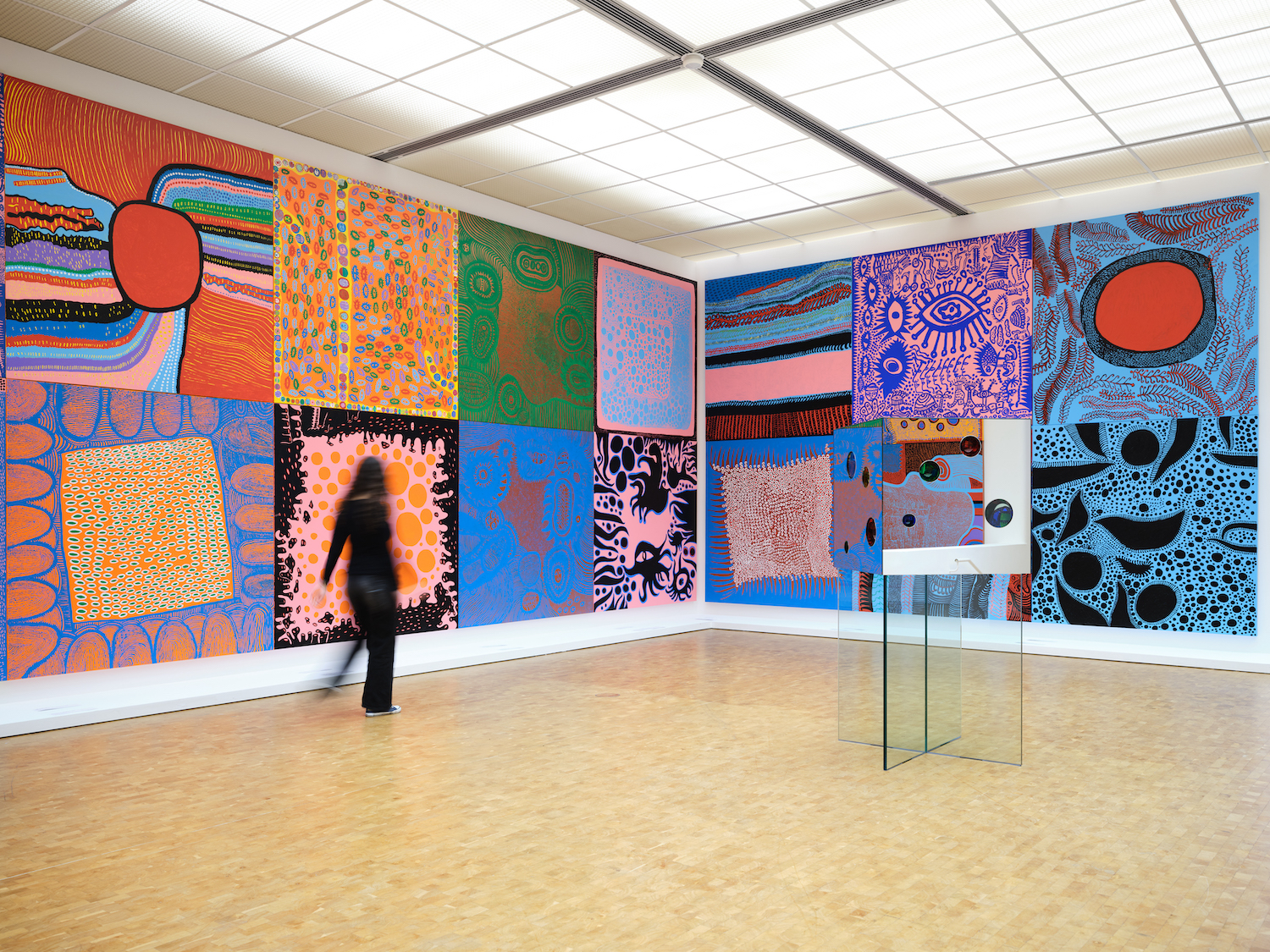
The Museum Ludwig in Cologne has reached a significant milestone, welcoming 100,000 visitors to its Yayoi Kusama retrospective within just four weeks of opening. The exhibition, which features 300 works ranging from early childhood drawings to contemporary installations, has proven to be an unprecedented draw for the institution, surpassing the director's initial expectations for attendance speed.

Phallus, Vagina, Universe

Phallus, Vagina, Universum

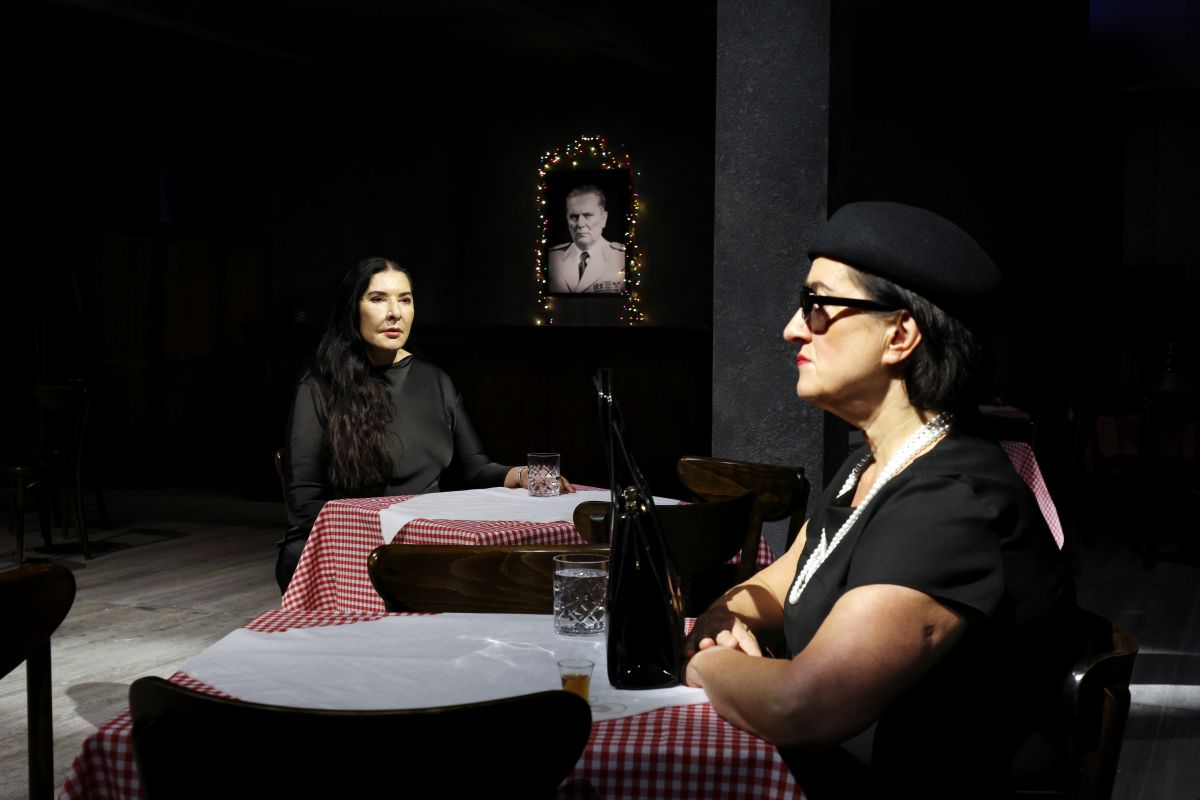
Marina Abramović is presenting a major retrospective at the Neue Nationalgalerie in Berlin, shifting focus from her well-known explorations of physical pain to the erotic energy of the human body. The exhibition draws heavily on Slavic folklore and pagan traditions from her Balkan heritage, exploring how ancient rituals used sexuality and the body as tools for spiritual and cosmic connection.

I think I didn't understand many artists

"Ich glaube, ich habe viele Künstler nicht verstanden"

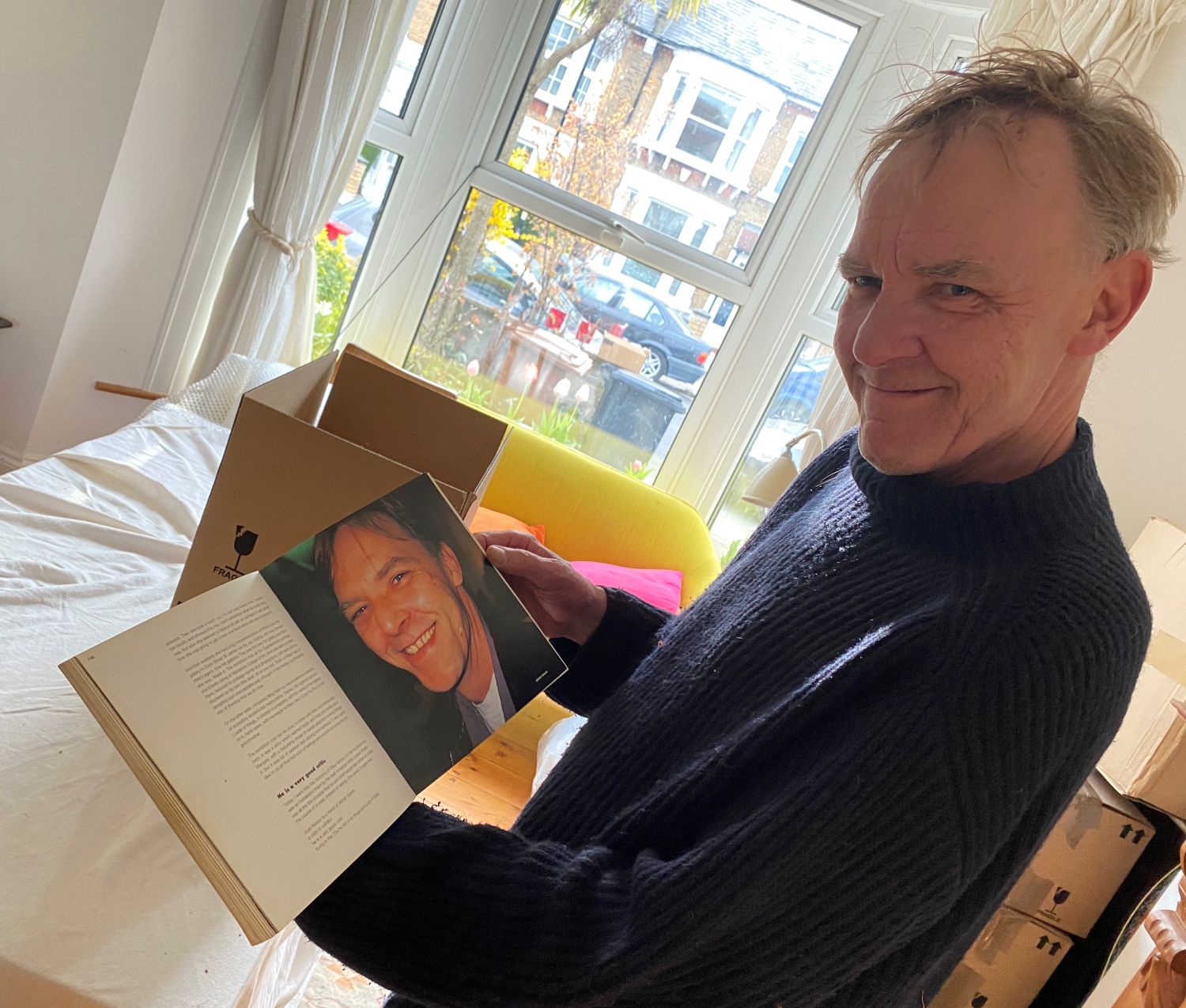
Adrian Searle, the long-standing chief art critic for The Guardian, is stepping down after three decades at the publication and nearly 50 years in art criticism. In a reflective interview, Searle discusses his transition from a practicing painter and educator to a critic, noting that his early interactions with students like Peter Doig and Isaac Julien helped him realize his true strength lay in writing rather than art-making. He recounts his experiences navigating the British art scene, from the decline of Greenbergian abstraction to his encounters with formidable figures like Richard Serra.

An Old Man Whose Egoscentrism Knows No Bounds

"Ein alter Mann, dessen Ich-Sucht keine Grenzen kennt"

More than 30 current and former jury members of the Stiftung Kunstfonds have issued a formal protest against German Culture Minister Wolfram Weimer, accusing his office of political interference and intimidation. The controversy stems from reports that the ministry requested lists of all jury members across various art institutions and bypassed jury decisions to exclude specific recipients from awards based on intelligence service reports.

Is the Mallorca Edition of Art Cologne Any Good?

Was taugt die Mallorca-Ausgabe der Art Cologne?

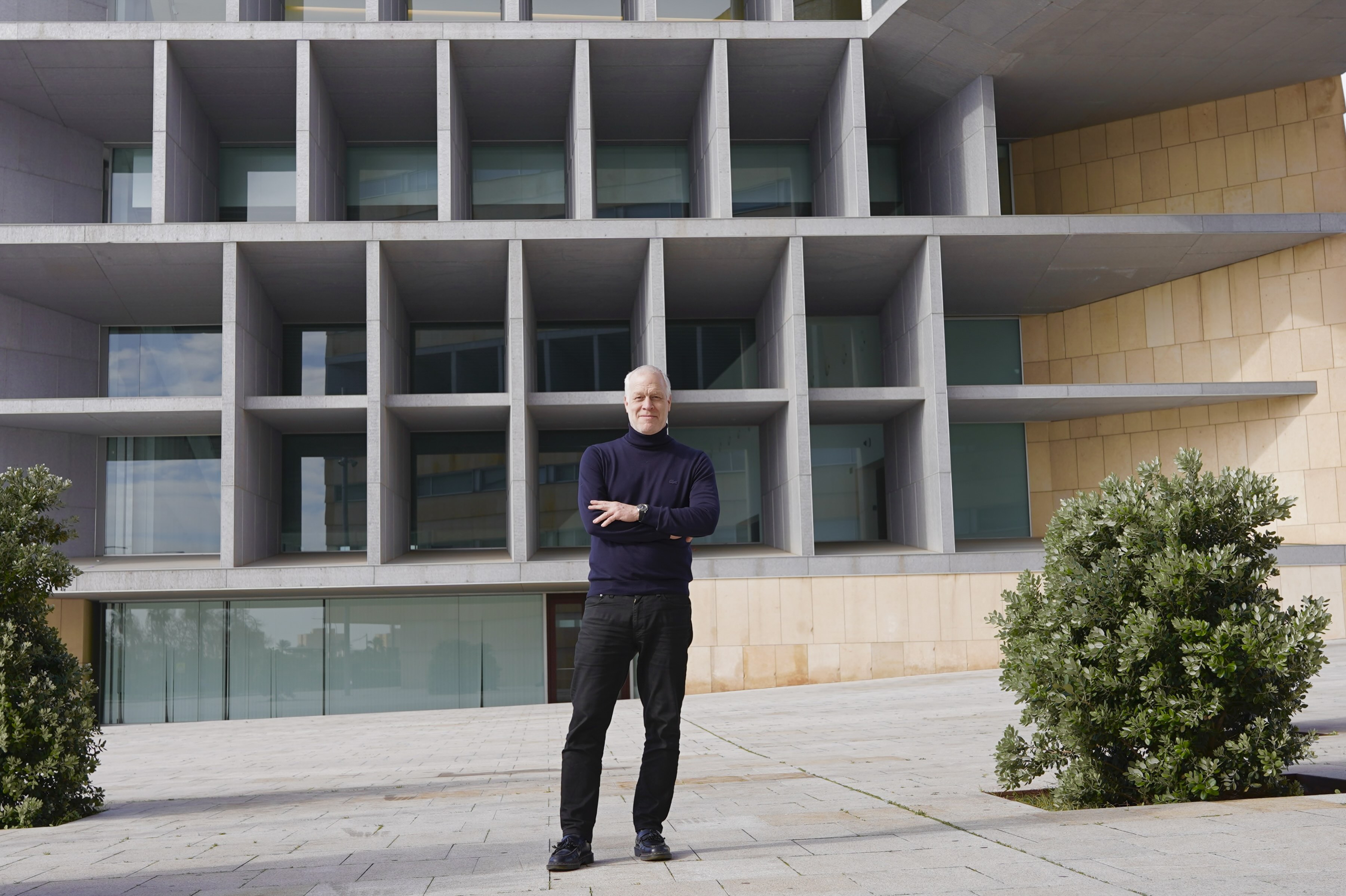
The Art Cologne has launched a new satellite edition in Palma de Mallorca, returning to the island 19 years after a previous attempt failed. Held at the modern Palau de Congressos, the fair adopts a 'boutique' format designed to tap into the local market of wealthy European expatriates and second-home owners. Unlike the high-stakes environment of major fairs like Art Basel, this iteration features an innovative pricing model that allows smaller, younger galleries to showcase curated, riskier presentations at more affordable entry points.

Contemporary US Art is Sick with Problems

"Die zeitgenössische US-Kunst ist von Problemen krank"

Artist Josh Kline has sparked a heated debate with a scathing critique of the American art scene, particularly targeting New York City as an unsustainable hub driven by market logic and inequality. Kline argues that contemporary art is "sick with problems" and urges young artists to abandon the city, calling for a shift from institutional critique to a broader industry-wide analysis of class and power. Meanwhile, the German art world sees significant movement with the upcoming auction of Georg Kolbe’s "Tänzerinnen-Brunnen" following a Nazi-looted art settlement, and the Berlin State Museums announcing a phased reopening of the Pergamon Altar starting in 2027.

The Narrow Corridor of Normality

Der schmale Korridor der Normalität

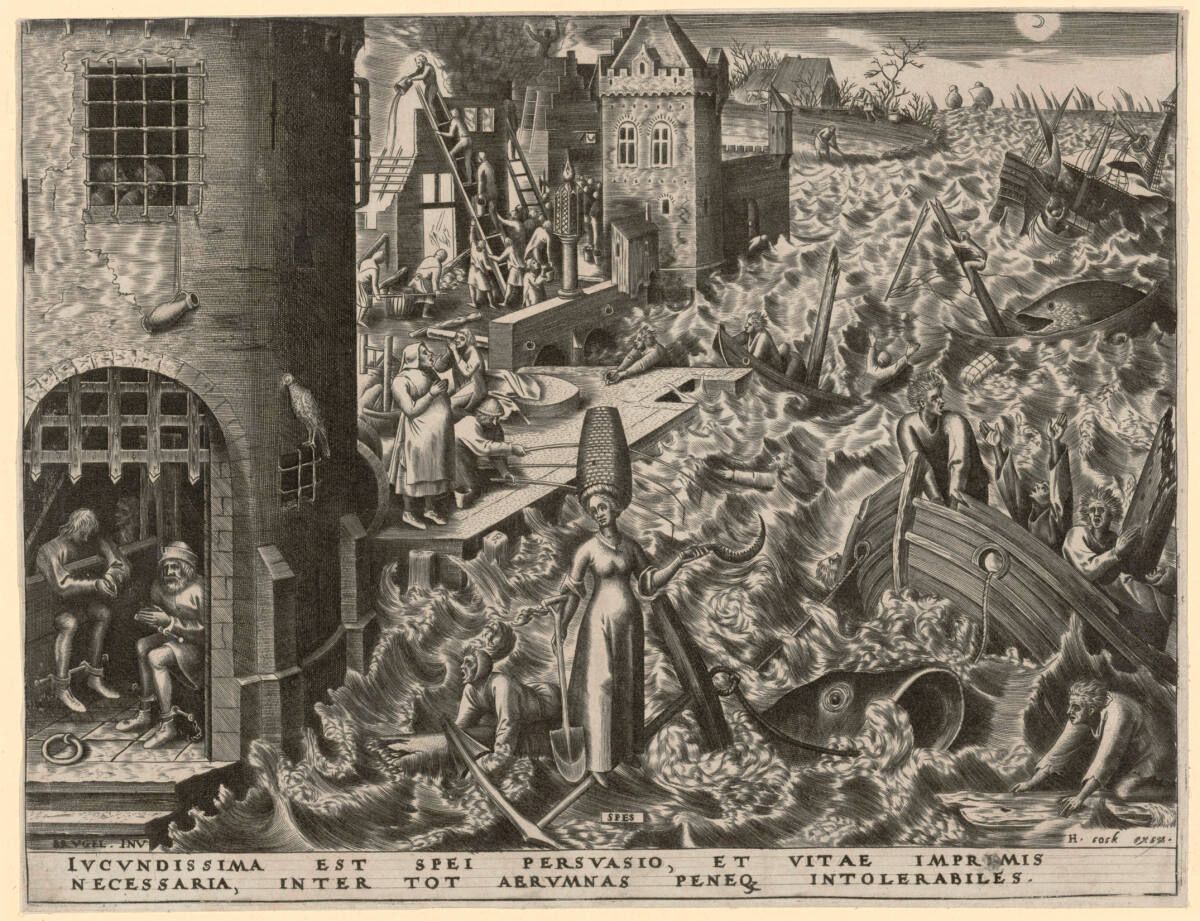
Artist Beate Gütschow reflects on Pieter Bruegel the Elder’s 16th-century engraving "Spes" (Hope), which she encountered during a visit to the Kunstmuseum Basel. The artwork depicts a personified figure of Hope standing amidst a chaotic scene of shipwrecks and flooding, symbolizing the necessity of maintaining focus and action even in the face of overwhelming disaster.

Dream Win With a Catch

Traumgewinn mit Haken

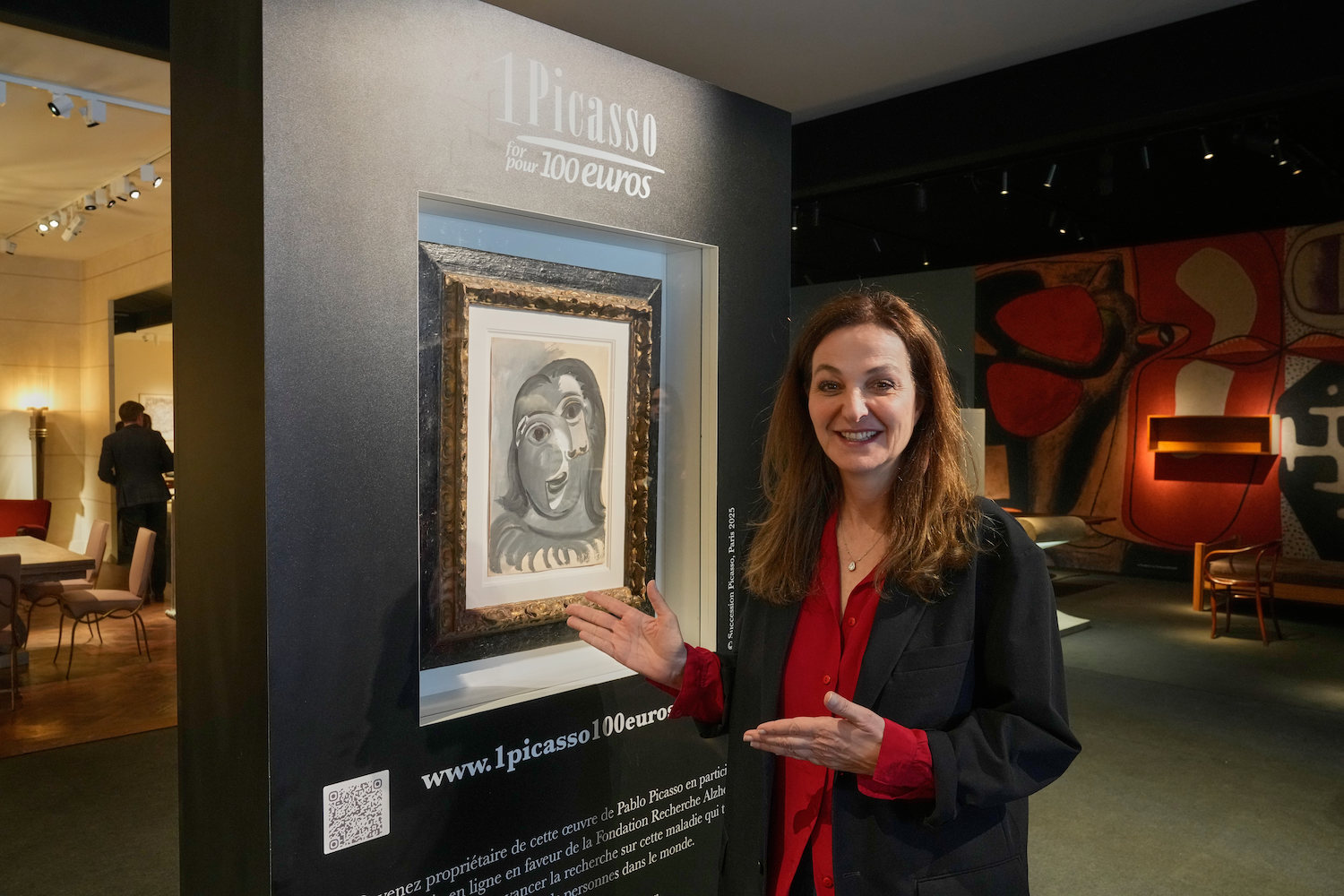
A 58-year-old sales engineer from Paris has won a 1941 Pablo Picasso portrait titled "Tête de femme" through a charity raffle. The winner acquired the masterpiece, valued at approximately €1.45 million, by purchasing a single €100 ticket. Organized to benefit Alzheimer’s research, the international lottery sold 120,000 tickets across 152 countries, raising a total of €12 million.

What makes love political, Wynnie Mynerva?

Was macht Liebe politisch, Wynnie Mynerva?

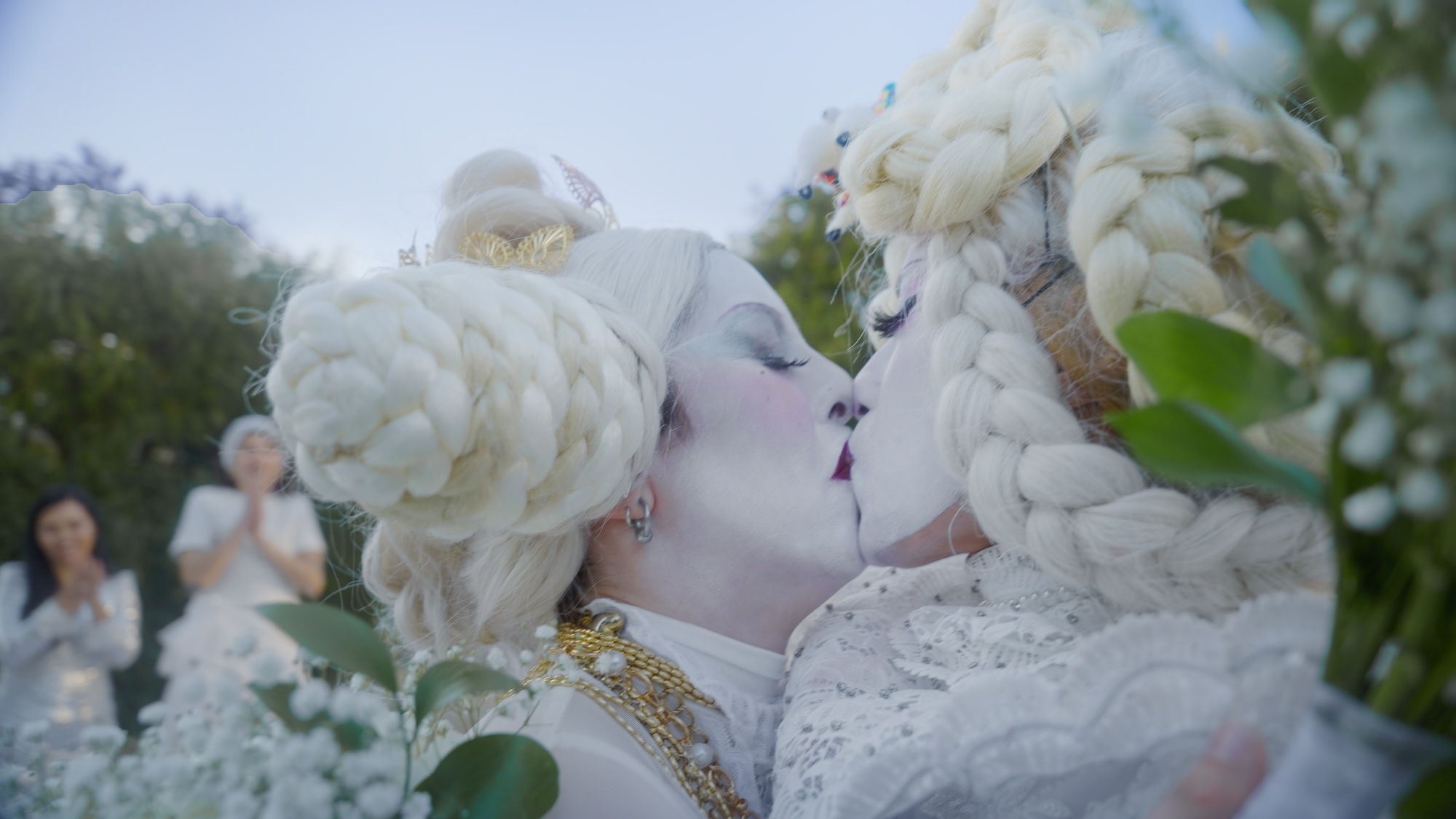
Peruvian artist Wynnie Mynerva discusses her exhibition "Volveré y seré millones" at the Société gallery in Berlin, timed to coincide with Gallery Weekend. The artist explores Andean cosmologies, specifically the concept of 'Ayni' or collective reciprocity, as a counter-narrative to Western, capitalist structures of romantic love and individualism. Her work draws from her personal experience as a migrant in Europe and her observations of Berlin’s queer scene, questioning how care and survival function within modern political frameworks.

How the Acquavella Family Controls the Matisse Market

The Acquavella family has solidified its position as the primary gatekeeper of the Henri Matisse market, leveraging decades of relationships with the artist's heirs and a deep inventory of blue-chip works. By maintaining a near-monopoly on the most desirable secondary market pieces and providing expert authentication guidance, the gallery dictates pricing and availability for one of the 20th century's most valuable artists.

Imitations of a Mediocre Teenager on Tranquilizers

"Nachahmungen eines mittelmäßigen Teenagers auf Tranquilizern"

The Victoria & Albert Museum has reportedly censored exhibition catalogs following pressure from Chinese printing firms, removing images and maps related to sensitive topics like Tibet and Tiananmen Square. This editorial roundup also highlights artist Molly Crabapple’s sharp critique of generative AI as a massive intellectual property theft and a profile of Rirkrit Tiravanija’s communal home in Thailand, which functions as a social sculpture.

Kunsthalle Mainz Facing the End?

Kunsthalle Mainz vor dem Aus?

The Kunsthalle Mainz is facing potential closure by the end of the year following the withdrawal of funding by the Mainzer Stadtwerke. The crisis is compounded by the departure of director Stefanie Böttcher, who is moving to the Kunsthalle Kiel, and the fact that her position has not been advertised for replacement. Despite its international reputation and successful recent exhibitions, such as the current Britta Marakatt-Labba retrospective, the institution lacks a secured financial future and a leadership succession plan.

Sun, Sea, and Security

"Sonne, Meer und Sicherheit"

The Art Cologne Palma Mallorca art fair has emerged as a strategic hub for wealthy German collectors, positioning the Mediterranean island as a safe and accessible alternative to more volatile global markets. While sales have been strongest in the lower price segments, the fair's revival highlights a trend toward 'lifestyle' art events that prioritize security and leisure. Simultaneously, the German art market faces a broader crisis of regionalization, where galleries are increasingly focusing on local buyers despite declining overall sales and a lack of transformative economic growth.

US Government Submits Plans for Triumphal Arch to Commission

US-Regierung reicht Plan für Triumphbogen bei Kommission ein

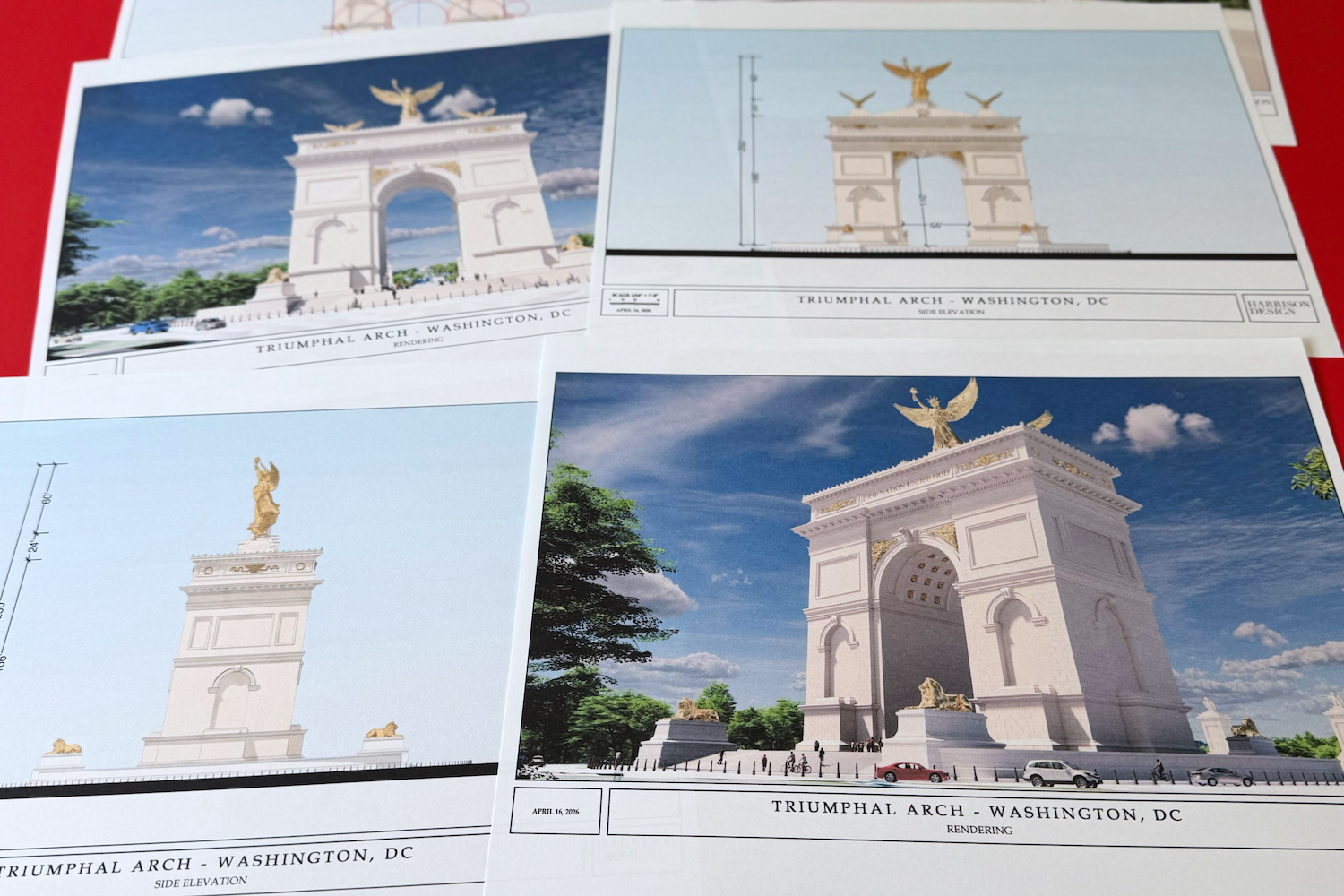
President Donald Trump has submitted formal plans to the Commission of Fine Arts for a monumental triumphal arch to be located near Washington, D.C. Proposed to stand at 76 meters tall, the structure would significantly surpass the height of Paris's Arc de Triomphe. The project, which Trump describes as the "largest and most beautiful" in the world, is slated for a site near the Arlington Memorial Bridge leading to the Lincoln Memorial.

What is Art Allowed to Do?

Was darf die Kunst?

German Minister of State for Culture Wolfram Weimer has sparked a heated debate over artistic freedom after excluding three bookstores from the German Bookstore Prize due to undisclosed intelligence reports. The controversy has escalated into a broader confrontation with cultural institutions, highlighted by the Berlin Volksbühne's public criticism and Weimer's subsequent refusal to participate in a scheduled panel discussion. This incident follows a string of high-profile disputes regarding political expression in the arts, particularly concerning the Berlinale and documenta fifteen.

Industrial Dreams of the GDR

Industrieträume der DDR

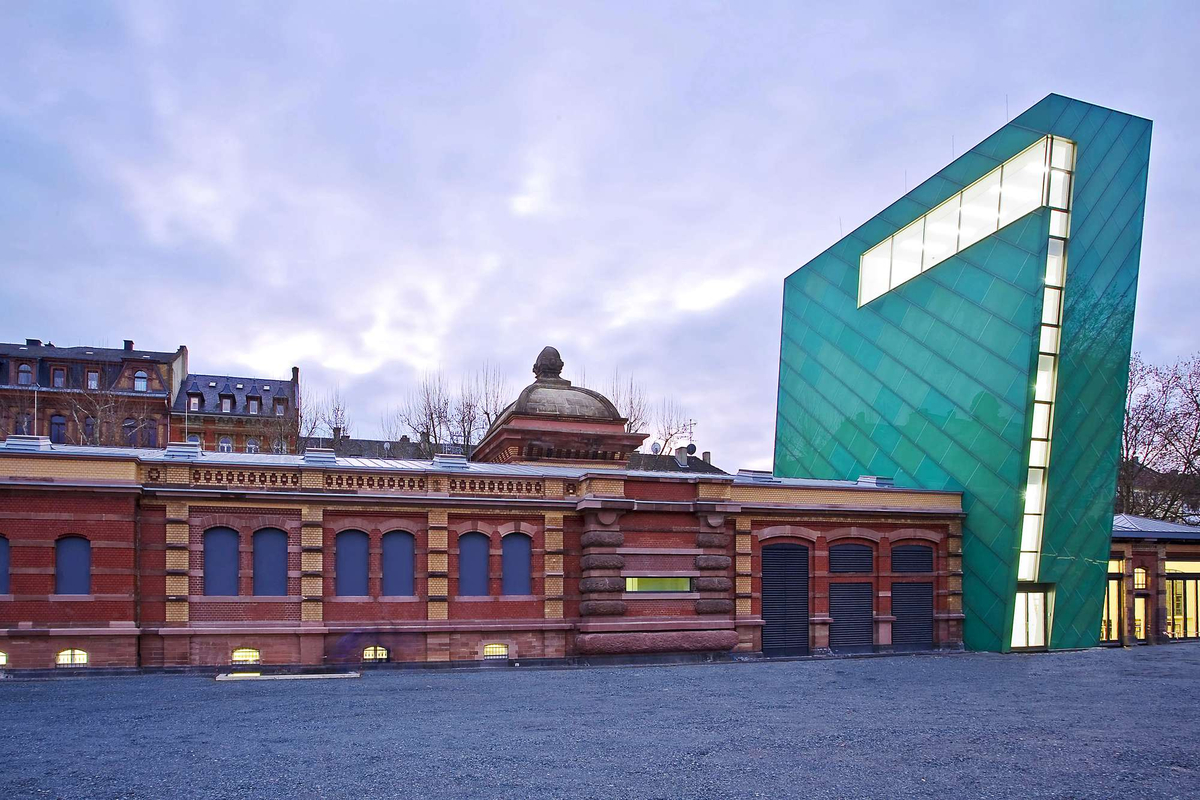
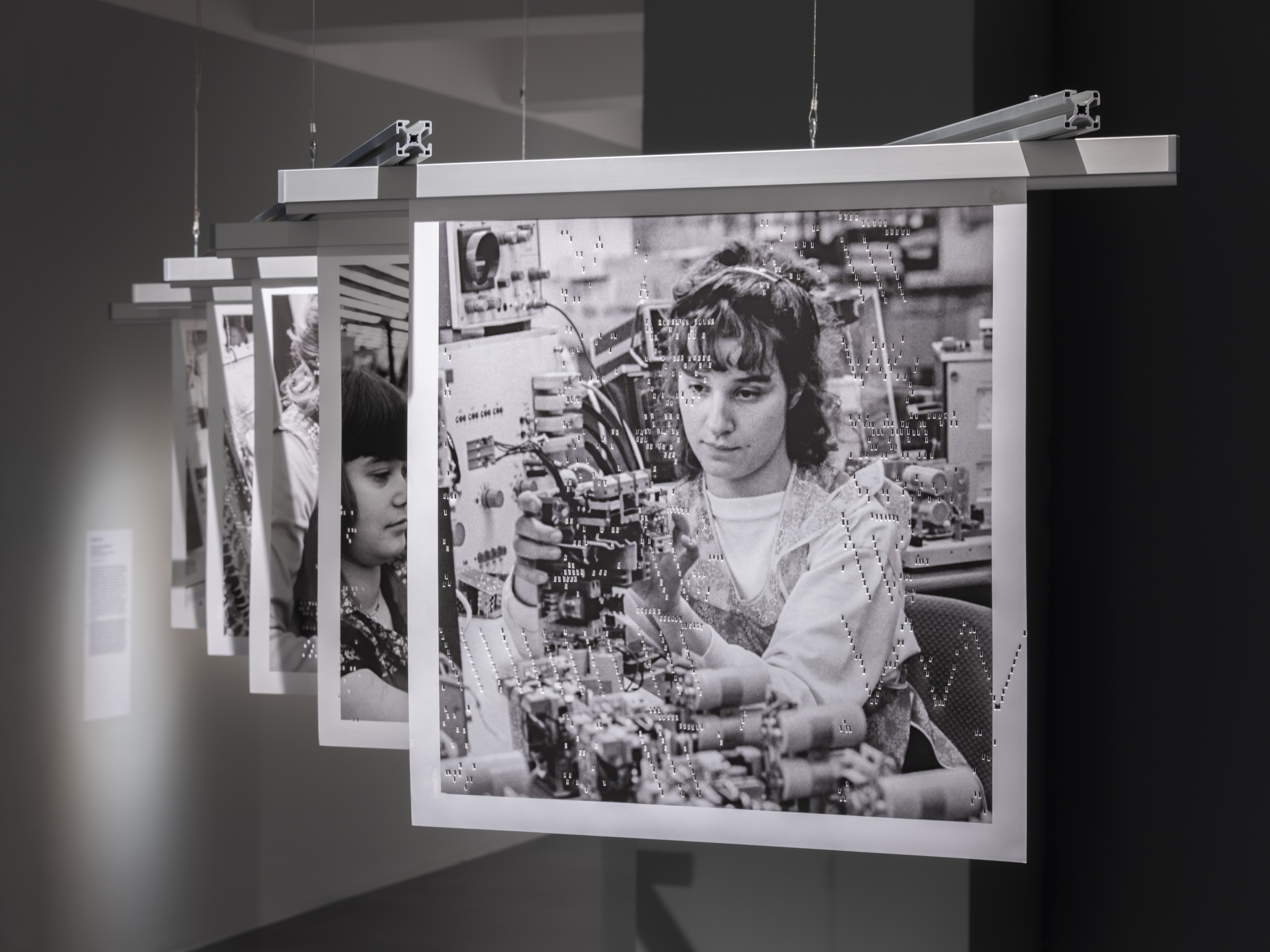
The exhibition "Robotron – Arbeiterklasse und Intelligenz" has opened at the Hartware Medienkunstverein (HMKV) in Dortmund, following its initial run in Leipzig. Centered on the history of the GDR’s largest computer manufacturer, the show features 20 artistic positions including photography, film, and sculpture, alongside a significant five-meter oil sketch by Socialist Realist painter Werner Tübke. The presentation bridges East and West German industrial histories by juxtaposing state-commissioned propaganda with progressive, unofficial works by artists like Ruth Wolf-Rehfeldt and A.R. Penck.

How Much Change Can Society Endure?

Wie viel Veränderung hält die Gesellschaft aus?

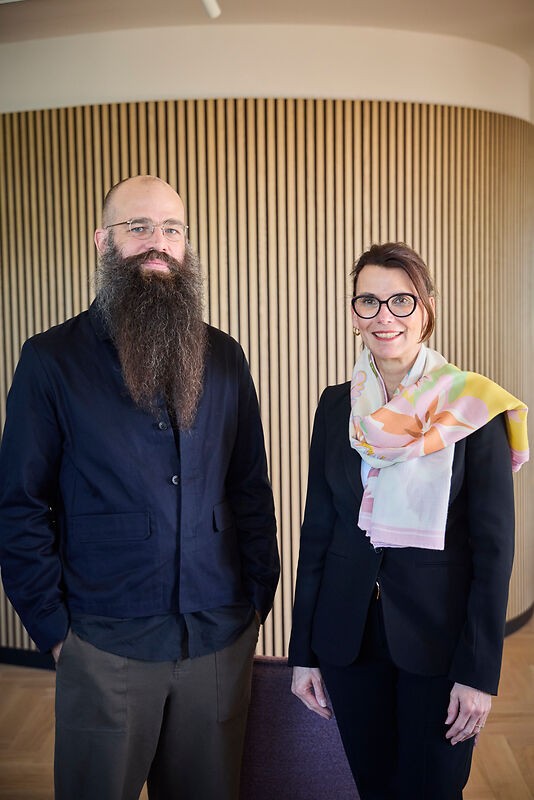
Artist Julius von Bismarck and SPD politician Rita Schwarzelühr-Sutter engaged in a deep dialogue about the societal transition from a fossil-fuel-based to a post-fossil society. During a live podcast hosted by Monopol editor-in-chief Elke Buhr at the BMW Foundation in Berlin, von Bismarck challenged traditional notions of environmental protection, arguing that the very concept of "nature" should be abolished to foster a new relationship with the world. The discussion bridged the gap between artistic radicalism and political pragmatism, touching on existential threats, global inequality, and the role of technology like AI.

Michael Armitage and the Feverish Memory of Images

Michael Armitage und das fiebrige Gedächtnis der Bilder

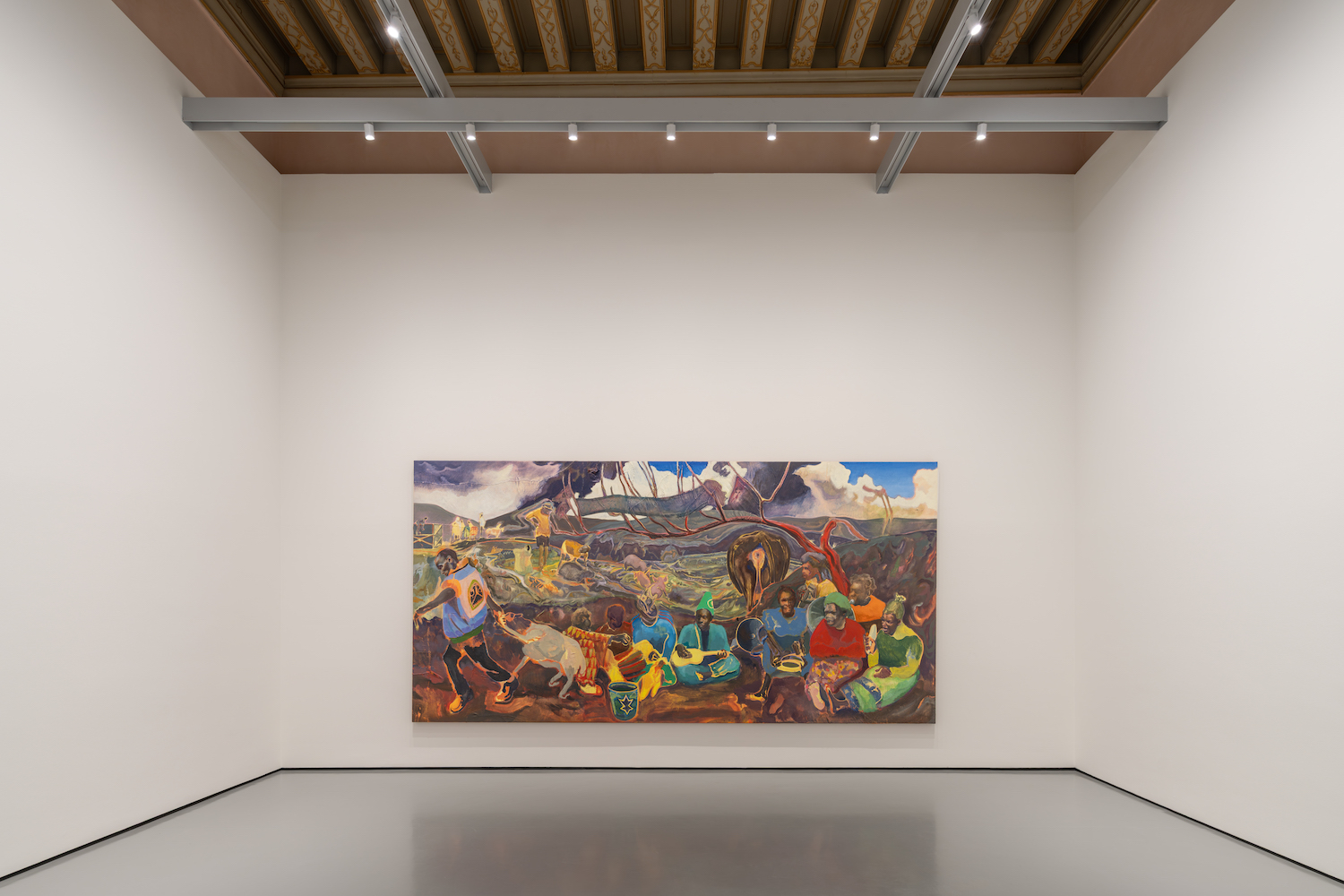
The British-Kenyan painter Michael Armitage is the subject of a major solo exhibition at the Palazzo Grassi in Venice, part of the Pinault Collection. The showcase features new works, including the titular painting "52,000 Years," which references prehistoric cave art while weaving together themes of political unrest, the refugee crisis, and lush landscapes. Armitage’s technique is noted for its use of Lubugo bark cloth, a traditional Ugandan material that adds a tactile, irregular dimension to his complex figurative compositions.

Whitney Biennial Between Cuteness and Panic

Whitney-Biennale zwischen Niedlichkeit und Panik

The Whitney Museum of American Art has unveiled its latest Biennial, a sprawling survey of contemporary art that navigates the tension between playful aesthetics and existential dread. Curators have embraced an expanded definition of American art, incorporating global perspectives and diverse media to reflect a nation grappling with political instability and social change. The exhibition oscillates between moments of "cuteness" and "panic," utilizing strong visual narratives to address the complexities of the current era.

When the Pergamon Altar can be seen again

Wann man den Pergamonaltar wieder sehen kann

The Pergamon Museum in Berlin is set to partially reopen in the spring of 2027 following extensive renovations, allowing public access to the hall containing the world-famous Pergamon Altar. However, the reopening will be staggered and subject to further interruptions; the altar hall is scheduled to close again for five months in 2034 to facilitate connections to the museum island's archaeological promenade. Full completion of the museum's renovation, including the South Wing housing the Ishtar Gate, is not expected until 2037.

What You Shouldn't Miss at Art Düsseldorf

Das sollten Sie auf der Art Düsseldorf nicht verpassen

The eighth edition of Art Düsseldorf is set to launch at the Areal Böhler with its most diverse lineup to date, featuring 119 galleries. This year's iteration marks a significant organizational shift with the appointment of Gilles Neiens as the fair's first Artistic Director, a role created to oversee the event's curatorial and programmatic direction. The fair continues to balance its strong regional roots in the Rhineland with an increasingly international selection of painting, sculpture, and experimental works.

The Most Important Thing is That Art Remains Accessible

"Das Wichtigste ist, dass die Kunst zugänglich bleibt"

Gilles Neiens has been appointed as the first-ever artistic director of Art Düsseldorf, marking a strategic shift for the eight-year-old regional art fair. In his new role, Neiens aims to elevate the fair's profile by focusing on high-quality curation, thematic depth, and fostering closer collaborative relationships with participating galleries. This structural change signals a move away from purely organizational management toward a more distinct, content-driven identity.

Looking Back to Look Forward

Blick zurück nach vorn

The Museum Rietberg in Zürich is hosting an exhibition that examines the intersection of photography and colonialism. The show highlights how early photographic techniques, introduced to Africa shortly after their invention in 1839, were historically used as tools of power, surveillance, and scientific categorization. By juxtaposing historical archives with contemporary works, the exhibition demonstrates how modern artists are reclaiming and transforming these violent visual legacies.

Activist glues herself to museum display case

Aktivistin klebt sich an Museumsvitrine

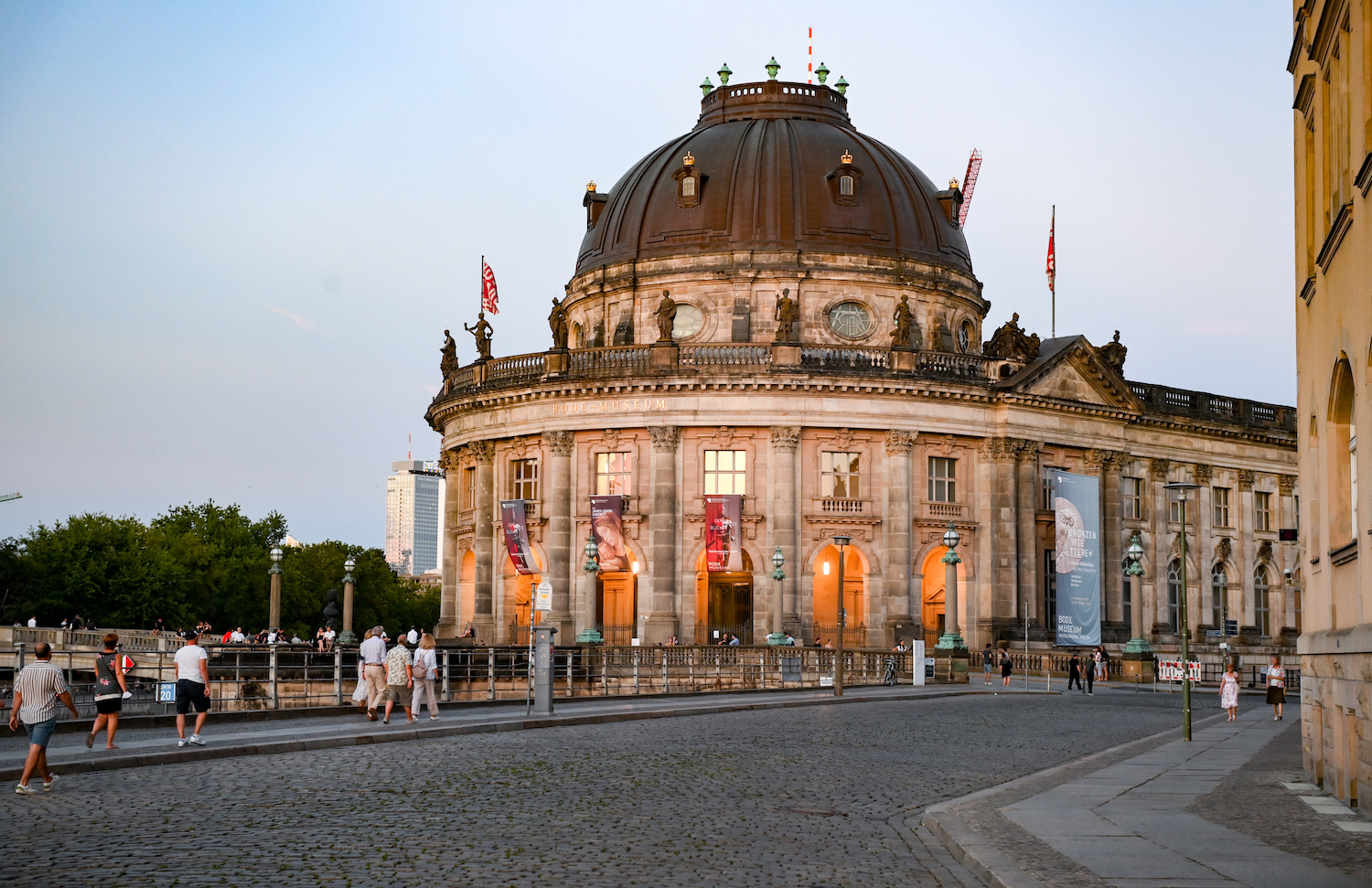
A protester from the activist group Neue Generation glued herself to a display case in the Coin Cabinet of the Bode-Museum on Berlin's Museum Island. Dressed as Federal Minister for Economic Affairs Katherina Reiche, the activist targeted the museum to protest the minister's perceived lack of independence from corporate interests. Police were called to the scene to remove the woman, and the Prussian Cultural Heritage Foundation confirmed that while the glass case was targeted, no historical artifacts were damaged.

Under Water, We Who Are Deaf Are Freer

"Unter Wasser sind wir Gehörlosen freier"

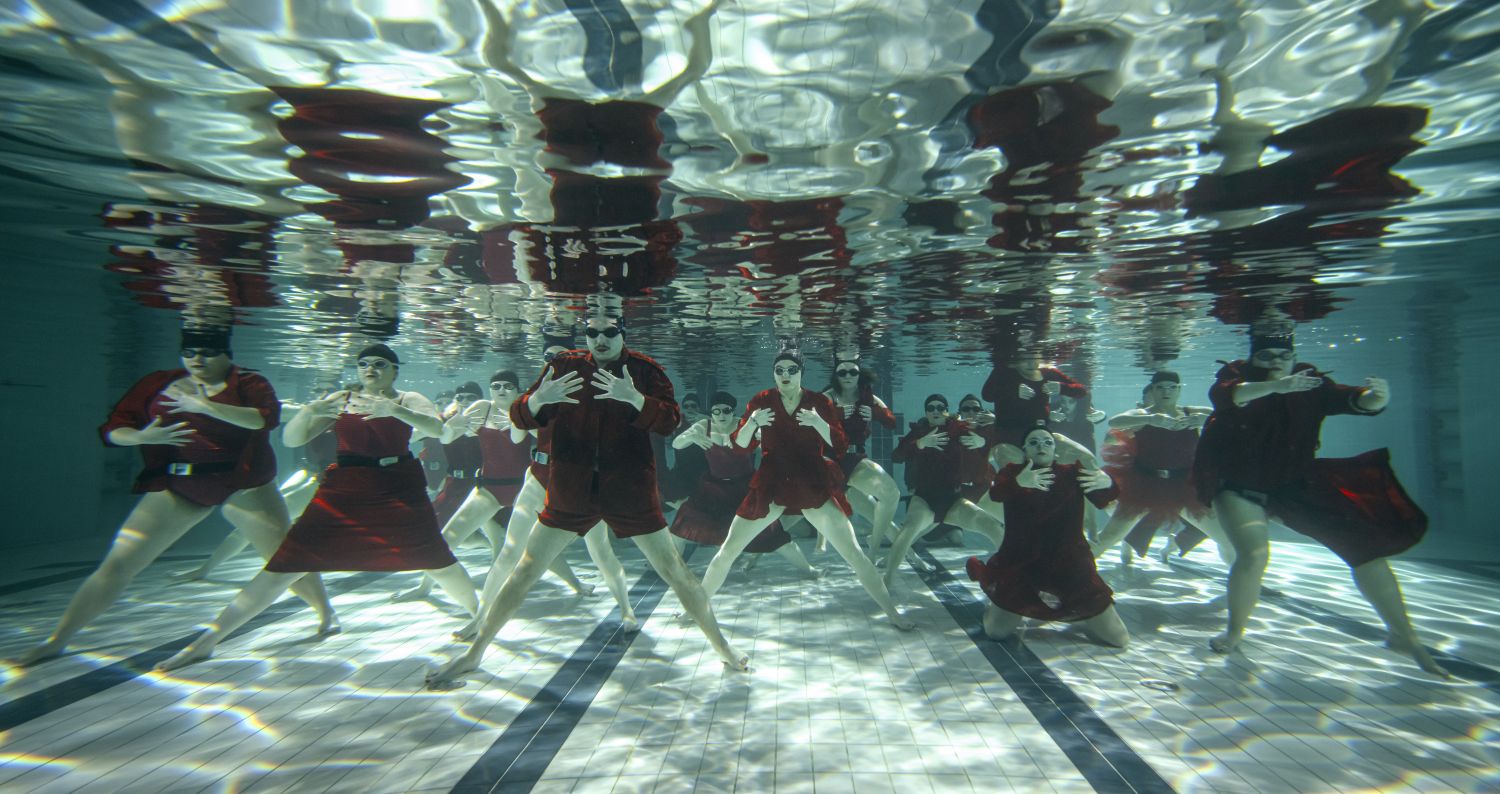
Artists Bogna Burska and Daniel Kotowski have been selected to represent Poland at the upcoming Venice Biennale with their collaborative project, "Liquid Tongues." The exhibition features elaborate video works that draw parallels between the ancient, complex vocalizations of whales and the visual communication of sign language. By filming underwater, the duo explores an environment where the traditional sensory advantages of hearing people are neutralized, and the gestural fluency of the Deaf community becomes a primary mode of connection.

Monopol is giving away 1 × 2 tickets for the German Jazz Prize 2026

Monopol verlost 1 × 2 Tickets für den Deutschen Jazzpreis 2026

Monopol magazine is hosting a giveaway for two tickets to the German Jazz Prize ceremony, scheduled for April 25, 2026, in Bremen. The event, held in conjunction with the jazzahead! trade fair, celebrates the diversity of the jazz scene by honoring musicians, albums, compositions, and journalistic contributions. The ceremony will be hosted by Thelma Buabeng and Götz Bühler, featuring a live performance by the Moses Yoofee Trio.