filter_list Showing 86 results for "Monopol" close Clear
dashboard All 86 museum exhibitions 34article news 13article culture 9trending_up market 9article policy 7candle obituary 5gavel restitution 5person people 4
date_range Range Today This Week This Month All
Subscribe

Mexico’s art community calls for greater transparency in management of treasured collection

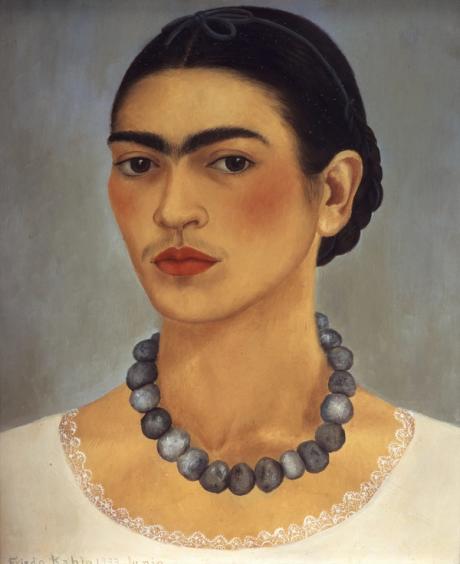
Over 350 Mexican cultural professionals have signed an open letter demanding greater transparency from the Instituto Nacional de Bellas Artes y Literatura (INBAL) regarding the management and export of the Gelman Collection. The collection, recently acquired by the Zambrano family and rebranded as the Gelman Santander Collection, includes 18 works by Frida Kahlo and other major 20th-century Mexican artists, with 30 pieces designated as national artistic monuments requiring state oversight.
5 Highlights of Art Düsseldorf

5 Highlights der Art Düsseldorf

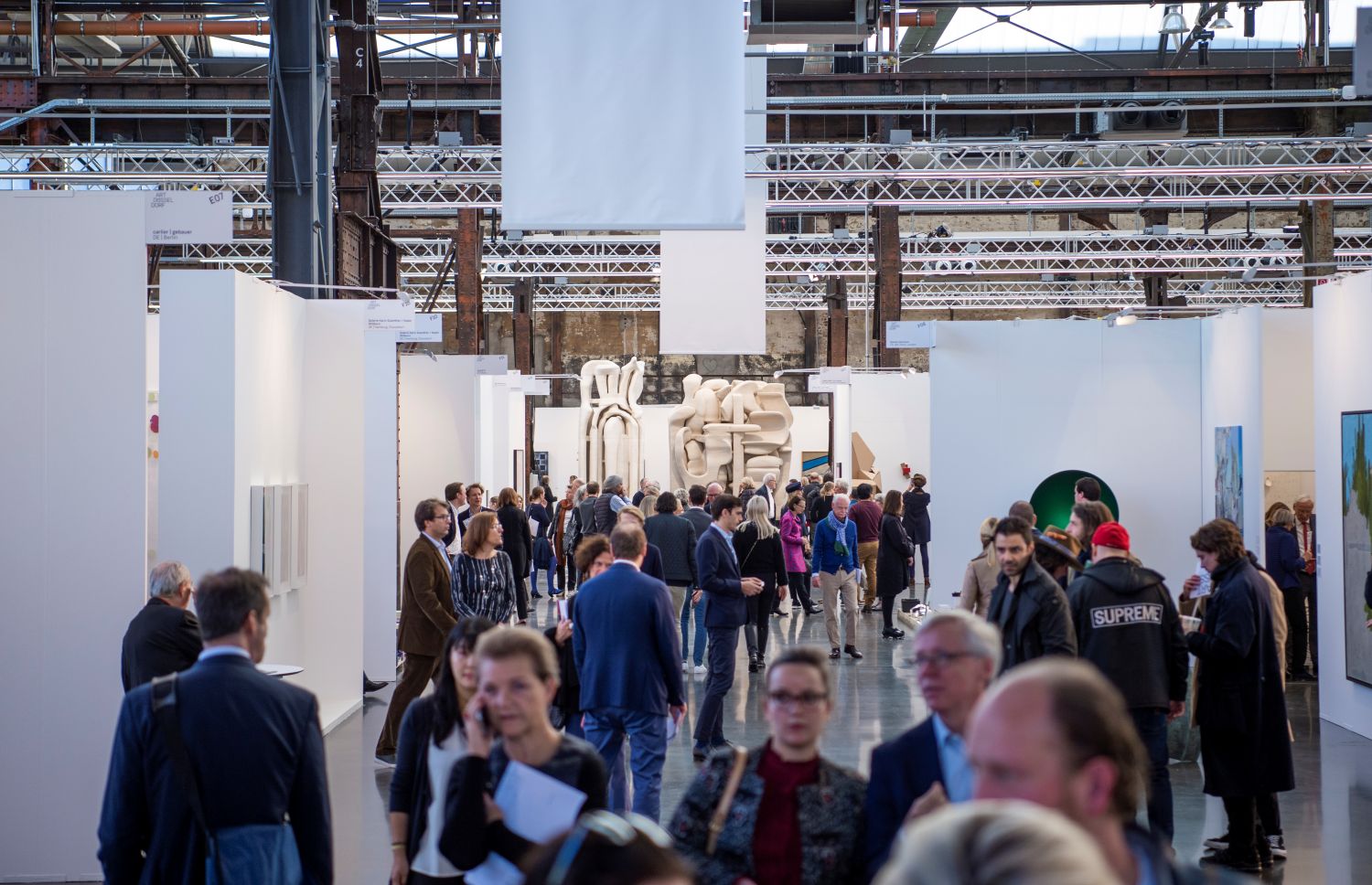
The Art Düsseldorf contemporary art fair has opened its latest edition, showcasing a diverse range of works that balance humor with urgent political and global themes. Highlights from the fair include Christian Jankowski’s monumental sculptures based on children's clay models at Galerie Crone, Julian Charrière’s environmentally conscious installations at Dittrich & Schlechtriem, and Jody Korbach’s satirical paintings that reference German art history and pub culture at Petra Martinez.

How Alexander Calder Set Sculpture in Motion

Wie Alexander Calder die Skulptur in Bewegung setzte

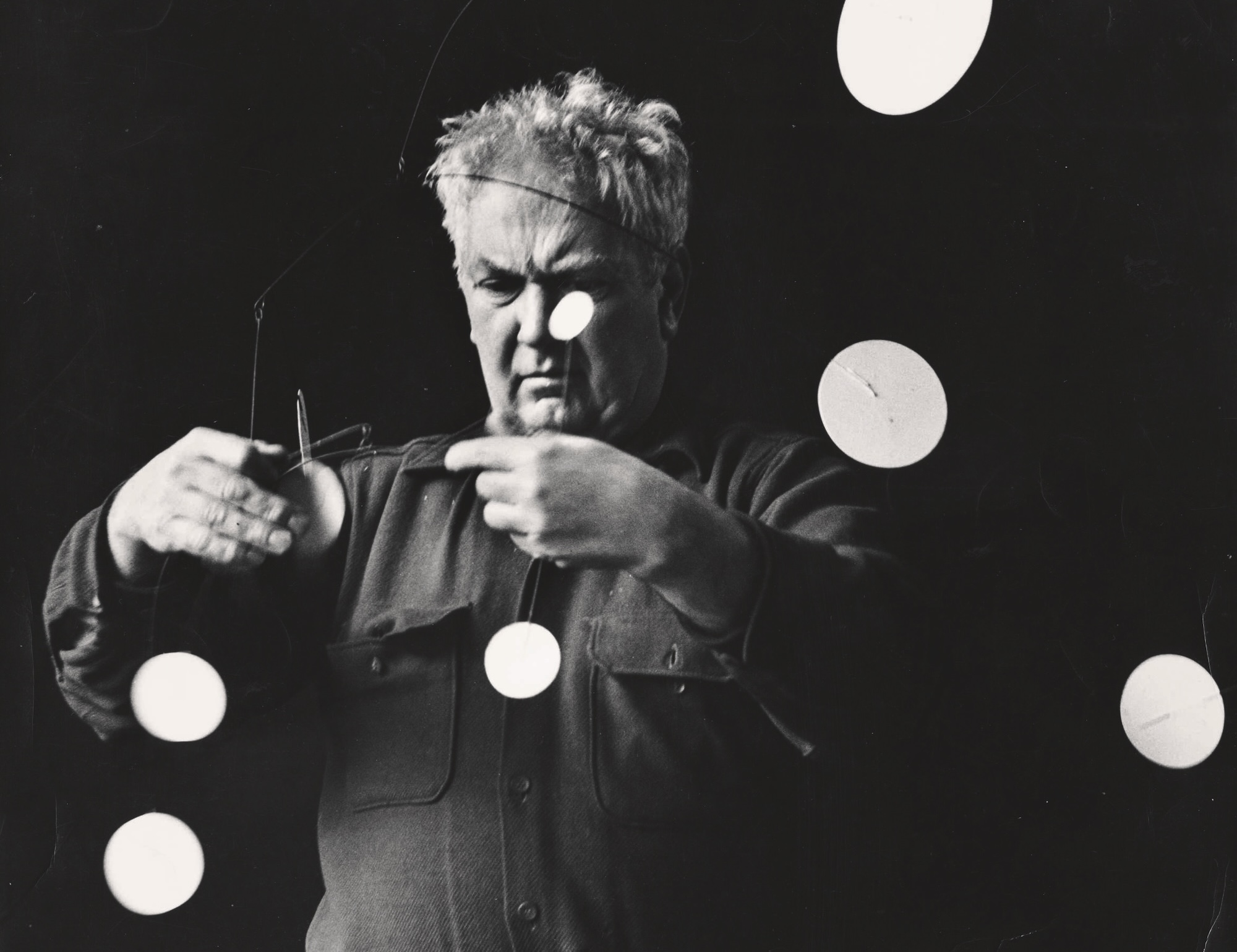
The Fondation Louis Vuitton in Paris has launched a major retrospective titled "Rêver en Équilibre," dedicated to the American sculptor Alexander Calder. Featuring over 300 works, the exhibition traces Calder’s journey from his 1926 arrival in Paris to his invention of the "mobile," a term coined by Marcel Duchamp. The show includes iconic large-scale hanging sculptures like "Rouge triomphant," wire figures from his famous "Cirque Calder," and rarely seen private loans, alongside paintings and jewelry that highlight his engineering background and poetic approach to abstraction.

Where Does "Guernica" Belong?

Wohin gehört "Guernica"?

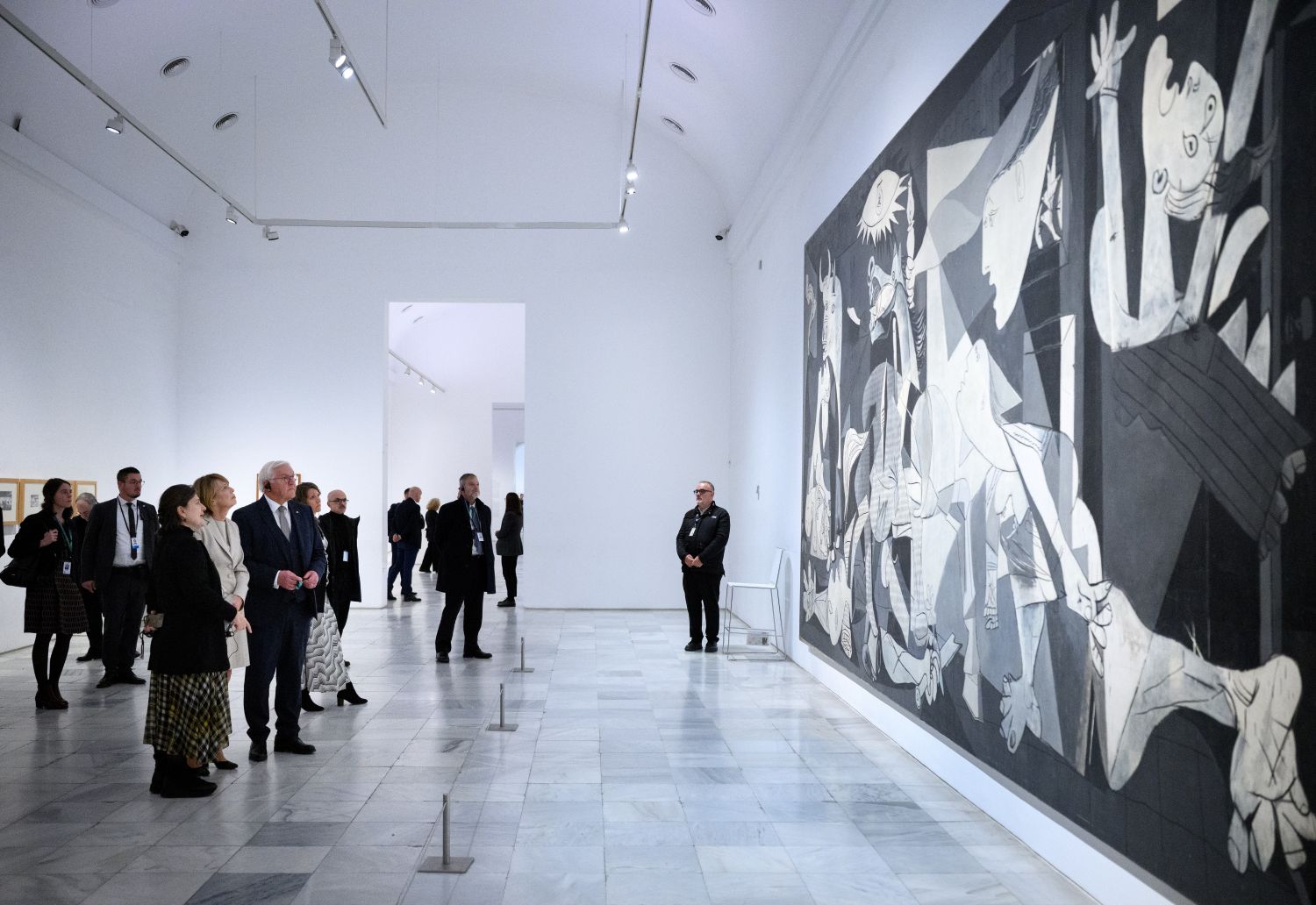
Basque Prime Minister Imanol Pradales has formally requested the temporary transfer of Pablo Picasso’s masterpiece "Guernica" from Madrid to the Basque Country. The proposal seeks to exhibit the monumental 1937 anti-war painting at the Guggenheim Museum Bilbao for nine months starting in late 2026 to coincide with the 90th anniversary of the town's bombing. While the work depicts the destruction of the Basque town of Gernika by Nazi and Italian fascist forces, it has resided at the Museo Reina Sofía in Madrid since 1992.

More Than Breakfast

Mehr als Frühstück

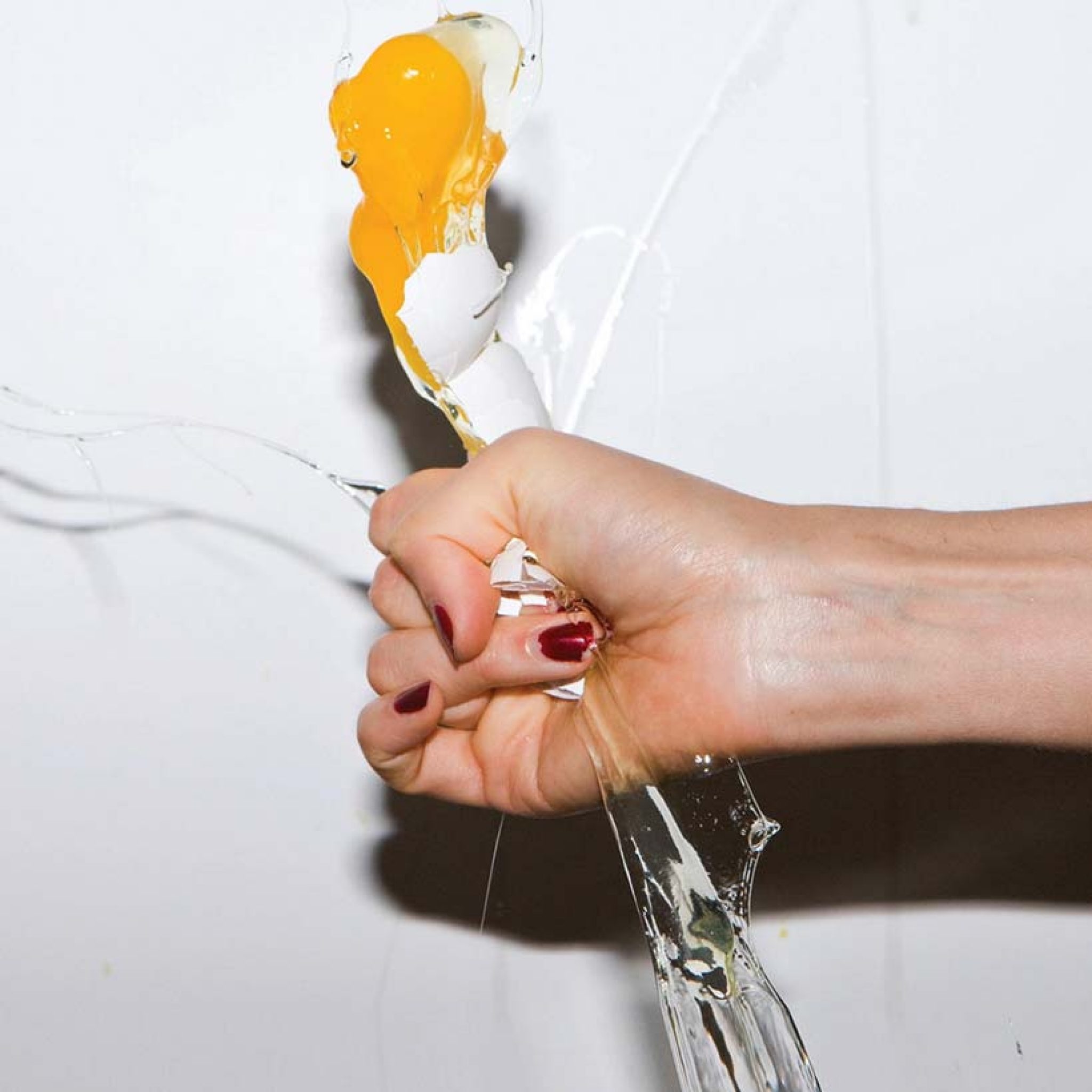
The article explores the enduring presence and symbolism of the egg as a motif throughout art history. It highlights works by artists from Hieronymus Bosch and Pieter Bruegel the Elder to Salvador Dalí and Constantin Brâncuși, showing how the egg has been used in painting, sculpture, and photography to represent themes of origin, life, and perfect form.

Where to go this weekend?

Wohin am Wochenende?

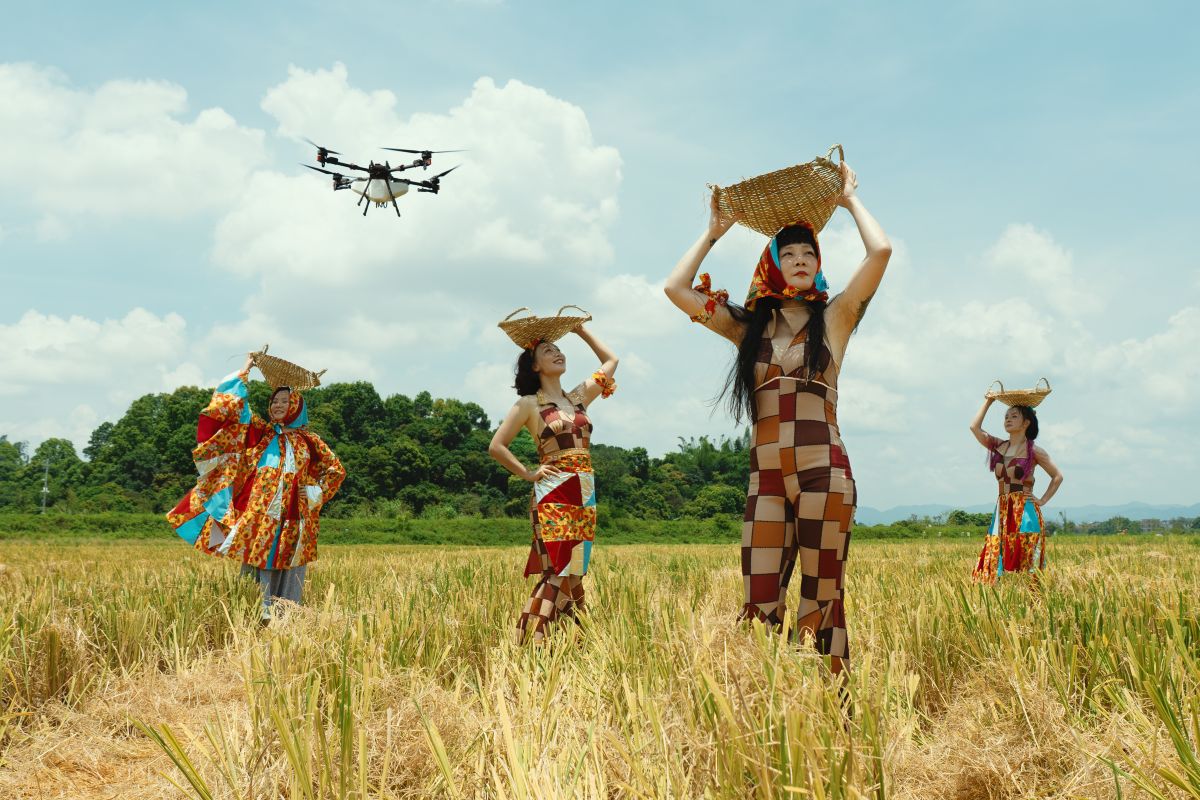
Major international exhibitions and events are launching this week, headlined by a massive Marcel Duchamp retrospective at the Museum of Modern Art in New York, the first of its scale in the U.S. since the 1970s. In Milan, Cao Fei debuts a research-heavy project at Fondazione Prada exploring the intersection of high-tech agriculture and tradition, while Berlin’s Georg Kolbe Museum recovers the legacy of British constructivist Marlow Moss. Additionally, the inaugural Art Cologne Palma Mallorca art festival opens in Spain, attempting to stimulate the market during a challenging economic period.

Art as Experimental Setup

Kunst als Versuchsanordnung

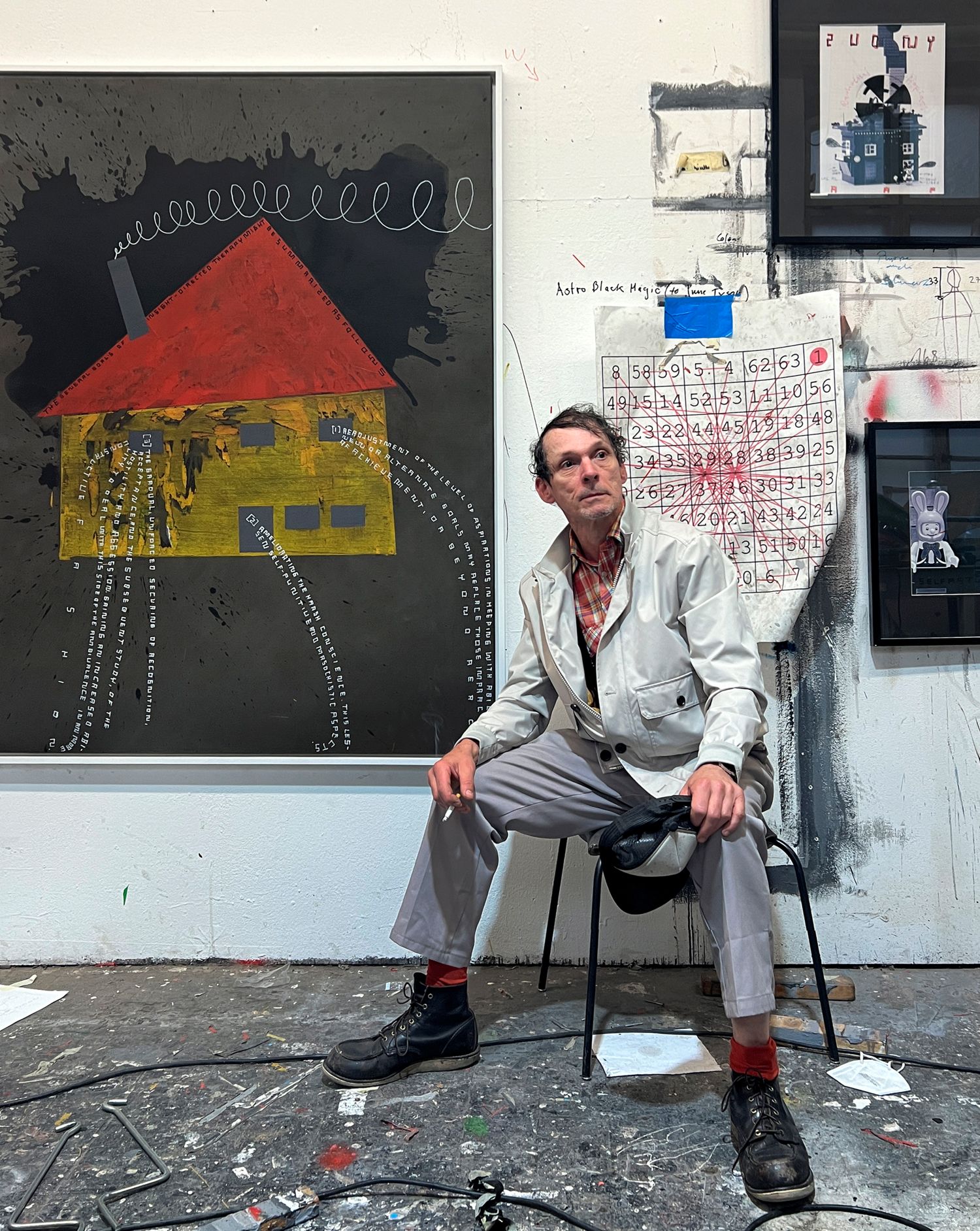
The influential Berlin-based artist and professor Thomas Zipp has passed away unexpectedly. Known for his immersive installations that blurred the lines between art, science, and madness, Zipp created complex "experimental setups" involving painting, sculpture, and performance. His work often explored dark parallel worlds, notably evidenced in his haunting 2013 Venice Biennale project that transformed a palazzo into a derelict psychiatric ward.

A Muddy History of Plant-Hunting

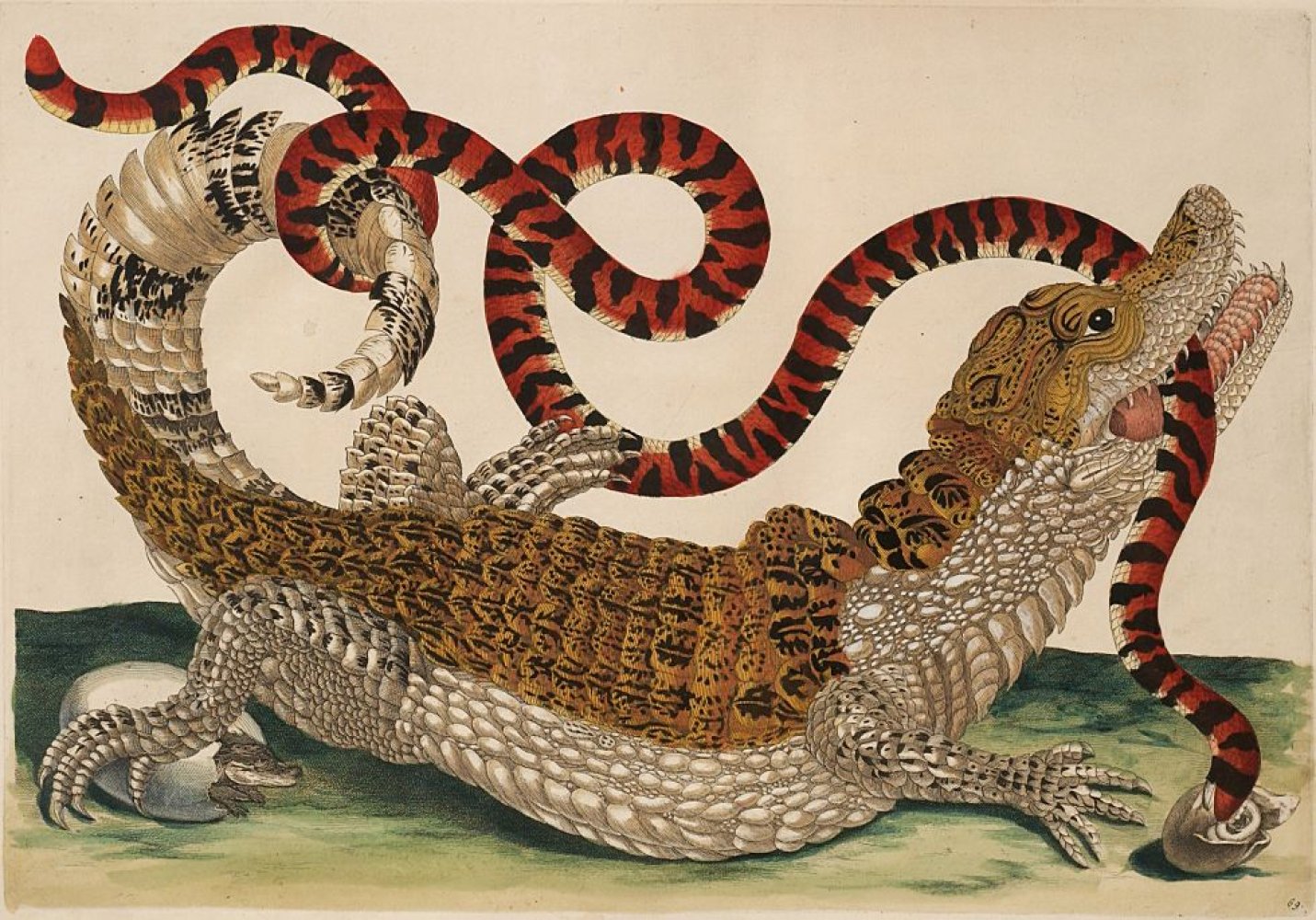
The exhibition "Seeds of Exchange" at London's Garden Museum highlights a 1773 botanical collaboration between British amateur plant hunter John Bradby Blake and Cantonese painter Mak Sau. Centered on Blake’s unpublished "Flora Sinensis," the project attempted to systematically catalogue Chinese flora, including the Camellia japonica, through detailed watercolors that blended Western objective illustration with Chinese artistic expertise. These works served as the primary medium for introducing Chinese plant species to the West long before live specimens could survive the journey.

First Details of the German Pavilion

Erste Details zum deutschen Pavillon

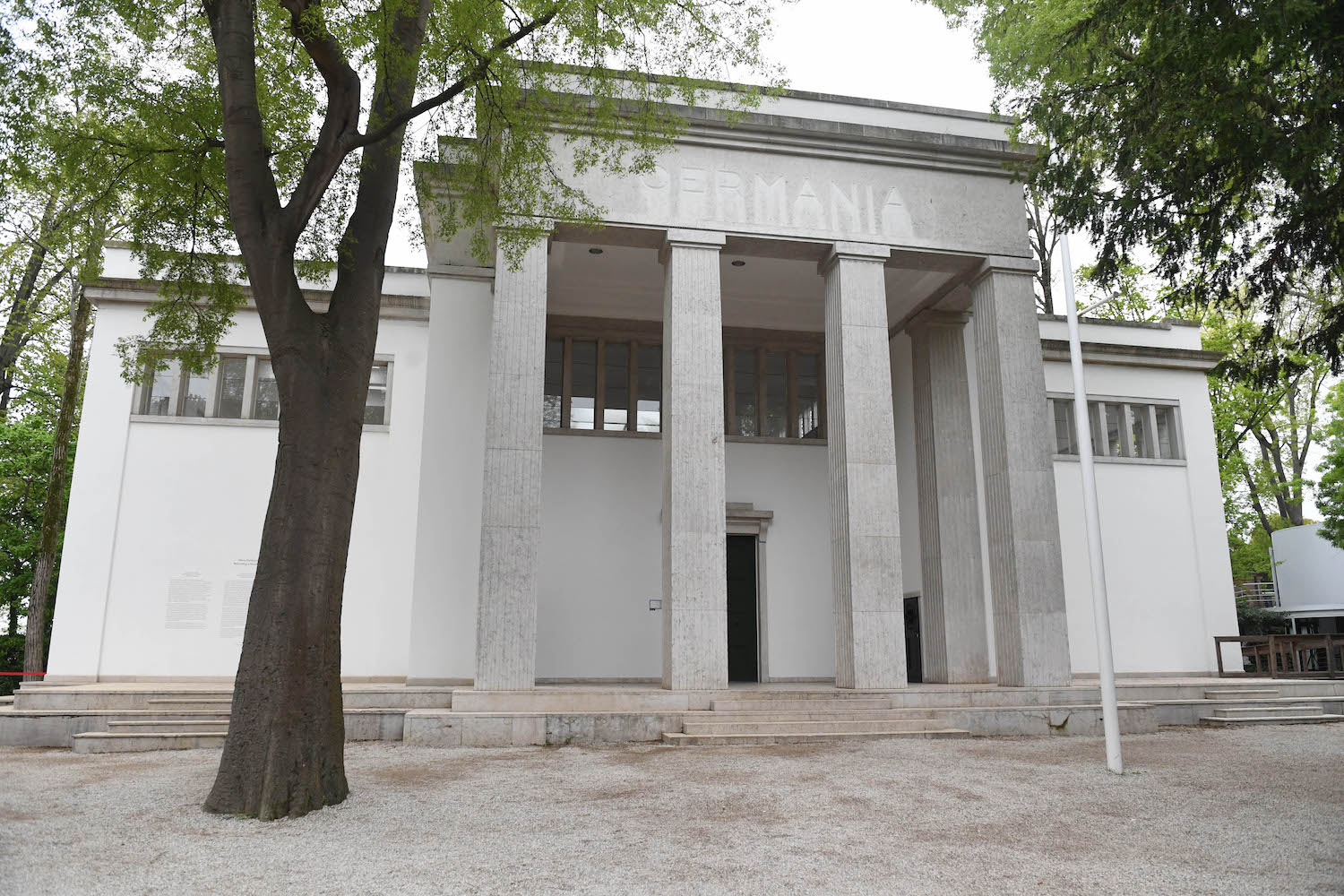
The German Pavilion at the upcoming Venice Biennale will present an exhibition titled "Ruin," featuring works by the late Henrike Naumann and artist Sung Tieu. Curated by Kathleen Reinhardt, the exhibition explores historical ruptures and the lingering effects of political and social voids following German reunification. Tragically, Naumann passed away shortly after completing her contributions, and her studio team is now working to realize her final artistic vision for the prestigious international stage.

Already 100,000 Visitors at Cologne's Kusama Exhibition

Schon 100.000 Besucher in Kölner Kusama-Ausstellung

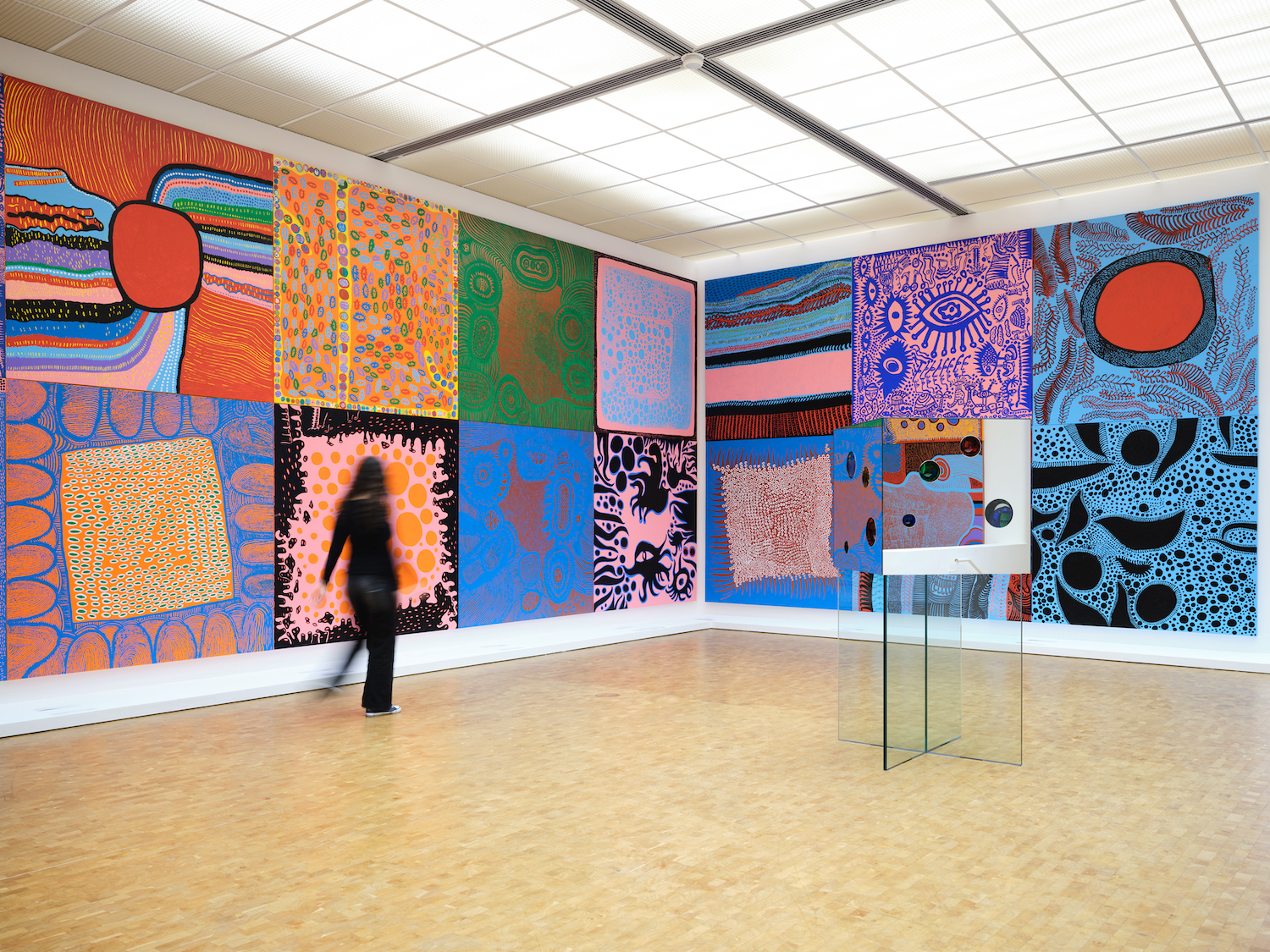
The Museum Ludwig in Cologne has reached a significant milestone, welcoming 100,000 visitors to its Yayoi Kusama retrospective within just four weeks of opening. The exhibition, which features 300 works ranging from early childhood drawings to contemporary installations, has proven to be an unprecedented draw for the institution, surpassing the director's initial expectations for attendance speed.

Phallus, Vagina, Universe

Phallus, Vagina, Universum

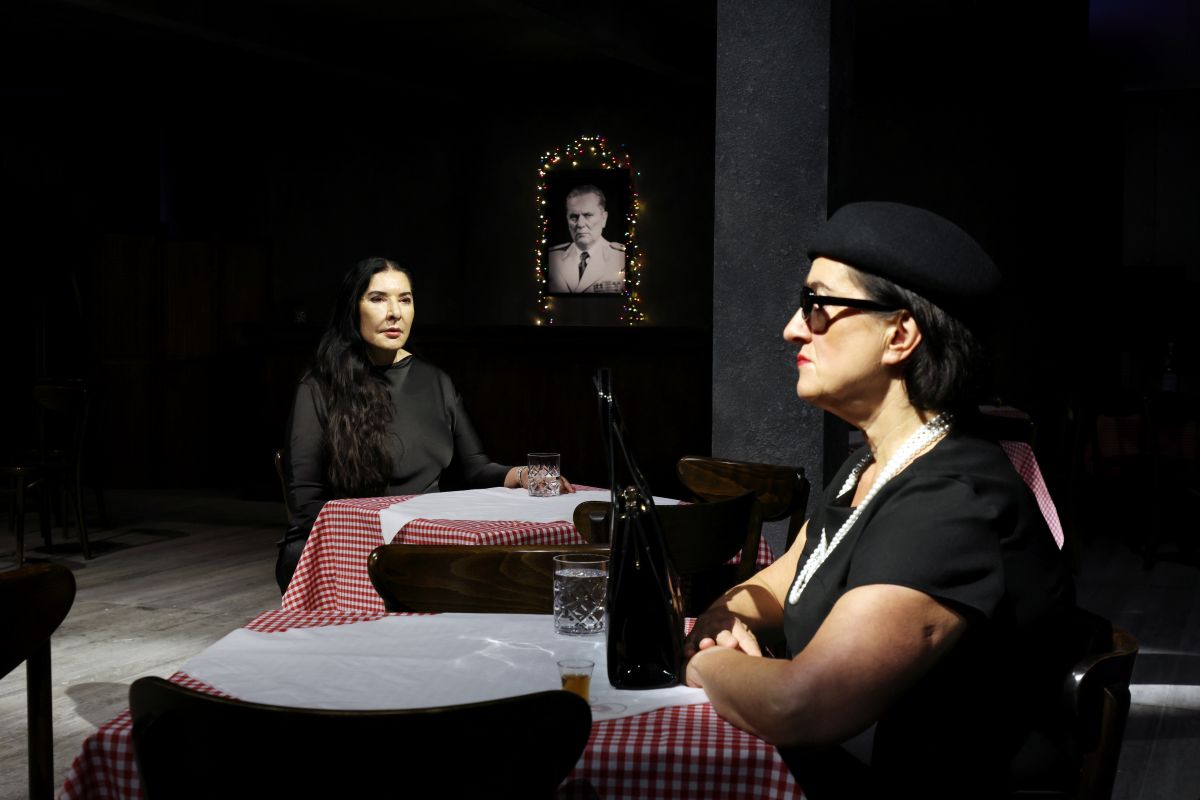
Marina Abramović is presenting a major retrospective at the Neue Nationalgalerie in Berlin, shifting focus from her well-known explorations of physical pain to the erotic energy of the human body. The exhibition draws heavily on Slavic folklore and pagan traditions from her Balkan heritage, exploring how ancient rituals used sexuality and the body as tools for spiritual and cosmic connection.

I think I didn't understand many artists

"Ich glaube, ich habe viele Künstler nicht verstanden"

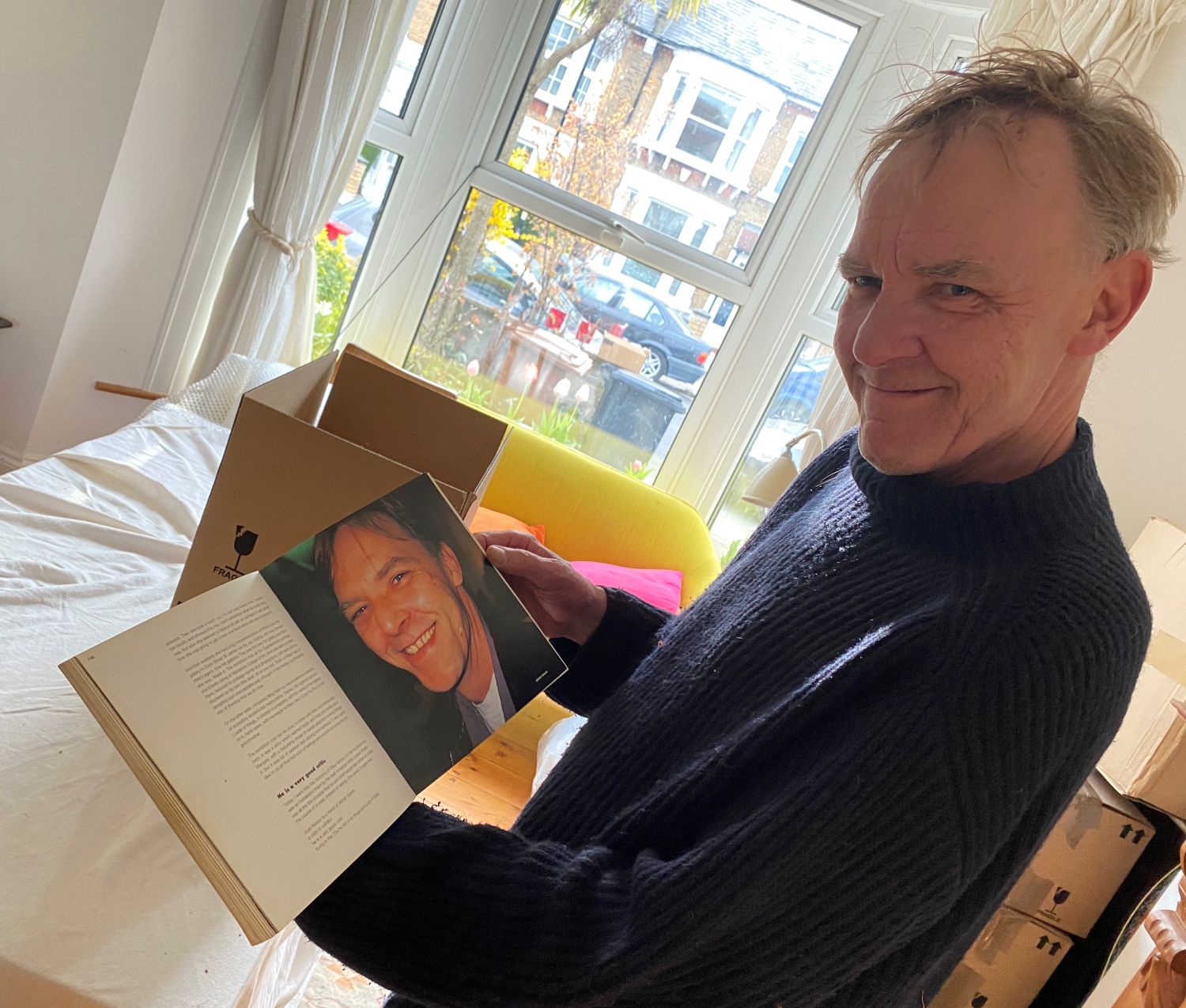
Adrian Searle, the long-standing chief art critic for The Guardian, is stepping down after three decades at the publication and nearly 50 years in art criticism. In a reflective interview, Searle discusses his transition from a practicing painter and educator to a critic, noting that his early interactions with students like Peter Doig and Isaac Julien helped him realize his true strength lay in writing rather than art-making. He recounts his experiences navigating the British art scene, from the decline of Greenbergian abstraction to his encounters with formidable figures like Richard Serra.

Christine Ruiz-Picasso Dies at 97

Christine Ruiz-Picasso mit 97 gestorben

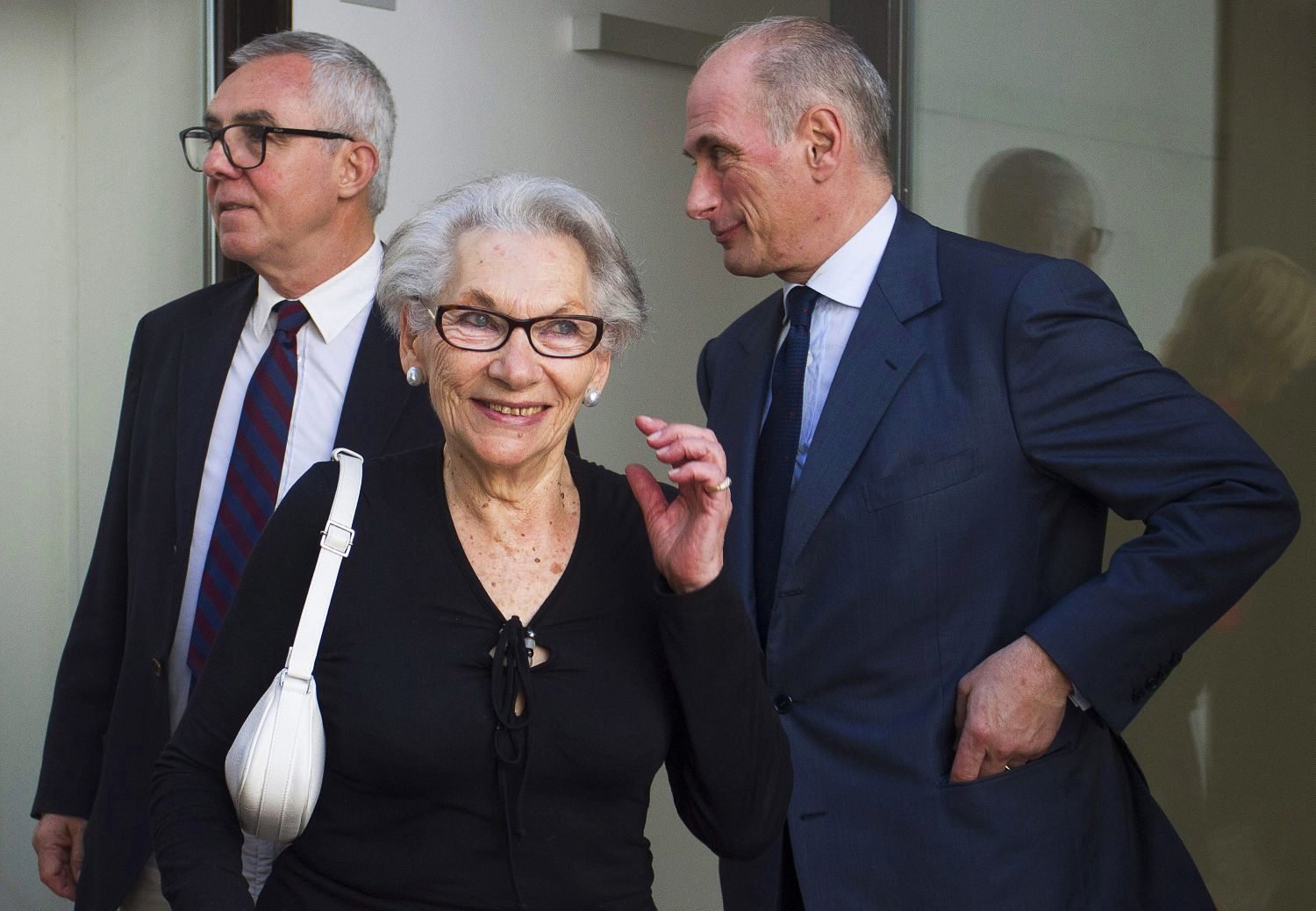
Christine Ruiz-Picasso, the daughter-in-law of Pablo Picasso and a pivotal figure in the establishment of the Museo Picasso Málaga, has passed away at the age of 97 in her home in Provence. As the widow of Picasso’s eldest son, Paul, she was instrumental in fulfilling the artist's wish to have a dedicated museum in his birthplace. Alongside her son Bernard, she donated over 230 works to form the core of the institution's permanent collection.

One of the Greatest Photographic Documents of the 20th Century

"Eines der größten fotografischen Dokumente des 20. Jahrhunderts"

A New York court has concluded an eleven-year legal battle by awarding Amedeo Modigliani’s 'Seated Man with a Cane' to the heirs of Jewish art dealer Oscar Stettiner. The ruling rejected the claims of the powerful Nahmad family, with the judge determining that Stettiner never voluntarily relinquished the work during the Nazi era. Additionally, a significant photographic archive belonging to darkroom technician Roland Haupt has surfaced, containing previously unseen World War II images by Lee Miller and Cecil Beaton.

Because the Ego Suddenly Dissolves

"Weil das Ego sich plötzlich auflöst"

The art world is facing significant structural and political shifts, highlighted by the merger of Artnet and Artsy which has resulted in mass layoffs, particularly within the Artnet News editorial team and its Berlin operations. Simultaneously, tensions are rising in German cultural policy as gallery owner Rupert Pfab raises concerns over government interference in the Stiftung Kunstfonds jury selection, reflecting a broader climate of unease that includes recent controversies at the Berlinale.

Imitations of a Mediocre Teenager on Tranquilizers

"Nachahmungen eines mittelmäßigen Teenagers auf Tranquilizern"

The Victoria & Albert Museum has reportedly censored exhibition catalogs following pressure from Chinese printing firms, removing images and maps related to sensitive topics like Tibet and Tiananmen Square. This editorial roundup also highlights artist Molly Crabapple’s sharp critique of generative AI as a massive intellectual property theft and a profile of Rirkrit Tiravanija’s communal home in Thailand, which functions as a social sculpture.

An Old Man Whose Egoscentrism Knows No Bounds

"Ein alter Mann, dessen Ich-Sucht keine Grenzen kennt"

More than 30 current and former jury members of the Stiftung Kunstfonds have issued a formal protest against German Culture Minister Wolfram Weimer, accusing his office of political interference and intimidation. The controversy stems from reports that the ministry requested lists of all jury members across various art institutions and bypassed jury decisions to exclude specific recipients from awards based on intelligence service reports.

Is the Mallorca Edition of Art Cologne Any Good?

Was taugt die Mallorca-Ausgabe der Art Cologne?

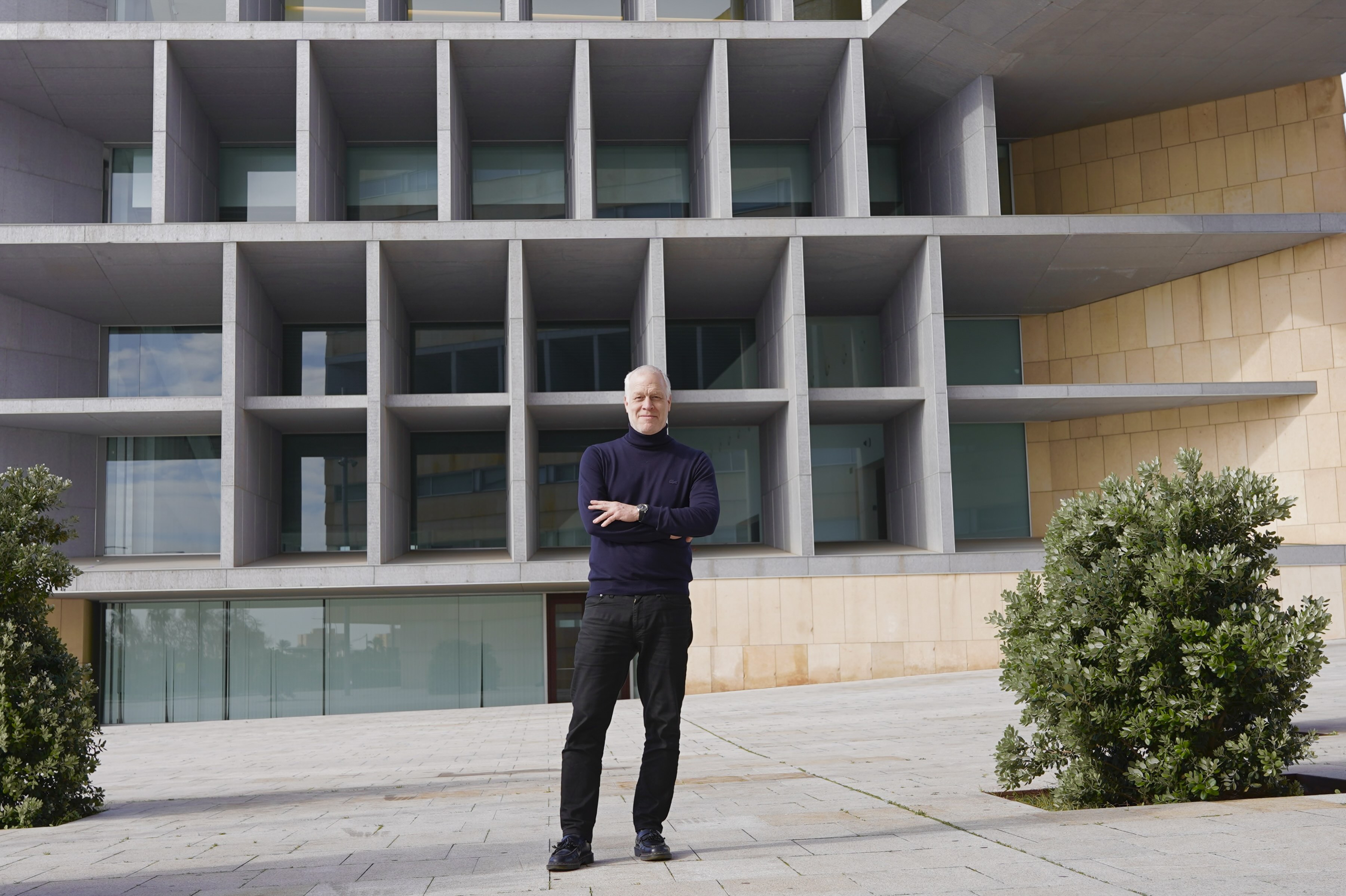
The Art Cologne has launched a new satellite edition in Palma de Mallorca, returning to the island 19 years after a previous attempt failed. Held at the modern Palau de Congressos, the fair adopts a 'boutique' format designed to tap into the local market of wealthy European expatriates and second-home owners. Unlike the high-stakes environment of major fairs like Art Basel, this iteration features an innovative pricing model that allows smaller, younger galleries to showcase curated, riskier presentations at more affordable entry points.

Contemporary US Art is Sick with Problems

"Die zeitgenössische US-Kunst ist von Problemen krank"

Artist Josh Kline has sparked a heated debate with a scathing critique of the American art scene, particularly targeting New York City as an unsustainable hub driven by market logic and inequality. Kline argues that contemporary art is "sick with problems" and urges young artists to abandon the city, calling for a shift from institutional critique to a broader industry-wide analysis of class and power. Meanwhile, the German art world sees significant movement with the upcoming auction of Georg Kolbe’s "Tänzerinnen-Brunnen" following a Nazi-looted art settlement, and the Berlin State Museums announcing a phased reopening of the Pergamon Altar starting in 2027.

Behind All Beautiful Things Lies Suffering

"Hinter allen schönen Dingen liegt ein Leiden"

The art market is undergoing a profound structural transformation as a new generation of collectors shifts focus away from traditional blue-chip masters like Cy Twombly and Mark Rothko. These 'NextGen' buyers, socialized through the internet and Instagram, prioritize identity-building over status, favoring streetwear, digital art by figures like Refik Anadol, and music memorabilia over classical painting. Meanwhile, institutional shifts are occurring globally: Greece has introduced specific legislation to criminalize the production of art forgeries, and LACMA director Michael Govan is defending the $724 million Peter Zumthor-designed expansion as a necessary 'magnet' for attracting major donations.

The Rediscovery of the Female Old Masters

Die Wiederentdeckung der Alten Meisterinnen

The Museum of Fine Arts Ghent (MSK) has launched a major exhibition titled "Unforgettable: Women Artists from Amsterdam to Antwerp, 1600–1750," showcasing over 40 female Baroque artists who were once highly successful but later faded into obscurity. The show highlights figures like Michaelina Wautier, who defied gender norms by painting large-scale history scenes and male nudes, and Rachel Ruysch, whose floral still lifes commanded prices rivaling those of Rembrandt. These women were not merely exceptions but active participants in the art market, running workshops and securing royal patronage across the Low Countries.

In London, Tracey Emin is Concerned with Death and Resurrection

In London geht es Tracey Emin um Tod und Auferstehung

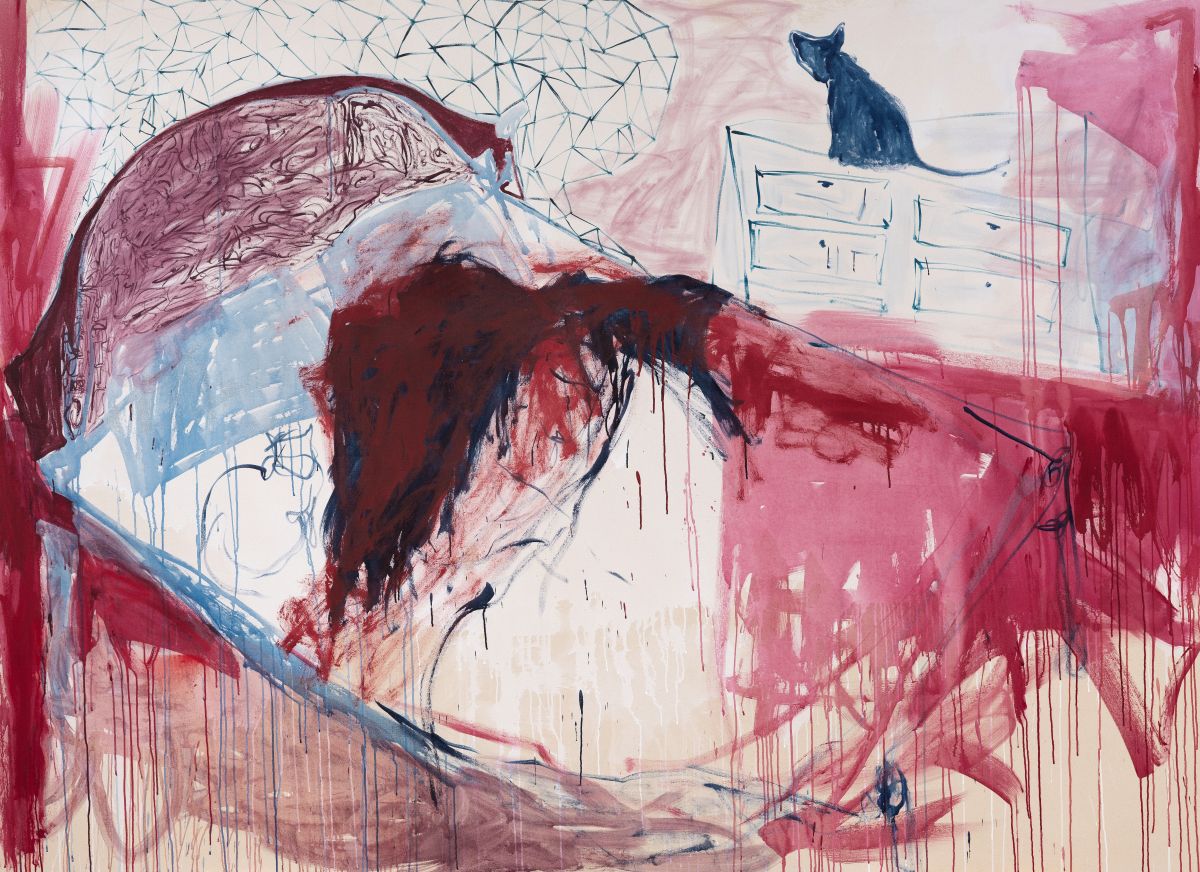
Tracey Emin has opened a major exhibition at the Tate Modern in London. The show, which follows her battle with an aggressive bladder cancer diagnosed in 2020, presents a new chapter in her work, focusing on themes of trauma, triumph, and the body.

Thomas Zipp has died

Thomas Zipp gestorben

The Berlin-based artist Thomas Zipp has died. His gallery, Barbara Thumm, announced the news on Saturday. Zipp, born in 1966, was a professor of painting and multimedia at the Berlin University of the Arts and was considered one of the most significant figures in German contemporary art since the 1990s. His work was shown internationally at venues including the Venice Biennale and museums in New York, London, and Zurich.

Uncertainty in the Art Market is Currently Extreme

"Im Moment ist die Verunsicherung auf dem Kunstmarkt extrem"

Prominent Cologne gallerist Gisela Capitain is celebrating her 40th anniversary amid a period of significant market volatility. In recent interviews, she reflects on her career—defined by long-term artist relationships like that with Martin Kippenberger—while critiquing the current state of the art world. She notes that buyers have become increasingly hesitant and deliberate, describing the current level of uncertainty in the art market as extreme and calling for reforms to institutions like Art Cologne.

Why Do the Women Have to Be Naked?

"Warum müssen die Frauen nackt sein?"

A series of cultural controversies highlight growing tensions between artistic freedom and political pressure. In Germany, cultural minister Wolfram Weimer faces criticism for opaque funding decisions and alleged interference in jury processes, with critics arguing this undermines artistic freedom and free speech. Simultaneously, the European Media Art Festival in Osnabrück defends filmmaker Basma al-Sharif against accusations of antisemitism, illustrating how cultural funding can become a test of political ideology.

"We are among those in the crowd who are overjoyed"

"Wir gehören zu denjenigen in der Menge, die überglücklich sind"

The Hungarian art scene is celebrating a major political shift following Péter Magyar’s electoral victory over Viktor Orbán, ending 16 years of restrictive cultural policies. Local figures, including gallerist Margit Valkó and artist János Sugár, express immense relief and hope for a future defined by institutional autonomy and international engagement after years of state-led hostility toward contemporary art.

Foreign Office Reprimands Goethe-Institut for Exhibition

Auswärtiges Amt rügt Goethe-Institut für Ausstellung

The German Foreign Office has formally reprimanded the Goethe-Institut for its involvement in an exhibition in Vilnius, Lithuania, featuring Palestinian-American artist Basma al-Sharif. The ministry stated that events organized by German cultural intermediaries must leave no doubt about the government's firm rejection of antisemitism and hatred of Israel, and demanded greater care in planning and conceptualizing such events with partners. The exhibition, "Bells and Cannons - Contemporary Art in Times of Militarization," was a collaboration between the Goethe-Institut Vilnius, the Contemporary Art Centre Vilnius, and the Berlin Academy of Arts.

The Narrow Corridor of Normality

Der schmale Korridor der Normalität

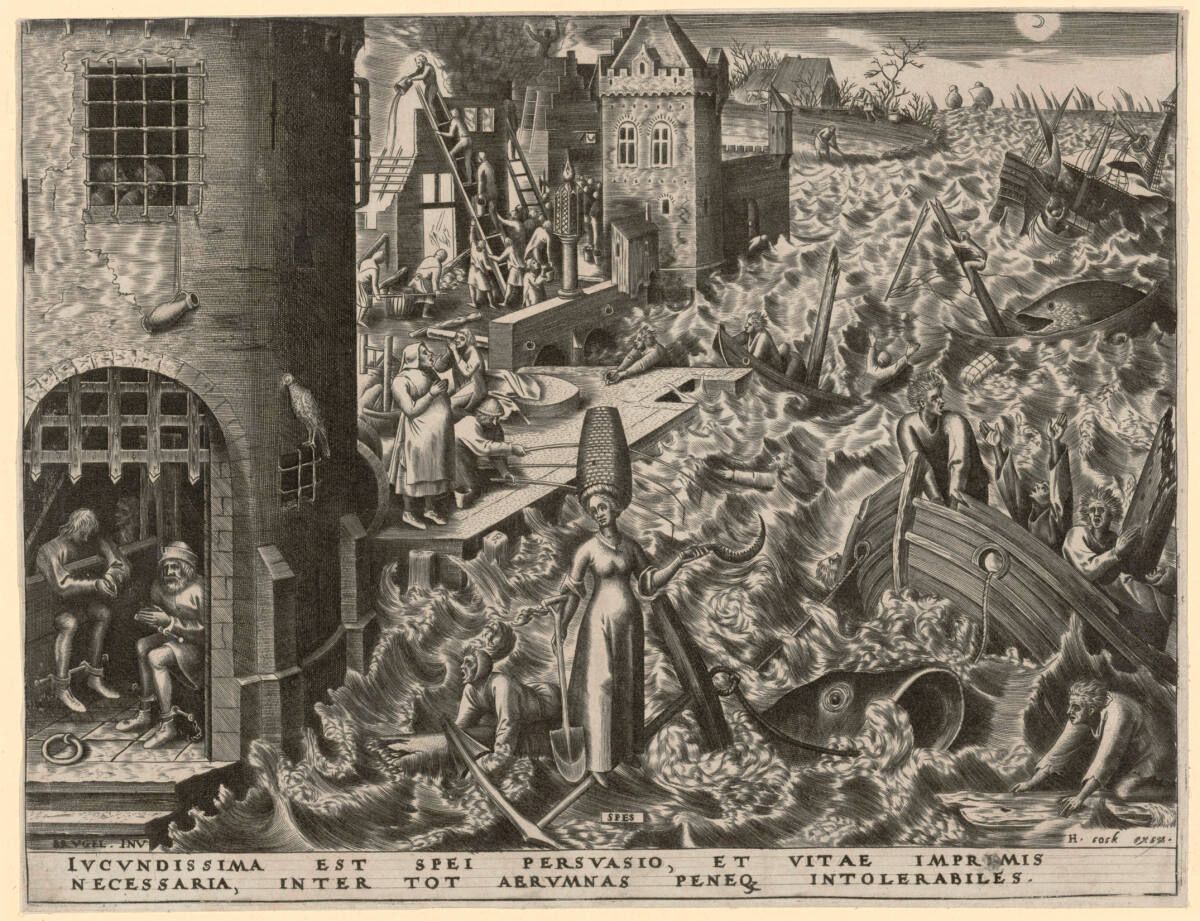
Artist Beate Gütschow reflects on Pieter Bruegel the Elder’s 16th-century engraving "Spes" (Hope), which she encountered during a visit to the Kunstmuseum Basel. The artwork depicts a personified figure of Hope standing amidst a chaotic scene of shipwrecks and flooding, symbolizing the necessity of maintaining focus and action even in the face of overwhelming disaster.

Almost Everything in the World Depends on This Substance

"Fast alles in der Welt hängt von dieser Substanz ab"

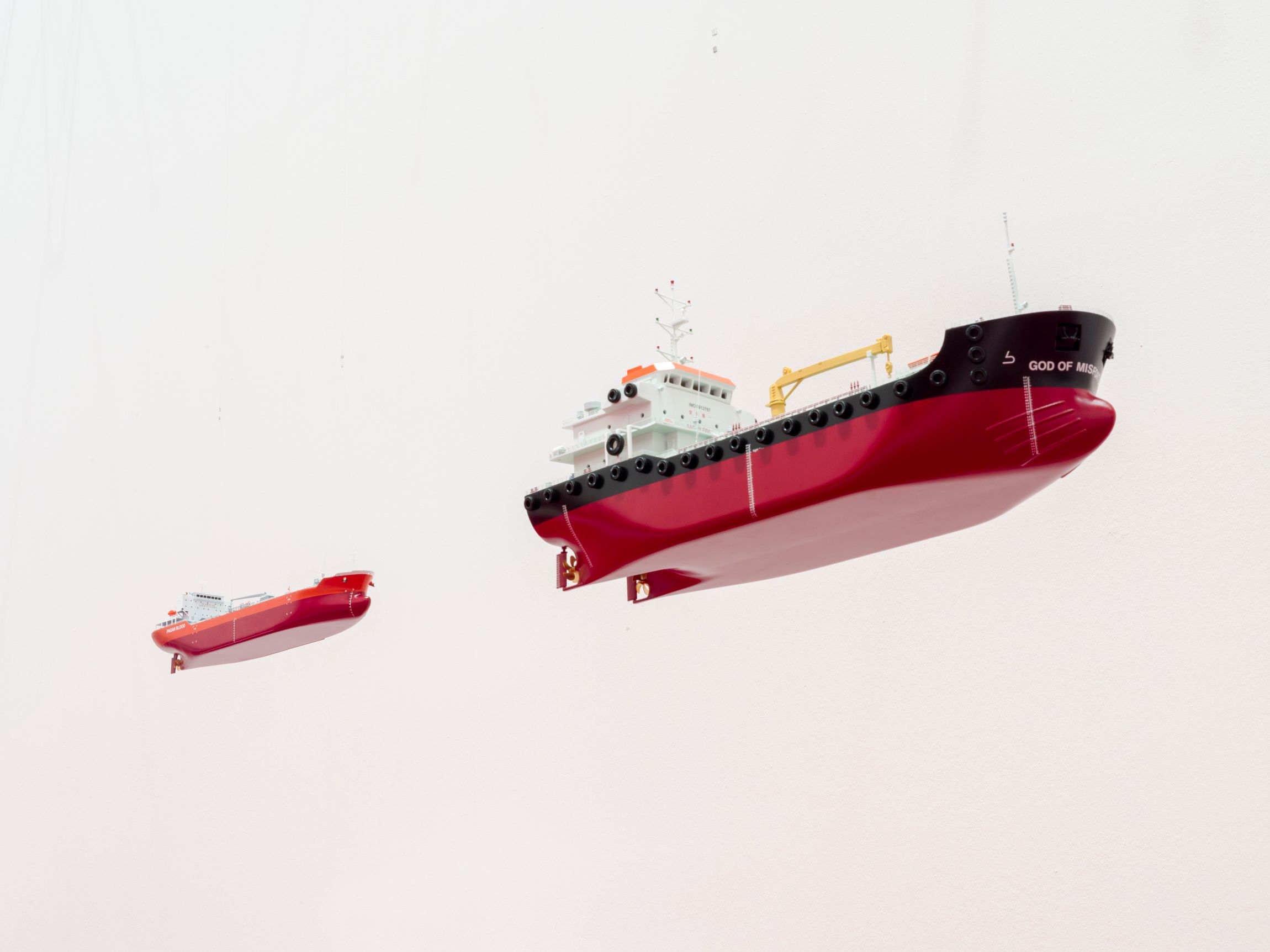
Artist Monira Al Qadiri presents her exhibition "Hero" at the Berlinische Galerie, focusing on oil tankers as central figures. The show explores the hidden violence and scale of the petroleum industry through a large wall painting of the supertanker Hero, miniature tankers with satirical names, and a video work depicting their destruction. Al Qadiri connects this to her long-term artistic investigation of oil's imagery and materiality.

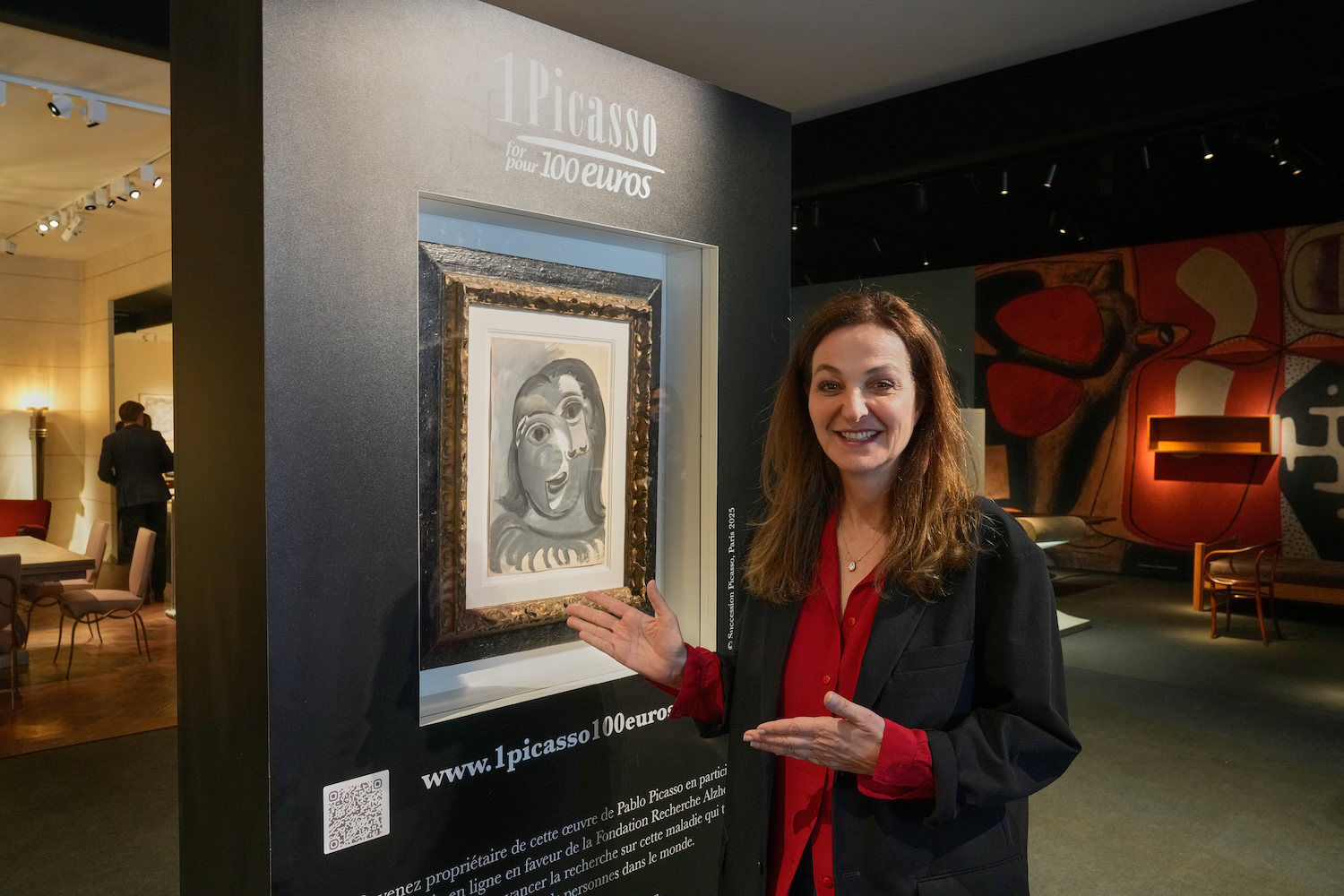
Dream Win With a Catch

Traumgewinn mit Haken

A 58-year-old sales engineer from Paris has won a 1941 Pablo Picasso portrait titled "Tête de femme" through a charity raffle. The winner acquired the masterpiece, valued at approximately €1.45 million, by purchasing a single €100 ticket. Organized to benefit Alzheimer’s research, the international lottery sold 120,000 tickets across 152 countries, raising a total of €12 million.