filter_list Showing 16 results for "National Gallery London" close Clear
search
dashboard All 16 museum exhibitions 10rate_review review 3article news 1article policy 1gavel restitution 1
date_range Range Today This Week This Month All
Subscribe

Zurbarán in London, the Carnegie International, Walter Sickert’s Ennui—podcast

This episode of The Art Newspaper's podcast covers three major art events opening this weekend. The largest career survey of 17th-century Spanish master Francisco de Zurbarán since the 1980s opens at the National Gallery in London, co-curated by Francesca Whitlum-Cooper. The 59th Carnegie International, titled "If the word we," opens at the Carnegie Museum of Art and other venues in Pittsburgh, directed by Eric Crosby. The Work of the Week is Walter Sickert's "Ennui" (c.1914), featured in the exhibition "Walter Sickert: Working Notes" at Charleston in Lewes, curated by Robert Travers of Piano Nobile in partnership with Charleston.

Titian's ‘Bacchus and Ariadne’ to get a refresh with bank conservation grant

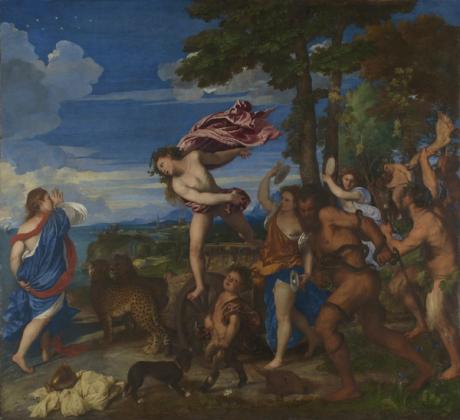
Bank of America’s annual art conservation program has awarded grants to 18 projects this year, including the restoration of Titian’s *Bacchus and Ariadne* (1520-23) at the National Gallery in London. The painting will be removed from display next month for conservation work that involves placing it on a new fabric support and repairing paint loss. Other funded projects include Rembrandt’s *The Night Watch* at the Rijksmuseum, bronze palms at the Arc de Triomphe in Paris, *Gaki Zōshi* at the Tokyo National Museum, Matisse’s *La Négresse* at the National Gallery of Art in Washington, DC, and works at the Museo de Arte de Lima and the Montreal Museum of Fine Arts.

"Man besitzt Kunst nicht, man ist nur ihr Verwalter"

The 61st Venice Biennale opened on Saturday without ceremony or an opening celebration, amid political turmoil over the participation of Russia and Israel. Italy's Culture Minister Alessandro Giuli criticized Biennale director Pietrangelo Buttafuoco for not informing the government about Russia's participation request, suggesting it could have been used as leverage for a ceasefire in Ukraine. The entire jury resigned after attempting to exclude both Russia and Israel from prize awards, leading to the cancellation of the traditional jury decision in favor of a public vote, which over 70 participating artists have protested by withdrawing from this year's prizes. Separately, a rare photograph from the early 1940s has surfaced showing Lucas Cranach the Elder's painting "Venus with Cupid as Honey Thief" in Adolf Hitler's Munich apartment, raising unresolved questions about whether the work was looted from Jewish owners before 1935.

Famous Cranach painting spotted in rare photograph of Hitler’s apartment

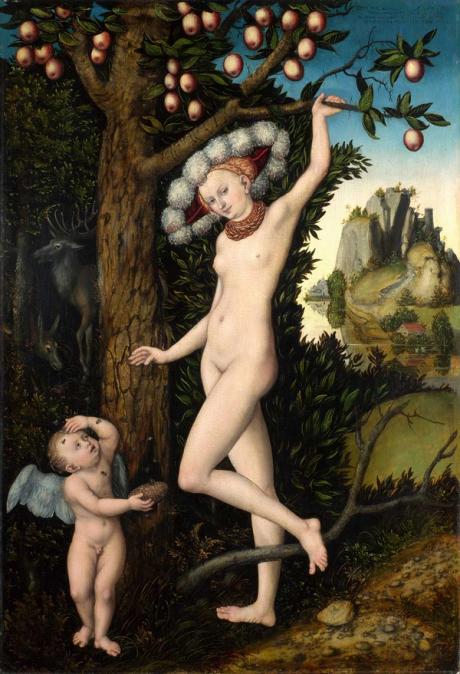
A rare photograph from the early 1940s reveals that Lucas Cranach the Elder's painting *Cupid complaining to Venus* (1526-27), now a masterpiece in the National Gallery, London, once hung in Adolf Hitler's private Munich apartment. The image, previously published in Germany by provenance expert Birgit Schwarz, appears for the first time in an English-language publication. The painting was acquired by the National Gallery in 1963 from E. and A. Silberman Galleries in New York, which provided a false provenance. It had been taken from a warehouse of recovered art in 1945 by American journalist Patricia Lochridge, who smuggled it into the United States.

The Devil Wears Prada 2 to Lenny Henry: your complete entertainment guide to the week ahead

The Guardian's weekly entertainment guide highlights two major art exhibitions opening in May 2025: 'Aleksandra Kasuba' at Tate St Ives (2 May to 4 October) and 'Zurbarán' at the National Gallery, London (2 May to 23 August). The Kasuba show is the first UK presentation of the Lithuanian American artist's proto-immersive 'spatial environments,' featuring early paintings, mosaics, and installations focused on utopian social harmony. The Zurbarán exhibition presents a blockbuster survey of the 17th-century Spanish Baroque master, known for his intense religious subjects and dramatic chiaroscuro.

Simply divine: the extraordinary supernatural visions of Francisco de Zurbarán

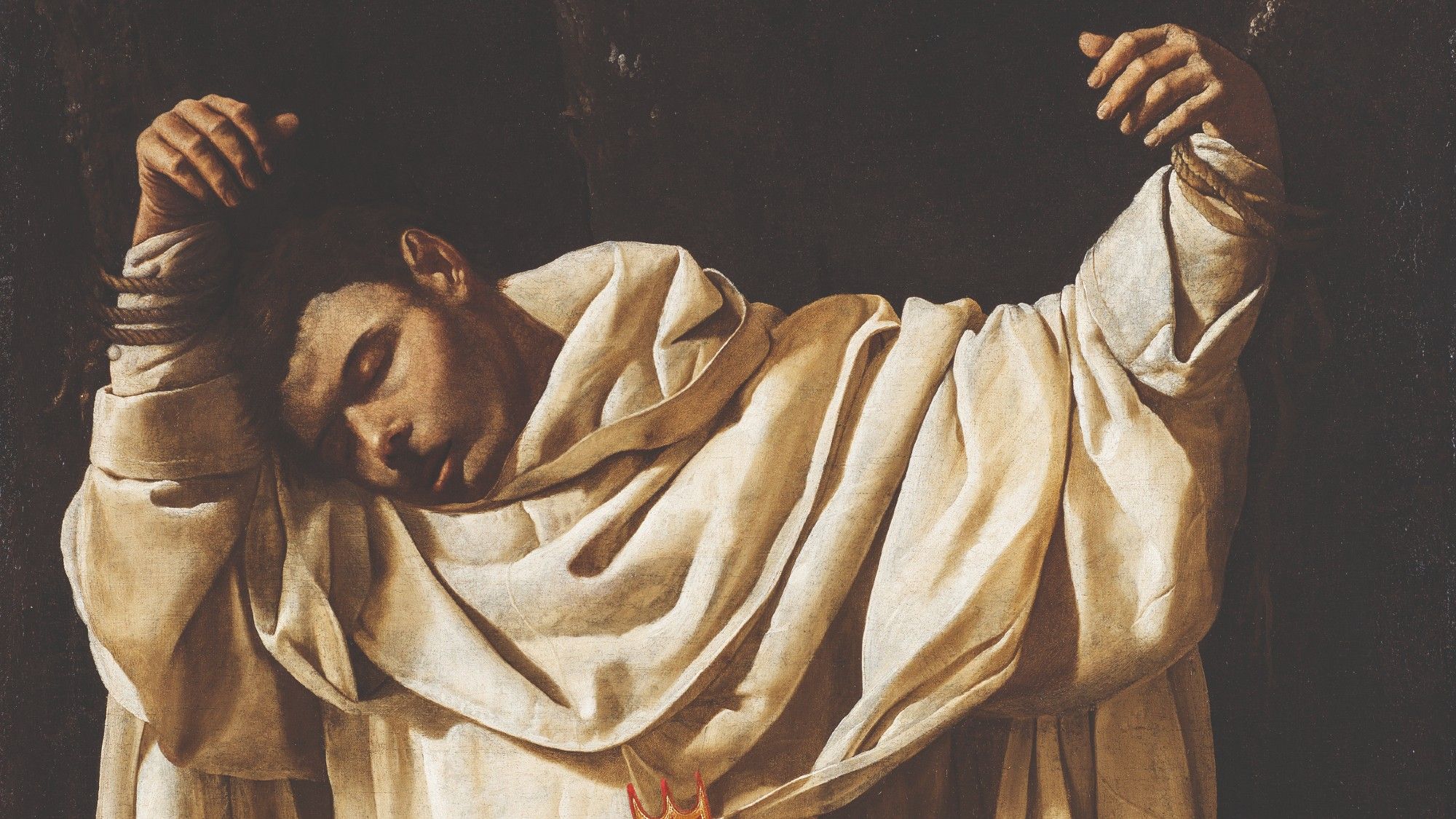
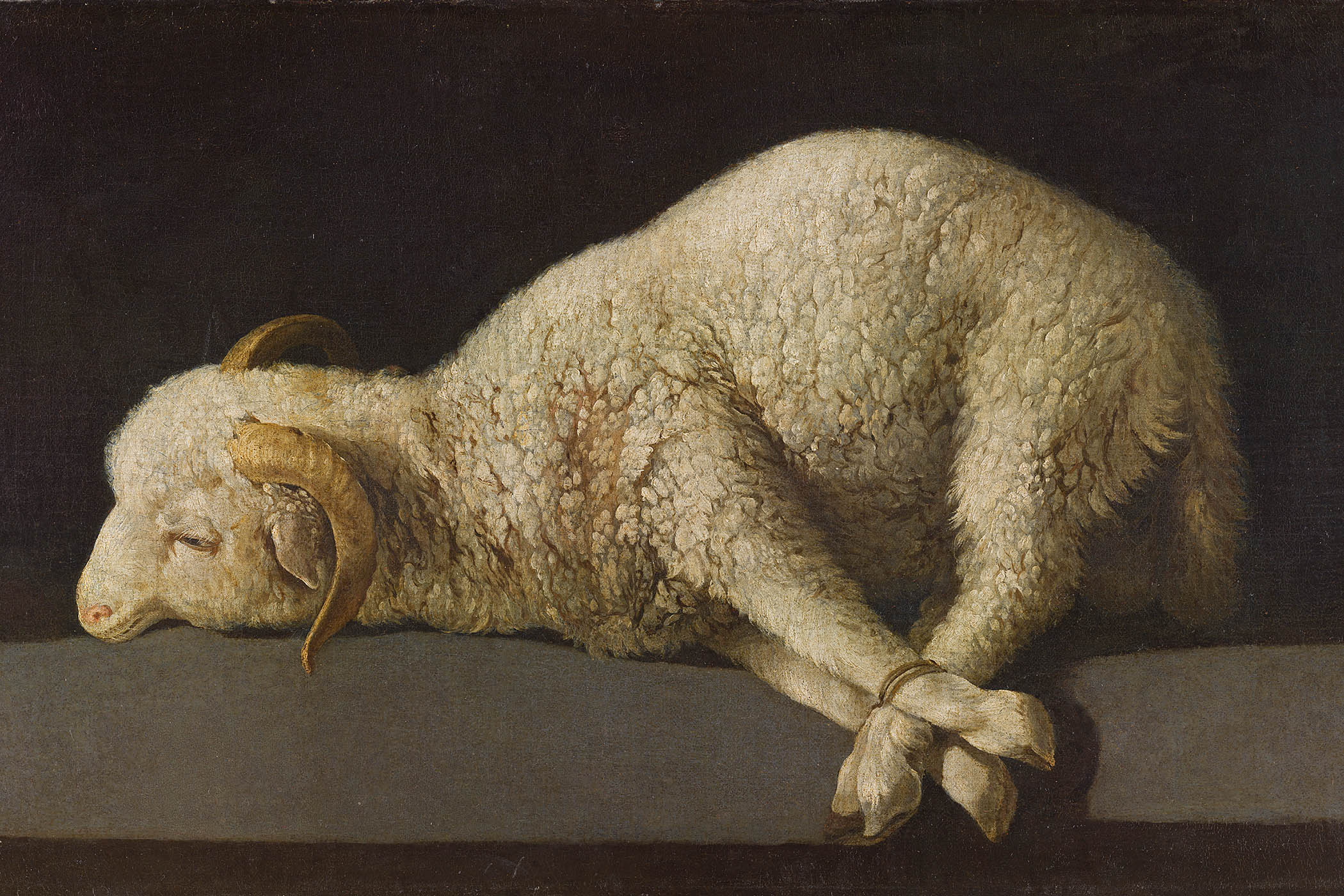
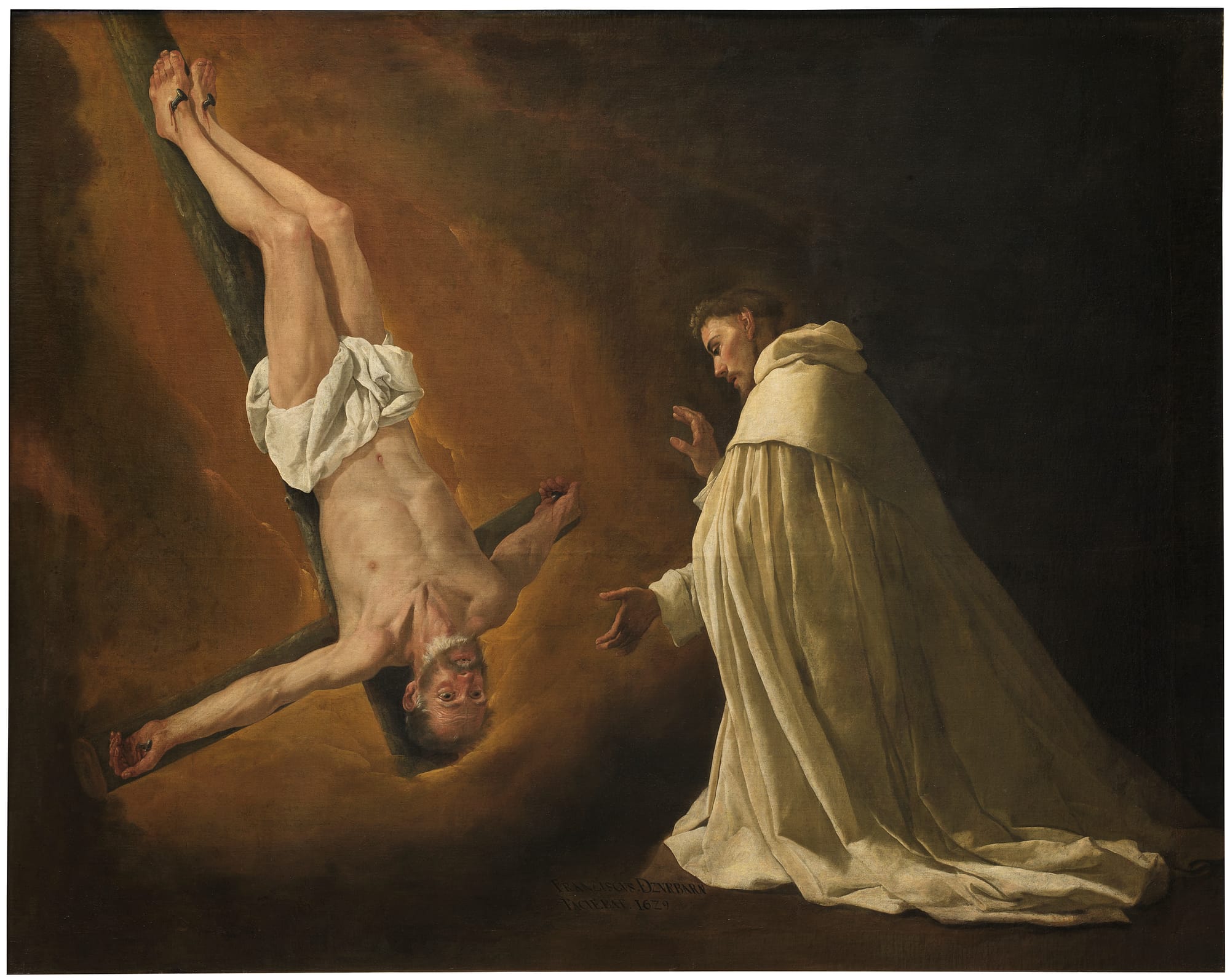
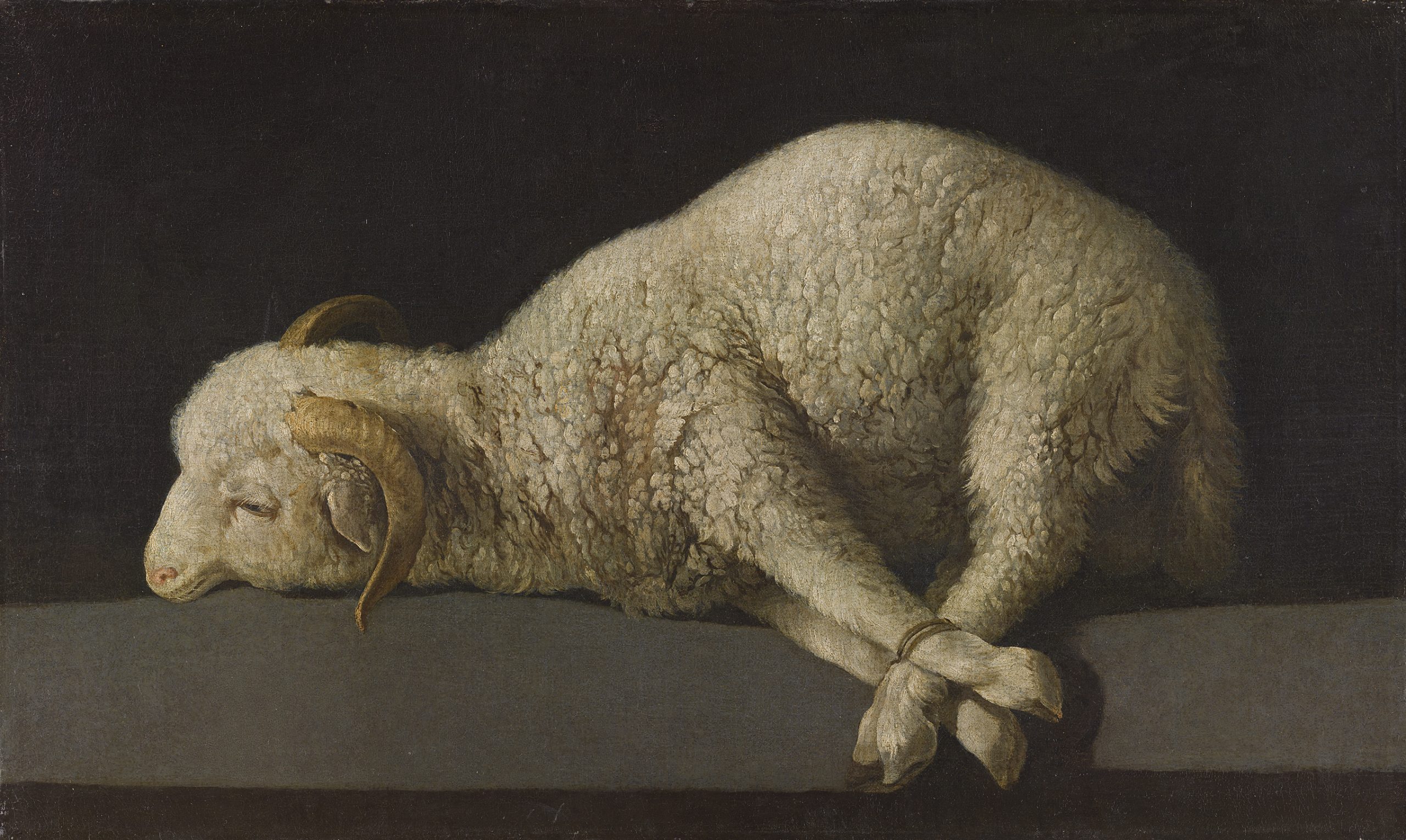
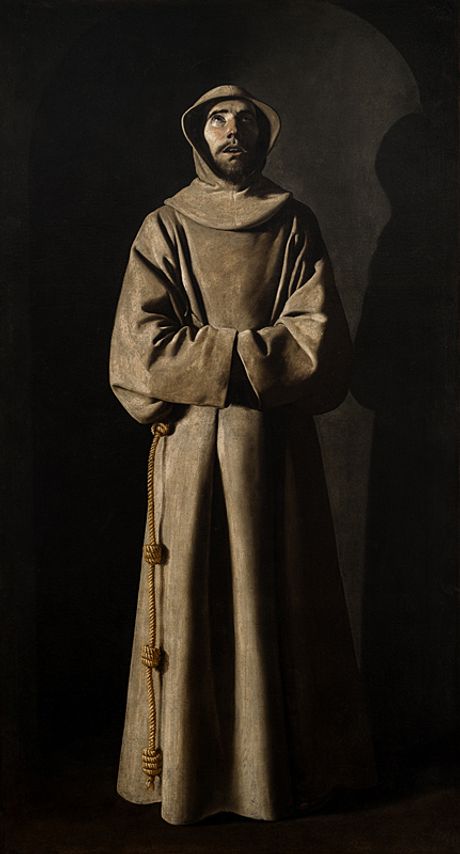
Francisco de Zurbarán, one of the three great Spanish 17th-century painters alongside Velázquez and Murillo, is finally receiving his first solo exhibition in the UK at the National Gallery in London. The show highlights his distinctive style of religious painting, characterized by stark chiaroscuro, sculptural realism, and a meditative stillness that makes the immaterial seem tangible. Works such as his crucified Christ and The Apparition of Saint Peter to Saint Peter Nolasco exemplify his ability to depict visions and inner spirituality, often commissioned by powerful religious foundations in Seville during the Counter-Reformation.

Tale of a Riderless Horse

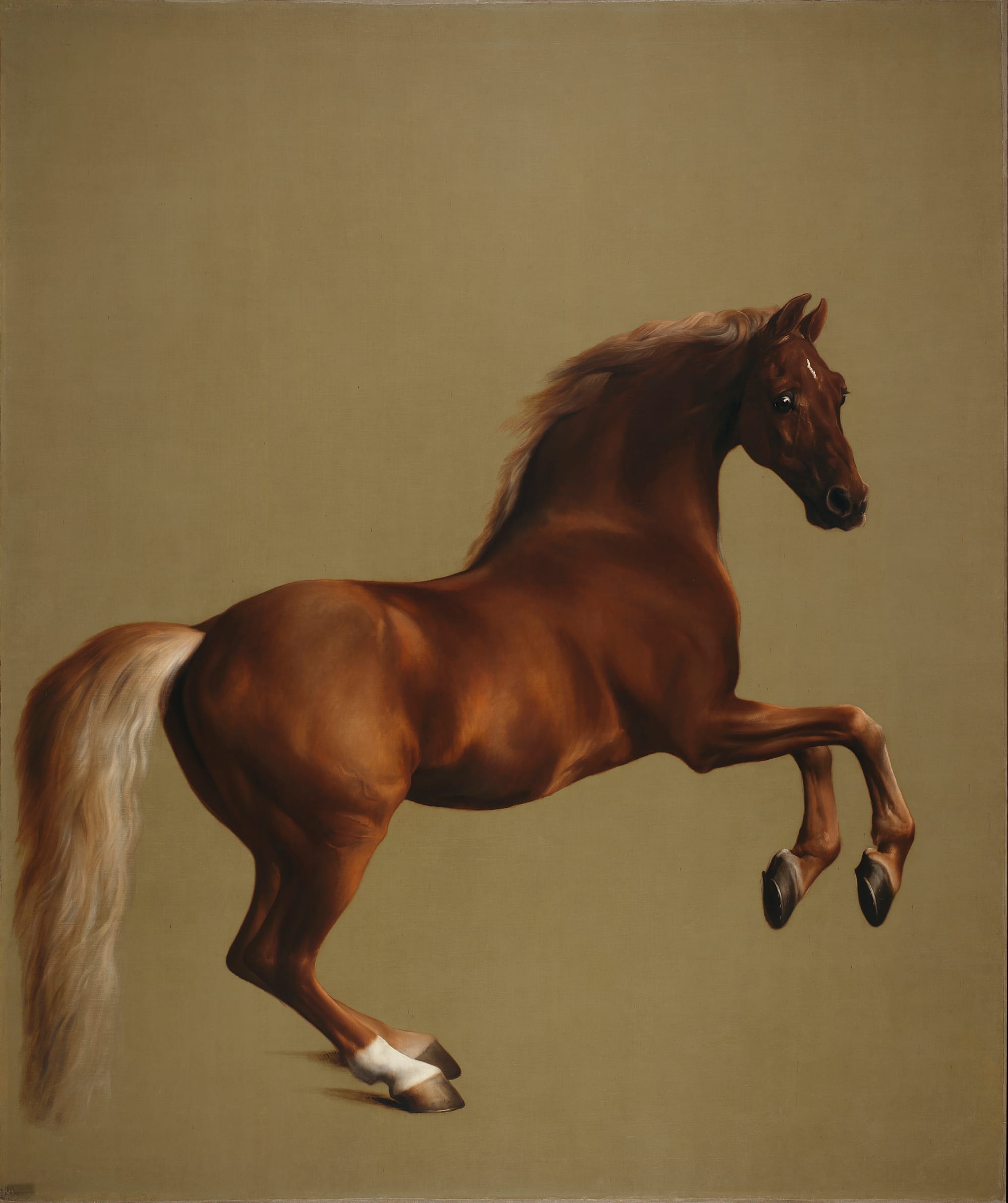
The National Gallery in London is hosting an exhibition titled "Stubbs: Portrait of a Horse," focusing on the 18th-century artist George Stubbs and his masterful equine paintings. The show features studies, drawings, and key works like "Whistlejacket" (c. 1762) and "Scrub" (c. 1762), highlighting Stubbs's unique anatomical knowledge gained from dissecting horses.

From intimate still lives to shadowed saints: the many sides of Spanish painter Francisco de Zurbarán go on show at London’s National Gallery

The National Gallery in London is opening a major survey exhibition of Spanish painter Francisco de Zurbarán (1598-1664), the first on this scale since 1987. The show expands beyond his famous austere saints to include intimate still-lifes, late private devotional works, and large-scale altarpiece reconstructions. Curator Daniel Sobrino Ralston highlights two newly discovered paintings, including *Alcarraza on a Plate*, and a rare reconstruction of the second tier of the Charterhouse of Jerez de la Frontera altarpiece, reuniting works from museums in Grenoble and Poznań.

Francisco de Zurbarán: Paintings So Real, You Can Hardly Resist Believing

An exhibition of works by Spanish Baroque painter Francisco de Zurbarán has opened at London’s National Gallery, showcasing his strikingly realistic still lifes and religious scenes. The show highlights Zurbarán’s masterful use of light, texture, and dramatic composition to create paintings that feel almost tangible, drawing viewers into their intimate, contemplative worlds.

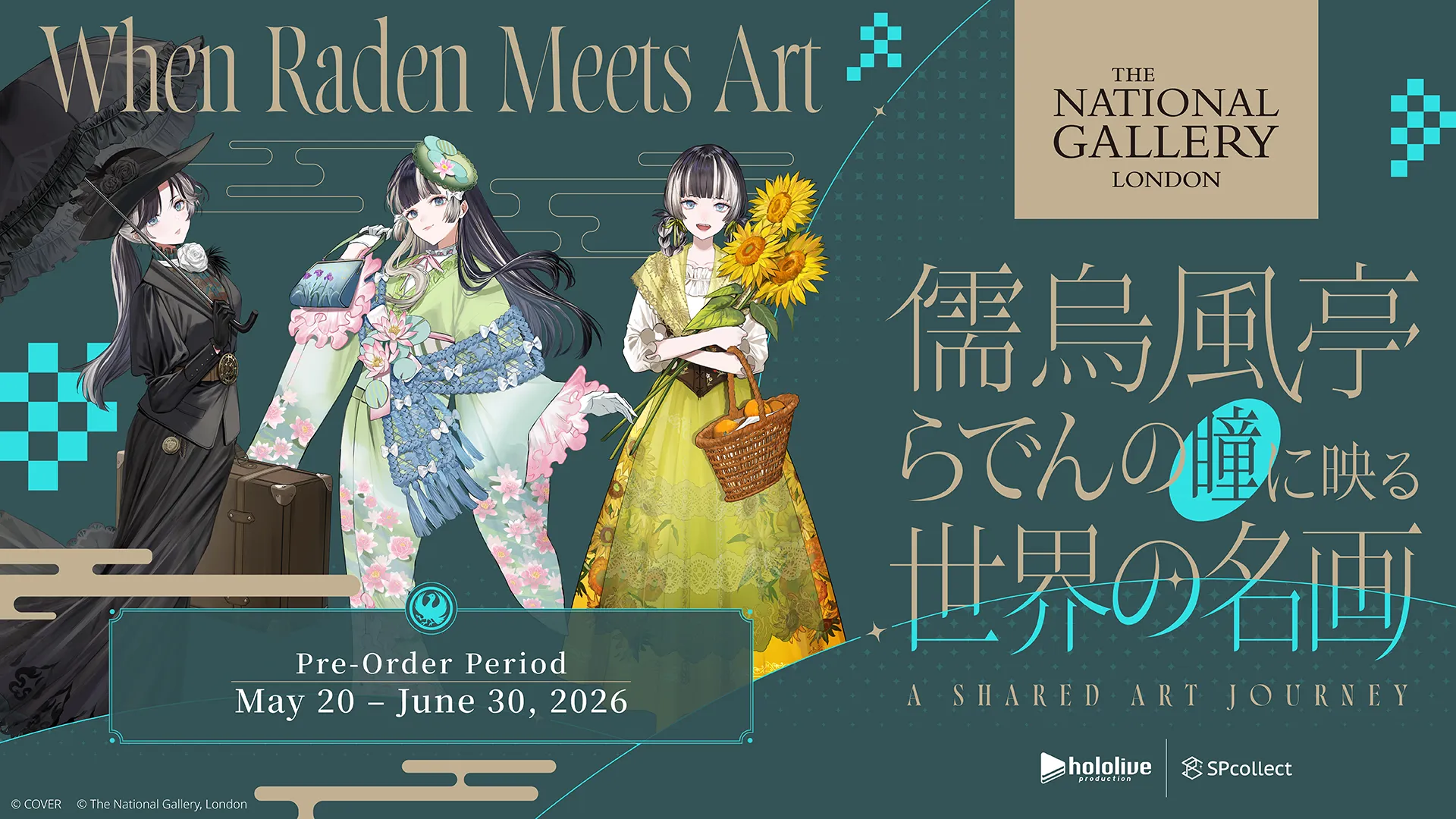
The National Gallery x hololive DEV_IS ReGLOSS’s Juufuutei Raden Announce a World-First Crossover Collaboration, Launching May 20 | NEWS

COVER Corporation has announced a collaboration between hololive DEV_IS ReGLOSS VTuber Juufuutei Raden and The National Gallery, London, launching May 20, 2026. Titled “When Raden Meets Art – A Shared Art Journey”, the project features three masterpieces selected by Raden—J.M.W. Turner’s “Rain, Steam, and Speed – The Great Western Railway”, Vincent van Gogh’s “Sunflowers”, and Claude Monet’s “The Water-Lily Pond”—reimagined into exclusive merchandise including fragrance mists, scarves, and cup sets. Raden, a certified curator in Japan, also recorded an audio guide highlighting 20 works from the Gallery, and the entire ReGLOSS team visited the museum for a behind-the-scenes experience.

Zurbarán: a ‘magnificently choreographed’ showing of the Spanish ‘genius’

The article reviews the first-ever British exhibition dedicated to Spanish Baroque painter Francisco de Zurbarán, held at the National Gallery in London. The show brings together 40 works from collections spanning Seville to San Diego, featuring his hyper-real religious paintings and radiant still lifes, described as a 'magnificently choreographed' trawl through his oeuvre. Critics praise the exhibition for its dramatic lighting and revelatory presentation, though some note uneven quality in his later works.

German Expressionism at the National Gallery

The National Gallery in London will stage its first exhibition of modern German paintings, 'German Expressionism: Modern Painting 1900–1918', in spring 2027, before traveling to the National Gallery of Ireland in Dublin in autumn 2027. This is the first UK and Ireland exhibition since the 1960s to cover both key Expressionist groups, Die Brücke and Der Blaue Reiter, featuring over fifty international loans from institutions such as Berlin's Neue Nationalgalerie, Brücke Museum, and the Art Institute of Chicago, alongside works from private collections.

Zurbarán at the National Gallery - an unmissable show of baroque genius

The National Gallery in London presents a landmark exhibition of Francisco de Zurbarán (1598-1664), the first major retrospective of the Spanish Baroque master in Britain. In collaboration with the Louvre and the Art Institute of Chicago, the gallery has assembled over 40 works from institutions worldwide, including Seville and San Diego. The show features Zurbarán's electrifying religious paintings and radiant still lifes, displayed in darkened galleries that echo the chiaroscuro of his compositions. Highlights include the shattering *The Crucifixion* (1627) and *Saint Peter Nolasco's Vision of Saint Peter the Apostle* (1629), which demonstrate his hyper-real, sculptural approach to sacred subjects.

Zurbarán at the National Gallery is more agony than ecstasy

The article reviews the exhibition 'Zurbarán' at the National Gallery in London, arguing that the show fails to capture the spiritual intensity and emotional power of the Spanish Baroque painter's work. It criticizes the curatorial choices, suggesting the display feels flat and lacks the ecstatic religious fervor that defines Zurbarán's best paintings, leaving viewers with a sense of agony rather than transcendence.

Did Zurbarán Believe What He Painted?

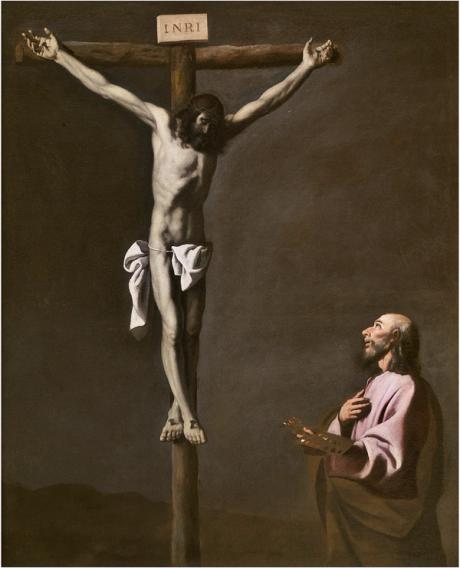
An exhibition of Francisco de Zurbarán's 17th-century religious paintings at London's National Gallery prompts a critic to question whether the artist's personal faith influenced his artistic skill. The show features monumental works from Spanish churches and monasteries, displayed dramatically against black walls, including crucifixion scenes, monks, and saints. The critic notes that no personal records of Zurbarán survive—only contracts—leaving his beliefs unknown, and compares him to Agnolo Bronzino, who painted pious scenes but wrote obscene verses. A small painting of a crucified Christ with a painter, possibly a self-portrait of Bronzino, is presented as ambiguous evidence of faith.

First Zurbarán exhibition at the National Gallery

The National Gallery in London has opened the first monographic exhibition in the UK dedicated to Francisco de Zurbarán, a leading 17th-century Spanish painter. The show brings together exceptional loans from public and private collections across the UK, Europe, and the United States, including works displayed together for the first time in over a century. Highlights include life-size depictions of saints, soaring altarpieces, and contemplative still lifes, with the exhibition running until 23 August.