filter_list Showing 8 results for "ODAK" close Clear
dashboard All 8 museum exhibitions 6article culture 1rate_review review 1
date_range Range Today This Week This Month All
Subscribe

william eggleston david zwirner books 2726165

David Zwirner Books has released a new monograph titled *William Eggleston: The Last Dyes* (2025), dedicated to the final major body of photographs by pioneering American color photographer William Eggleston using the now-discontinued dye-transfer printing process. A solo exhibition of these images will open at David Zwirner gallery in New York on January 15, 2026, following a presentation at the gallery’s Los Angeles location earlier this year. The book includes a newly commissioned essay by critic Jeffrey Kastner.
Craig Jun Li: Scrapping the Camera

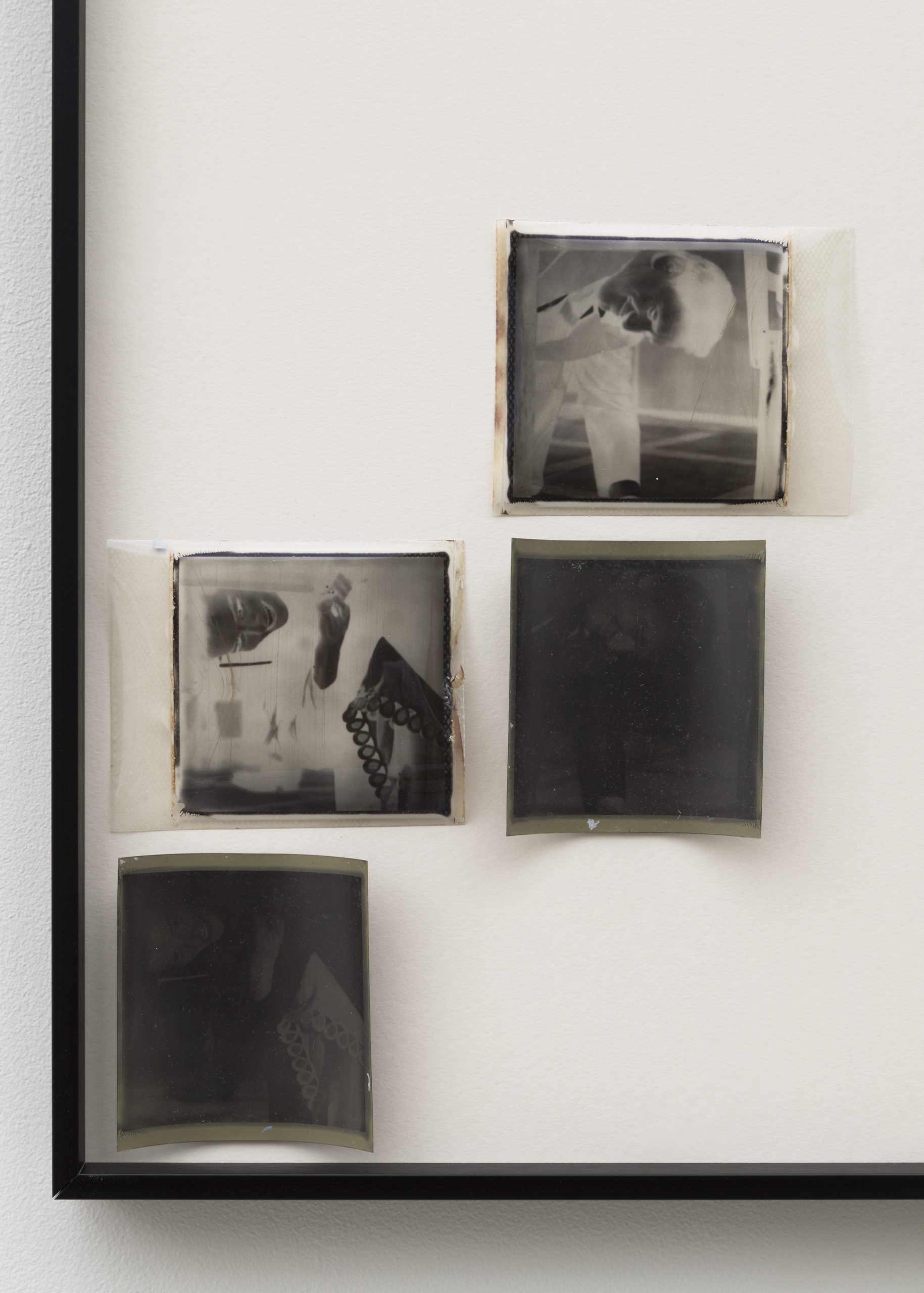
Artist Craig Jun Li's solo exhibition features collagist wall-works and installations that deconstruct photographic technology. Works like the 2025 silicone sheets incorporate altered dye-transfer prints, Polaroids, and actual camera parts like SX-70 film cartridge springs, redirecting focus from pictorial representation to the mechanical apparatus of image-making.

Yoshida Chizuko

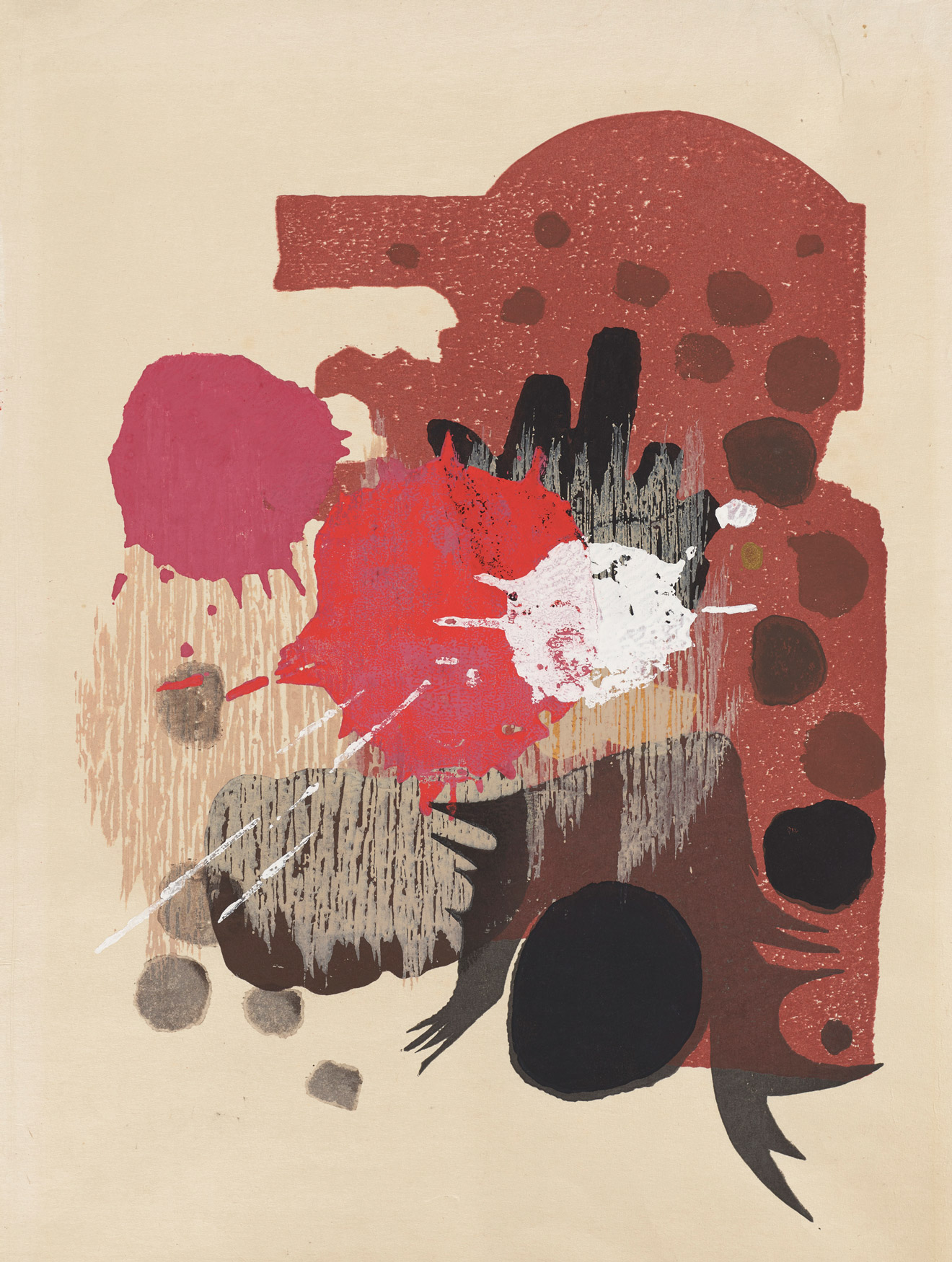
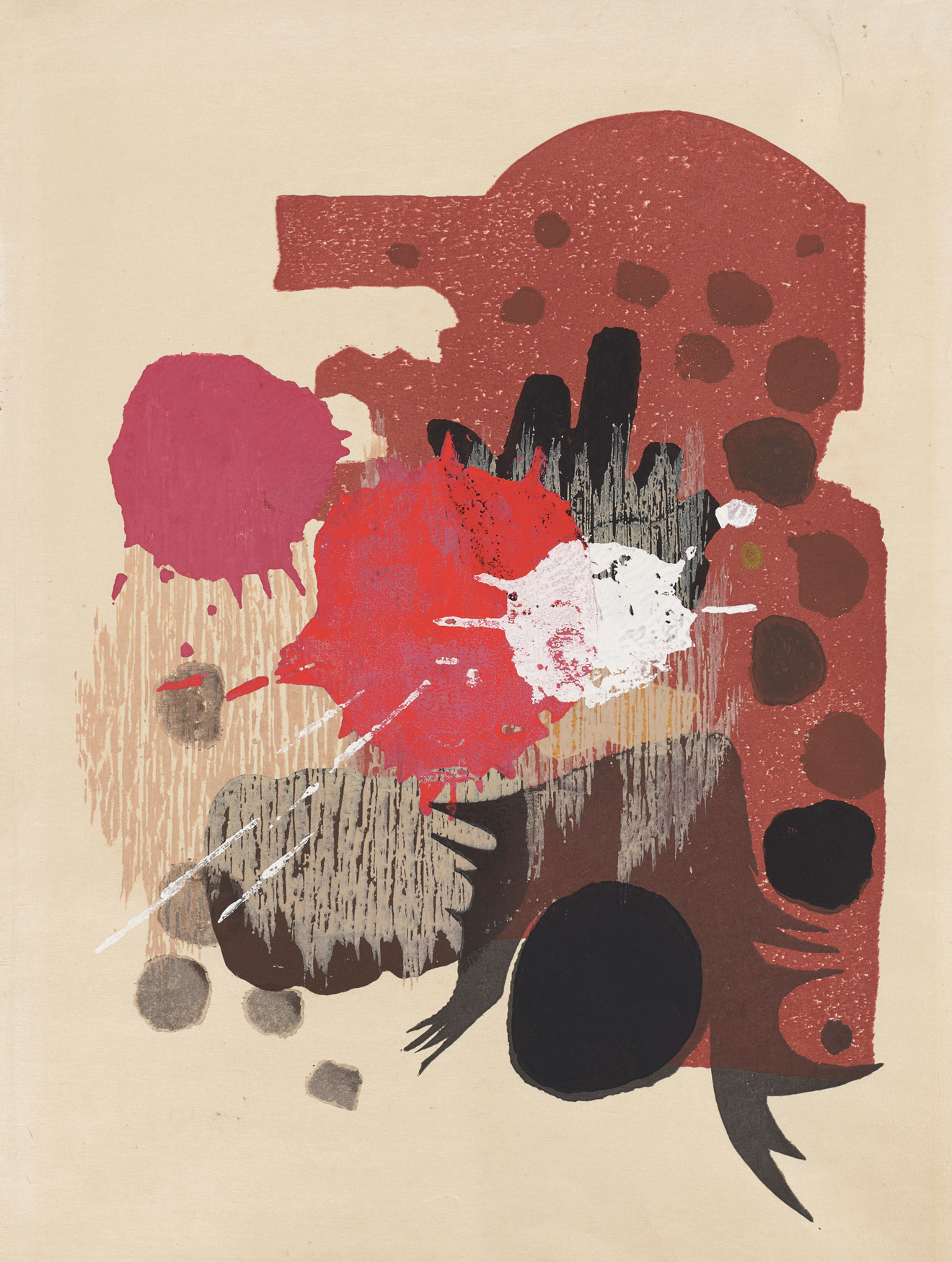
The Portland Art Museum is hosting the first major museum retrospective of Yoshida Chizuko (1924–2017), a pioneering Japanese modernist painter and printmaker. The exhibition features over 100 works, including early oil paintings, monotypes, woodblock prints, lithographs, and mixed media pieces, many never before exhibited. It traces her career from avant-garde abstraction in the 1940s and 1950s through op art and photoetchings in the 1960s and 1970s to nature-inspired late works, and includes a planned major acquisition from the Yoshida family estate.

Yoshida Chizuko

The Portland Art Museum is presenting the first major museum retrospective of Yoshida Chizuko (1924–2017), a pioneering Japanese modernist painter and printmaker. The exhibition features over 100 works, many never before exhibited, spanning her career from avant-garde abstraction in the 1940s to op art and nature-inspired compositions in her later years. Many works are part of a planned major acquisition from the Yoshida family estate, joining the museum's significant holdings of 20th-century Japanese prints.

How Photography Helped Build the Atomic Bomb

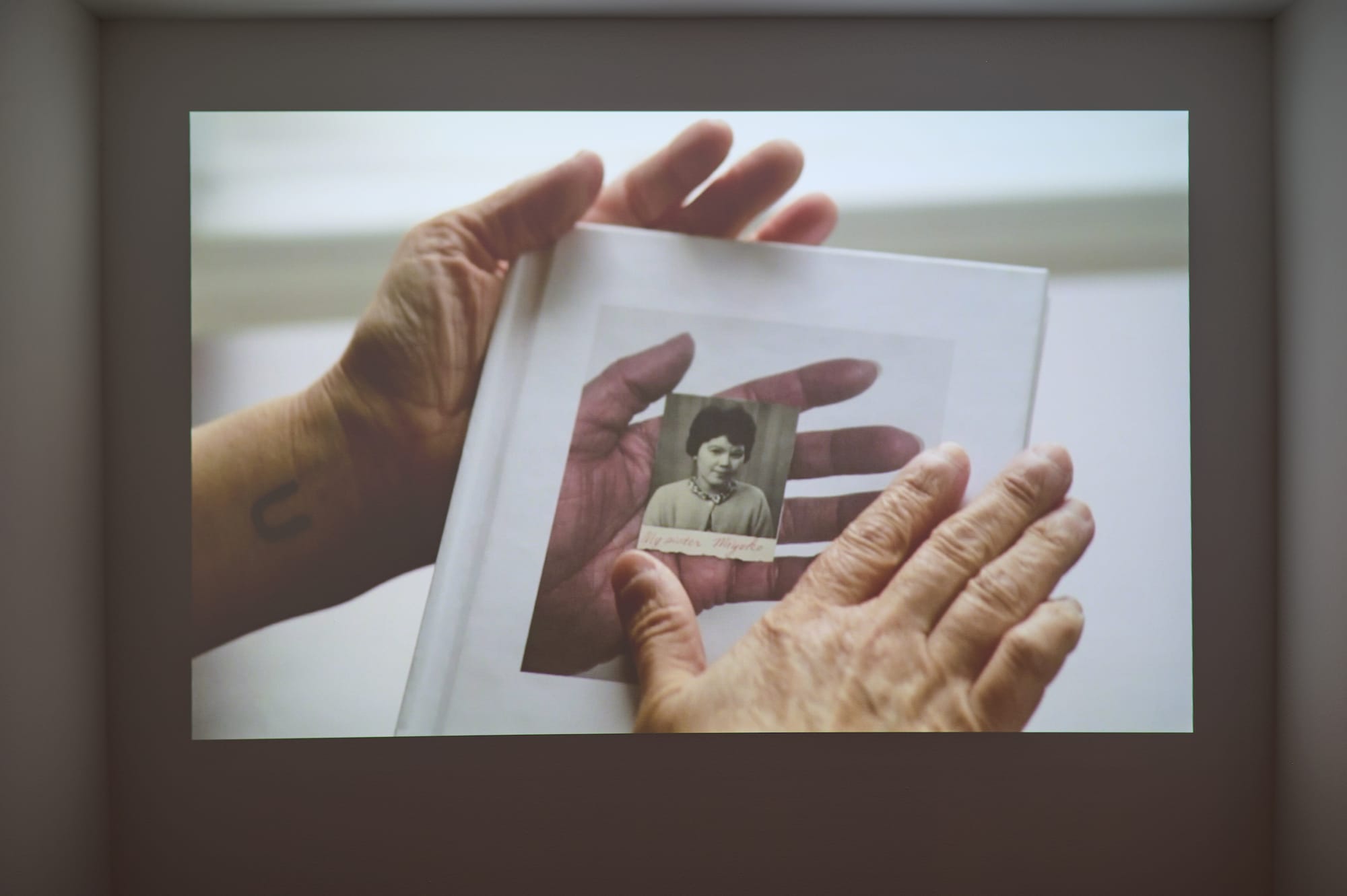
The feminist artist collective Slow War Against the Nuclear State (SWANS) presents the exhibition "Atomic Dragons" at Pitzer College Art Galleries. The show features works by seven intergenerational artist-academics, focusing on photography's historical role in developing atomic weapons and the enduring human and environmental costs of nuclear politics.

Art shows how Shirley Cards and race shaped photography | Opinion

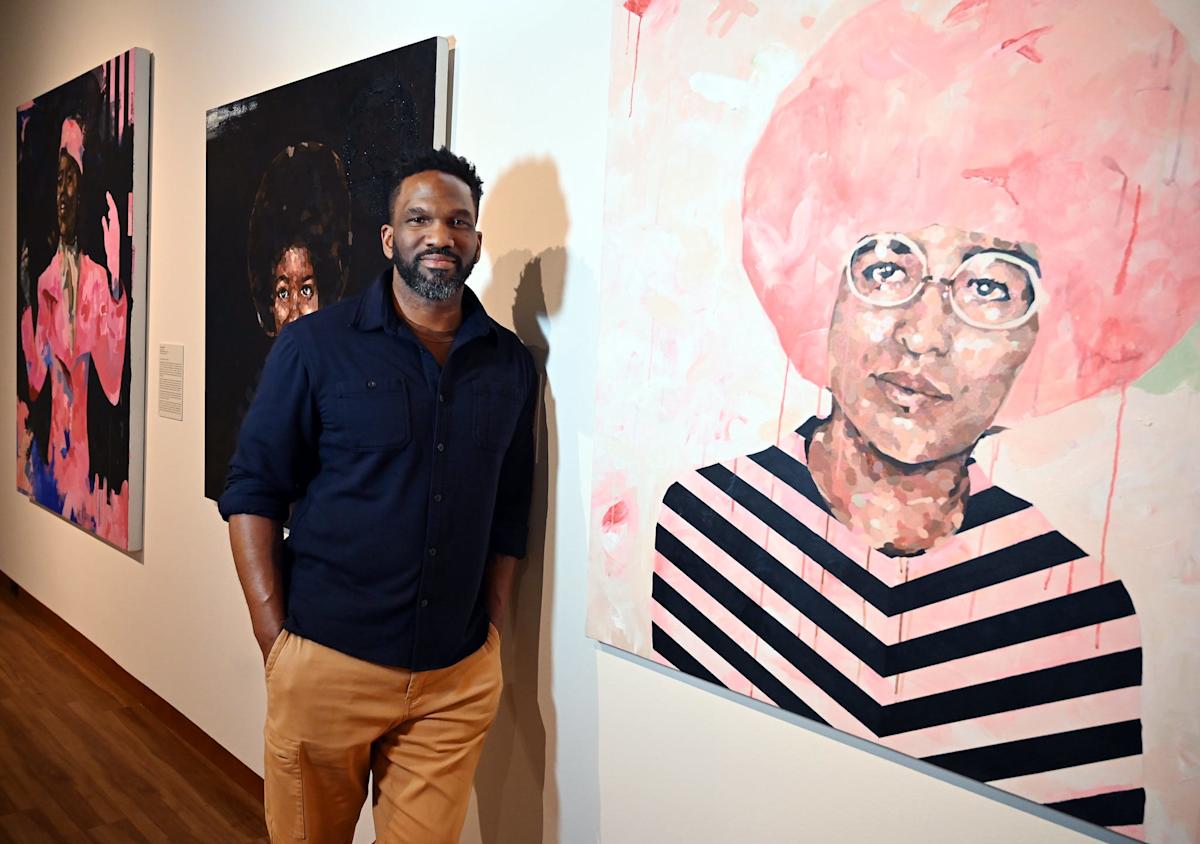
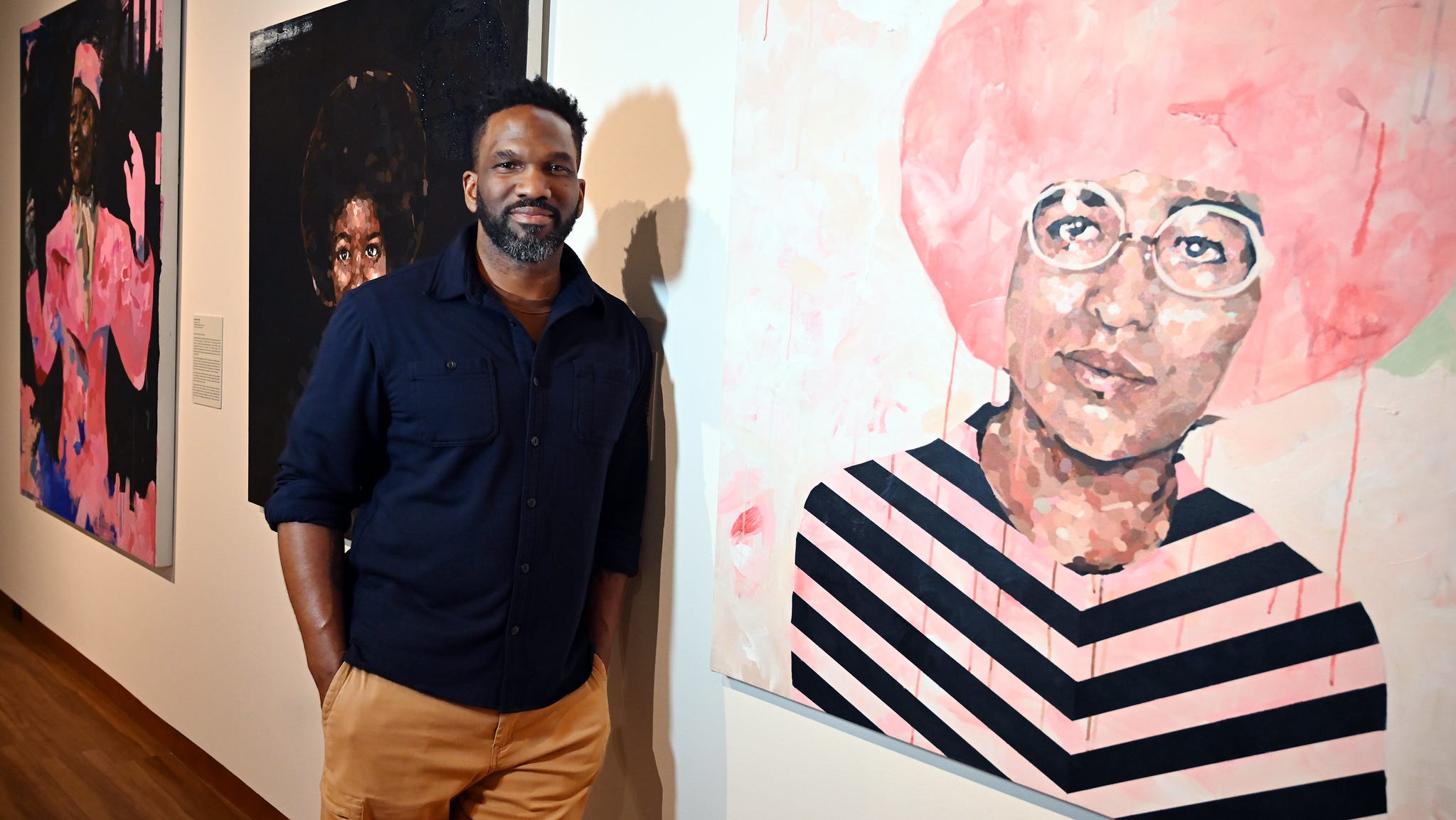
Artist Jeremy Okai Davis has launched a solo exhibition titled “Presence of Color” at the Harvey B. Gantt Center for African-American Arts + Culture. The show, curated by Dr. Tamara Brothers, features large-scale paintings that utilize a pixelated, neo-impressionist style to depict Black figures and historical icons like Angela Davis. The works specifically address the history of "Shirley Cards"—color-calibration tools used by Kodak that were based on white skin tones, effectively marginalizing Black subjects in film photography for decades.

Istanbul exhibition features artist voice via art at Karaköy Palace | Daily Sabah

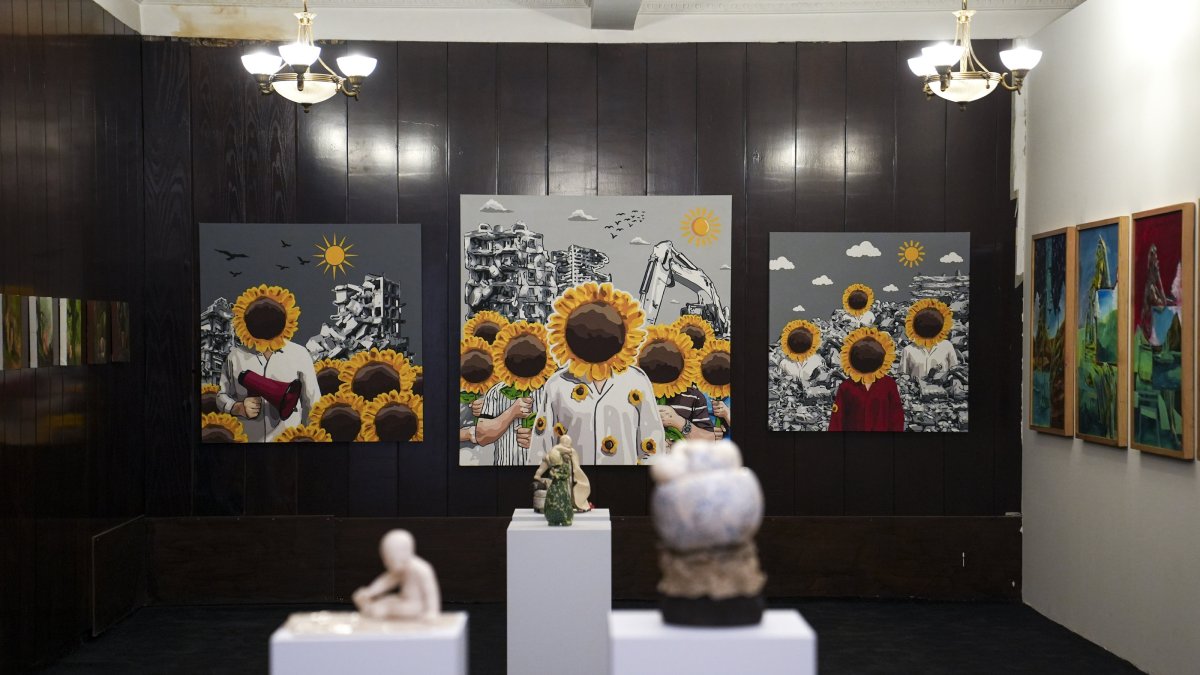
The Kültür Medeniyet Vakfı (KÜME) opened its ArtıKÜME 2025 and ODAK exhibitions at Karaköy Palas in Istanbul on Saturday, featuring 25 projects across disciplines from digital art to calligraphy under the theme 'Mümkün' ('Possible'). The exhibition transforms the historic Karaköy Palas into a platform for experimental and process-driven works, with artists like Muharrem Dalhan presenting interactive installations such as 'Threshold,' which critiques algorithm-driven media environments. The ODAK project was also introduced as a platform tracking cultural production across Türkiye, with its first publication, the ODAK 2025 book, launched alongside the exhibition.

'Presence of Color.' How race shaped photography | Opinion

The Fayetteville Observer explores the historical racial bias embedded in photographic technology through the lens of "Shirley Cards." These reference tools, used by film developers for decades to calibrate color balance, were based exclusively on the skin tones of white female models, resulting in poor image quality and distorted representations for Black and dark-skinned subjects.