filter_list Showing 6 results for "Souvenir" close Clear
dashboard All 6 museum exhibitions 5trending_up market 1
date_range Range Today This Week This Month All
Subscribe

How Tony Albert’s childhood instinct became a radical art practice

Tony Albert, a Girramay/Yidinji/Kuku-Yalanji artist, has spent his life collecting Aboriginalia—kitsch household items from the mid-20th century that feature naive or racist depictions of Indigenous culture. These objects, including ashtrays, velvet paintings, and figurines, form the basis of his upcoming exhibition *Tony Albert: Not A Souvenir* at the Museum of Contemporary Art, curated by Bruce Johnson McClean. Albert's practice transforms these mass-produced artifacts into a powerful critique of colonization, displacement, and erasure.

‘Your homes will be destroyed, your family killed’: the US has dropped millions of war propaganda leaflets – but do they work?

The United States military has been dropping propaganda leaflets in psychological operations (psyops) for over a century, from World War I through the Gulf War and the wars in Iraq and Afghanistan. A new interactive exhibit at Pioneer Works in Brooklyn, organized by the digital archive group Khajistan, displays hundreds of these leaflets, including those dropped on Japan during World War II and in more recent conflicts. However, declassified internal documents, such as a 1971 US Air Force report, reveal that leaflets were often used as toilet paper, cigarette rolling paper, or souvenirs by enemy soldiers, undermining the official narrative of their effectiveness.

Eat Frida food off a Frida plate: Kahlo kitsch raises eye...

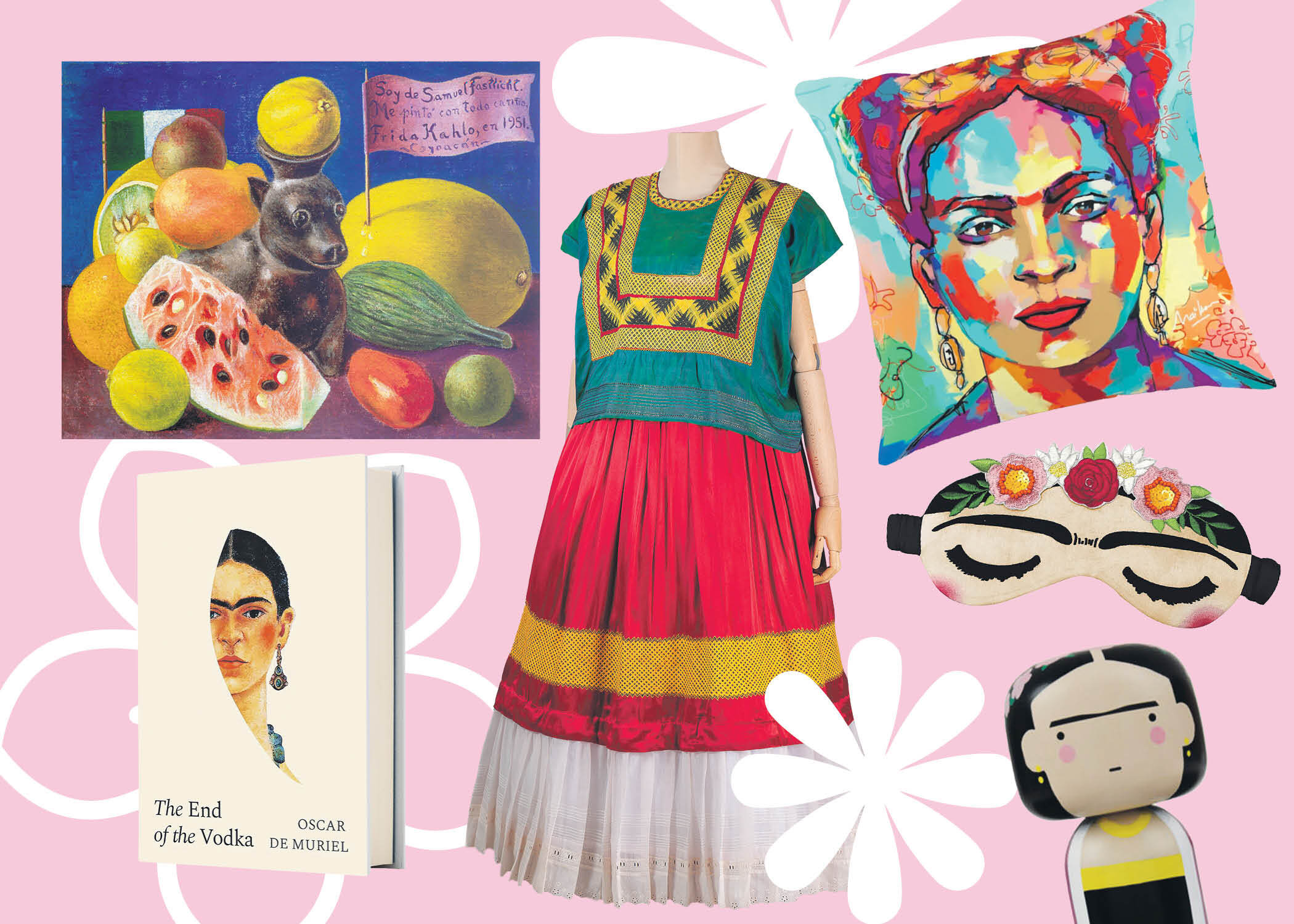
A major Tate Modern exhibition dedicated to Frida Kahlo and her circle opens next month in London, accompanied by a wave of commercial spin-offs including a Kahlo-inspired menu, dinner plates, a Netflix documentary, a clothing line, and an opera premiering in New York. The show, titled "Frida: The Making of an Icon," will also display over 200 souvenir objects and knick-knacks, examining Kahlo's transformation into a global brand. A new whodunnit novel by Oscar de Muriel reimagines Kahlo as a detective, and a culinary collaboration with Mexican chef Santiago Lastra will run at the Tate Modern restaurant.

S&M-inspired Greek Pavilion in Venice confronts its fascist chains

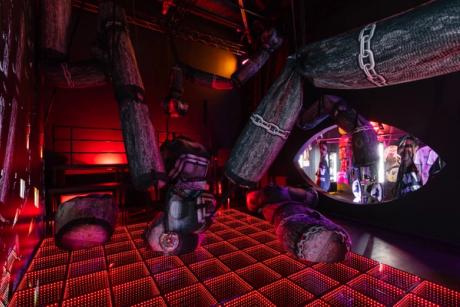
The Greek Pavilion at the 2026 Venice Biennale, titled "Grecia" and conceived as a drag artist, presents an S&M-inspired installation by artist and architect Andreas Angelidakis. The immersive space features a red neon-lit floor, soft sculptures resembling beanbags, fragmented marble columns wrapped in chains, and souvenirs bearing images of queer artists and the late activist Zak Kostopoulos (Zackie Oh). The pavilion aims to deconstruct the idea of a fixed national identity, exploring themes of queerness, fascism, and historical trauma.

A War Souvenir for Düsseldorf

Un souvenir de guerre pour Düsseldorf

The Kunstpalast museum in Düsseldorf has acquired a war-related painting by Bordeaux-born artist William Laparra, who was mobilized in 1917 into the French camouflage section during World War I. Laparra served as a brigadier-chief in the 1st group of the 10th Army at the Chantilly workshop, a unit created in 1915 by figures including Eugène Corbin, Louis Guingot, and painter Guirand de Scévola, who developed earth-toned uniforms and painted canvas to conceal artillery from German aircraft.

East Dallas art exhibition is a celebration of Chicano identity and community

An exhibition titled “Chicano” at Art on Main gallery in East Dallas showcases the work of over 50 North Texas artists, featuring paintings, digital photography, and mixed media that explore Chicano identity, childhood memories, lowrider culture, immigration enforcement, and Indigenous heritage. Co-curated by artists Ariel Esquivel and Junanne Peck, the show includes pieces such as Chelsea Reyes' digital photograph “Movimiento y Orgullo,” Cease Martinez's painting “Cultura,” and Hermila Cuevas' oil on canvas “Chicomecōātl: Giver of Harvest.” The gallery owner Andrea Lamarsaude, who previously collaborated with the curators on the exhibition “Shelter,” notes the community's positive response.