filter_list Showing 13 results for "Tetyana Berezhna" close Clear
search
dashboard All 13 article news 6article policy 4museum exhibitions 2gavel restitution 1
date_range Range Today This Week This Month All
Subscribe

European Ministers Call on Venice Biennale to Exclude Russia

Twenty-two European ministers, led by Latvia's Minister of Culture Agnese Līce, have signed a joint letter calling for Russia to be barred from the 61st Venice Biennale. The ministers argue that Russia's planned participation, following its voluntary absence since the 2022 invasion of Ukraine, would misuse a major cultural platform to legitimize military aggression and undermine international sanctions.

The Politics of Russia’s Return to the Venice Biennale

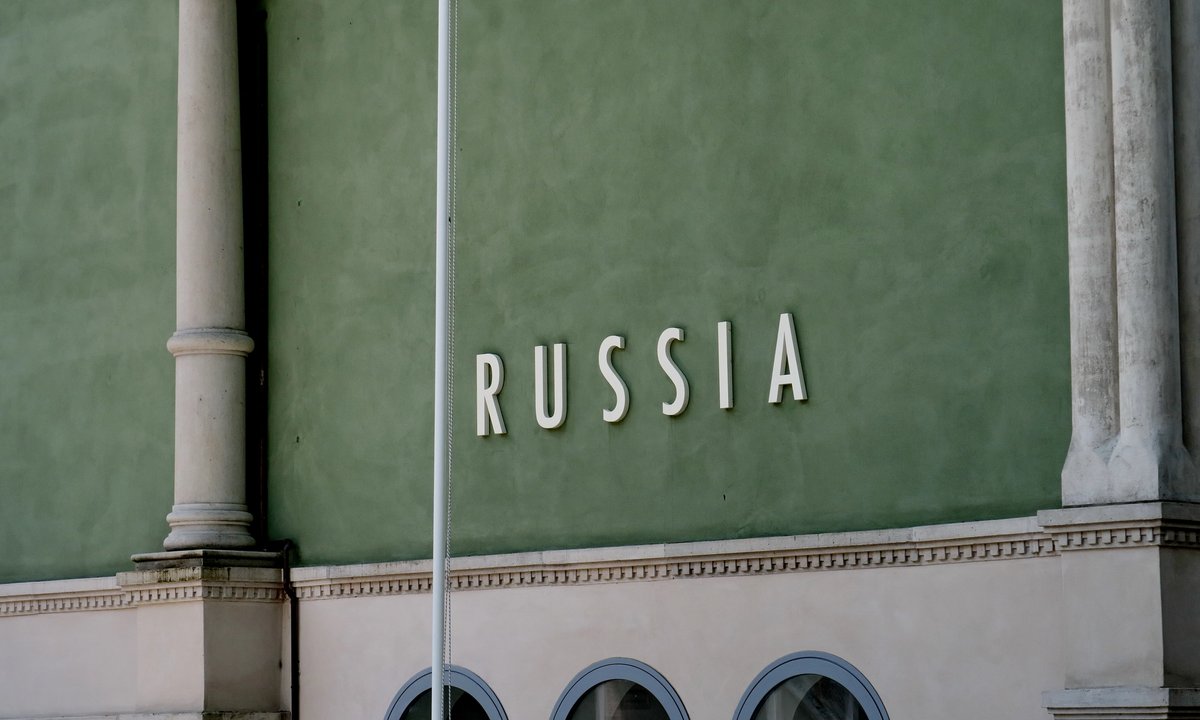
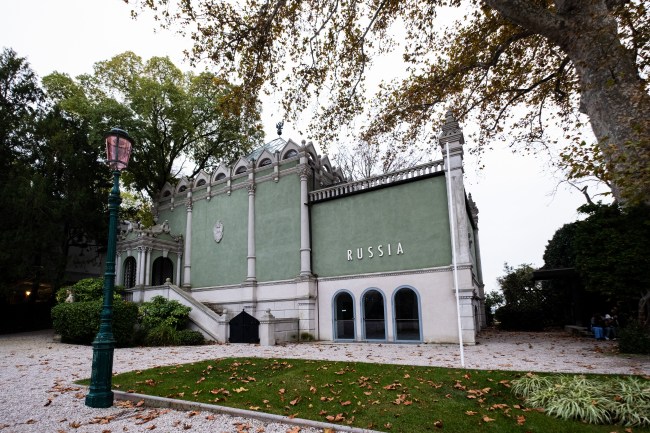
Russia has announced its intention to return to the Venice Biennale in 2026, marking its first participation since the full-scale invasion of Ukraine in 2022. The proposed pavilion, titled "The Tree is Rooted in the Sky," plans to feature 38 participants from Russia and several Global South nations. The announcement has sparked intense backlash from the European Commission and culture ministers across 22 countries, who argue that Russia’s presence undermines democratic values and serves as a tool for "dark cultural diplomacy."

Barrage of Russian missiles damages museums, library and theatre in Kyiv

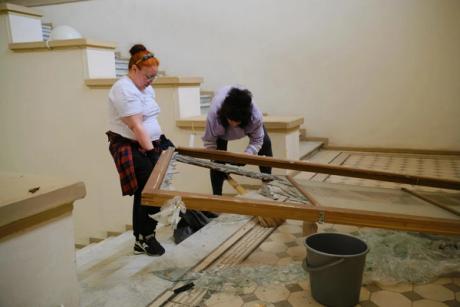
A massive Russian missile and drone strike on Kyiv over the weekend of 24 May damaged multiple cultural institutions, including the National Art Museum of Ukraine, the Yaroslav Mudryi National Library of Ukraine, the Kyiv Opera Theatre, and the National Chornobyl Museum. The National Chornobyl Museum suffered the worst damage, with around 40% of its exhibition hall exhibits destroyed. Ukraine's culture ministry reported the hits, and President Volodymyr Zelensky visited the museum. Russia claimed the barrage was retaliation for a Ukrainian strike, while Ukraine stated it hit a drone unit. The attack killed four people and injured approximately 100.

The art of politics: how global conflicts are playing out in this year's Venice Biennale

Israel is making a controversial return to the 2025 Venice Art Biennale after its pavilion was locked in 2024 with a note demanding a ceasefire in Gaza. The artist representing Israel, Belu-Simion Fainaru, will present his project "Rose of Nothingness" in the Arsenale, while Russia also returns to the Biennale after its Giardini pavilion was reassigned to Bolivia in 2024. The Art Not Genocide Alliance (ANGA) has renewed calls for a boycott and is organizing strike action to disrupt the event, accusing Israel of genocide.

Dark clouds, protests and resignations dampen start of 61st Venice Biennale

The 61st Venice Biennale opened under grey skies and rain, with political tensions overshadowing the art world's premier event. The Russian pavilion, absent for two editions due to the Ukraine war, reappeared with a party atmosphere, though the Italian ministry of culture confirmed it would not be open to the public. The Ukrainian culture minister called Russia's symbolic presence powerful. The Iranian pavilion withdrew without explanation, and a protest by 60 artists from the In Minor Keys show marched through the Giardini humming in solidarity against Israel's participation. Over 200 artists, including Lubaina Himid and Alfredo Jaar, signed an open letter demanding the Israeli pavilion's cancellation. The event also proceeded without its curator, Koyo Kouoh, who died in May 2025; her curatorial team delivered the exhibition following her plans.

Ukrainian Museums and Cultural Sites Damaged in Massive Russian Attack

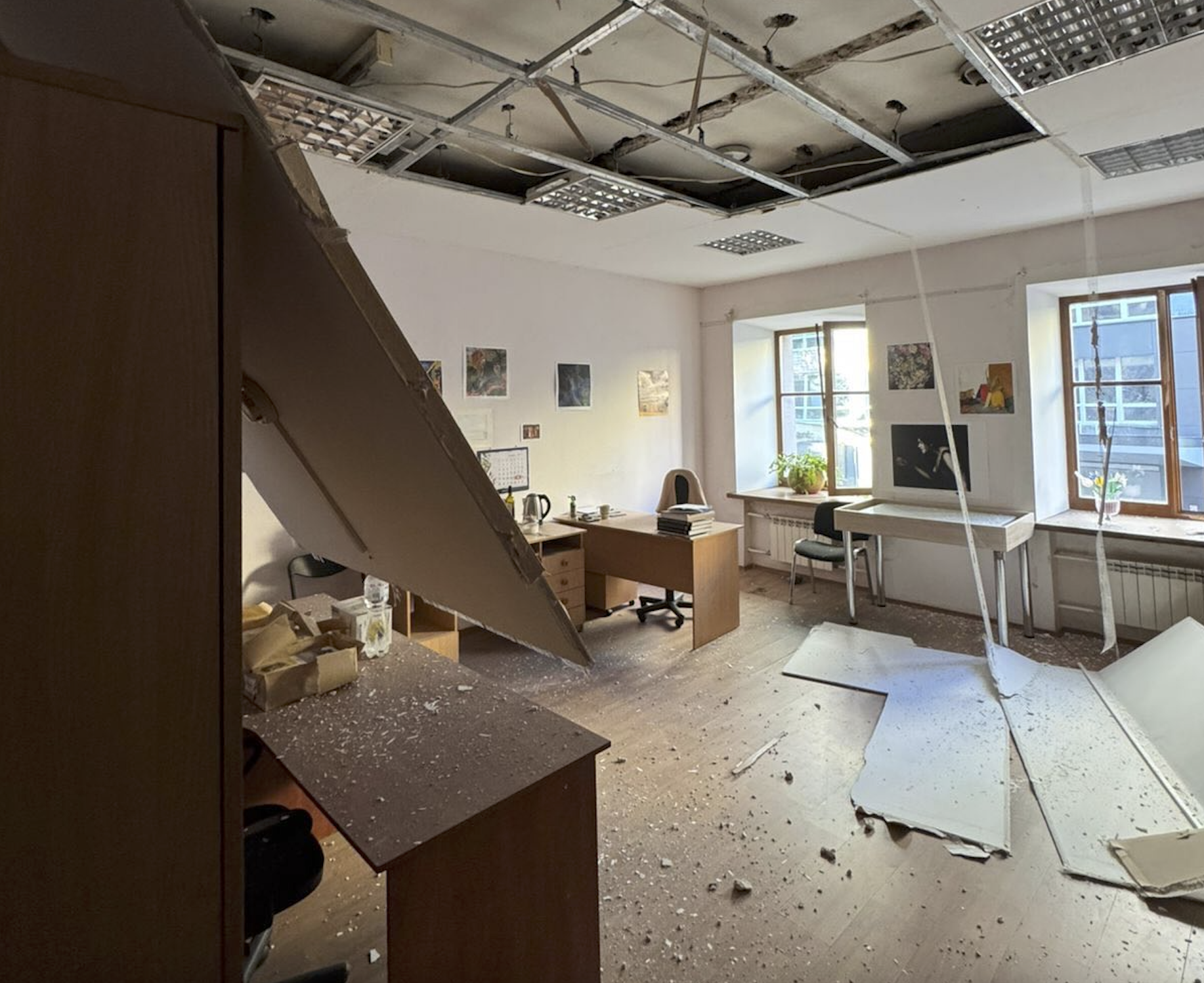
In the early hours of Sunday, May 24, 2026, Russia launched a massive attack on Kyiv and its surrounding region, firing 90 missiles and 600 drones. The strike killed four people and injured about 100, while damaging civilian infrastructure including supermarkets, universities, and cultural sites. Among the hardest-hit institutions were the National Art Museum of Ukraine (NAMU) and the Ukrainian National Chernobyl Museum, both recently renovated. The Ukrainian National Chernobyl Museum was "effectively destroyed," with its historic building and 1,350-piece collection sustaining significant damage, though crews rescued about 40 percent of the collection. NAMU's 130-year-old building also suffered critical blows, though its collection of over 40,000 artworks remained safe. Other damaged sites include the Zhytnii Market, Hinaus Gallery, Ukrainian House exhibition hall, Taras Shevchenko Institute of Literature, and two opera houses.

ukrainian pavilion venice biennale 2026 security guarantees

The Ukrainian Pavilion at the 2026 Venice Biennale will present a project titled "Security Guarantees," focusing on the failure of international promises to protect Ukraine, specifically referencing the 1994 Budapest Memorandum. Artist Zhanna Kadyrova will exhibit her concrete sculpture, Origami Deer, which was evacuated from eastern Ukraine as the Russian frontline advanced. The work will be suspended from a crane on a truck along the lagoon, and the pavilion will include archival material and a video installation tracing the sculpture's journey.

ukraine adopts new resolution on evacuating museum objects from conflict zones

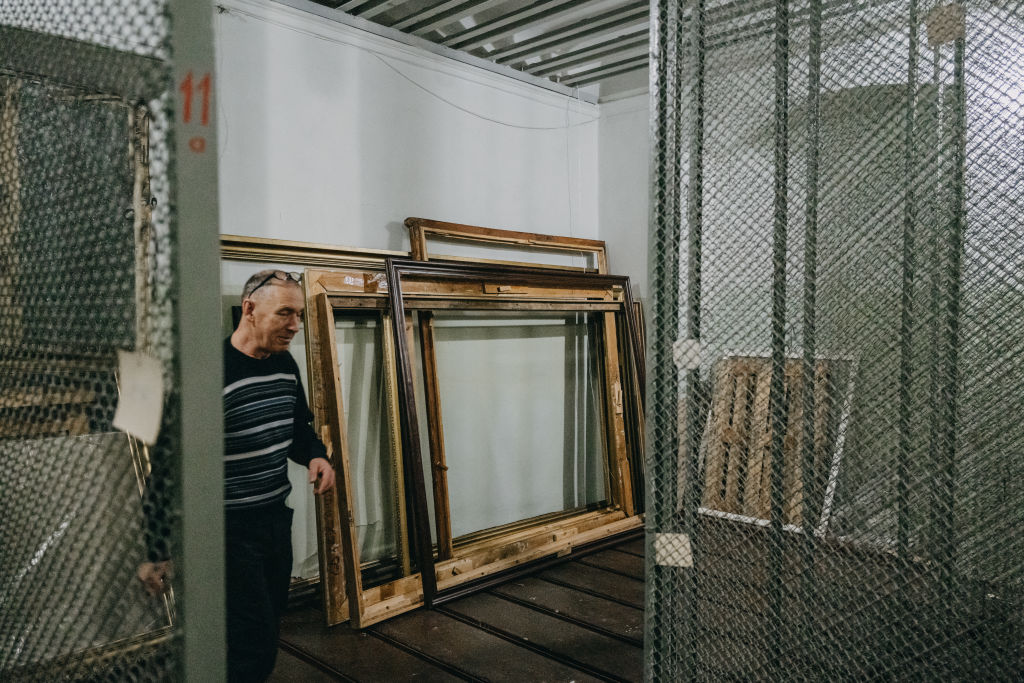
The Ukrainian government has enacted a new resolution to streamline the evacuation of over three million cultural objects from conflict zones as the Russian invasion nears its fourth year. The policy establishes a mandatory evacuation zone for museum items within 50 kilometers of the frontline and requires storage at least 75 kilometers away. Crucially, the resolution empowers museum directors to act independently during crises and introduces a three-stage evacuation system based on the cultural value of the property.

Anti-Russia Protests Spread Beyond the Biennale and Into Venice

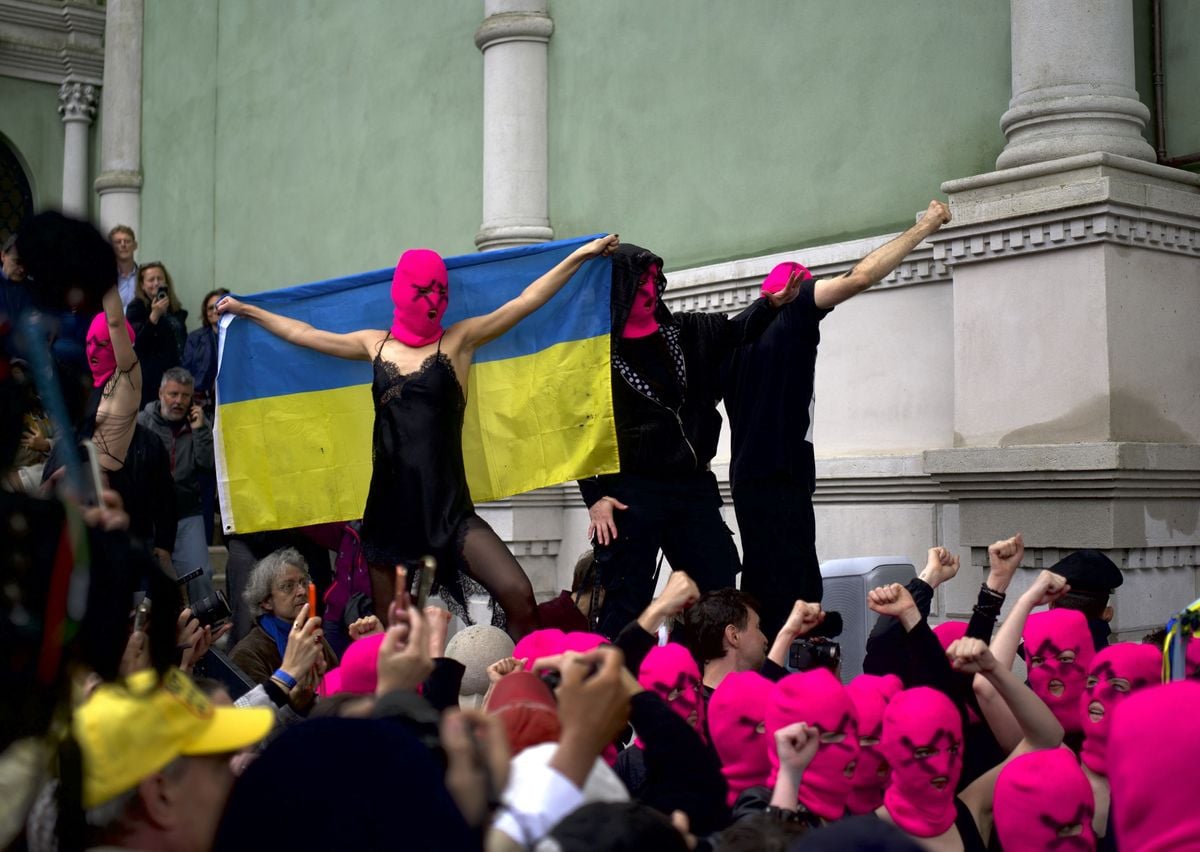
Protests against the reopening of the Russian pavilion erupted at the Venice Biennale and spread across the city on the second day of the 61st edition. Visual artist Shalva Nikvashvili, who grew up in post-Soviet Georgia, began a silent performance wearing a muzzle-style mask and carrying a chair, holding a sign reading “La Biennale di Venezia” and “violence.” Shortly after, a group of about 20 protesters led by Pussy Riot co-founder Nadya Tolokonnikova gathered outside the Russian pavilion, chanting against Vladimir Putin, waving Ukrainian flags, and releasing a pink smoke flare. The protests followed the Biennale's decision to allow Russia to participate for the first time since its 2022 invasion of Ukraine, despite calls from artists and politicians to exclude the country.

EU threatens to pull funding from Venice Biennale over return of Russian pavilion

The European Union has threatened to withdraw a €2m grant from the Venice Biennale following the foundation's decision to allow Russia to reopen its national pavilion for the first time since the 2022 invasion of Ukraine. EU commissioners Henna Virkkunen and Glenn Micallef, supported by 22 European culture ministers, argue that the Biennale must not provide a platform for Kremlin propaganda or individuals who justify military aggression. The Russian pavilion's return is reportedly being organized by the Gnesin Russian Academy of Music under the direction of the Russian Ministry of Culture.

Dangling sculpture—‘evacuated’ from Russian-Ukrainian frontline—will be focus of Ukraine's pavilion at Venice Biennale

Ukraine's pavilion at the 2024 Venice Biennale will feature artist Zhanna Kadyrova's concrete sculpture *Origami Deer*, which was evacuated from Pokrovsk in the Donetsk region as Russian forces advanced in 2024. The pavilion, titled *Security Guarantees*, references the 1994 Budapest Memorandum and will include archival materials and a video installation documenting the sculpture's journey across Europe. The work will be suspended from a crane on a truck along the Venice lagoon, symbolizing forced displacement and the fragility of international promises.

Il Museo Nazionale d’Arte dell’Ucraina di Kiev colpito e danneggiato dai bombardamenti russi. Le immagini

Between the night of May 23 and the early hours of May 24, 2026, Russia launched a massive attack on Kyiv and other areas of Ukraine using 600 drones and 90 missiles. The National Art Museum of Ukraine (NAMU) in Kyiv suffered severe structural damage, along with government buildings. The attack was reportedly a response to a Ukrainian bombing of a dormitory in Russian-occupied Starobilsk. The museum, founded in the late 19th century and housed in a neoclassical building opened in 1904, holds nearly 40,000 works spanning over a thousand years of Ukrainian art, including medieval icons, Baroque masterpieces, and avant-garde pieces.

Russia's winter bombardment puts strain on Ukrainian museum workers

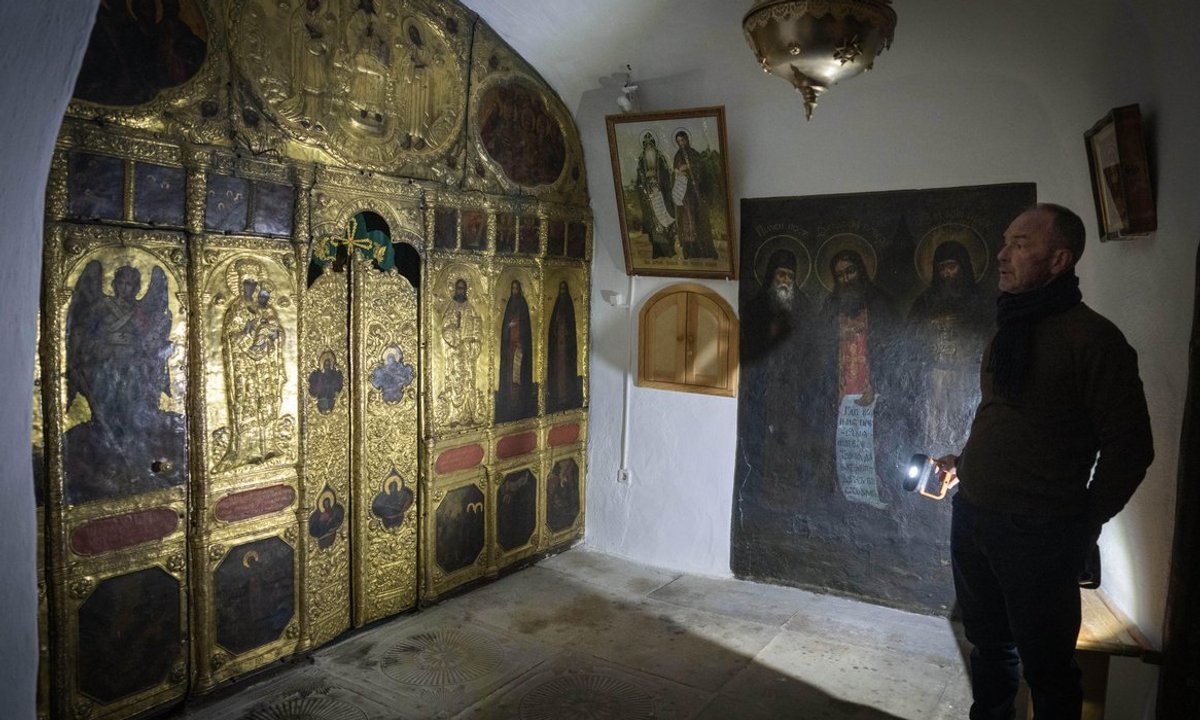
UNESCO has expressed serious concern over recent Russian attacks damaging cultural heritage sites in Ukrainian cities including Odesa, Lviv, and Kyiv. The winter bombardment has targeted power grids and infrastructure, complicating the work of museums and cultural institutions. The Kyiv-Pechersk Lavra, a World Heritage Site, suffered its first military damage since WWII, and the historic center of Odesa, already on UNESCO's endangered list, saw its Holy Dormition Monastery severely hit.