filter_list Showing 24 results for "Void" close Clear
dashboard All 24 museum exhibitions 14article news 4article culture 2rate_review review 2article local 1trending_up market 1
date_range Range Today This Week This Month All
Subscribe

On Paranoid Time

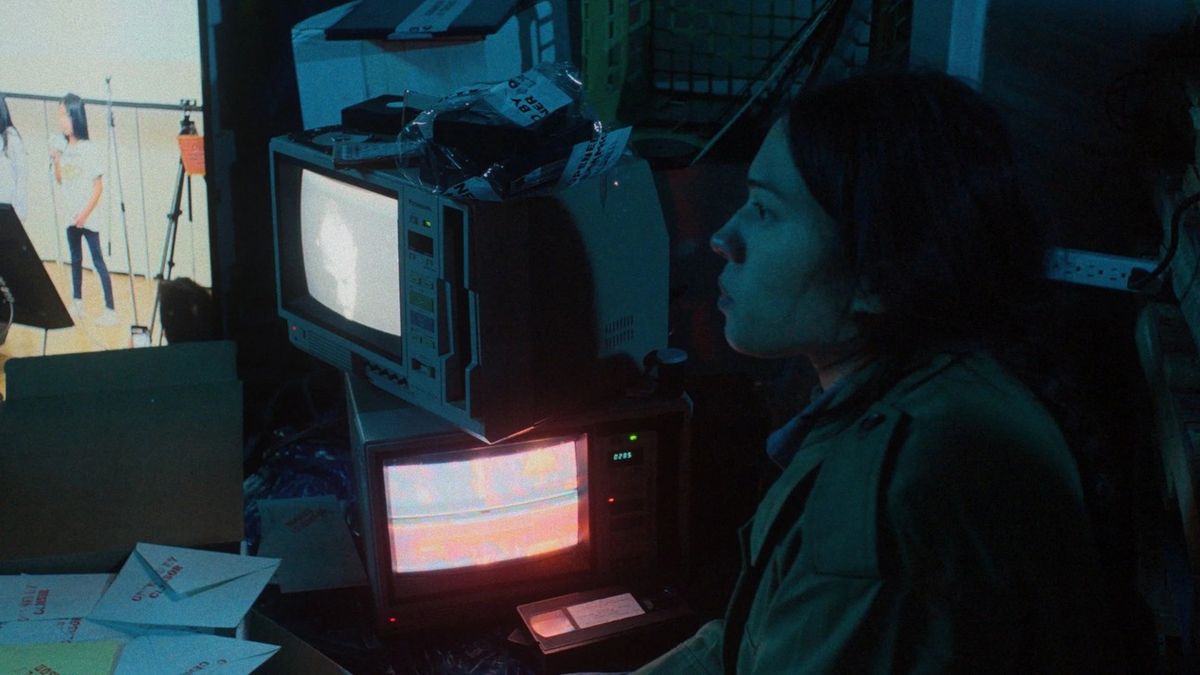
Film Notes has published Qingyuan Deng's essay exploring the intersection of Lacan's concept of retroactive meaning and Eve Kosofsky Sedgwick's distinction between paranoid and reparative reading, as applied to recent artists' films and moving-image installations. The essay examines how works like Alison Nguyen's installation "Perforation, Ellipse" at New York's Storefront for Art and Architecture use cinematic techniques—such as perforations, splices, and missing scenes—to hold the temporal gap between an event and its belated political comprehension, focusing on the censorship of Vietnamese bolero songs after the American War.
Getting Messy in the Archive at LA’s Art Book Fair

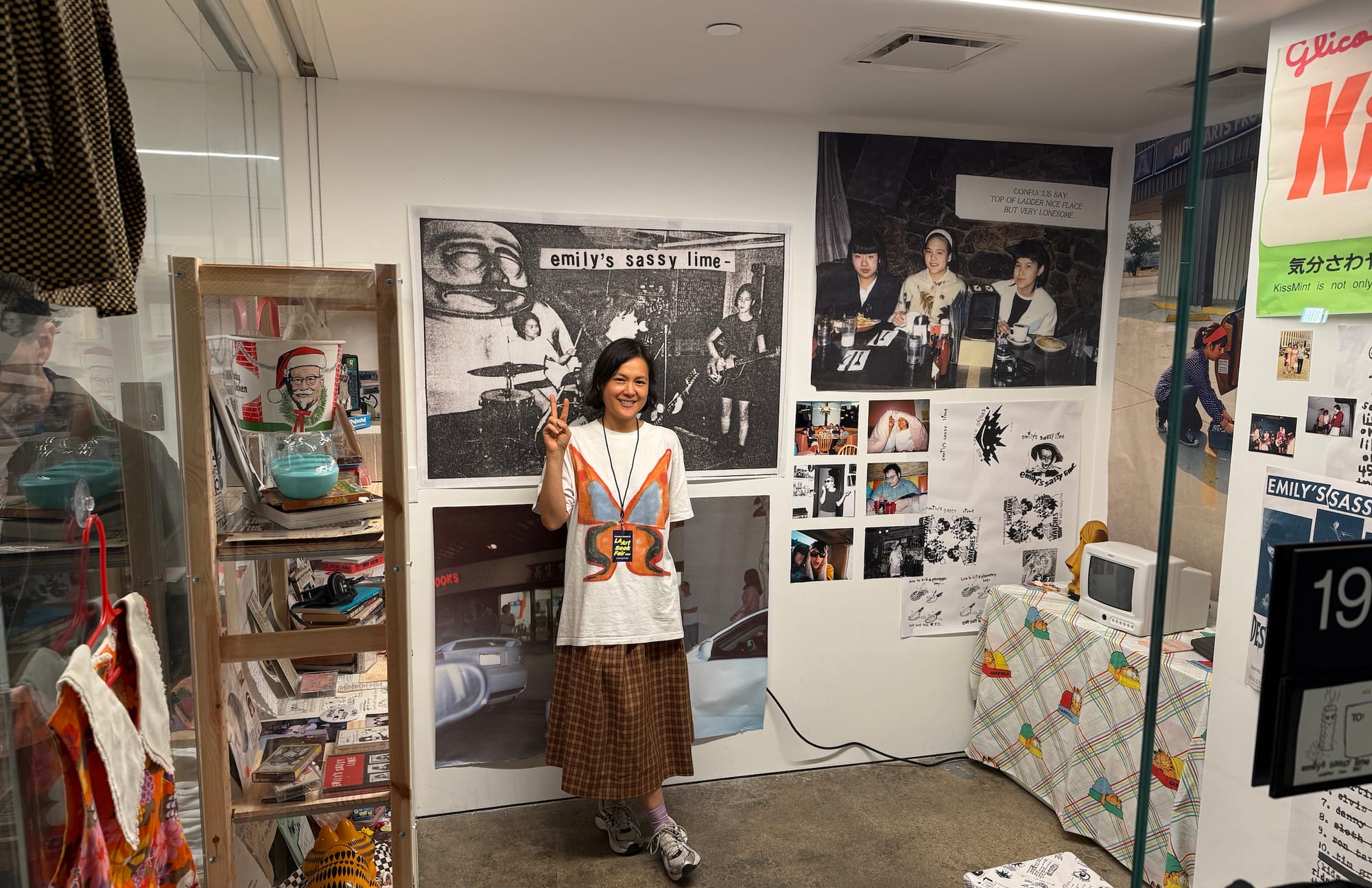
Printed Matter's Los Angeles Art Book Fair returned to the Art Center College of Design in Pasadena for its 13th edition, featuring over 250 exhibitors—slightly fewer than last year—with about a fifth participating for the first time. A common thread across the fair was the archive: publications that excavate, remix, and repurpose historical media, from a book chronicling a 1960s hoax about animal nudity to a compendium of vintage photographs that subvert male subjectivity, and a collection of found photos from abandoned houses in rural Maine. The fair also highlighted diasporic and personal archives, including a Palestinian-American artist's cassette mixtape tracing music from the Middle East and an artist-run press focusing on translation as cultural resistance.

Alma Allen’s US Pavilion Is One of the Emptiest Shows at the Venice Biennale

Alma Allen represents the United States at the 2026 Venice Biennale with a subdued, apolitical exhibition inside the US Pavilion. The show features roughly 25 sculptures—mostly in bronze, wood, and stone—many titled "Not Yet Titled," and deliberately avoids overt political messaging. This marks a stark departure from the previous two US pavilions, curated by Simone Leigh (2022) and Jeffrey Gibson (2024), which directly confronted colonialism and empire. The Trump administration’s call for proposals explicitly asked for work that "reflects and promotes American values," and Allen’s presentation has been criticized as safe, unremarkable, and lacking the incisive edge of contemporary American art.

Alma Allen Offers a Quiet Vision in Venice—Even as Questions Swirl the U.S. Pavilion

Alma Allen's exhibition "Call Me the Breeze" has opened at the U.S. Pavilion for the 61st Venice Biennale. The Utah-born sculptor presents a pared-down, whimsical show that contrasts with the bombastic work of his predecessors, grouping new and old pieces to explore themes of conflict, mourning, and transcendence inspired by Hieronymus Bosch's *Visions of the Afterlife*. The exhibition was produced hurriedly over a few months, and Allen, who typically leaves his works untitled, felt compelled to explain his art for the first time in 30 years amid controversy surrounding his commission.

Let It Work If It Works. In Conversation with Rose Wylie by David Kohn

Rose Wylie, the first female painter to receive a solo exhibition at London's Royal Academy of Arts, discusses her career and the RA show in an interview with architect David Kohn. Wylie reflects on the historic nature of the invitation, crediting artist Cornelia Parker for championing the opportunity, but emphasizes that she wants her work to be judged as painting first, not through the lens of gender. She explains her choice of large-scale canvases as a response to the male-dominated art world when she returned to painting, and describes her decision to paint the RA's gallery walls white to maintain architectural coherence and avoid what she calls 'fashionable' colored interiors.

8 New Art Exhibitions You Cannot Miss This May

This May, galleries across India are presenting a diverse array of new art exhibitions, ranging from postcolonial installations and forgotten print histories to deeply personal paintings and sculptural storytelling. Highlights include Sri Lankan artist Shanaka Kulathunga's solo show 'Silent Stories' at Bikaner House, exploring memory and displacement; the group exhibition 'In the Telling' at Chemould Prescott Road in Mumbai, focusing on narrative-making and fragmented memory; and 'An Ancient Ballad' at Emami Art in Kolkata, drawing from mythology and folklore. Other notable shows include a retrospective of modernist A. A. Raiba at Thapar Gallery, the politically charged 'The Architecture Of The Void' at Gallery Dotwalk, and Navjot Altaf's 'Waste Archives as Landscape' at CSMVS museum in Mumbai.

At the Venice Biennale I saw anger at Russia and Israel – and its leadership pretending everything was fine | Charlotte Higgins

At the 2024 Venice Biennale, the Russian pavilion returned with festive performances and prosecco deliveries, drawing sharp criticism from observers who saw it as a propaganda effort to distract from Russia's war in Ukraine. Meanwhile, Ukraine's Kramatorsk was bombed, and protests erupted, including a Pussy Riot intervention. Biennale president Pietrangelo Buttafuoco defended Russia's and Israel's participation, rejecting preemptive bans despite open letters and appeals. European Commission investigated potential sanctions breaches, and culture ministers from Ukraine, Poland, Estonia, and Baltic states boycotted or condemned the biennale's stance, accusing it of yielding to the aggressor.

Comment | We must avoid amputating art in the name of preservation

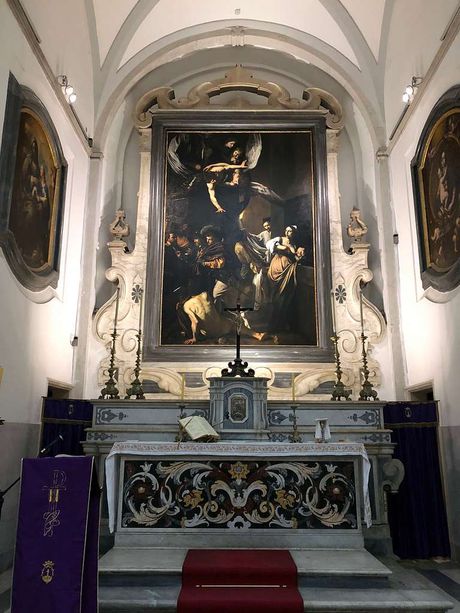
The article recounts the author's experience viewing Caravaggio's *Seven Acts of Mercy* (1607) in its original chapel in Naples, where the painting's crowded, dramatic composition directly mirrors the chaotic streets of the city, revealing its sacred meaning through context. In contrast, the author describes Caravaggio's *Flagellation of Christ* (1607), moved from the church of San Domenico Maggiore to the Museo di Capodimonte for security reasons, as a painting "marooned"—its spiritual purpose broken, reduced to a mere object for aesthetic appreciation.

The best and worst we saw at the Venice Art Biennale 2026. Artribune's hits and flops

Il meglio e il peggio che abbiamo visto alla Biennale d’Arte di Venezia 2026. Top e flop di Artribune

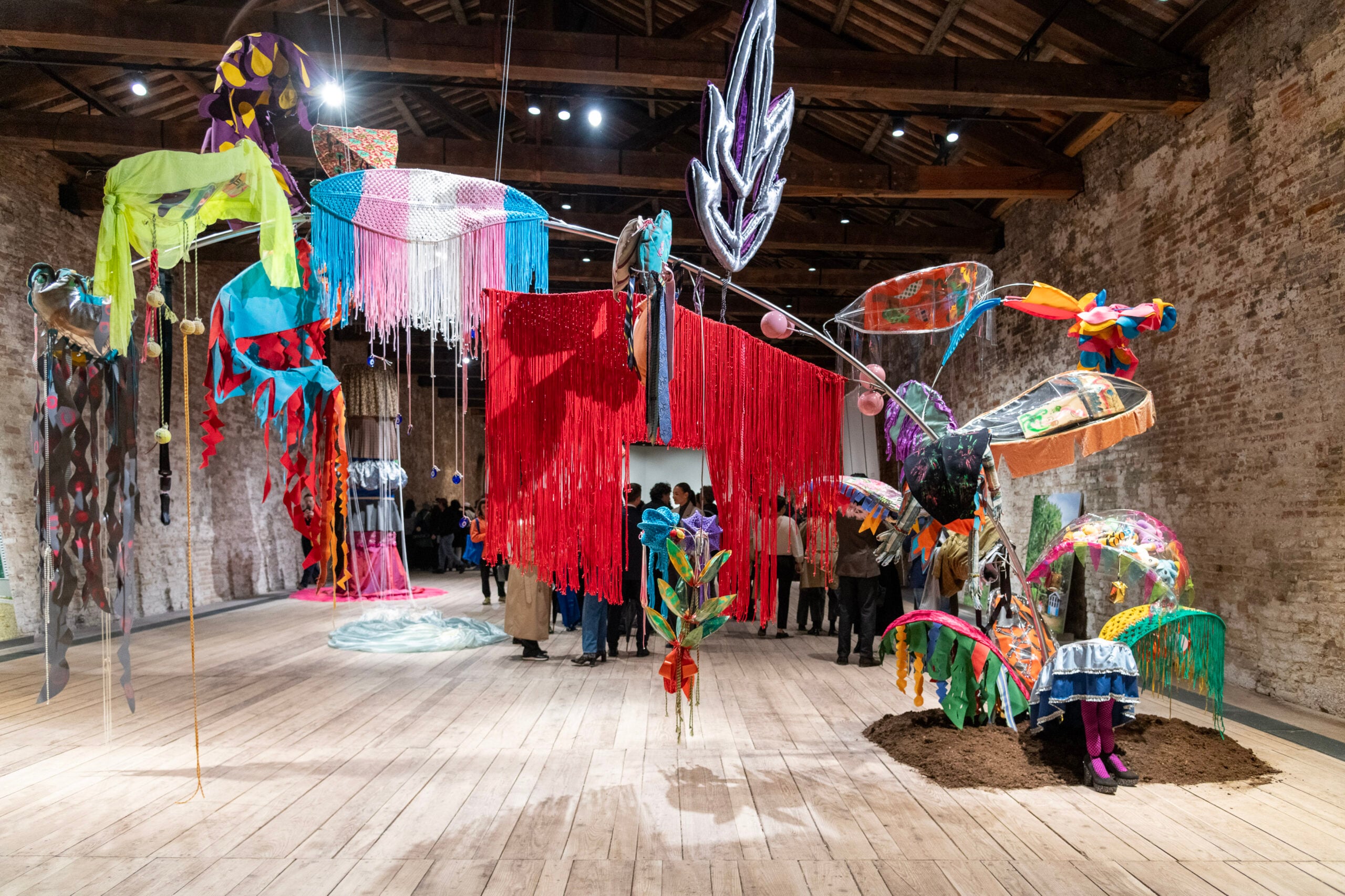
The 61st Venice Biennale, titled "In Minor Keys" and directed by Koyo Kouoh, opened amid significant turmoil: the death of a newly appointed curator, diplomatic tensions over the presence of Russia and Israel, political protests, and the unprecedented collective resignation of the jury, which led to the Golden Lions being awarded by public vote for the first time. Despite this chaotic backdrop, the exhibition—featuring a record 100 national pavilions—has been widely praised for avoiding moralistic pedagogy and instead embracing visual seduction, formal quality, and sensory joy while addressing themes of identity, memory, colonialism, ecological crisis, and violence. The article highlights top and flop moments from the opening week, including strong showings by Biennale president Pietrangelo Buttafuoco and a standout exhibition at Fondazione Prada.

Koray Duman is Architecting Engagement from the Venice Biennale to Carnegie International

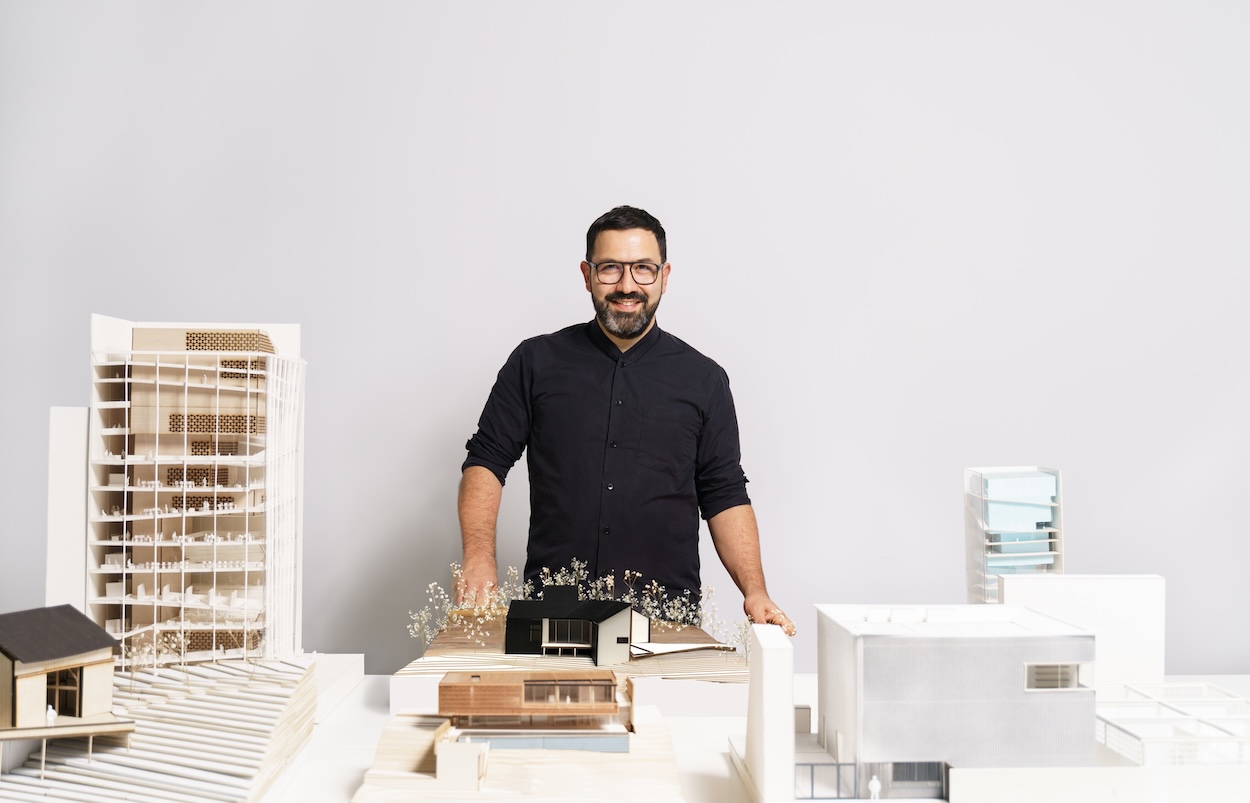
Architect Koray Duman and his studio Büro Koray Duman (B-KD) have unveiled five major international projects, including designs for the UAE National Pavilion and Denniston Hill's special project at the 61st Venice Biennale, the 59th Carnegie International in Pittsburgh, the National Academy's "Future Schools" exhibition in New York, and a multi-generational upstate residential project. Duman's work emphasizes inclusivity, cultural exchange, and architecture as a social tool, with installations like "Chimera" for Denniston Hill and a sound-and-memory-focused pavilion for the UAE.

Amid ceasefire, Tehran museum opens ‘Art & War’ exhibit spotlighting US Jewish artist

Tehran's Museum of Contemporary Art has opened an exhibition titled 'Art & War' featuring works by American Jewish artist Peter Saul, amid a fragile ceasefire between Israel and Hezbollah. The show includes Saul's provocative paintings that critique war and political violence, marking a rare cultural exchange in a country where official rhetoric often opposes Israel and the United States.

The Art and History Museum of Sainte-Anne Hospital showcases the emblematic works by artist-patients.

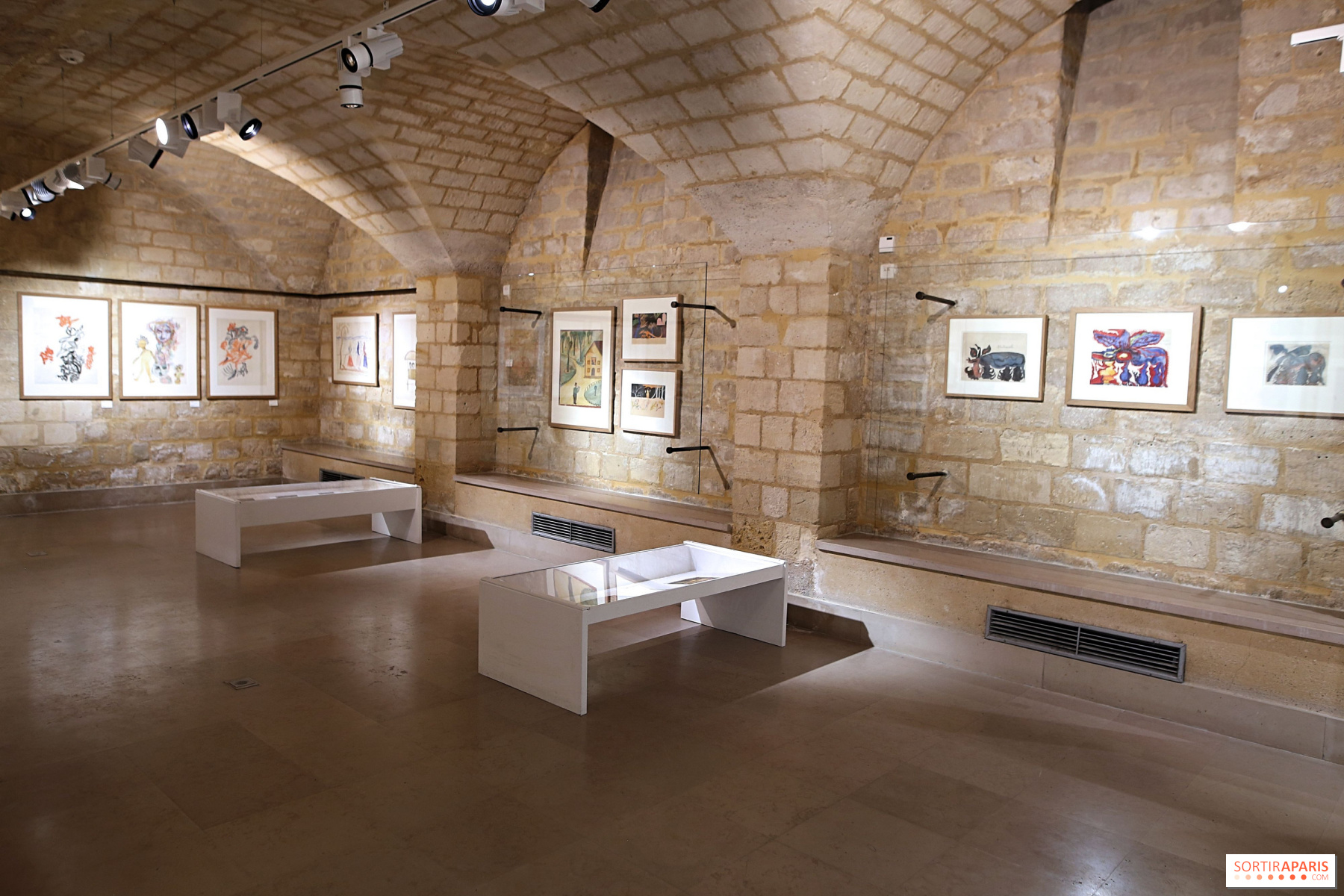
The Museum of Art and History of Sainte-Anne Hospital (MAHHSA) in Paris is presenting an exhibition titled "Masterpieces at the Heart of the Sainte-Anne Collection" from April 16 to July 26, 2026. The show features 145 works by artist-patients from the 19th century to today, including pieces by Aloïse Corbaz, Unica Zürn, Guillaume Pujolle, Maurice Blin, and Caroline Macdonald. Curated by Anne-Marie Dubois, the exhibition is organized into six thematic sections—such as "History of asylum and refuge" and "Imaginary universes"—to allow the works to dialogue without being reduced to the artists' illnesses. The museum also highlights Yayoi Kusama, who has long described her art as therapy.

I'm a punk artist, I don't give a damn

"Ich bin Punk-Künstlerin, ich geb einen Scheiß drauf"

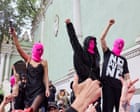
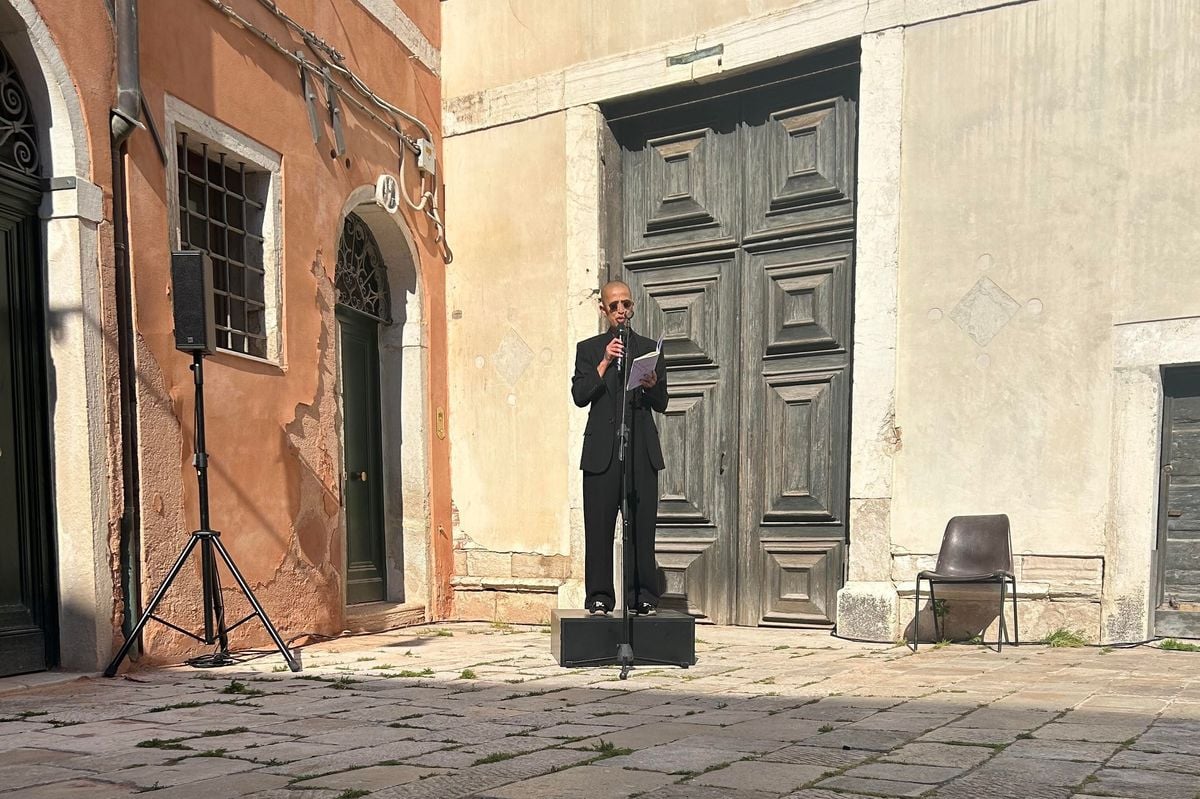
During the opening week of the Venice Biennale, the Russian activist and Pussy Riot member Nadya Tolokonnikova staged a protest against the Russian pavilion, wearing pink balaclavas and chanting slogans like "Blood is Russia's Art." Meanwhile, Florentina Holzinger's Austrian pavilion, subtitled "I Live in Your Piss," drew massive crowds with its scatological installations and extreme performances, causing wait times of up to two and a half hours. German media critics have widely covered the Biennale's heightened political tone, with debates over boycotts of Russia and Israel, and the tension between art and activism.

"Hier darf laut gelacht werden"

During the opening week of the Venice Biennale, multiple reports detail controversies surrounding the Israeli and Russian pavilions. According to Hyperallergic, artist Belu-Simion Fainaru of the Israeli pavilion threatened legal action against the Biennale after the jury sought to exclude Israel and Russia from prizes over alleged human rights violations, citing antisemitism and nationality-based discrimination. This may have prompted the jury's sudden resignation. Meanwhile, taz reports that Russia's pavilion is a macabre 'dance of death' blending techno and political denial, while Israel's pavilion faces a 'silent boycott' and social ostracism. Zeit describes protests by Pussy Riot and Femen outside the Russian pavilion as a defining image, with activists chanting 'blood sticks to the art of this country.'

All 3.5 Million Pages of the Epstein Files Are Now on View at This Pop-Up Exhibition

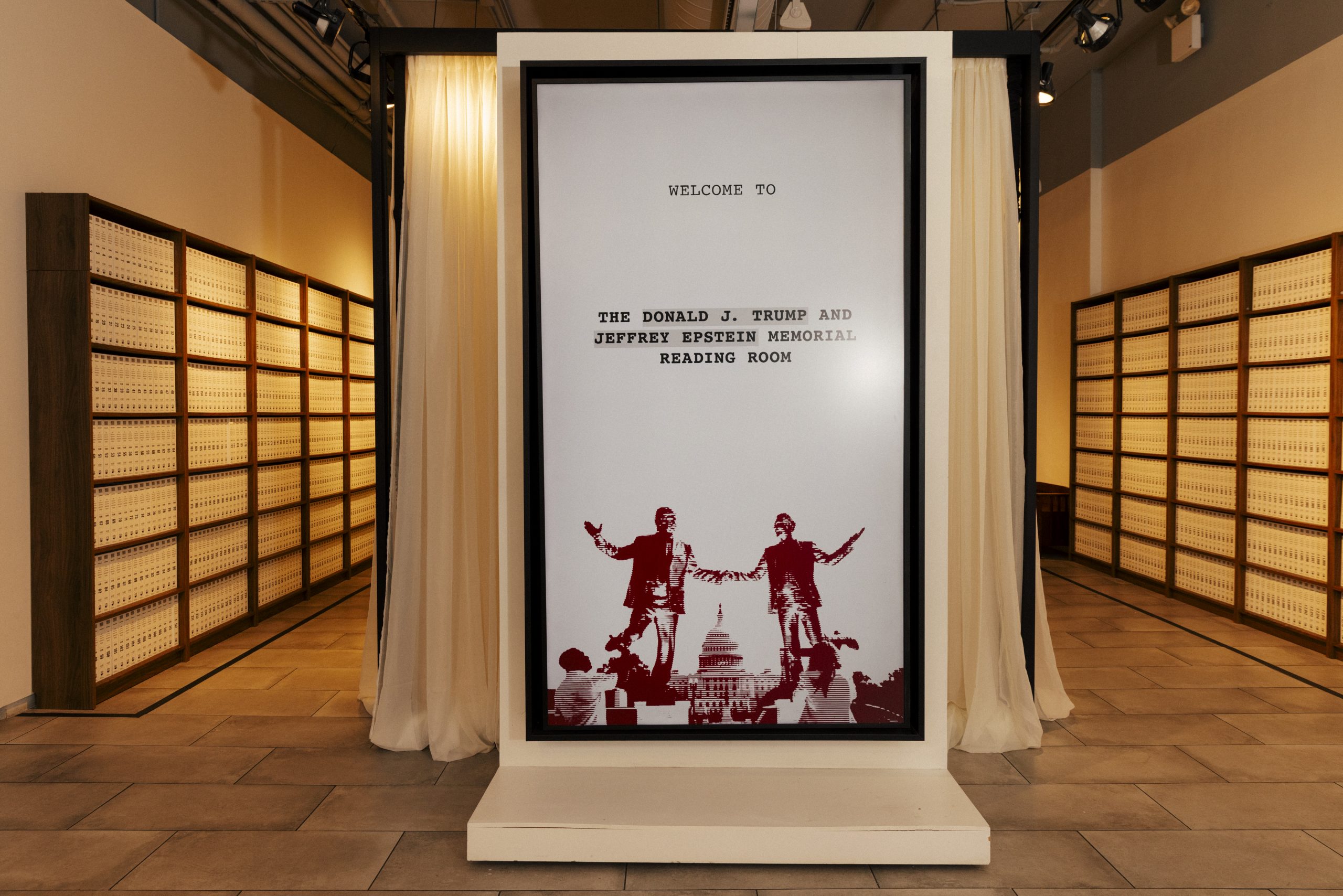
The Institute for Primary Facts has transformed New York's Mriya Gallery into the Donald J. Trump and Jeffrey Epstein Reading Room, a pop-up exhibition displaying all 3.5 million pages of the released Epstein files in 3,437 bound volumes. Open from May 8 to May 21 in Tribeca, the installation is the group's first live project, requiring visitors aged 16 and over to book appointments via a platform called Trumpsonian. Only accredited press, Congress, law enforcement, and victims' advocates may open the volumes, due to the Department of Justice's failure to properly redact victims' names.

In her Venice exhibition, Hanna Rochereau wants to archive the archive

Nella sua mostra a Venezia, Hanna Rochereau vuole archiviare l’archivio

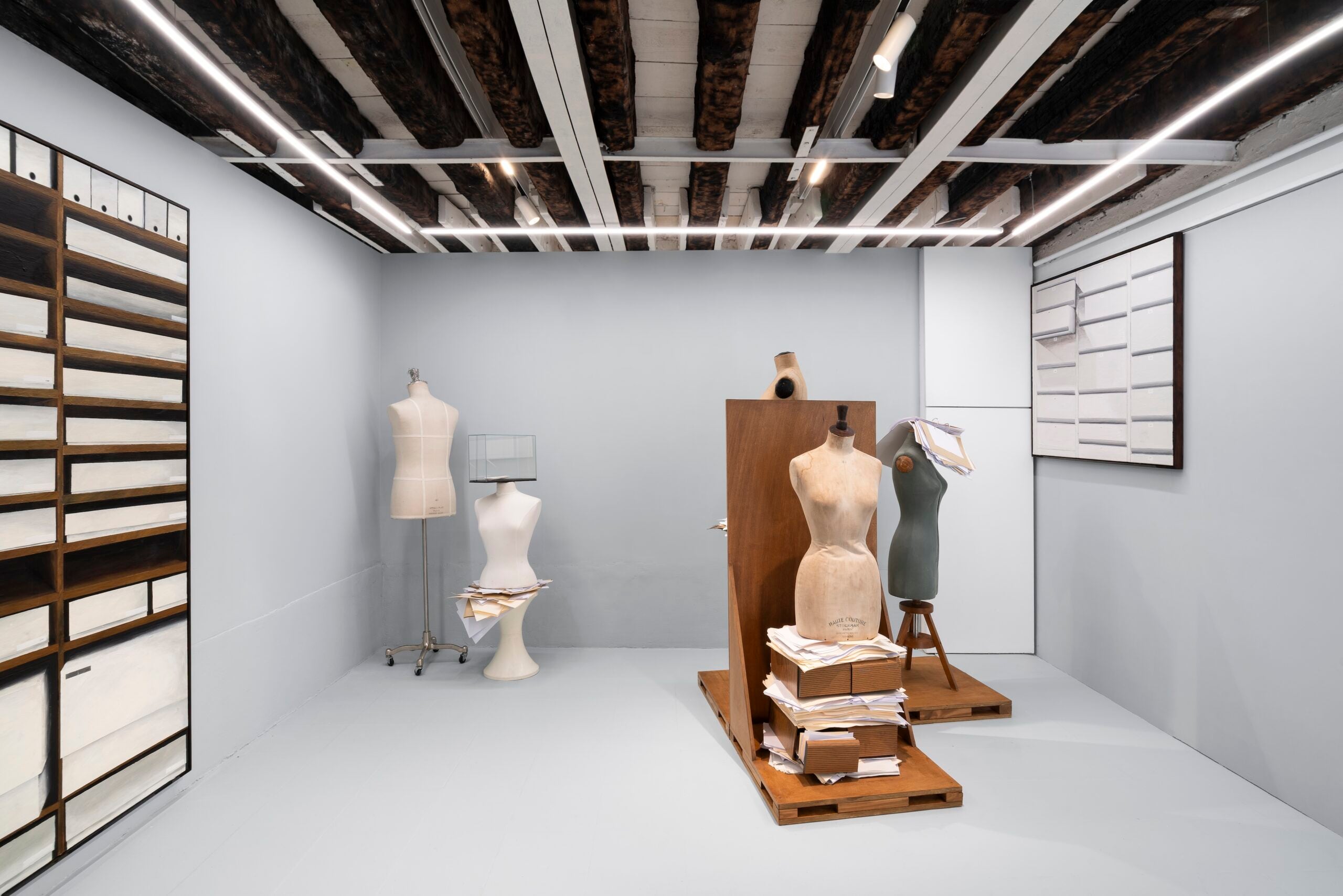
Hanna Rochereau (Paris, 1995) presents her first solo exhibition in Italy, titled "Data Divas," at Mare Karina gallery in Venice. The show explores archival systems through a dialogue between painting and sculpture: canvases depict orderly shelves and filing cabinets filled with impenetrable boxes, while sculptural elements—tailor's mannequins, scattered papers, open drawers—introduce disorder. Rochereau uses a restrained palette of white and wood tones, referencing early 20th-century cubist and metaphysical art, particularly Morandi. The exhibition runs until July 18, 2026.

From Eurovision to the Venice Biennale, culture contests are being overshadowed by politics

The Venice Biennale and Eurovision Song Contest are being overshadowed by political controversies rather than artistic merit. At the Venice Biennale, the Russian pavilion opened for press previews for the first time since the Ukraine invasion, a decision that may cost the festival €2m in EU funds. The Israeli pavilion will open despite protests from 200 artists and curators, while the South African pavilion will remain empty after its government blocked an artist's tribute to a Palestinian poet. The Iranian pavilion is also shut, and the awarding jury has resigned en masse, meaning no Golden or Silver Lion awards will be given for the first time in 40 years. Similarly, Eurovision's 70th anniversary is dominated by five countries boycotting over Israel's participation, with little focus on the music.

Delicacy as Resistance. Interview with the Curator of the Turkey Pavilion at the Venice Biennale

La delicatezza come resistenza. Intervista alla curatrice del Padiglione Turchia alla Biennale di Venezia

For the 2026 Venice Biennale, the Turkey Pavilion, commissioned by the Istanbul Foundation for Culture and Arts (İKSV), will present "A Kiss on the Eyes" by artist Nilbar Güreş, curated by Başak Doğa Temür. The exhibition takes its title from a Turkish expression conveying affectionate closeness without intrusion, and features a mix of new productions and earlier works spanning sculpture, installation, painting, and works on paper and fabric. In an interview, curator Temür explains that the project avoids a retrospective or didactic approach, instead creating a spatial rhythm of approach, pause, and slight withdrawal, where intimacy, politics, irony, and fragility press against one another.

Nature is healing? Seagull lays eggs in the Giardini during Venice Biennale preview

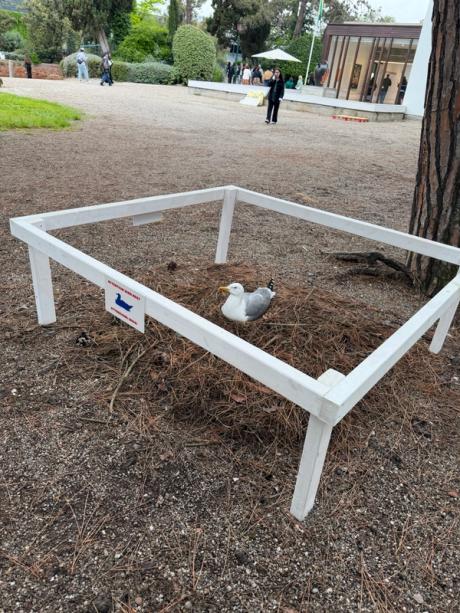
During the VIP preview of the Venice Biennale, a seagull laid three eggs near the entrance of the Polish Pavilion in the Giardini. Pavilion staff built a protective barrier around the nest and warned visitors to avoid the protective bird, which one Italian collector called "the main attraction."

AlUla Arts Showcases More than 20 Artists at 61st Venice Biennale

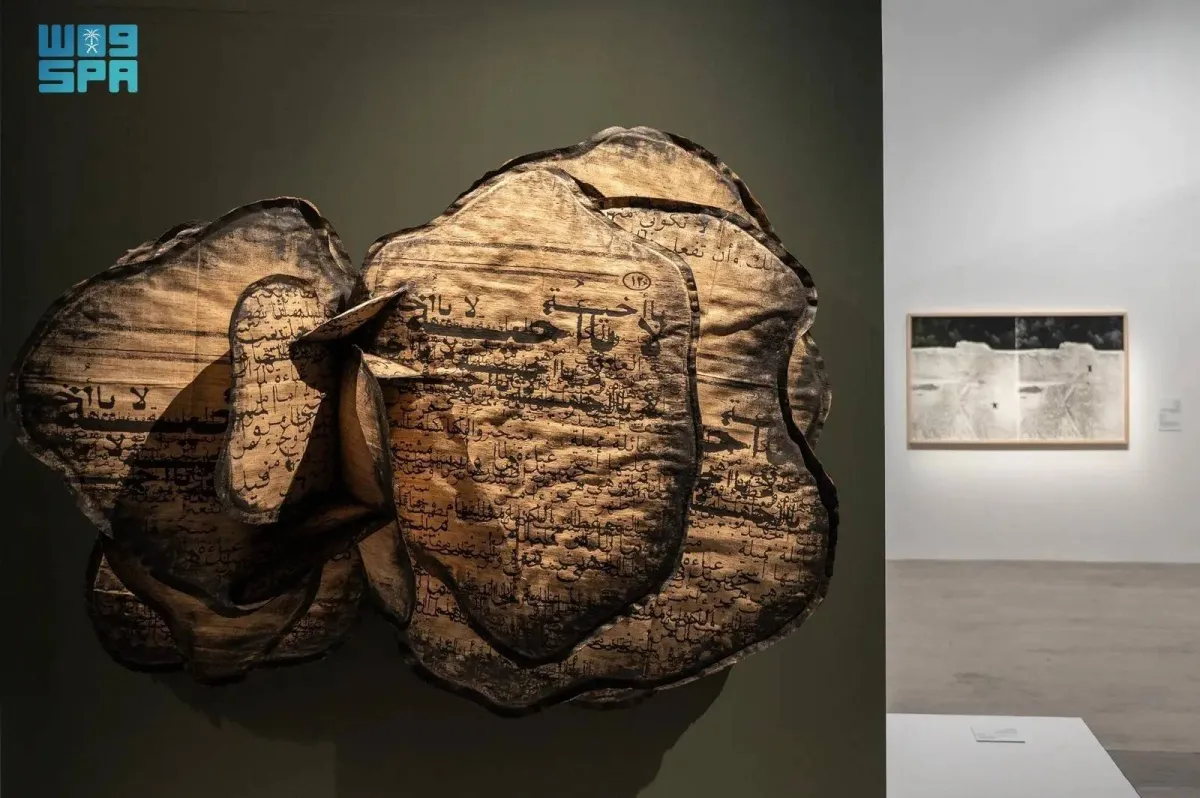
A contemporary art fair called "This is Normal" has been held in Kyiv, Ukraine, during wartime, organized by the Art Kyiv fair. The event features over 20 Ukrainian artists and galleries at the Lavra Gallery, deliberately avoiding any direct reference to the war in its booths or artworks. Organizers and participants describe the fair as a space for cultural continuity and psychological respite, where art helps people make sense of a reality shaped by missile strikes and loss.

Ukrainians seeking cultural escape from war’s brutality find comfort and resilience at Kyiv art fair

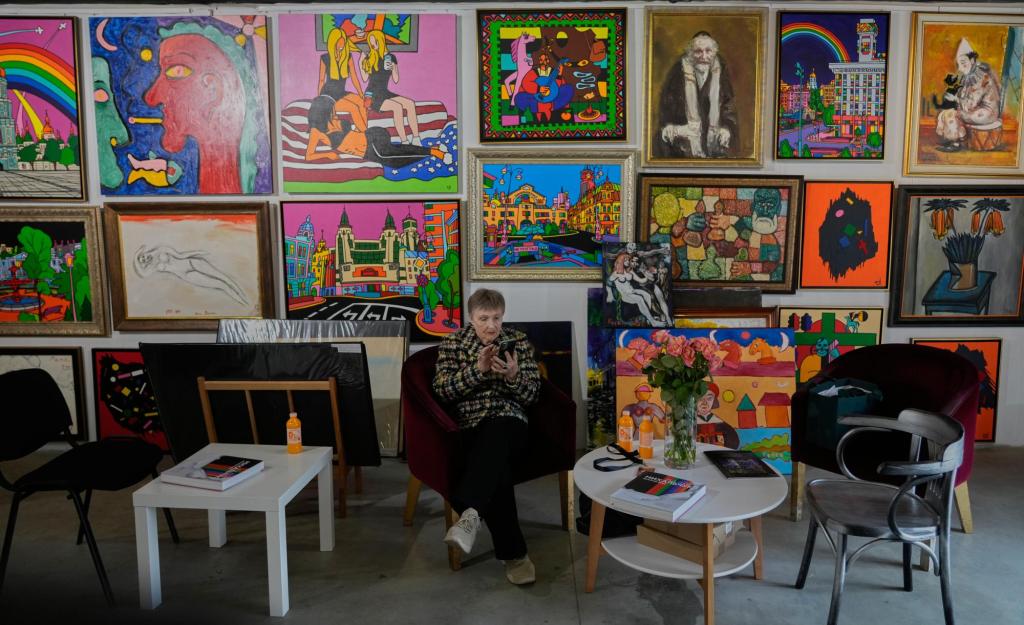
The Art Kyiv fair, titled "This is Normal," has been held in Kyiv, Ukraine, as a contemporary art event designed to help society cope with the realities of war. Organized by director Anna Avetova, the fair features hundreds of works by Ukrainian artists at the Lavra Gallery, deliberately avoiding any booths dedicated to the war itself. The event aims to provide cultural continuity, emotional sustenance, and a boost to the domestic art market, which has struggled since the COVID-19 pandemic and the Russian invasion.

As the South African Pavilion Sits Empty, Gabrielle Goliath Continues a ‘Life-Work of Mourning’

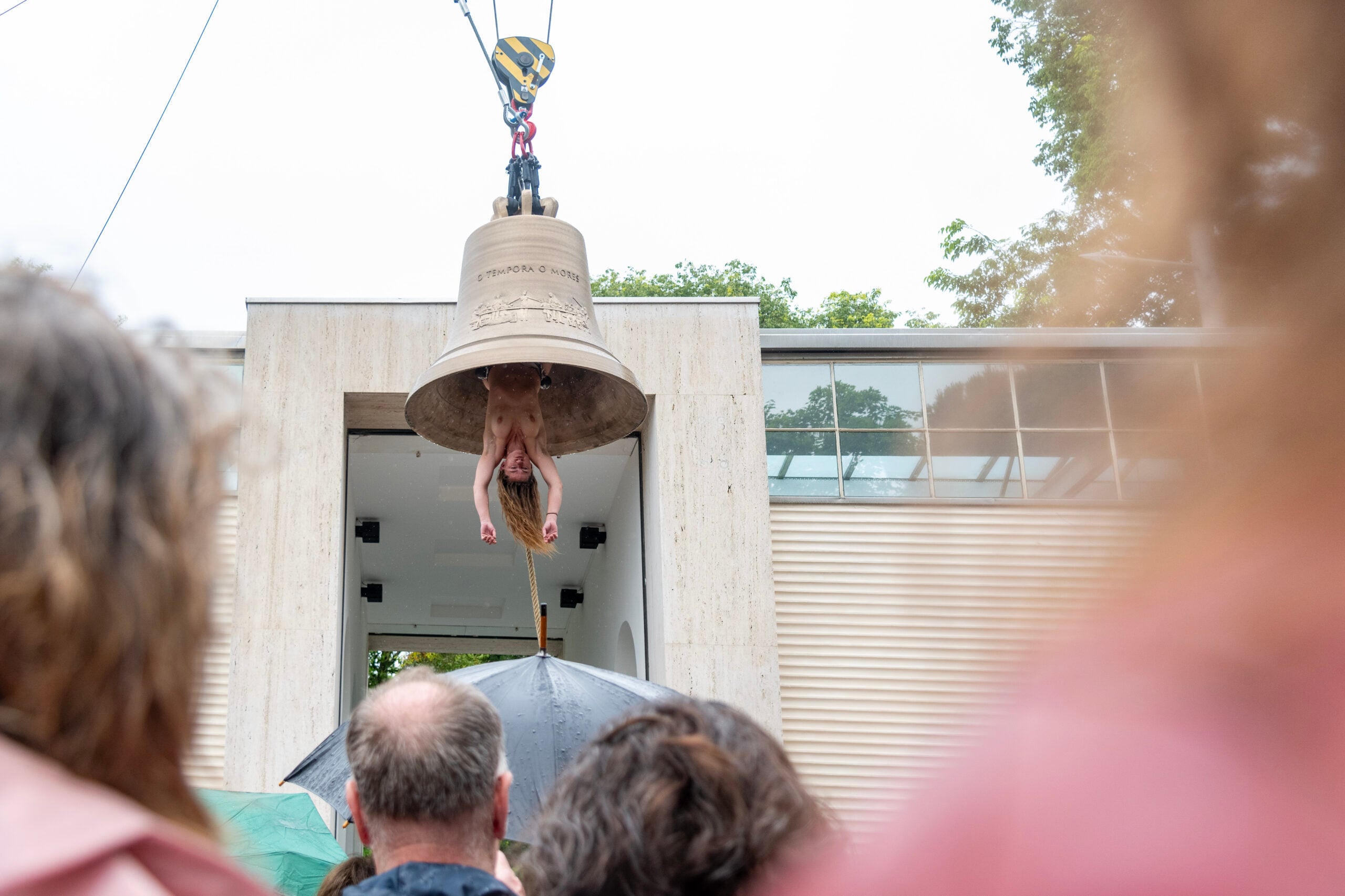
South African artist Gabrielle Goliath inaugurated an off-site Venice exhibition with a public poetry reading after her official presentation at the South African Pavilion was canceled. The performance, part of her ongoing series *Elegy* (2015), features seven singers sustaining a single tone for an hour as a mourning ritual. The work addresses femicide, rape culture, and the killing of Palestinian civilians, and includes new video and sound installations lamenting specific victims: South African teenager Ipeleng Christine Moholane, Nama women killed during Germany’s colonization of Namibia, and Palestinian poet Hiba Abu Nada. The South African Department of Sport, Arts and Culture rescinded Goliath’s invitation in January, deeming the work “related to an ongoing international conflict that is widely polarising.” Goliath unsuccessfully challenged the decision in South Africa’s high court, and the exhibition now runs throughout the Venice Biennale outside the official program before traveling to London in October.

"Dispossessions in the Americas" Confronts the Colonialism That Invades All Territory

The article reviews "Dispossessions in the Americas," a group exhibition at Wrightwood 659 in Chicago curated by Jonathan D. Katz and Eduardo Carrera. Featuring works from 1960 to 2025, the show examines colonial legacies in the Americas, focusing on the forced dispossession of land, culture, and language from indigenous, Afro-descendant, queer, and trans communities. The review critically questions how a polished, architecturally prestigious venue can coherently display art about socially voiceless communities without falling into voyeurism or fetishization of pain.

Dealers Face a Choice: Show Solo Artists? Or Groups?

Art dealers are weighing the strategic decision of whether to present solo artist booths or group shows at art fairs. Solo booths allow visitors to focus deeply on a single artist's work, avoiding the sensory overload of multiple artists, while group booths offer variety and broader market appeal. The choice often varies depending on the fair and the dealer's goals.