filter_list Showing 16 results for "colonialism" close Clear
dashboard All 16 museum exhibitions 11article news 2rate_review review 2person people 1
date_range Range Today This Week This Month All
Subscribe

Researchers Identify Enslaved Boy in Joshua Reynolds Painting

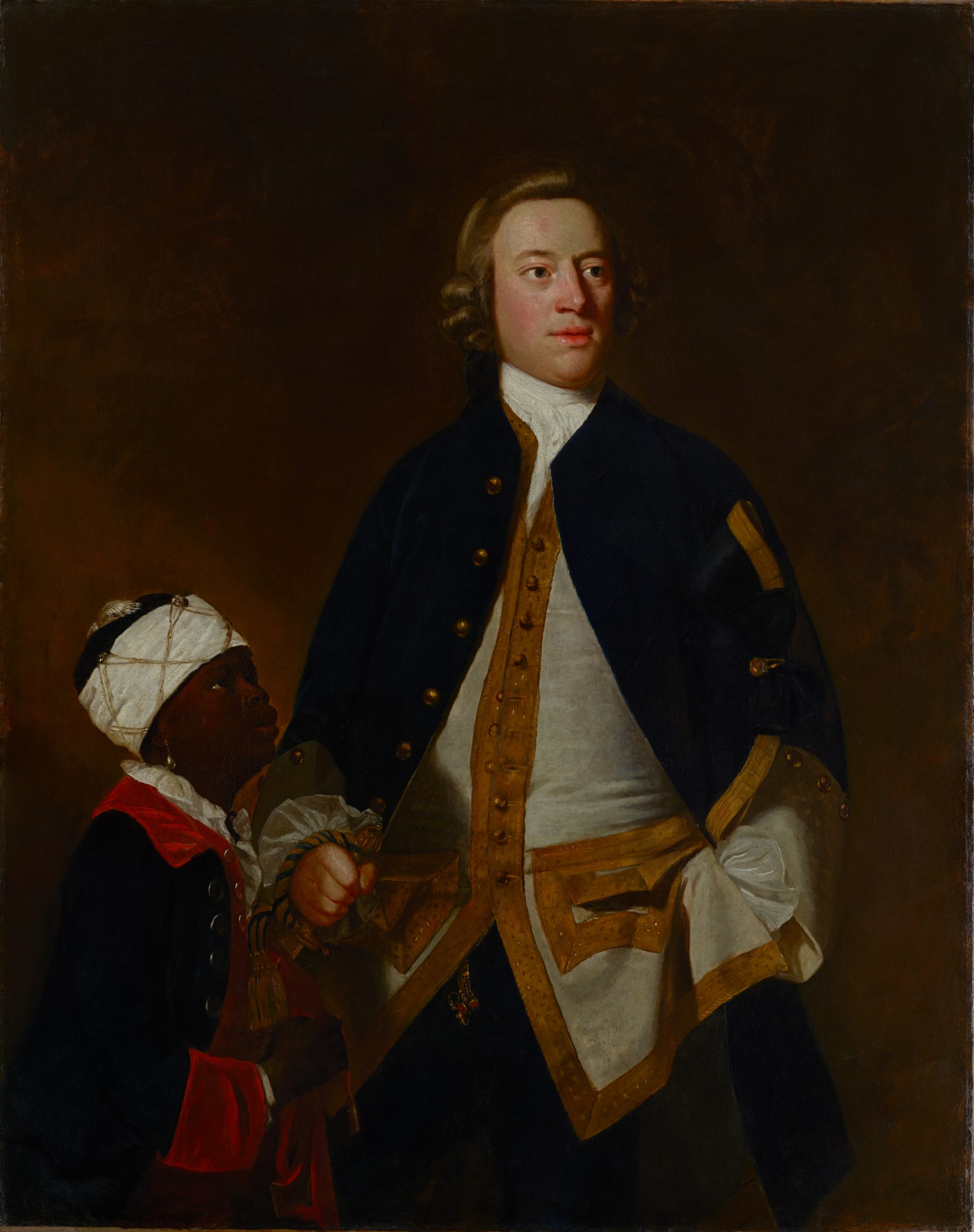
Researchers in the U.K. have identified the enslaved boy depicted in Joshua Reynolds's 1748 painting of Royal Navy lieutenant Paul Henry Ourry. For centuries known only as "Jersey," the boy has been identified as George Walker, also called Boston Jersey, through baptismal and admiralty records. Walker was baptized at age 15 in Westminster in 1752, served on HMS Monmouth and HMS Deptford, and was discharged in 1753, after which his fate remains unknown. The research, a collaboration between the National Trust, the National Gallery in London, and Royal Museums Greenwich, also used scientific analysis to reveal Reynolds's original compositional intentions.
Kader Attia to Curate 2027 Kochi-Muziris Biennale

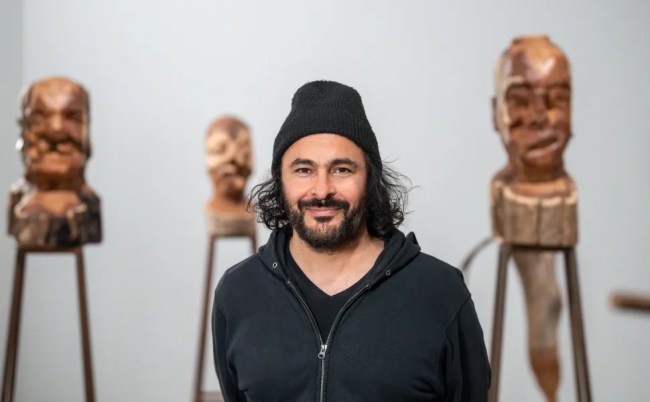
French Algerian artist, curator, and educator Kader Attia has been appointed curator of the Seventh Kochi-Muziris Biennale, scheduled to open in Kochi, India, in December 2027. The selection was made by a jury led by Biennale president Jitish Kallat and including Shilpa Gupta, Amrita Jhaveri, Pooja Sood, Tasneem Zakaria Mehta, Mariam Ram, and Rirkrit Tiravanija. Attia, who participated in the 2014 edition of the biennale, is known for his practice addressing social injustice, postcolonialism, and marginalized communities, and previously curated the 2022 Berlin Biennale.

V&A Rising Voices review – can decades of stunning global art really be squished into three rooms?

The V&A Museum in London has mounted an exhibition titled "Rising Voices" that attempts to summarize three decades of the Asia Pacific Triennial, a vast survey of contemporary art from Asia, Australia, and the Pacific organized by Queensland Art Gallery. The show crams works from multiple continents, island nations, and Indigenous cultures into just three rooms, featuring bark cloth paintings from Papua New Guinea, Indigenous Australian abstracts, shark sculptures from the Torres Strait, and Tahitian textiles. Many works address colonialism, political oppression, and tyranny, with artists like Elisabet Kauage, Pala Pothupitiye, and Svay Ken using art as resistance. The exhibition includes pieces by Maryam Ayeen, Abbas Shahsavar, Lila Warrimou, Pennyrose Sosa, Aline Amaru, Brenda V Fajardo, and Heri Dono.

Welcome to Venice: the shows you won’t want to miss at the 61st Biennale

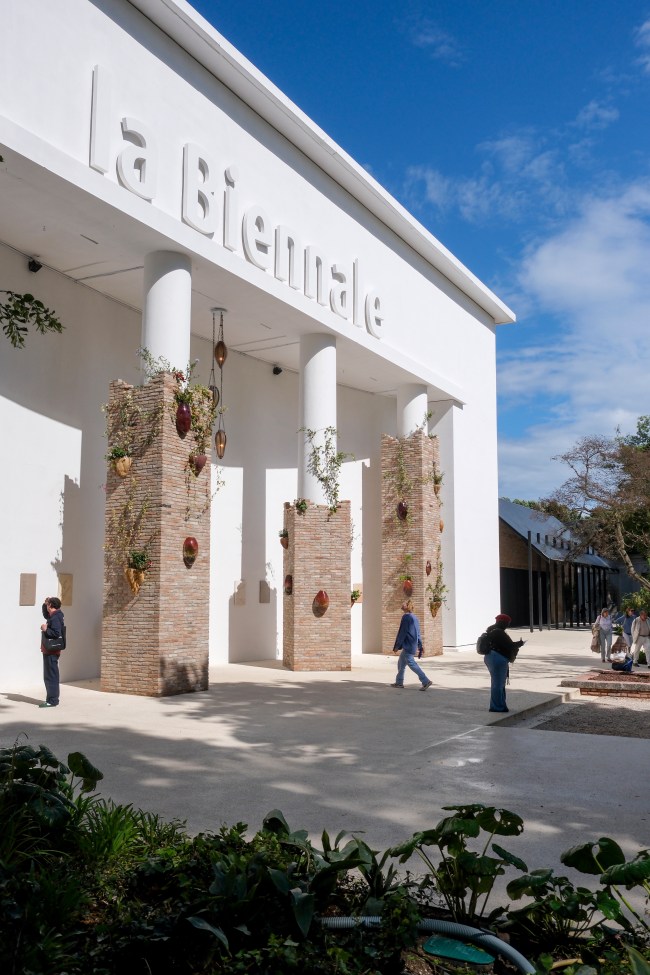
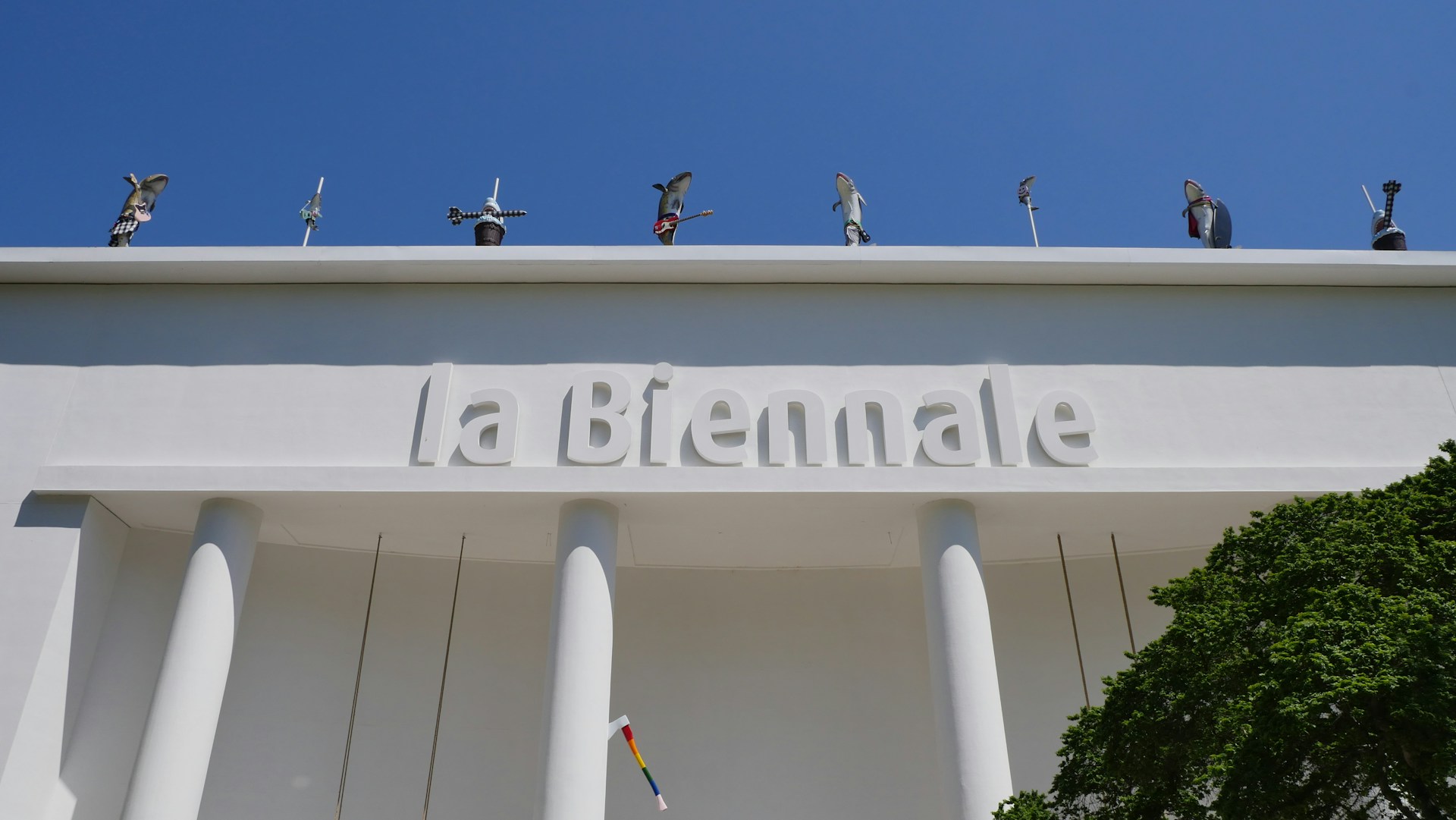
The 61st Venice Biennale, titled "In Minor Keys," opens with a keynote exhibition conceived by the late Koyo Kouoh and realized by her team after her sudden death in May 2025. The show spans the Central Pavilion in the Giardini and the Arsenale, featuring 110 artists and collectives. Highlights include Bracha L. Ettinger's installation at the Hotel Metropole, where she transforms a room where Sigmund Freud wrote part of *The Interpretation of Dreams* into a feminist 'borderspace,' and works by artists such as Arthur Jafa, Richard Prince, Issa Samb, Beverly Buchanan, and Daniel Lind-Ramos. The exhibition explores themes of history, colonialism, war, and environmental destruction, aiming for a 'sotto voce' tone that nonetheless delivers powerful, liberating statements.

The best and worst we saw at the Venice Art Biennale 2026. Artribune's hits and flops

Il meglio e il peggio che abbiamo visto alla Biennale d’Arte di Venezia 2026. Top e flop di Artribune

The 61st Venice Biennale, titled "In Minor Keys" and directed by Koyo Kouoh, opened amid significant turmoil: the death of a newly appointed curator, diplomatic tensions over the presence of Russia and Israel, political protests, and the unprecedented collective resignation of the jury, which led to the Golden Lions being awarded by public vote for the first time. Despite this chaotic backdrop, the exhibition—featuring a record 100 national pavilions—has been widely praised for avoiding moralistic pedagogy and instead embracing visual seduction, formal quality, and sensory joy while addressing themes of identity, memory, colonialism, ecological crisis, and violence. The article highlights top and flop moments from the opening week, including strong showings by Biennale president Pietrangelo Buttafuoco and a standout exhibition at Fondazione Prada.

Pio Abad Explores Home and Diaspora for the 2026 Venice Biennale

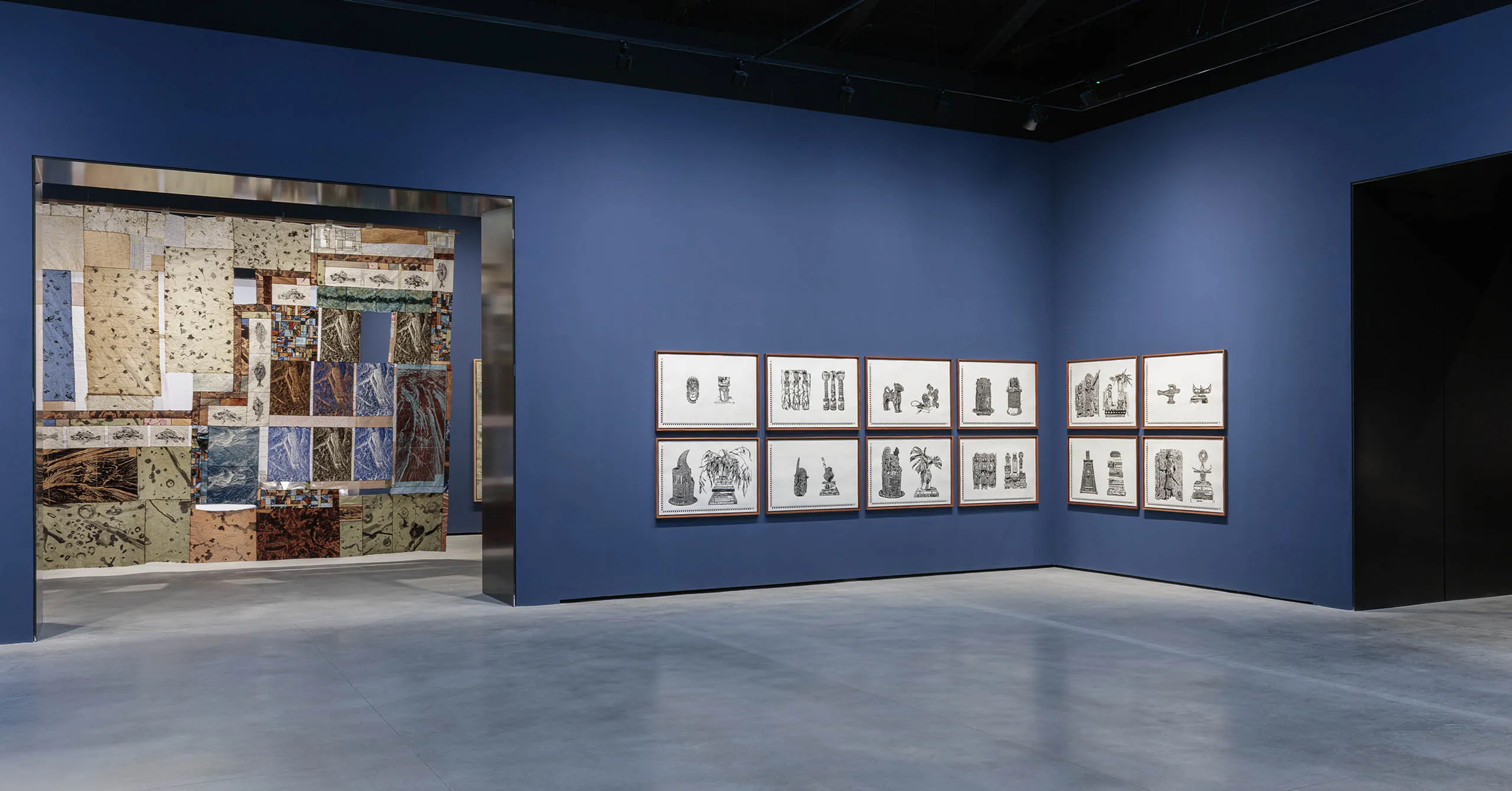
Filipino artist Pio Abad is presenting a series of intricate, hand-drawn works at the 2026 Venice Biennale as part of the exhibition "In Minor Keys," conceived by the late curator Koyo Kouoh. The works, created over four years with a 0.3-millimeter pen, include pieces such as "I’m Singing a Song That Can Only Be Born After Losing a Country" (first shown at the Ashmolean Museum in 2024), "Banua" (his first drawing on fabric), and "1897.76.36.18.6," which reflects on the looting of the Benin Bronzes. Abad, born in the Philippines and based in London, explores themes of migration, memory, exile, and the itinerant nature of objects and language.

Sandra Gamarra: “Réplica” Is Not a Copy

Sandra Gamarra Heshiki's exhibition "Réplica" at MASP in São Paulo opens with an unplanned replica of Francisco Laso's "Habitante de las cordilleras del Perú" (1855), which could not travel from Lima due to bureaucracy. Gamarra produced an inverted, altered version, establishing a critical distinction between copying and responding. The exhibition is organized into sections that parody the classical chronology of encyclopedic museums—"Pre-colonial," "Colonial," "Post-independence," "Modern," and "Contemporary"—transforming the museum into an object of analysis. Gamarra's paintings engage with colonial iconographies, such as the pinturas de castas, by inscribing racial classifications directly onto the figures, making the colonial verdict inseparable from the bodies depicted.

Venice Biennale 2026: The Pavilions Not to Be Missed

Biennale de Venise 2026 : les pavillons à ne surtout pas manquer

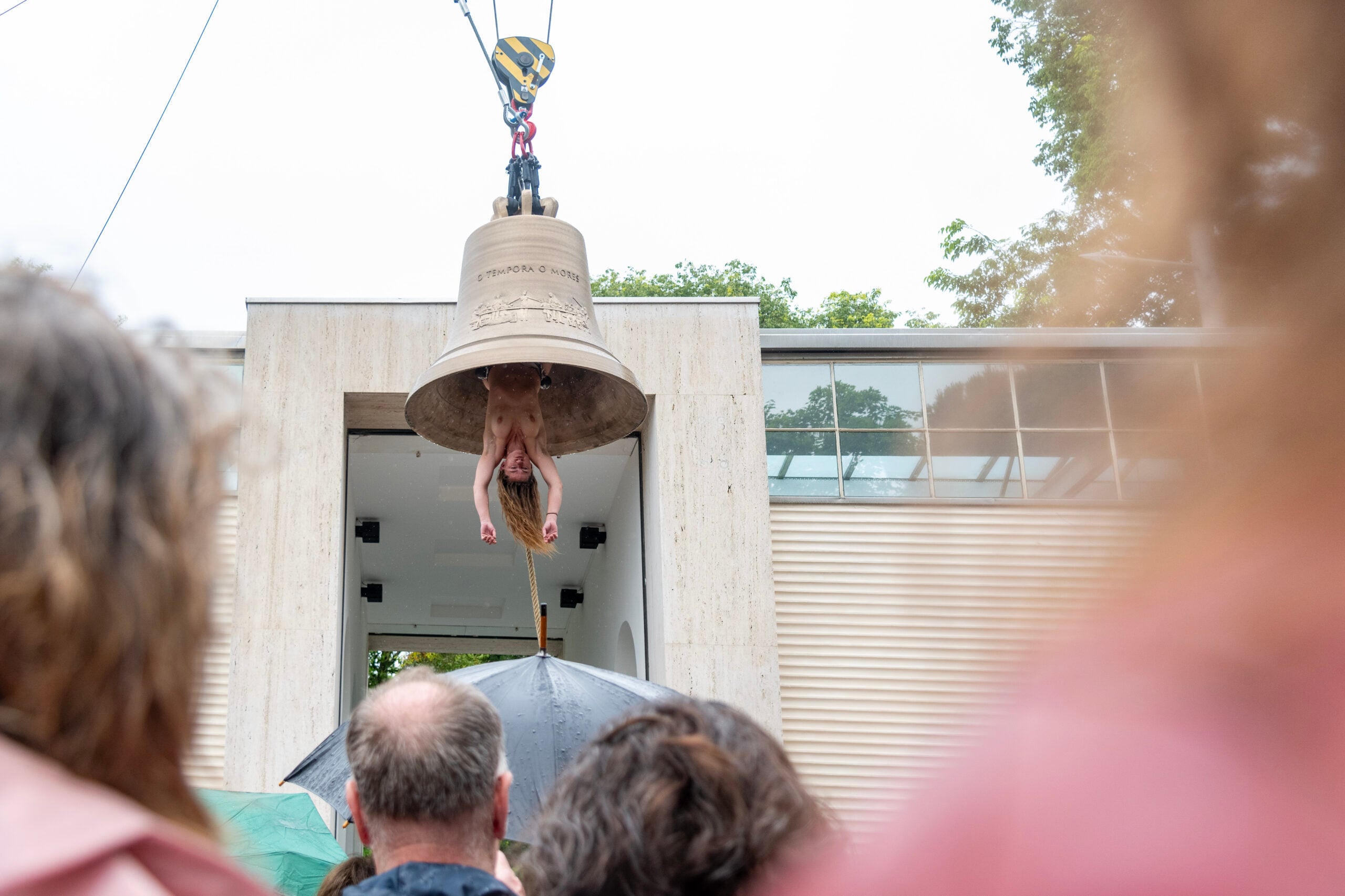
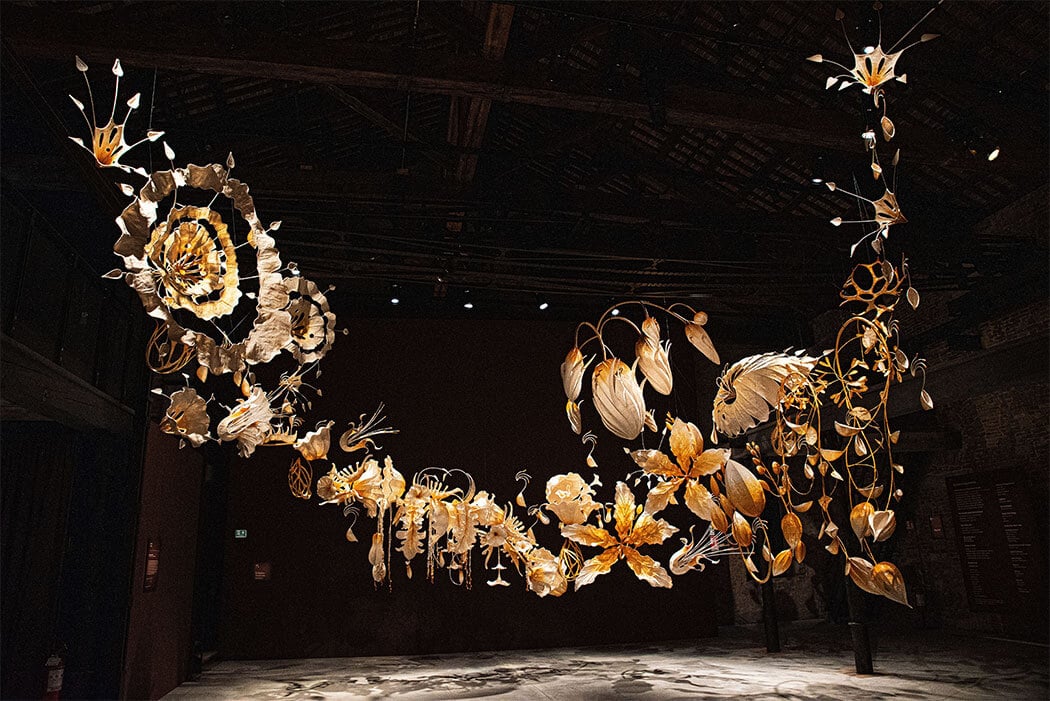
The 61st Venice Biennale, curated by Koyo Kouoh as an invitation to slow down and reconnect with emotions, features a constellation of contemplative and powerful proposals across the city. Notable national pavilions include the Holy See transforming a monastic garden into an immersive sound experience by Soundwalk Collective, Canada exploring colonial heritage through giant water lilies by Abbas Akhavan, and Austria electrifying the Giardini with radical performances by Florentina Holzinger. Other highlights include Spain dissecting collective memory through postcards, Poland imagining new forms of language between human and underwater worlds, and India's pavilion exploring notions of home.

S&M-inspired Greek Pavilion in Venice confronts its fascist chains

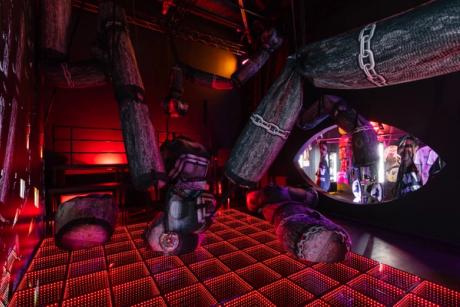
The Greek Pavilion at the 2026 Venice Biennale, titled "Grecia" and conceived as a drag artist, presents an S&M-inspired installation by artist and architect Andreas Angelidakis. The immersive space features a red neon-lit floor, soft sculptures resembling beanbags, fragmented marble columns wrapped in chains, and souvenirs bearing images of queer artists and the late activist Zak Kostopoulos (Zackie Oh). The pavilion aims to deconstruct the idea of a fixed national identity, exploring themes of queerness, fascism, and historical trauma.

Somali Cultural Organizations Unhappy With Somalia Pavilion at the Venice Biennale

Somali artists and cultural organizations are protesting the Somalia pavilion at the 2024 Venice Biennale, arguing it excludes artists based in Somalia and relies on diaspora figures and an Italian co-curator, which they view as colonial. The Somali Arts Foundation issued a statement condemning the lack of consultation, while the queer arts collective Warbixinta Cidda criticized the appointment of Italian curator Fabio Scrivanti. Somali American poet Ladan Osman boycotted the pavilion, calling it "anti-indigenous."

Two exhibitions; one shared dialogue: Weyburn Art Gallery

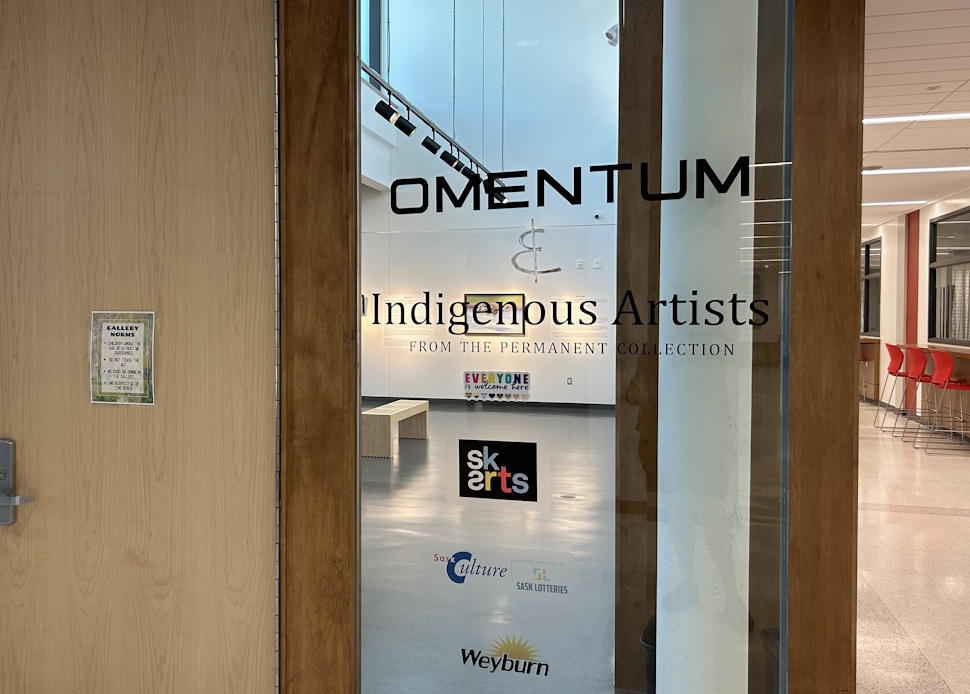
The Weyburn Art Gallery in Saskatchewan is presenting a dual exhibition running through the end of June, featuring two complementary shows. The first, 'Omentum: A look into the Indigenous Experience of the 21st Century- Exhibition Series, 2019' by Nehiyawak-Métis artist John Brady McDonald, comprises ten paintings that address themes such as Missing and Murdered Indigenous Women, cultural appropriation, residential school legacies, and the murder of Colten Boushie. Each painting was personally named by an influential Indigenous figure, including Isaac Murdoch, Rosanna Deerchild, and Dr. Evan Adams. The second exhibition draws from the City of Weyburn’s Permanent Collection, showcasing works by Indigenous artists Michael Lonechild, Ken Lonechild, and Mike Keepness, which explore identity, place, and memory.

L’artista Kader Attia ci racconta la sua opera alla Biennale di Venezia 2026. L’intervista

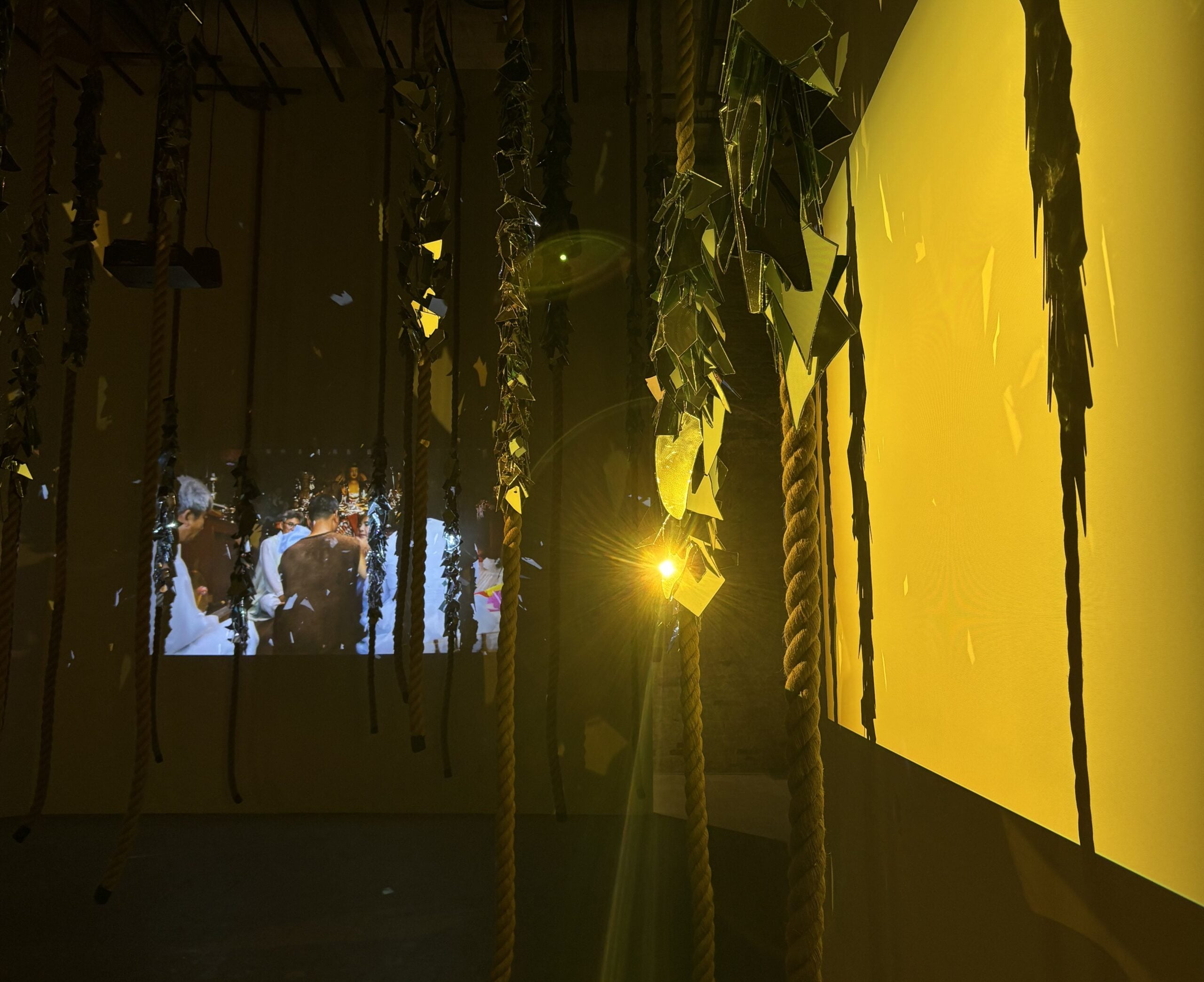
Kader Attia presents his multimedia installation "Whisper of Traces" at the 2026 Venice Biennale, curated by Koyo Kouoh under the theme "In Minor Keys." The work explores the intersections of magic, spirituality, traditional healing, and digitalization, drawing on Attia's long-standing interest in how colonialism, neoliberalism, and technology have transformed shamanic and healing practices. Attia describes the project as an accumulation of psychic traces from human history, which his mother called "ghosts."

‘Close, yet distant': MMCA exhibition revisits Korea-Japan artistic ties since 1945

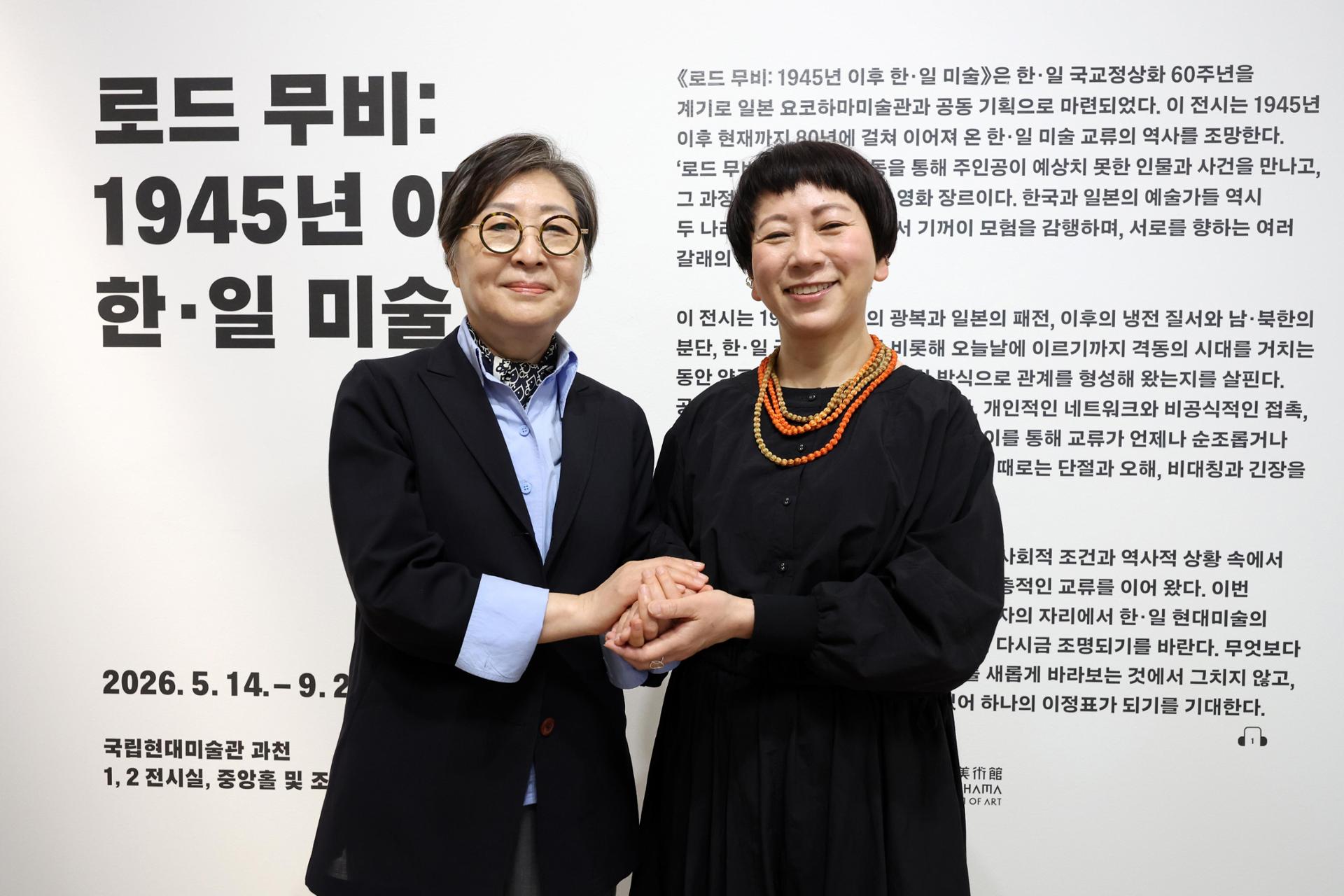
The National Museum of Modern and Contemporary Art (MMCA) in Gwacheon, South Korea, has opened a major exhibition titled “Art between Korea and Japan since 1945,” co-organized with the Yokohama Museum of Art. Running from May 14 to September 27, 2026, the show marks the 60th anniversary of normalized diplomatic ties between the two countries. Featuring some 200 works by 43 artists, including Zainichi artists and video art pioneer Nam June Paik, the exhibition traces eight decades of artistic exchange shaped by colonialism, war, division, and ongoing tensions. It previously opened in Yokohama, drawing over 37,000 visitors—significantly surpassing typical attendance—with strong interest from younger audiences.

On the Somalia Pavillion

At the 2026 Venice Biennale, Somalia has established its first-ever national pavilion, commissioned by the Somali government to showcase the richness of Somali culture through the theme of Saddaxleey, a triadic form of Somali poetry and proverbs. The pavilion features works by Somali Swedish artist Ayan Farah, UK-based Somali Danish multidisciplinary artist Asmaa Jama, and Somali British poet Warsan Shire. However, a collective of queer Somali artists, curators, and culture workers called Warbixinta Cidda has publicly criticized the pavilion for overrepresenting the diaspora, selecting an all-male advisory board, and appointing an Italian co-curator instead of Somali curators, raising concerns about representation and neocolonialism.

"Dispossessions in the Americas" Confronts the Colonialism That Invades All Territory

The article reviews "Dispossessions in the Americas," a group exhibition at Wrightwood 659 in Chicago curated by Jonathan D. Katz and Eduardo Carrera. Featuring works from 1960 to 2025, the show examines colonial legacies in the Americas, focusing on the forced dispossession of land, culture, and language from indigenous, Afro-descendant, queer, and trans communities. The review critically questions how a polished, architecturally prestigious venue can coherently display art about socially voiceless communities without falling into voyeurism or fetishization of pain.

月を射る @ KAG

KAG in Tokyo is presenting a group exhibition titled "月を射る" (Shooting the Moon), running from May 19 to August 16, 2026. The show takes its starting point from a prose poem of the same name by Korean poet Yun Dong-ju (1917–1945), who wrote it in 1939 under Japanese colonial rule and later died in a Fukuoka prison. The exhibition spans pre-war and wartime educational films, propaganda, performance, and contemporary fieldwork, featuring works by artists such as Inoue Kan (Lee Byung-woo), Choe Seung-hui, Kamei Fumio, Yoshimi Yasushi, Atsugi Taka, Fujii Hikaru, Yamamoto Seiko, T.T. Takemoto, Morita Reine, Gataro, and Shirakawa Masao. It examines the management models formed by the former empire and the spiritual structure of colonialism that underlies contemporary issues, centering on works that carry the "memory of censorship"—banned, deleted, or denied existence by national, administrative, or social norms.