filter_list Showing 6 results for "egyptology" close Clear
search
dashboard All 6 article news 3article culture 1museum exhibitions 1article policy 1
date_range Range Today This Week This Month All
Subscribe

zahi hawass the man with the hat documentary

Zahi Hawass, the 78-year-old former Egyptian minister for antiquities, is the subject of a new self-mythologizing documentary titled "The Man With the Hat." The film recounts his rise to international fame through countless TV appearances, his role in overseeing major discoveries like the 3,000-year-old "lost golden city" in Luxor, and his leadership in building the $1 billion Grand Egyptian Museum (GEM). Hawass is also shown advocating for the repatriation of artifacts such as the Nefertiti bust and the Rosetta Stone, while sidestepping controversies that have marked his career.
unesco new chief gaza and ukraine us exit anti israel bias

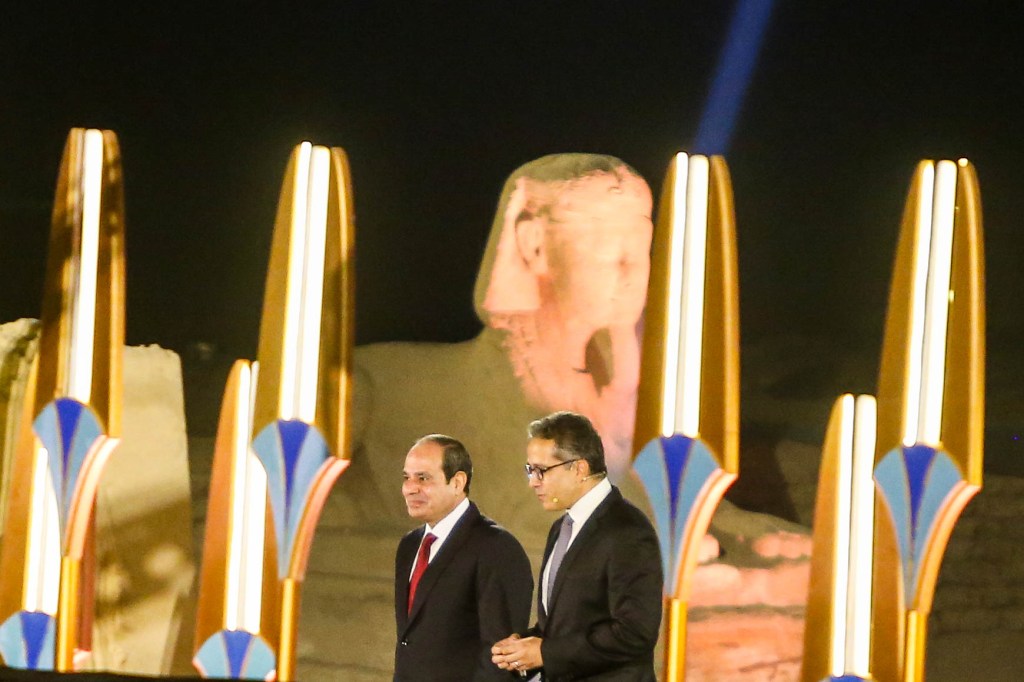
UNESCO's executive board has nominated Khaled El-Enany Ezz as its sole candidate for the next director-general, following a decisive vote during the organization's meetings at United Nations High Week. El-Enany, a 54-year-old Egyptian professor of Egyptology and former minister of tourism and antiquities, previously oversaw the construction and renovation of more than 20 museums, including the Grand Egyptian Museum. He will be the first Arab to lead UNESCO, replacing outgoing director-general Audrey Azoulay.

hatshepsut statues destroyed research

New research challenges the long-held belief that Pharaoh Thutmose III destroyed statues of his predecessor Hatshepsut out of vengeful rage after her death in 1458 B.C.E. Jun Yi Wong, a research fellow at the Metropolitan Museum of Art, examined hundreds of statue fragments from Hatshepsut's mortuary temple at Deir el-Bahri in Luxor. His study, published in Antiquity on June 24, reveals that the statues were broken according to a ritual practice called deactivation—snapped at the neck, waist, and knees—while faces were left intact. Wong found that the fragments were not immediately buried but later reused by everyday Egyptians as building materials, suggesting pragmatic reuse rather than targeted erasure.

king tuts iconic death mask was intended for someone else researchers say

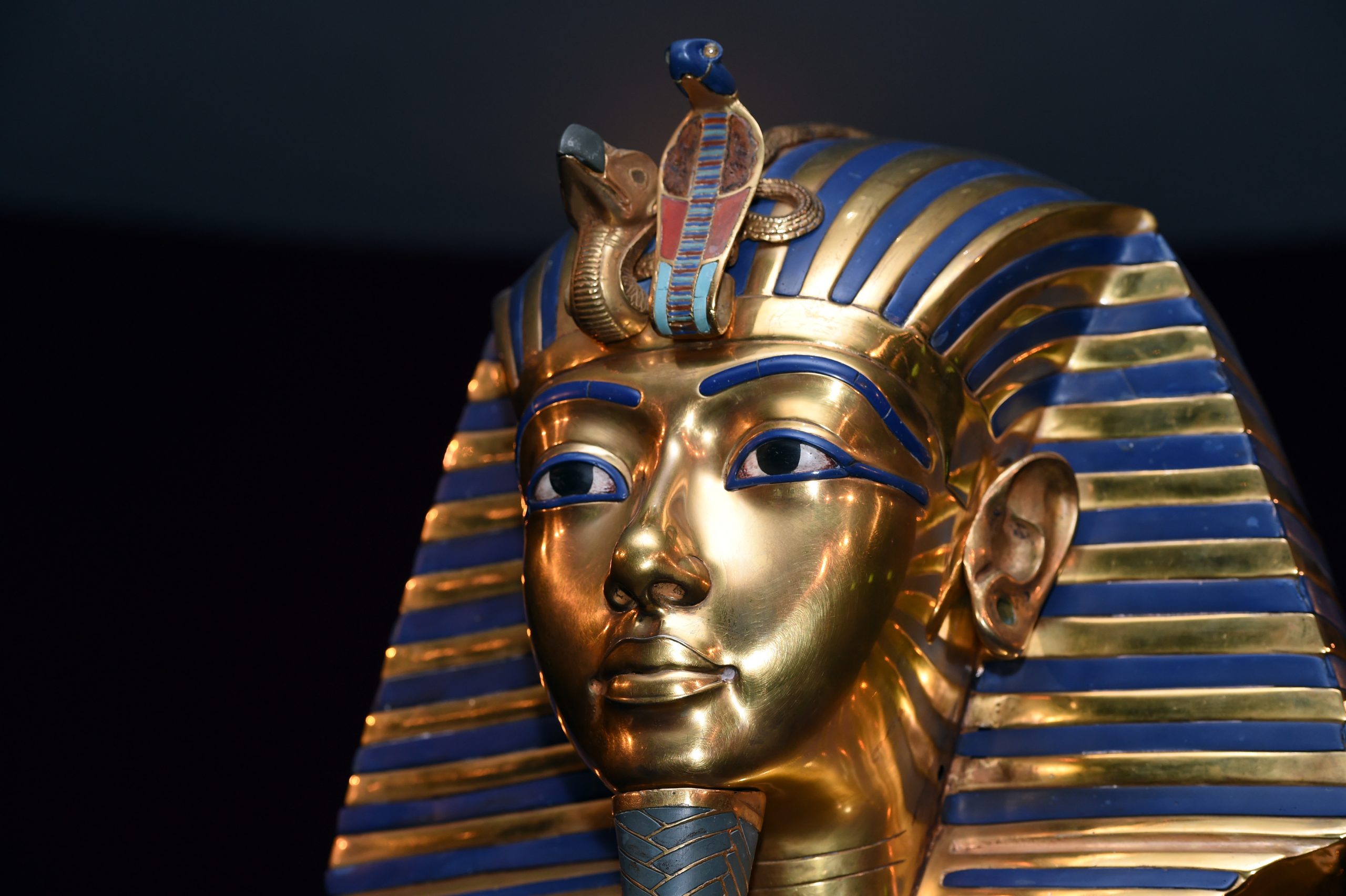
Researchers from the University of York have proposed that King Tutankhamun's iconic death mask, discovered in 1925 by Egyptologist Howard Carter, was not originally made for the young pharaoh. The theory, based on the mask's pierced ears—a feature typically found on female rulers and children—suggests it was intended for a regal female burial, possibly Queen Nefertiti. Analysis of the gold used on the face versus the rest of the mask indicates the face was added later, effectively grafted onto a pre-existing mask. This idea, first raised by British Egyptologist Nicholas Reeves in 2015, is supported by evidence that Tutankhamun's death at around age 19 was sudden, leading to a hurried burial with repurposed funerary objects.

Ancient Egyptian form of ‘Tipp-Ex’ identified on papyrus at UK’s Fitzwilliam Museum

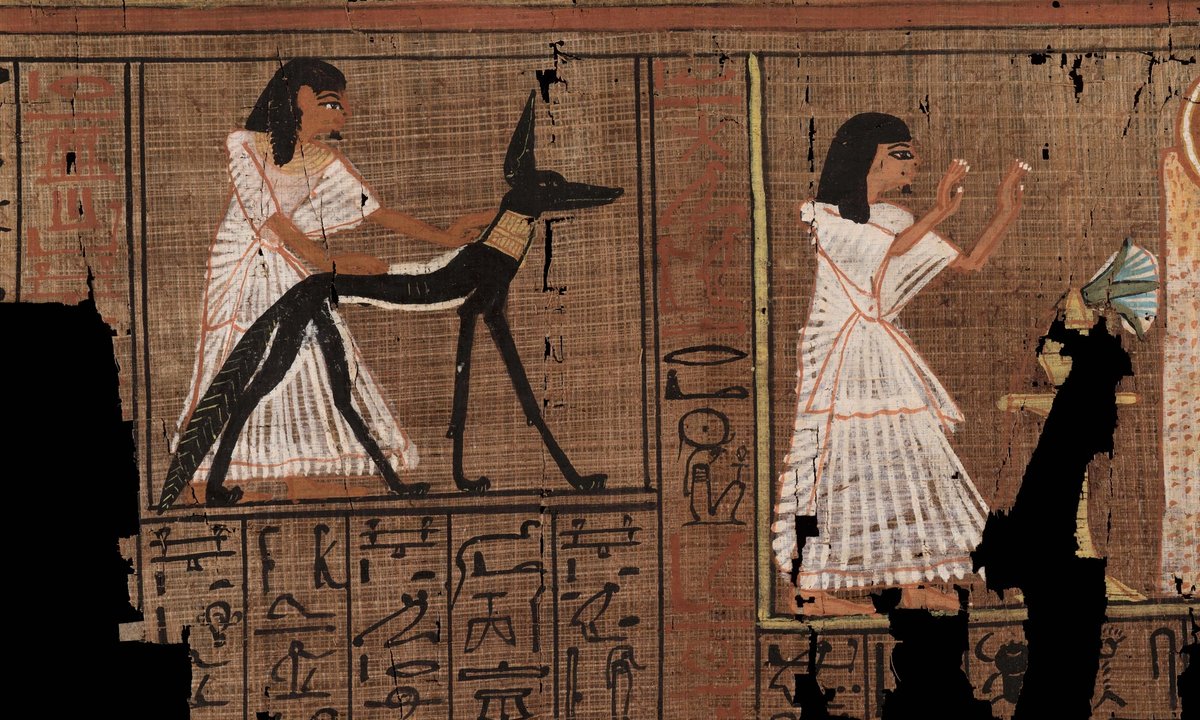
Researchers at the Fitzwilliam Museum in Cambridge have discovered a 3,300-year-old form of corrective fluid on an Ancient Egyptian papyrus. Analysis of a 'Book of the Dead' created for a royal archivist named Ramose revealed that a mixture of huntite, calcite, and yellow orpiment was used to paint over a jackal figure to make it appear slimmer. This 'ancient Tipp-Ex' was specifically tinted to match the cream-colored papyrus, demonstrating a sophisticated level of aesthetic correction and attention to detail by Egyptian craftspeople.

object museum oldest egyptian drilling tool found

A small copper-alloy object, excavated nearly a century ago from a predynastic cemetery at Badari in Upper Egypt, has been re-identified as the world's oldest known Egyptian bow drill. Dating to the late 4th millennium BCE, the tool pushes back the earliest evidence for this technology in Egypt by about 2,000 years, revealing that Egyptian craftspeople mastered efficient rotary drilling much earlier than previously thought.