
filter_list Showing 3 results for "error" close Clear
dashboard All 3 museum exhibitions 2article policy 1
date_range Range Today This Week This Month All
Subscribe

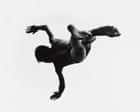
Backflips, boulders and dancing dogs: the images that shaped art photography – in pictures

A new exhibition at the Princeton University Art Museum, titled "Photography as a Way of Life," celebrates the photographers who helped establish art photography as a serious movement from the 1940s to the 1970s. The show features works by Minor White, Aaron Siskind, Harry Callahan, and others, including images by Ming Smith, Donna-Lee Phillips, and Walter Chappell. The exhibition runs until September 7 and highlights how these educators and artists transformed photography's role in both the art world and higher education.

Khaled Sabsabi’s Rocky Road From Australia to the Biennale

Lebanese-Australian artist Khaled Sabsabi was nearly removed from his commission for the Venice Biennale after being accused of supporting terrorism, but was later reinstated. He is now arriving in Venice to present not one but two works at the prestigious international exhibition.

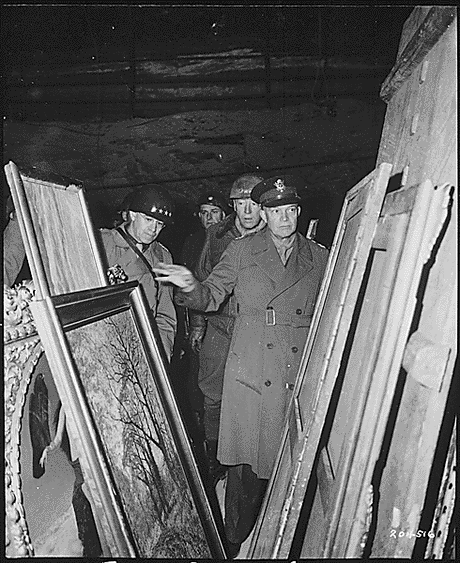
Today’s war, tomorrow’s loot: attempts at stemming the illicit trade in art

The article examines the ongoing challenge of preventing the illicit trade in cultural property looted from conflict zones. It discusses the Hague Convention of 1954 and its protocol, which require signatory countries to prevent theft and pillage during armed conflict and to seize and repatriate unlawful exports. However, the protocol only applies to situations of 'occupation,' leaving a gap for looting that occurs in the chaos of war beyond formal occupation. The article also notes UN Security Council Resolutions that restrict unlawfully removed cultural property from Iraq and Syria, but no similar consensus exists for countries like Afghanistan, Libya, Ukraine, Lebanon, Yemen, Sudan, and Iran. EU Regulation 2019/880 is highlighted as a measure that prohibits introducing goods removed unlawfully from their place of origin into the EU, though its scope has expanded beyond its original anti-terrorist financing purpose.