filter_list Showing 7 results for "light and atmosphere" close Clear
search
dashboard All 7 article culture 3rate_review review 2museum exhibitions 1article local 1
date_range Range Today This Week This Month All
Subscribe

Fantastic visions and cosmic rhythms: how Whistler is making me see – and hear – differently

The article explores how the James McNeill Whistler exhibition at Tate in London prompts a reconsideration of the relationship between music and visual art. Whistler titled his works using musical terms like "Arrangement," "Symphony," and "Nocturne," arguing that painting should be abstract and independent of narrative, much like instrumental music. The exhibition, reviewed by Jonathan Jones, highlights Whistler's radical art-for-art's-sake philosophy, which influenced composer Claude Debussy, whose orchestral Nocturnes were directly inspired by Whistler's paintings of light and atmosphere.

art bites plein air painting history

The article traces the history of plein air painting, beginning with French painter Pierre Henri de Valenciennes in the 1780s, who created one of the earliest known outdoor oil sketches on the banks of the river Rance in Brittany. It follows the evolution of the practice through British painter John Constable, the Barbizon school in France, and the revolutionary impact of John G. Rand's invention of the paint tube in 1841, which enabled artists like Claude Monet and Pierre-Auguste Renoir to capture light and atmosphere with unprecedented accuracy.

James McNeill Whistler at Tate Britain: The Fleeting Nature of Light, and of Life

Tate Britain is hosting a major exhibition of James McNeill Whistler, exploring his mastery of light and atmosphere across paintings, etchings, and pastels. The show traces Whistler's career from his early realist works to his iconic nocturnes and portraits, emphasizing his radical approach to composition and color.

Comment | Turner gets all the kudos, but it was Constable who was the truly radical painter

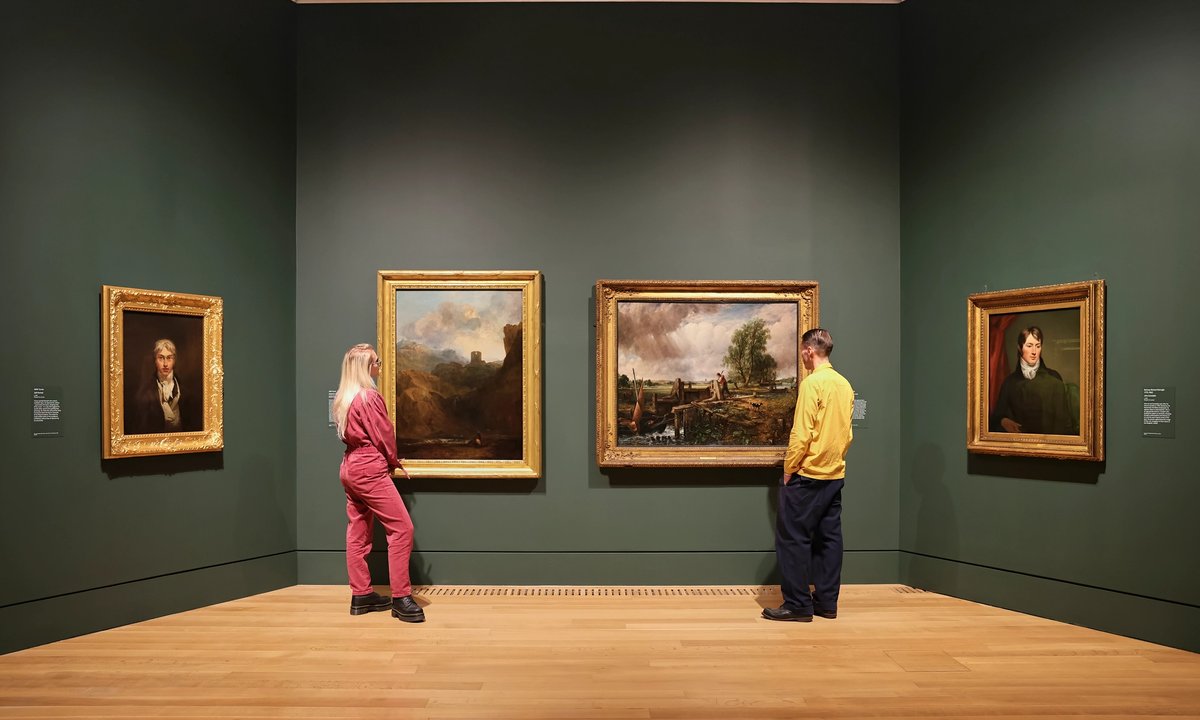
A commentary argues that John Constable, not J.M.W. Turner, was the truly radical painter, despite Turner receiving far greater public recognition through a museum, a prize, and a place on the £20 note. The article highlights a new exhibition, "Turner and Constable," opening at Tate Britain (until 12 April 2026), which recreates their 1831 Royal Academy display and contrasts Constable's English pastoral scenes with Turner's dramatic, un-British visions. It contends that Constable's full-size oil sketches, such as those at the Victoria and Albert Museum, had a deeper and more lasting effect on modern painting than Turner's work.

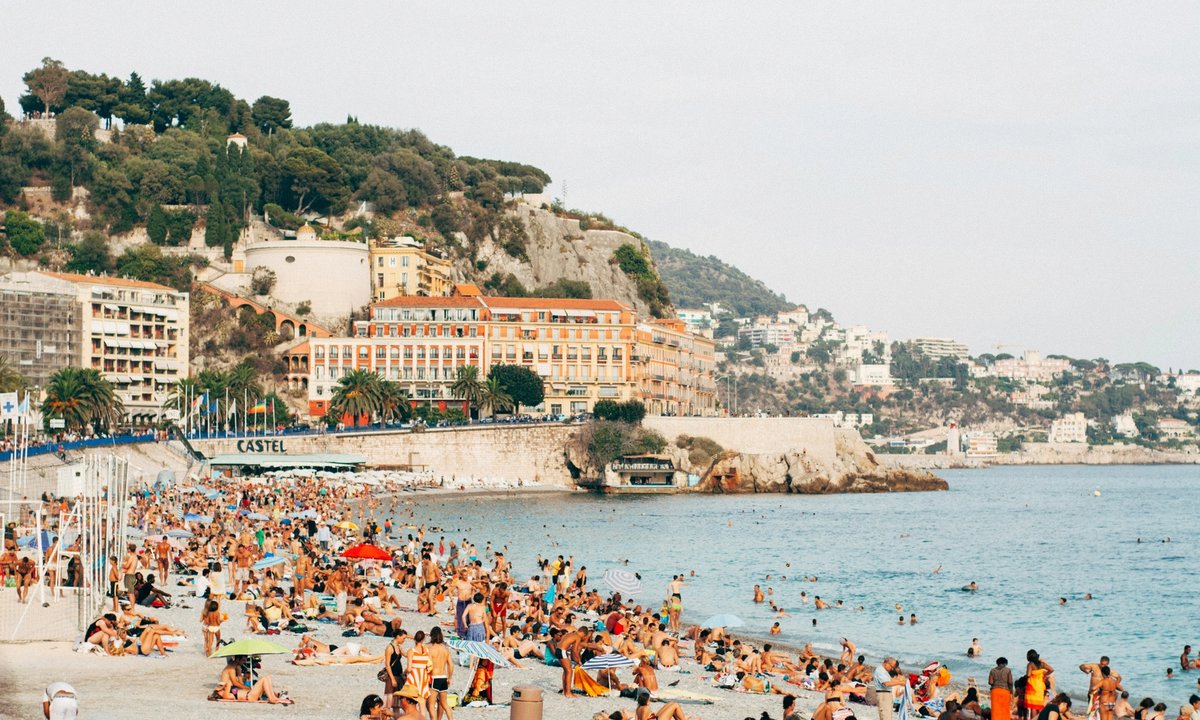
Ten essential works of art to see on the French Riviera

The article highlights ten essential artworks to see on the French Riviera, tracing the region's artistic heritage from the 19th century to the present. It features works by Paul Signac, Henri Matisse, Ludovico Brea, and others, housed in museums such as the Musée de l'Annonciade in Saint-Tropez and the Musée Matisse in Nice, with historical context on how artists like Renoir, Picasso, and Chagall were drawn to the area's light and atmosphere.

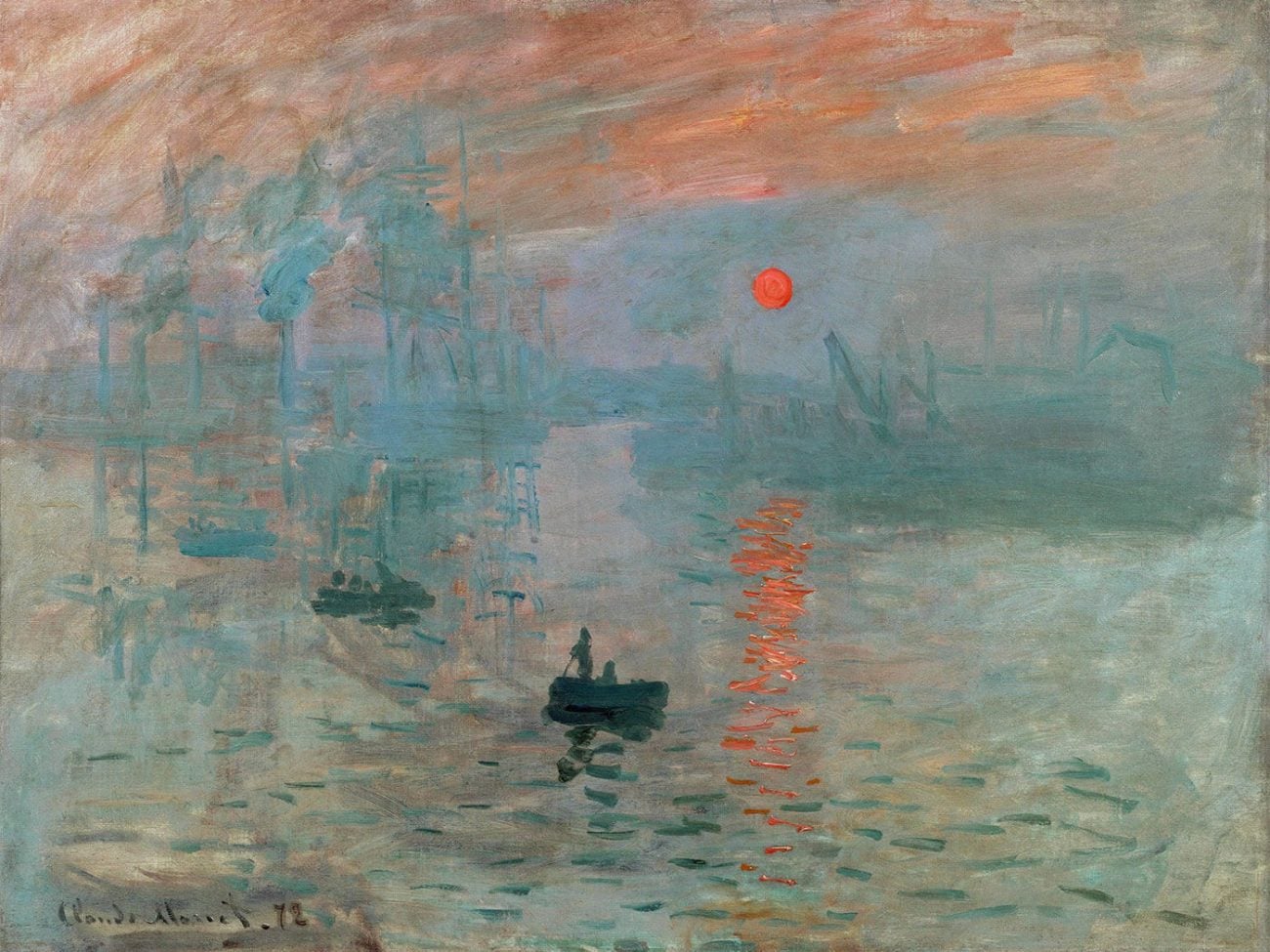
« Impression, soleil levant » de Claude Monet, l’éblouissant manifeste de l’impressionnisme

Claude Monet's "Impression, soleil levant" (Impression, Sunrise), the painting that gave Impressionism its name, is analyzed in detail by Beaux Arts Magazine on the centenary of the artist's death. The article examines the work brushstroke by brushstroke, recounting how Monet painted it from his hotel room in Le Havre, capturing the fleeting effects of light and atmosphere that became the hallmark of the movement.

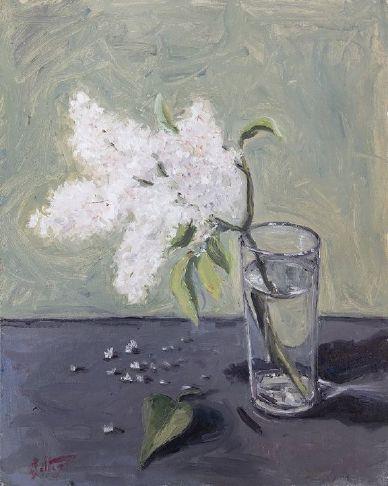
Gallery opening reception for Samuel Baltes May 8 at Yes Arts

Kentucky-based painter Samuel Baltes will be featured in a solo exhibition opening May 8 at Yes Arts in Frankfort. The showcase highlights Baltes’ plein air landscape paintings, which draw heavily from Realist and Impressionist traditions to capture the subtle shifts of light and atmosphere in everyday environments.