filter_list Showing 14 results for "luxor" close Clear
dashboard All 14 article news 7museum exhibitions 5article culture 1person people 1
date_range Range Today This Week This Month All
Subscribe

the monument maker barbara chase riboud 2650705

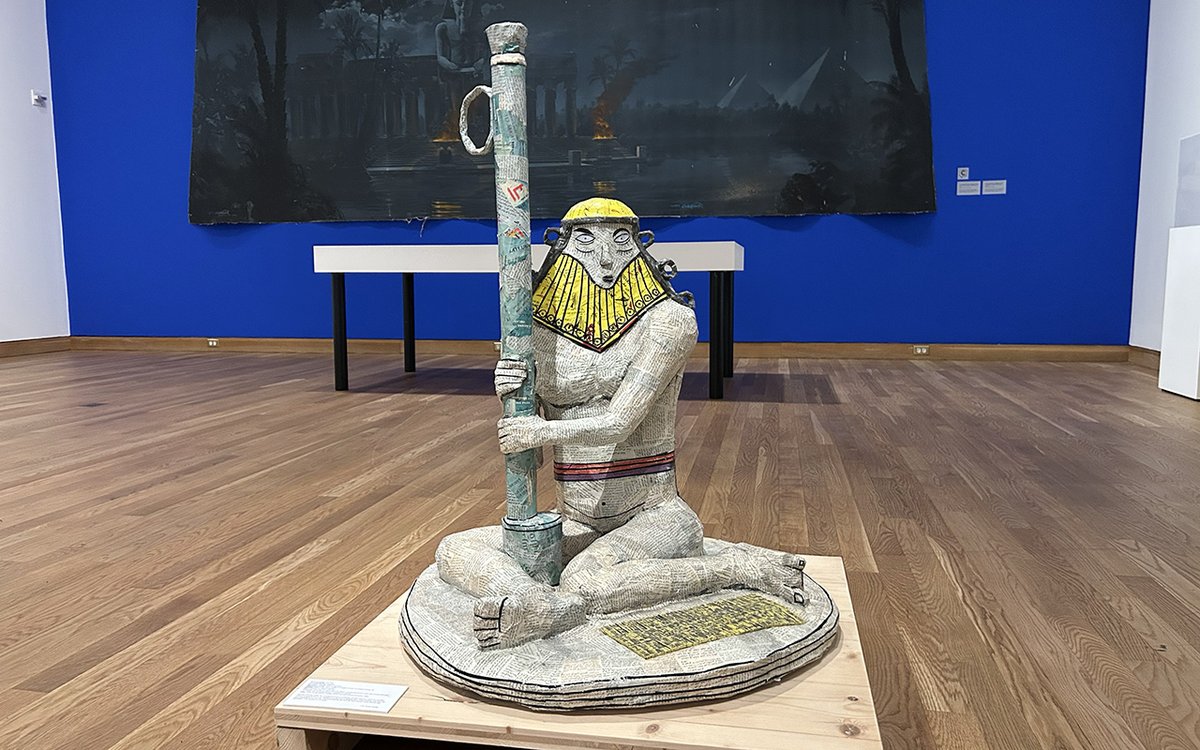
Barbara Chase-Riboud, now 86, reflects on her transformative 1958 trip to Egypt, which she undertook on a dare as a 19-year-old student at the American Academy in Rome. The journey, during which she explored the pyramids and temples of Luxor and Karnak alone, profoundly influenced her artistic practice, leading her to create abstract bronze sculptures that evoke ancient Egyptian forms. The article traces her remarkable career as a sculptor and writer, highlighting her many firsts: the first Black female artist acquired by MoMA (at age 16), the first Black woman to earn an MFA from Yale, the first living female artist to have a solo show at the Metropolitan Museum of Art, and the only visual artist to appear on the cover of Ebony.

zahi hawass the man with the hat documentary 2737435

Zahi Hawass, the 78-year-old former Egyptian minister for antiquities, is the subject of a new self-mythologizing documentary titled "The Man With the Hat." The film recounts his rise to international fame through countless TV appearances, his role in overseeing major discoveries like the 3,000-year-old "lost golden city" in Luxor, and his leadership in building the $1 billion Grand Egyptian Museum (GEM). Hawass is also shown advocating for the repatriation of artifacts such as the Nefertiti bust and the Rosetta Stone, while sidestepping controversies that have marked his career.

Inside Youssef Nabil’s Landmark Musée d’Orsay Exhibition

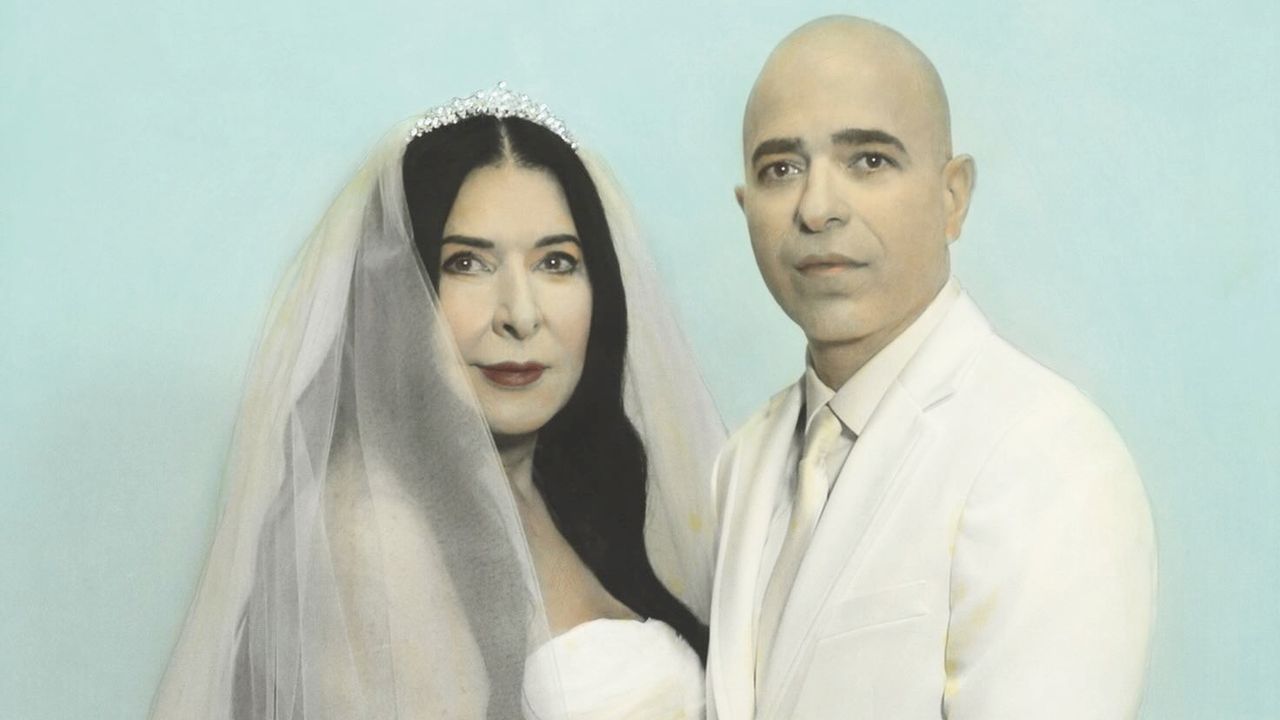
Egyptian artist Youssef Nabil makes history as the first Arab artist invited to show at the Musée d'Orsay in Paris, with his landmark exhibition 'To Dream Again.' The show features his hand-painted silver gelatin prints that blend cinema, memory, and identity, and marks the first time the museum has invited an artist working primarily with photography to engage with its collection. The exhibition is deeply personal, tracing Nabil's journey from a 19-year-old rejected by art academies in Cairo to a globally recognized artist, and includes a dialogue with Pierre Puvis de Chavannes's painting 'Le Rêve,' which inspired a self-portrait Nabil created in 2021.

egyptian tomb reopens two decade renovation 1234755574

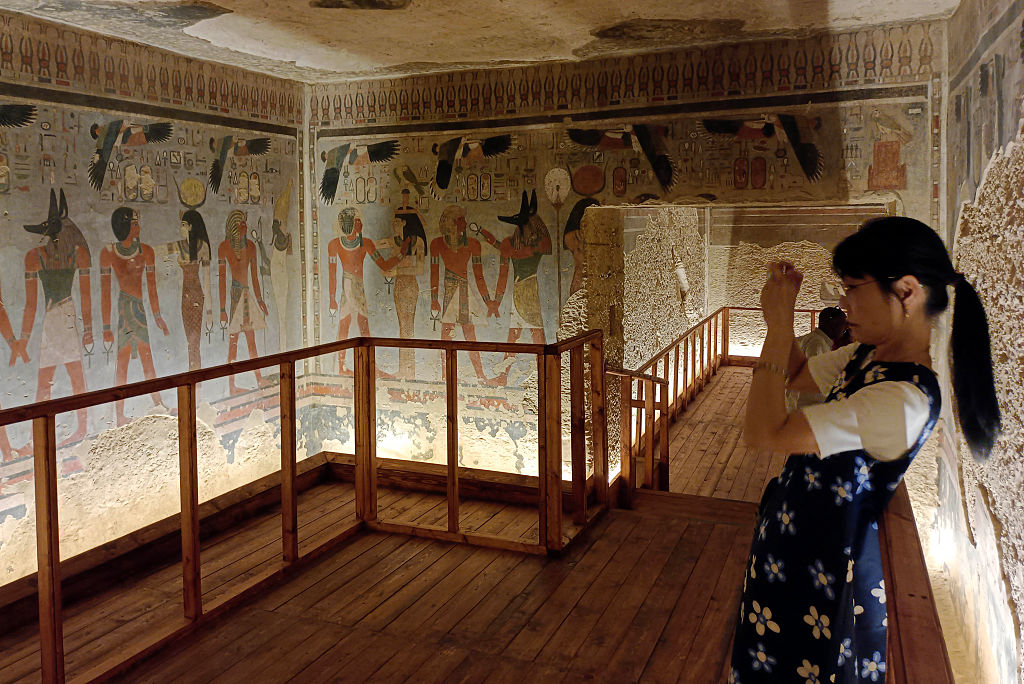
The tomb of Pharaoh Amenhotep III, one of the largest in Egypt's Valley of the Kings, has reopened to the public after a 20-year renovation led by a team from Waseda University in Tokyo. Discovered in 1799 by French engineers and looted in antiquity, the tomb features newly restored wall paintings depicting the pharaoh with ancient Egyptian gods, the structural frame of his sarcophagus, and burial chambers for his two wives. The reopening took place on October 4, 2025.

hatshepsut statues destroyed research 2660641

New research challenges the long-held belief that Pharaoh Thutmose III destroyed statues of his predecessor Hatshepsut out of vengeful rage after her death in 1458 B.C.E. Jun Yi Wong, a research fellow at the Metropolitan Museum of Art, examined hundreds of statue fragments from Hatshepsut's mortuary temple at Deir el-Bahri in Luxor. His study, published in Antiquity on June 24, reveals that the statues were broken according to a ritual practice called deactivation—snapped at the neck, waist, and knees—while faces were left intact. Wong found that the fragments were not immediately buried but later reused by everyday Egyptians as building materials, suggesting pragmatic reuse rather than targeted erasure.

grand egyptian museum king tut treasures 2643649

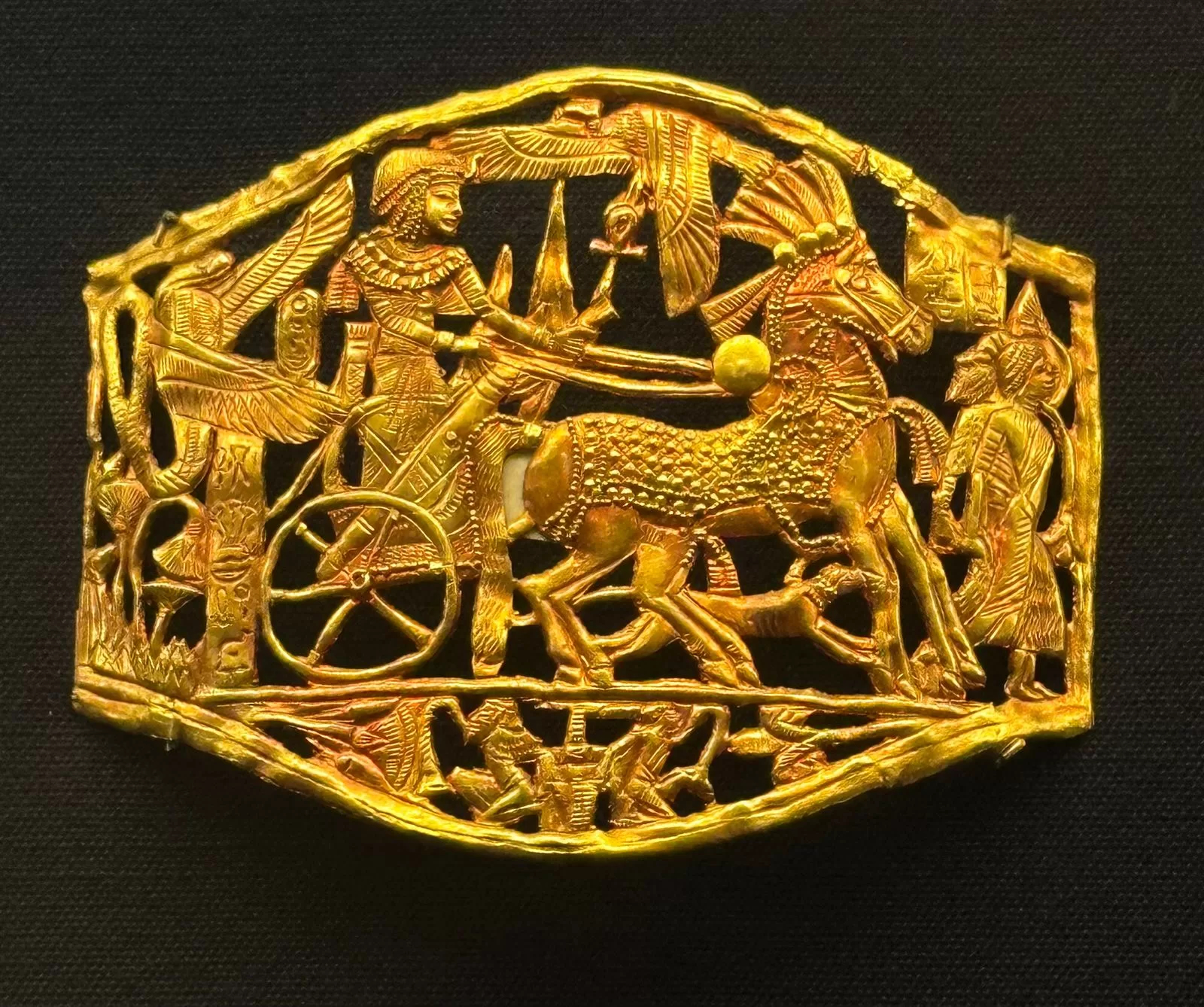
The Grand Egyptian Museum (GEM) in Giza has received another 163 artifacts from the tomb of King Tutankhamun, transferred from the Egyptian Museum in Cairo's Tahrir Square. This delivery includes the pharaoh's ceremonial chair, gilded footstool, canopic shrine, and jewelry, bringing the museum closer to staging the first-ever complete display of the boy king's treasures. The artifacts were transported with care and underwent condition reports at GEM's conservation labs. The final piece to arrive will be Tutankhamun's funerary mask, ahead of the museum's long-awaited grand opening on July 3.

amenhotep iii colossi of memnon restoration 2729898

Egypt’s Ministry of Tourism and Antiquities unveiled the newly restored Colossi of Memnon, two monumental quartzite statues of Pharaoh Amenhotep III, at the entrance of his 86-acre Luxor tomb site. The restoration, led by German-Armenian archaeologist Hourig Sourouzian and involving Waseda University, the German Archaeological Institute in Cairo, Johannes Gutenberg University Mainz, and the World Monuments Fund, began in 2006 after decades of damage from earthquakes, floods, and looting. The team cleaned, 3D-scanned, and reassembled the statues using original fragments and new additions, also uncovering nearly 300 other sculptures and fragments. The Colossi now stand 45 feet tall, with the pharaoh depicted in royal regalia alongside smaller figures of his wives.

Major, International Touring Exhibition ‘Treasures of the Pharaohs’ Coming to the Kimbell Art Museum in 2027

The Kimbell Art Museum in Fort Worth, Texas, announced it will host the major international touring exhibition 'Treasures of the Pharaohs' from March 14 to September 19, 2027. Featuring 130 artifacts from the Egyptian Museum in Cairo and the Luxor Museum, the exhibition spans 3,000 years of ancient Egyptian history, including royal treasures, newly discovered objects from the 'Golden City' in the Valley of the Kings, and works from Dynasty I to the Ptolemaic period. The exhibition is currently on view at the Scuderie del Quirinale in Rome and will travel to the de Young museum in San Francisco before arriving at the Kimbell.

Egyptian exhibition will bring a 'staggering' amount of gold to Fort Worth’s Kimbell

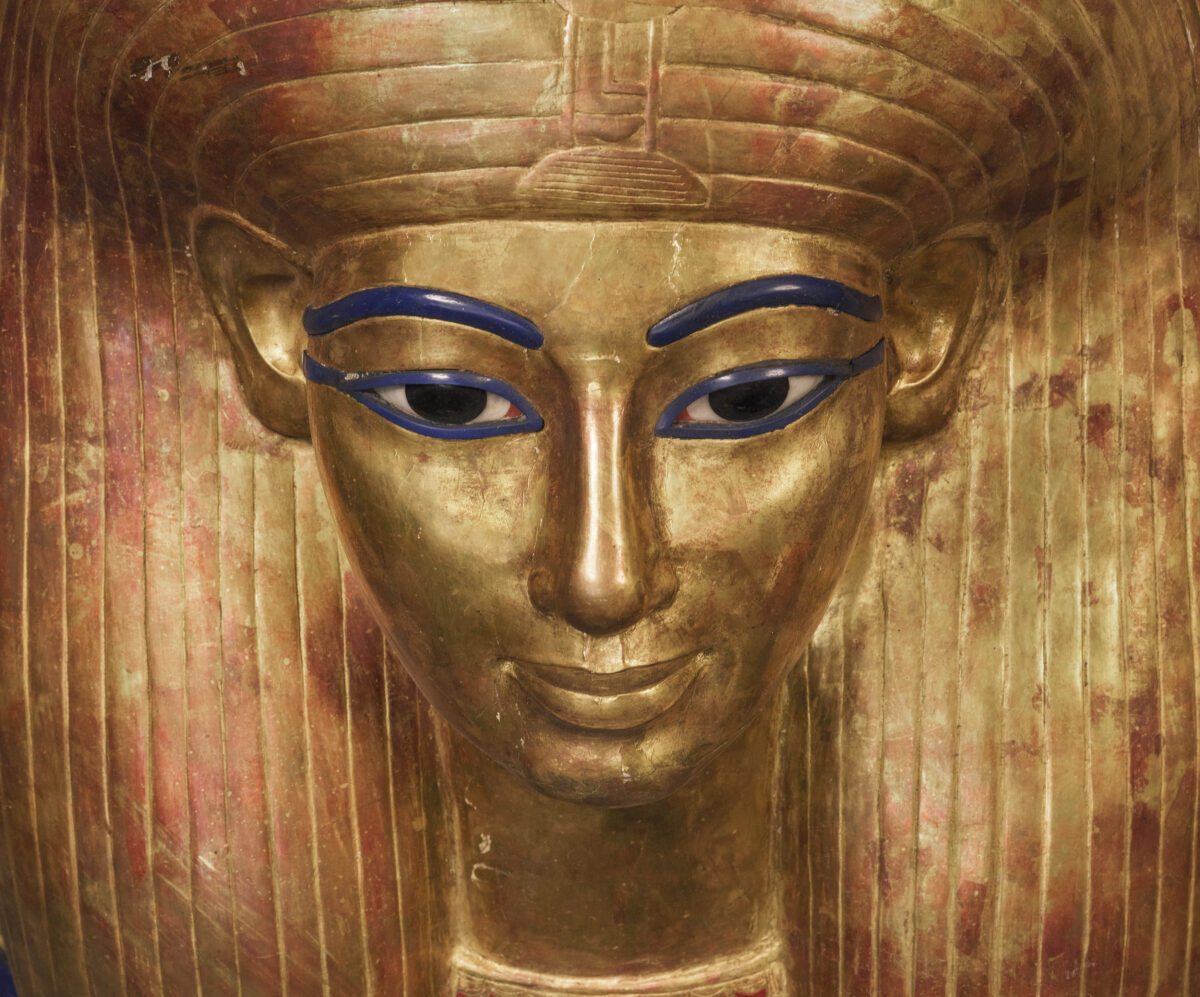
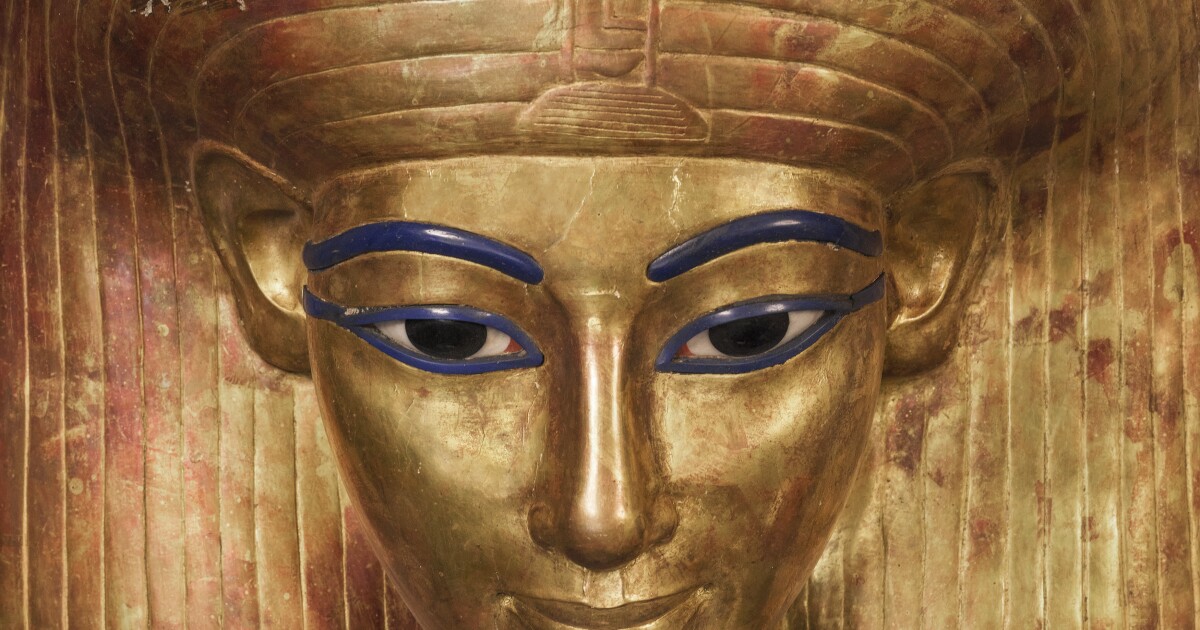
The Kimbell Art Museum in Fort Worth, Texas, will host "Treasures of the Pharaohs," an exhibition of 130 ancient Egyptian artifacts including granite statues, gold jewelry, funerary masks, and sarcophagi, opening in March 2027. The show features Queen Ahhotep’s golden sarcophagus and recently unearthed objects from a worker’s community in the Valley of the Kings, on loan from the Luxor Museum and the Egyptian Museum in Cairo. It is currently on view in Rome and will travel to the Fine Arts Museums of San Francisco before arriving in Fort Worth as its second and final North American stop.

4,000-year-old Ancient Egyptian handprint discovered by Cambridge museum

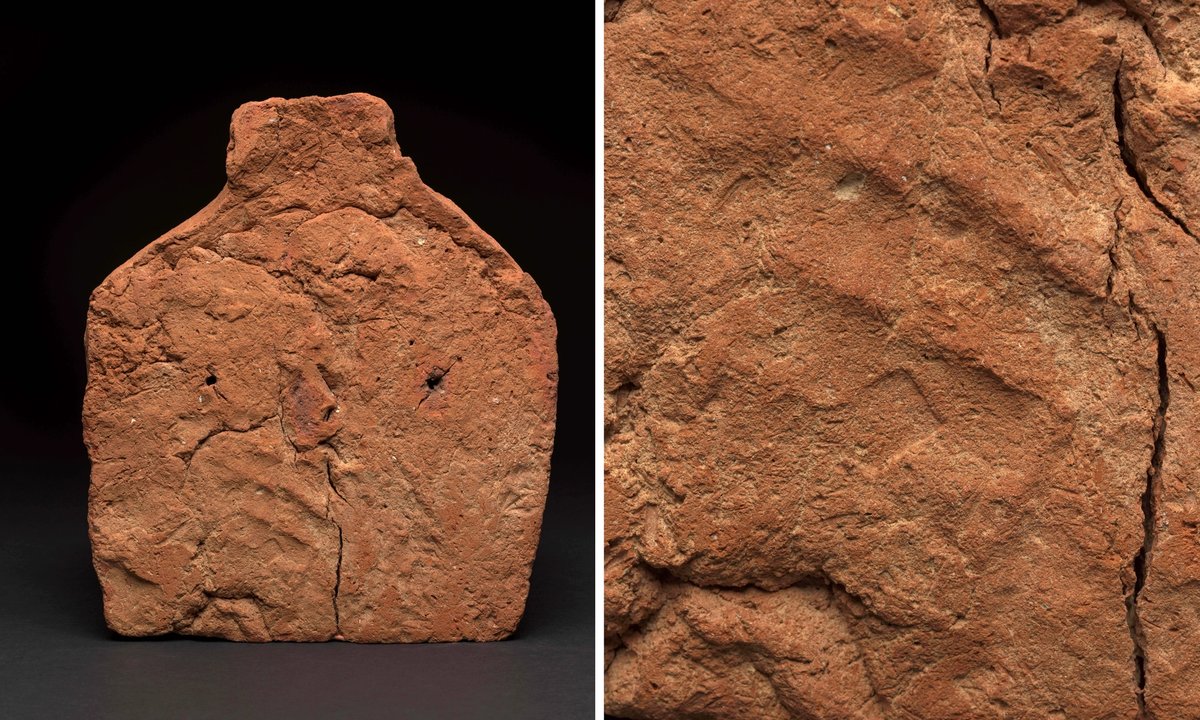
Researchers at the Fitzwilliam Museum in Cambridge, UK, have discovered a 4,000-year-old handprint on the base of an ancient Egyptian "soul house"—a clay model of a building used in burial rituals. The handprint was found during preparations for the museum's upcoming exhibition "Made in Ancient Egypt" (3 October–12 April 2026), when senior conservator Julie Dawson examined the object under different lighting. The soul house, excavated at Deir Rifa north of Luxor, dates to Egypt's First Intermediate Period or Middle Kingdom and was likely left by the artisan who moved it to dry before firing.

Egypt Unveils a Hidden Tomb of 3,500-Year-Old Coffins at Luxor’s Abu el-Naga

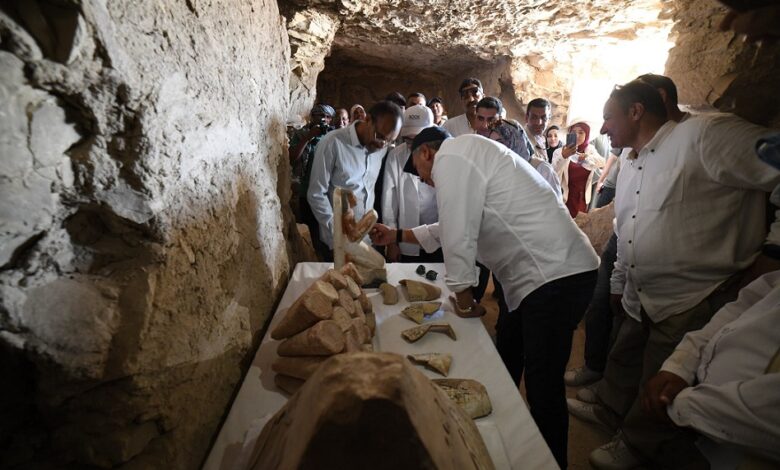
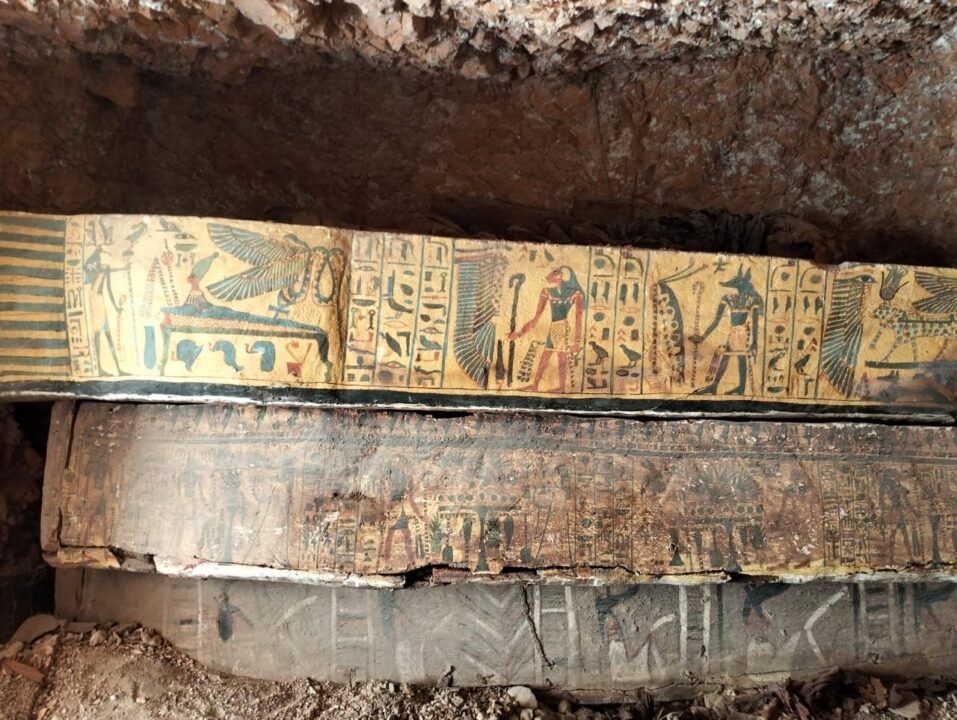
An Egyptian archaeological mission excavating at the Abu El-Naga necropolis near Luxor has uncovered a cache of ten well-preserved painted wooden coffins hidden in the courtyard shaft of the tomb of Baki. The coffins span multiple periods, including the 18th Dynasty, the Ramesside period, and the Late Period, with inscriptions naming individuals such as Merit, a chantress of the god Amun, and Padi-Amun, a priest in the Temple of Amun. The team also discovered the tomb of a purification priest named A-Shafi-Nakhtu, decorated with funerary scenes, and a burial site containing over 30 mummified cats from the Ptolemaic Period. The discoveries were announced by Egypt's Supreme Council of Antiquities, with the excavation season beginning in November 2025.

Egyptian Archeologists Find 3,000-Year-Old Coffins of Temple Chanters in Luxor

Archaeologists in Luxor have discovered 22 painted wooden coffins containing mummies, along with eight sealed papyrus scrolls, in a tomb within the Theban Necropolis. The coffins, dating to Egypt's Third Intermediate Period (1077–664 BCE), were found stacked in a rock-cut chamber, indicating they had been moved from their original burial sites.

hidden messages paris luxor obelisk 2636508

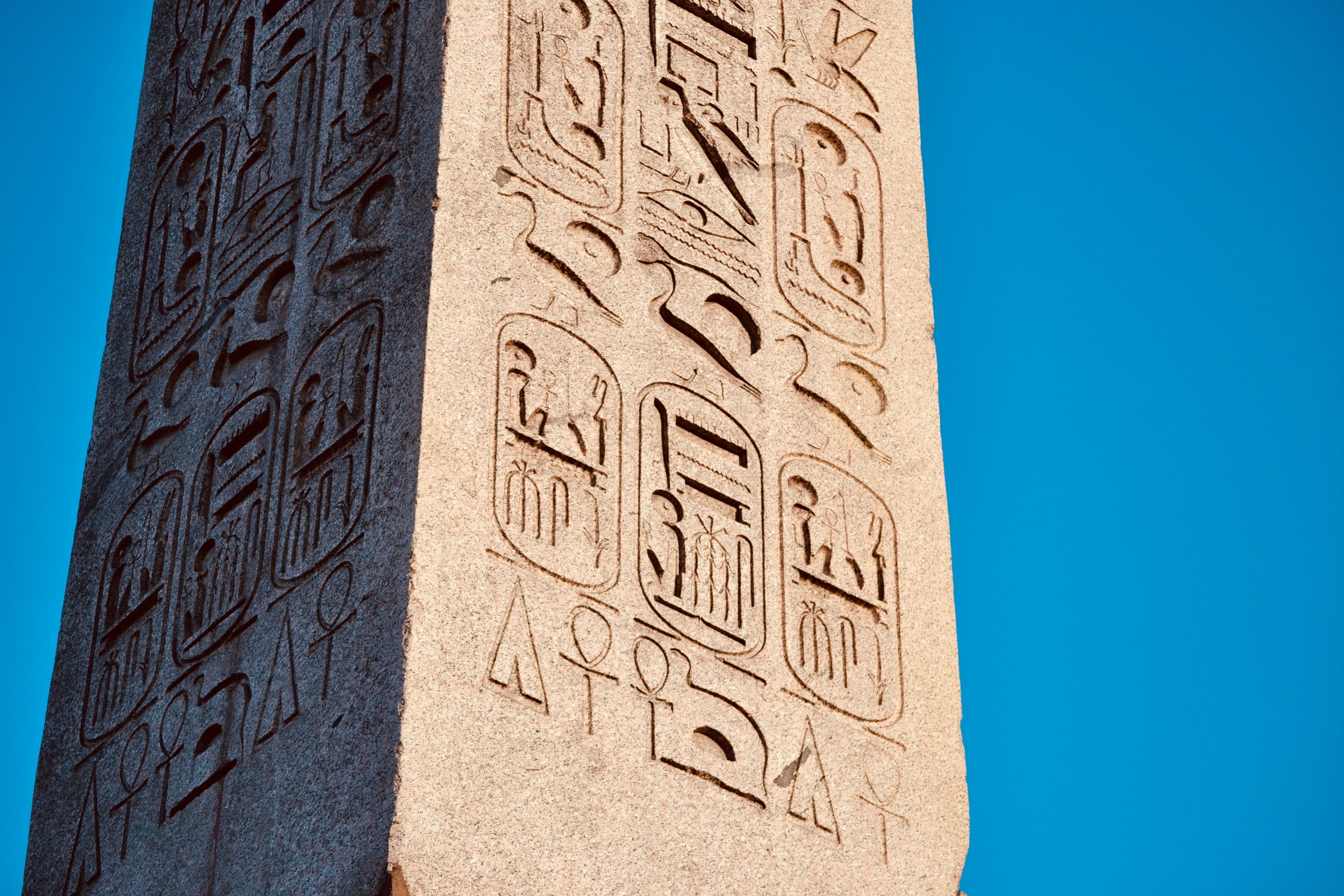
Egyptologist Jean-Guillaume Olette-Pelletier, a lecturer at Sorbonne University, discovered hidden cryptographic messages on the Luxor Obelisk in Paris's Place de la Concorde. During the pandemic, he noticed unusual hieroglyphs while walking past the 3,000-year-old monument. After scaffolding was erected for renovations ahead of the 2024 Olympics, he obtained permission to study the obelisk up close, becoming the first person in over a century to climb it. He identified seven crypto-hieroglyphs—encoded messages using puzzles and wordplay—that only a few experts can read. These inscriptions, set to be published in the journal ENiM, reveal that Pharaoh Ramses II used the obelisk as a propaganda tool to assert his divine right to rule, targeting the intellectual elite who approached the Luxor Temple by boat.

Never Spoken Again Exhibition at the Weisman Challenges Museum Norms

The Weisman Art Museum is hosting "Never Spoken Again: Rogue Stories of Science and Collections," a traveling exhibition produced by Independent Curators International (ICI). Curated by David Ayala-Alfonso, the show features works by over a dozen artists that challenge traditional museum practices, such as the use of pre-Hispanic ceramics as speaker stands to give them a literal voice. The exhibition uses diverse media—from cinefoil sculptures to tapestries from Las Vegas casinos—to critique how institutions collect, classify, and display artifacts.