filter_list Showing 4 results for "nocturnes" close Clear
search
dashboard All 4 museum exhibitions 3rate_review review 1
date_range Range Today This Week This Month All
Subscribe

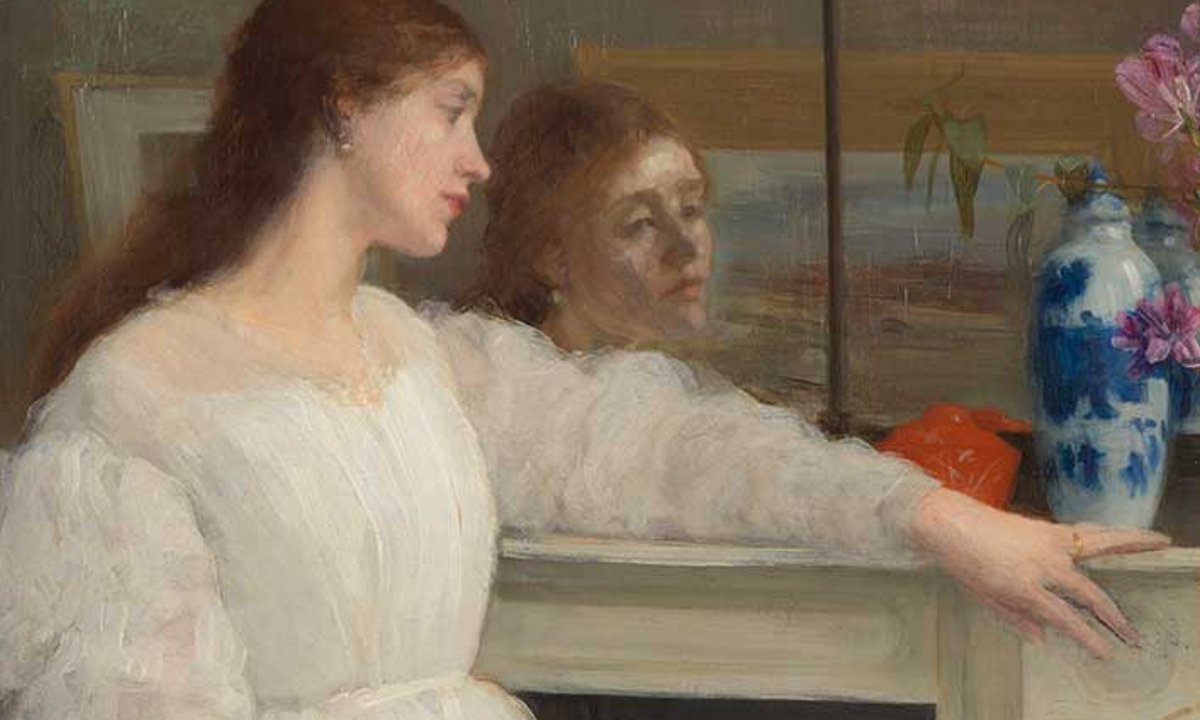
Fantastic visions and cosmic rhythms: how Whistler is making me see – and hear – differently

The article explores how the James McNeill Whistler exhibition at Tate in London prompts a reconsideration of the relationship between music and visual art. Whistler titled his works using musical terms like "Arrangement," "Symphony," and "Nocturne," arguing that painting should be abstract and independent of narrative, much like instrumental music. The exhibition, reviewed by Jonathan Jones, highlights Whistler's radical art-for-art's-sake philosophy, which influenced composer Claude Debussy, whose orchestral Nocturnes were directly inspired by Whistler's paintings of light and atmosphere.
Printmaking skills of Manet, Van Gogh and more celebrated in Bath show

An exhibition titled *Beyond Impressionism* at the Holburne Museum in Bath showcases over 50 prints by artists such as Édouard Manet, Vincent van Gogh, Paul Gauguin, James McNeill Whistler, Henri de Toulouse-Lautrec, and Pablo Picasso. The show, running from 23 May to 13 September, highlights how impressionist, post-impressionist, and cubist painters revived printmaking in the late 19th and early 20th centuries, elevating it from commercial reproduction to a respected artistic medium. Works are drawn from public collections including the Courtauld Gallery and Ashmolean, as well as private collections.

Tate Britain opens Europe’s largest James McNeill Whistler retrospective in 30 years

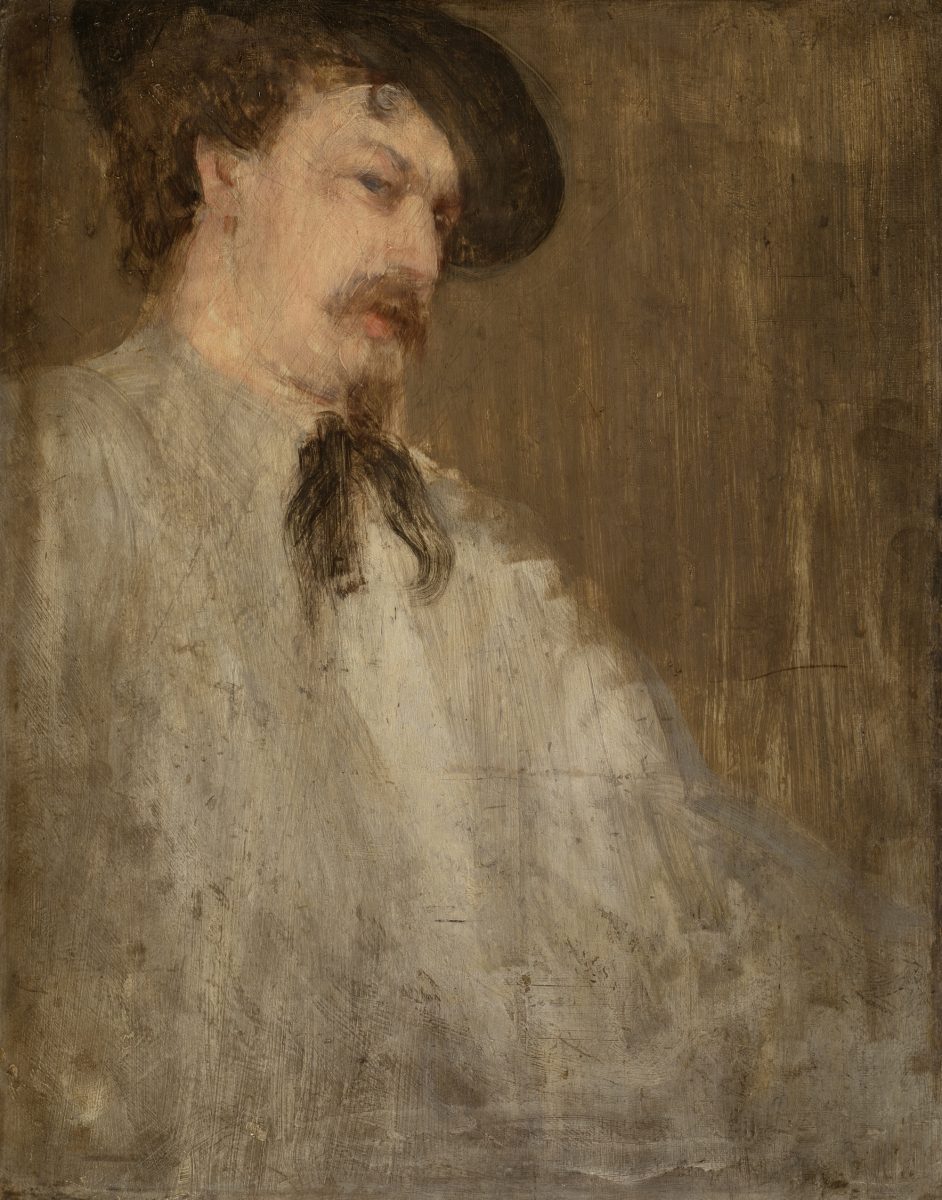
Tate Britain has opened the largest European retrospective of James McNeill Whistler in over 30 years, featuring 150 works across painting, drawing, printmaking, and design. The exhibition traces Whistler's career from his student days at the Imperial Academy of Arts in St Petersburg and West Point to his bohemian years in Paris and London, highlighting his pioneering nocturnes, the iconic *Arrangement in Black and Grey: Portrait of the Painter’s Mother* (known as *Whistler’s Mother*), and rarely seen sketchbooks. It reunites a familial triptych of portraits and assembles the largest-ever collection of his nocturnes, exploring his radical approach to composition and color.

James McNeill Whistler was more than just a combative ‘coxcomb’

Carol Jacobi, curator of a new exhibition at Tate Britain in London, aims to reframe the legacy of James McNeill Whistler (1834-1903), an artist often reduced in public memory to his 1877 libel lawsuit against critic John Ruskin. The show, the UK's first full Whistler survey since 1994, highlights his prolific output, evolving style, and belief that art should seek "a more fundamental beauty" beyond mere impression. It brings together many of his celebrated nocturnes and, for the first time, his sketchbooks, though the infamous Nocturne in Black and Gold: The Falling Rocket (1875) could not be loaned.