filter_list Showing 8 results for "propaganda" close Clear
dashboard All 8 museum exhibitions 5article news 2rate_review review 1
date_range Range Today This Week This Month All
Subscribe

The message behind the US pavilion at the Venice Biennale

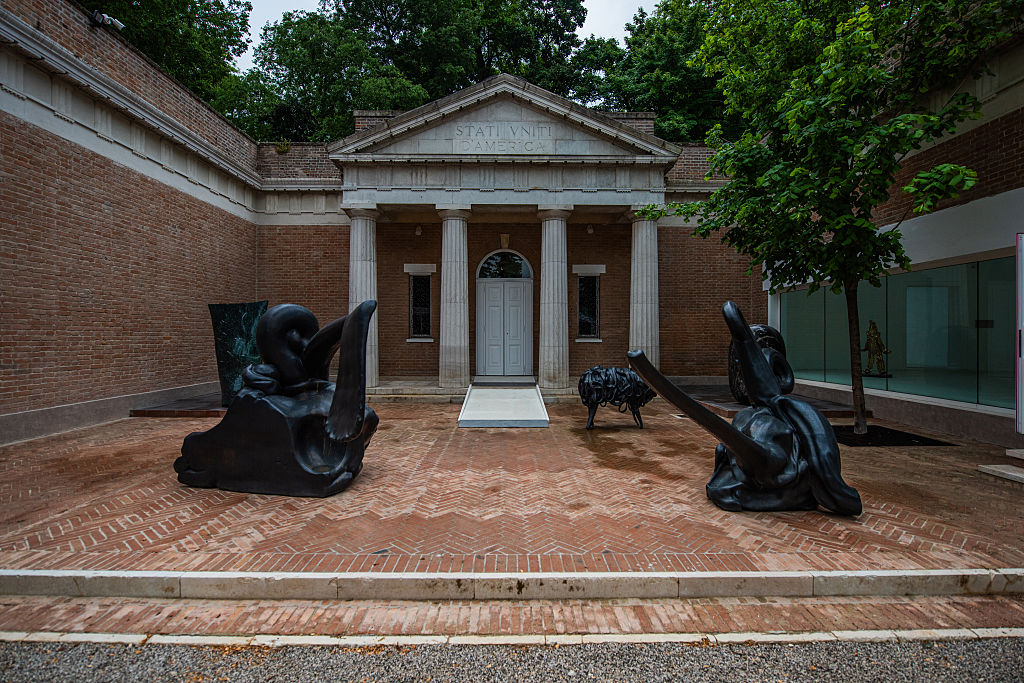
The article previews the 61st Venice Biennale, opening May 9 and running through November 22, highlighting early controversies. The five-person Golden Lion jury, led by Brazilian curator Solange Farkas, resigned after declaring they would not consider pavilions from countries under International Criminal Court investigation, targeting the Israel pavilion and its artist Belu-Simion Fainaru. Separately, the US pavilion has drawn scrutiny from the New York Times over its selection process, with commissioner Jenni Parido (a former pet food store owner) tapping curator Jeffrey Uslip and sculptor Alma Allen, bypassing traditional funders like the Ford and Mellon foundations.
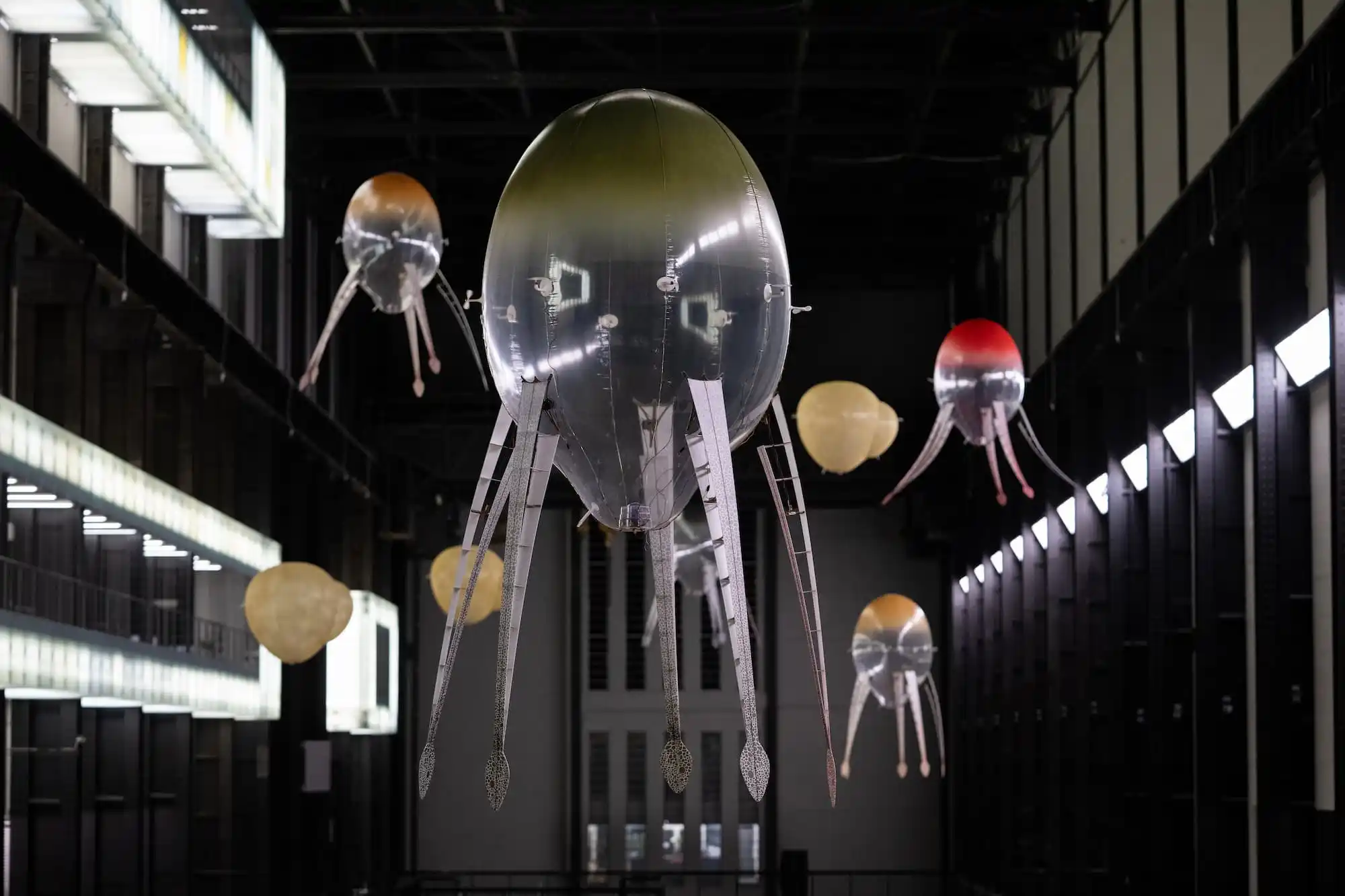
This Museum Show Will Make You Question Whether You’re Still Human

The New Museum in New York has opened "New Humans: Memories of the Future," an exhibition curated by Chief Curator Massimiliano Gioni that explores a century of art predicting the fusion of humans and machines. The show features works by artists including Anicka Yi, Francis Picabia, Constantin Brancusi, and Marcel Duchamp, alongside robots and technological artifacts that blur the boundaries between bodies and technology. The exhibition is housed within OMA's newly expanded museum space on the Bowery.

'Art is just about making trouble': Inside Auckland Art Gallery's bold new show

Auckland Art Gallery is preparing to open "Forever Tomorrow: Chinese Art Now," a major exhibition of contemporary Chinese art curated by Hutch Wilco. The show features works from the White Rabbit Collection in Sydney, including a massive 7-meter-high stone sculpture by Xu Zhen, paintings by Shang Liang, and photography by Pixy Liao, who recently won a 2026 Guggenheim Fellowship. Wilco spent three years organizing the exhibition, which includes playful sculptures, paintings, and multimedia works, with significant logistical challenges in transporting large pieces from China.

Pussy Riot and FEMEN Join Forces in Punk Protest in Venice: ‘Russia Kills! Biennale Exhibits!’

On Wednesday morning, Pussy Riot and FEMEN led a protest outside the Russian Pavilion at the 2026 Venice Biennale, chanting slogans like “Russia kills! Biennale exhibits!” and “Blood is Russia’s art!” Dozens of protesters, some in pink balaclavas and others bare-chested with floral crowns, gathered in the Giardini under light rain, carrying guitars and blasting punk rock and hip-hop. The action was organized by Nadya Tolokonnikova and other Pussy Riot members alongside FEMEN, a Ukrainian-founded women’s movement. They released pink, yellow, and blue smoke, and Tolokonnikova criticized the Biennale for allowing Russian participation while artists who oppose the war in Ukraine are imprisoned. She proposed an alternative exhibition, “Resistance Imprisoned,” currently on view in Strasbourg, featuring incarcerated artists.

Pleasure, parody and propaganda: rethinking the art of illustration in a new history of the genre

D.B. Dowd's new book "Reading Pictures" offers a sweeping 400-page history of illustration, tracing the genre from the Diamond Sutra frontispiece in Tang China (AD868) to Molly Crabapple's Gaza reports in 2015. The book examines key works such as Jules Chéret's 1891 poster for the Alcazar d'Été Club, Stuart Davis's caustic covers for The Masses, and Duong Ngoc Canh's Vietnamese propaganda poster, arguing that illustrations are meant to be "read" rather than admired like museum paintings.

In Warsaw, the Poster Museum reopens and it is the oldest in the world

A Varsavia riapre il Museo del Manifesto ed è il più antico del mondo

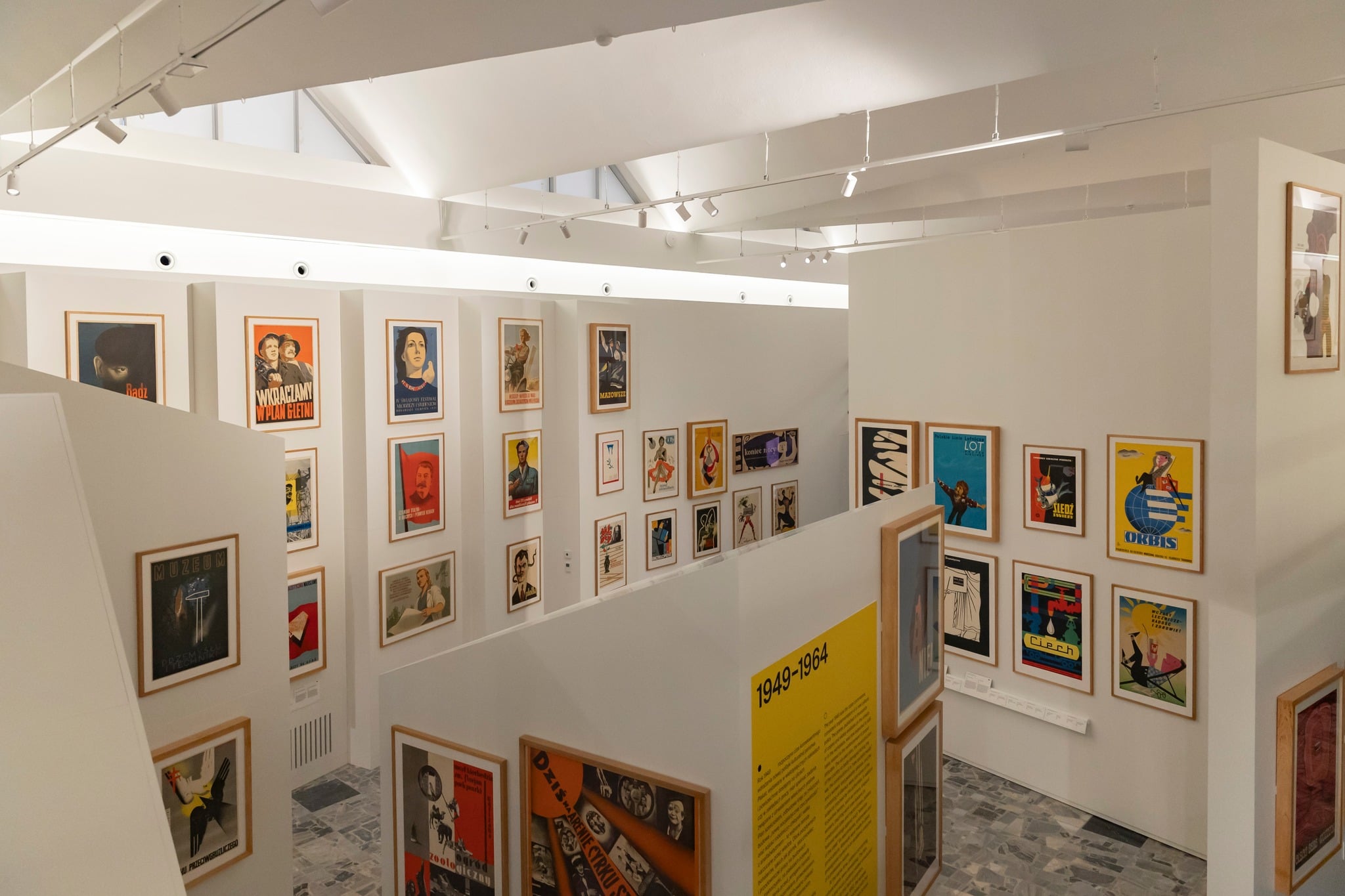
The Poster Museum in Wilanów, a suburb of Warsaw, has reopened after a major conservation restoration co-financed by the Polish Ministry of Culture and National Heritage. Founded in 1968 as an autonomous institution from the National Museum in Warsaw, it is the oldest museum of its kind in the world. Its collection now holds approximately 63,000 posters from Poland and abroad, dating from the late 19th century to the present, including works by Pablo Picasso, Andy Warhol, and Stasys Eidrigevičius. The reopening exhibition, "Polish Posters: The Collection," features 240 works spanning 130 years of Polish urban life, covering themes from politics and propaganda to cinema, theater, music, and fashion. The museum also hosts the International Poster Biennale, founded in 1966, with the next edition scheduled for 2027.

Venice Biennale previews in chaos as war follows art into world's oldest exhibition

The Venice Biennale previewed its 61st edition in chaos on Tuesday, marked by the unprecedented resignation of its jury over the participation of Israel and Russia. Ukrainian artists displayed a statue of an origami deer from the war-torn eastern front, while Russian pavilion participants danced to house music and Palestinians marched wearing the names of artists killed in Gaza. The jury had stated it would not award prizes to countries under International Criminal Court investigation, singling out Russia and Israel, and its resignation has thrown the exhibition's structure into question.

Under pressure, the Venice Biennale jury resigns and is replaced by a public vote

Sous pression, le jury de la Biennale de Venise démissionne et est remplacé par un vote du public

On April 30, just days before the Venice Biennale's public opening on May 9, the entire international jury responsible for awarding the Golden and Silver Lions resigned. The jury—comprising Solange Farkas, Zoe Butt, Elvira Dyangani Ose, Marta Kuzma, and Giovanna Zapperi—had been caught in a escalating controversy after Biennale president Pietrangelo Buttafuoco reinstated Russia, which had been excluded since the 2022 invasion of Ukraine. The European Union threatened to suspend or cancel its €2 million subsidy if Russia remained included. The jury attempted to exclude countries whose leaders face International Criminal Court arrest warrants, effectively targeting Russia and Israel, but ultimately resigned under pressure from both external diplomatic turmoil and internal institutional opposition to any discrimination between pavilions.