filter_list Showing 31 results for "propaganda" close Clear
dashboard All 31 museum exhibitions 17article news 6article culture 3article policy 2rate_review review 2candle obituary 1
date_range Range Today This Week This Month All
Subscribe

Katherine El-Salahi, anti-apartheid activist, anthropologist and publisher, 1945–2026

Katherine El-Salahi, an anti-apartheid activist, anthropologist, and publisher, has died at age 81. Born Katherine Levine, she studied at Cambridge and SOAS before joining the clandestine group London Recruits in 1970, carrying out leaflet bomb propaganda and running guns into South Africa. She later became instrumental in the career of her husband, Sudanese painter Ibrahim El-Salahi, organizing his landmark 2013 retrospective at Tate Modern, building his archive, and securing gallery representation with Vigo Gallery.
Zineb Sedira review: A chic ode to revolutionary cinema, brainy boozers – and exceptional berets

Zineb Sedira's exhibition at Tate Britain presents a cinematic and sculptural homage to La Cinémathèque Algérienne, the Algerian film archive founded in 1965 that became a hub for leftist African filmmakers. The show recreates a 1970s Algerian cafe in Paris, complete with a jukebox, books on revolutionary cinema, and a model movie theater screening a documentary about the archive's director, Boudjemaâ Karèche. Sedira, born in Paris to Algerian parents and based in London, weaves personal and political narratives to explore identity, diaspora, and the role of art in social change.

Mario Schifano, the artist who anticipated Arte Povera and beyond. What the exhibition in Rome looks like

The Palazzo delle Esposizioni in Rome has opened a major retrospective of Mario Schifano, curated by Daniela Lancioni and titled simply "Mario Schifano," running until July 12. The exhibition reconstructs the career of the Italian artist (1934–1998), who worked across painting, film, and music, and highlights his role as a precursor to Arte Povera. A centerpiece is the reconstructed dining room Schifano created for the Rome home of Marella and Gianni Agnelli in 1968, featuring 14 canvases and a planned but unrealized sand-filled room with a pyramid, a detail revealed by film producer Ettore Rosboch in a conversation with the curator.

Pussy Riot and FEMEN Join Forces in Punk Protest in Venice: ‘Russia Kills! Biennale Exhibits!’

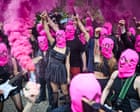
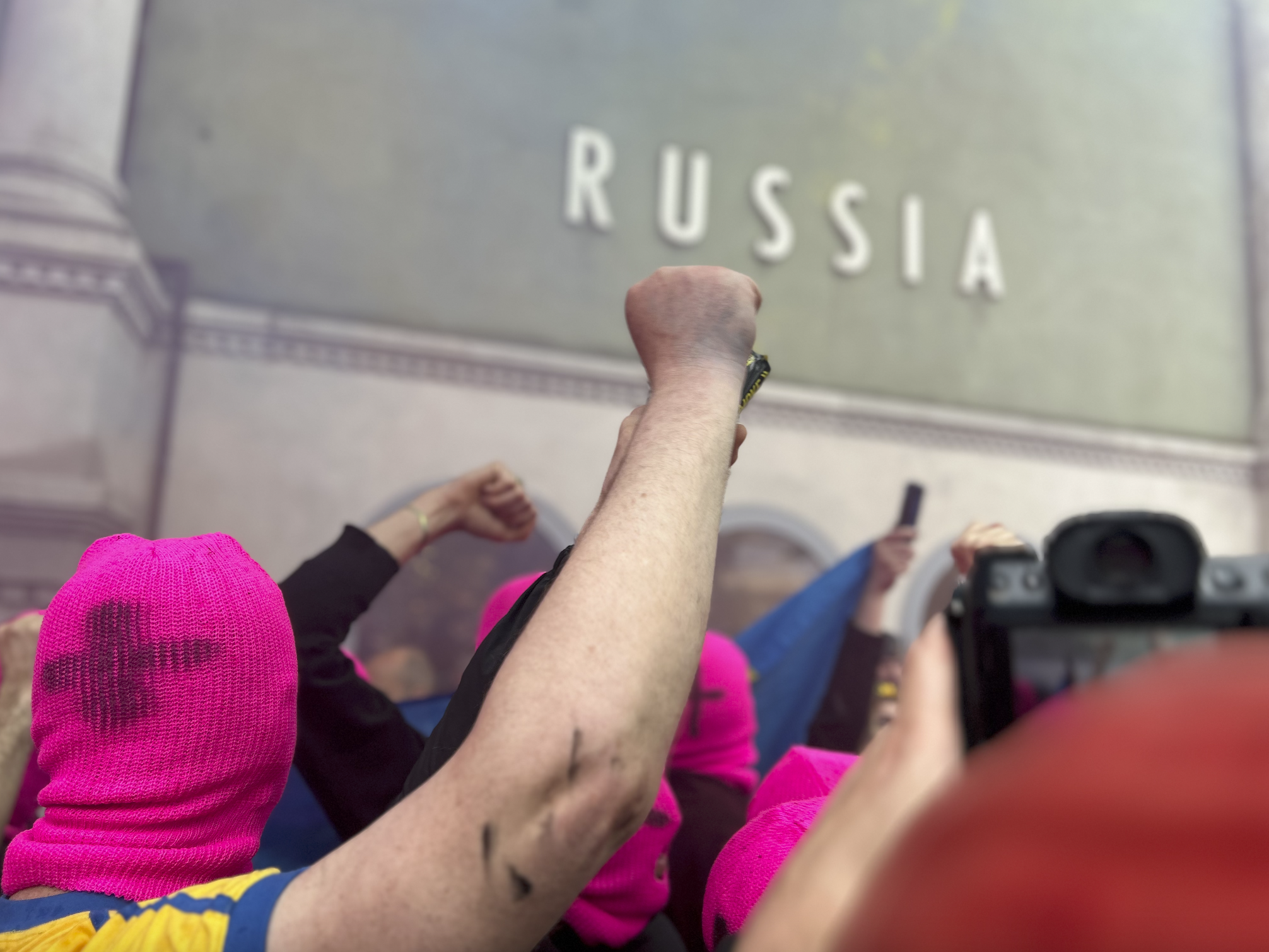
On Wednesday morning, Pussy Riot and FEMEN led a protest outside the Russian Pavilion at the 2026 Venice Biennale, chanting slogans like “Russia kills! Biennale exhibits!” and “Blood is Russia’s art!” Dozens of protesters, some in pink balaclavas and others bare-chested with floral crowns, gathered in the Giardini under light rain, carrying guitars and blasting punk rock and hip-hop. The action was organized by Nadya Tolokonnikova and other Pussy Riot members alongside FEMEN, a Ukrainian-founded women’s movement. They released pink, yellow, and blue smoke, and Tolokonnikova criticized the Biennale for allowing Russian participation while artists who oppose the war in Ukraine are imprisoned. She proposed an alternative exhibition, “Resistance Imprisoned,” currently on view in Strasbourg, featuring incarcerated artists.

At the Venice Biennale I saw anger at Russia and Israel – and its leadership pretending everything was fine | Charlotte Higgins

At the 2024 Venice Biennale, the Russian pavilion returned with festive performances and prosecco deliveries, drawing sharp criticism from observers who saw it as a propaganda effort to distract from Russia's war in Ukraine. Meanwhile, Ukraine's Kramatorsk was bombed, and protests erupted, including a Pussy Riot intervention. Biennale president Pietrangelo Buttafuoco defended Russia's and Israel's participation, rejecting preemptive bans despite open letters and appeals. European Commission investigated potential sanctions breaches, and culture ministers from Ukraine, Poland, Estonia, and Baltic states boycotted or condemned the biennale's stance, accusing it of yielding to the aggressor.

There Has Never Been an Apolitical Venice Biennale

The Venice Biennale, with its national pavilion structure, has always been a platform for political expression and soft power, a reality evident from its early 20th-century origins. Contemporary critic Arturo Lancellotti's 1909 review of the German and British pavilions was steeped in geopolitical context, revealing how national artistic displays were interpreted through the lens of imperial power and military alliances.

In Genoa, an exhibition dedicated to Giovanni Korompay, the Futurist who loved Pink Floyd

A Genova una mostra dedicata a Giovanni Korompay, il futurista che amava i Pink Floyd

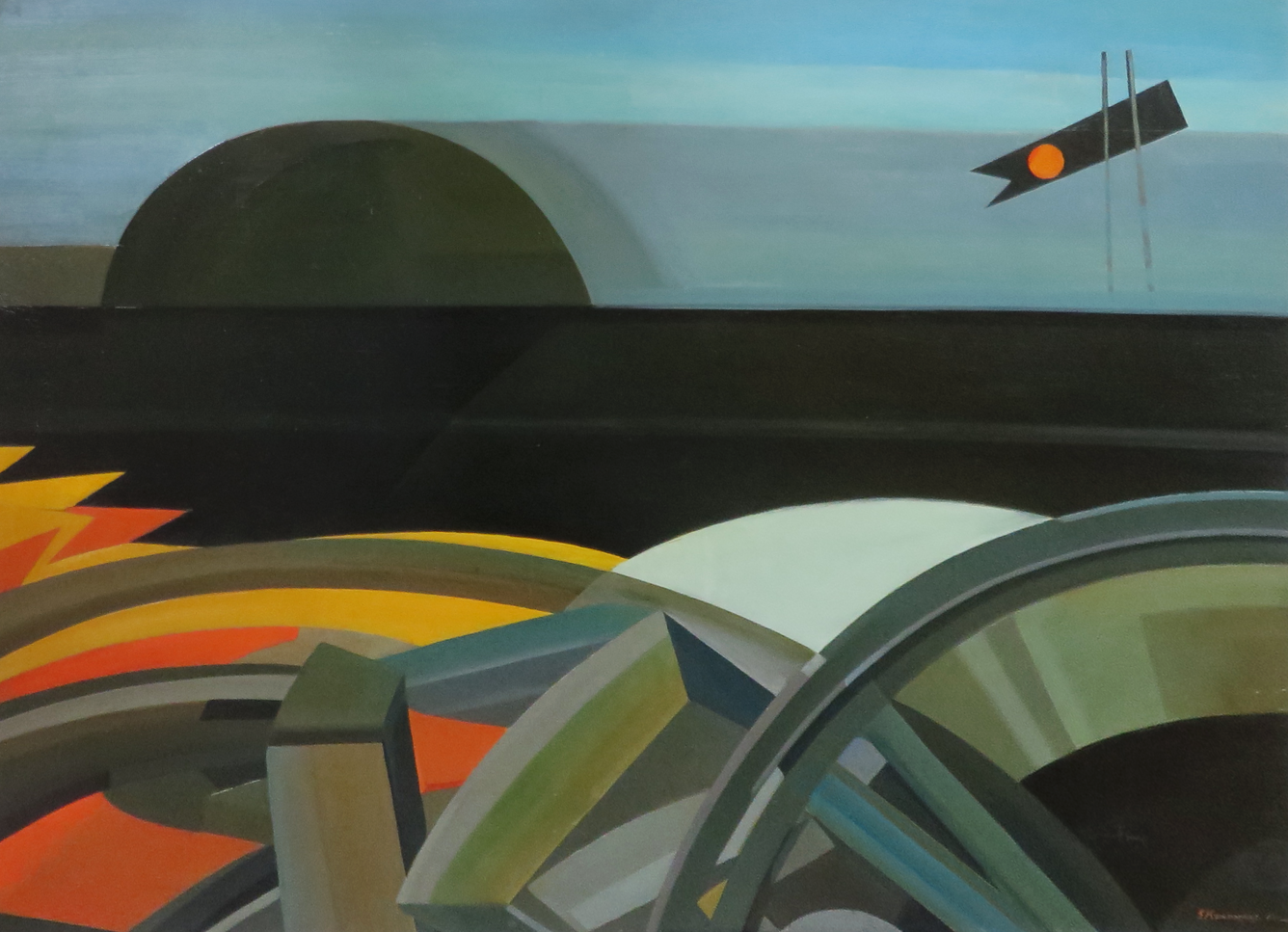
A major retrospective exhibition dedicated to Giovanni Korompay, a Venetian painter, sculptor, and illustrator associated with the second wave of Futurism, has opened at the Wolfsoniana in Genoa Nervi. Titled "Korompay, un’antologica," the show runs until November 1st and features around sixty works, including paintings, sculptures, graphic works, photographs, and documents. It explores Korompay's evolution from traditional training under Ettore Tito to his embrace of Futurist aeropainting, exemplified by works such as "Alta velocità" (High Speed), which celebrates a 1934 world speed record set by a Macchi-Castoldi MC 72 seaplane. The exhibition is curated by Alex Casagrande, Matteo Fochessati, Franco Tagliapietra, and Anna Vyazemtseva, with loans from public museums (Mart, Mambo), private collections, and the Fondazione Korompay.

In Warsaw, the Poster Museum reopens and it is the oldest in the world

A Varsavia riapre il Museo del Manifesto ed è il più antico del mondo

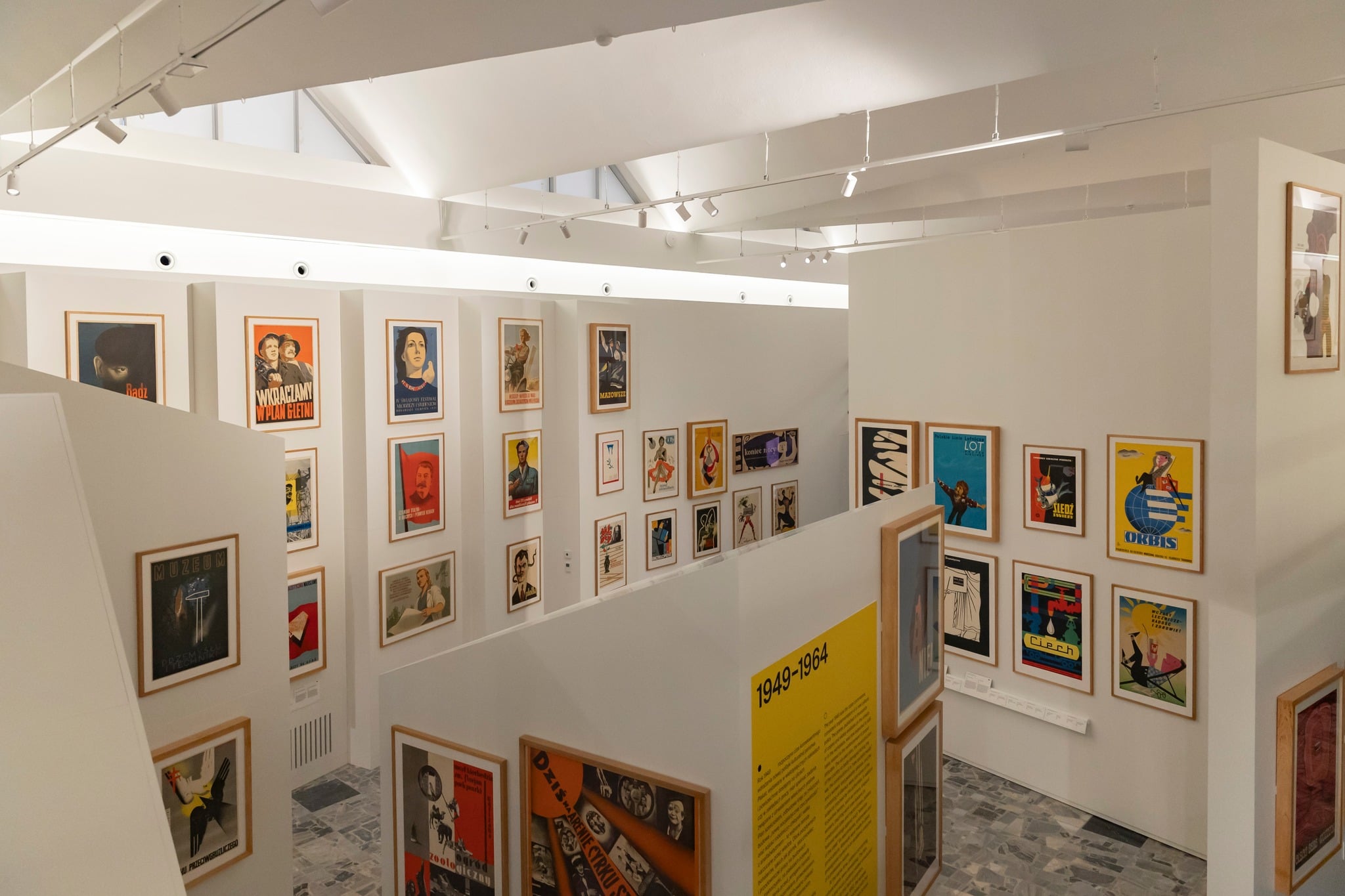
The Poster Museum in Wilanów, a suburb of Warsaw, has reopened after a major conservation restoration co-financed by the Polish Ministry of Culture and National Heritage. Founded in 1968 as an autonomous institution from the National Museum in Warsaw, it is the oldest museum of its kind in the world. Its collection now holds approximately 63,000 posters from Poland and abroad, dating from the late 19th century to the present, including works by Pablo Picasso, Andy Warhol, and Stasys Eidrigevičius. The reopening exhibition, "Polish Posters: The Collection," features 240 works spanning 130 years of Polish urban life, covering themes from politics and propaganda to cinema, theater, music, and fashion. The museum also hosts the International Poster Biennale, founded in 1966, with the next edition scheduled for 2027.

Pleasure, parody and propaganda: rethinking the art of illustration in a new history of the genre

D.B. Dowd's new book "Reading Pictures" offers a sweeping 400-page history of illustration, tracing the genre from the Diamond Sutra frontispiece in Tang China (AD868) to Molly Crabapple's Gaza reports in 2015. The book examines key works such as Jules Chéret's 1891 poster for the Alcazar d'Été Club, Stuart Davis's caustic covers for The Masses, and Duong Ngoc Canh's Vietnamese propaganda poster, arguing that illustrations are meant to be "read" rather than admired like museum paintings.

The message behind the US pavilion at the Venice Biennale

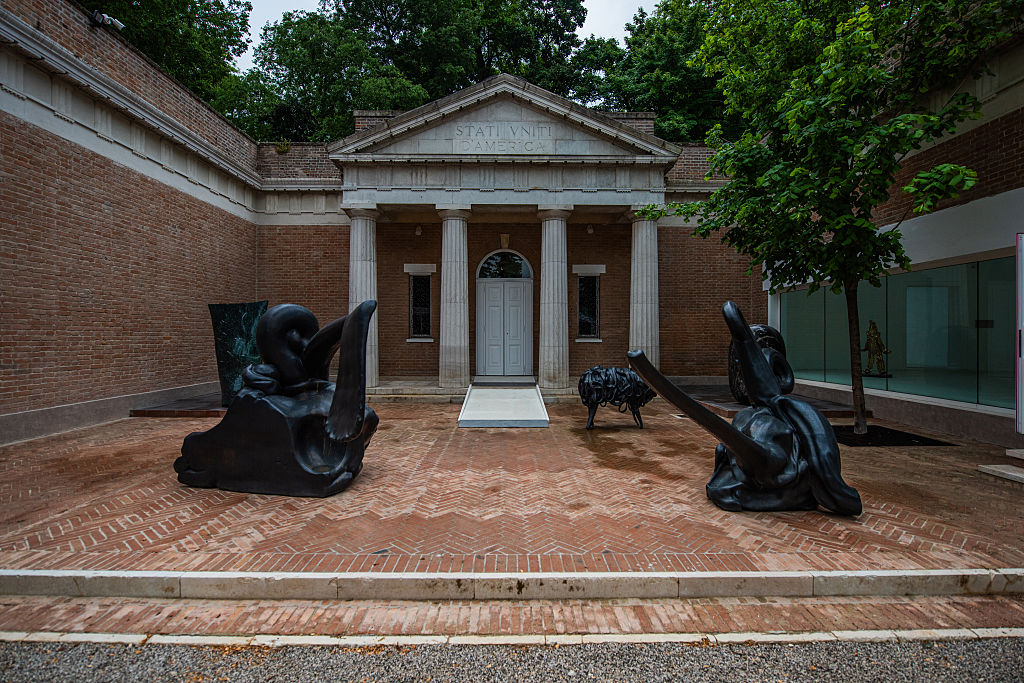
The article previews the 61st Venice Biennale, opening May 9 and running through November 22, highlighting early controversies. The five-person Golden Lion jury, led by Brazilian curator Solange Farkas, resigned after declaring they would not consider pavilions from countries under International Criminal Court investigation, targeting the Israel pavilion and its artist Belu-Simion Fainaru. Separately, the US pavilion has drawn scrutiny from the New York Times over its selection process, with commissioner Jenni Parido (a former pet food store owner) tapping curator Jeffrey Uslip and sculptor Alma Allen, bypassing traditional funders like the Ford and Mellon foundations.

‘Your homes will be destroyed, your family killed’: the US has dropped millions of war propaganda leaflets – but do they work?

The United States military has been dropping propaganda leaflets in psychological operations (psyops) for over a century, from World War I through the Gulf War and the wars in Iraq and Afghanistan. A new interactive exhibit at Pioneer Works in Brooklyn, organized by the digital archive group Khajistan, displays hundreds of these leaflets, including those dropped on Japan during World War II and in more recent conflicts. However, declassified internal documents, such as a 1971 US Air Force report, reveal that leaflets were often used as toilet paper, cigarette rolling paper, or souvenirs by enemy soldiers, undermining the official narrative of their effectiveness.

Andreas Angelidakis: Escape Room

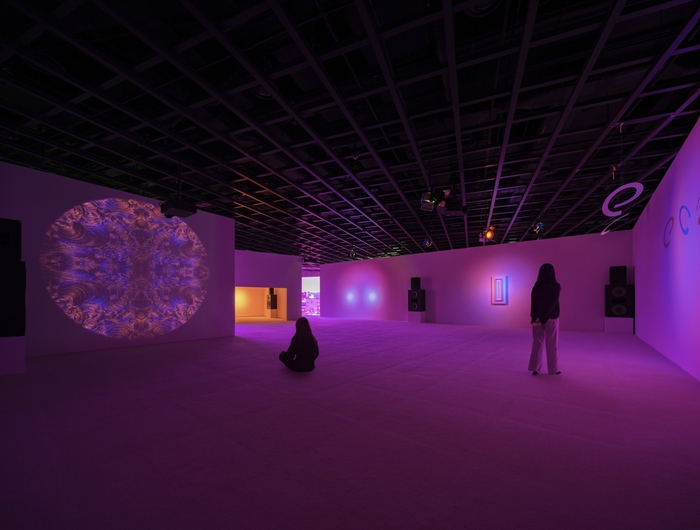
The Greek Ministry of Culture has selected artist Andreas Angelidakis to represent Greece at the 61st Venice Biennale in 2026. Angelidakis will present an installation titled "Escape Room" at the Greek Pavilion, curated by George Bekirakis with MOMUS as National Commissioner. The project reimagines Plato's allegory of the cave as an immersive environment addressing post-truth, nationalism, and digital illusions, while also confronting the troubled history of the Pavilion itself, including its 1934 inauguration amid the rise of fascism.

This Museum Show Will Make You Question Whether You’re Still Human

The New Museum in New York has opened "New Humans: Memories of the Future," an exhibition curated by Chief Curator Massimiliano Gioni that explores a century of art predicting the fusion of humans and machines. The show features works by artists including Anicka Yi, Francis Picabia, Constantin Brancusi, and Marcel Duchamp, alongside robots and technological artifacts that blur the boundaries between bodies and technology. The exhibition is housed within OMA's newly expanded museum space on the Bowery.

'Art is just about making trouble': Inside Auckland Art Gallery's bold new show

Auckland Art Gallery is preparing to open "Forever Tomorrow: Chinese Art Now," a major exhibition of contemporary Chinese art curated by Hutch Wilco. The show features works from the White Rabbit Collection in Sydney, including a massive 7-meter-high stone sculpture by Xu Zhen, paintings by Shang Liang, and photography by Pixy Liao, who recently won a 2026 Guggenheim Fellowship. Wilco spent three years organizing the exhibition, which includes playful sculptures, paintings, and multimedia works, with significant logistical challenges in transporting large pieces from China.

Forgotten 'environment' of 11 women artists brought back to life at Leeum

The Leeum Museum of Art in Seoul has opened "Inside other spaces: Environments by women artists 1956-1976," an exhibition restoring immersive artworks by 11 women artists from Asia, Europe, and South America, including Jung Kang-ja, Judy Chicago, Tsuruko Yamazaki, and Aleksandra Kasuba. The show revives pieces that were often dismantled after their original displays, such as Jung Kang-ja's "Incorporeal Exhibition," which was destroyed in 1970 after being deemed political propaganda under South Korea's authoritarian regime. Curators Andrea Lissoni and Marina Pugliese, who first organized the project at Haus Der Kunst in Munich, worked with researchers to reconstruct the works using archival materials, correspondence, and blueprints.

In conversation with Mia curator Tom Rassieur: 1940s Germany, modern art and its mirrors today

The Minneapolis Institute of Art has opened a major exhibition, 'Modern Art and Politics in Germany 1910-1945: Masterworks from the Neue Nationalgalerie, Berlin.' The show, curated by Tom Rassieur, presents a chronological journey through German art from the Expressionist era through the World Wars, featuring key works by artists like Ernst Ludwig Kirchner, Vassily Kandinsky, and Franz Marc. It highlights groups like Der Blaue Reiter and uses deliberate pairings, such as portraits of Jewish art dealers by Otto Dix and Lovis Corinth, to explore themes of societal tension, propaganda, and identity.

Read a book, flip off a Nazi: when reading meant resistance – in pictures

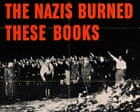
A new exhibition at Poster House in New York, titled "Reading Under Fire: Arming Minds & Hearts During Wartime," showcases vintage posters from World War I and World War II that promoted reading and book donations to support troops. The posters, drawn from the collections of the American Library Association, the YMCA, and other organizations, encouraged the public to supply soldiers with reading material as a form of morale-boosting and education. The exhibition runs until 1 November and is curated by Molly Guptill Manning.

Man Arrested for Allegedly Planning Terrorist Attack at Louvre

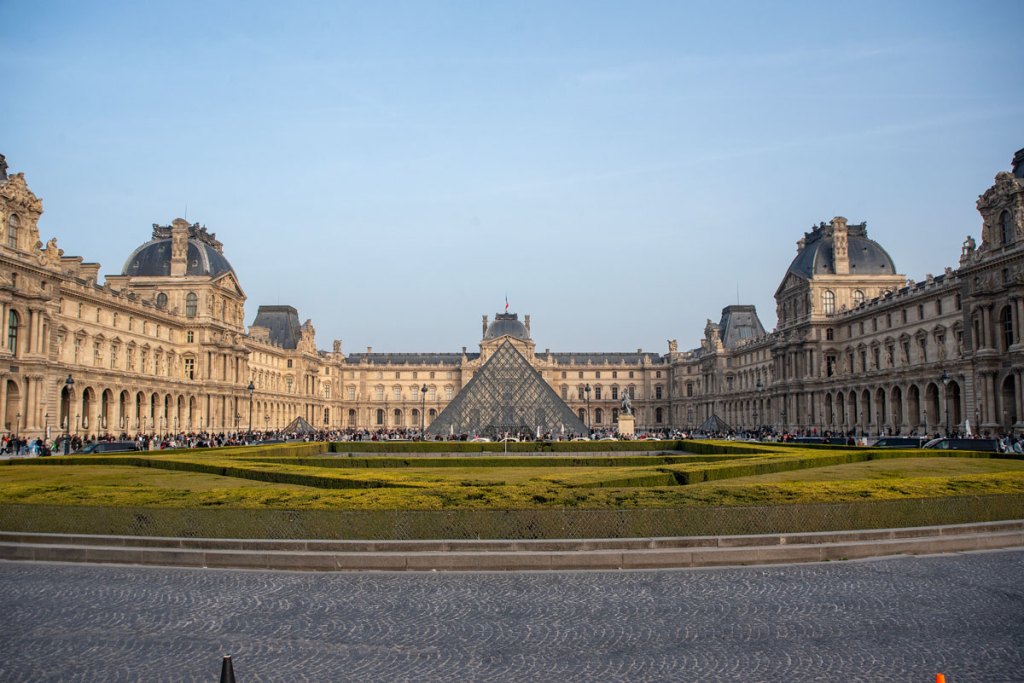
French authorities arrested a 27-year-old Tunisian man, identified as Dhafer M., on May 7 for allegedly planning a terrorist attack at the Louvre in Paris. The arrest, confirmed by the National Anti-Terrorism Prosecutor’s Office (PNAT) and first reported by Le Monde, followed an investigation that began in late April after a traffic stop. Investigators found jihadist propaganda videos, photos of weapons, and searches for bomb-making instructions on his phone, as well as messages discussing access points to the Louvre and plans to make poison. The man has denied the allegations and was brought before an anti-terrorism judge to be formally charged.

Hermitage Museum Director and Putin Ally Mikhail Piotrovsky Sanctioned by European Union

The European Union has sanctioned Mikhail Piotrovsky, the longtime director of the State Hermitage Museum in St. Petersburg, for his close association with Vladimir Putin and his active support of Russia's war against Ukraine. Announced on April 23, the sanctions are part of a broader package targeting over a hundred individuals and entities, including other cultural figures like Sergei Obryvalin, Igor Solonin, and Andrey Polyakov, for their roles in the seizure of Ukrainian cultural property and the spread of Russian propaganda in occupied regions.

Pussy Riot and FEMEN protest at the Russian Pavilion at the Venice Biennale. "Blood is the true language of Russia"

Le Pussy Riot e le FEMEN in protesta al Padiglione russo alla Biennale di Venezia. “Il sangue è il vero linguaggio della Russia”

On May 6, 2026, during the preview days of the 61st Venice Biennale, Pussy Riot and FEMEN staged a joint protest outside the Russian Pavilion. Led by Nadya Tolokonnikova, the activists denounced Russia's participation in the Biennale as a form of political normalization while the war in Ukraine continues. The action included chants and slogans such as "Russia kills, Biennale exhibits. Blood is Russia's art," and targeted the Russian ambassador present inside the pavilion. The protest was unannounced and caught Biennale security off guard, drawing a crowd of journalists, visitors, and art professionals.

Industrial Dreams of the GDR

Industrieträume der DDR

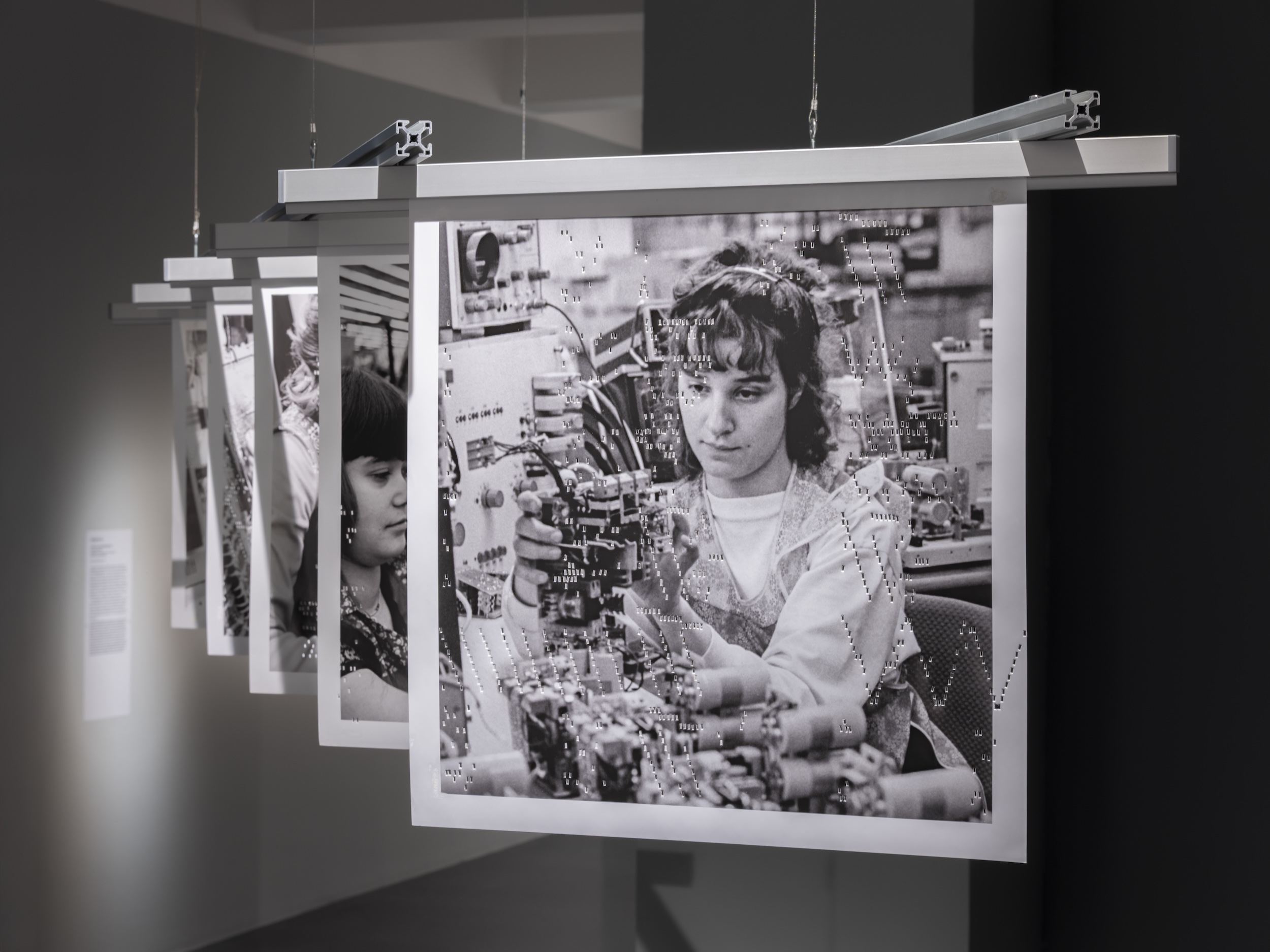
The exhibition "Robotron – Arbeiterklasse und Intelligenz" has opened at the Hartware Medienkunstverein (HMKV) in Dortmund, following its initial run in Leipzig. Centered on the history of the GDR’s largest computer manufacturer, the show features 20 artistic positions including photography, film, and sculpture, alongside a significant five-meter oil sketch by Socialist Realist painter Werner Tübke. The presentation bridges East and West German industrial histories by juxtaposing state-commissioned propaganda with progressive, unofficial works by artists like Ruth Wolf-Rehfeldt and A.R. Penck.

Calling Back 11 Forgotten Women Artists: Leeum’s "Inside Other Spaces"

Leeum Museum of Art in Seoul is presenting "Inside Other Spaces: Environments by Women Artists, 1956–1976," an exhibition that reconstructs immersive environmental artworks by 11 pioneering women artists. Originally curated in 2023 at Haus der Kunst Munich and later shown at MAXXI in Rome and M+ in Hong Kong, the show features restored pieces including Judy Chicago's "Feather Room" (filled with 136 kg of white goose feathers), Jung Kangja's "Muchejeon" (restored after 56 years), Lygia Clark's "House Is Body: Penetration, Ovulation, Germination, Expulsion," and Marian Zazila, La Monte Young, and Jung Hee Choi's "Dream House: Environment of Sound and Light" (shown in Asia for the first time).

Venice Biennale previews in chaos as war follows art into world's oldest exhibition

The Venice Biennale previewed its 61st edition in chaos on Tuesday, marked by the unprecedented resignation of its jury over the participation of Israel and Russia. Ukrainian artists displayed a statue of an origami deer from the war-torn eastern front, while Russian pavilion participants danced to house music and Palestinians marched wearing the names of artists killed in Gaza. The jury had stated it would not award prizes to countries under International Criminal Court investigation, singling out Russia and Israel, and its resignation has thrown the exhibition's structure into question.

Genuflecting Before “Don Colossus”

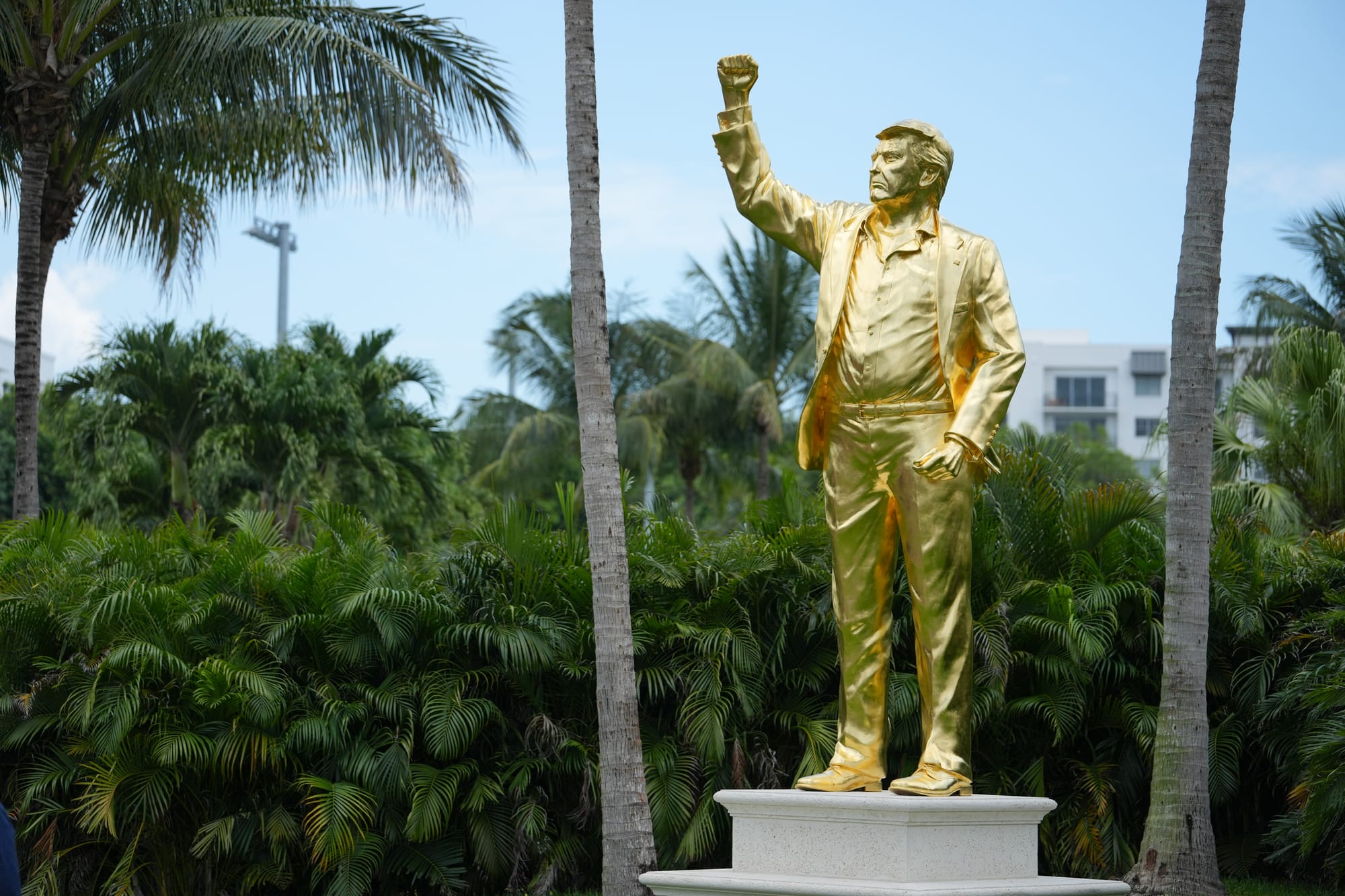
A 15-foot-tall gold-leafed bronze statue of Donald Trump, titled "Don Colossus," was unveiled at his National Doral golf club in Miami, Florida, ahead of the G20 summit. The statue, funded by $450,000 raised by cryptocurrency moguls and sculpted by Alan Cottrill (founder of Four Star Pizza), depicts Trump raising a triumphant fist with a plaque reading "FIGHT, FIGHT, FIGHT!" The unveiling was organized by televangelist Mark Burns of "Pastors for Trump," who posted that the statue was "not a golden calf," and was attended by evangelical Christian leaders and reportedly some Hassidic rabbis.

Under pressure, the Venice Biennale jury resigns and is replaced by a public vote

Sous pression, le jury de la Biennale de Venise démissionne et est remplacé par un vote du public

On April 30, just days before the Venice Biennale's public opening on May 9, the entire international jury responsible for awarding the Golden and Silver Lions resigned. The jury—comprising Solange Farkas, Zoe Butt, Elvira Dyangani Ose, Marta Kuzma, and Giovanna Zapperi—had been caught in a escalating controversy after Biennale president Pietrangelo Buttafuoco reinstated Russia, which had been excluded since the 2022 invasion of Ukraine. The European Union threatened to suspend or cancel its €2 million subsidy if Russia remained included. The jury attempted to exclude countries whose leaders face International Criminal Court arrest warrants, effectively targeting Russia and Israel, but ultimately resigned under pressure from both external diplomatic turmoil and internal institutional opposition to any discrimination between pavilions.

Two years ago Russia ceded its pavilion at the Biennale to Bolivia. A testimony from within

Due anni fa la Russia cedette il suo padiglione in Biennale alla Bolivia. Una testimonianza da dentro

Two years ago, Russia ceded its national pavilion at the Venice Biennale to Bolivia, a move that artist Inés Fontenla experienced firsthand when she was invited by Bolivia to participate in the 2024 edition. Fontenla recounts how the pavilion's organization shifted after Bolivia's 2025 elections, with the curator replaced by the new Minister of Culture just one month before the opening. She realized Russia was using Bolivia as a front to re-enter the Biennale after closing its own pavilion in 2022 in protest of the Ukraine invasion, and she ultimately withdrew from the project to avoid being instrumentalized by a military power.

IDF Soldiers Hide From Our Gaze

An opinion article on Hyperallergic analyzes official portraits of Israeli Defense Forces (IDF) soldiers released in May 2025, in which the soldiers are depicted with their backs to the camera. The author argues that this pose is a deliberate tactic to avoid identification and potential prosecution for war crimes in the occupied Palestinian territories, weaponizing surveillance technologies against the very people they surveil. The piece frames these images as "counter-portraits" that transform individual soldiers into a faceless, intimidating mass, contrasting them with traditional portraiture that invites intimate moral scrutiny.

月を射る @ KAG

KAG in Tokyo is presenting a group exhibition titled "月を射る" (Shooting the Moon), running from May 19 to August 16, 2026. The show takes its starting point from a prose poem of the same name by Korean poet Yun Dong-ju (1917–1945), who wrote it in 1939 under Japanese colonial rule and later died in a Fukuoka prison. The exhibition spans pre-war and wartime educational films, propaganda, performance, and contemporary fieldwork, featuring works by artists such as Inoue Kan (Lee Byung-woo), Choe Seung-hui, Kamei Fumio, Yoshimi Yasushi, Atsugi Taka, Fujii Hikaru, Yamamoto Seiko, T.T. Takemoto, Morita Reine, Gataro, and Shirakawa Masao. It examines the management models formed by the former empire and the spiritual structure of colonialism that underlies contemporary issues, centering on works that carry the "memory of censorship"—banned, deleted, or denied existence by national, administrative, or social norms.

NRW will Verbot für Handel mit Holocaust-Dokumenten

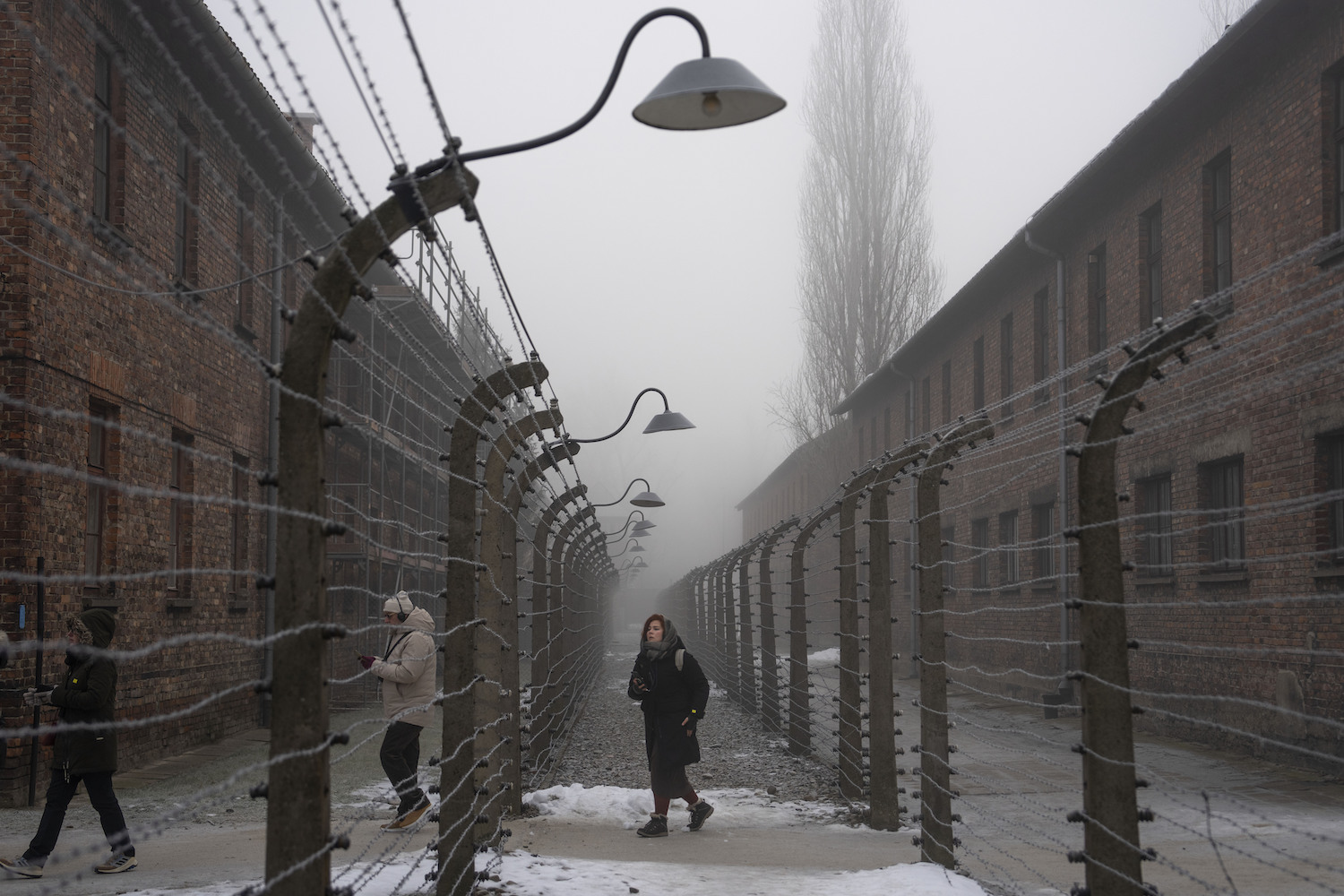
The German state of North Rhine-Westphalia (NRW) is introducing a legislative bill to ban the commercial trade of personal Holocaust documents and artifacts, such as letters from concentration camps, Gestapo cards, and yellow stars. The initiative follows international outrage over a planned auction in Neuss in November 2025, which was halted at the last moment; around 460 objects from that auction were transferred to the Auschwitz-Birkenau Foundation. The bill, to be presented at the Bundesrat session on May 8, aims to prohibit the sale of items directly linked to Nazi victims, while exempting museums, archives, and research institutions.

In Milan, the furnishings of the White House go on display. Design and architecture to talk about propaganda

A Milano vanno in mostra gli arredi della Casa Bianca. Design e architettura per parlare di propaganda

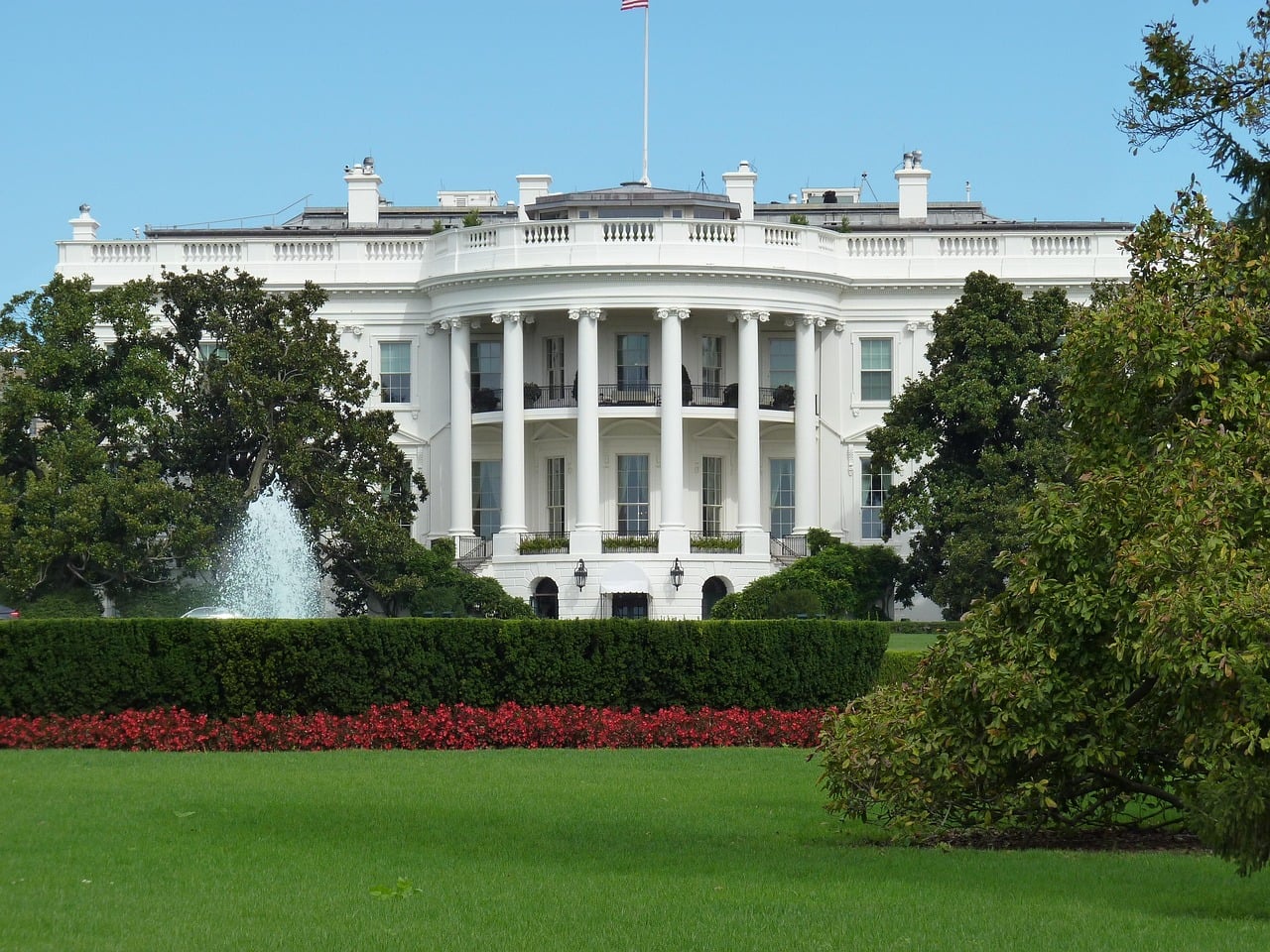
An exhibition titled 'The White House. Domestic Propaganda' has opened at Dropcity, an experimental center in the tunnels beneath Milan's Central Station, as part of the city's Design Week. Curated by students from the Politecnico di Milano's Interior Design Laboratory, the show critically examines the White House as a domestic space for political propaganda, using installations, models, and drawings to explore how its architecture and furnishings project cultural and social meanings.